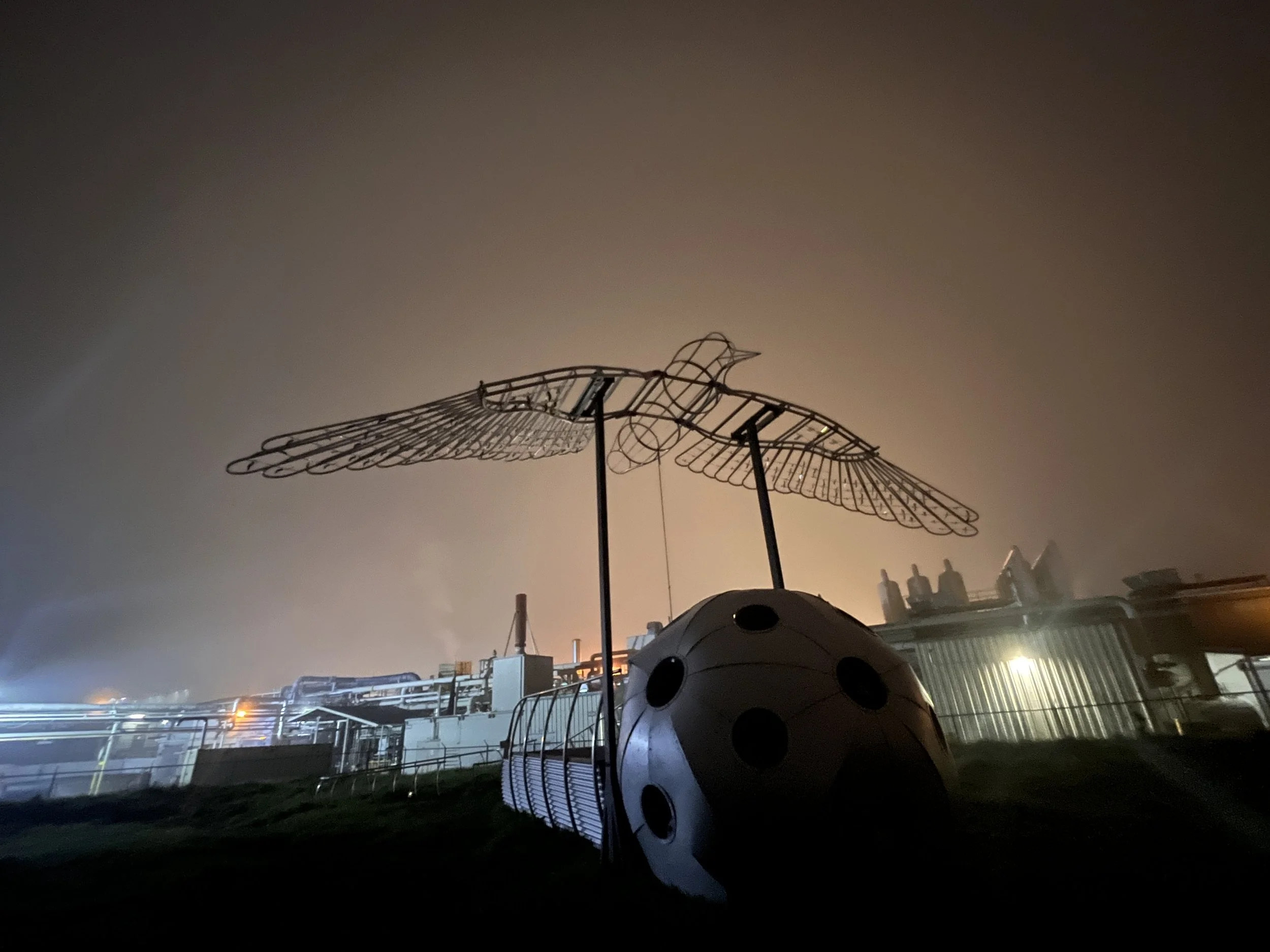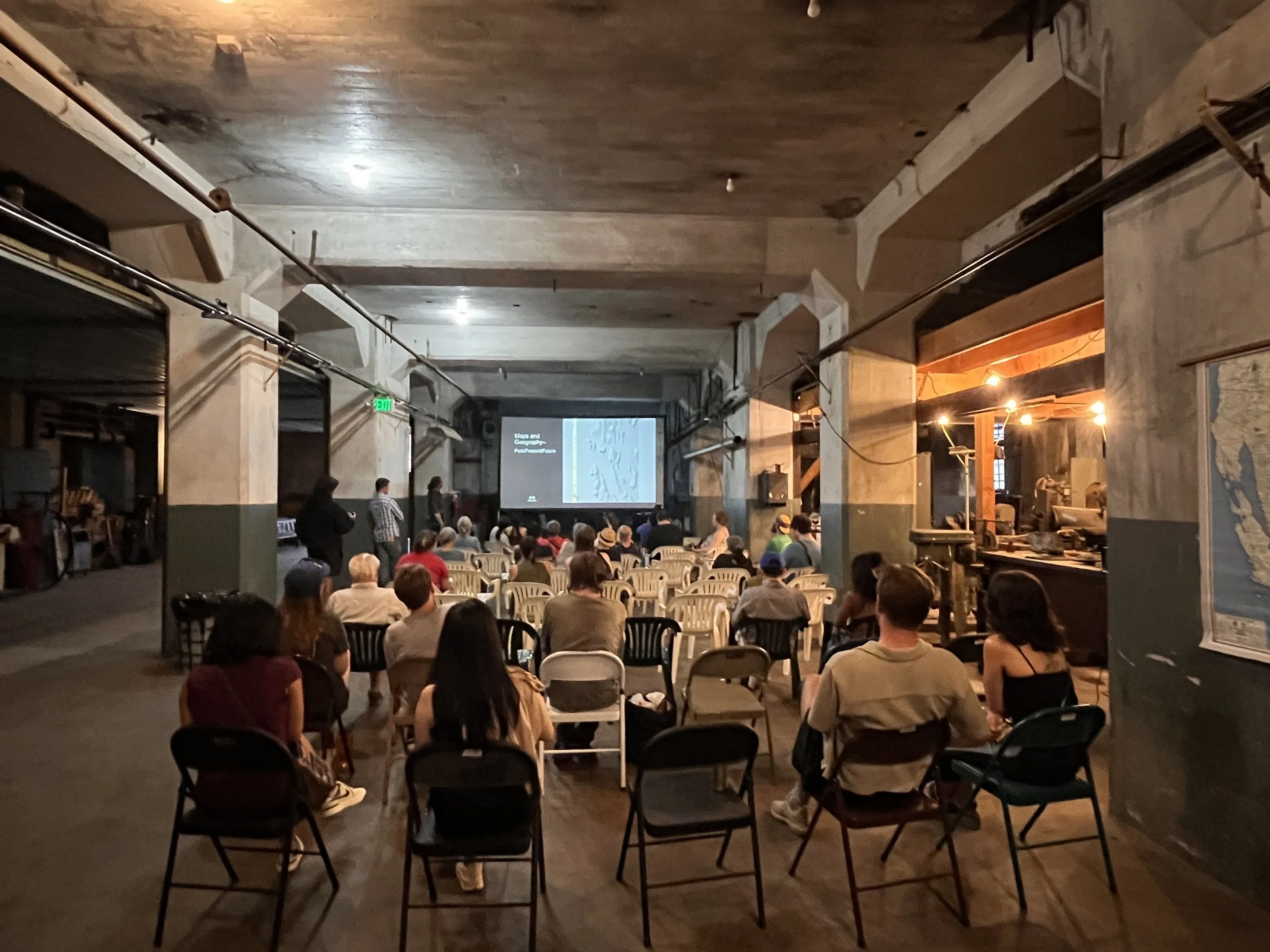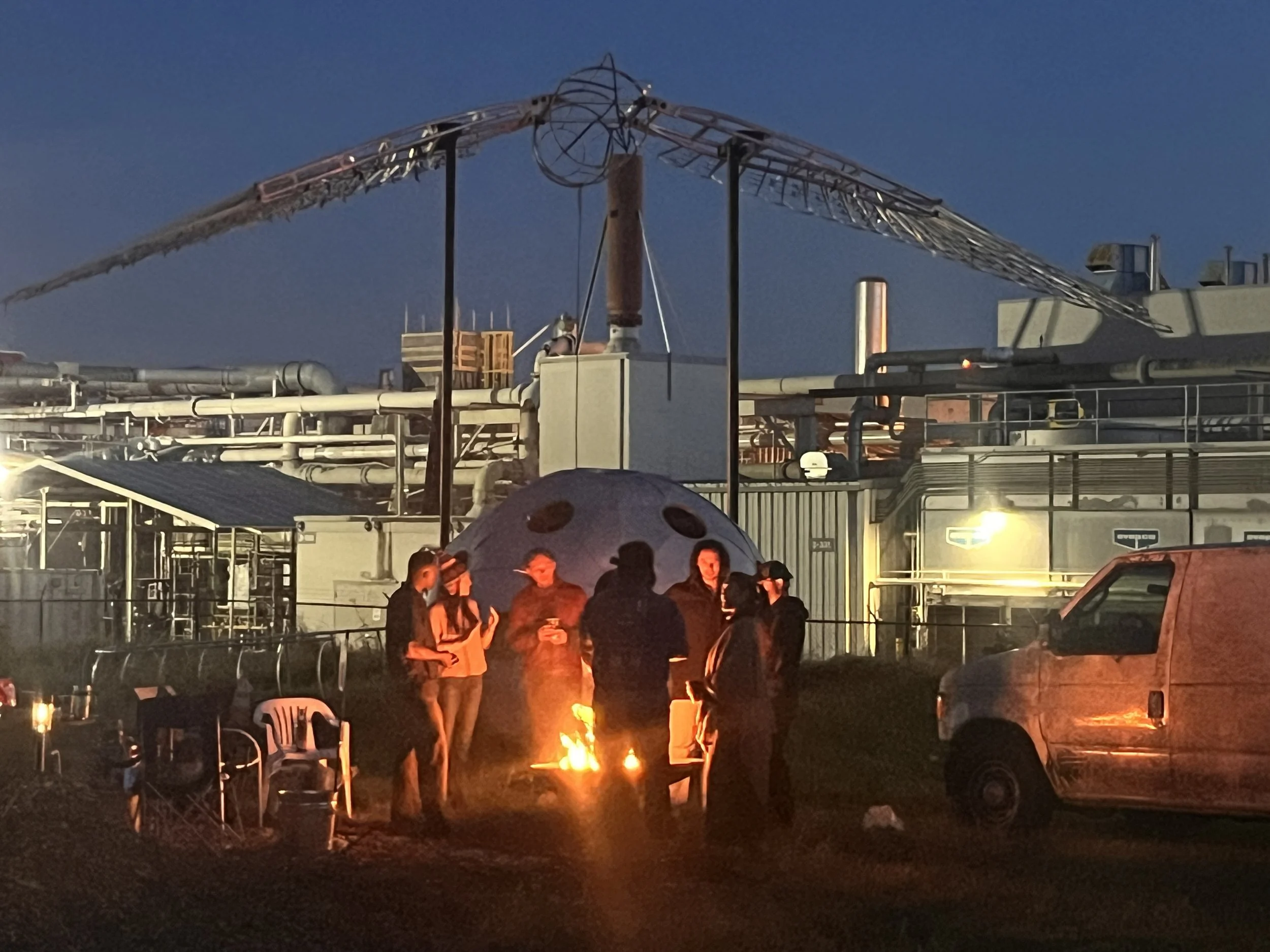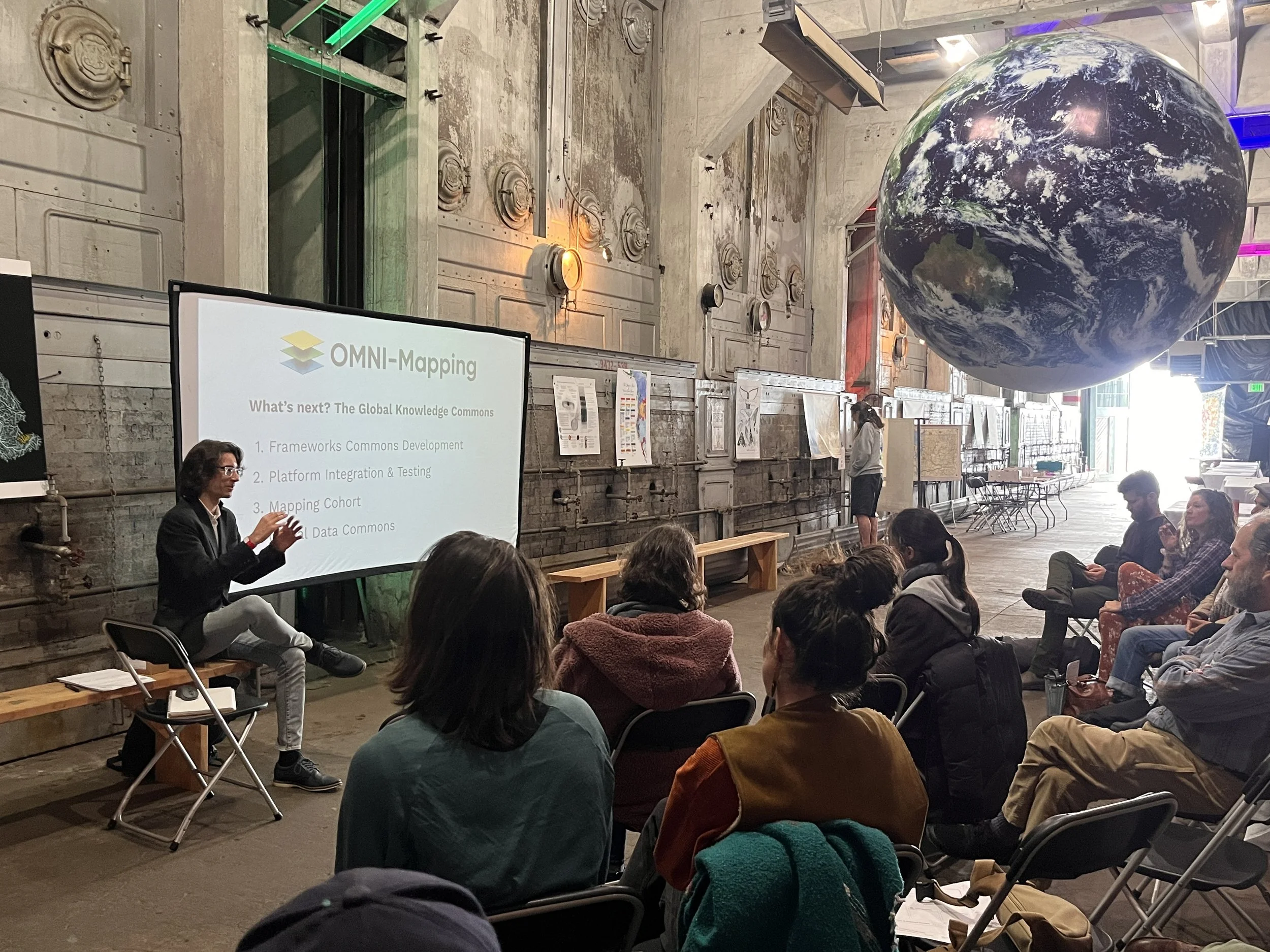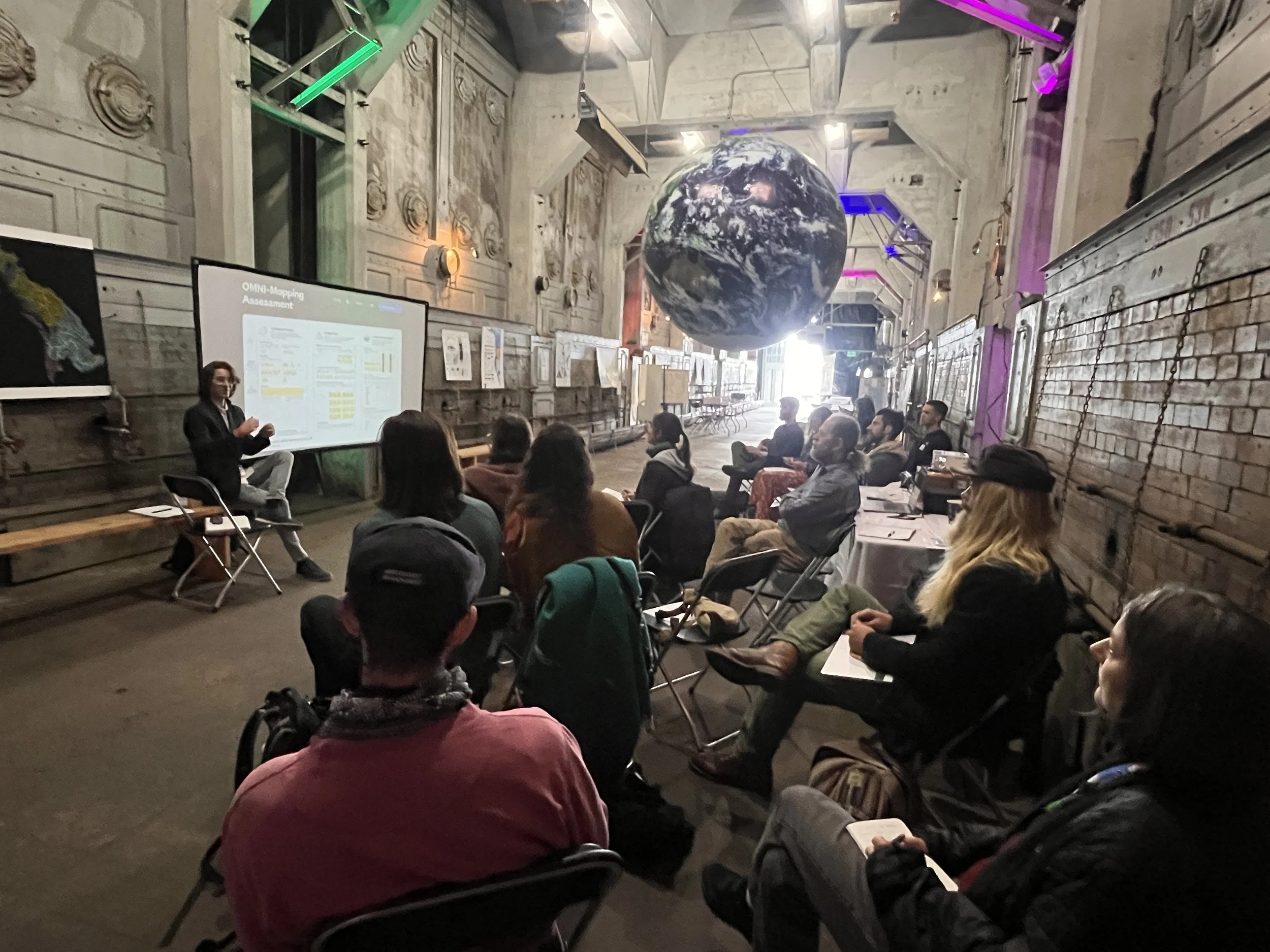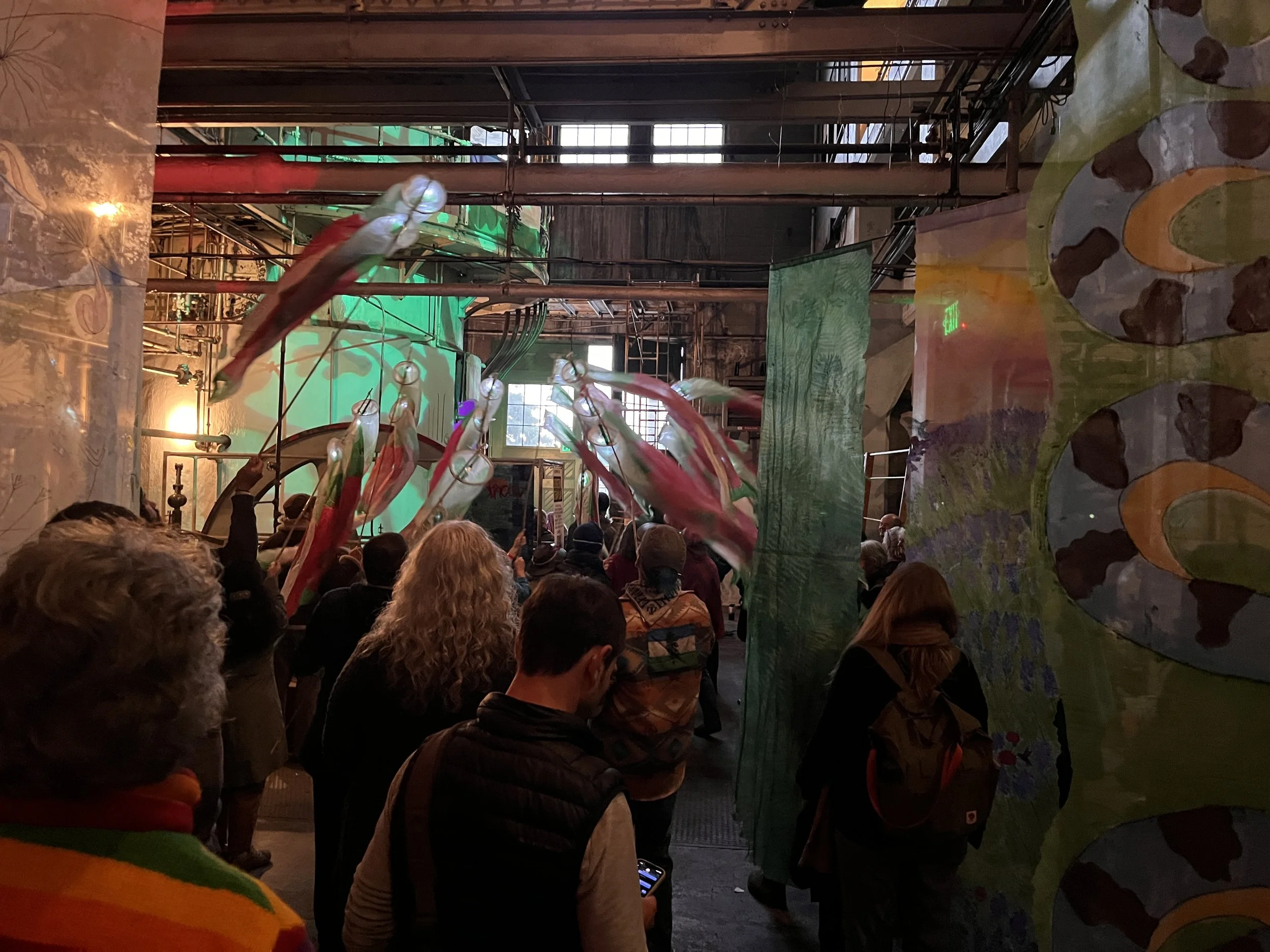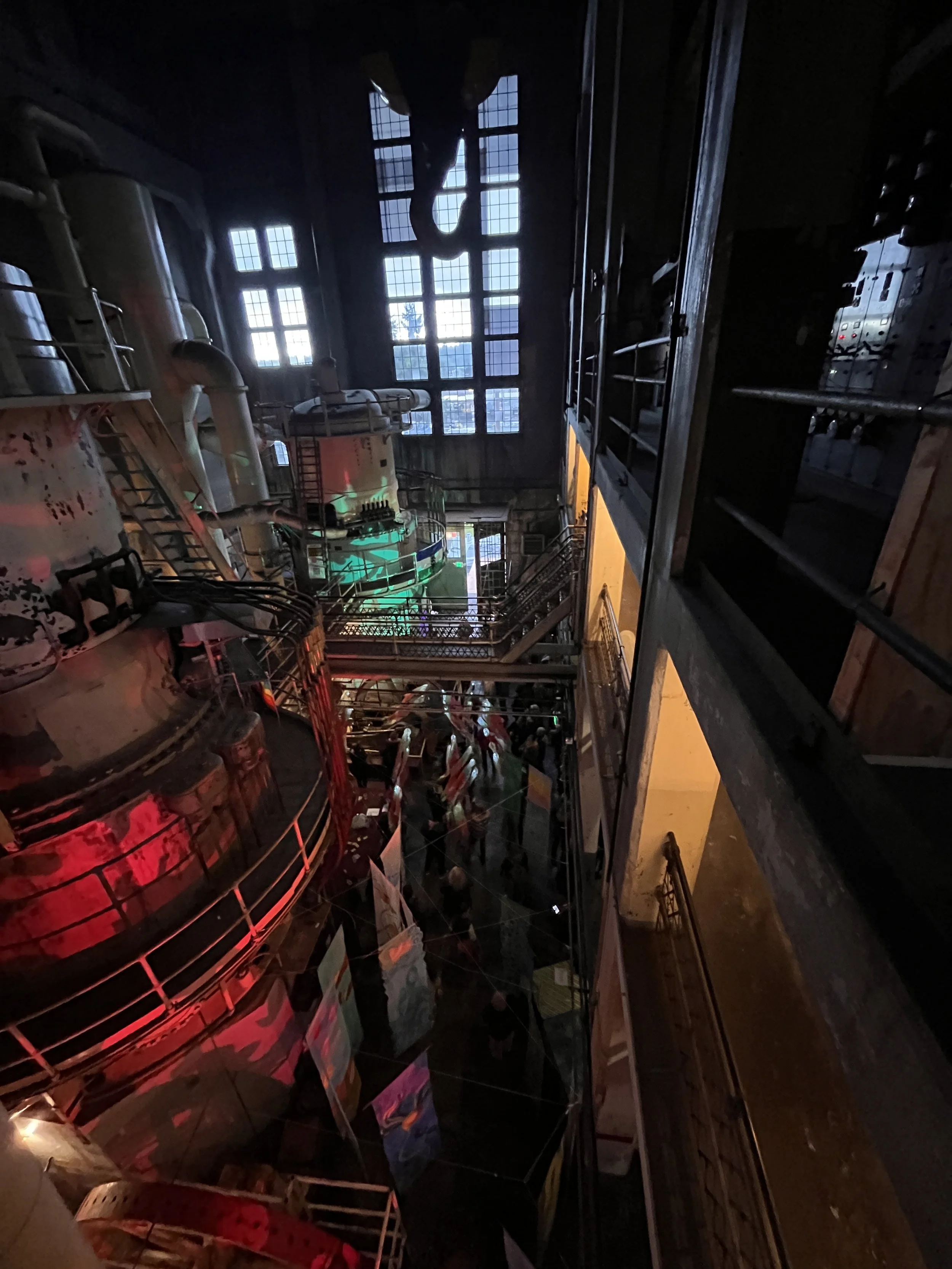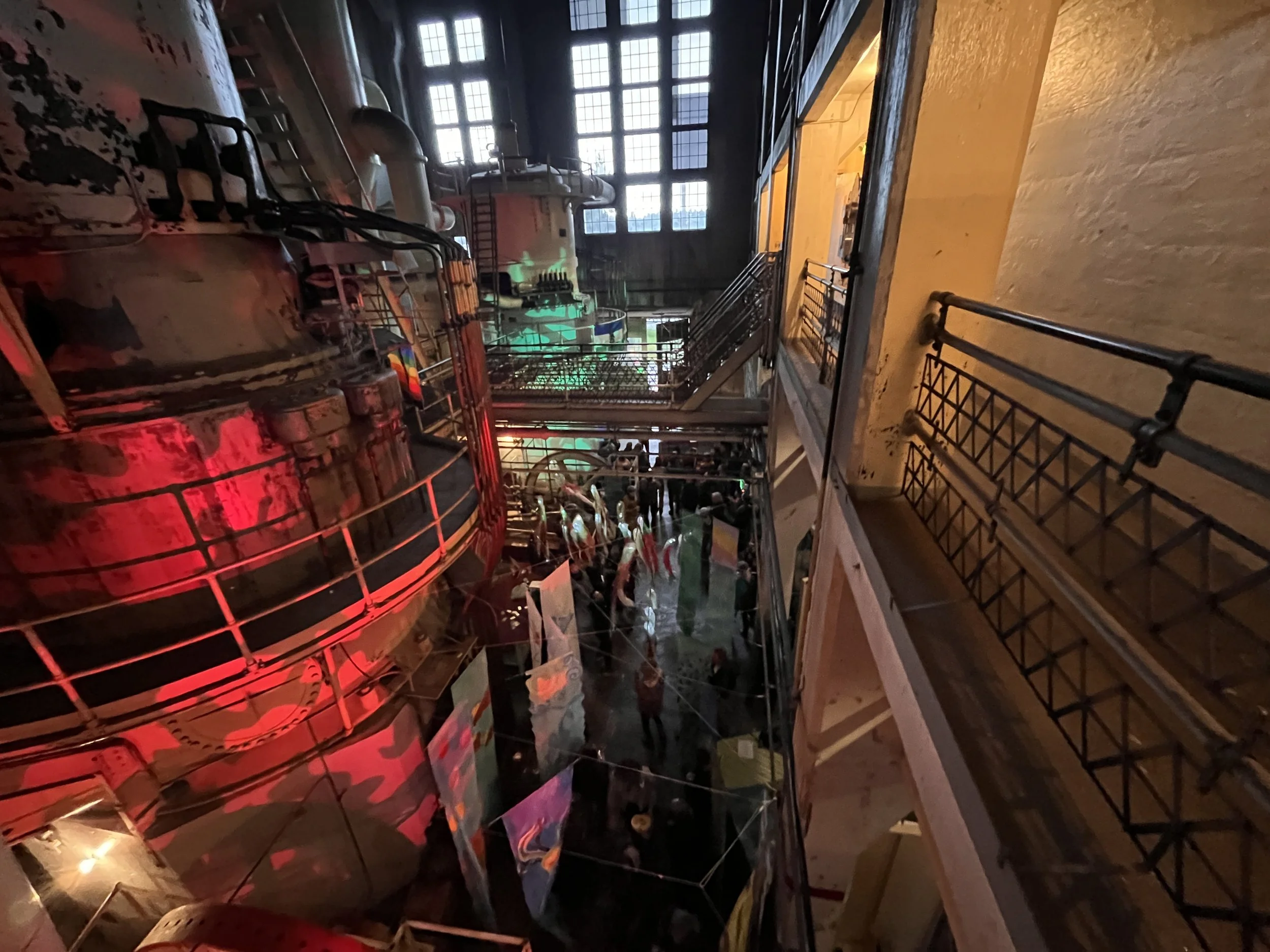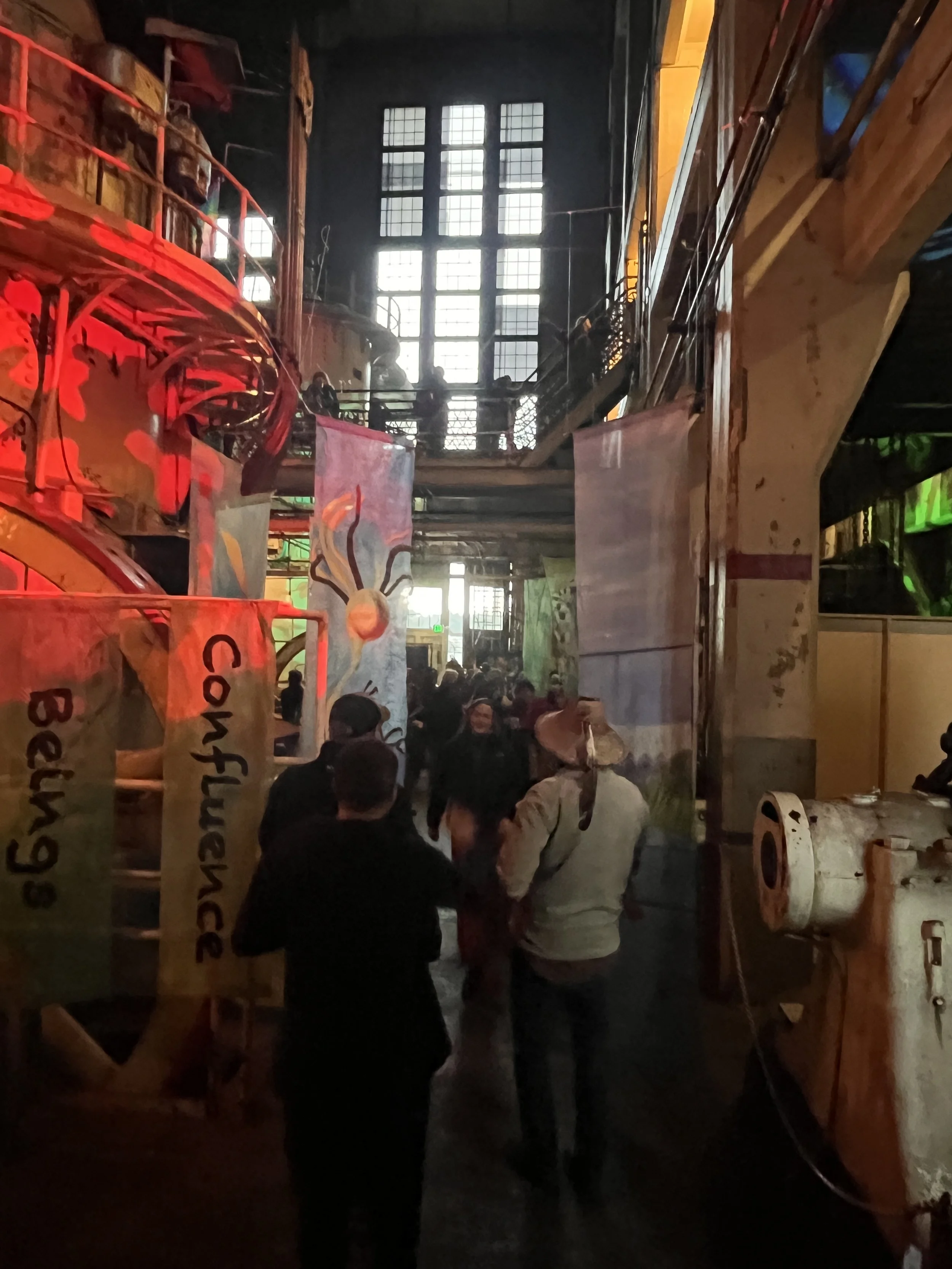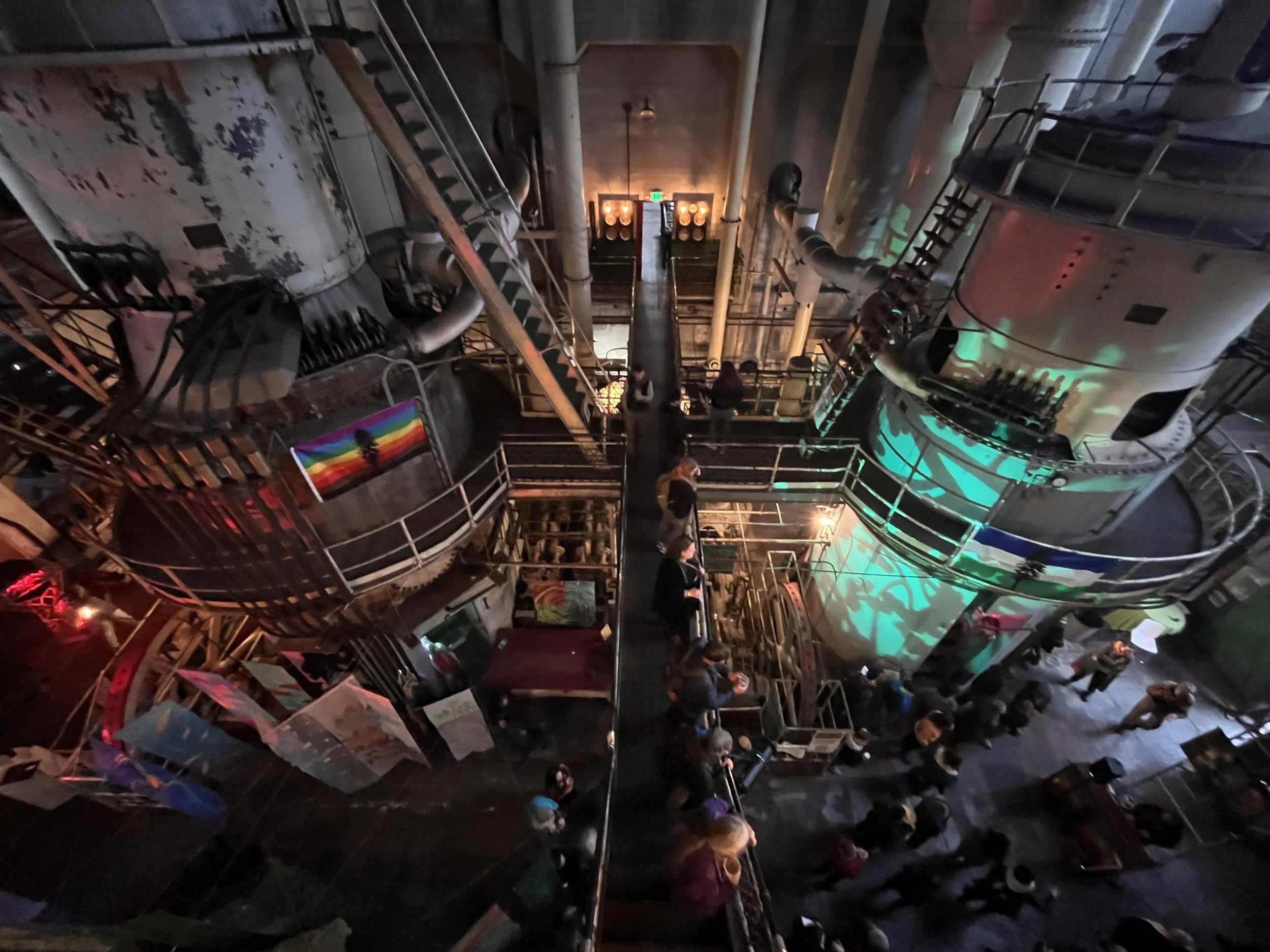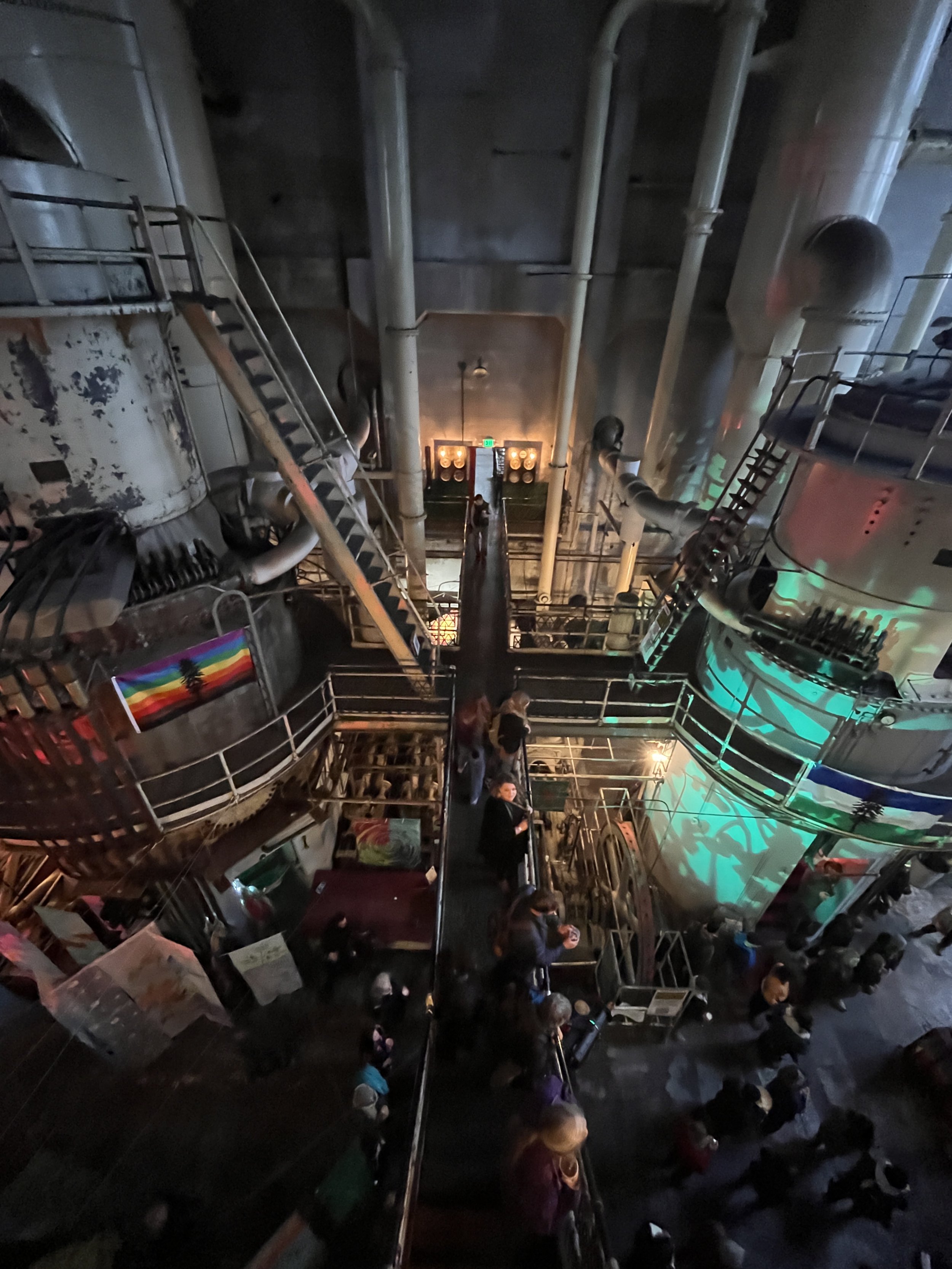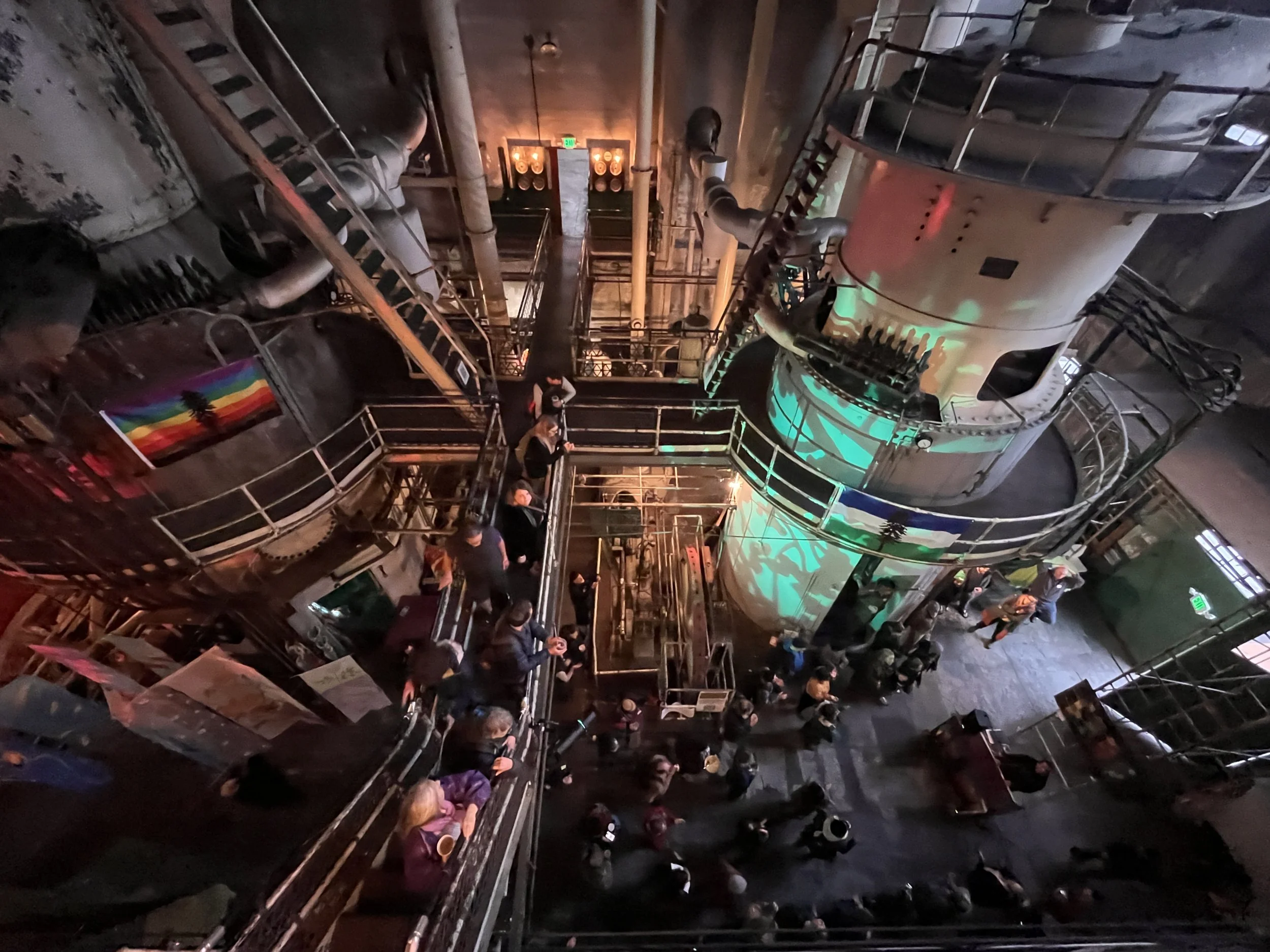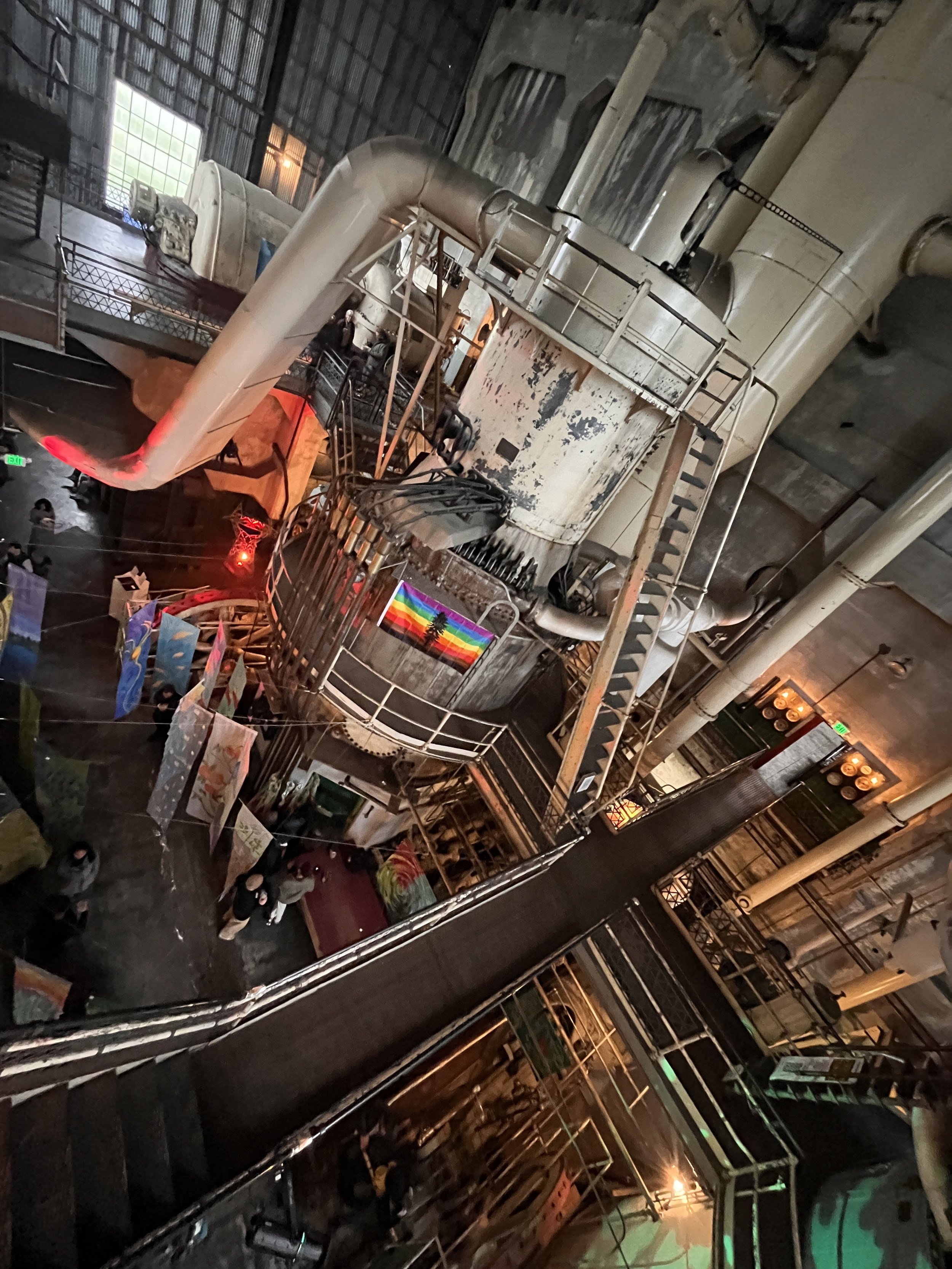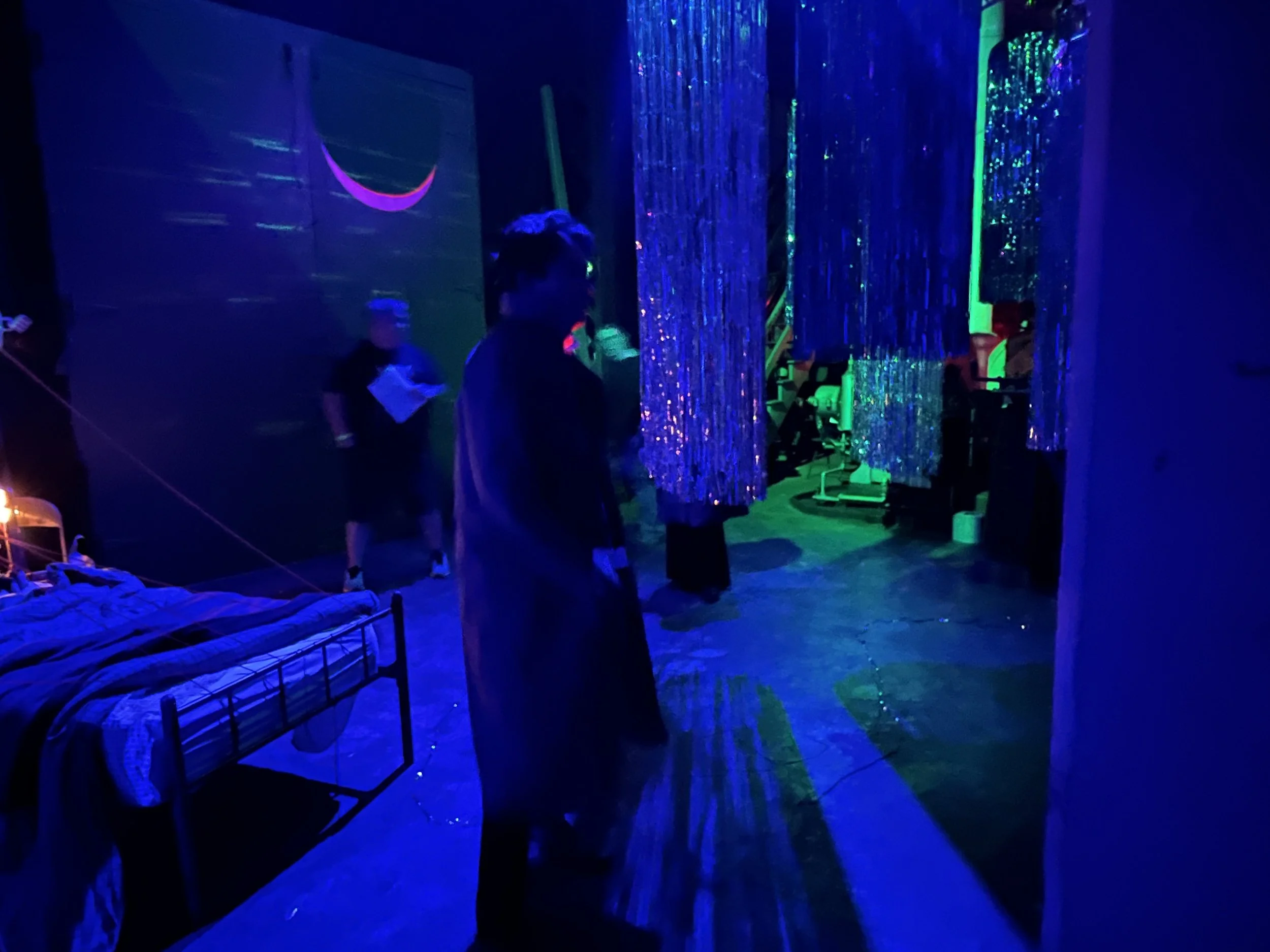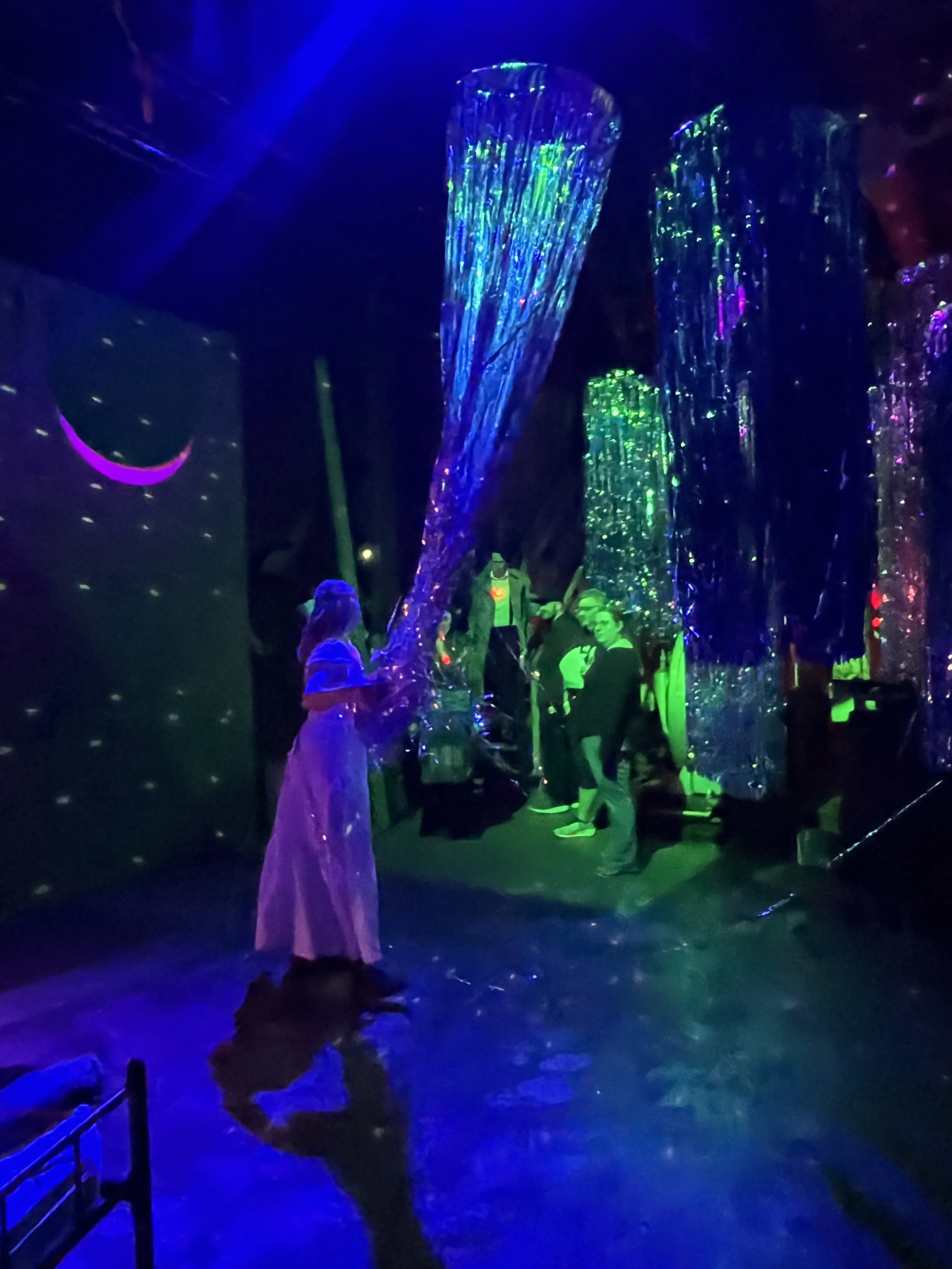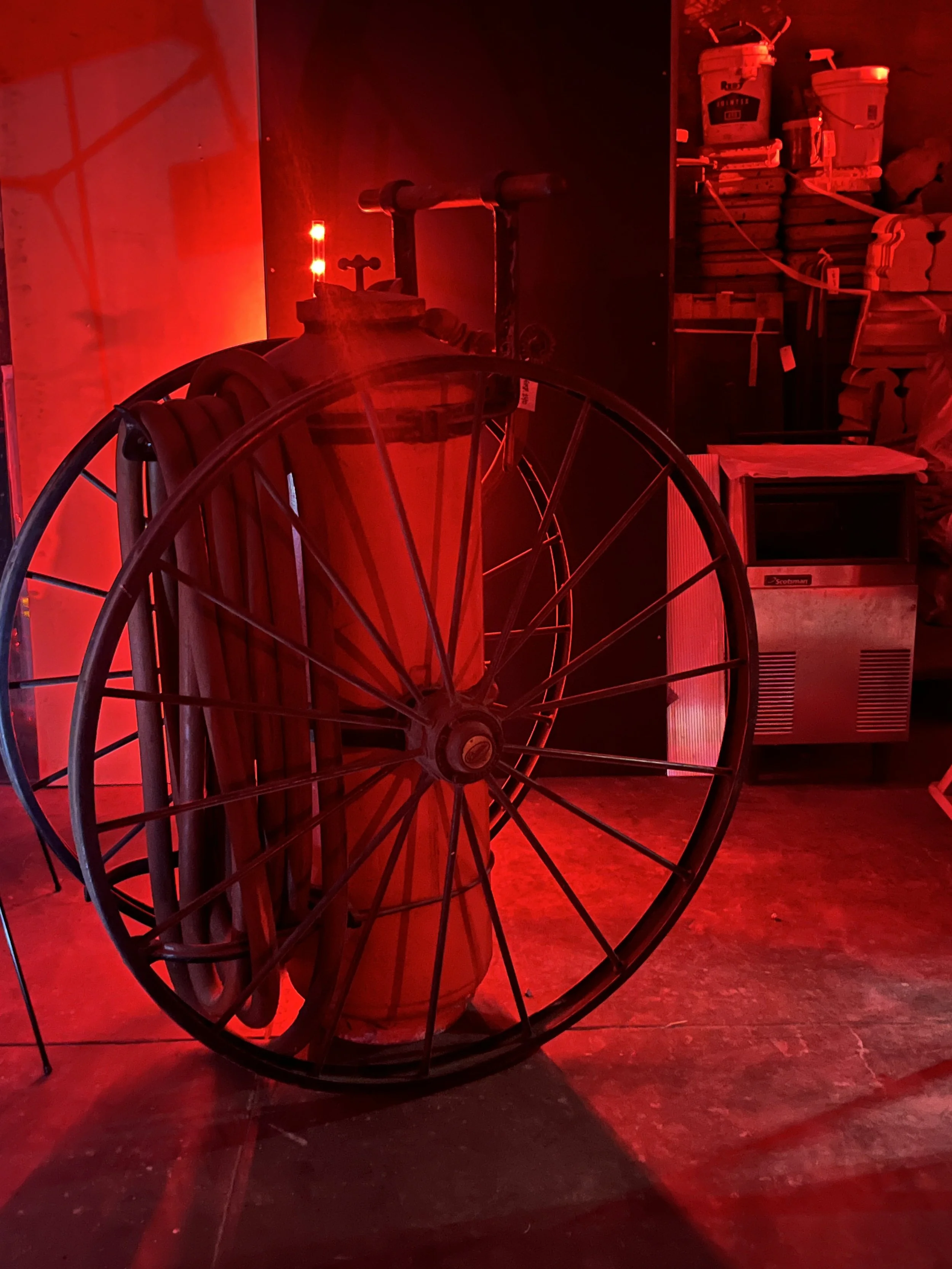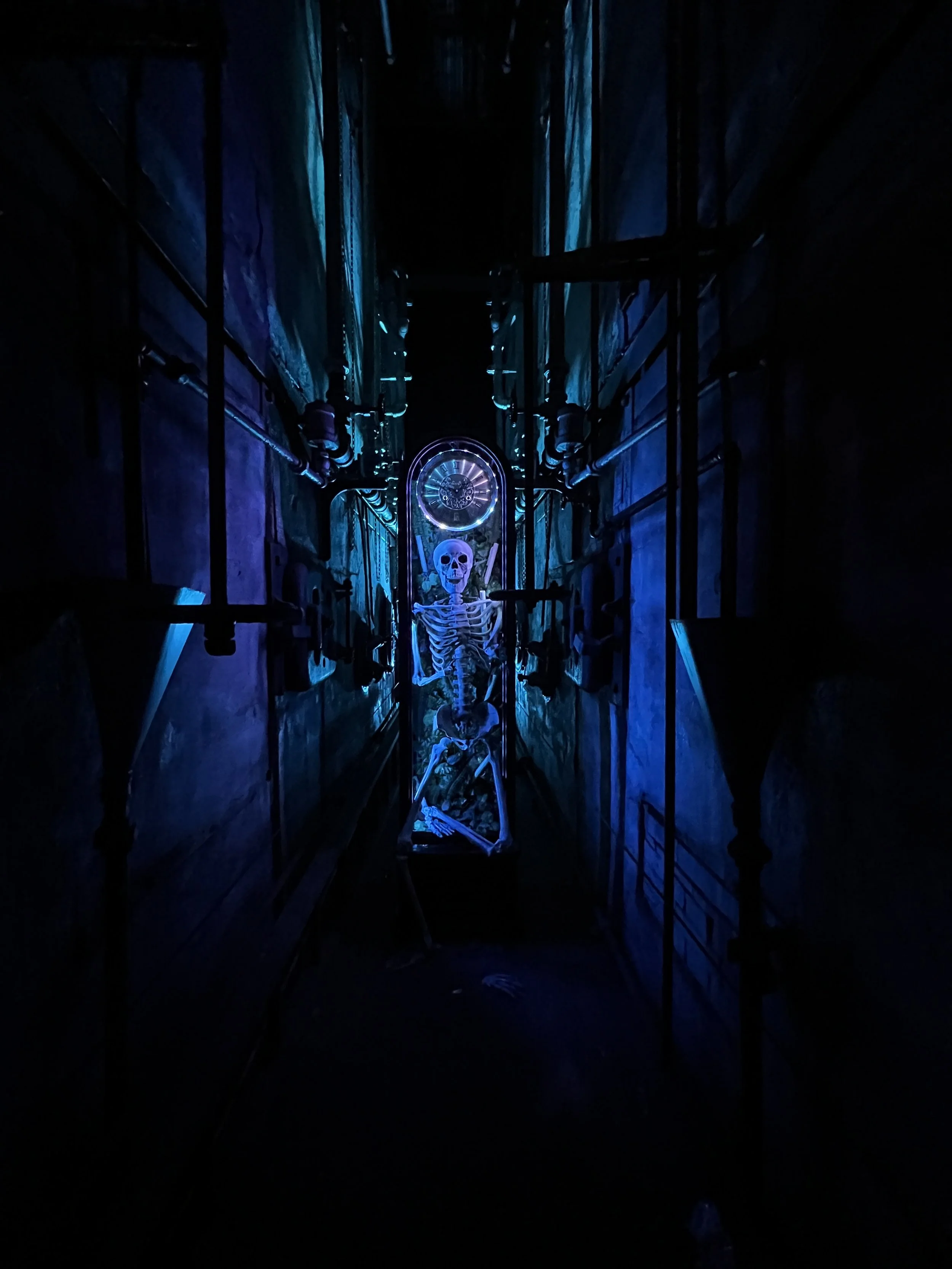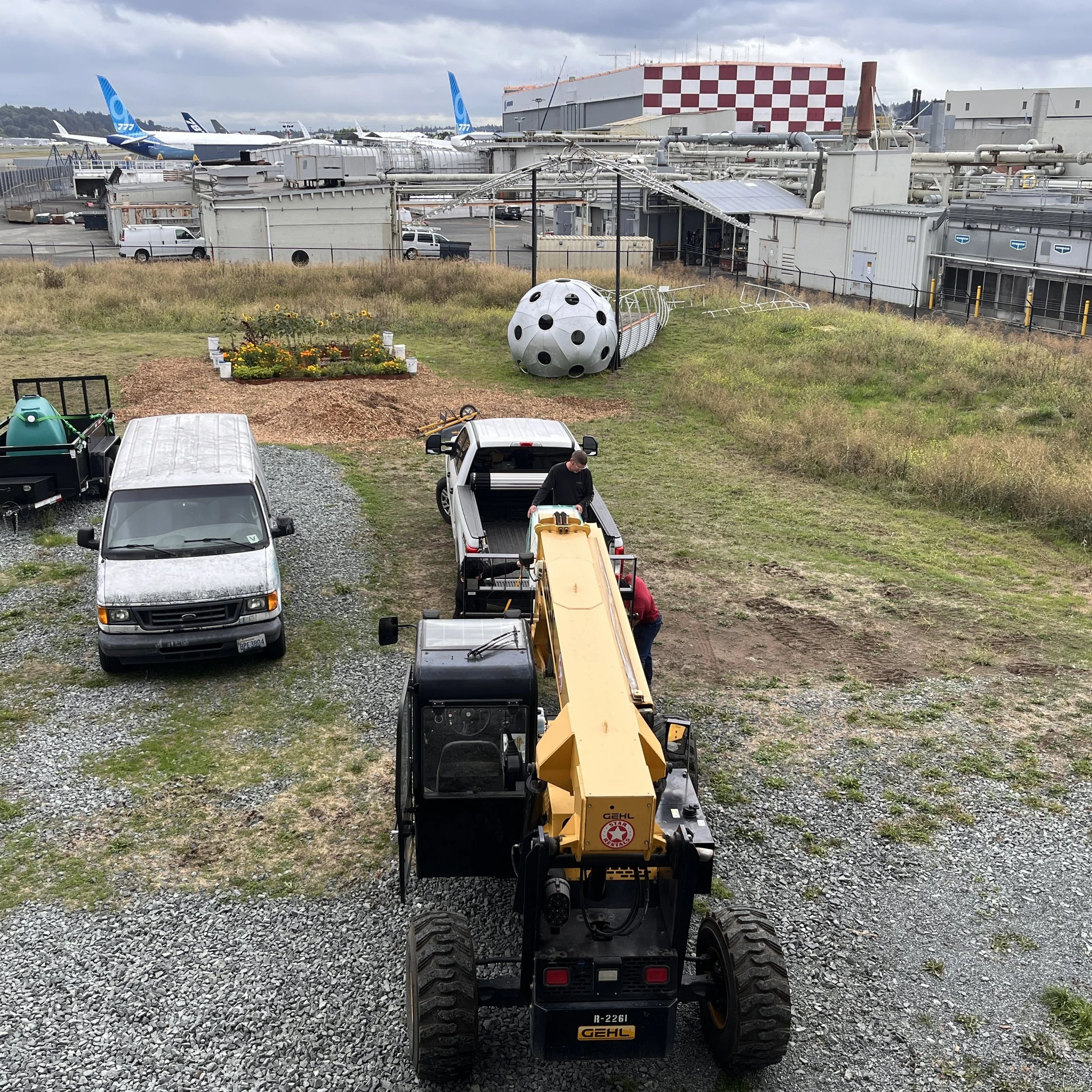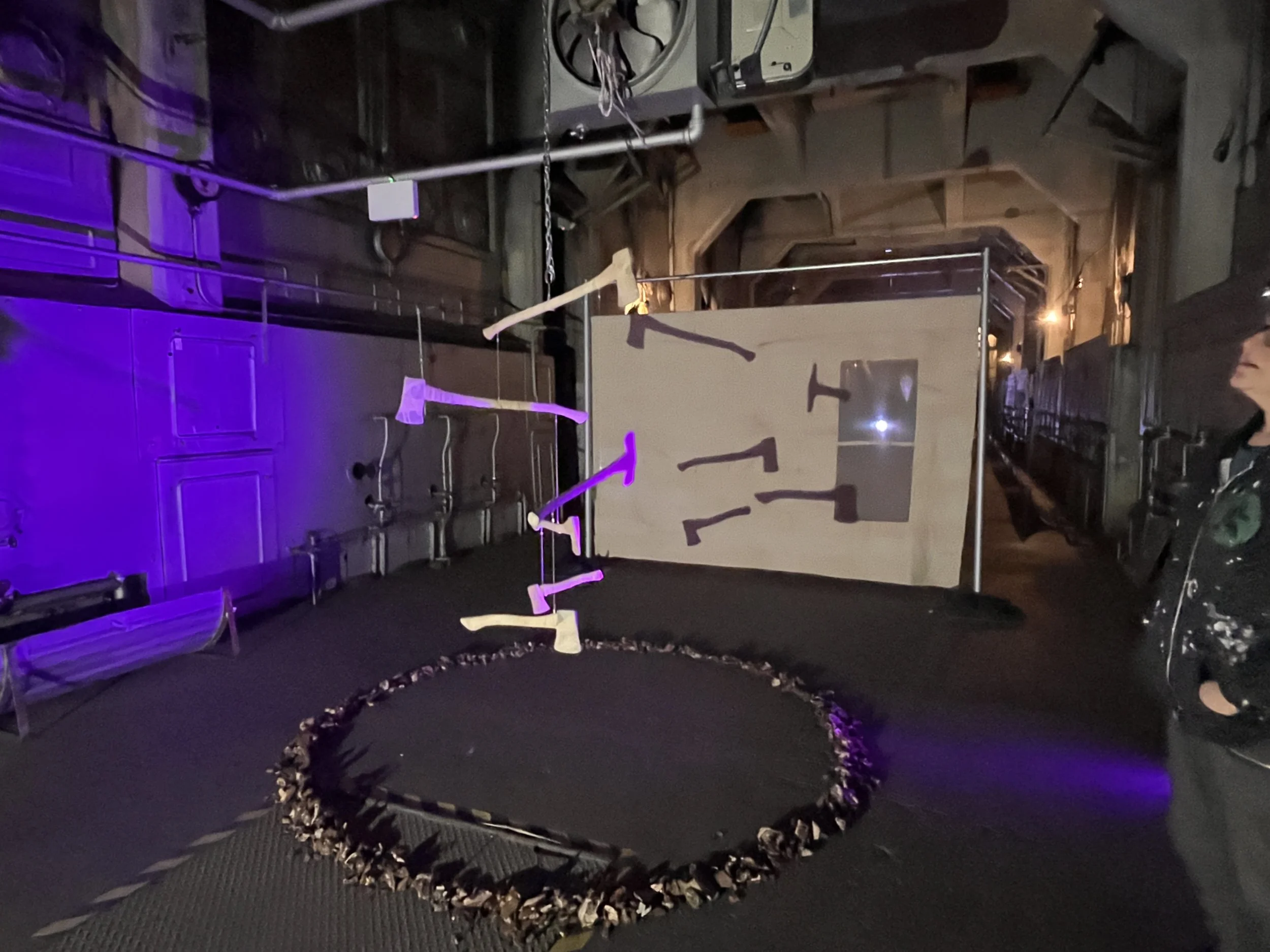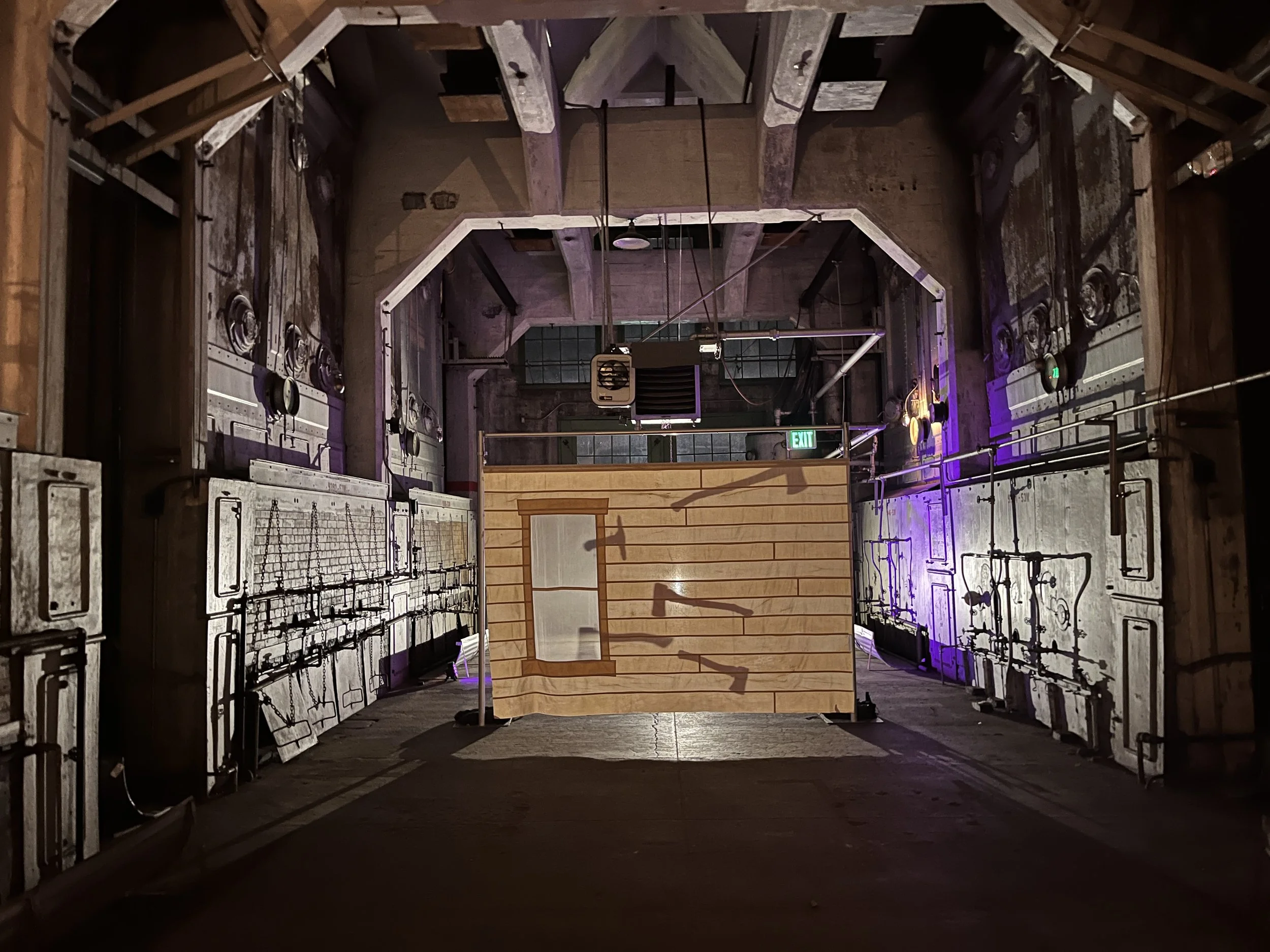
SCIENCE FAIR RESIDENCY
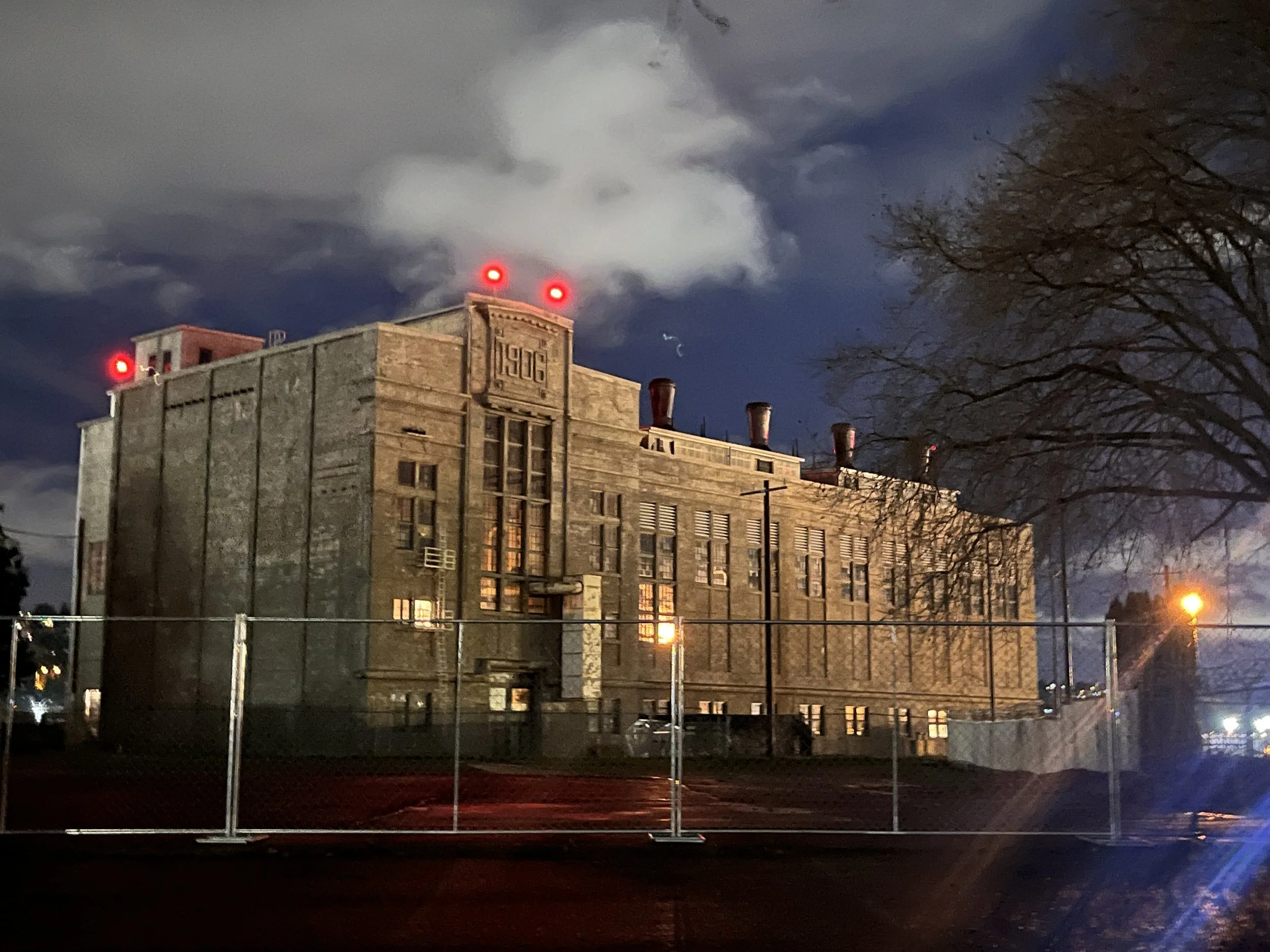
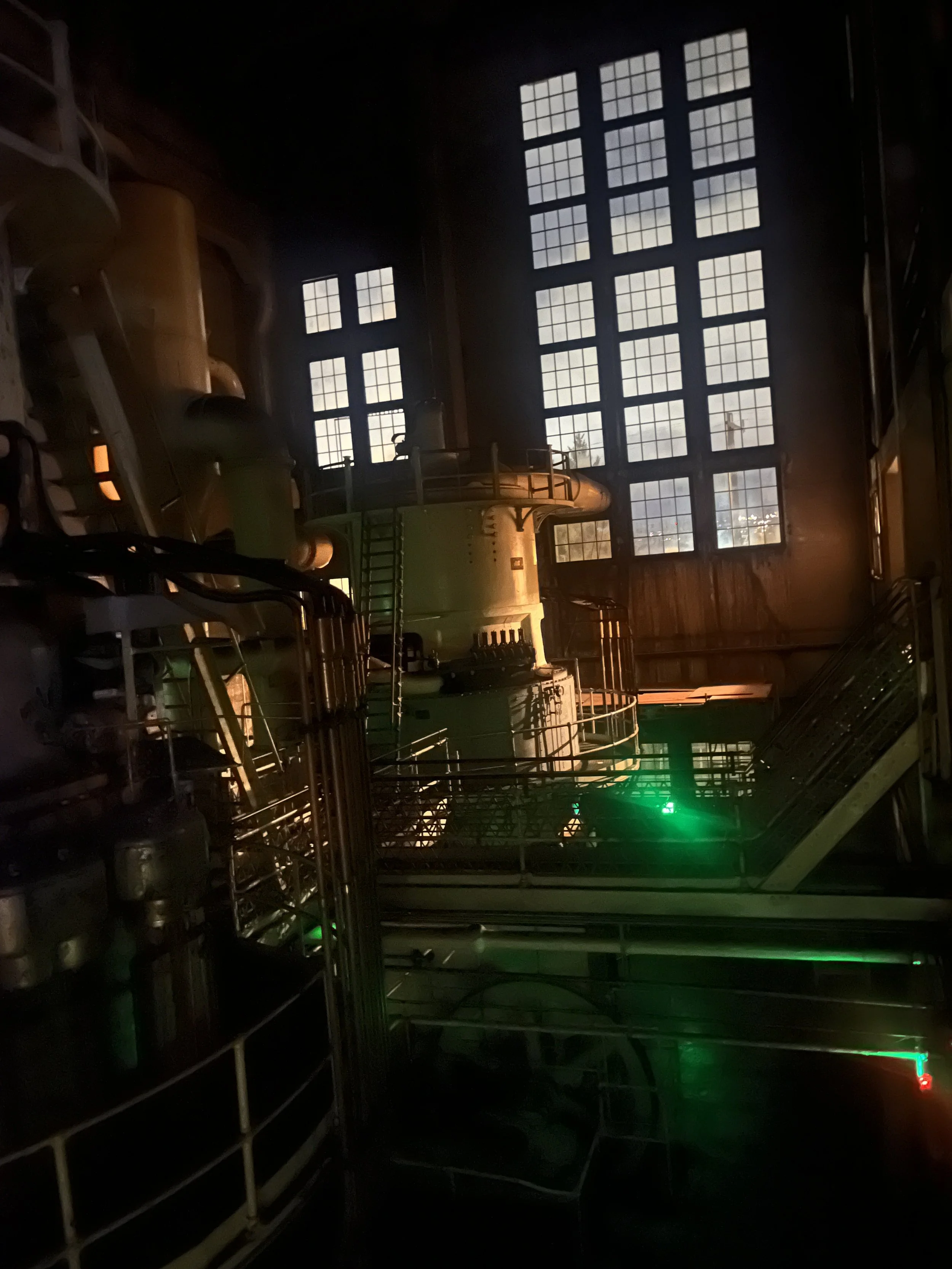
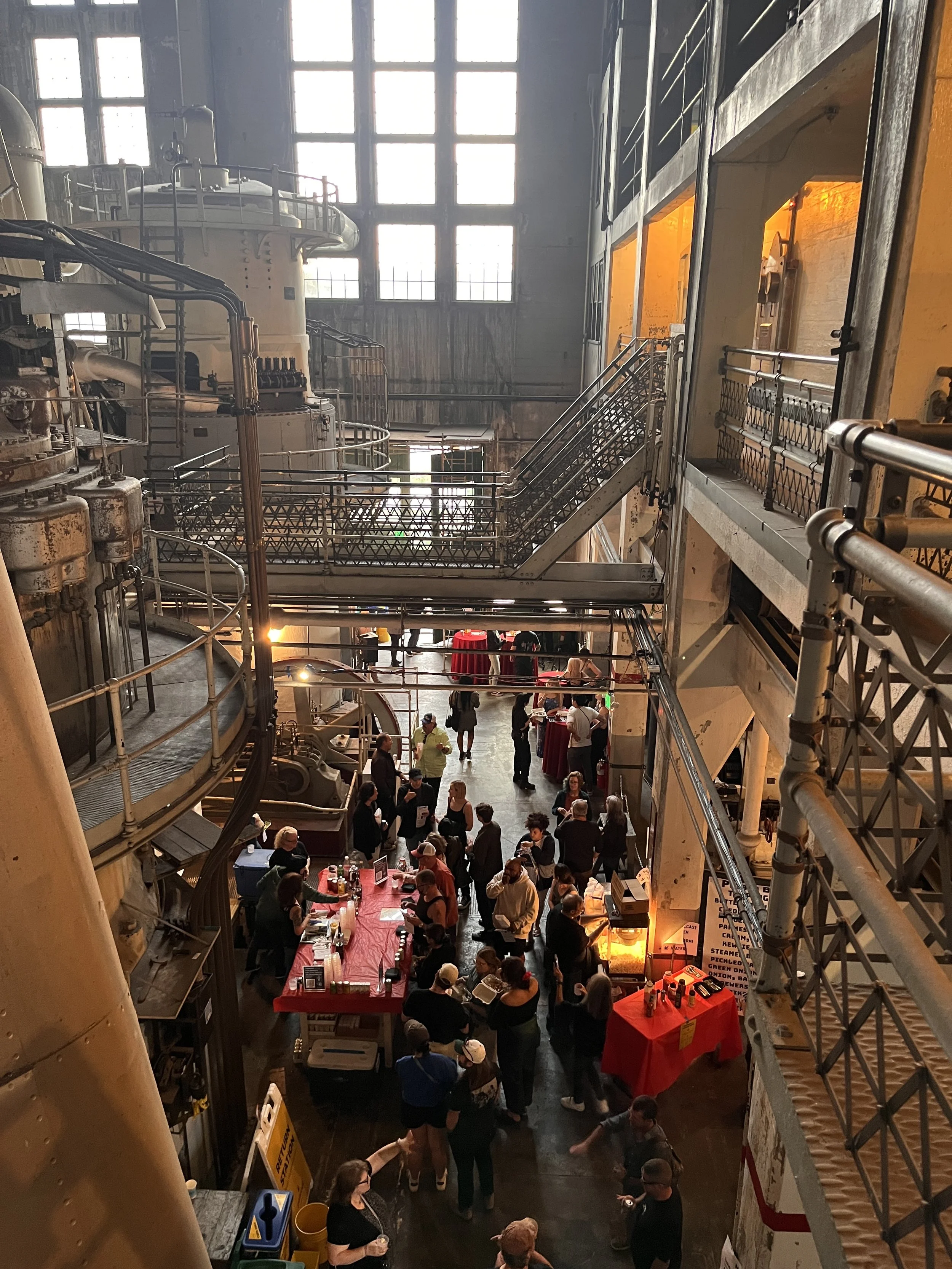
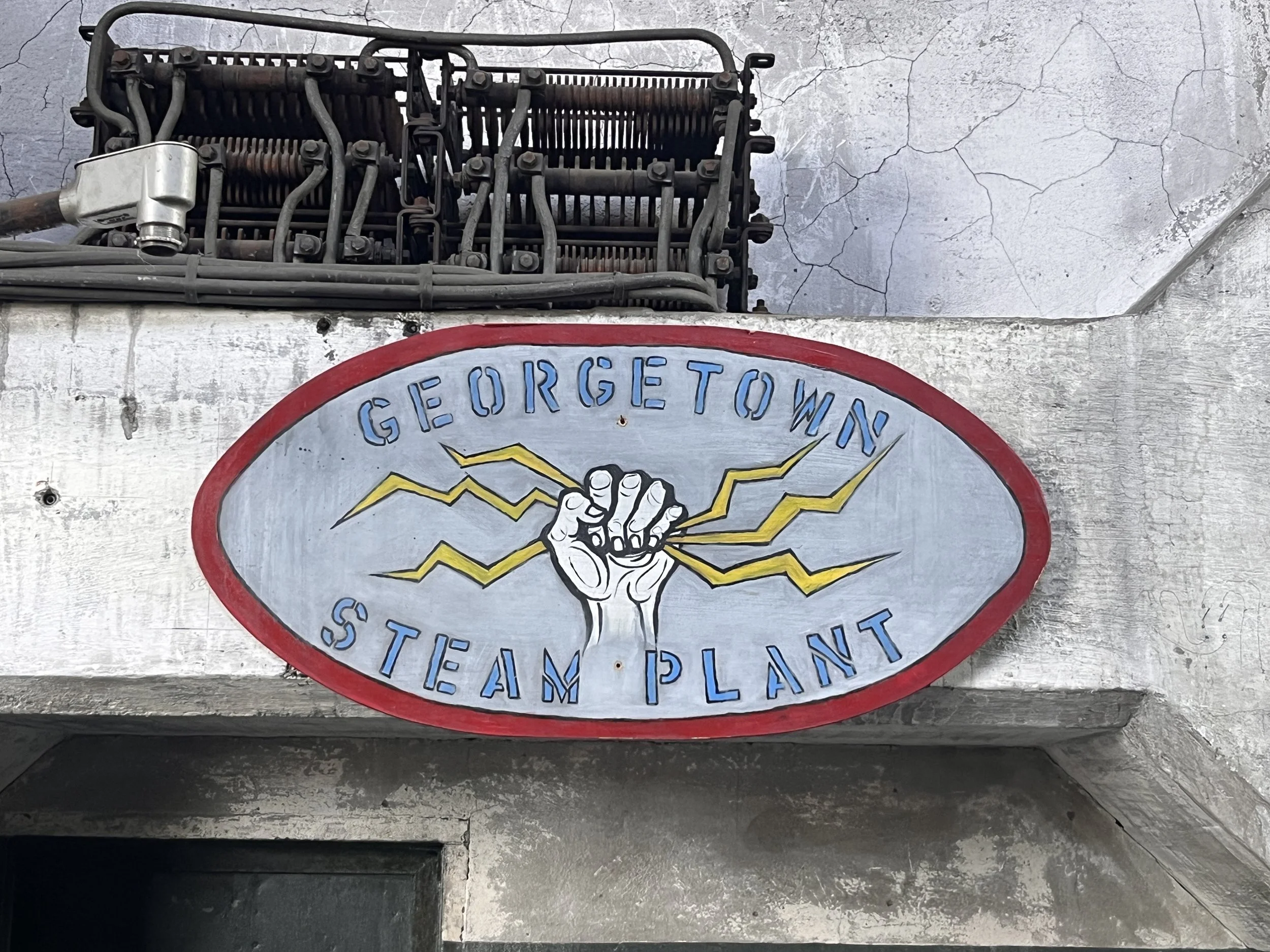
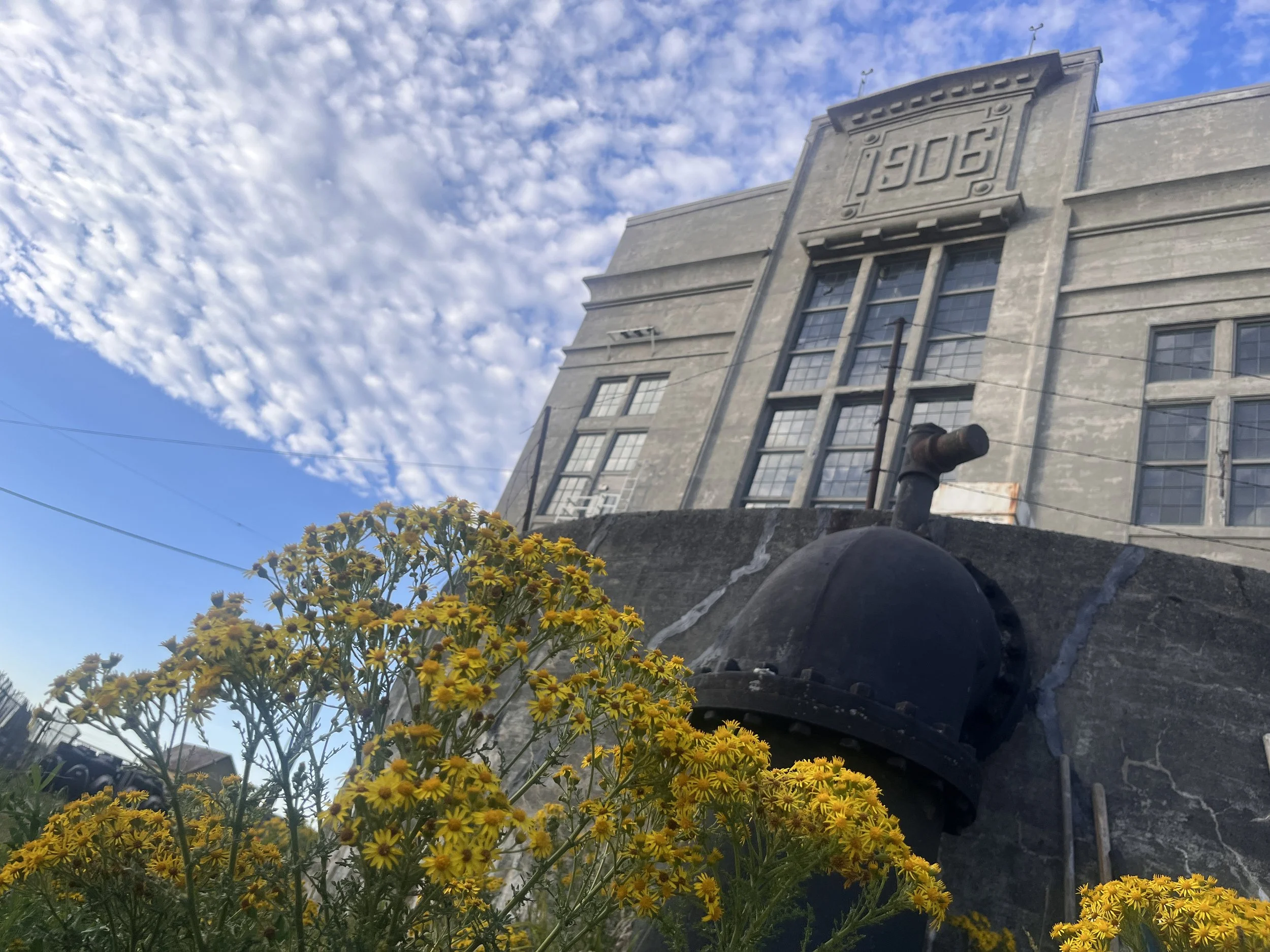
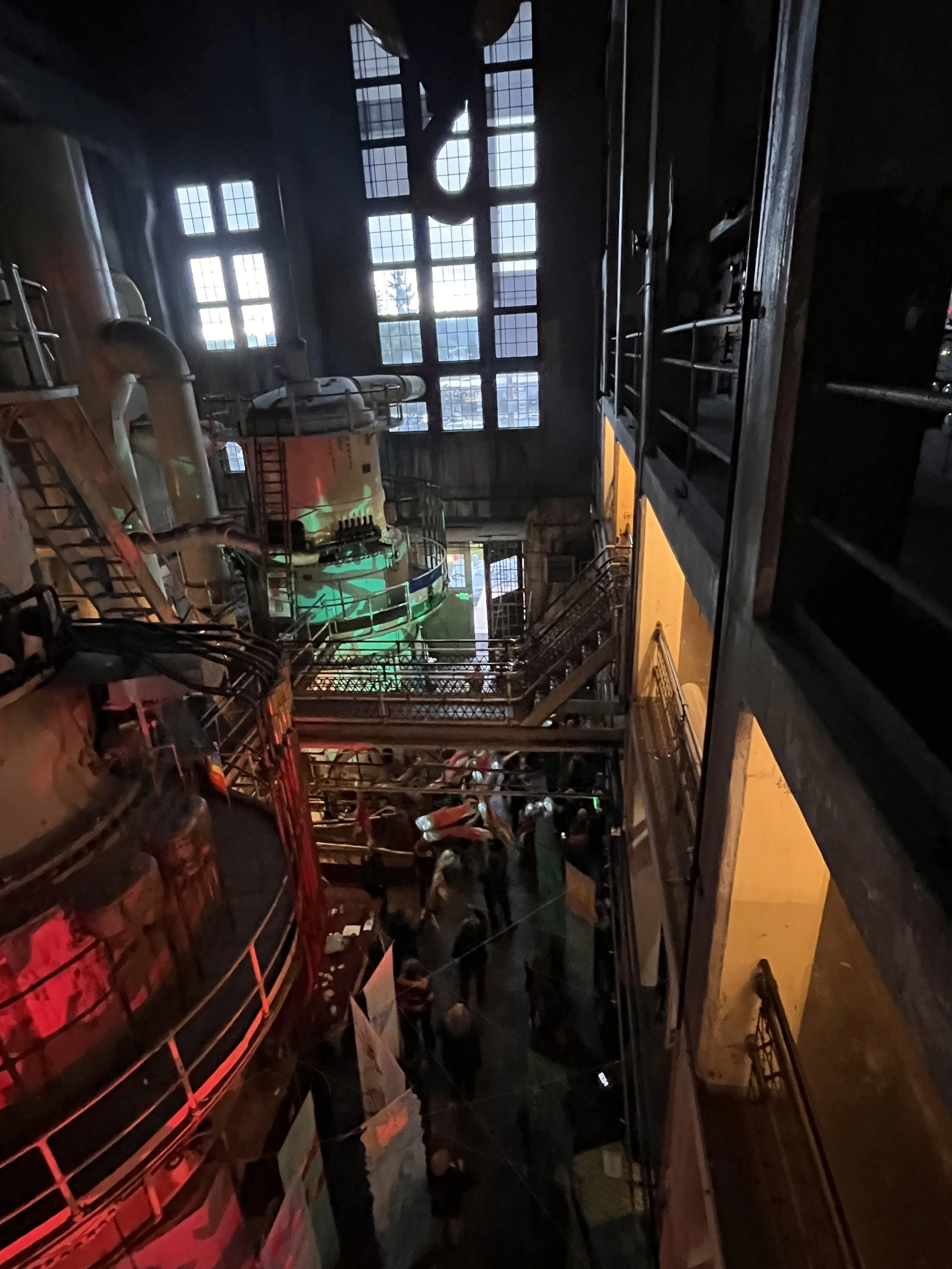
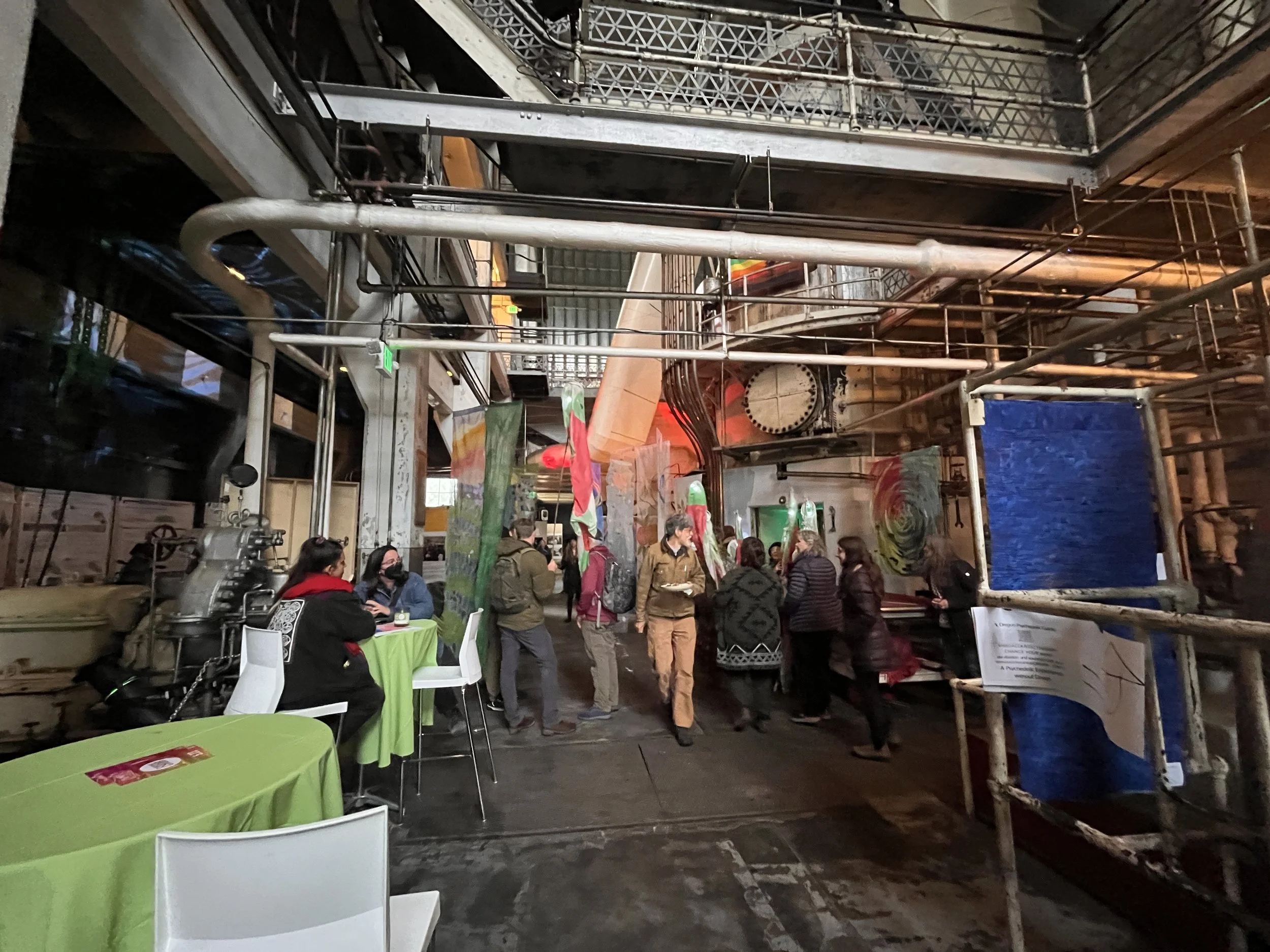
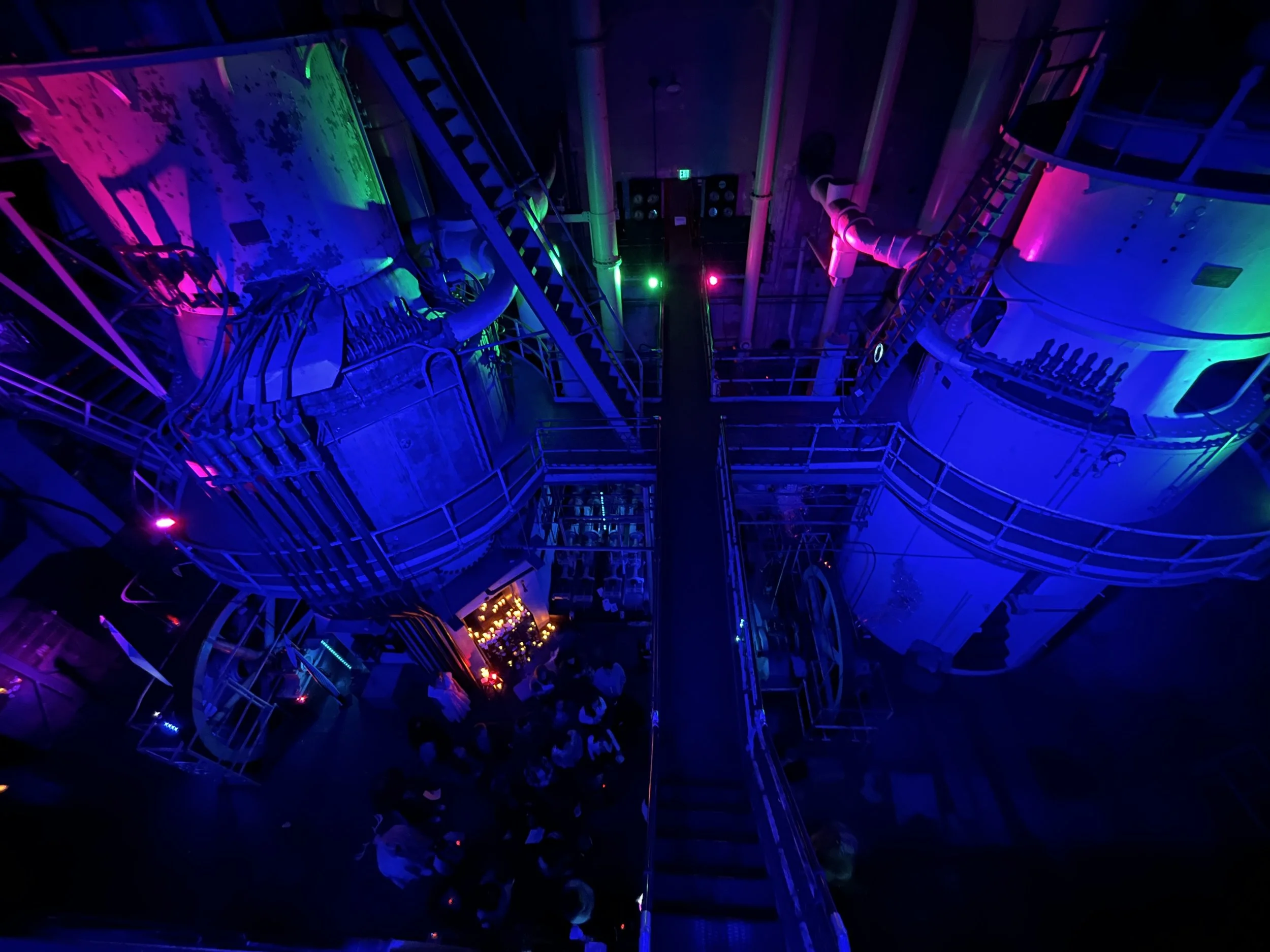
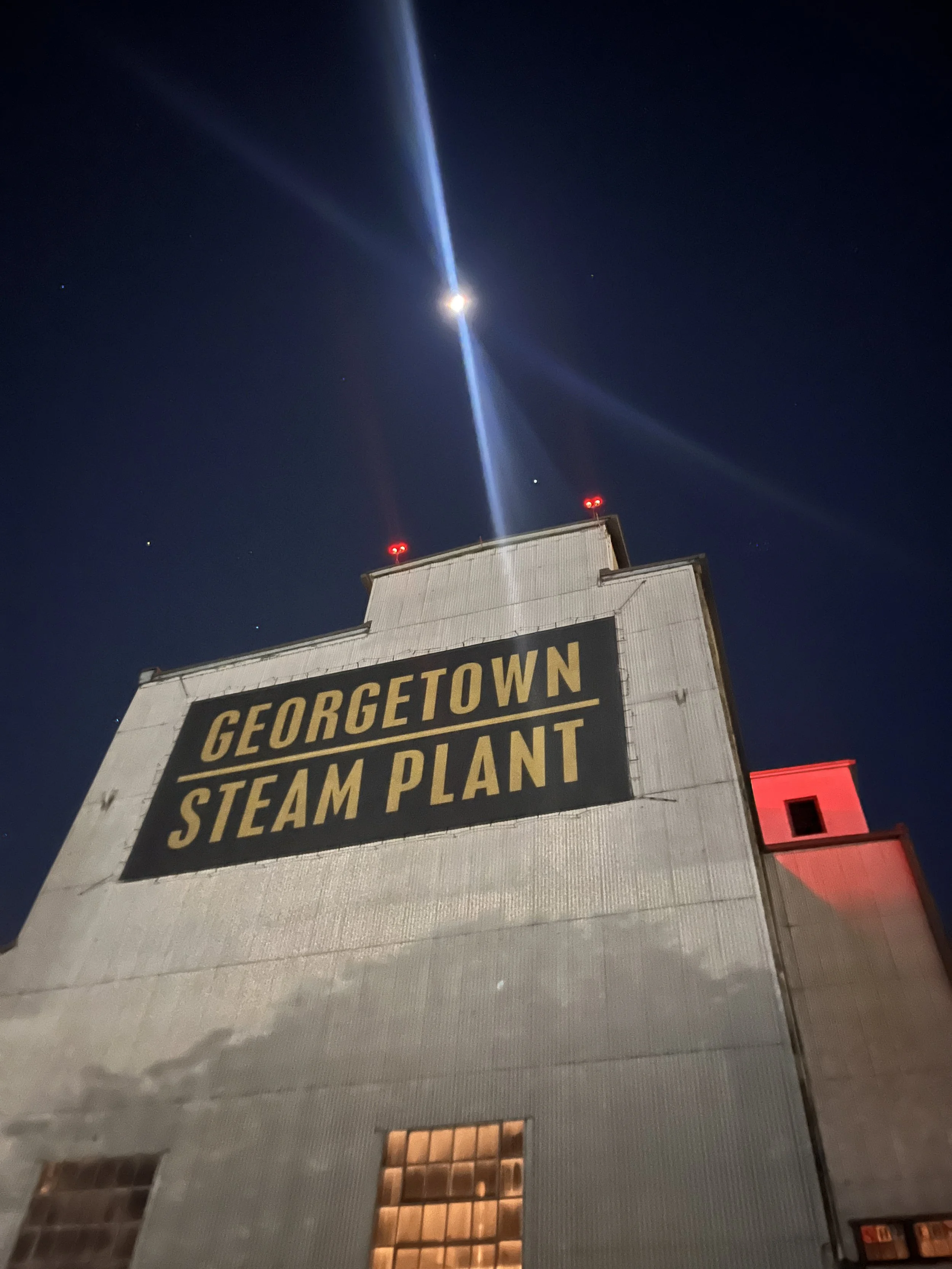
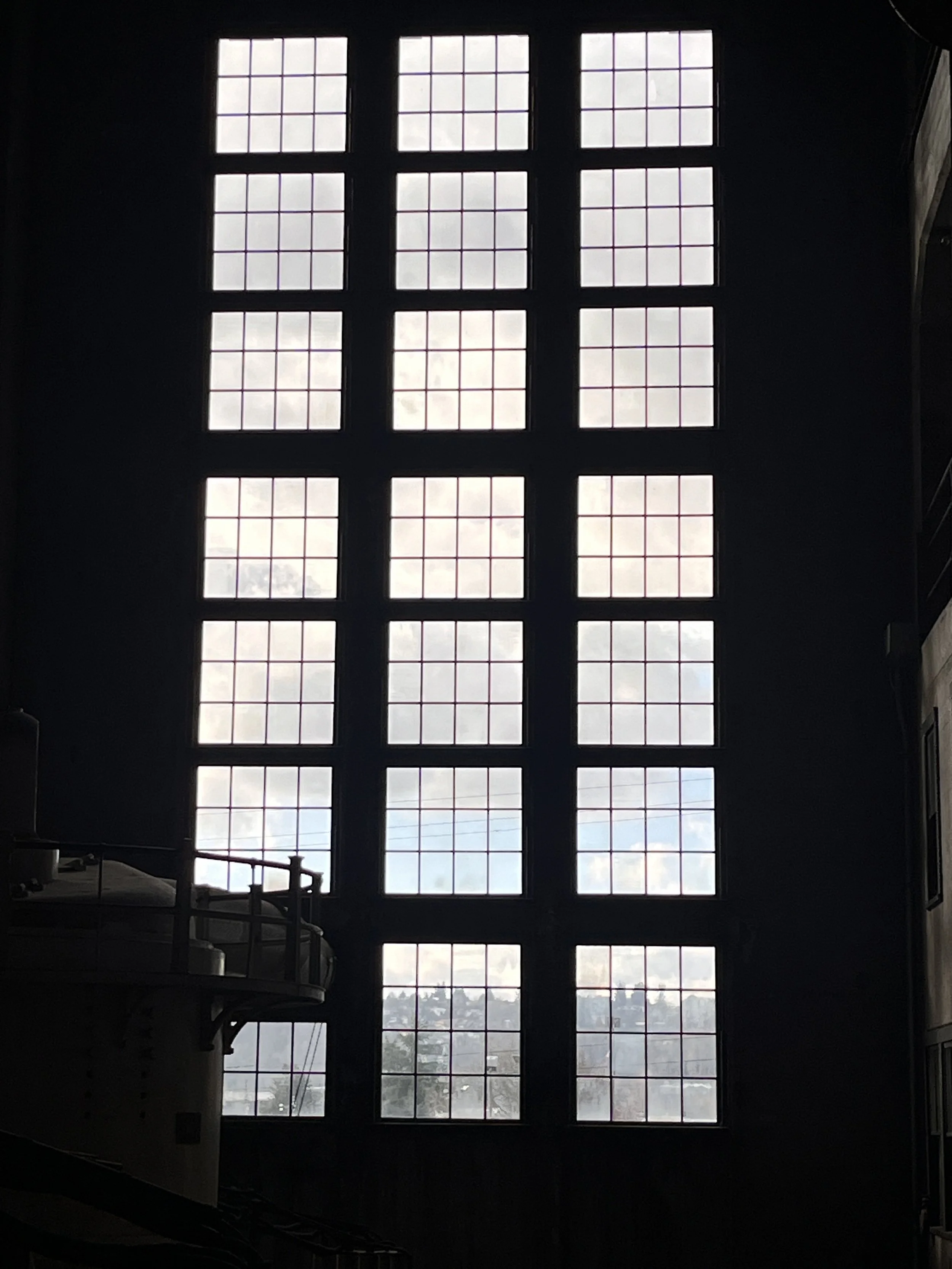
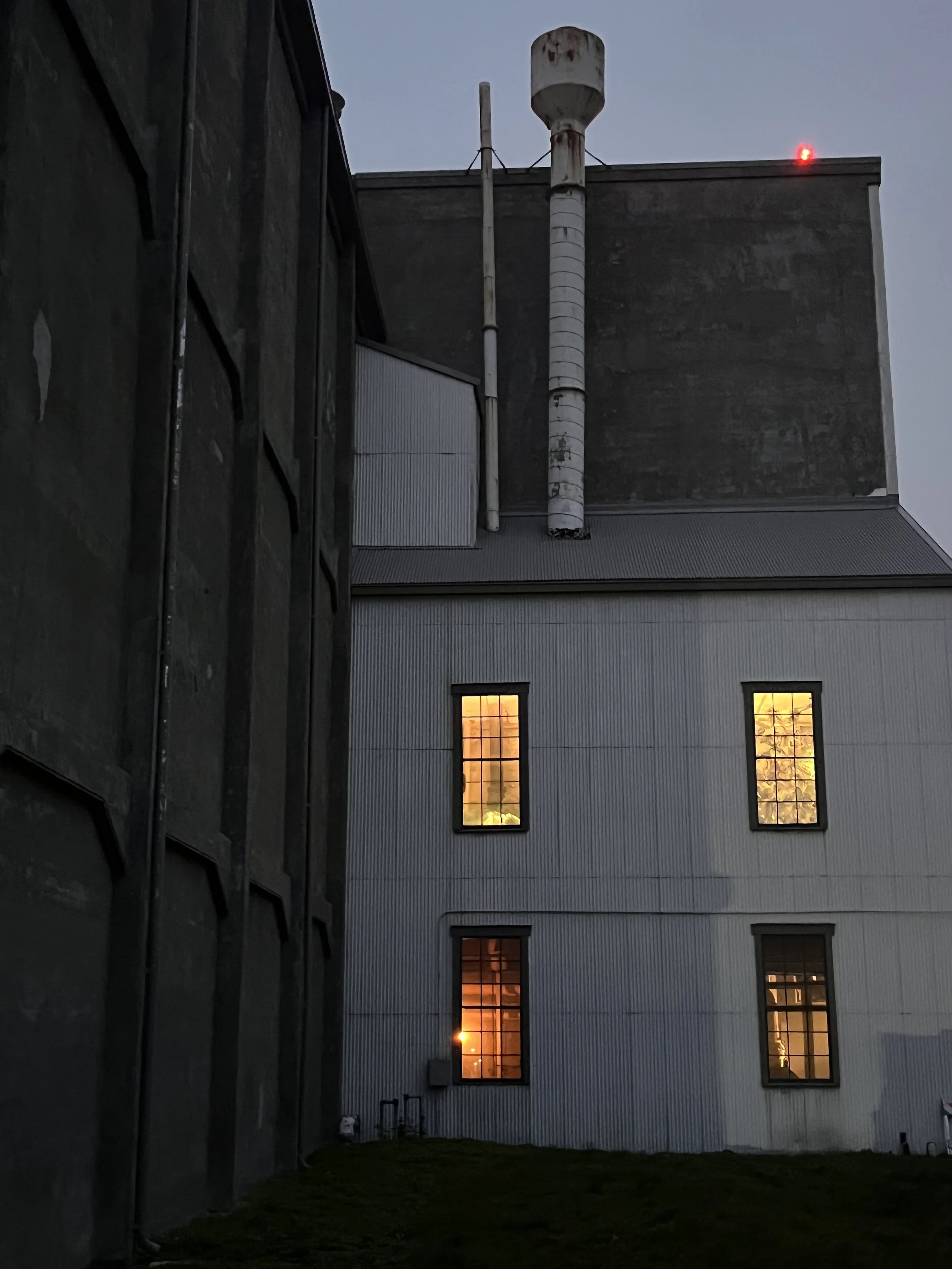
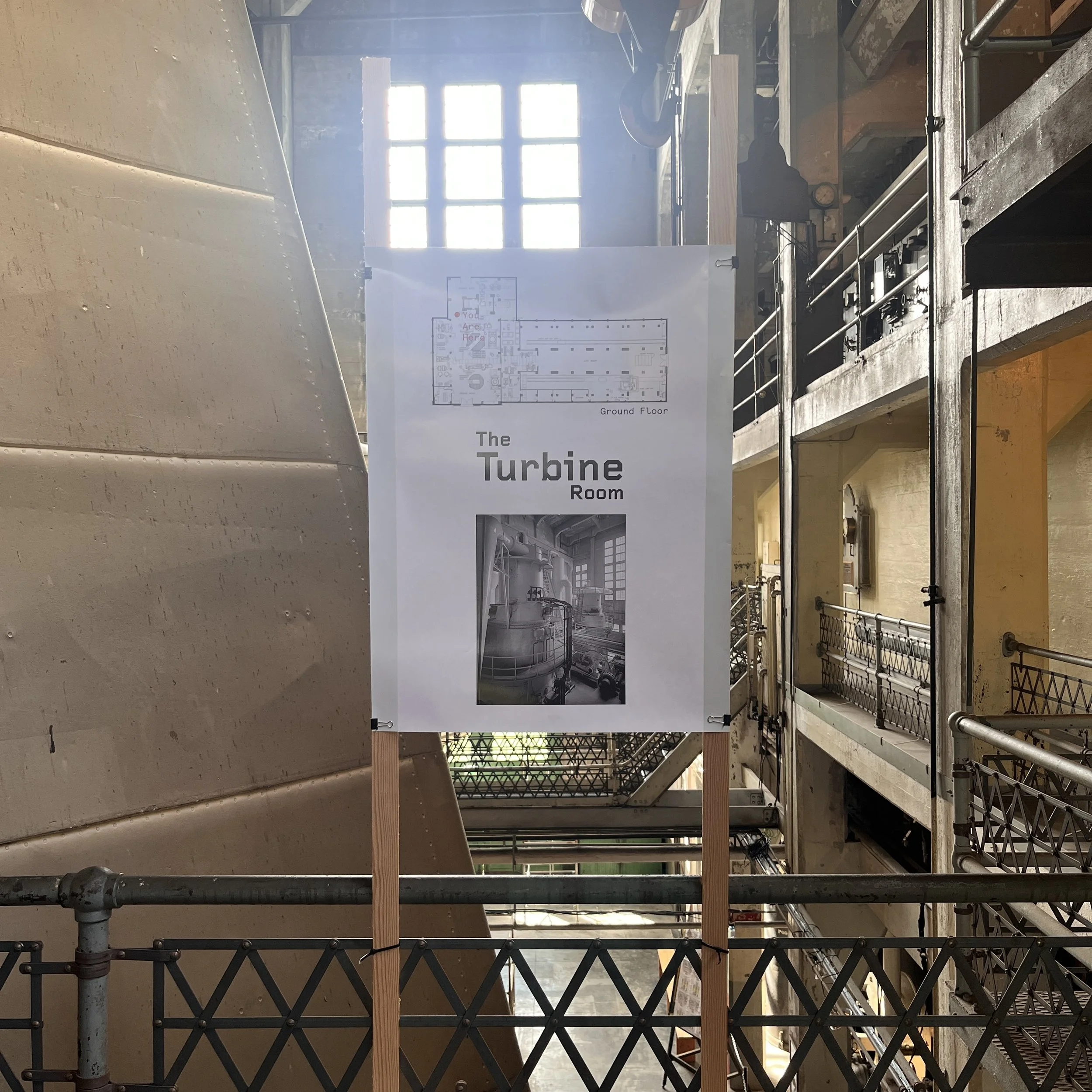
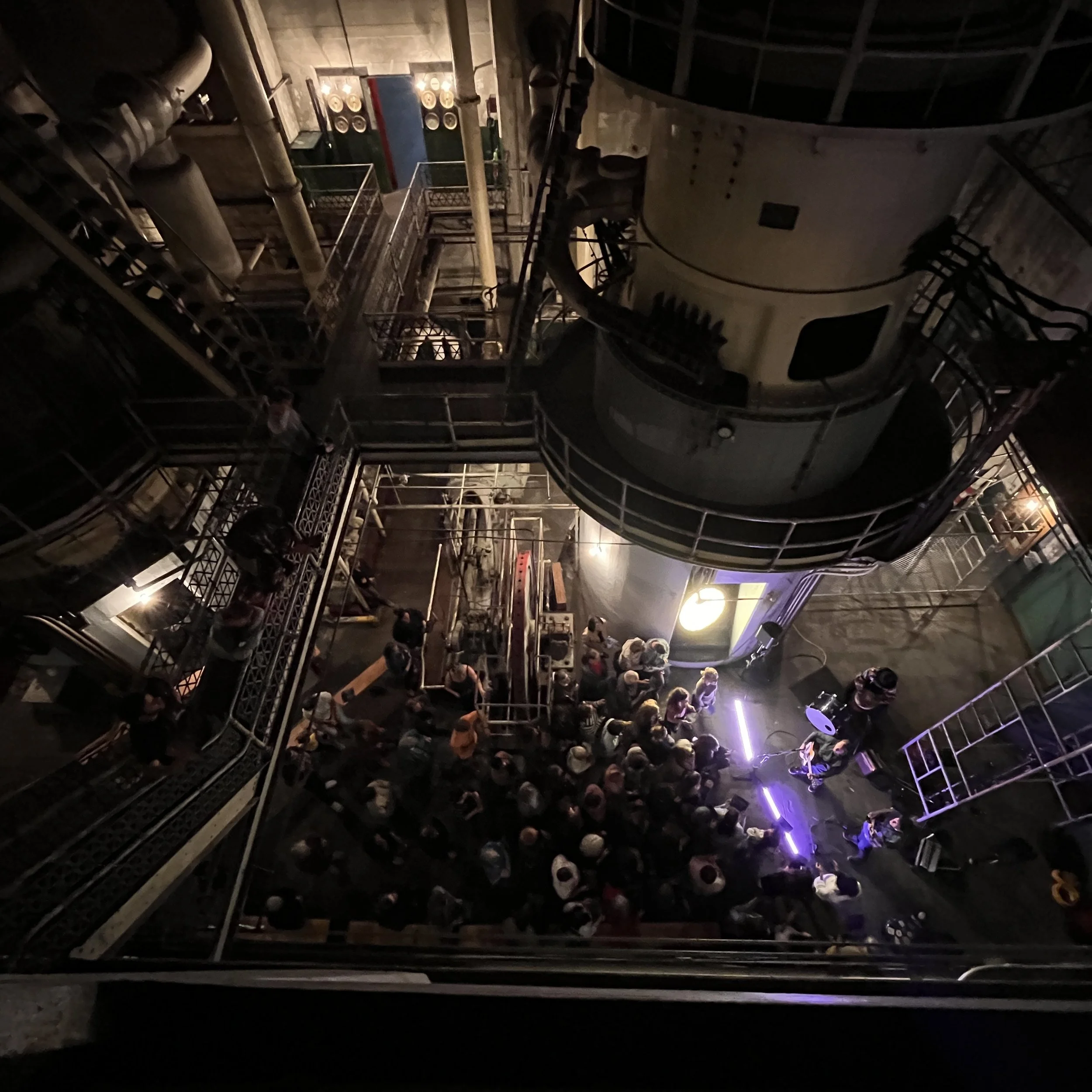
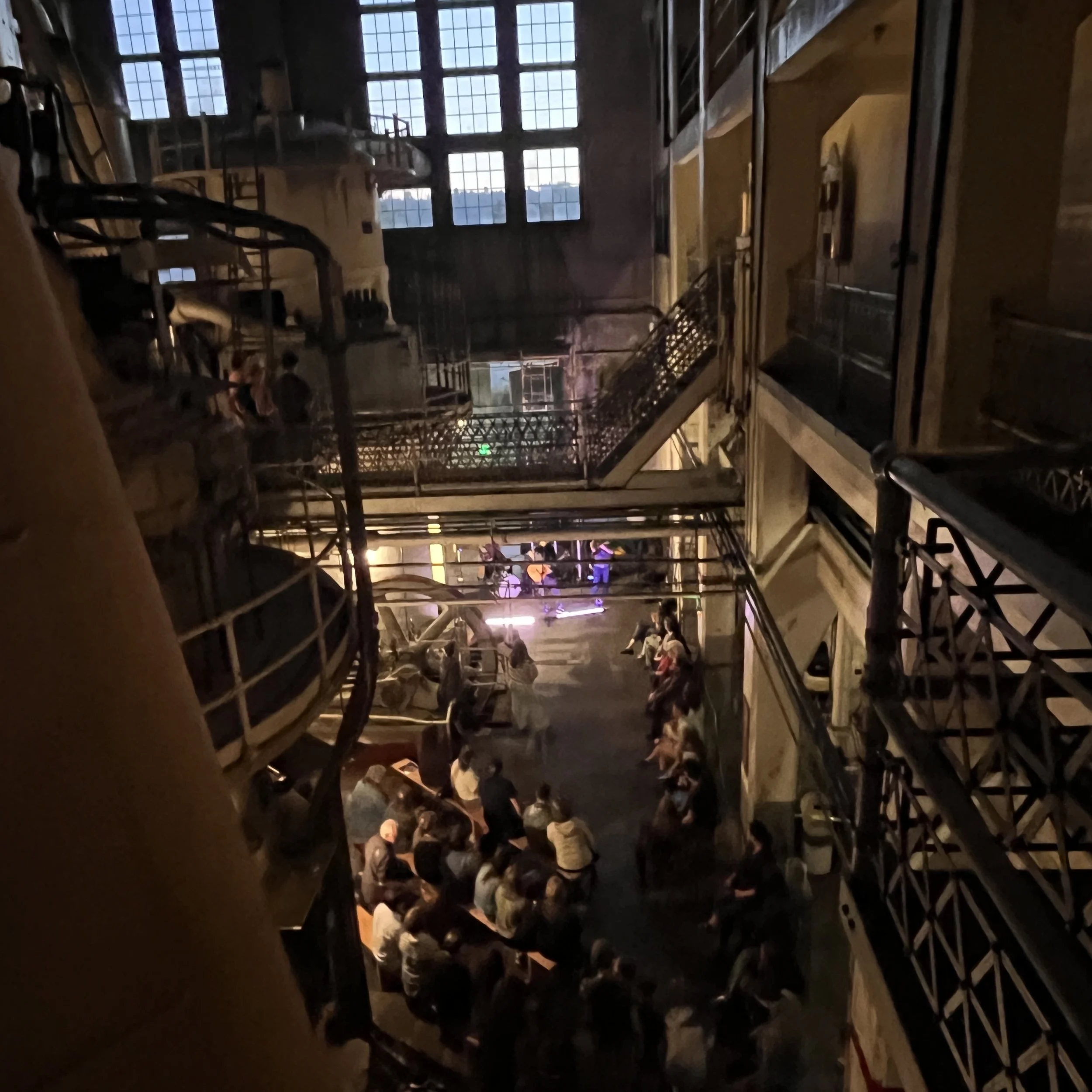
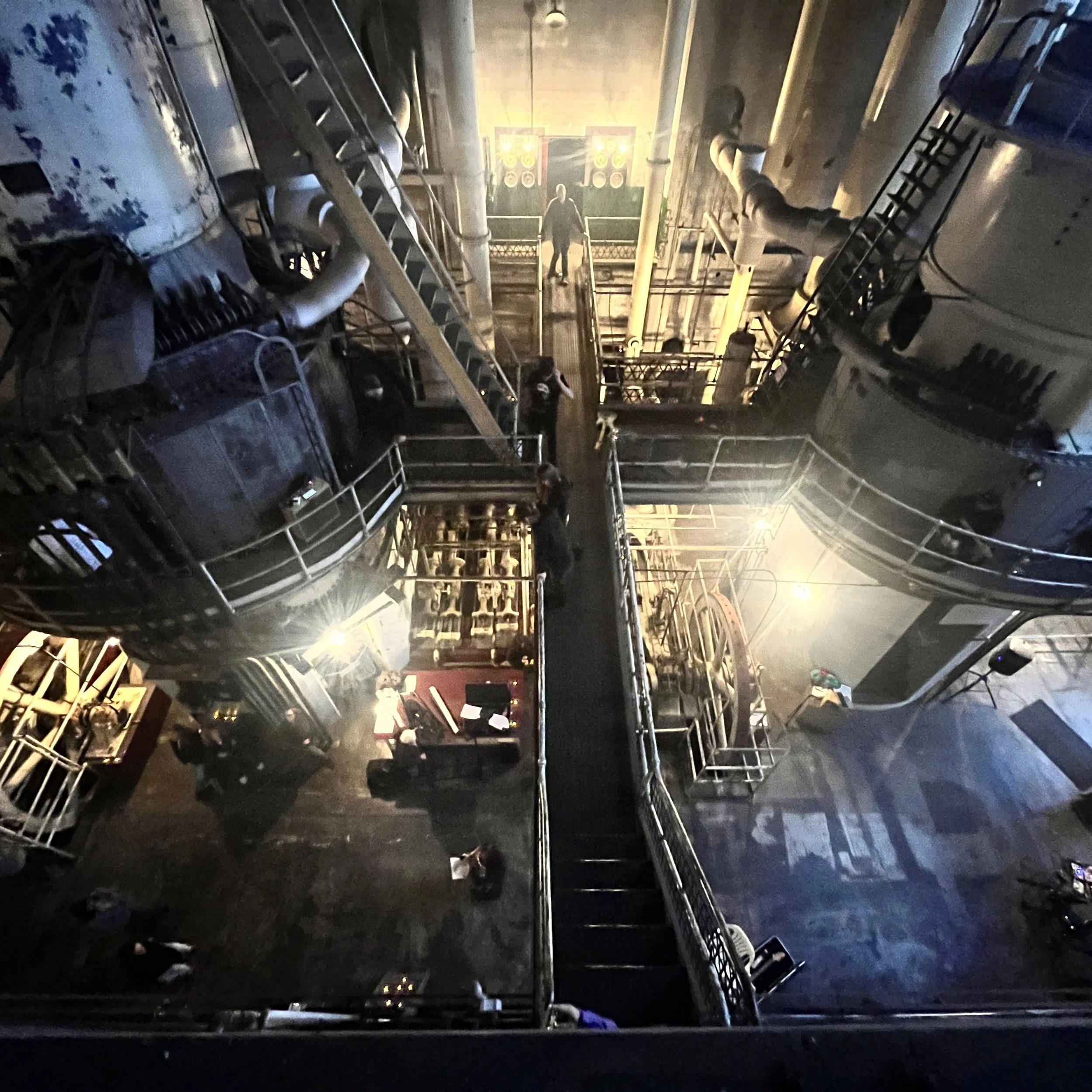
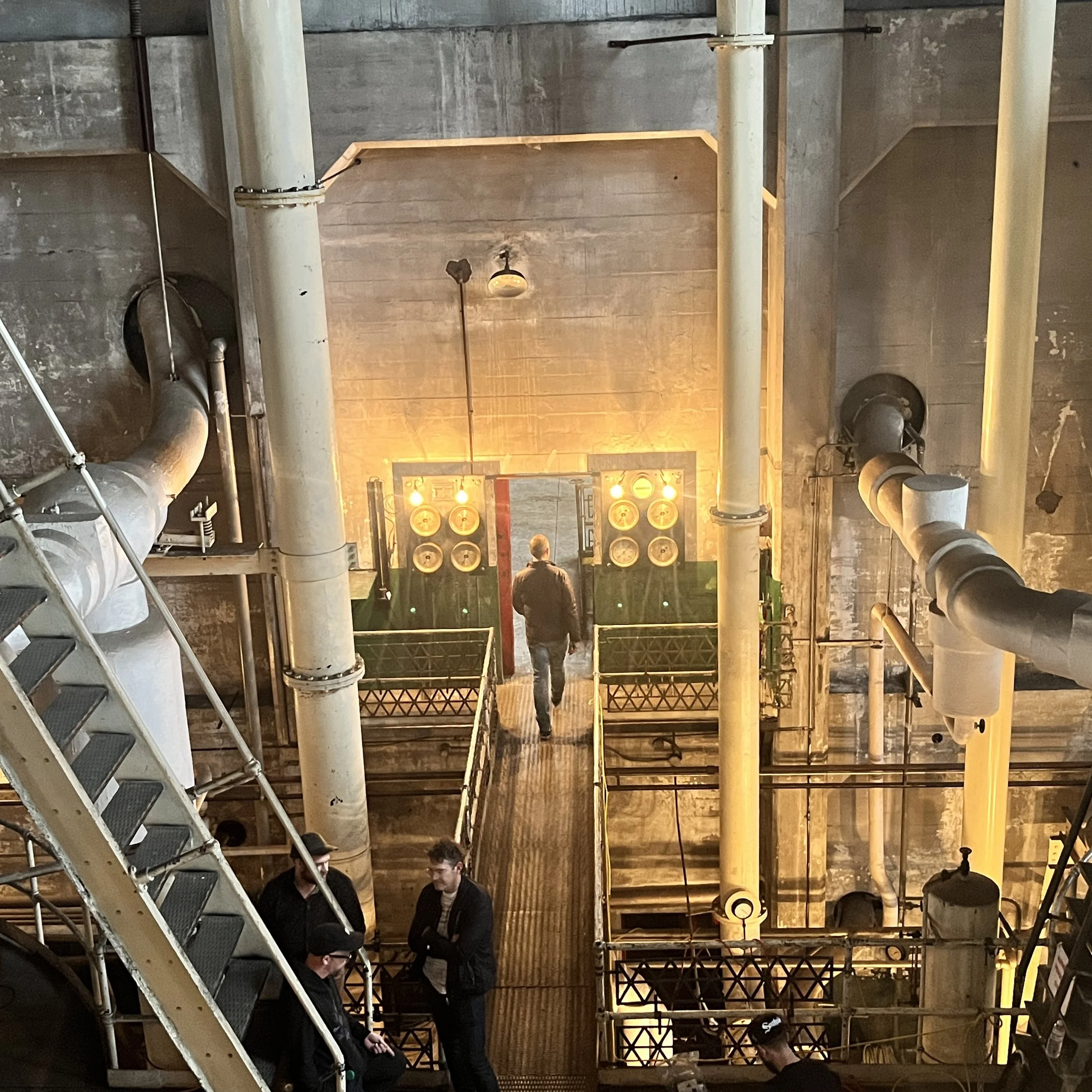
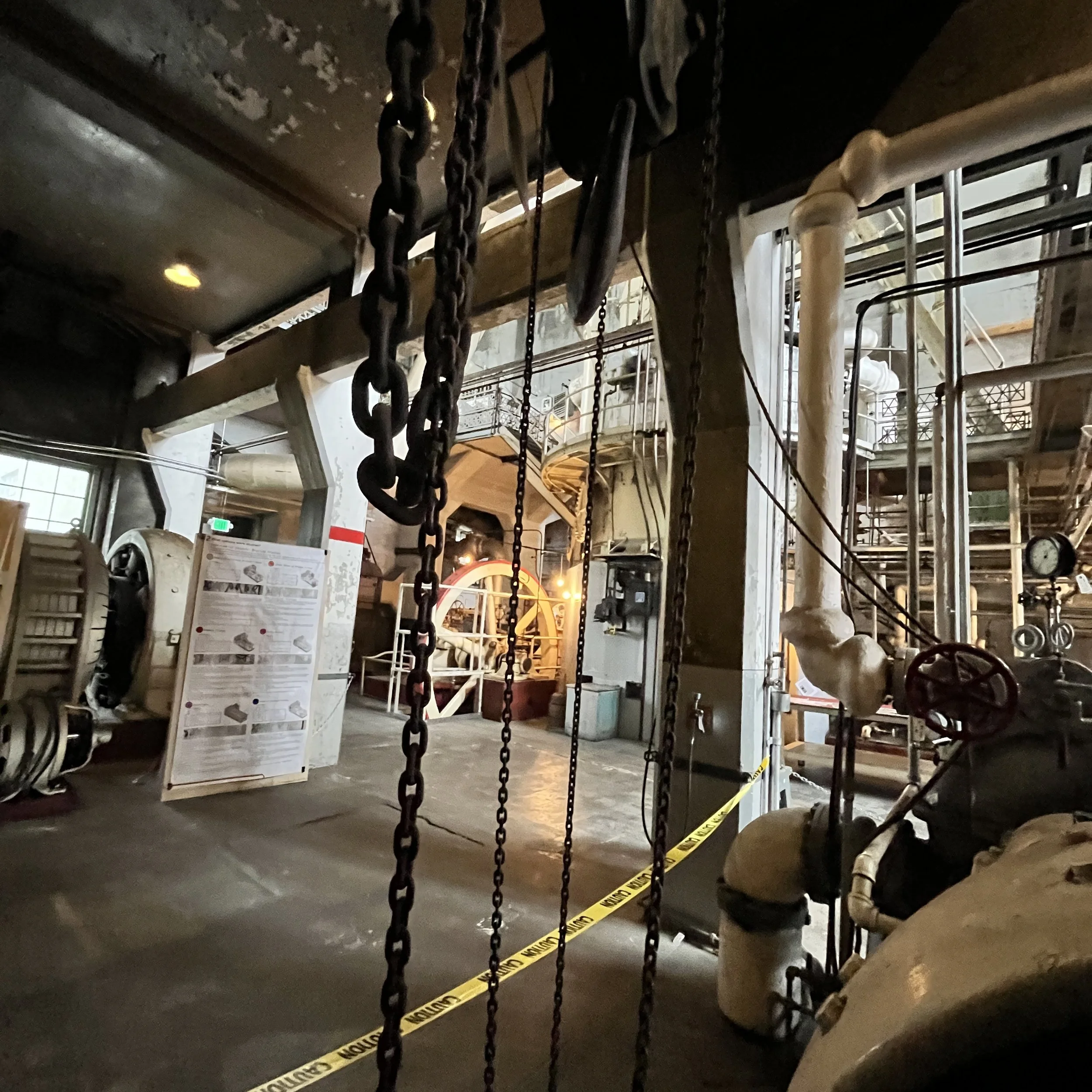
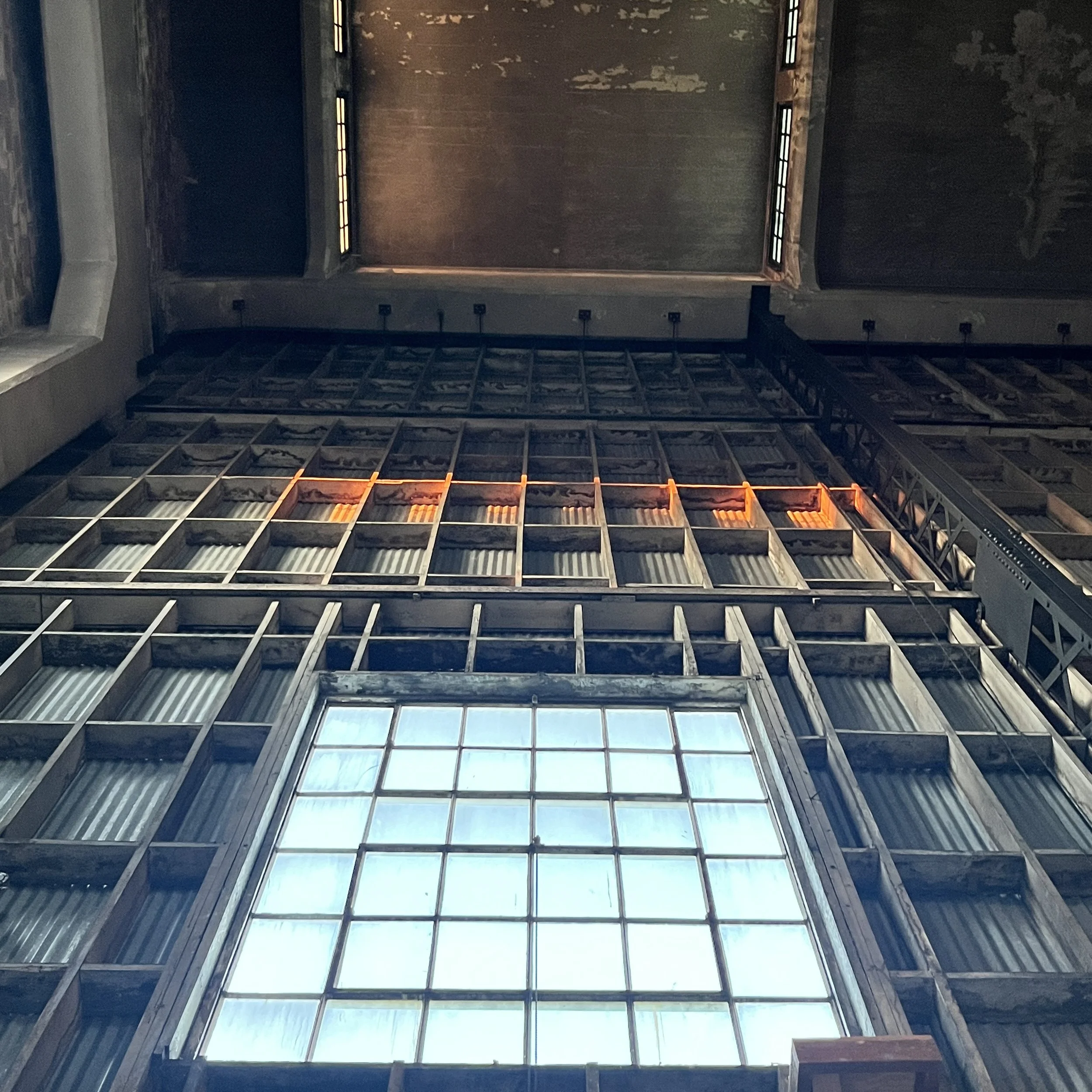
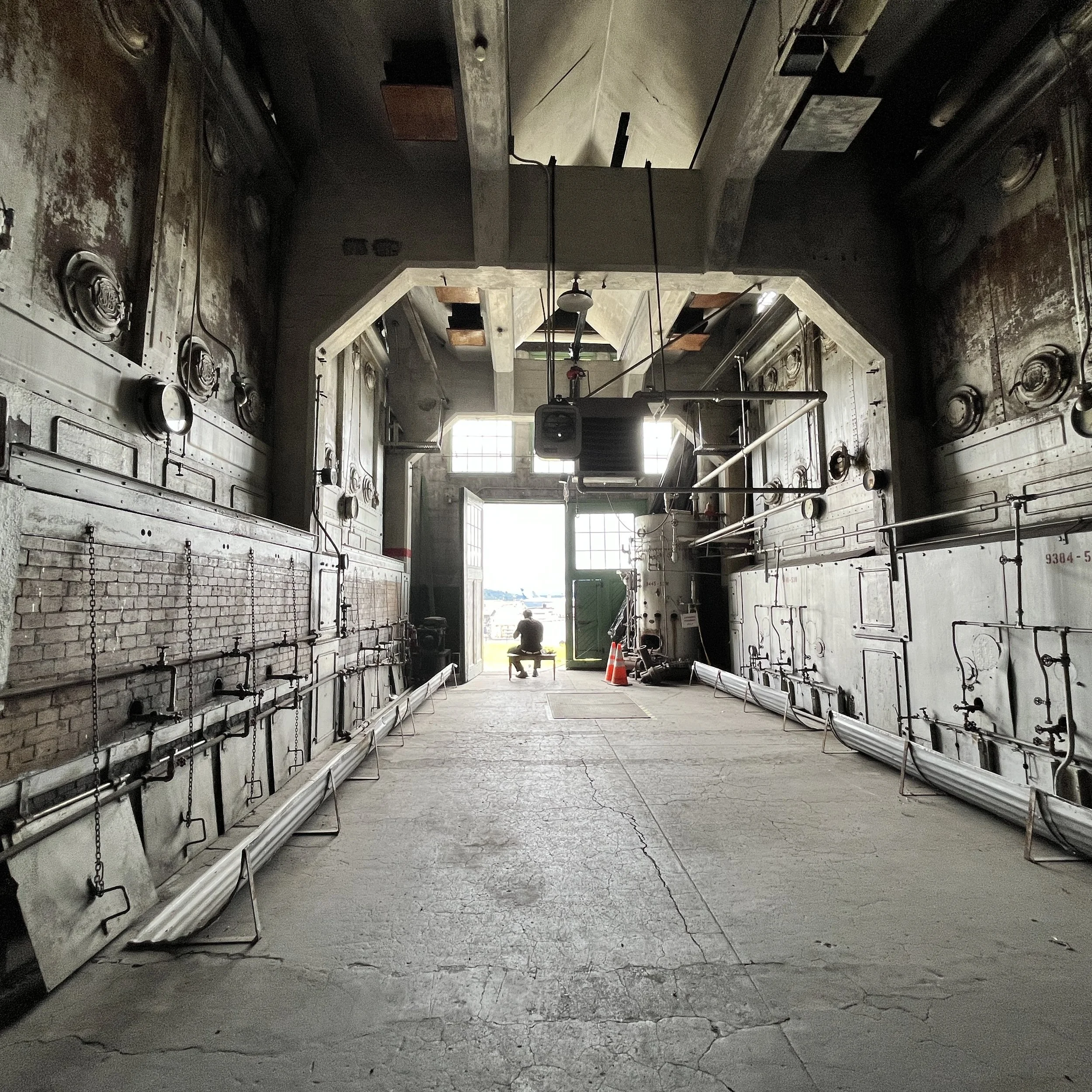
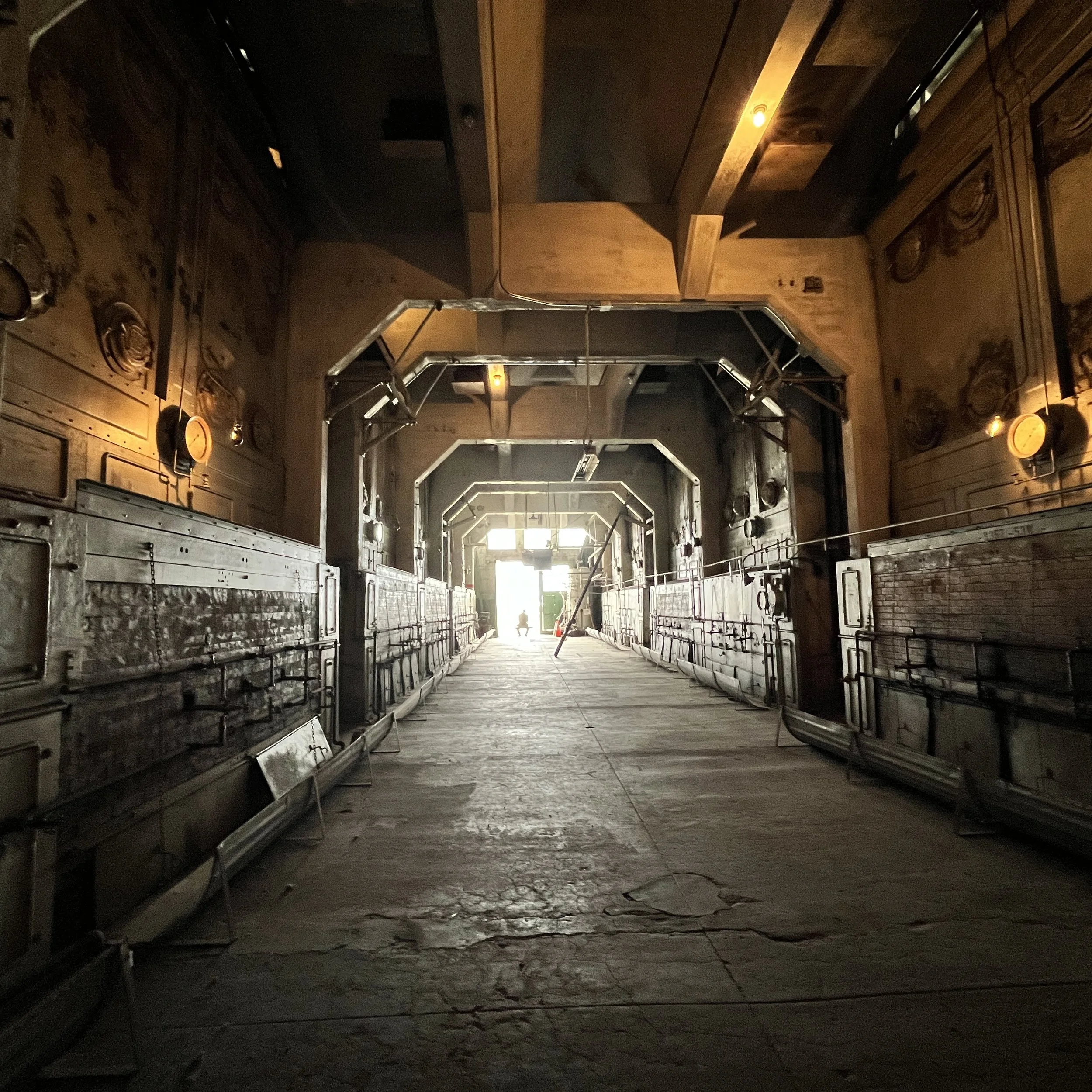
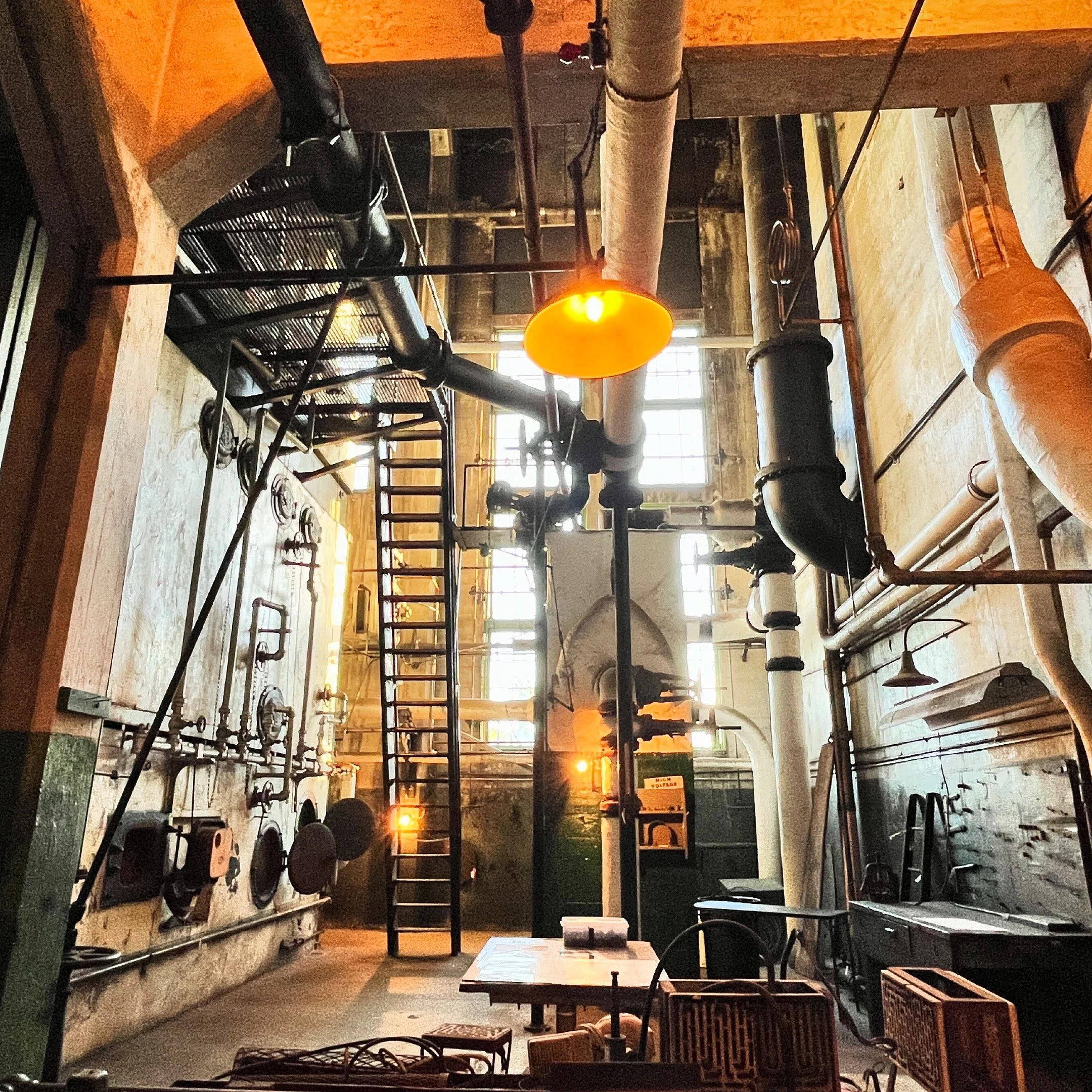
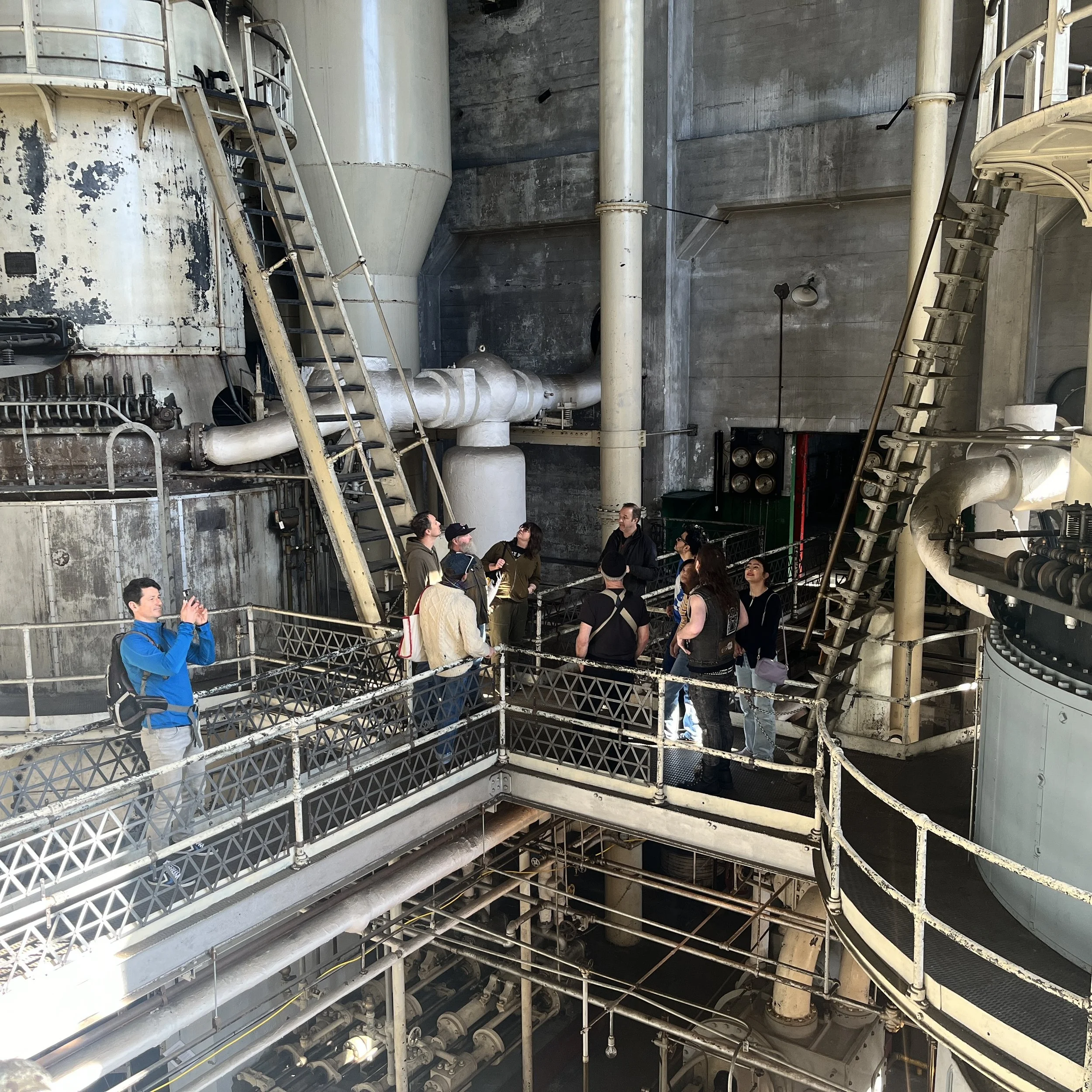
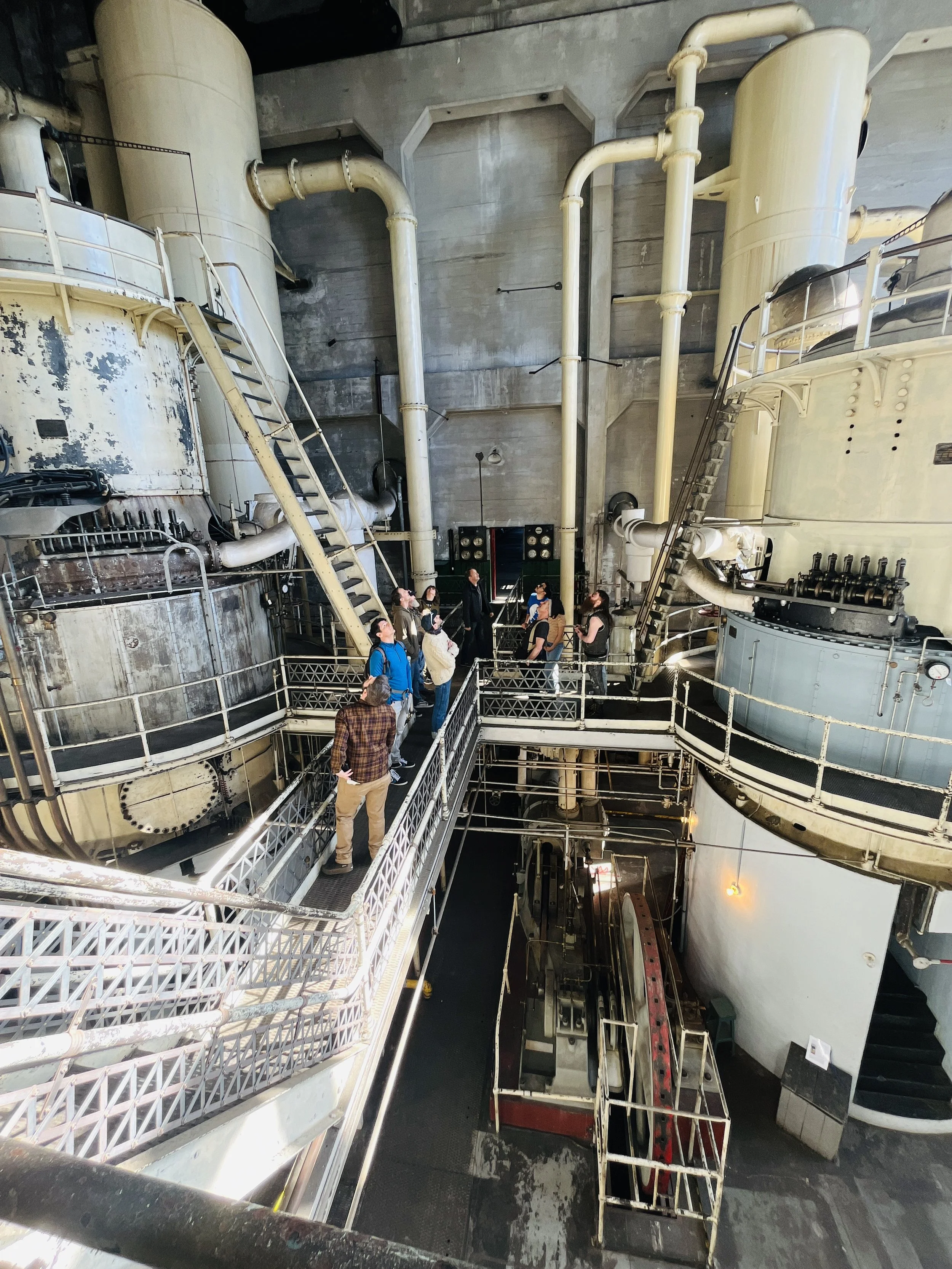
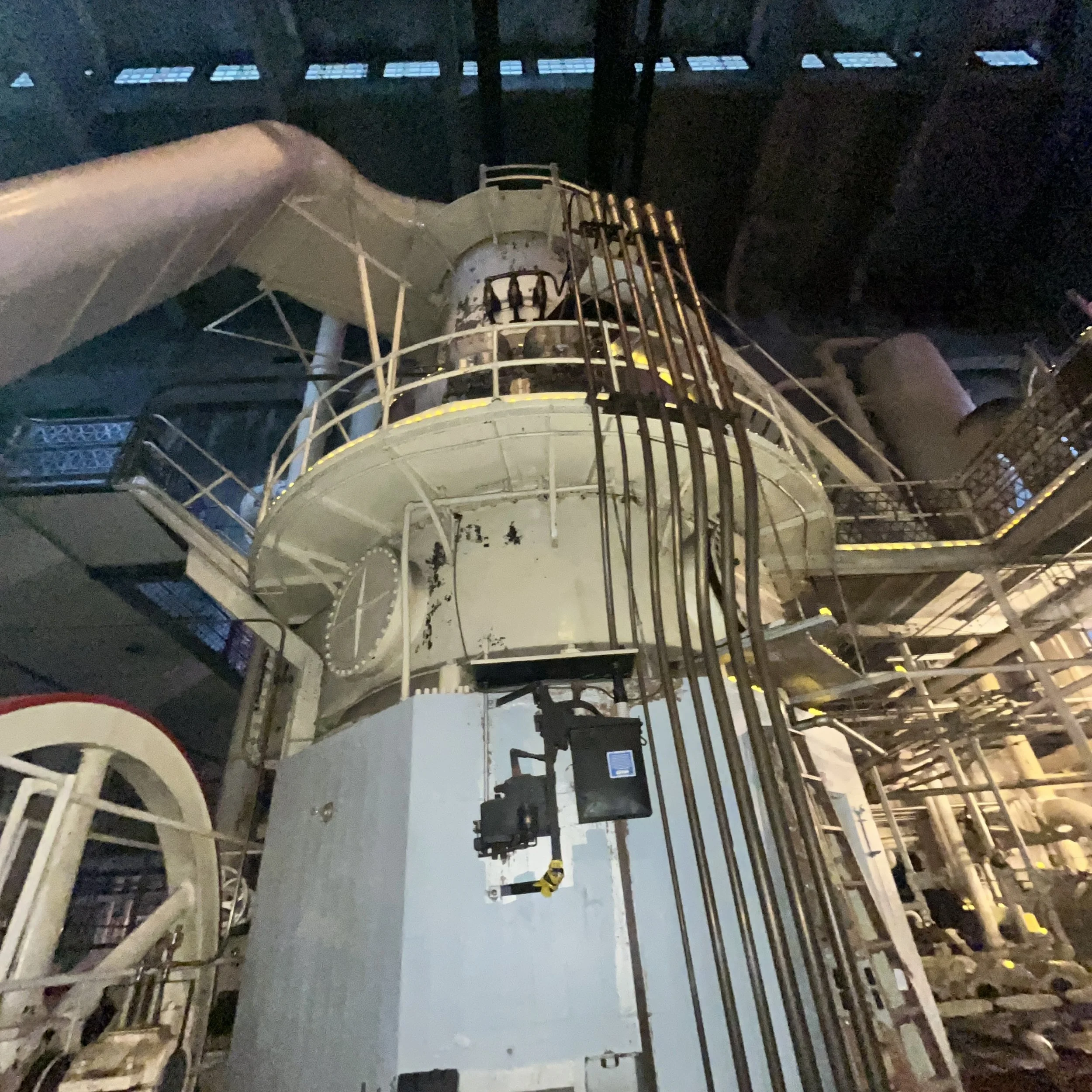
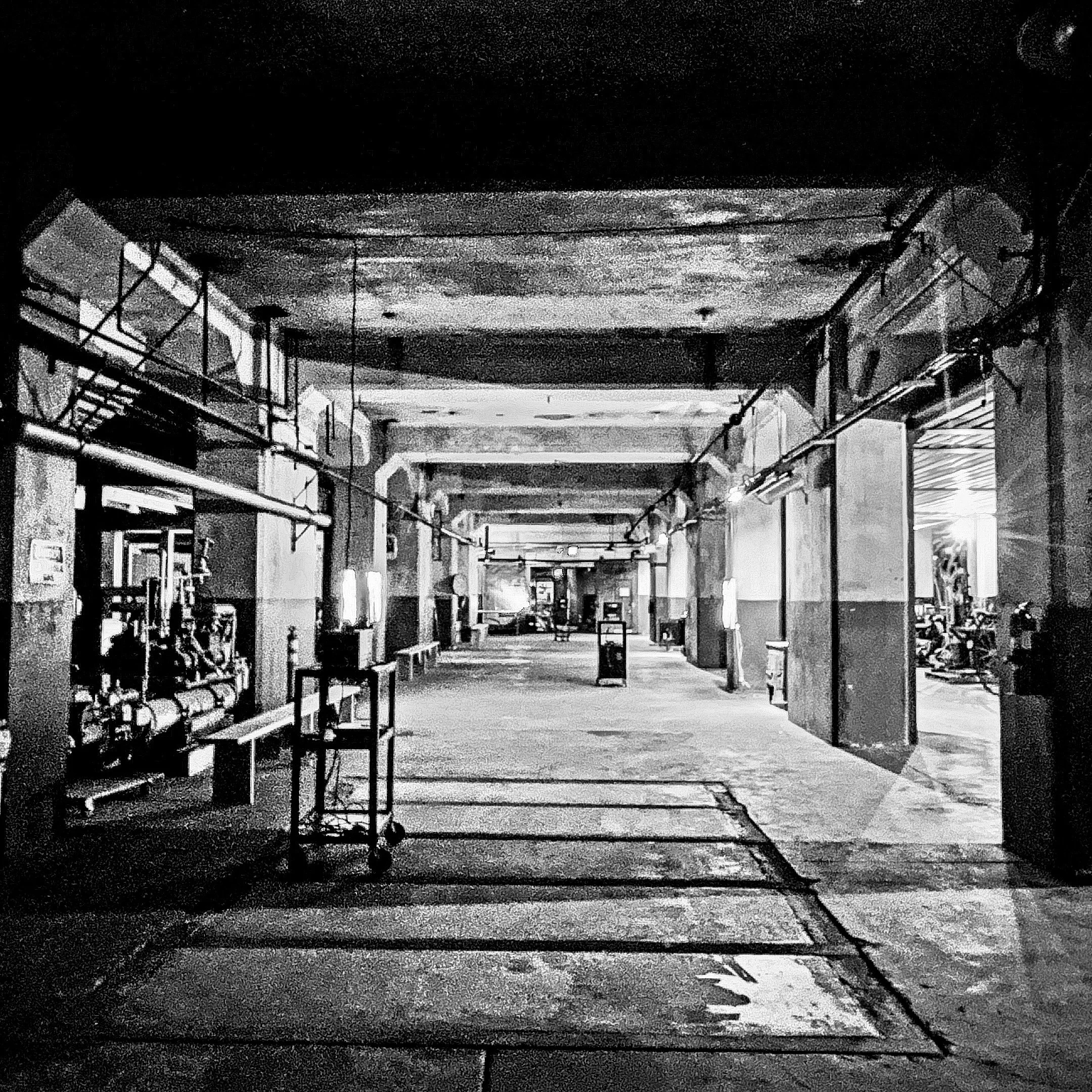
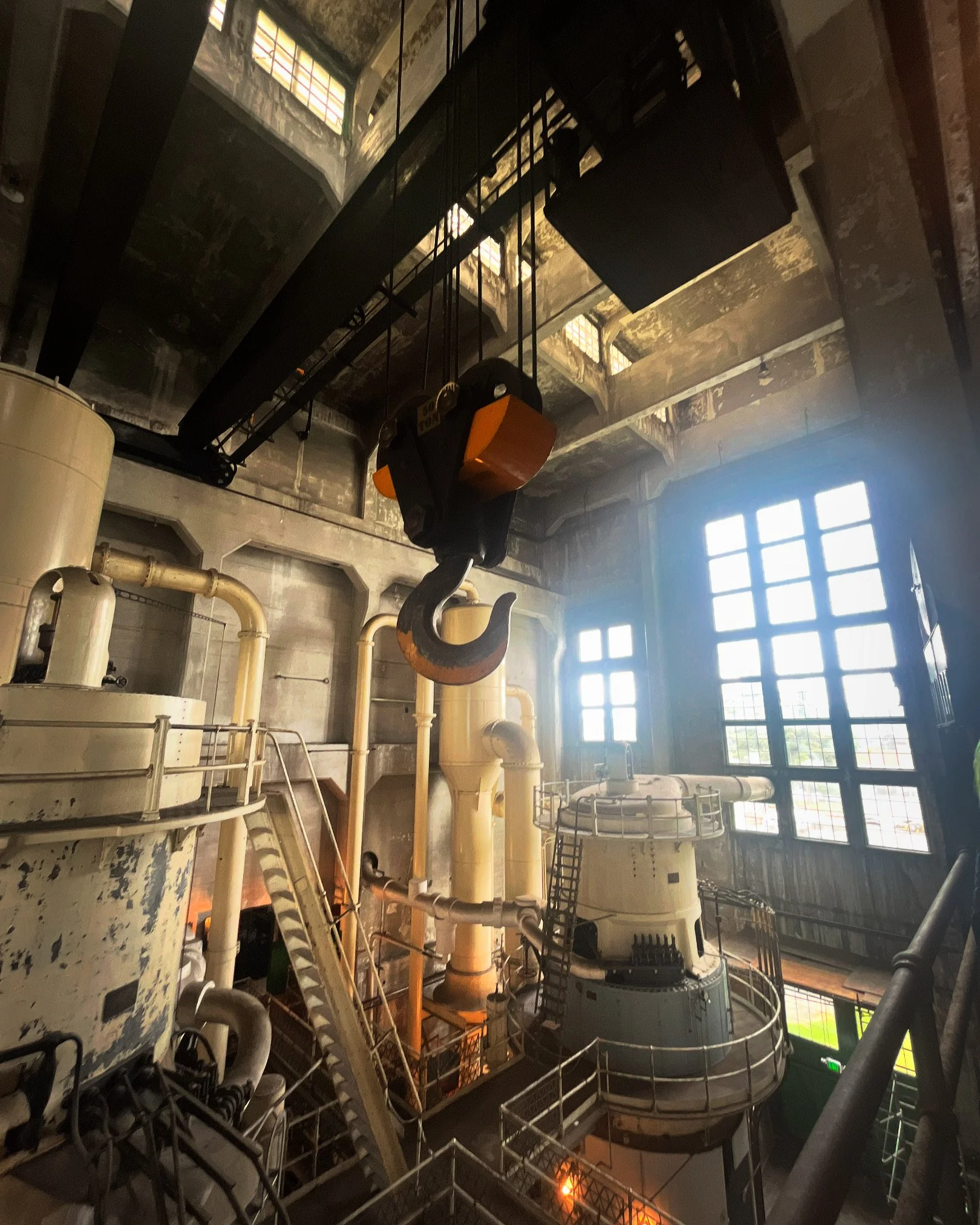
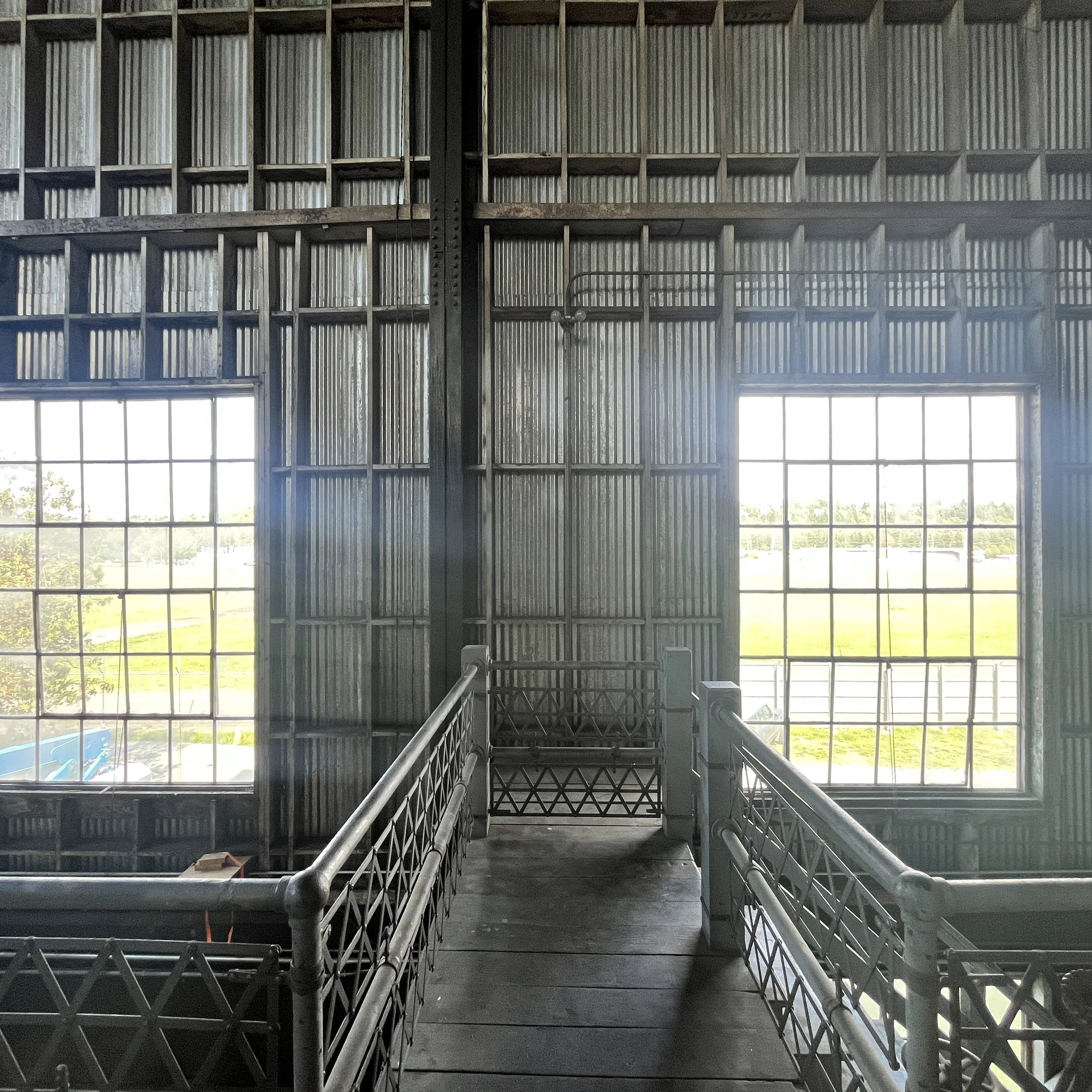
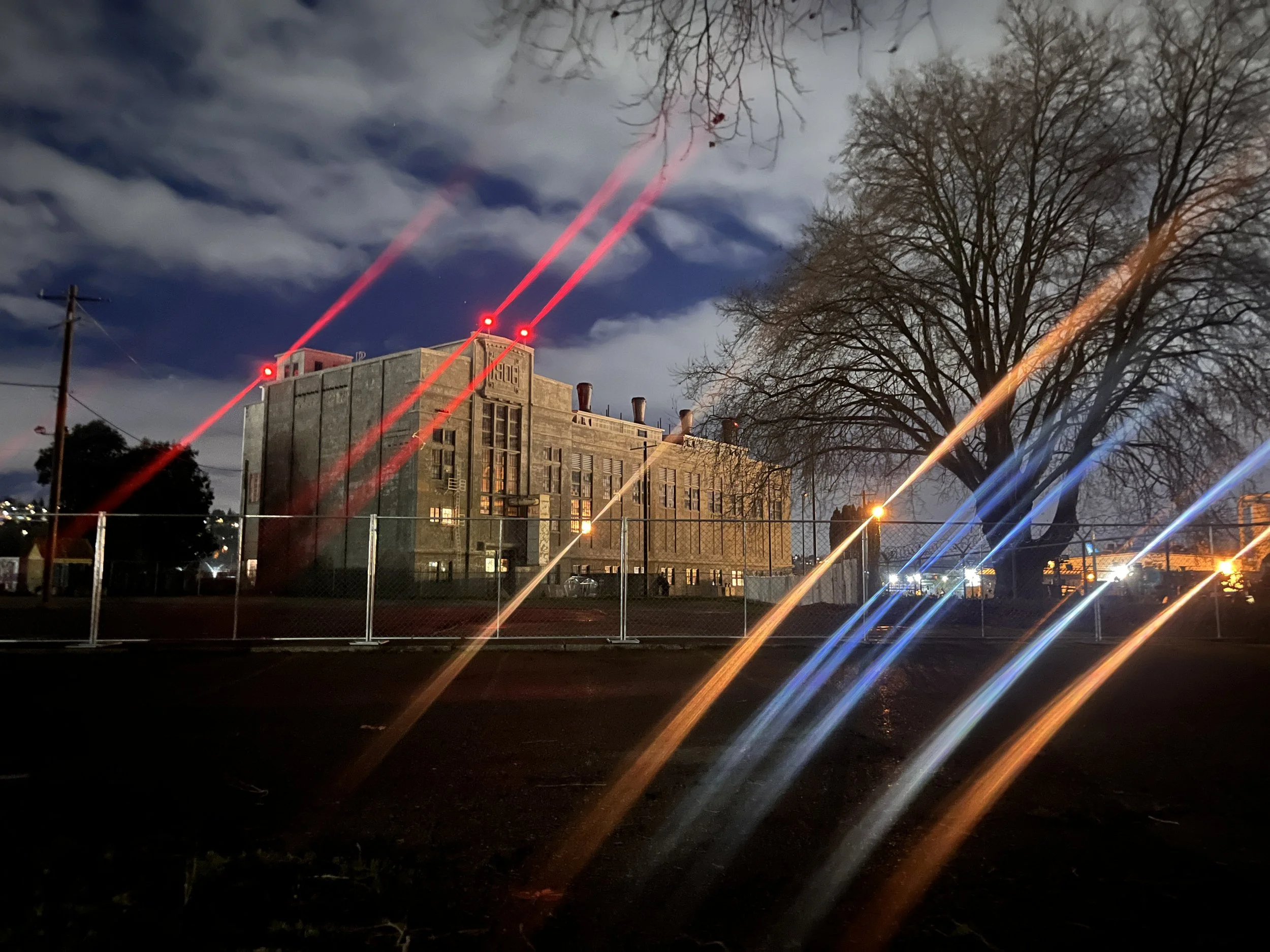
The Georgetown Steam Plant invites a certain kind of wandering to fully experience it—an exploration measured mostly in time. To move through it is to observe, to listen, to trace, and to lose yourself in a deep dive into the union of forces that drove the Industrial Revolution and the expansion of the modern age.
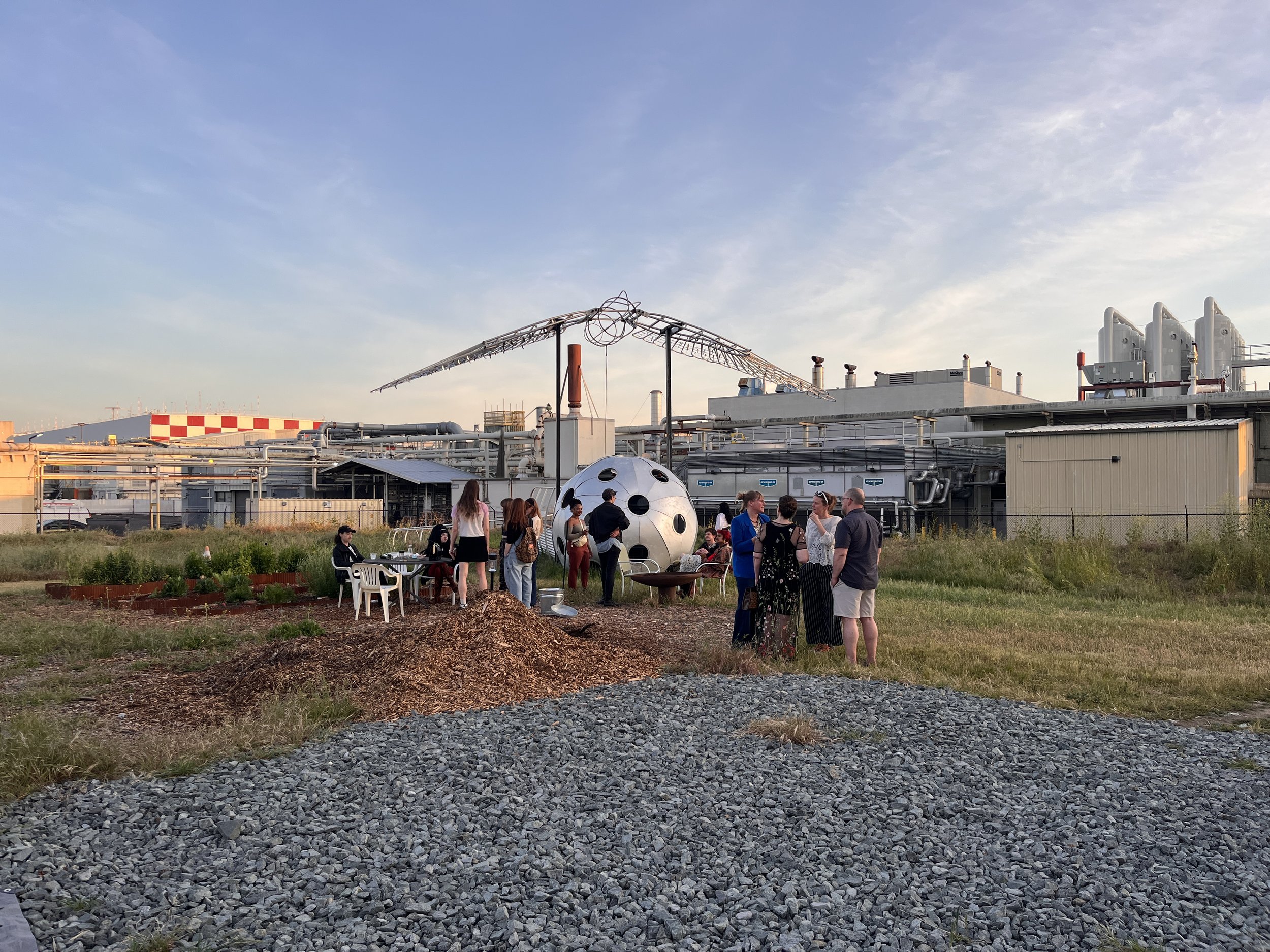
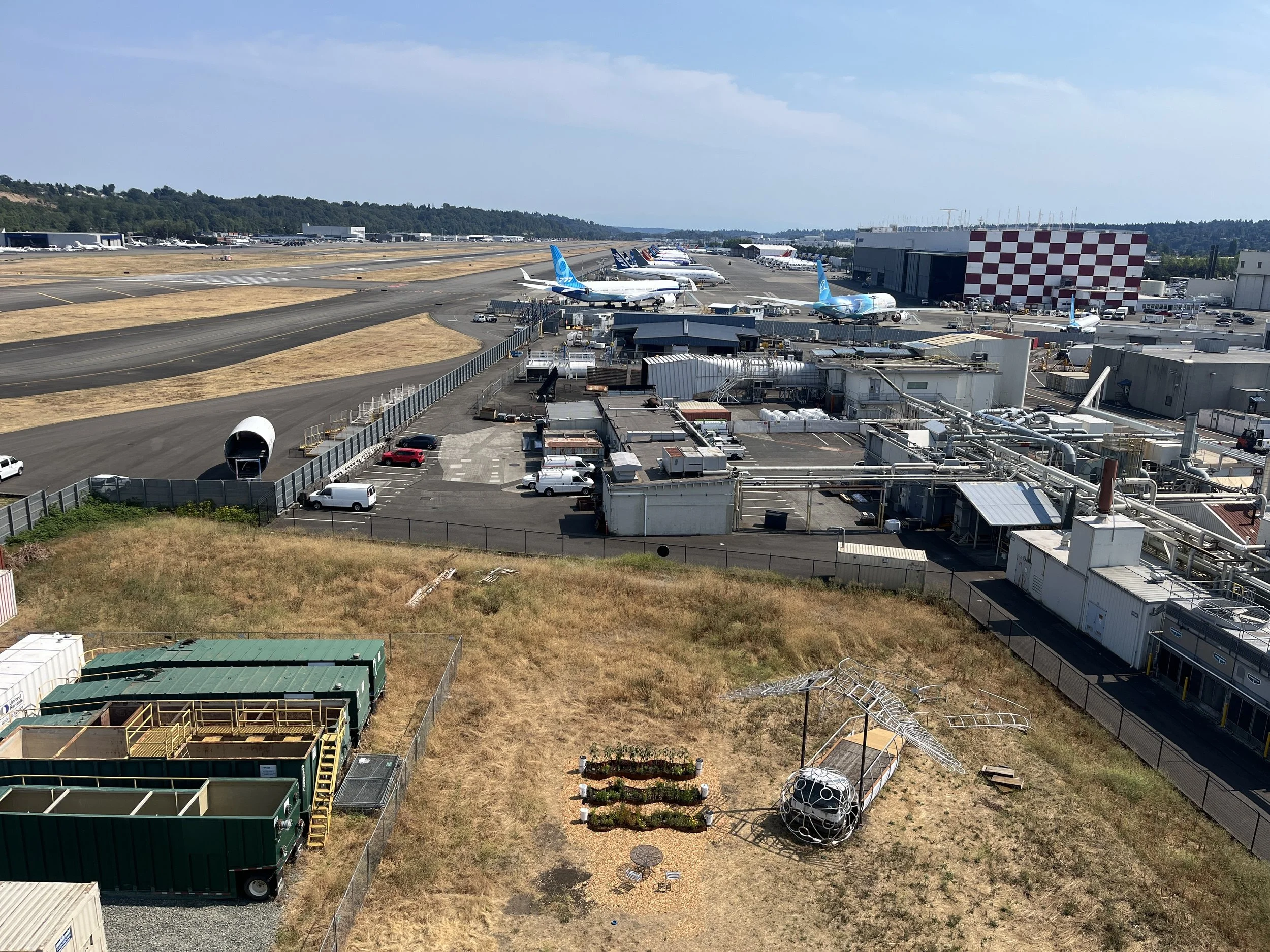
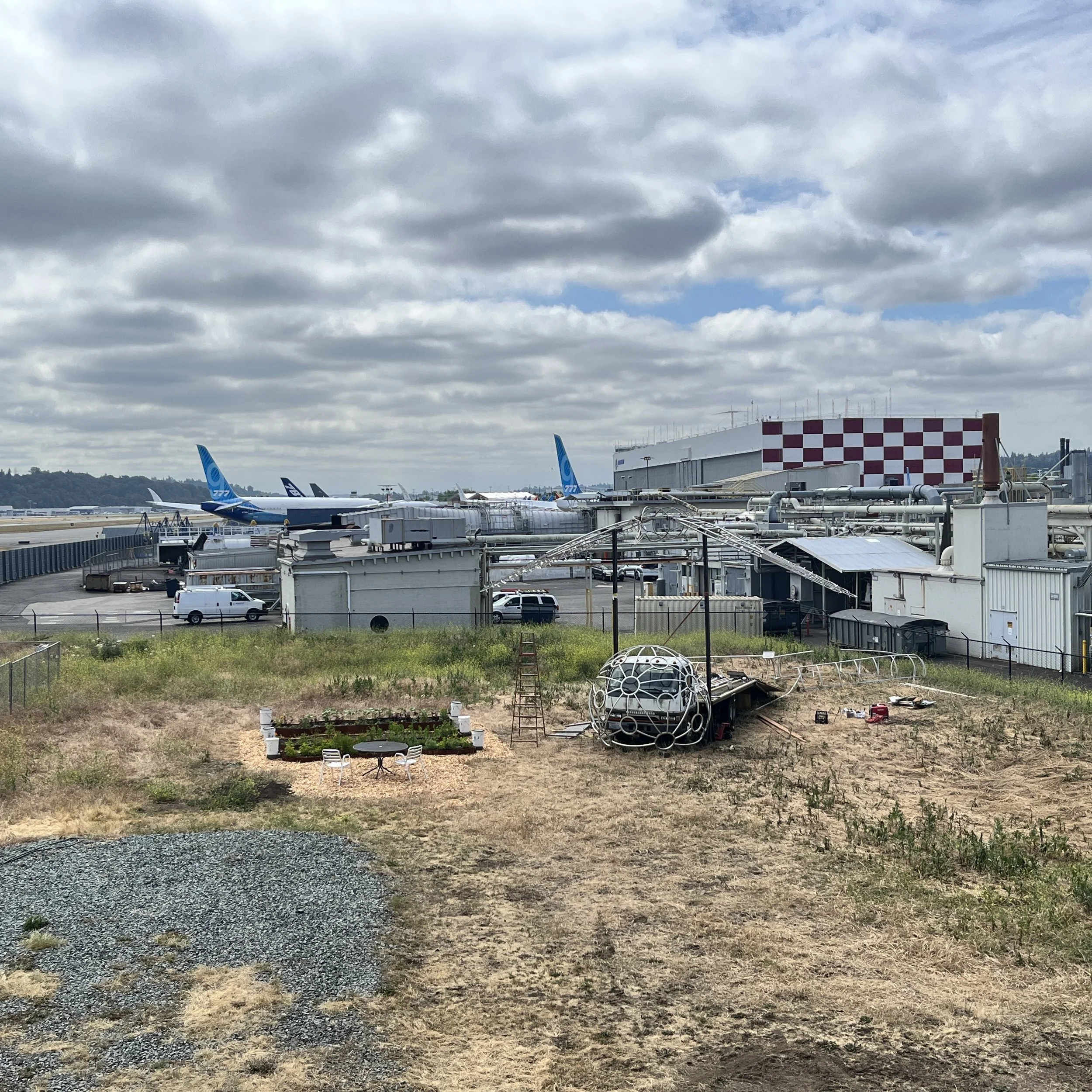
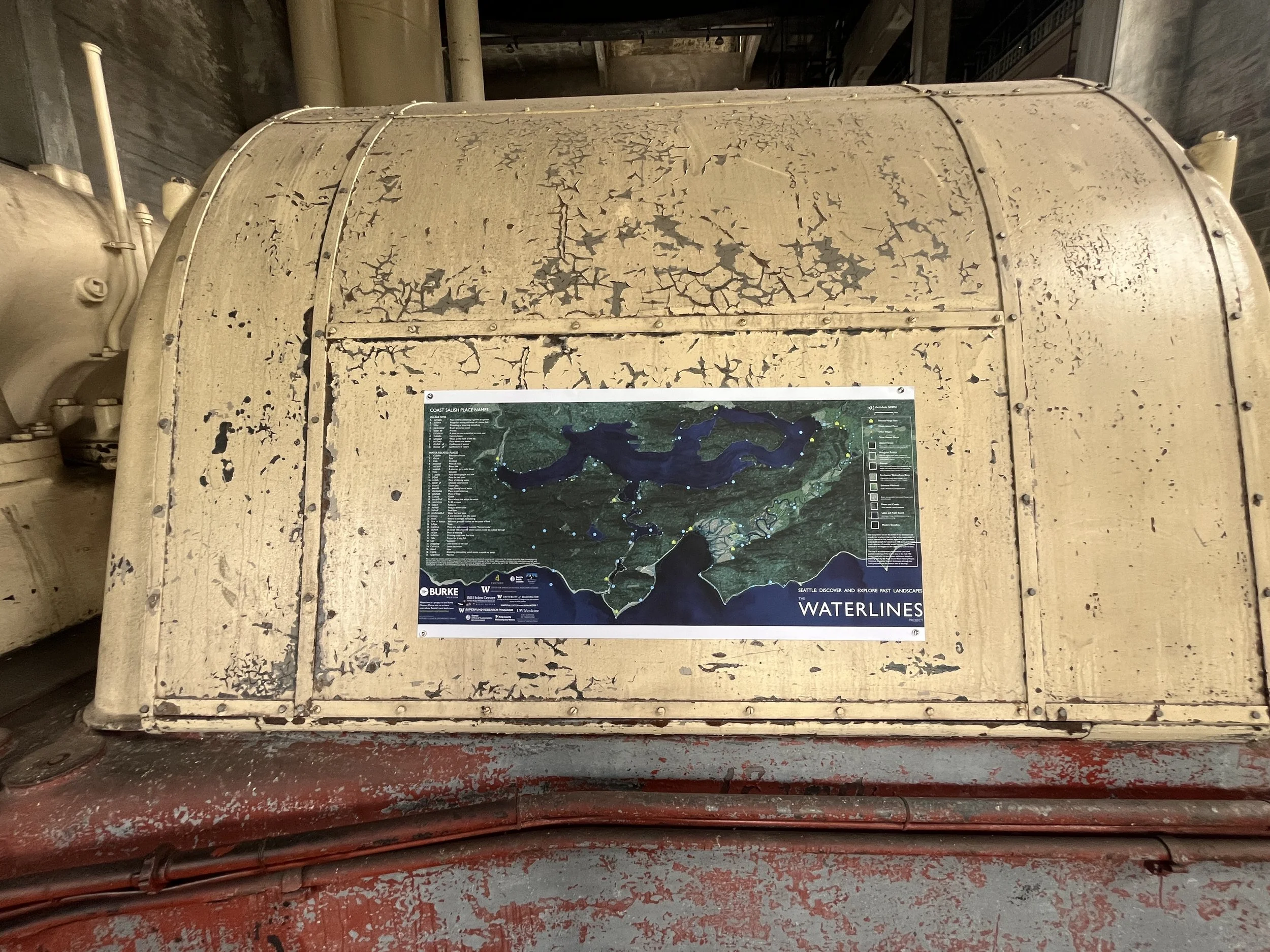
Long before the wooden pilings were pounded into the Earth to support its massive form, these landscapes belonged to the meandering Duwamish River and the Duwamish (dxwd∂w?αbsˇ) village of Tuqwe’LTid.
This multi-dimensional history permeates the air with the heavy scent of trapped bunker oil, the ghost-static of silent machinery, and the silent rush of an ancient river and village life no longer visible. Though hidden from view, the village's presence endures beneath this modern landscape, reminding us that every industrial monument stands upon a much older story.
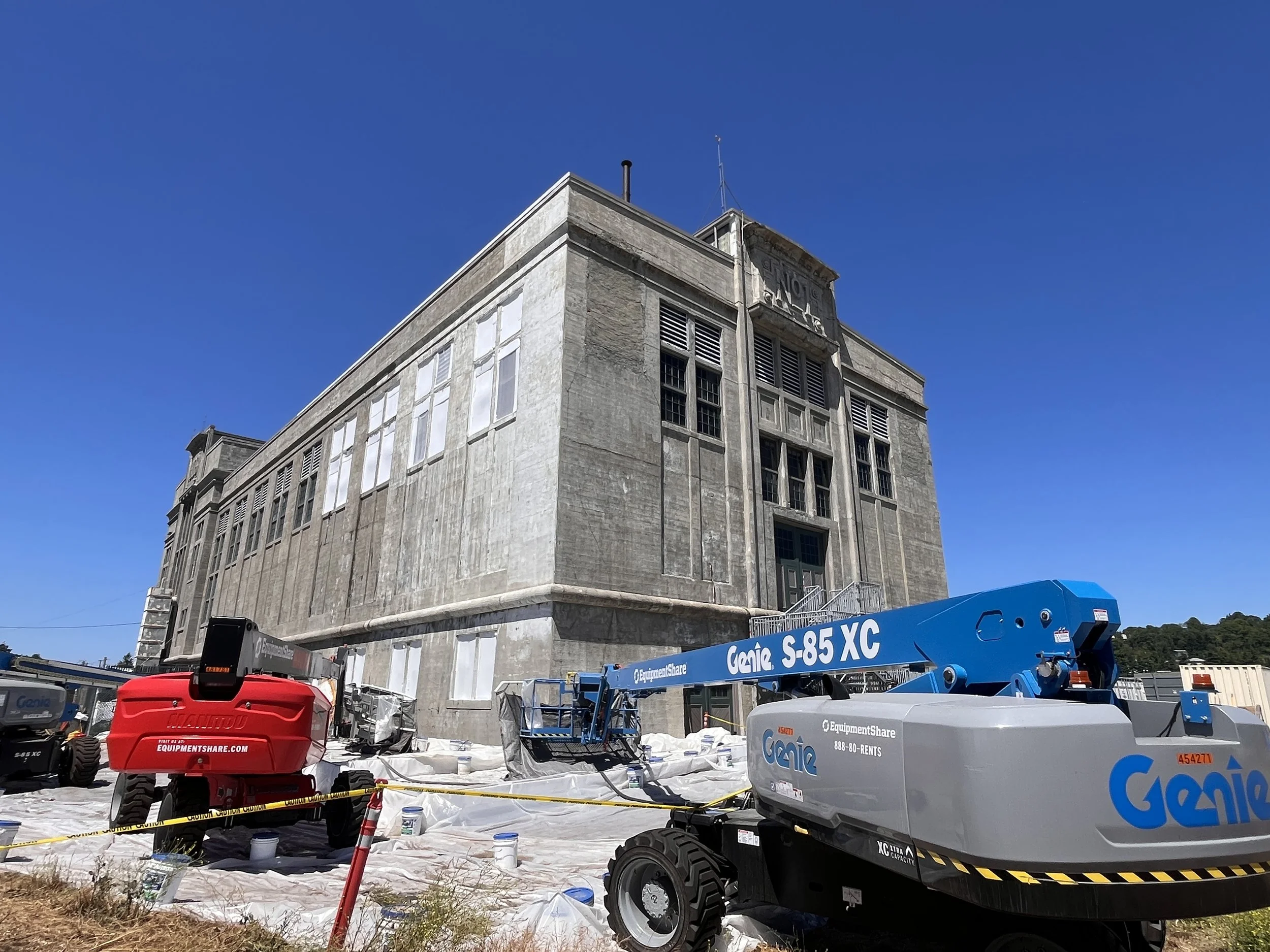
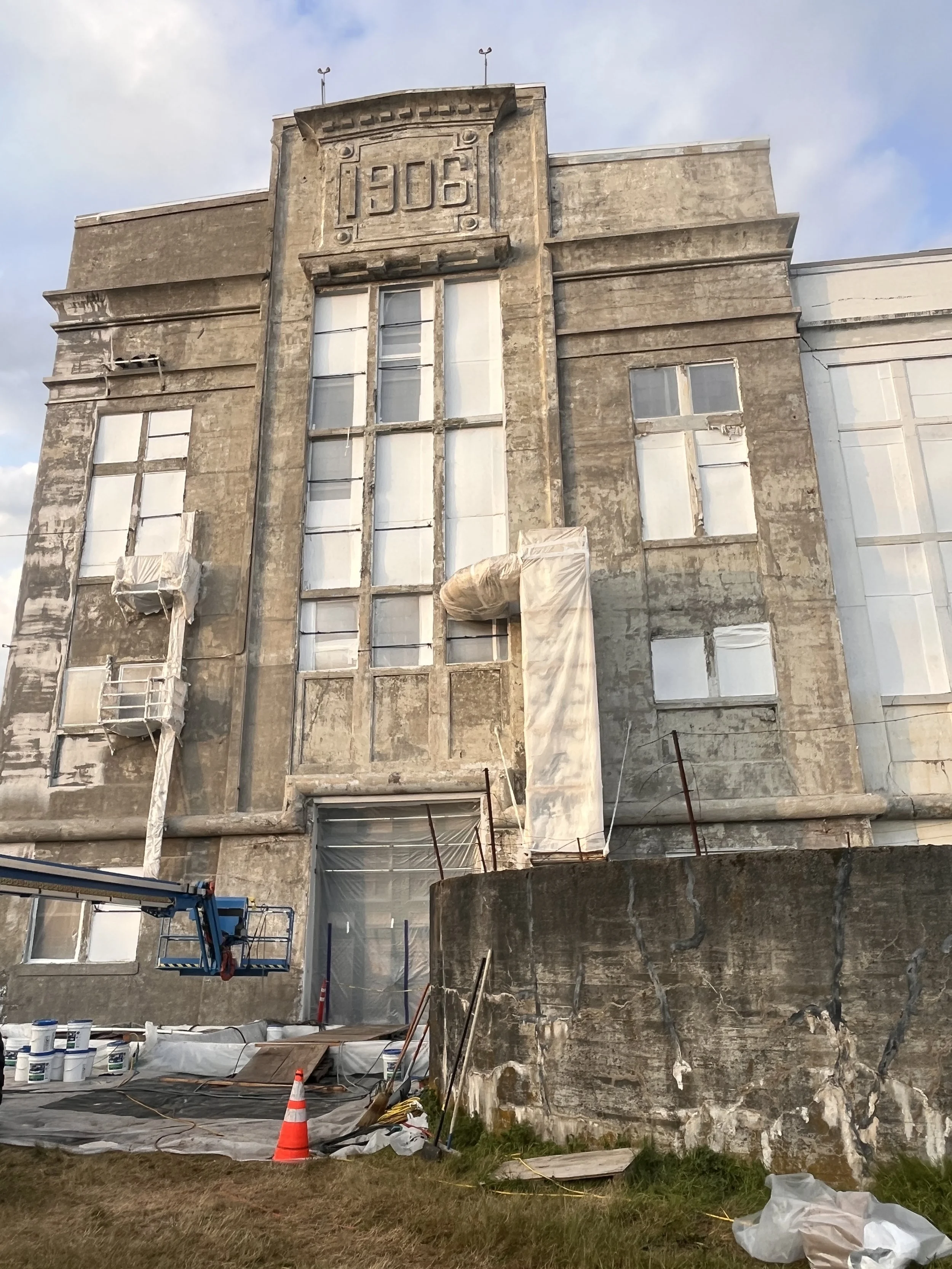
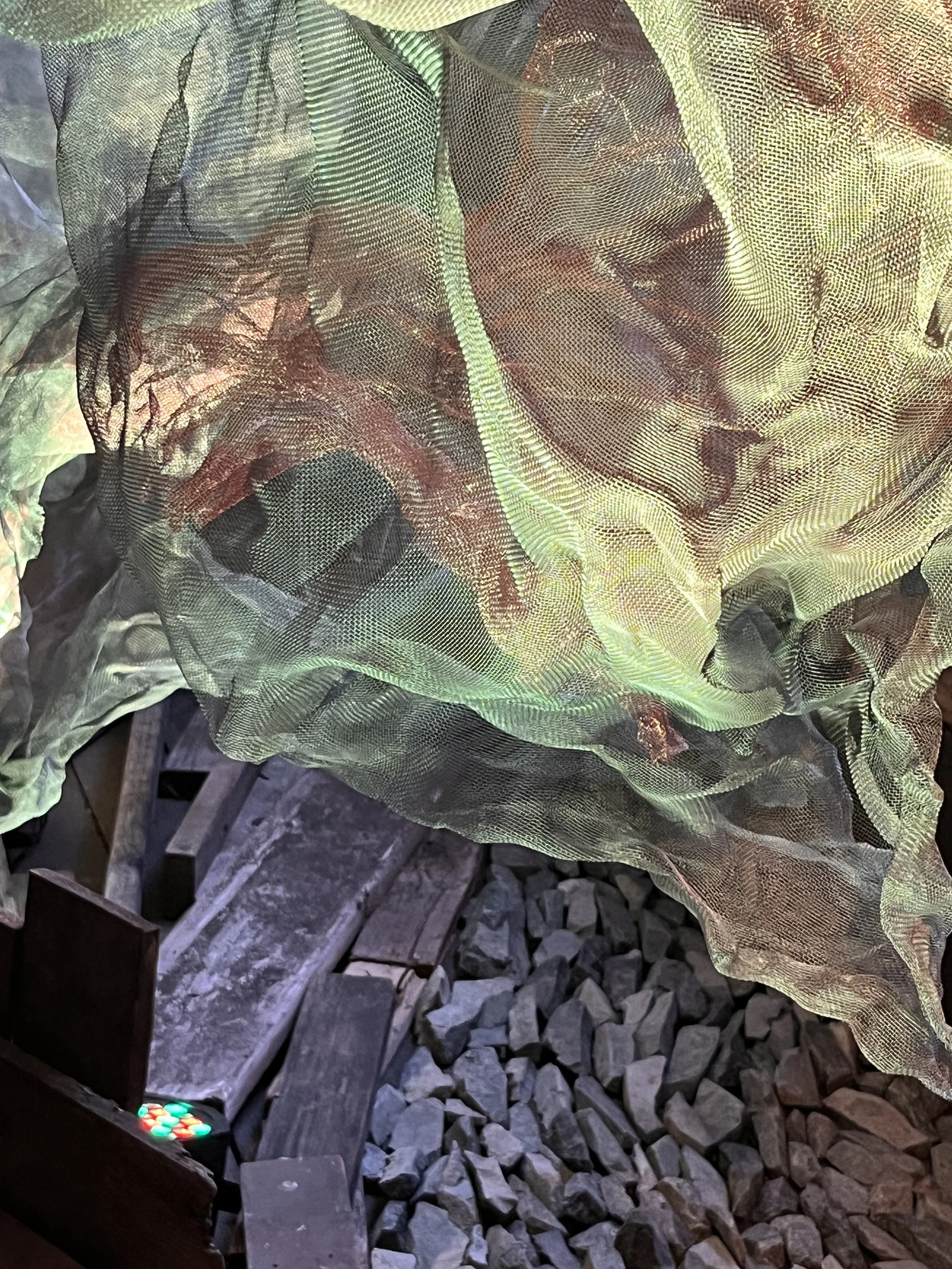
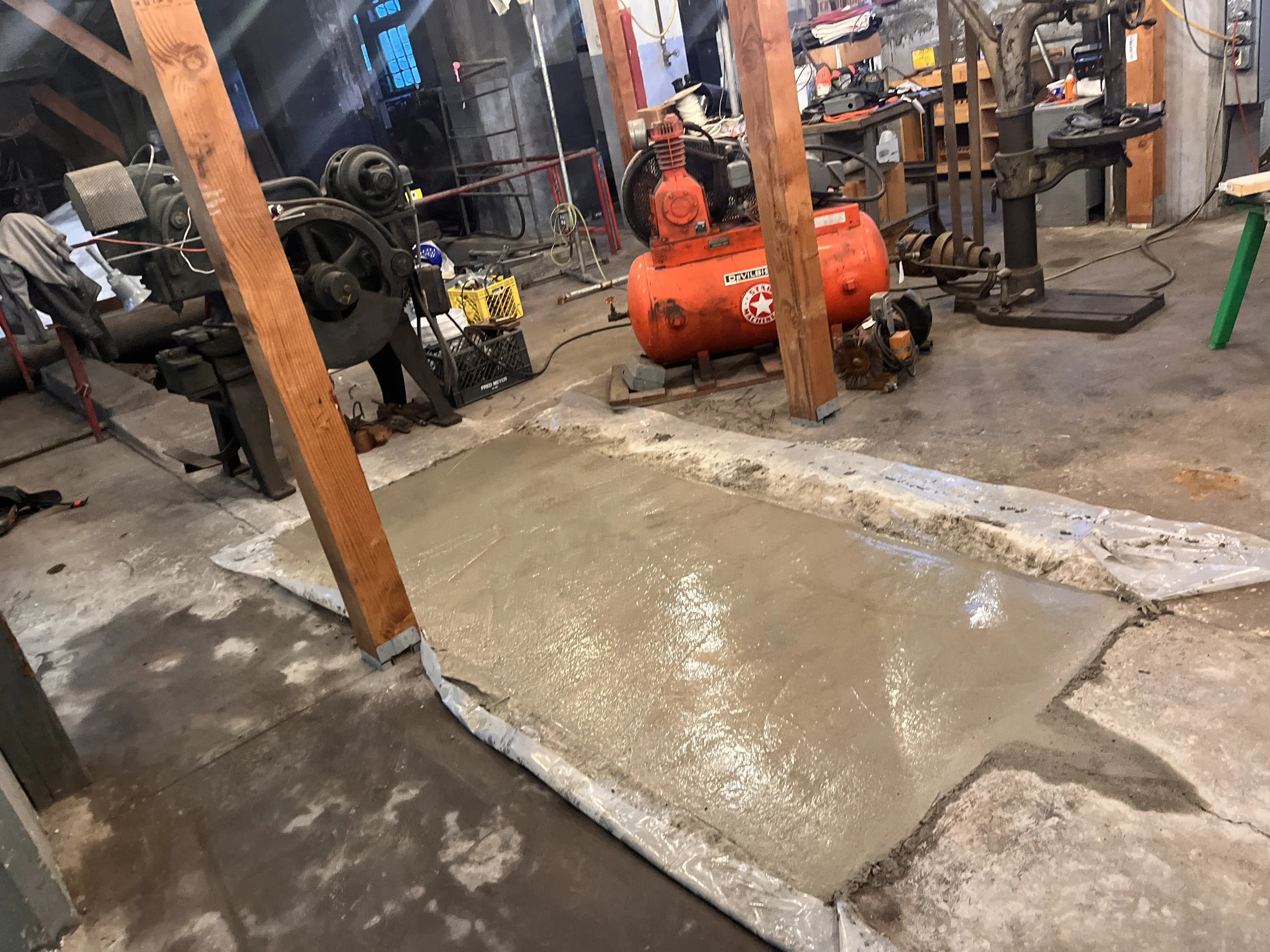
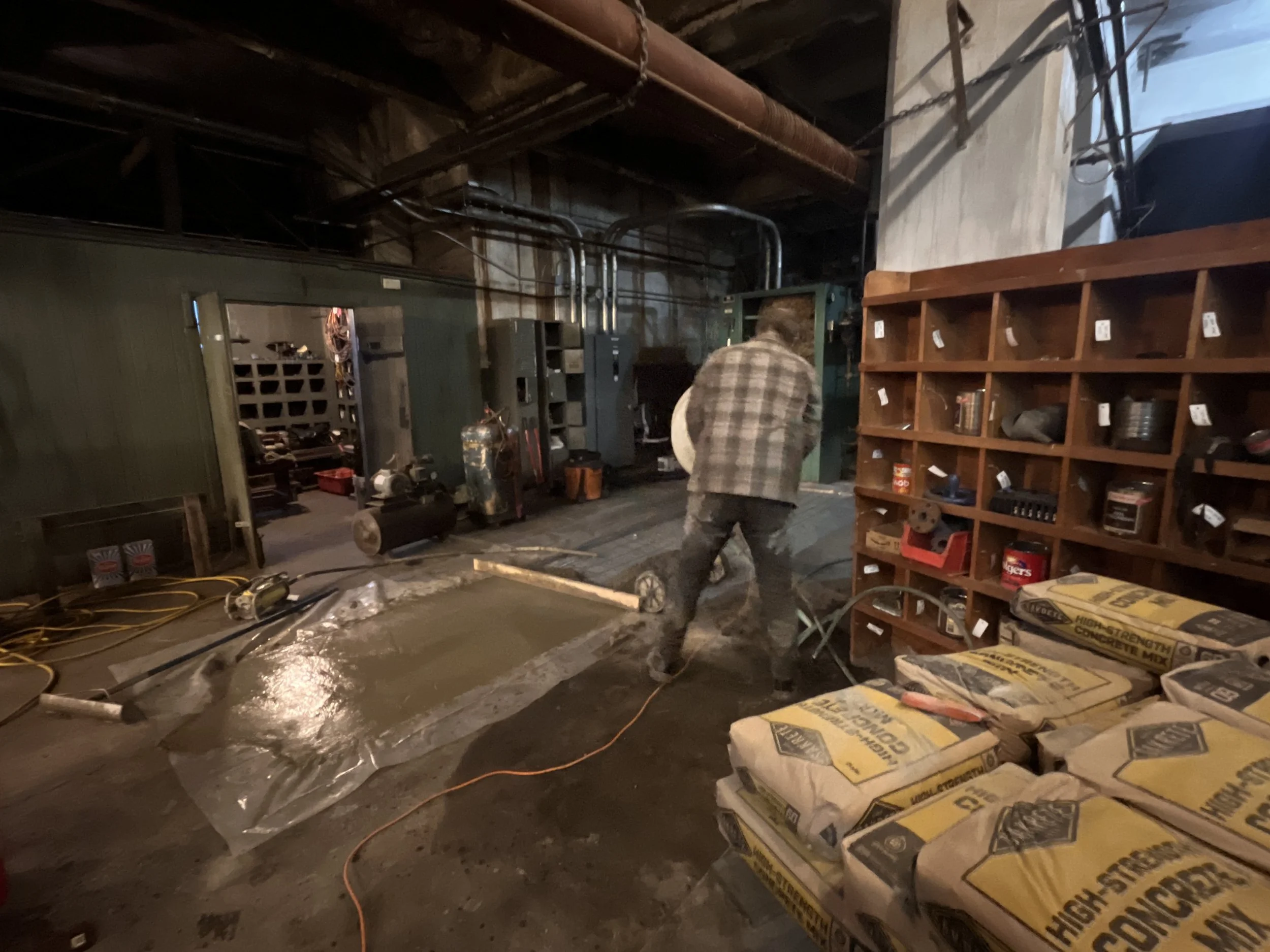
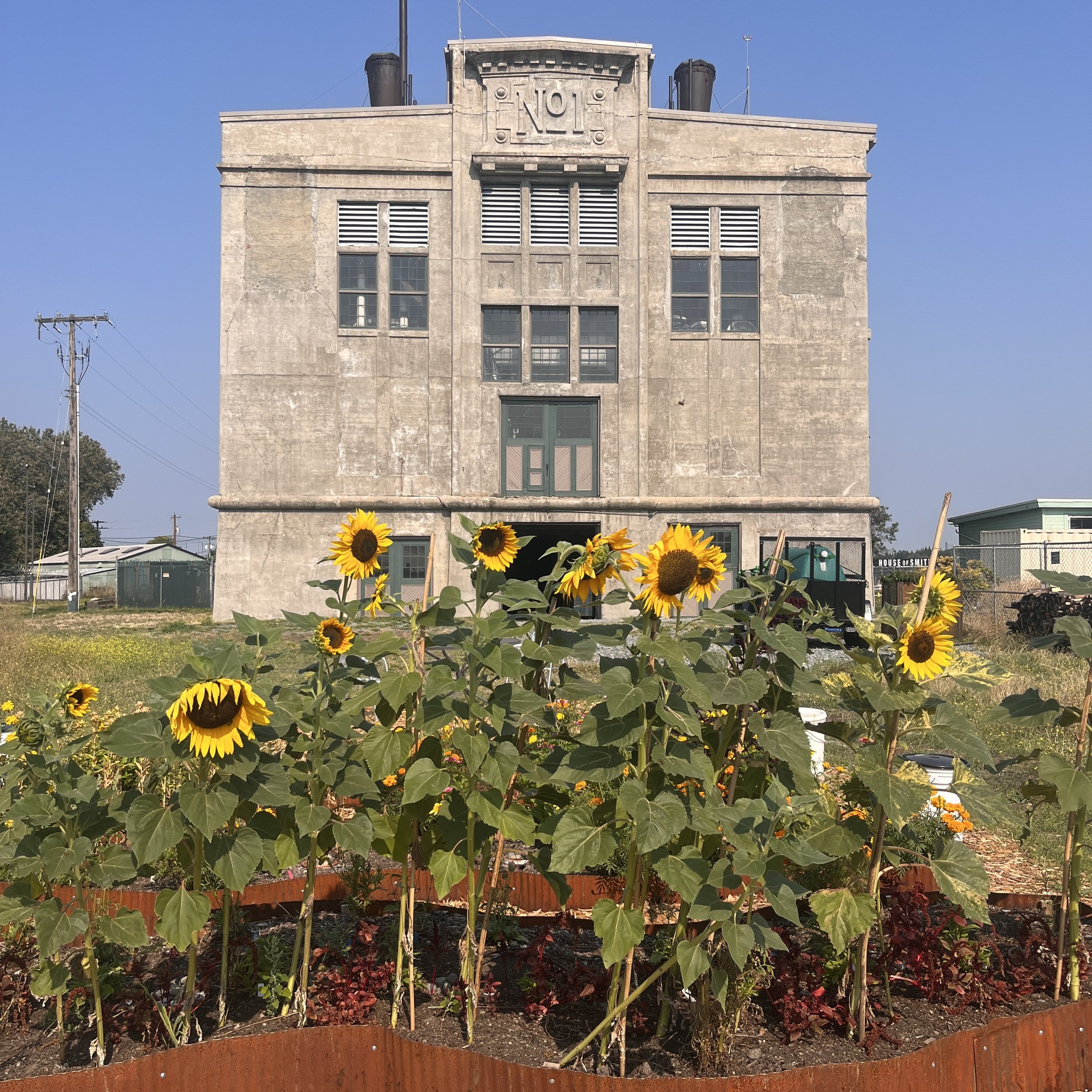
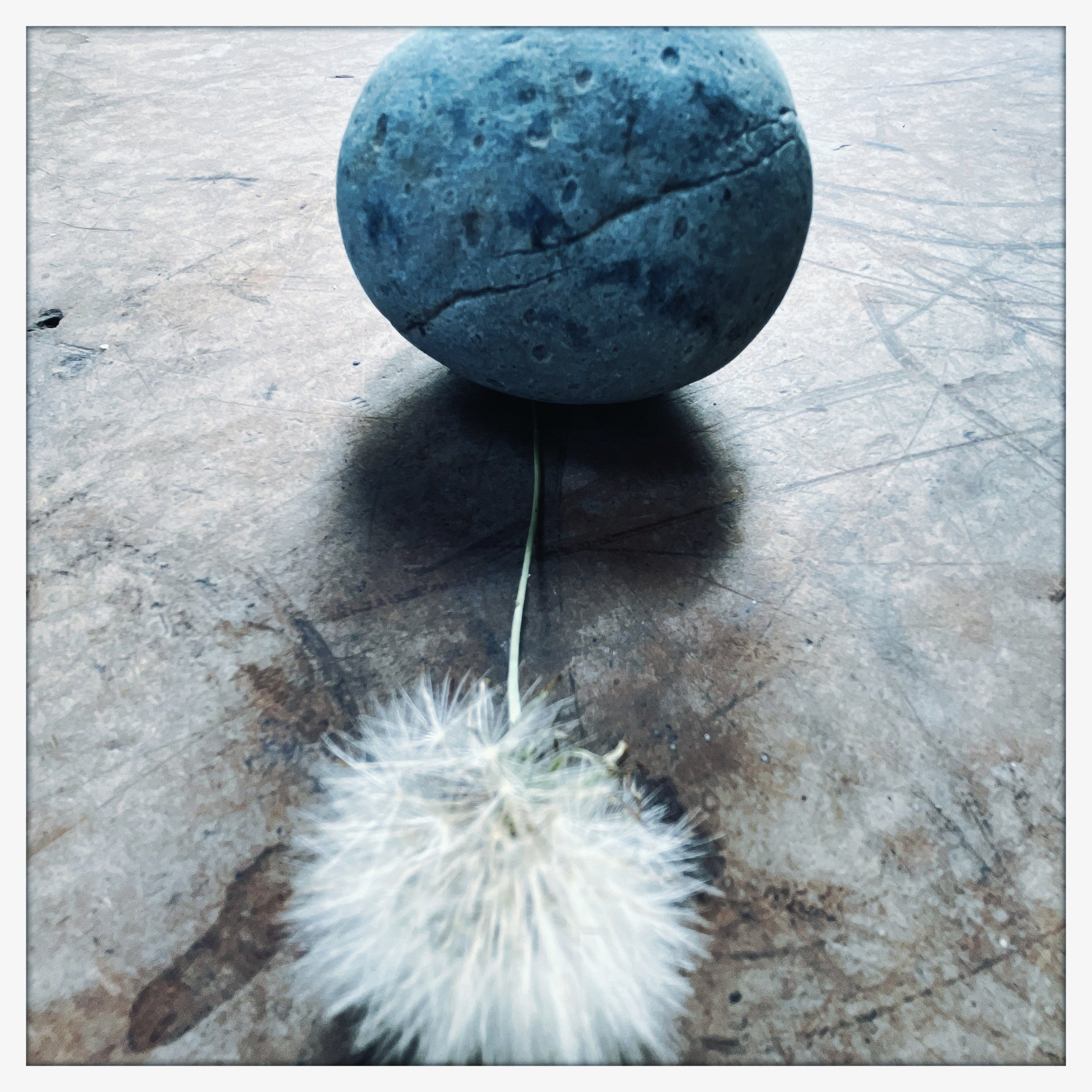
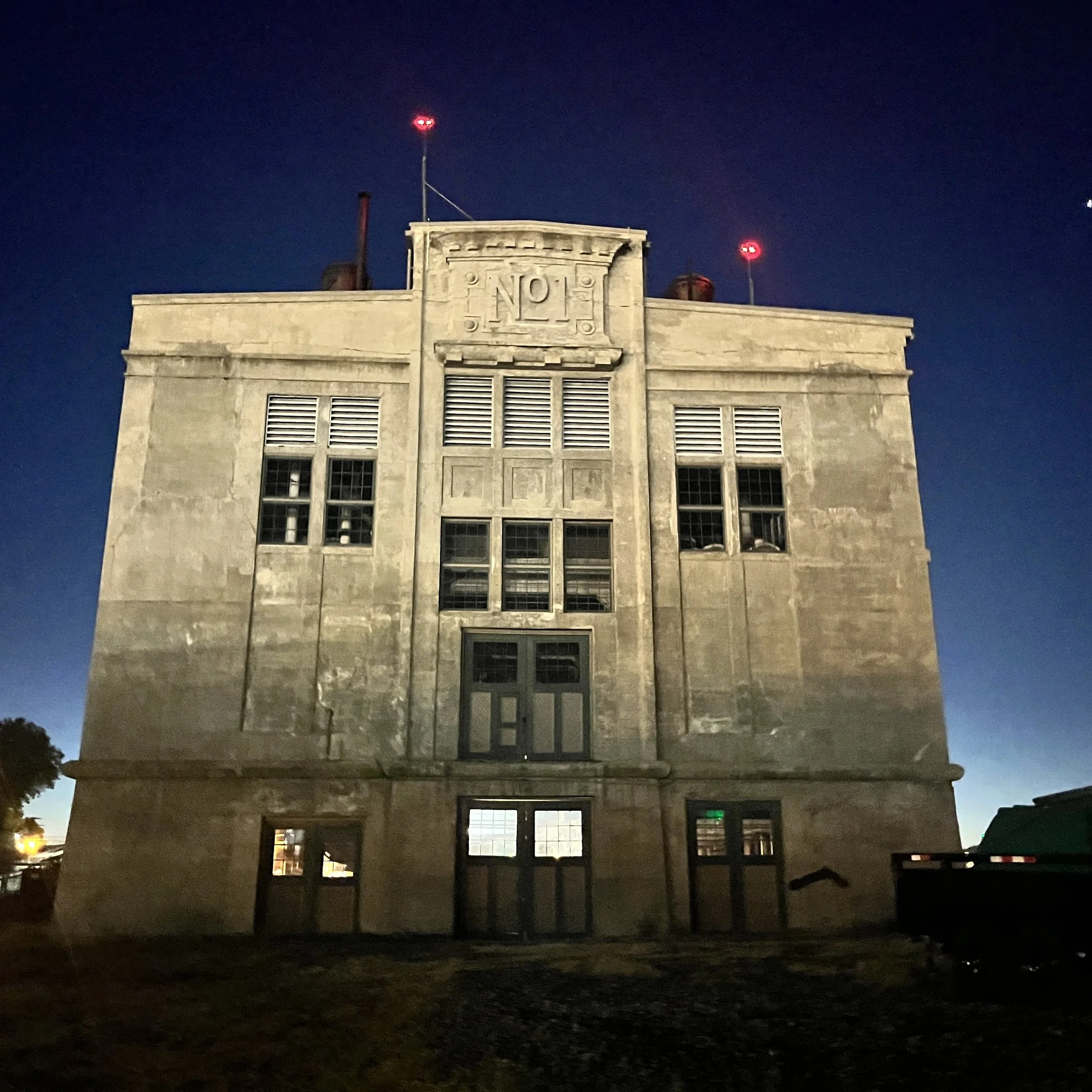
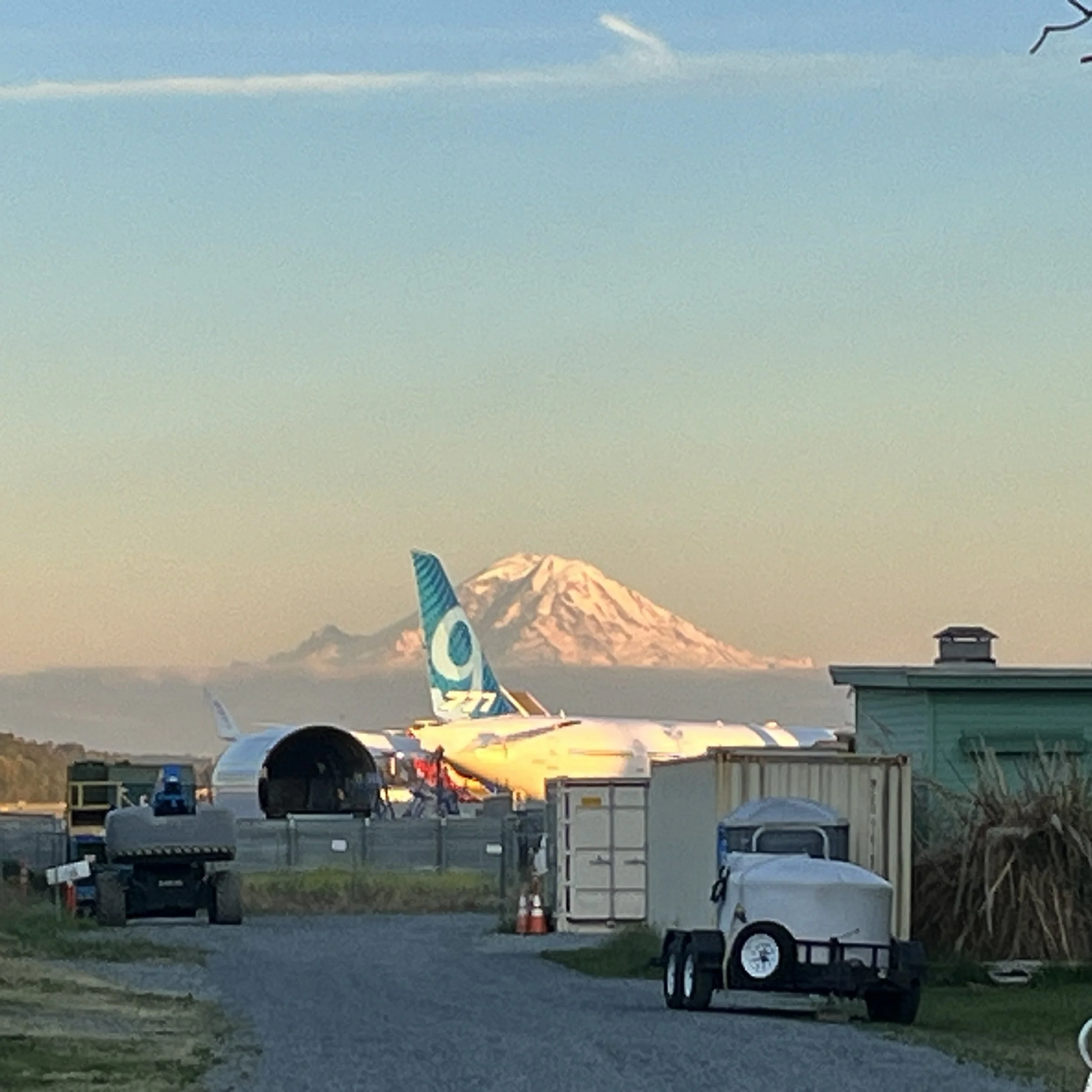
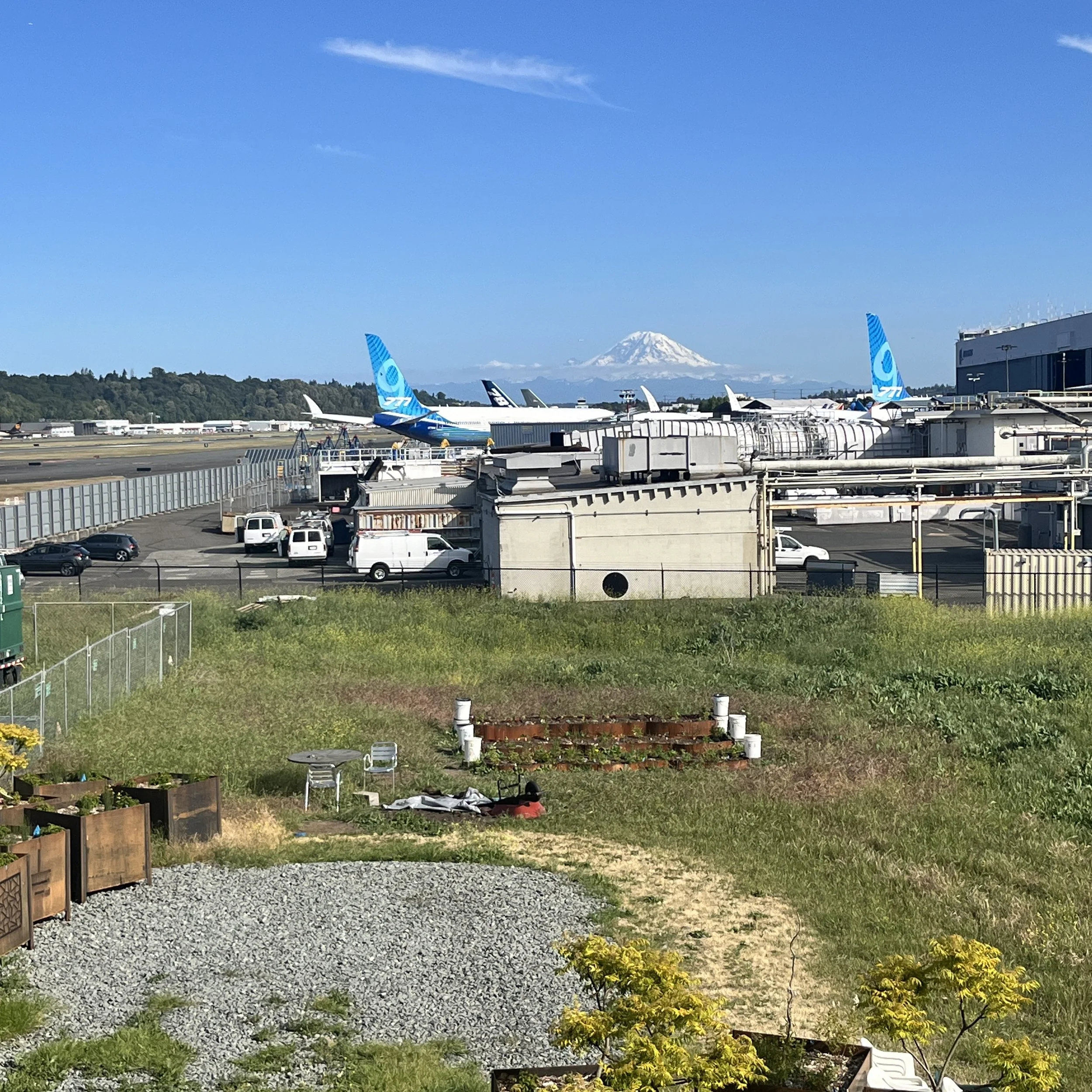
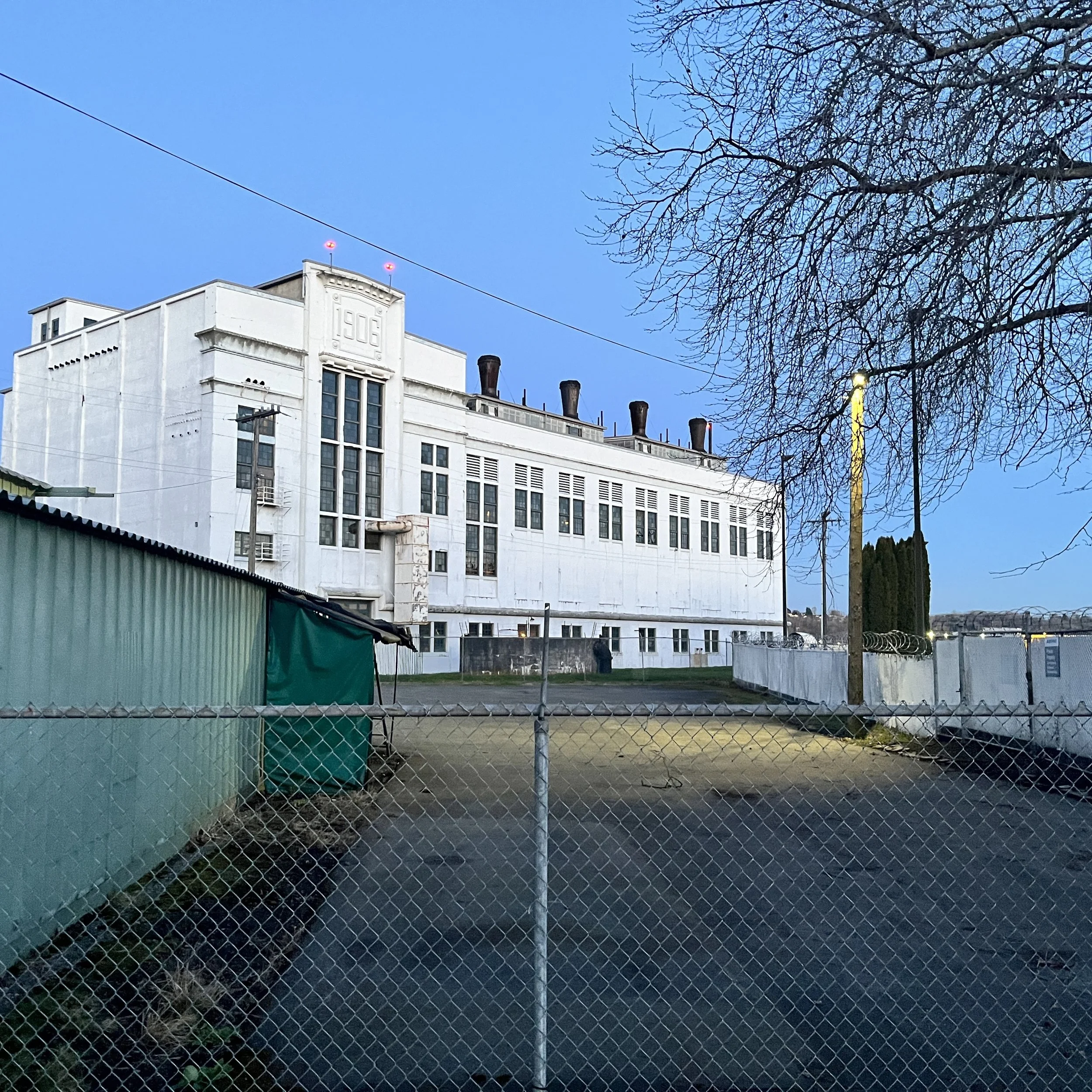
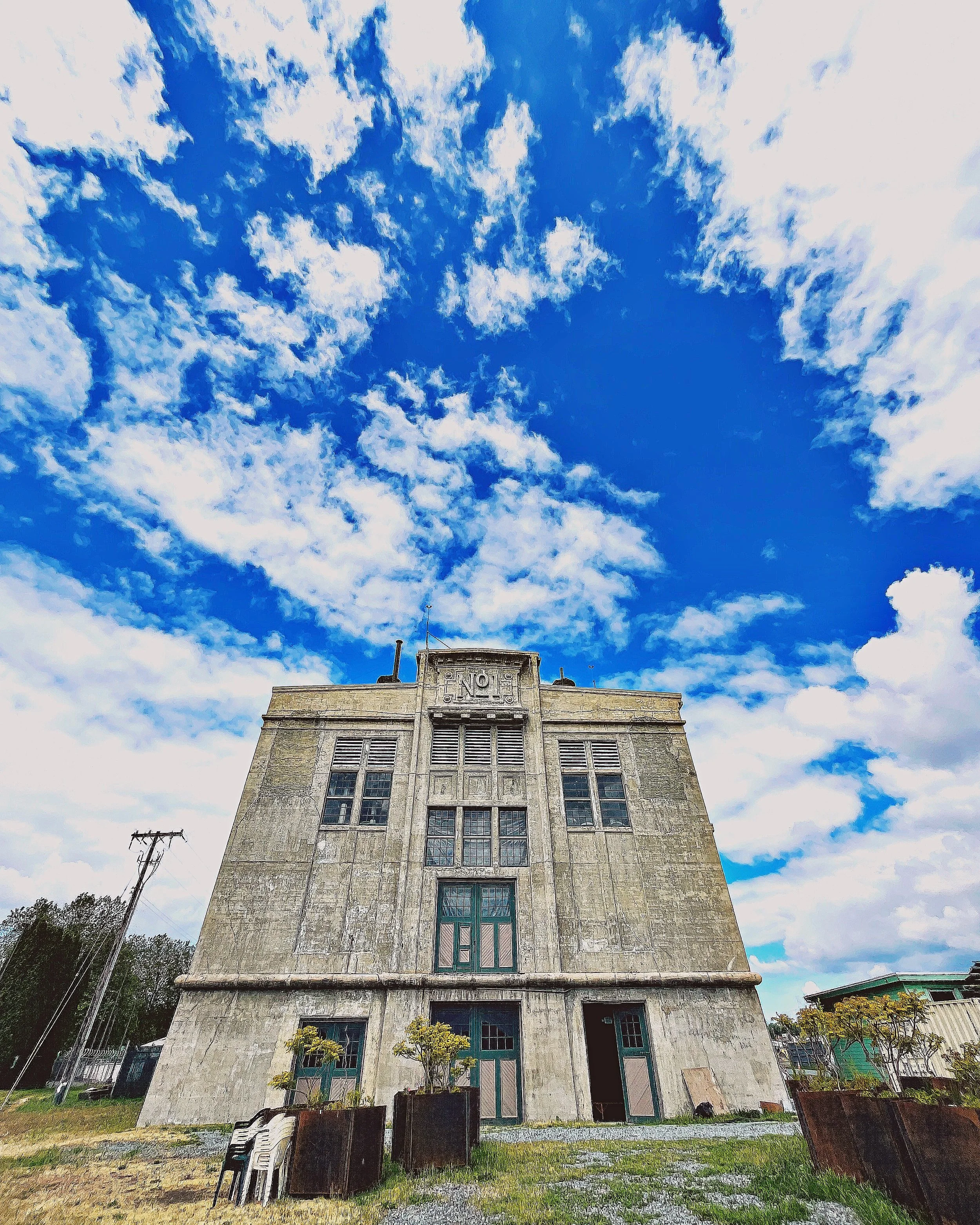
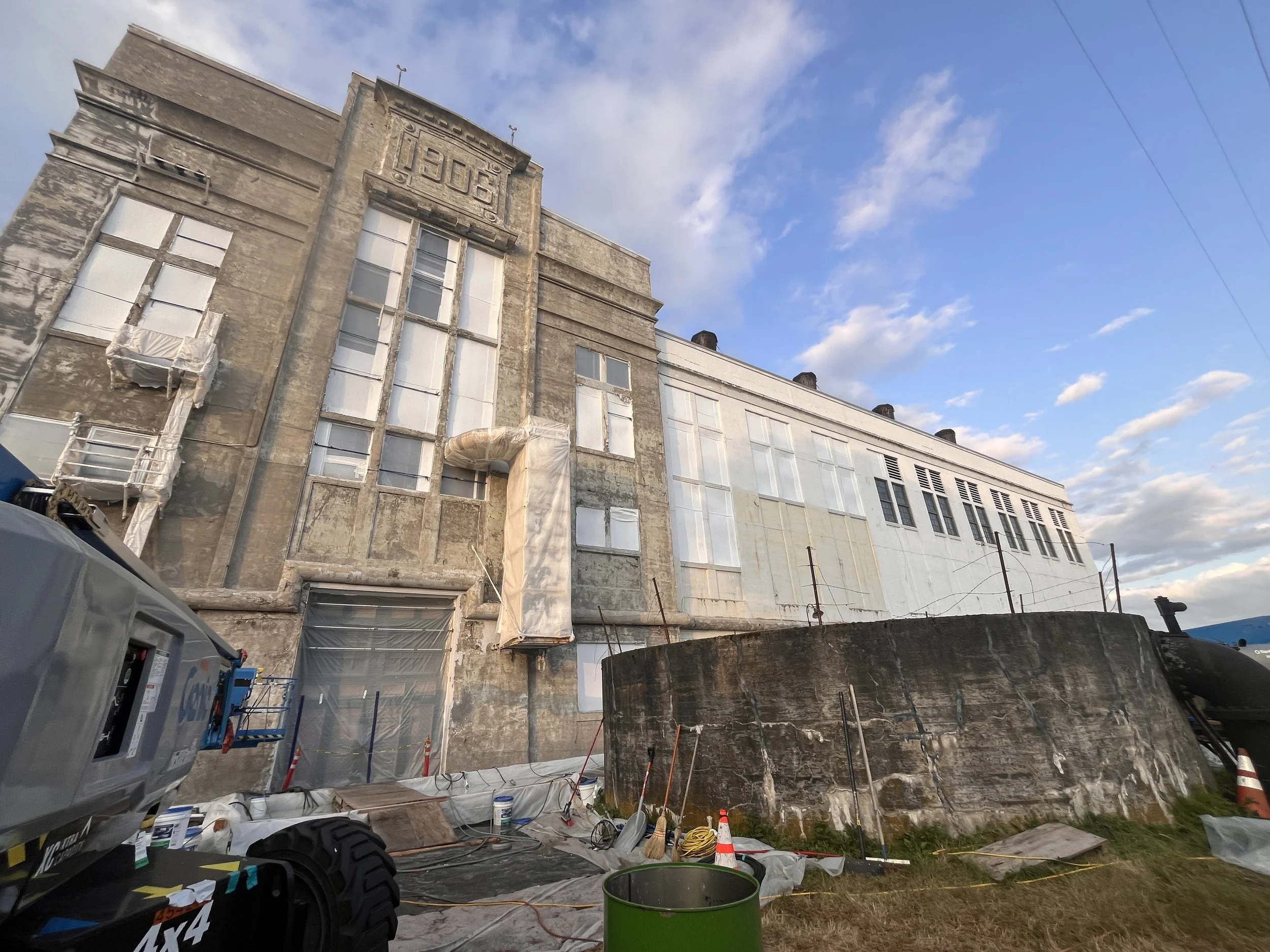
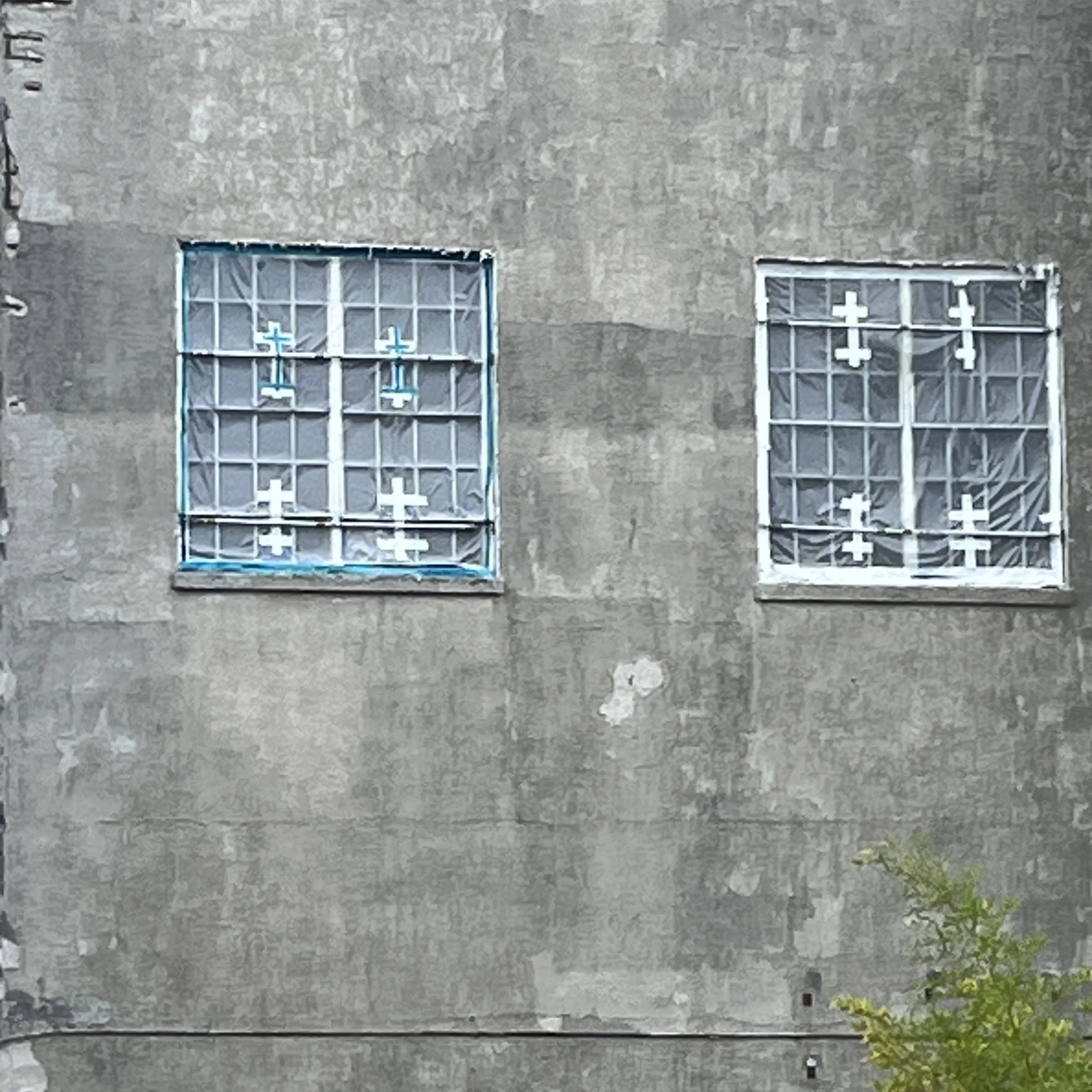
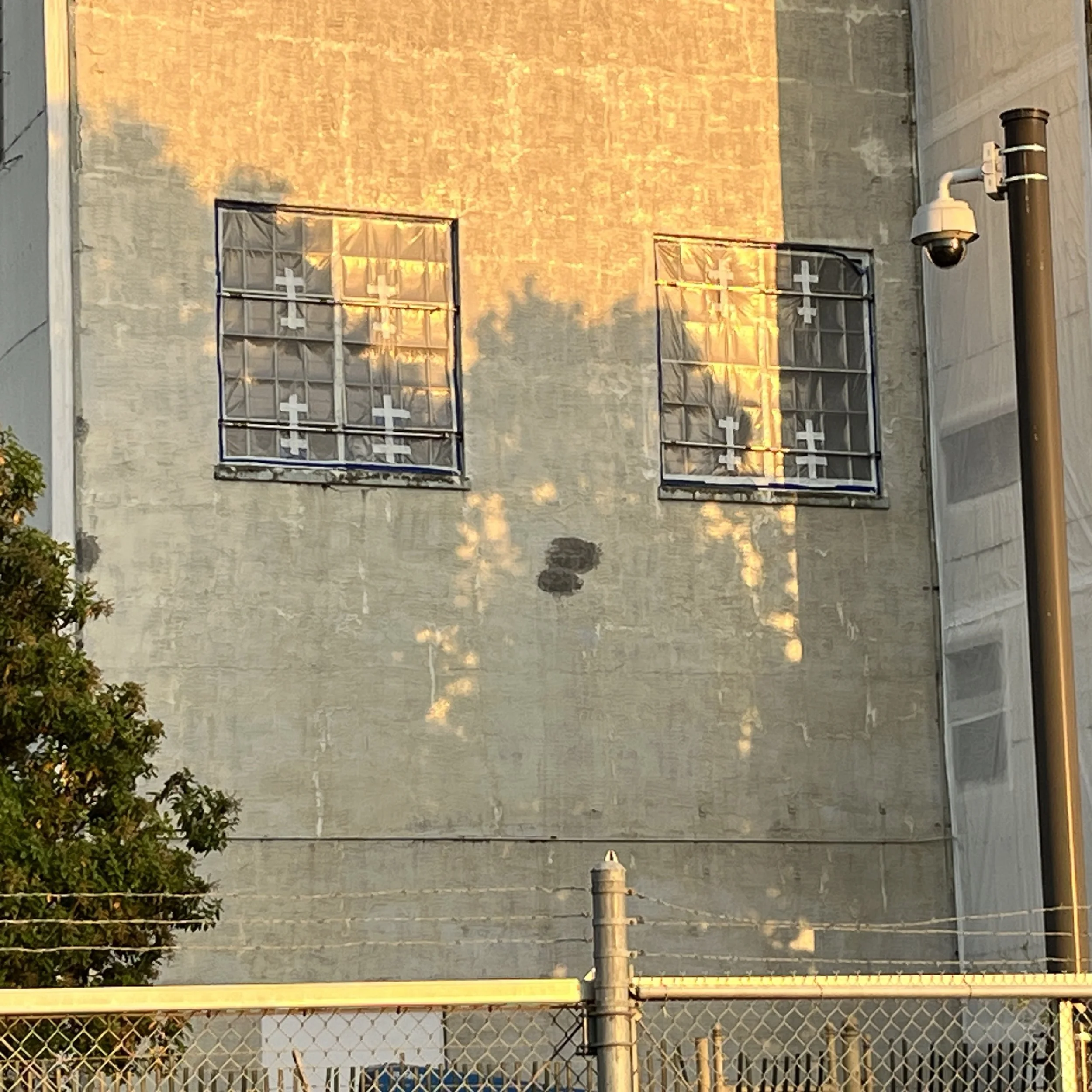
Walk around the exterior and look where the cement is crumbling and you will see Duwamish River rocks imbedded. Their use was a matter of convenience during construction due to the proximity to the rivers cooling water for the generation of steam, yet that local aggregate has led to the structural cracks and fissures that now necessitate extensive concrete restoration and retrofitting to stabilize its outer shell.
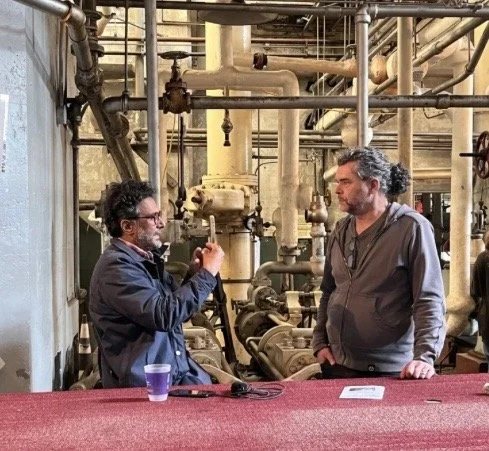
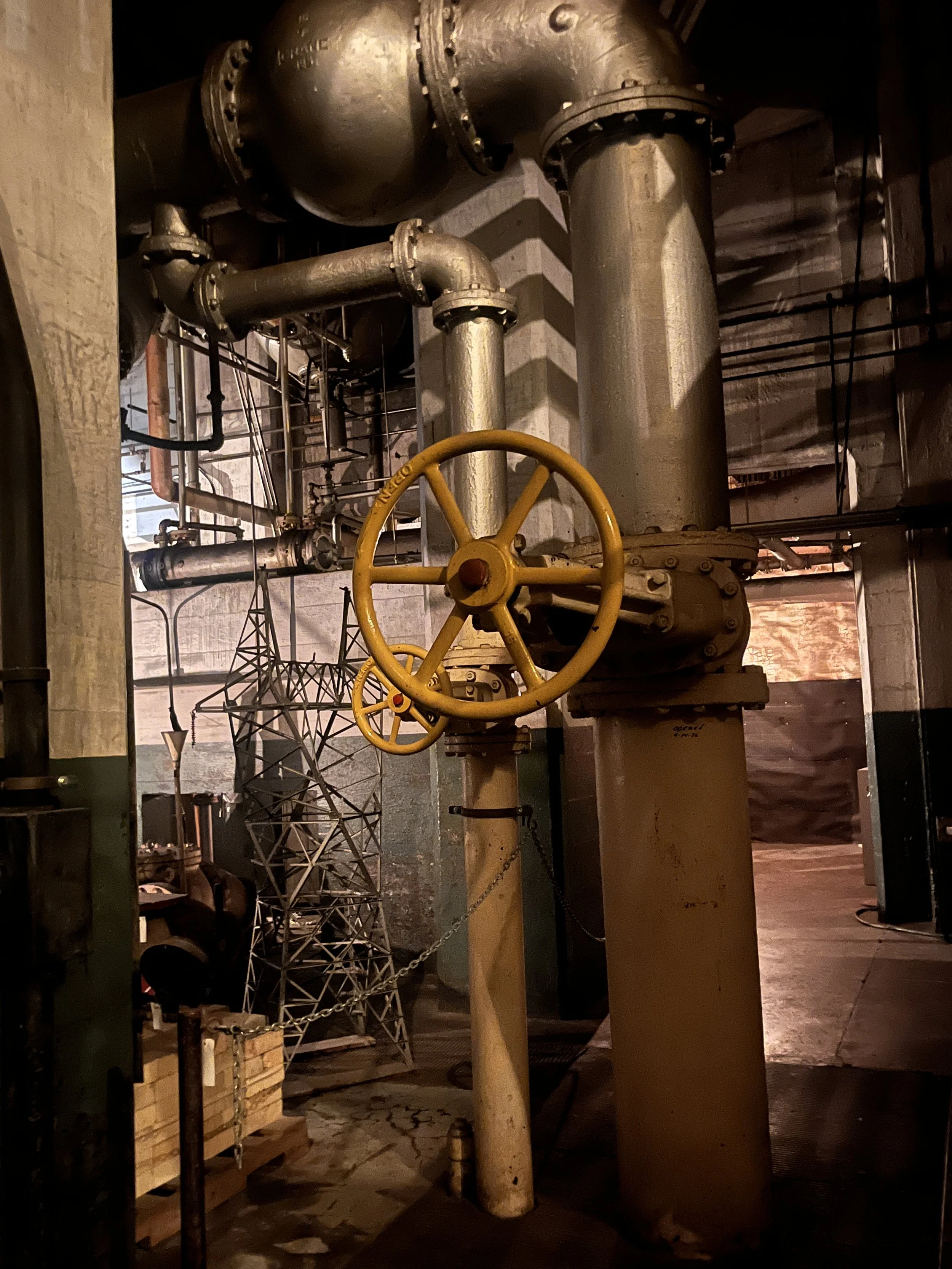
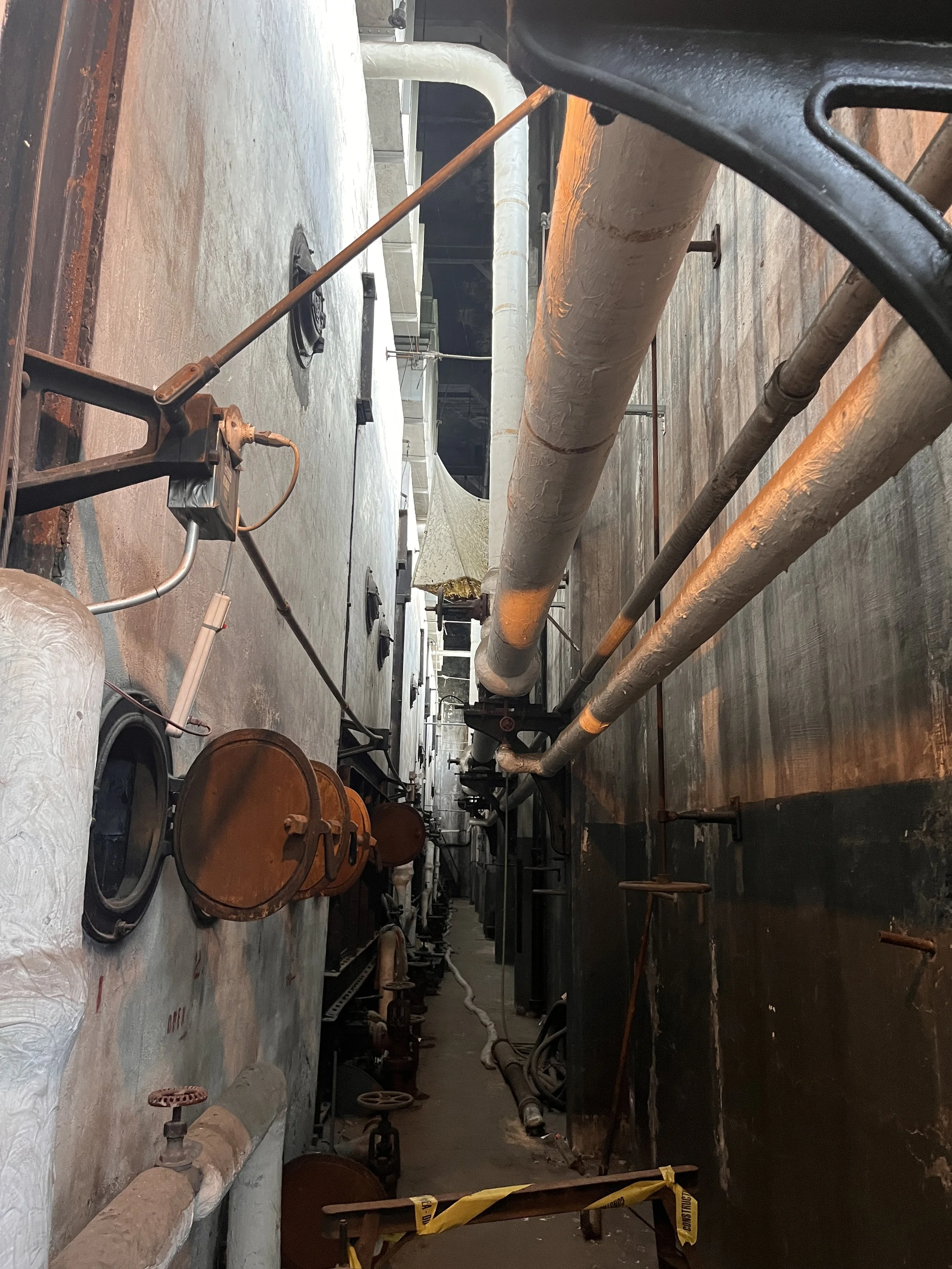
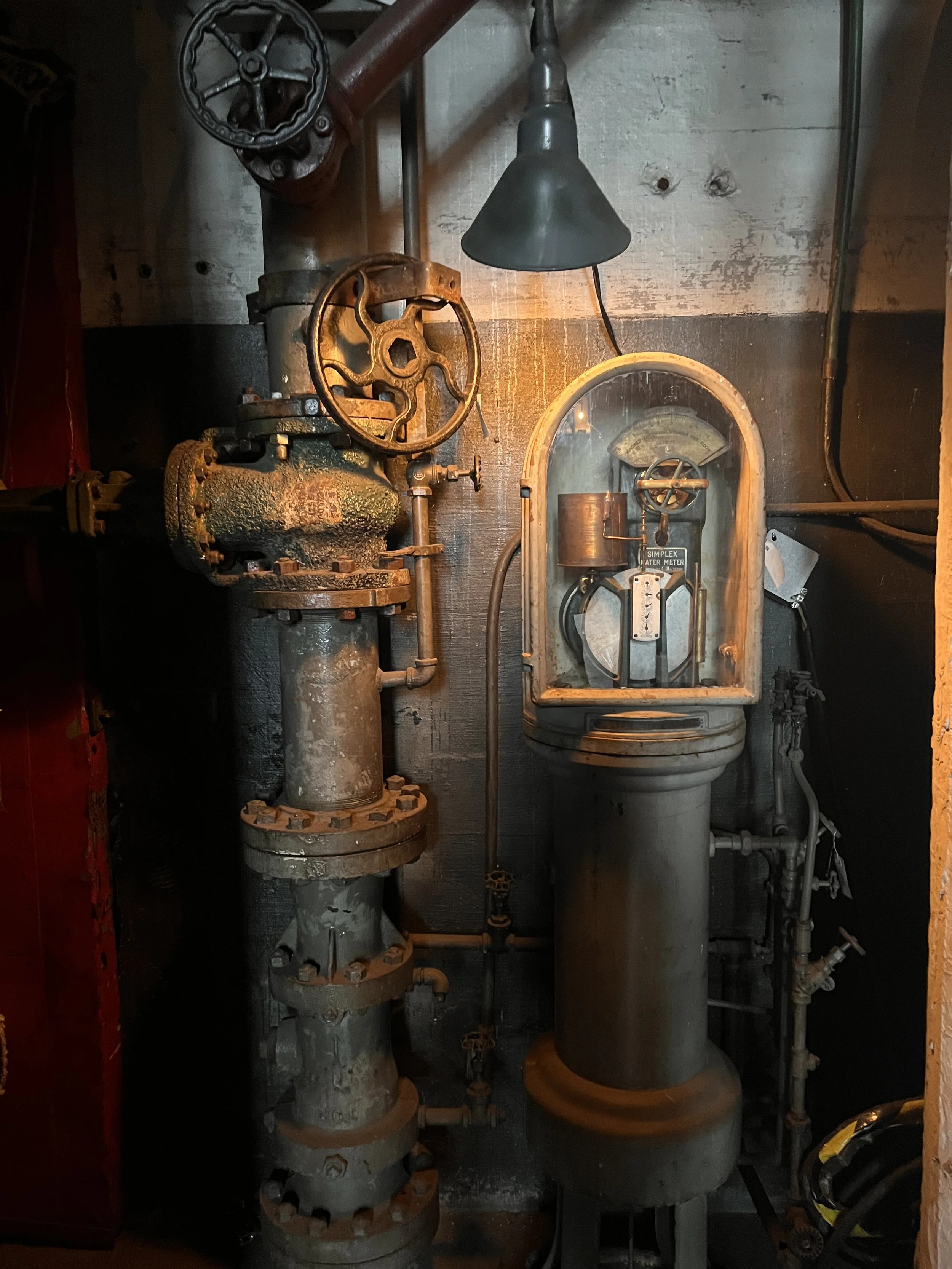
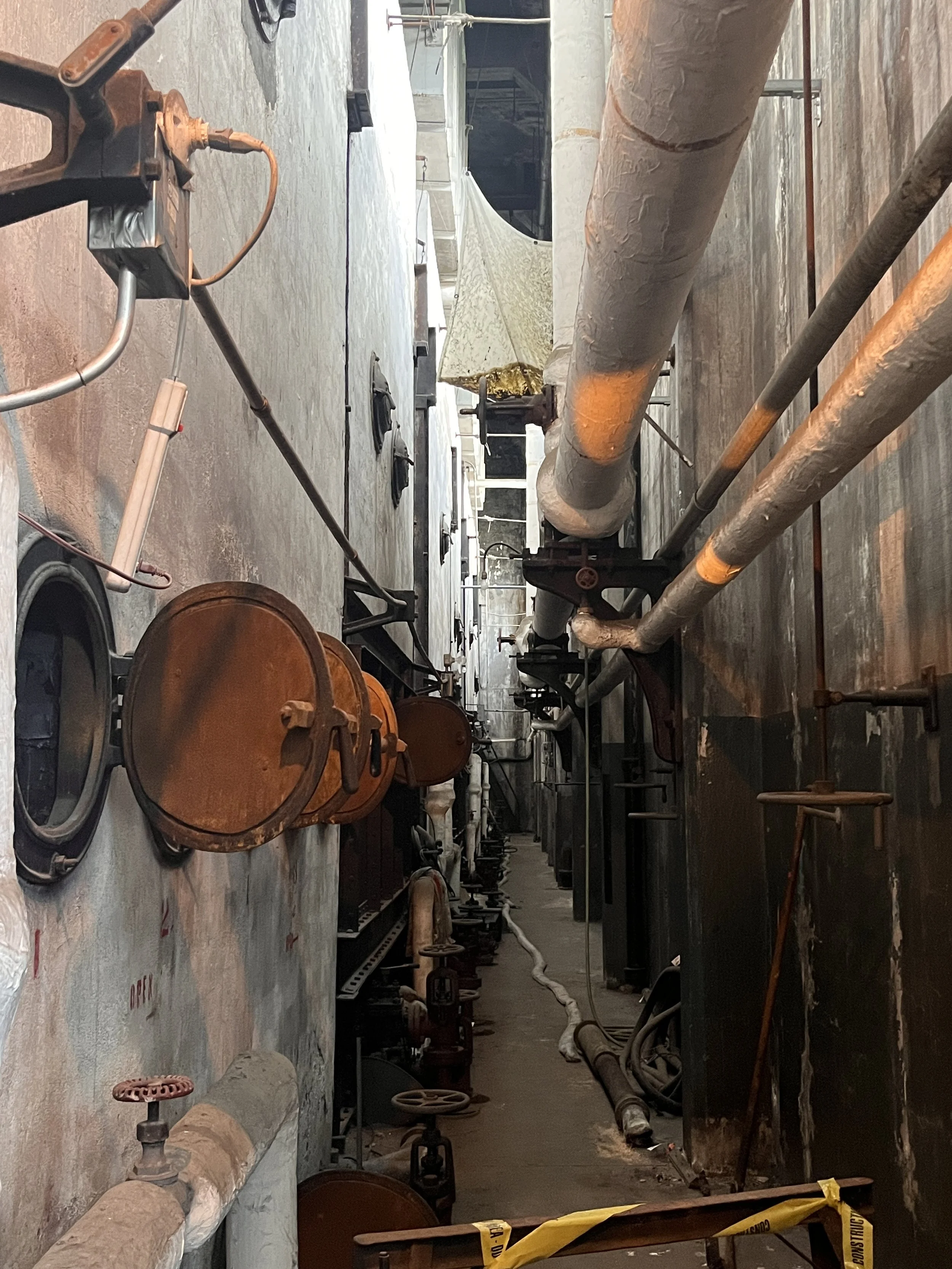
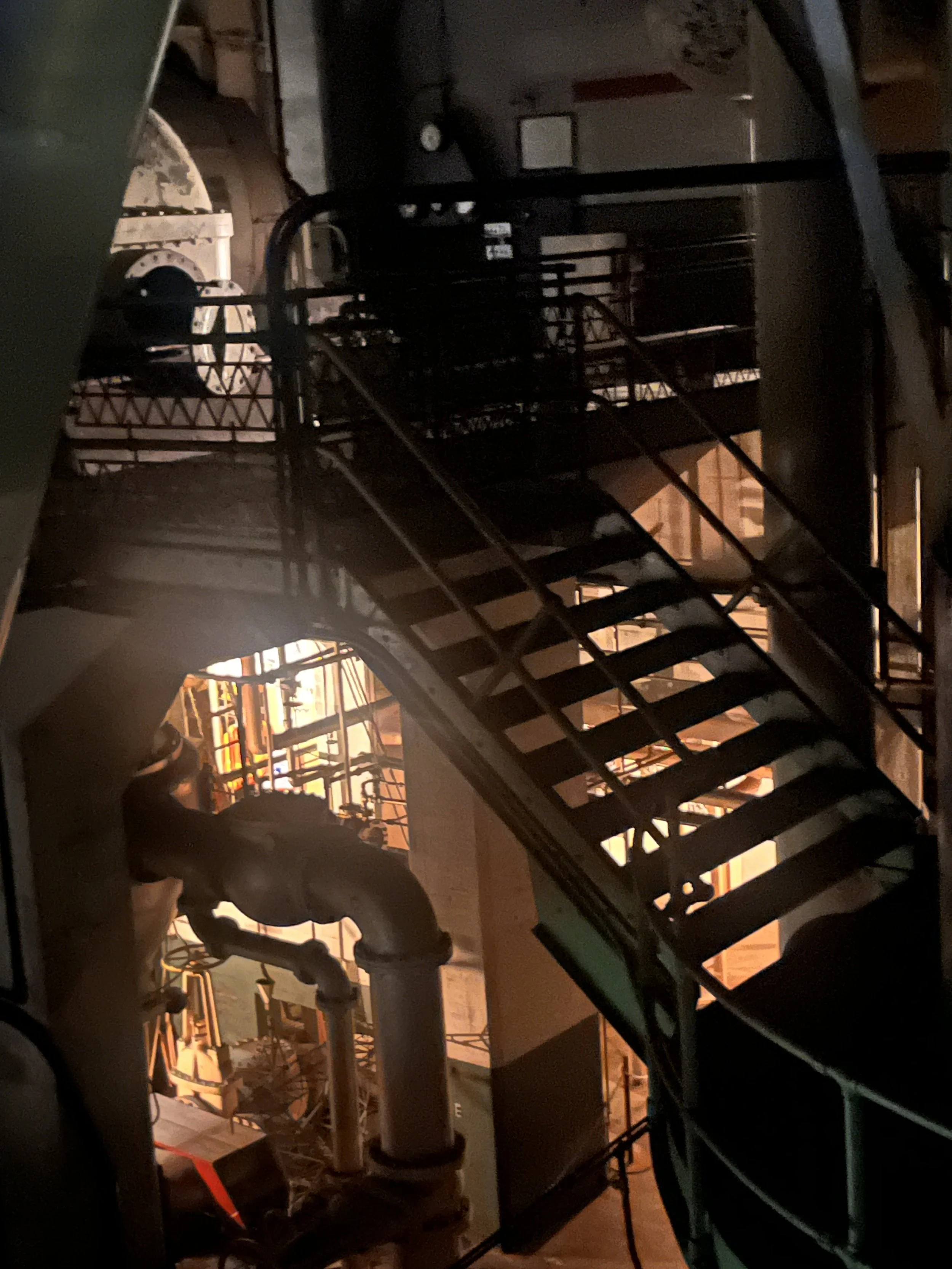
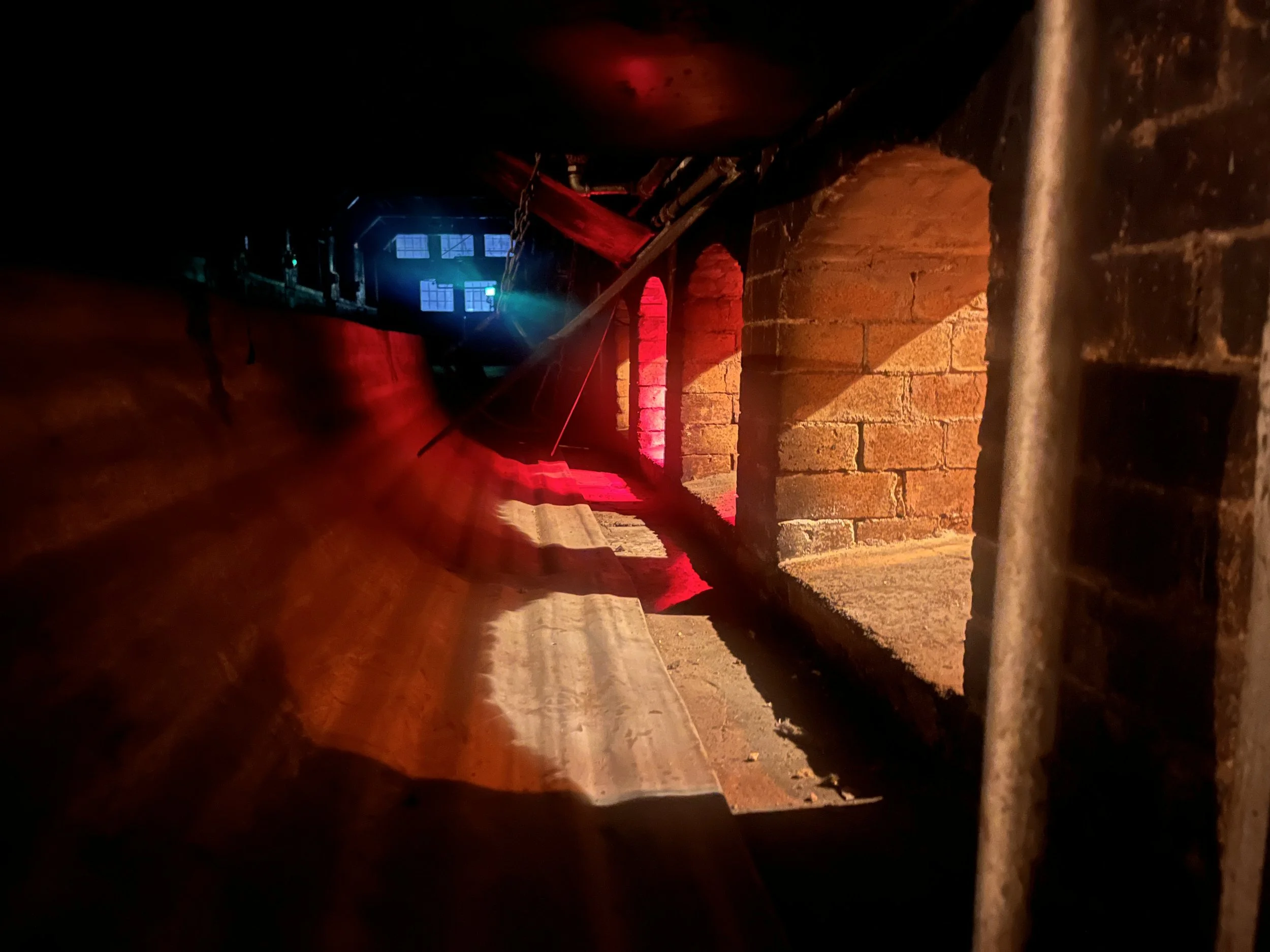
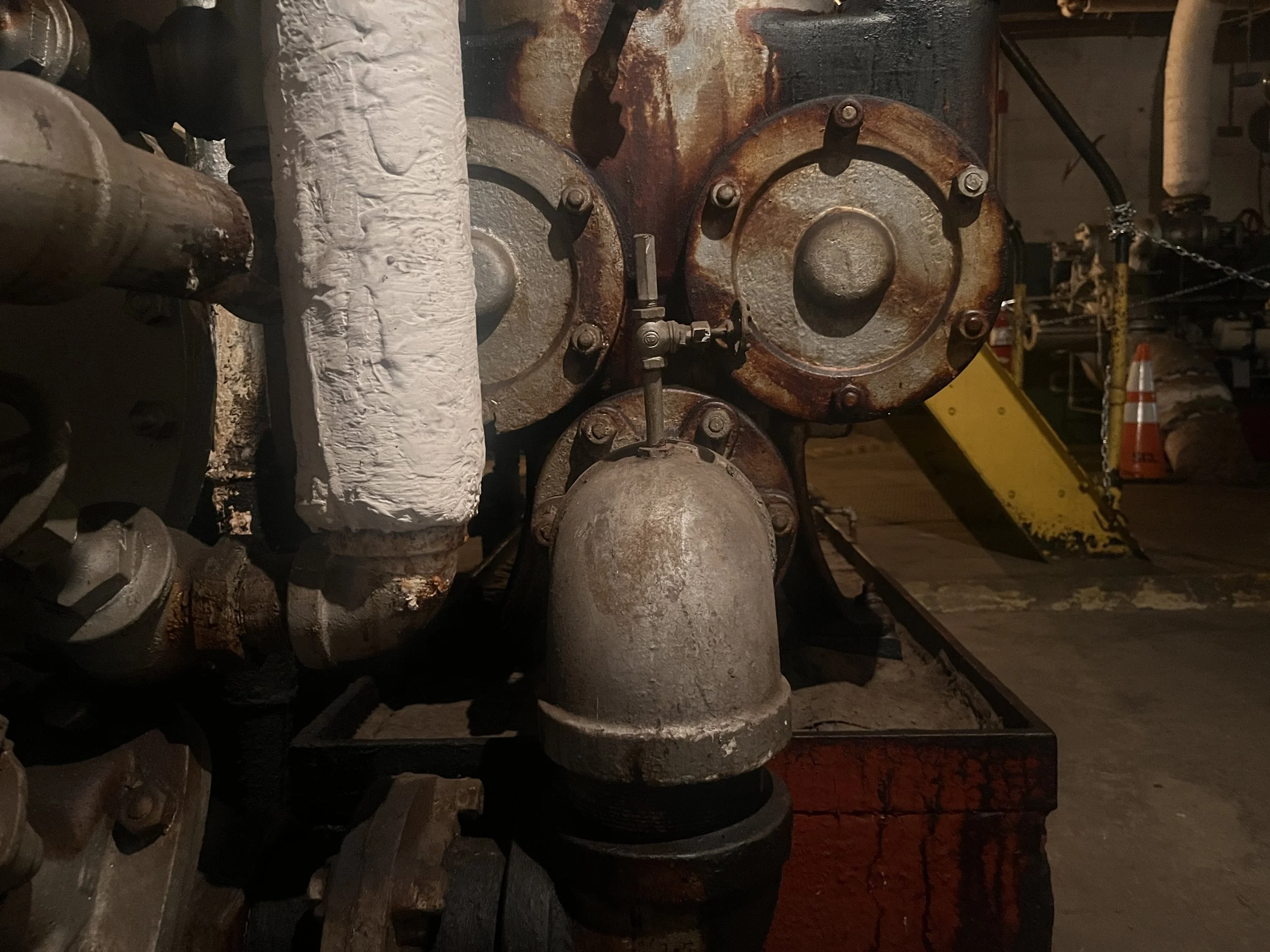
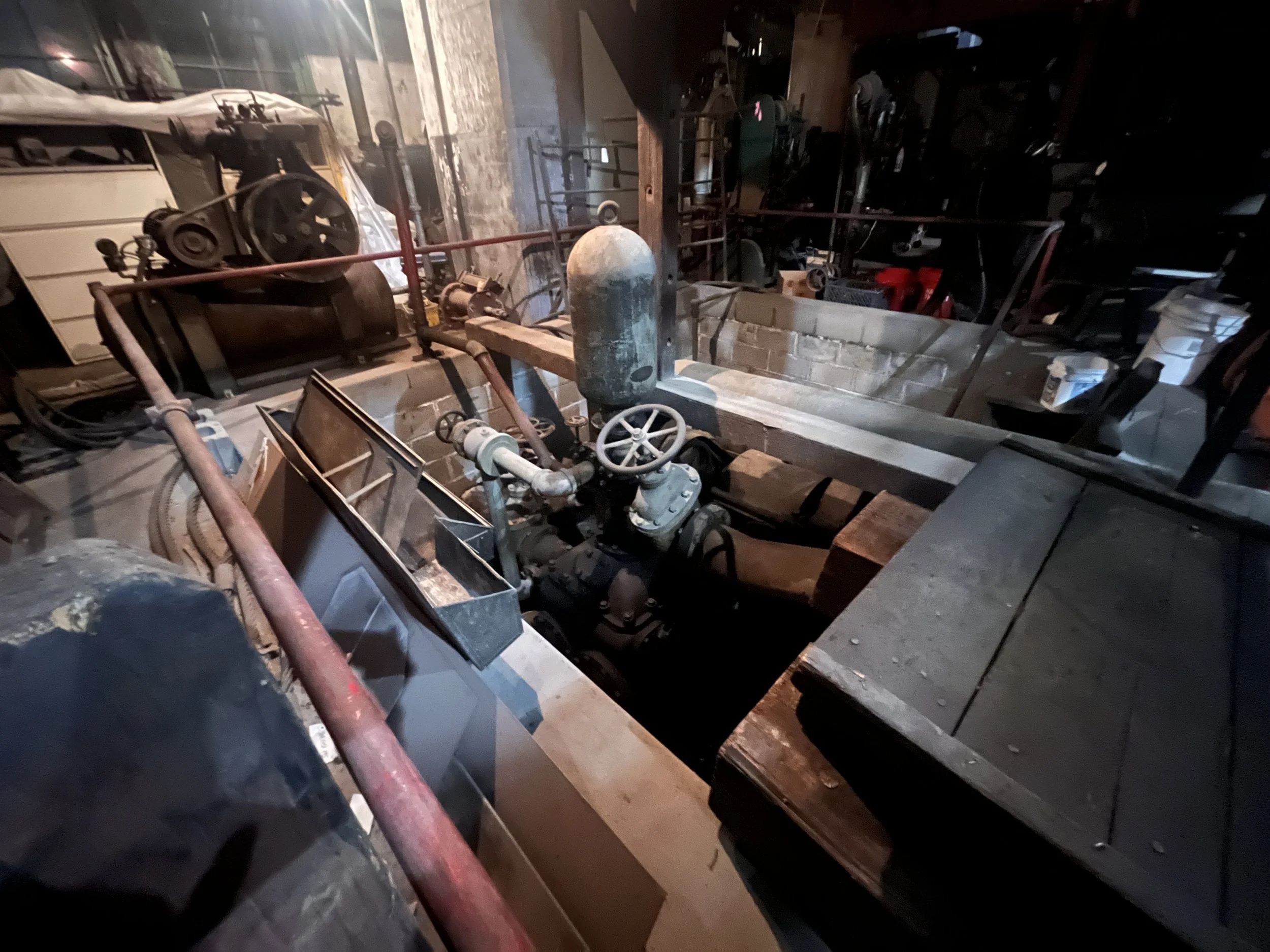
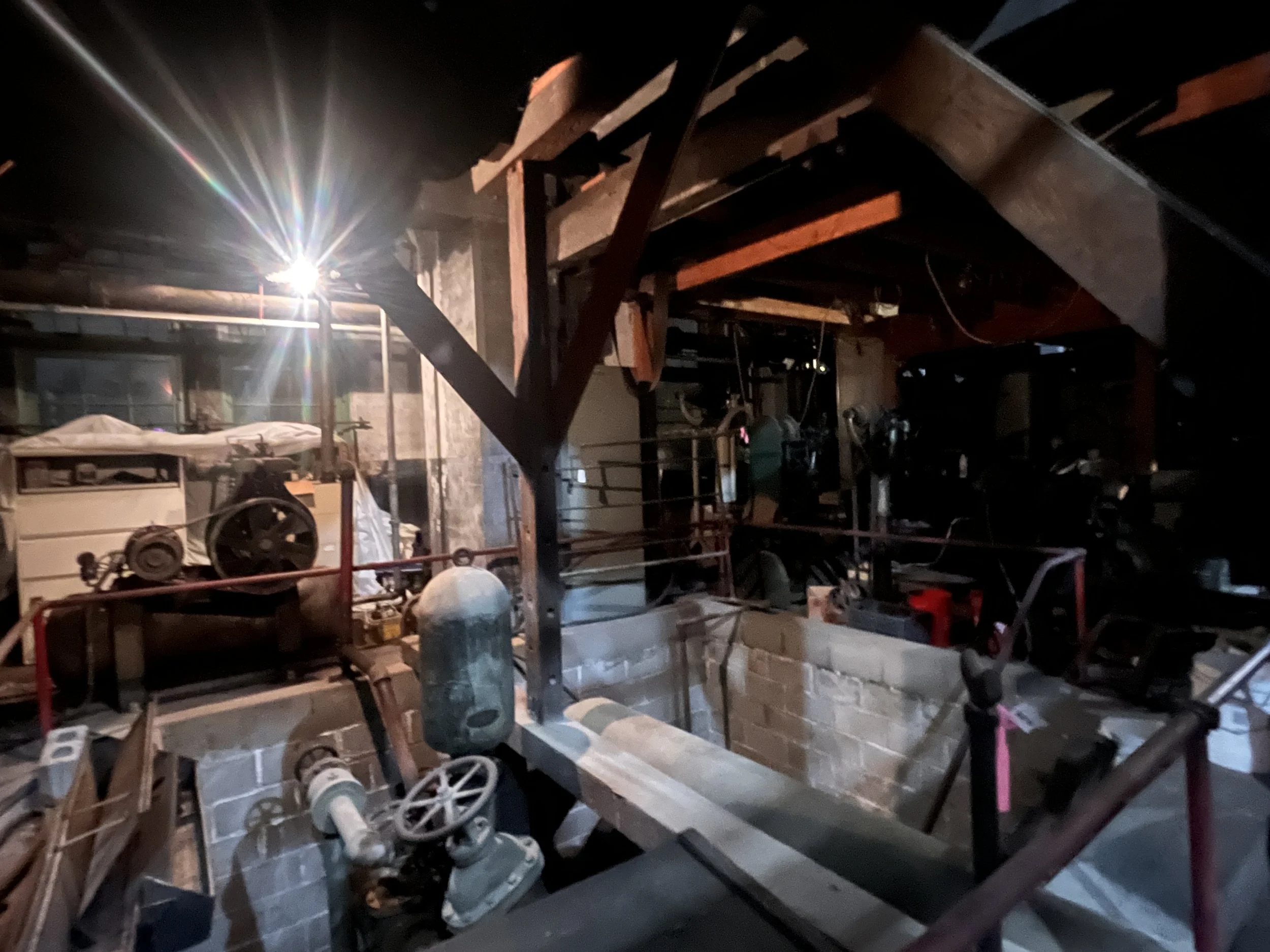
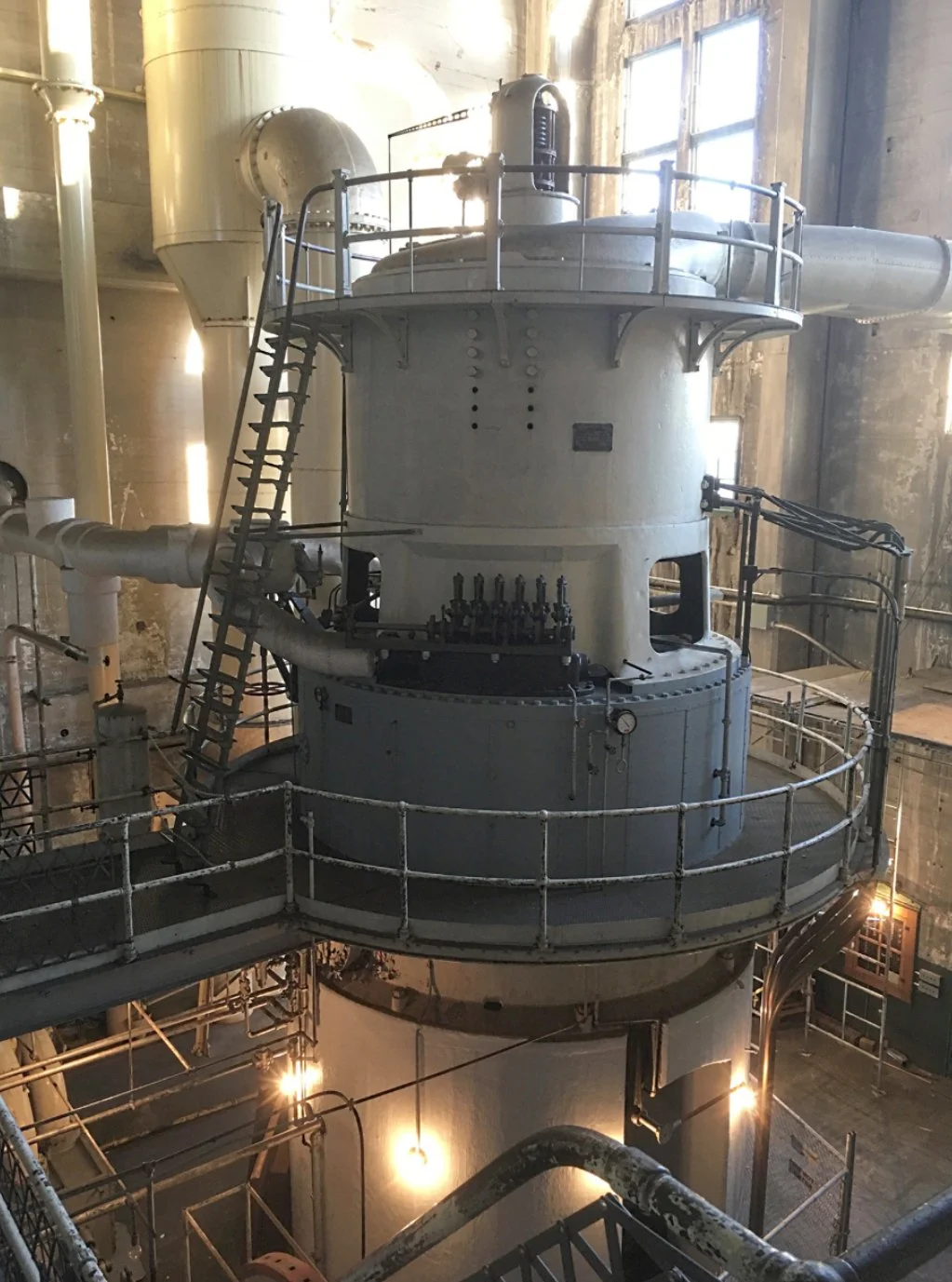
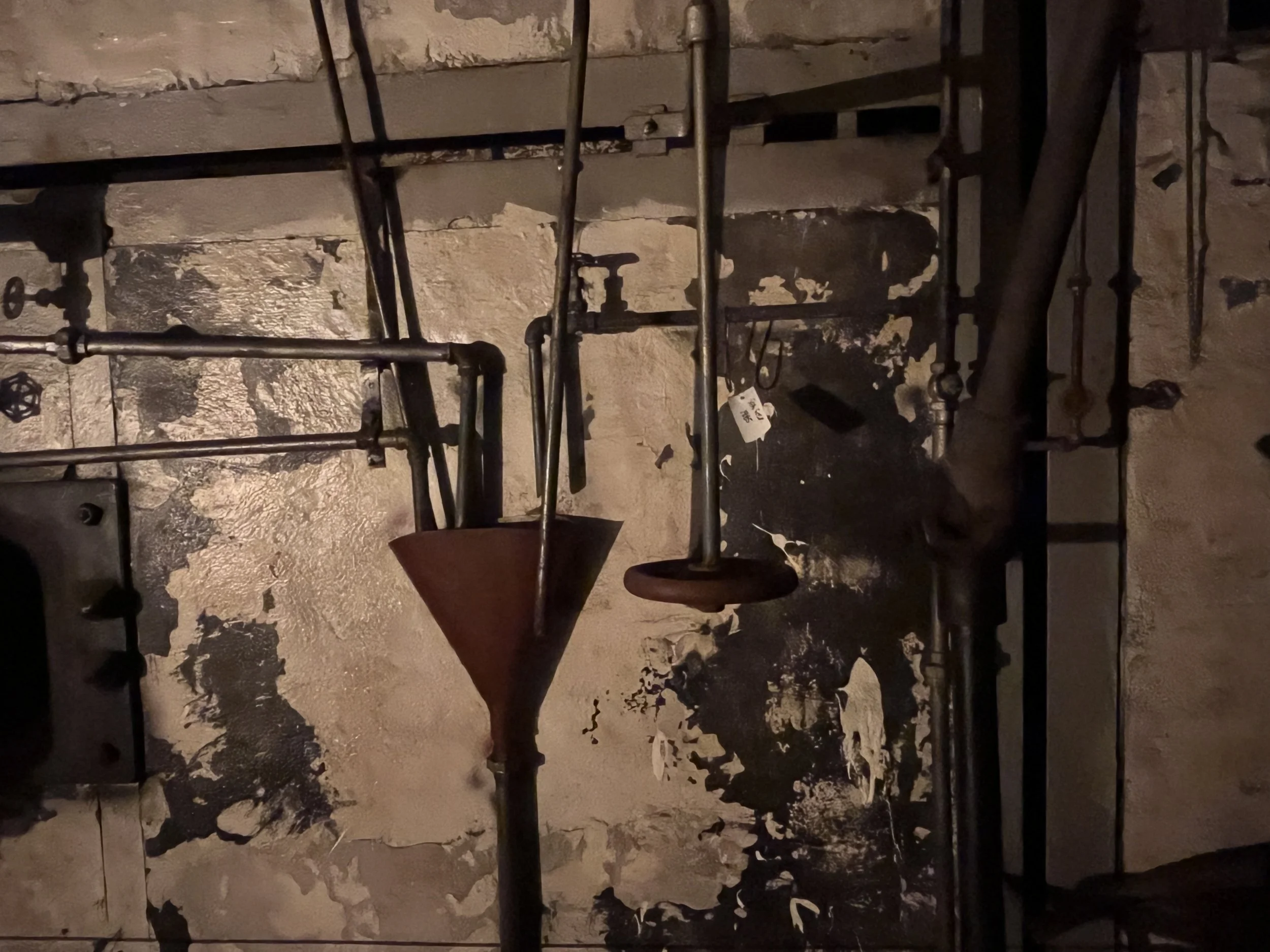
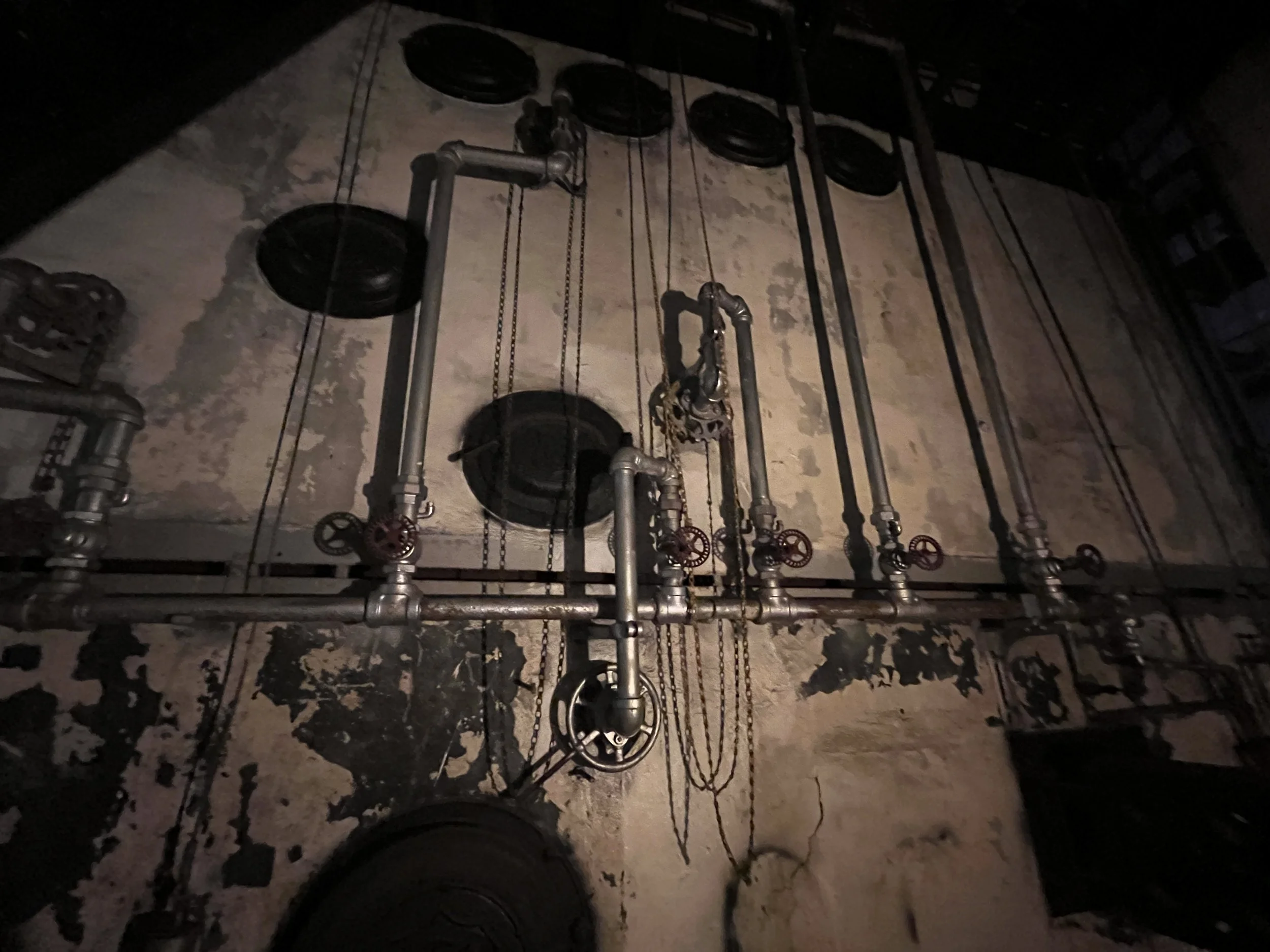
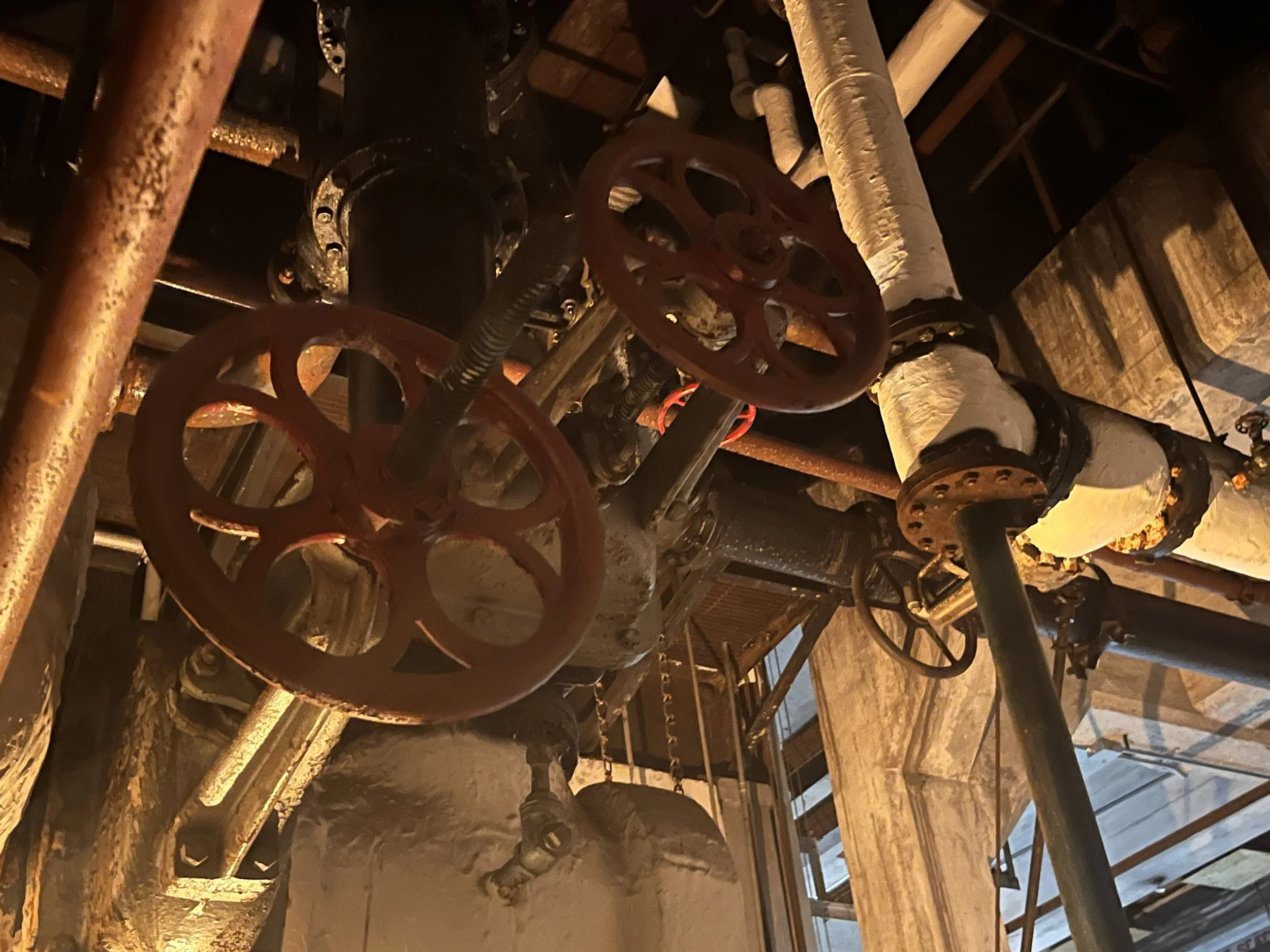
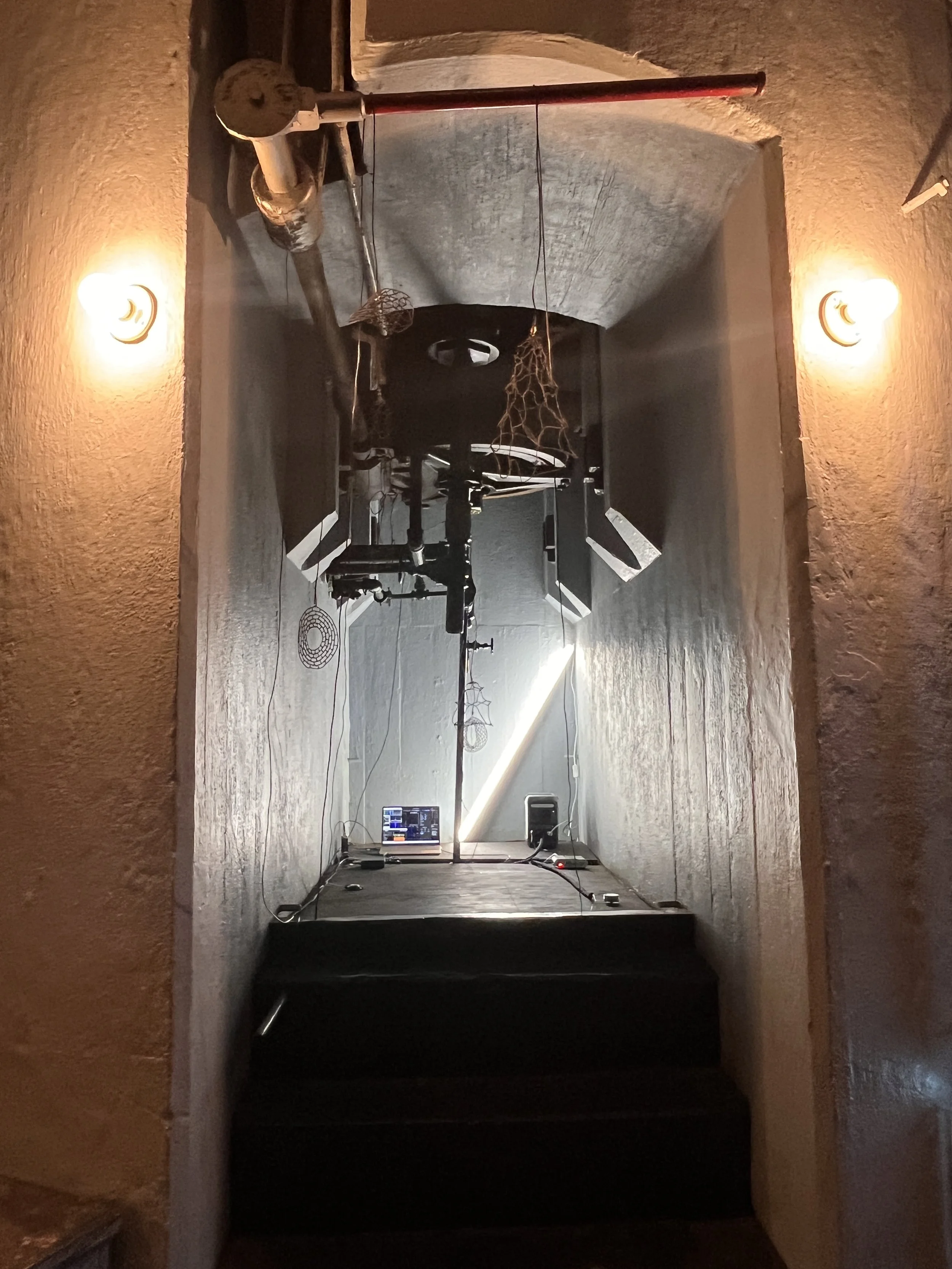
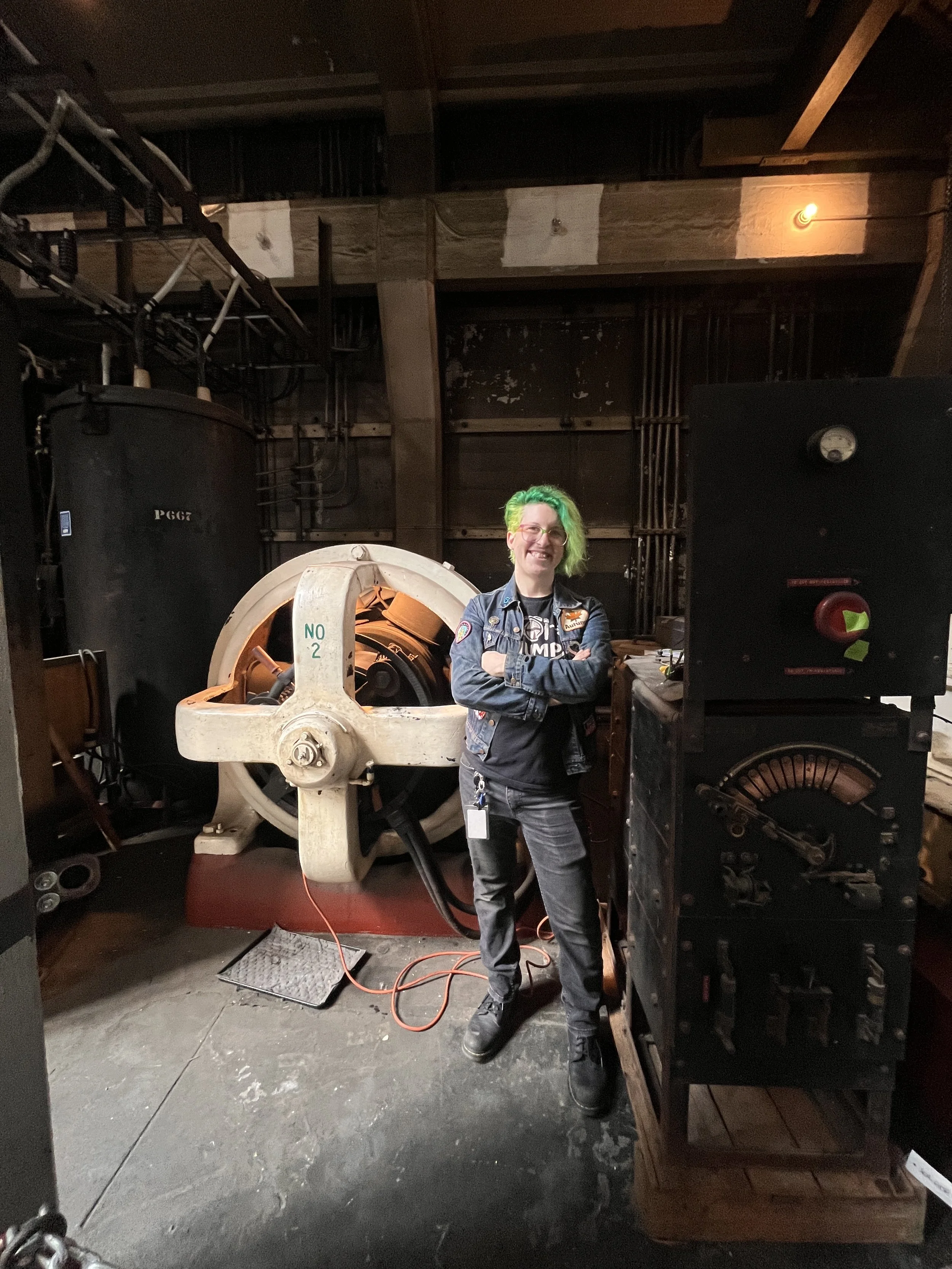
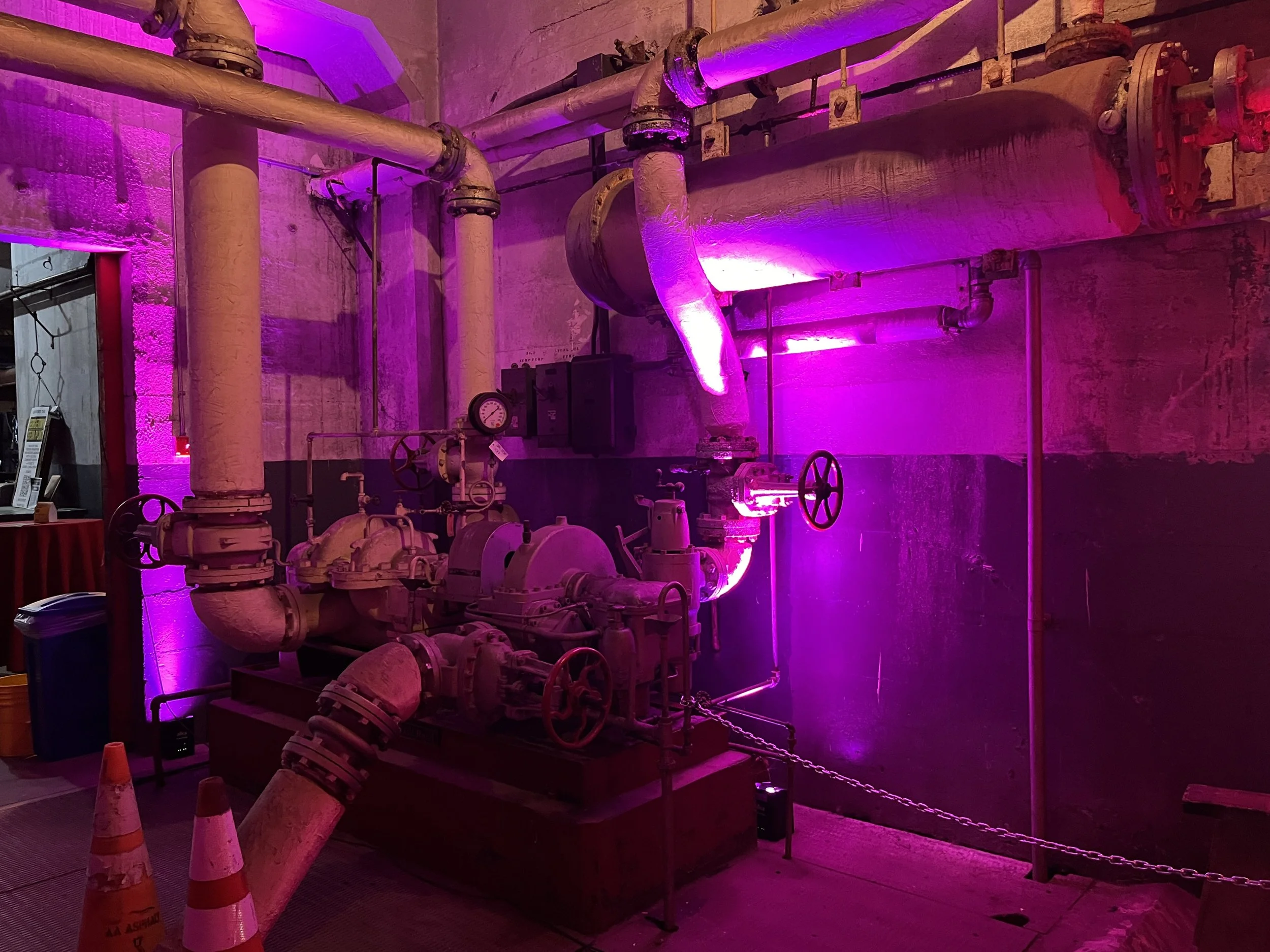
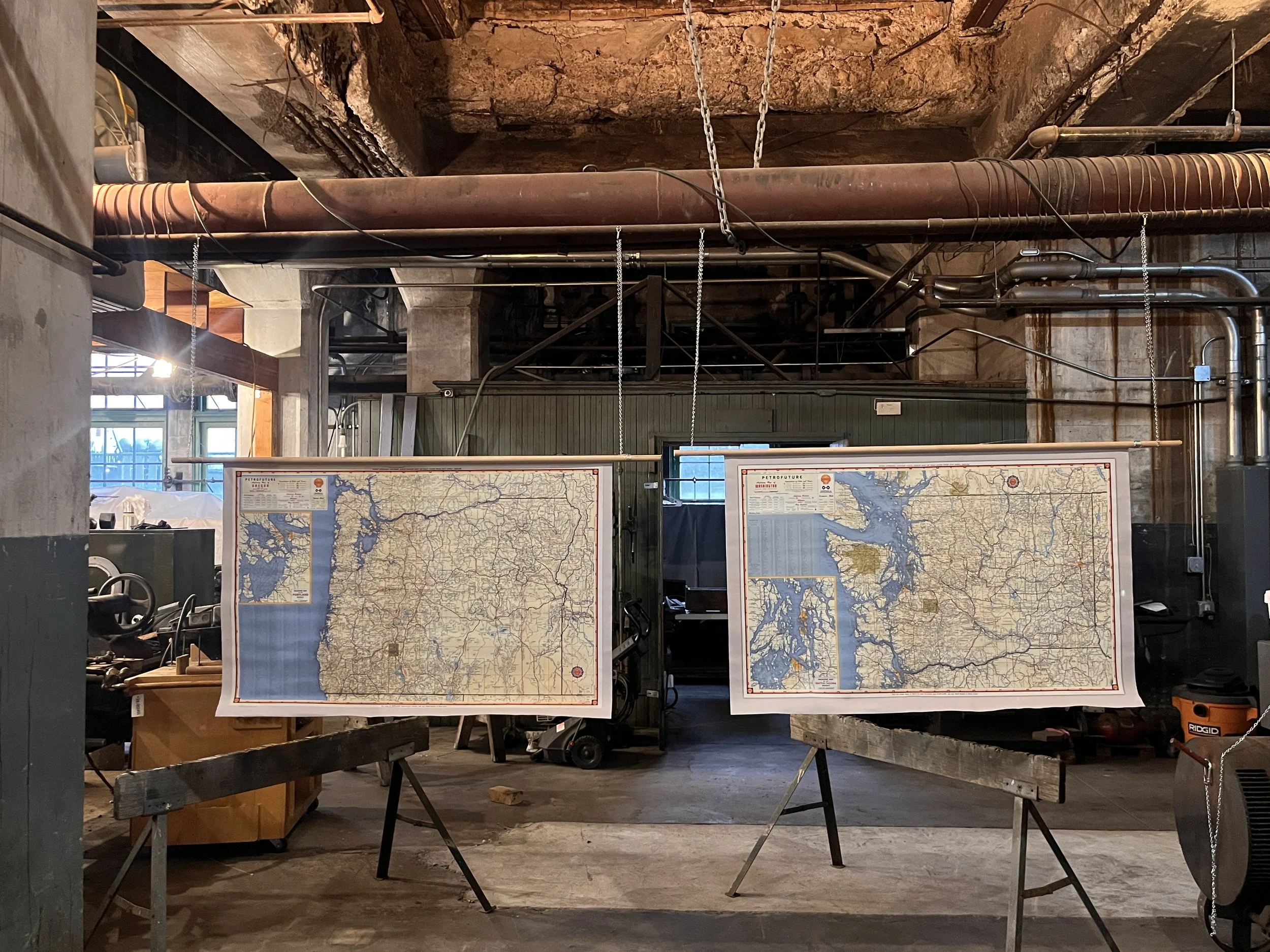
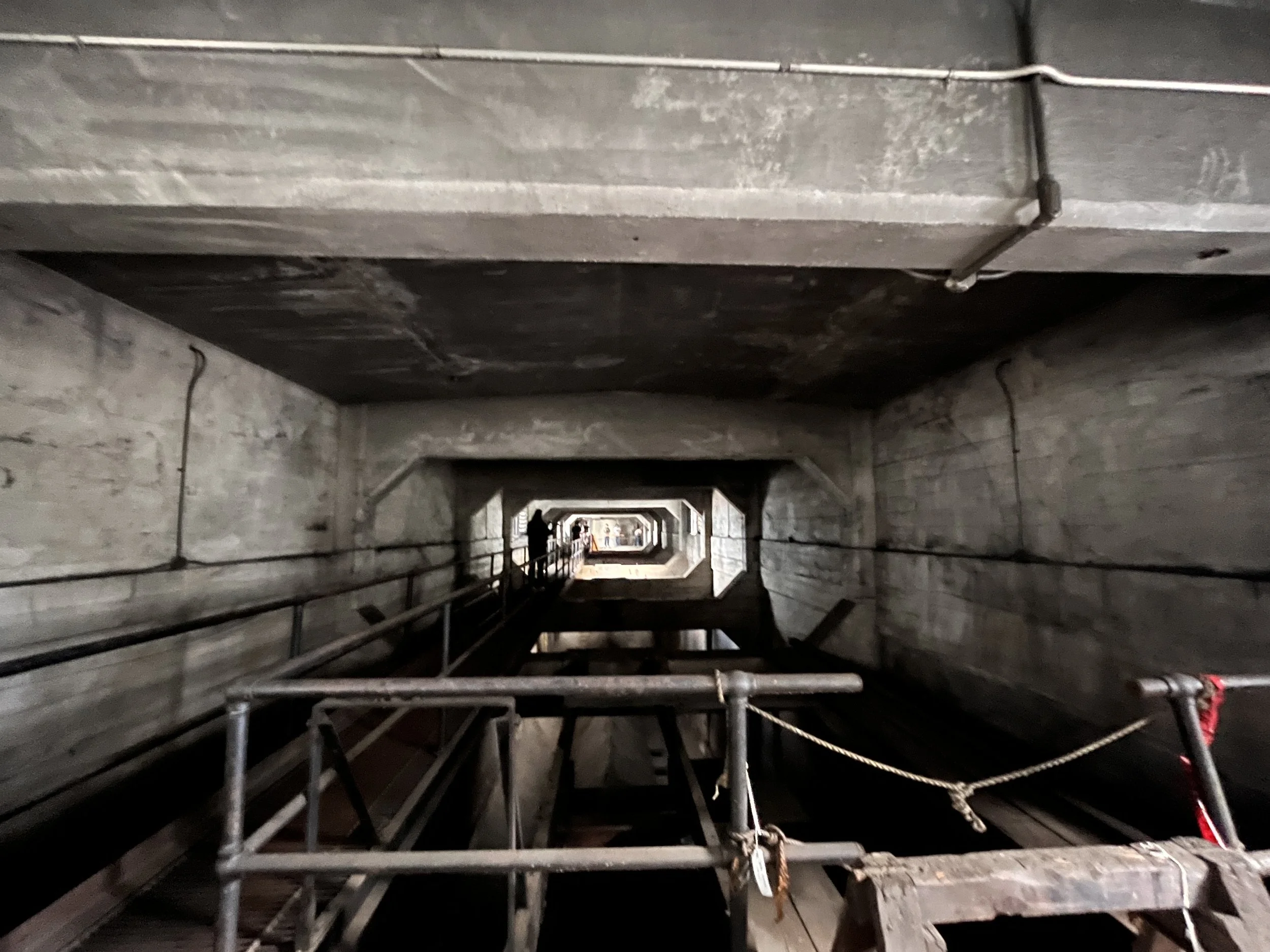
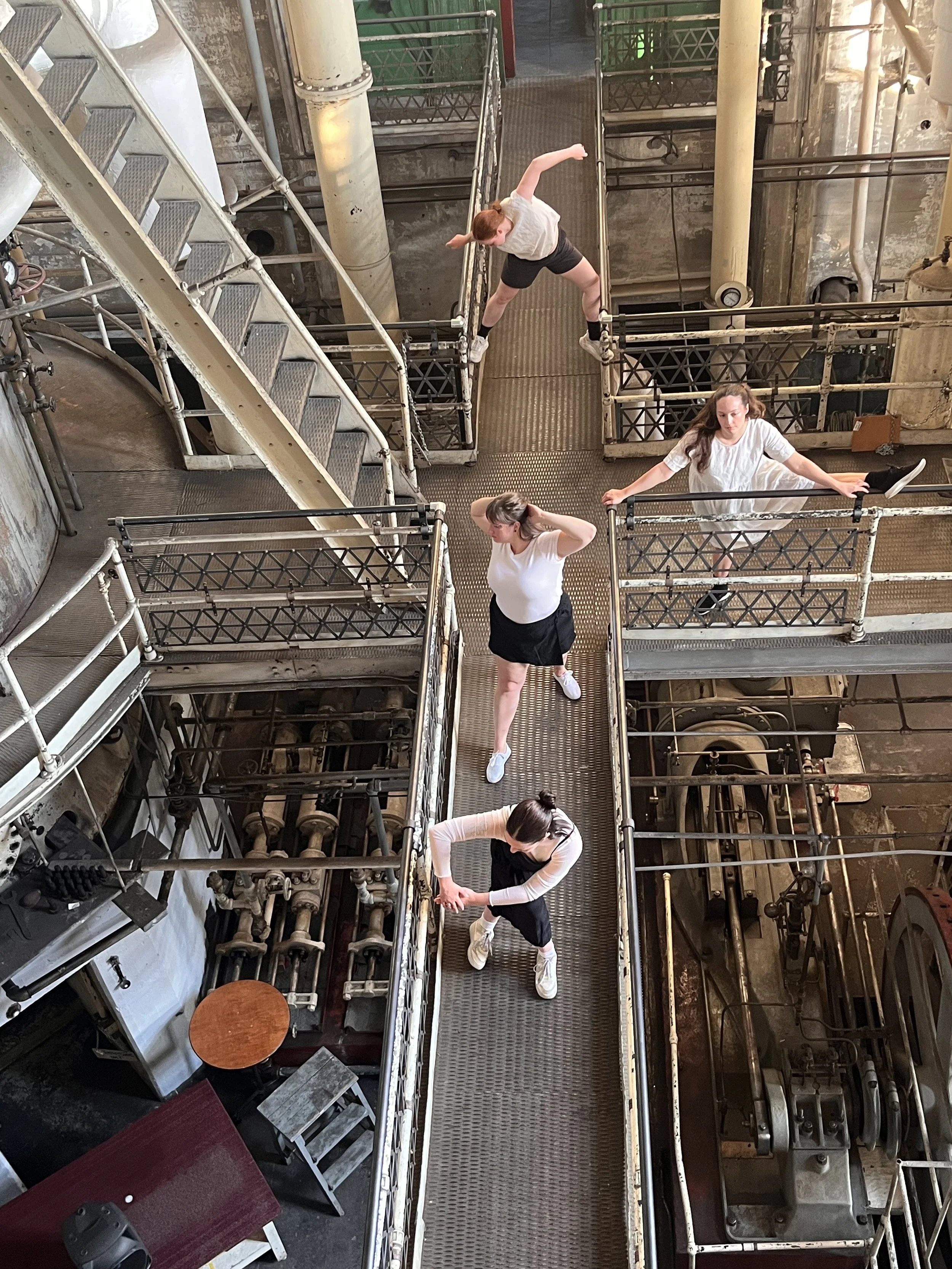
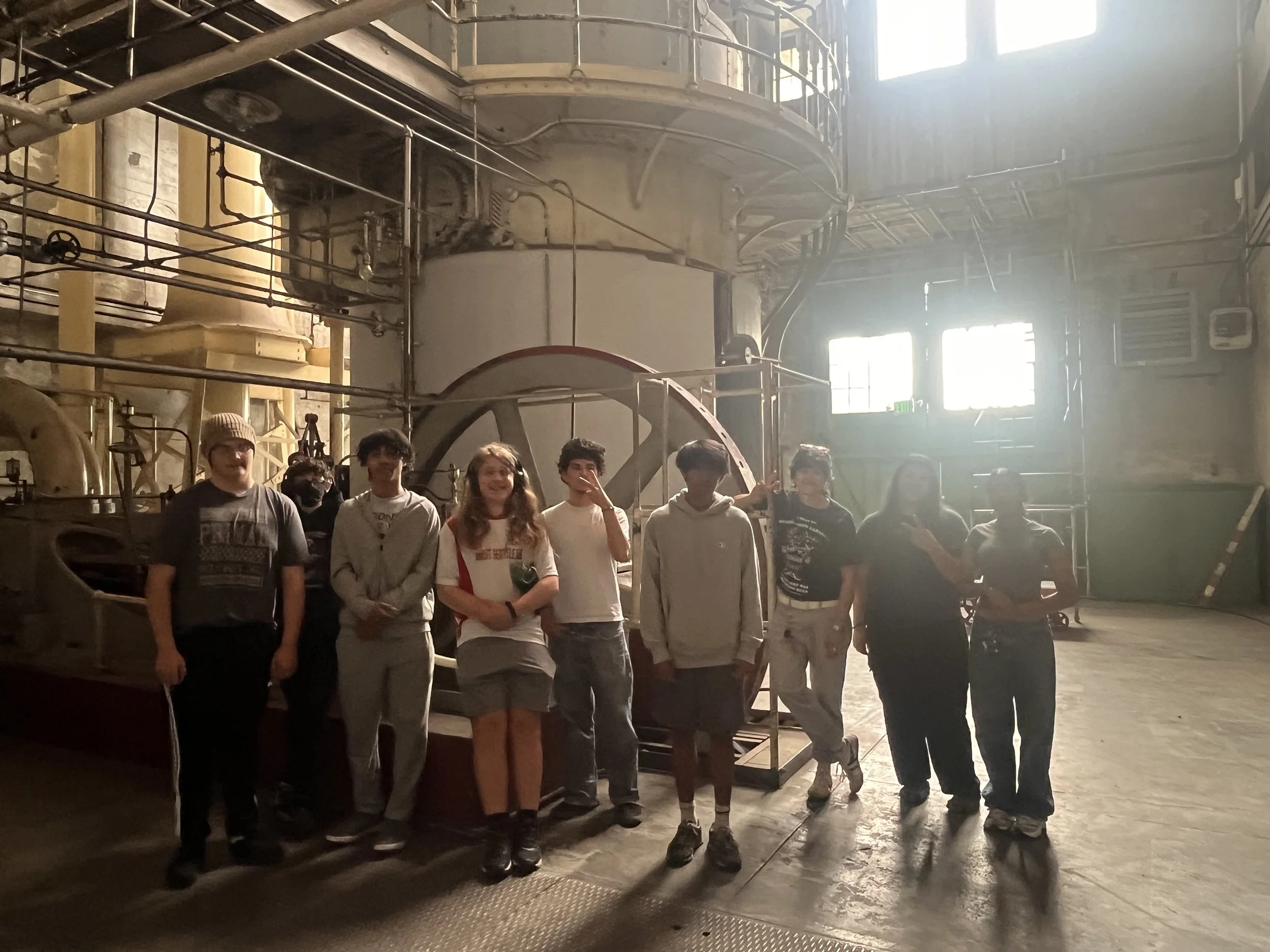
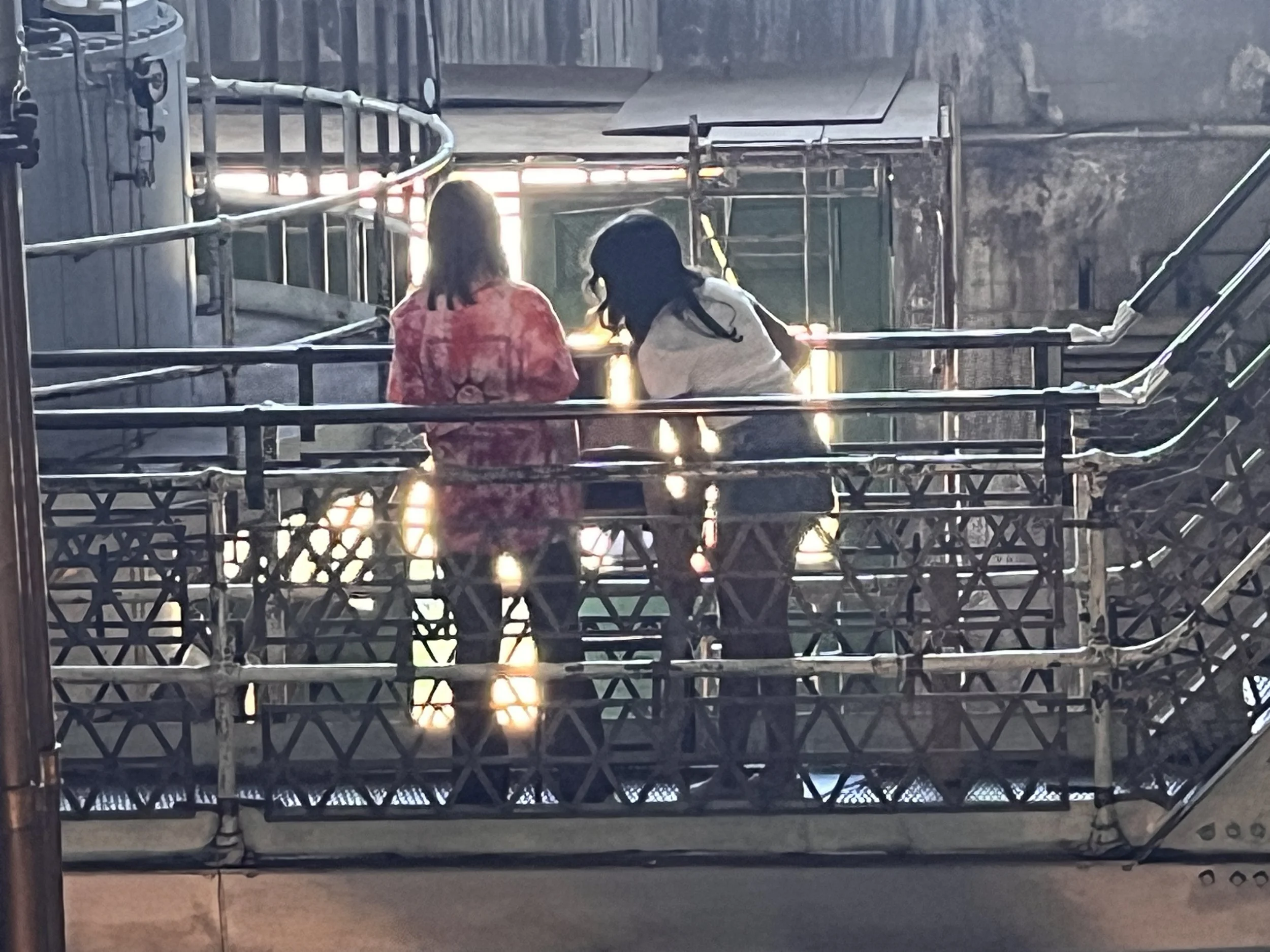
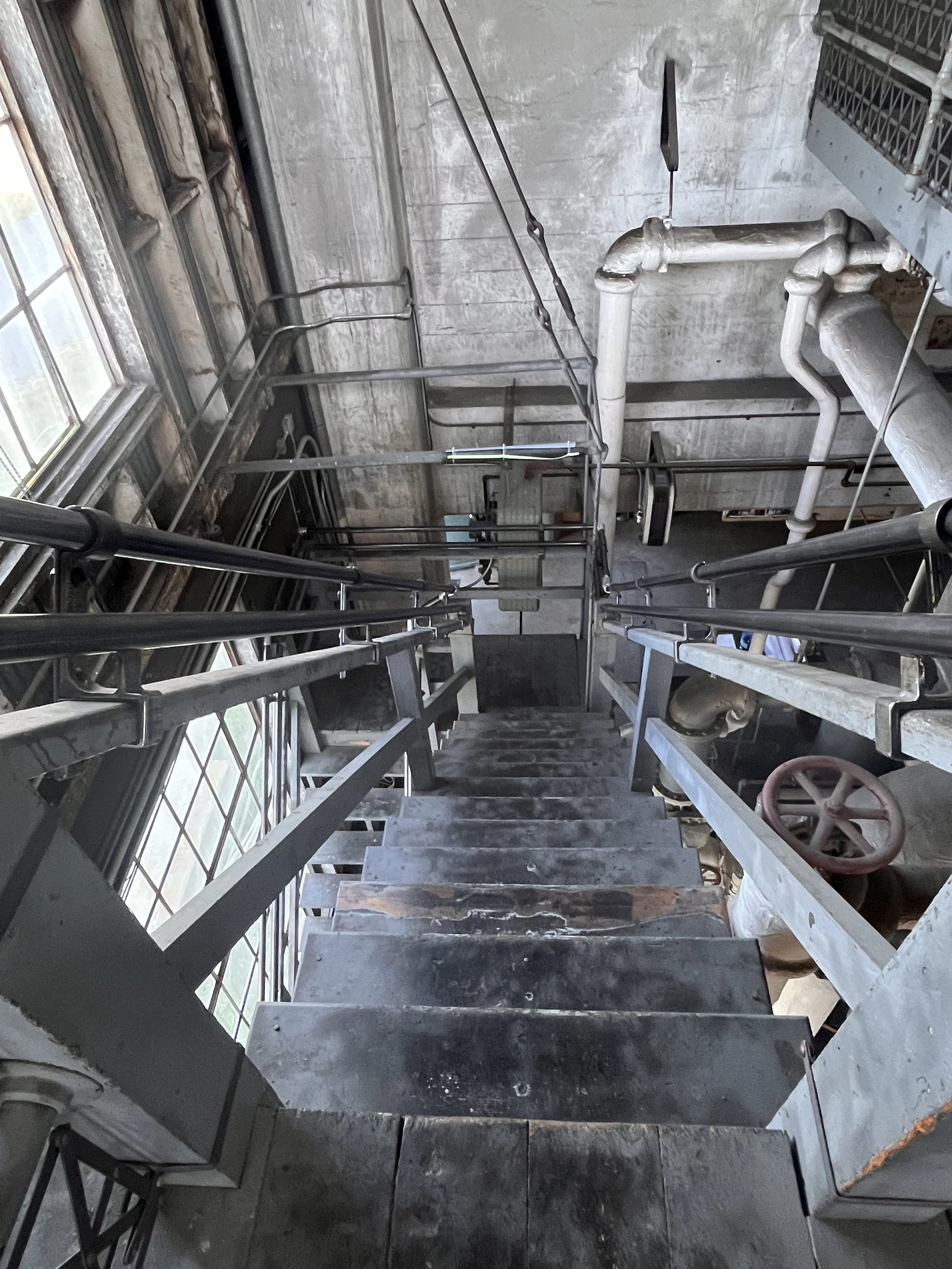
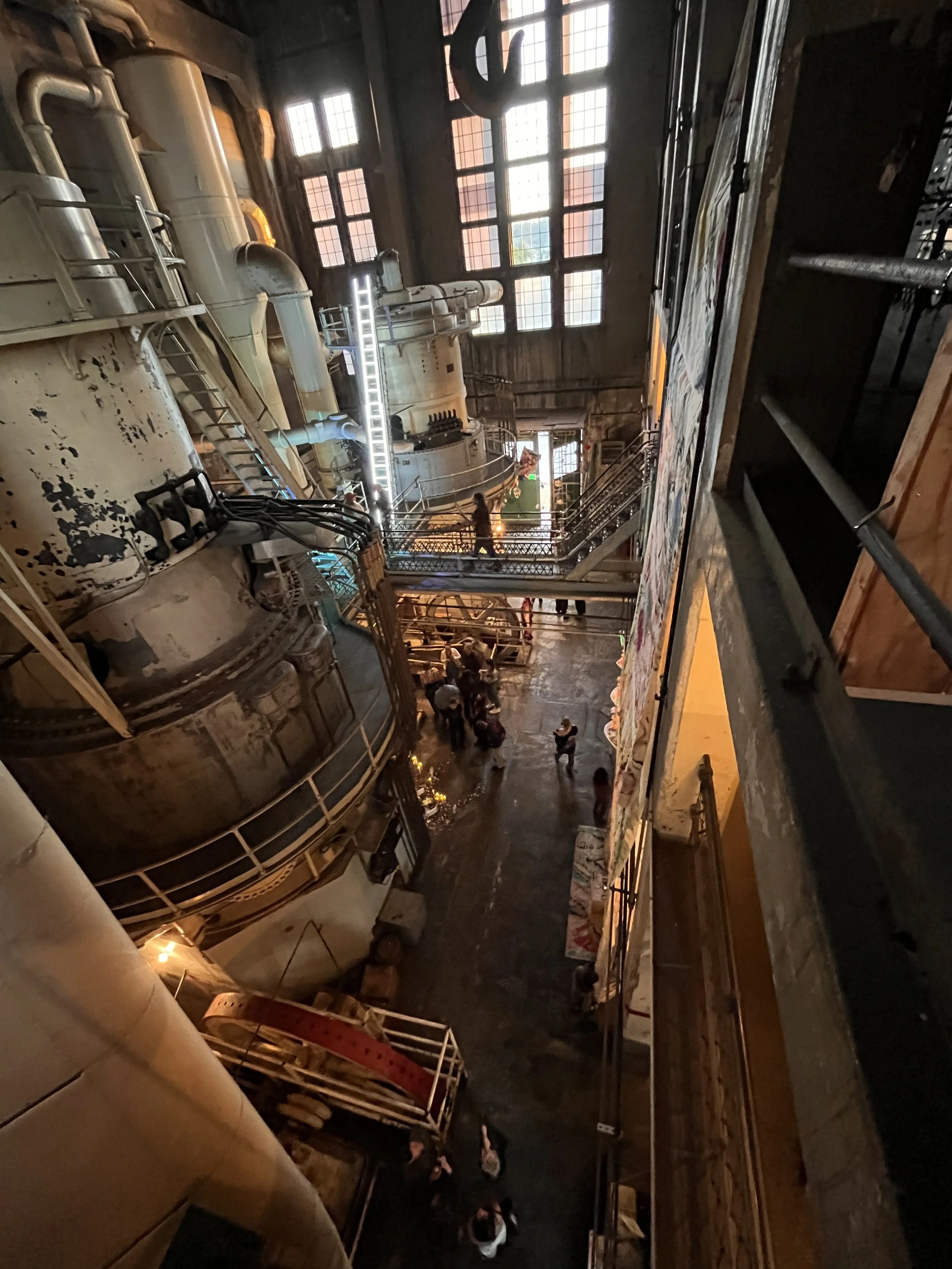
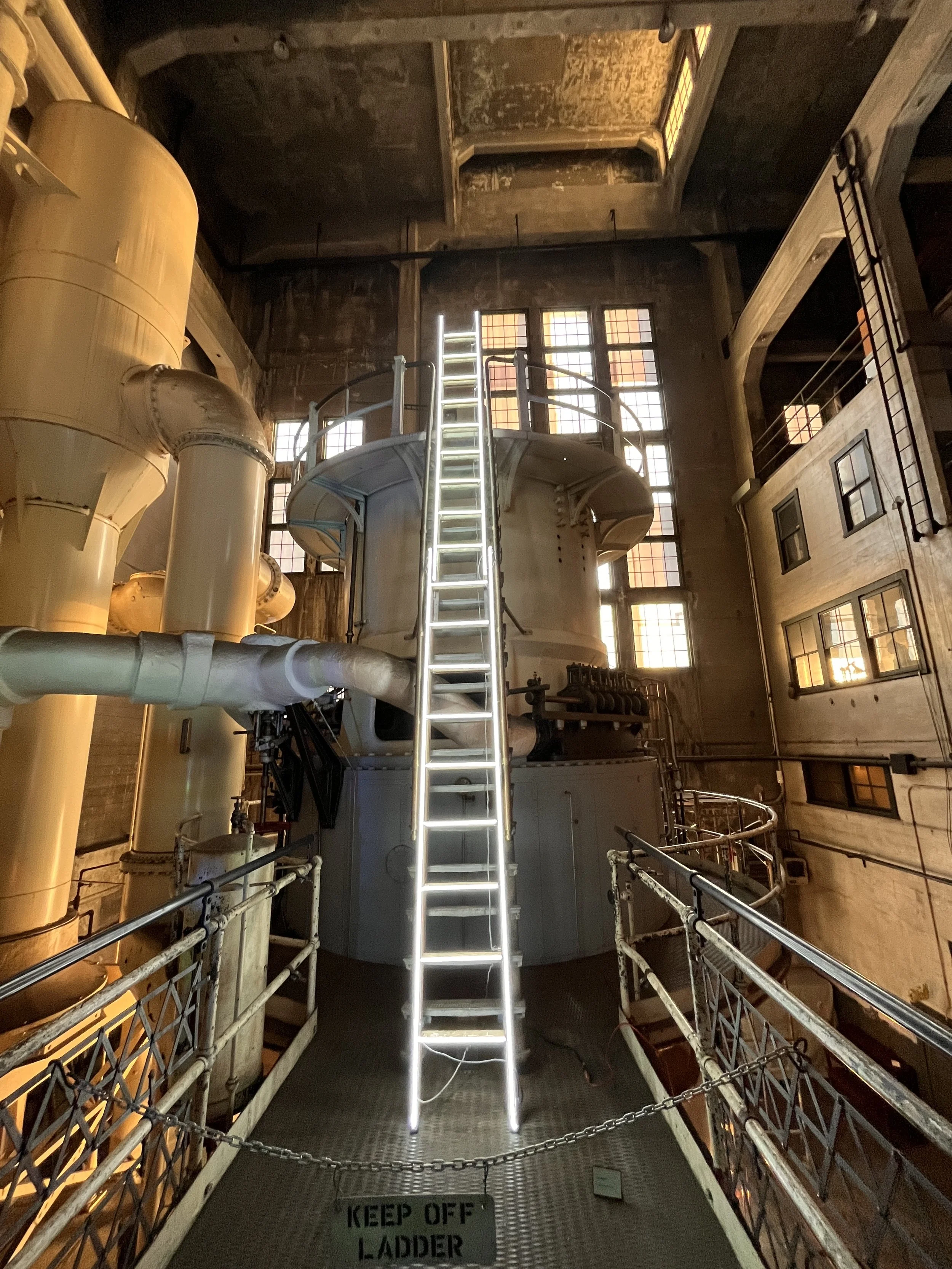
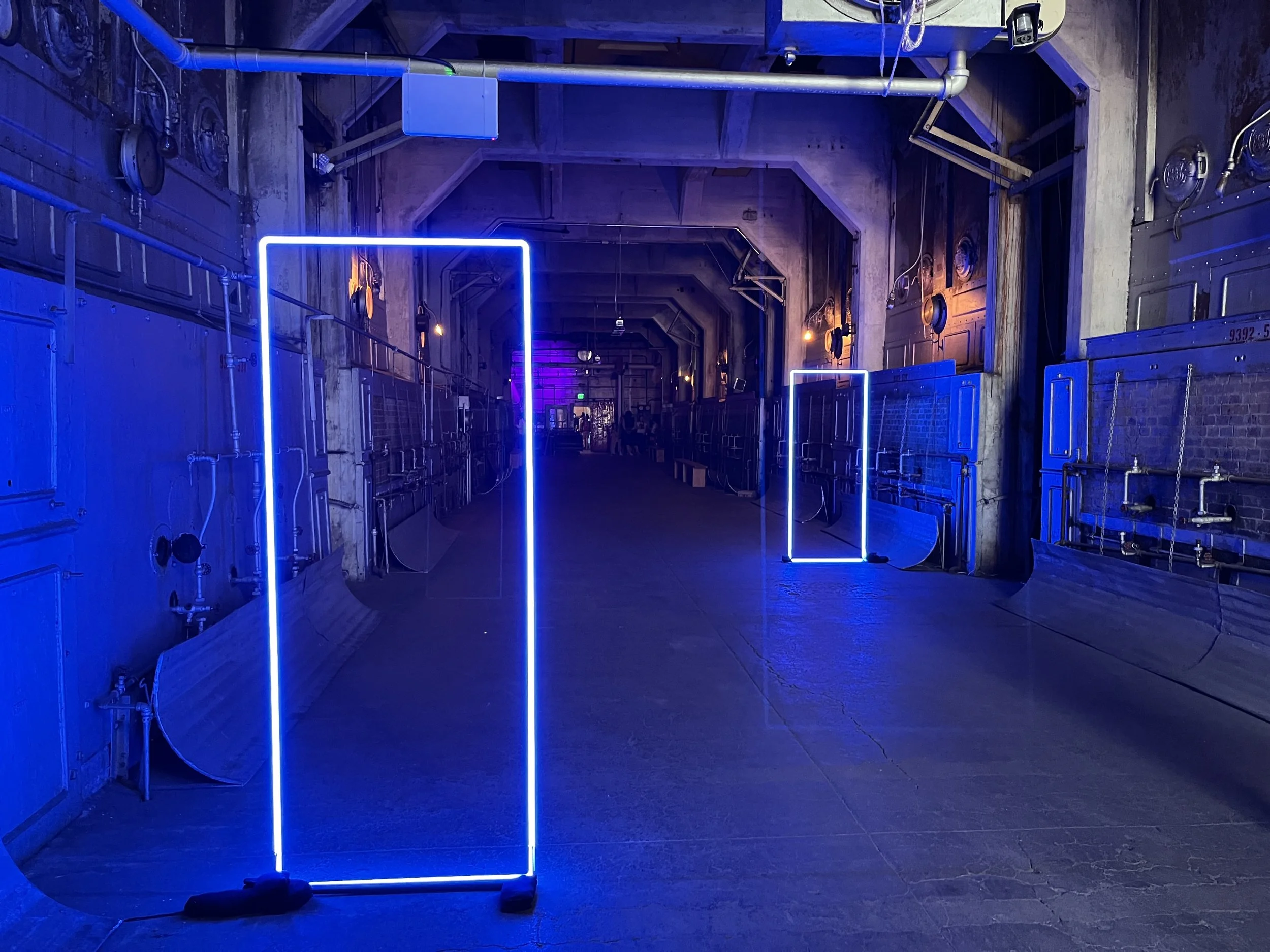
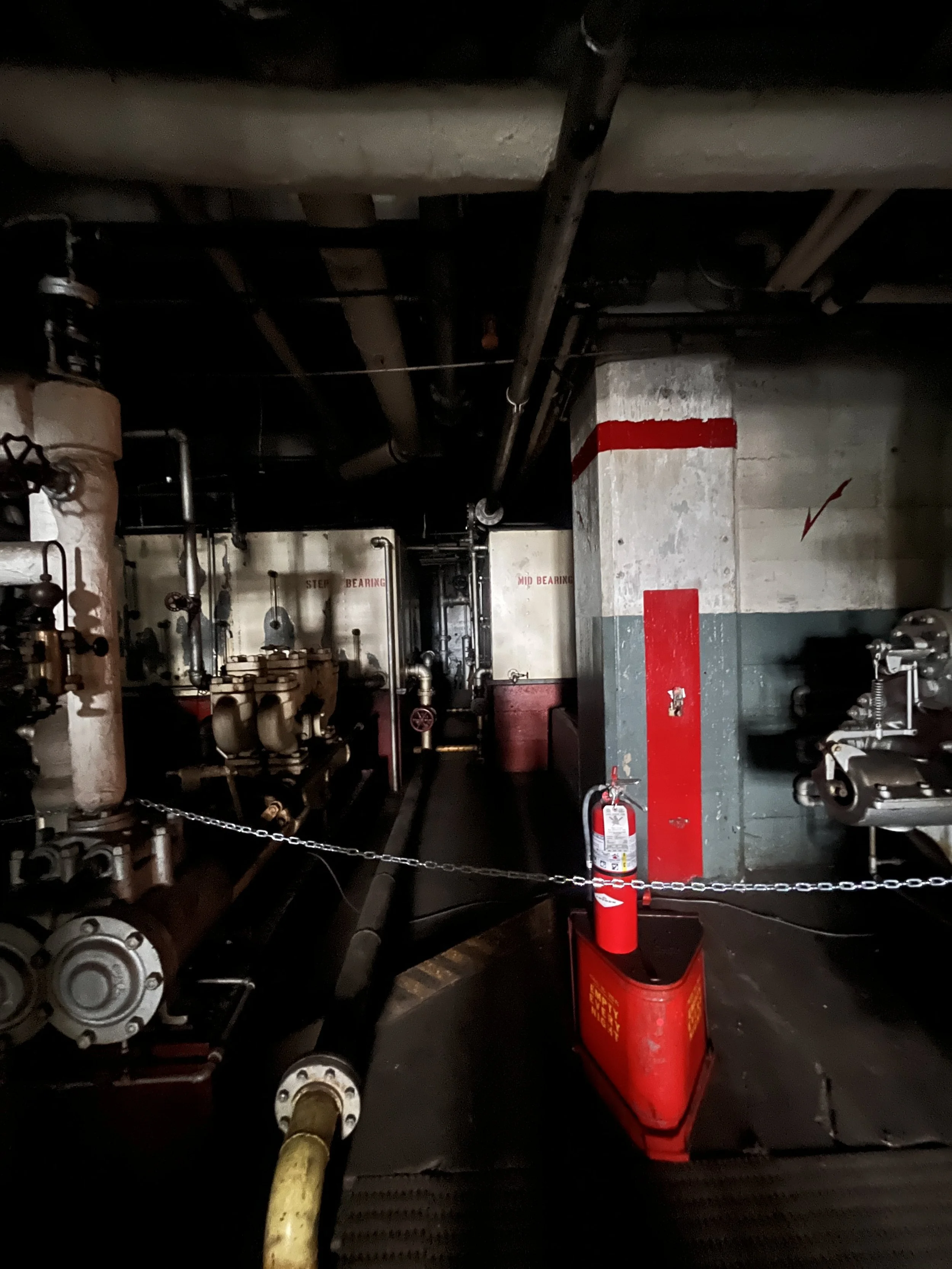
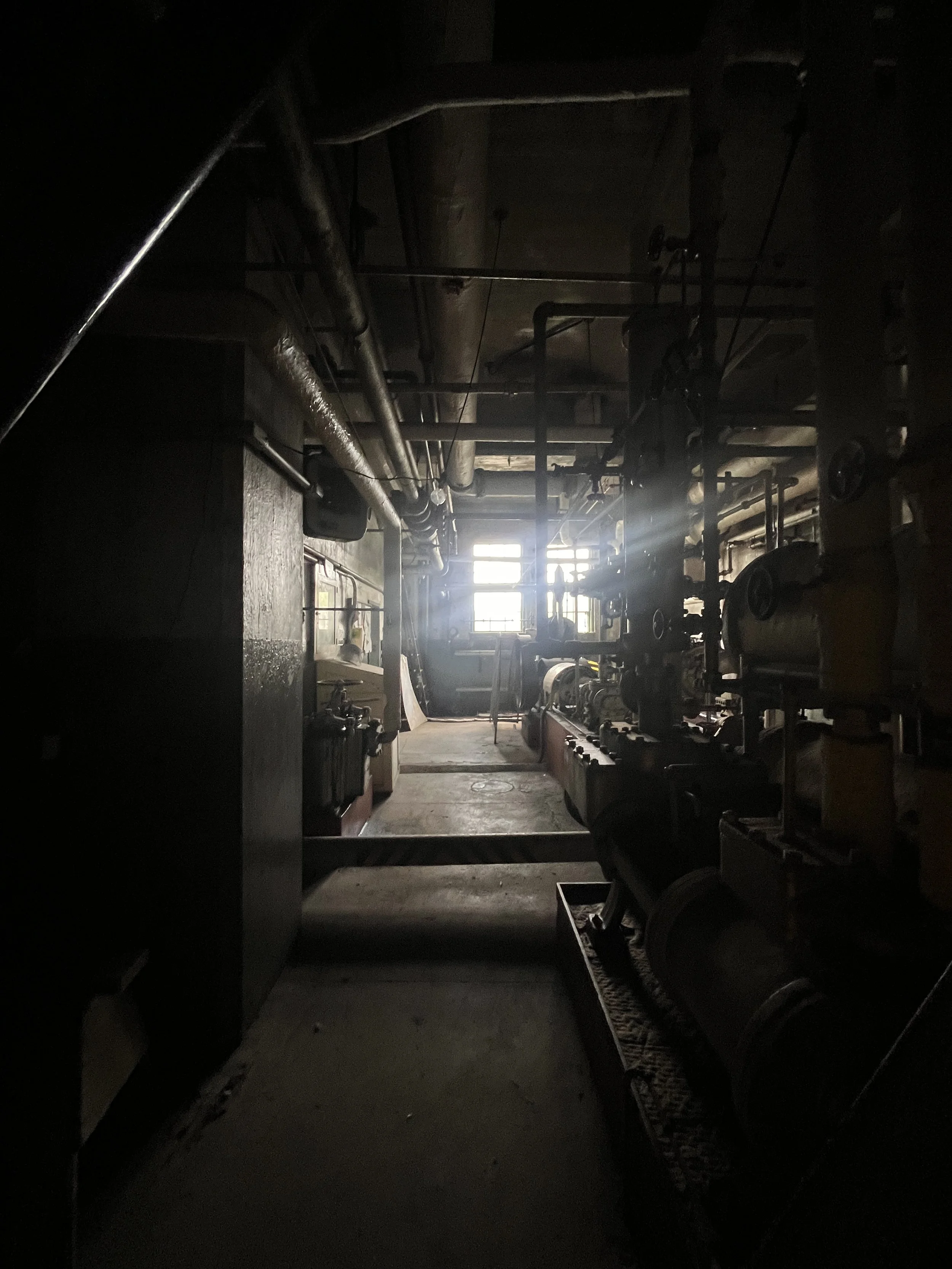
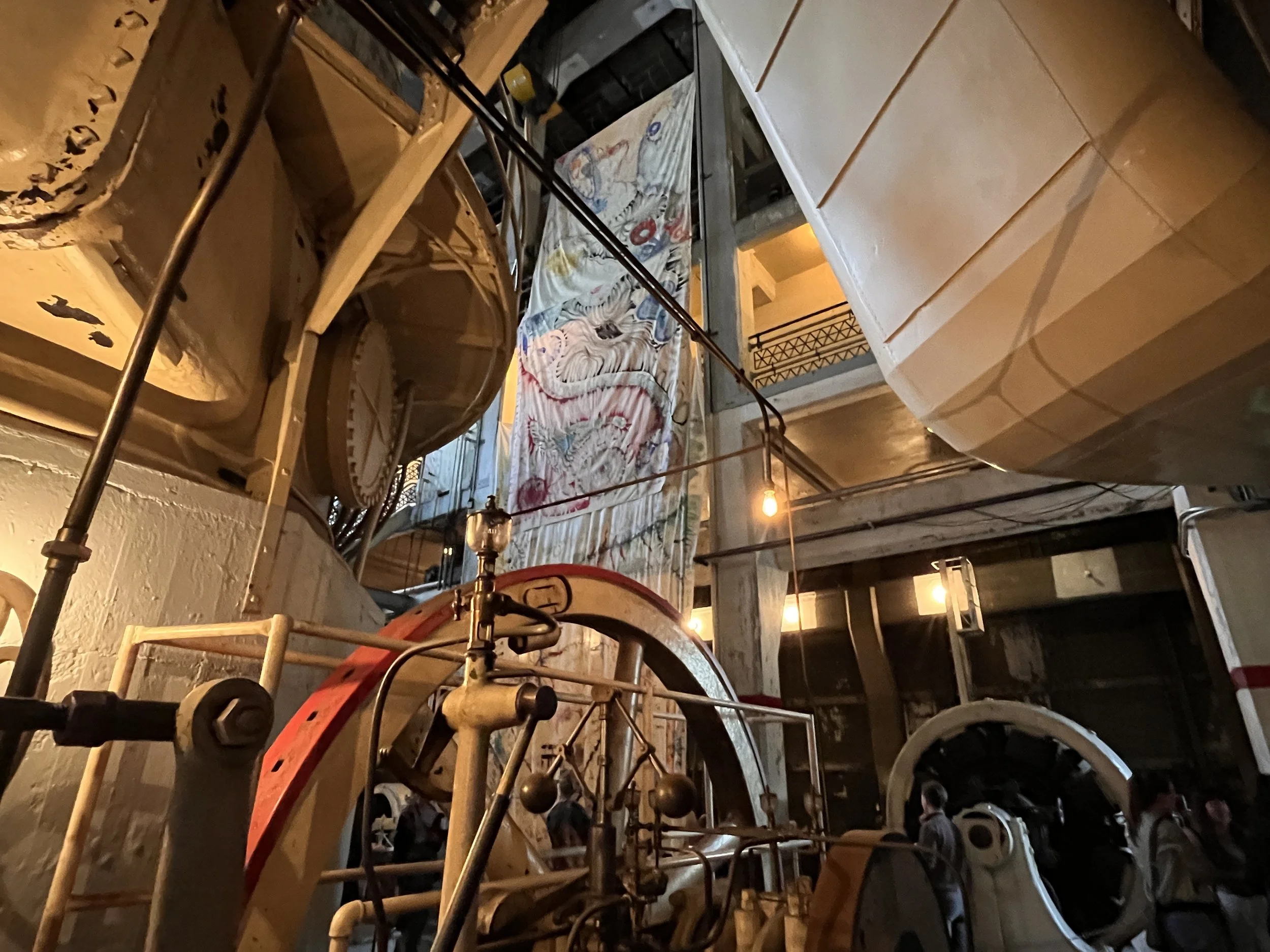
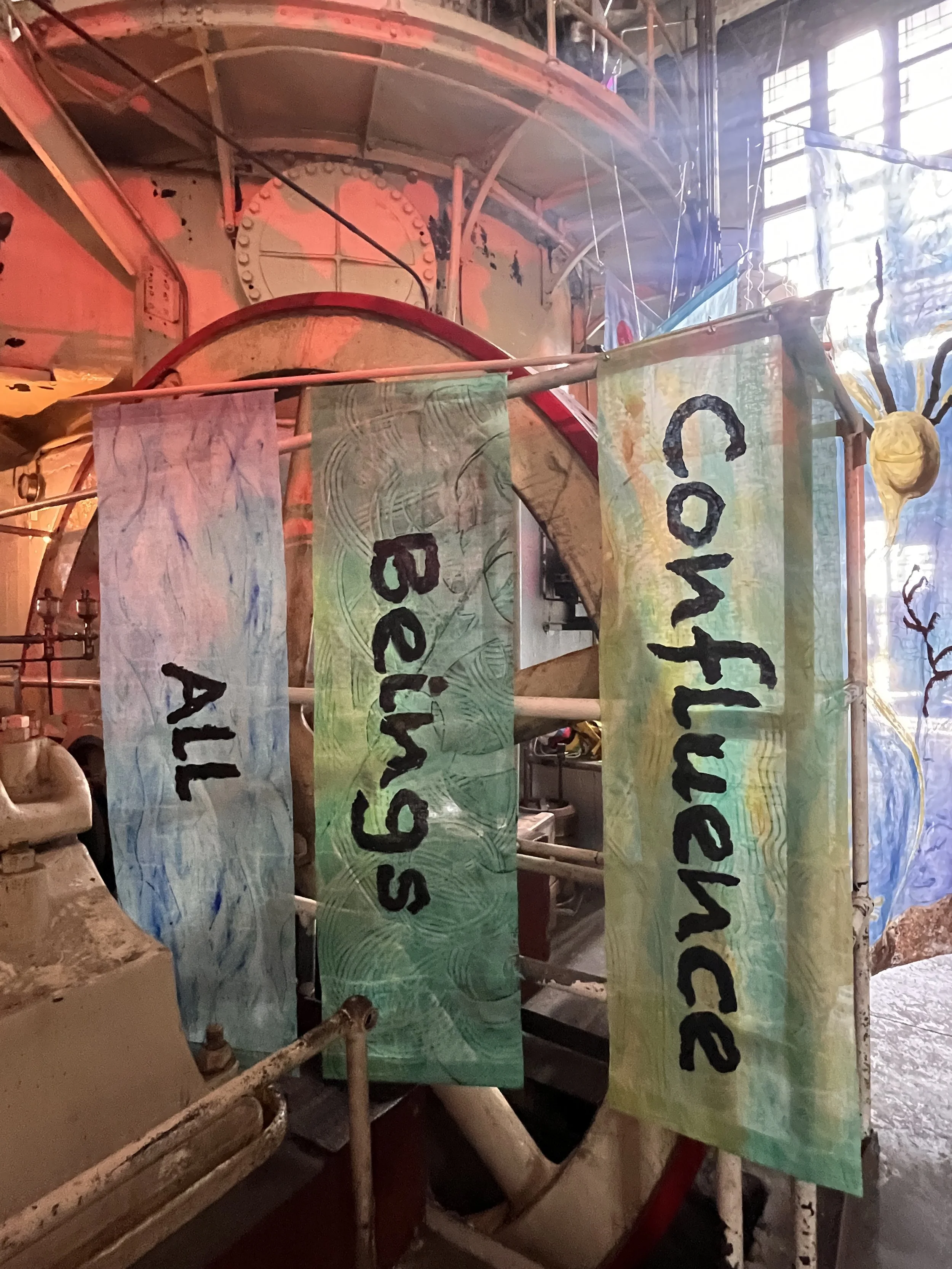
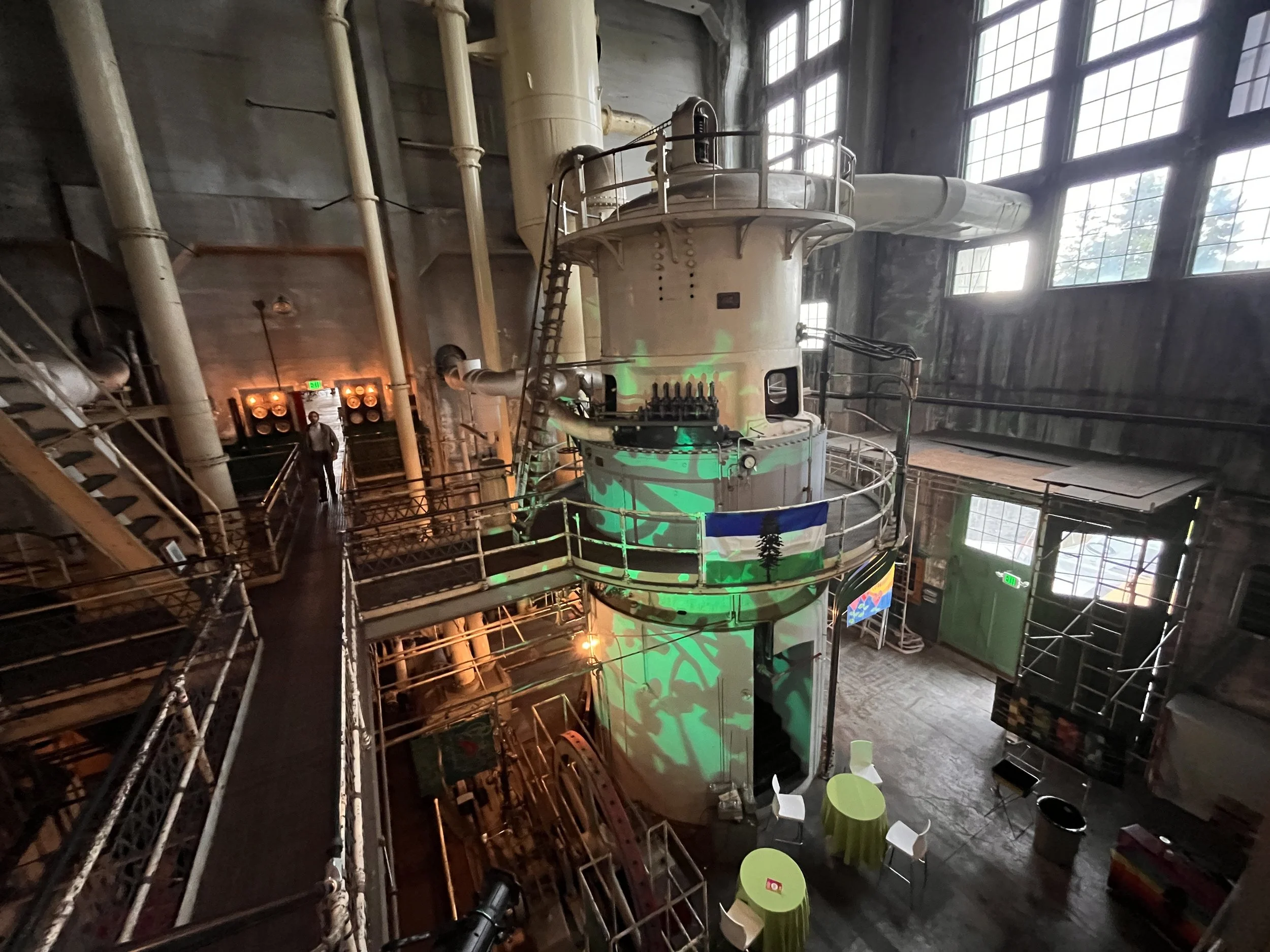
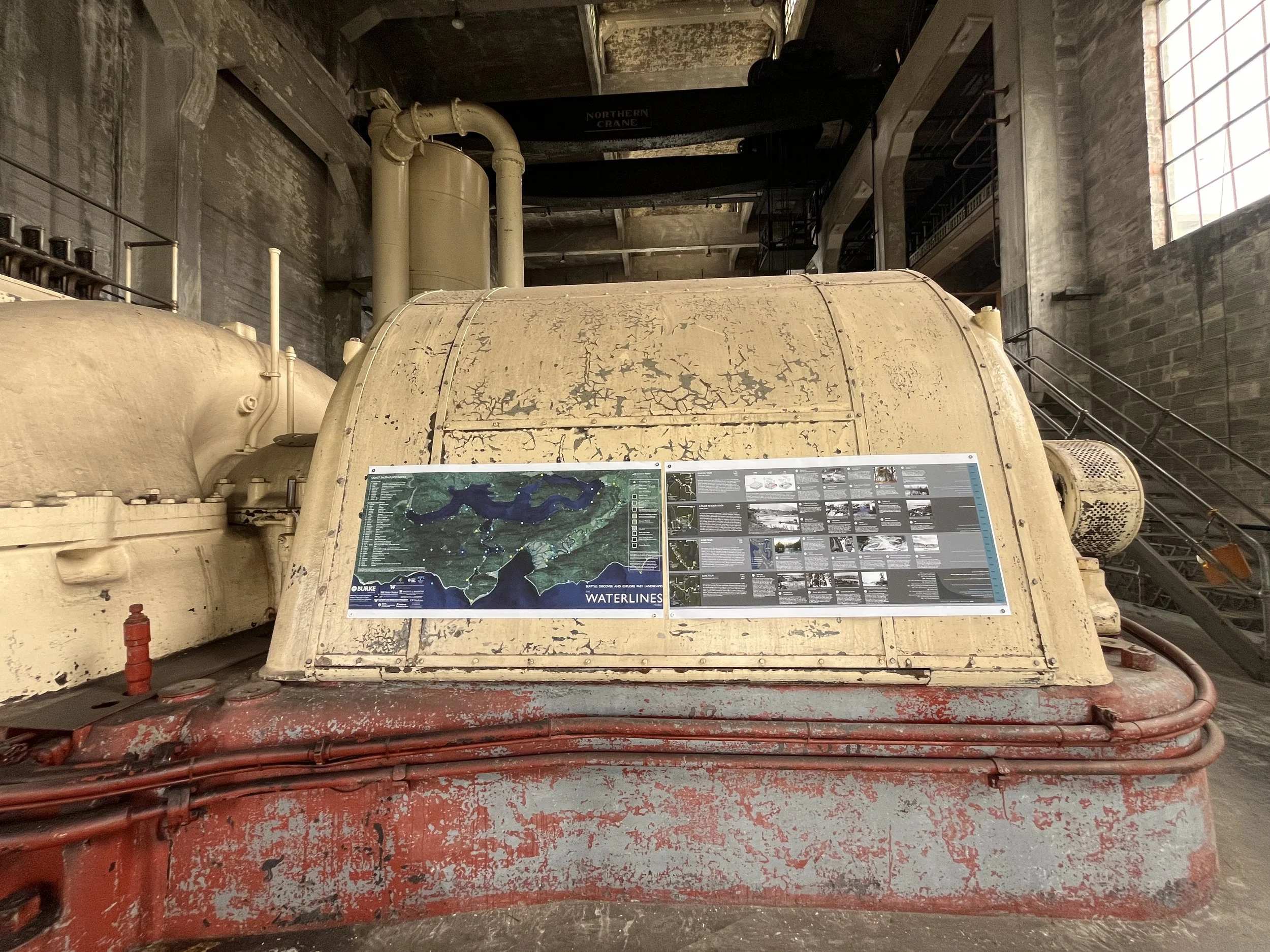
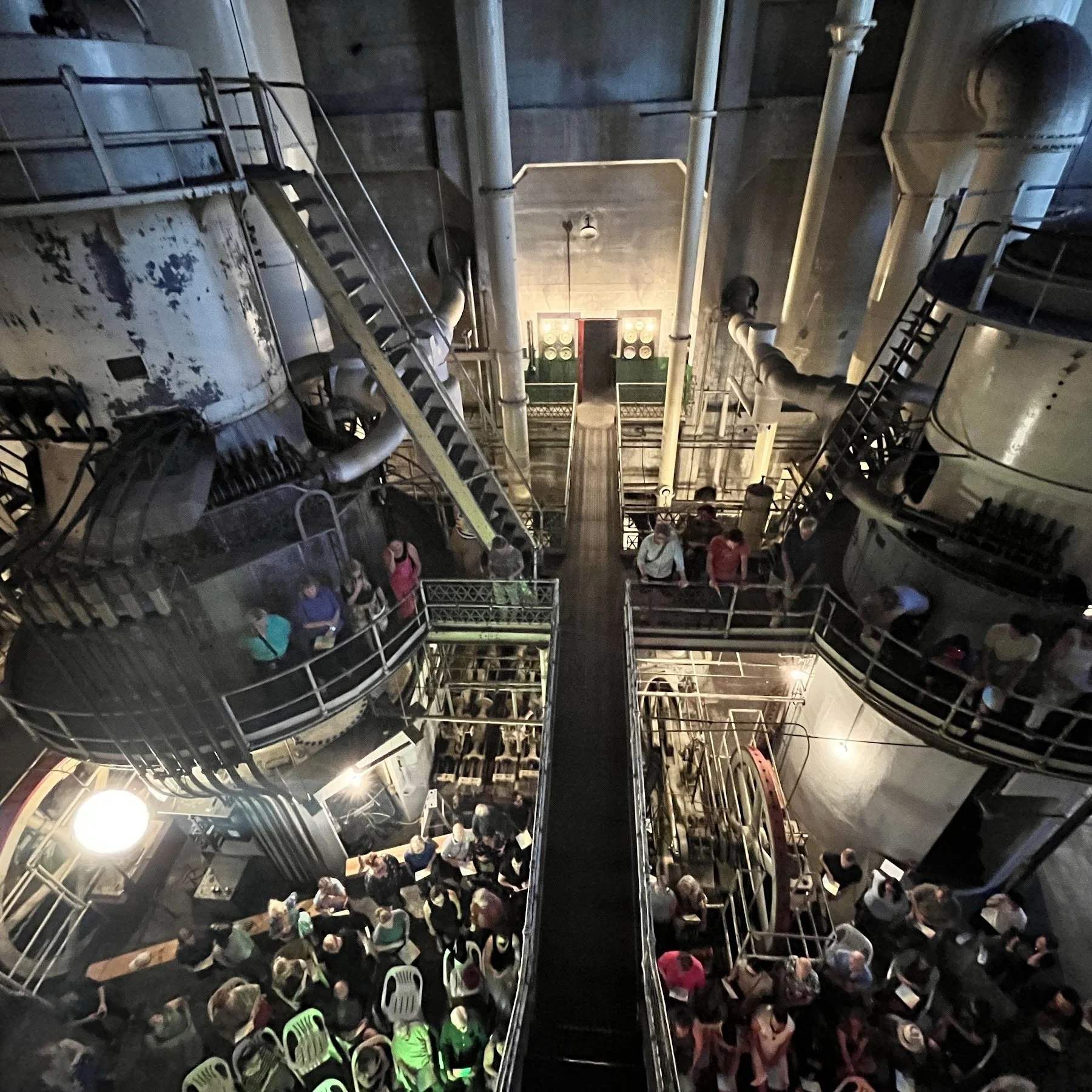
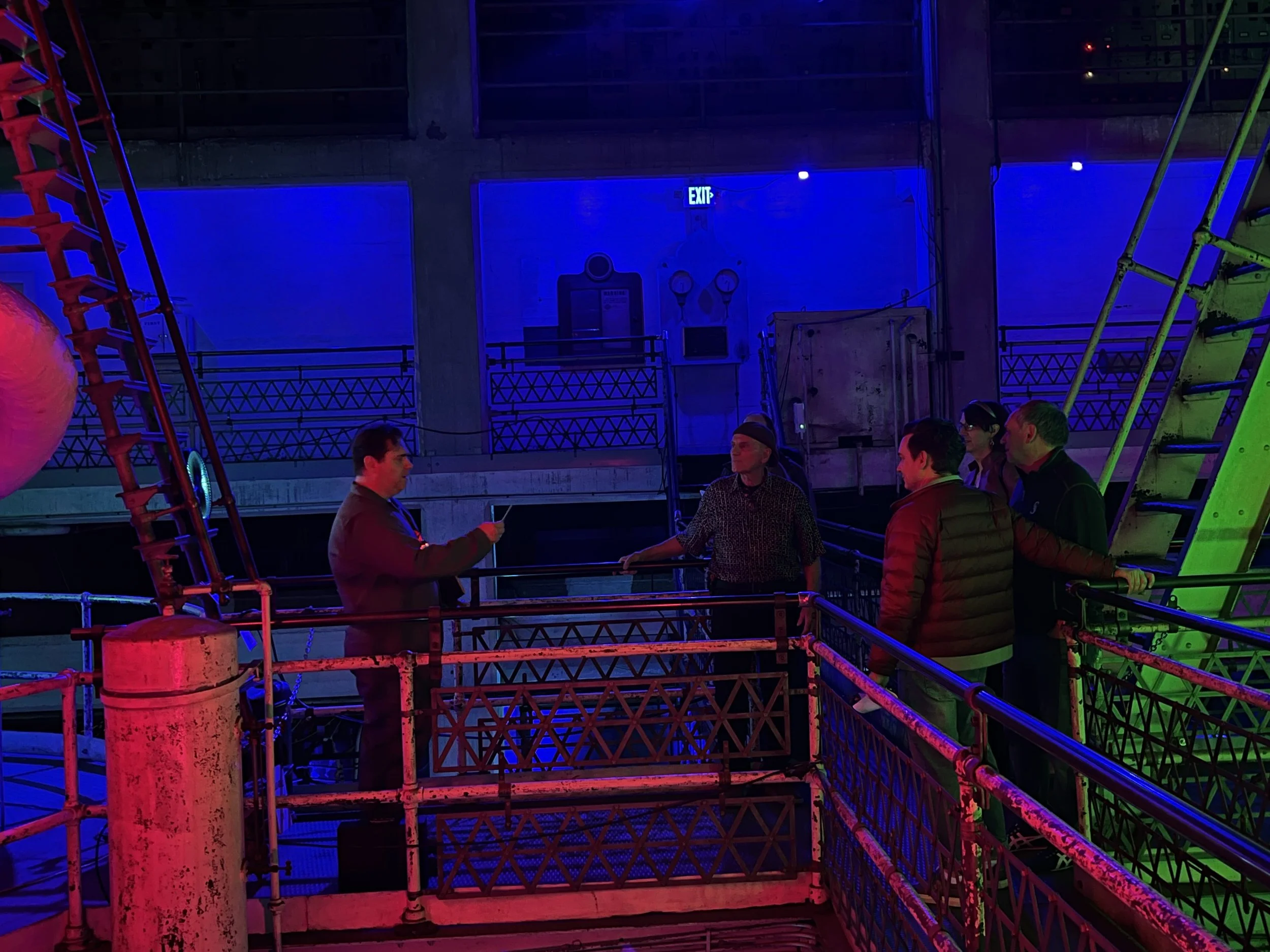
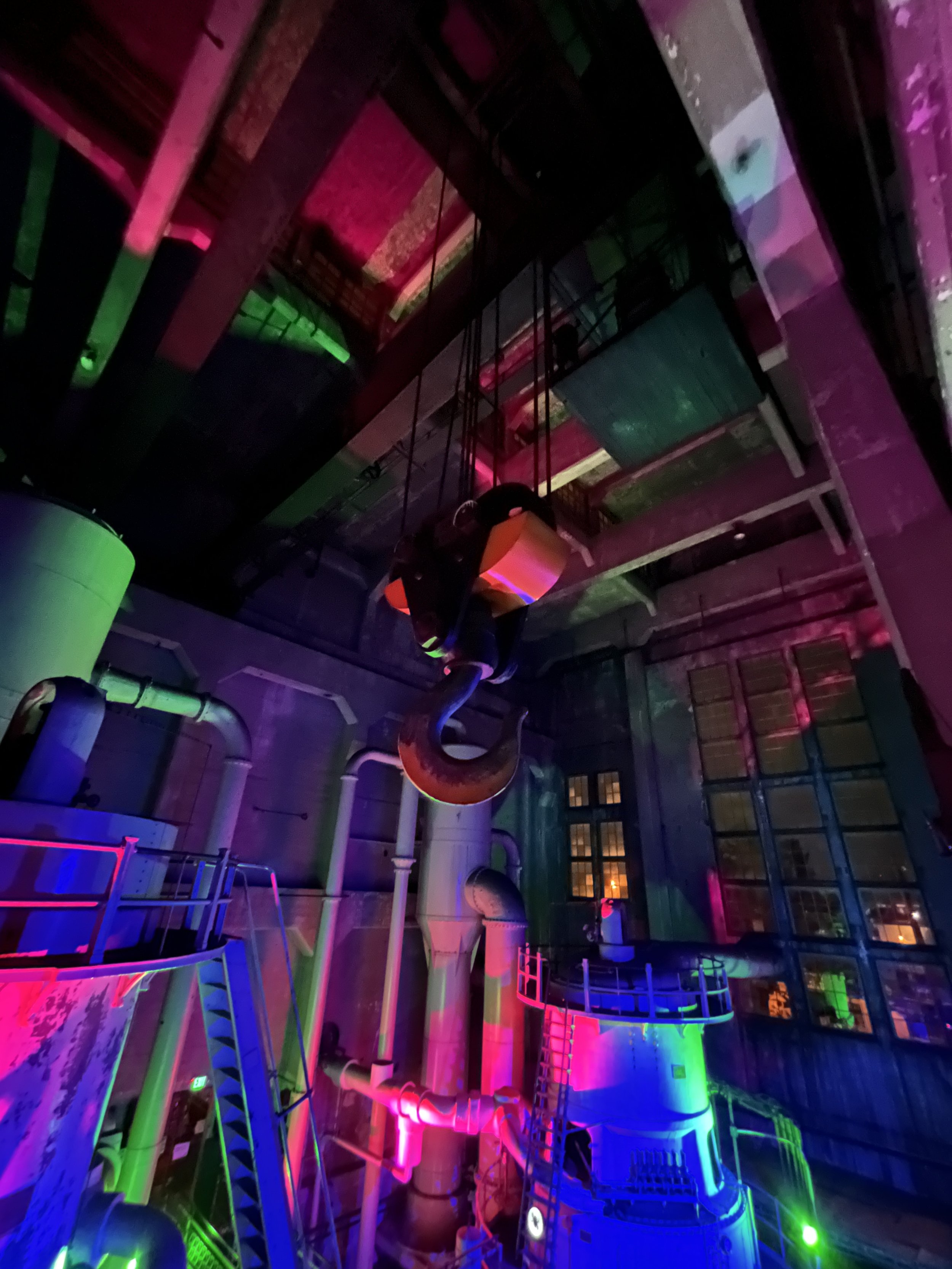
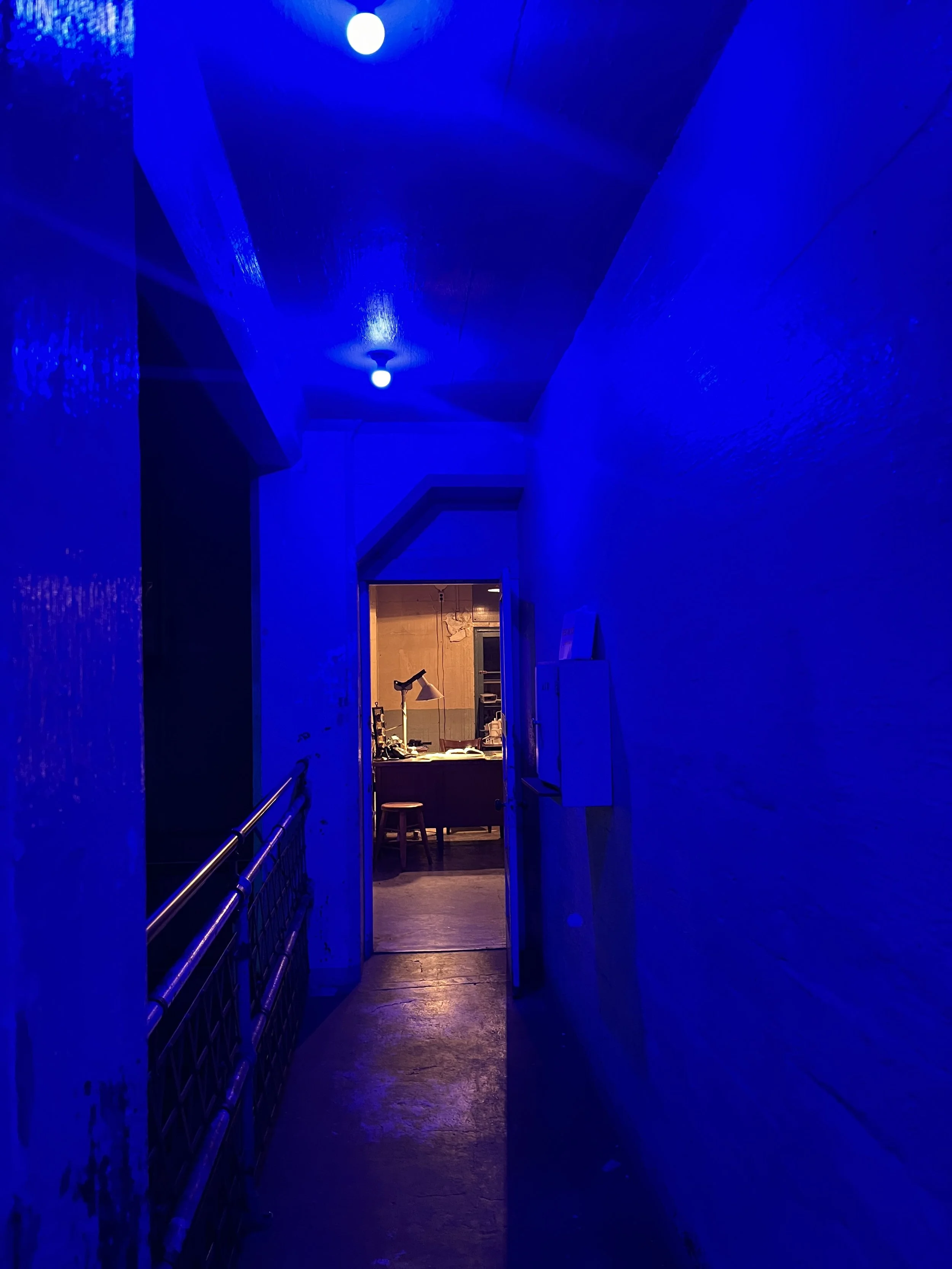
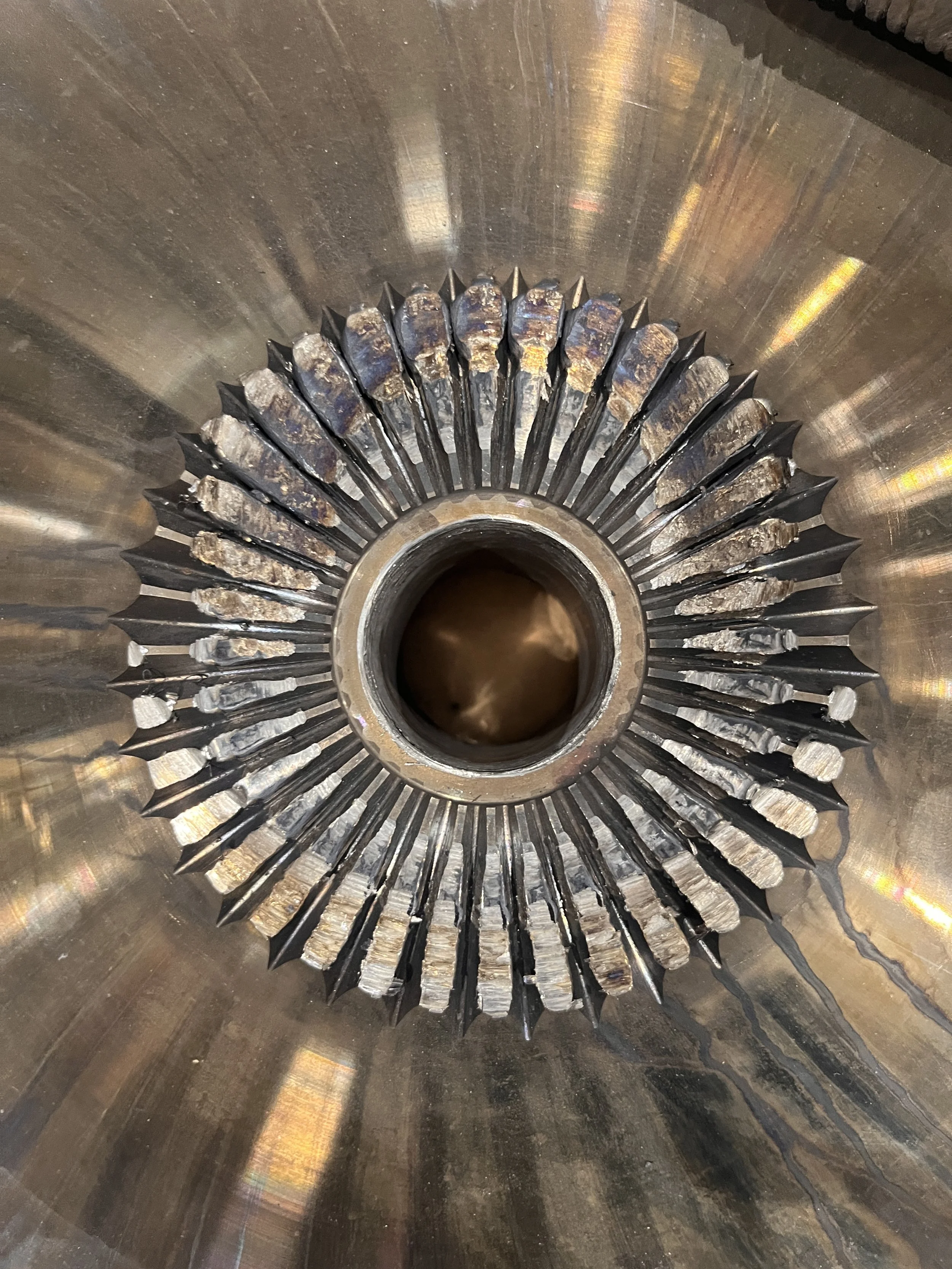
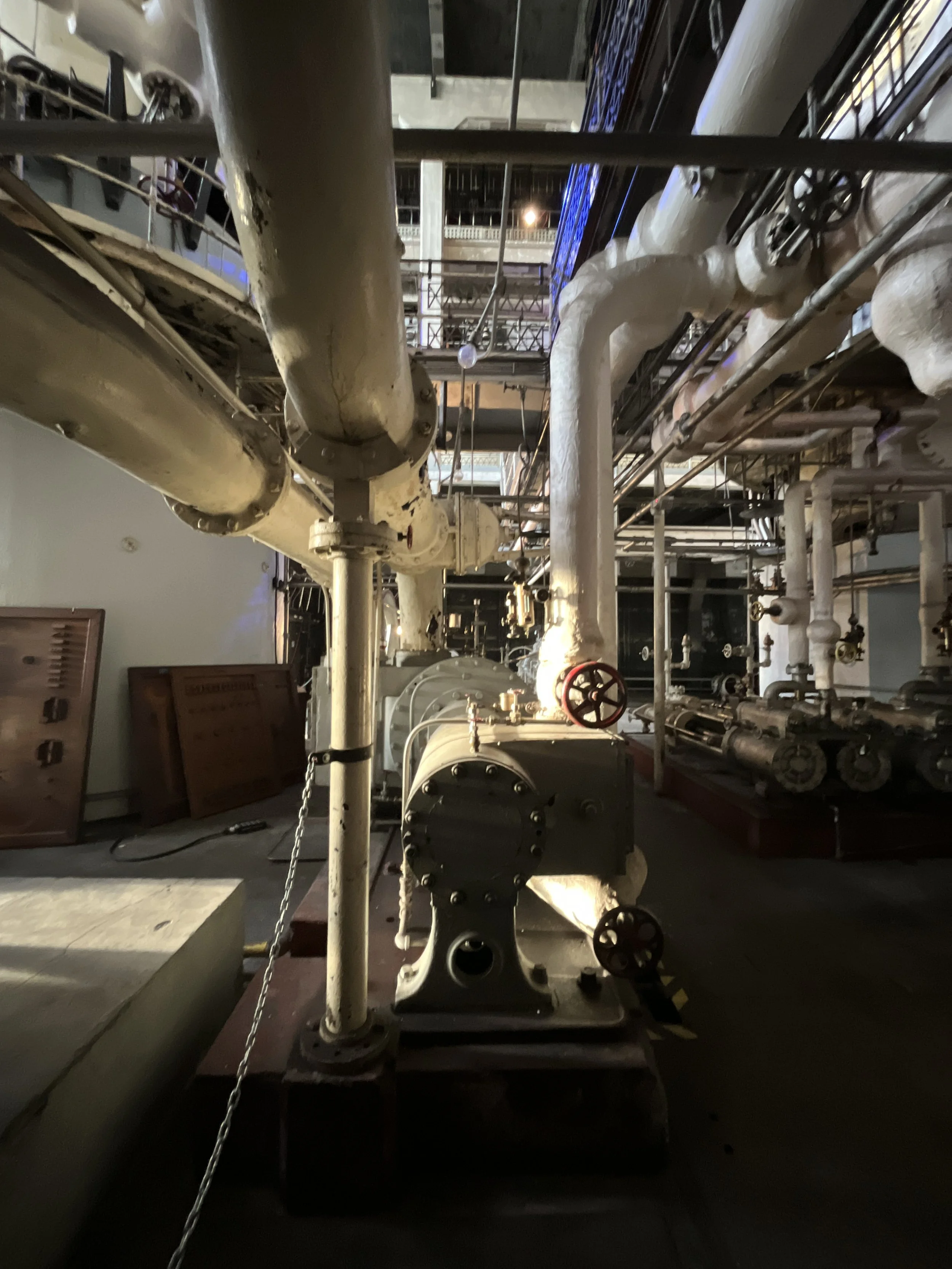
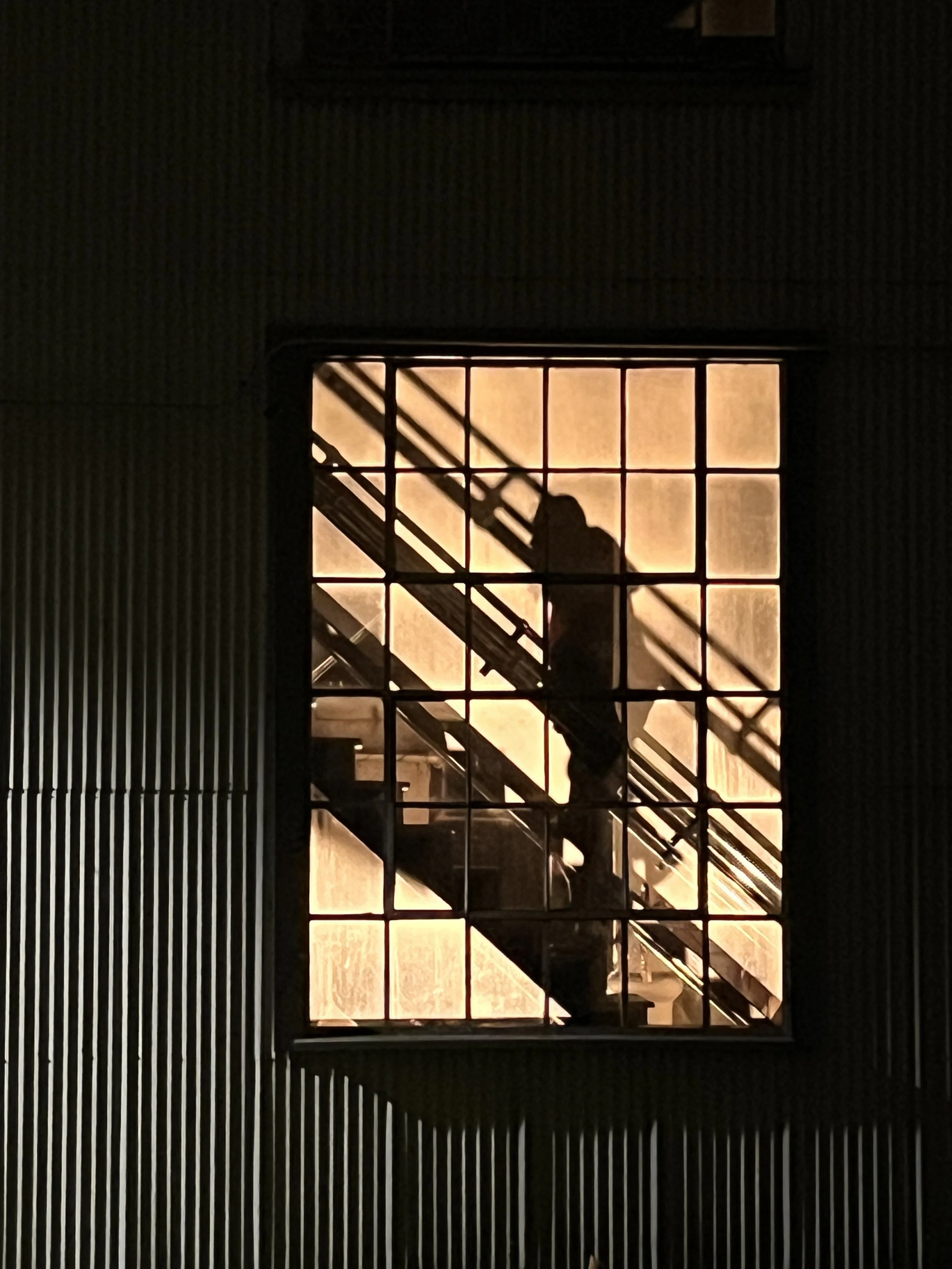
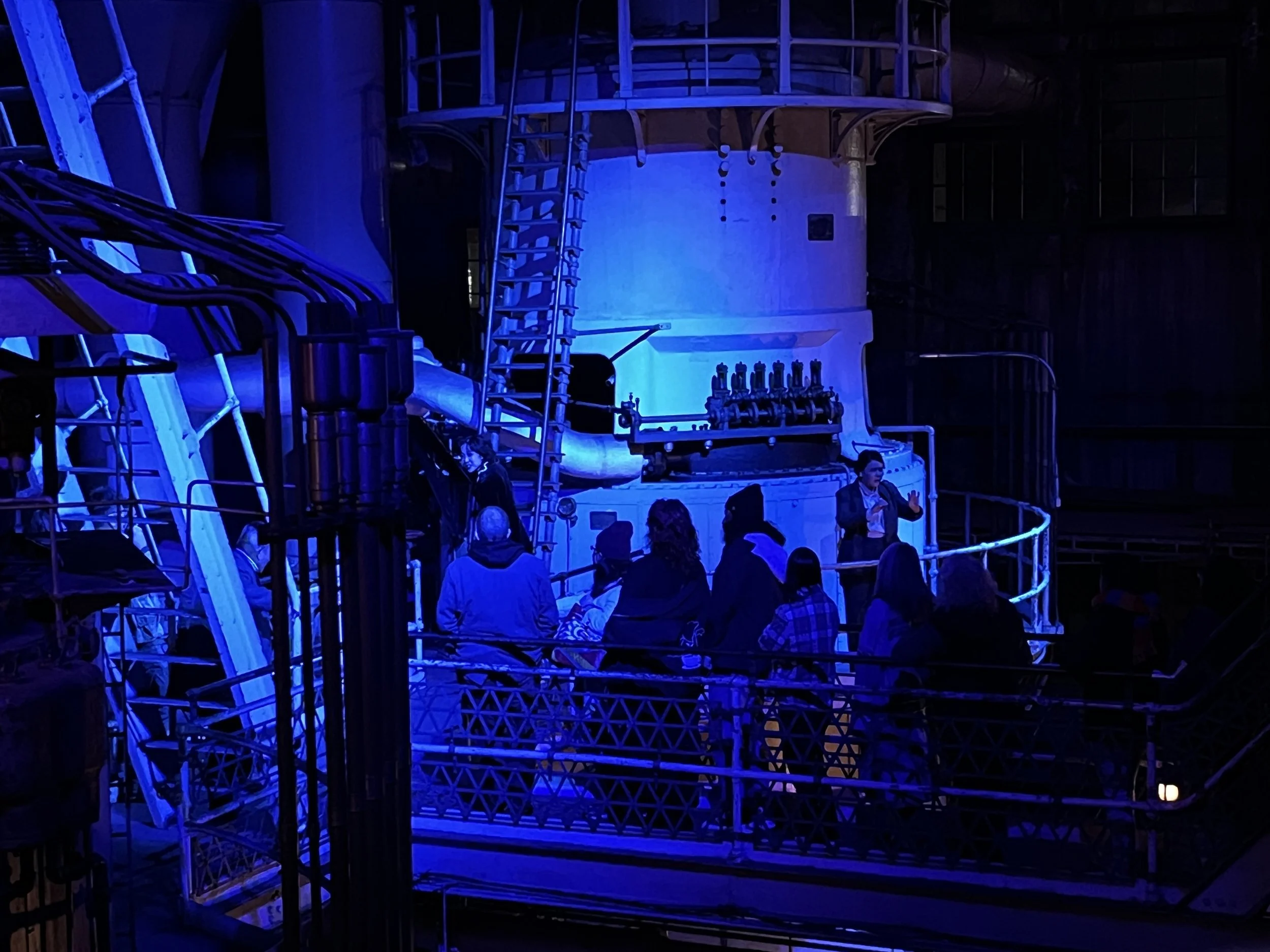
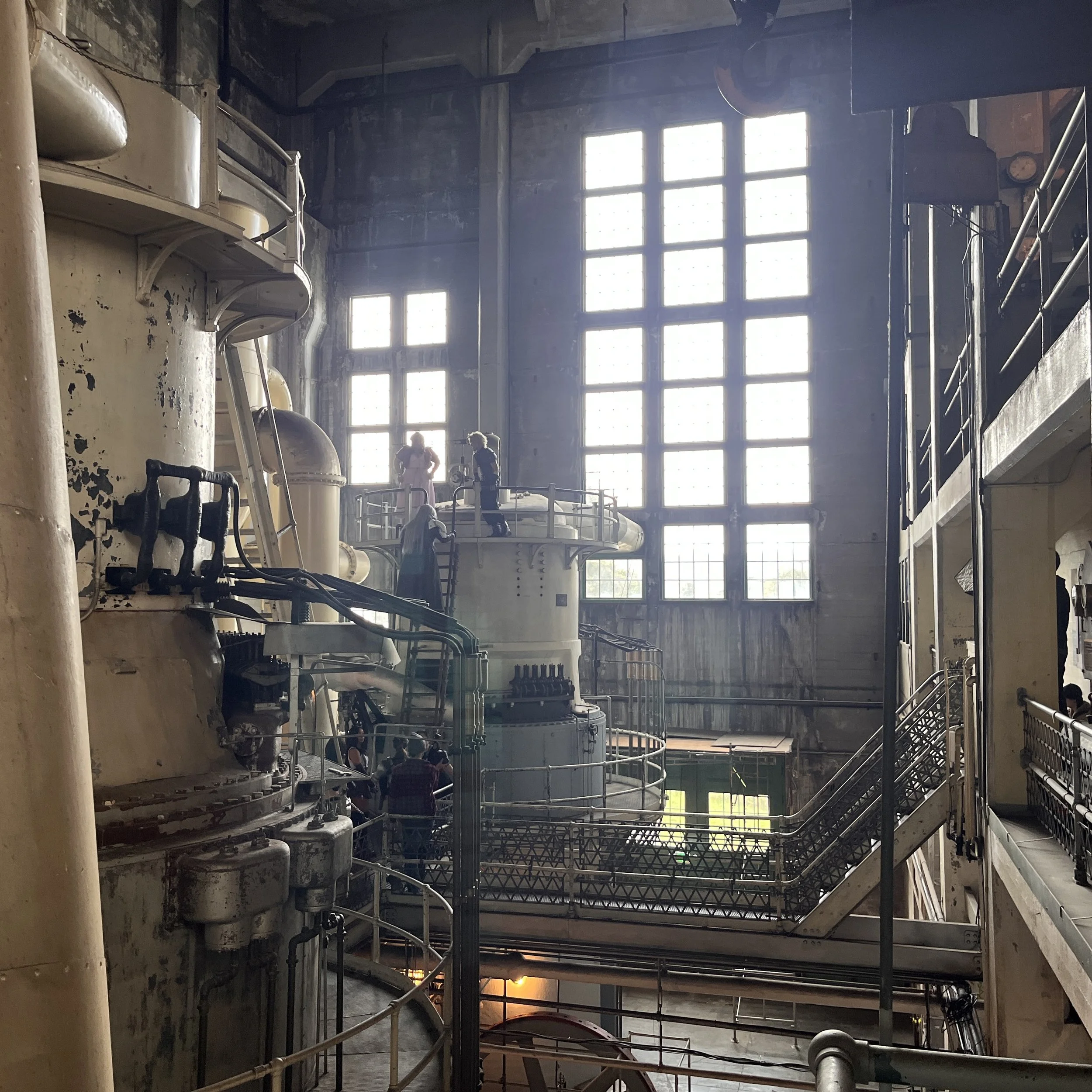
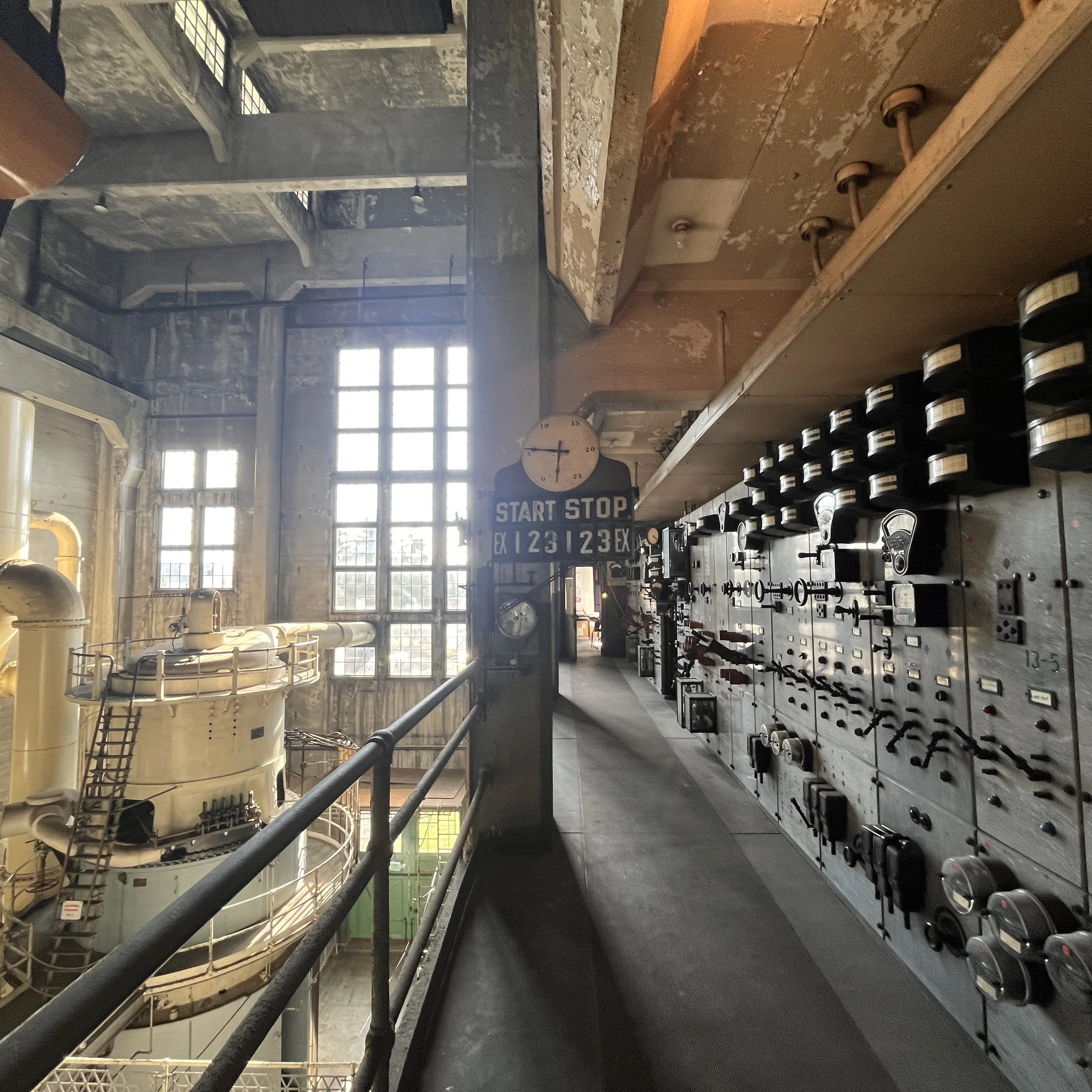
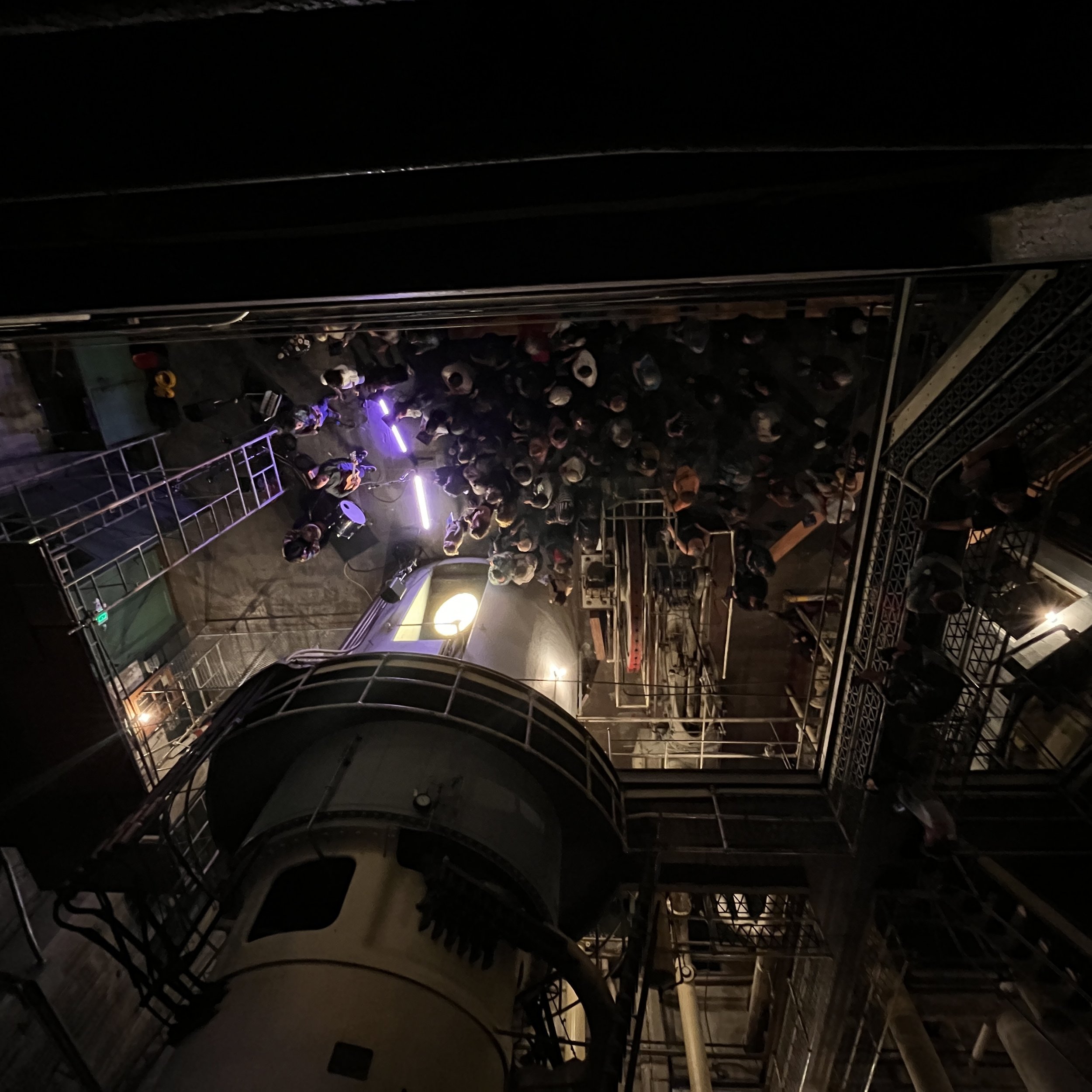
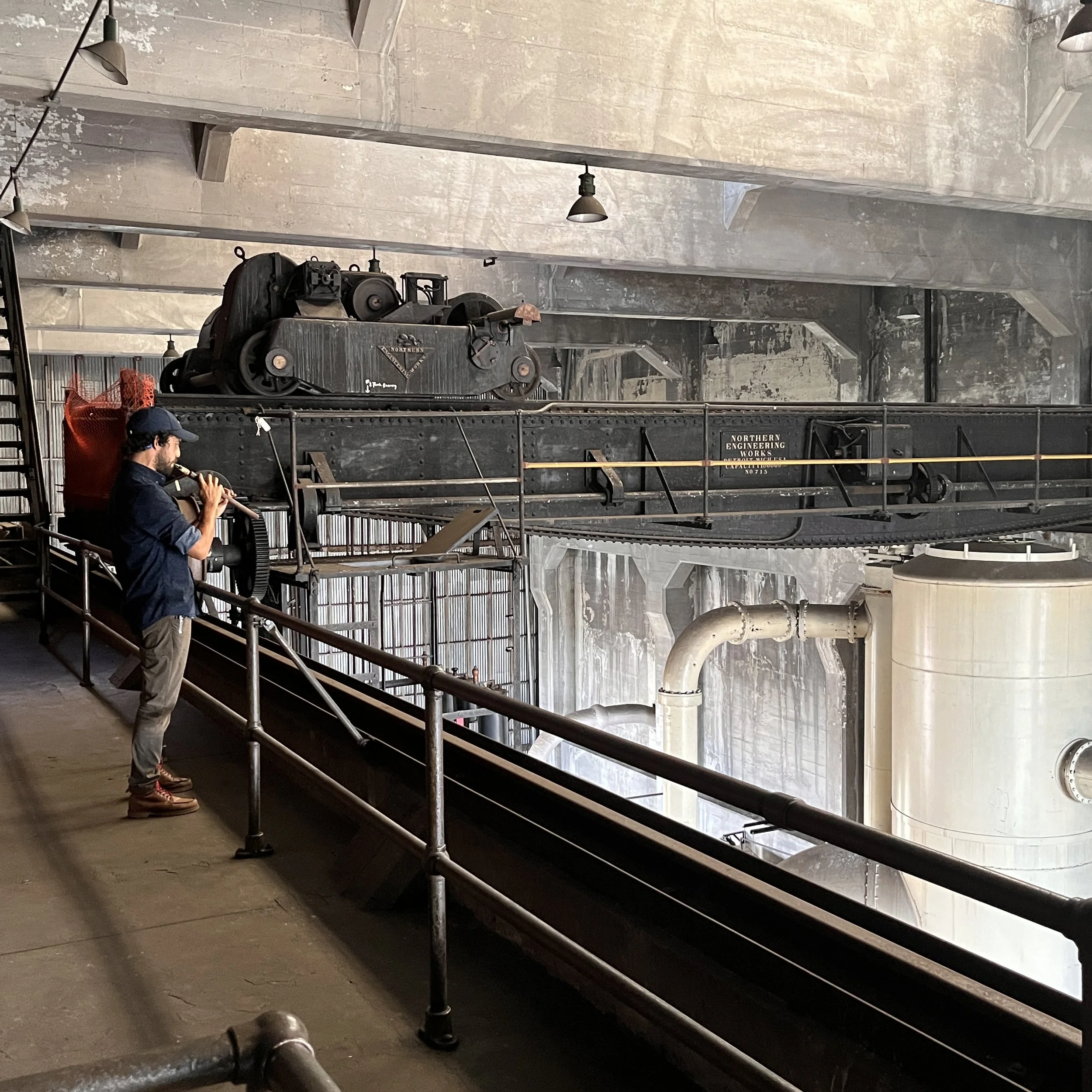
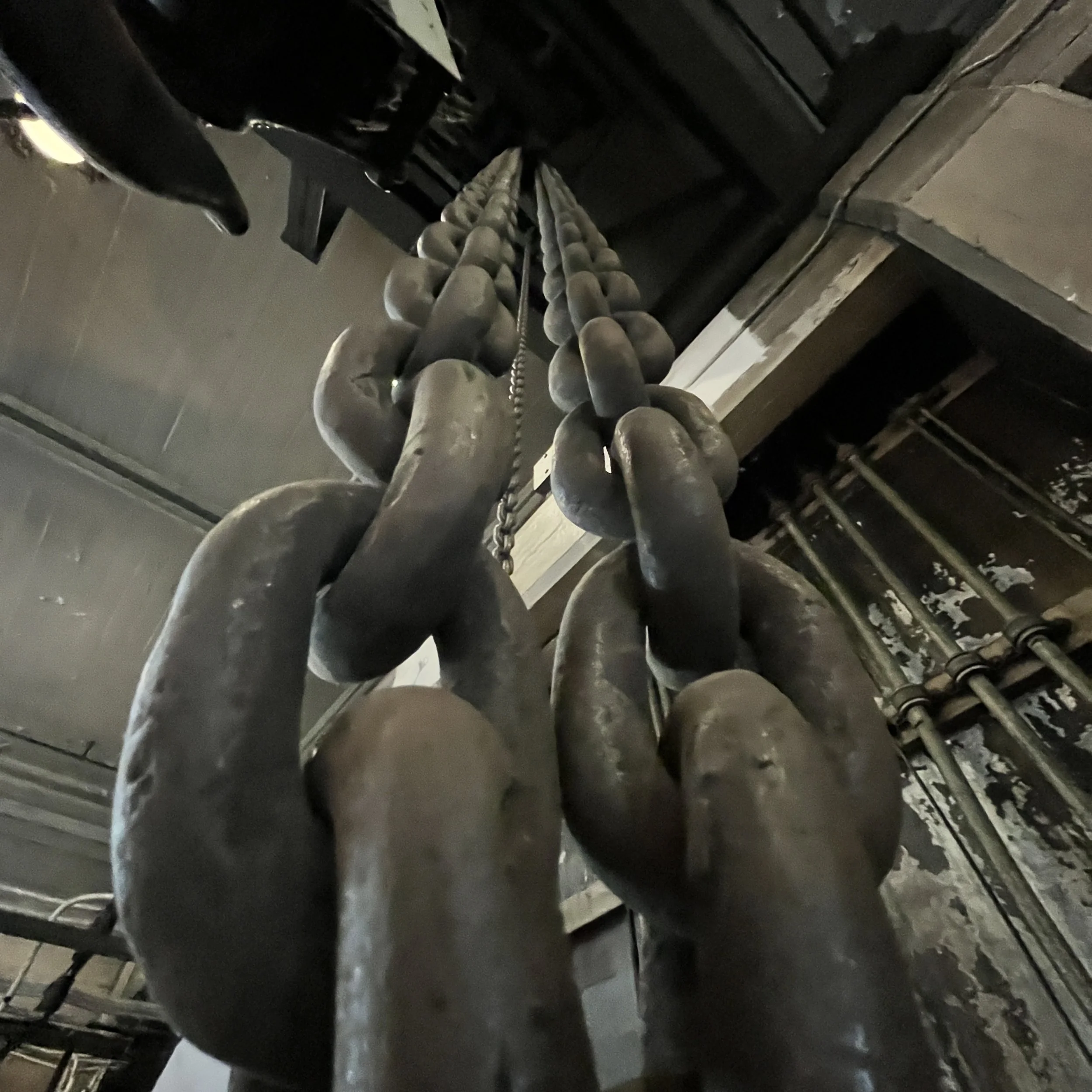
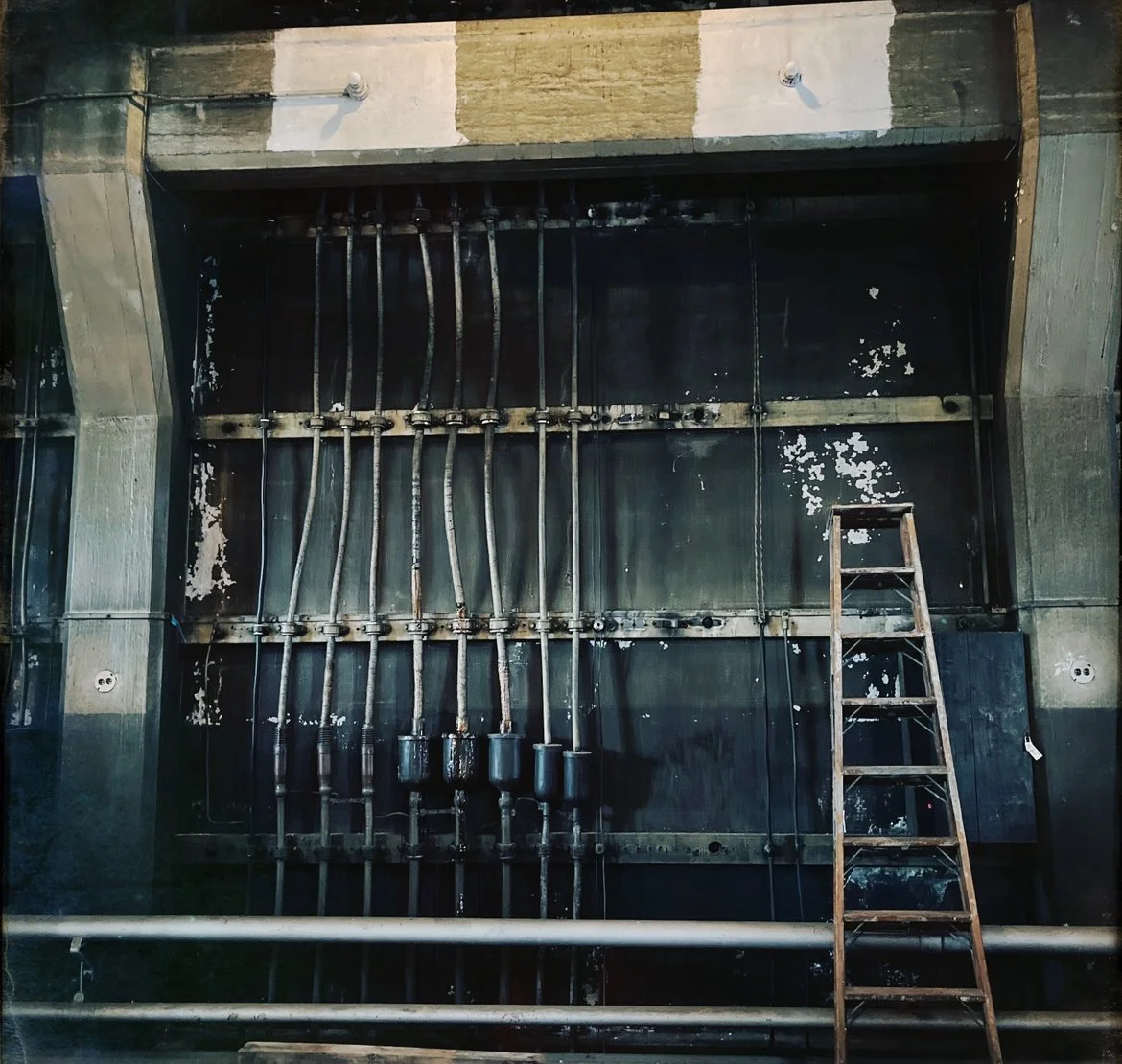
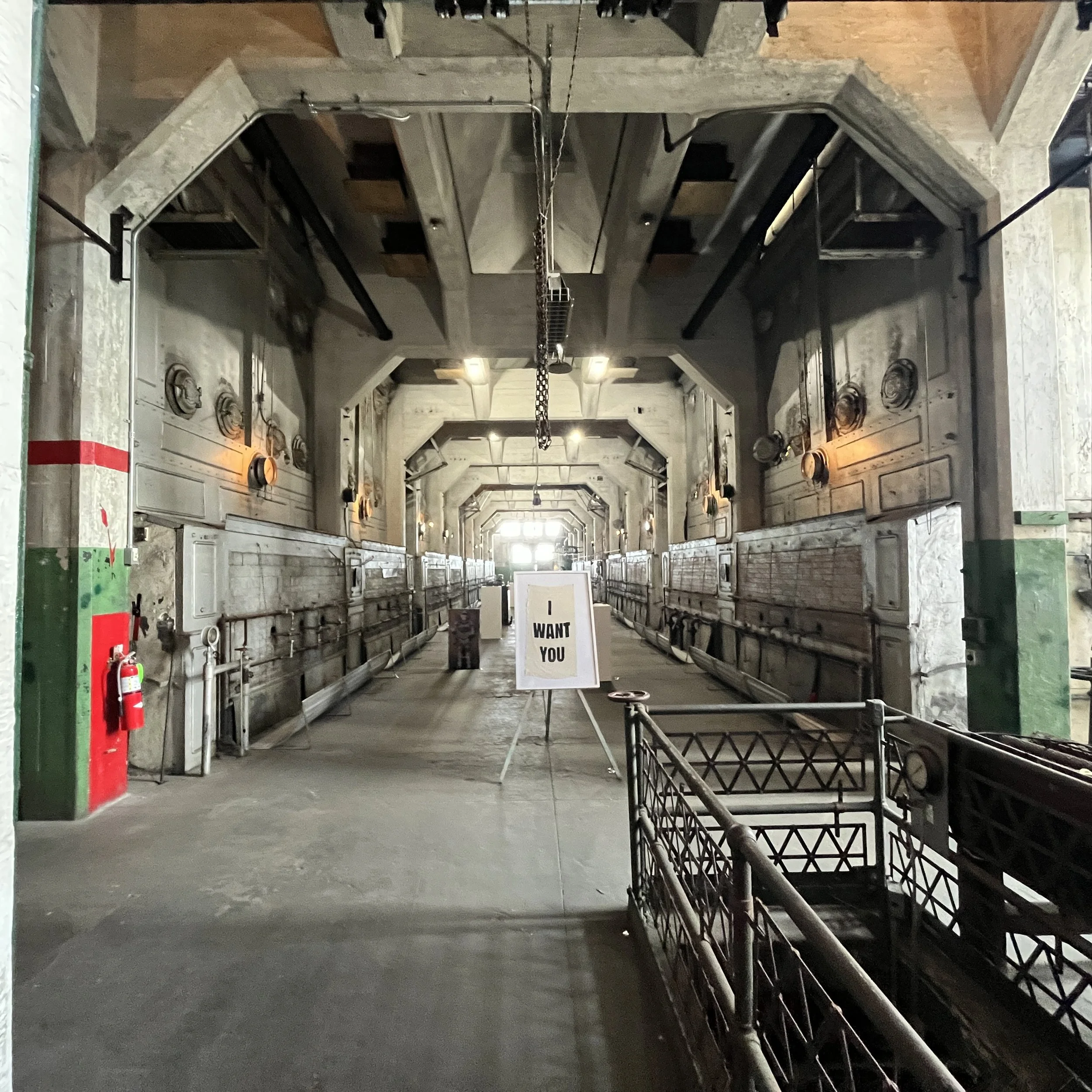
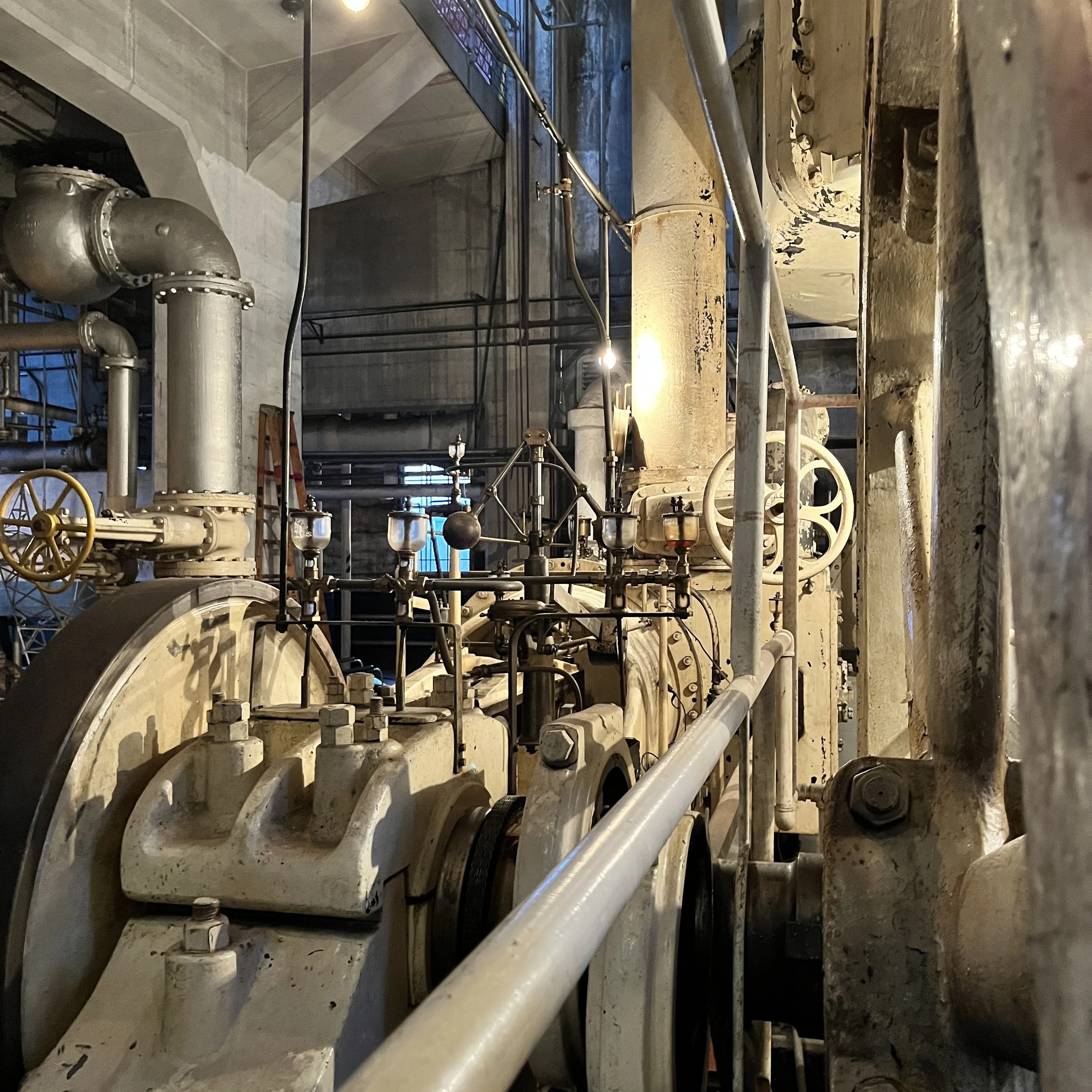
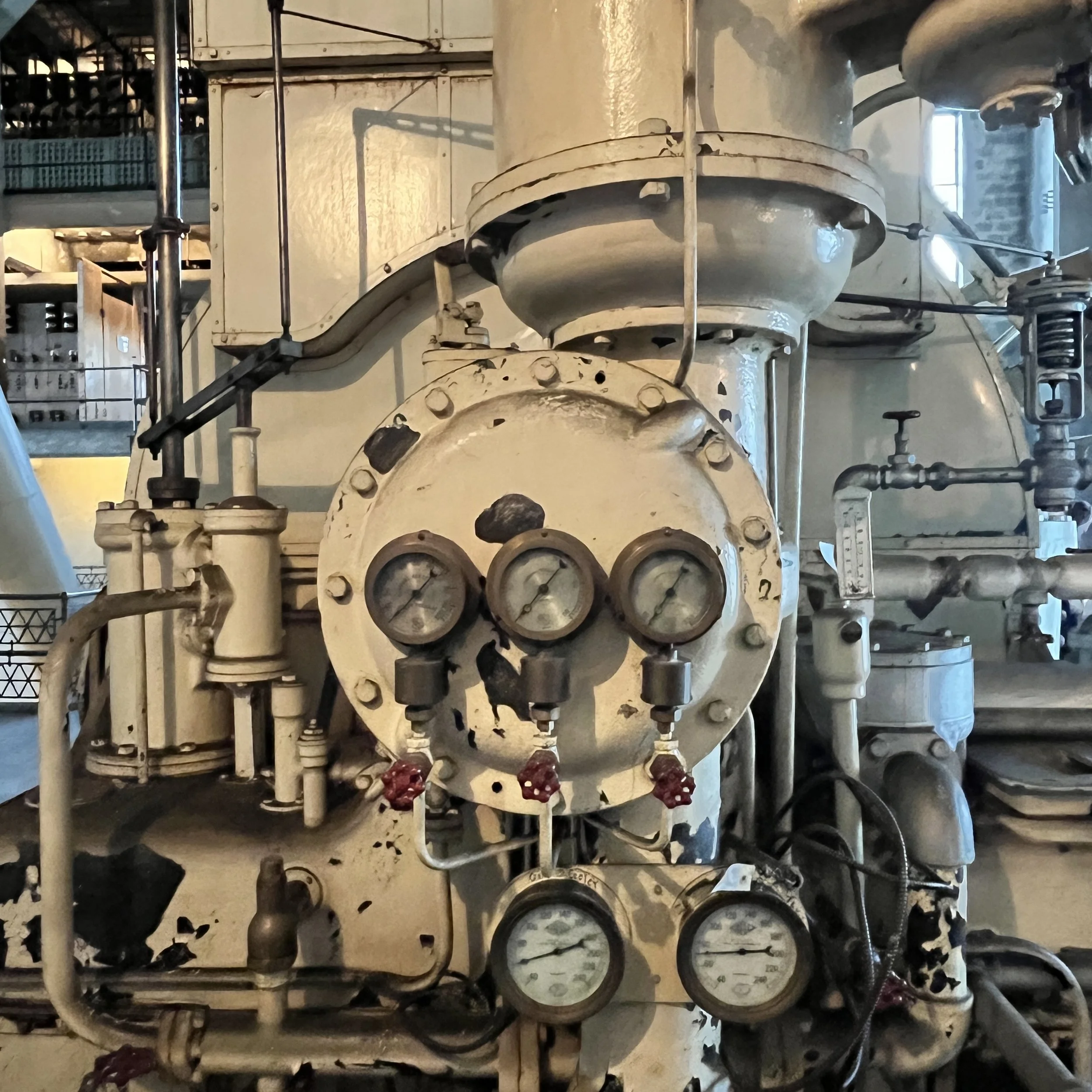
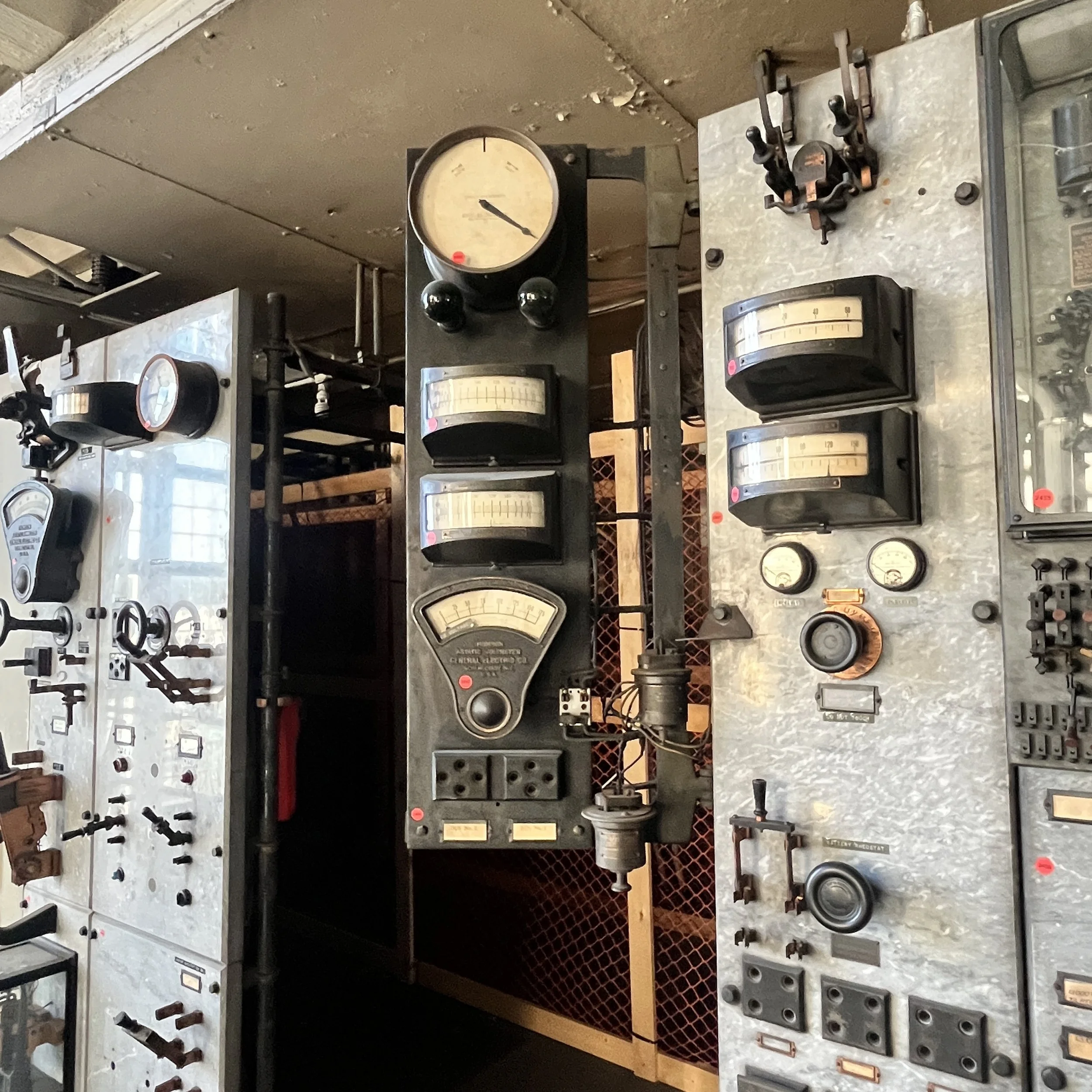
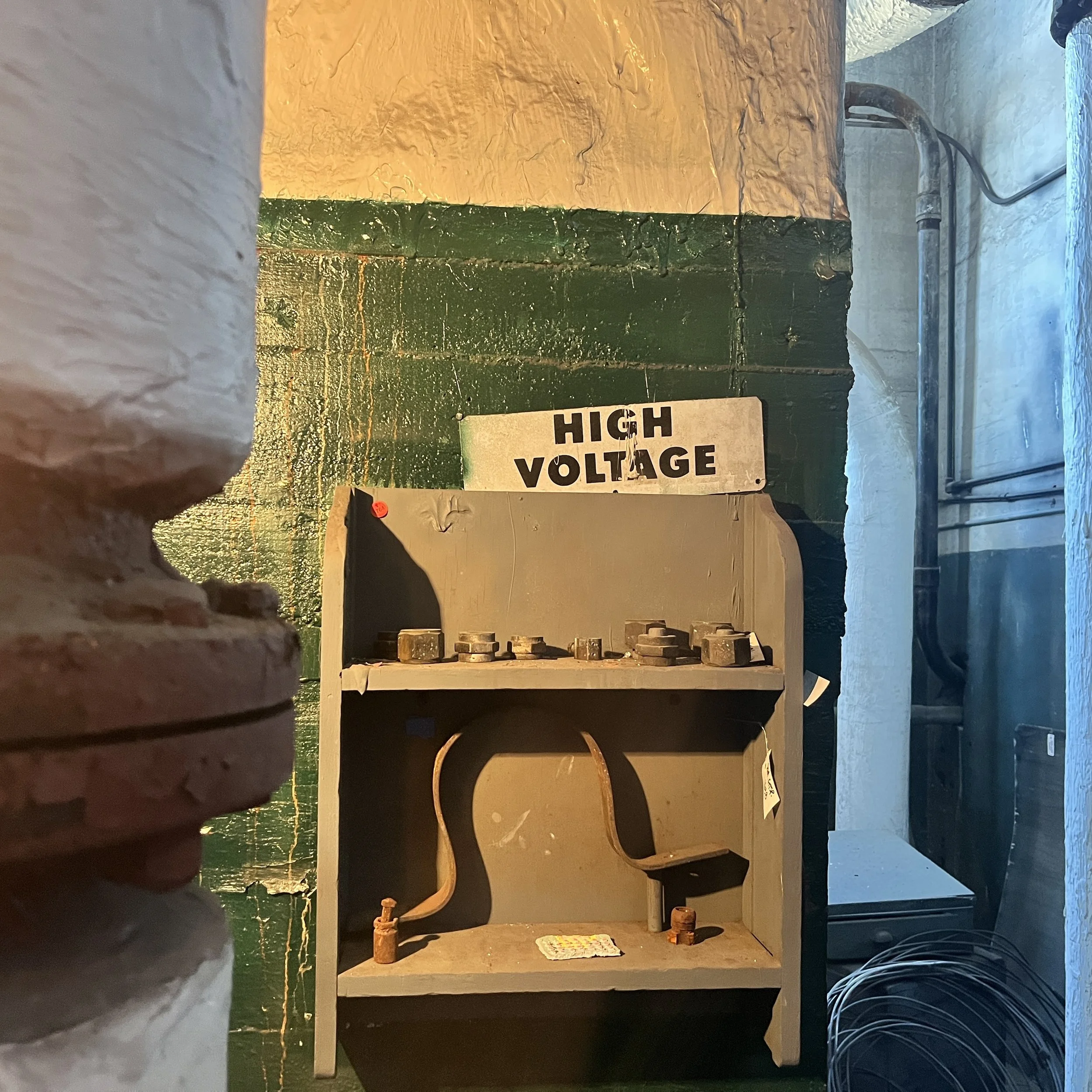
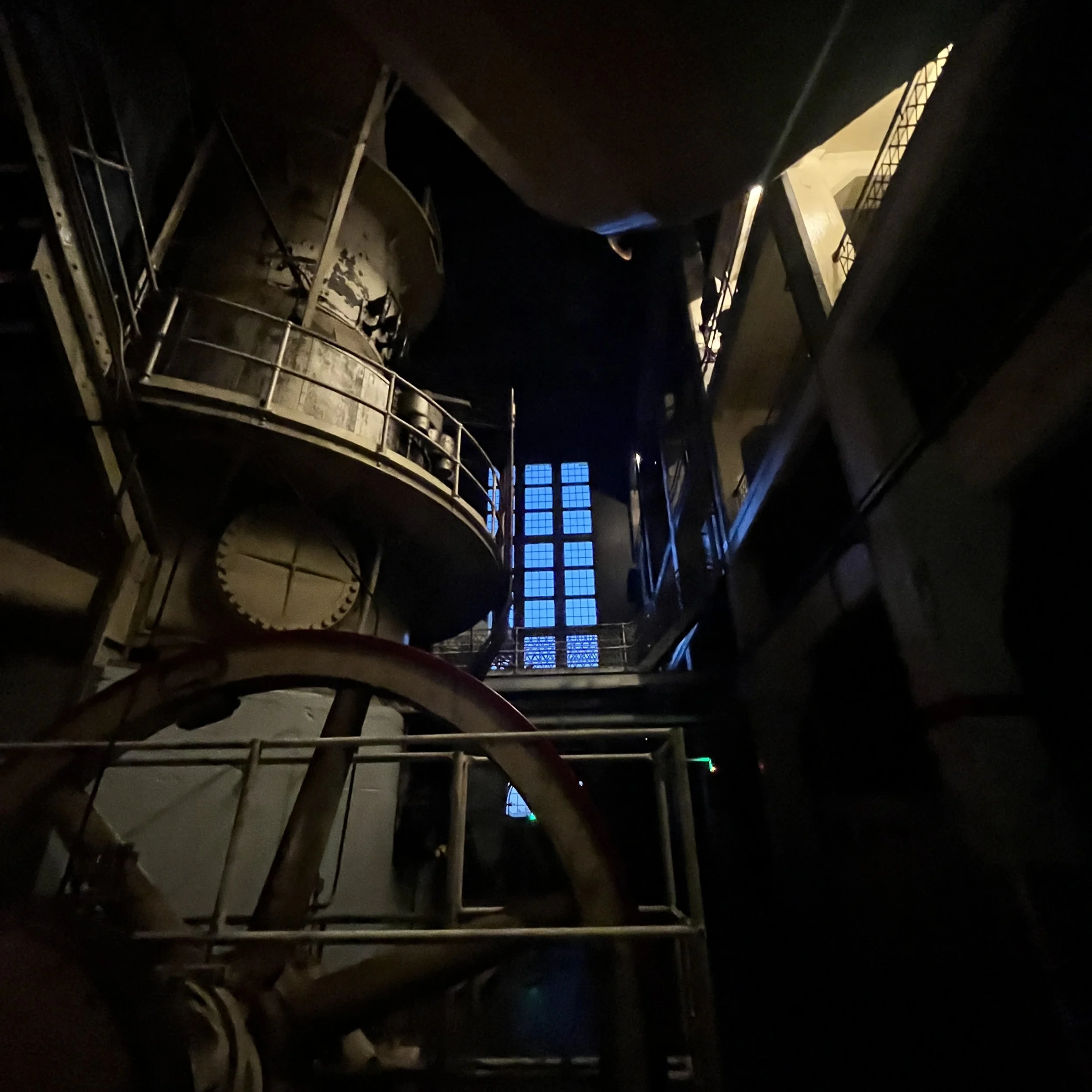
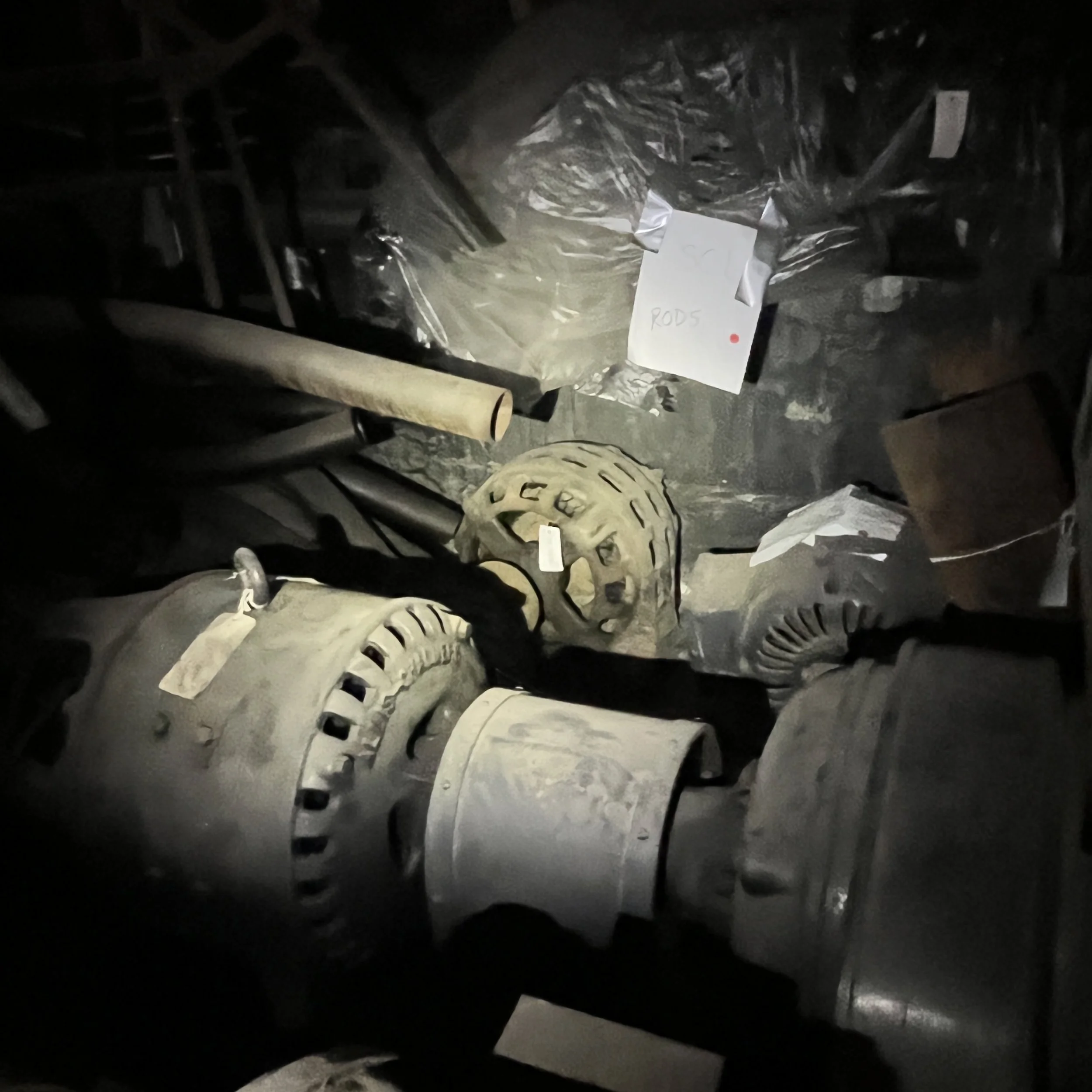
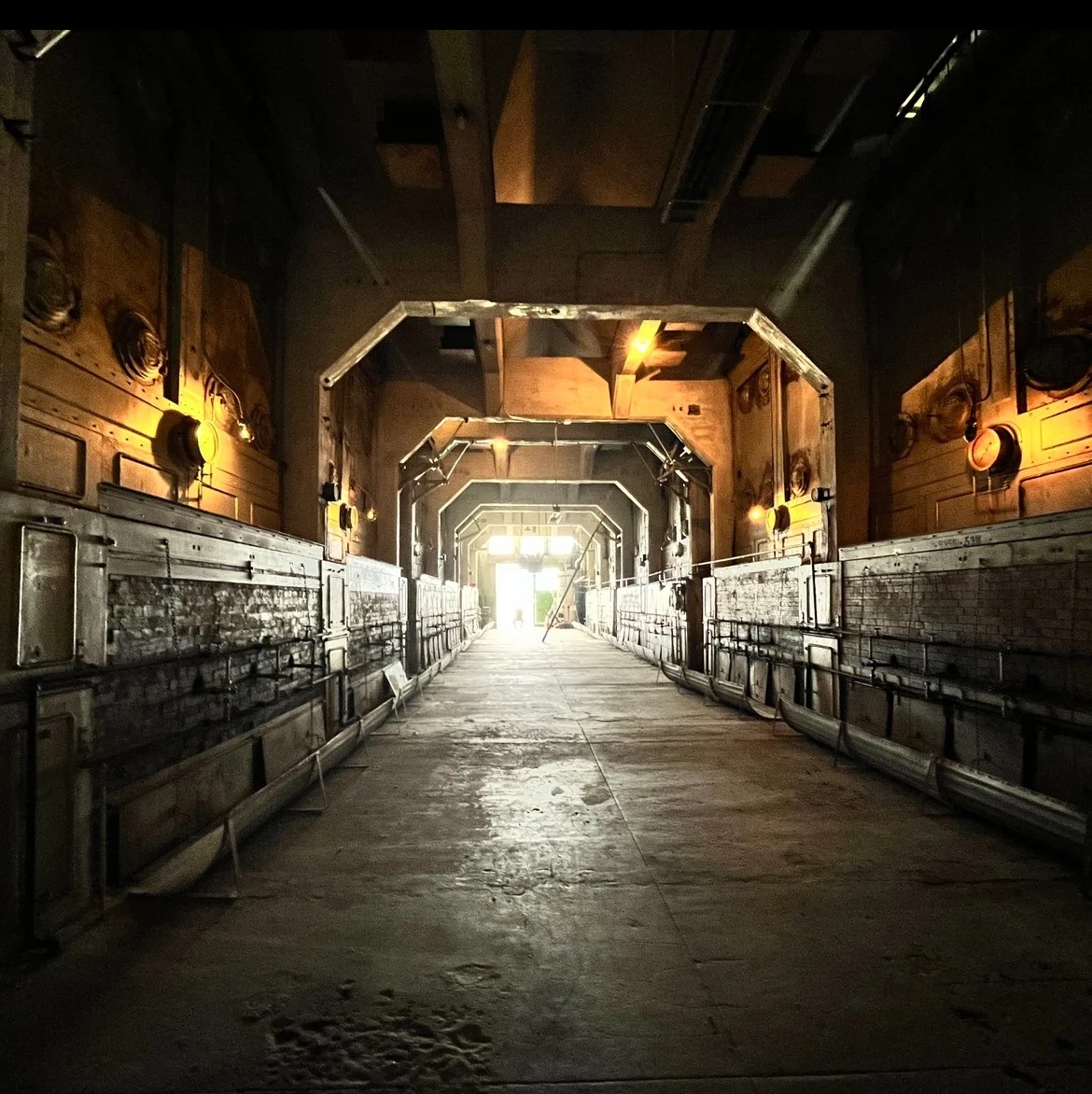
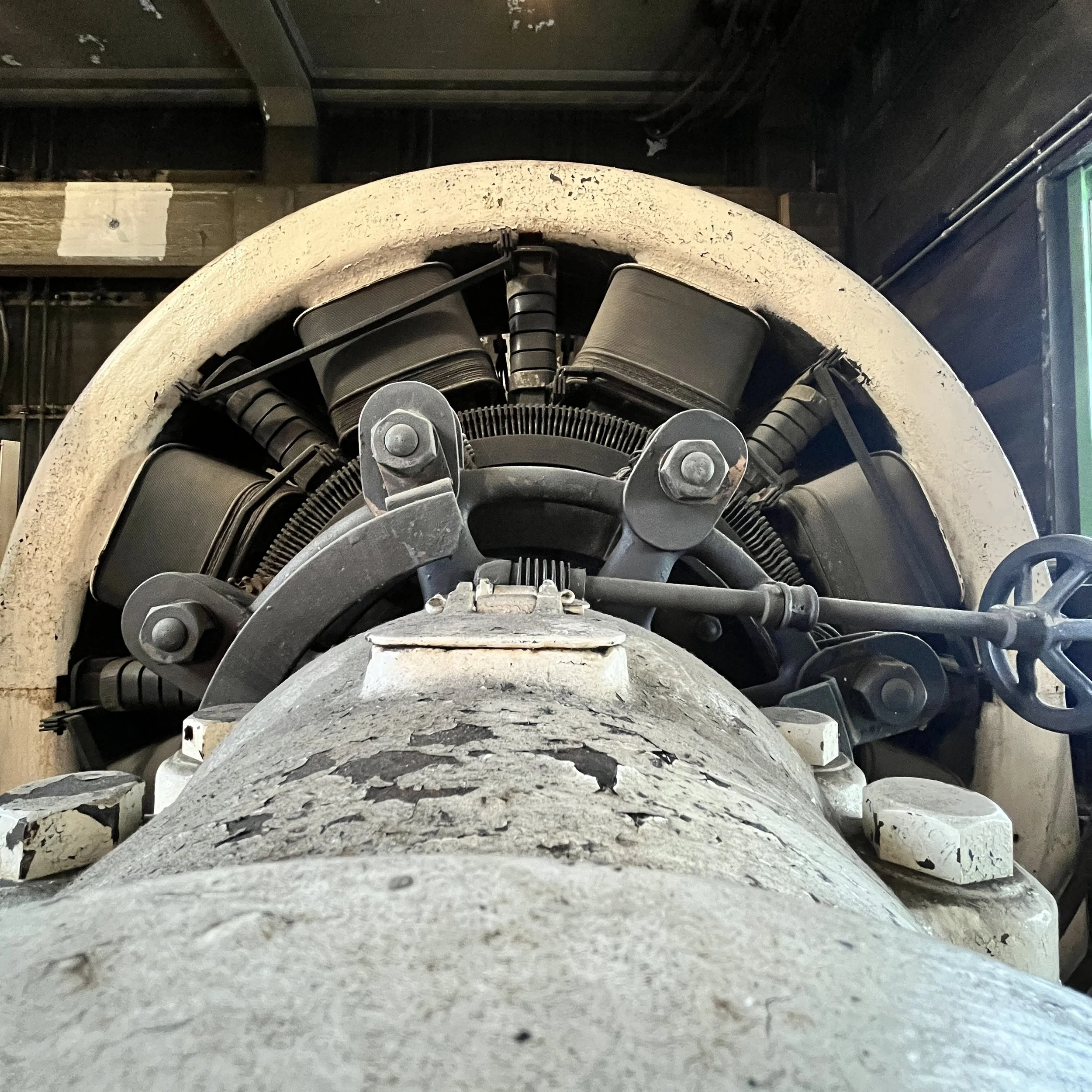
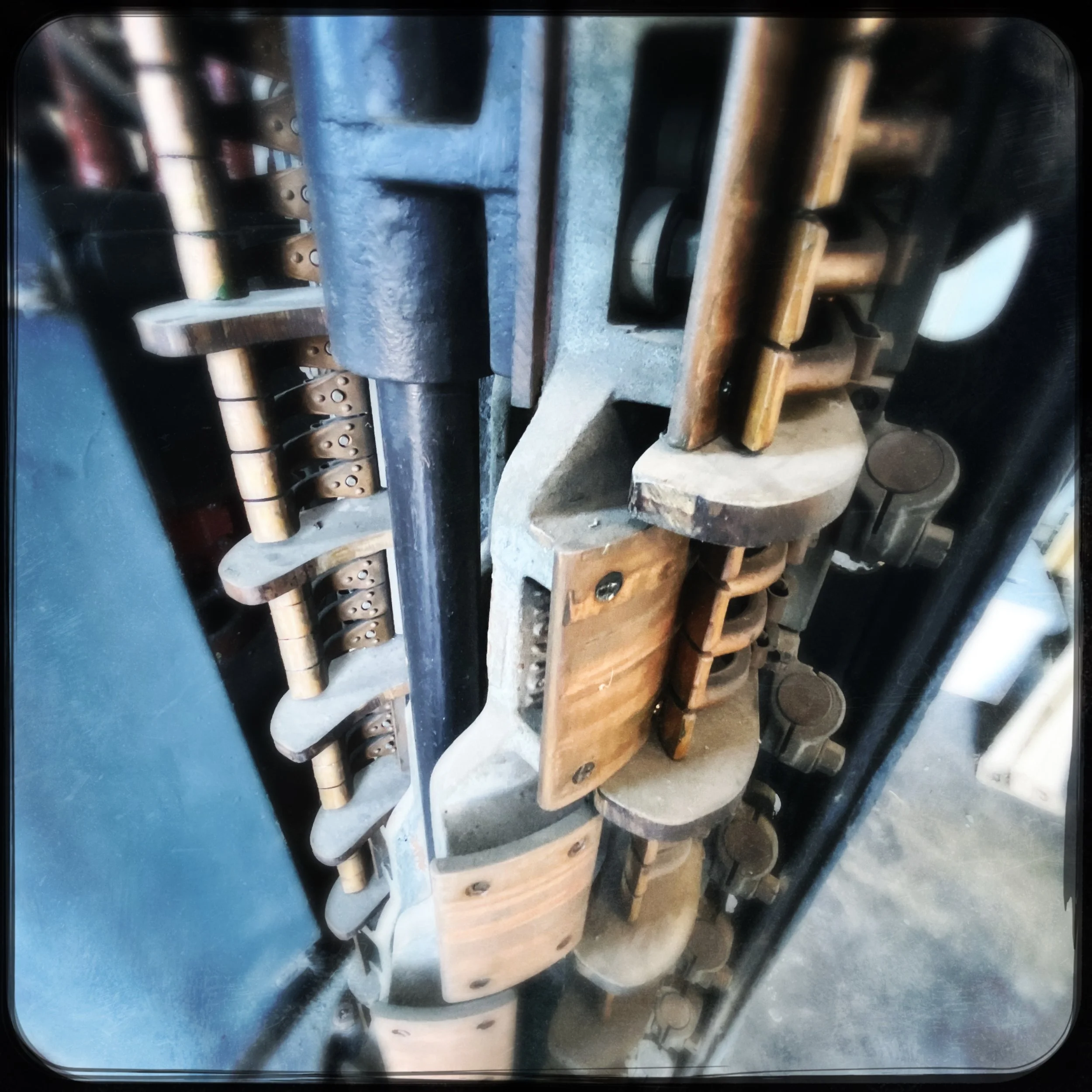
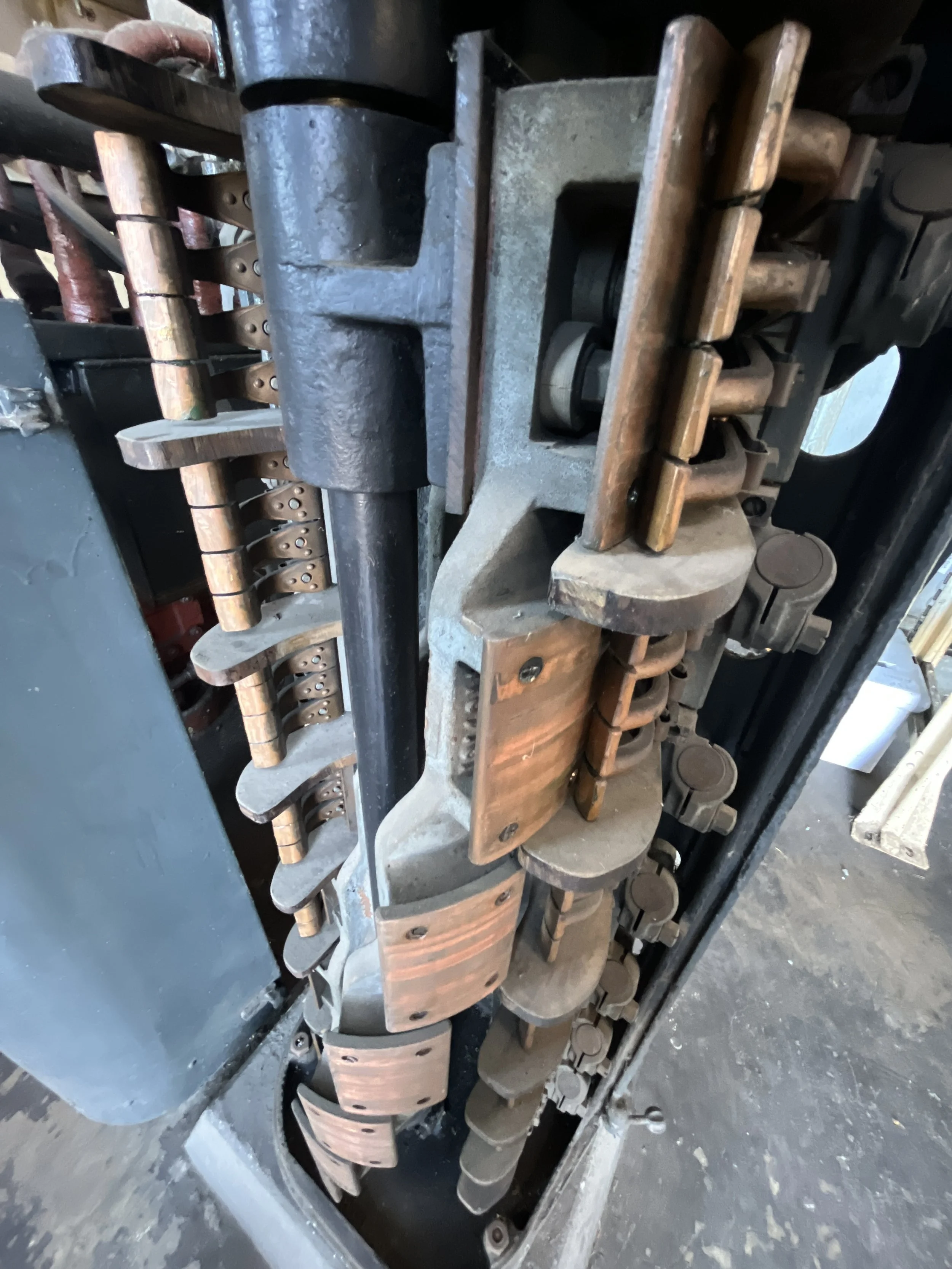
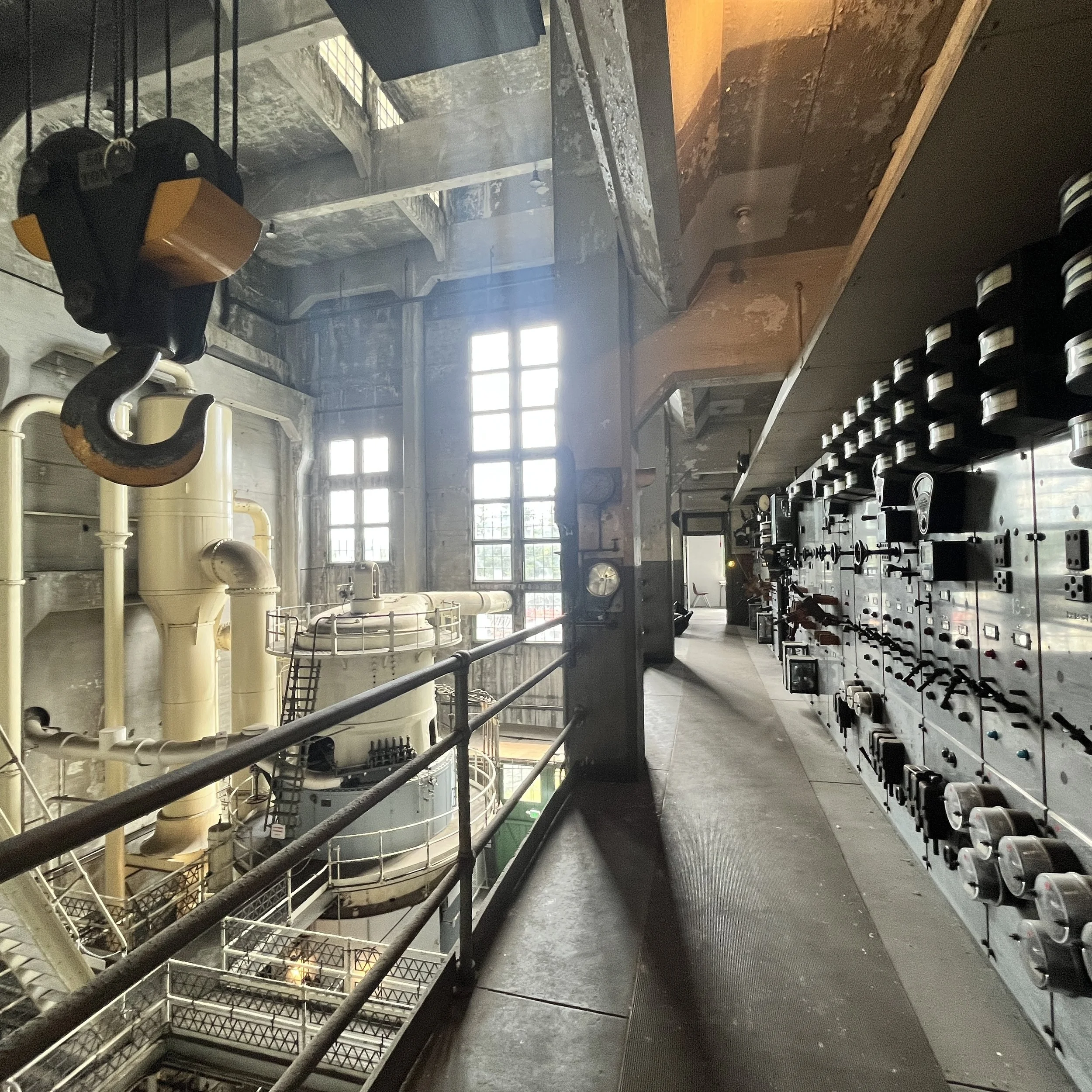
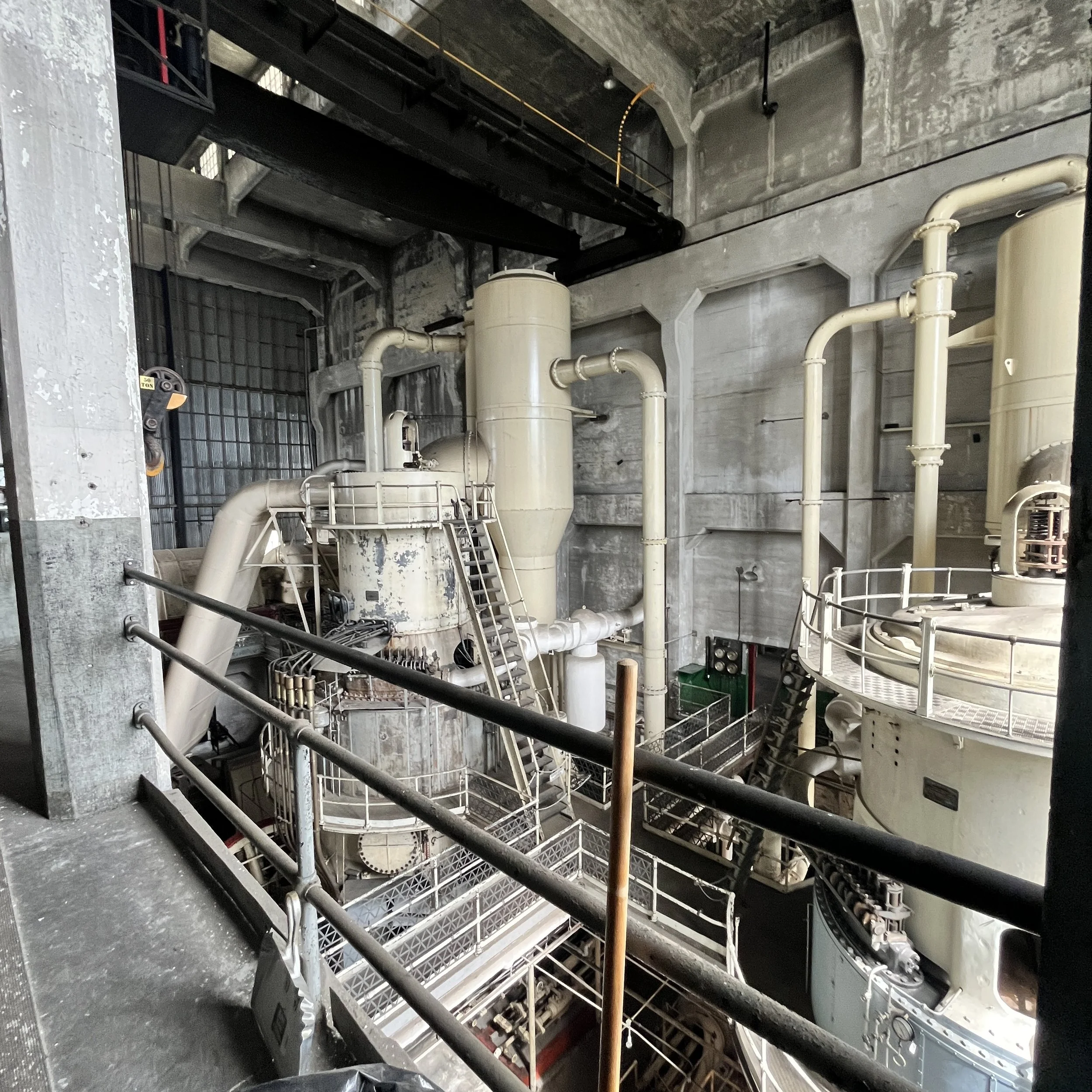
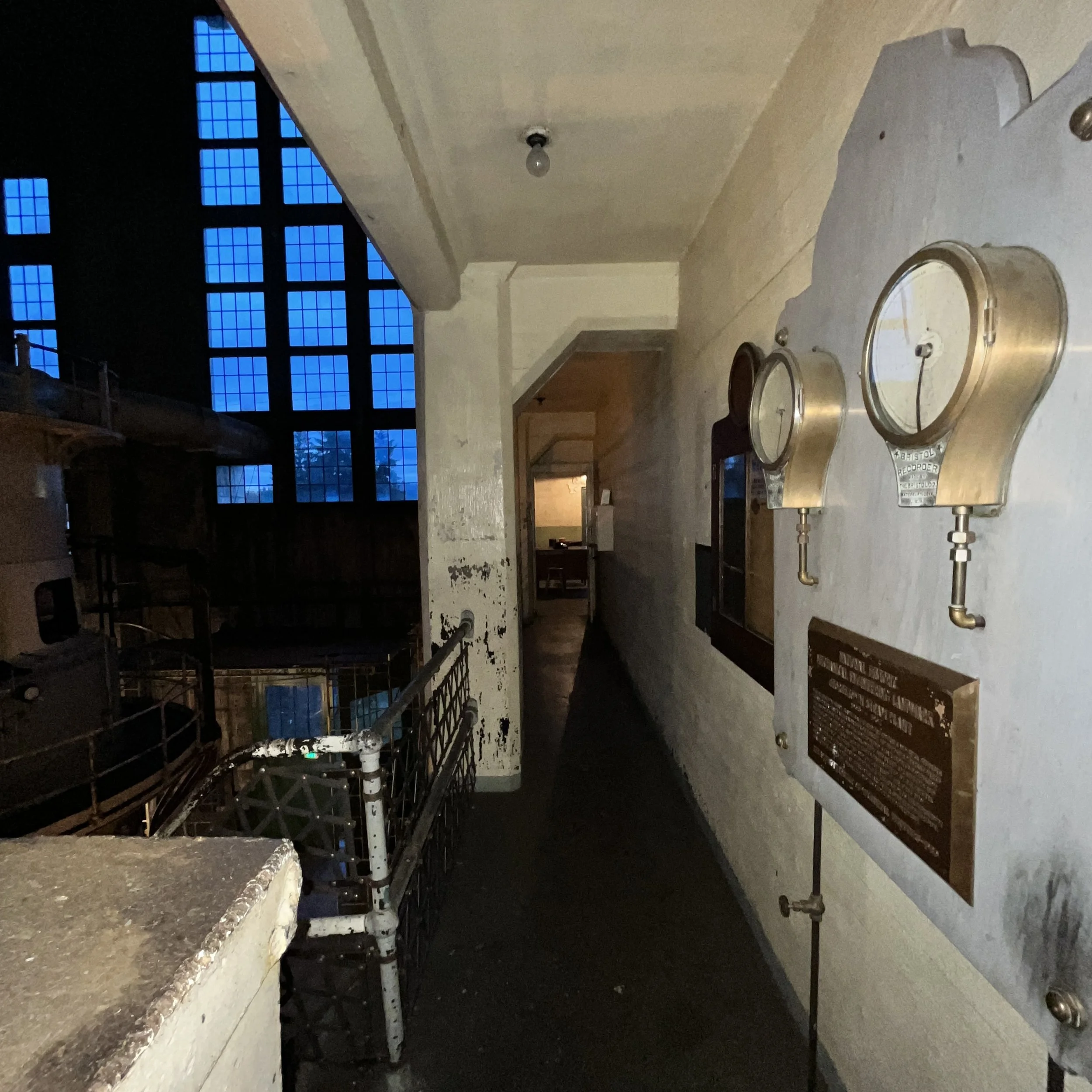
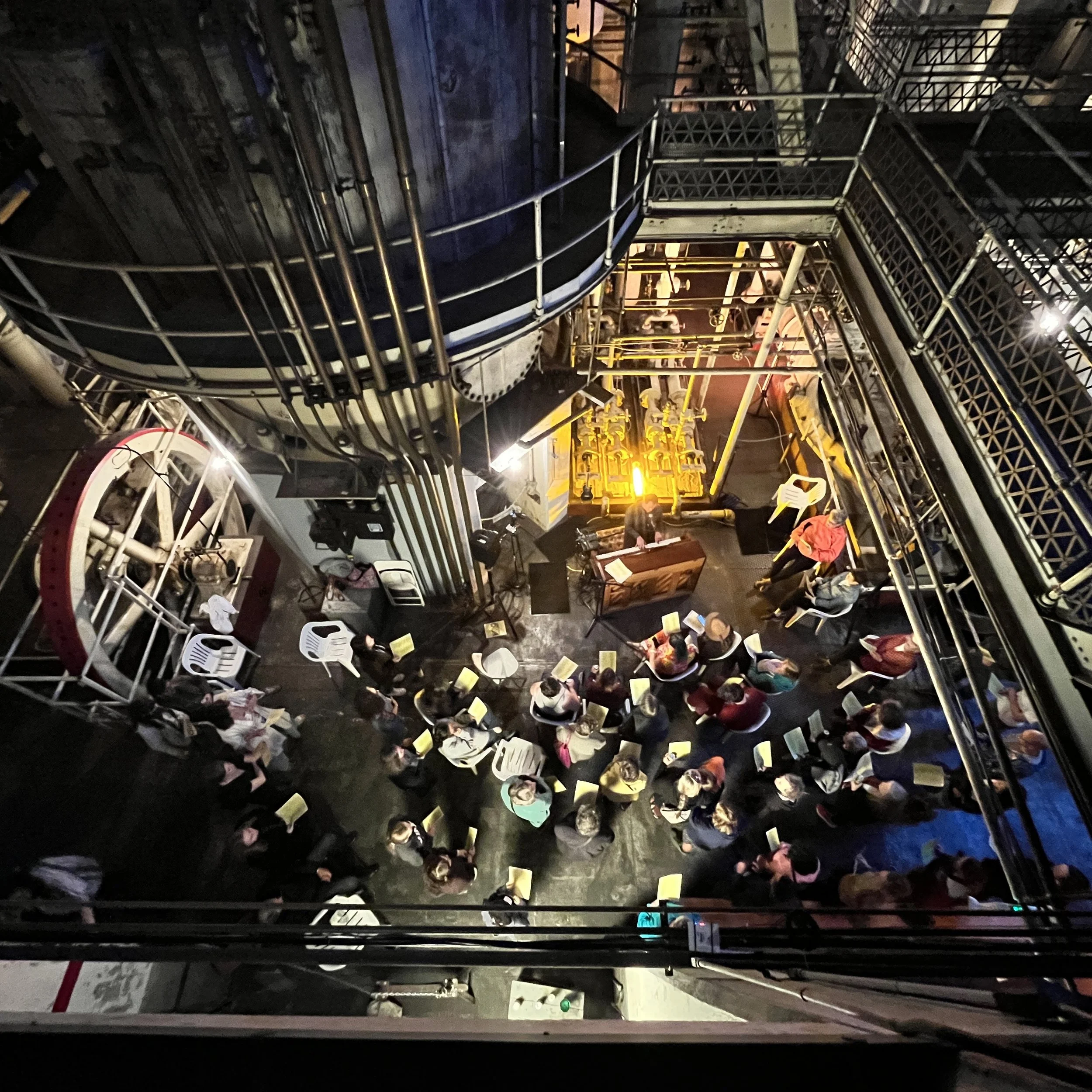
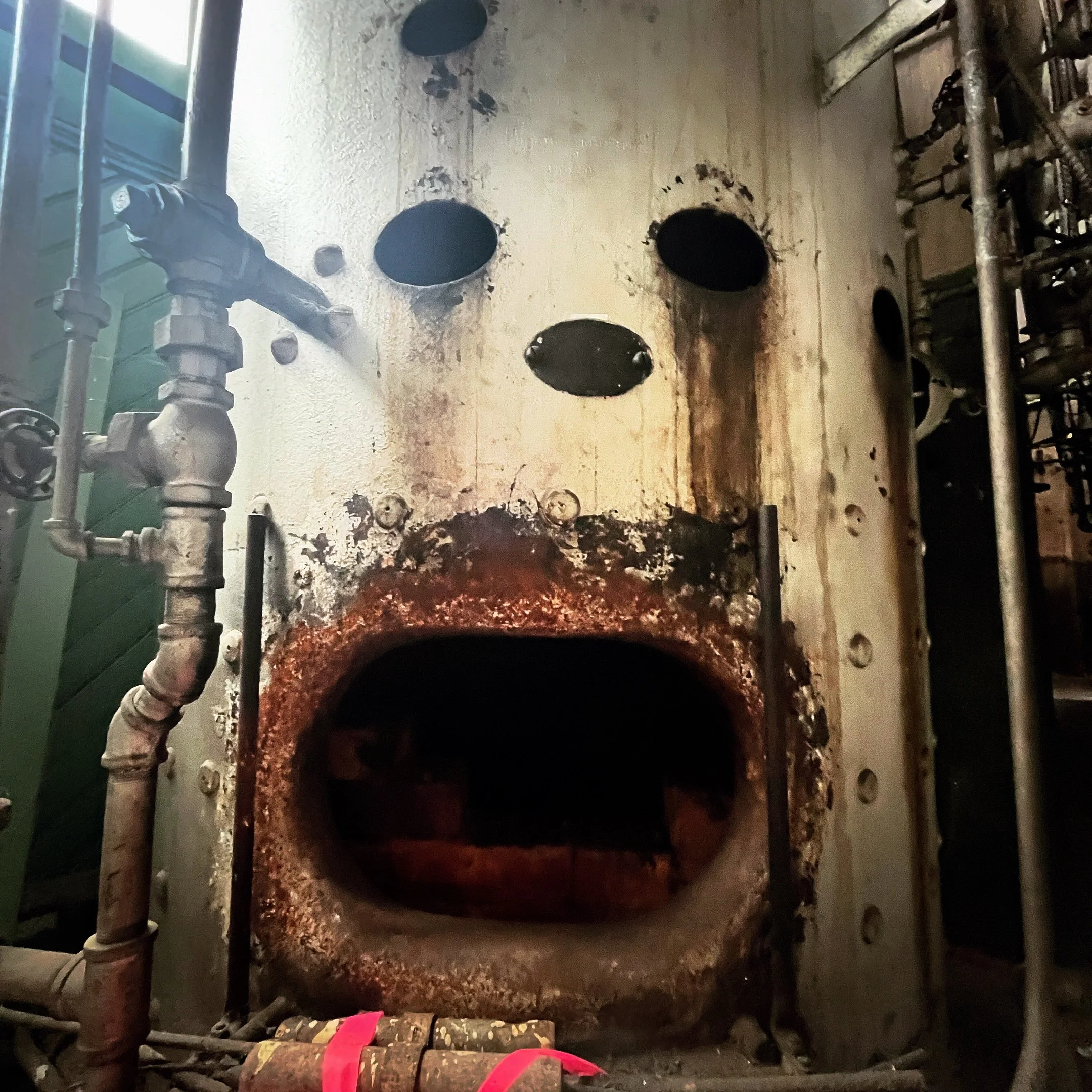
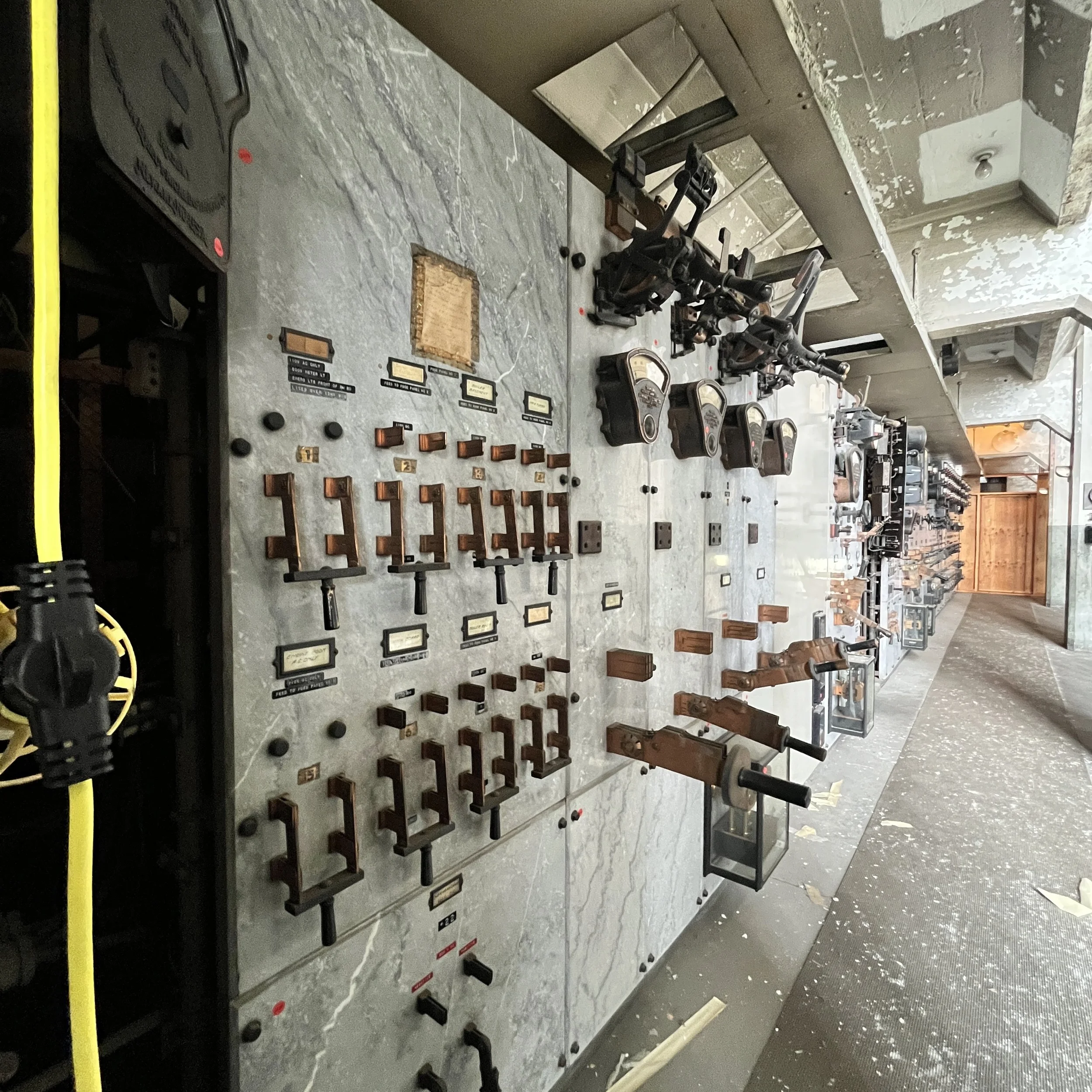
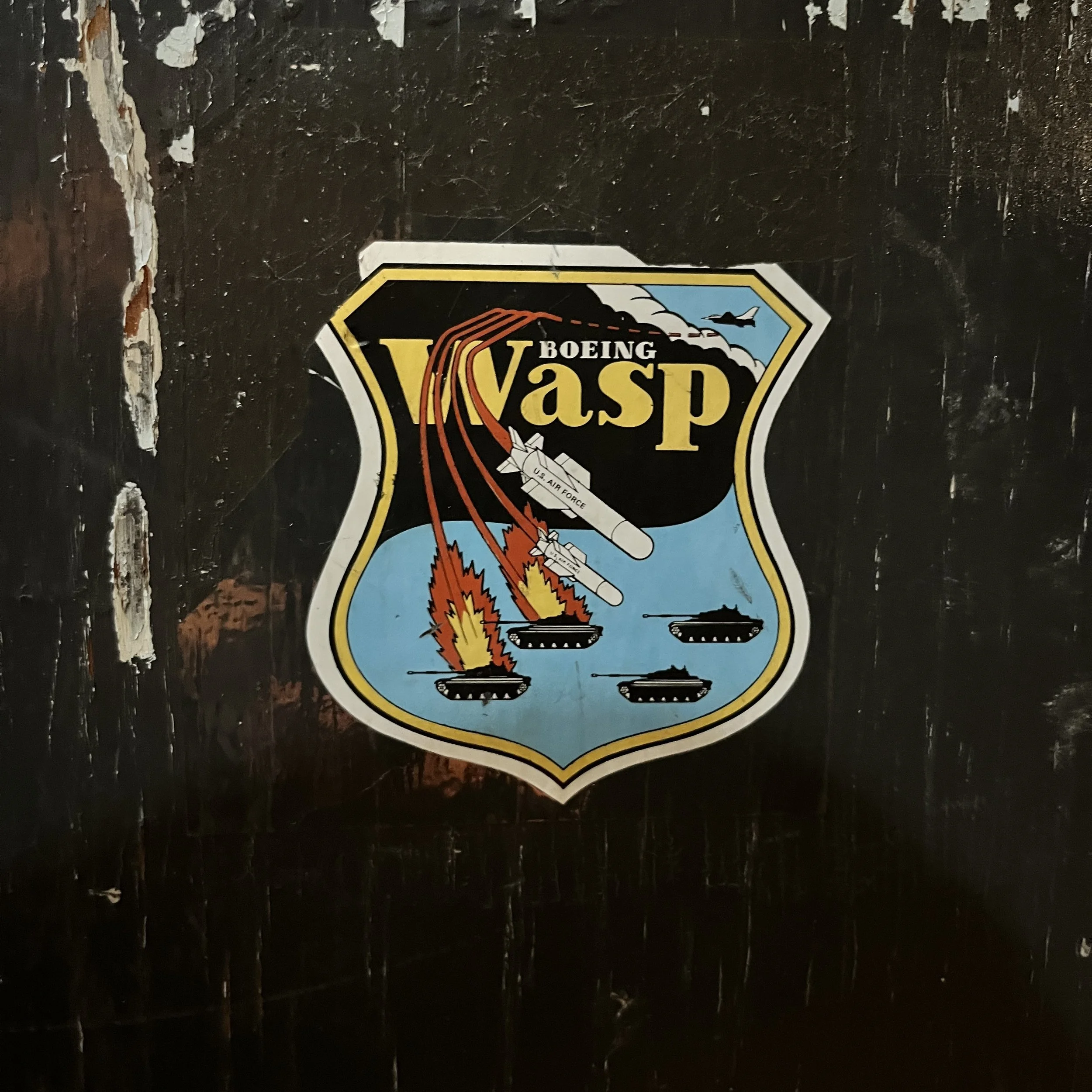
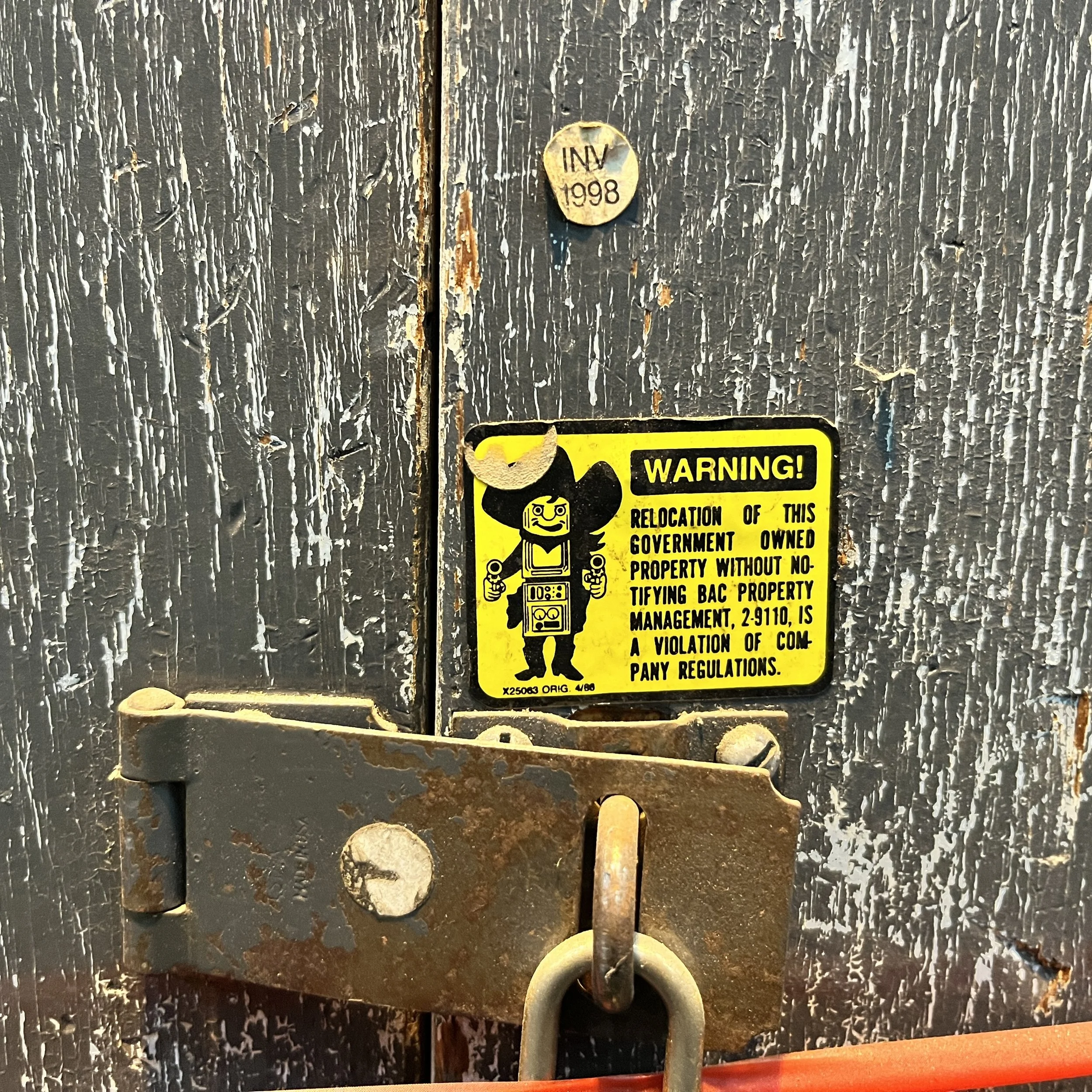
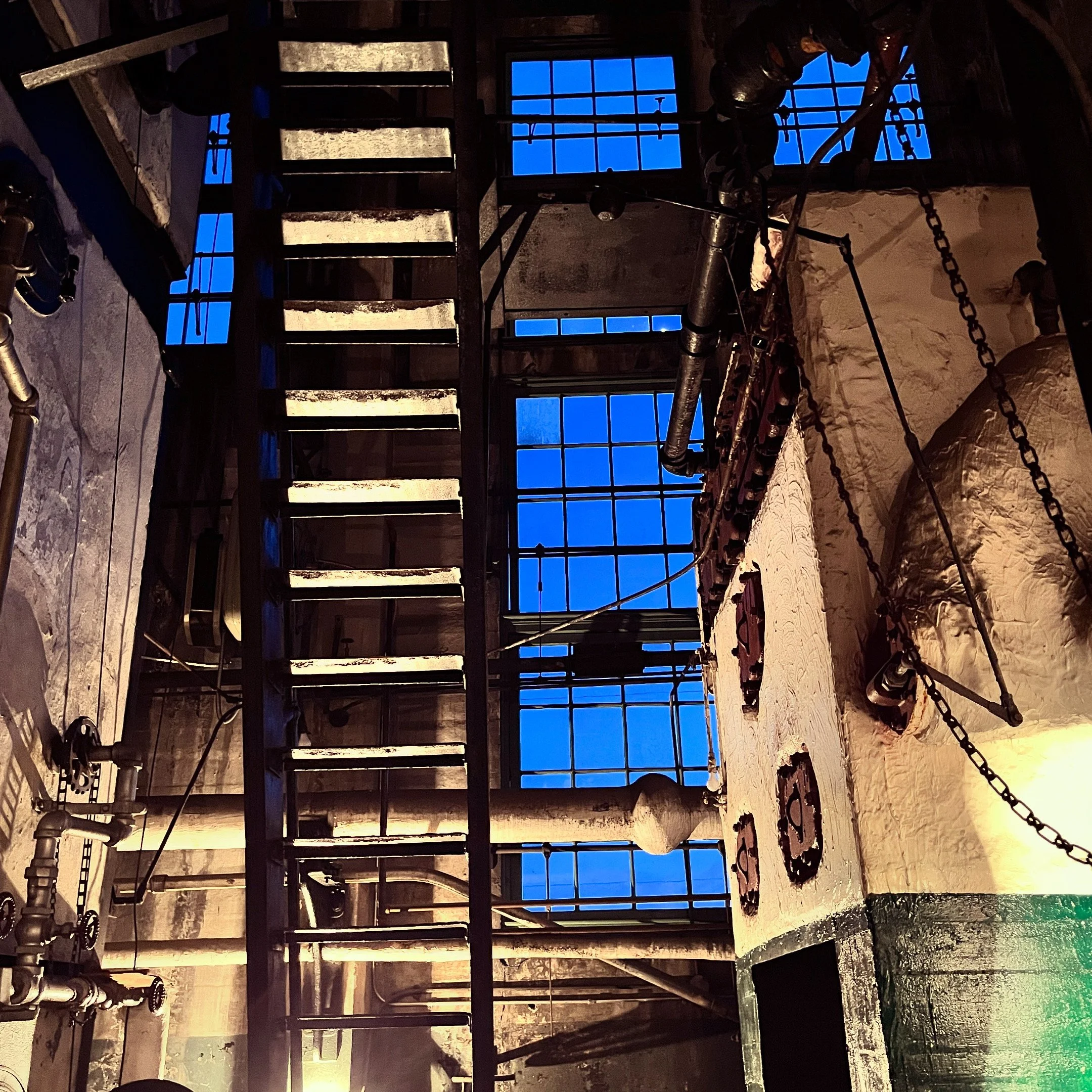
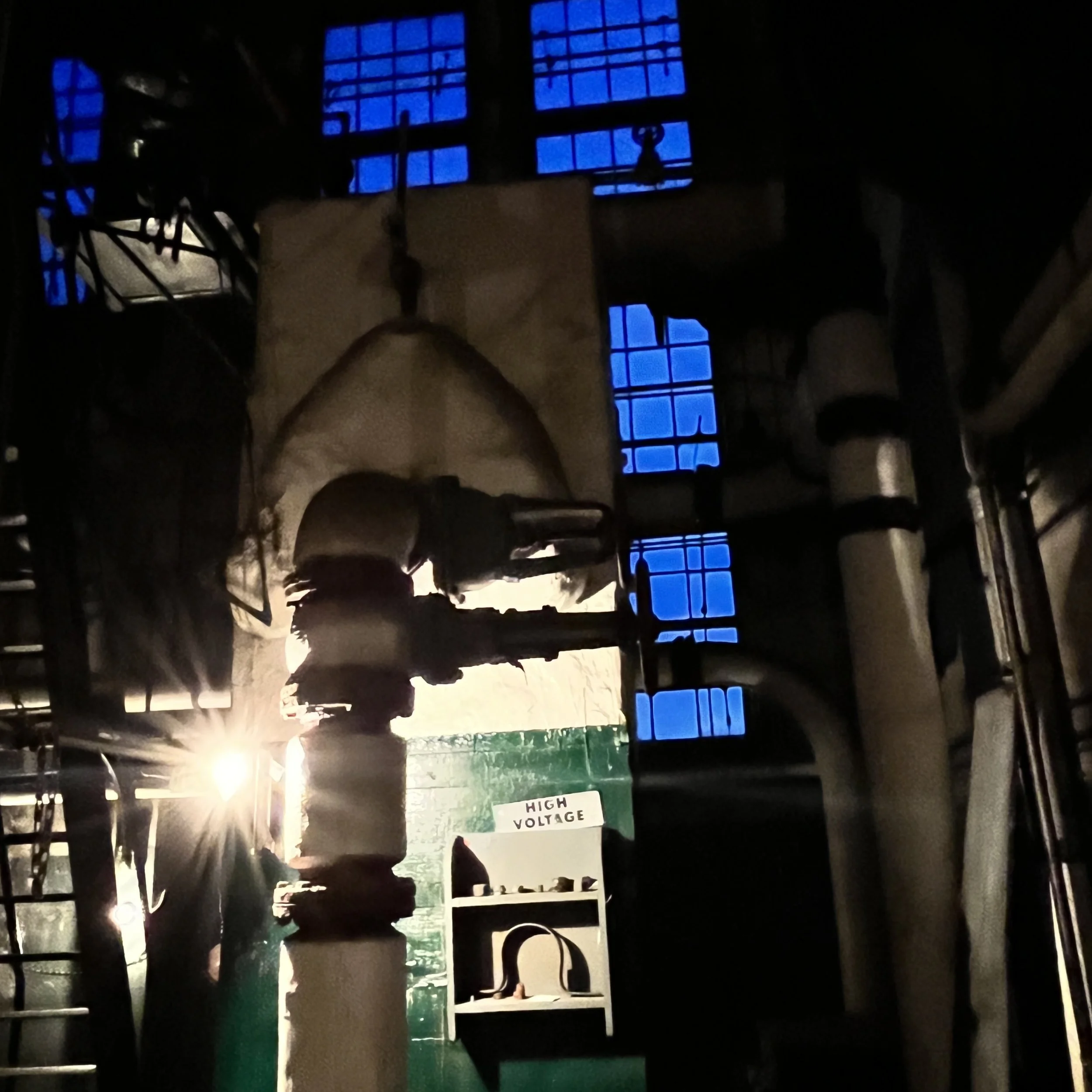
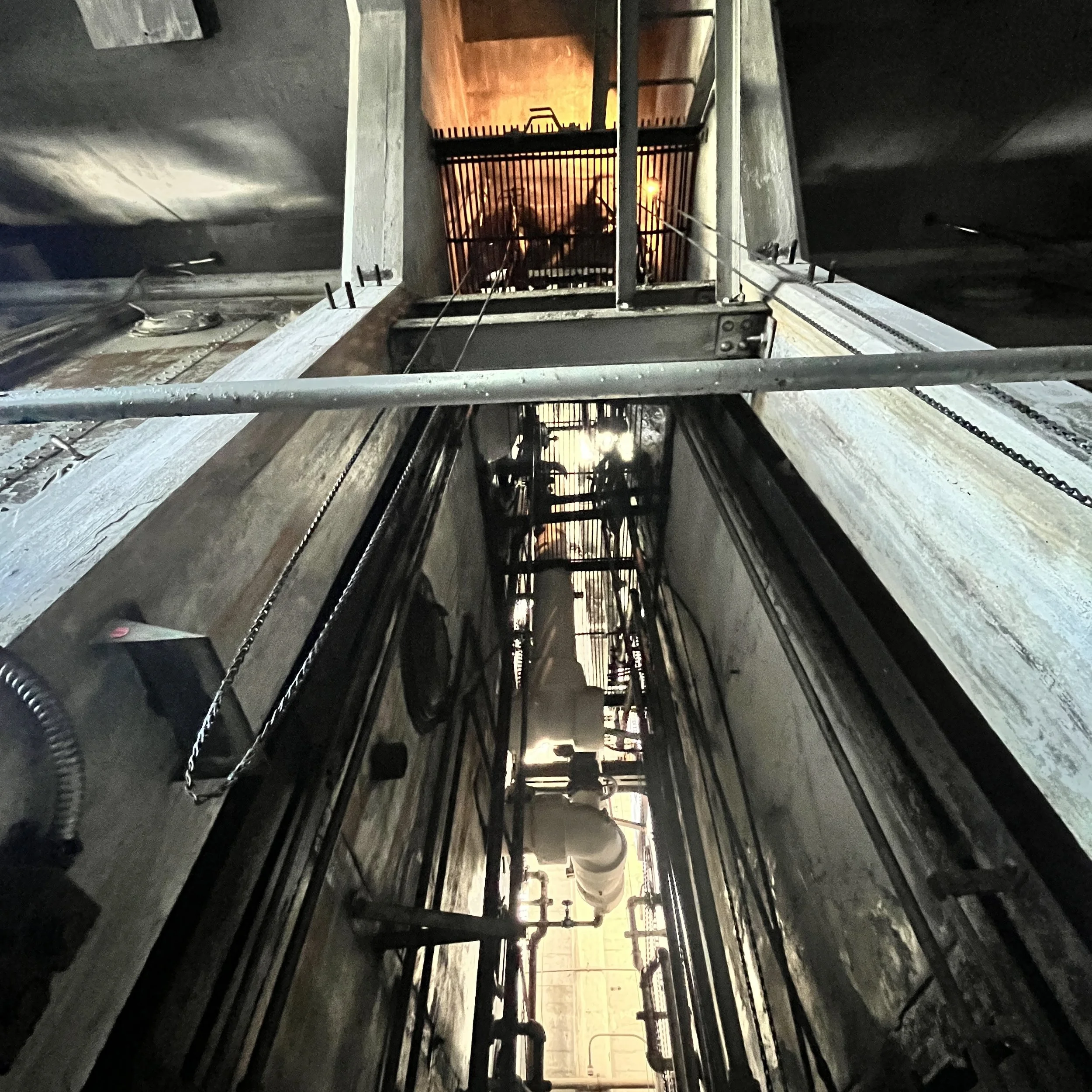
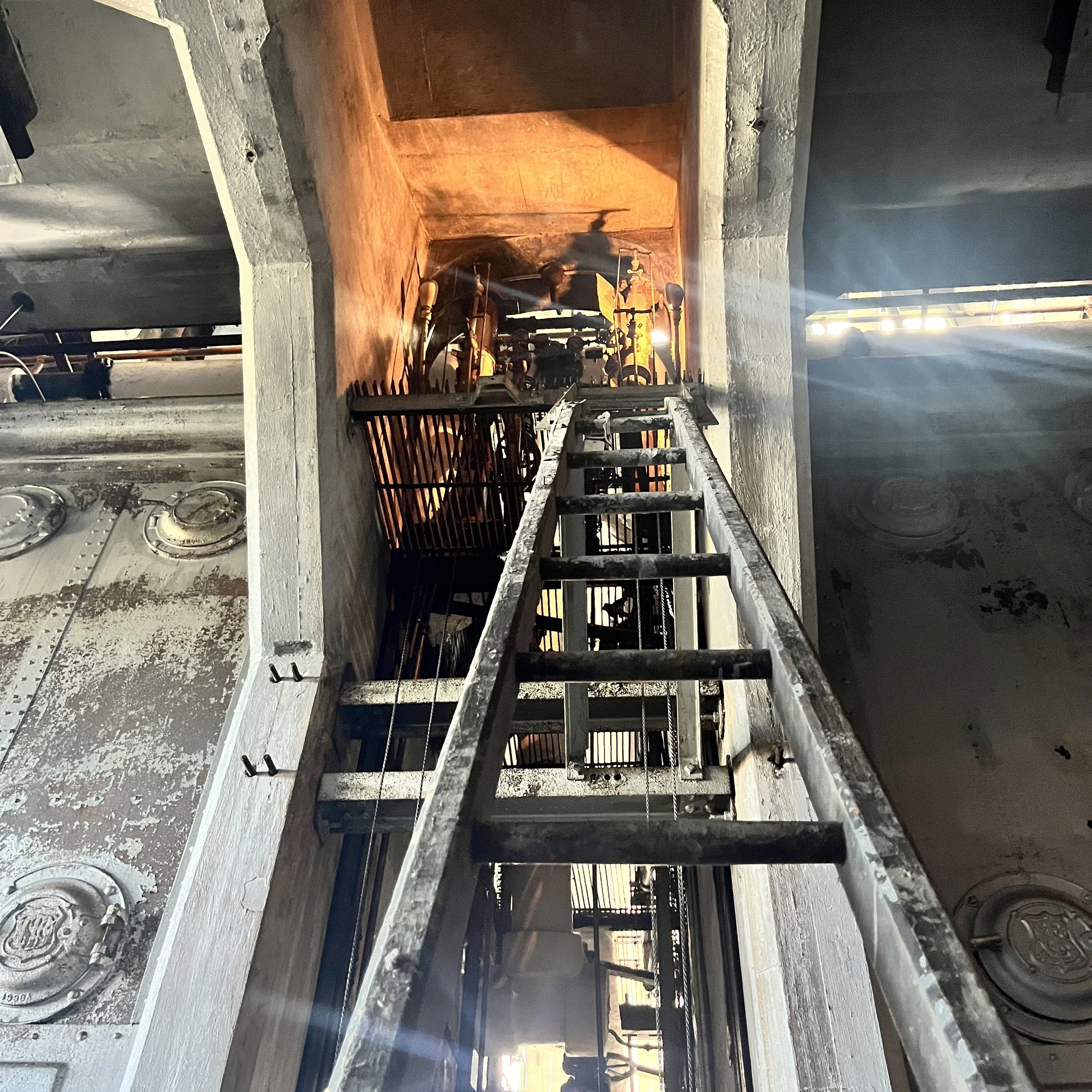
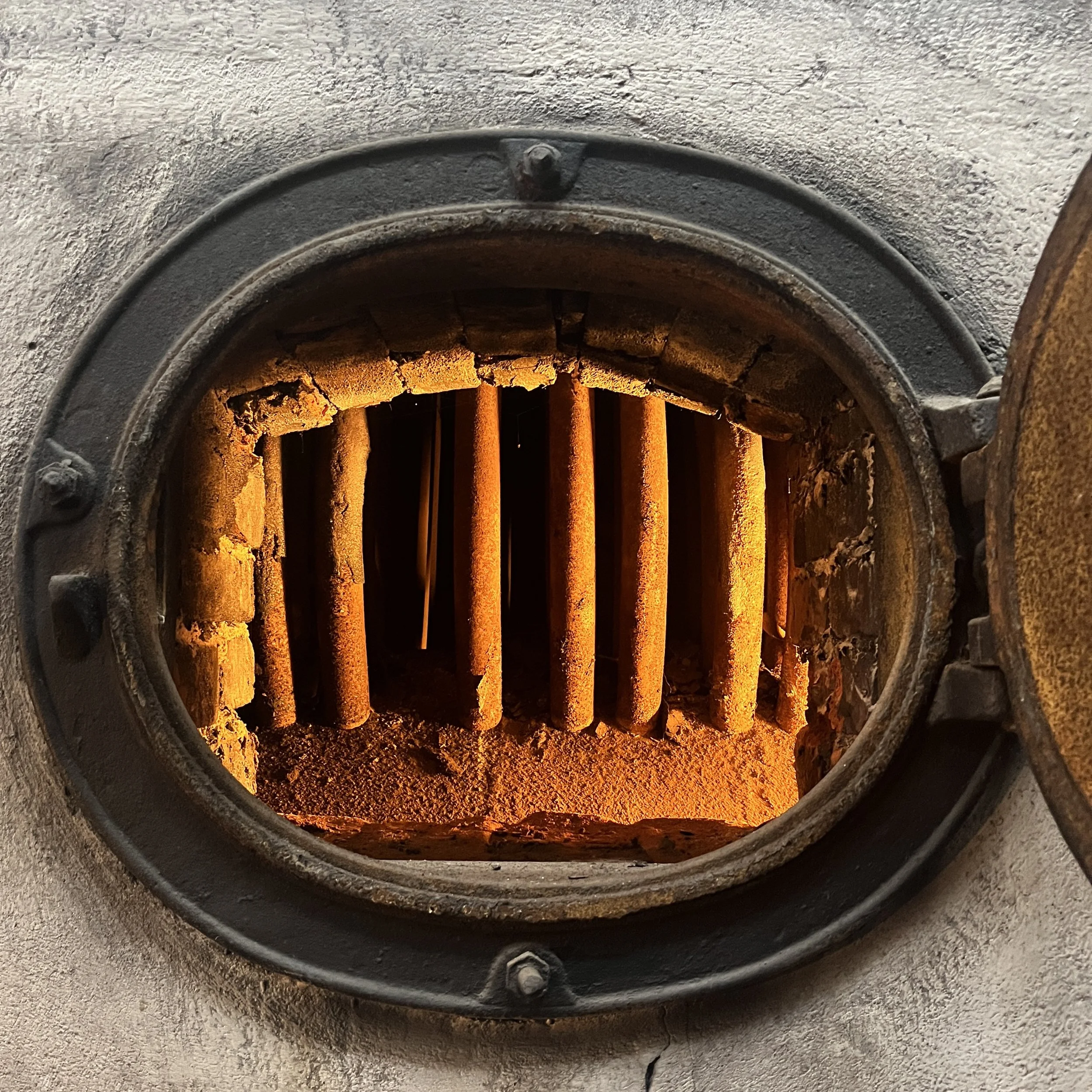
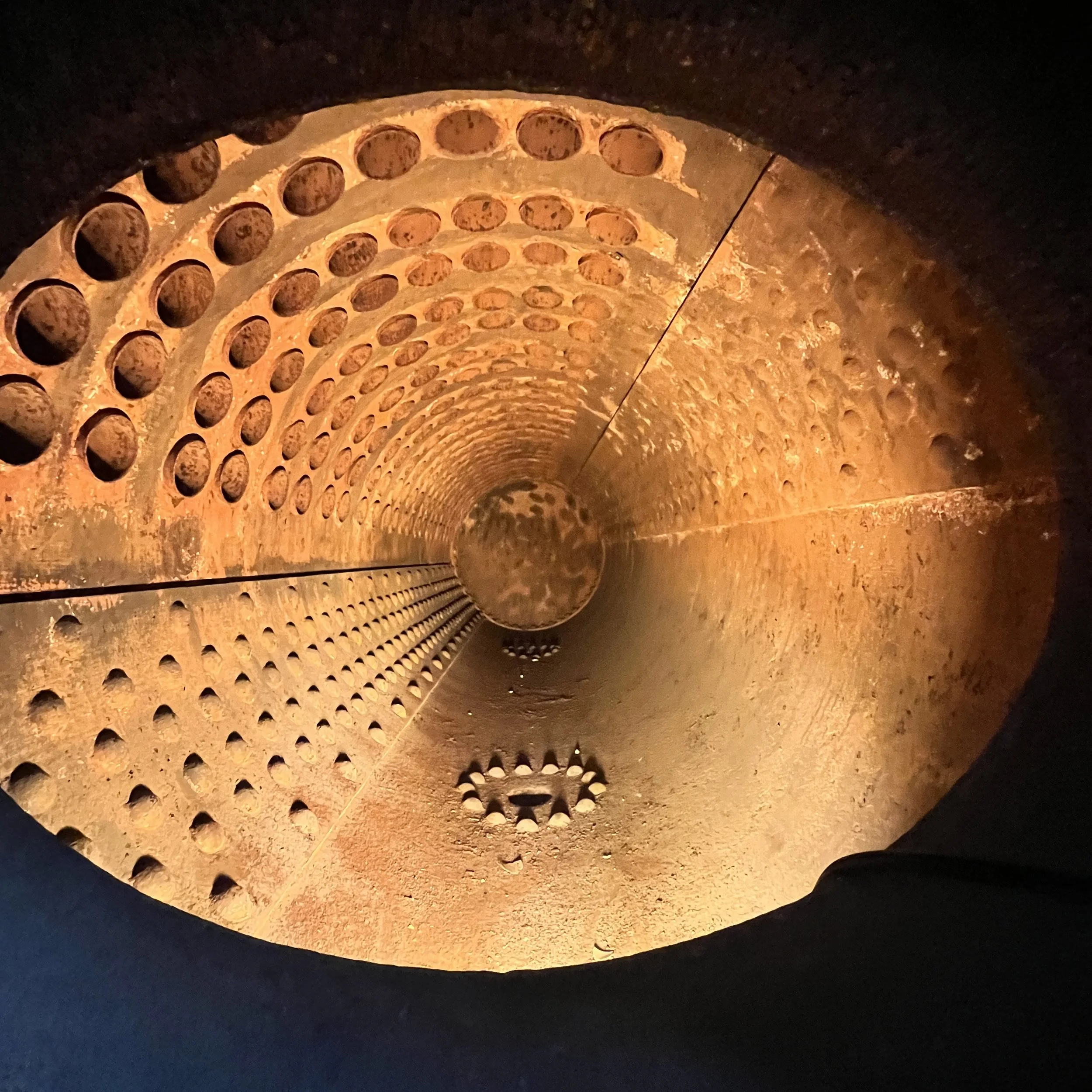
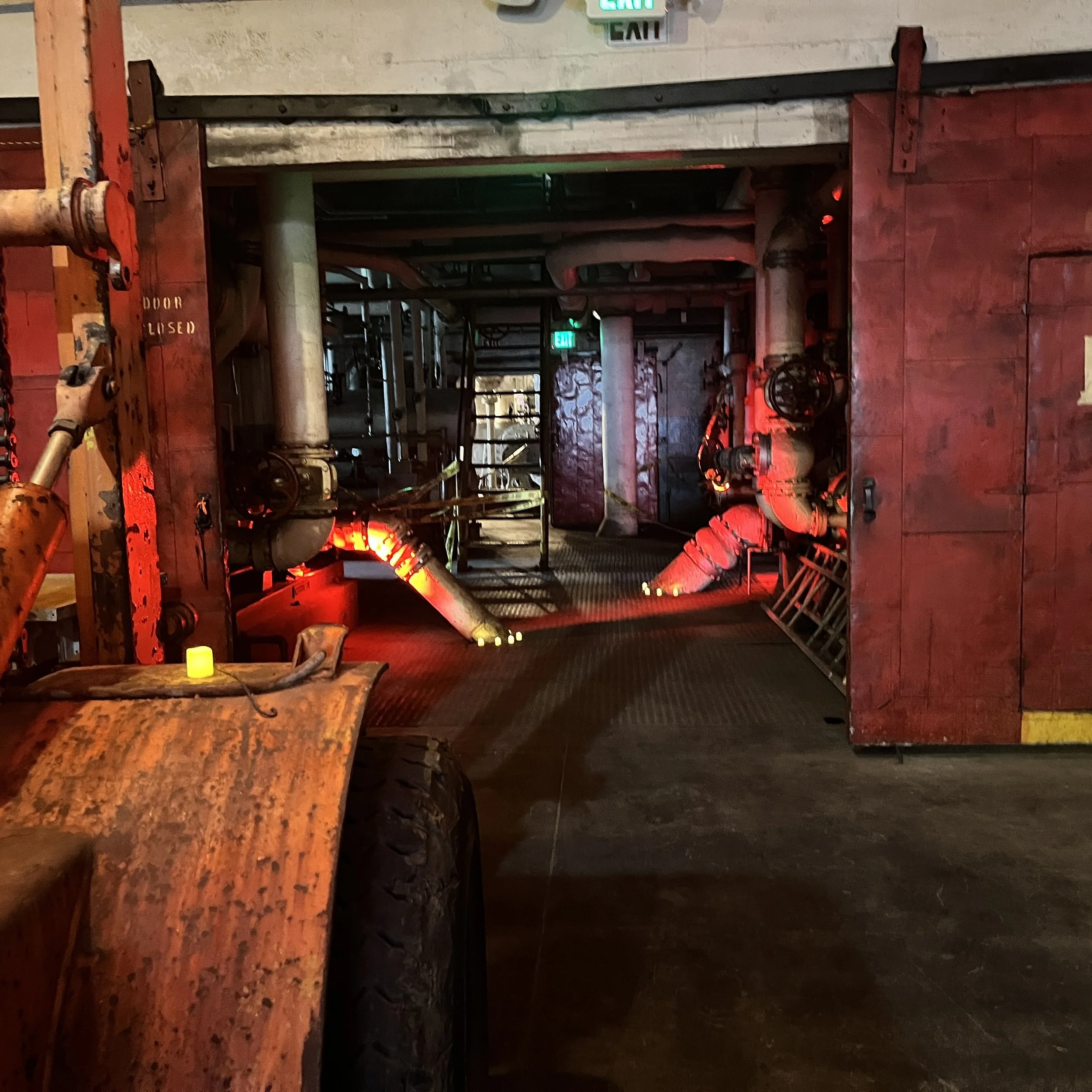
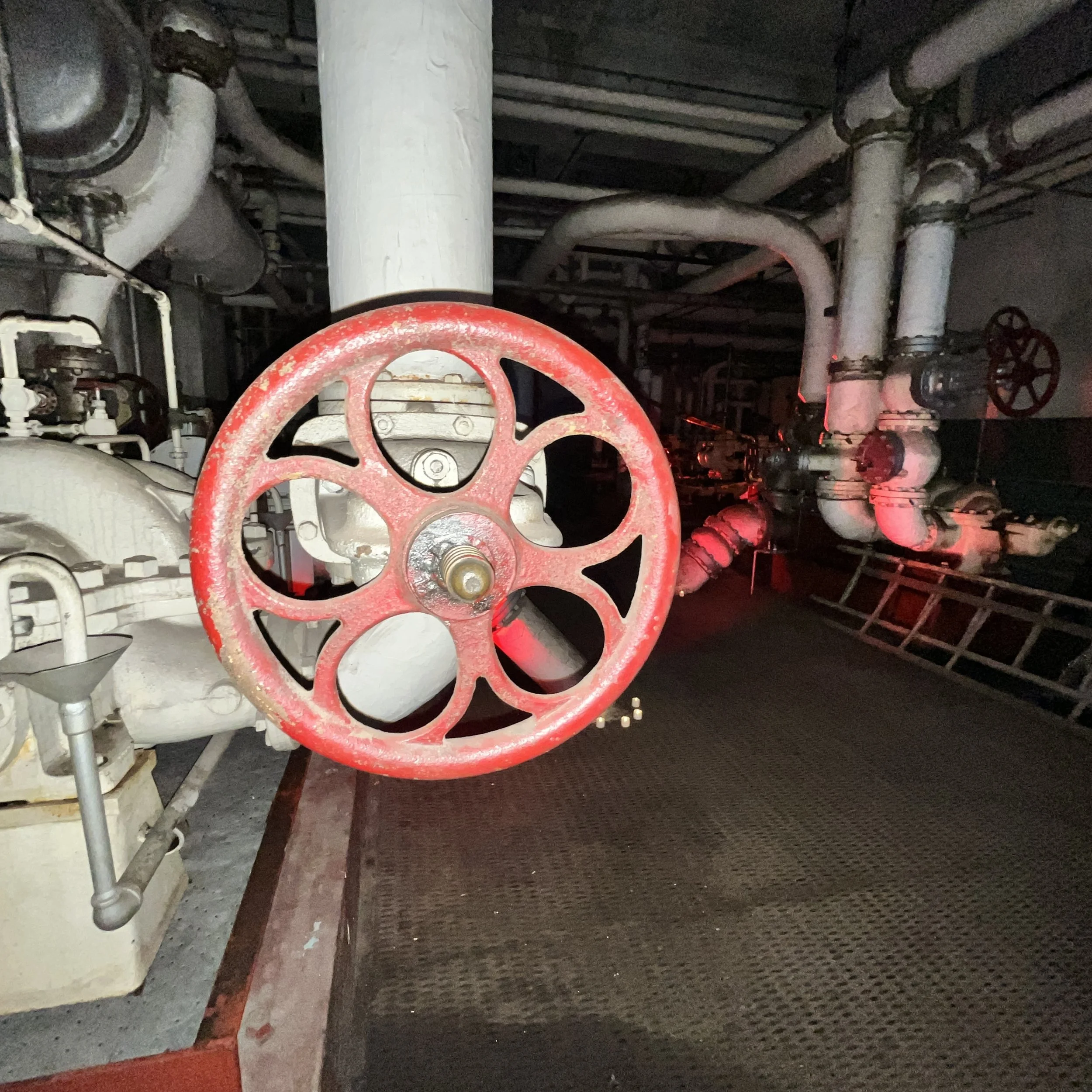
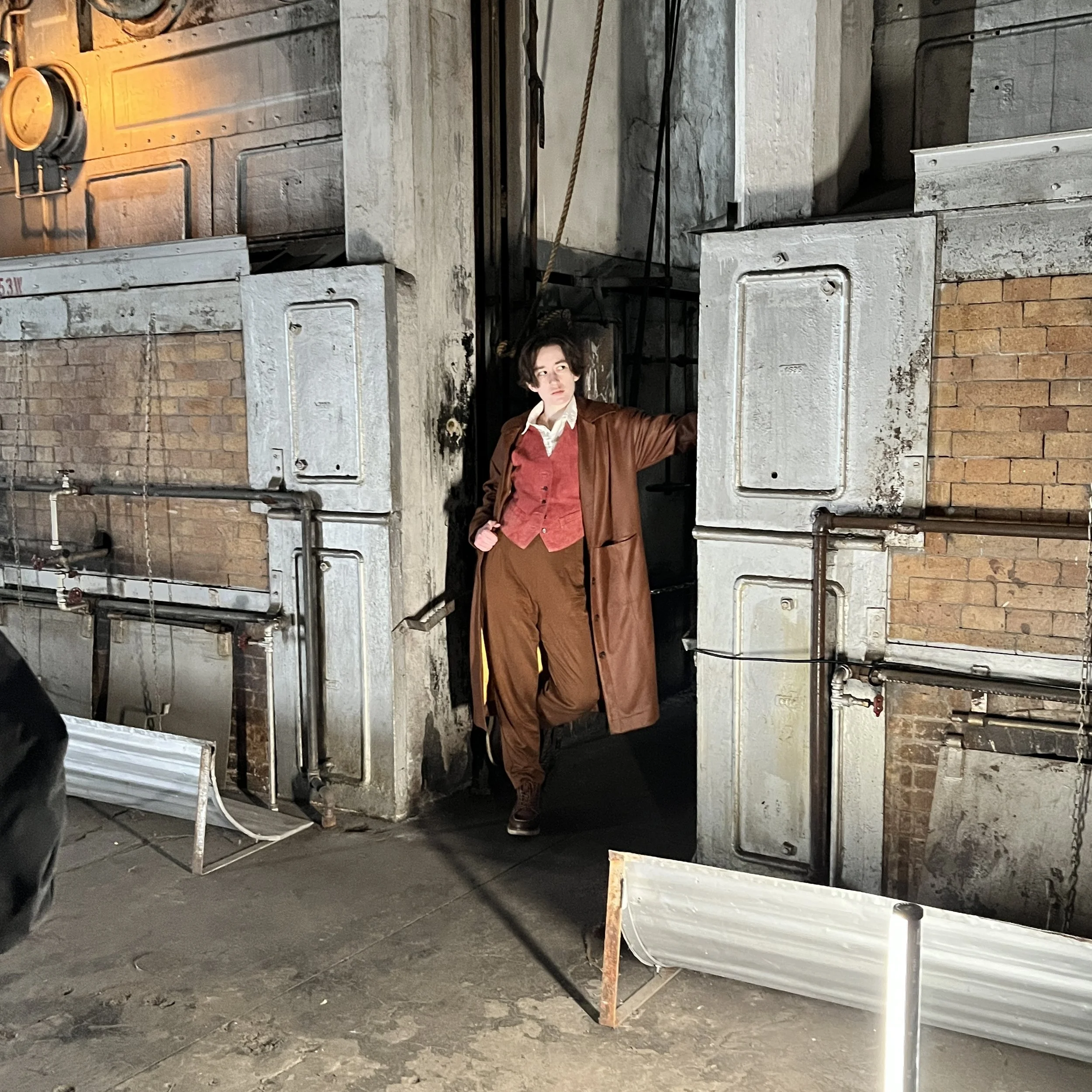
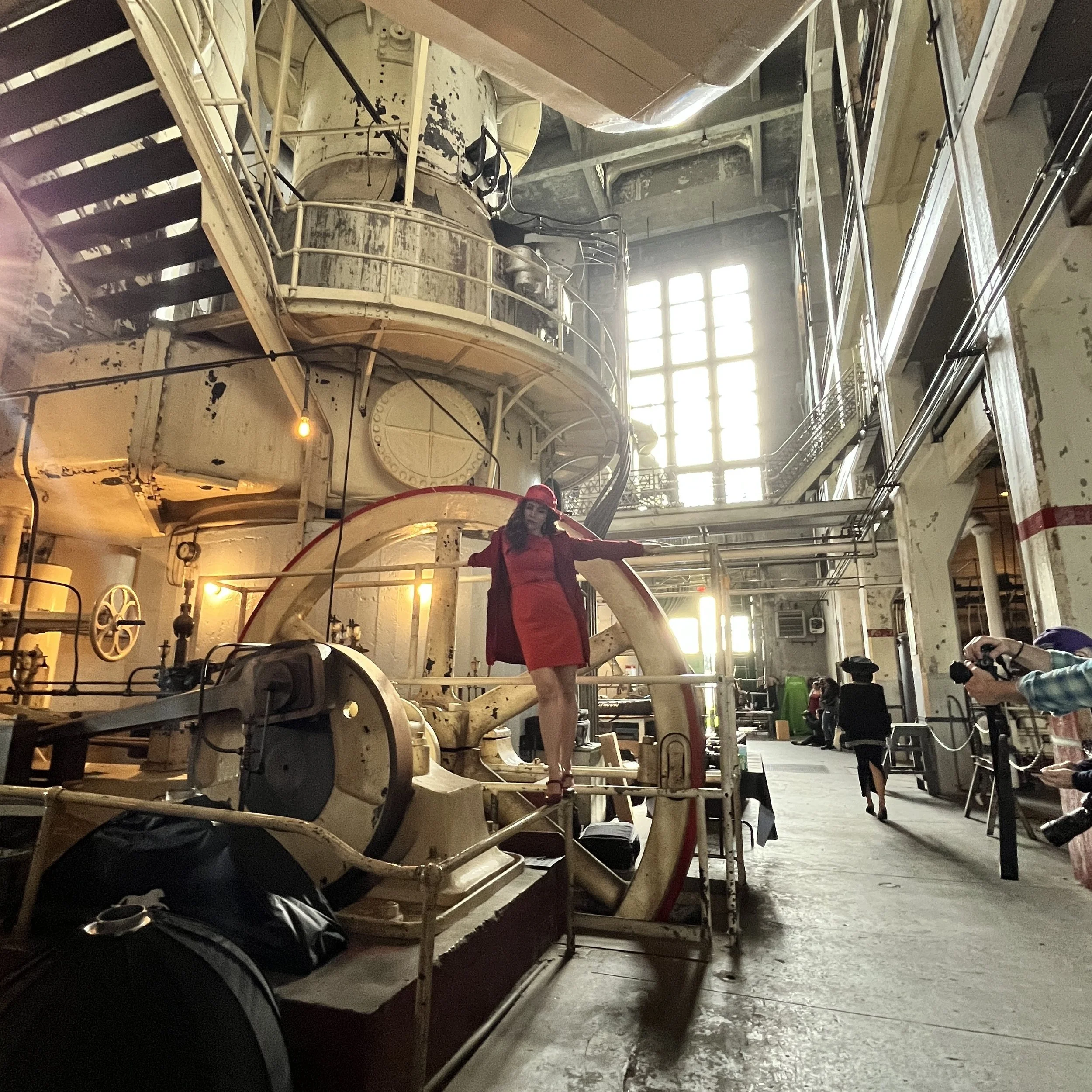
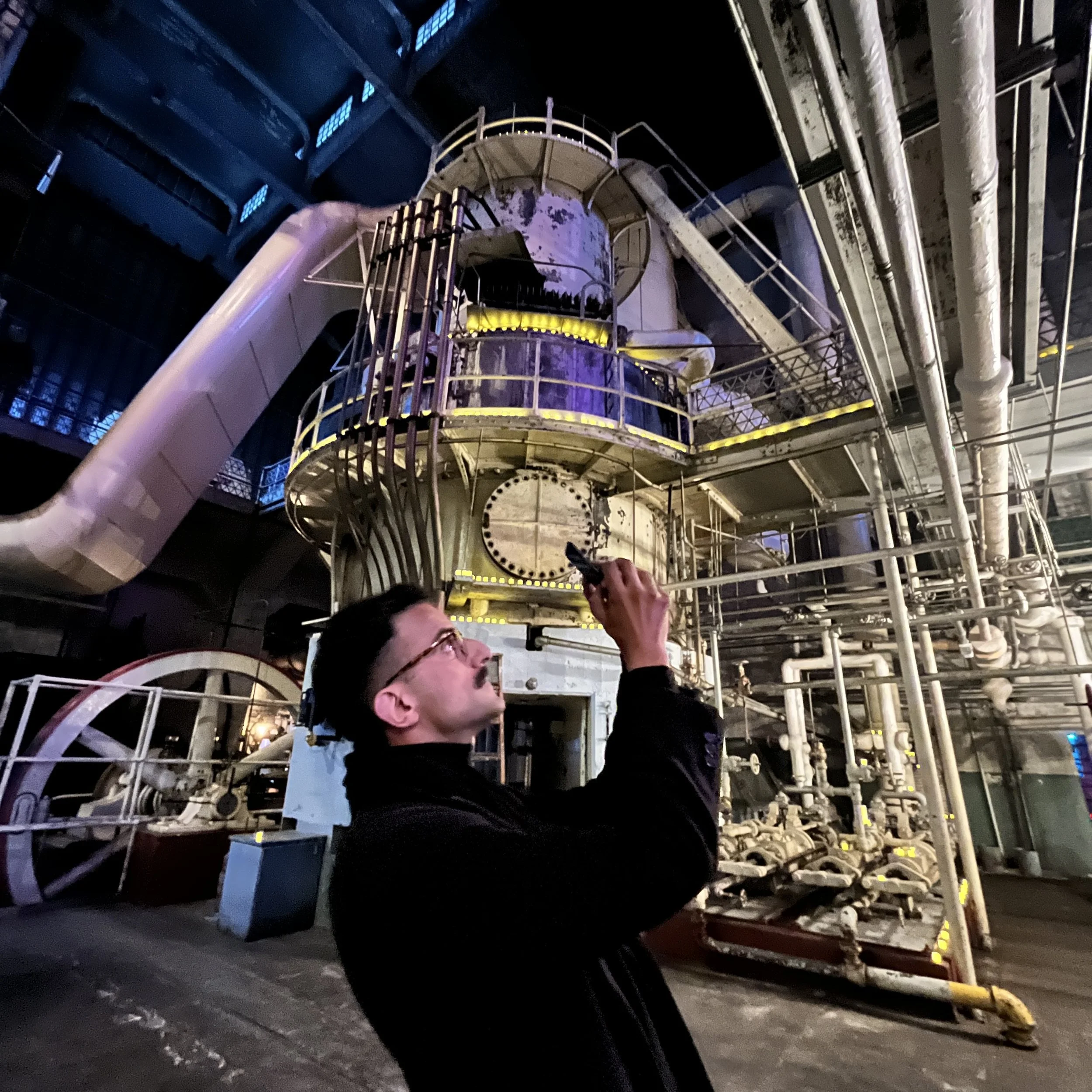
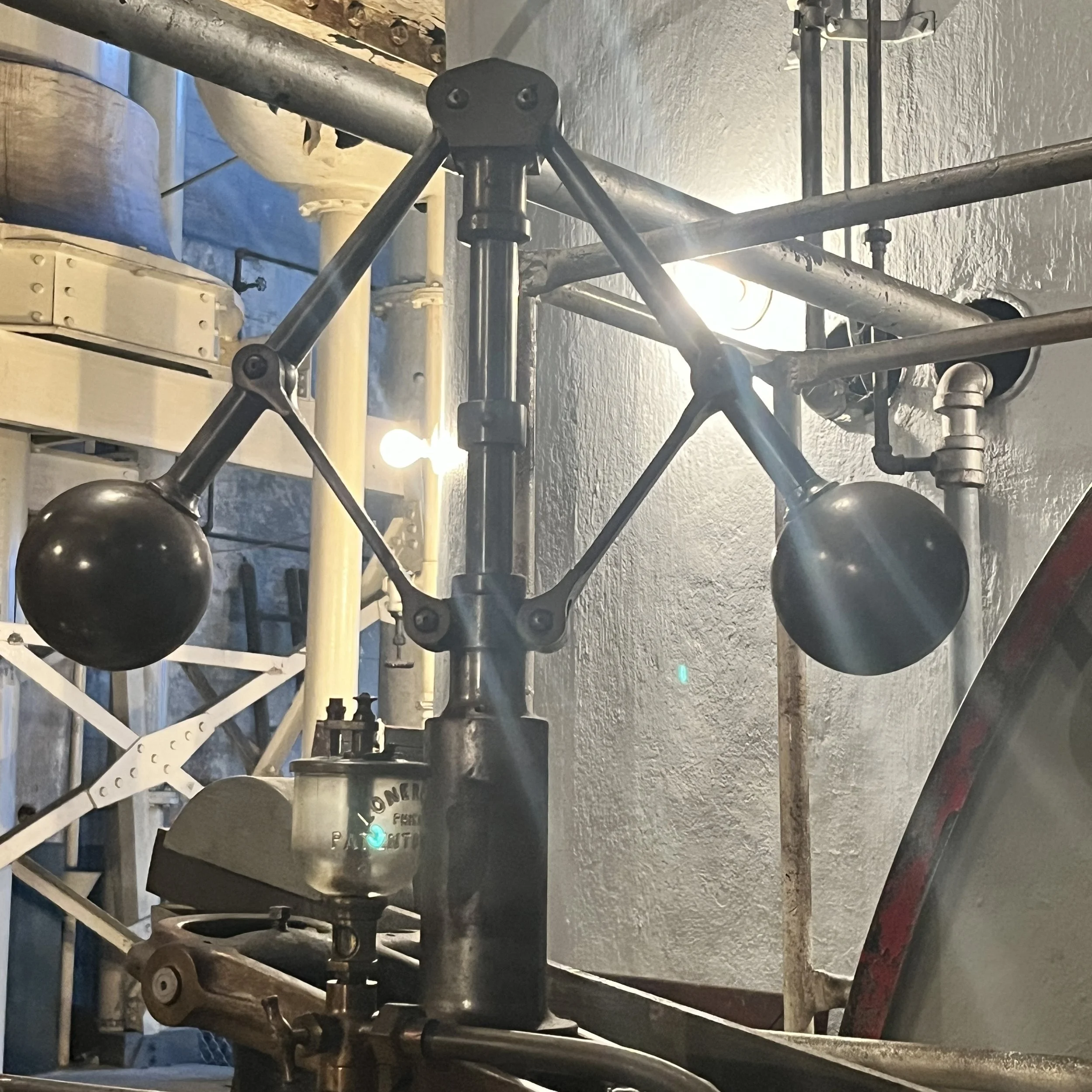
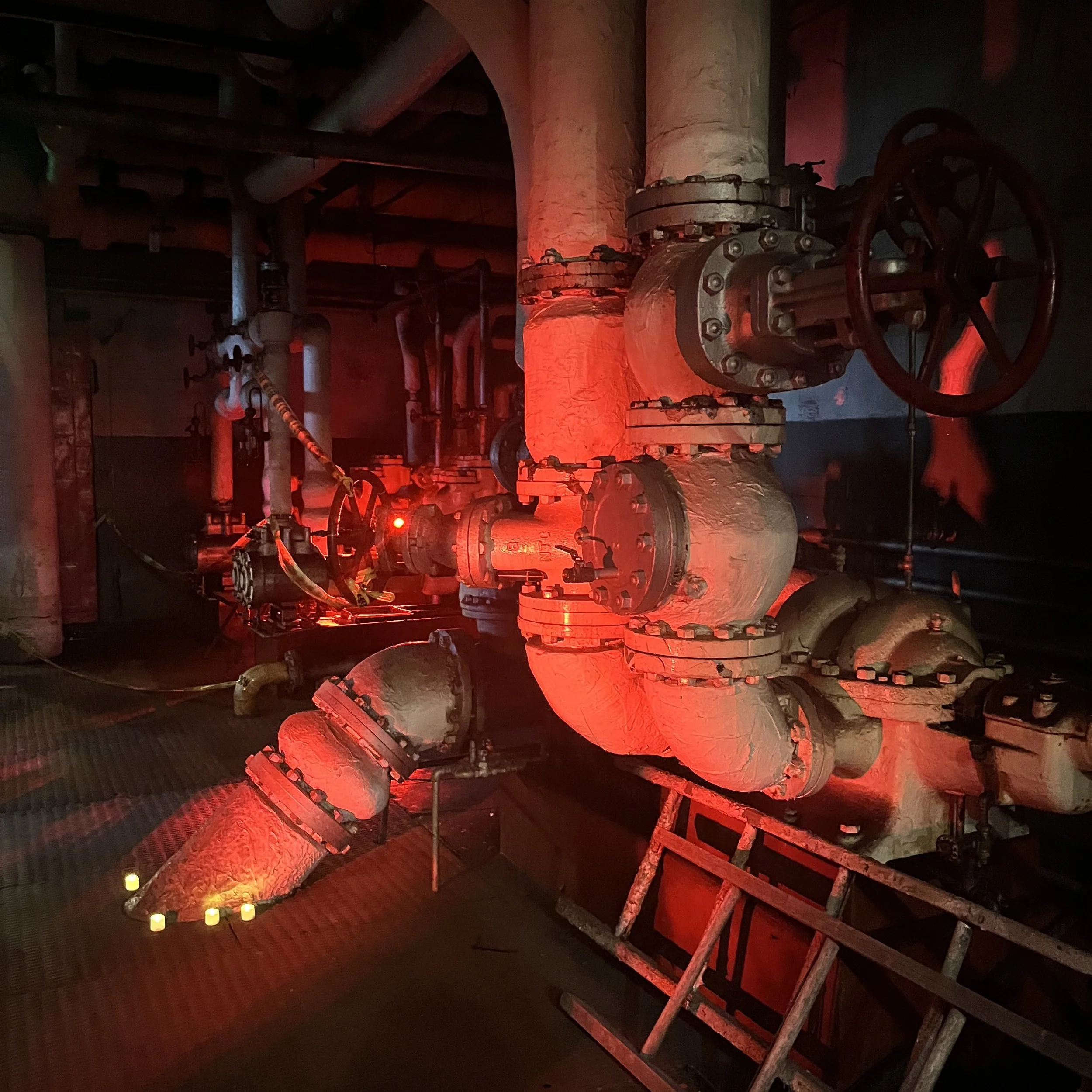
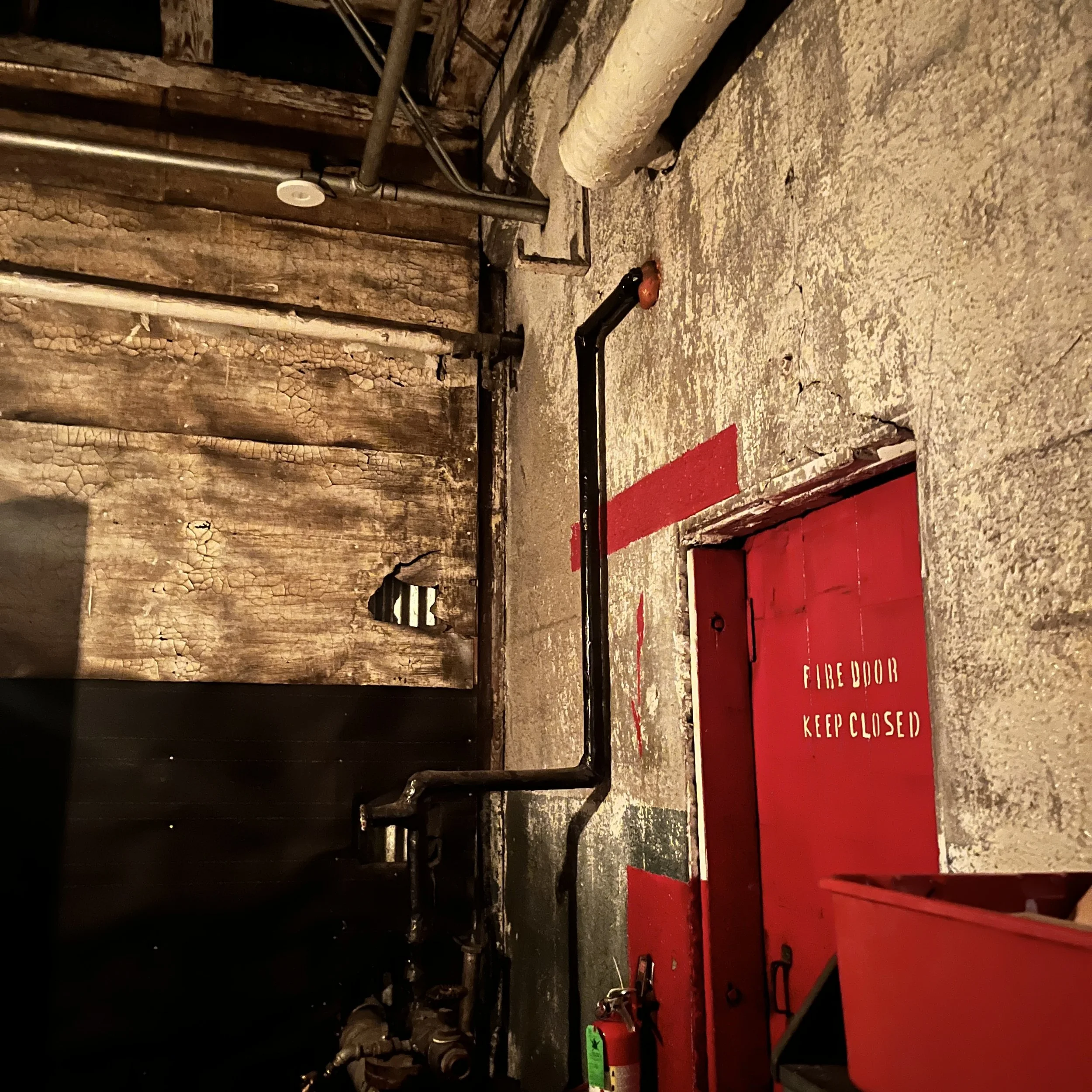
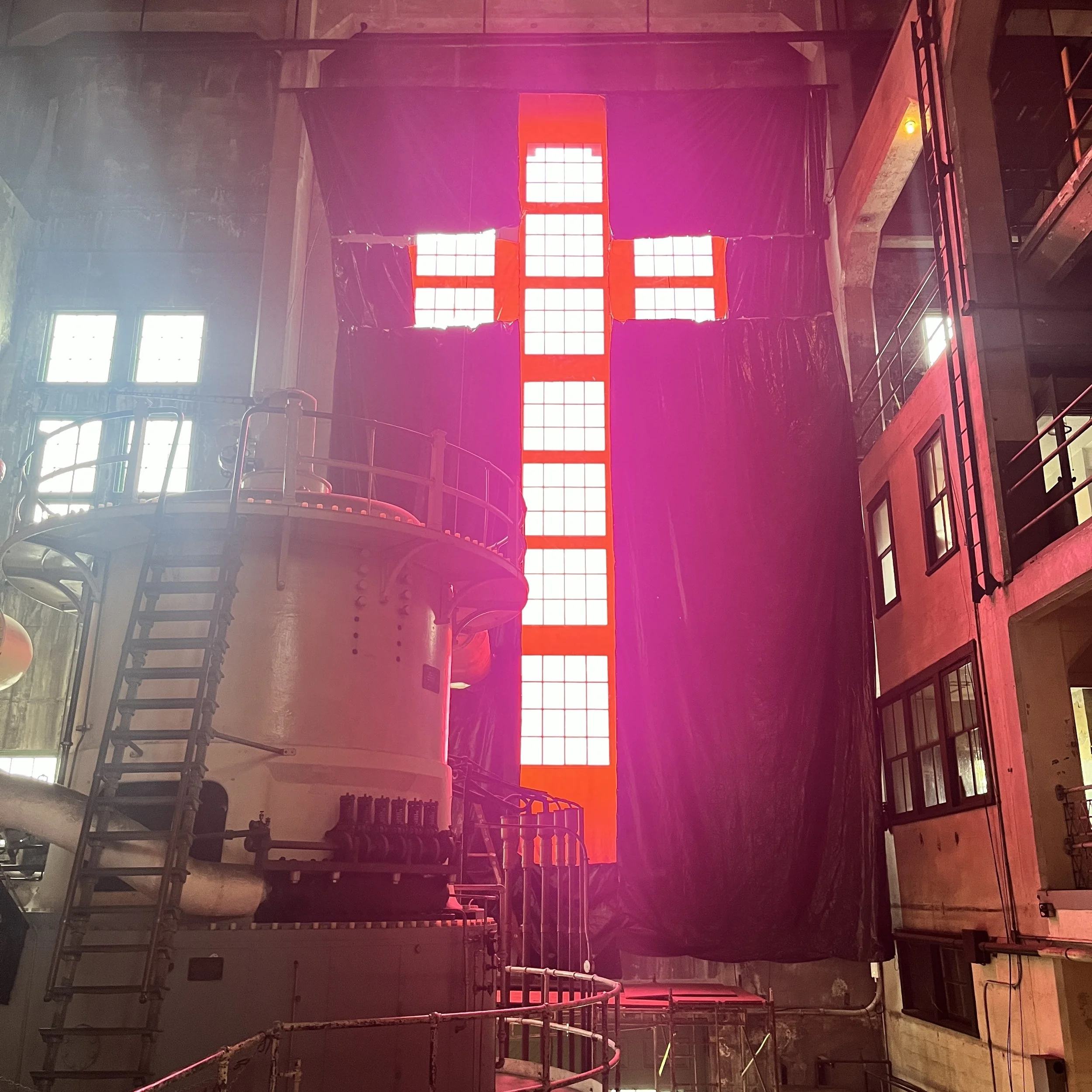
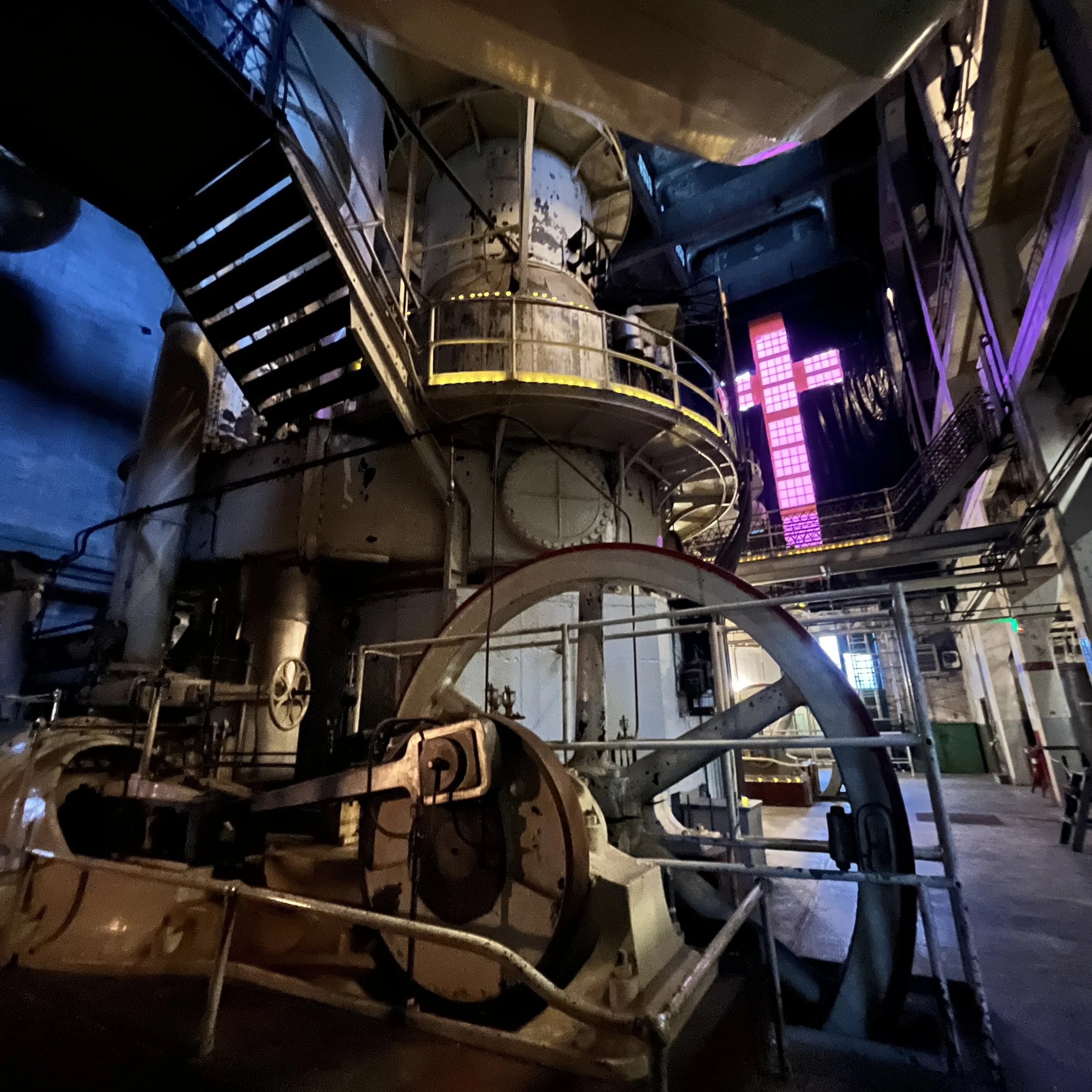
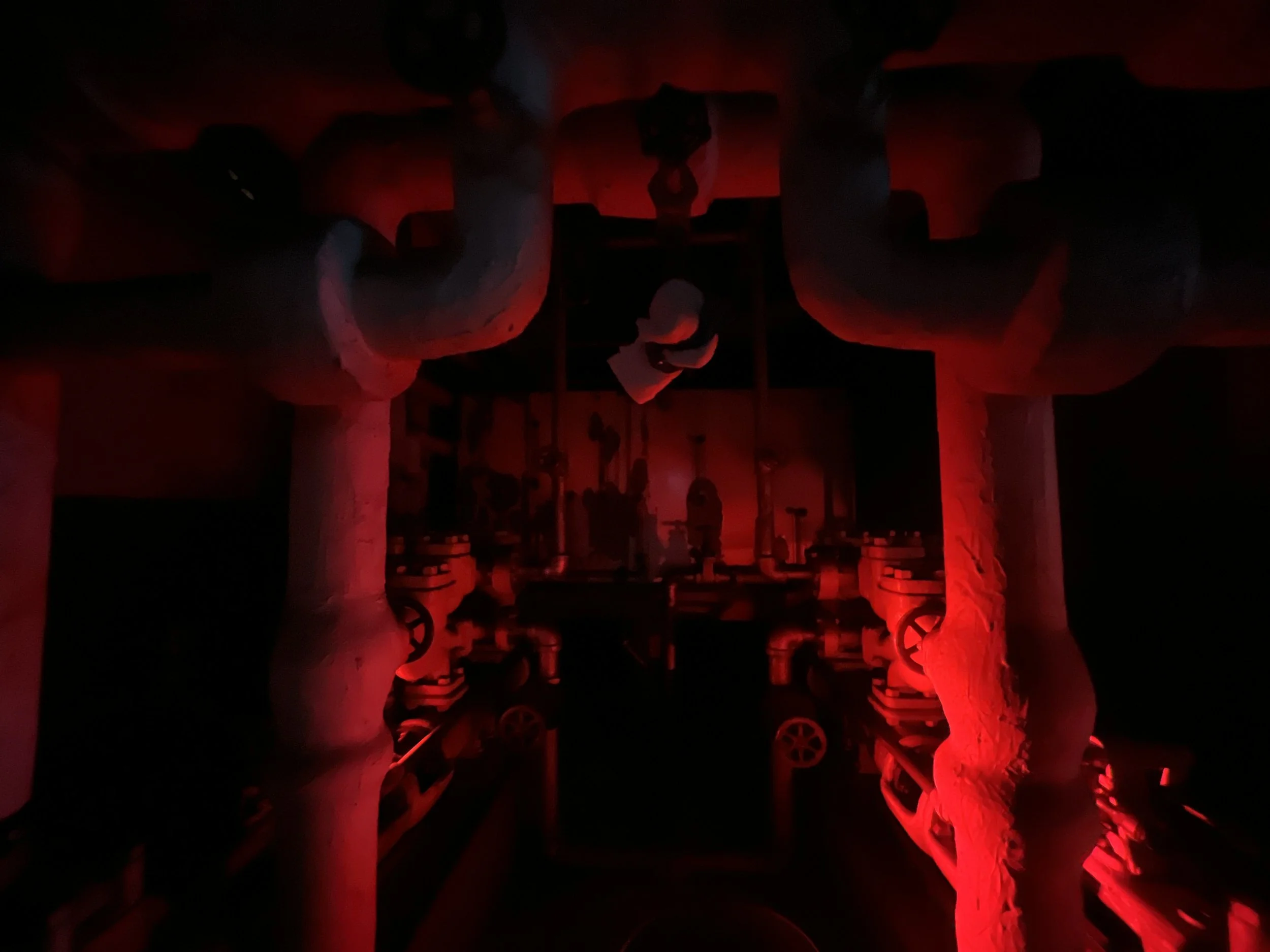
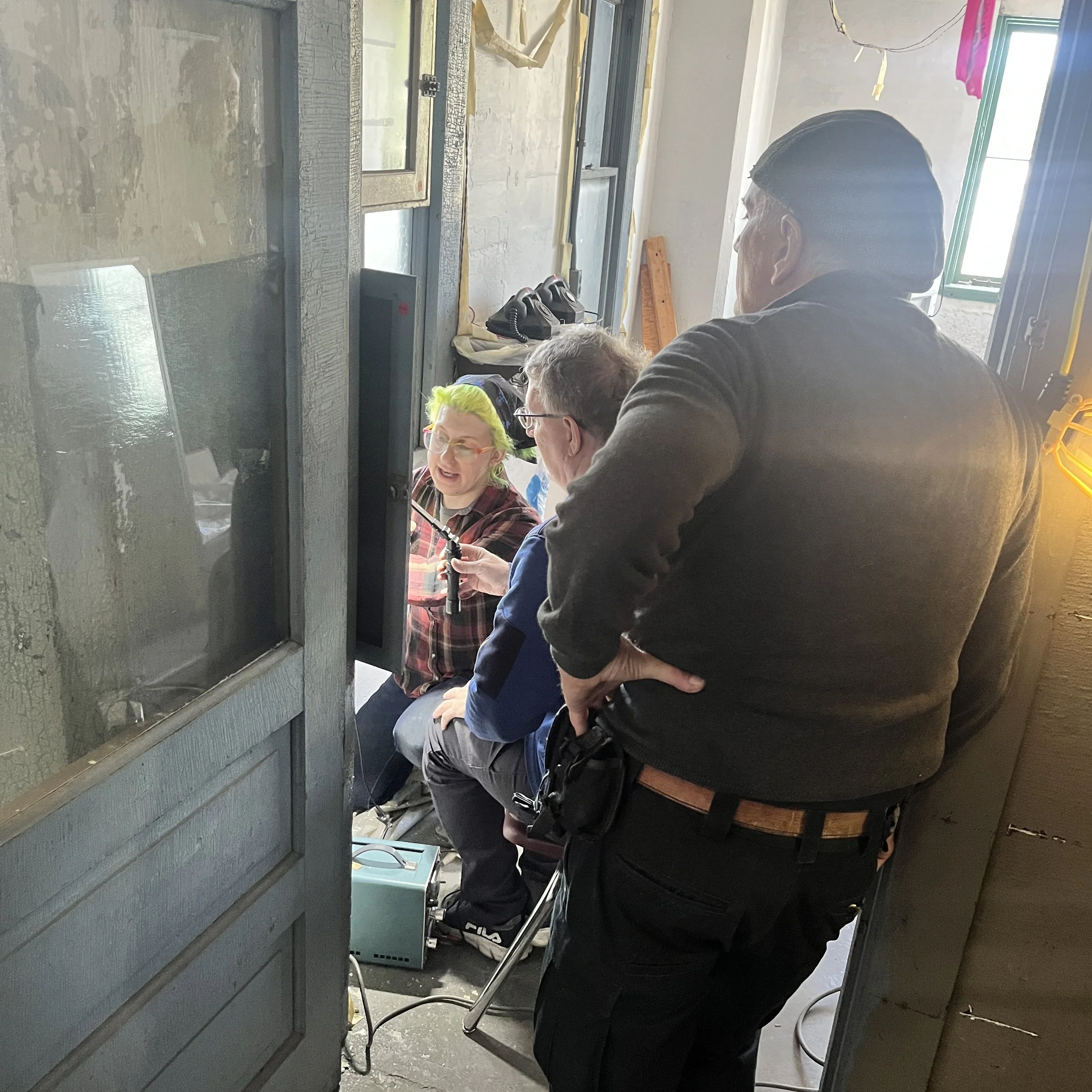
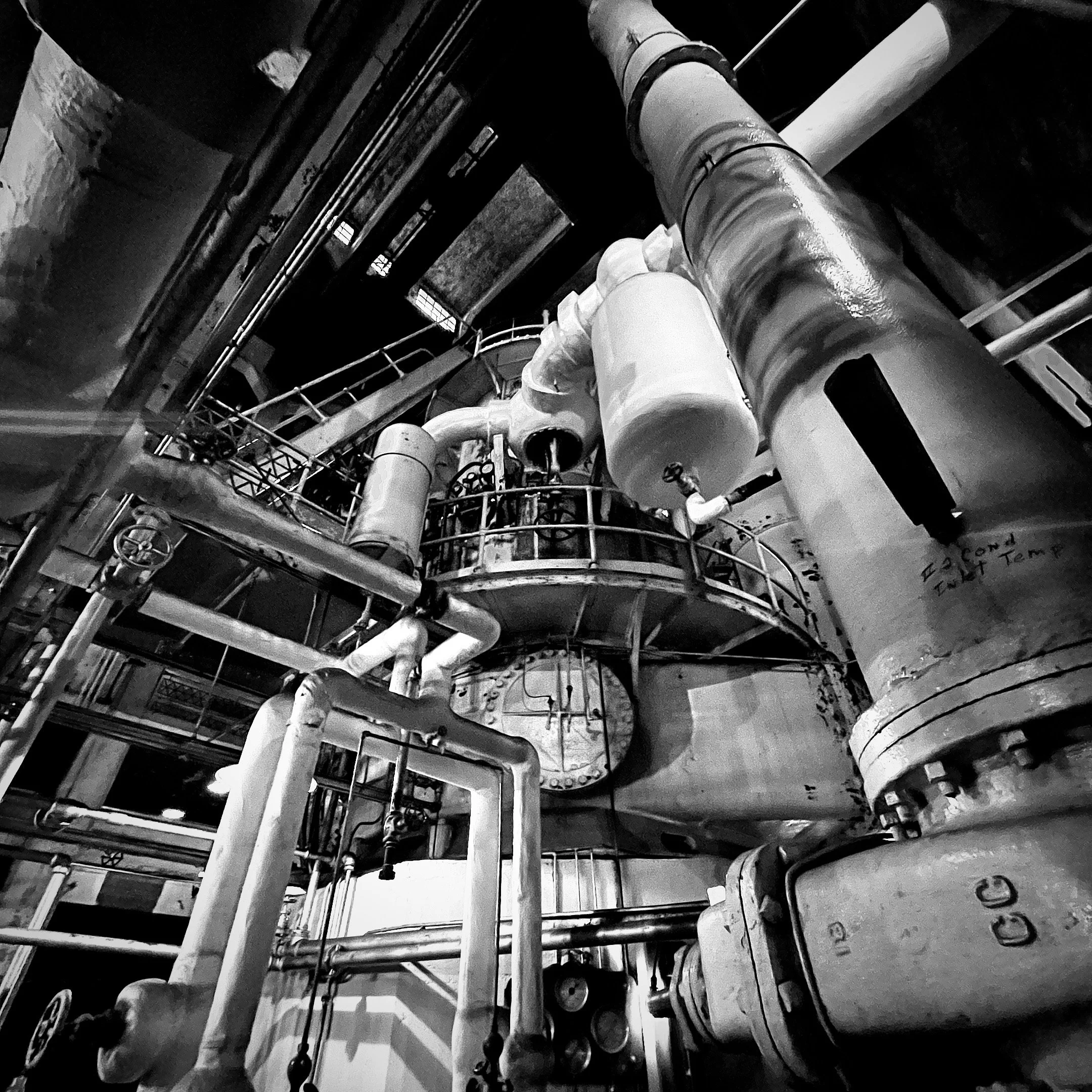
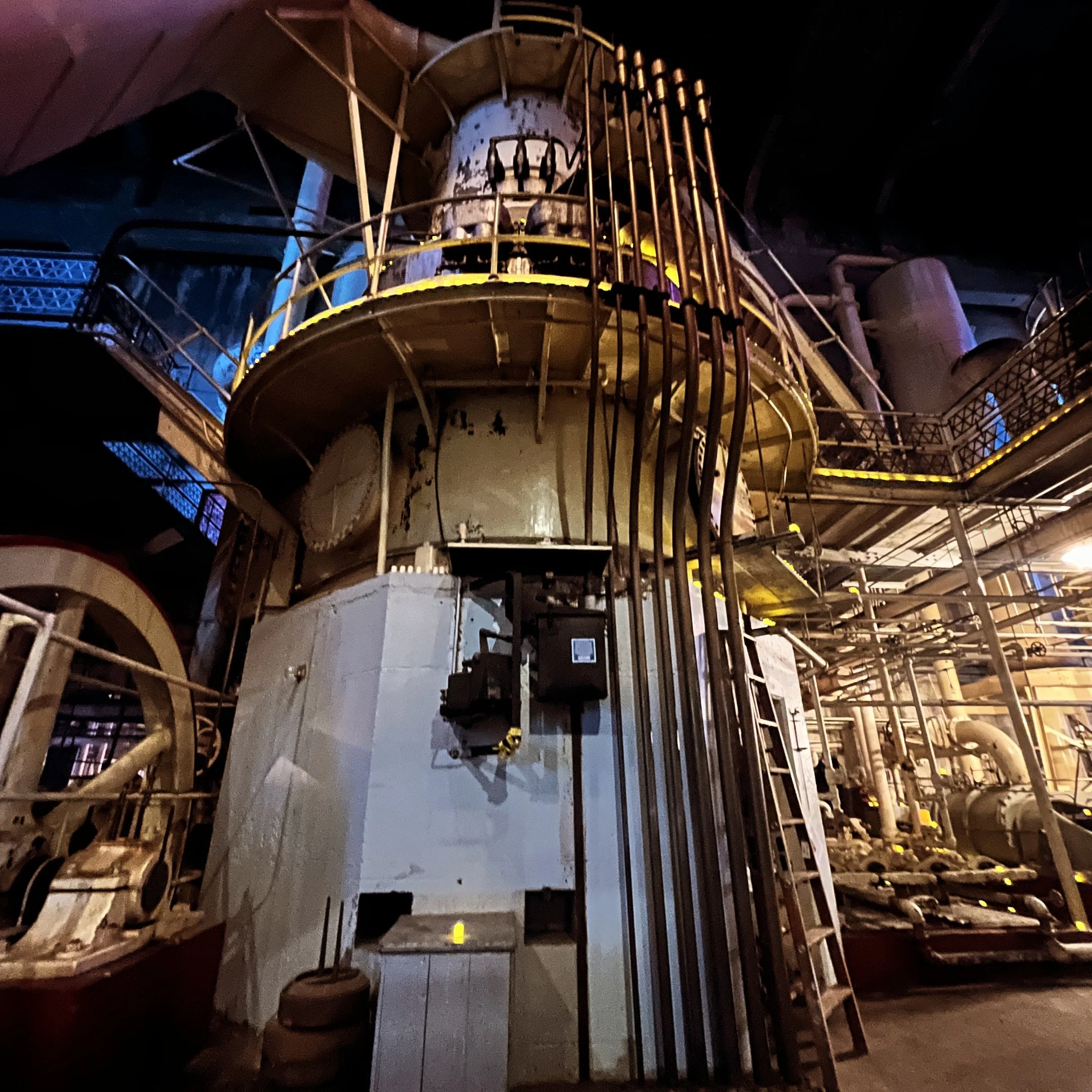
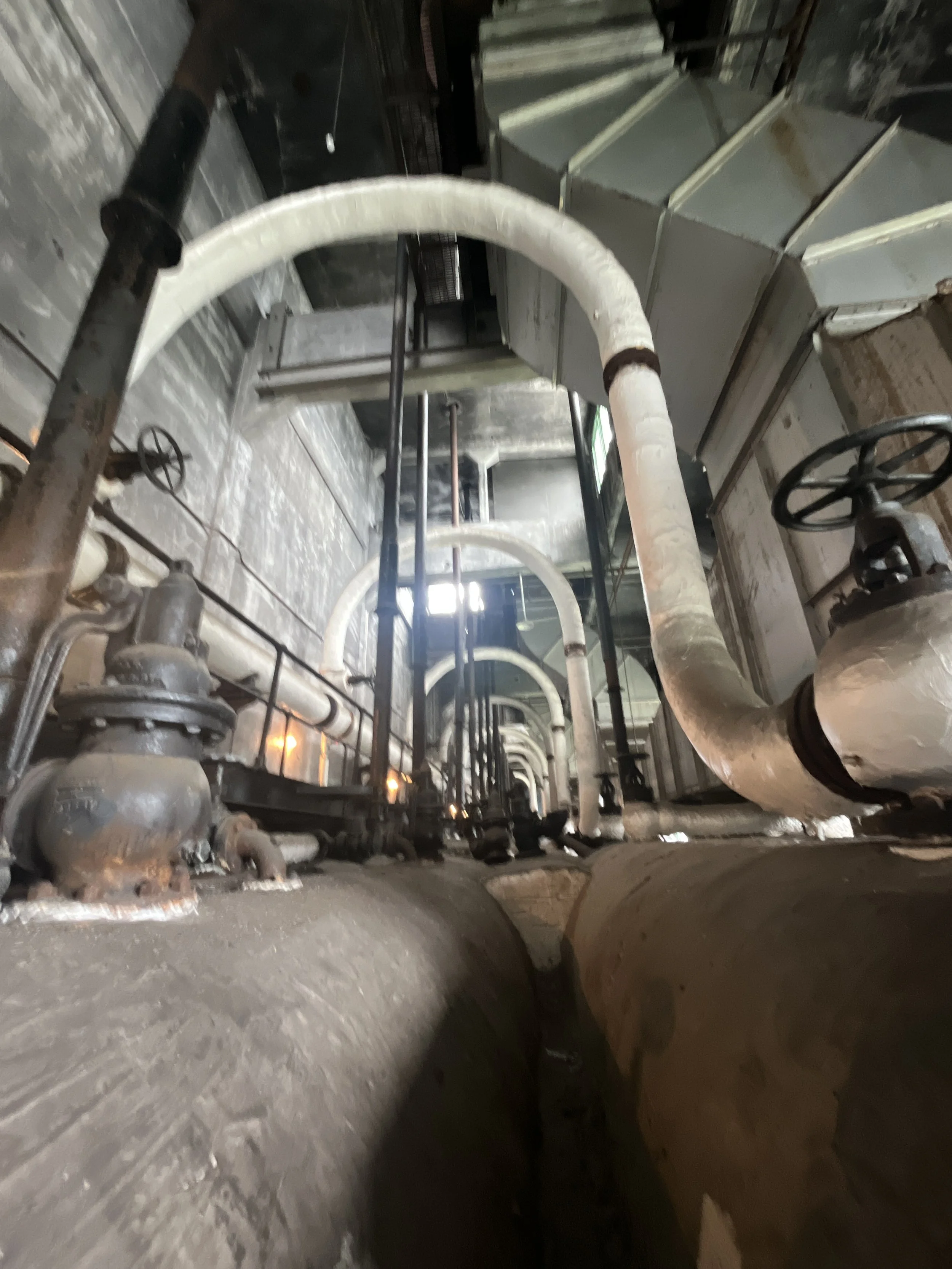
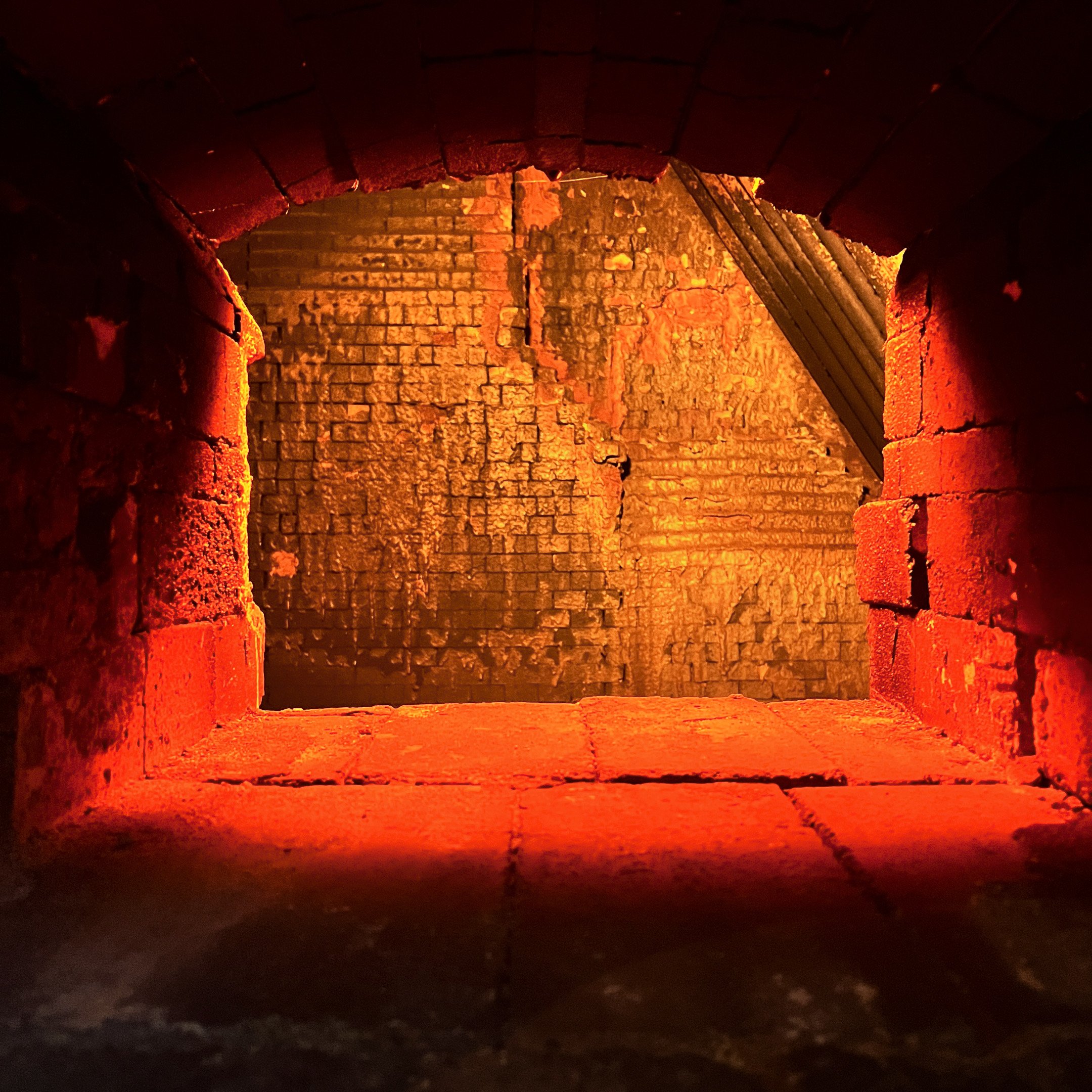
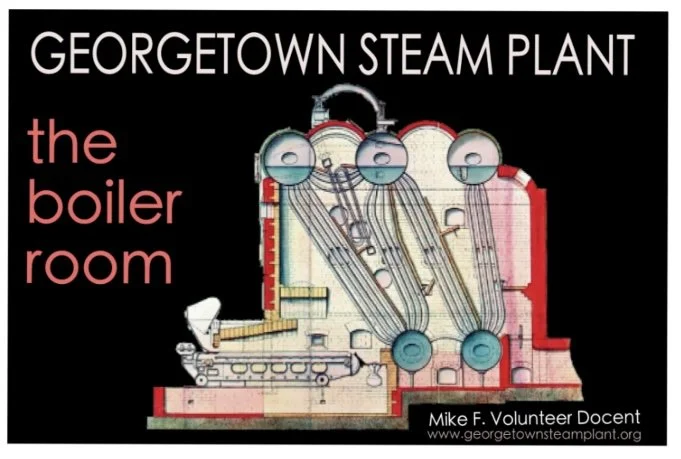
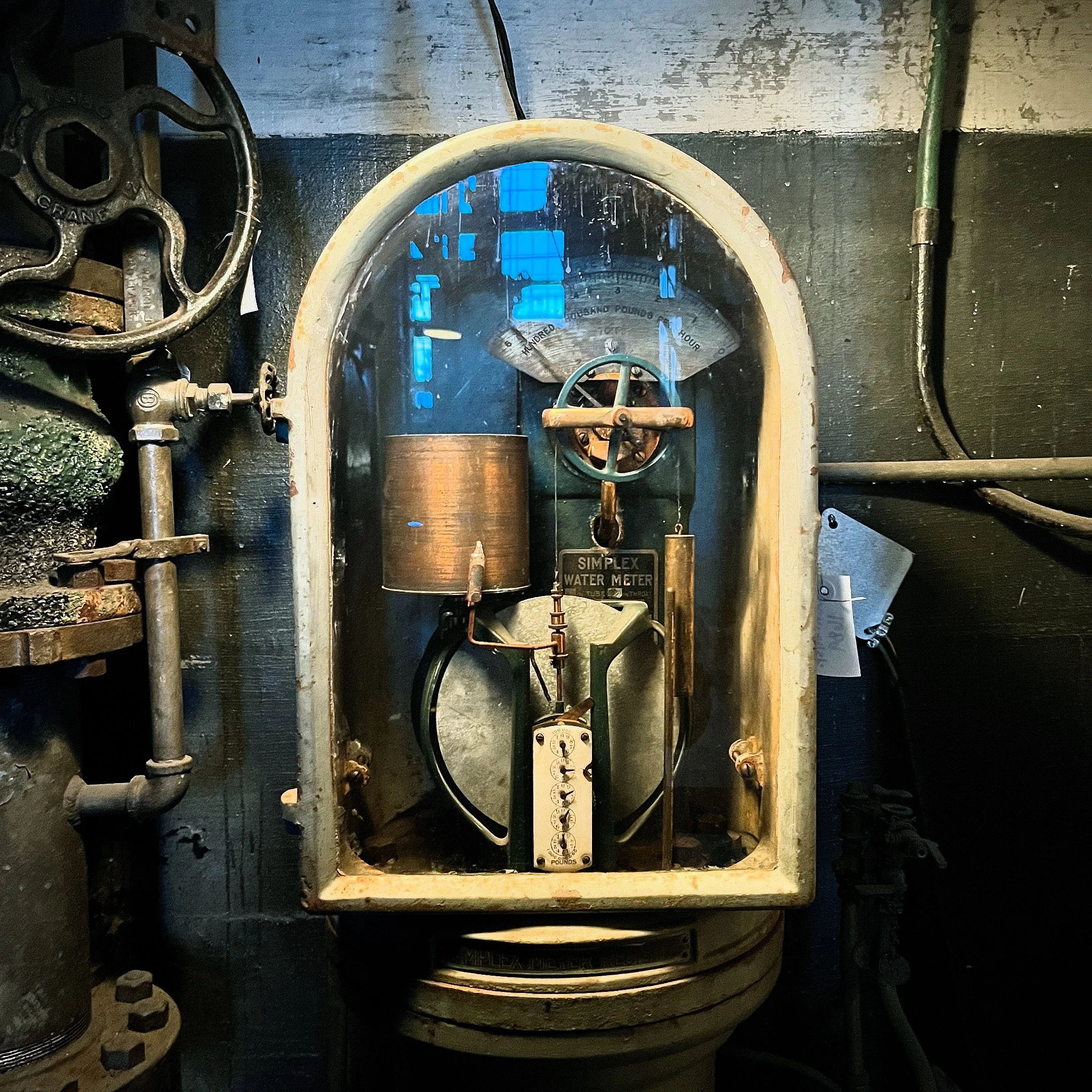
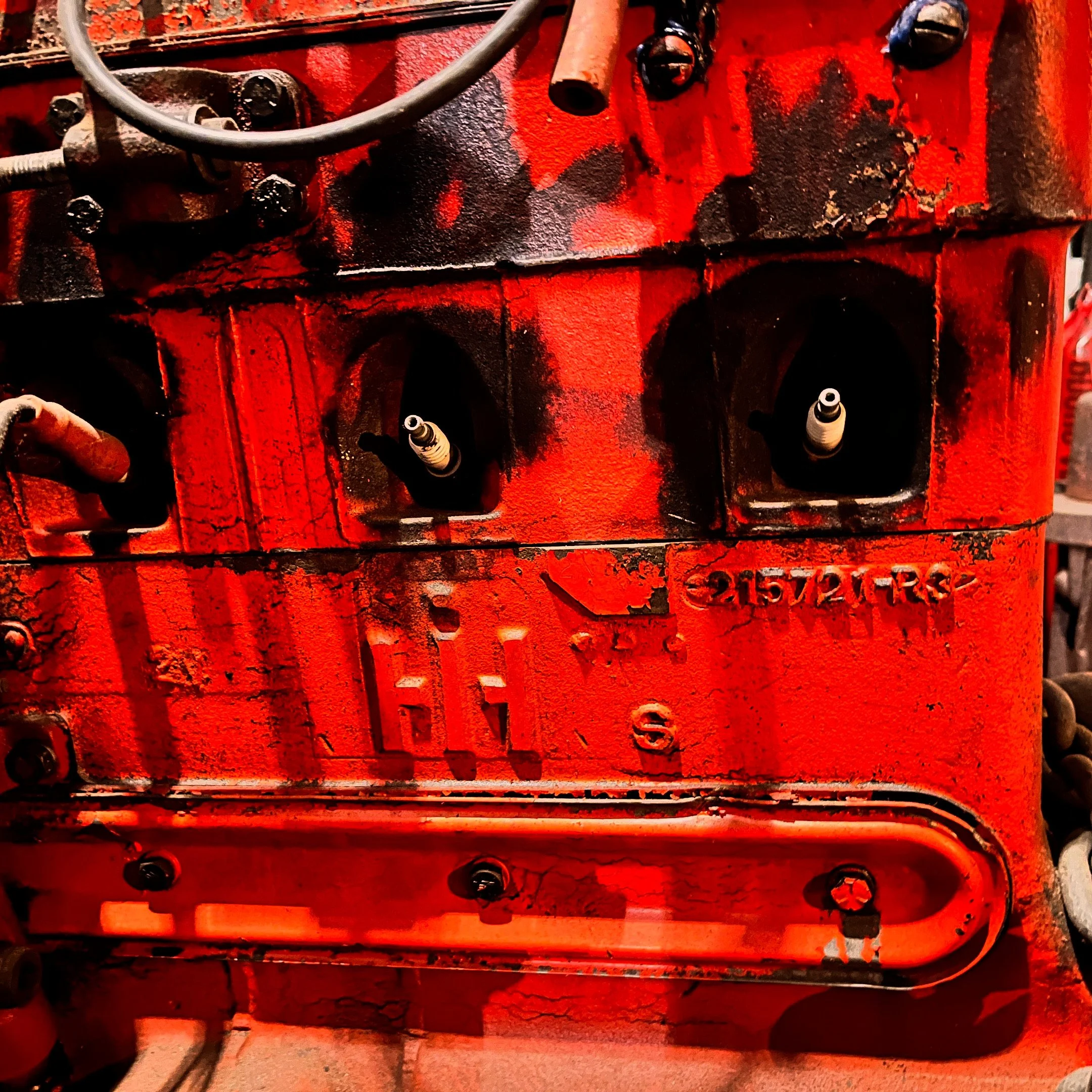
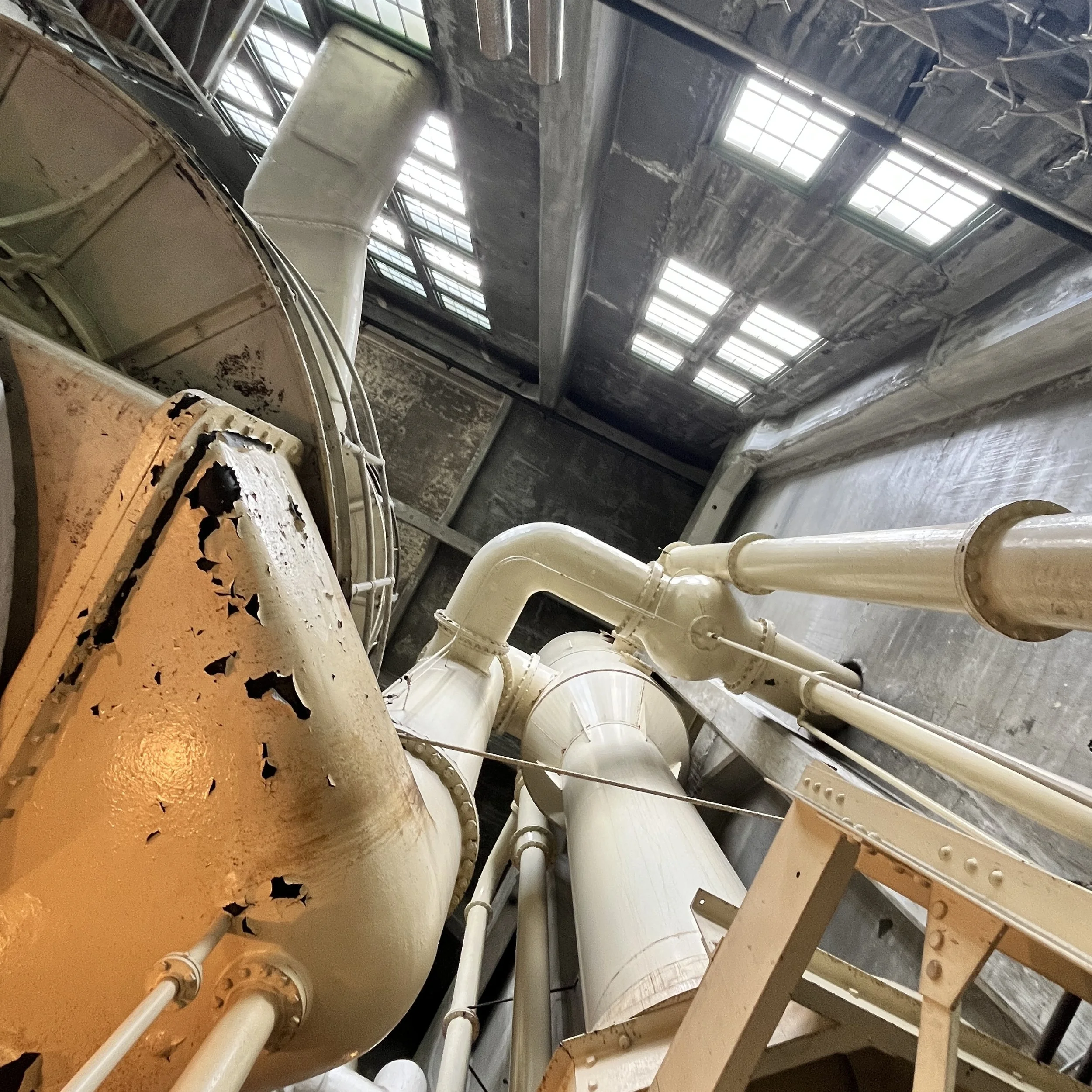
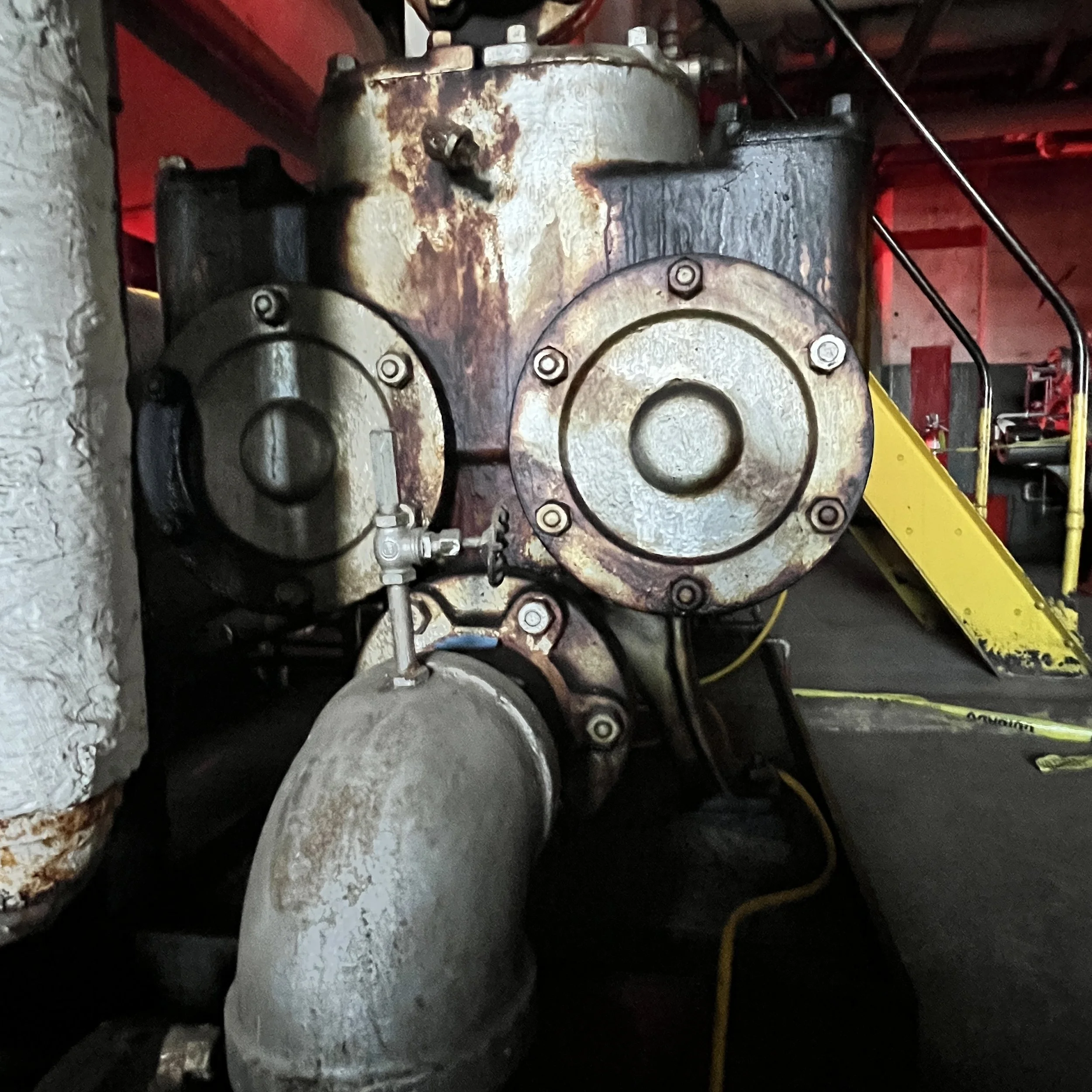
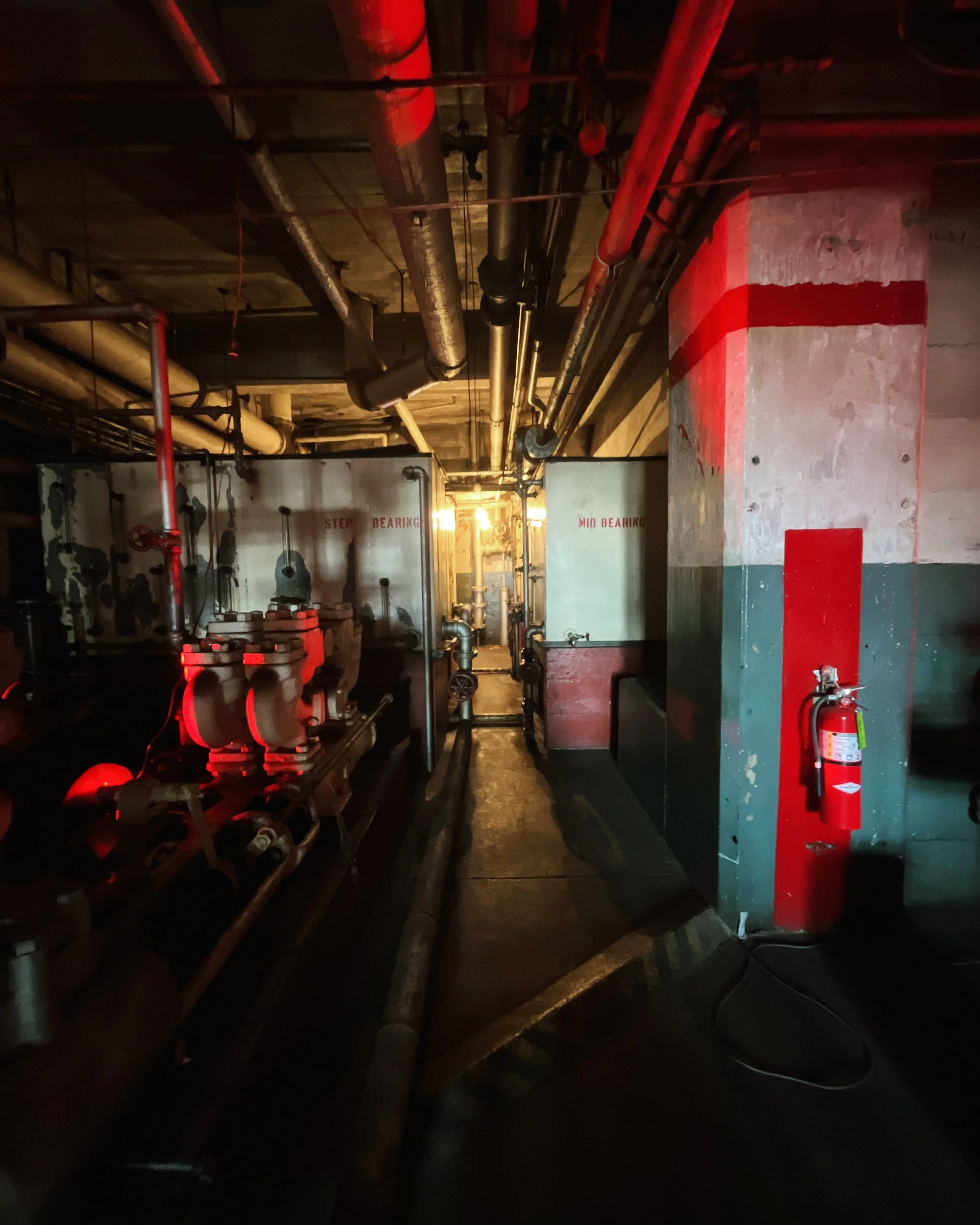
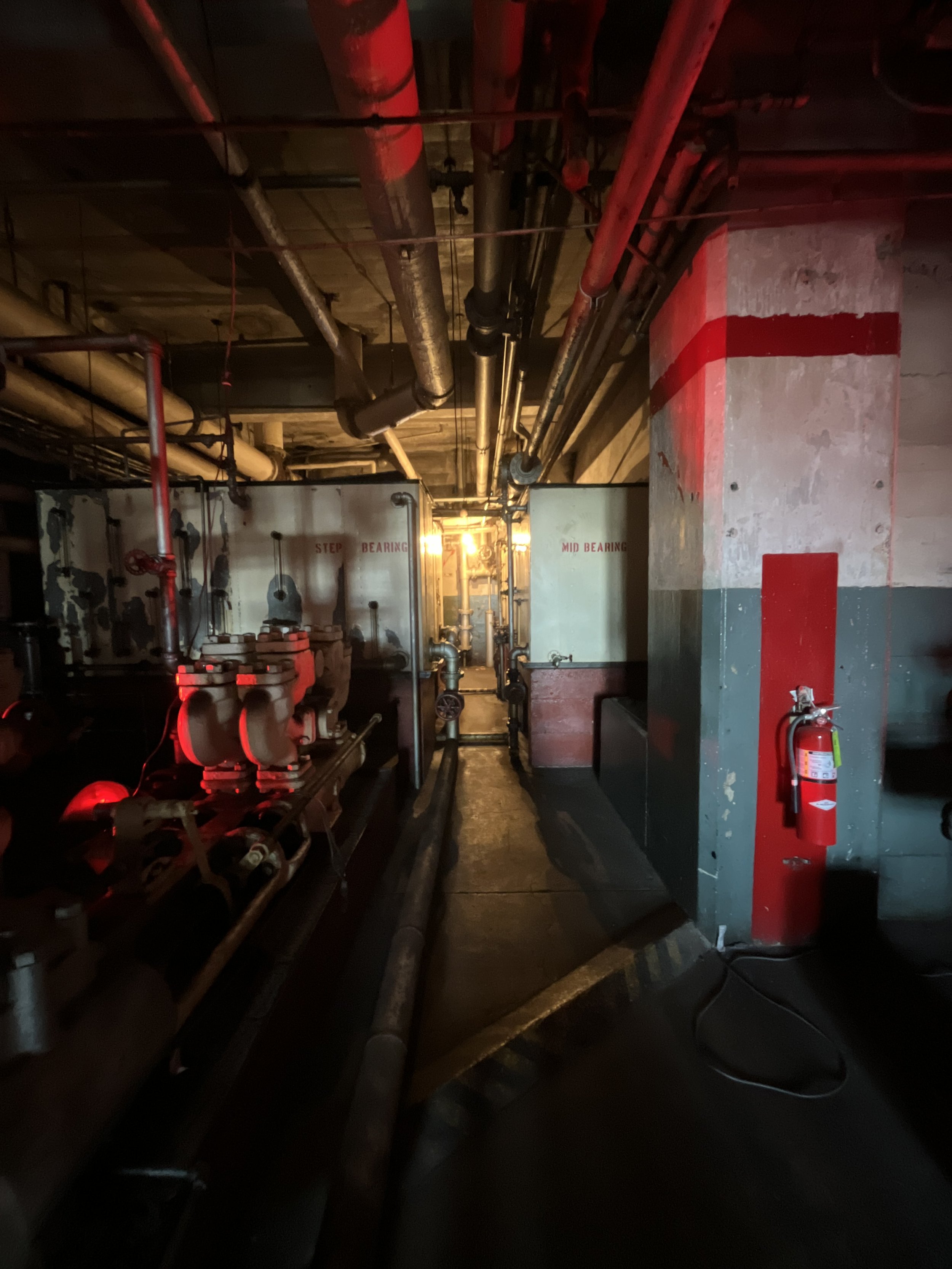
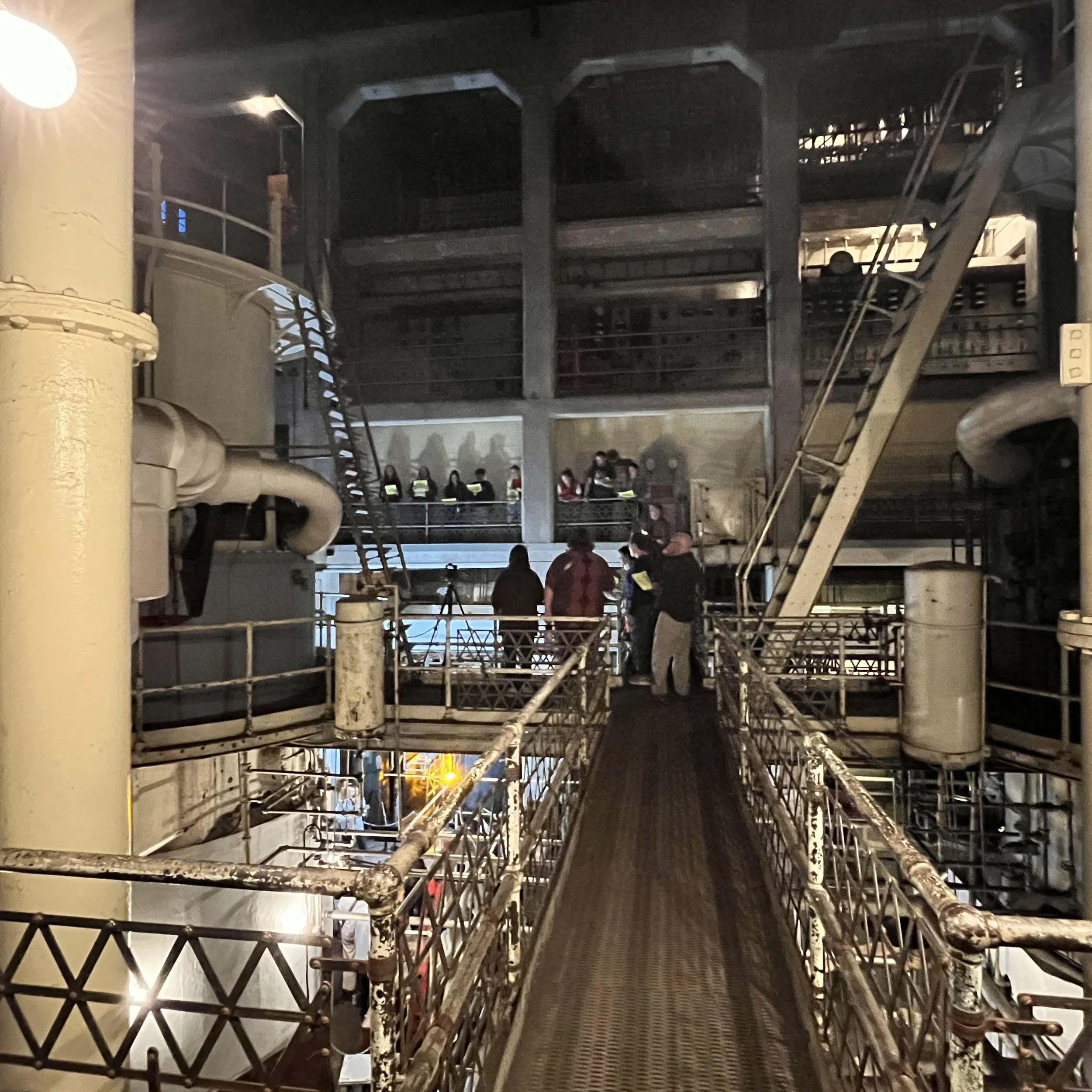
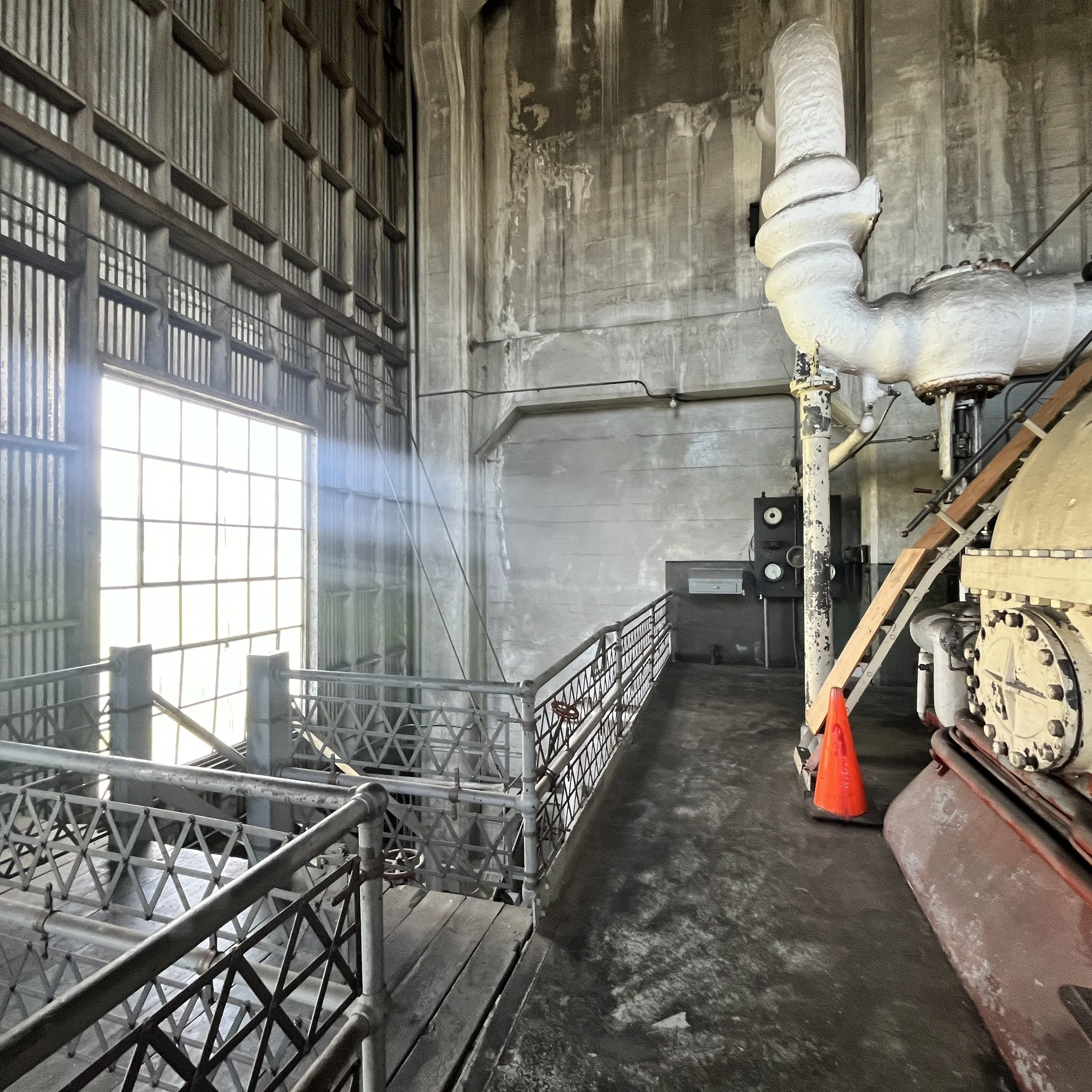
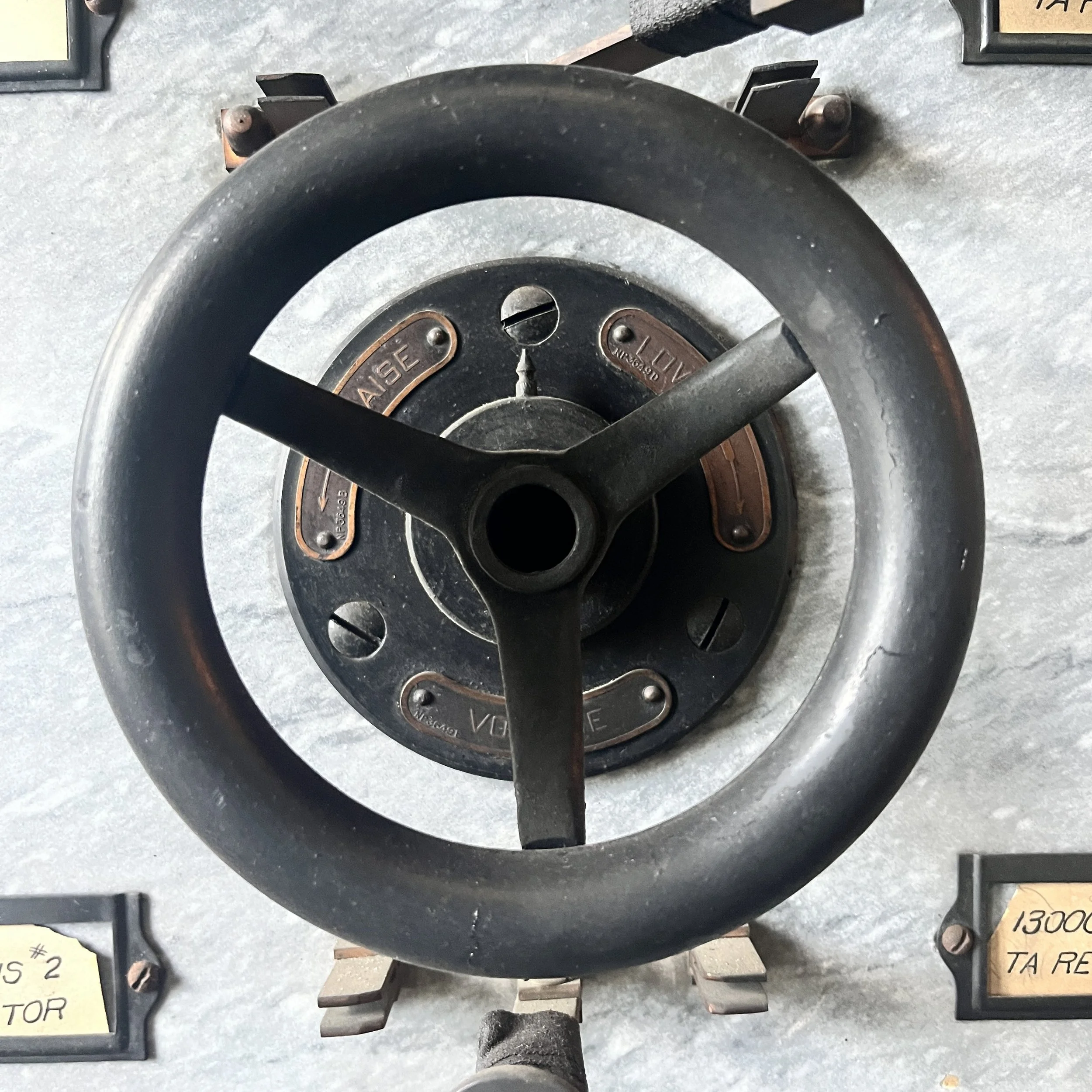
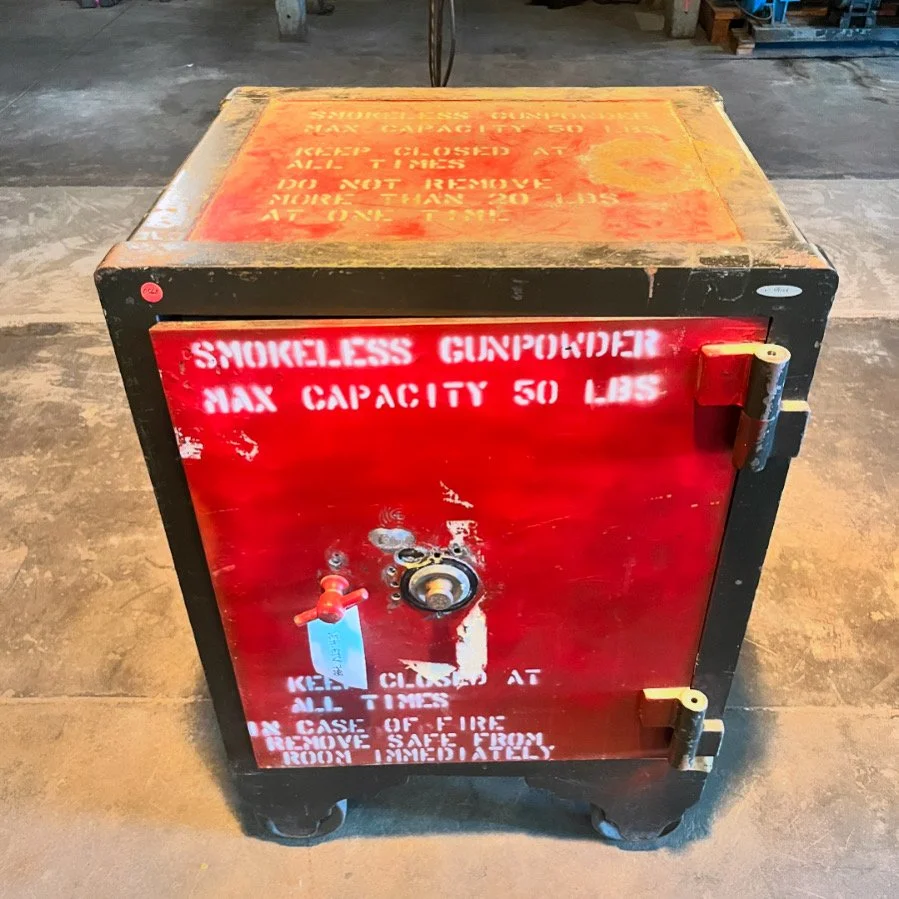
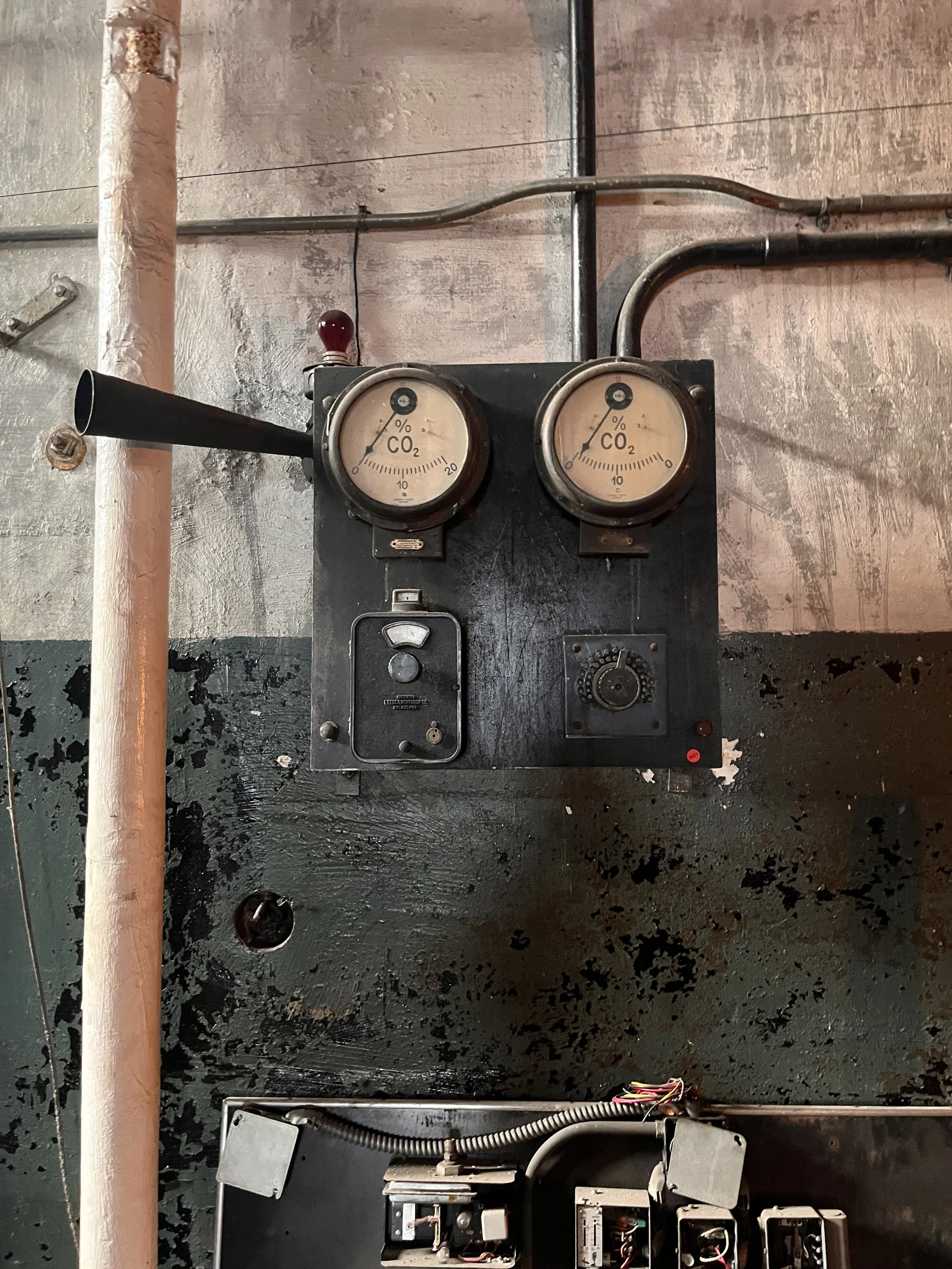
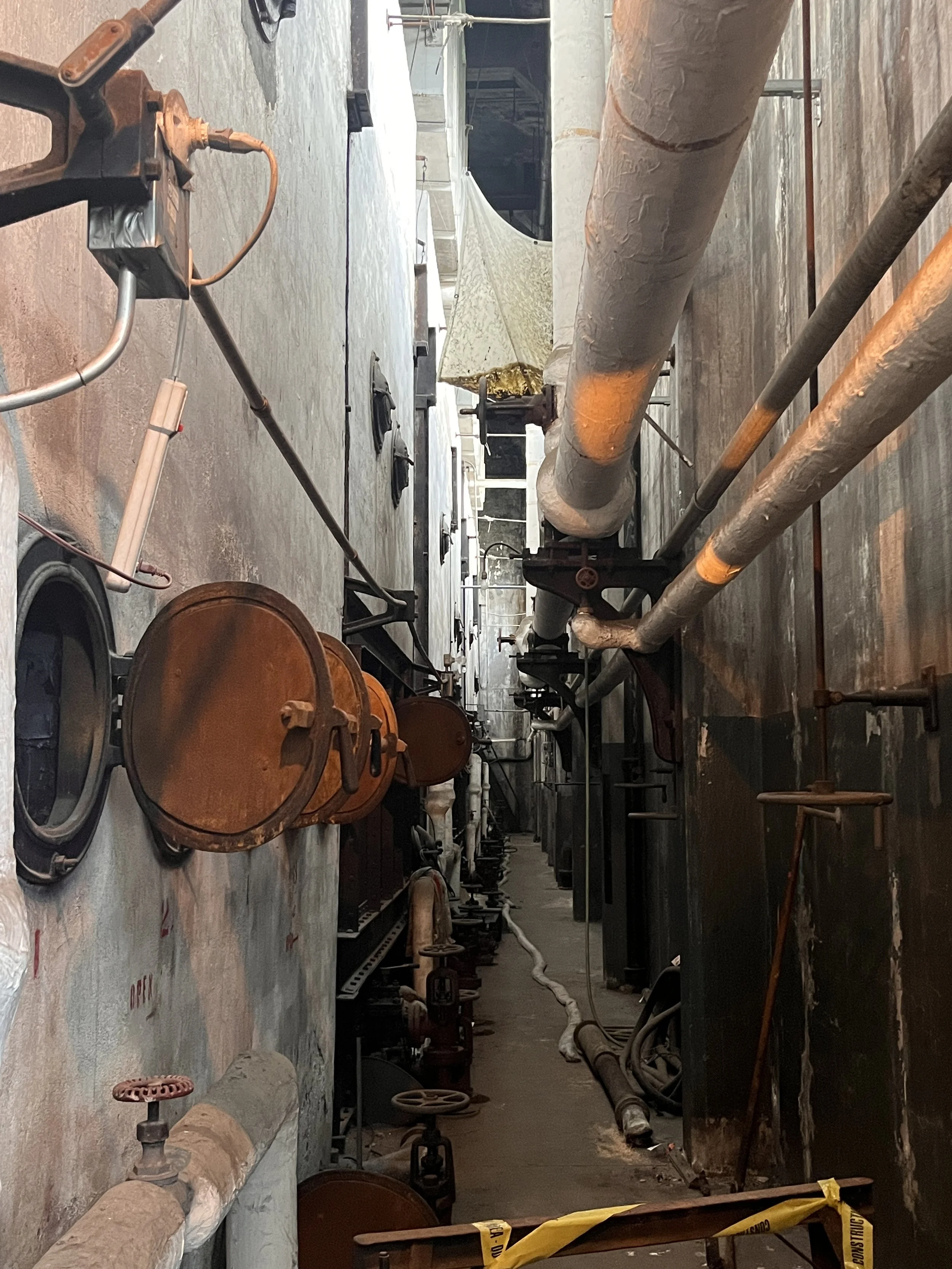
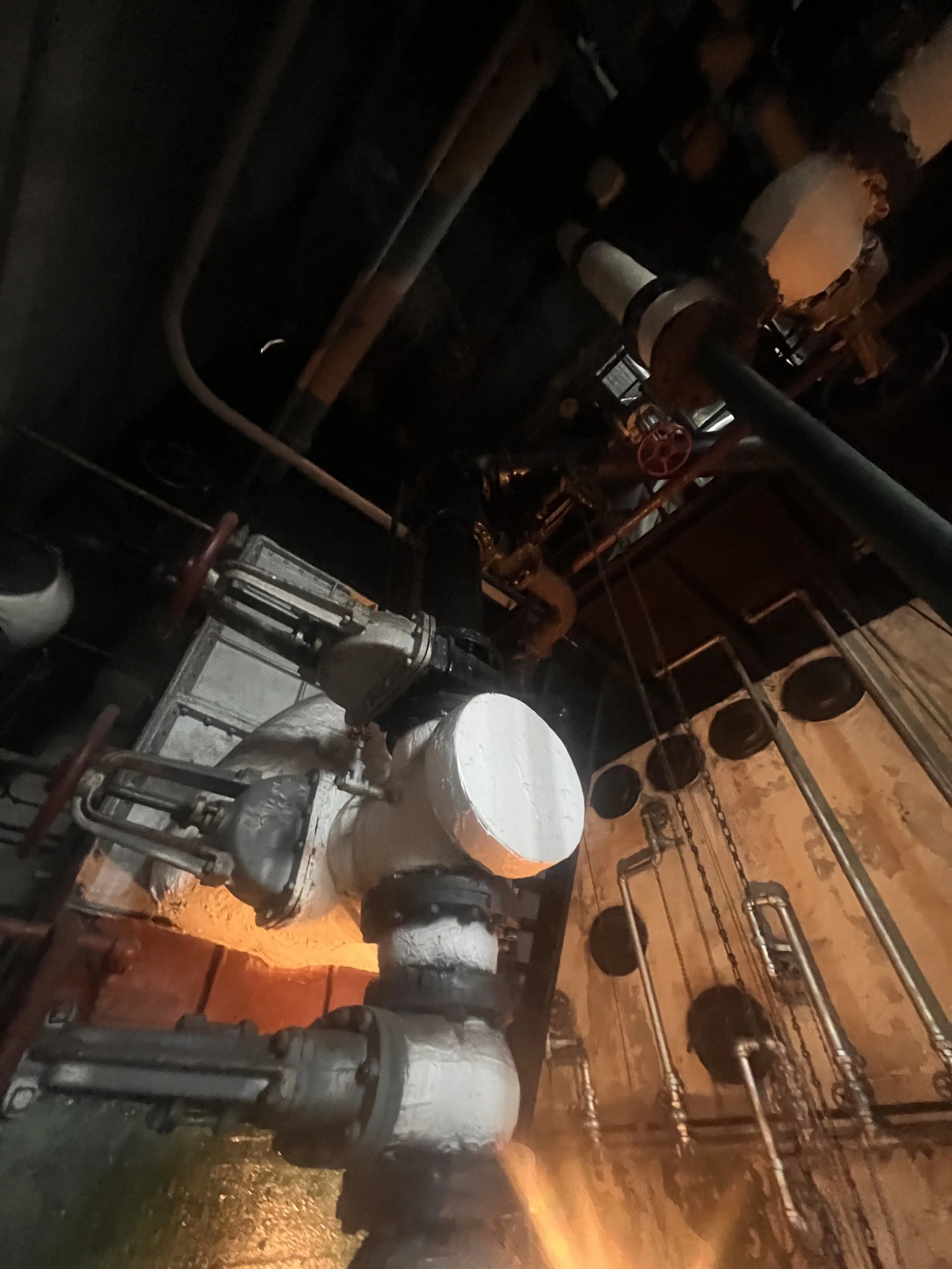
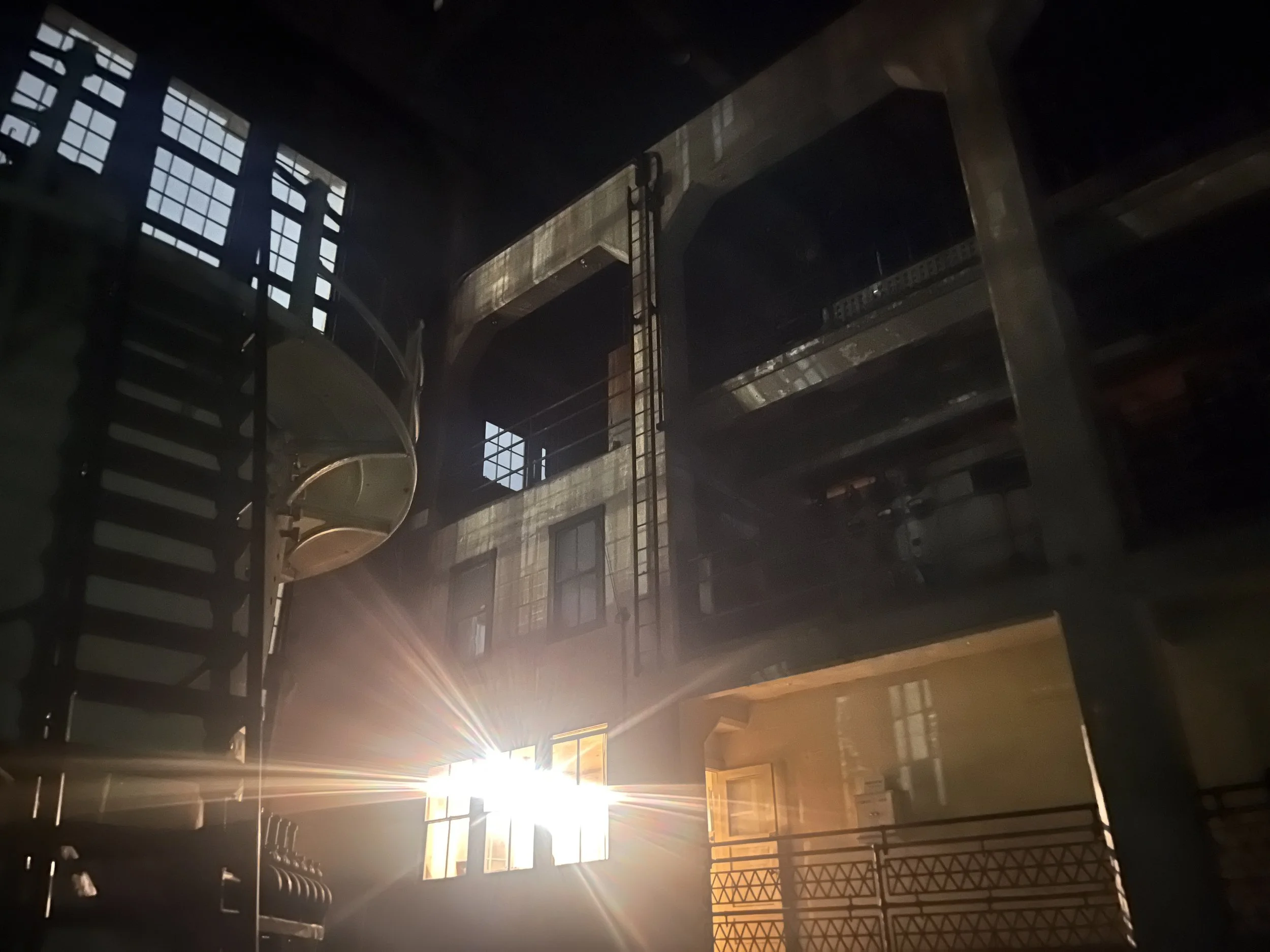
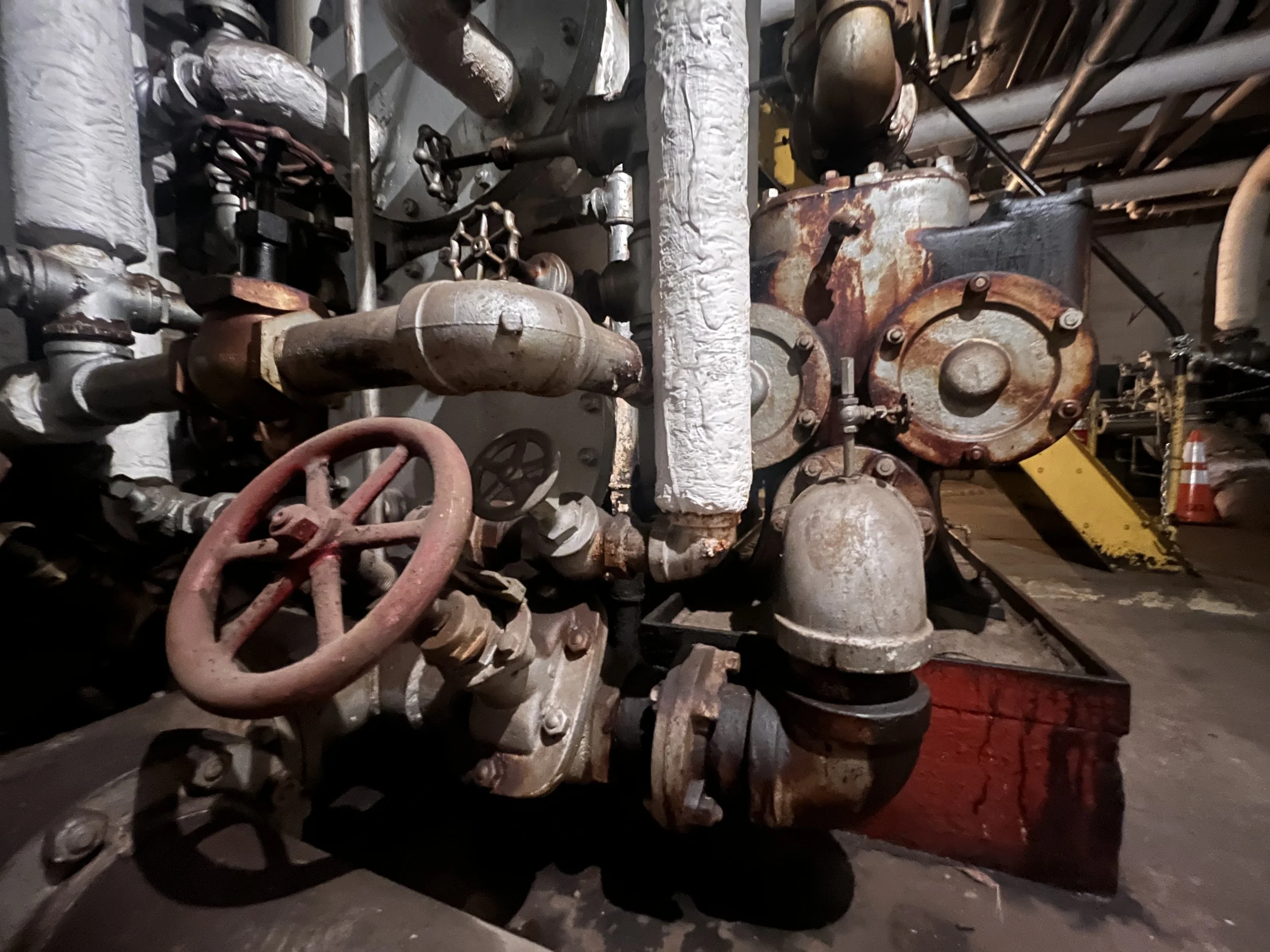
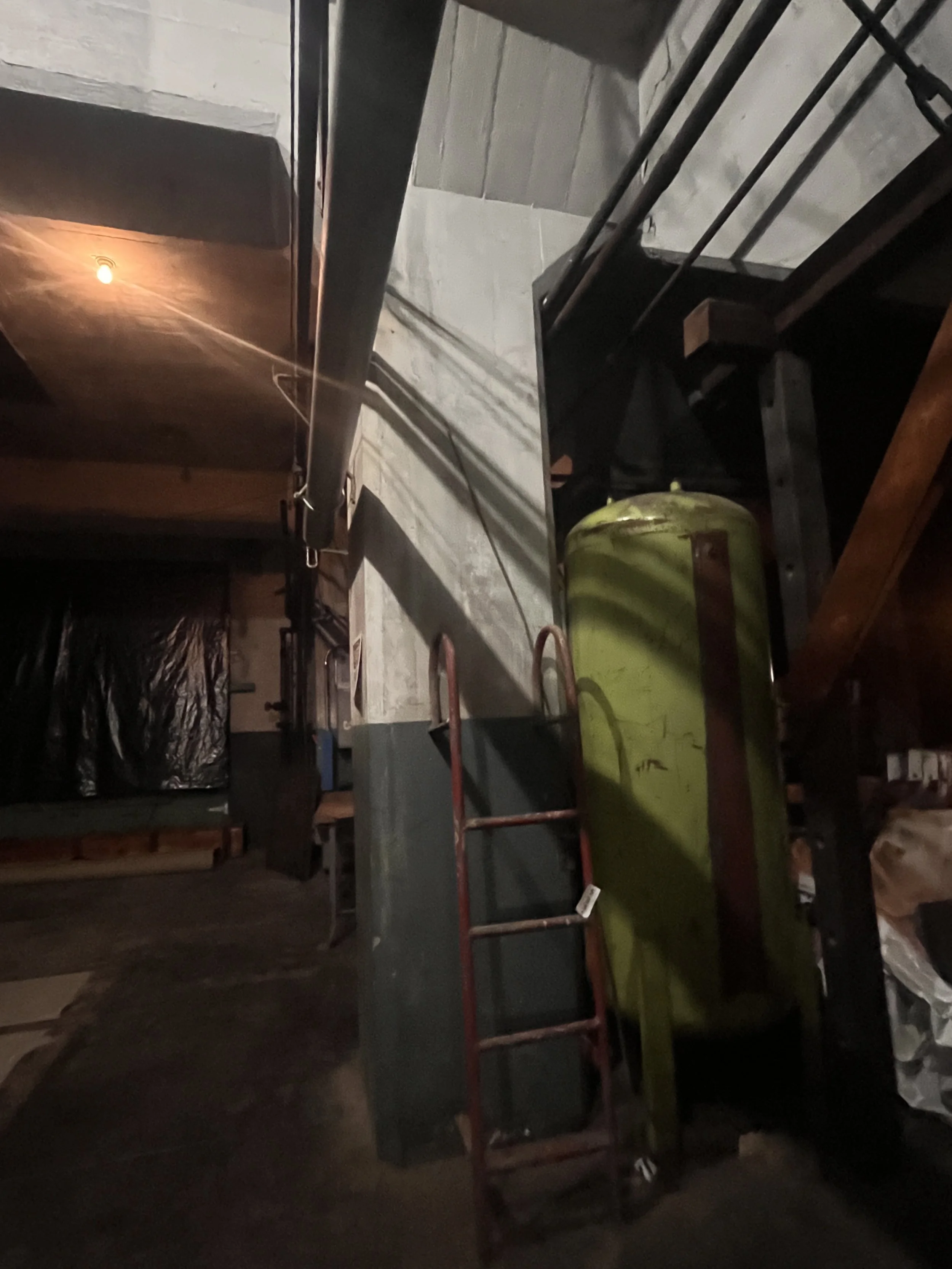
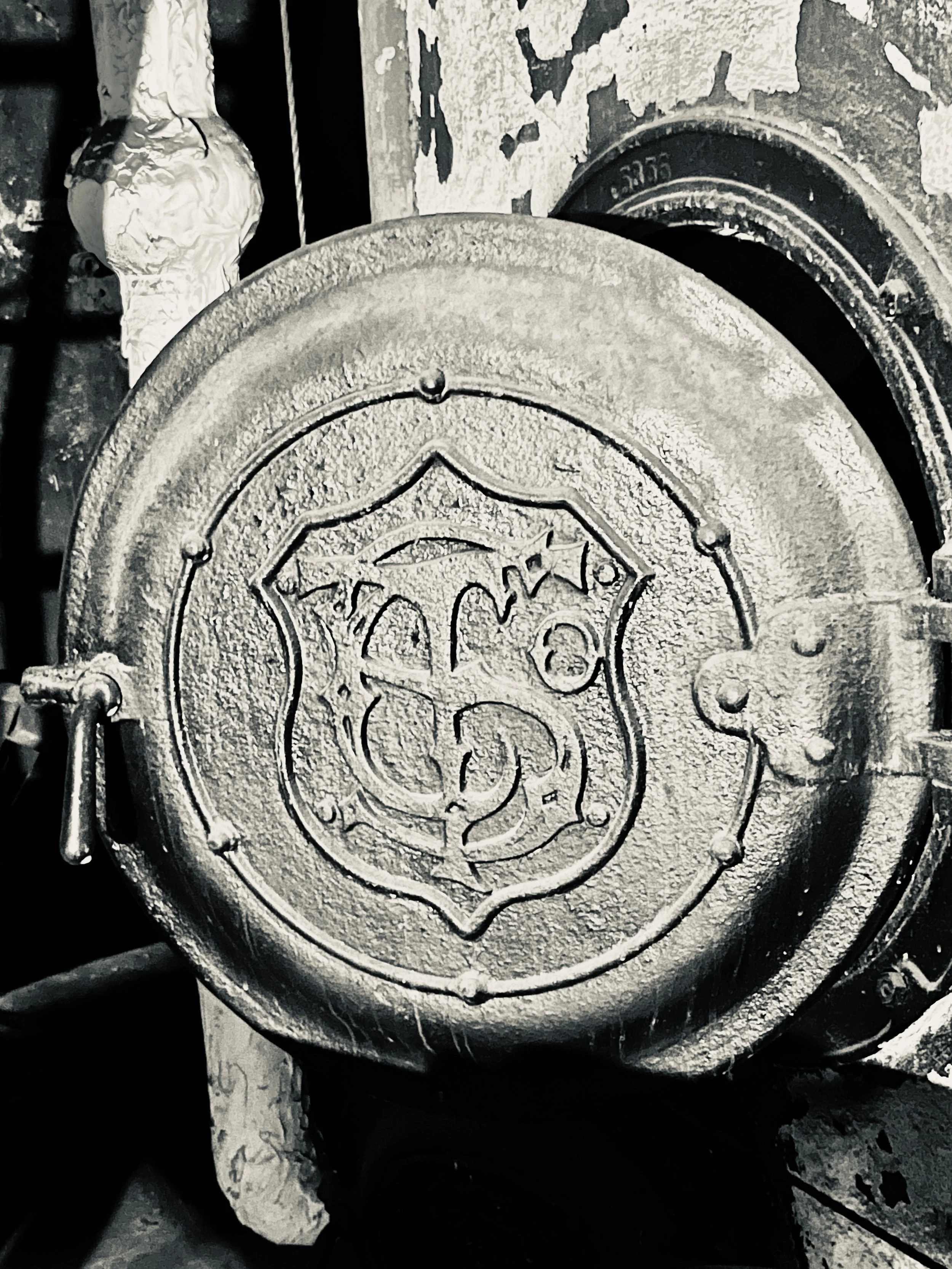
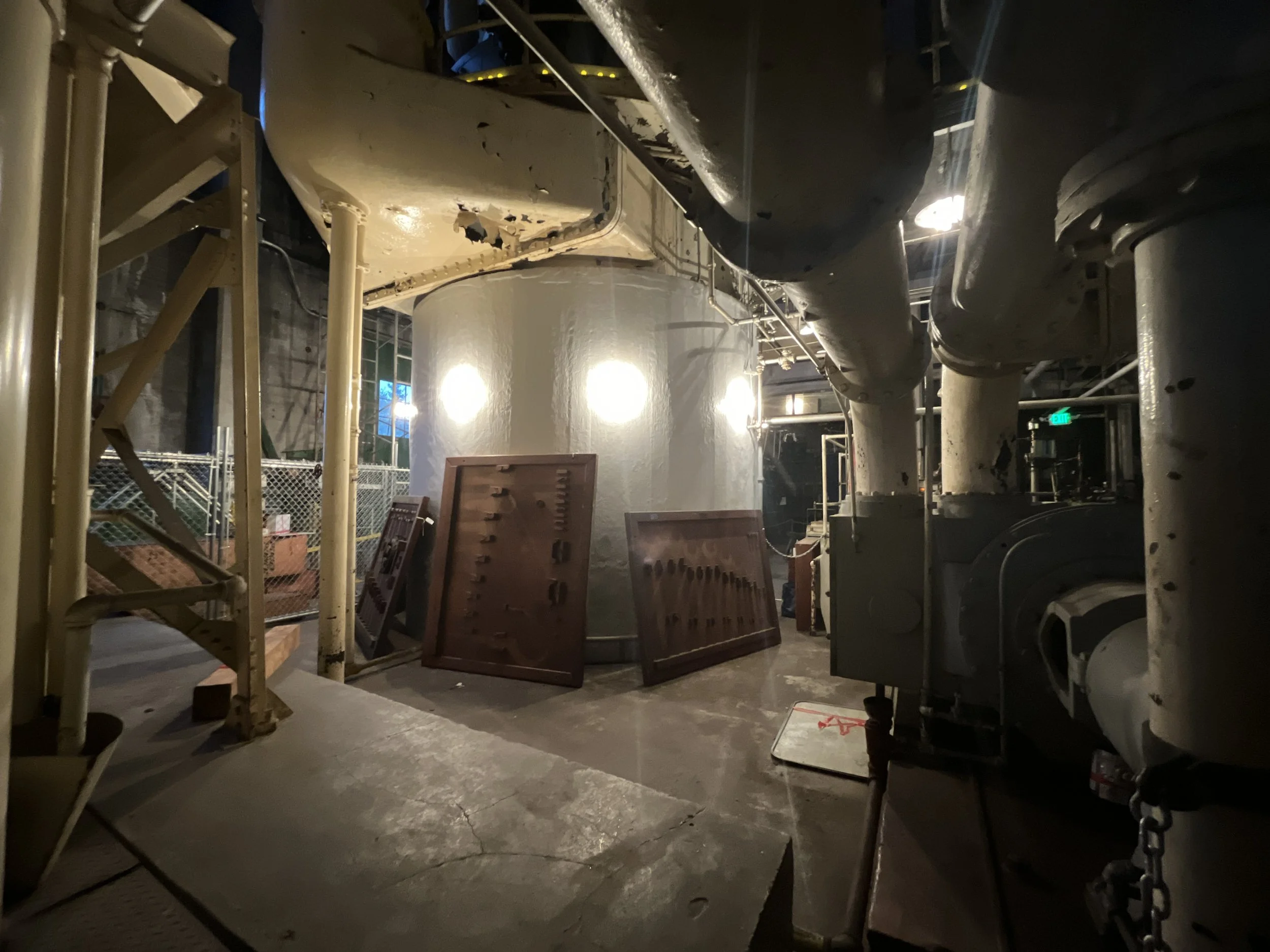
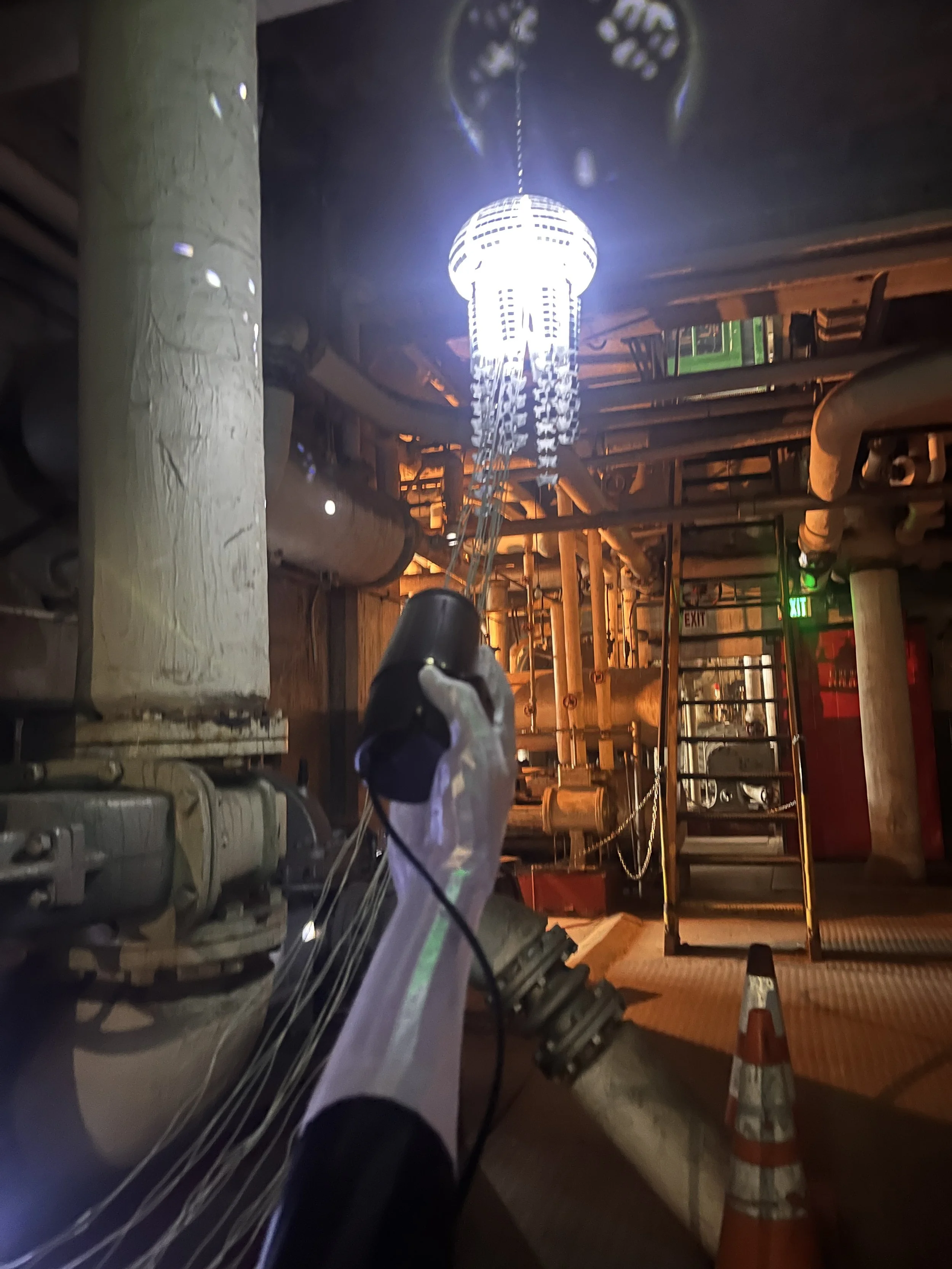
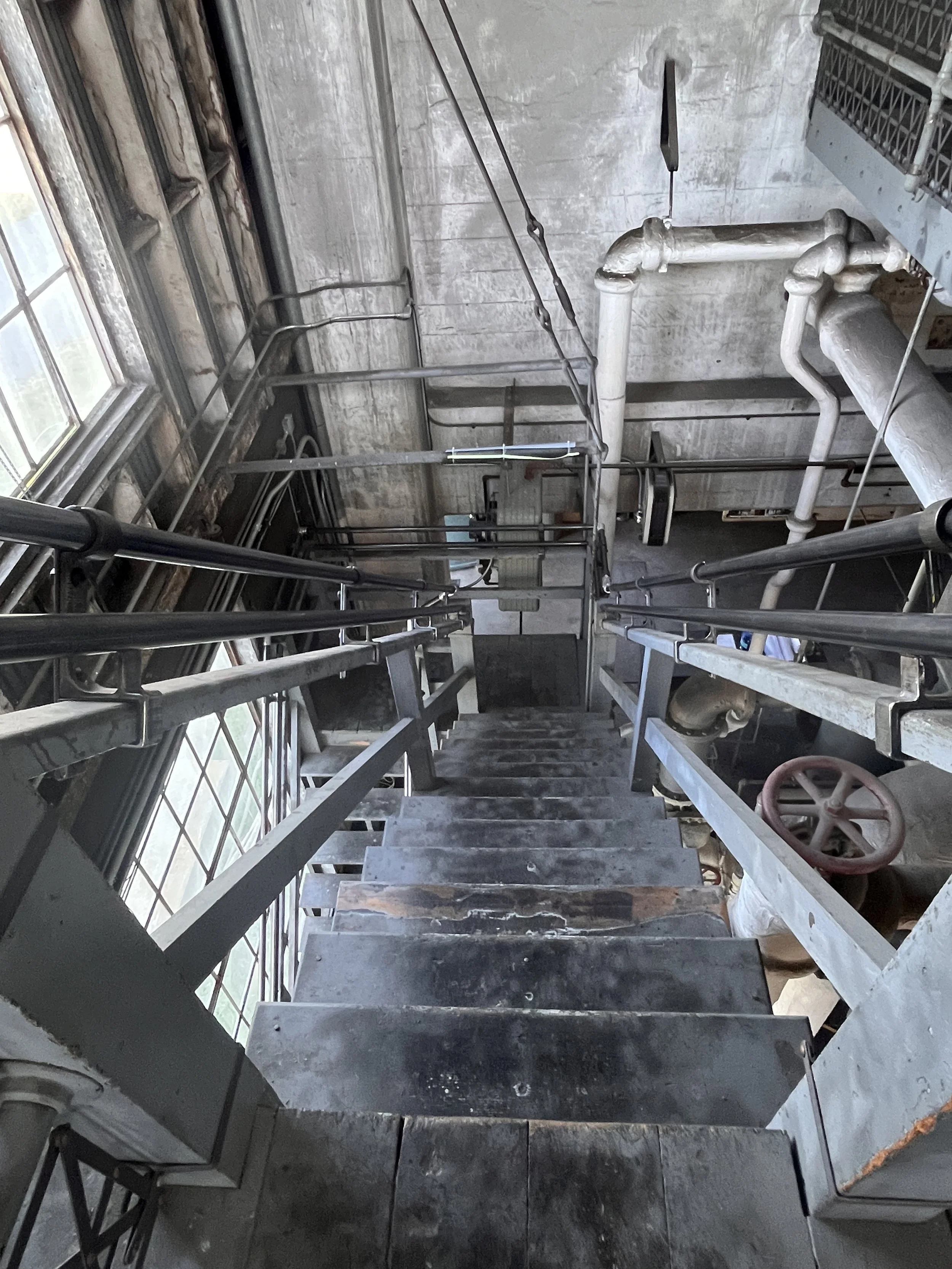
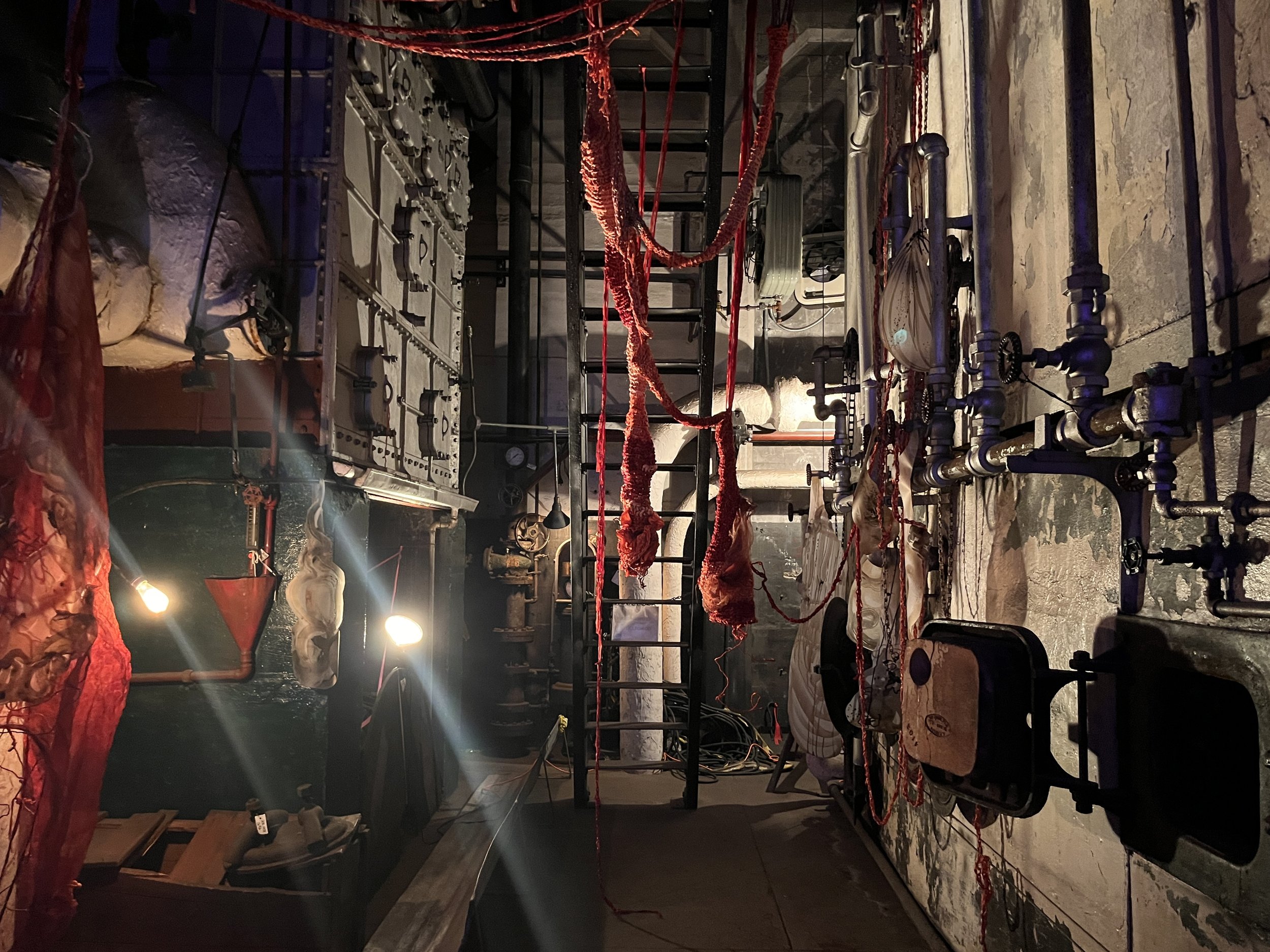
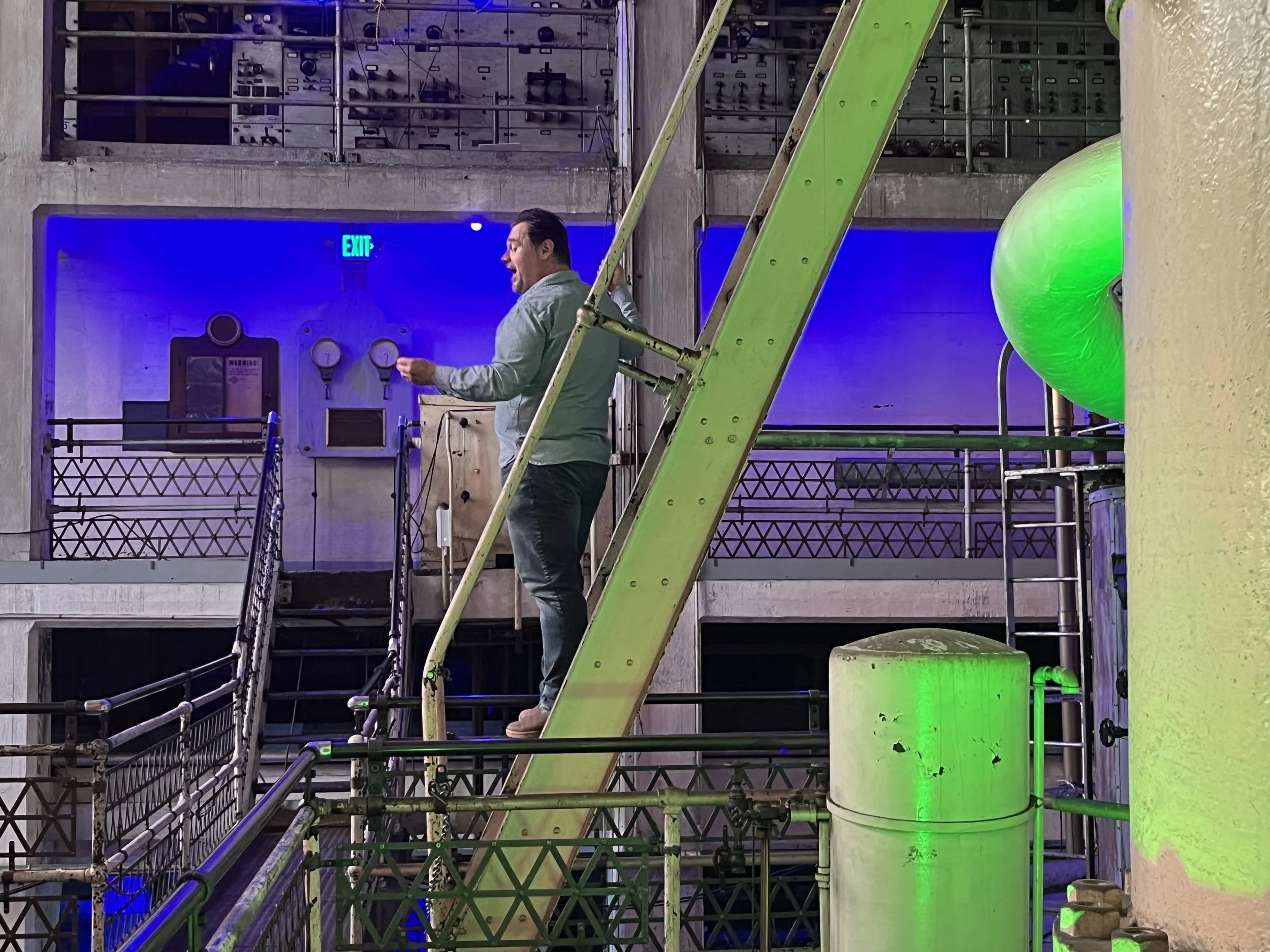
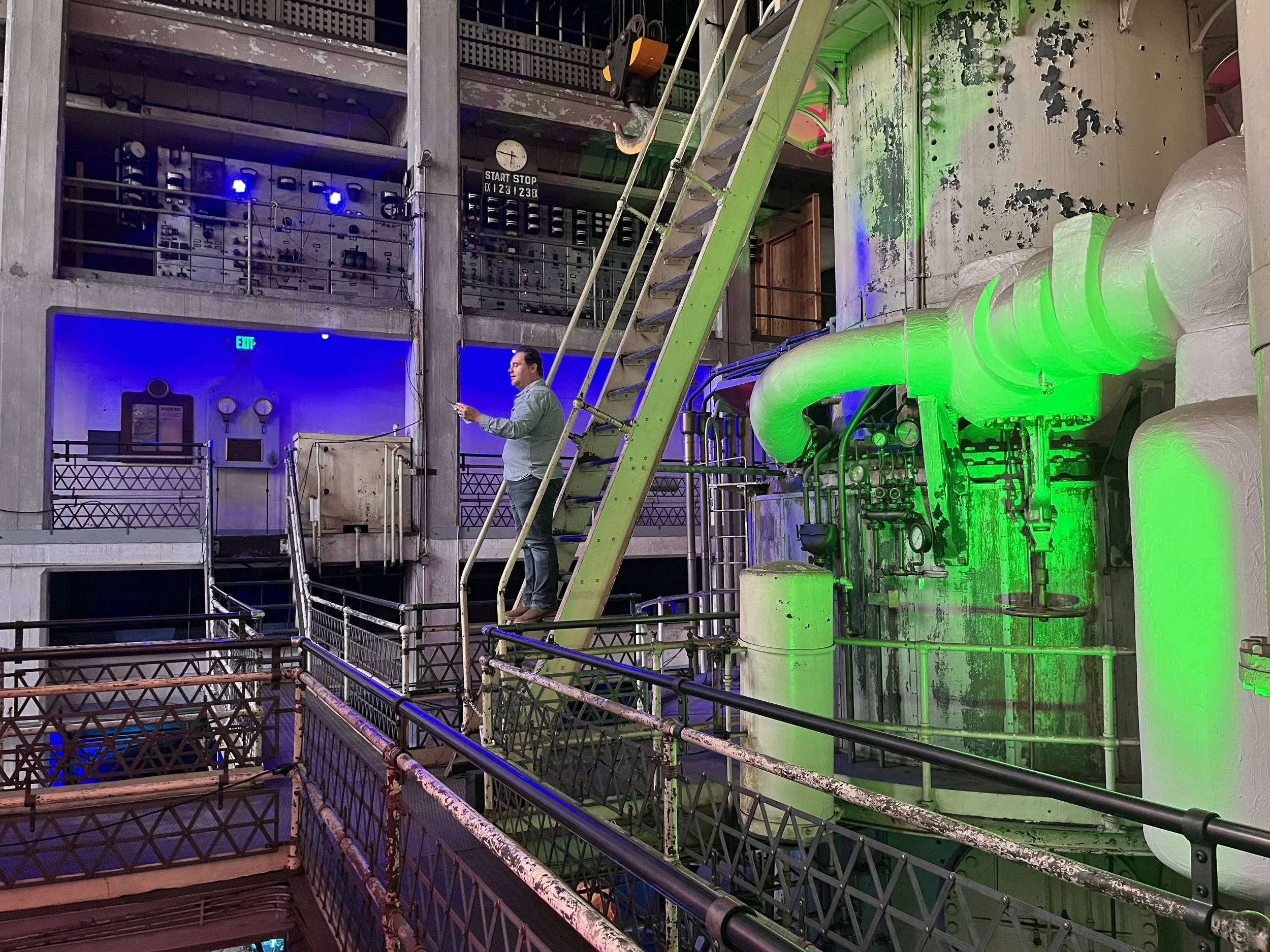
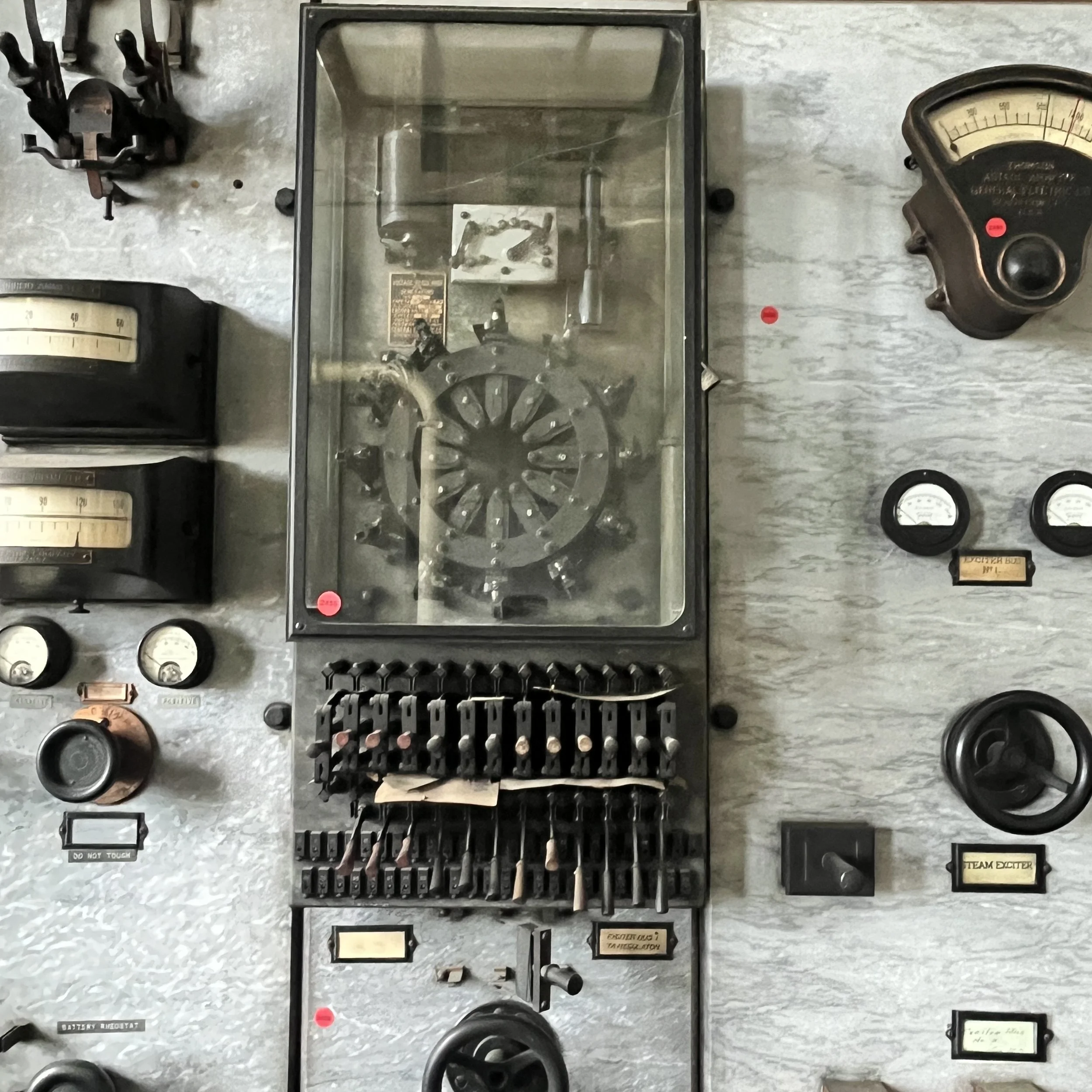
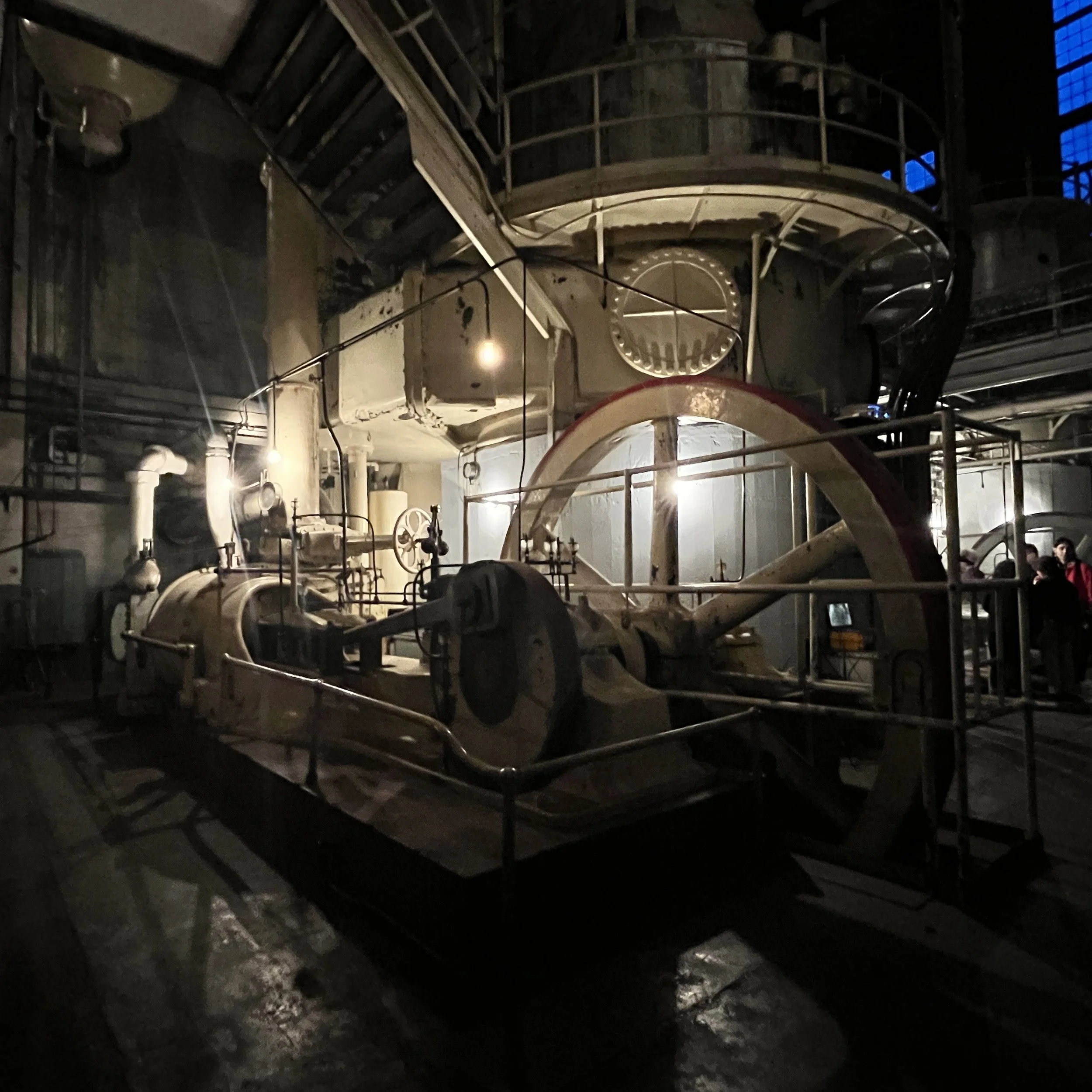
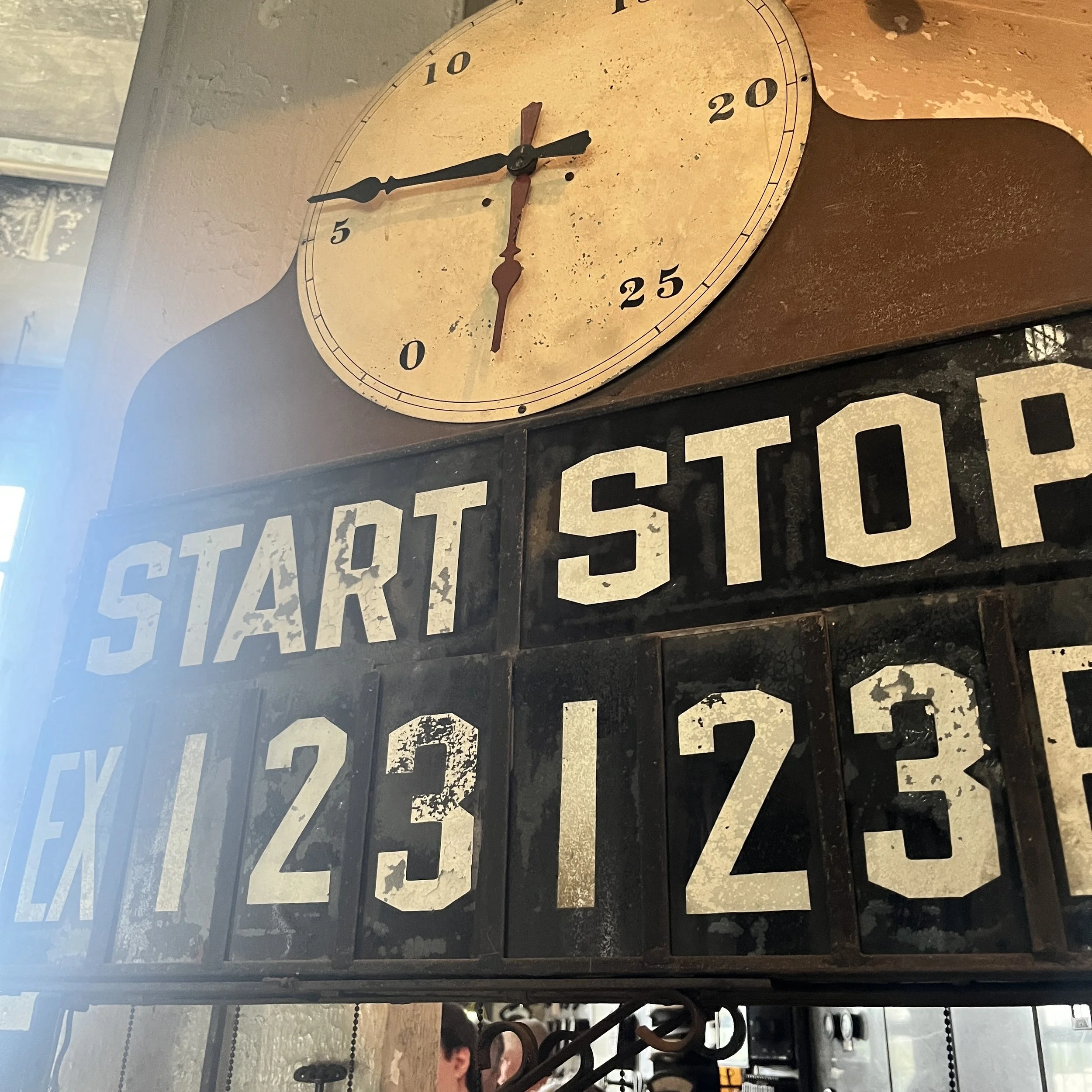
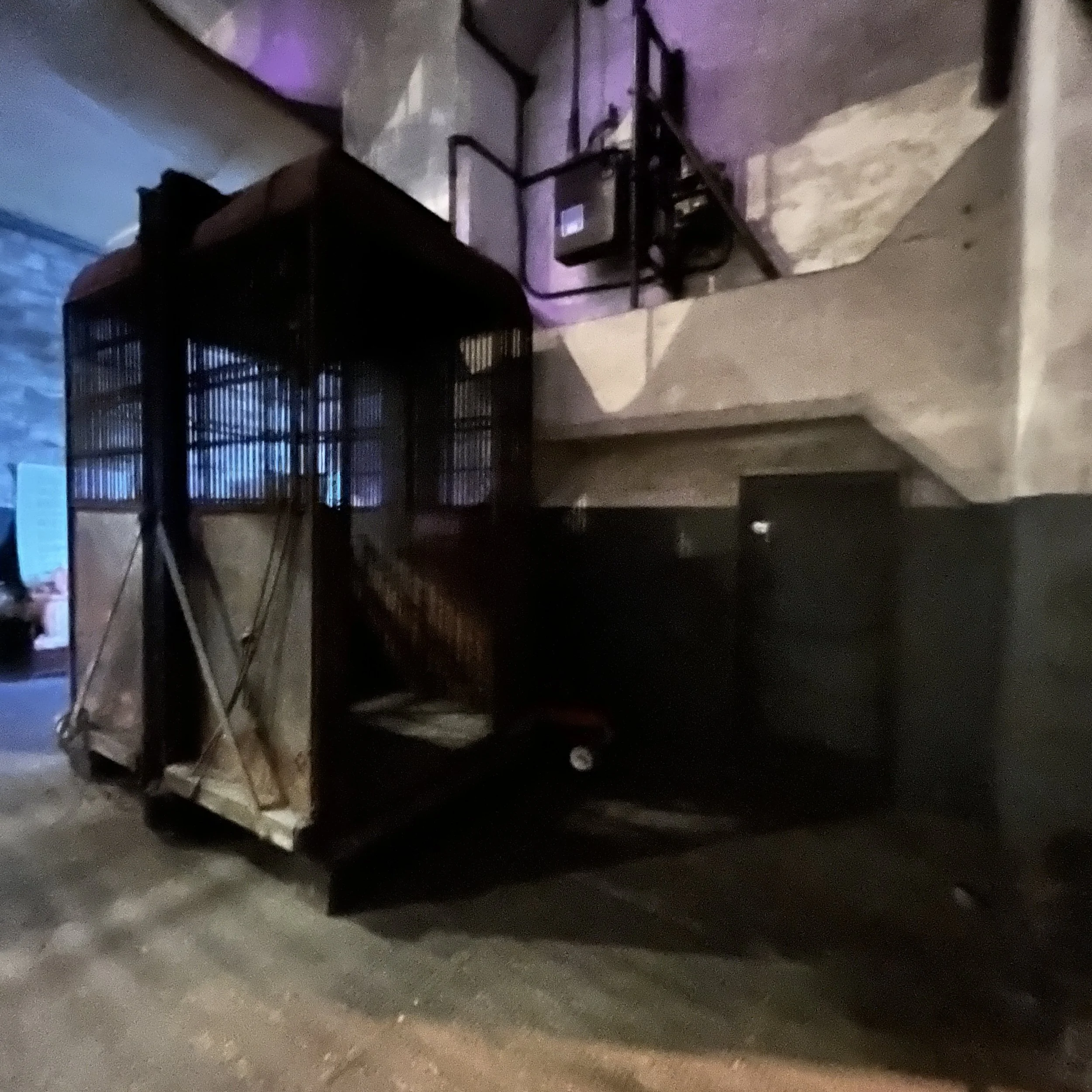
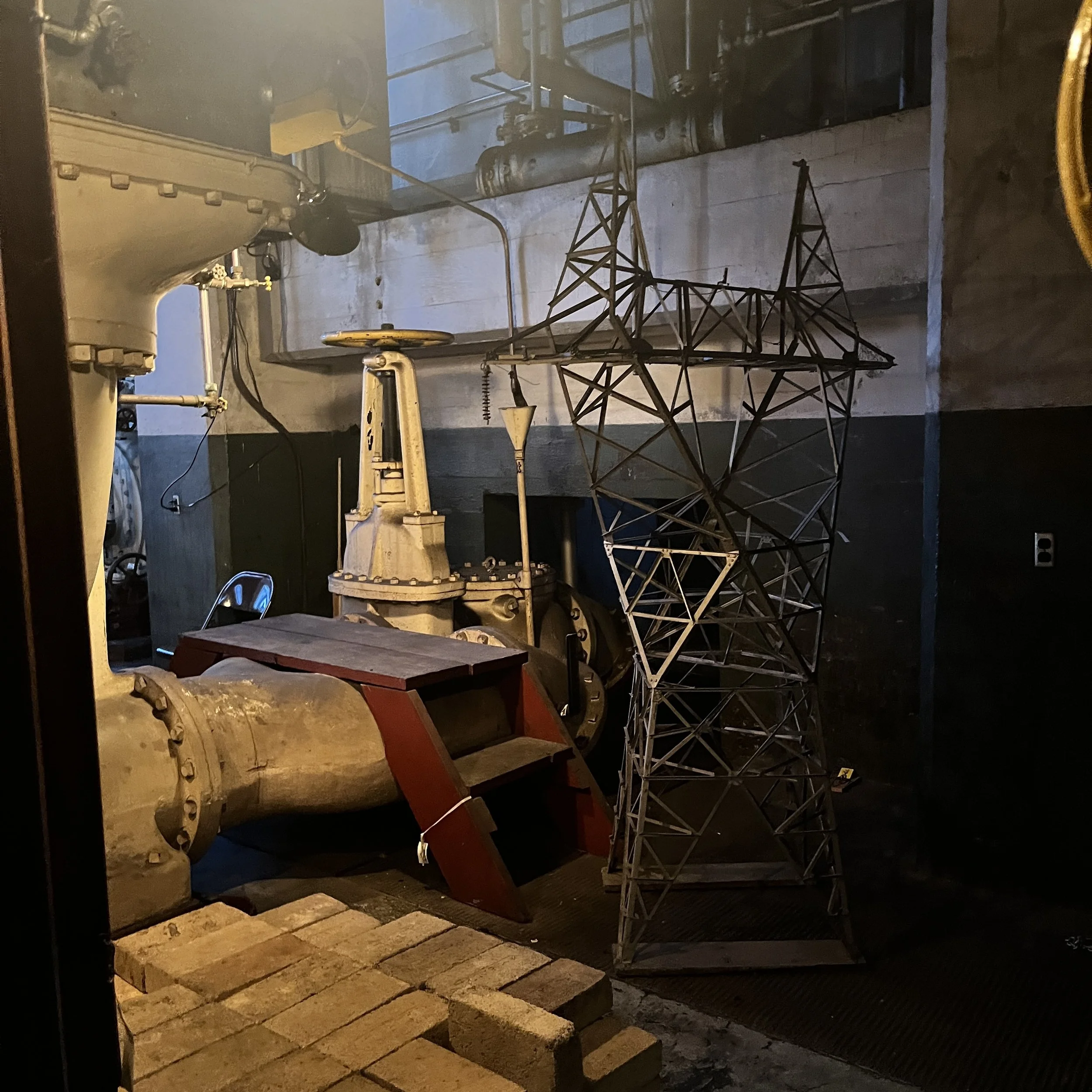
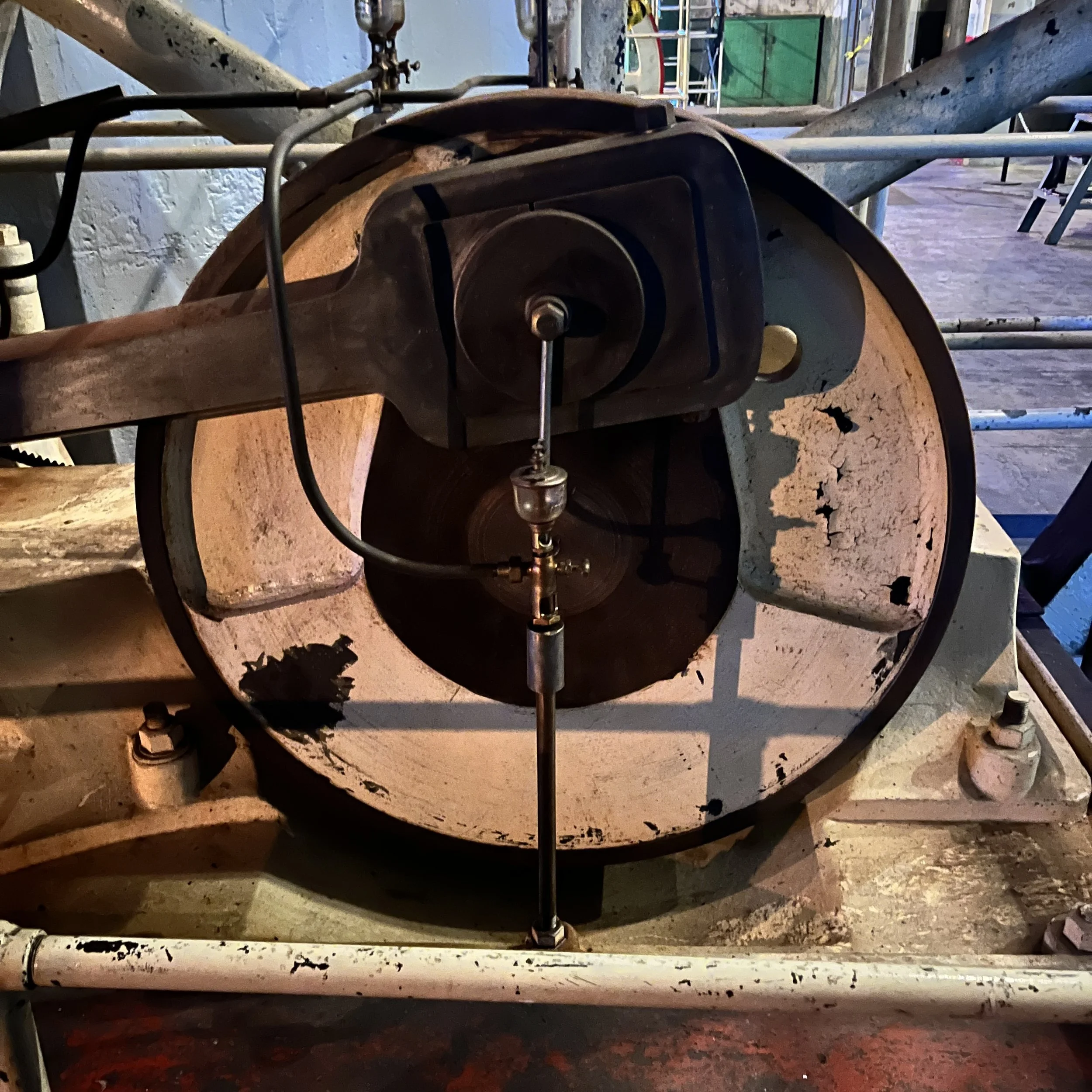
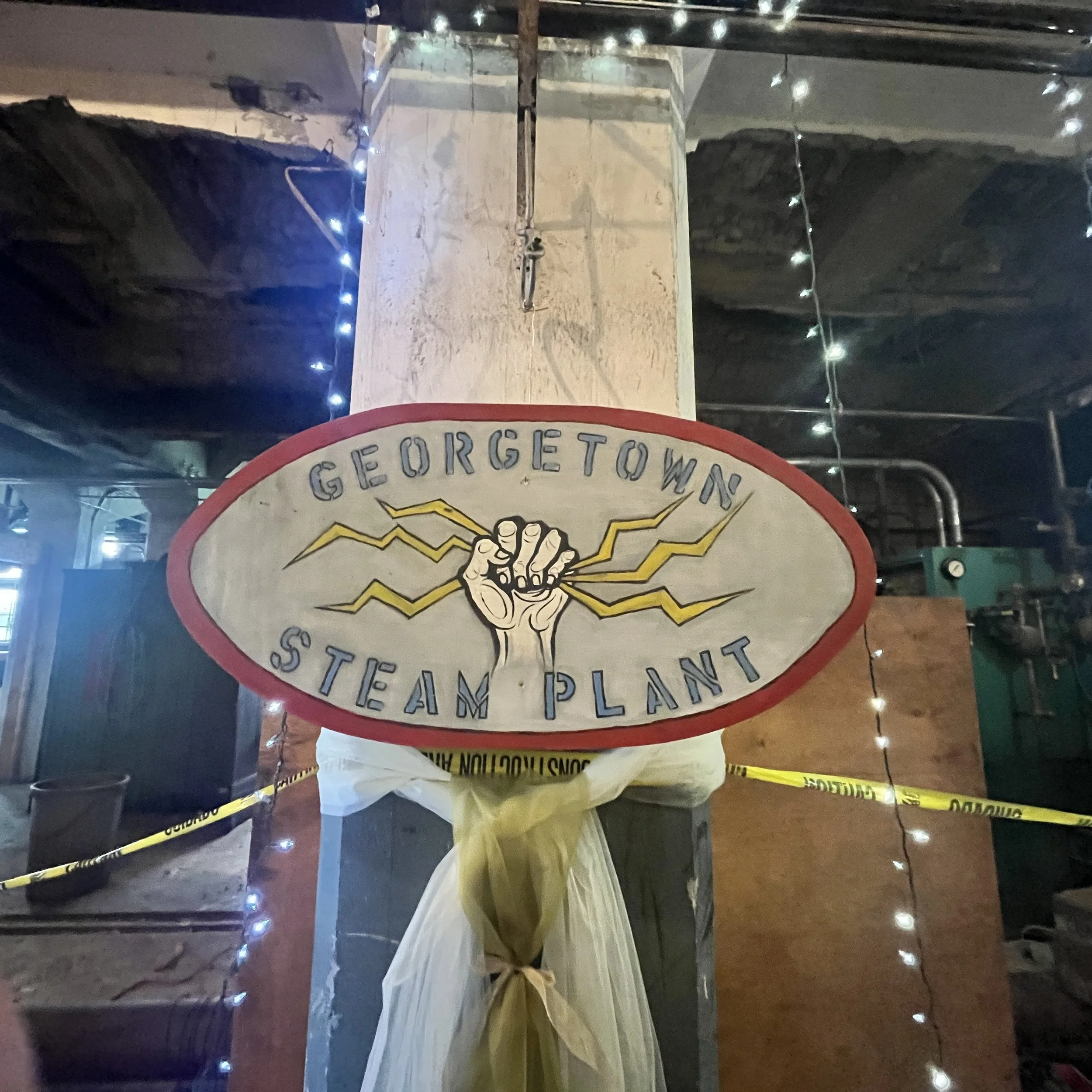
Having spent two years immersed inside—scaling turbines, exploring the passages, the nooks and crannies of the boiler room, reverberating sound in the coal pocket, and navigating its labyrinth of pipes, gauges, levers, stairs, and railings offered a new perspective.
My time inside the Steam Plant became a continuous dialogue between early 20th-century engineering and a heavily impacted, evolving present—and the village.
Whenever I stepped inside I embraced the optimism of the early industrial age with an outside world still reckoning with the consequences of our insatiable demand for "more steam."
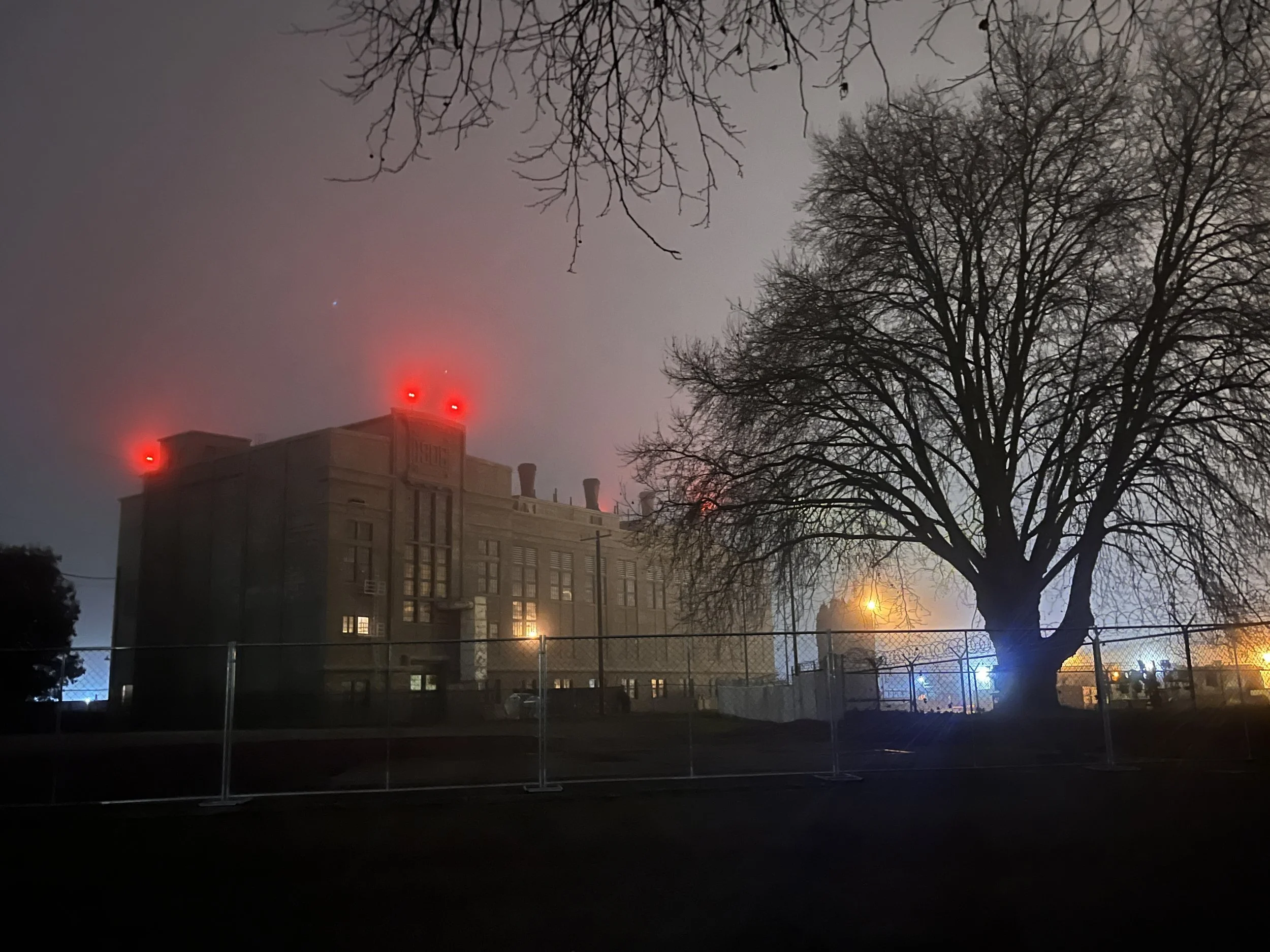
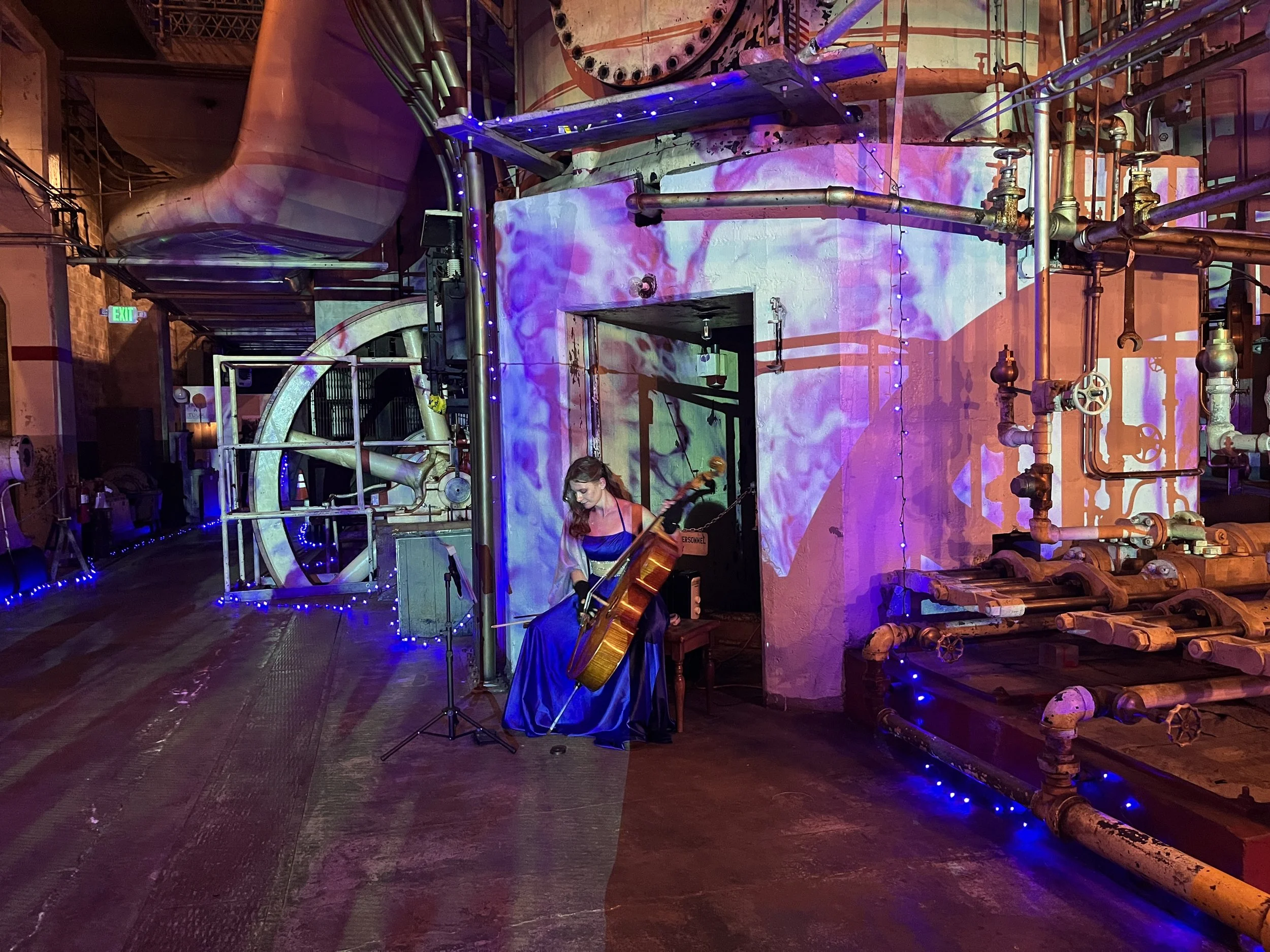
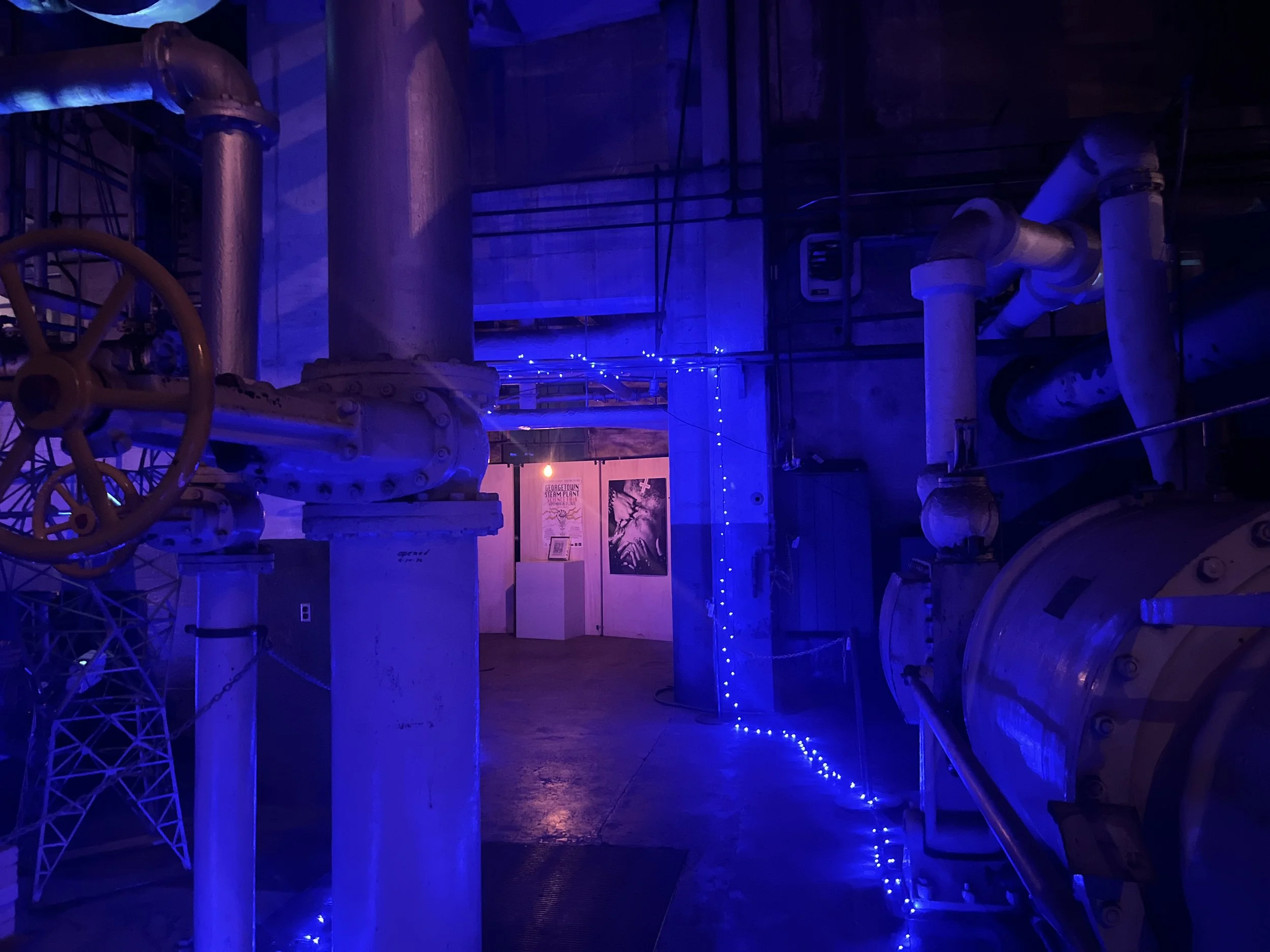
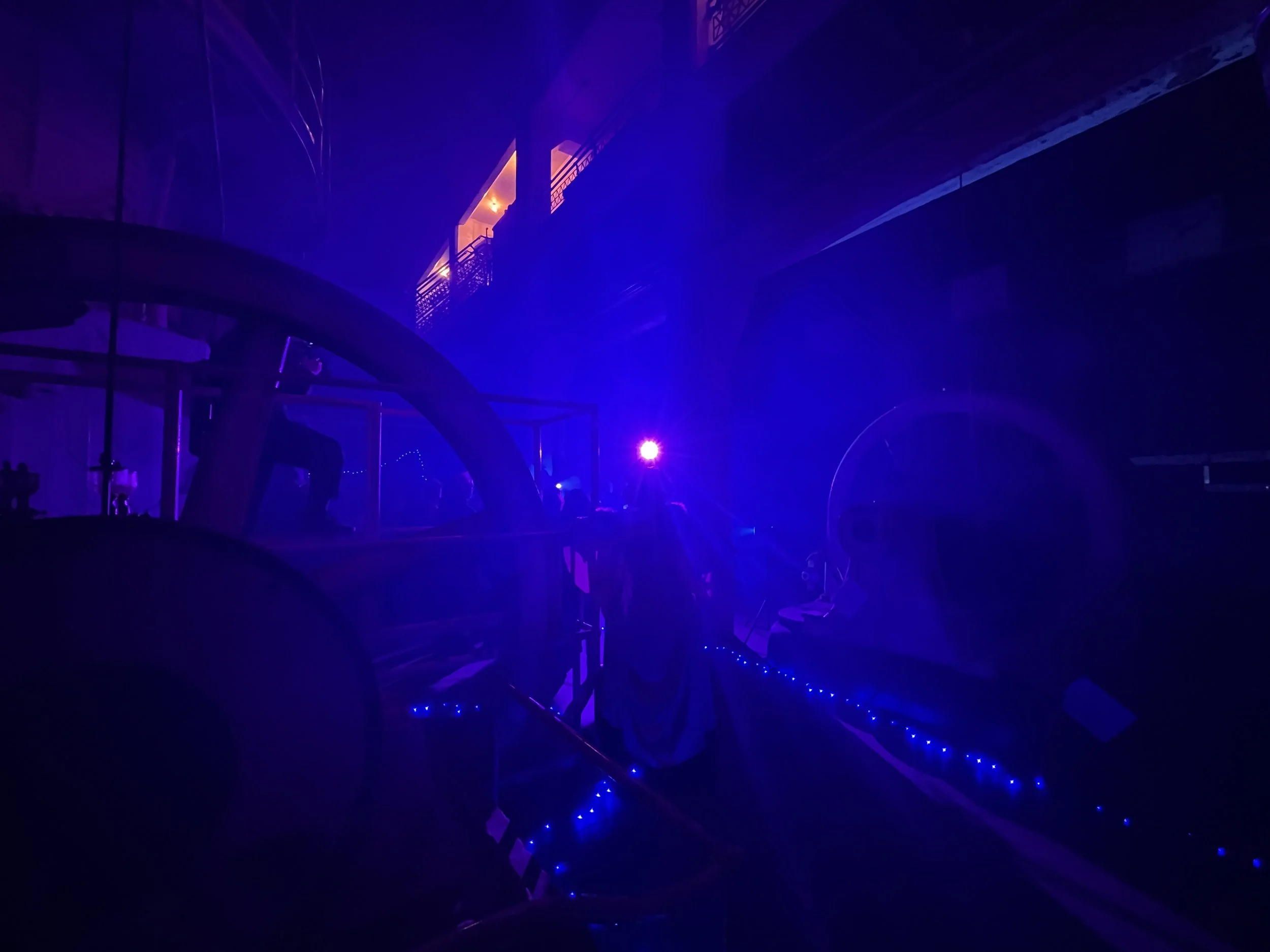
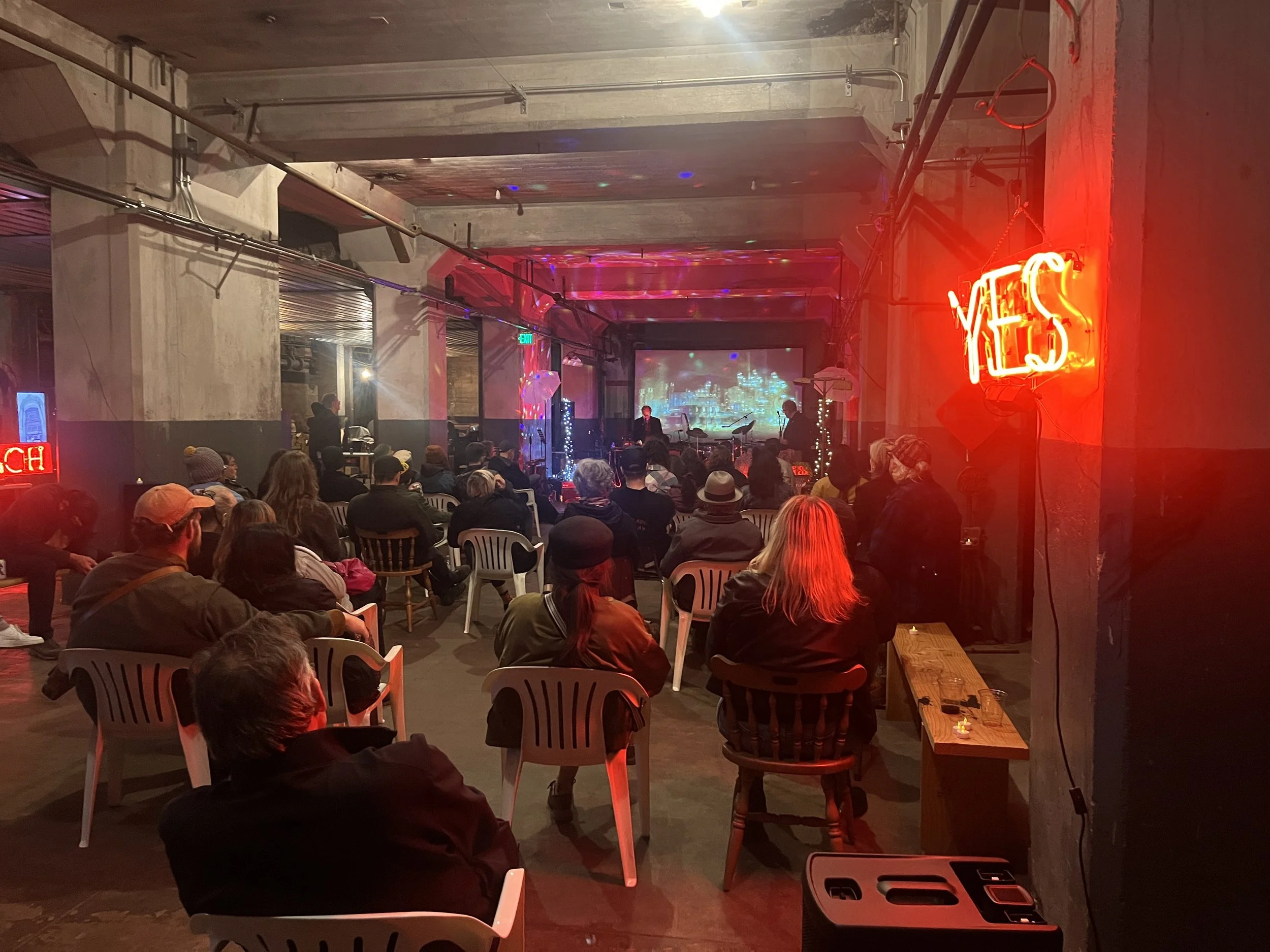
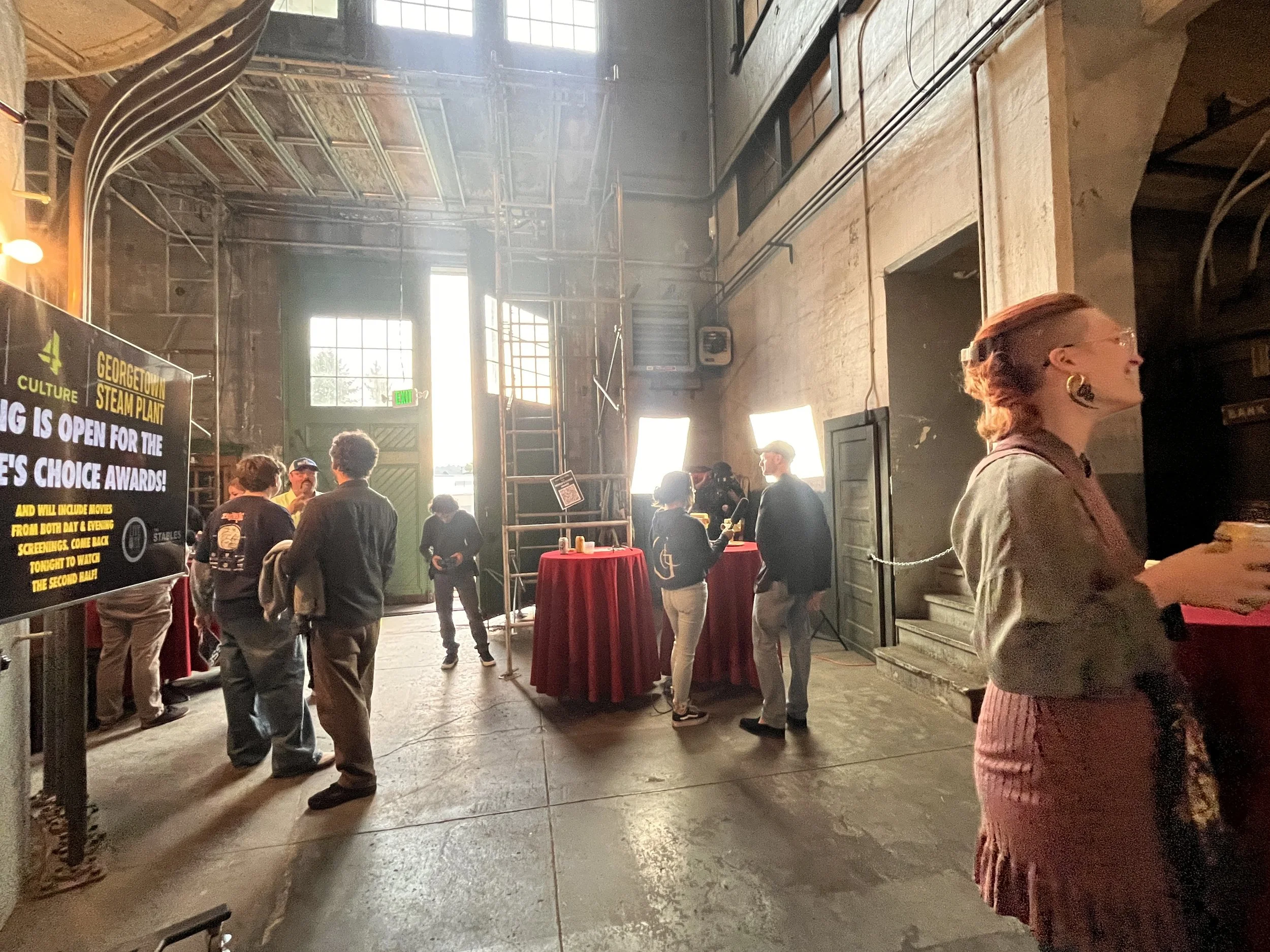
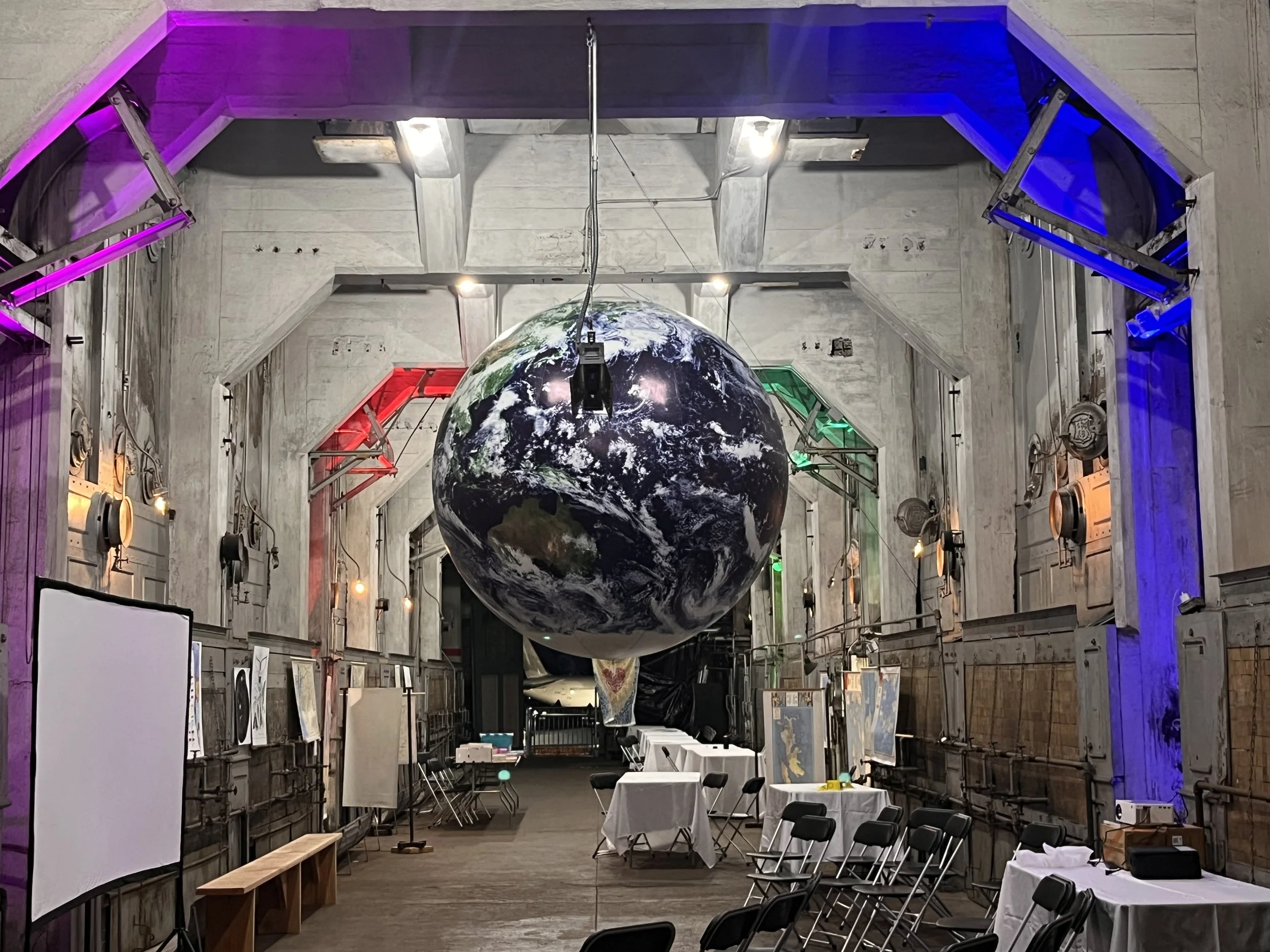
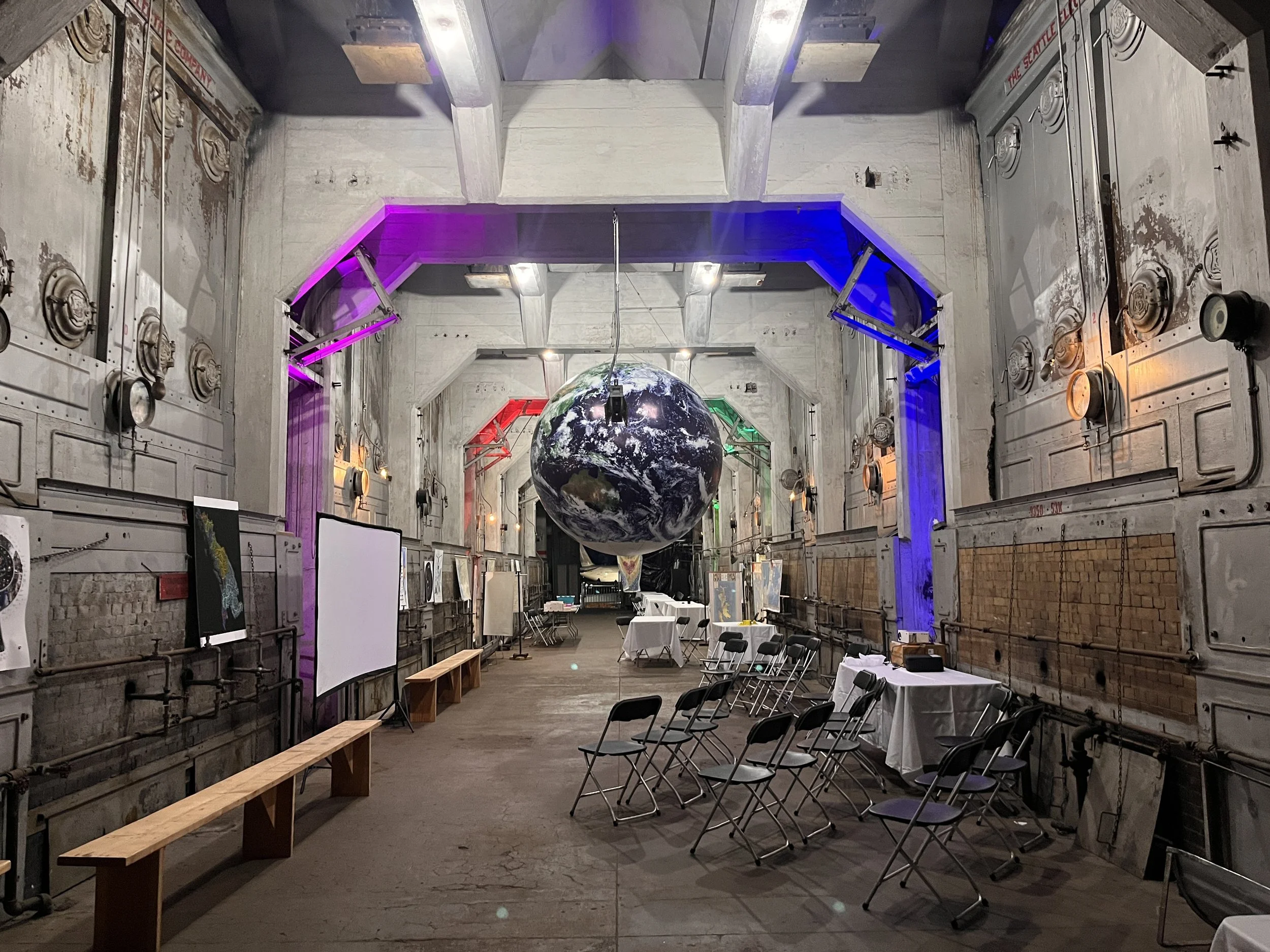
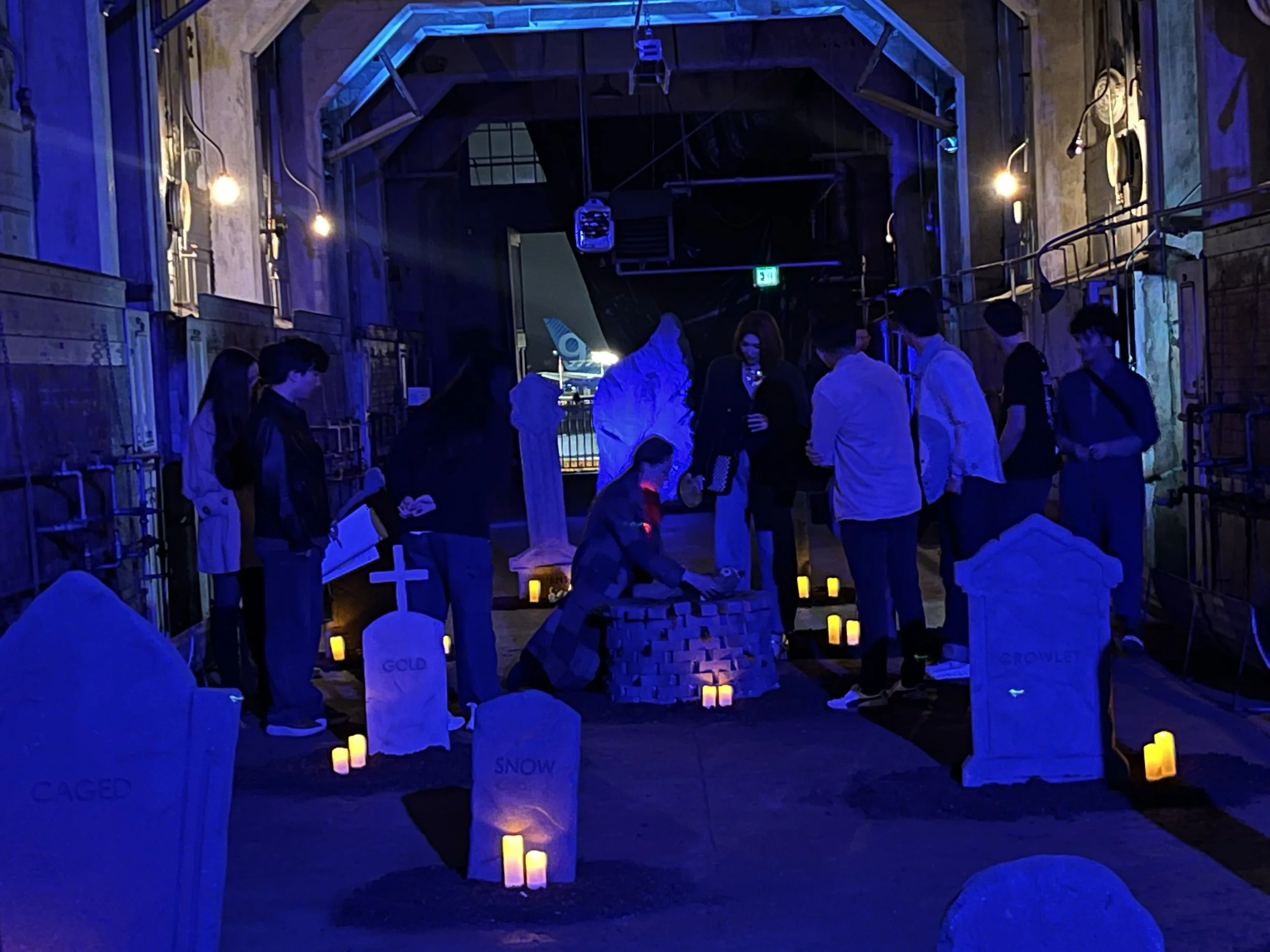
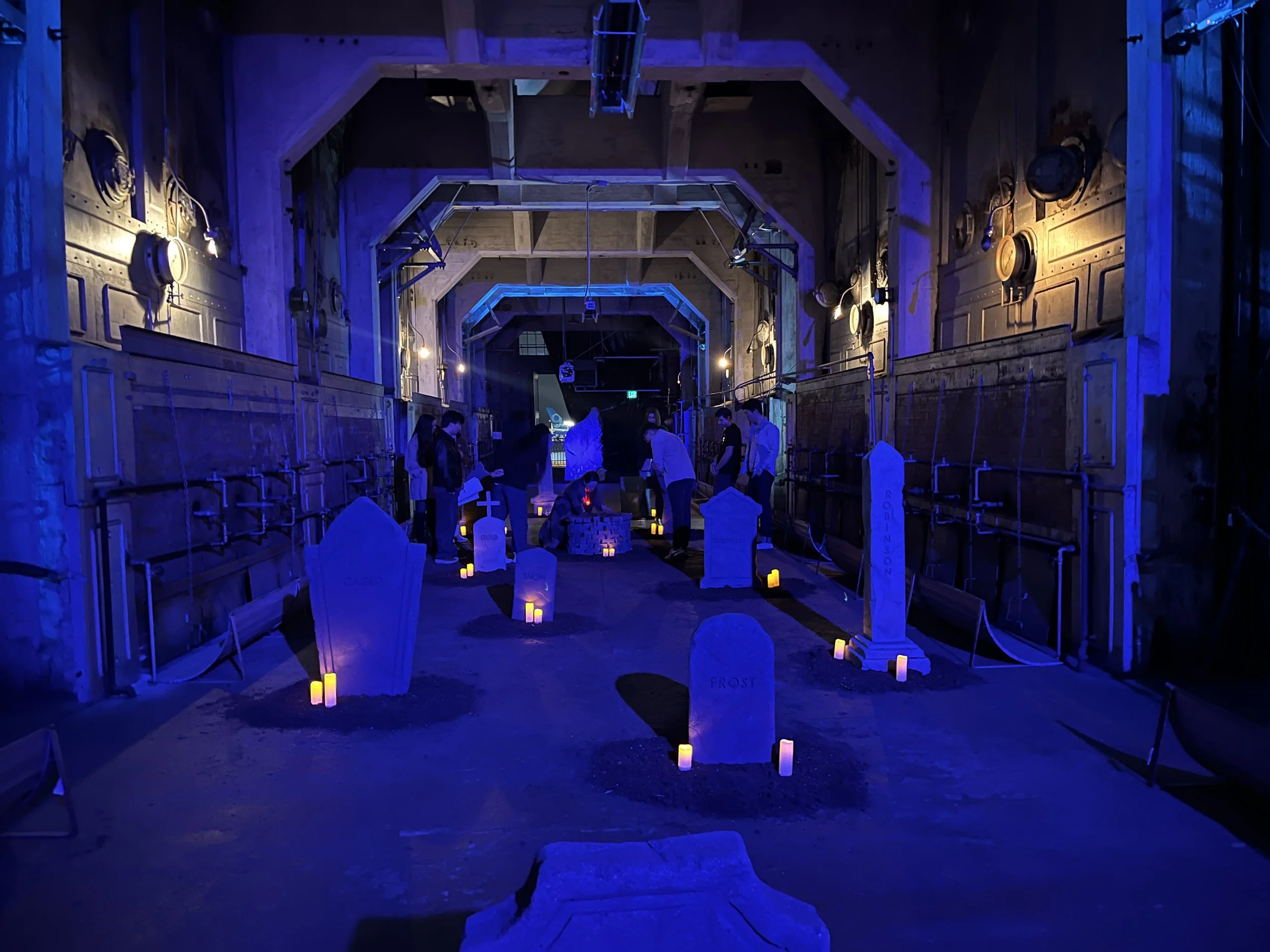
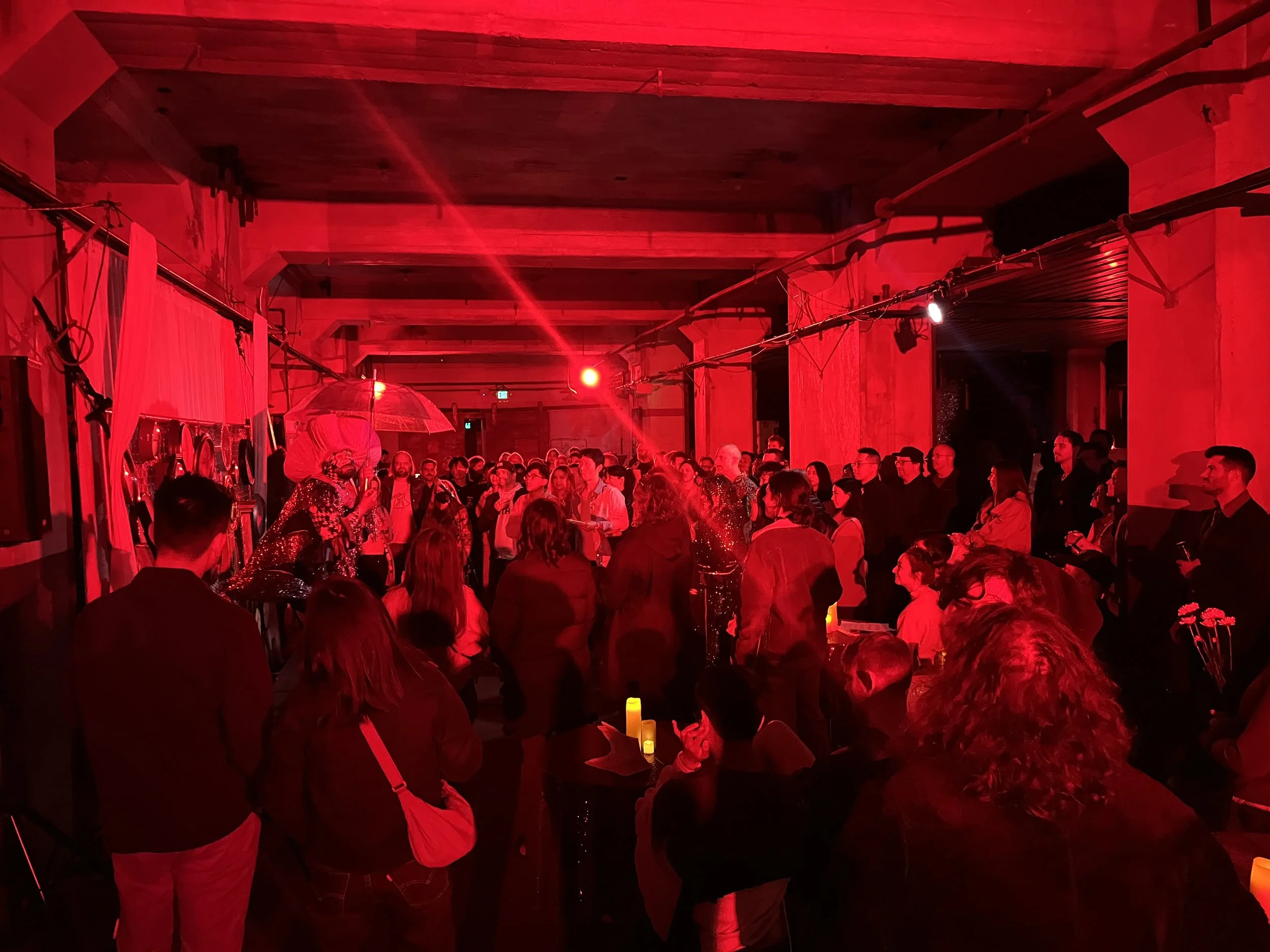
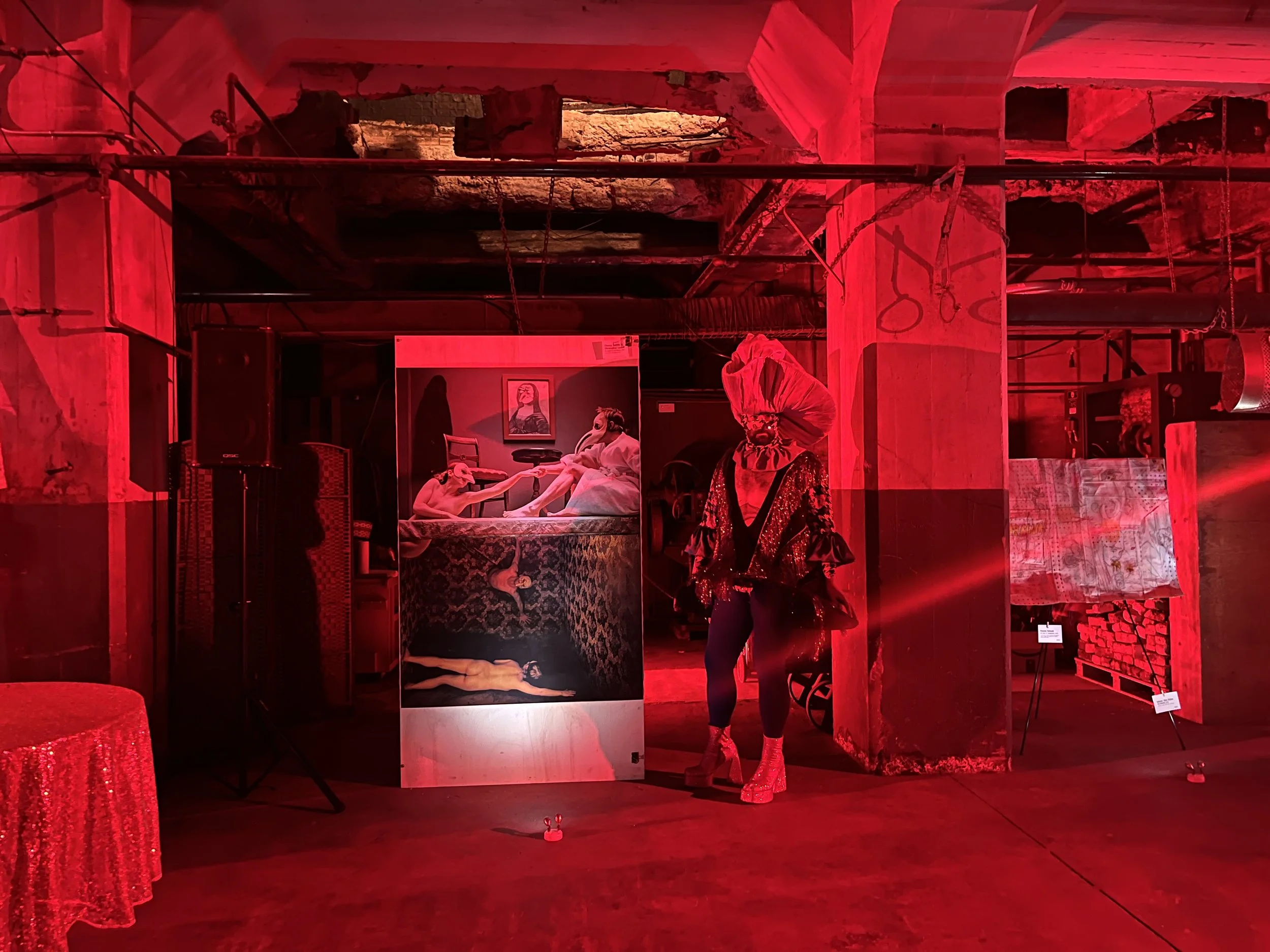
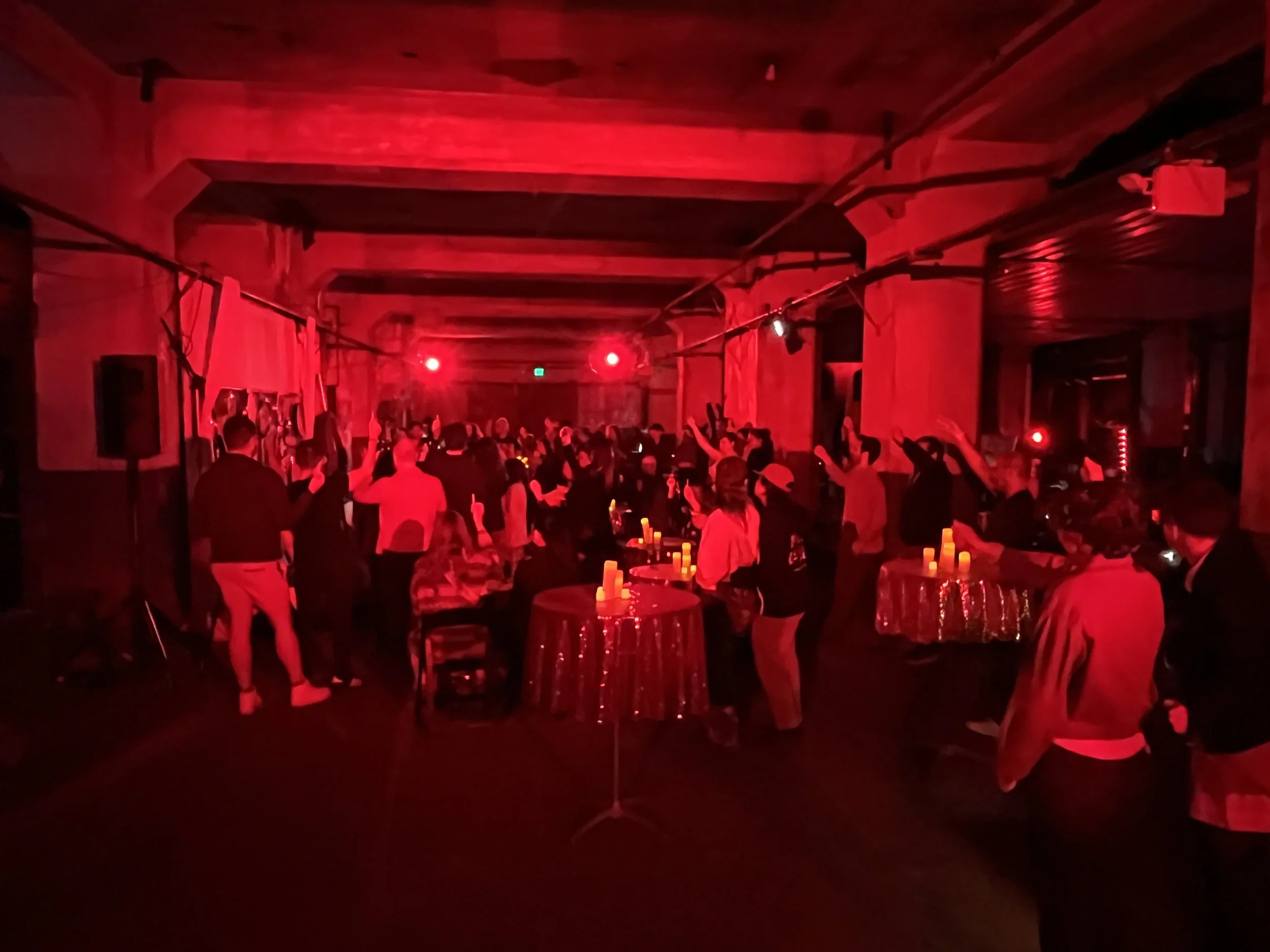
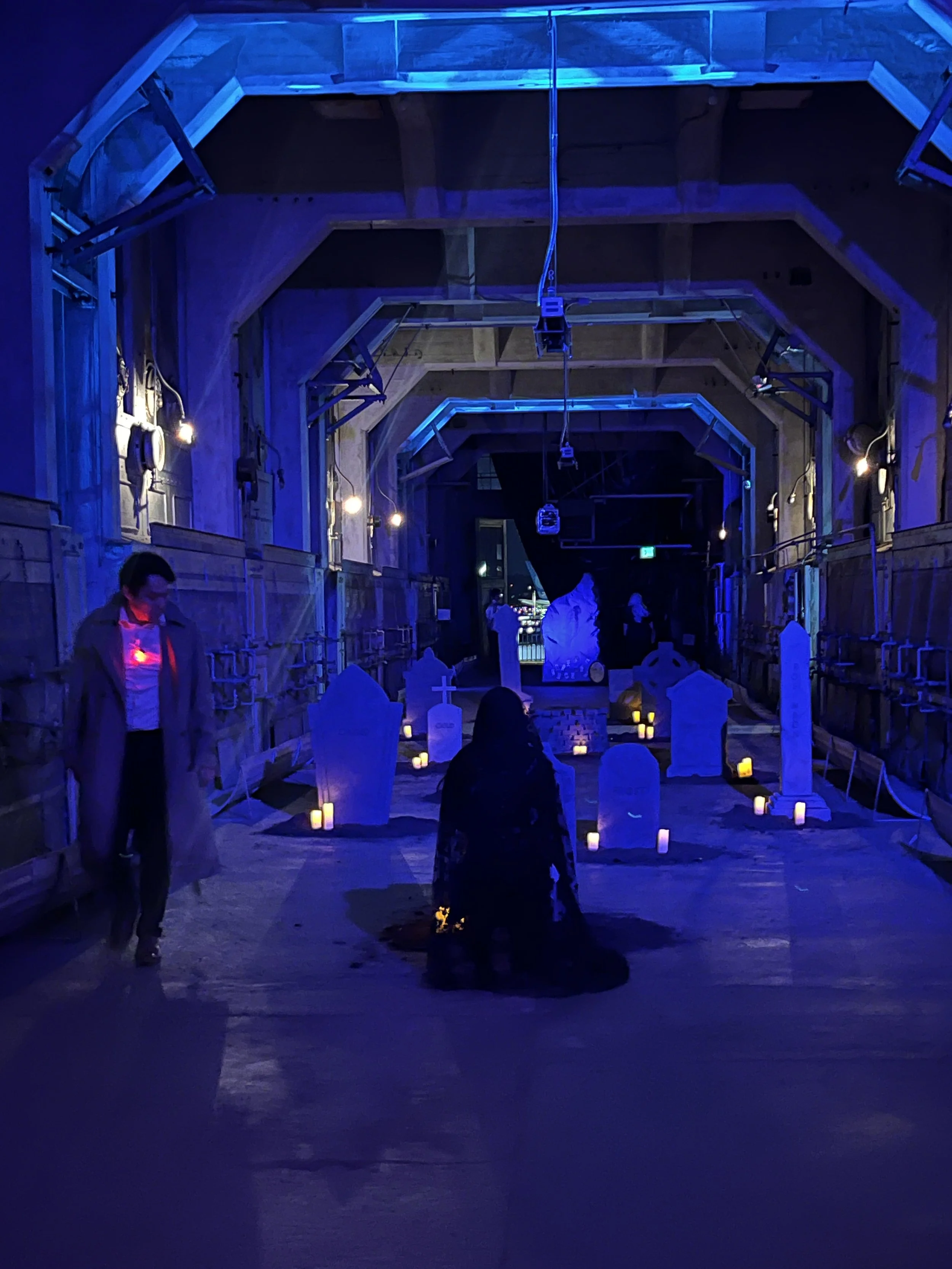
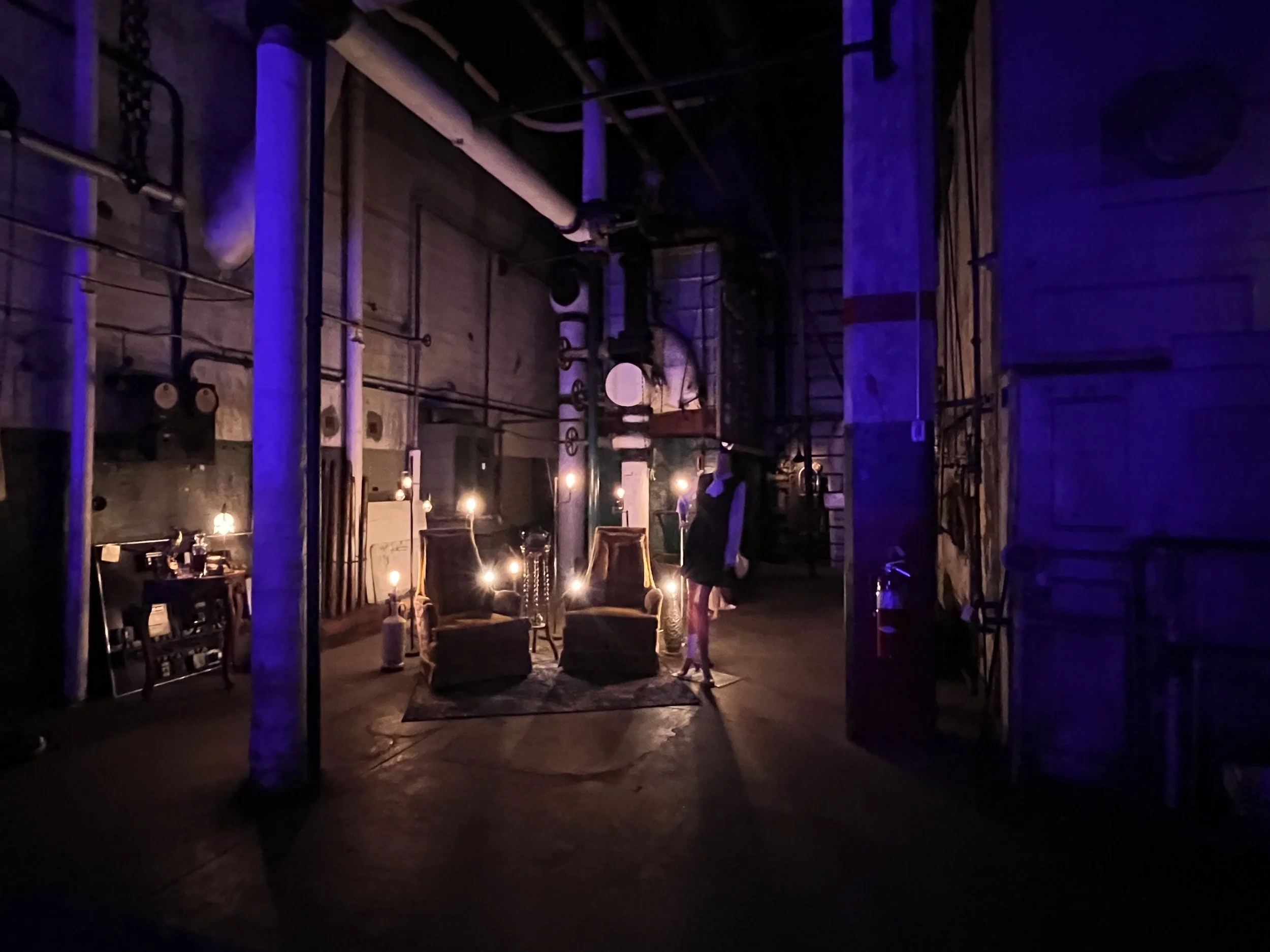
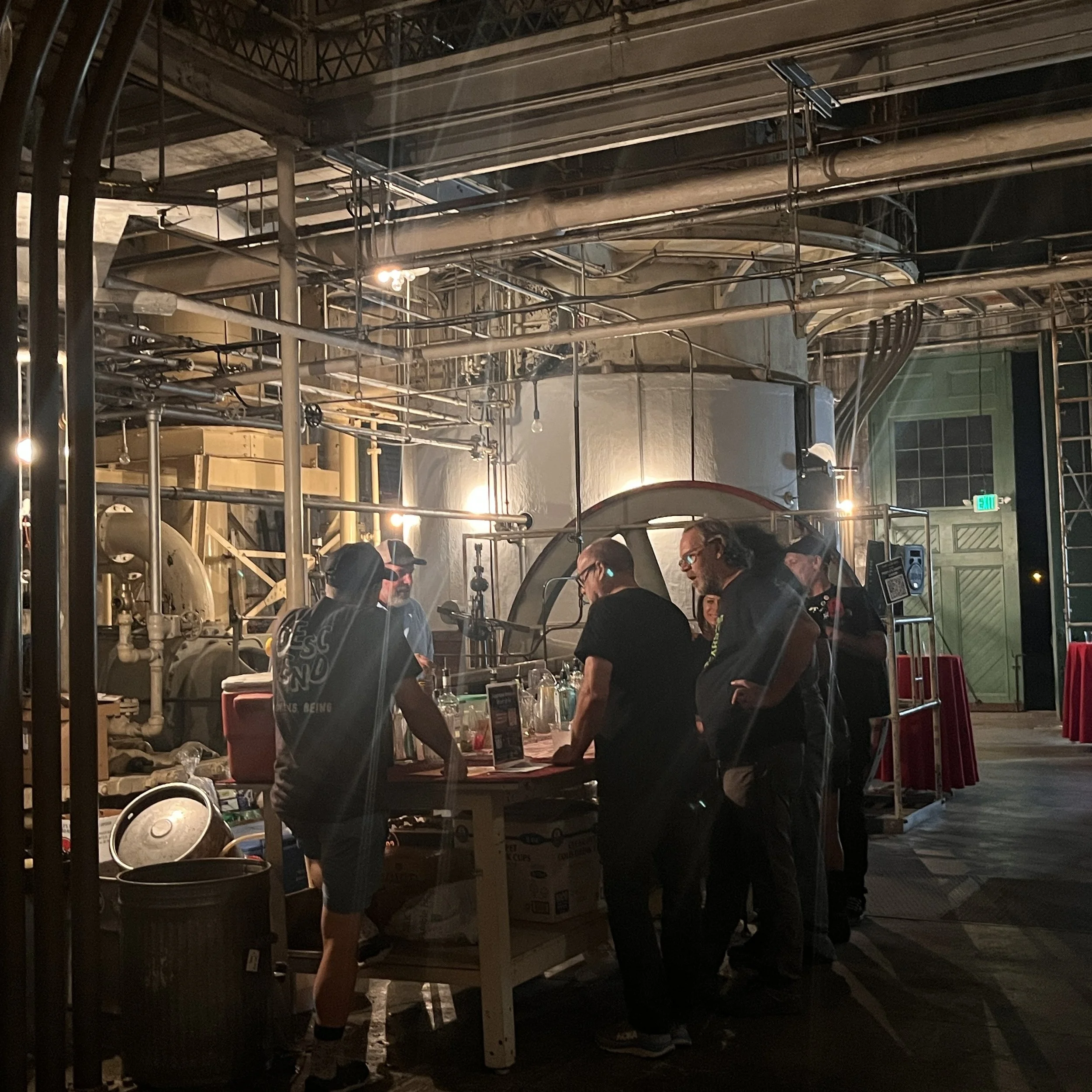
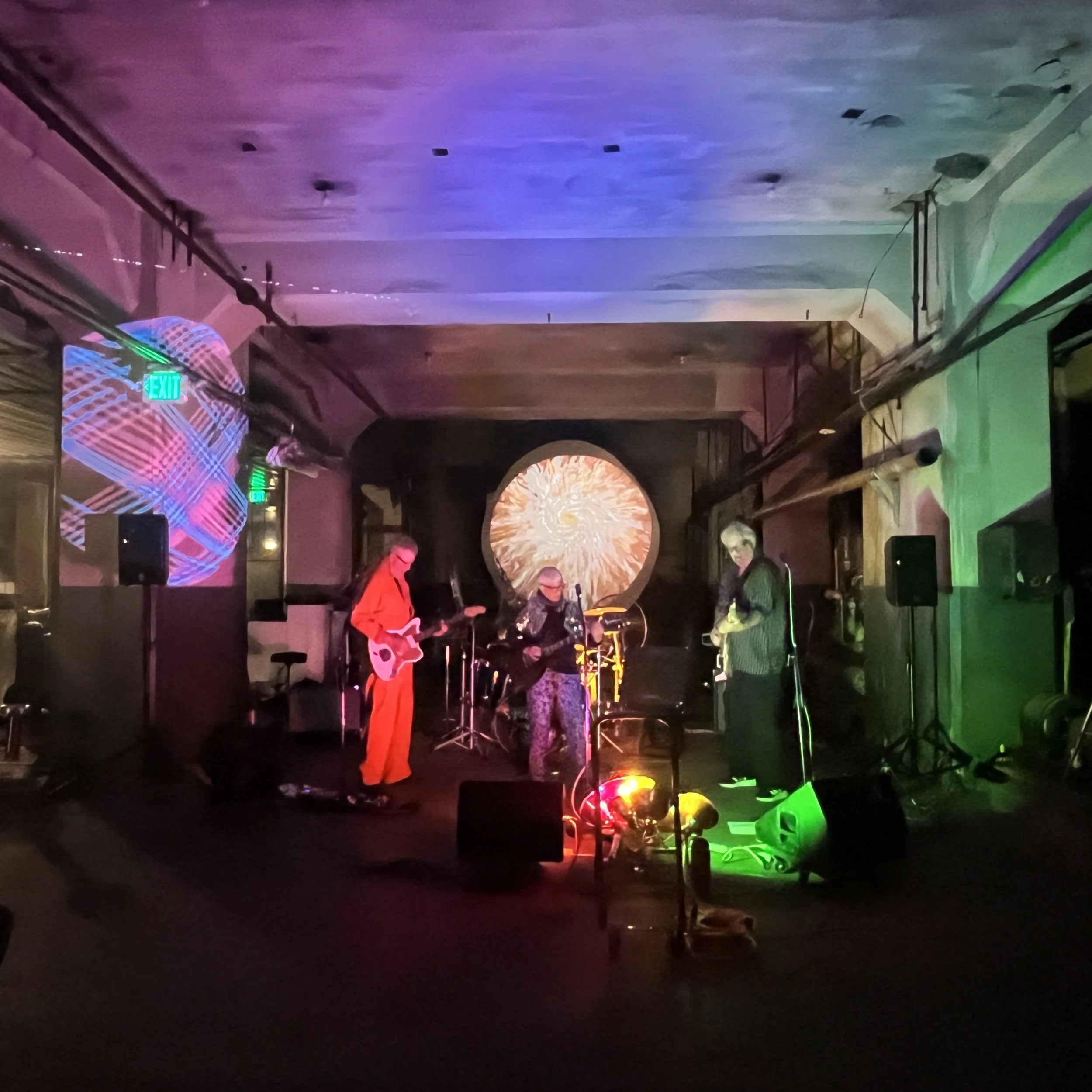
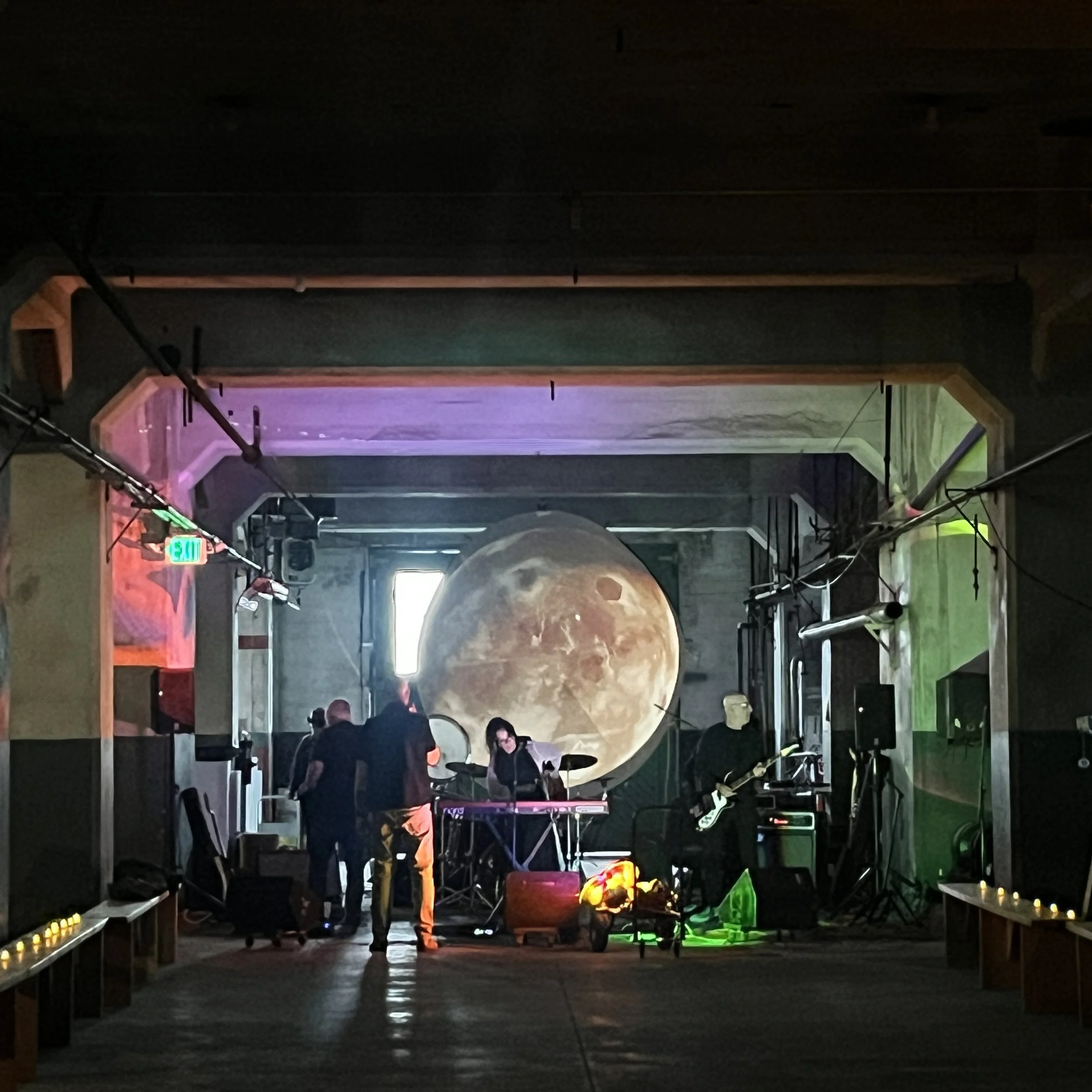
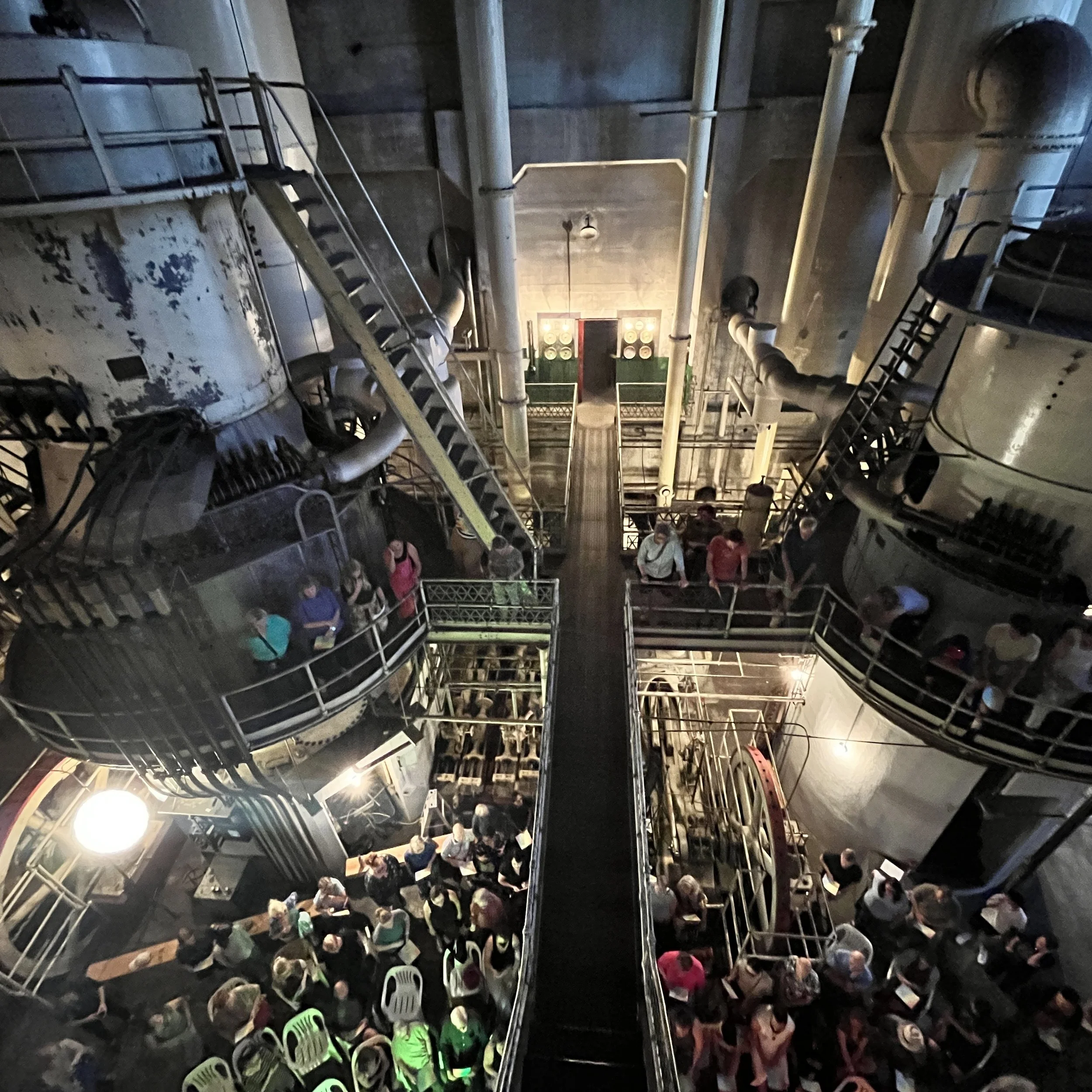
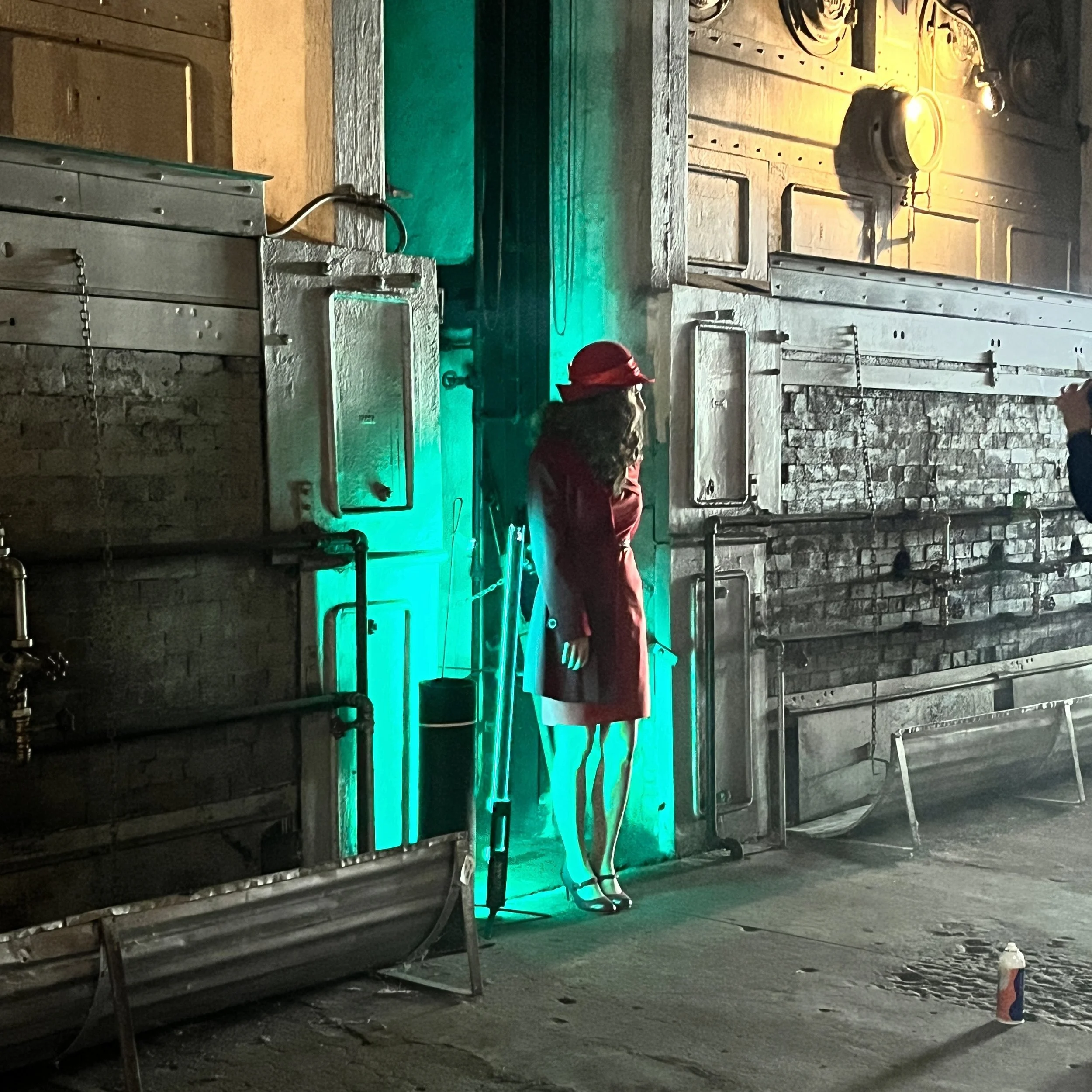
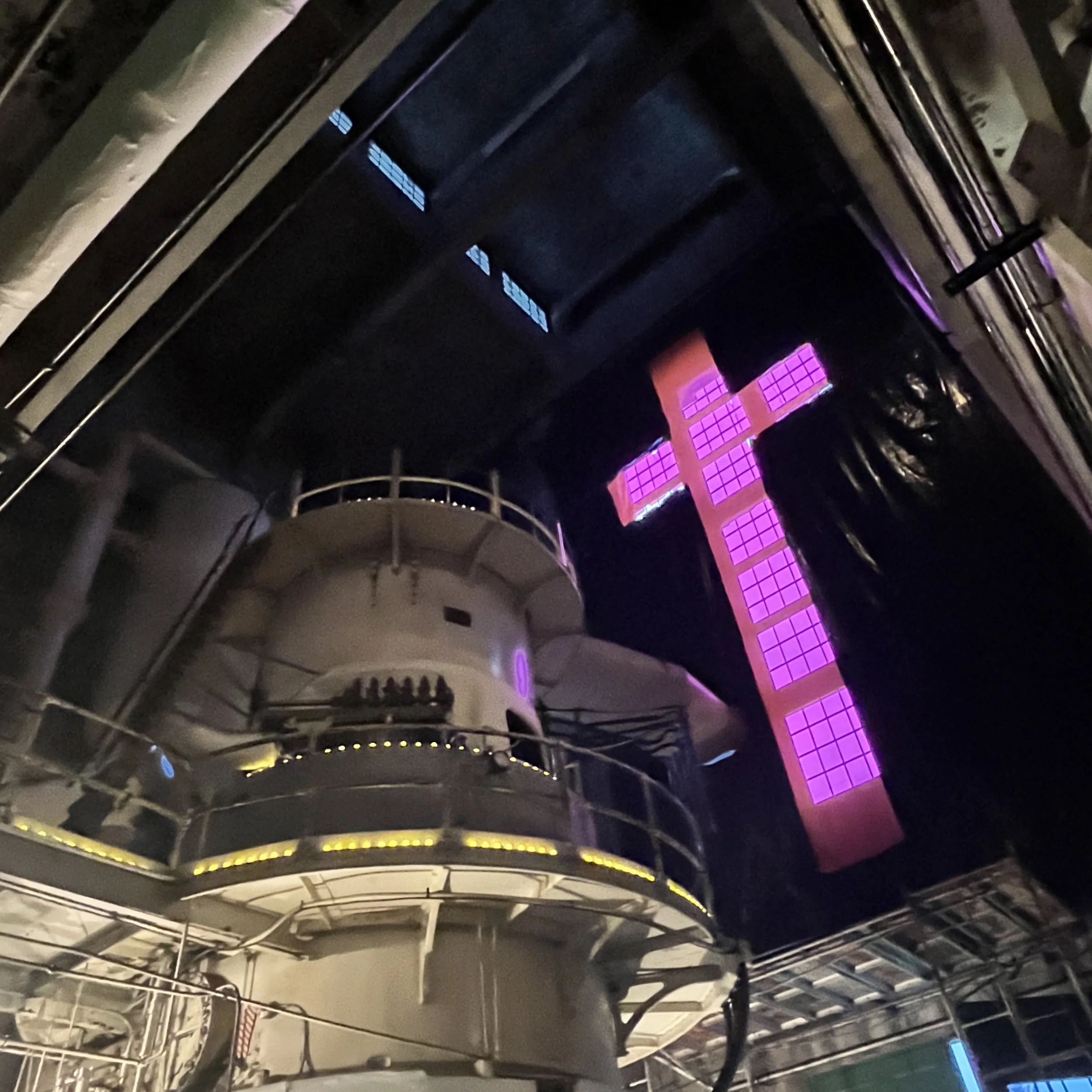
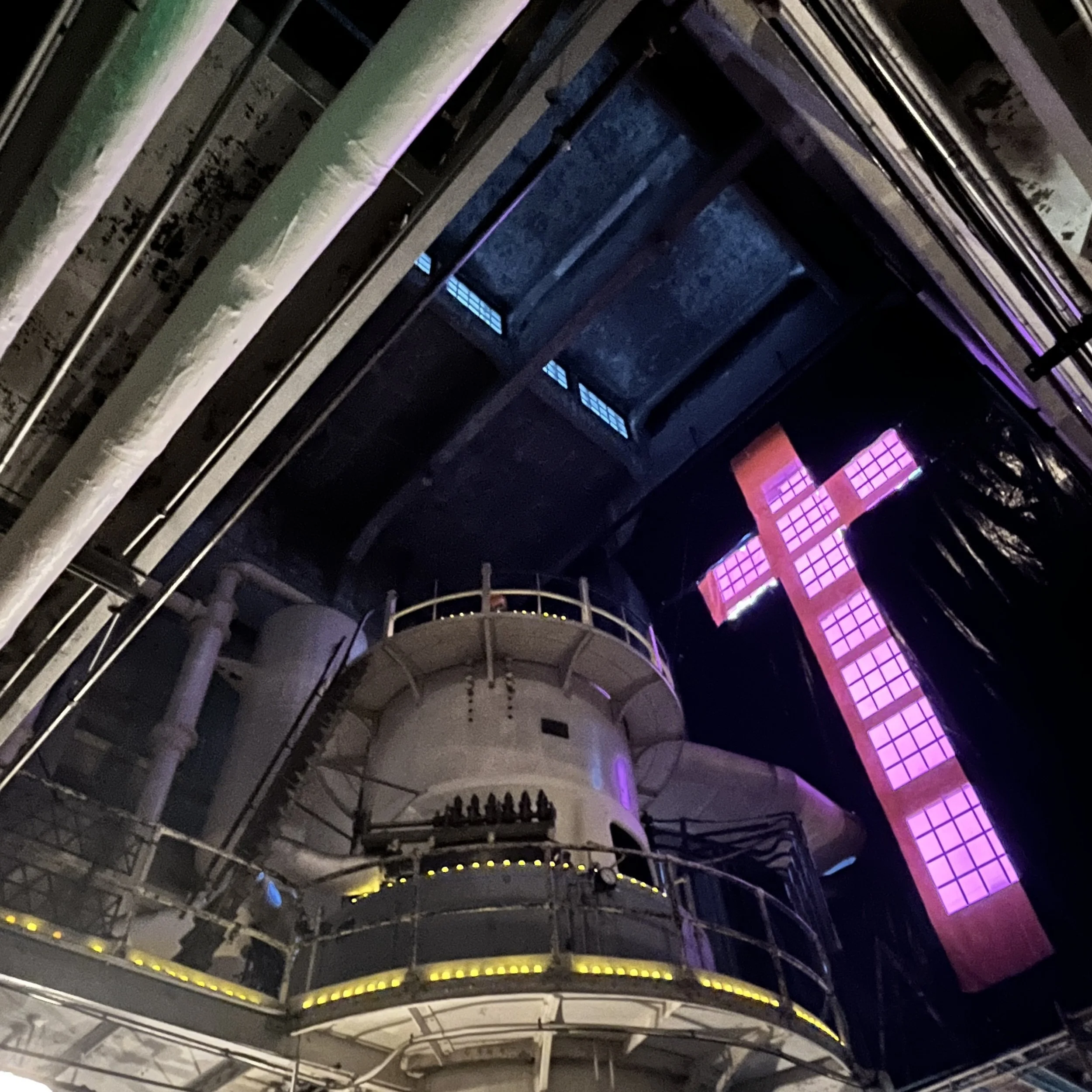
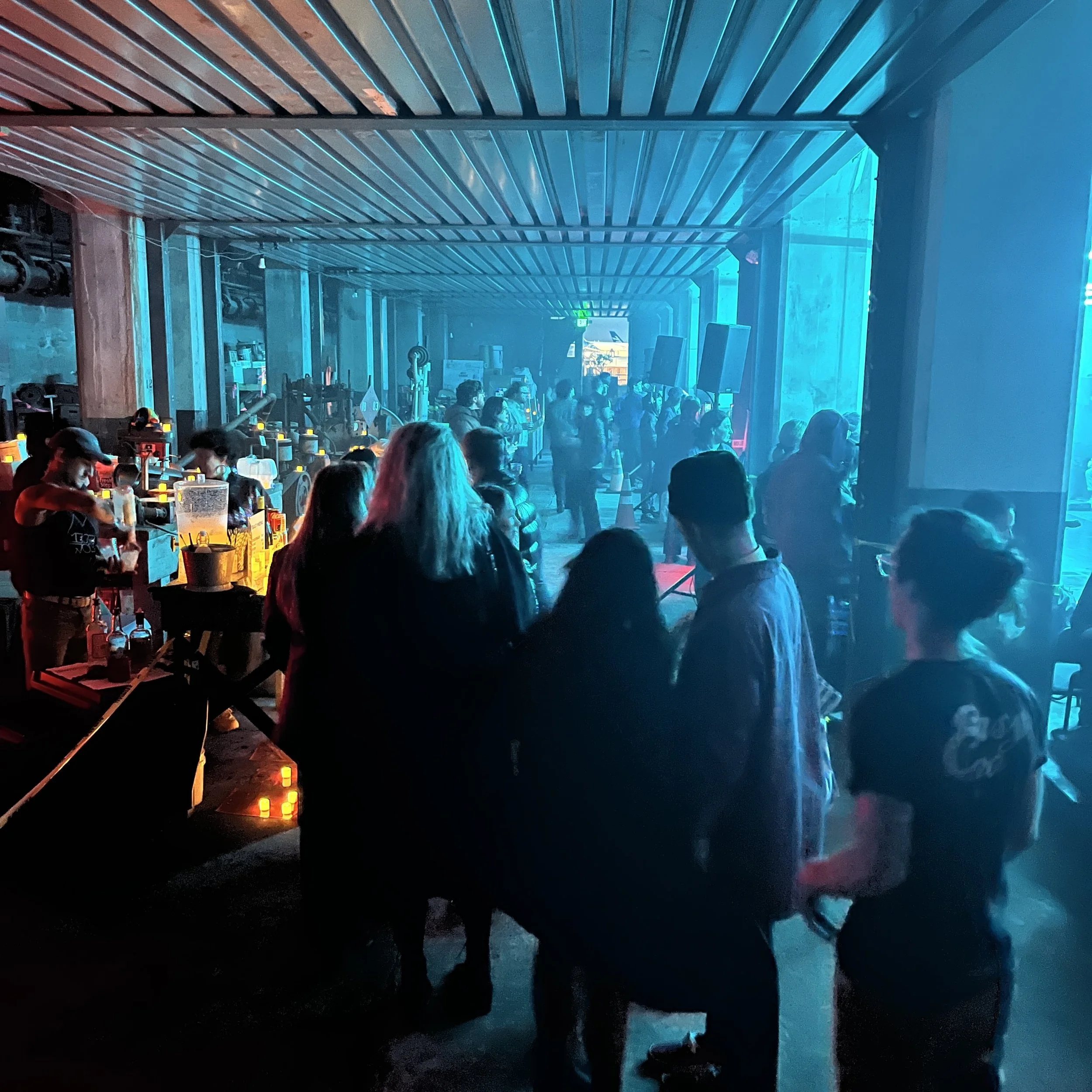
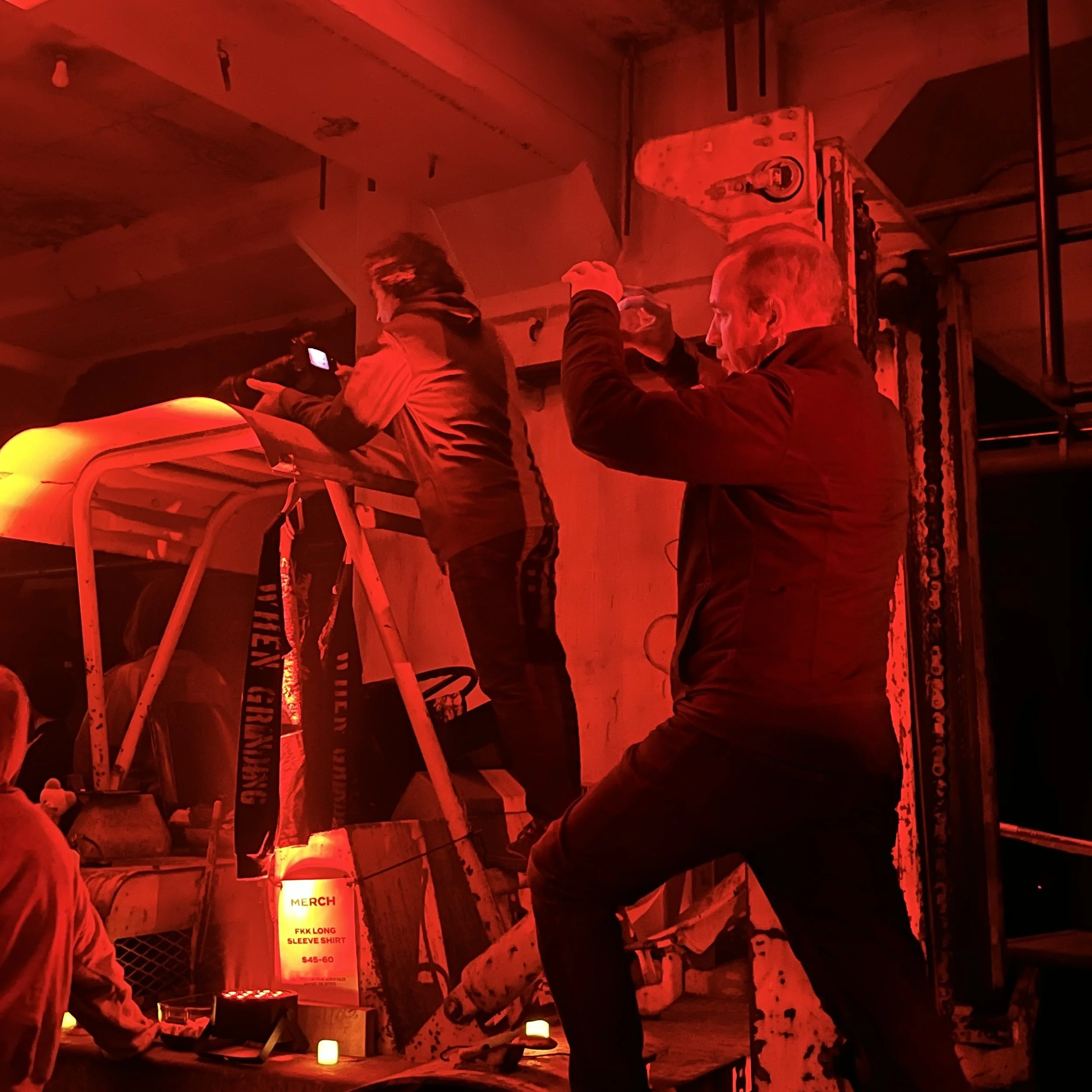
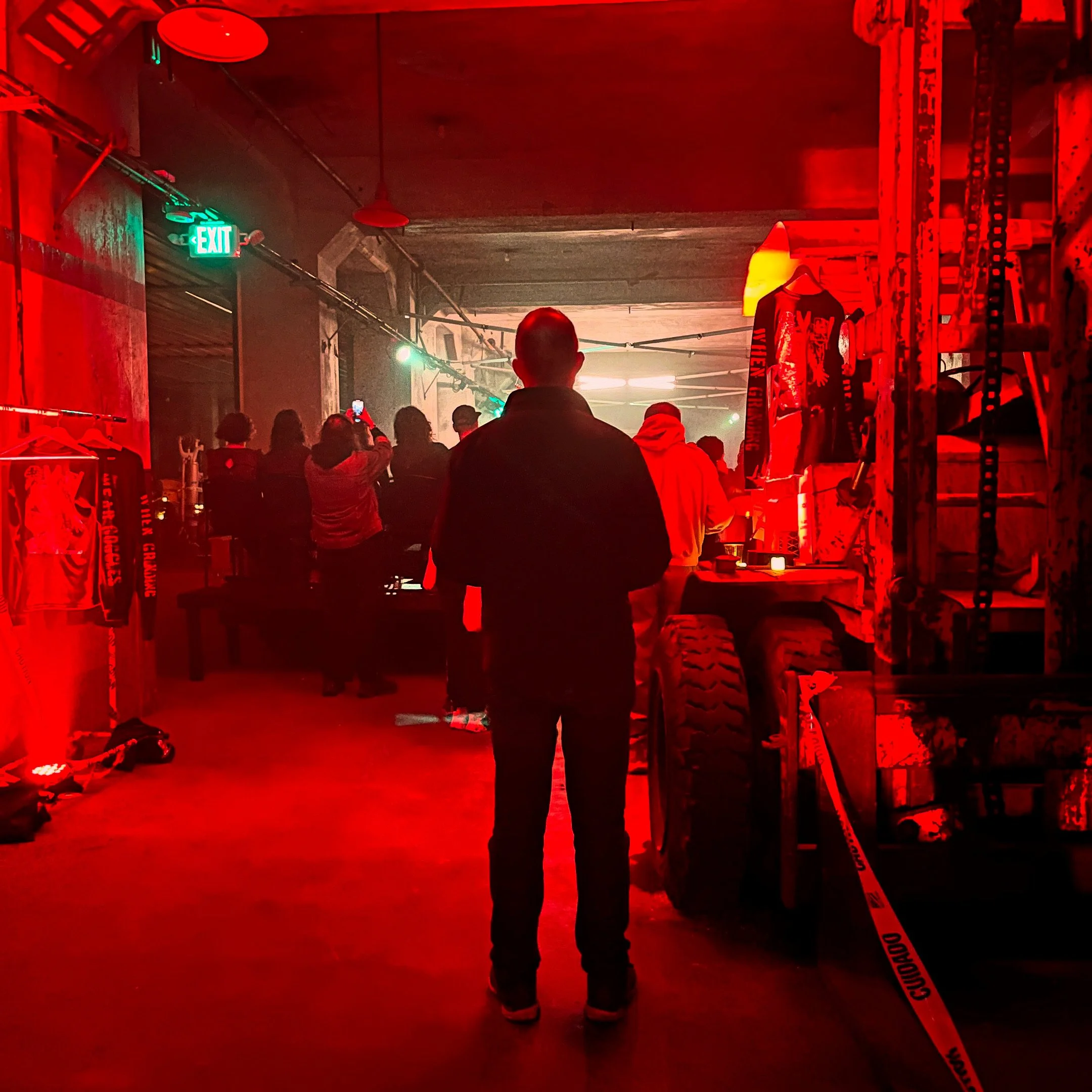
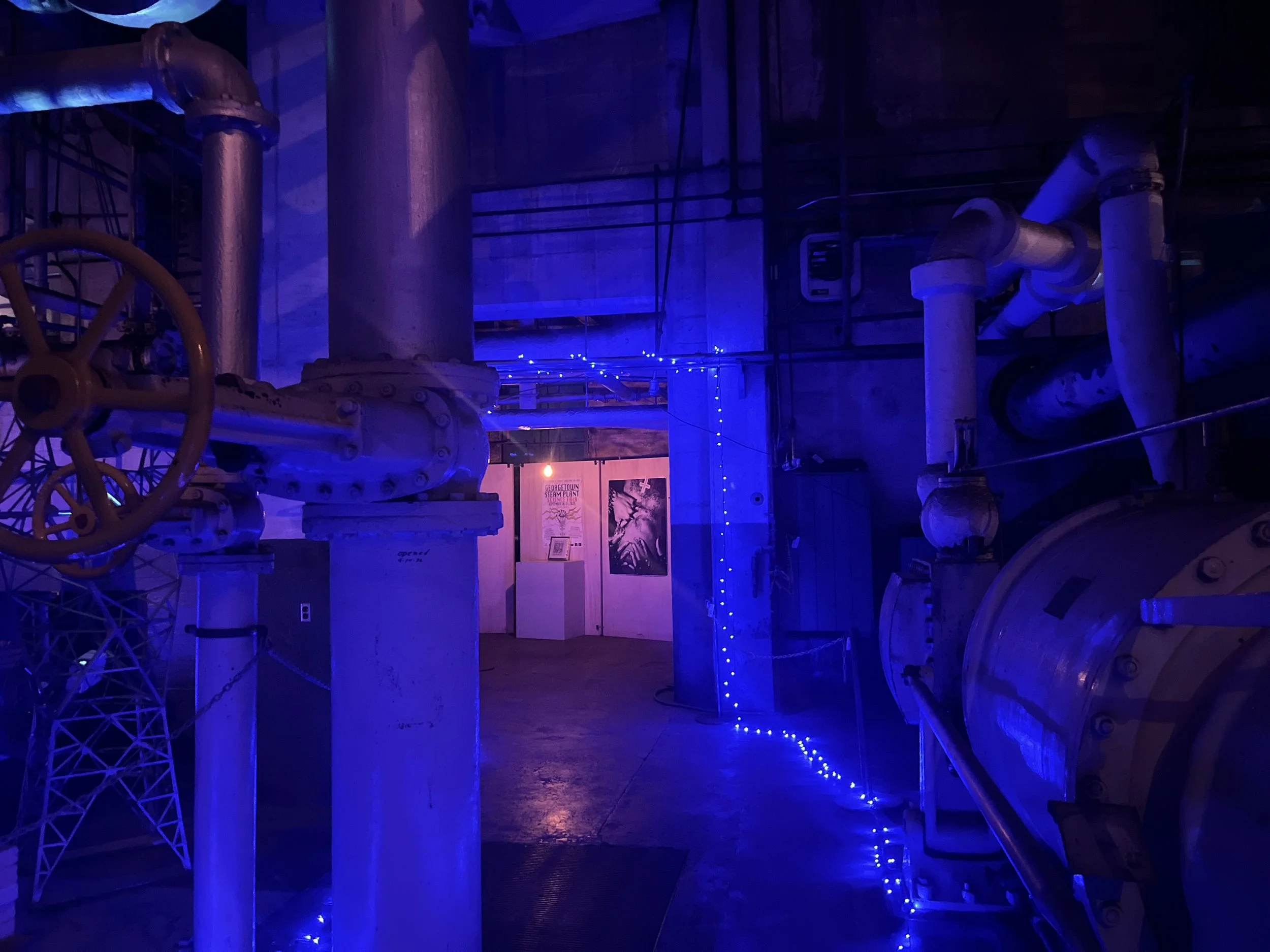
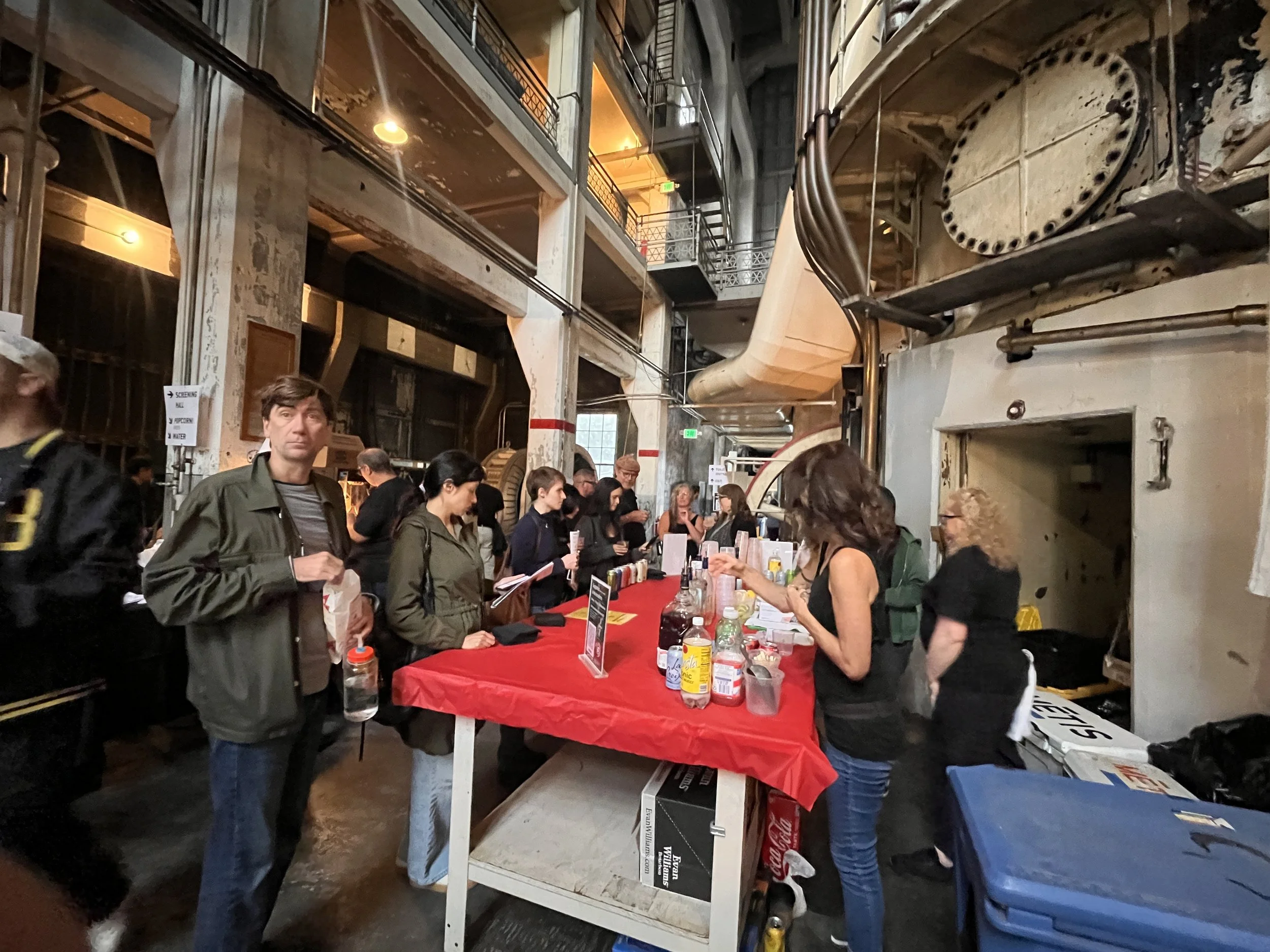
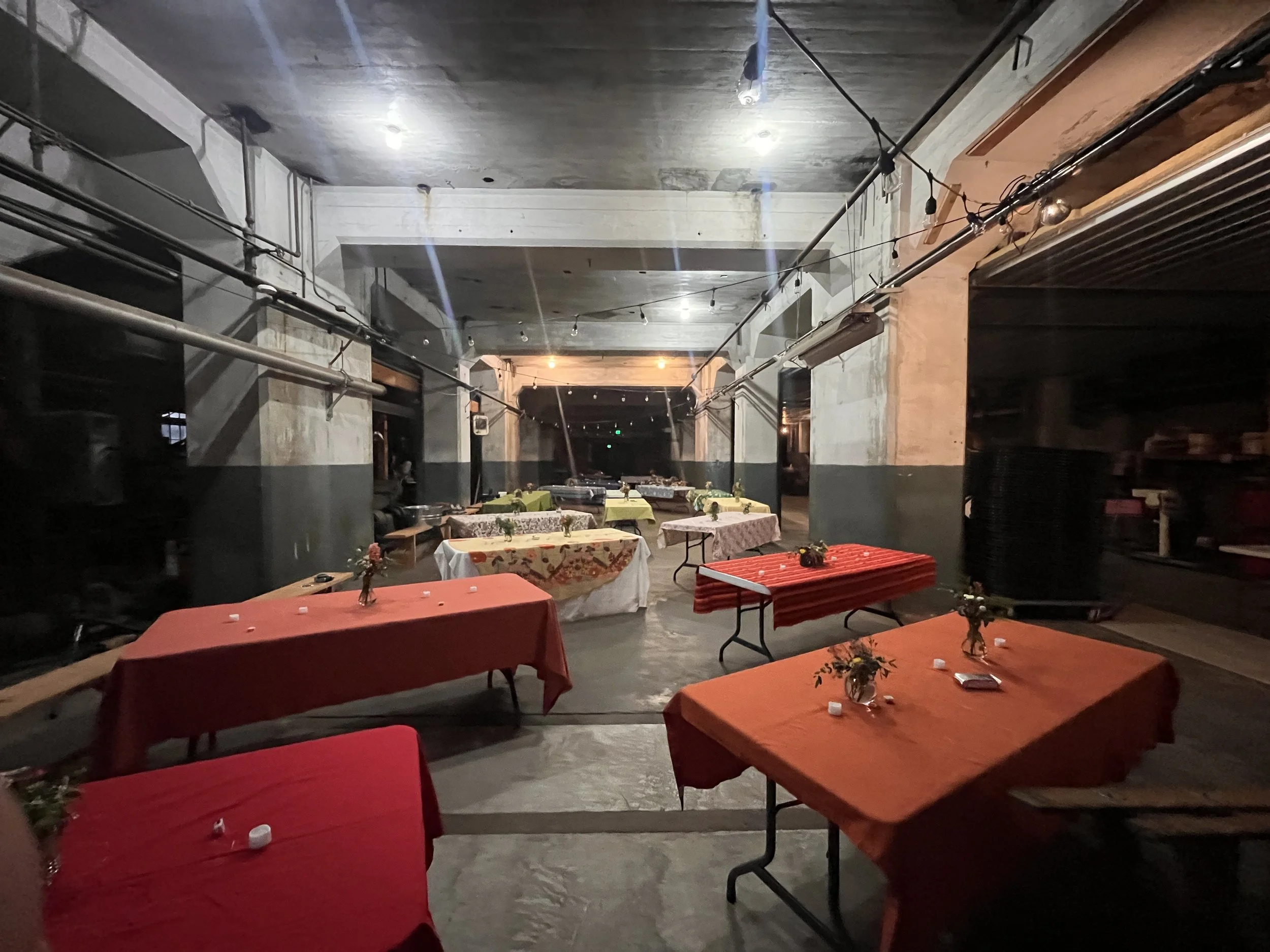
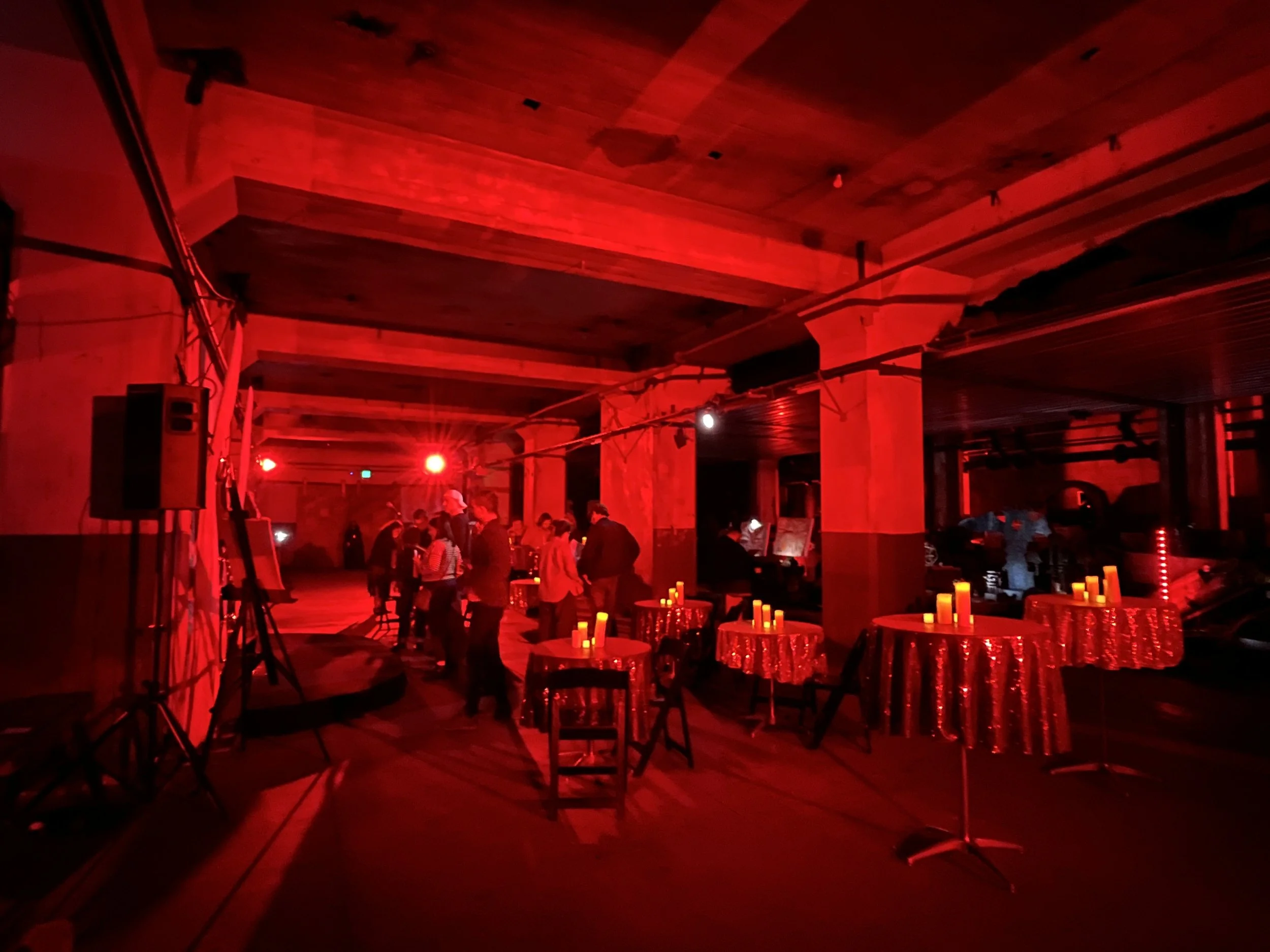
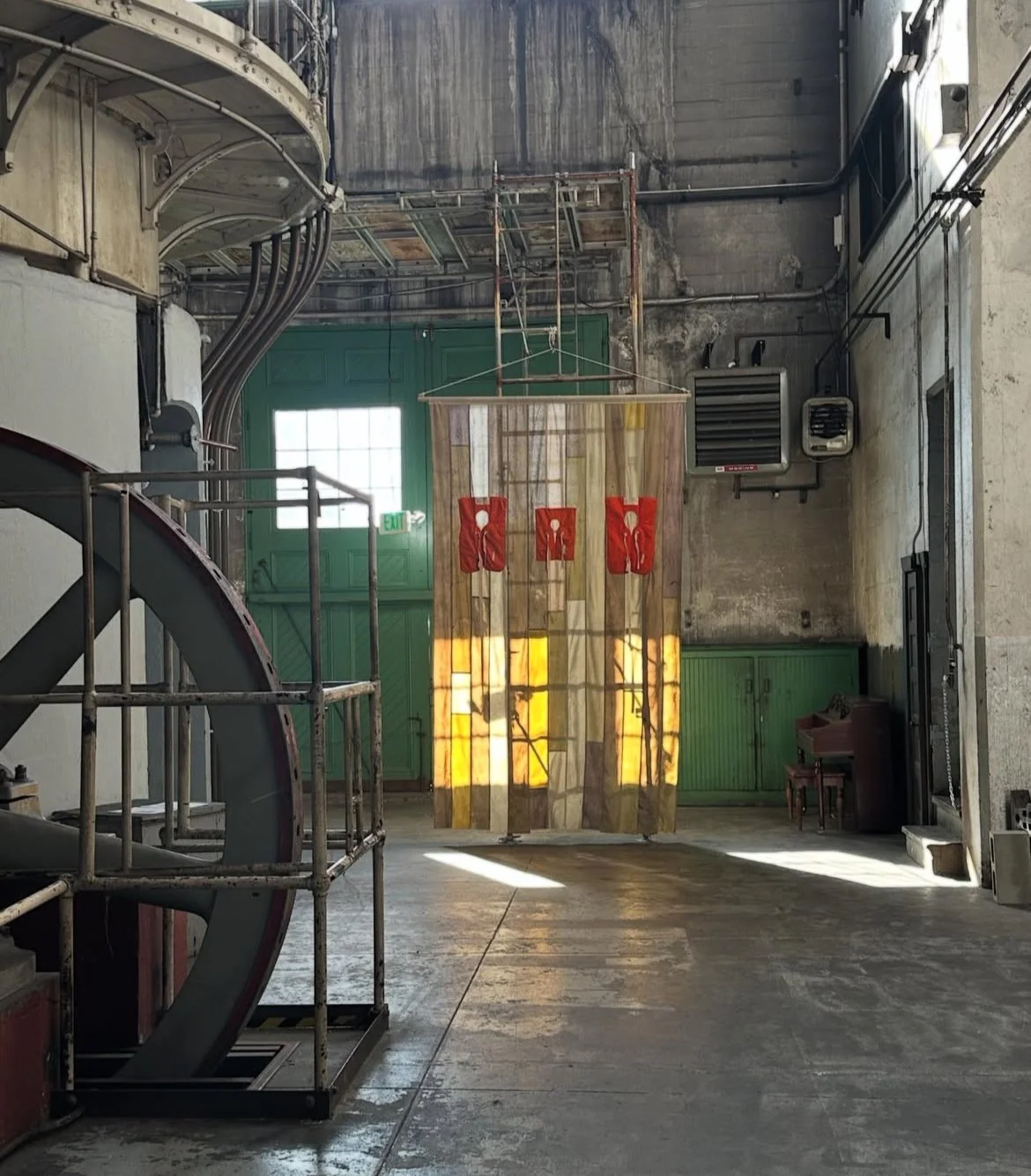
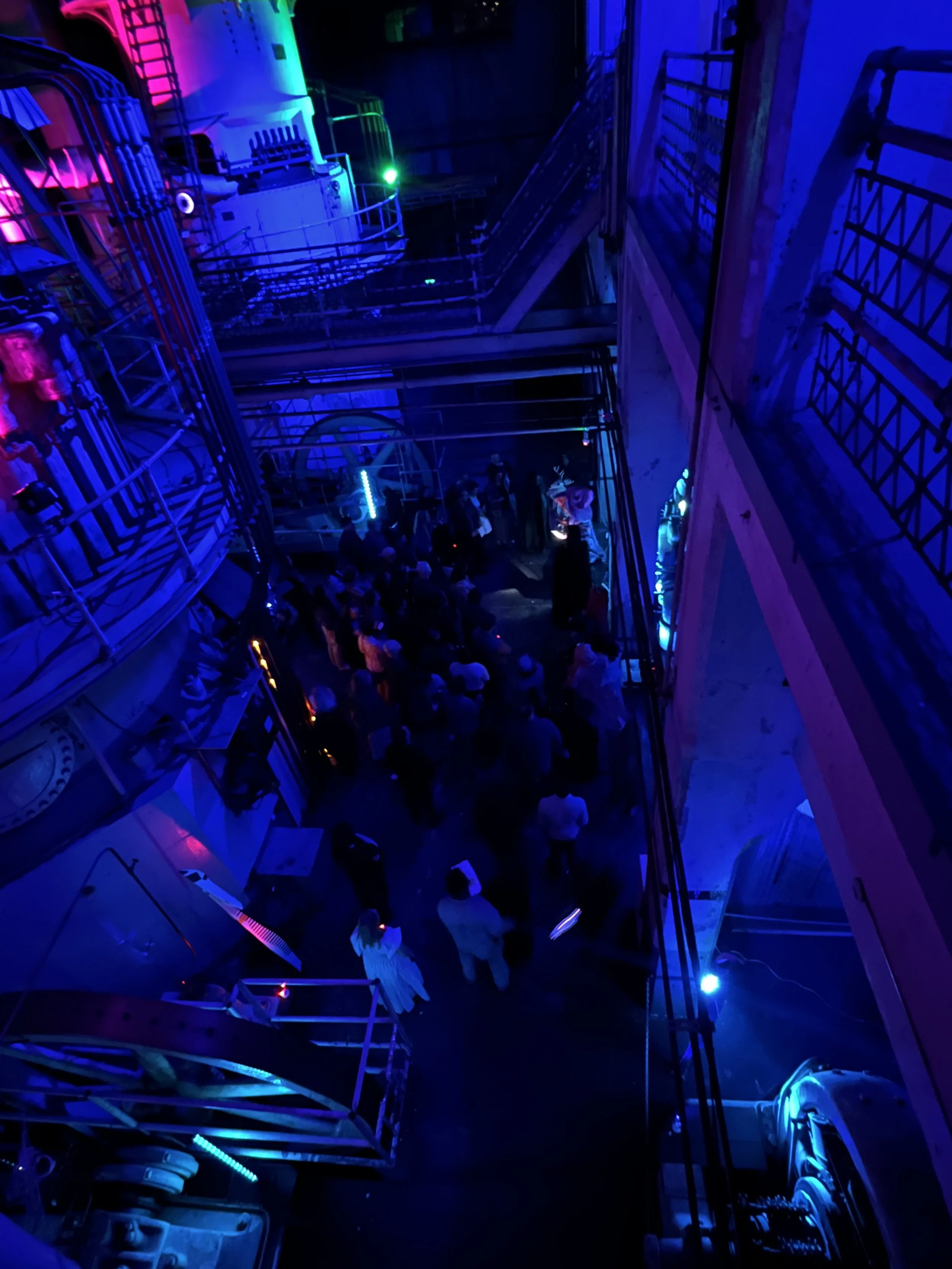
As an industrial relic of the fossil fuel age—the Steam Plant is one of Seattle’s most haunting event spaces.
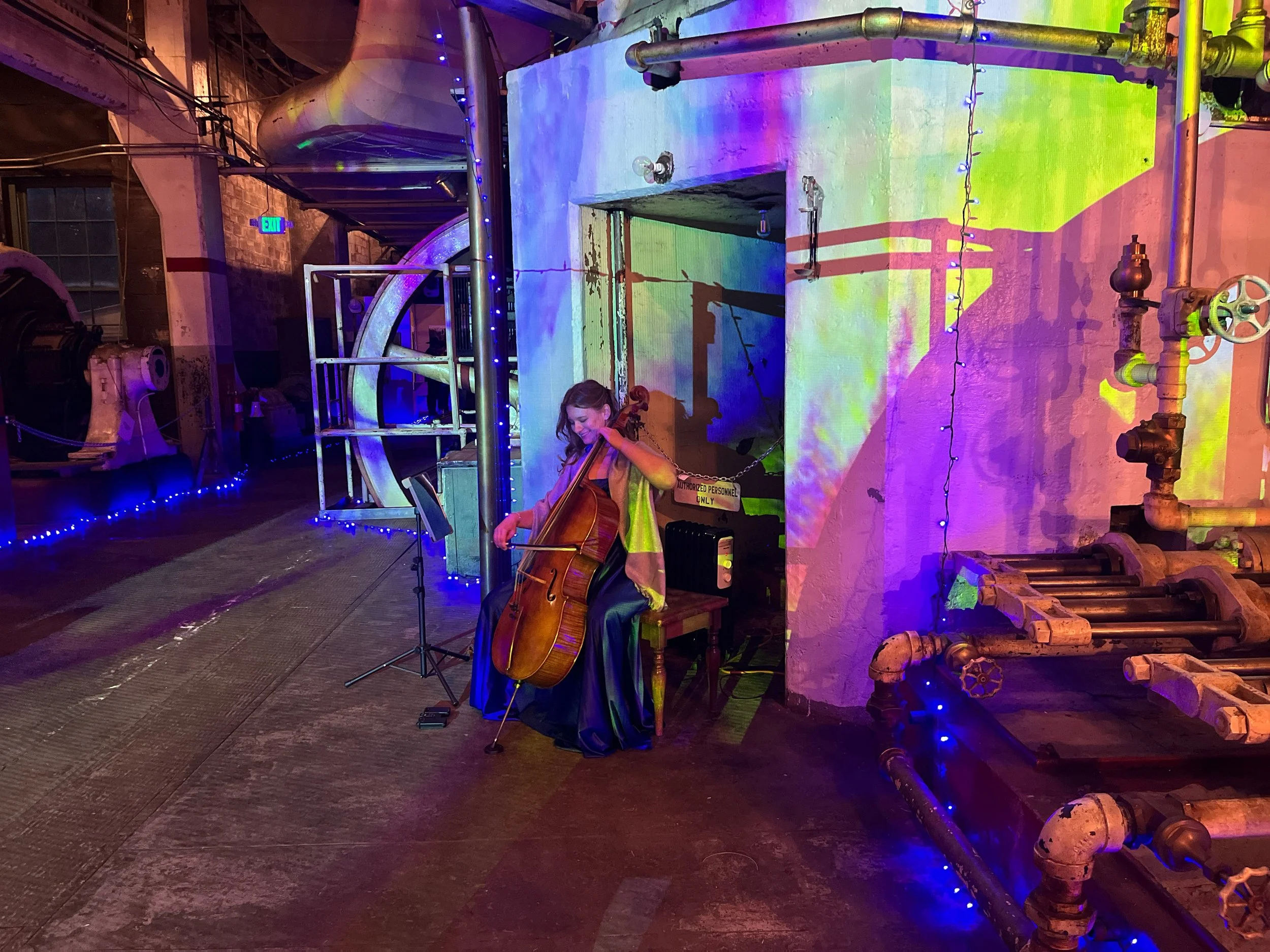
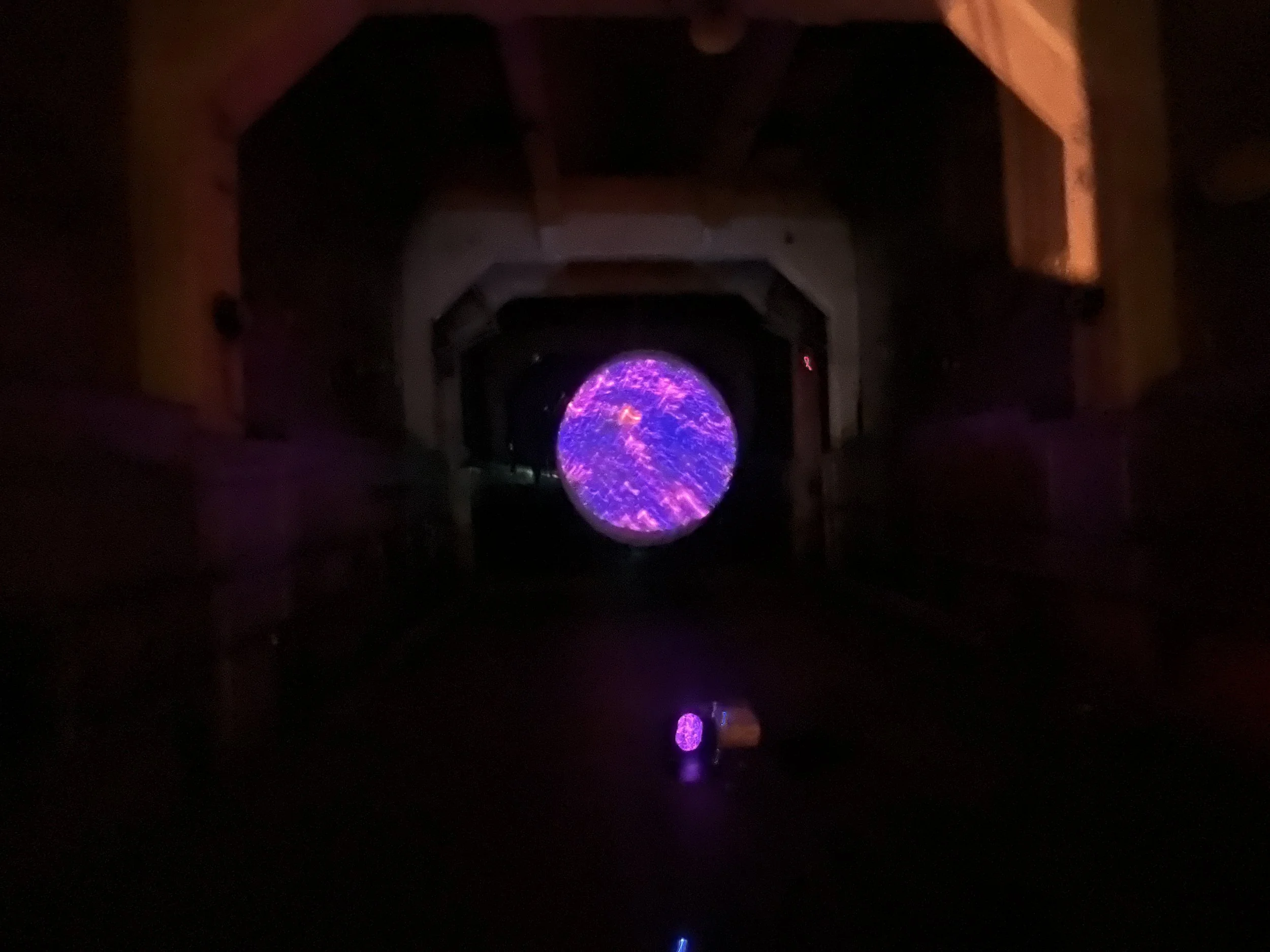
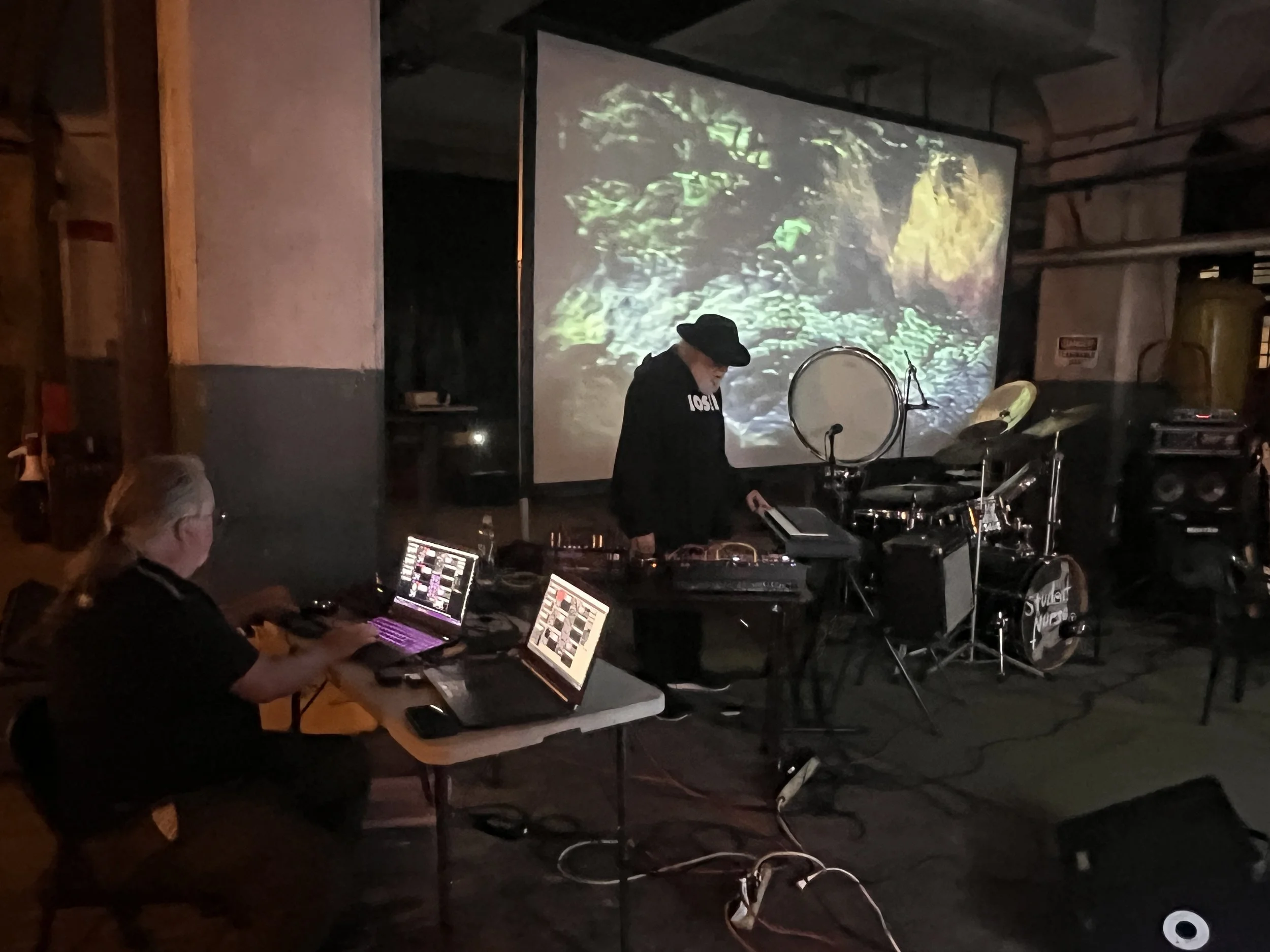
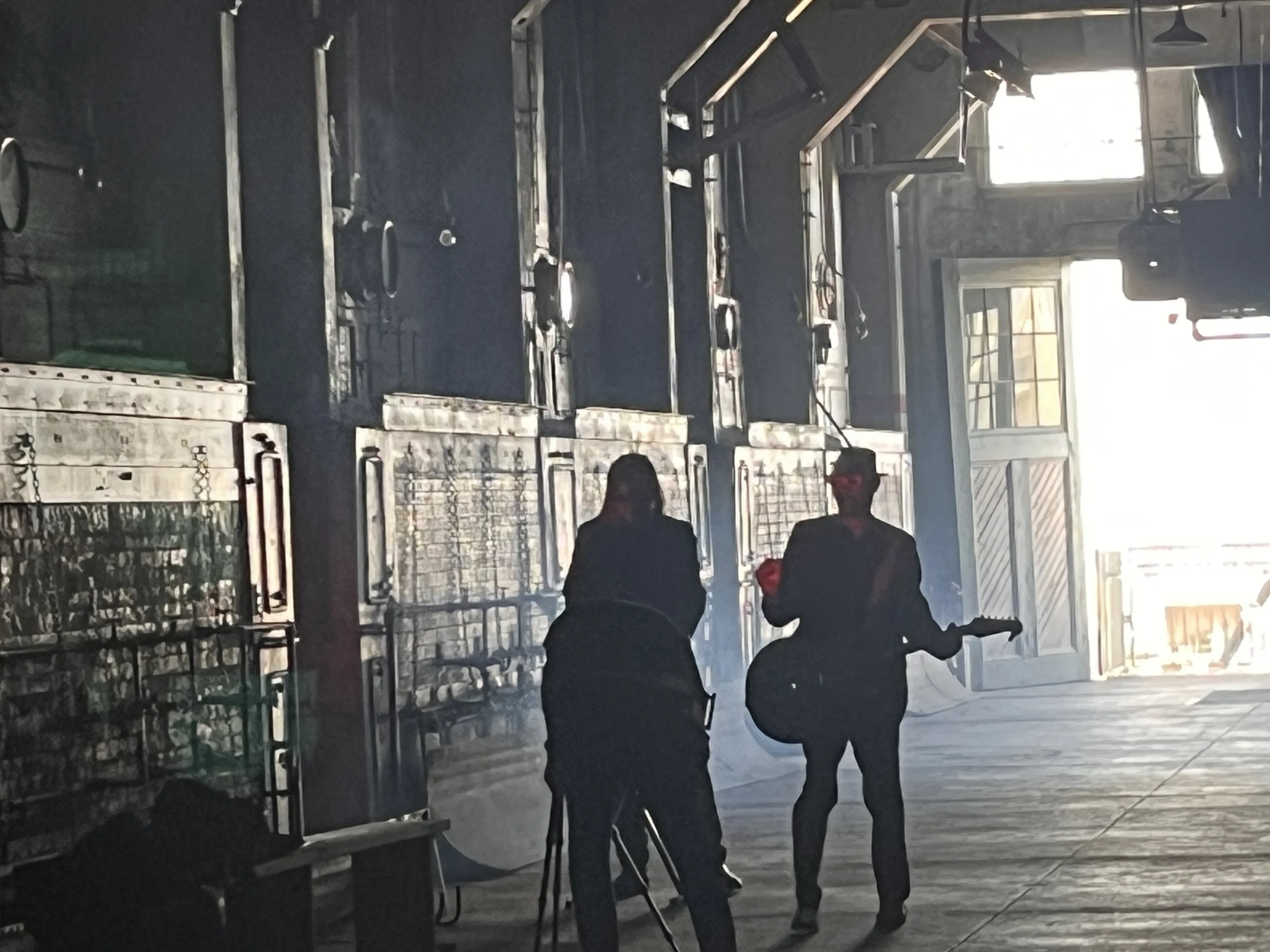
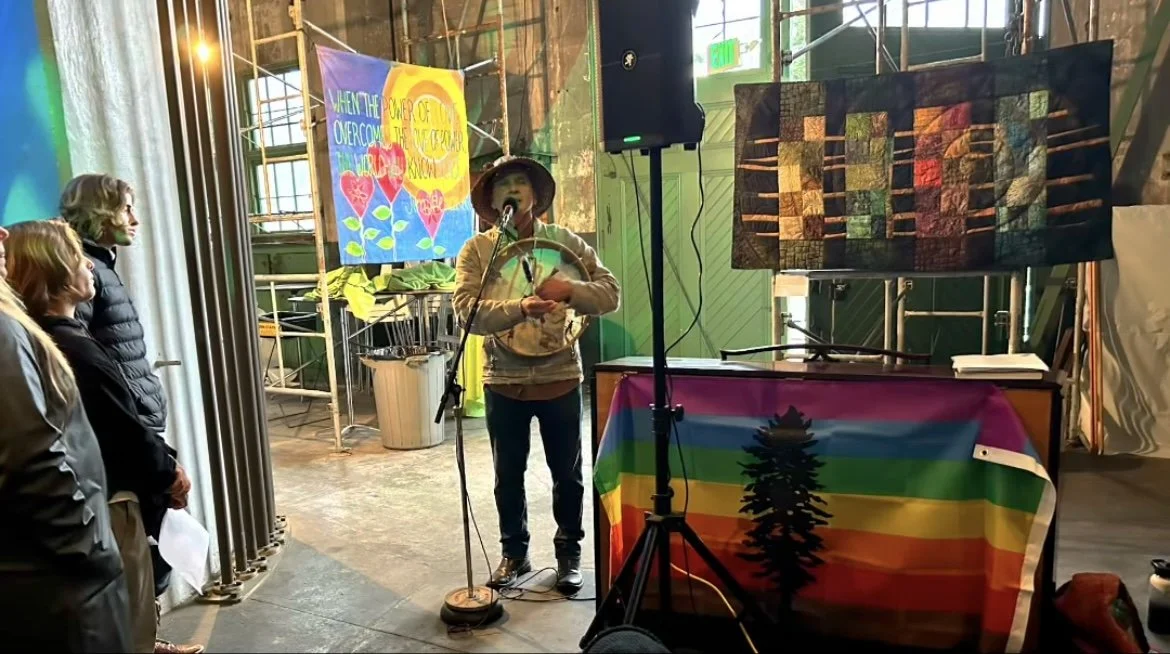
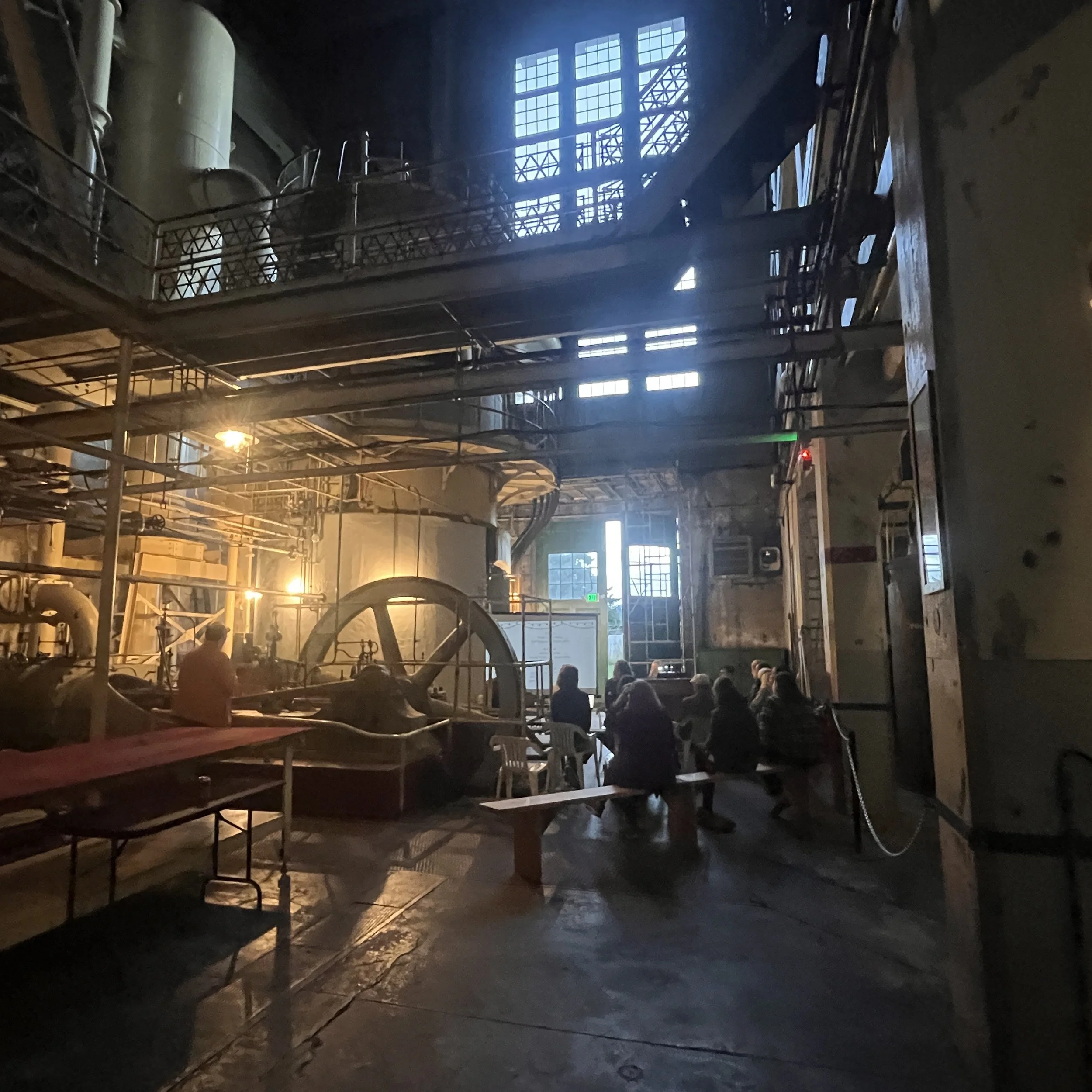
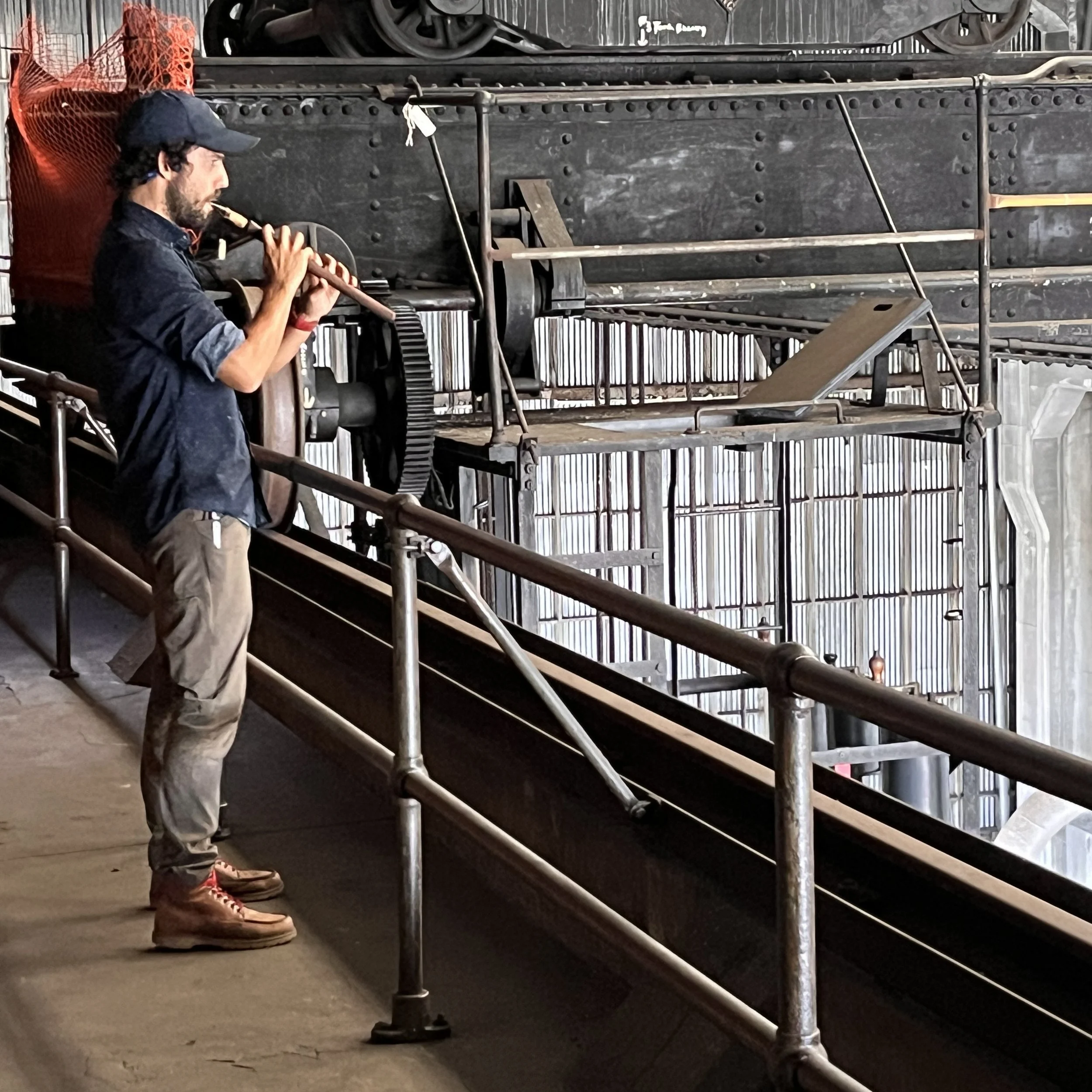
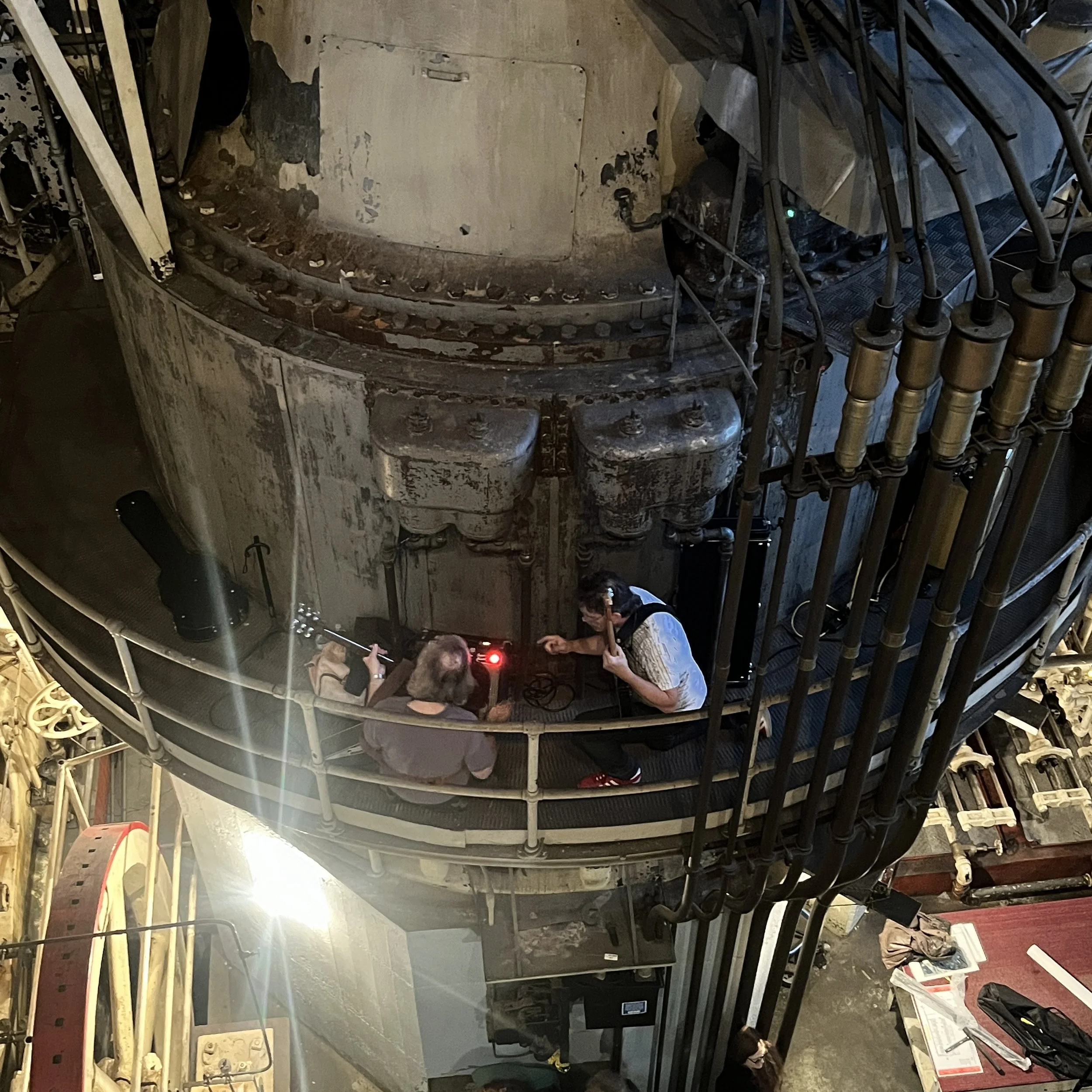
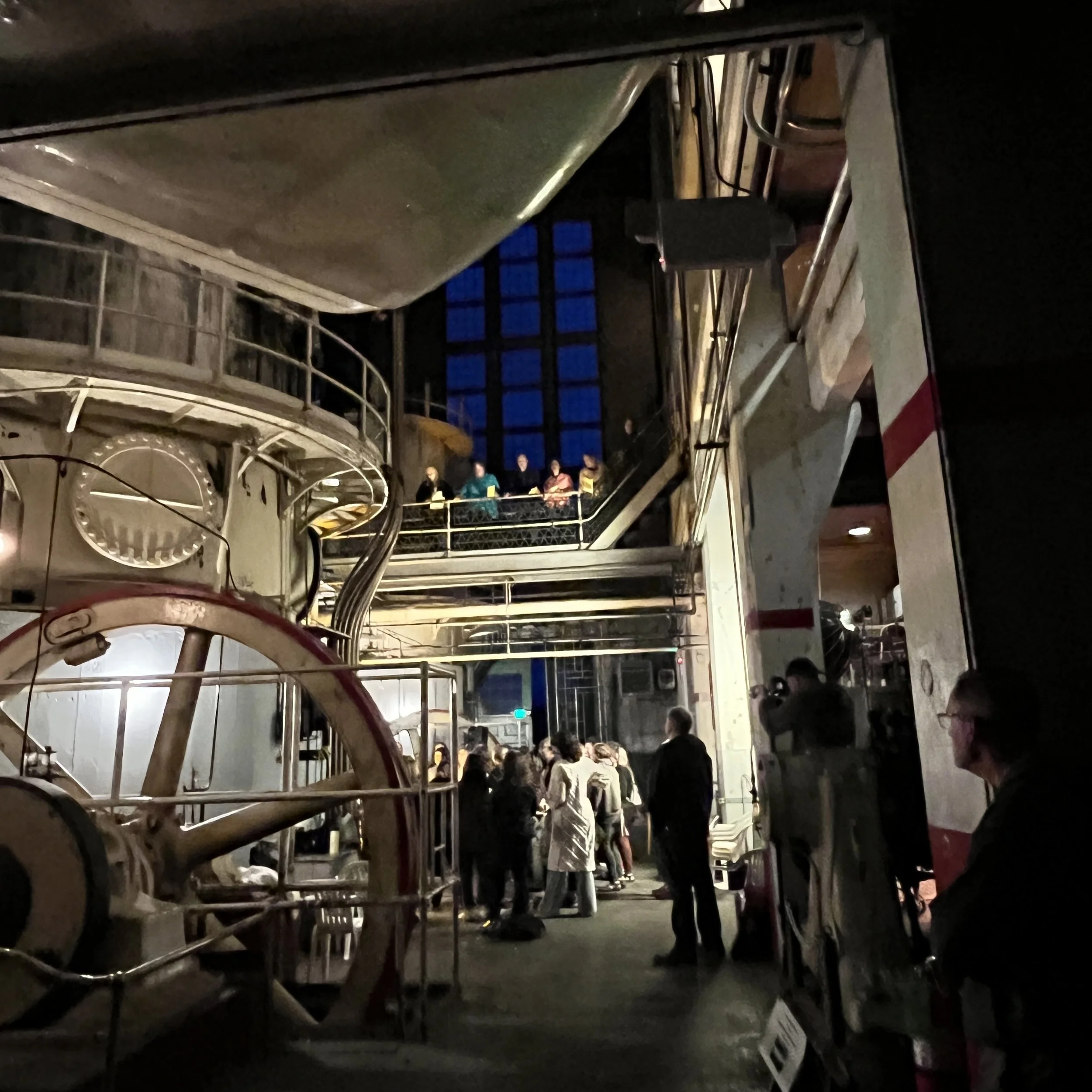
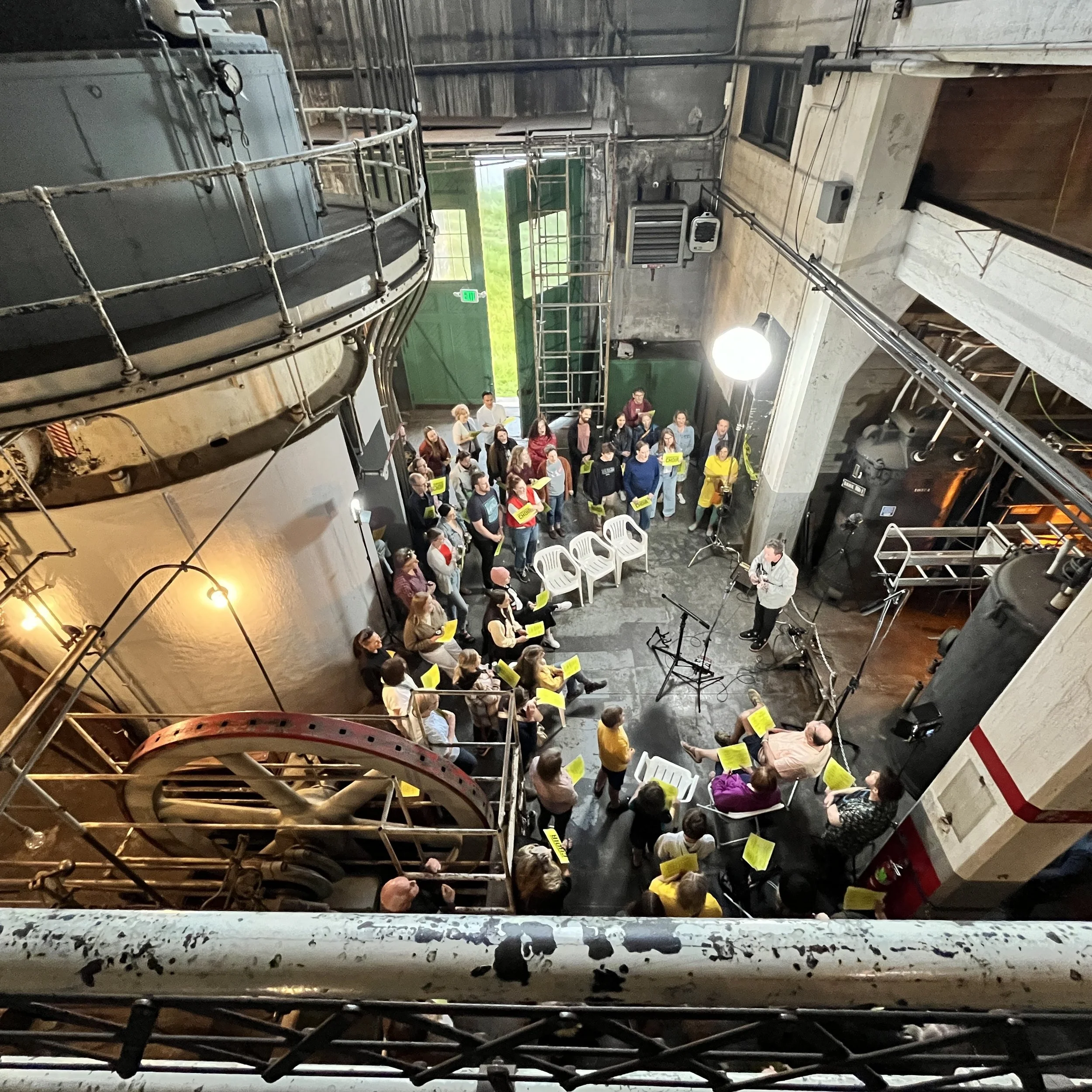
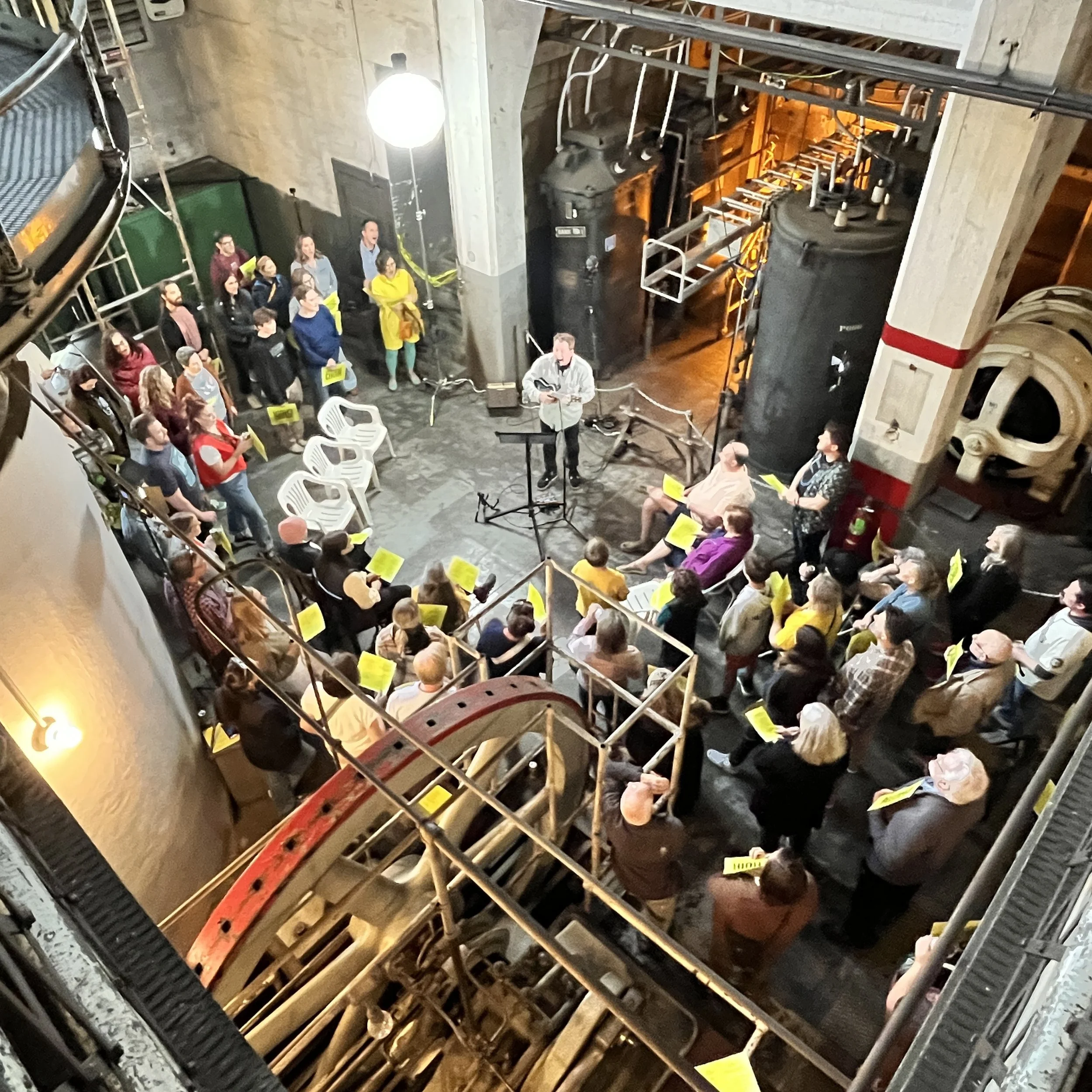
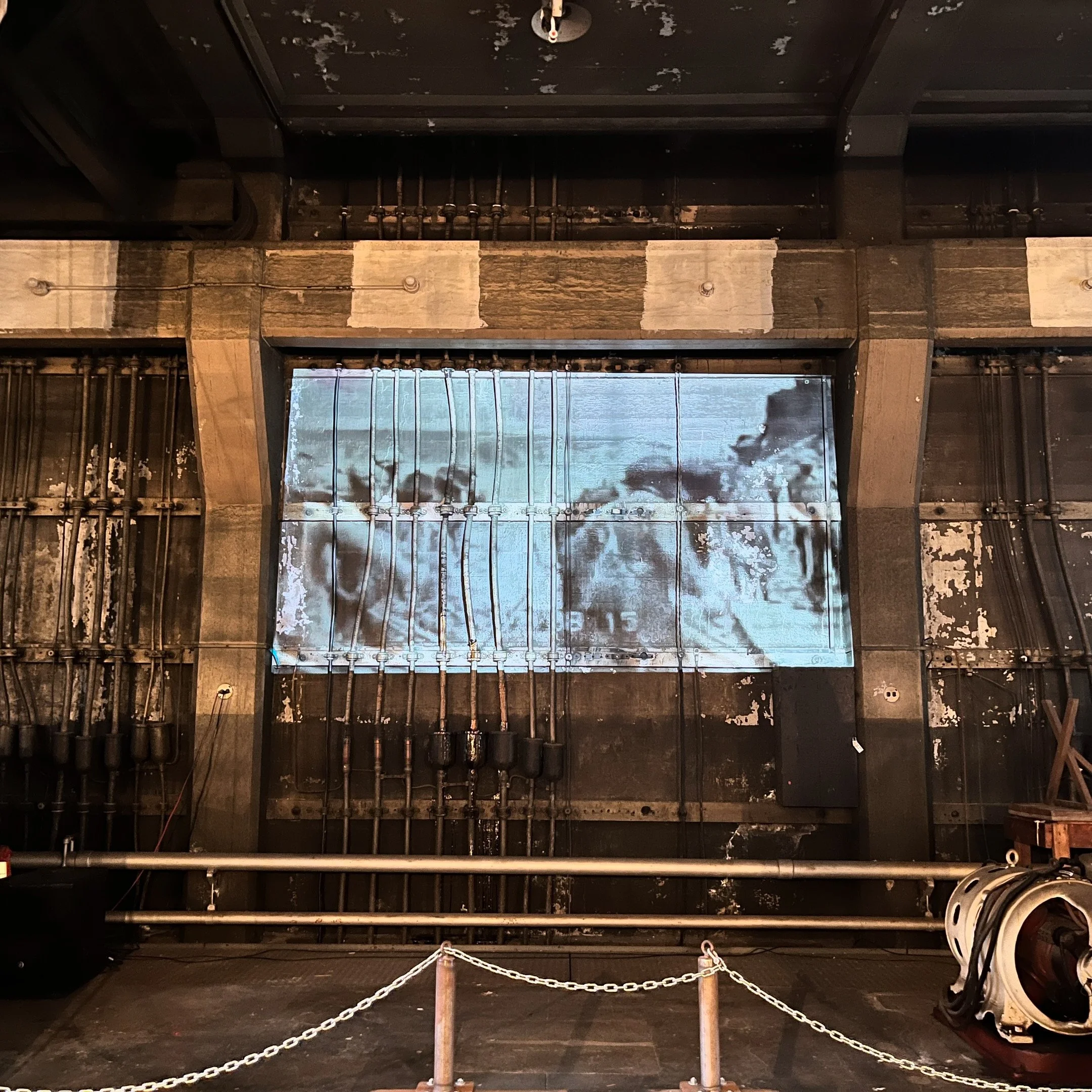
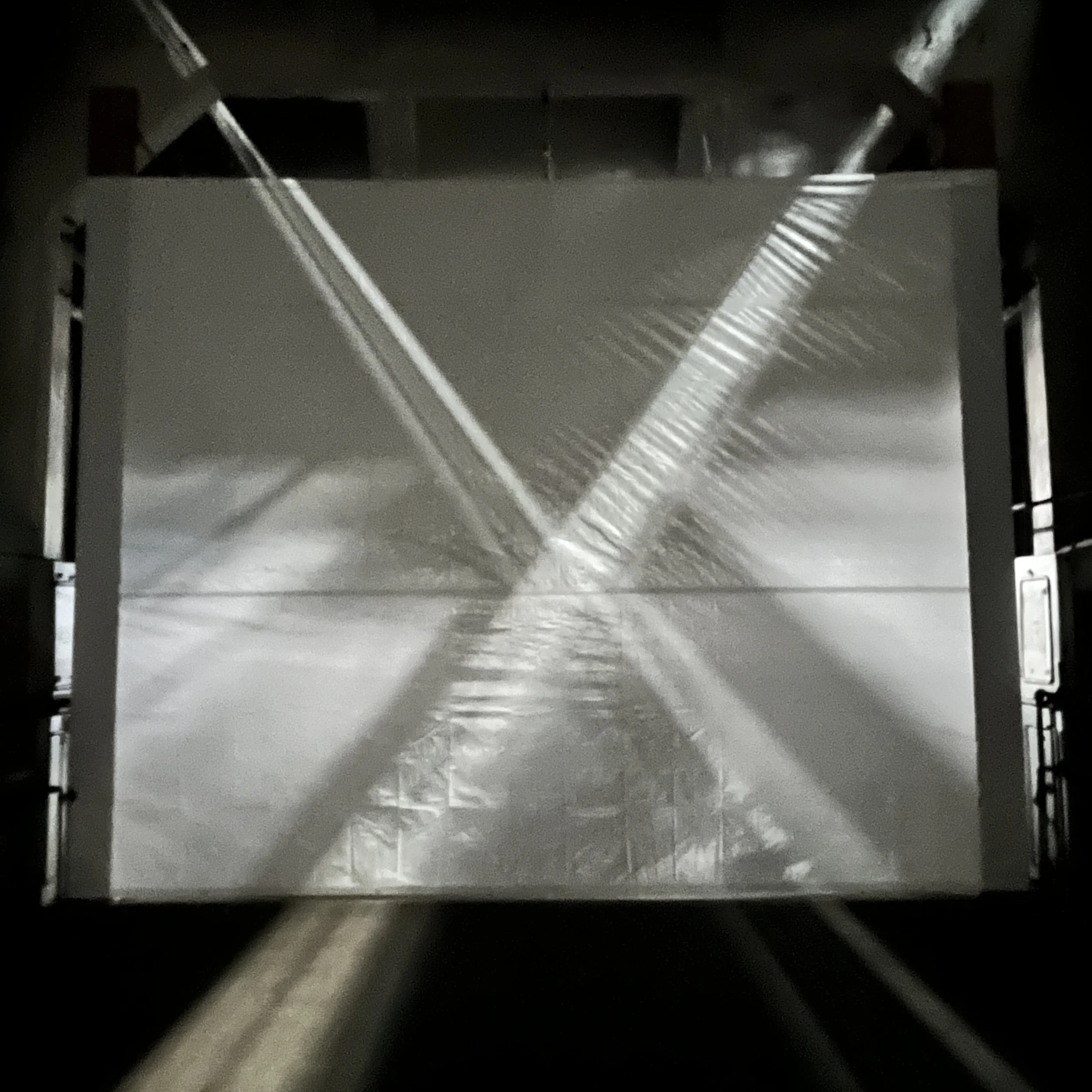
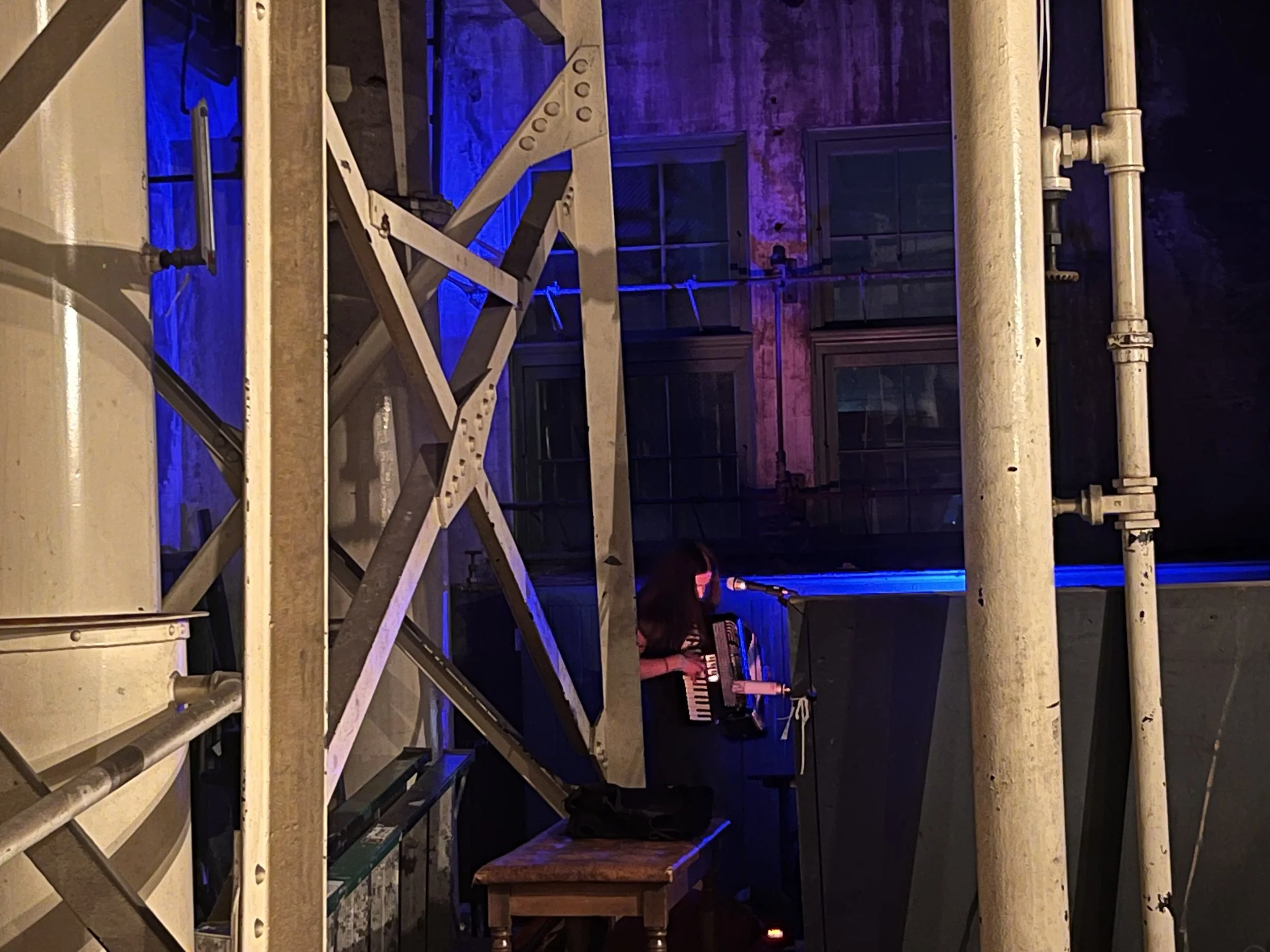
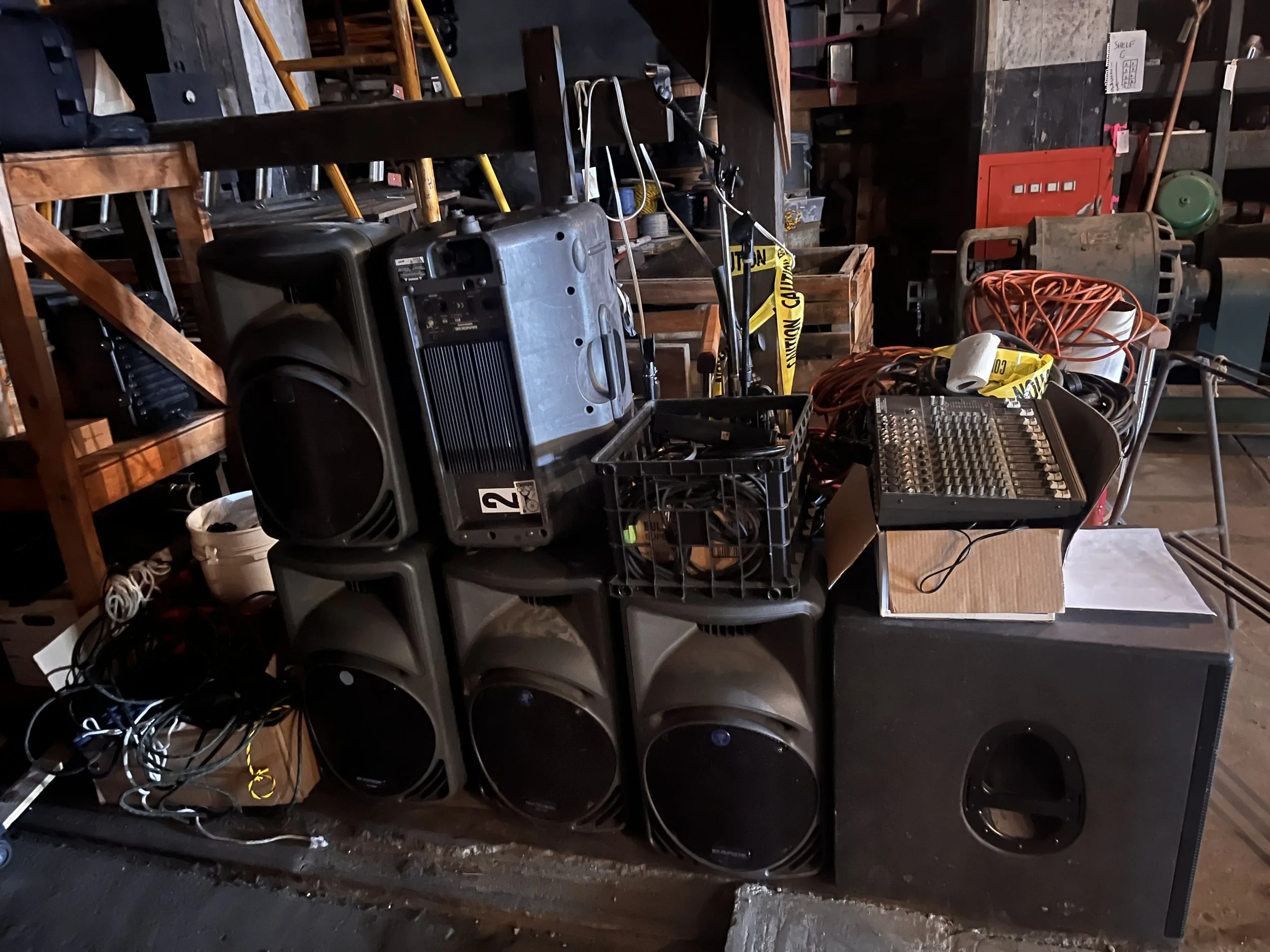
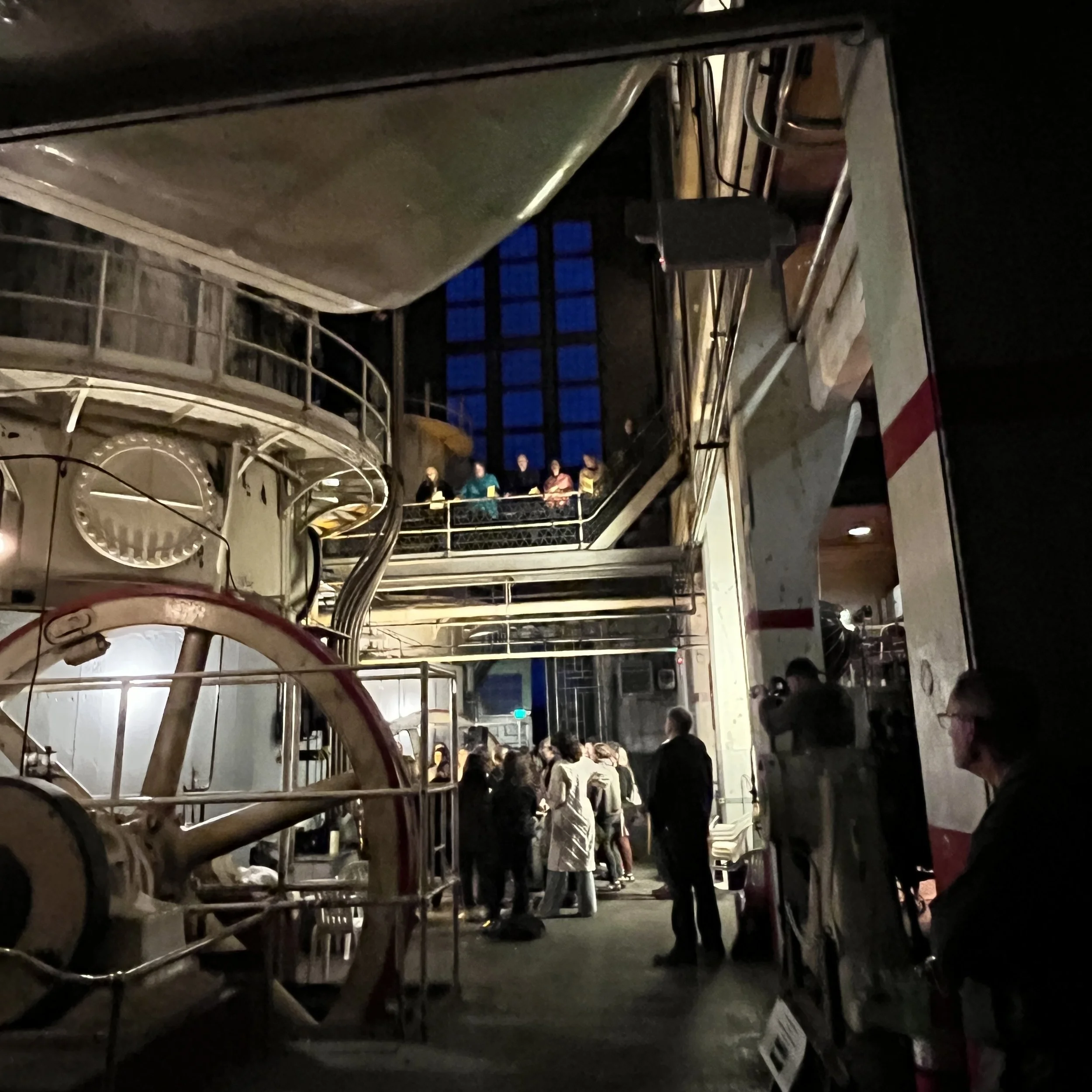
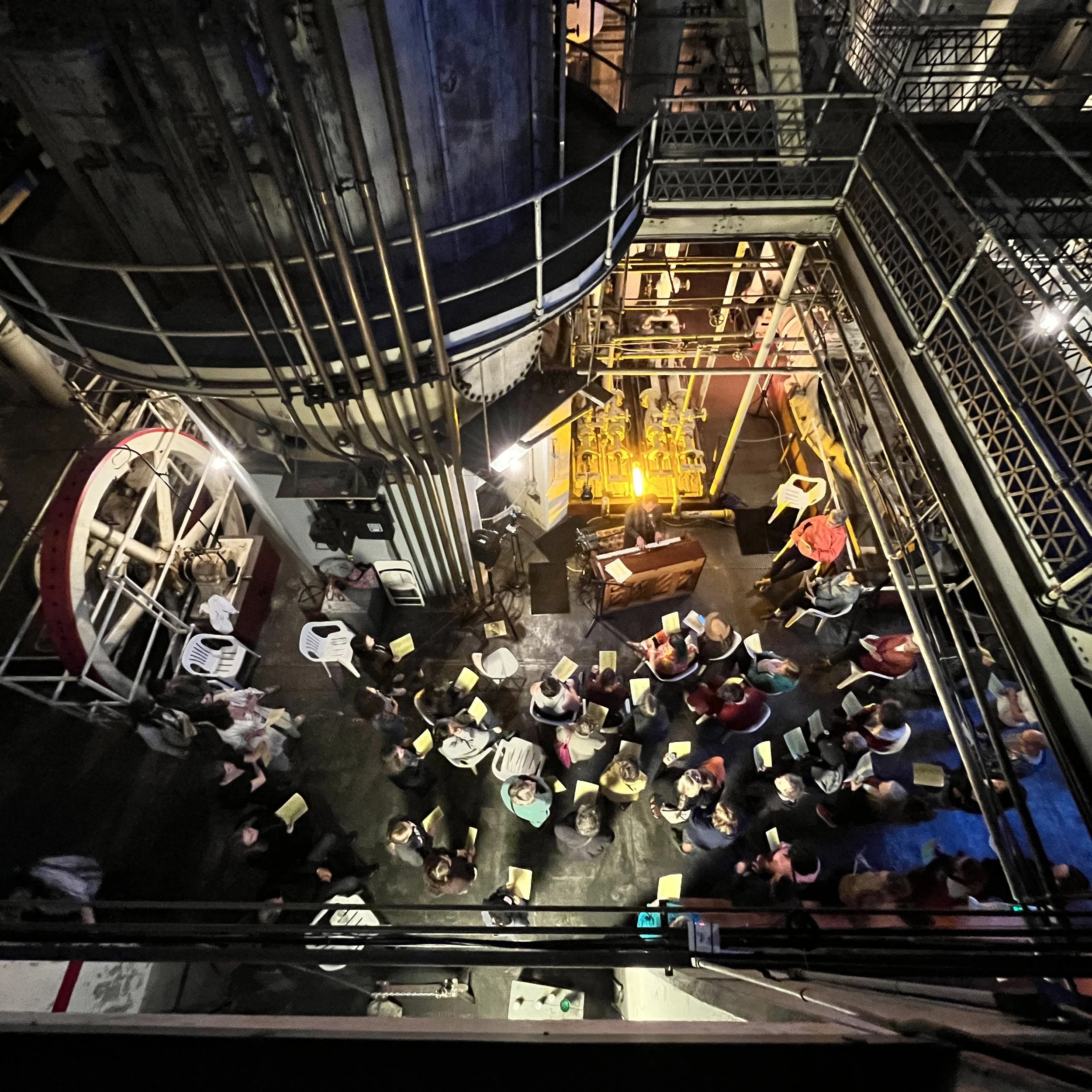
Sound gathers differently here—echo chambers, dead rooms, metal pipes, railings, and reverberation become industrial instruments resonating frequencies of the past, present, and reimagined futures.
And then the phone rings…
Welcome to the Machine
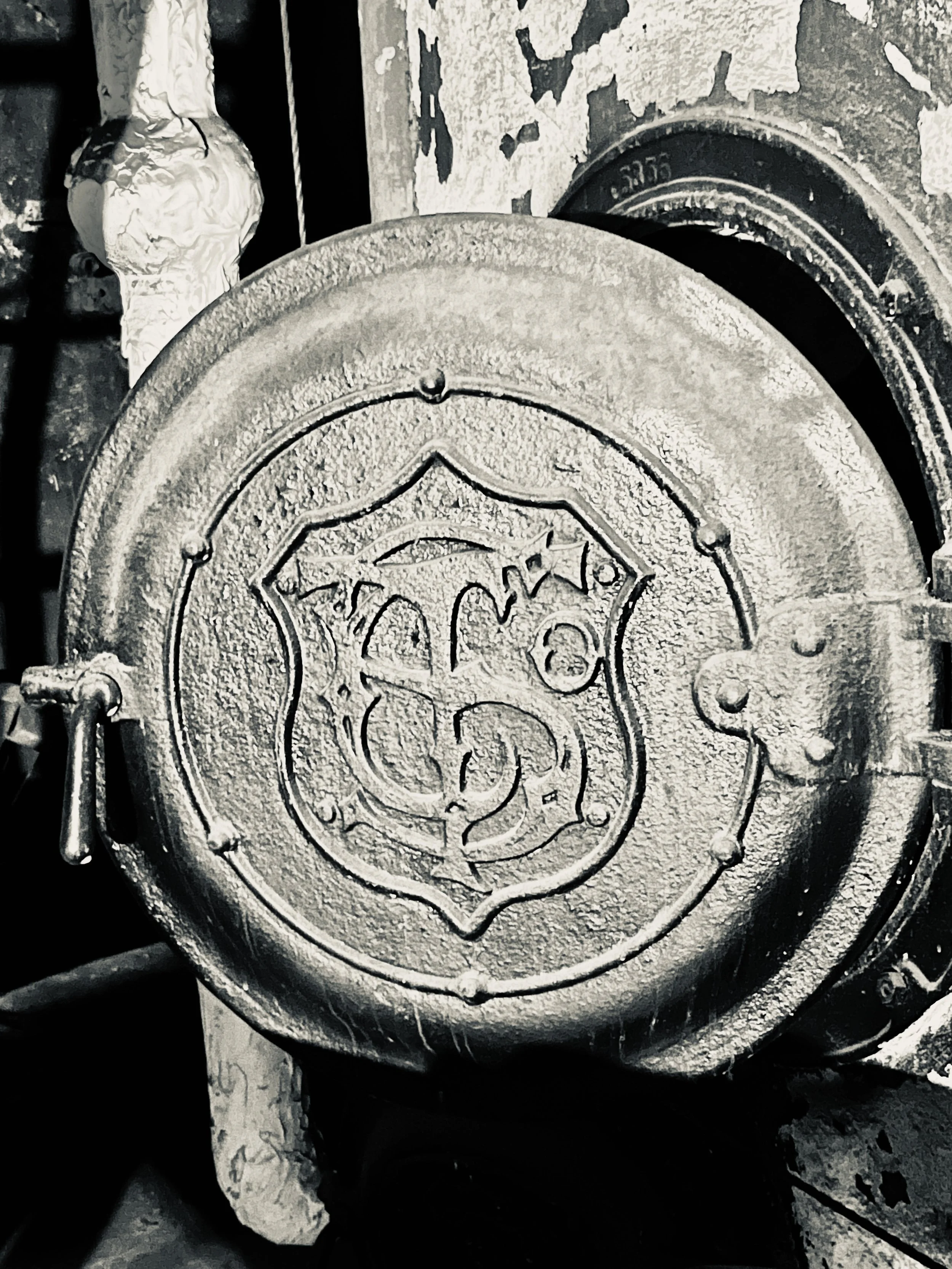
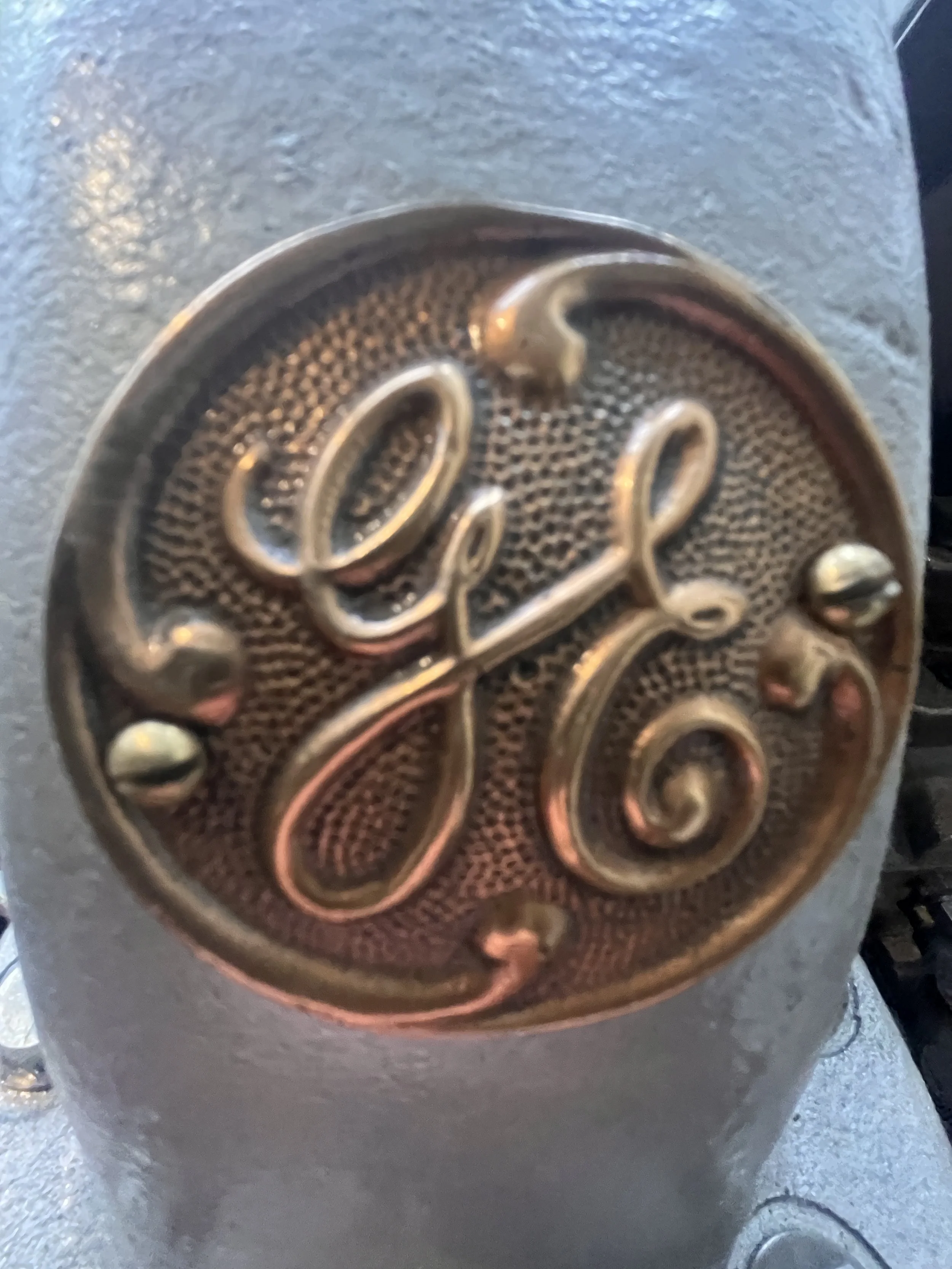
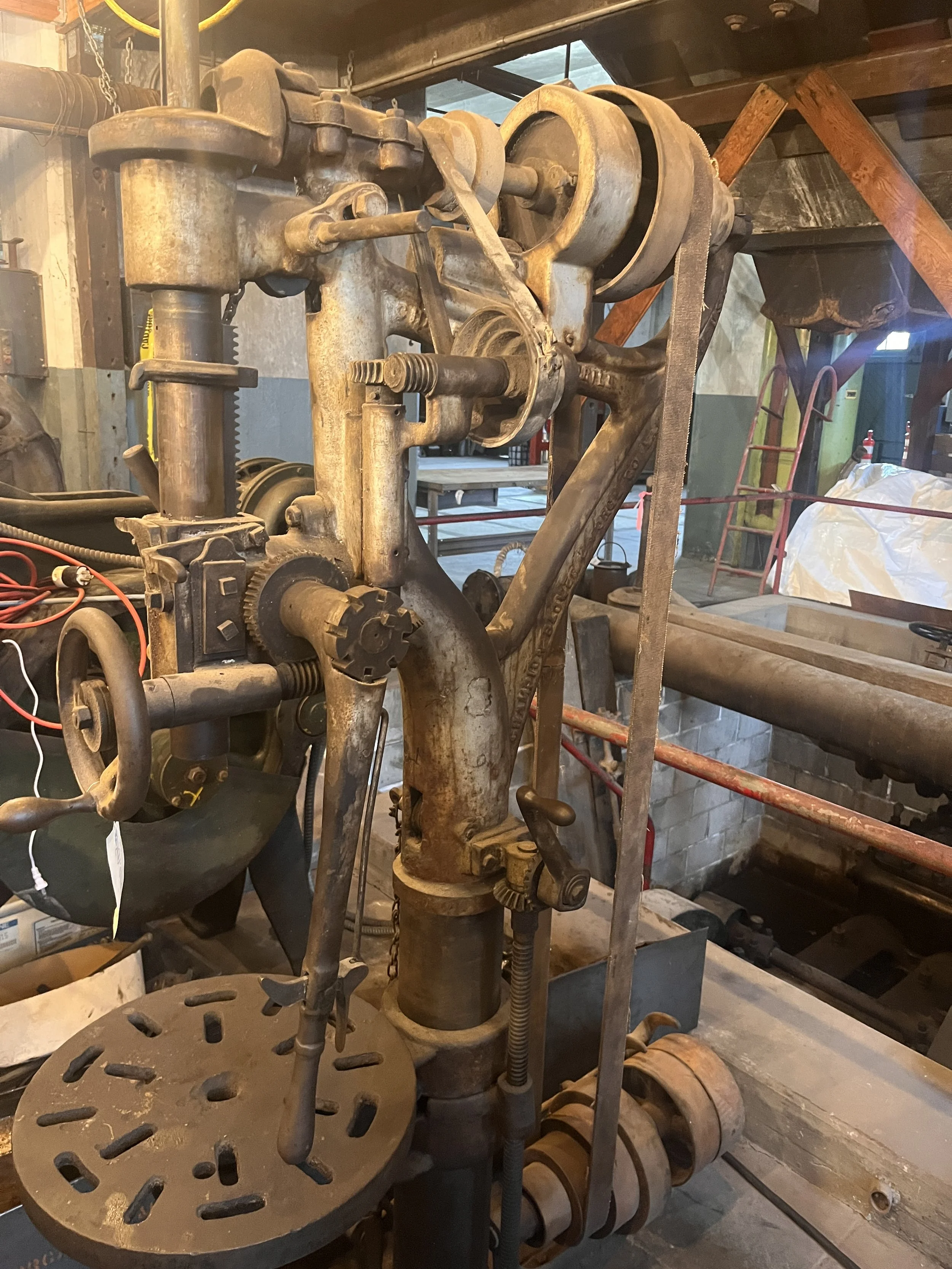
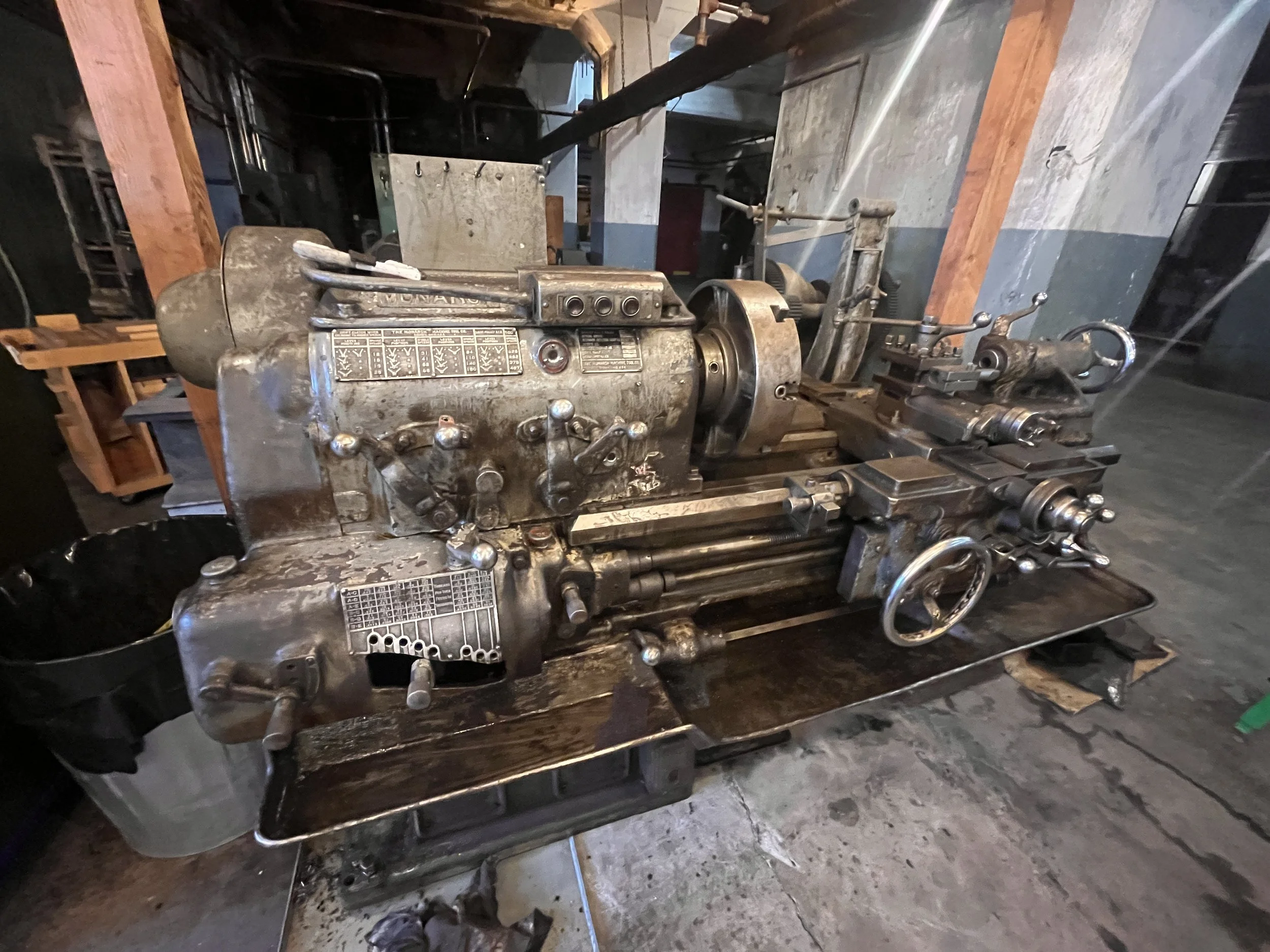
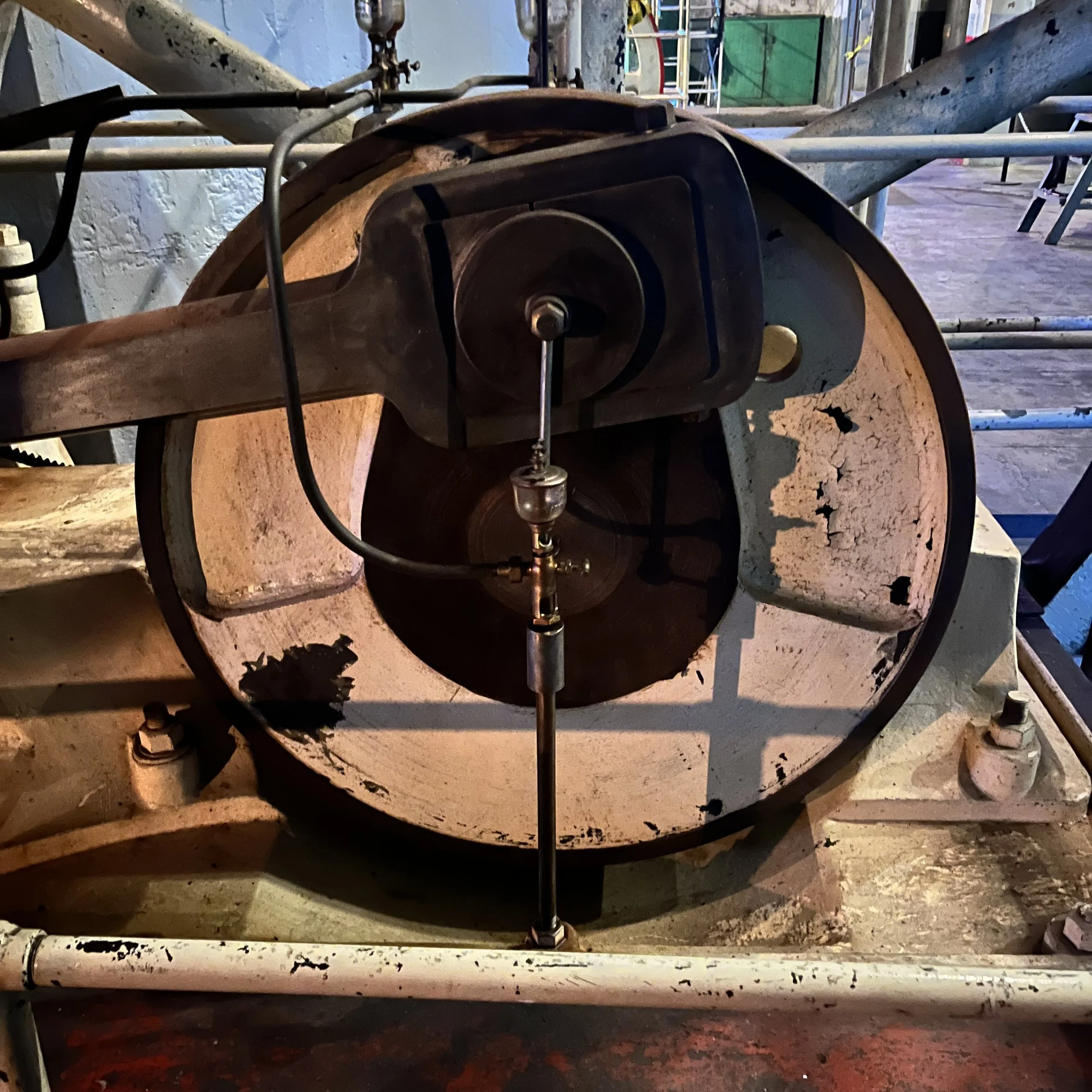
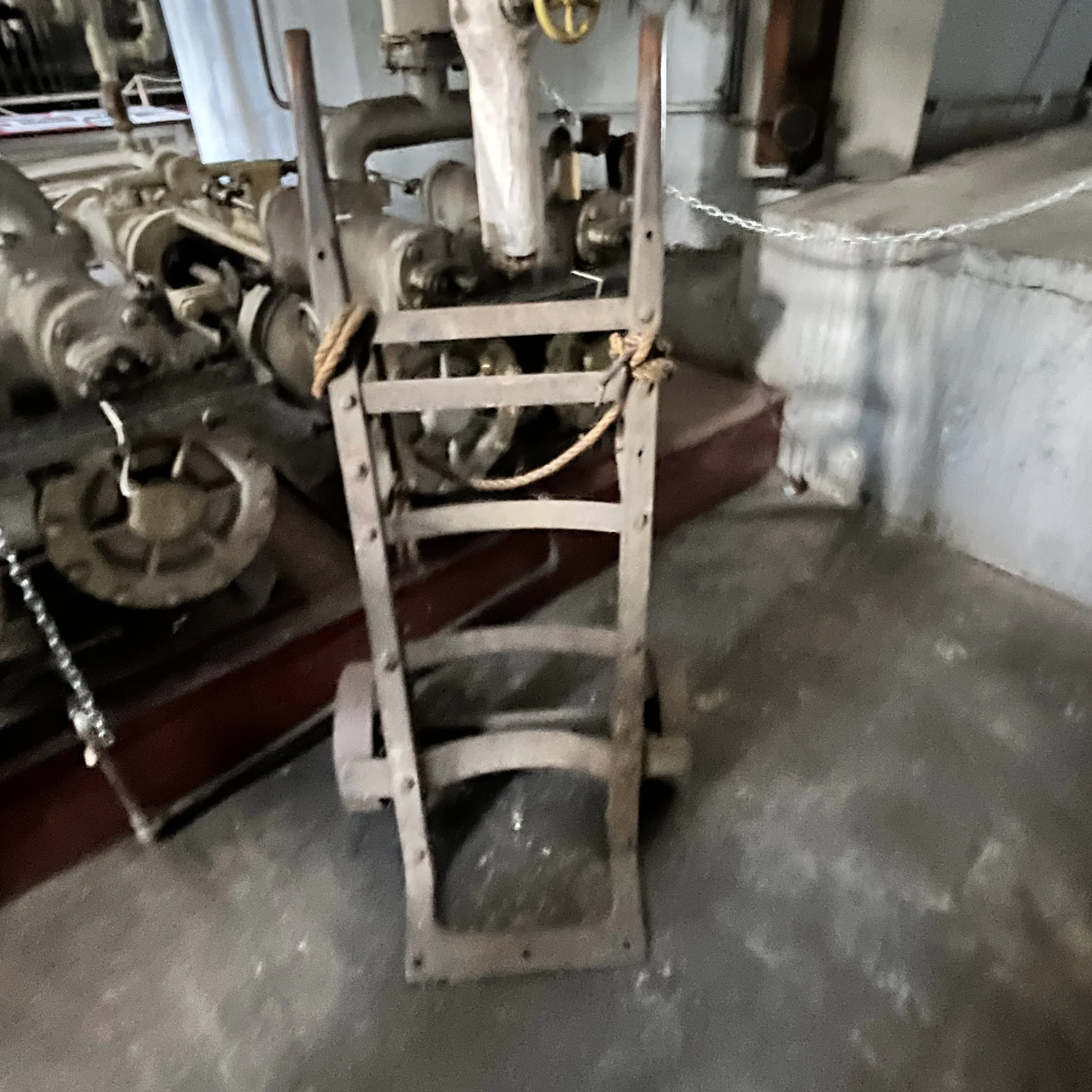
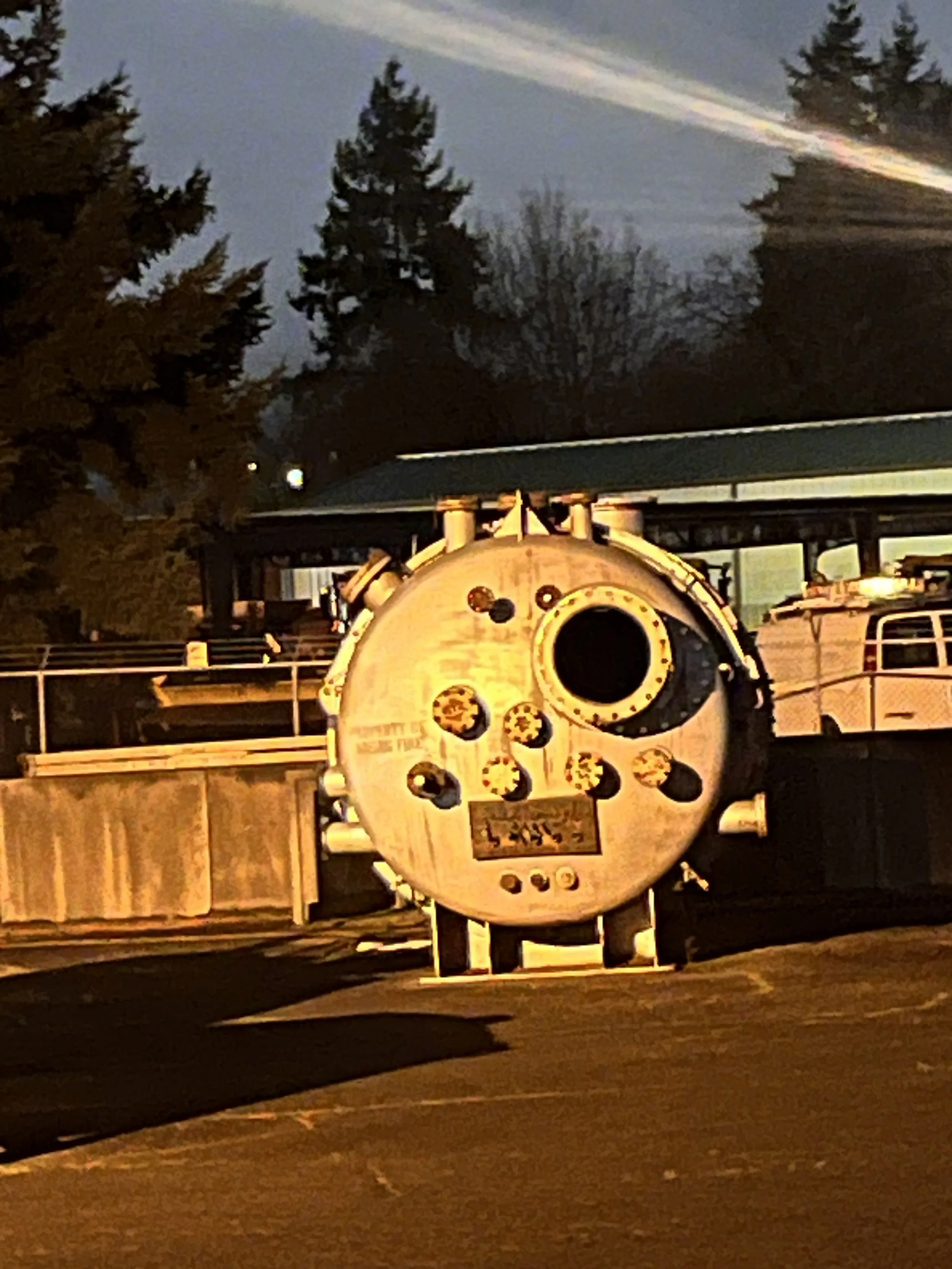
I fell in love with the machines of the Steam Plant—there is an undeniable romance of the ages here—entangled with the hard truths of the Anthropocene.
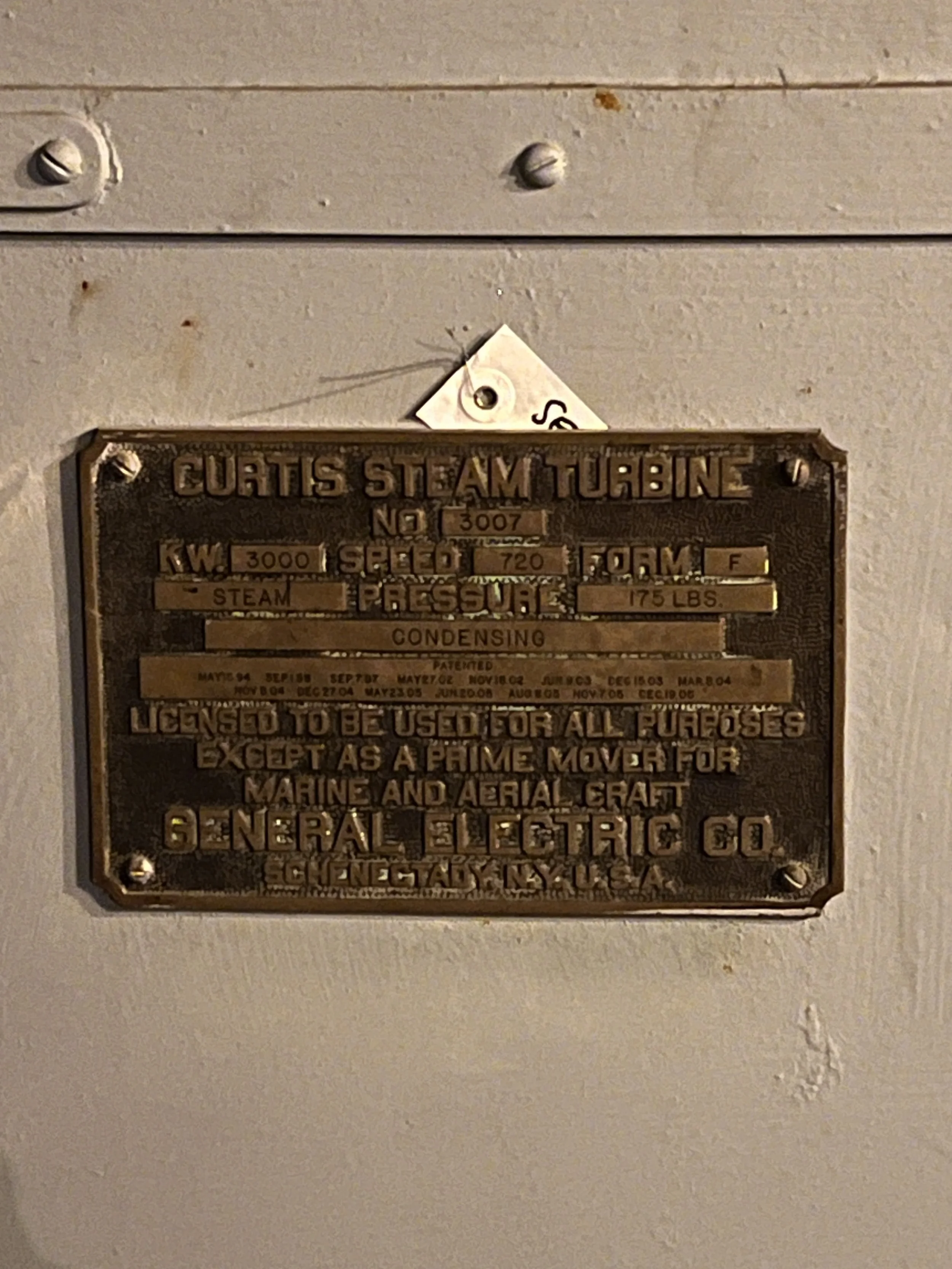
The Georgetown Steam Plant stands as a monument to the optimism and innovative spirit of the industrial age, it too is ground zero in the Duwamish River Valley for the fossil-fuel era.
It represents our collective betrayal to the land, to the sea, to the air, and to the life that was, that is, and that wants to be—sacrifices we made for the illumination of empire, and for the steam to power the machines that conquered and tamed the natural world.
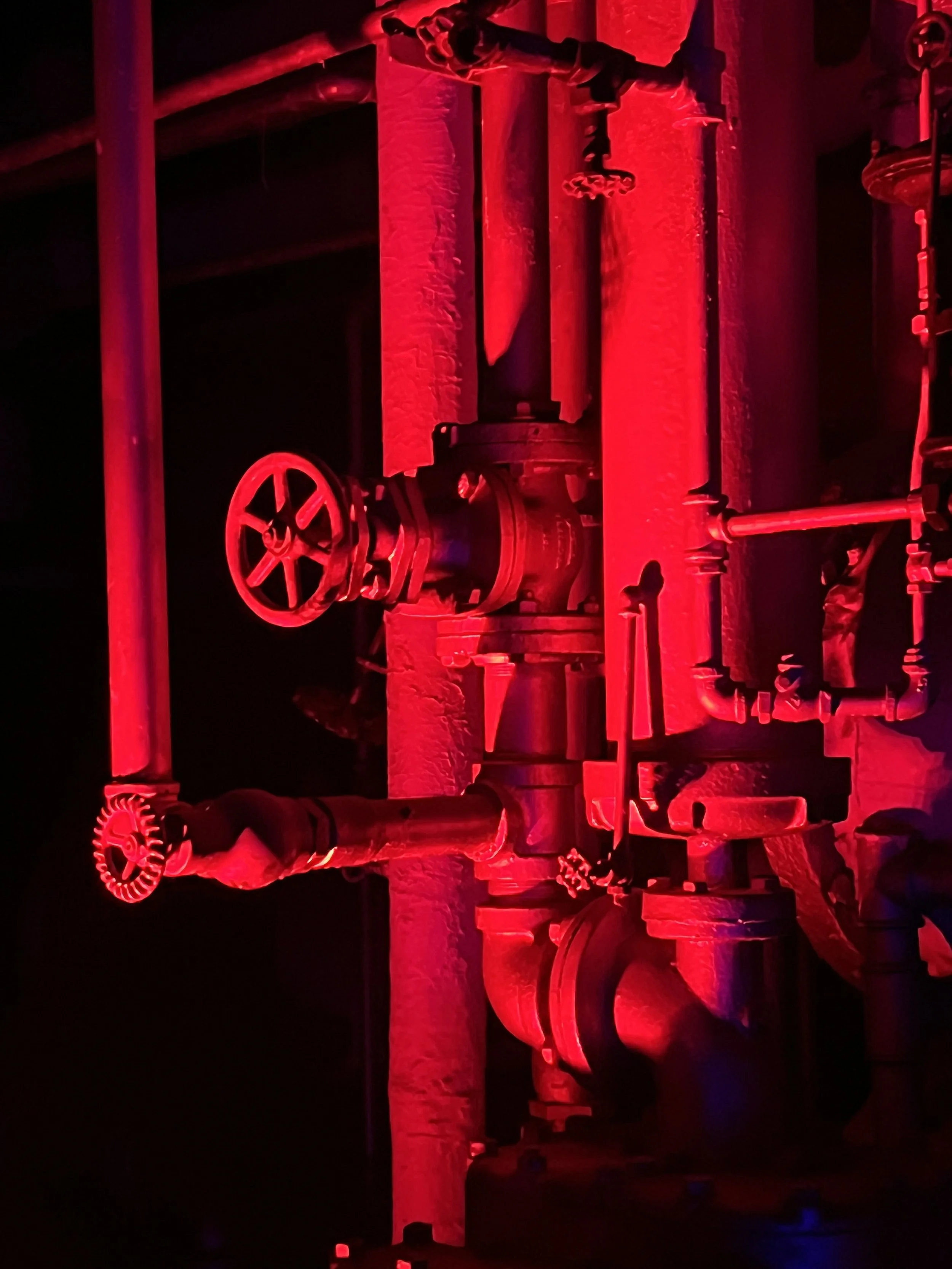
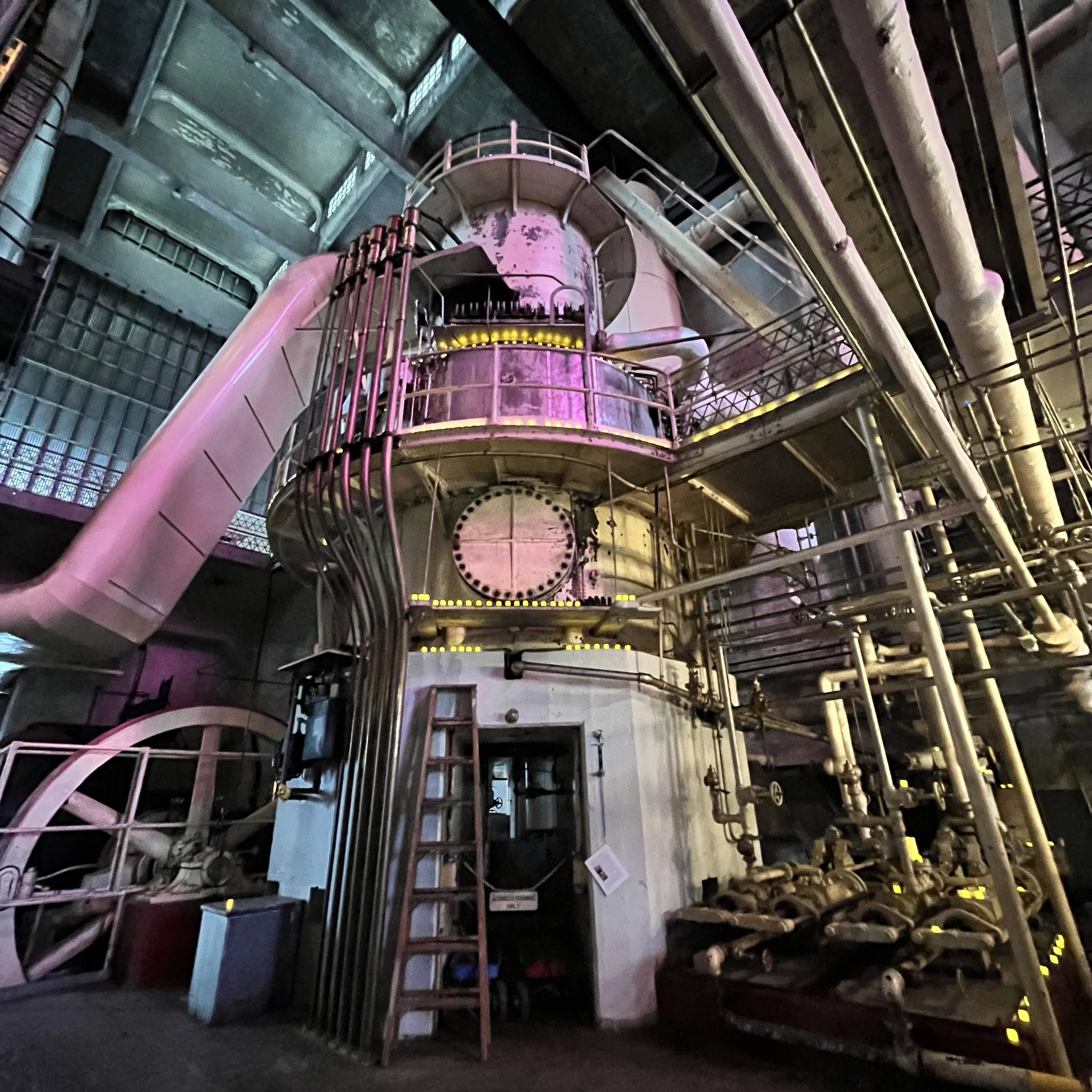
It is impossible not to stand in awe of these machines.
Rarely are we permitted to get so intimate with the monumental expressions of human innovation and our creative ability to convert raw materials into the forces that illuminate the modern world.
At the Georgetown Steam Plant we gather to honor the Machines—and we do so in awe.
. . .
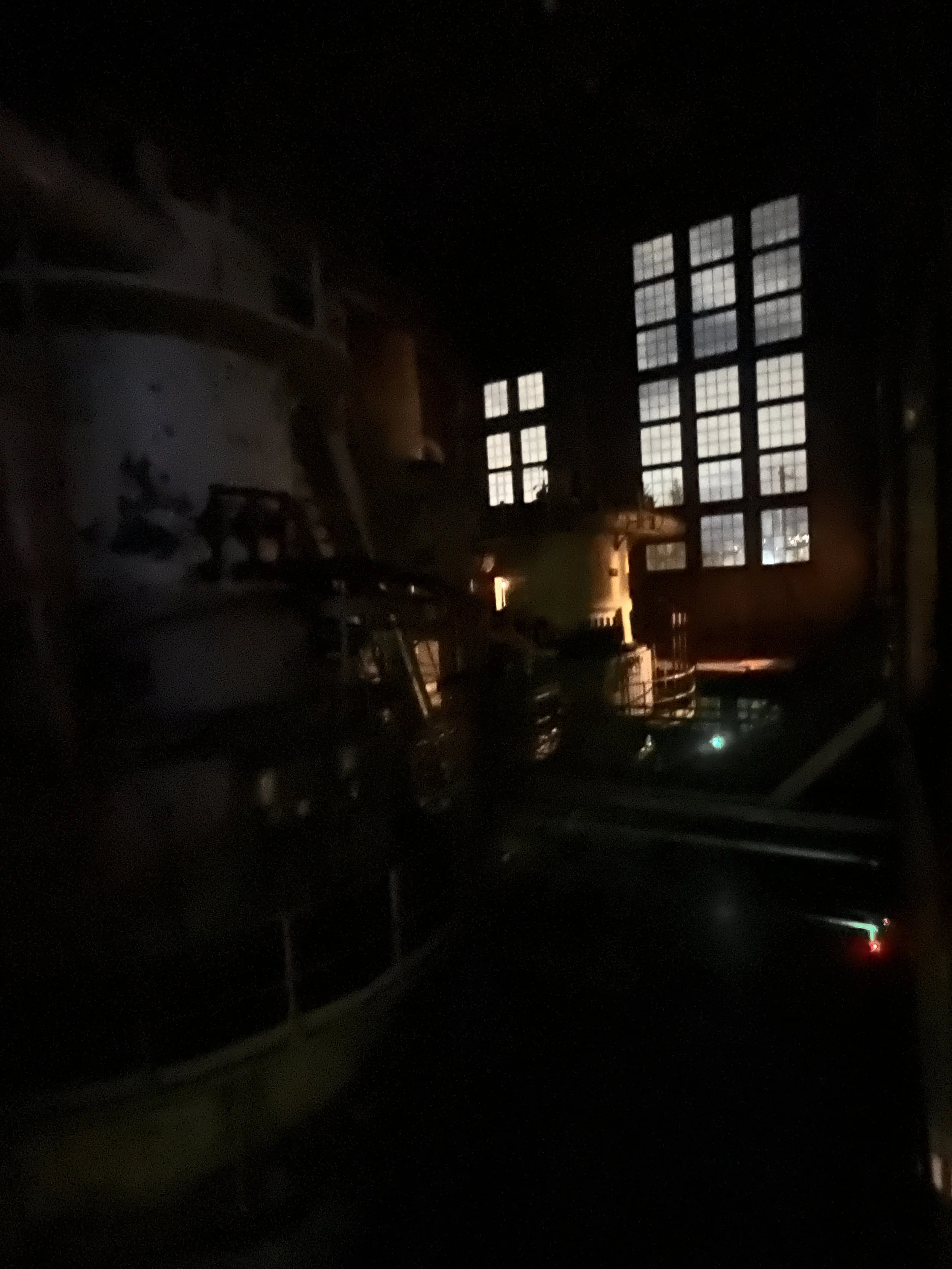
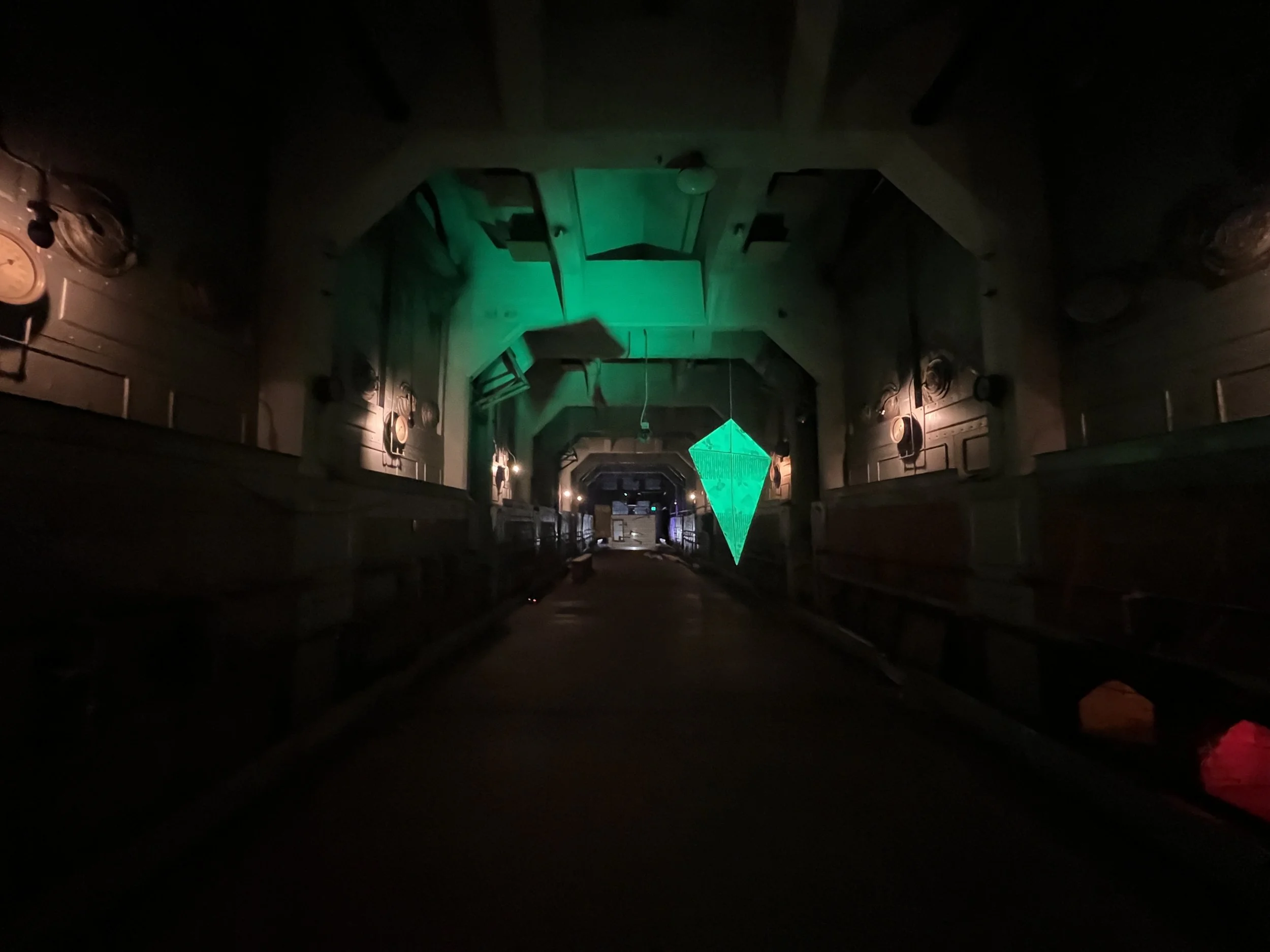
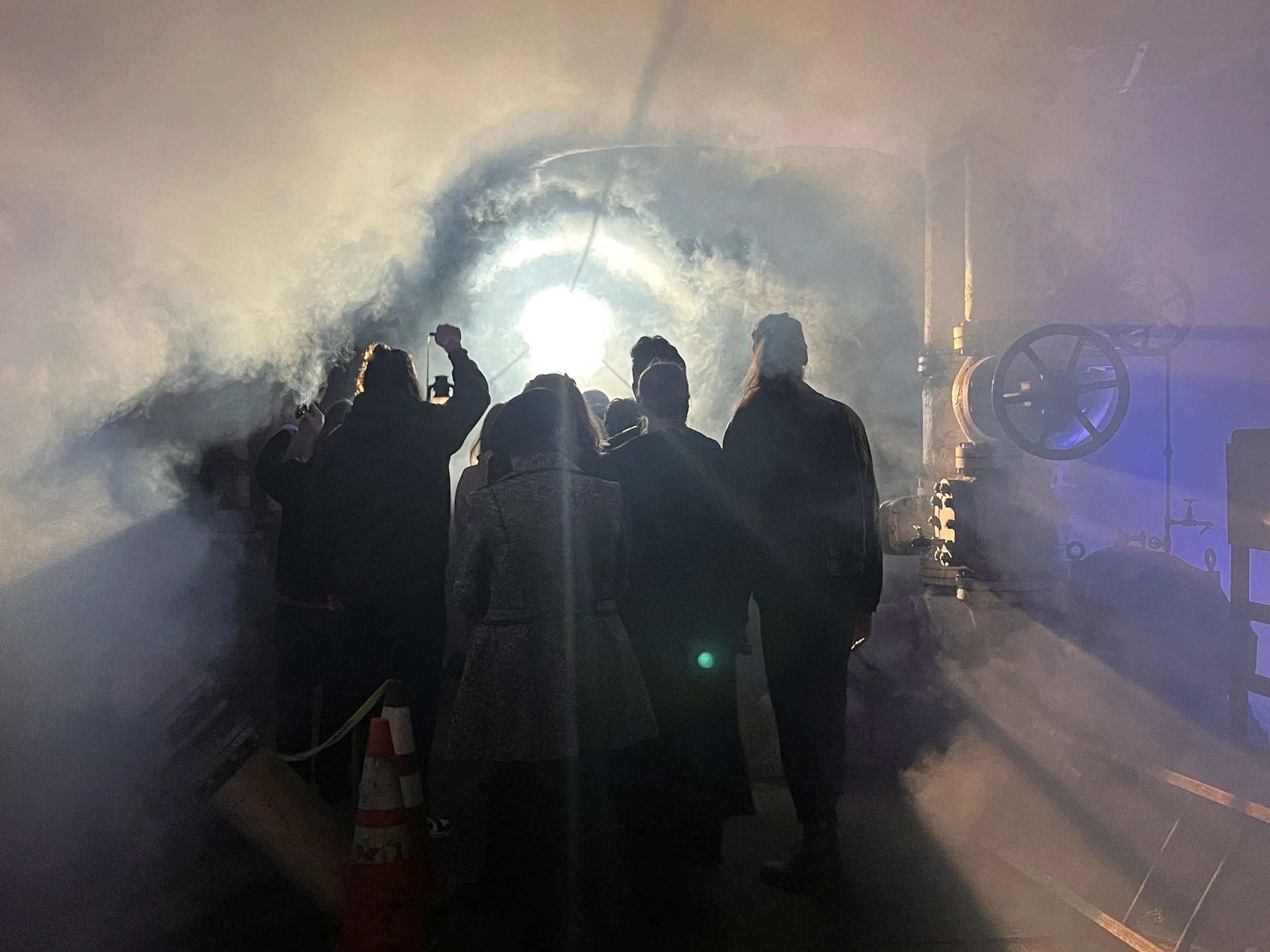
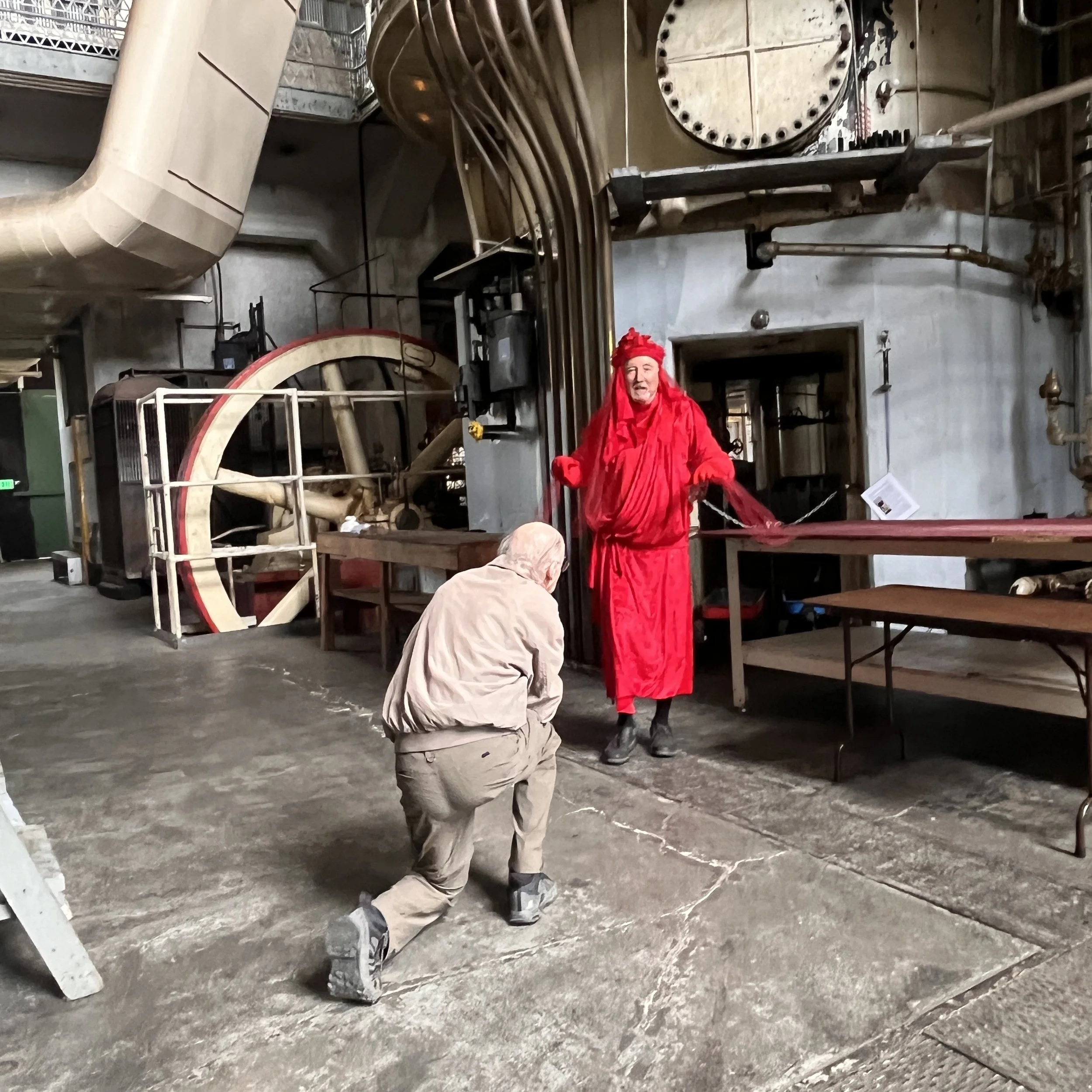
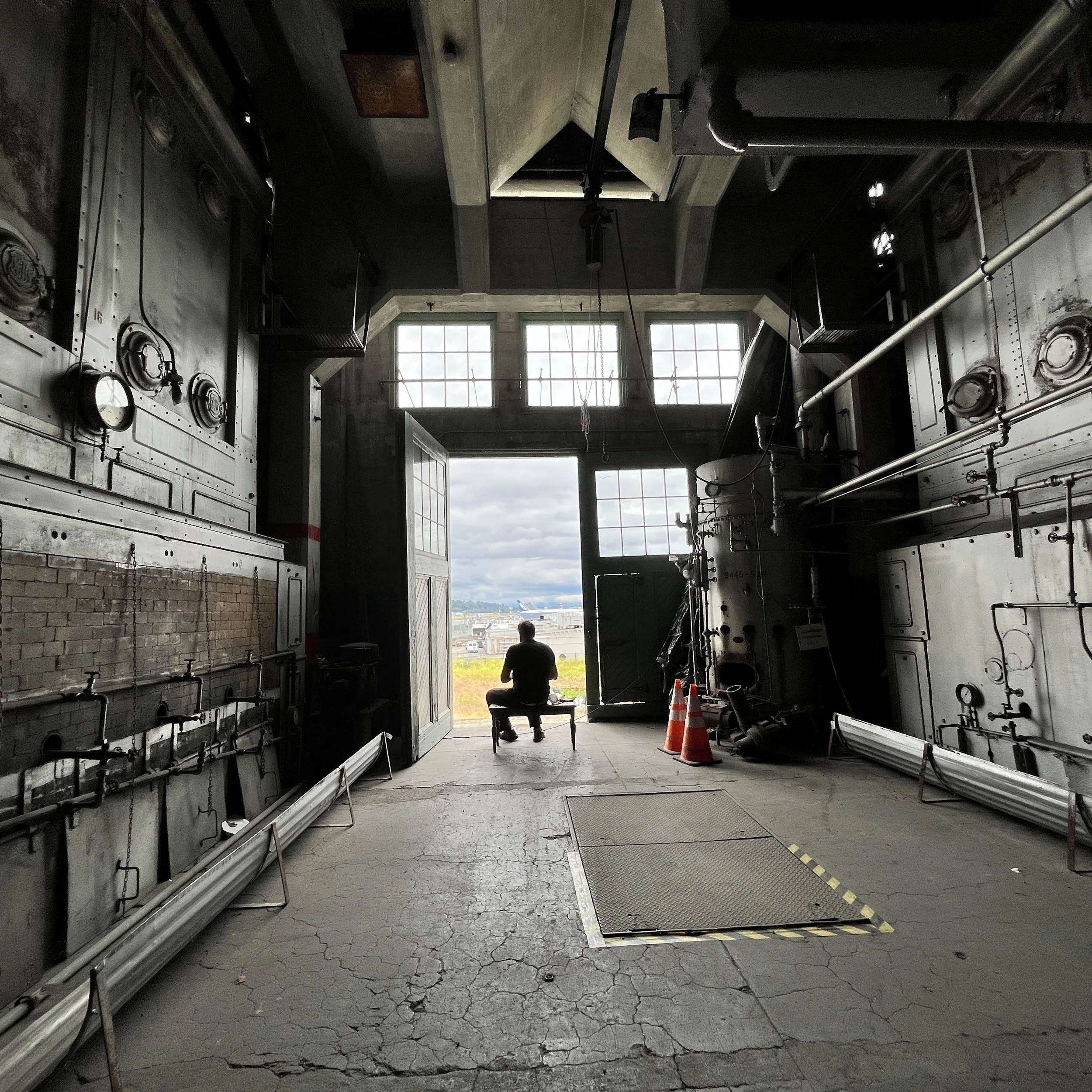
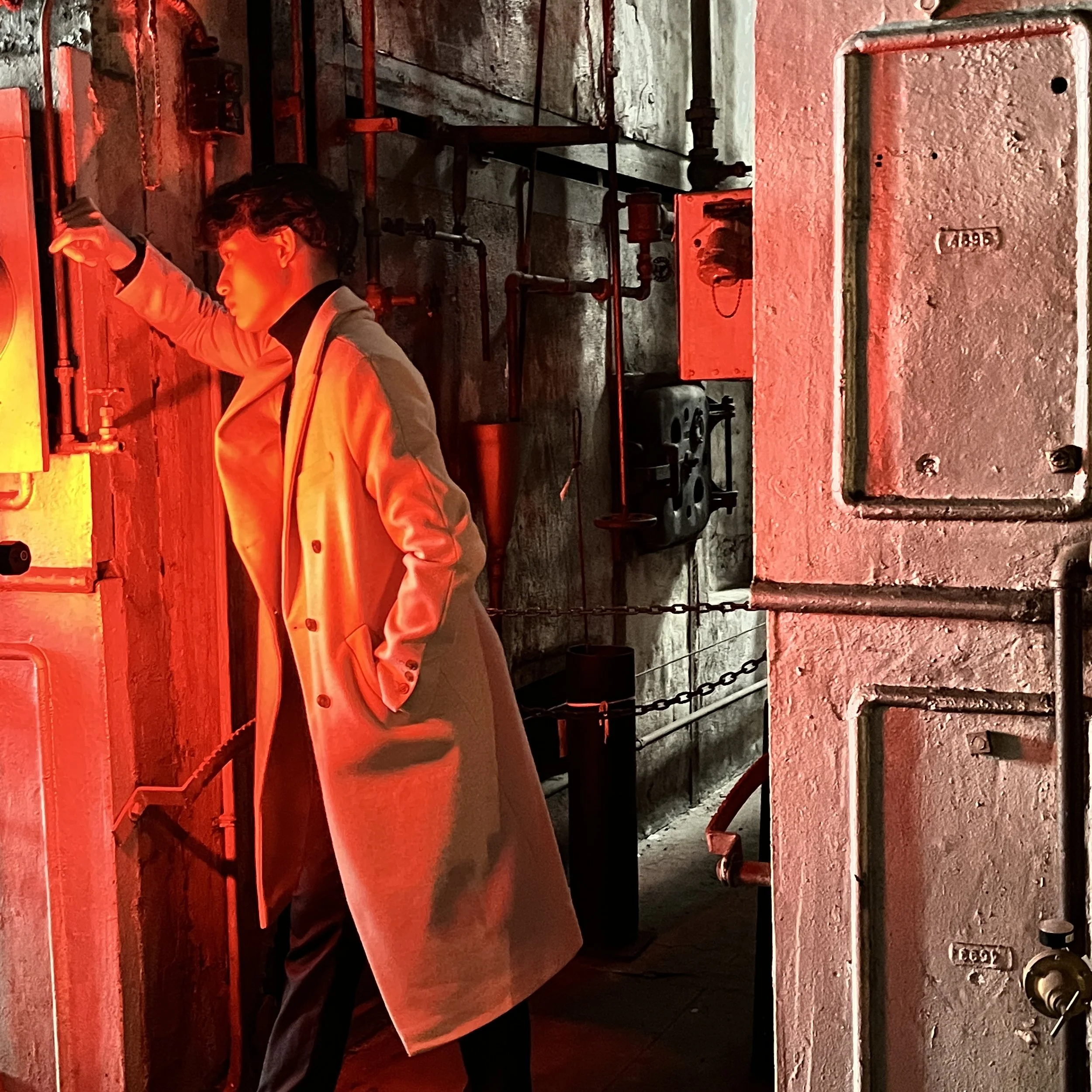
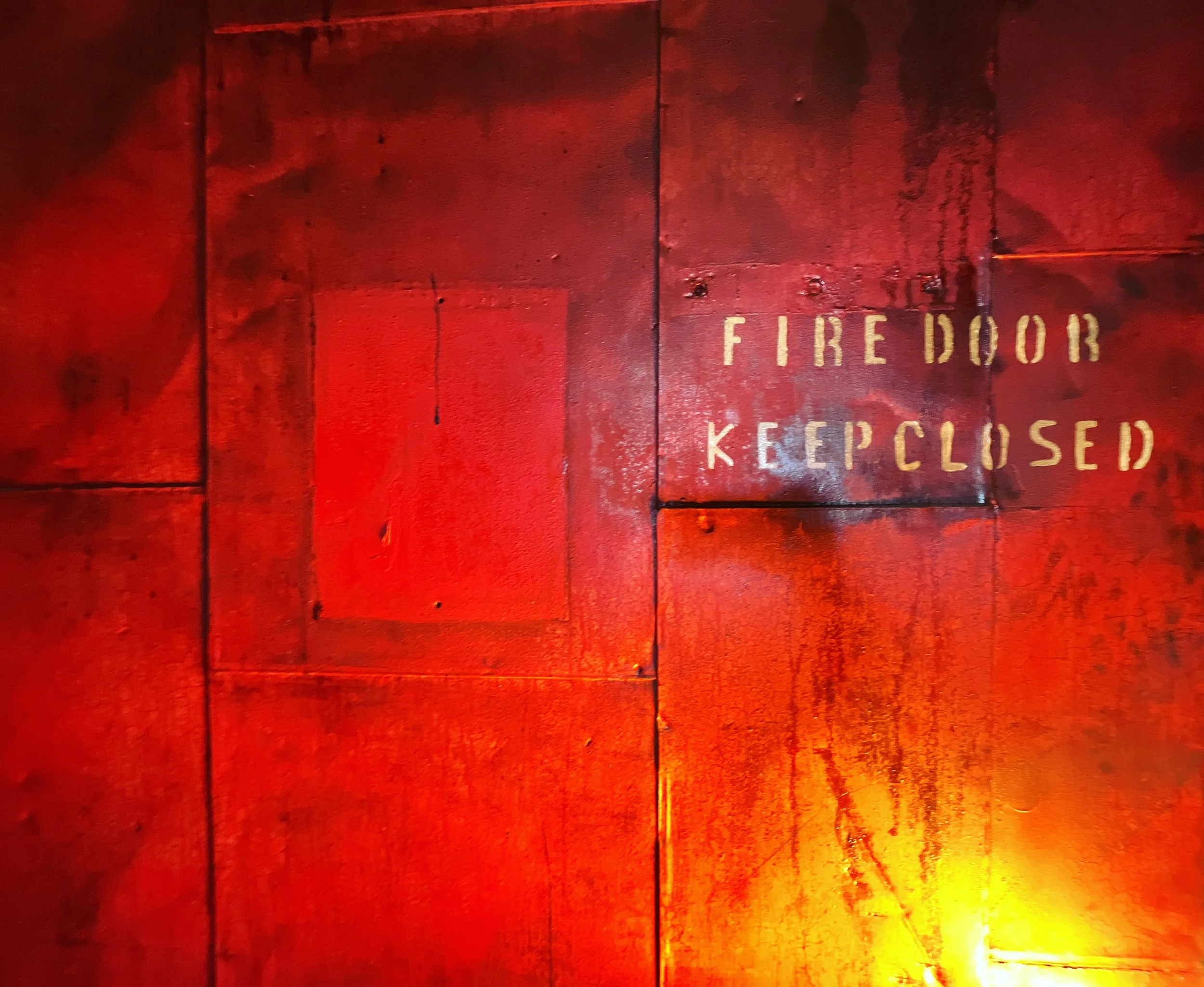
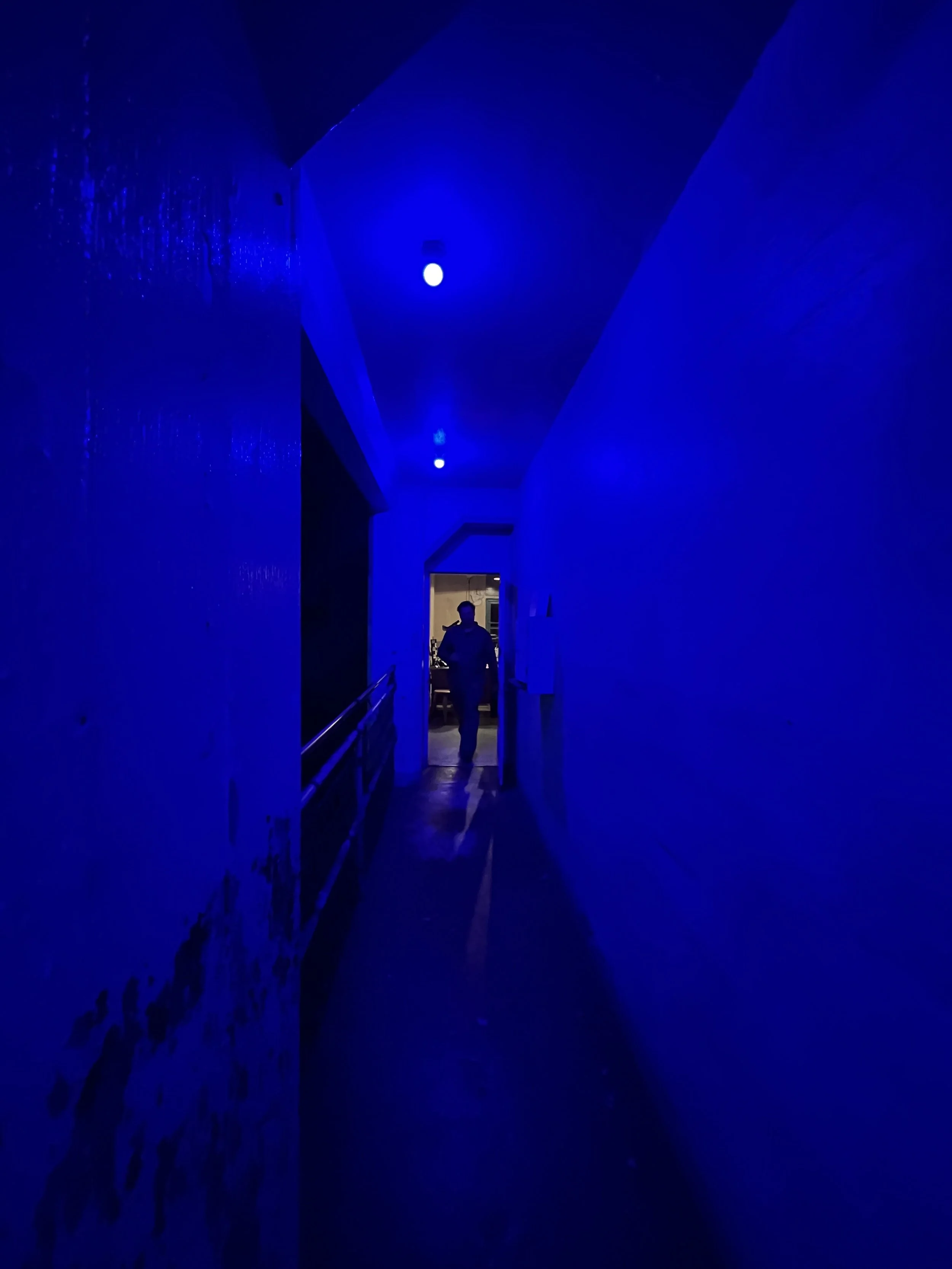
I walked the darkness, I gathered in the light, I endured the cold, the heat, and I confronted the ghosts of a distant age when the hiss of steam fueled the dream.
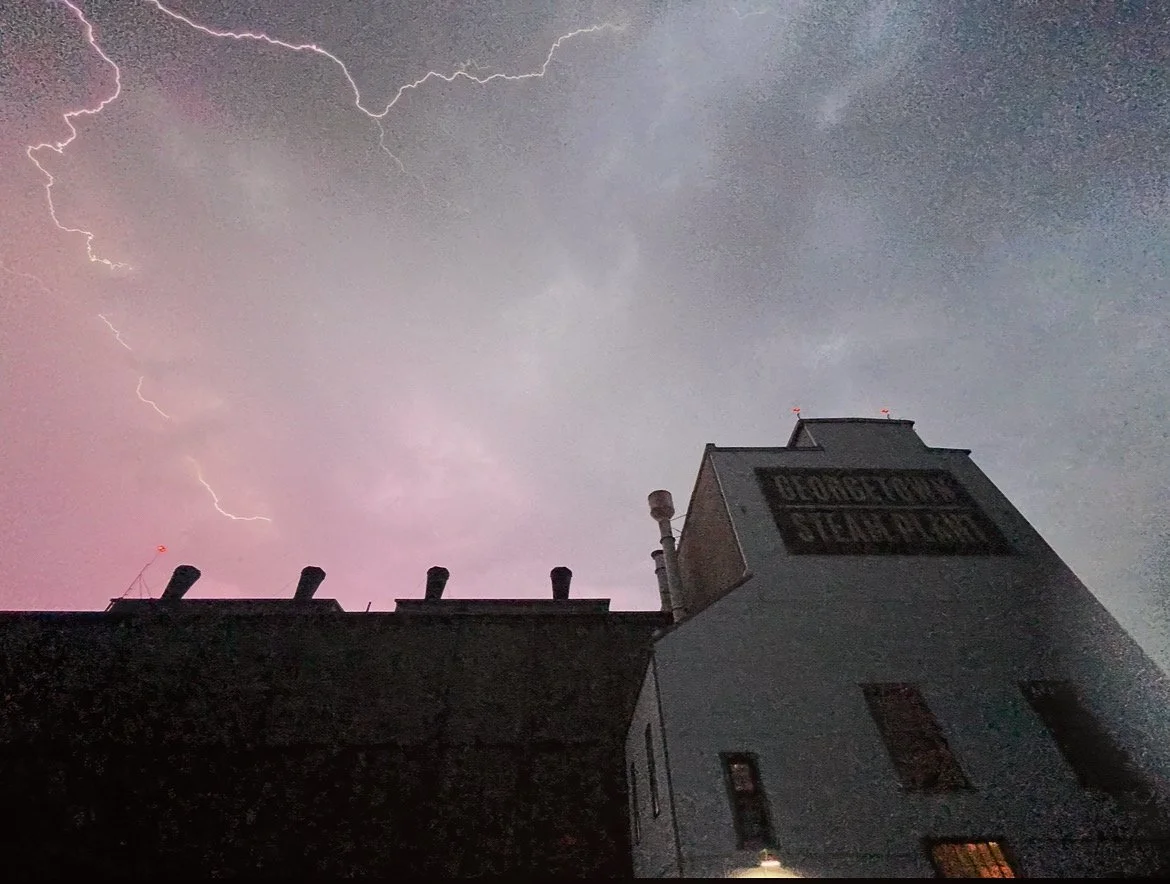
I sat alone during a bomb cyclone just to hear the machine come to life.
Today, the plant amplifies memory, tension, and the lingering imprint of the fossil fuel age.
In this stillness, a new energy emerges—one that depends entirely on who experiences it, and why they are here.
Is it your love for the marriage of man and machines and the industrial landscapes that draws you in?
Is it the "terrible madness" and the impact from the machines on the natural world that causes deep contemplation and concern?
Is it industrial decay and hoped for revival?
Or, is it simply because these machines are beautiful expressions of human innovation?
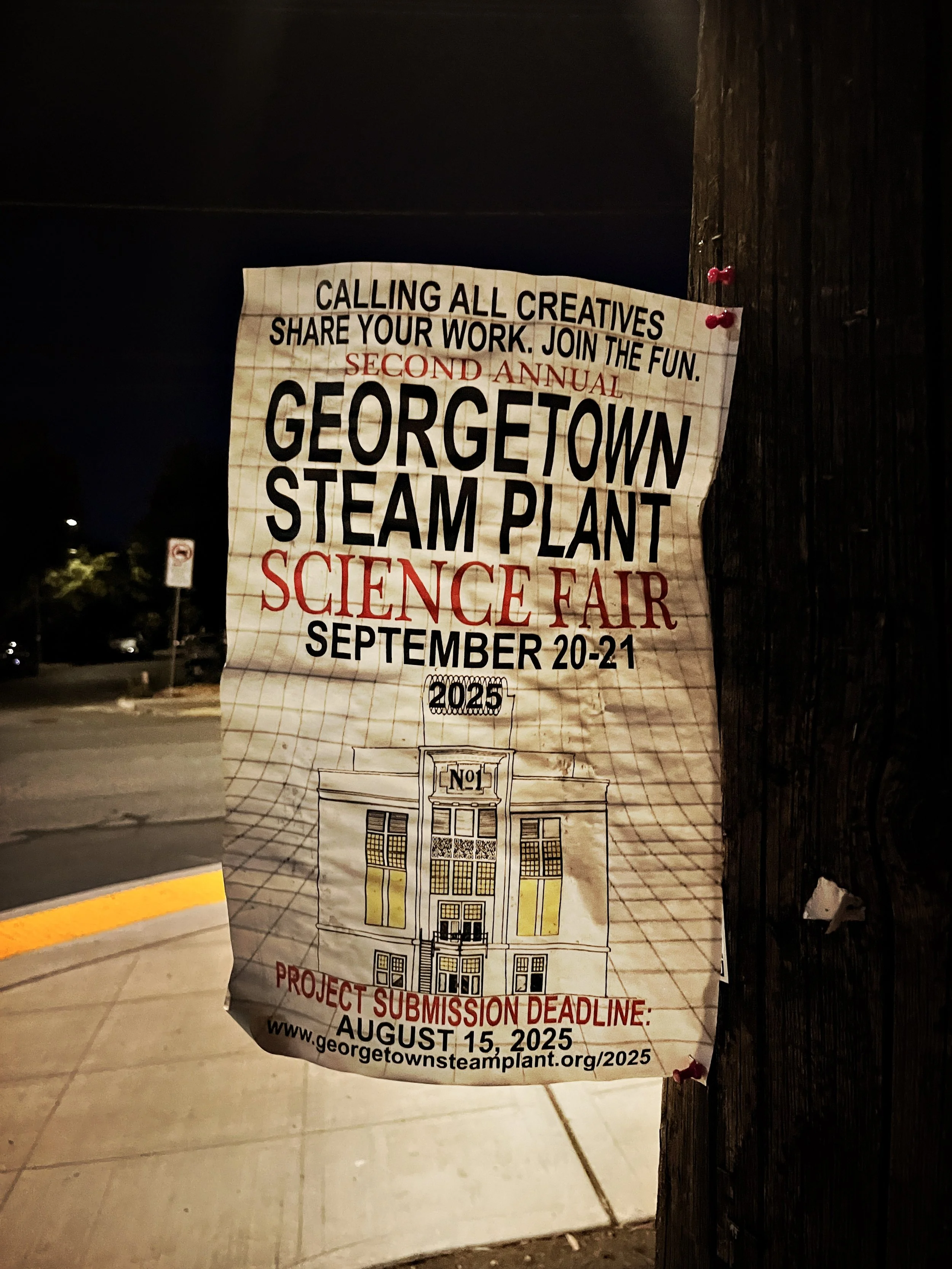
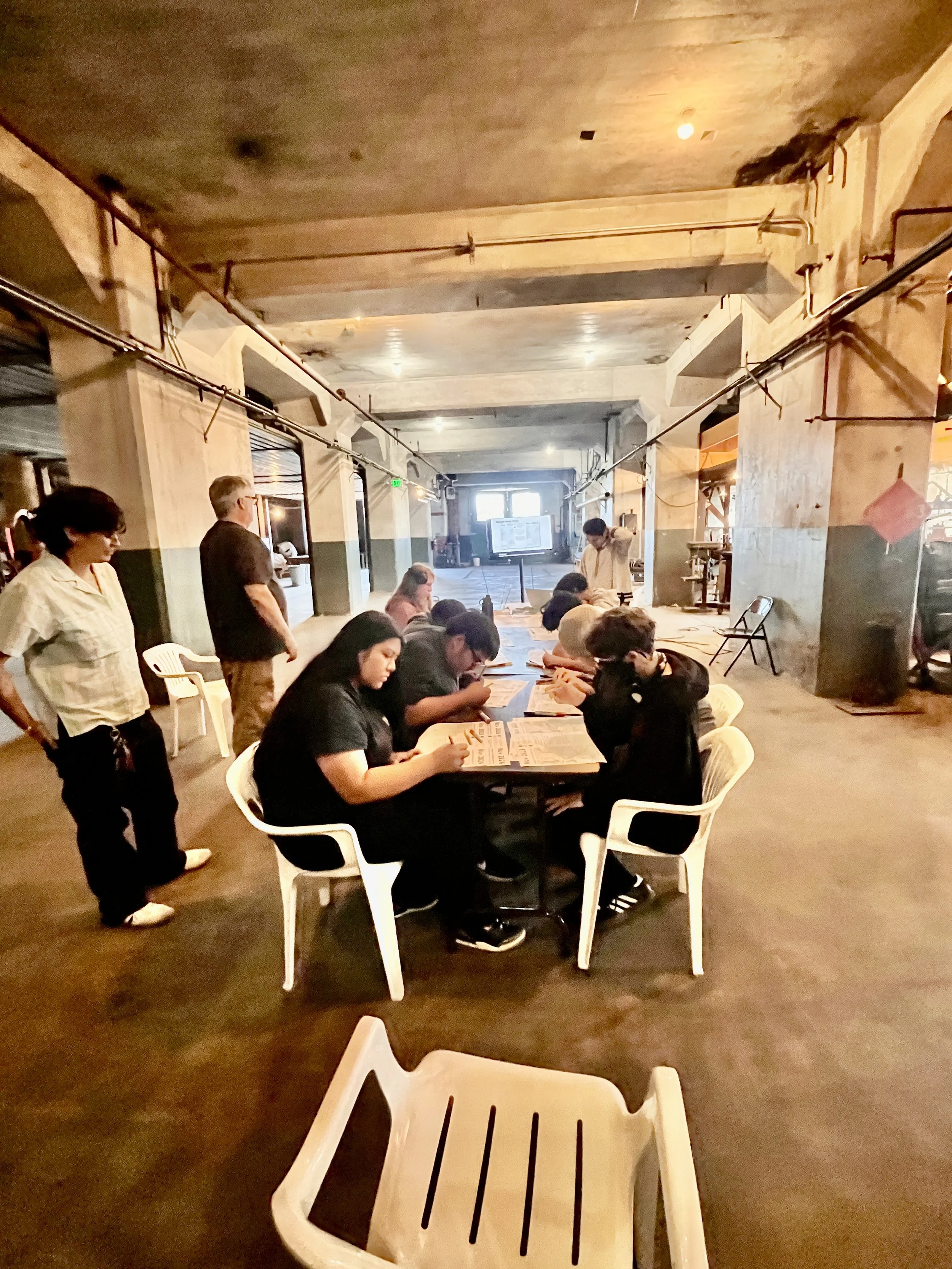
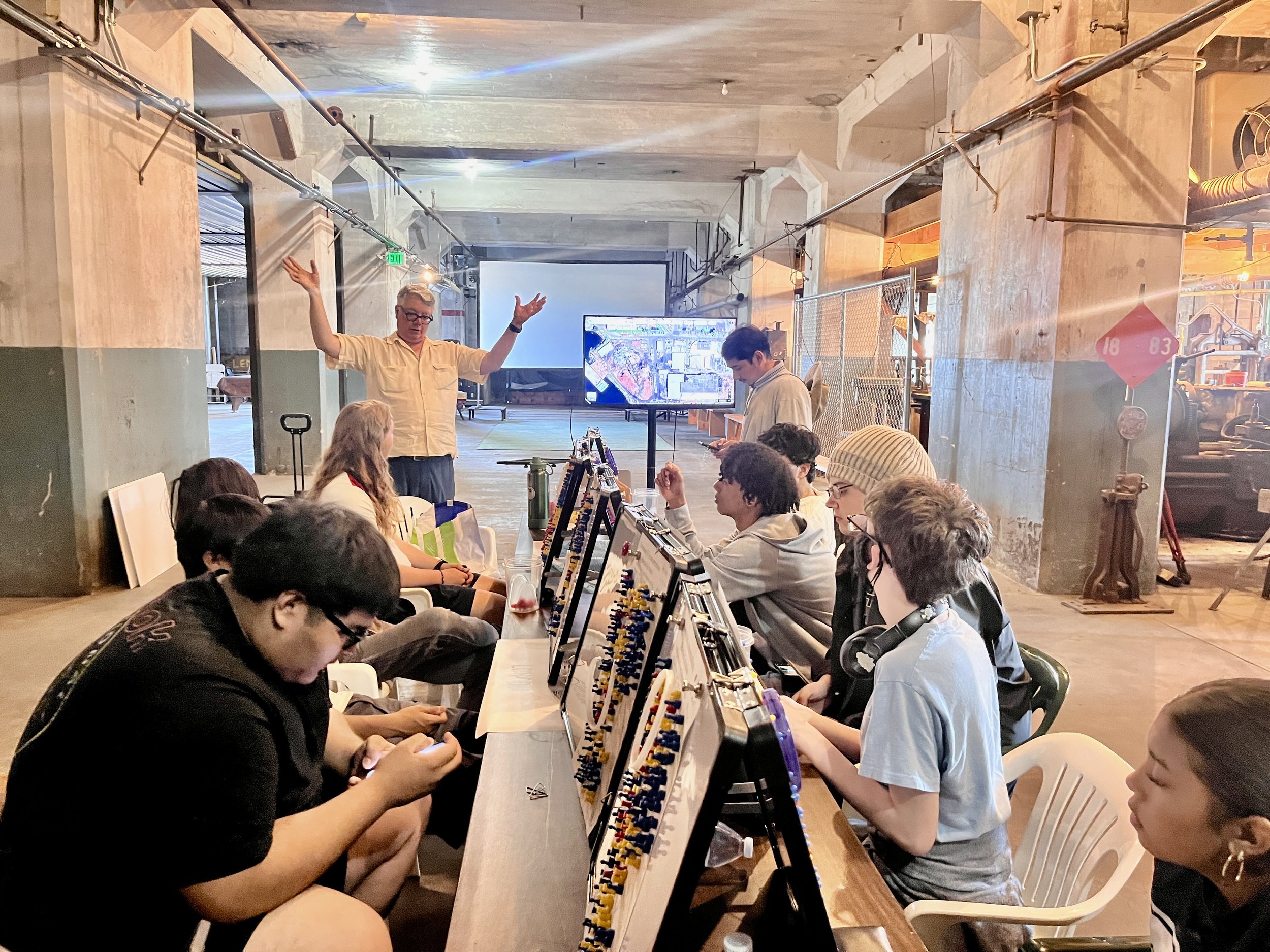
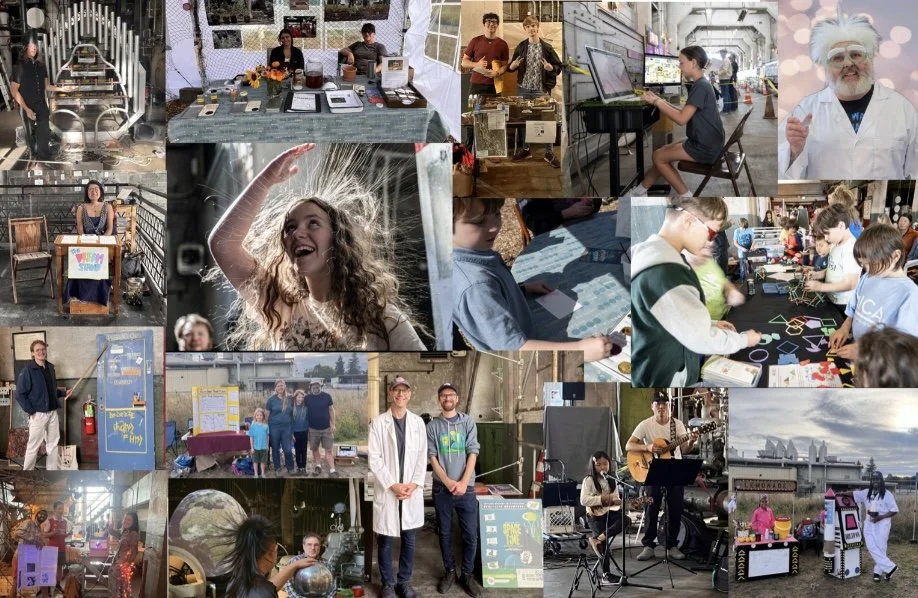
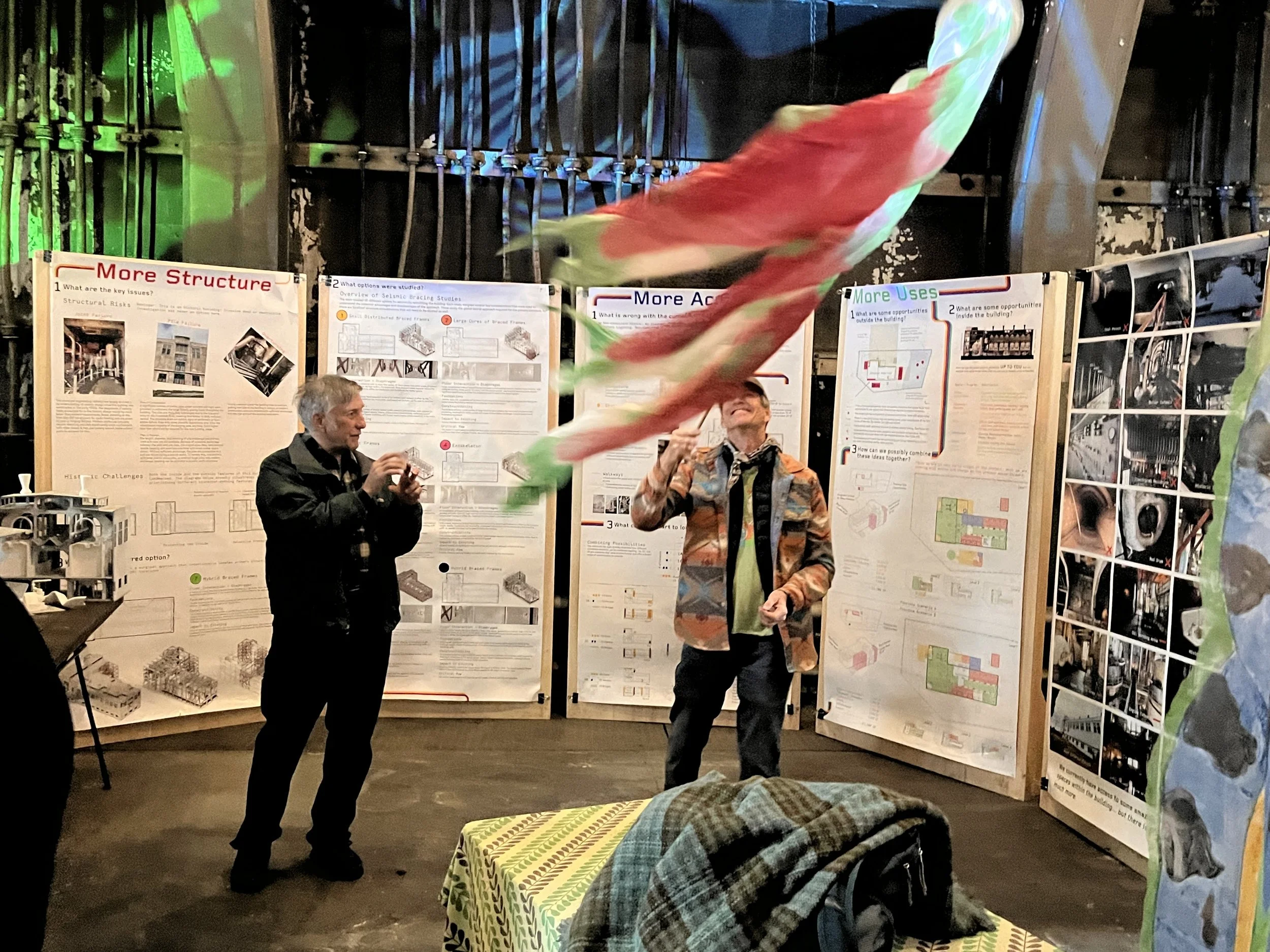
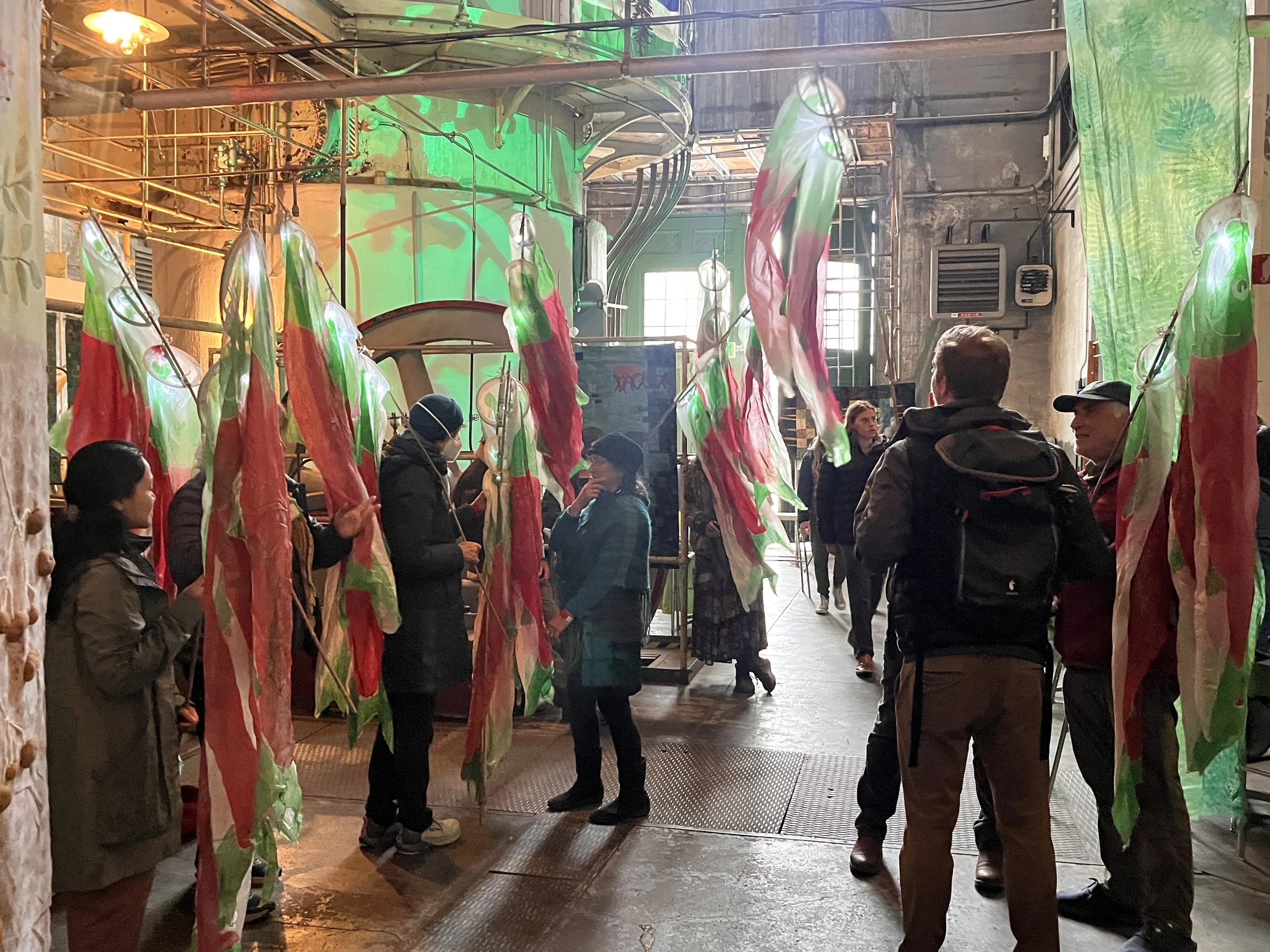
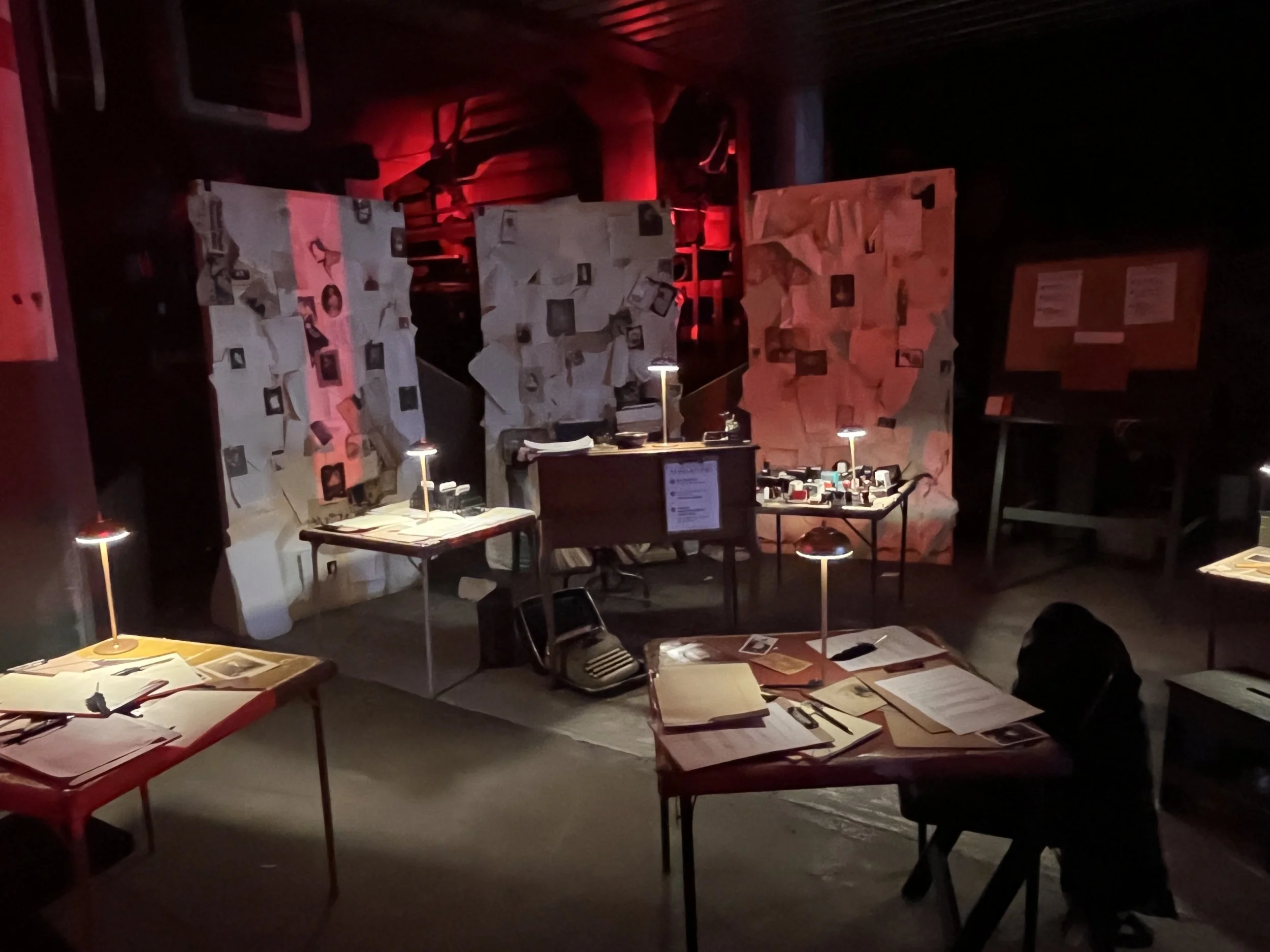
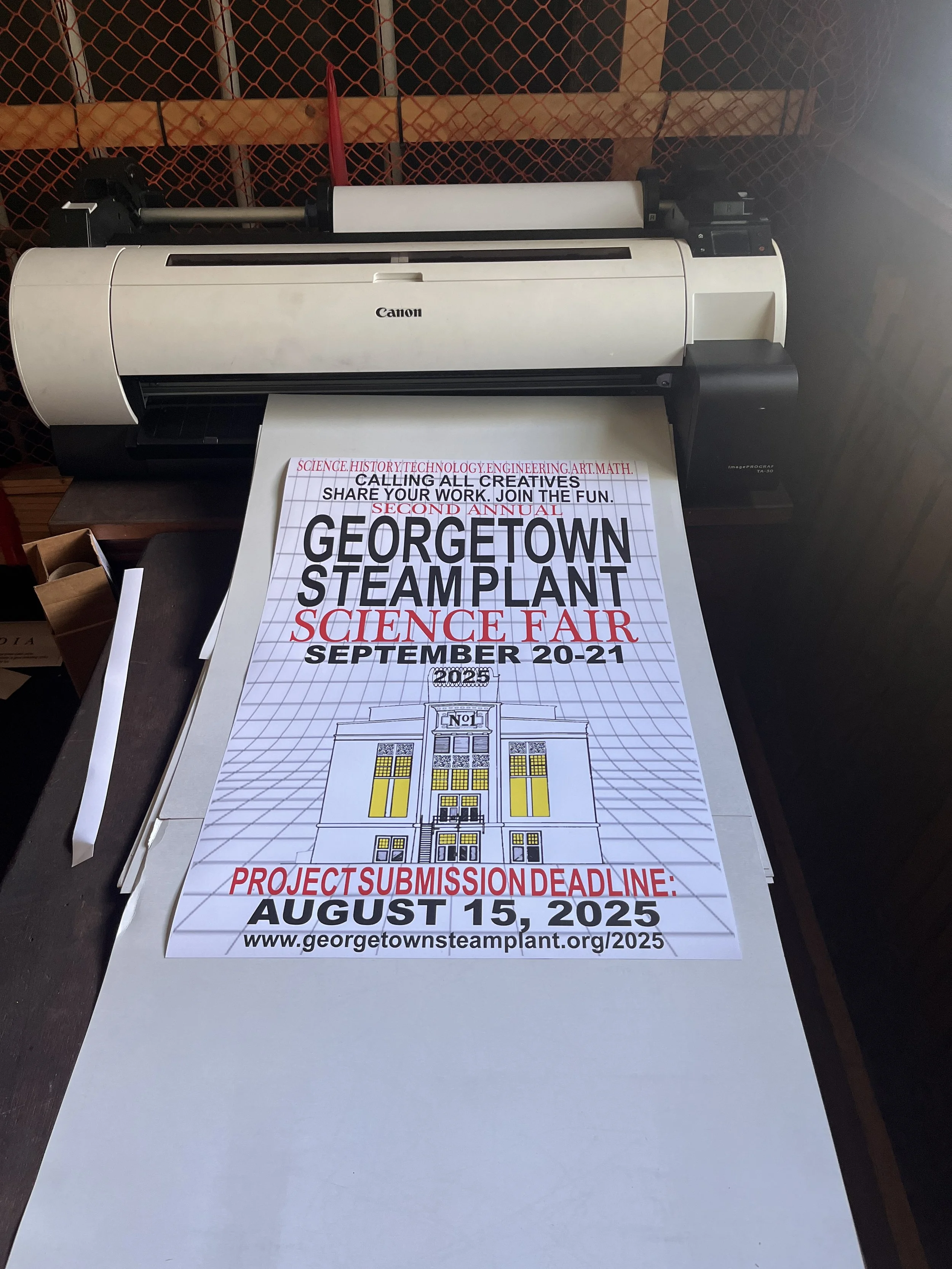
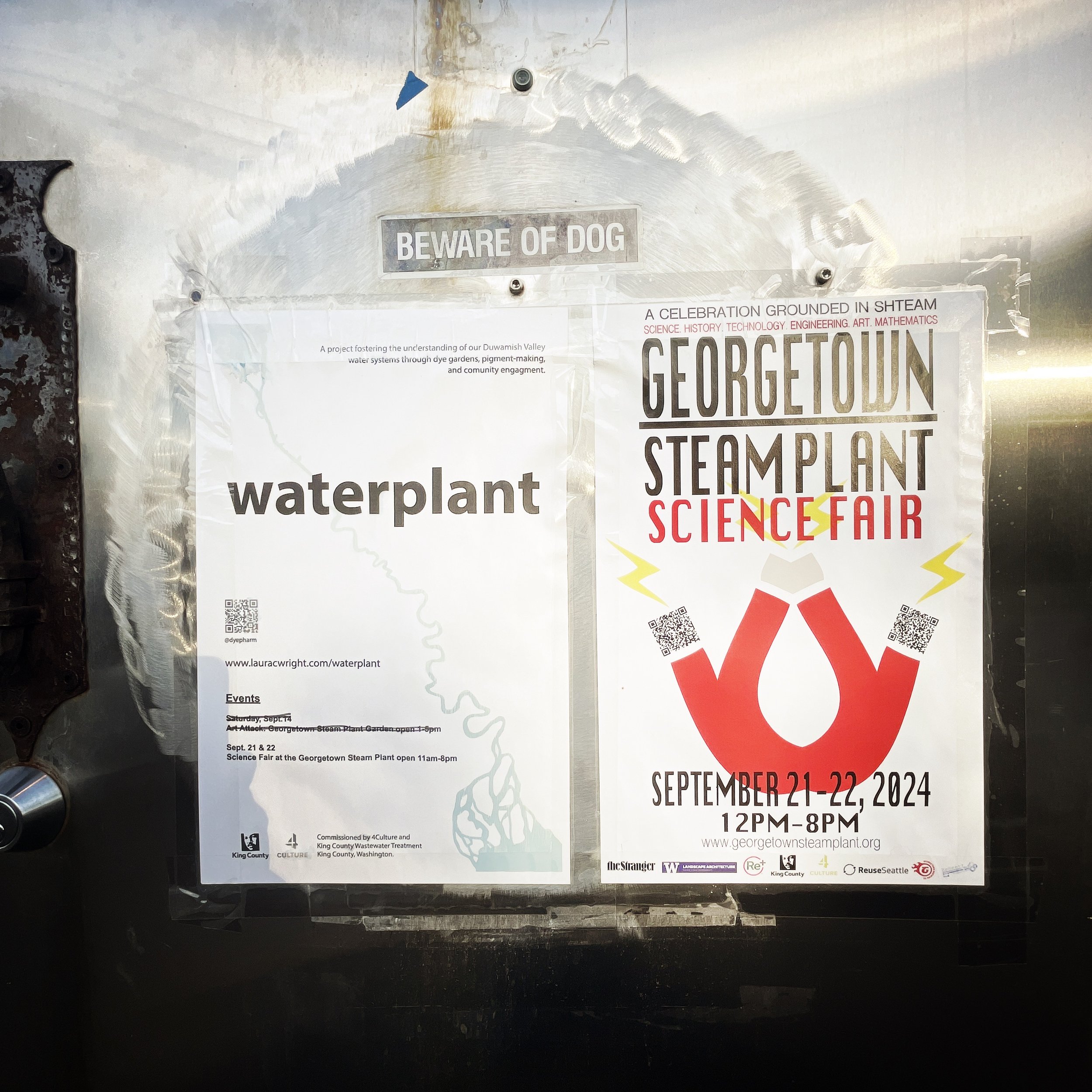
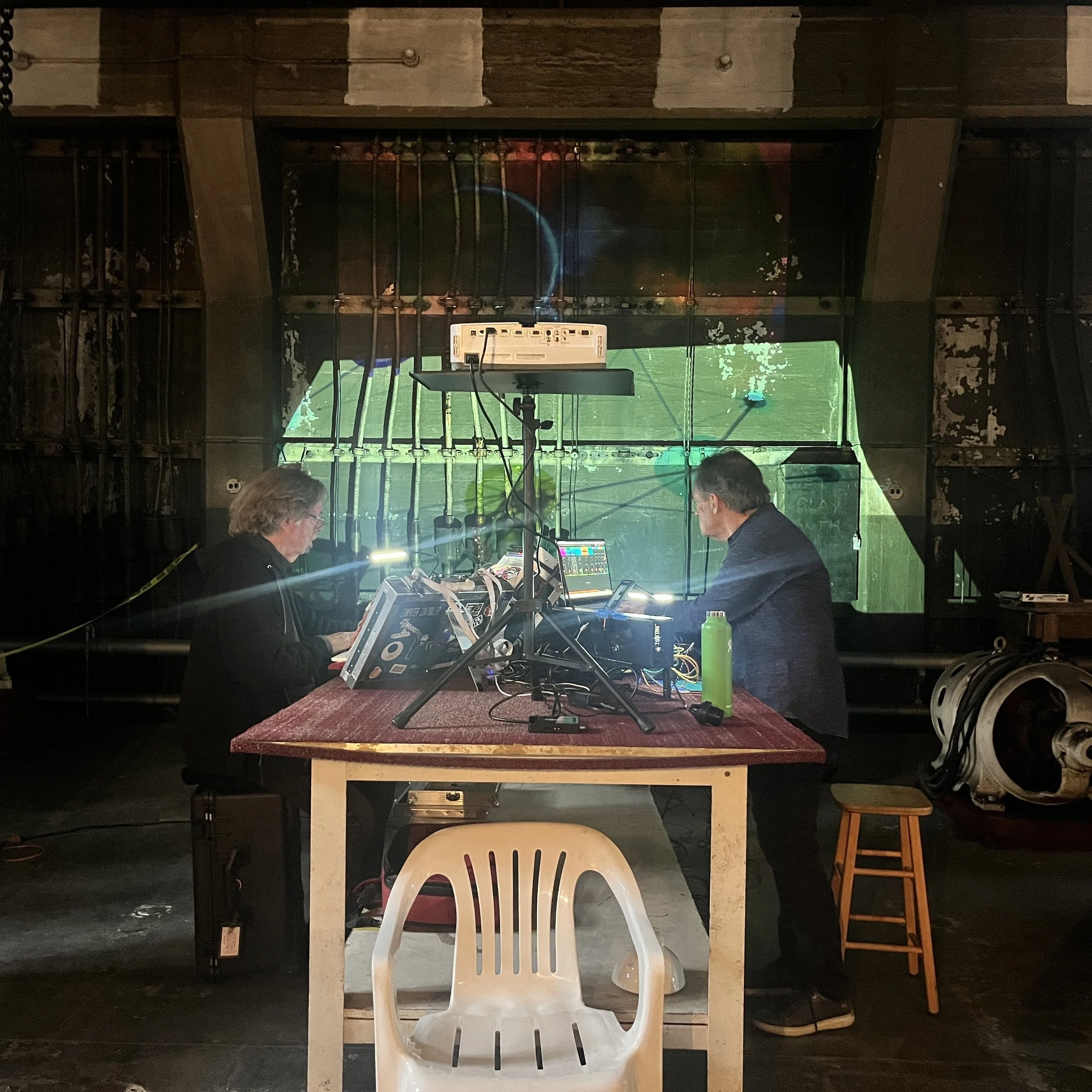
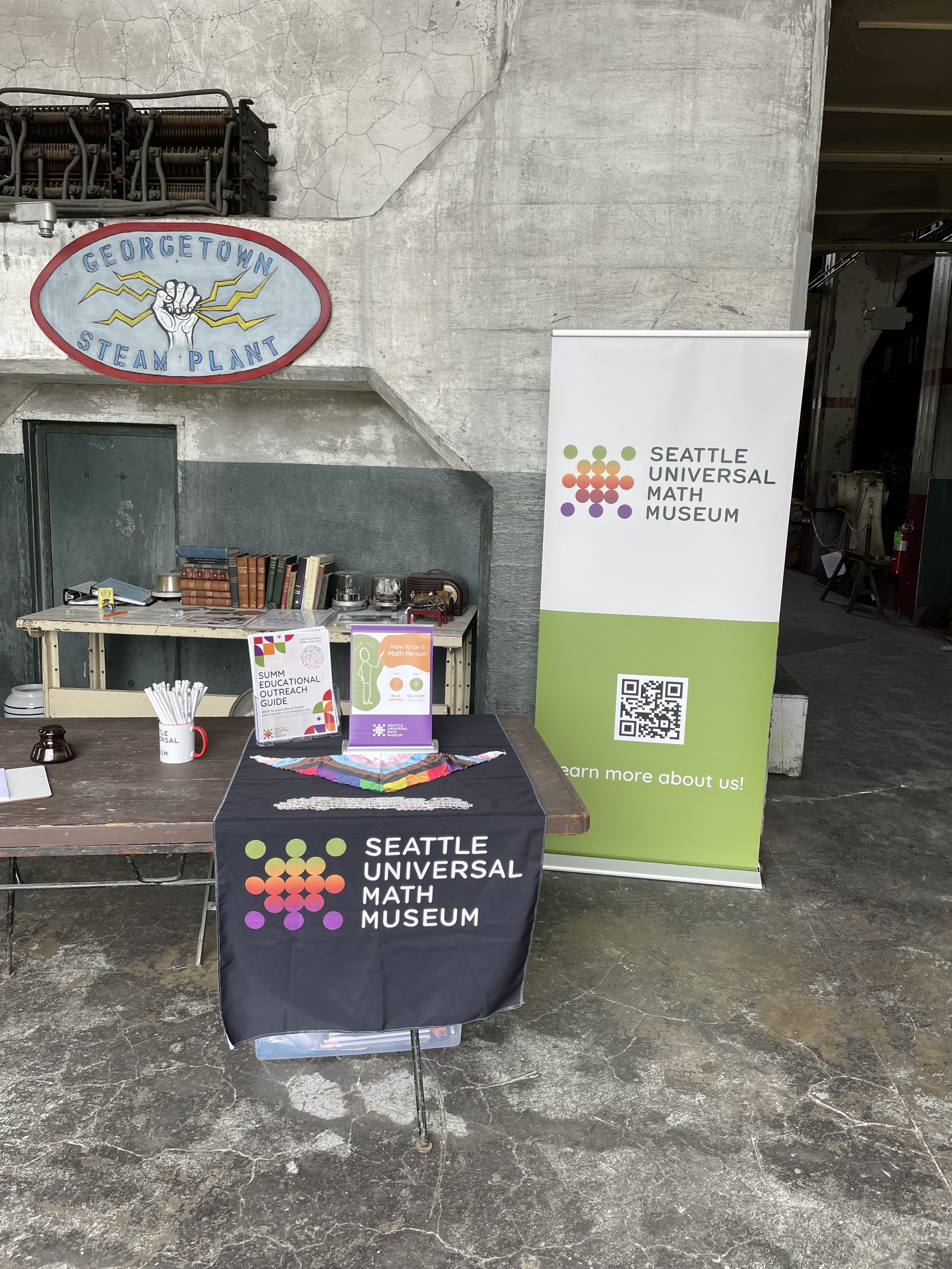
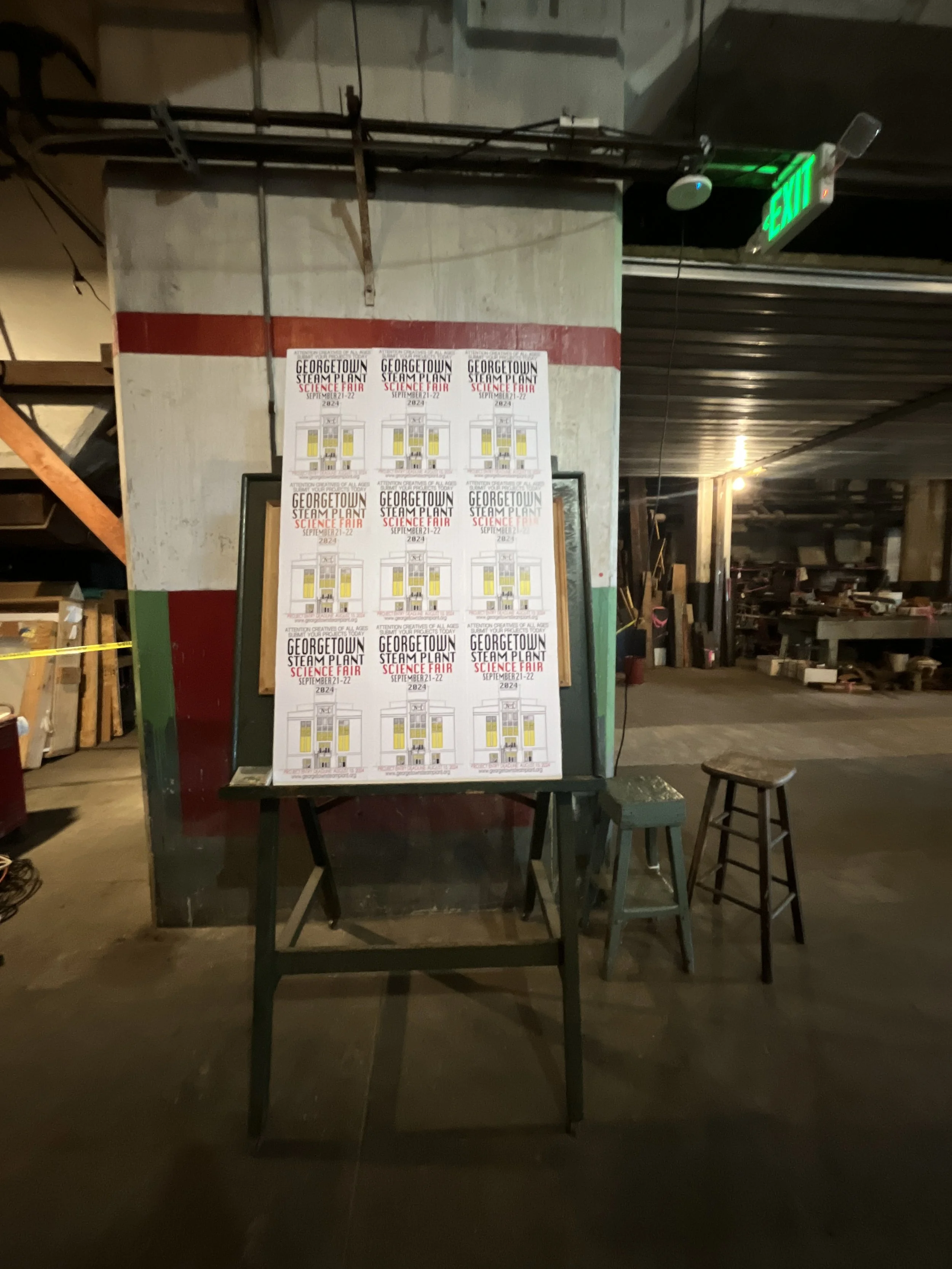
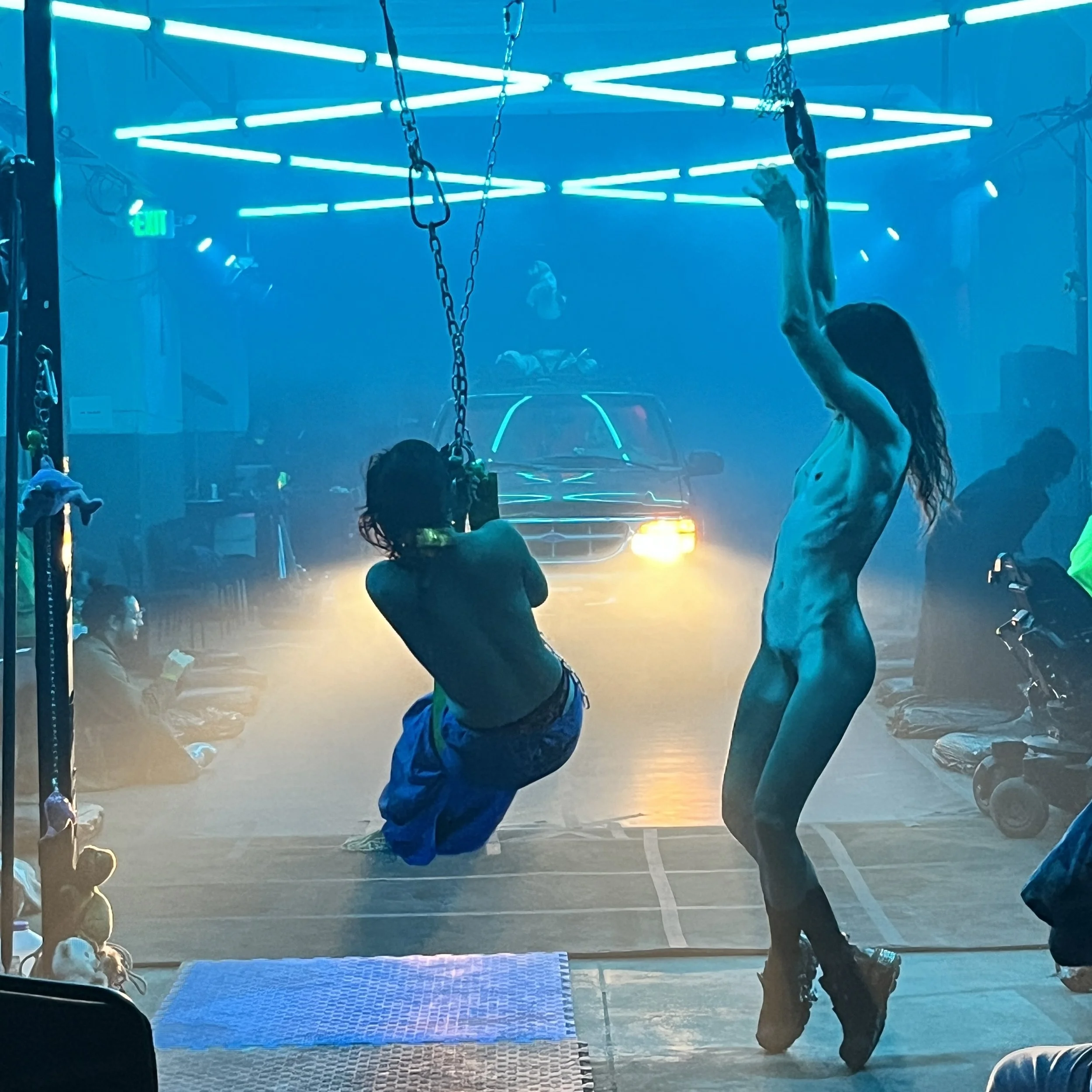
For me—it was bringing the Science Fair to life!
SCIENCE. HISTORY. TECHNOLOGY. ENGINEERING. ART. MATH
…
In 1907, when the Georgetown Steam Plant first came online, atmospheric carbon dioxide (CO₂) concentrations were approximately 295 parts per million (ppm).
For more than 800,000 years, Earth's atmosphere fluctuated naturally between roughly 170 ppm during ice ages and about 295 ppm during warmer interglacial periods.
One hundred and twenty years later, atmospheric CO₂ concentrations have reached a record high of approximately 433 ppm on May 1st, 2026—levels not experienced on Earth for more than three million years. Since the Industrial Revolution, the rapid increase in greenhouse gases has fundamentally altered the Earth's climate system, driving rising temperatures, melting ice, sea level rise, and increasing environmental instability.
The Georgetown Steam Plant stands as a monument to the industrial age that transformed modern society. Powered by fossil fuels, industrialization enabled unprecedented advances in transportation, manufacturing, electrification, and urban development, reshaping how we live, work, and connect with one another while contributing to today’s environmental challenges.
As we enter the twenty-first century, humanity faces a defining question:
how do we build a prosperous future within the ecological limits of a living planet?
The challenge of our era is to pair resilience with regeneration—to restore ecosystems, strengthen communities, repair damaged landscapes, and redesign the systems that shape our cities and economies.
The Georgetown Steam Plant serves as a reminder, housing the machines that powered the industrial age. Learn from this history, embrace new innovations and community-led action, together we shape the next century of cities, energy, industry, and environmental stewardship.
If we continue with business as usual, the consequences will not be abstract.
The systems that sustain our communities will face mounting strain, and the costs of inaction will continue to rise. The future is not predetermined.
The choices we make today will shape the world inherited by those who come after us.
Regeneration is an investment in the long-term health.
Global Atmospheric CO₂ Levels
NOAA Mauna Loa Observatory
April 22, 2024 — 422.90 ppm
April 22, 2025 — 427.09 ppm
April 22, 2026 — 430.72 ppm
Record High
May 1, 2026 — 433.95 ppm
Debbie Pessein
Science Fair Residency
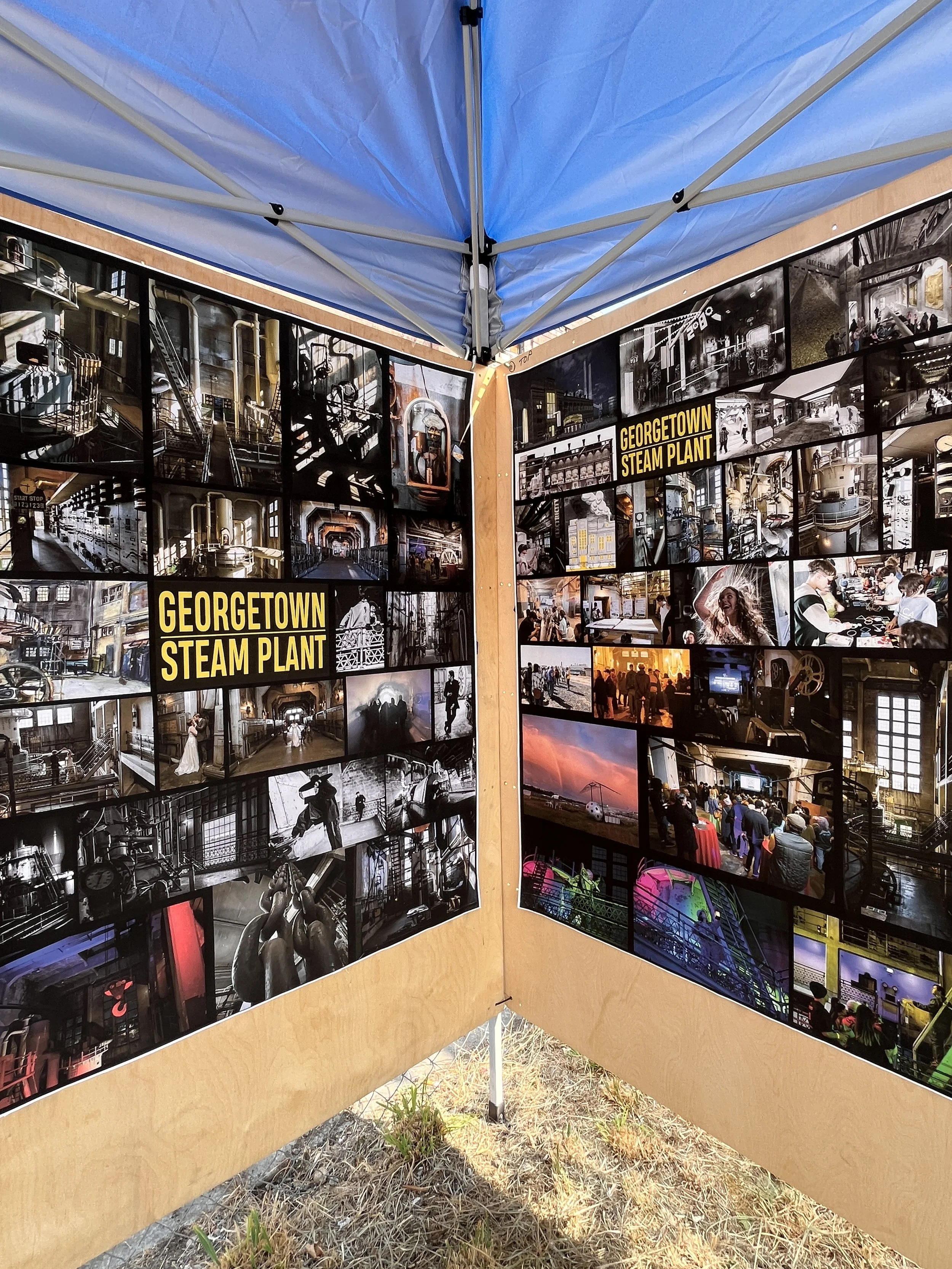
Explore the 2024-2025
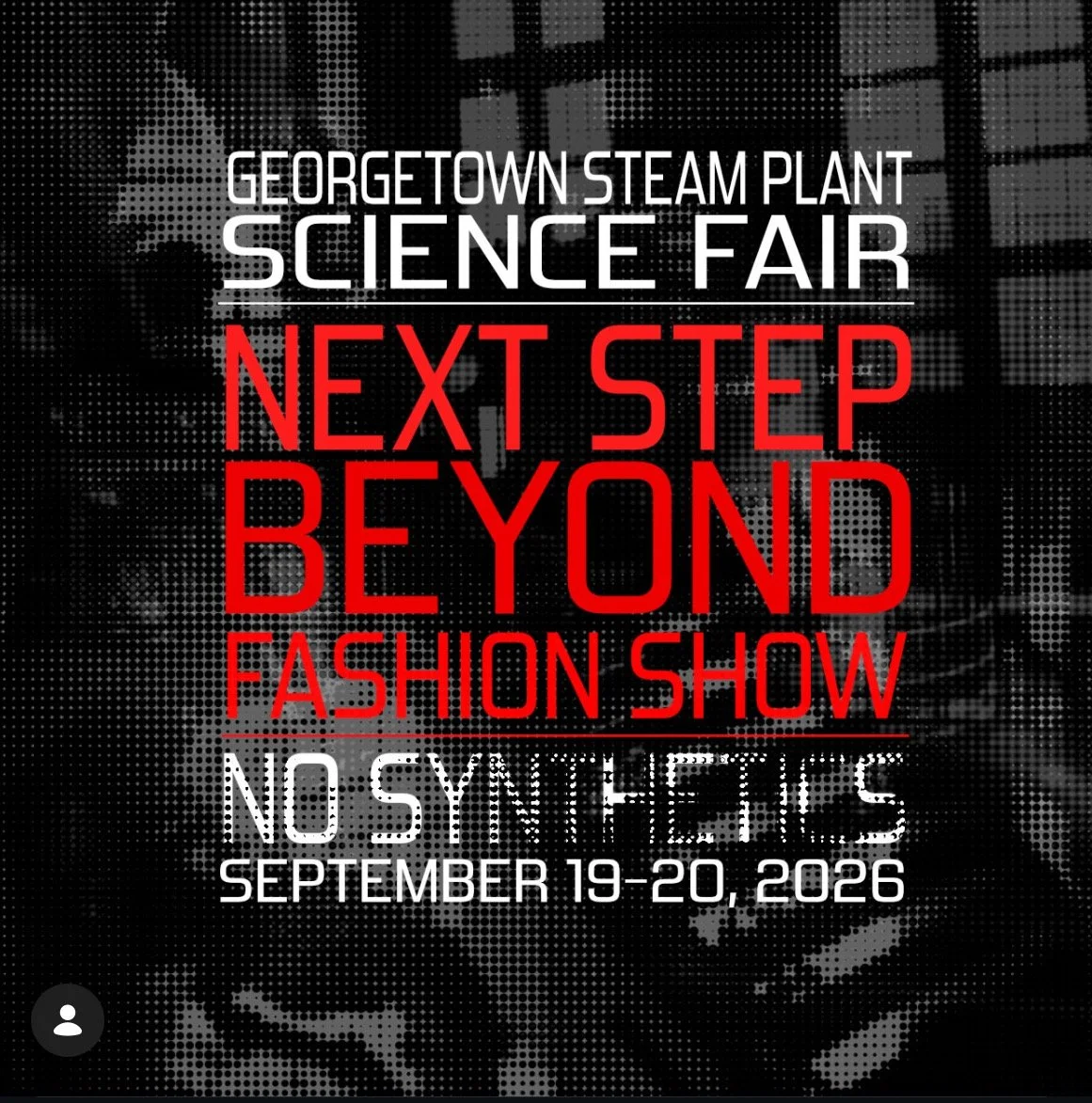
Georgetown Steam Plant Science Fair
archives: HERE
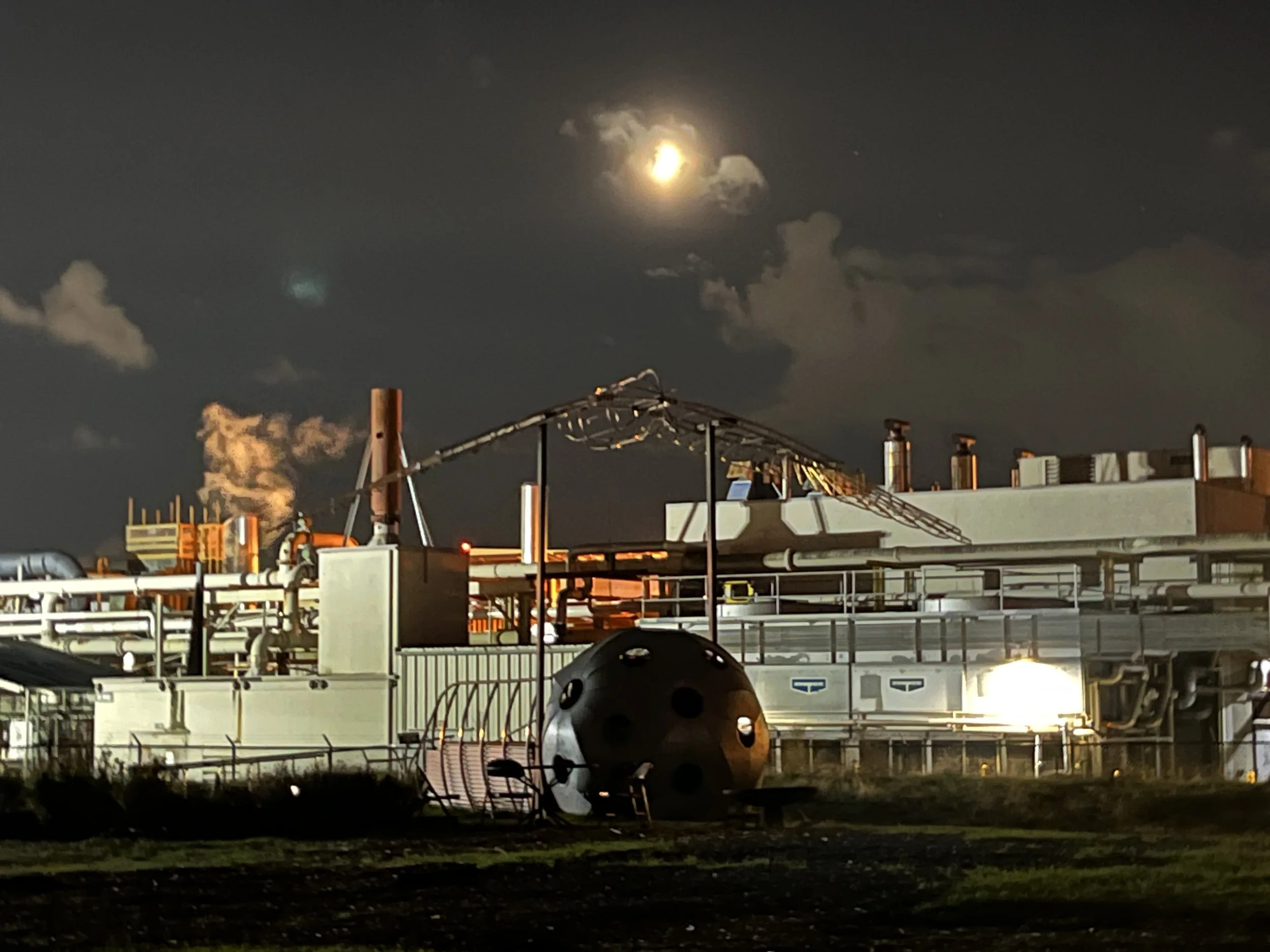
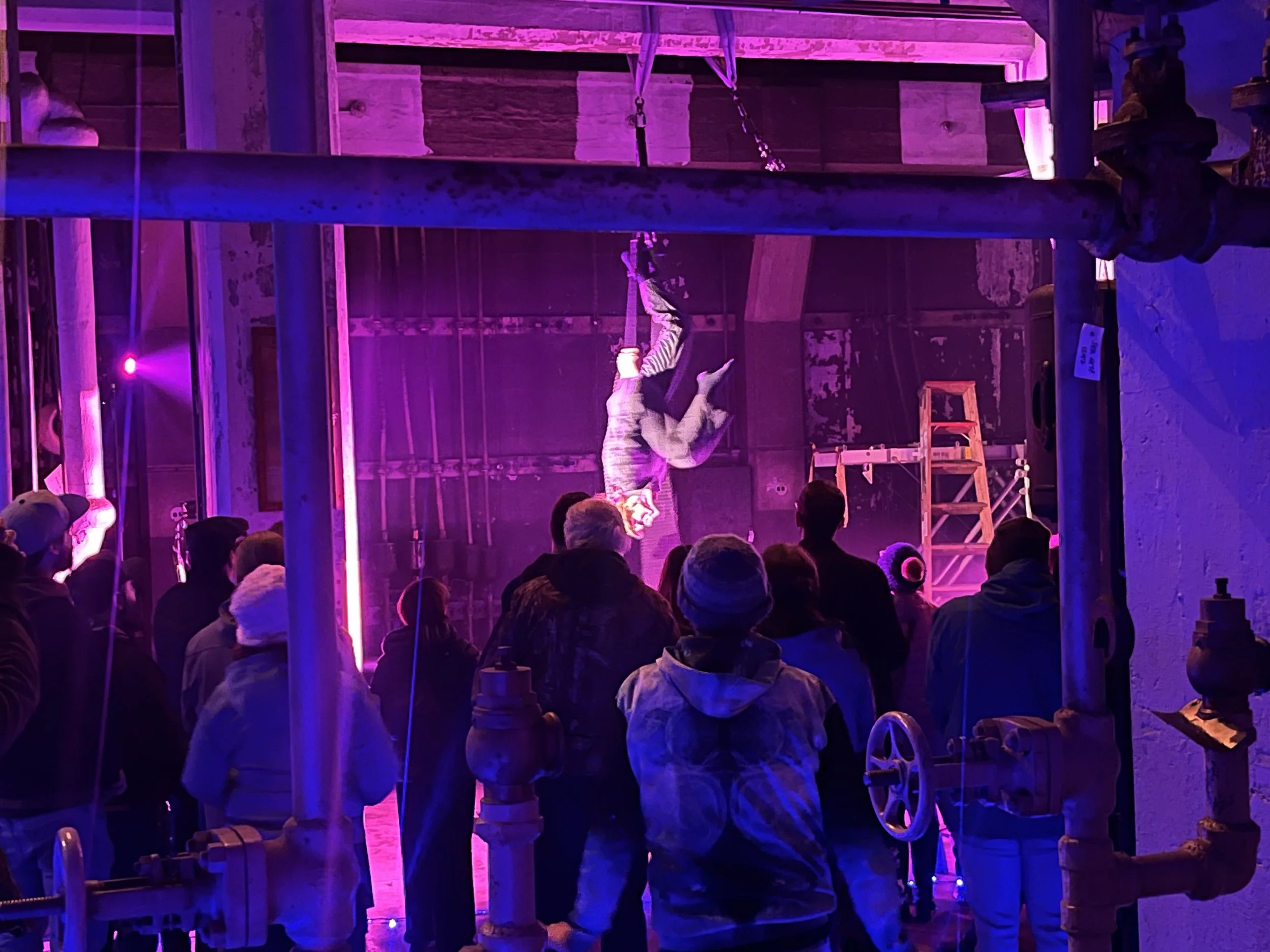
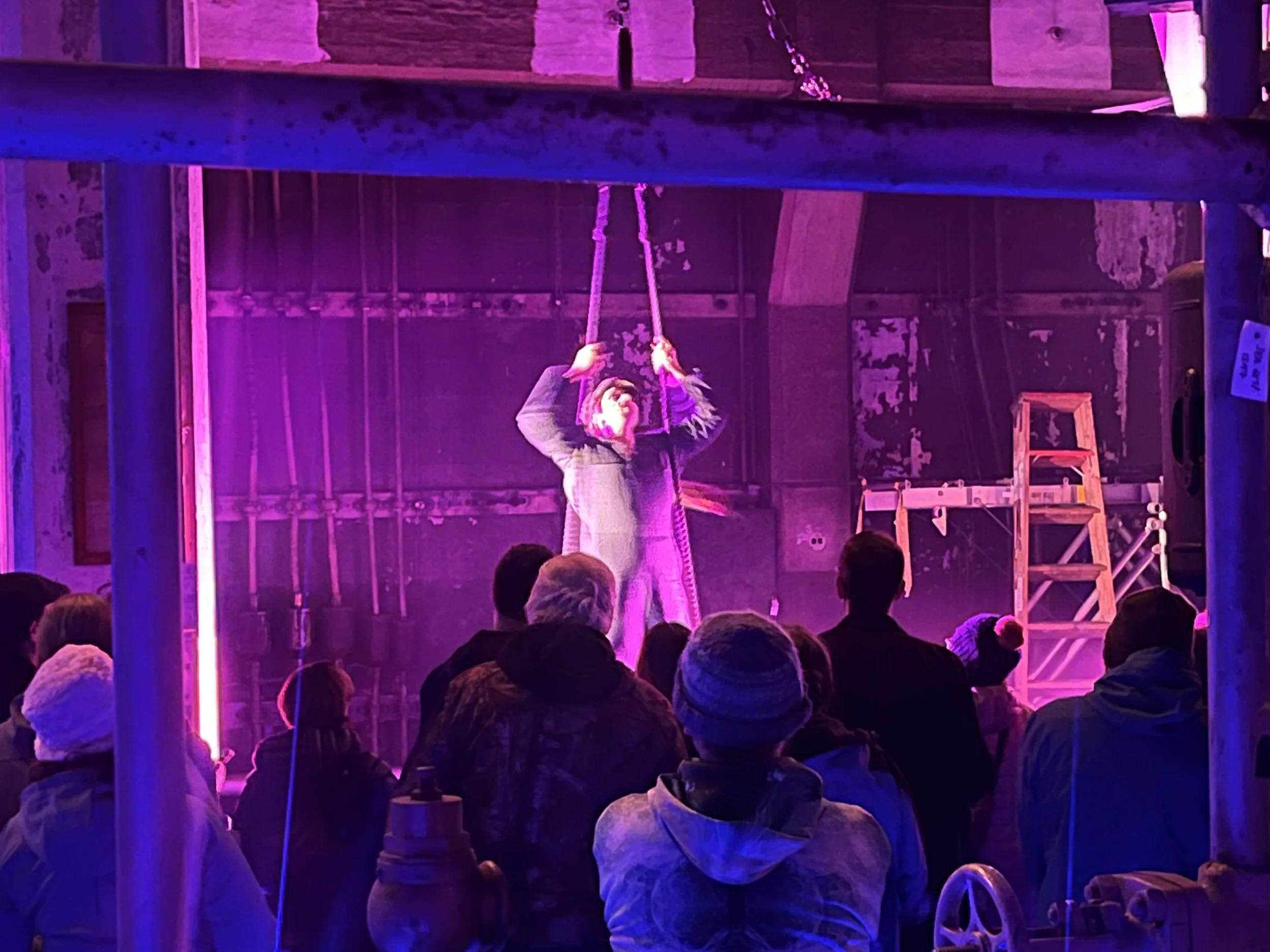
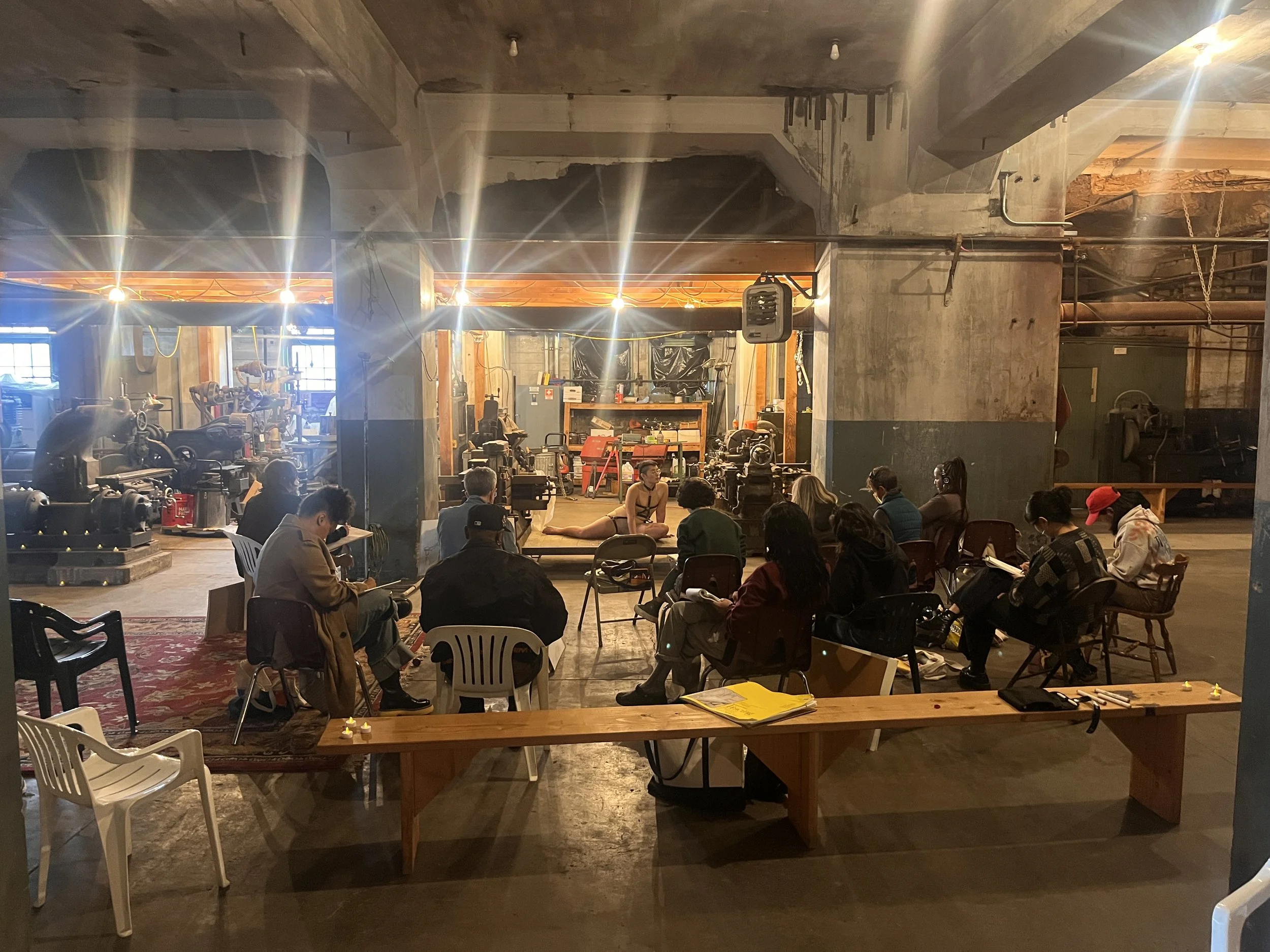
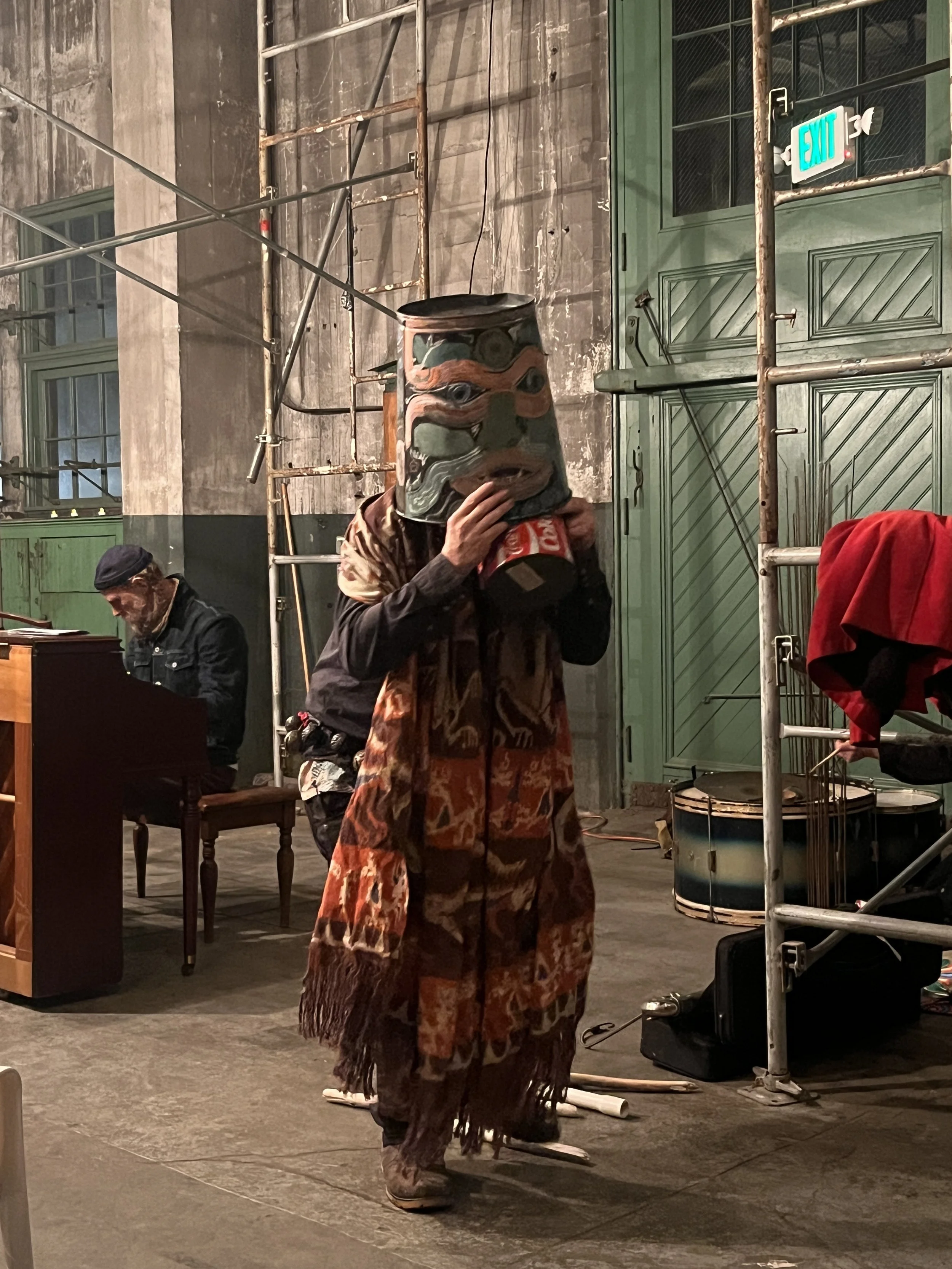
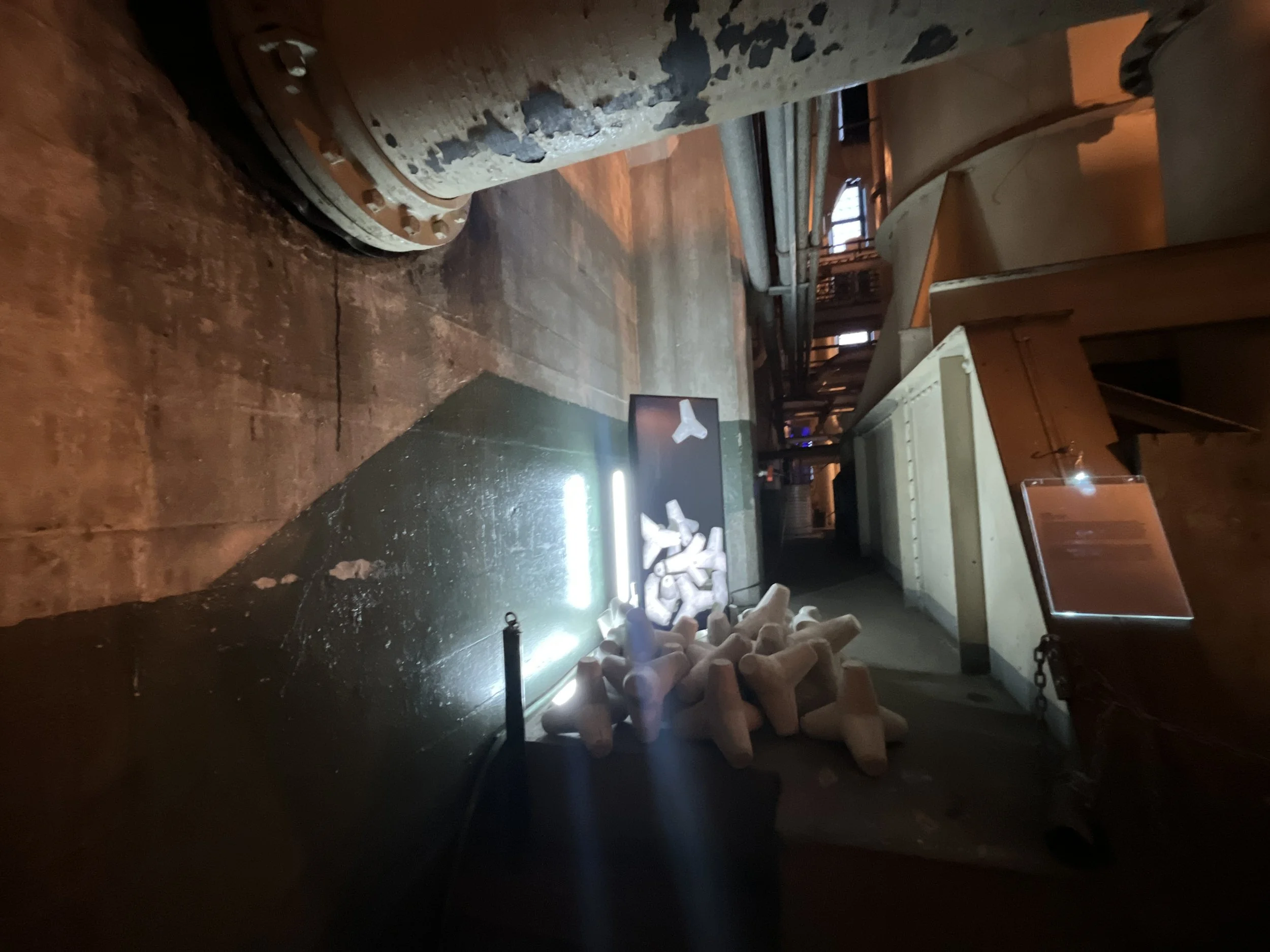
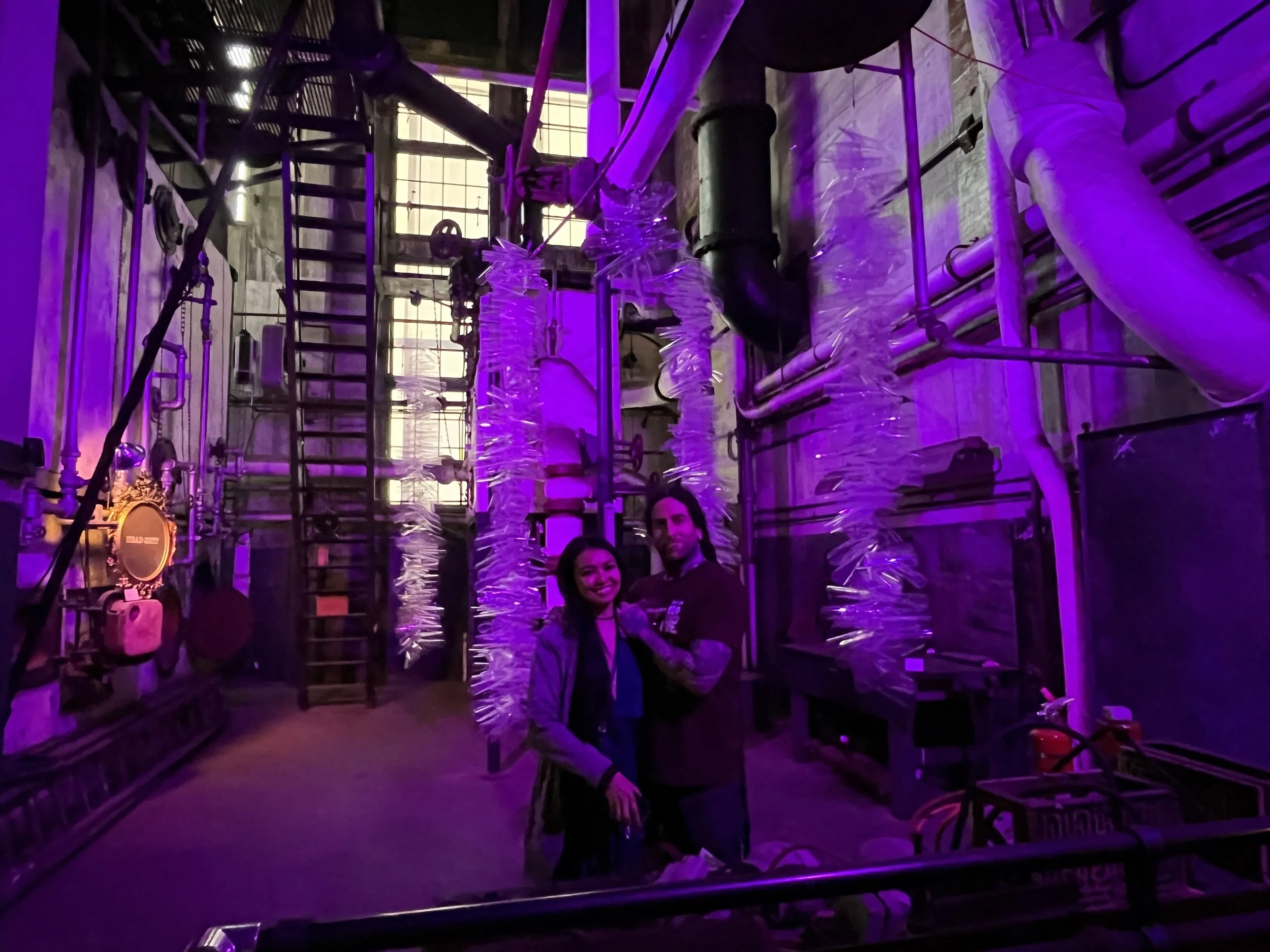
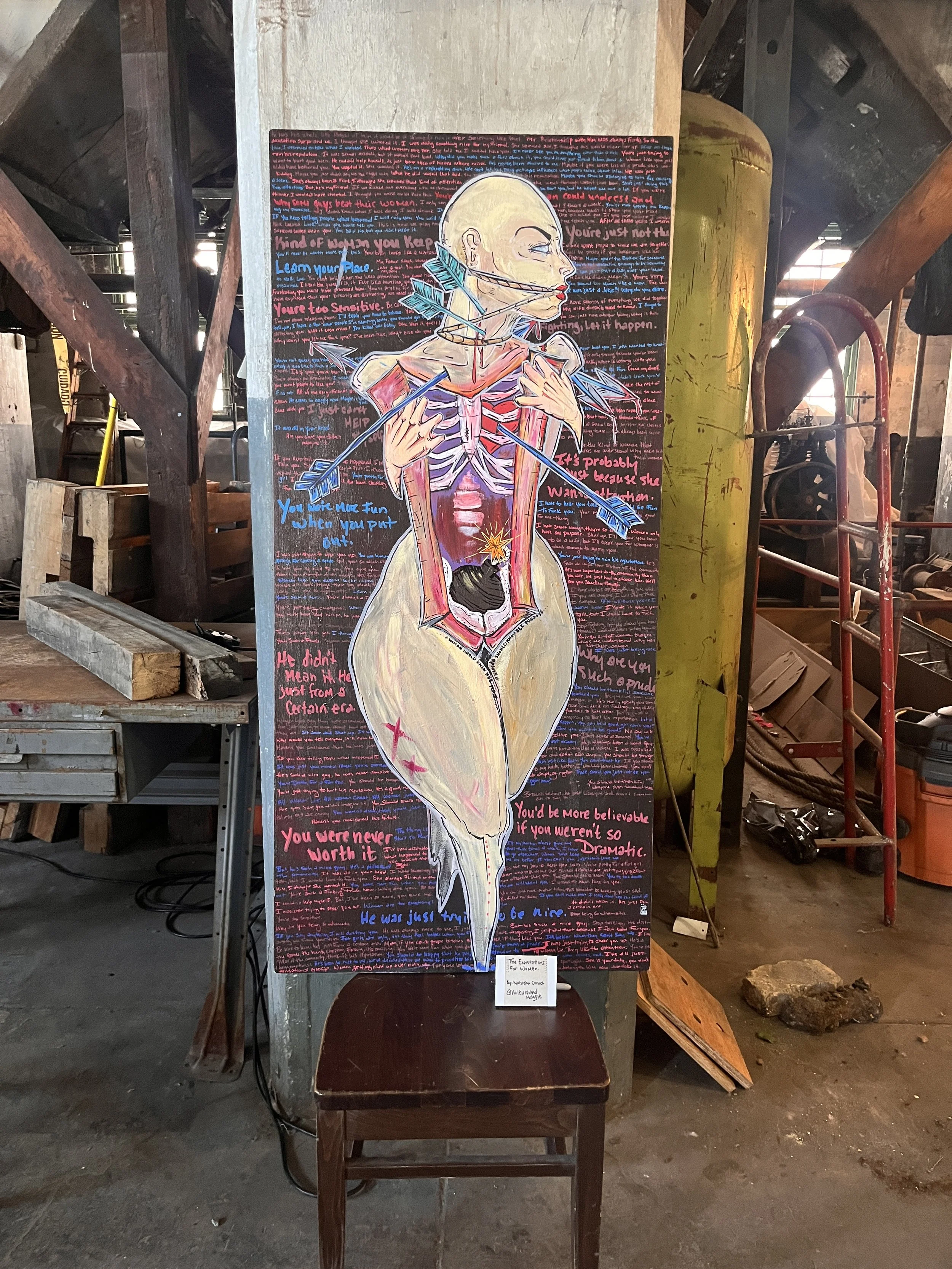
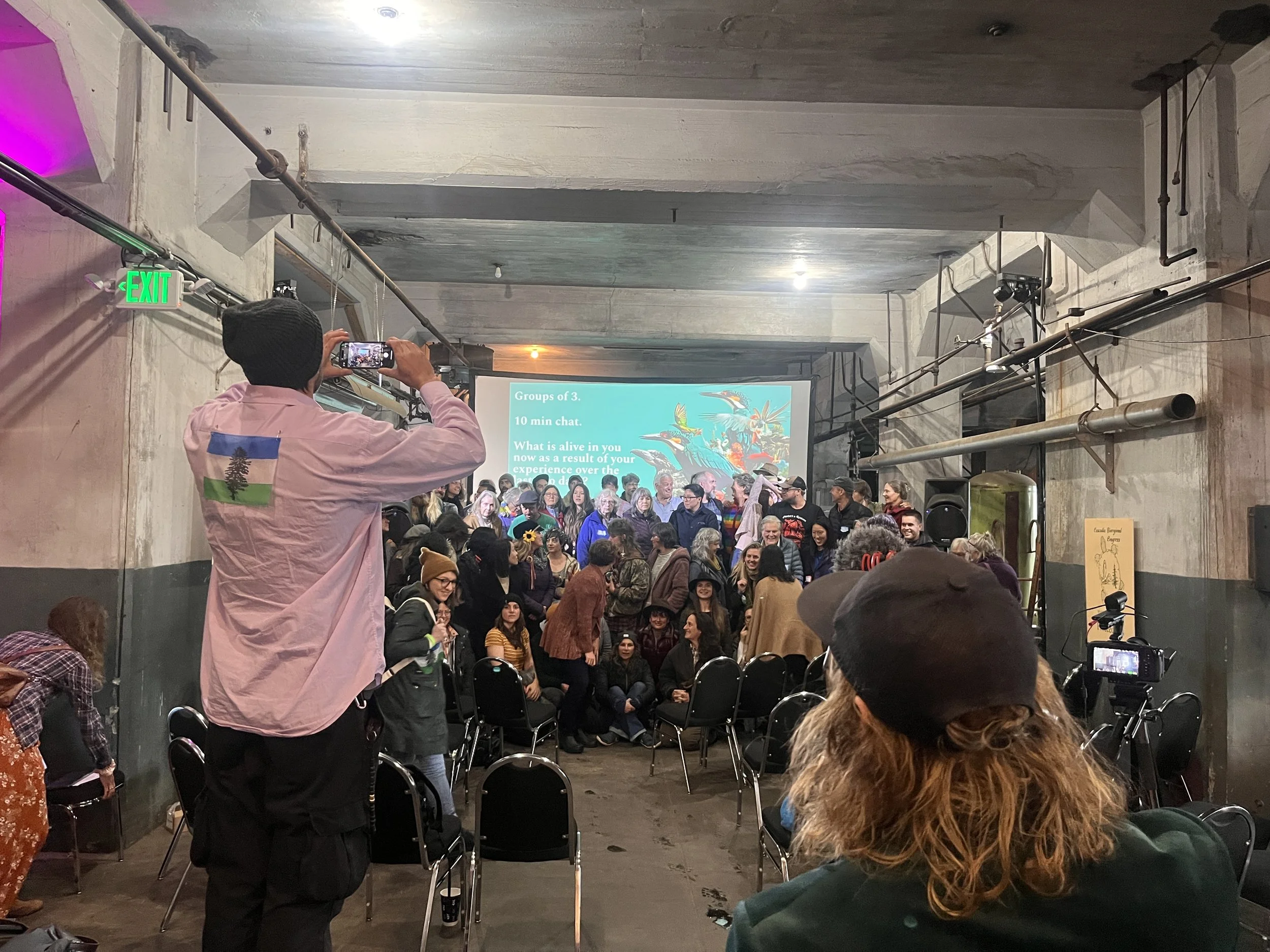
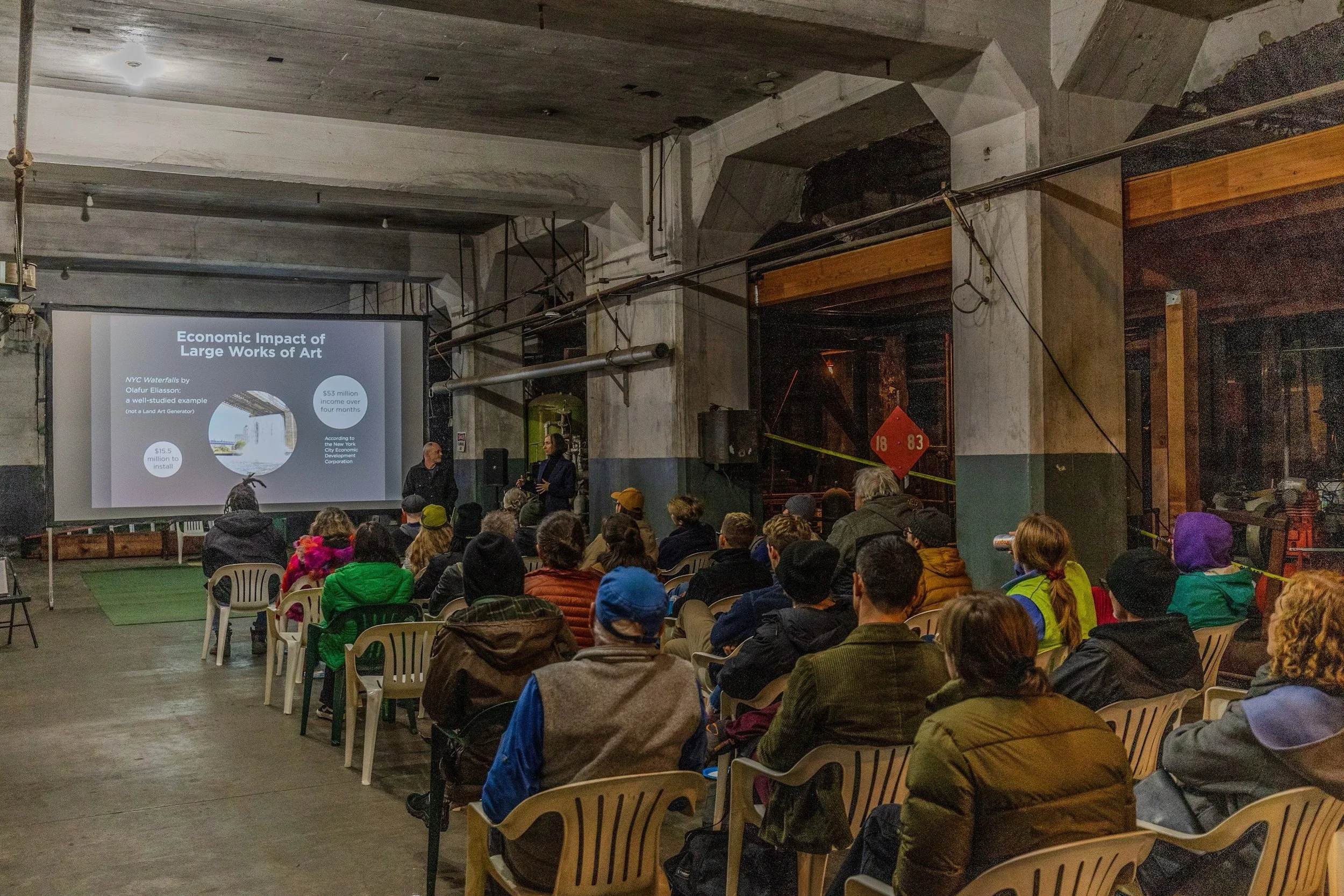
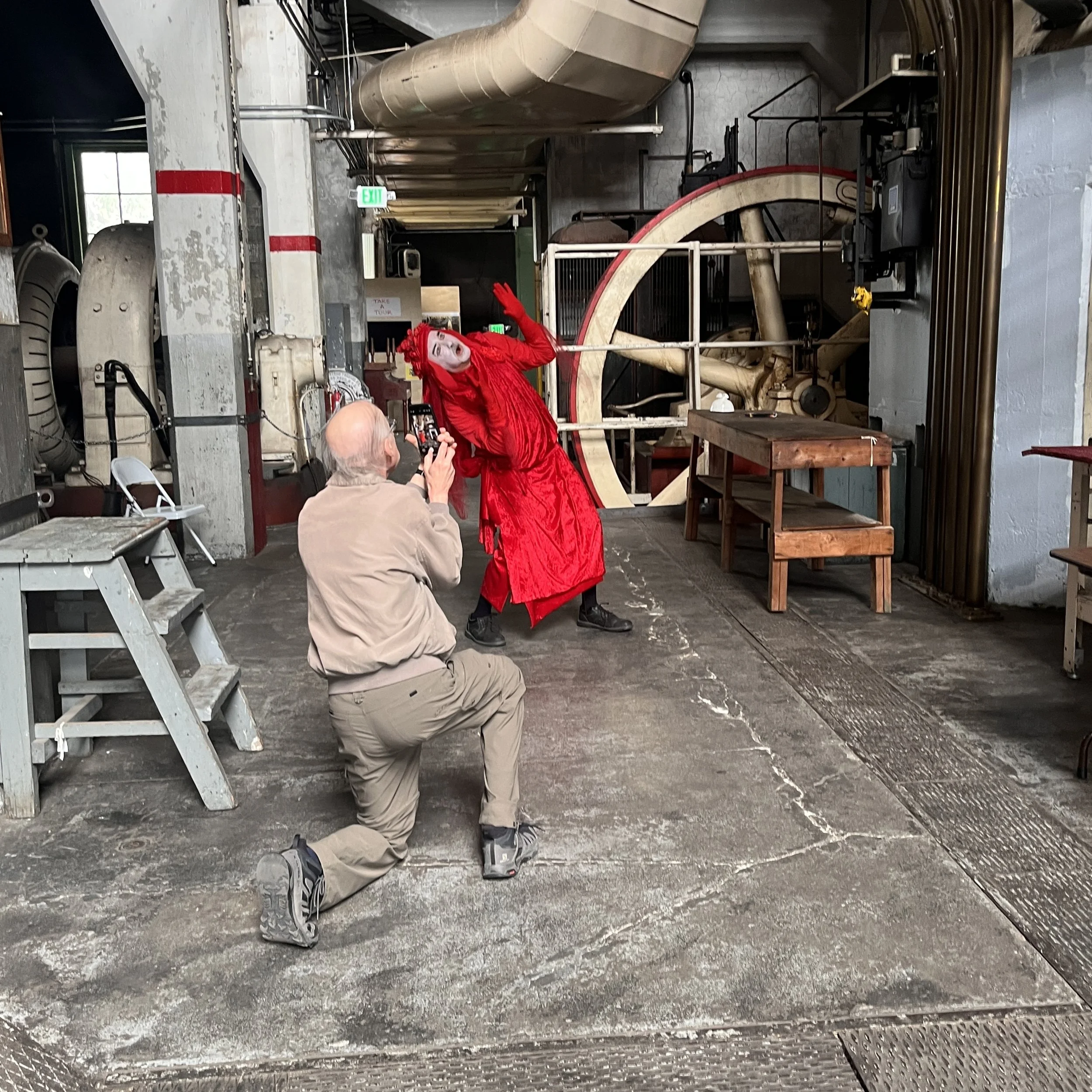
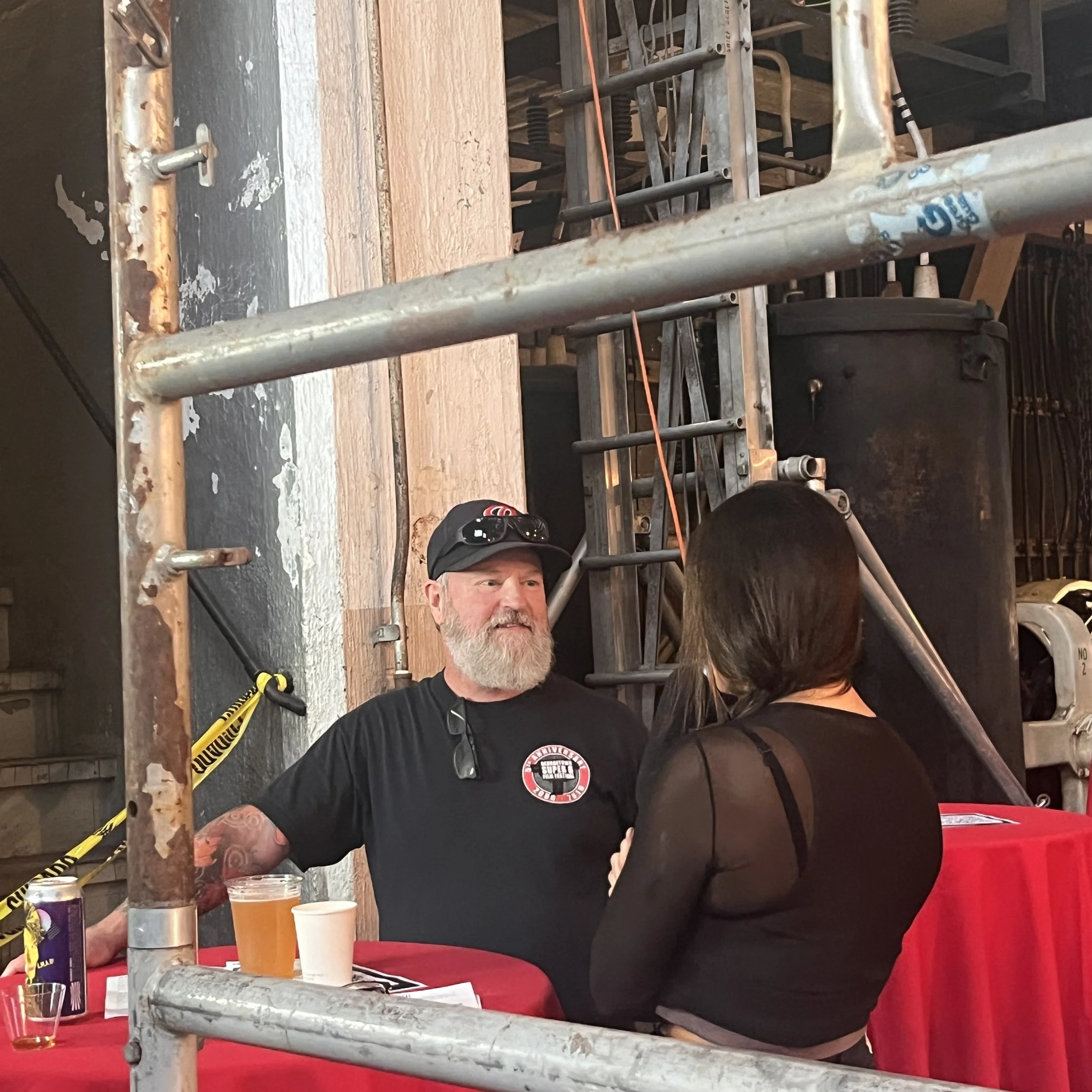
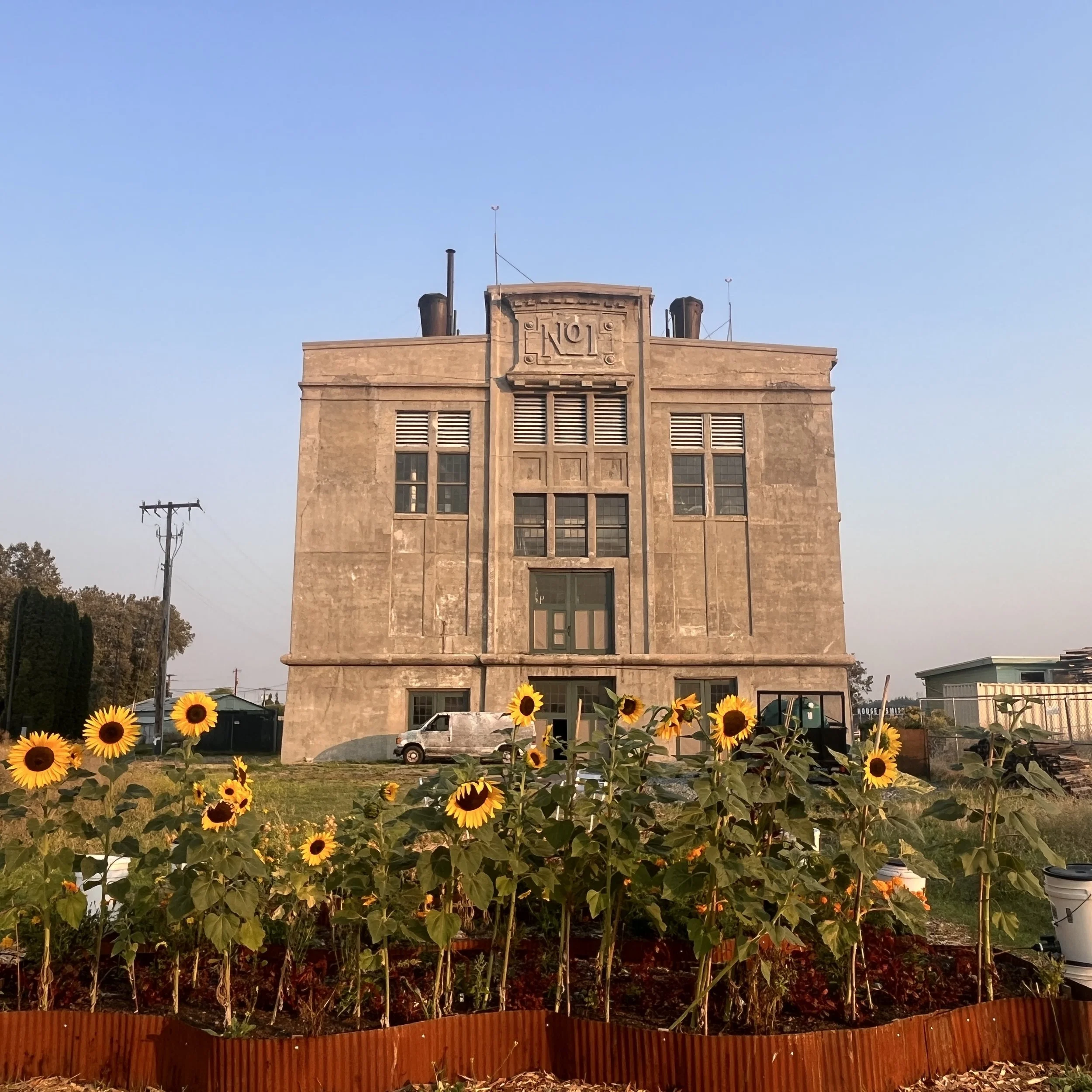
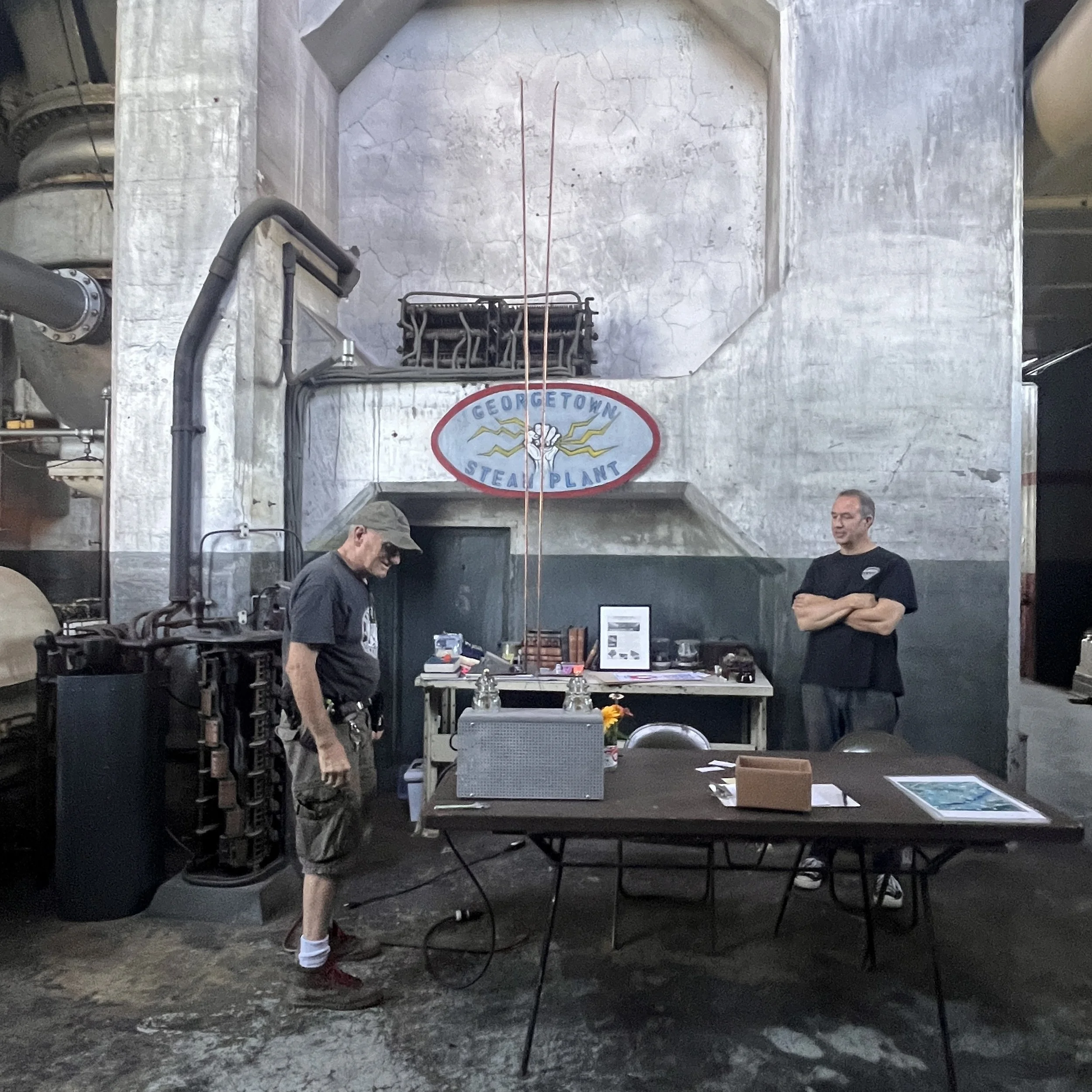
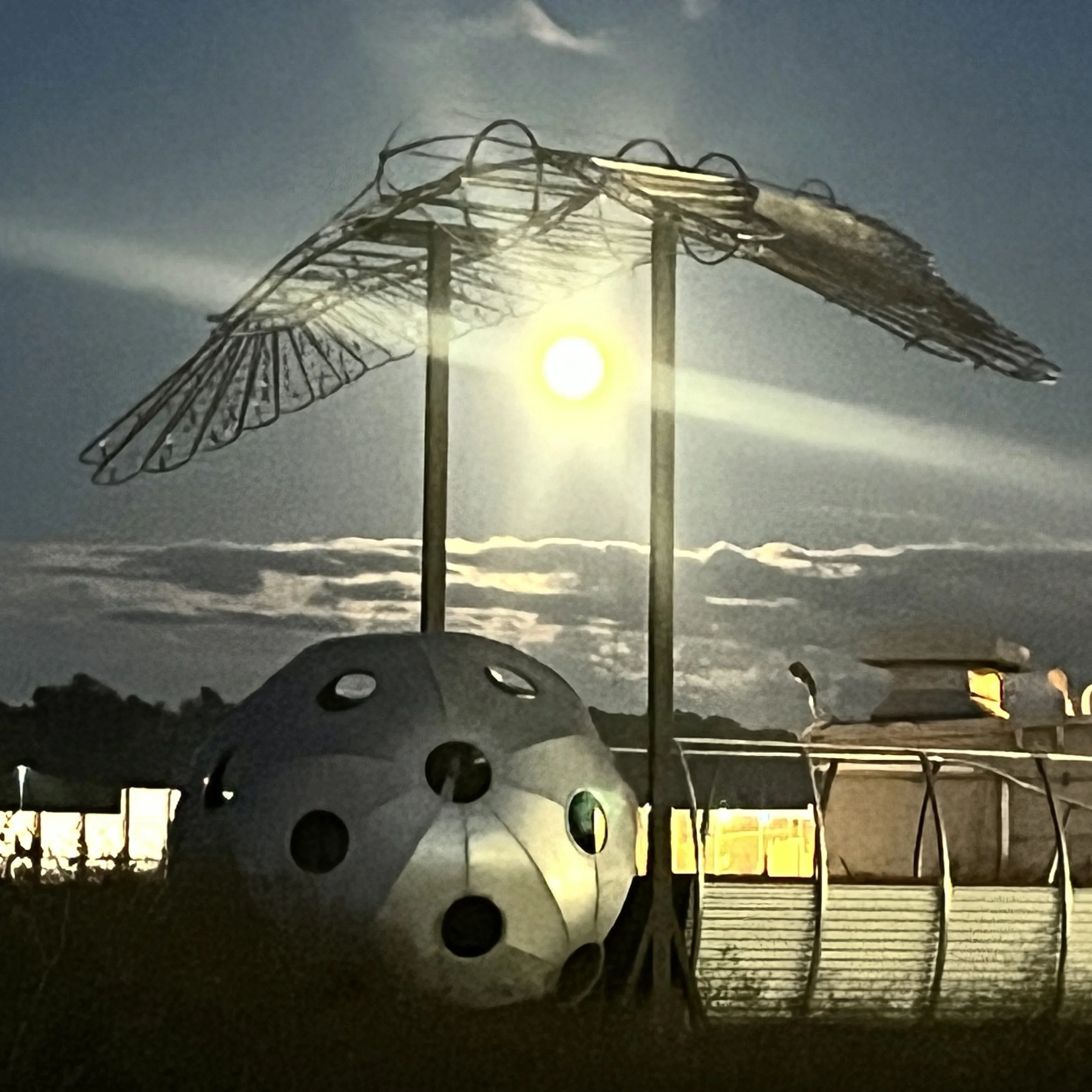
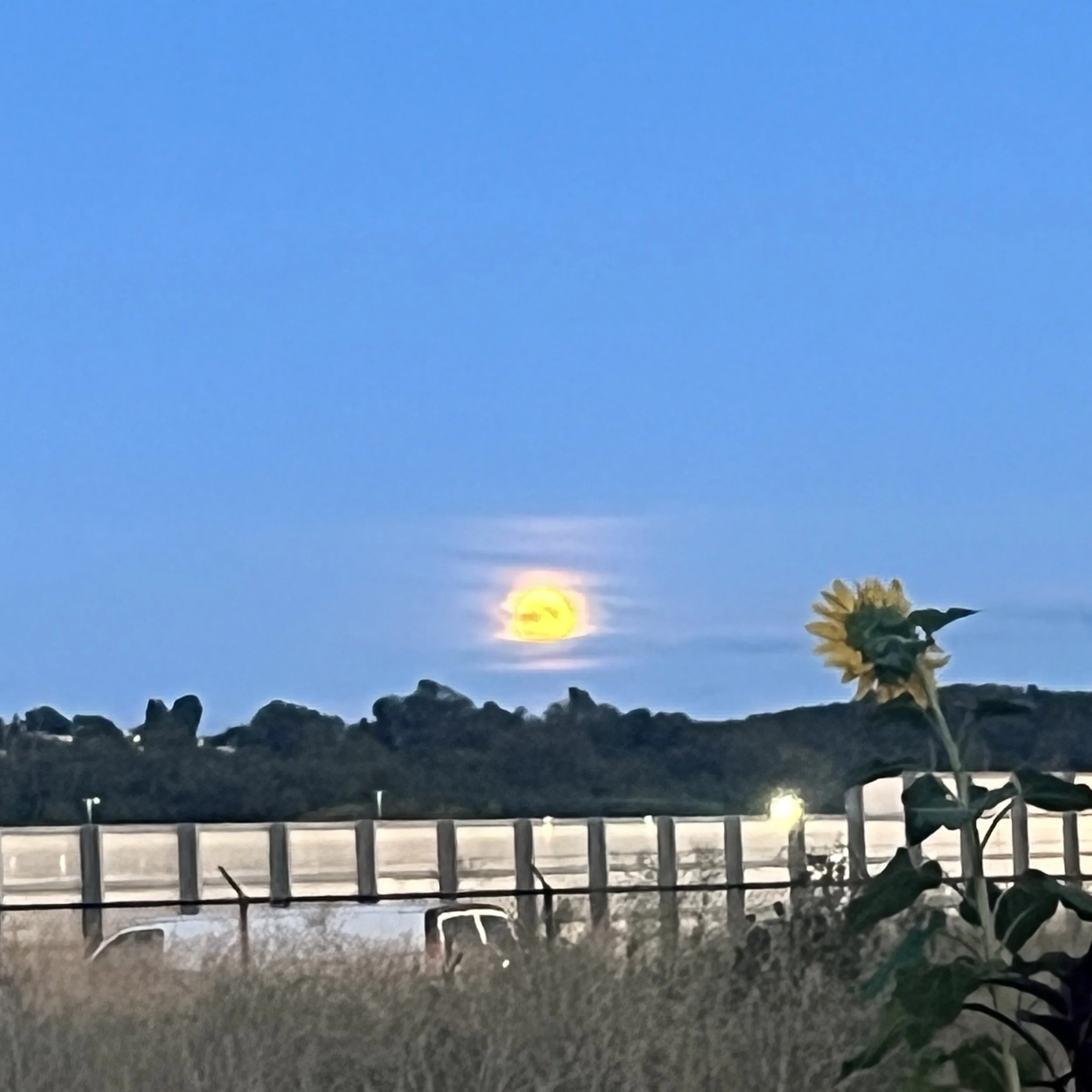
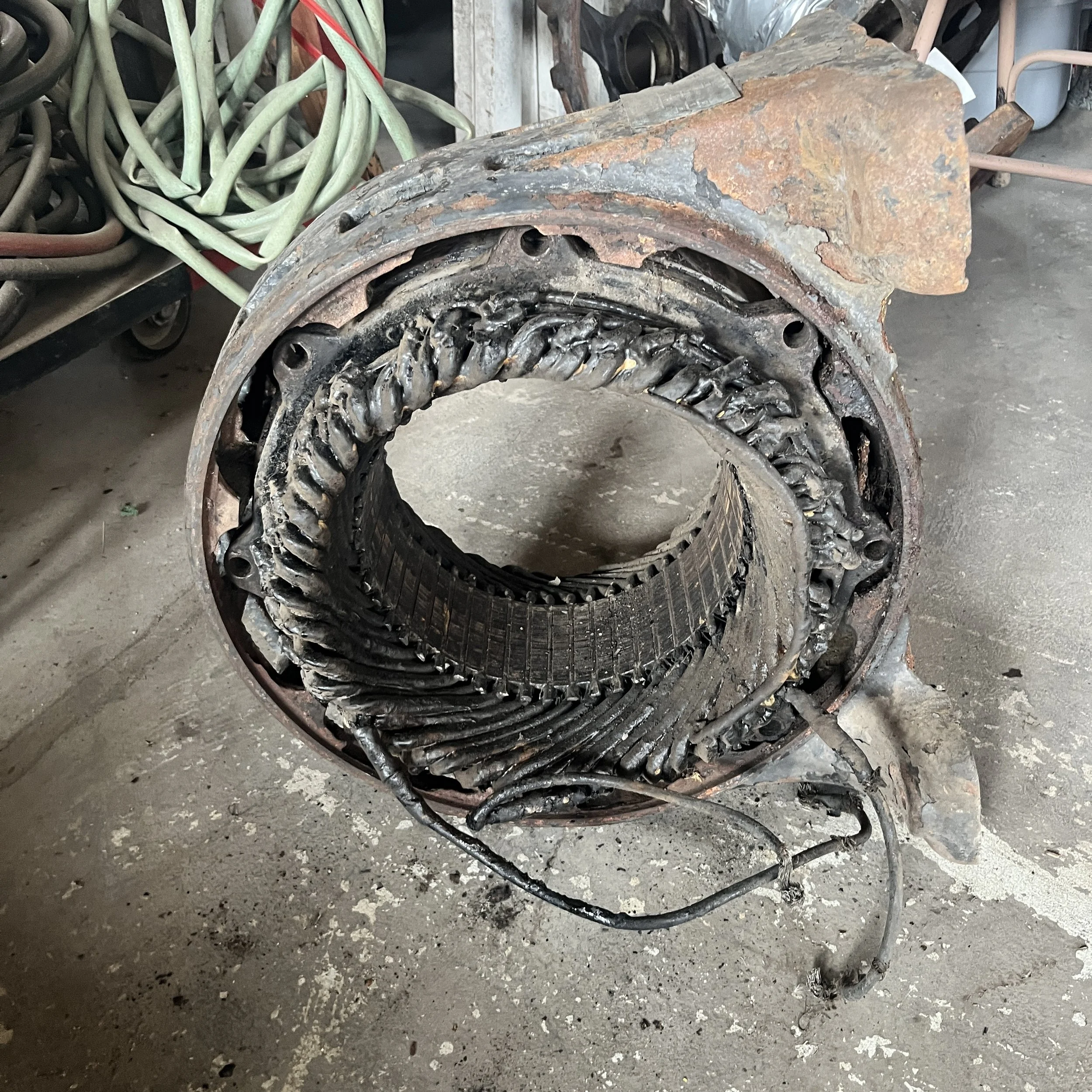
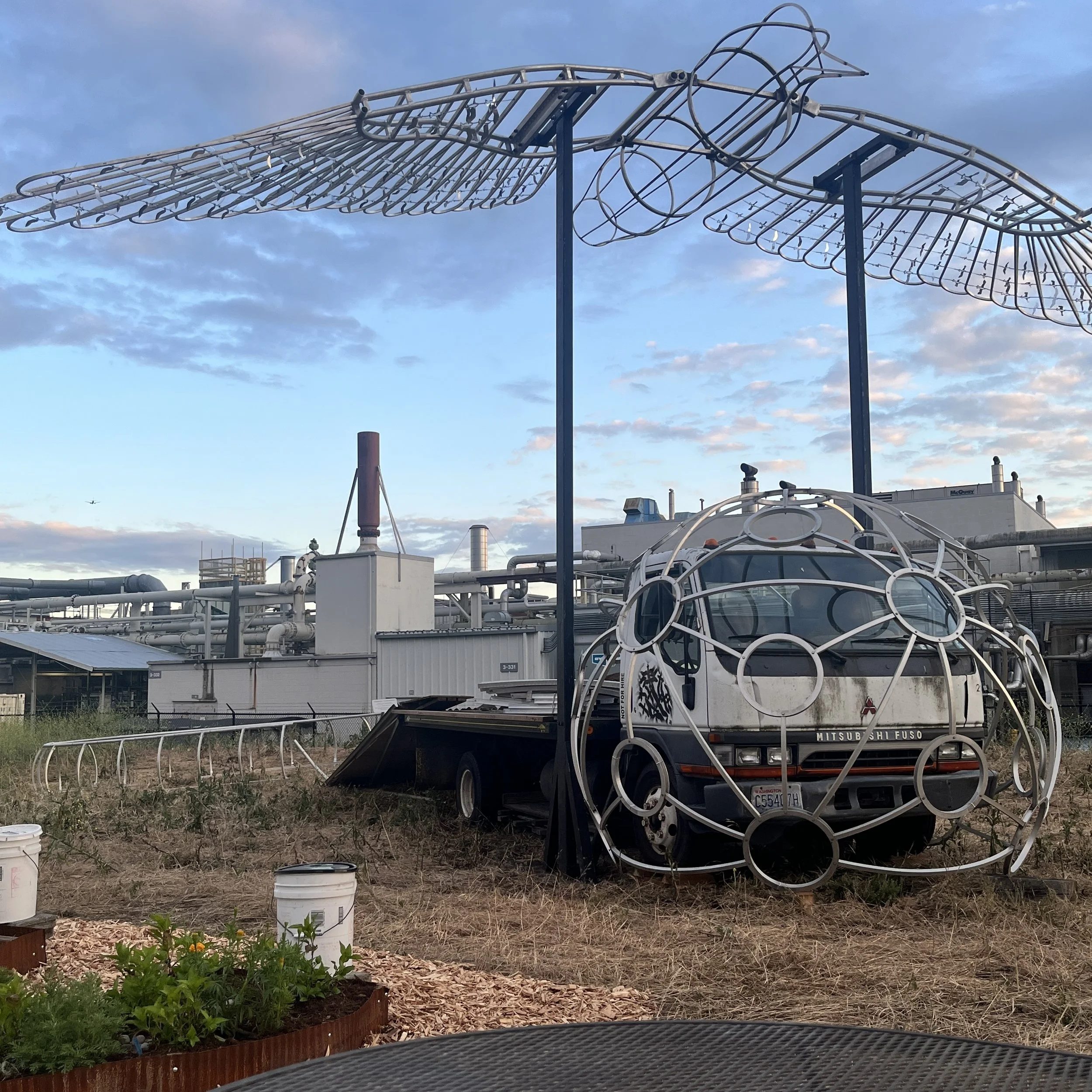
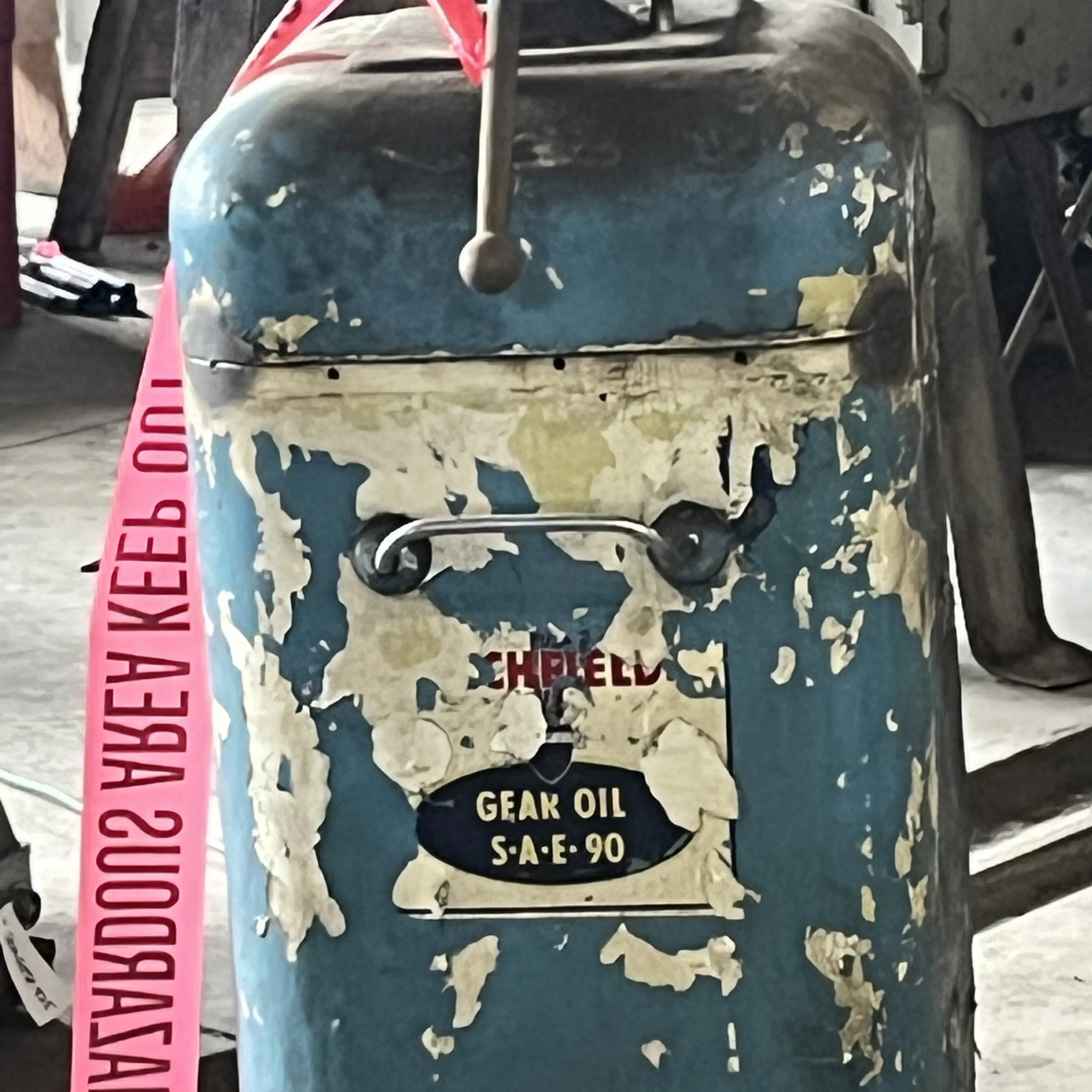
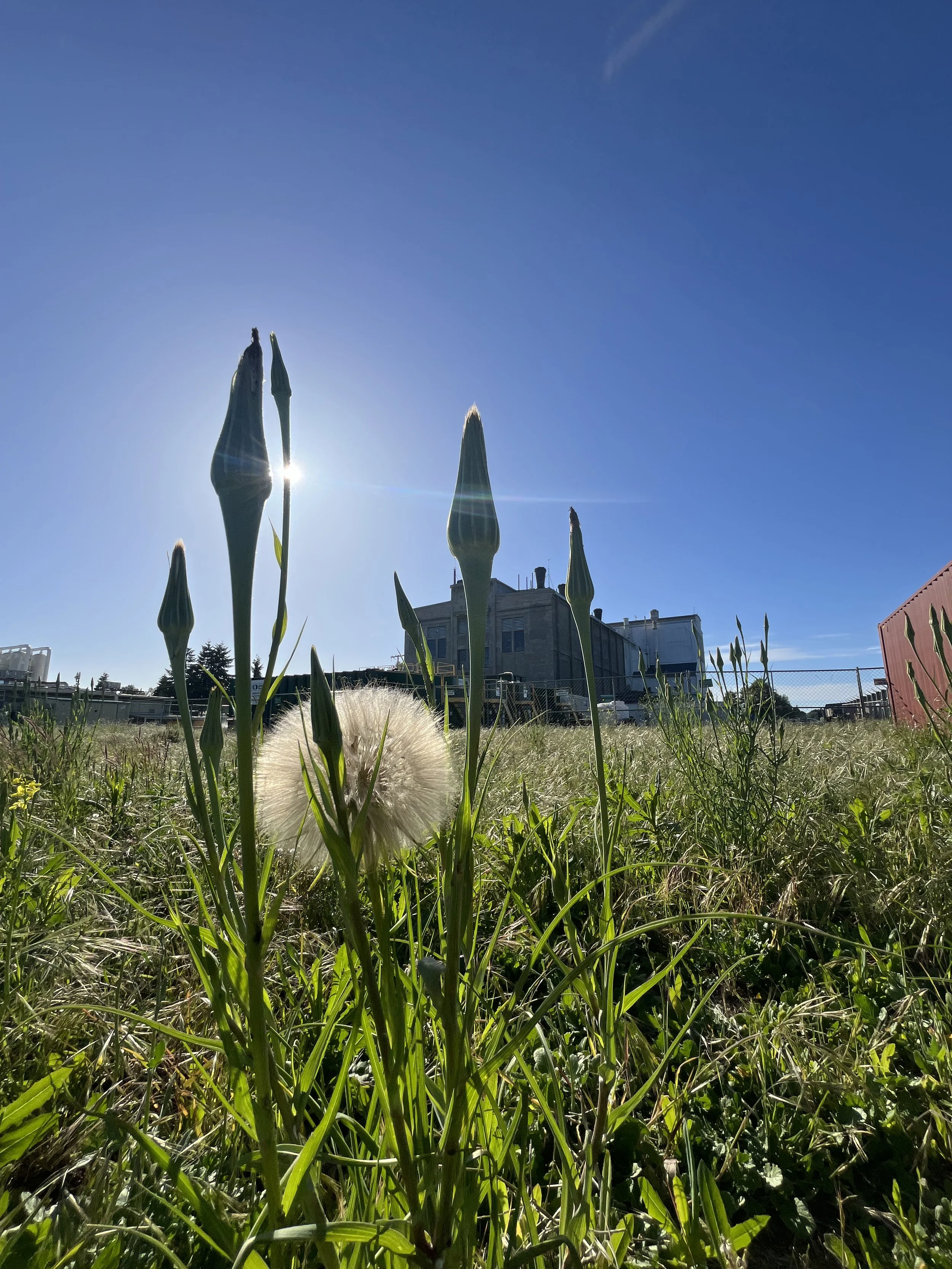
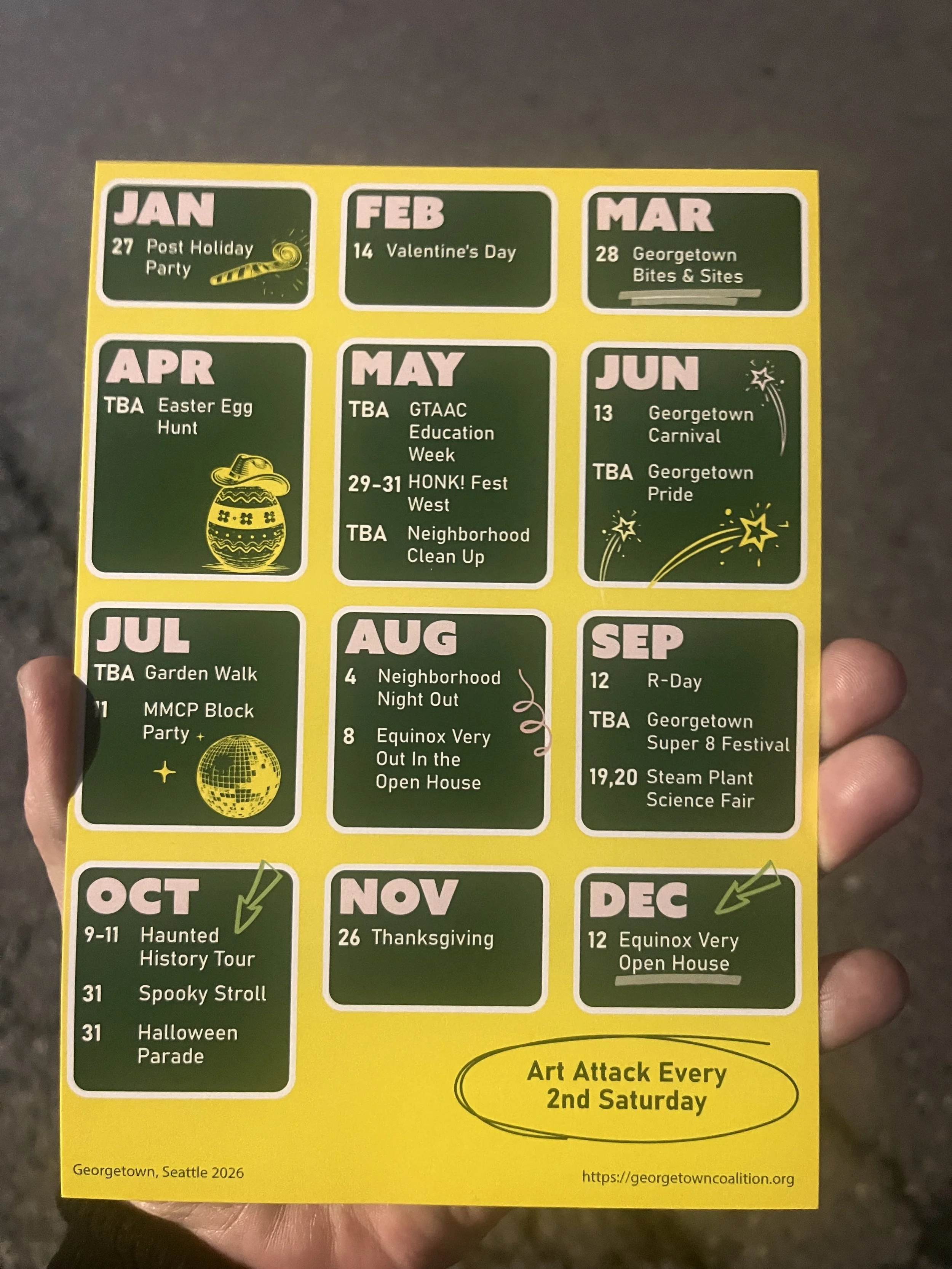
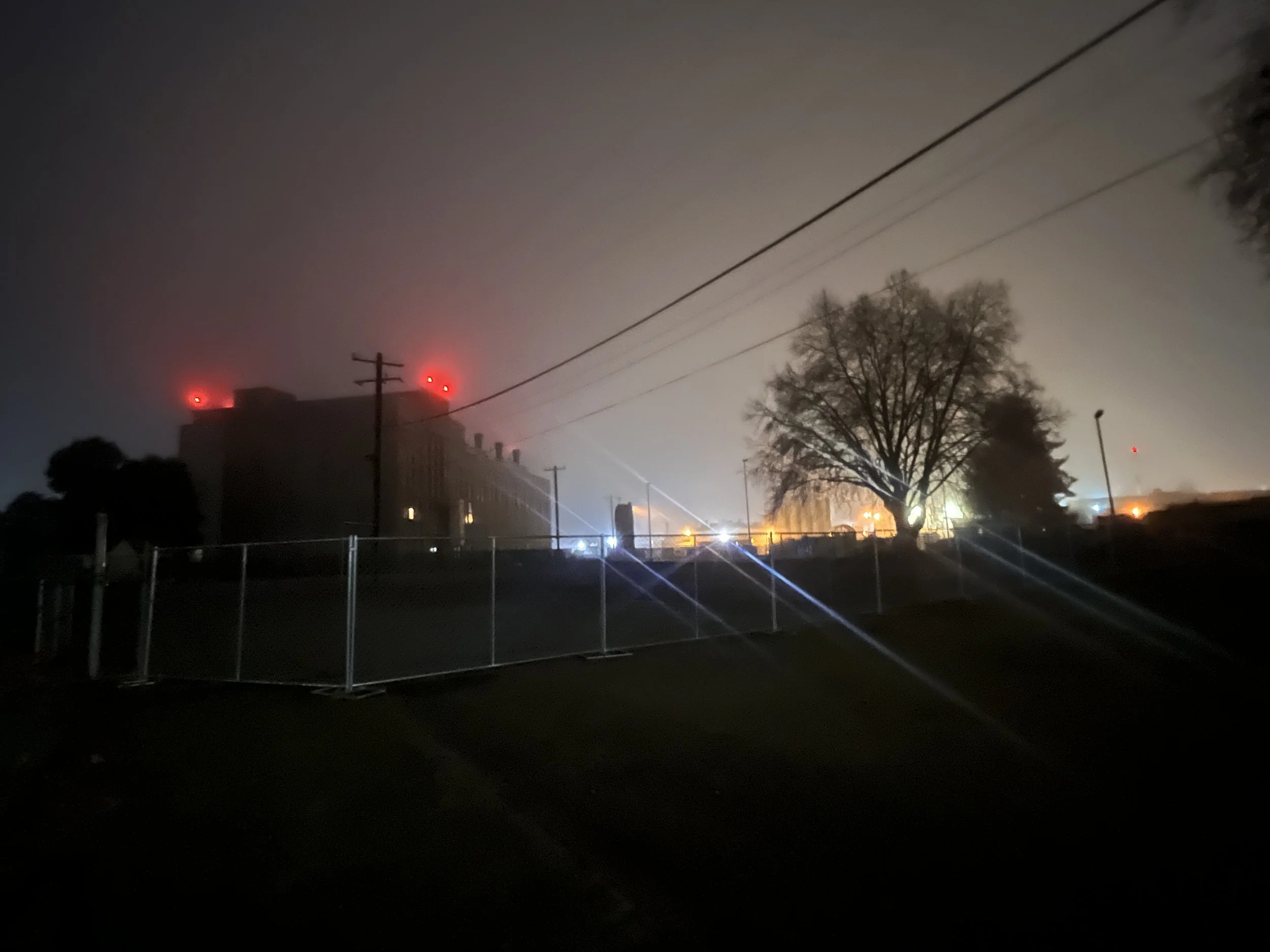
Below are some of the moments I captured along the way…