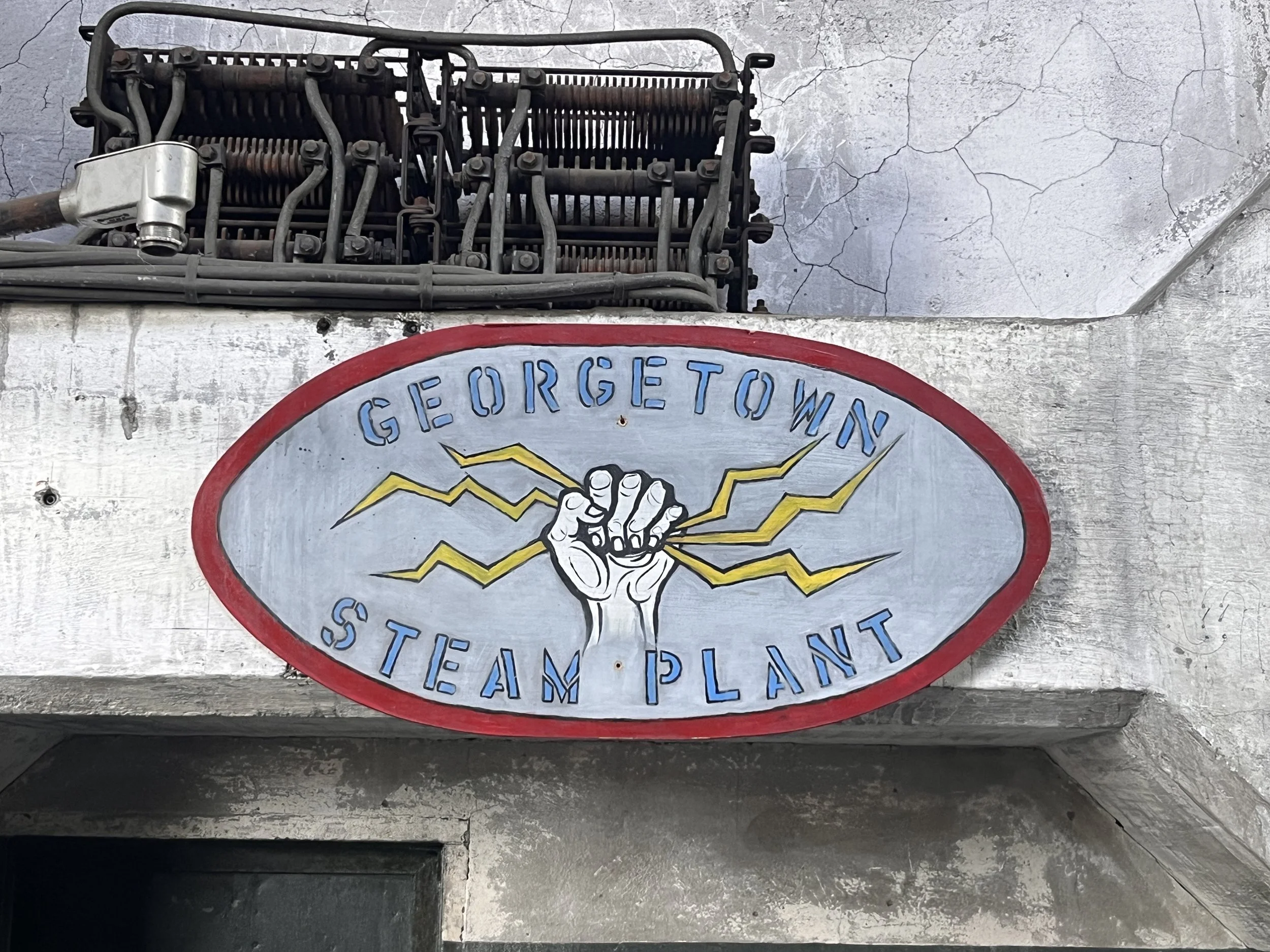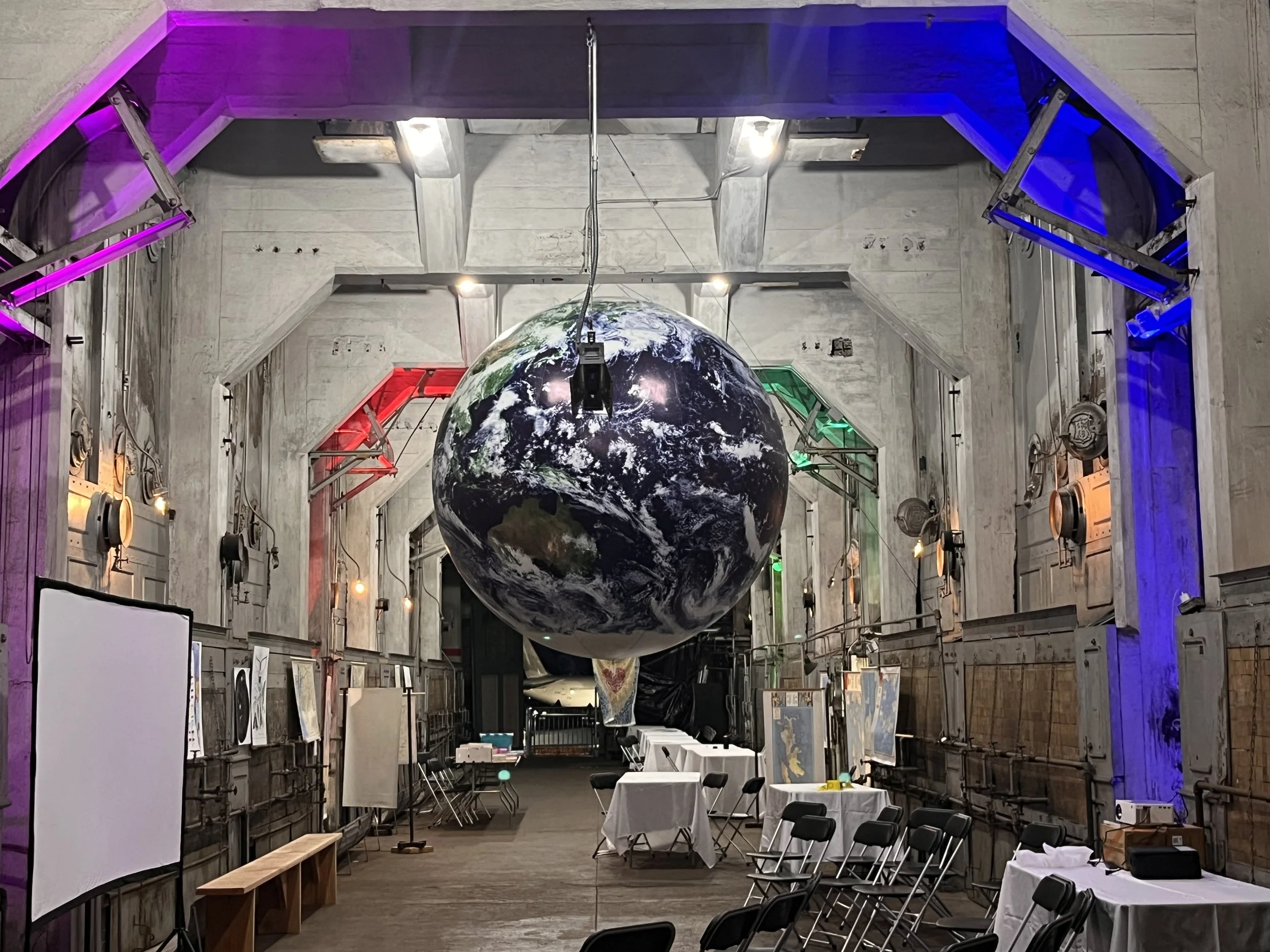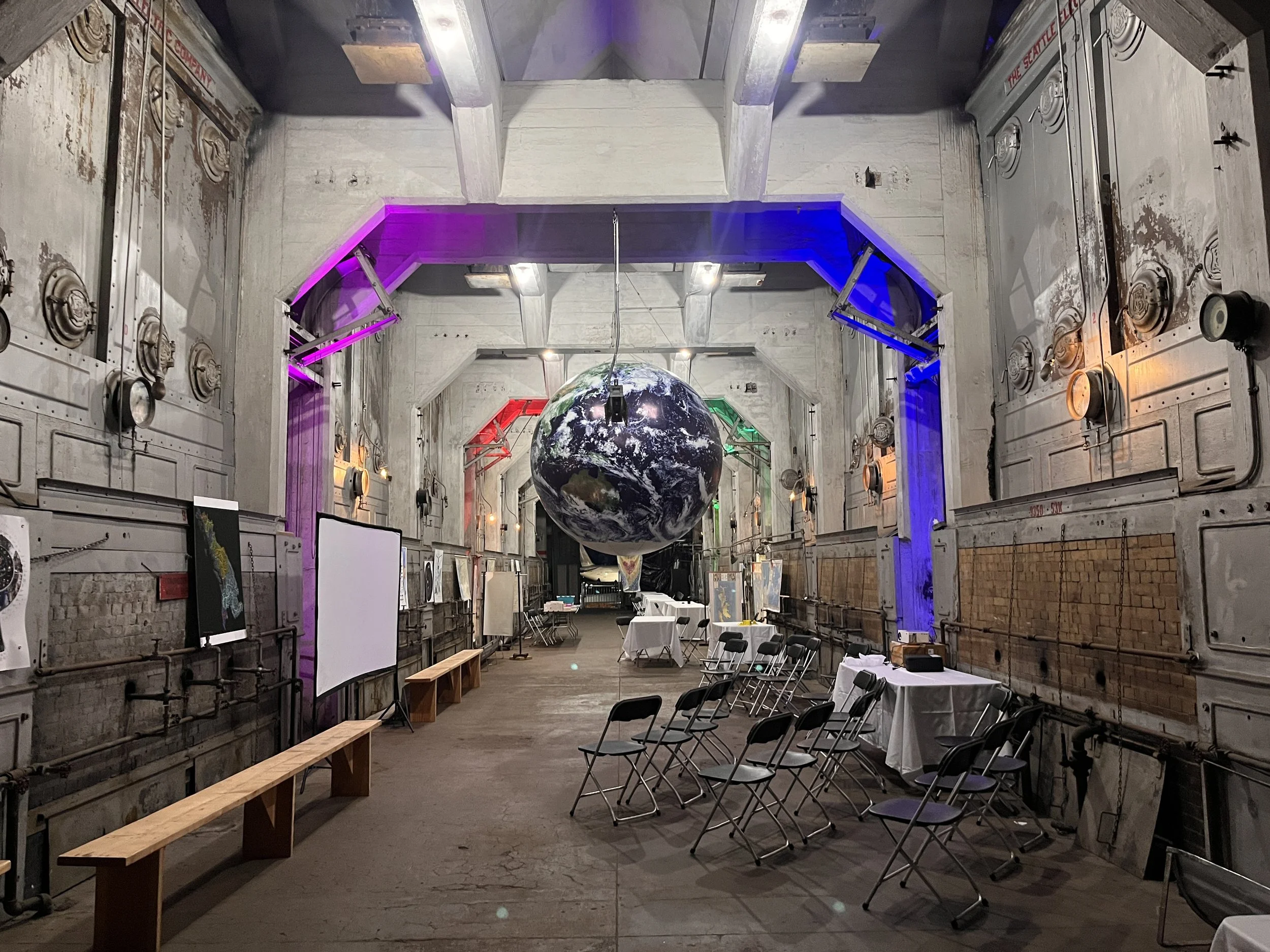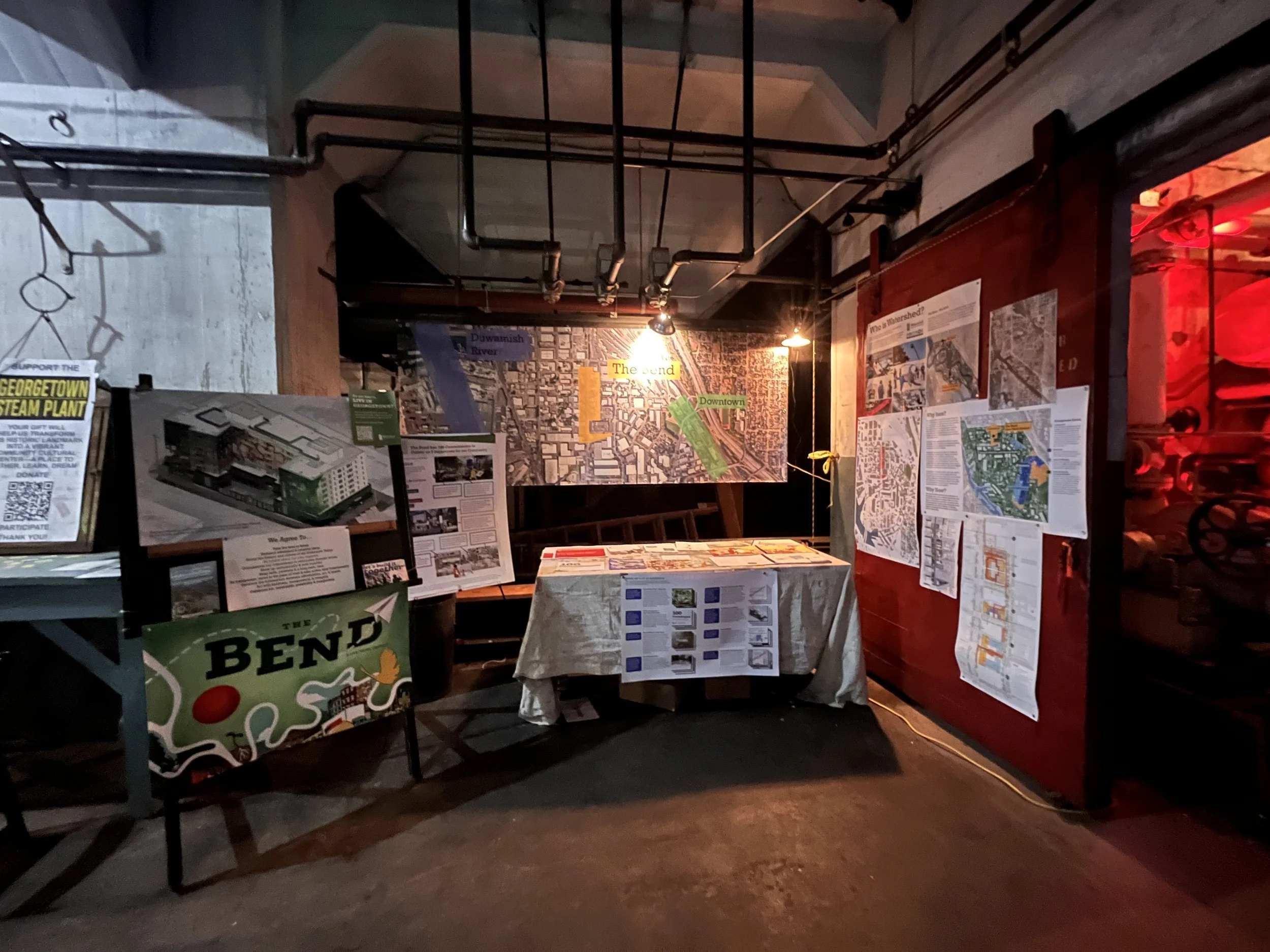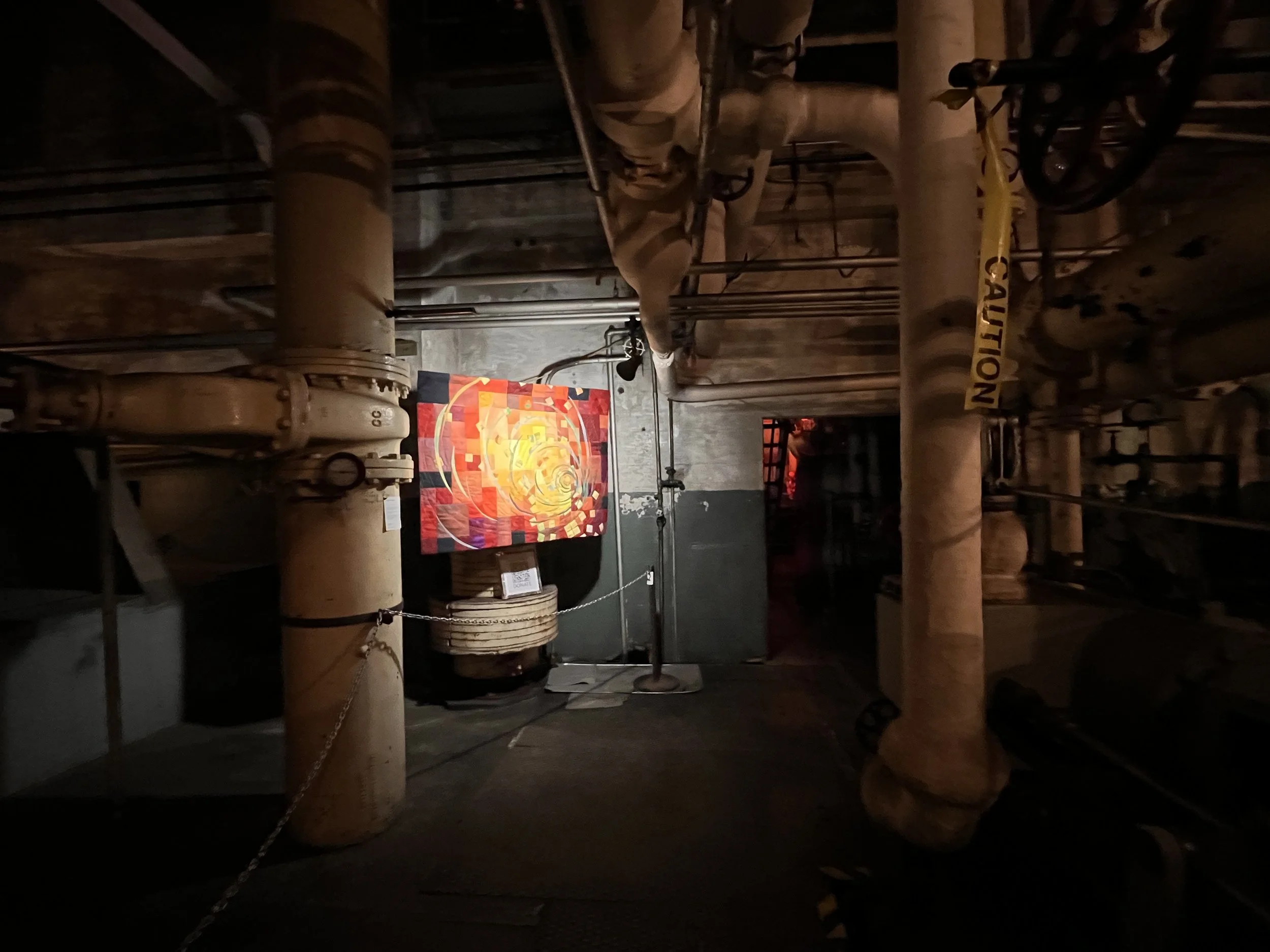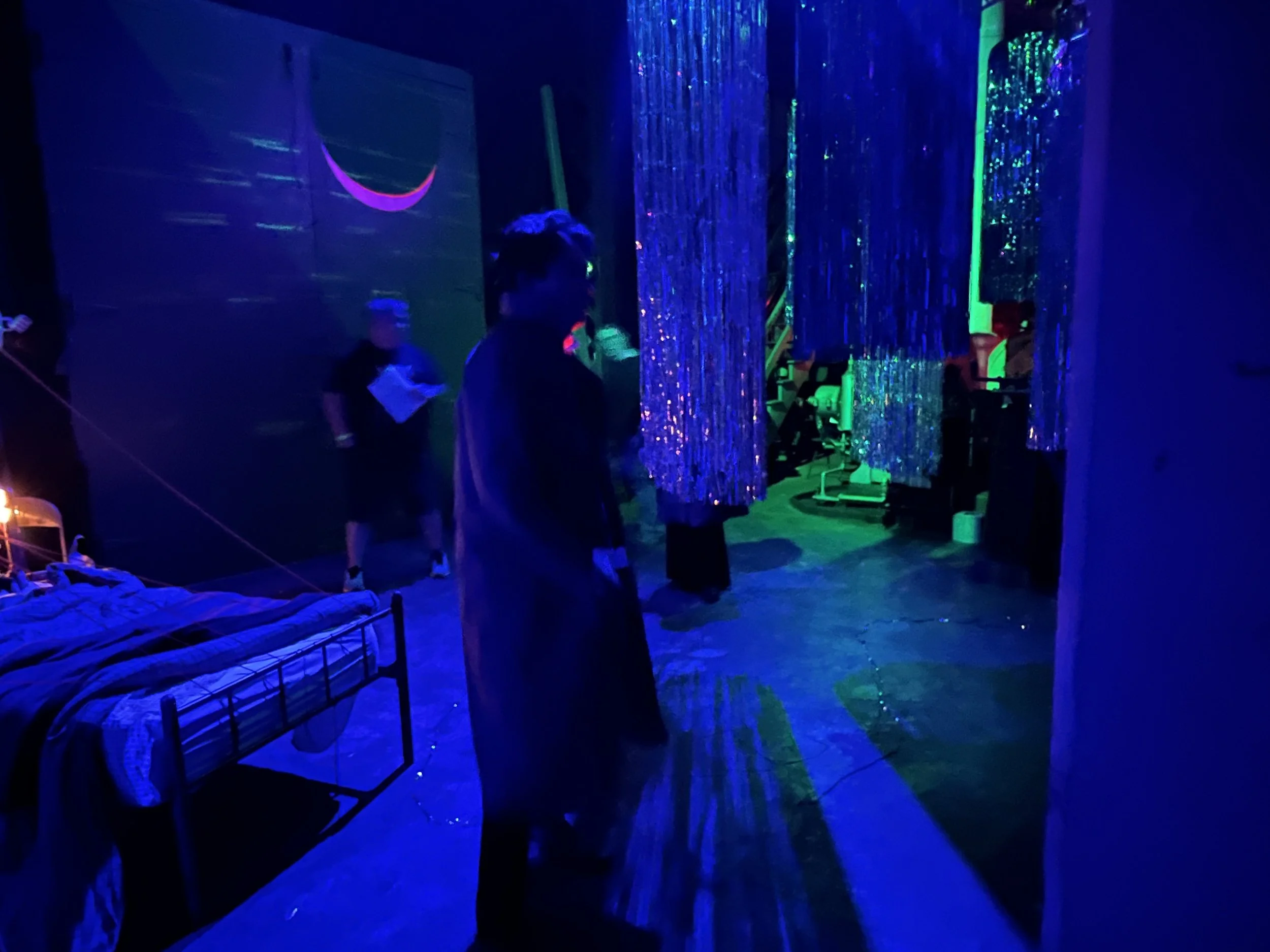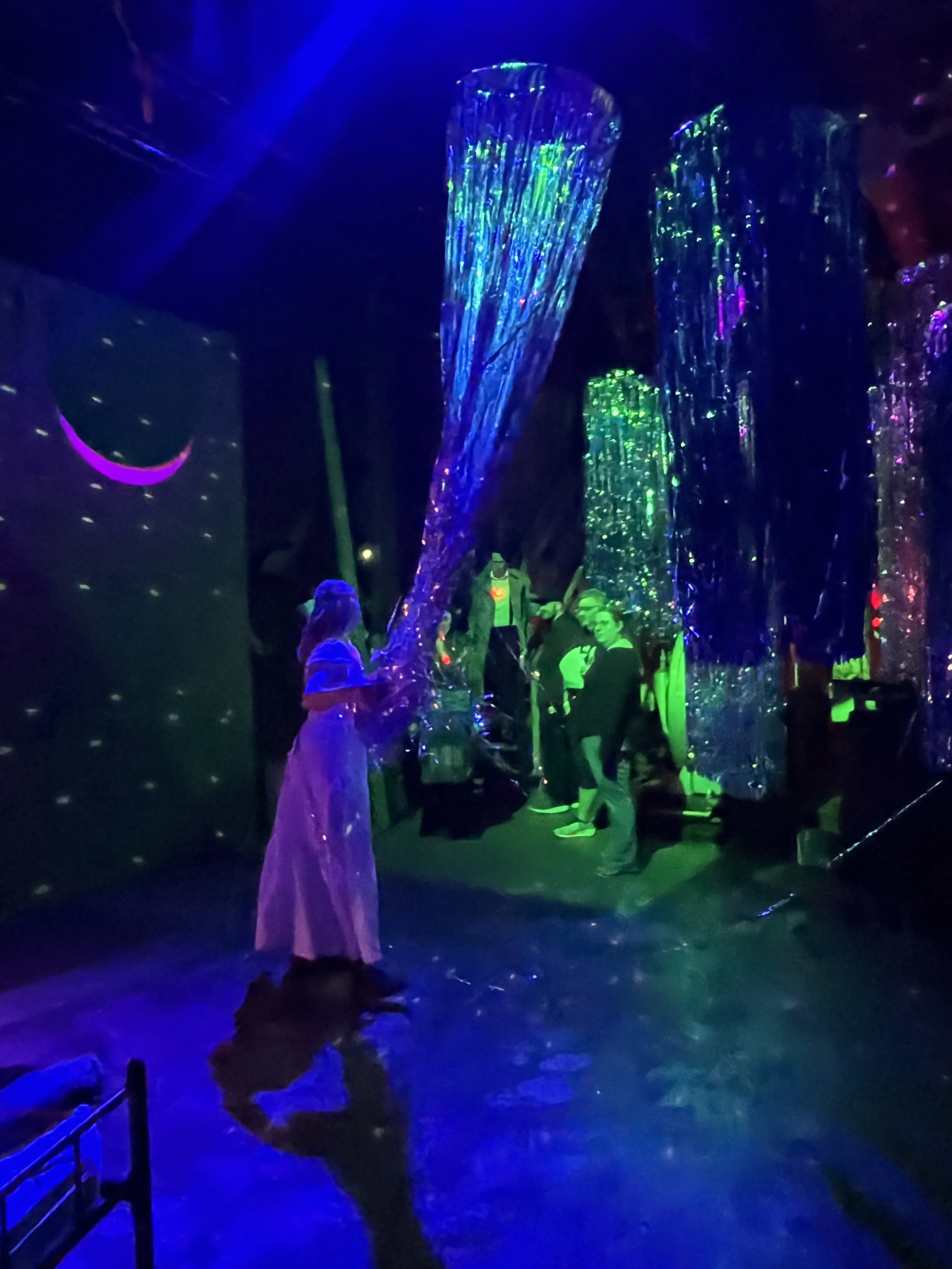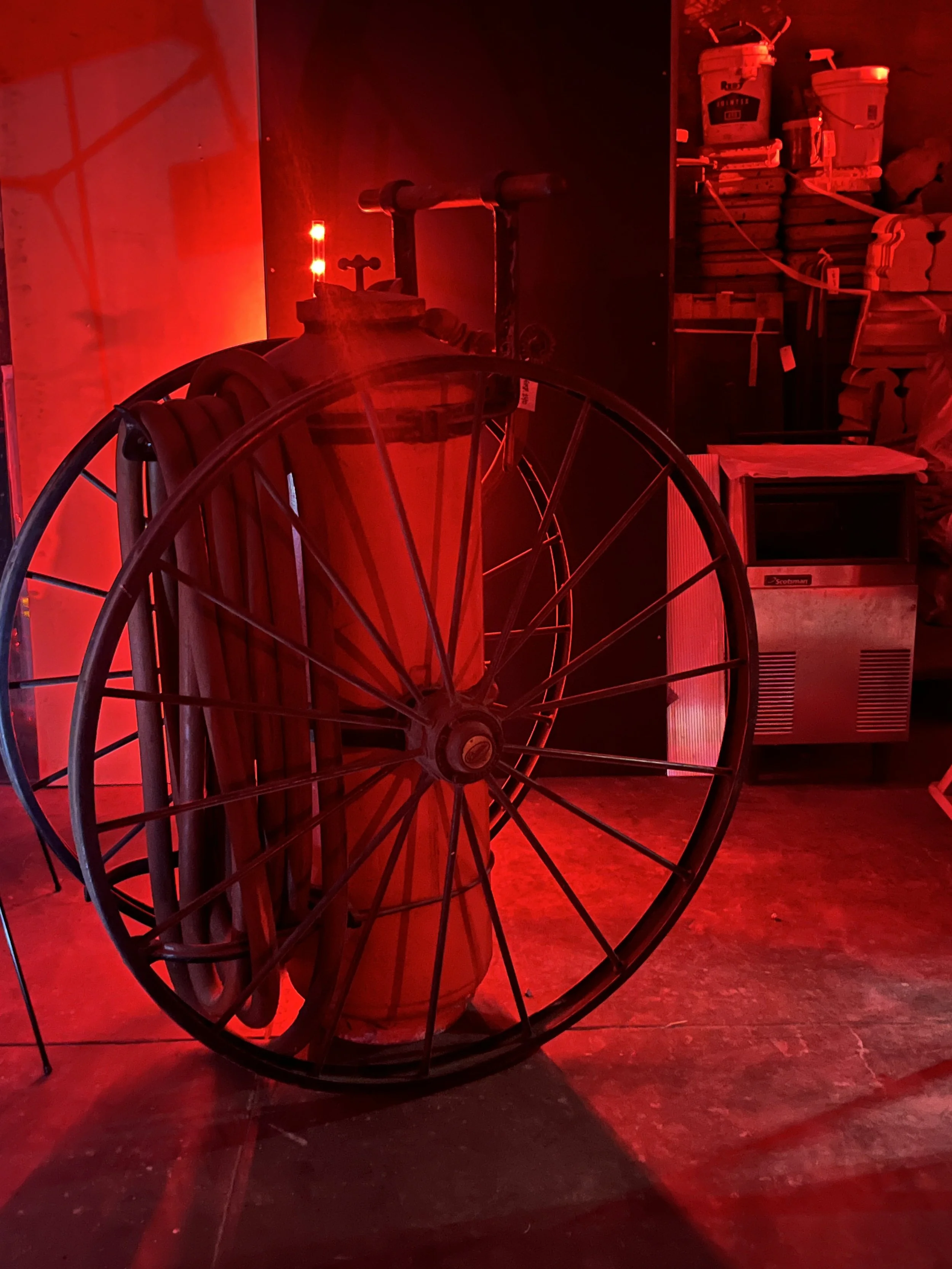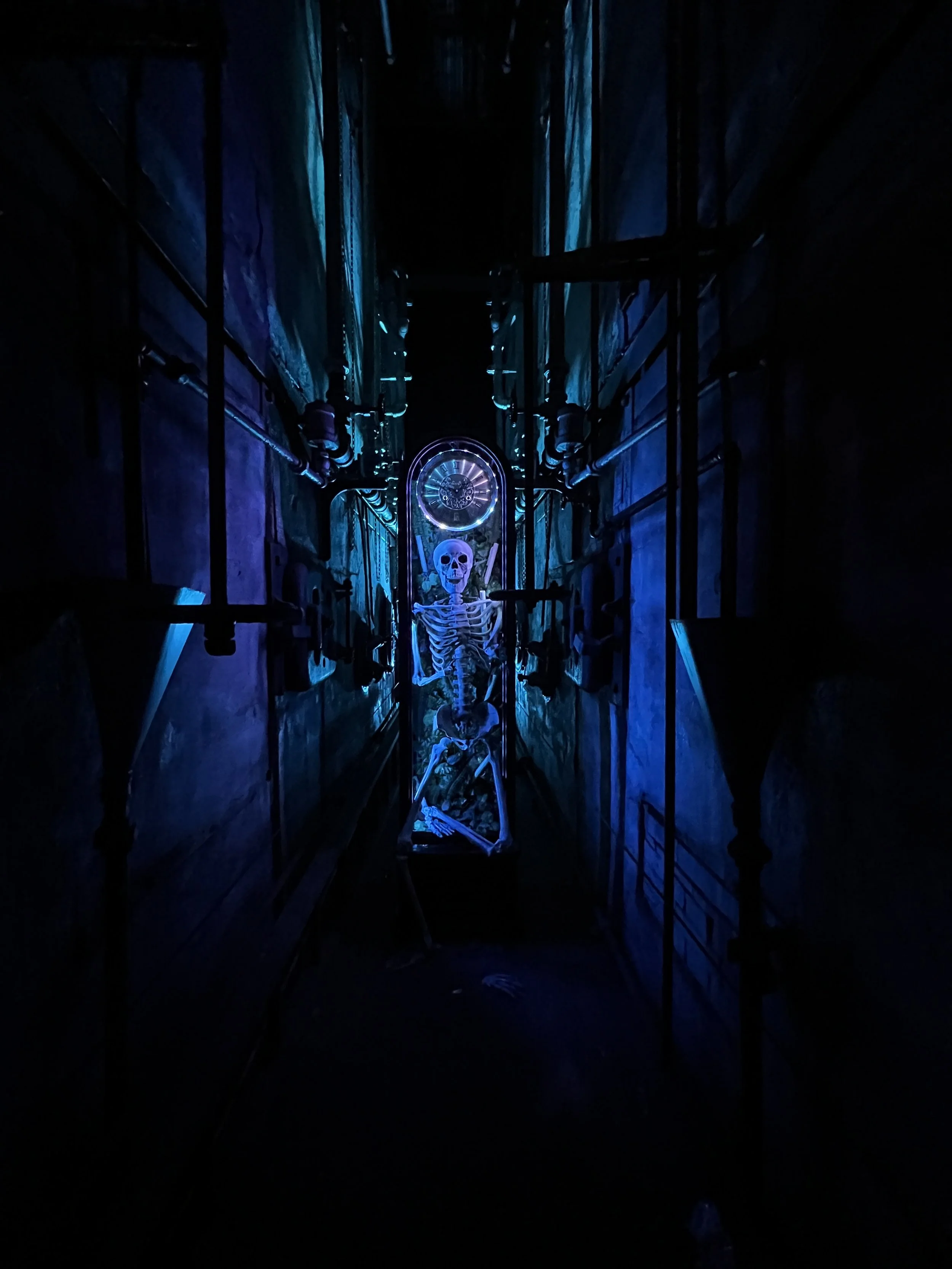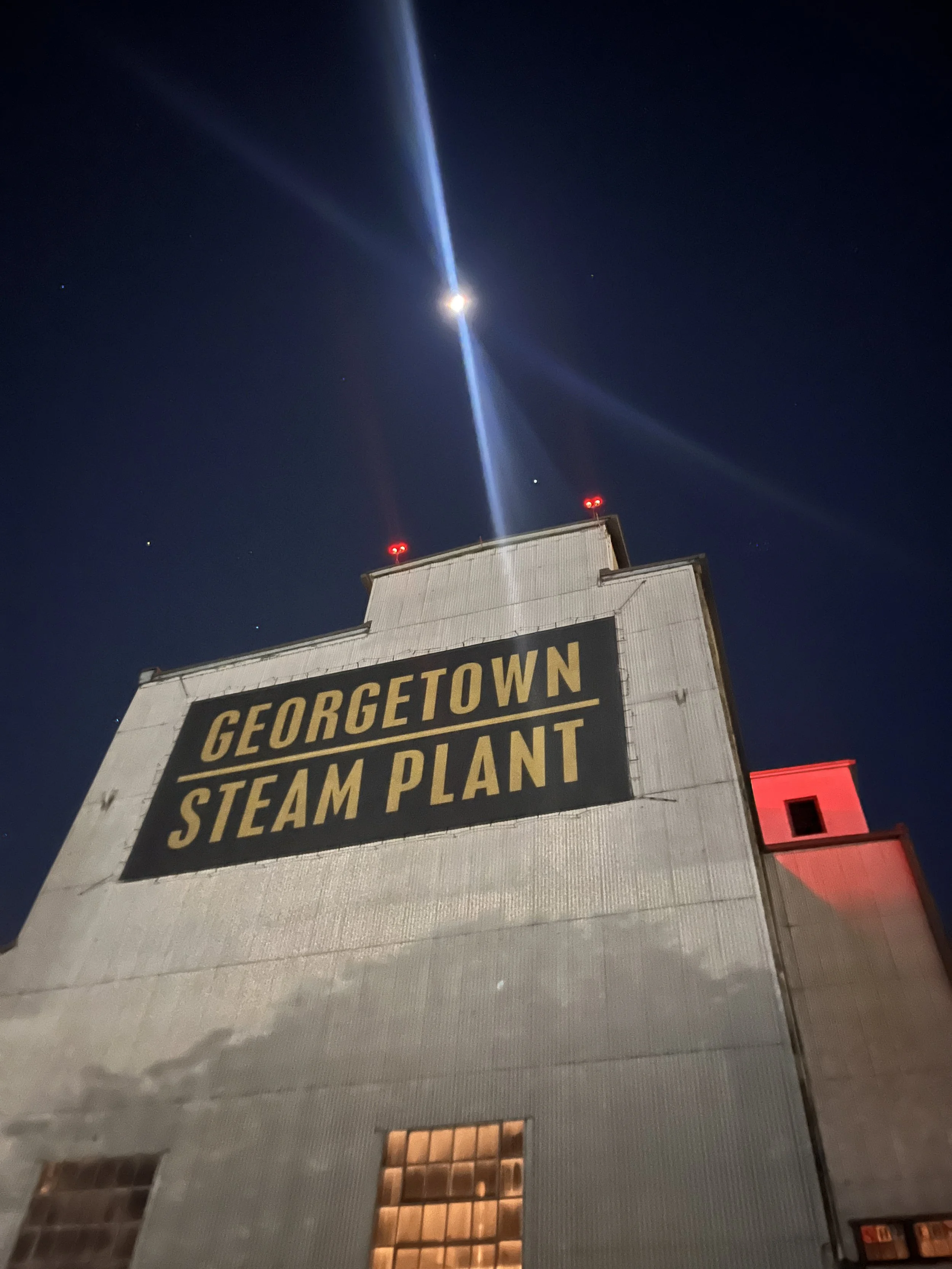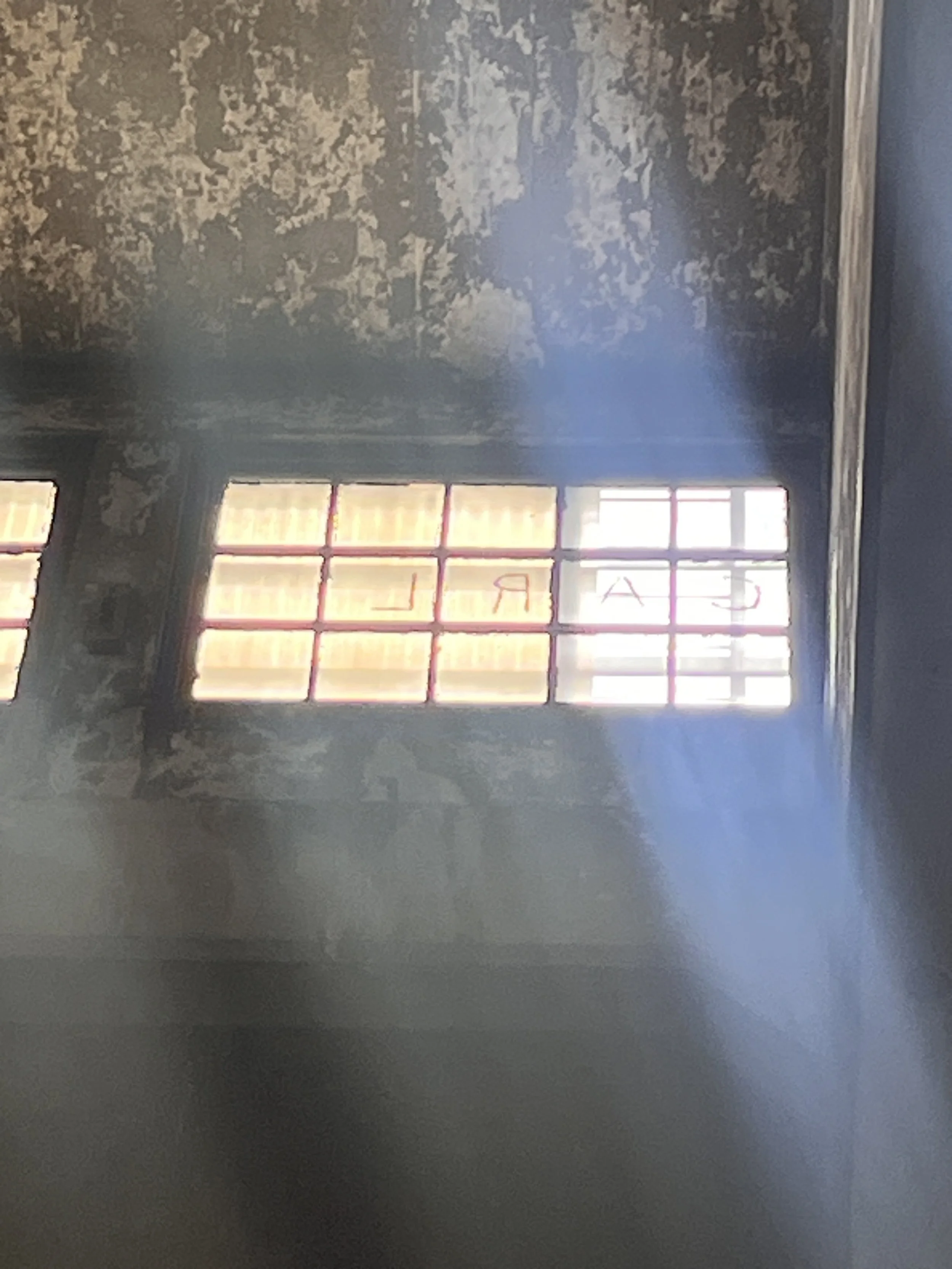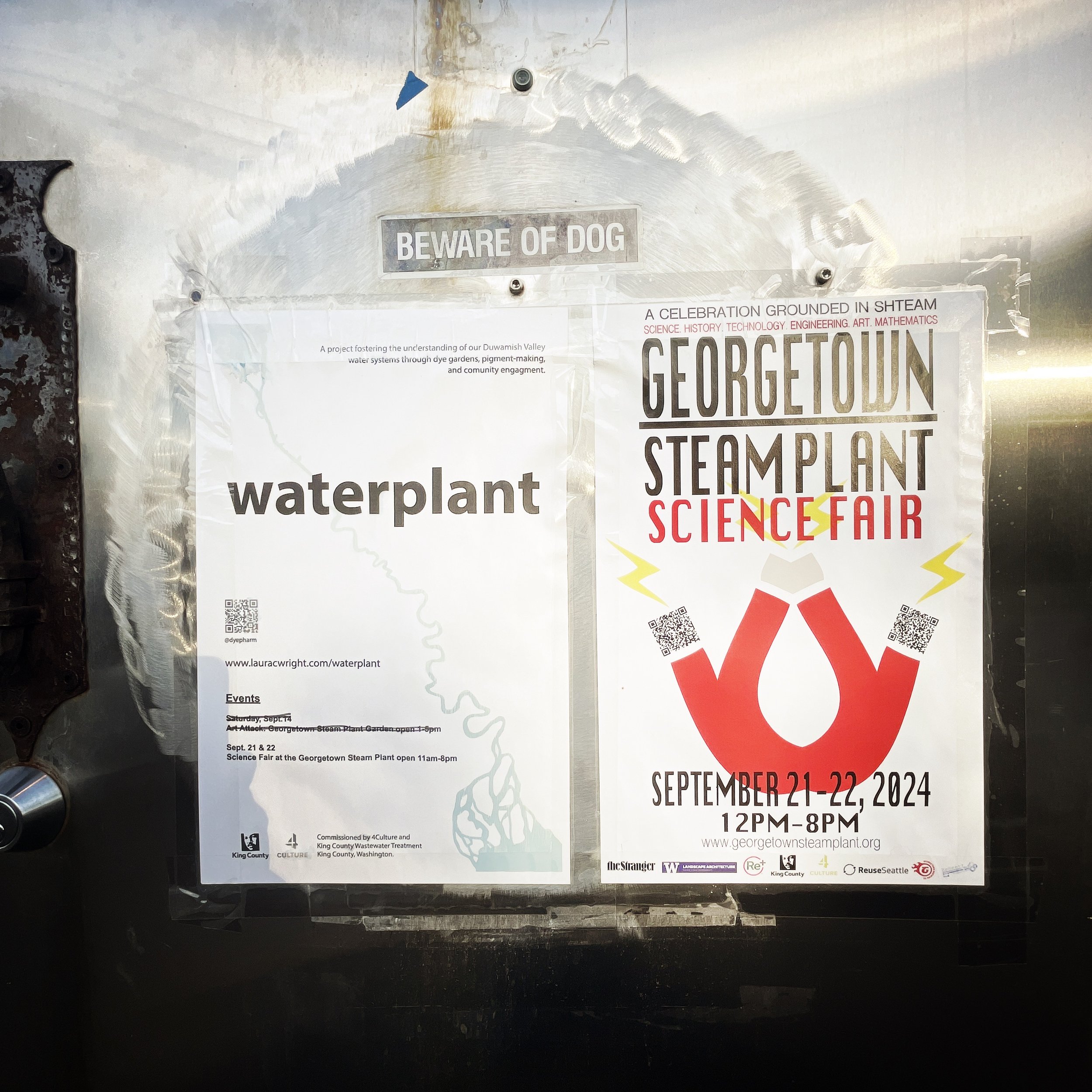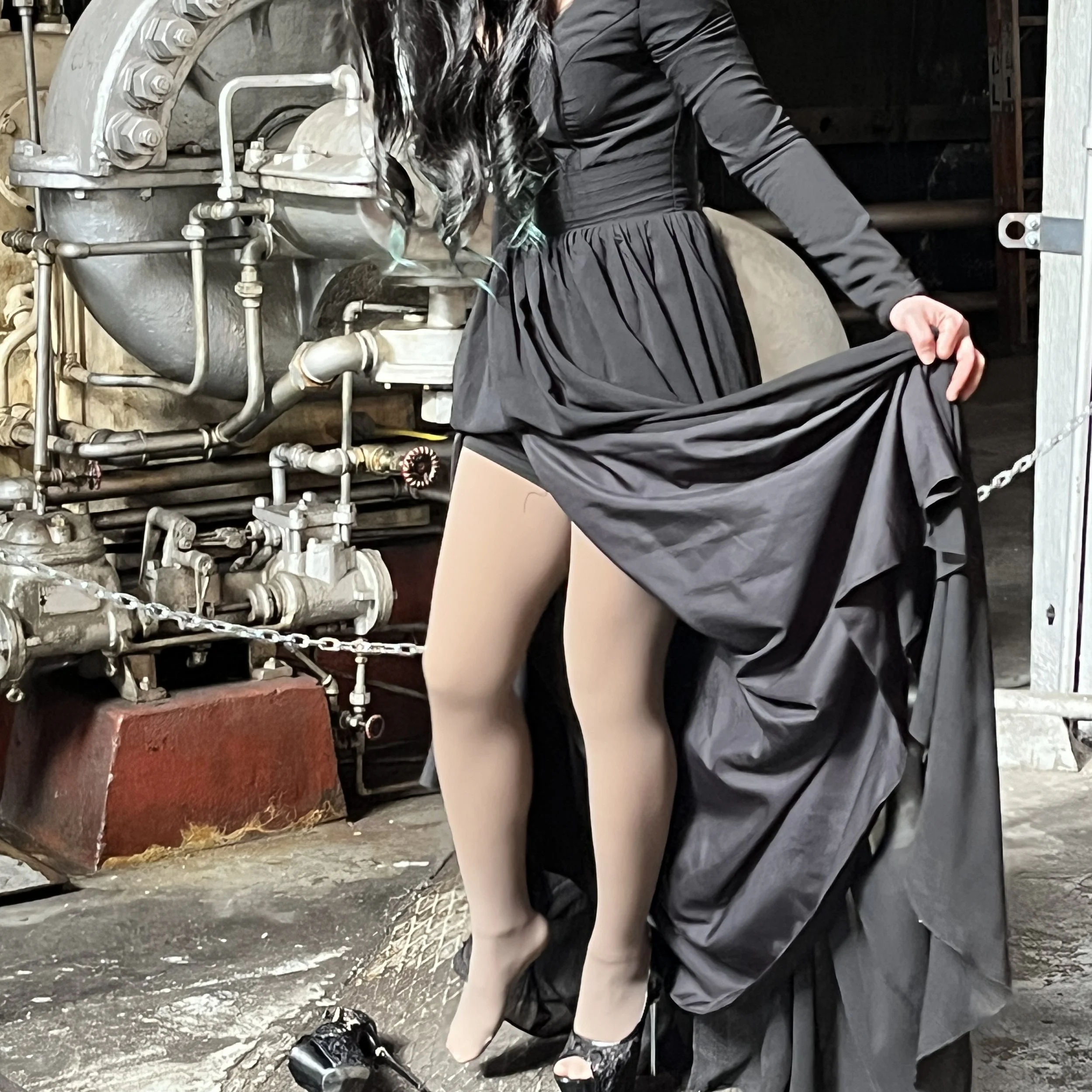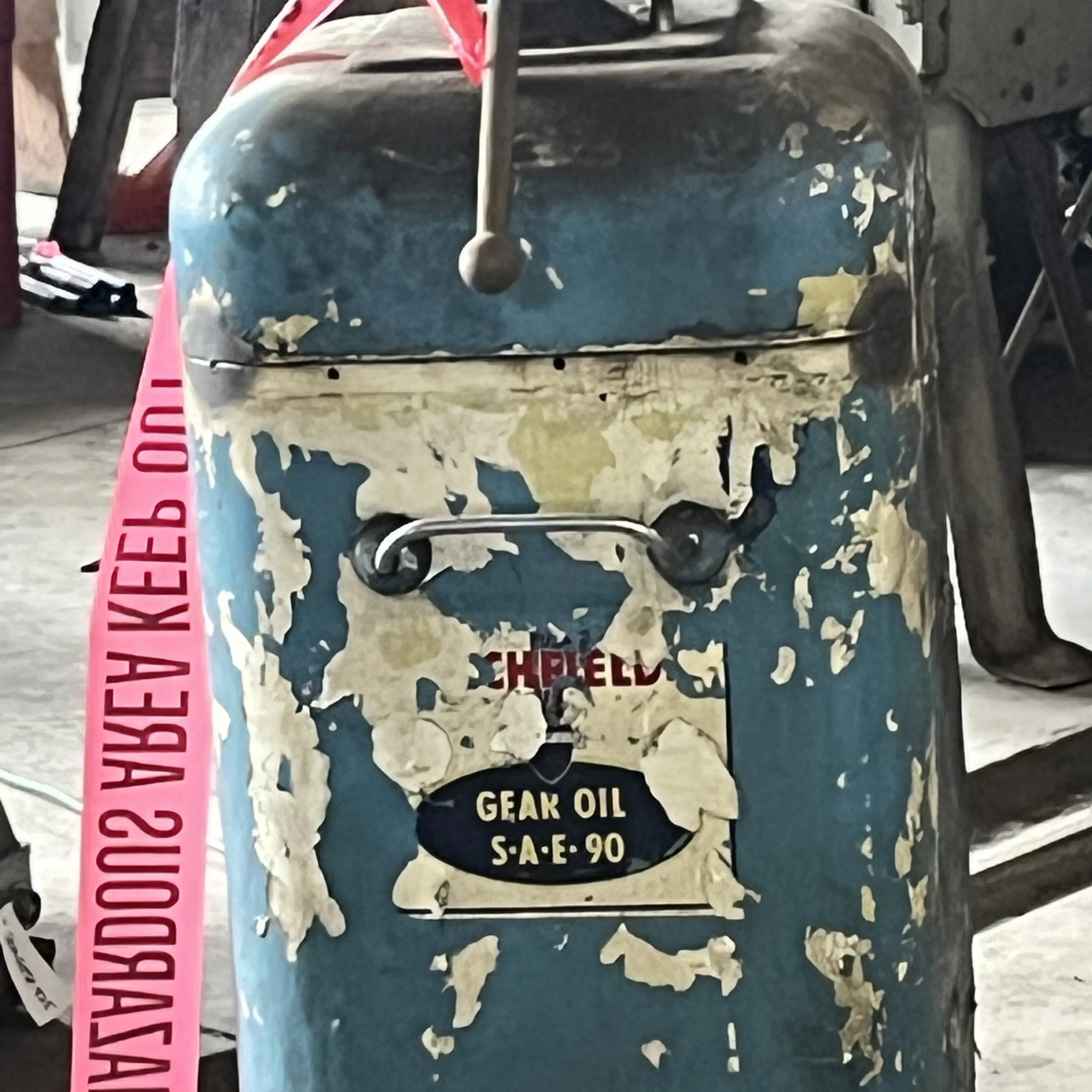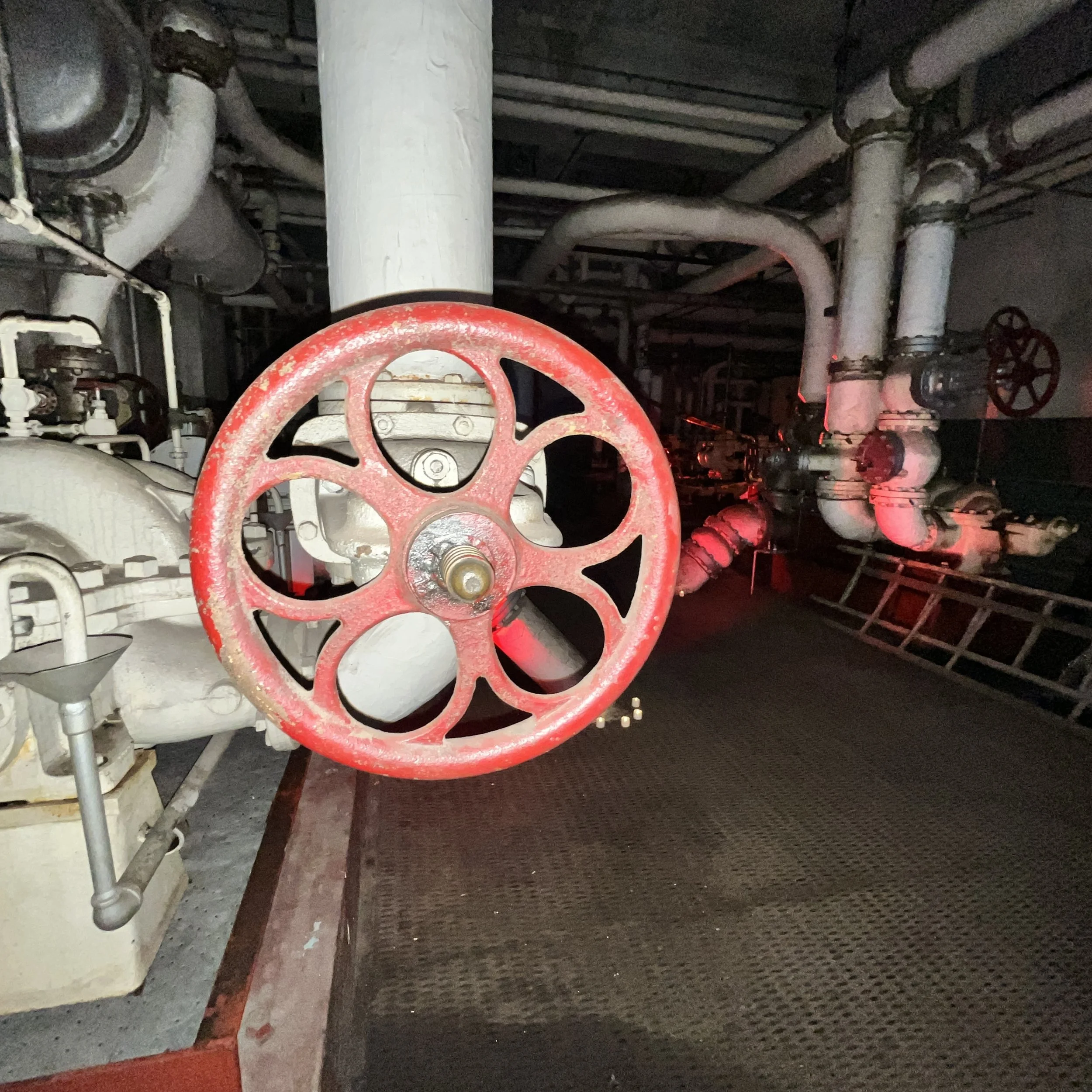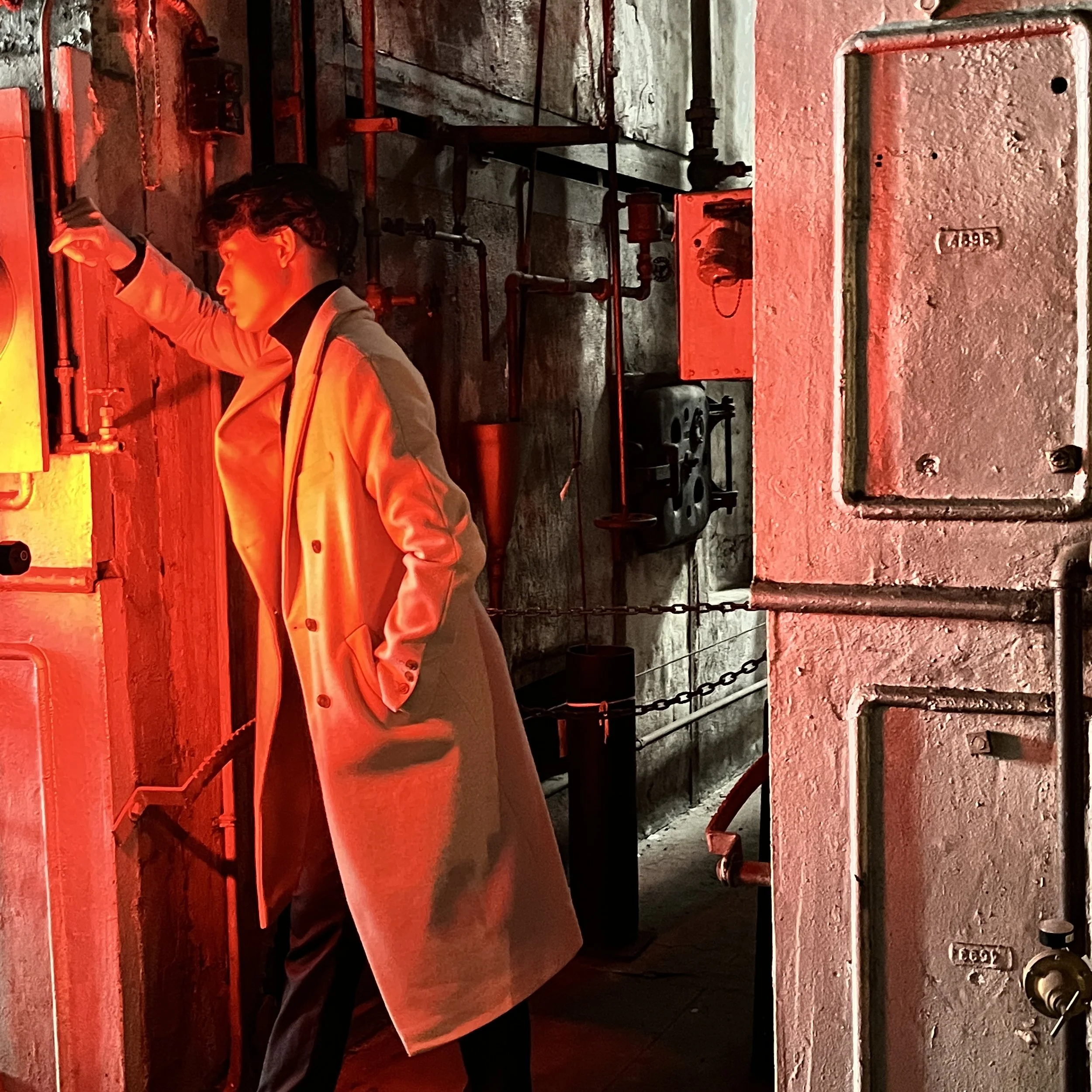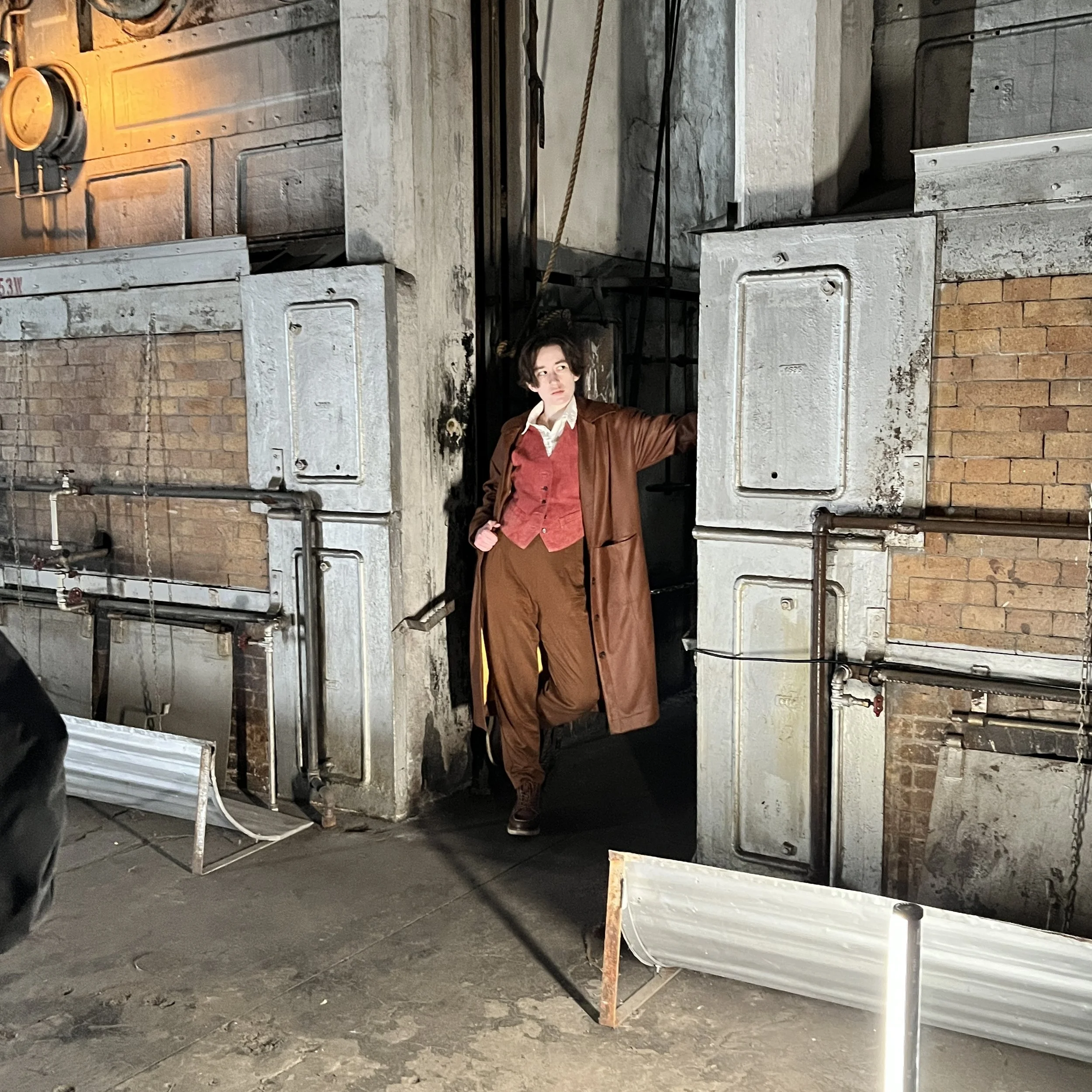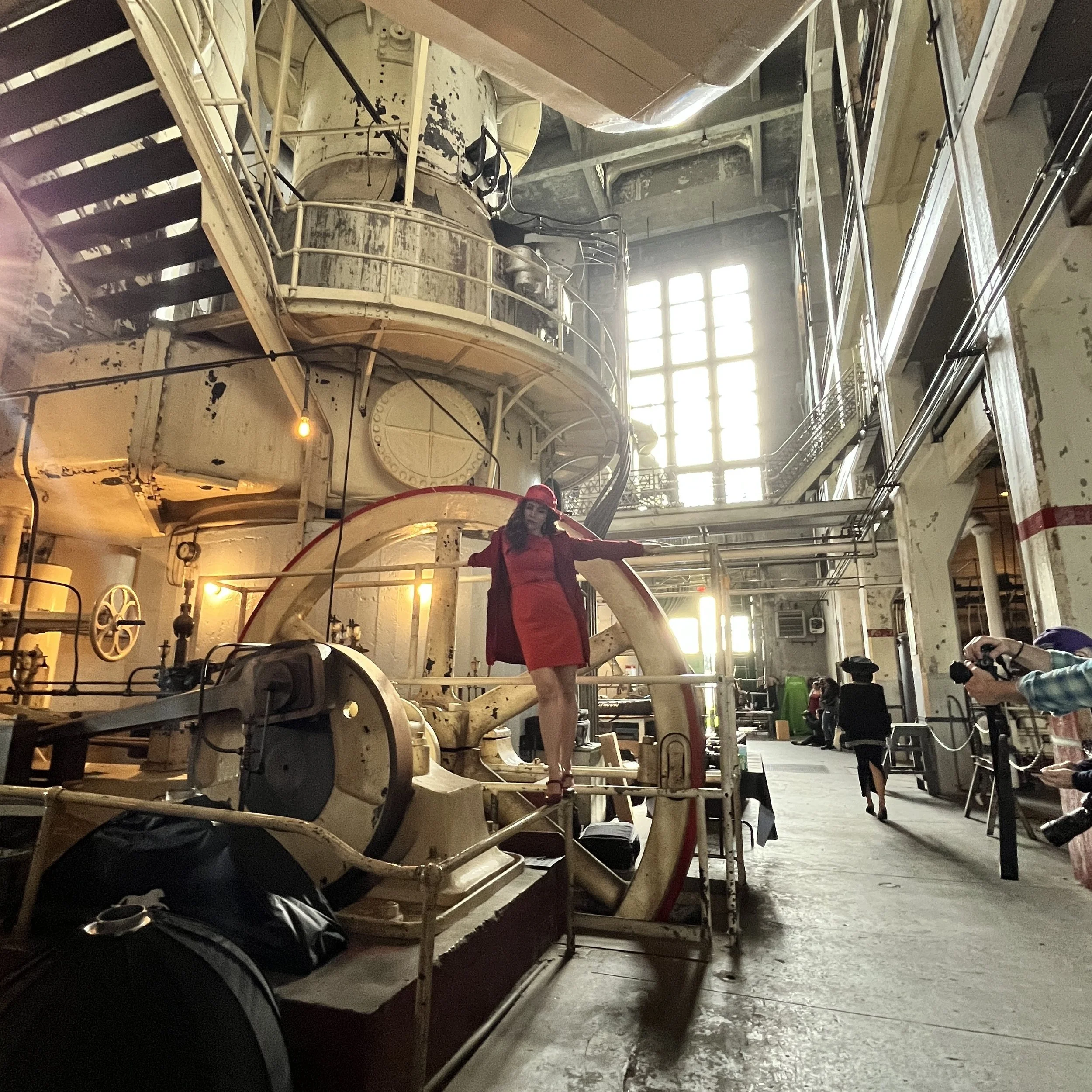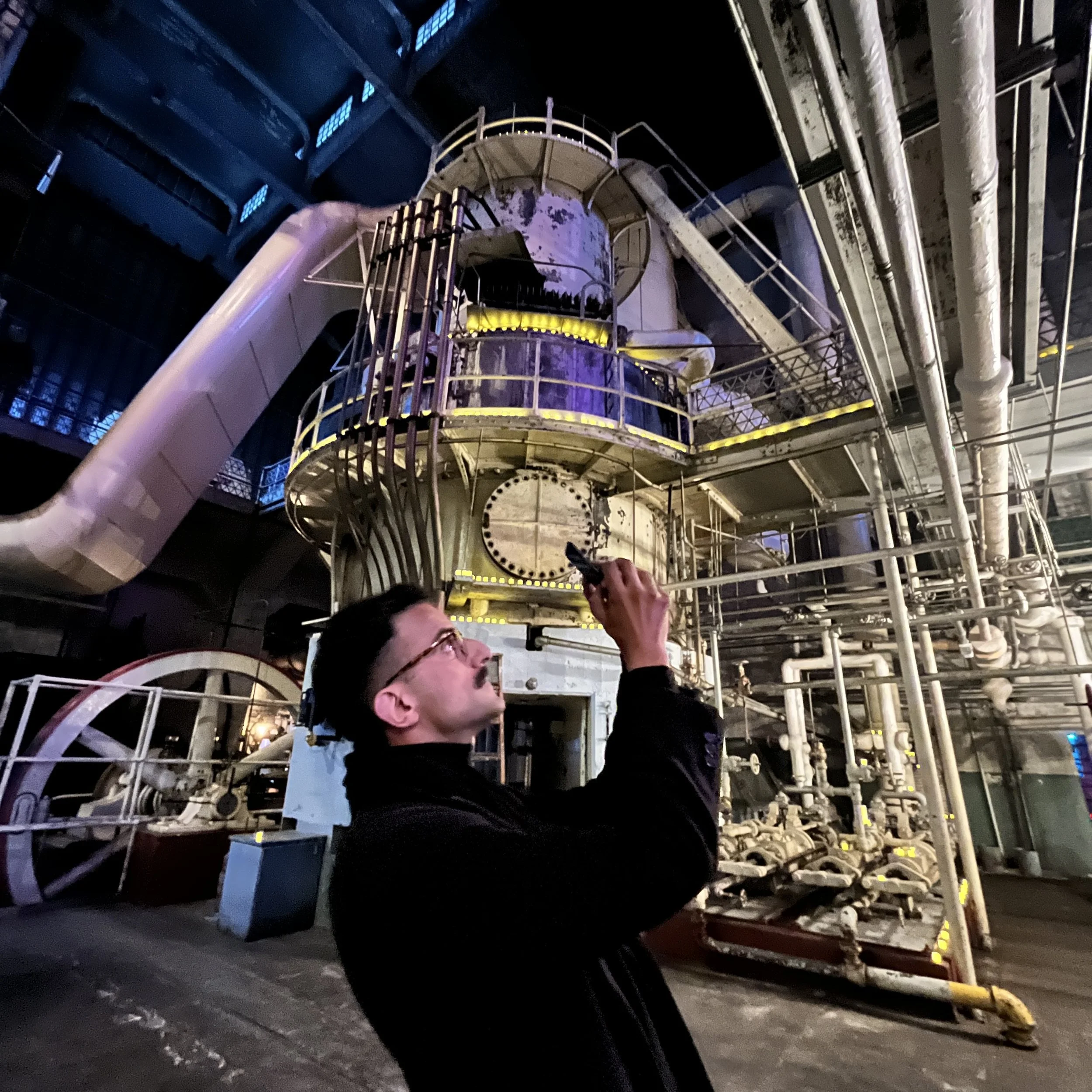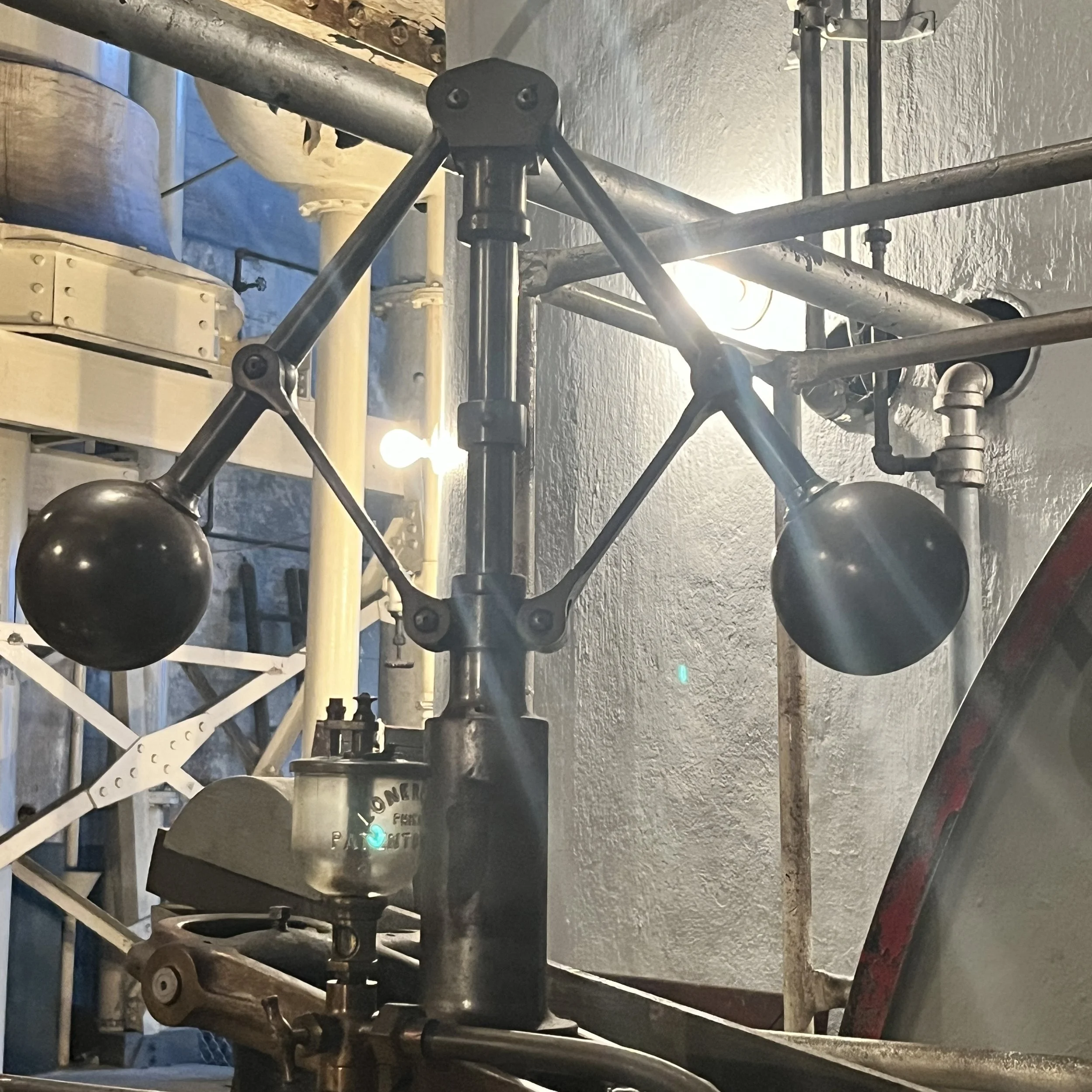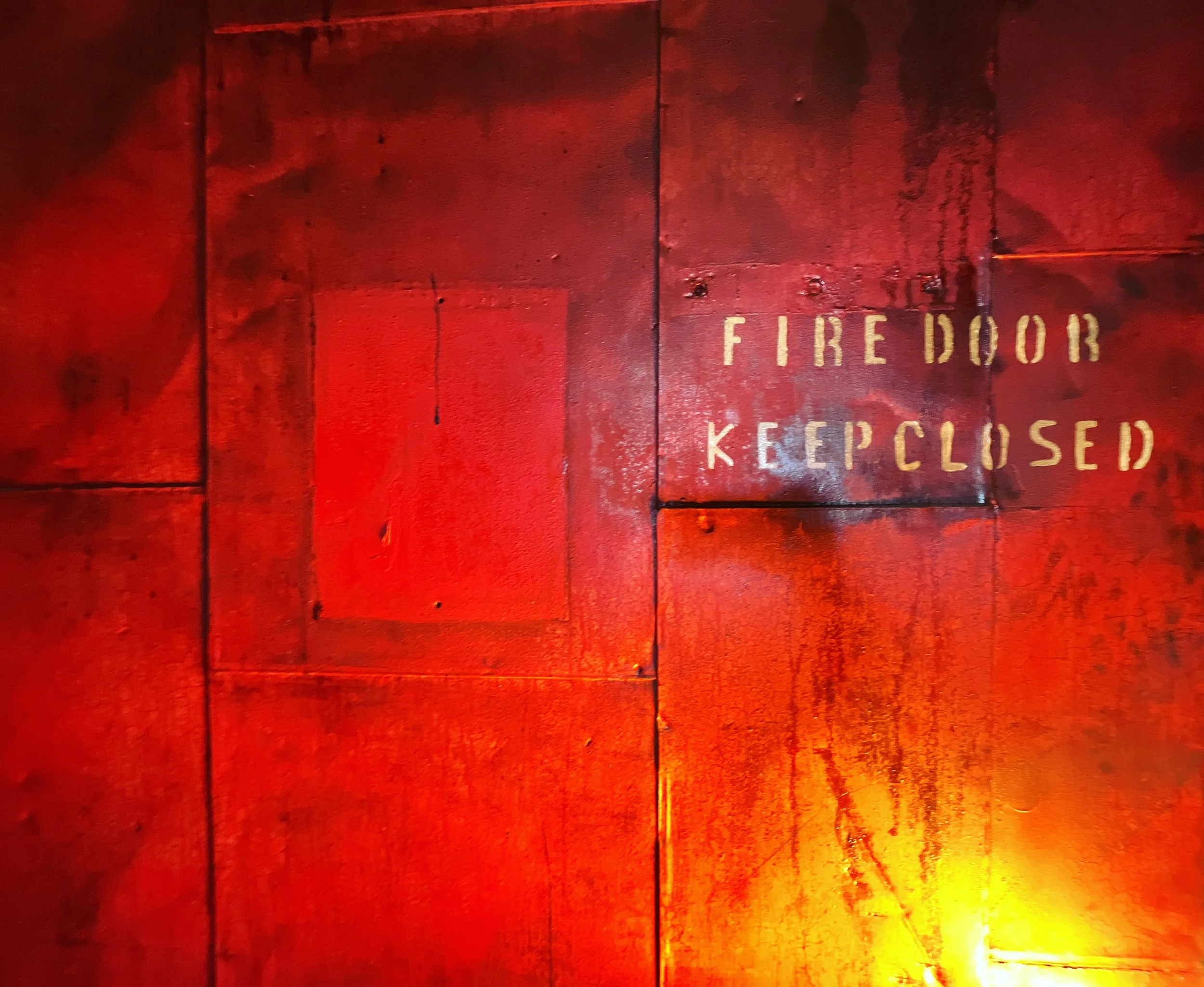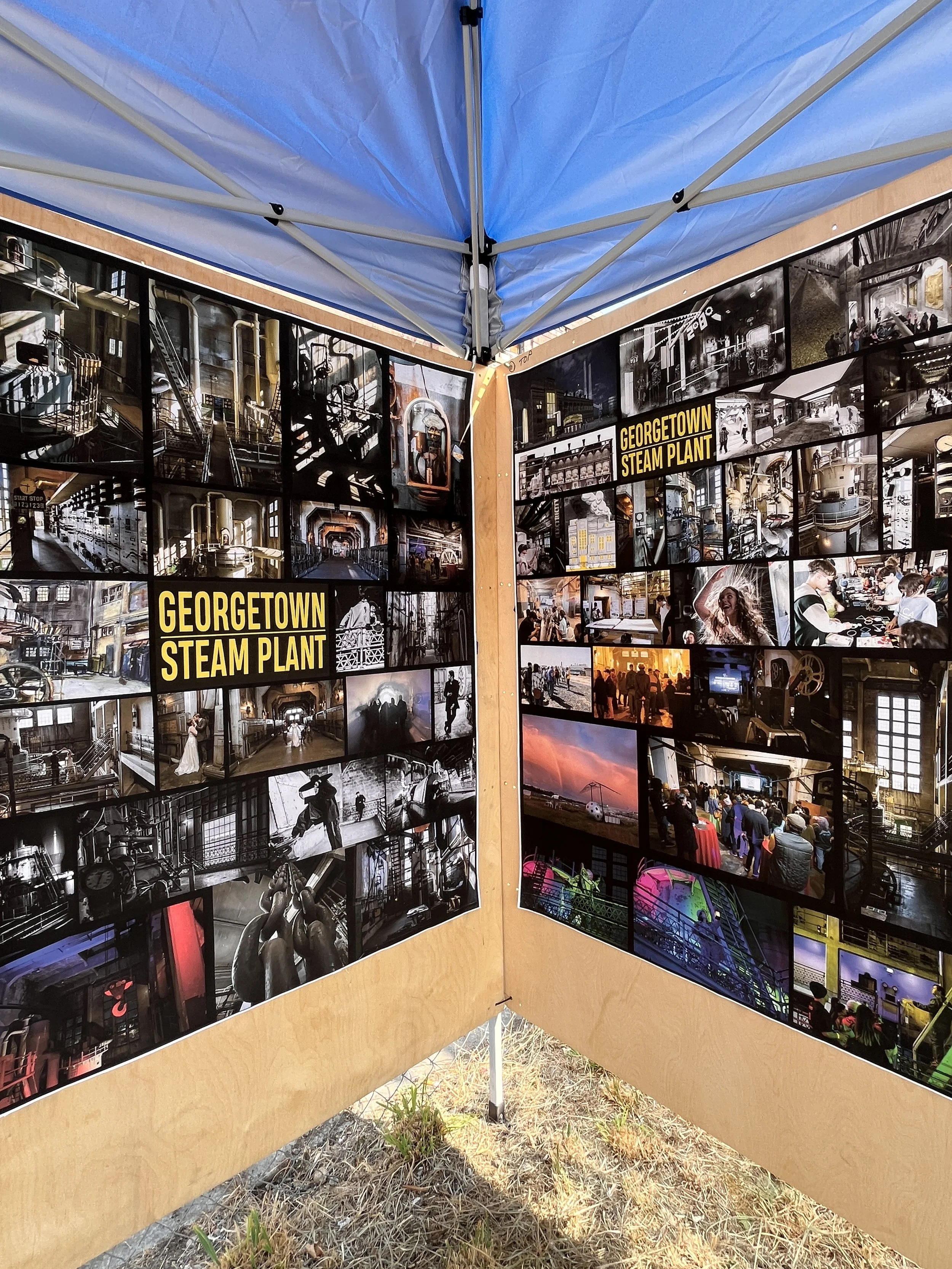
GEORGETOWN
STEAM PLANT
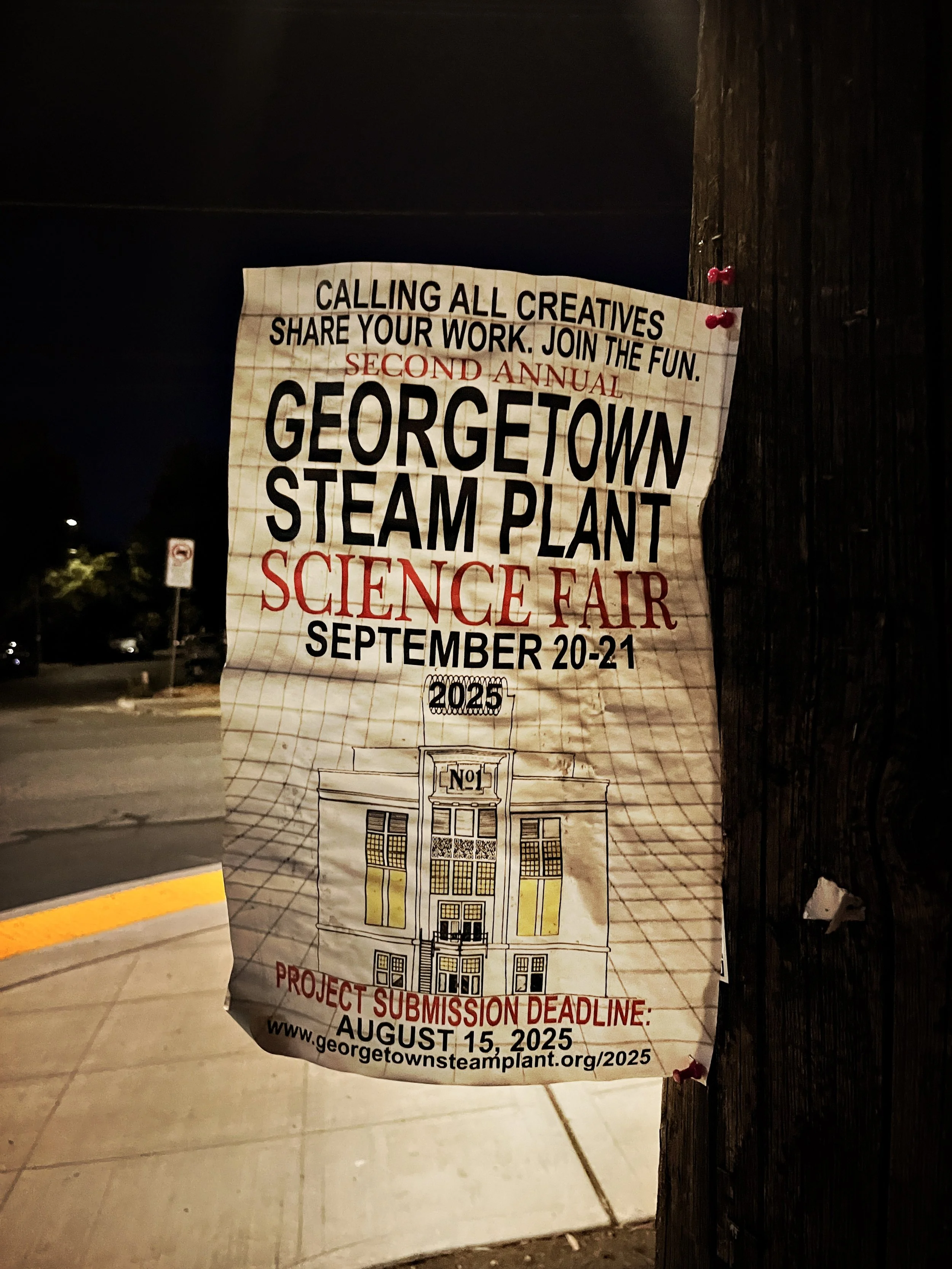
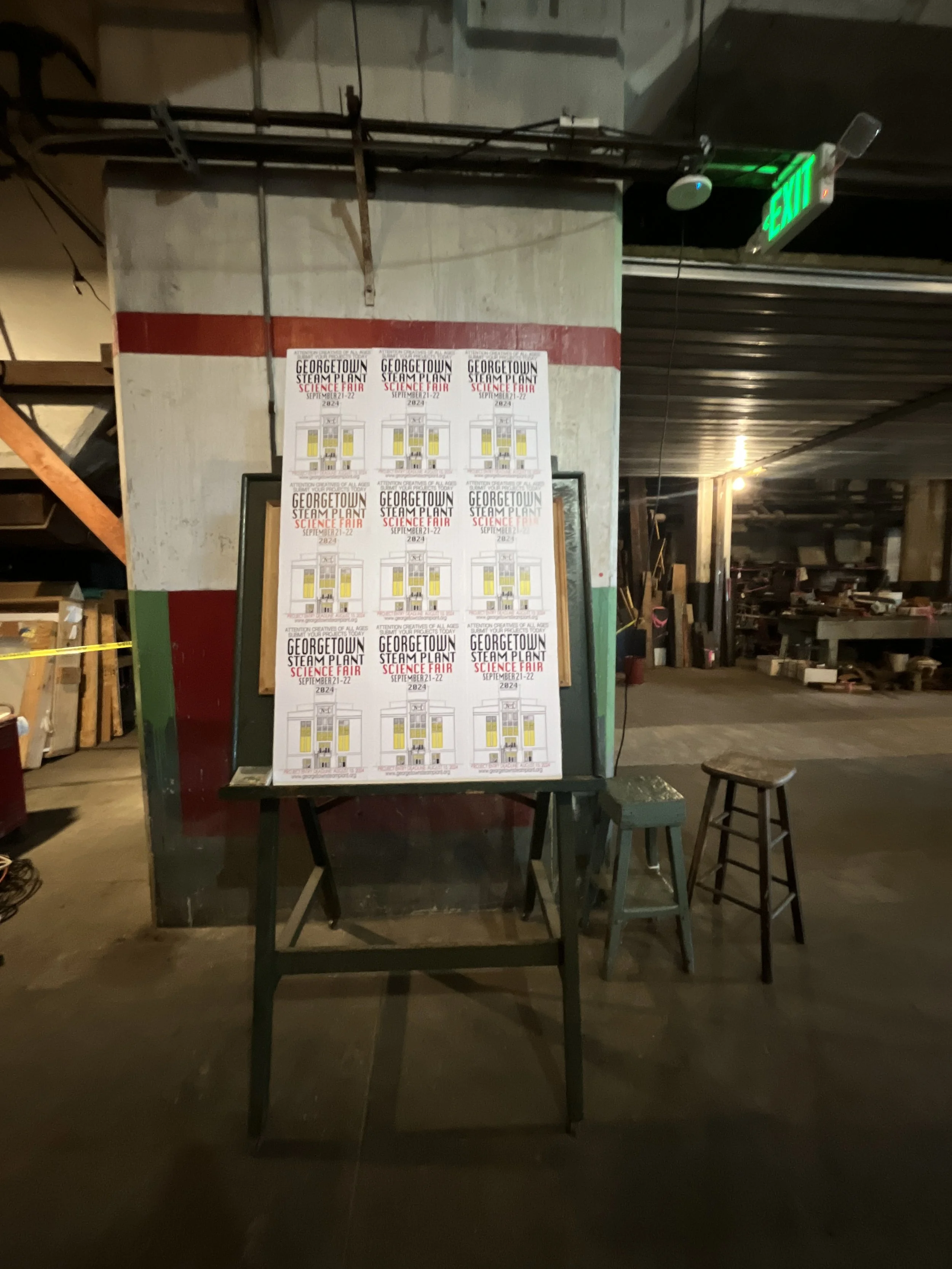
SCIENCE FAIR RESIDENCY
2024-2025
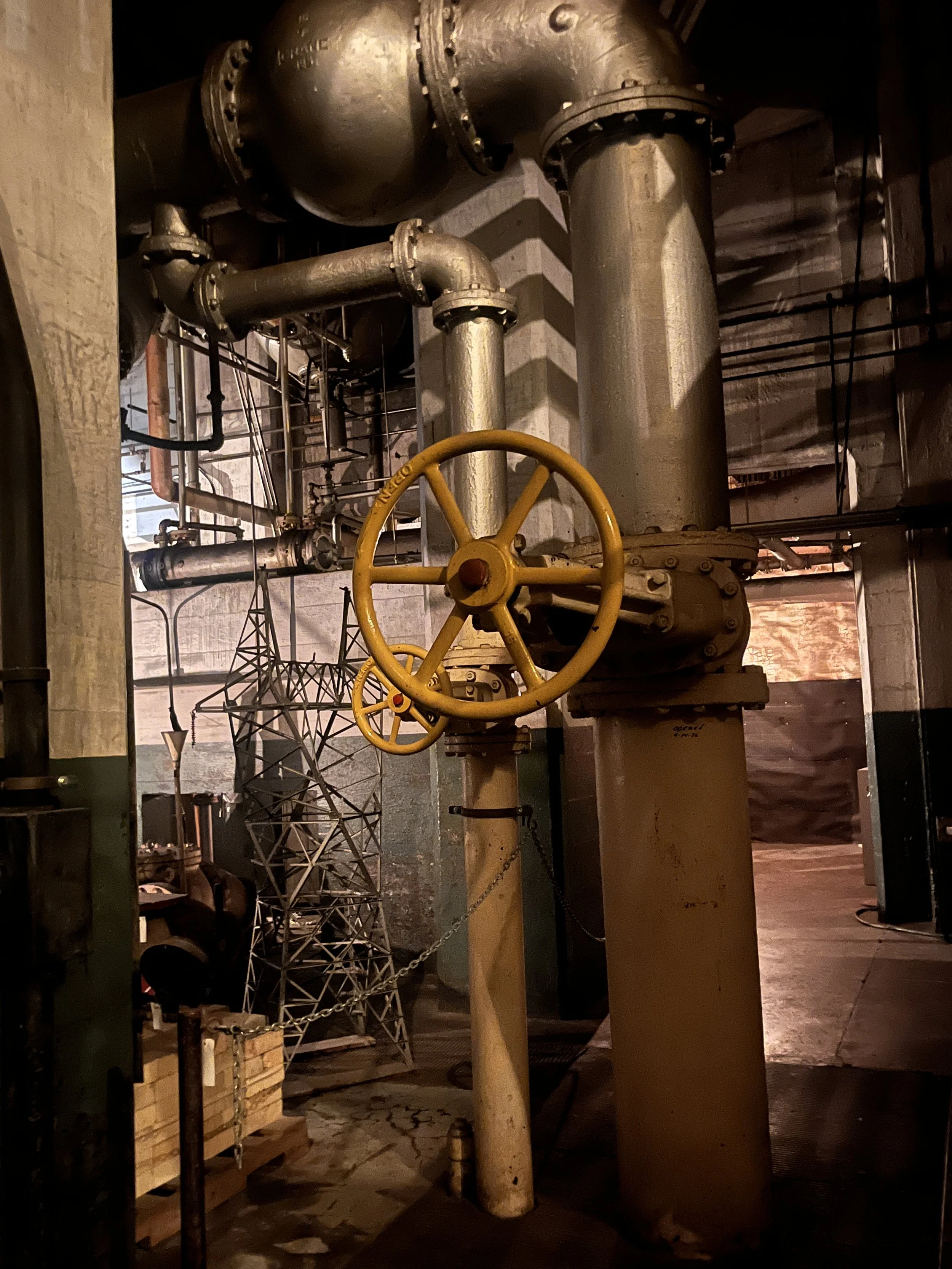
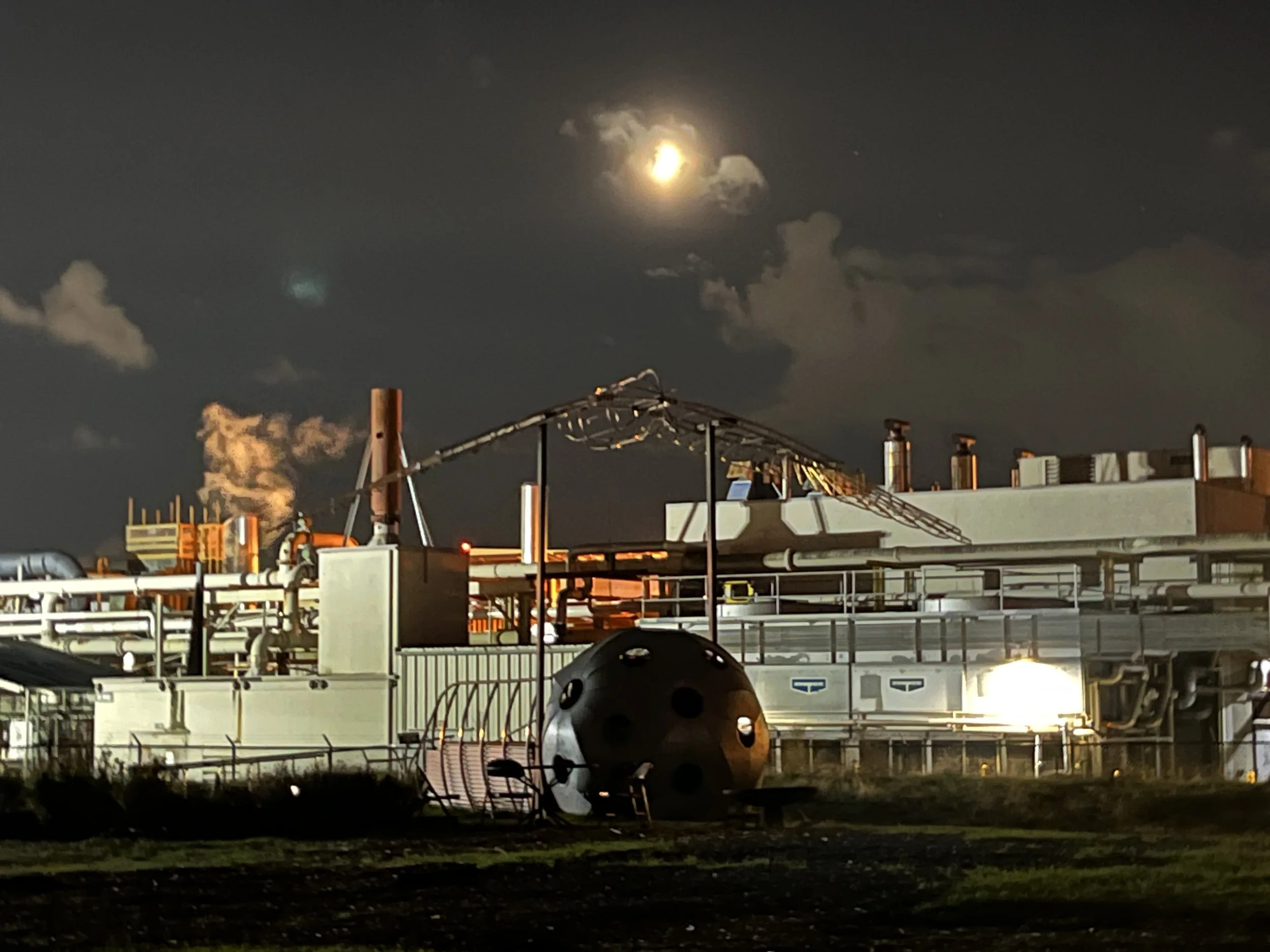
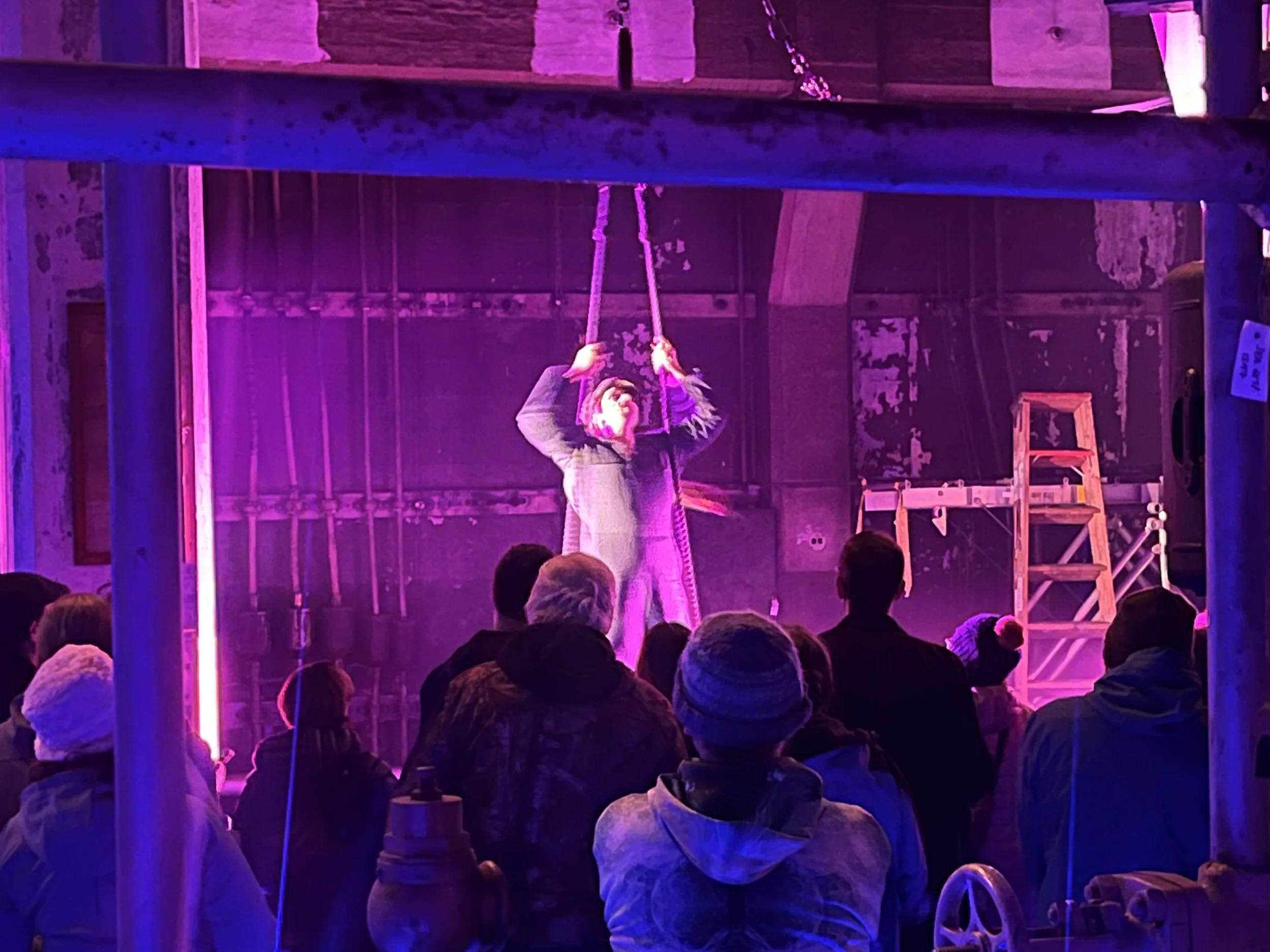
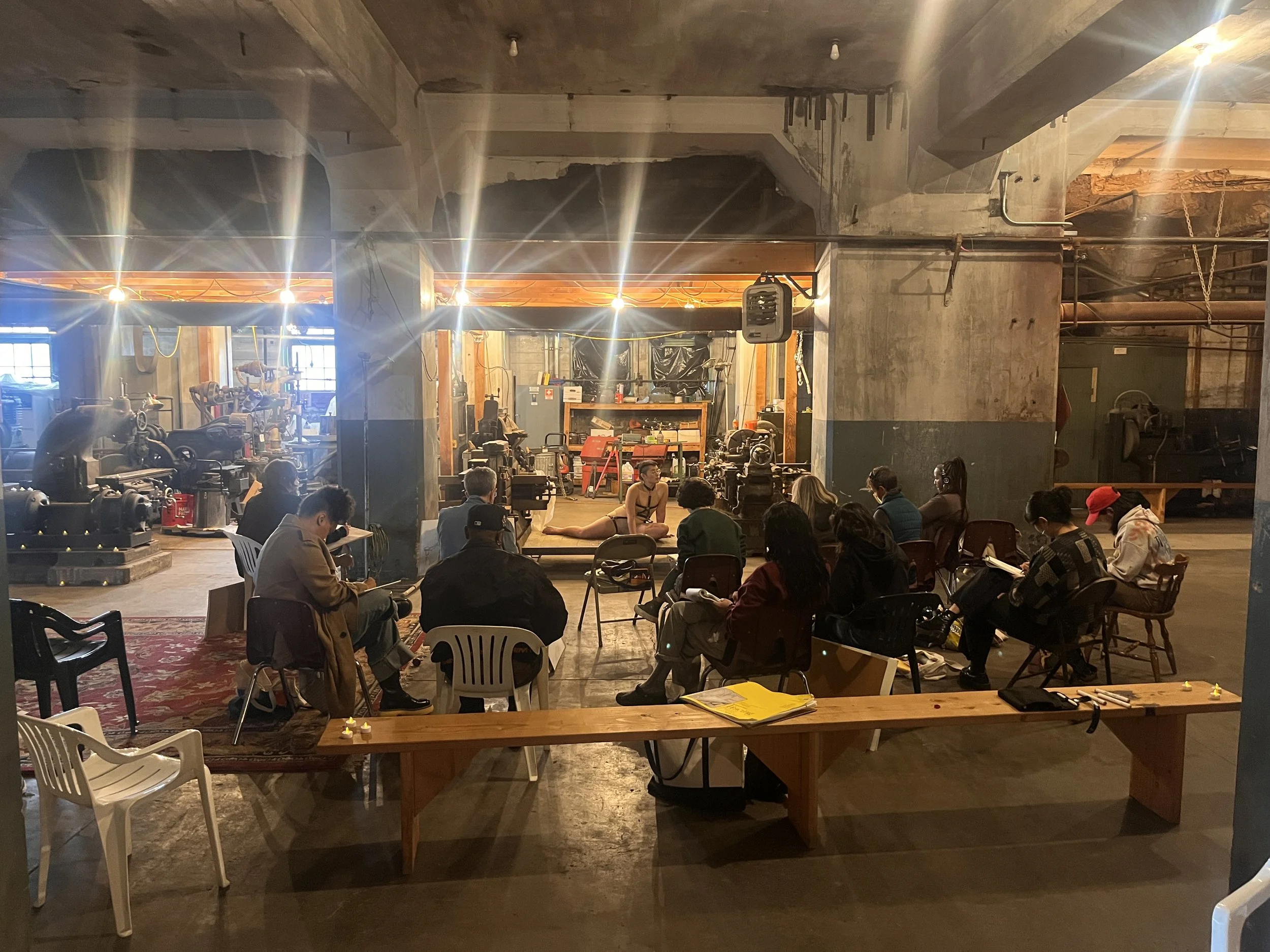
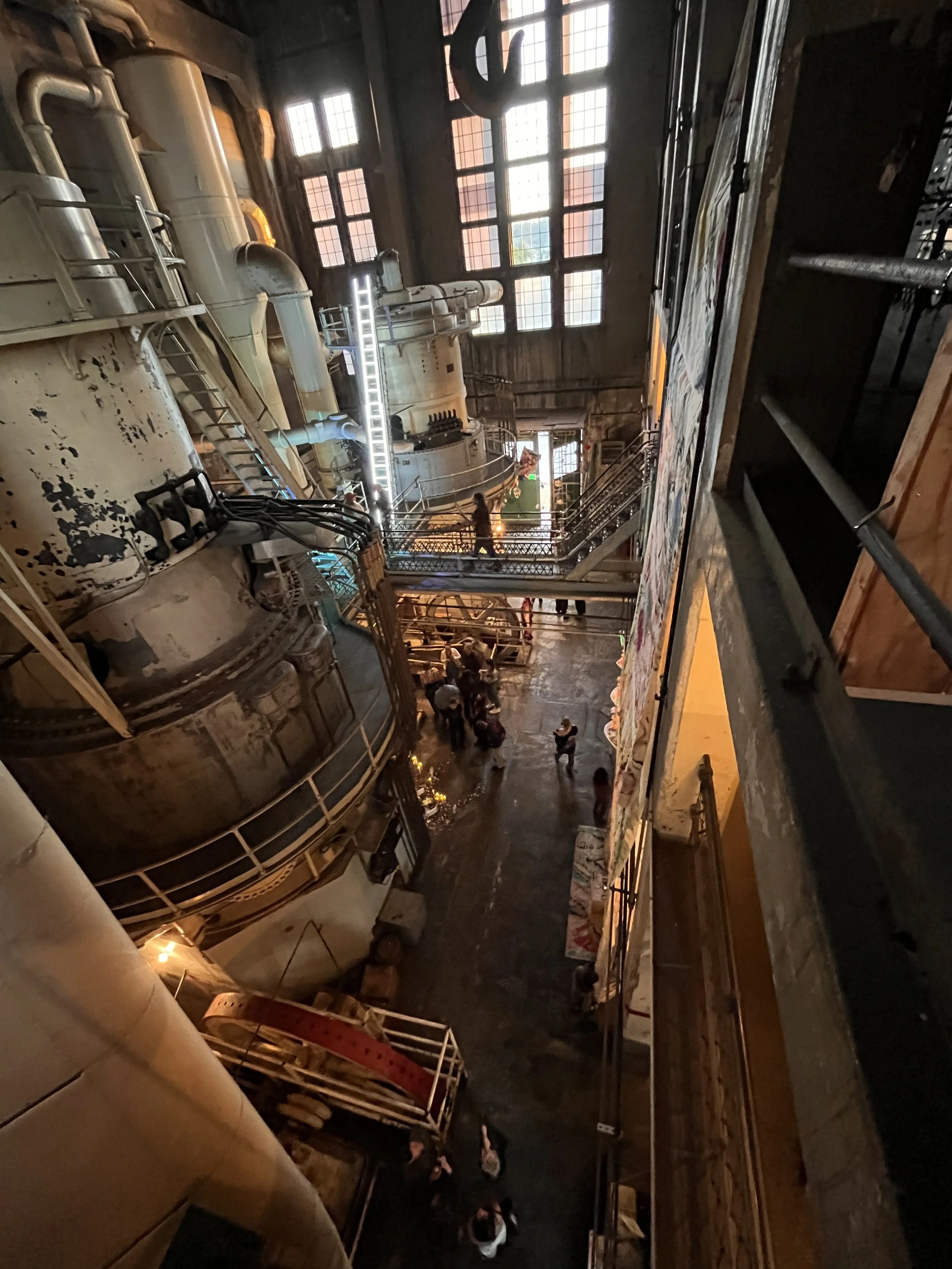
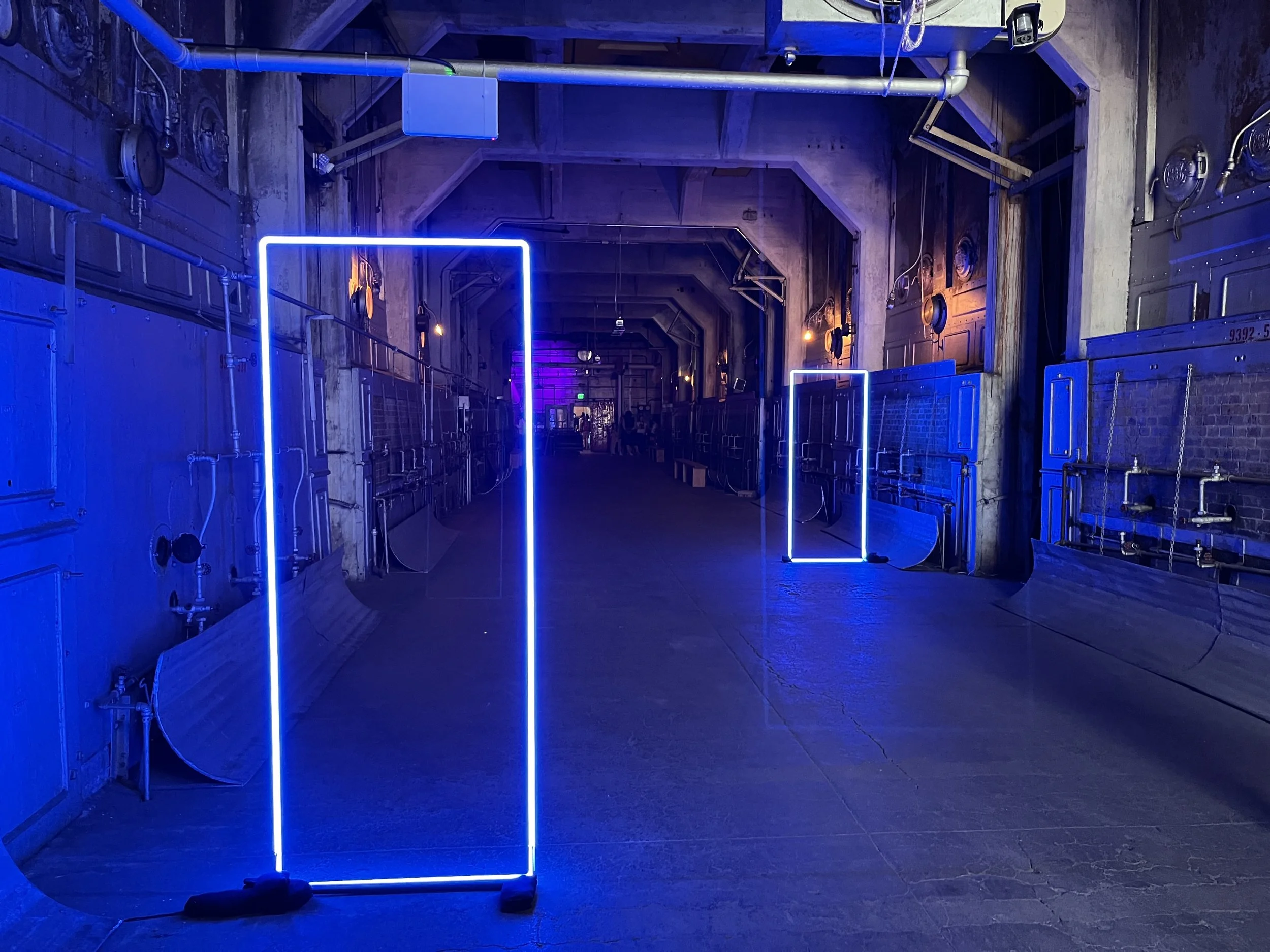
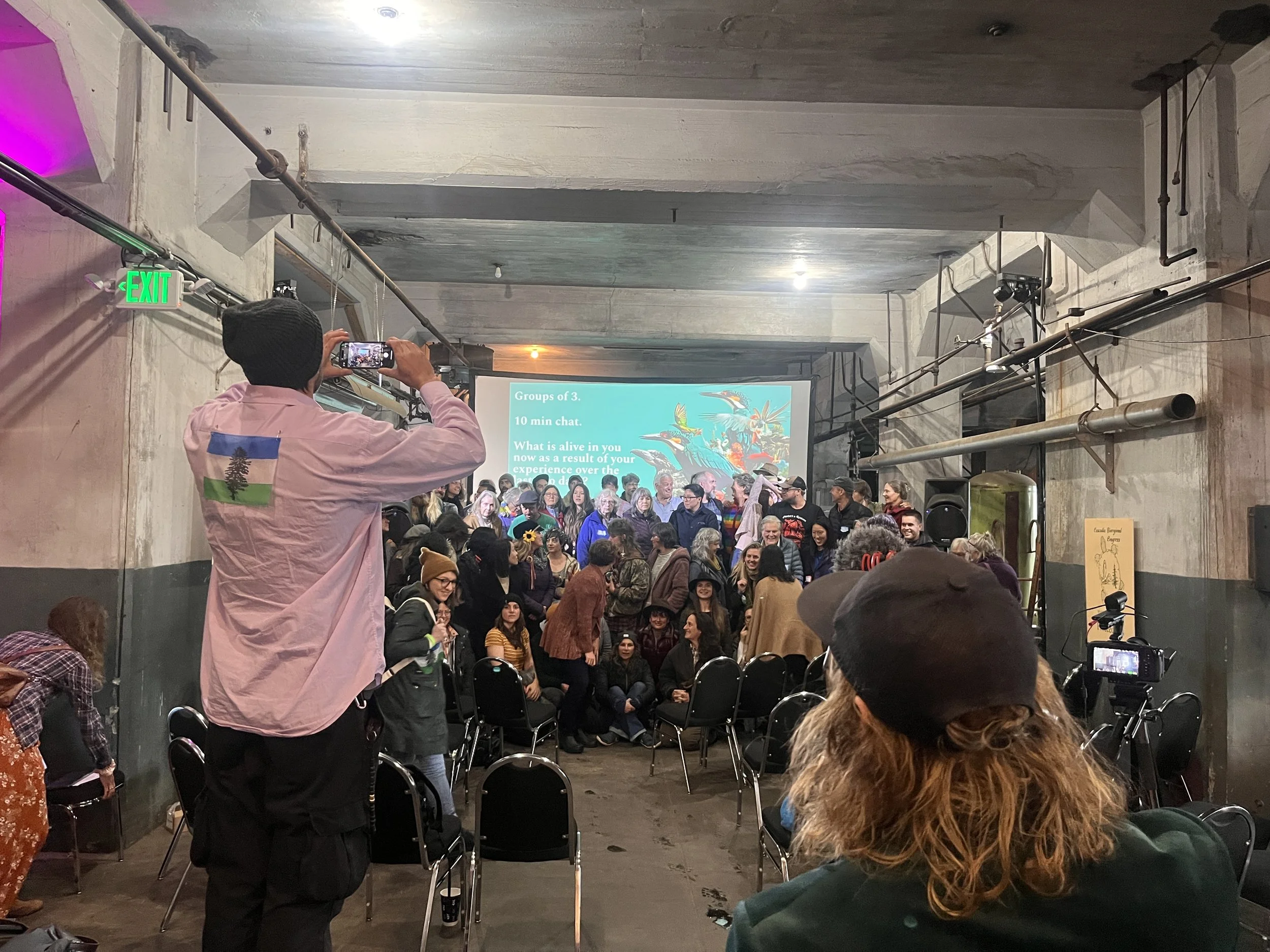
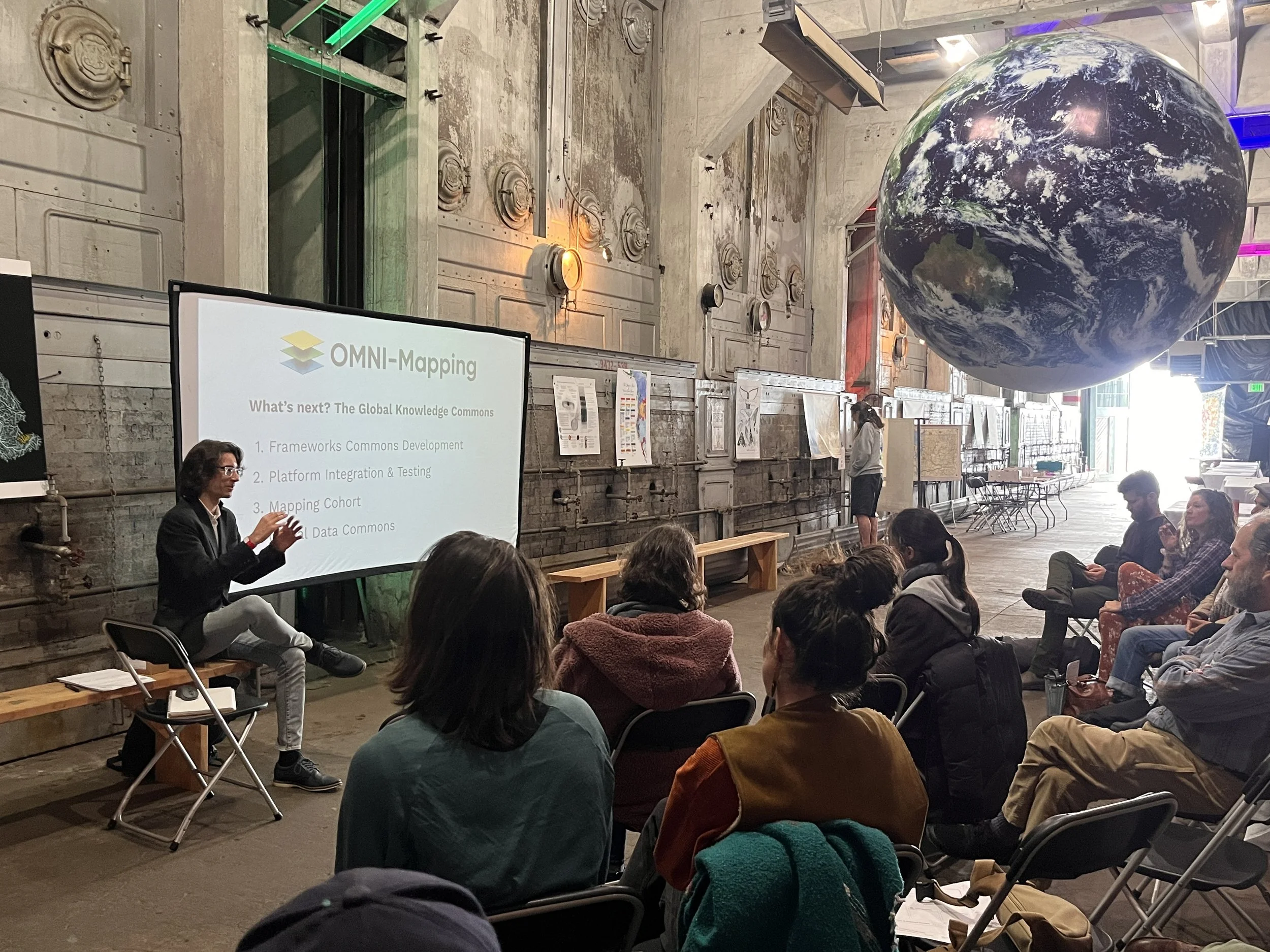
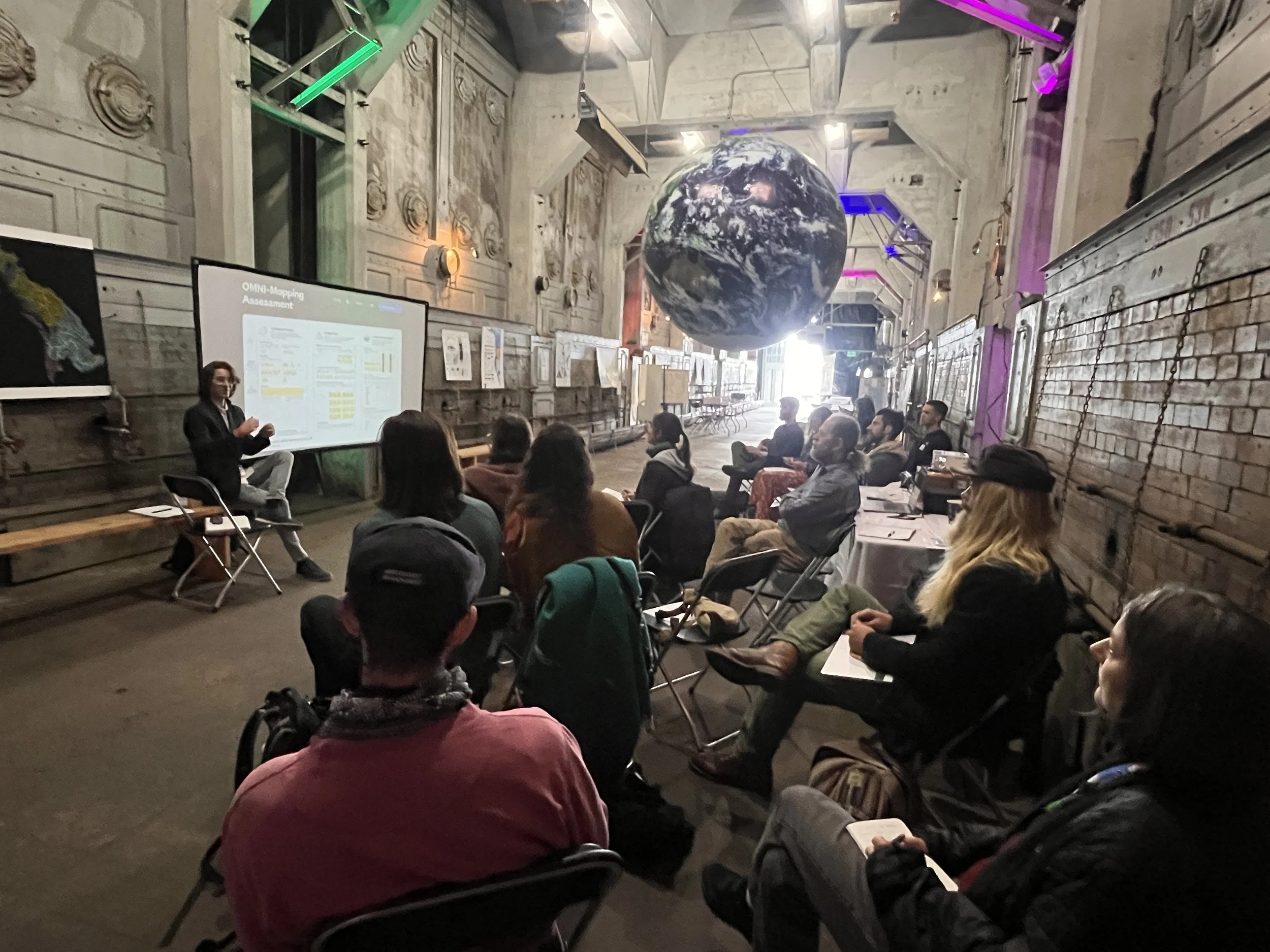
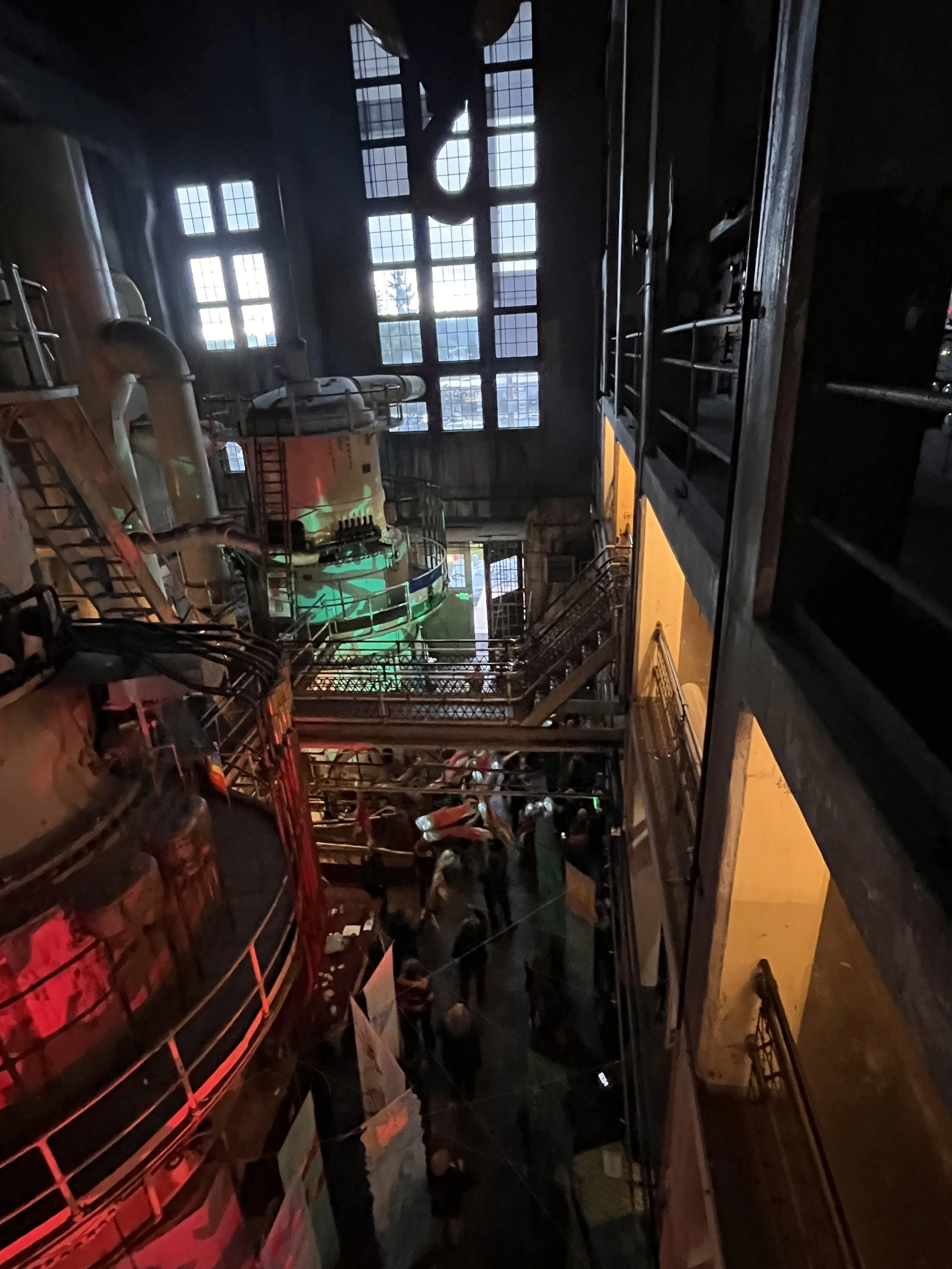
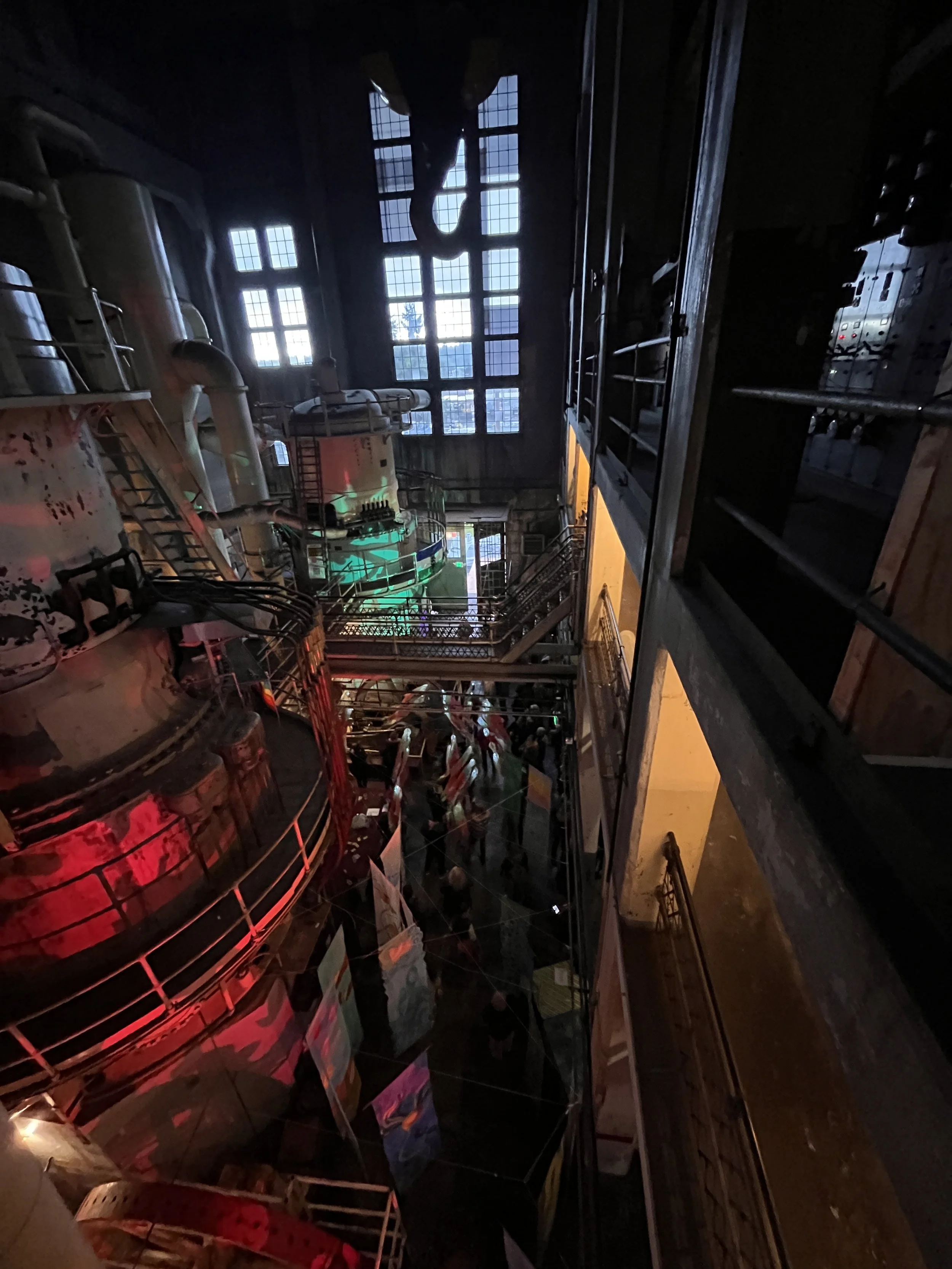
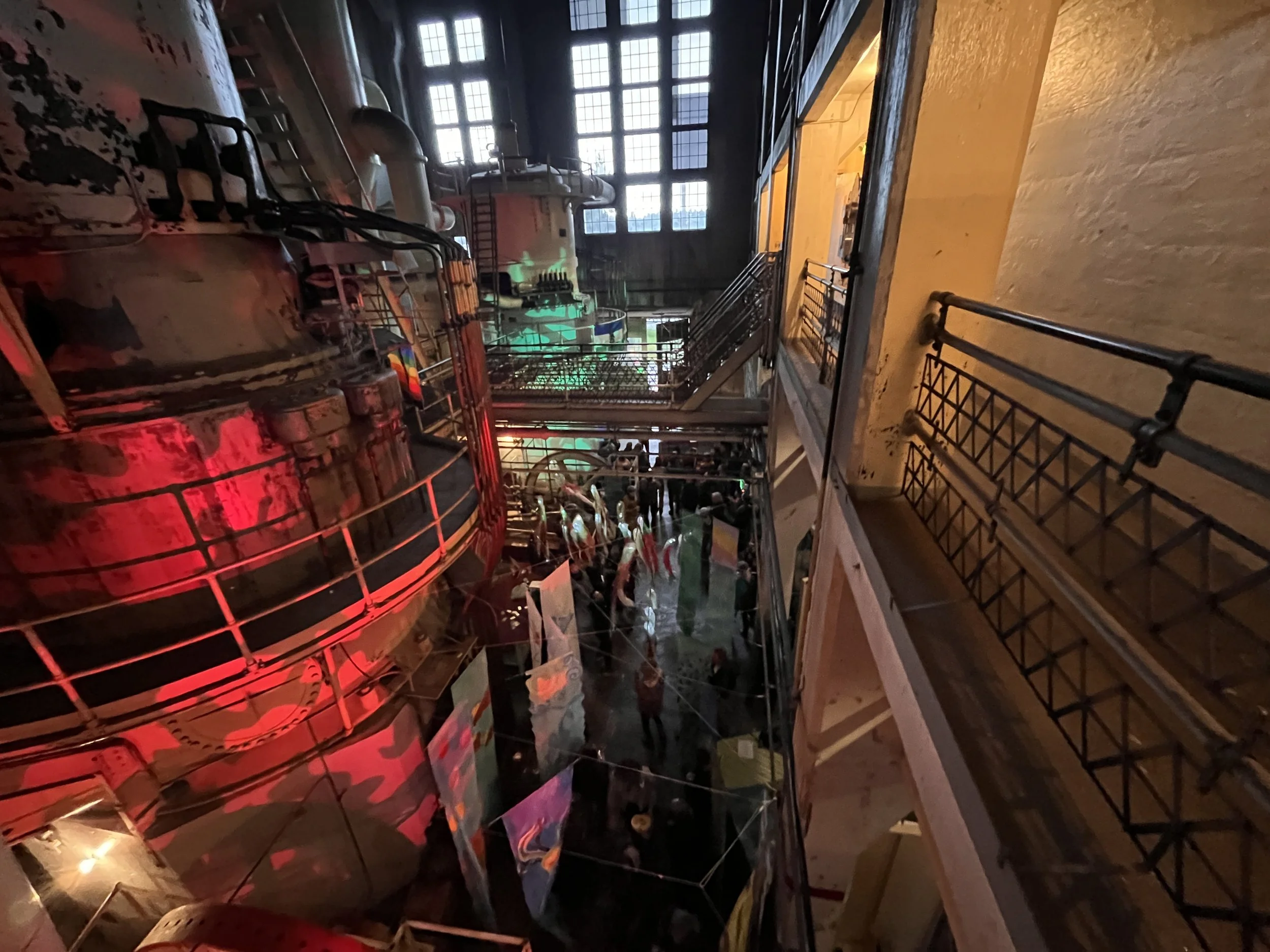
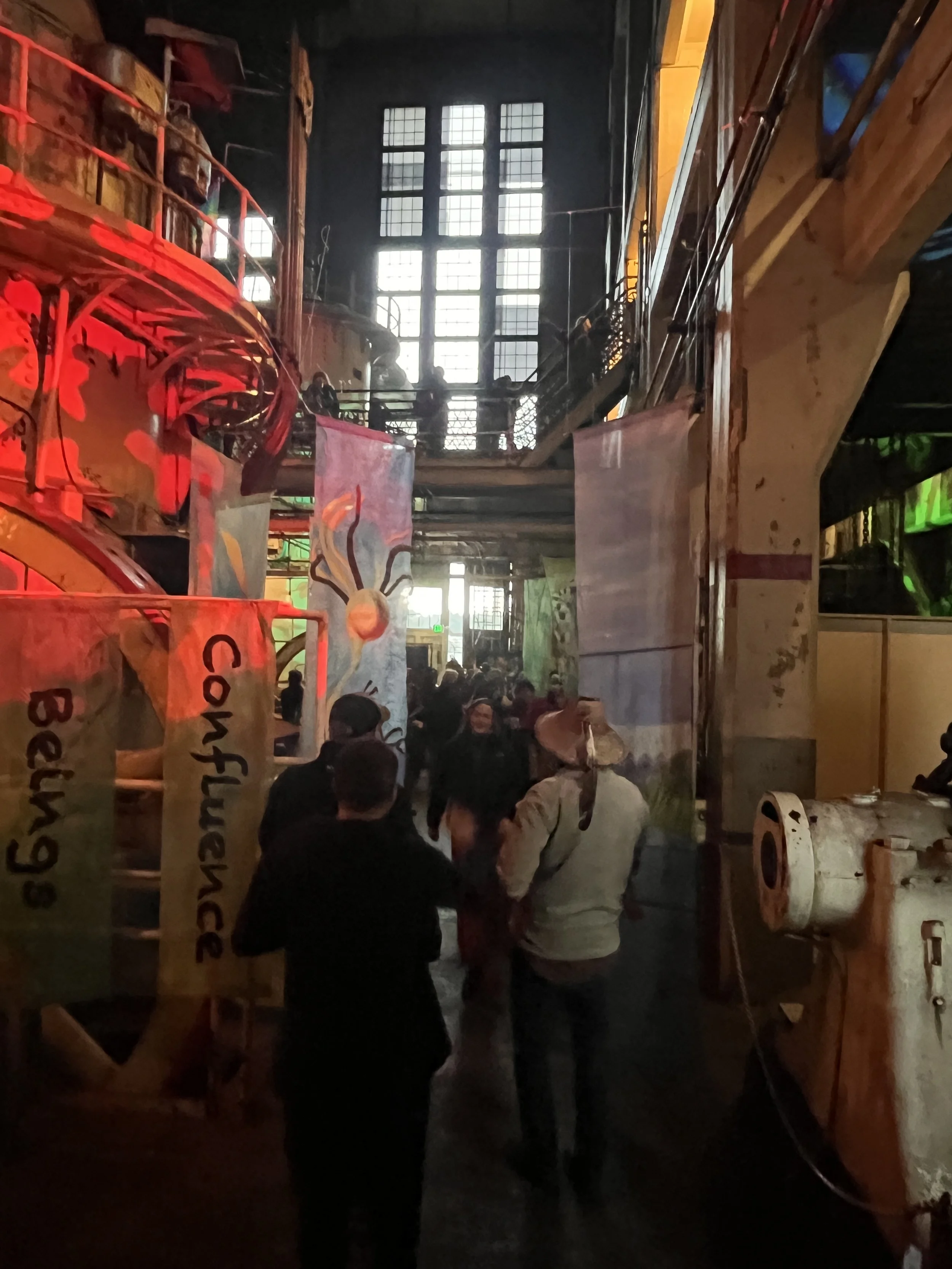
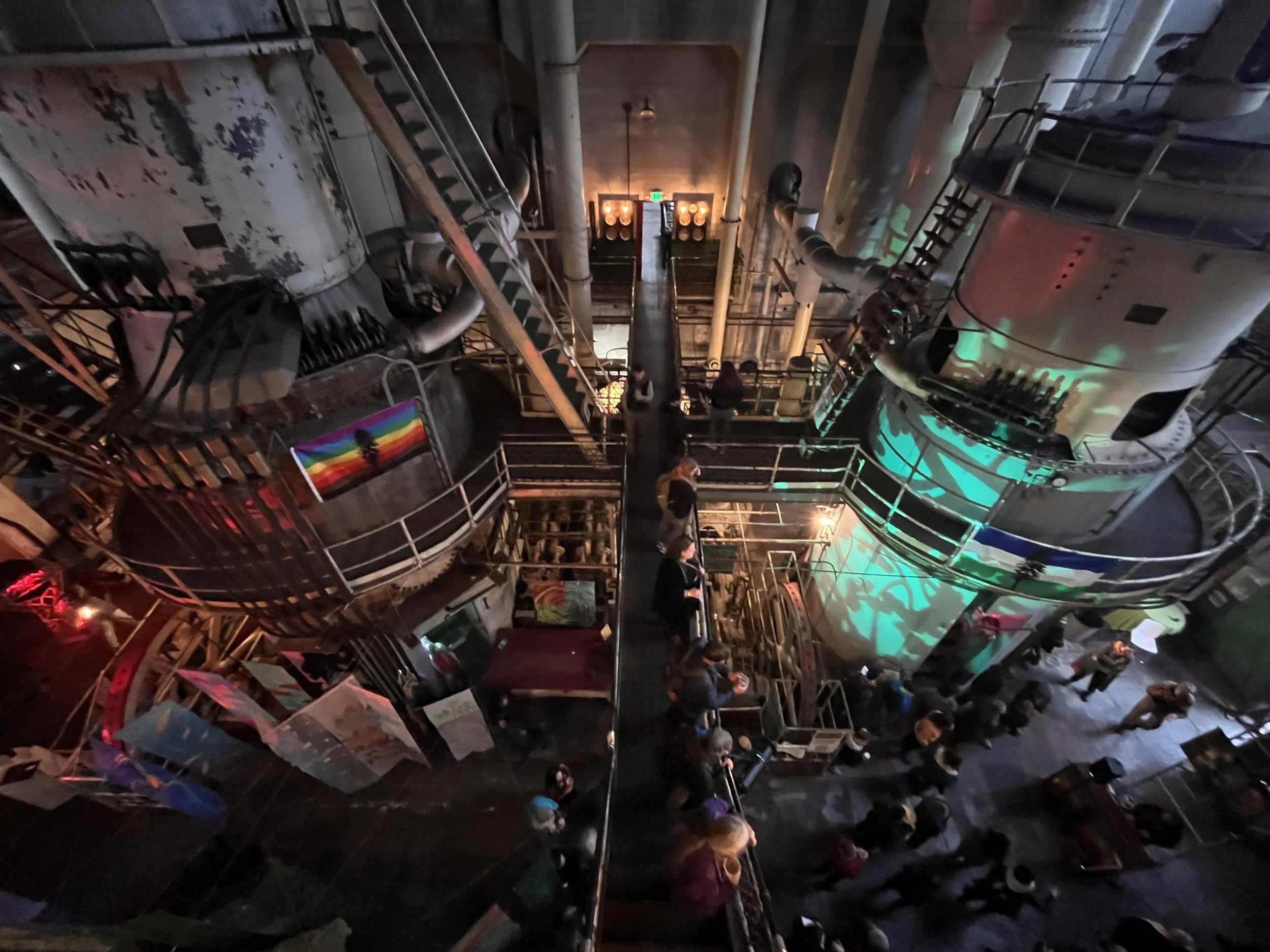
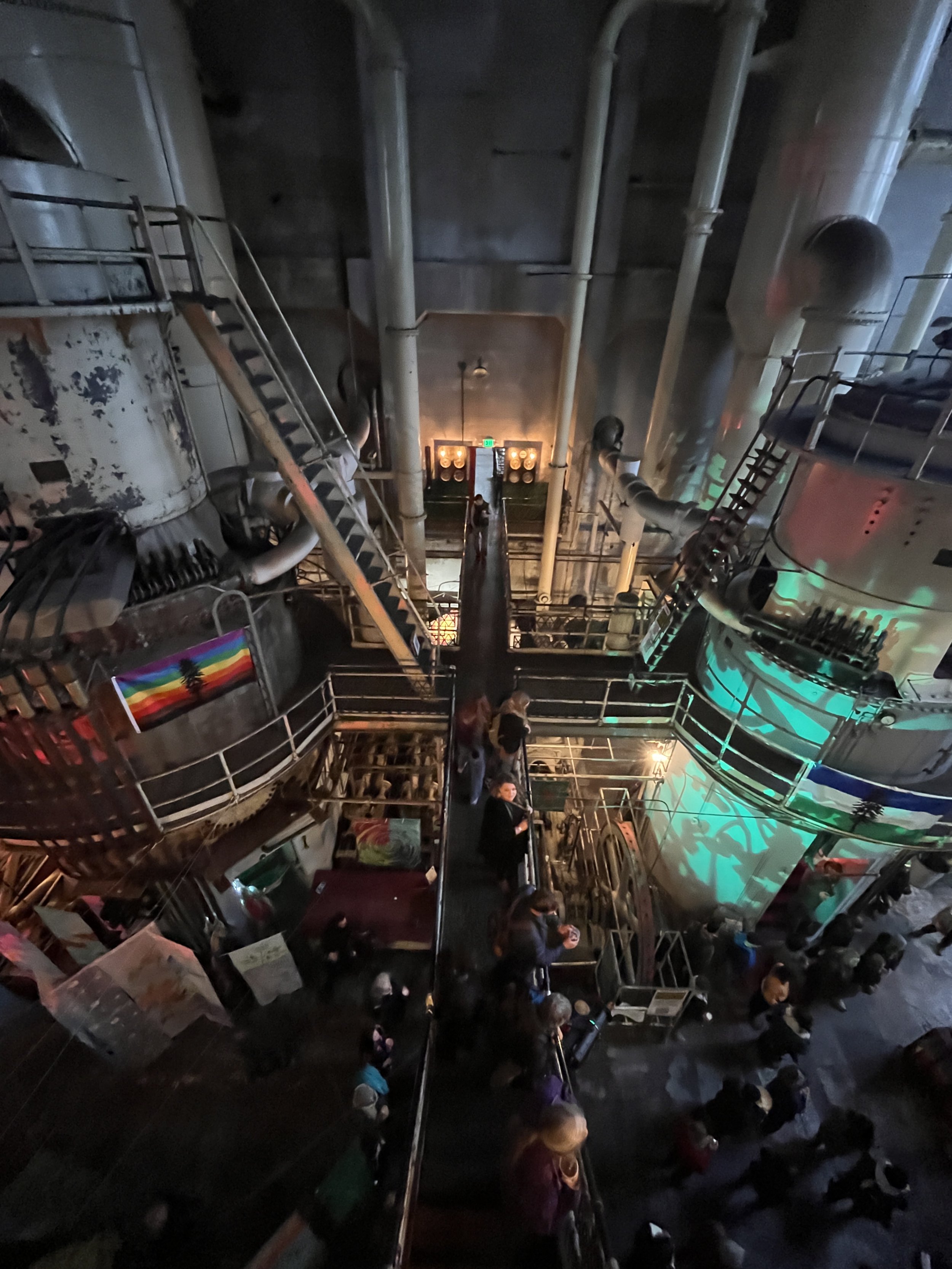
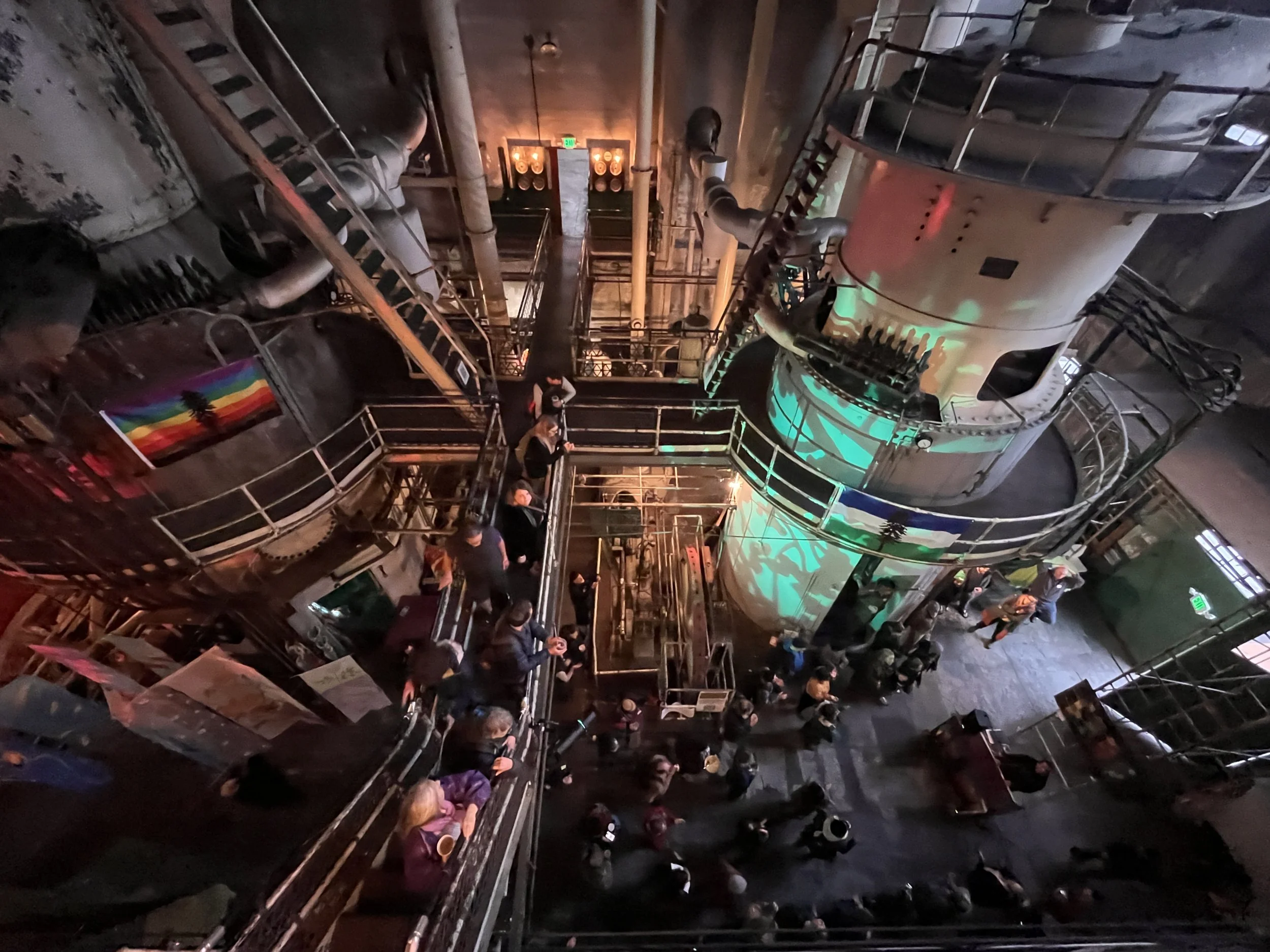
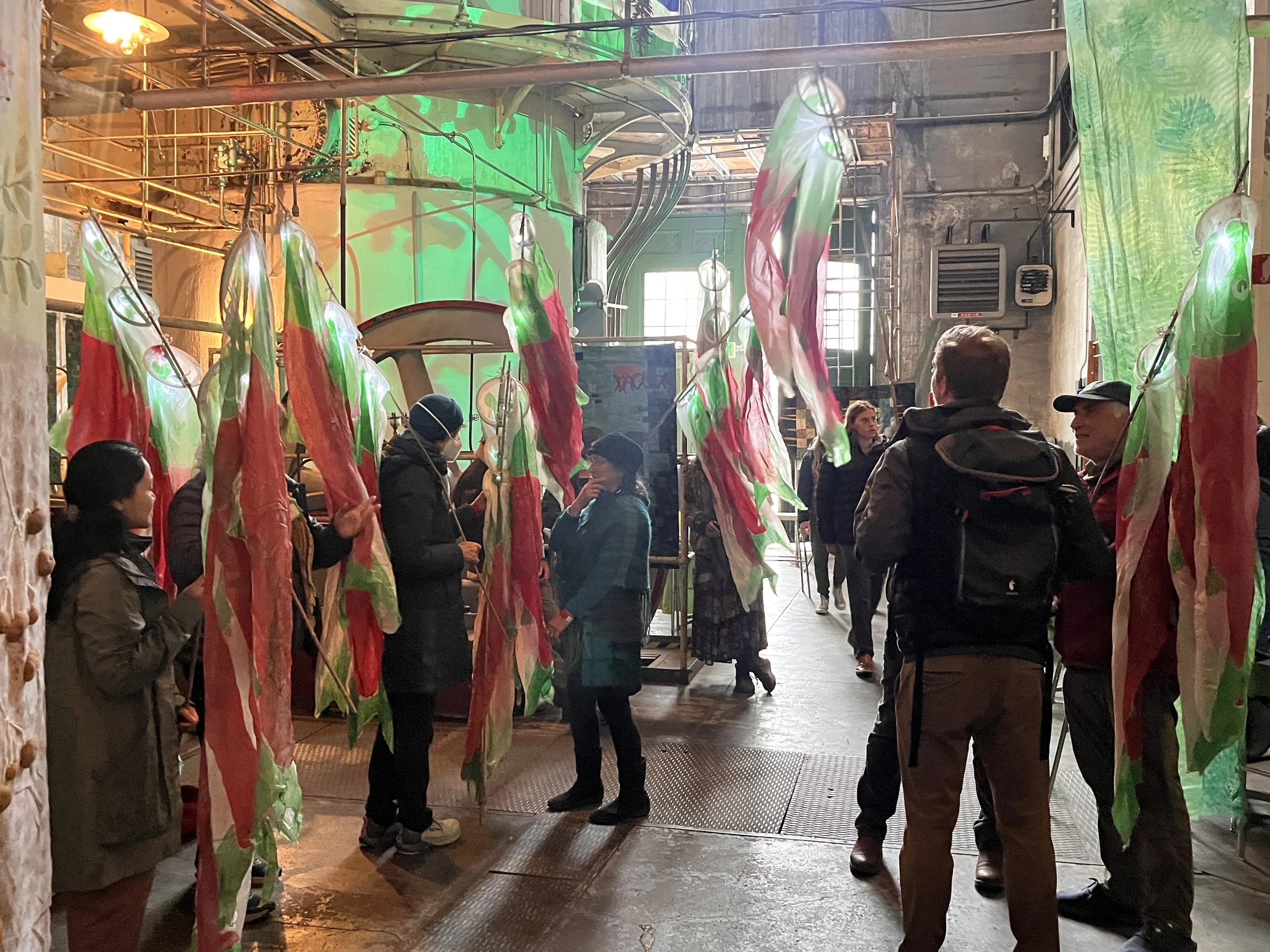
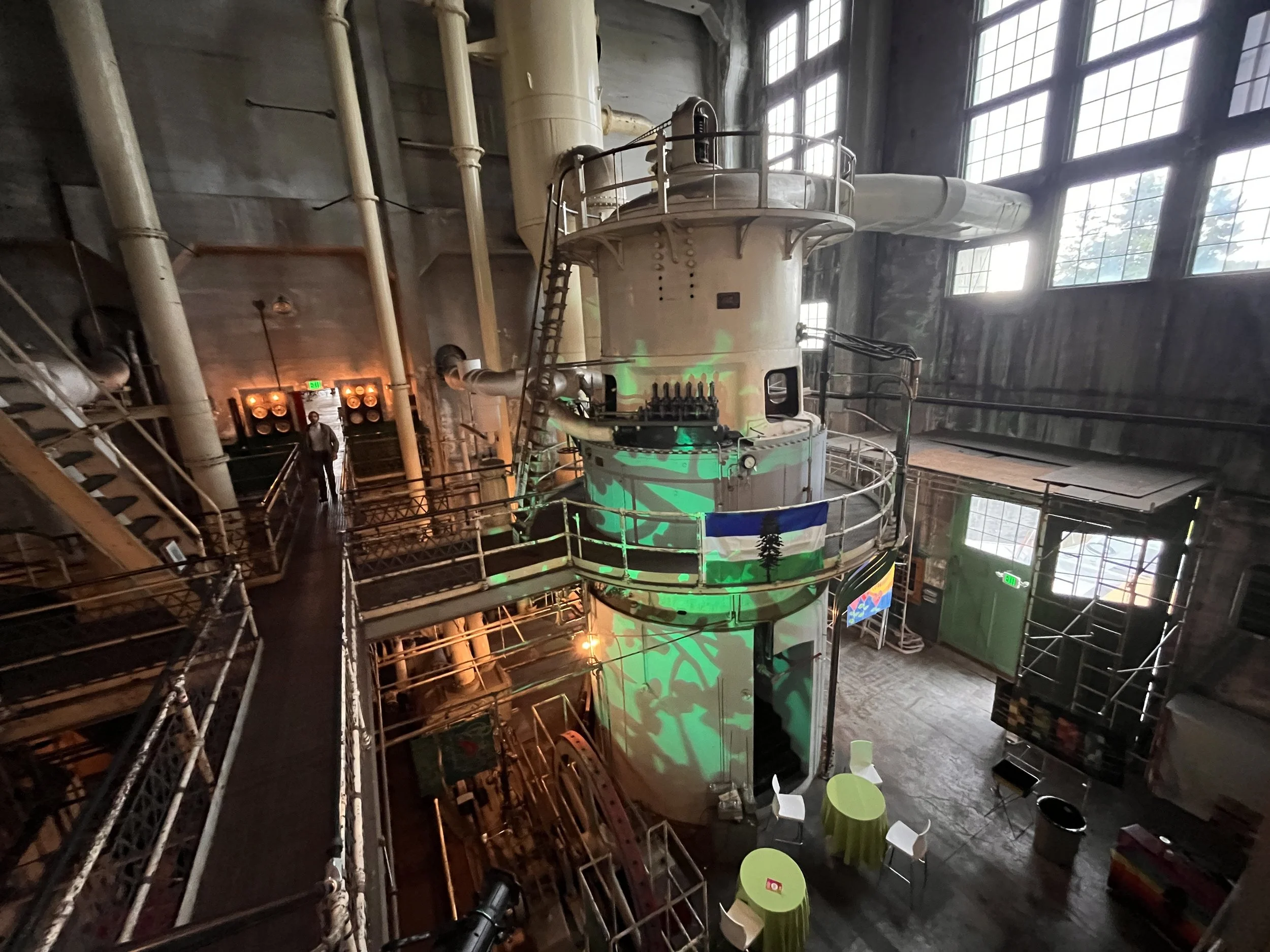
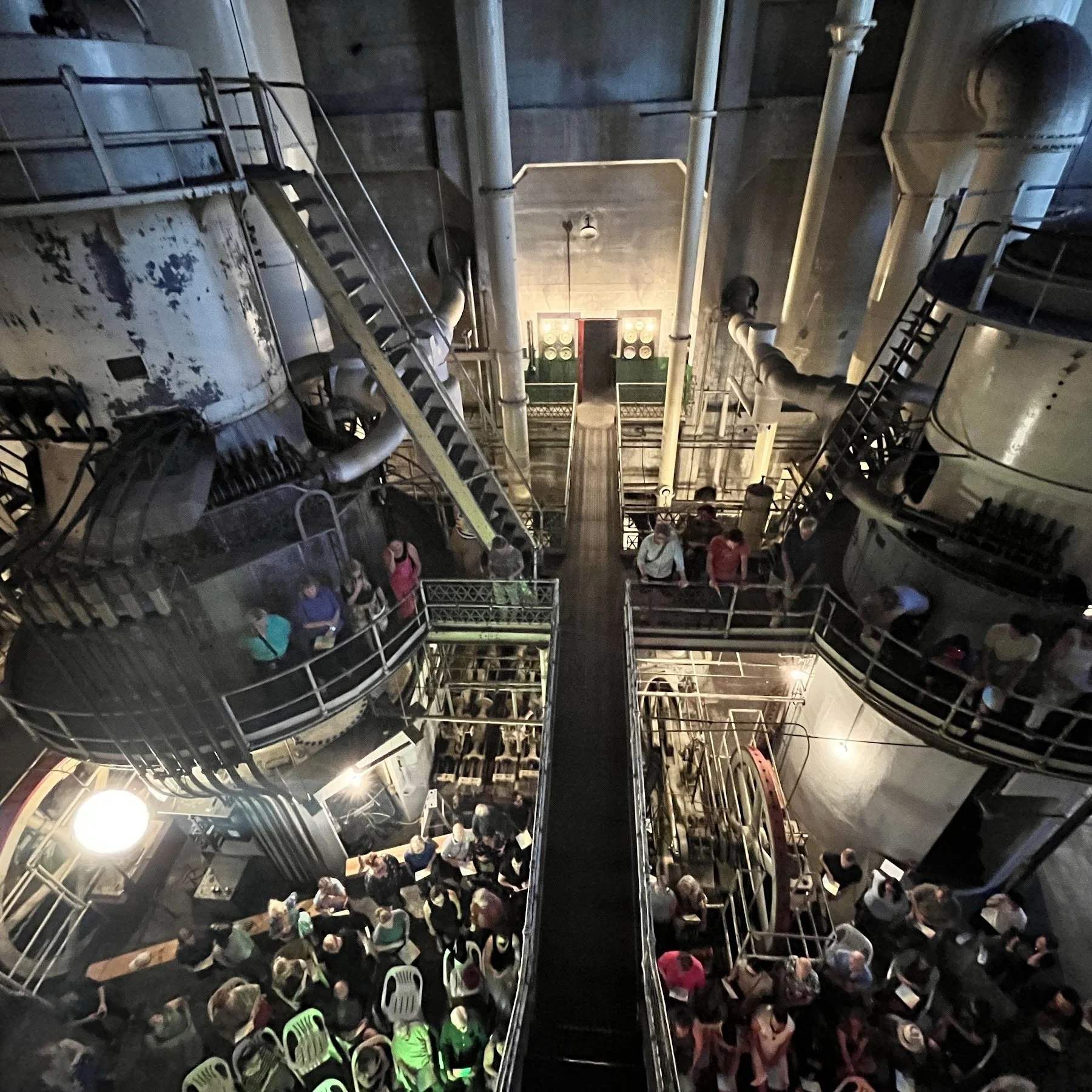
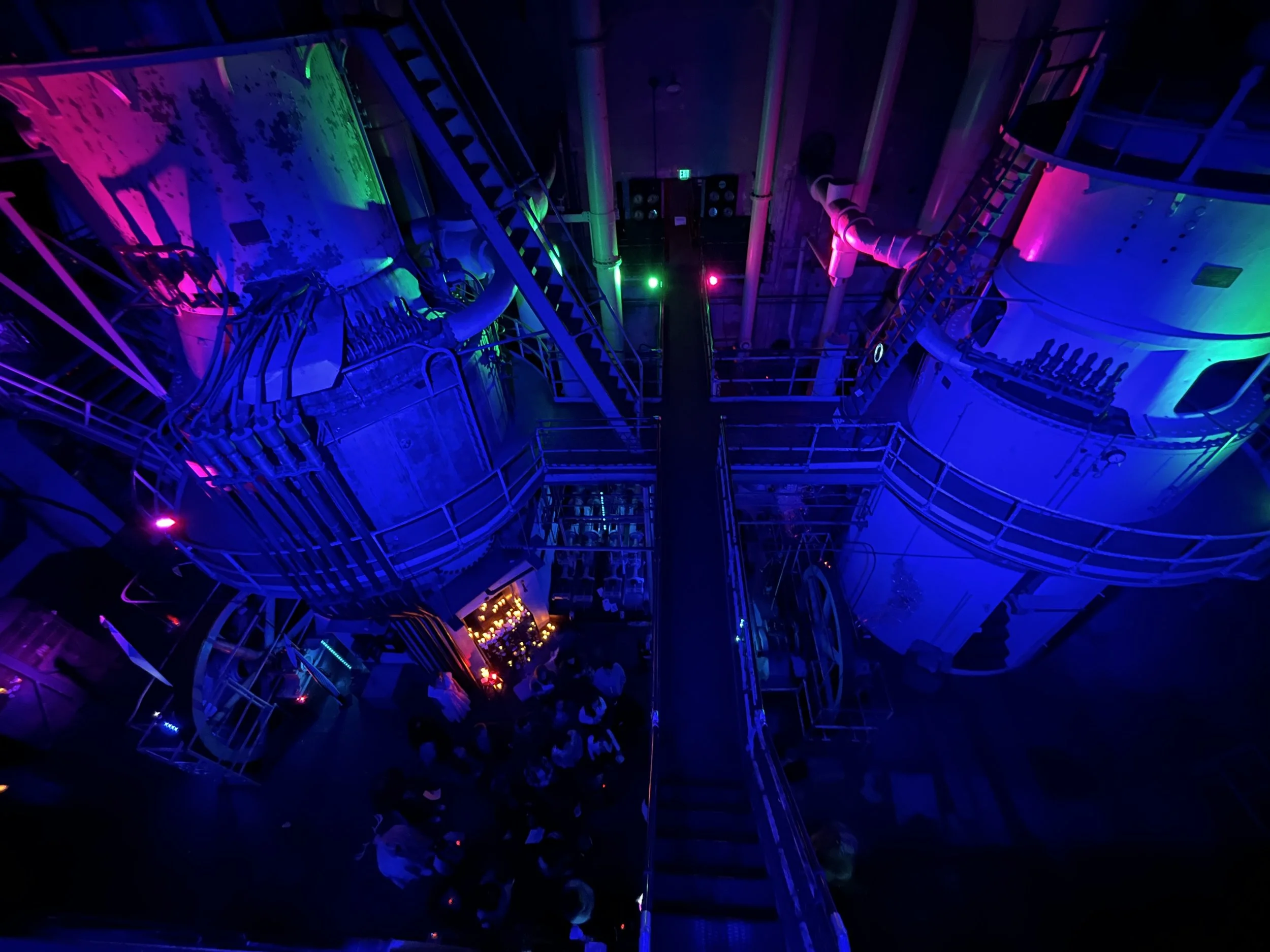
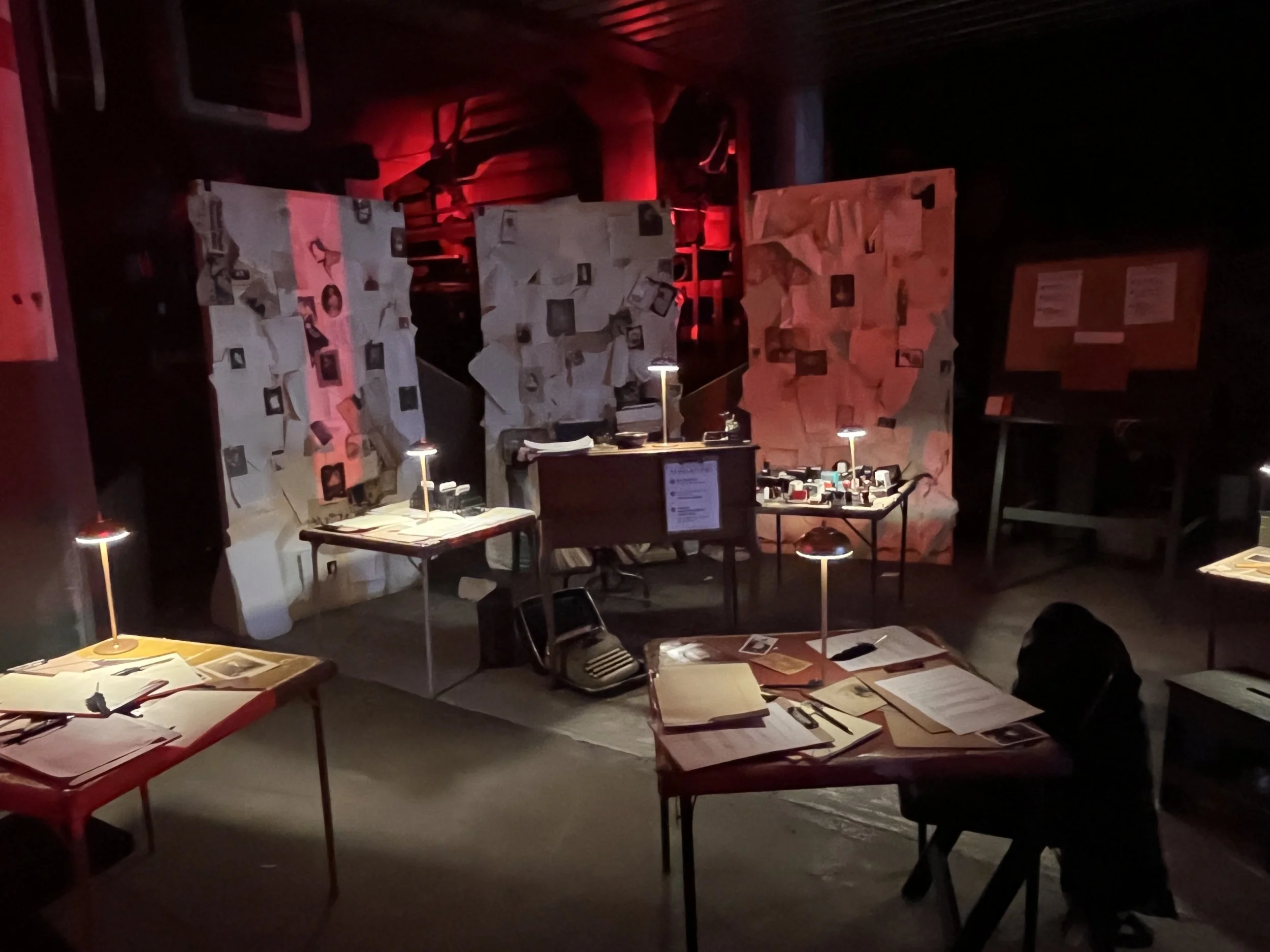
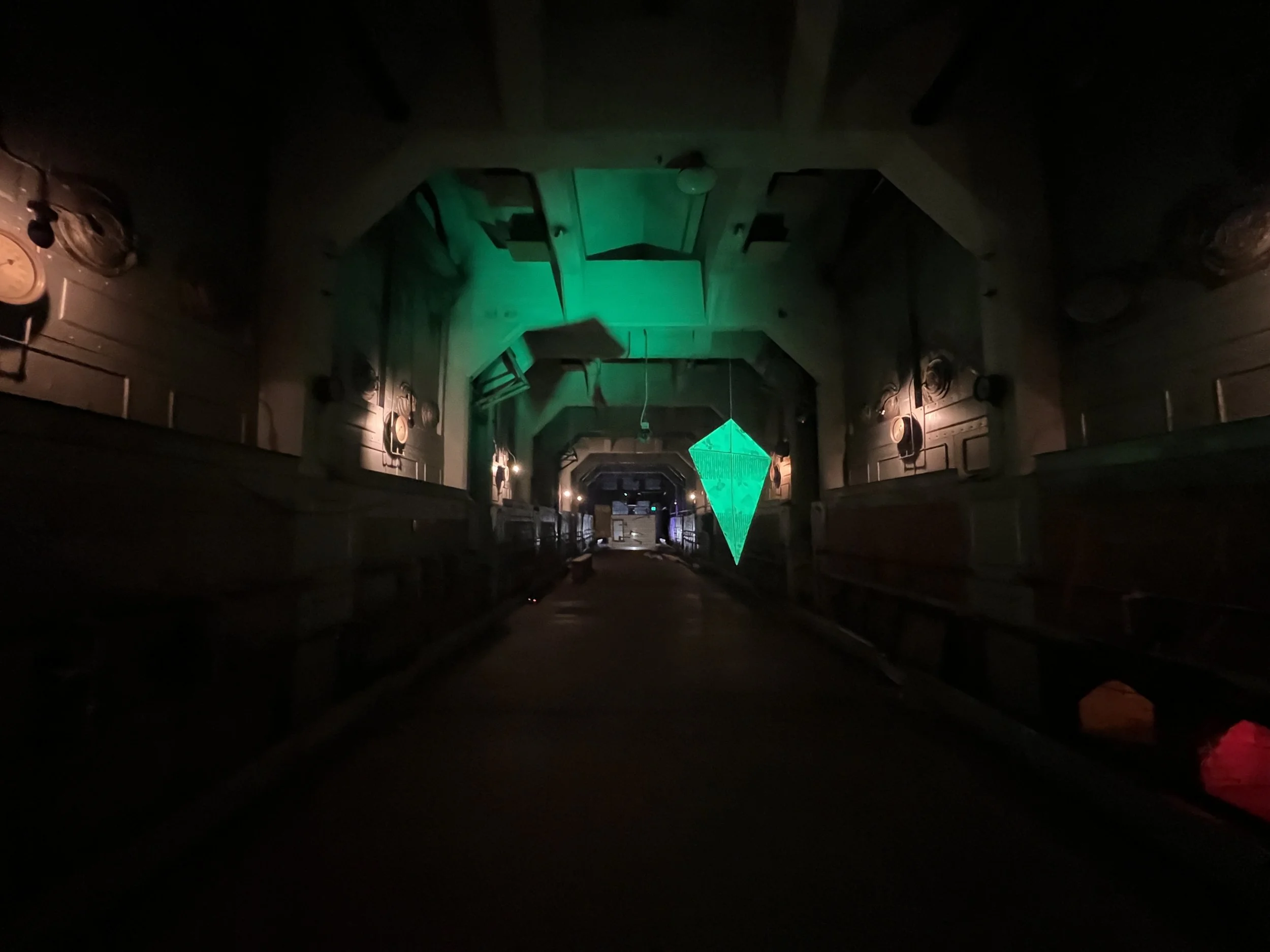
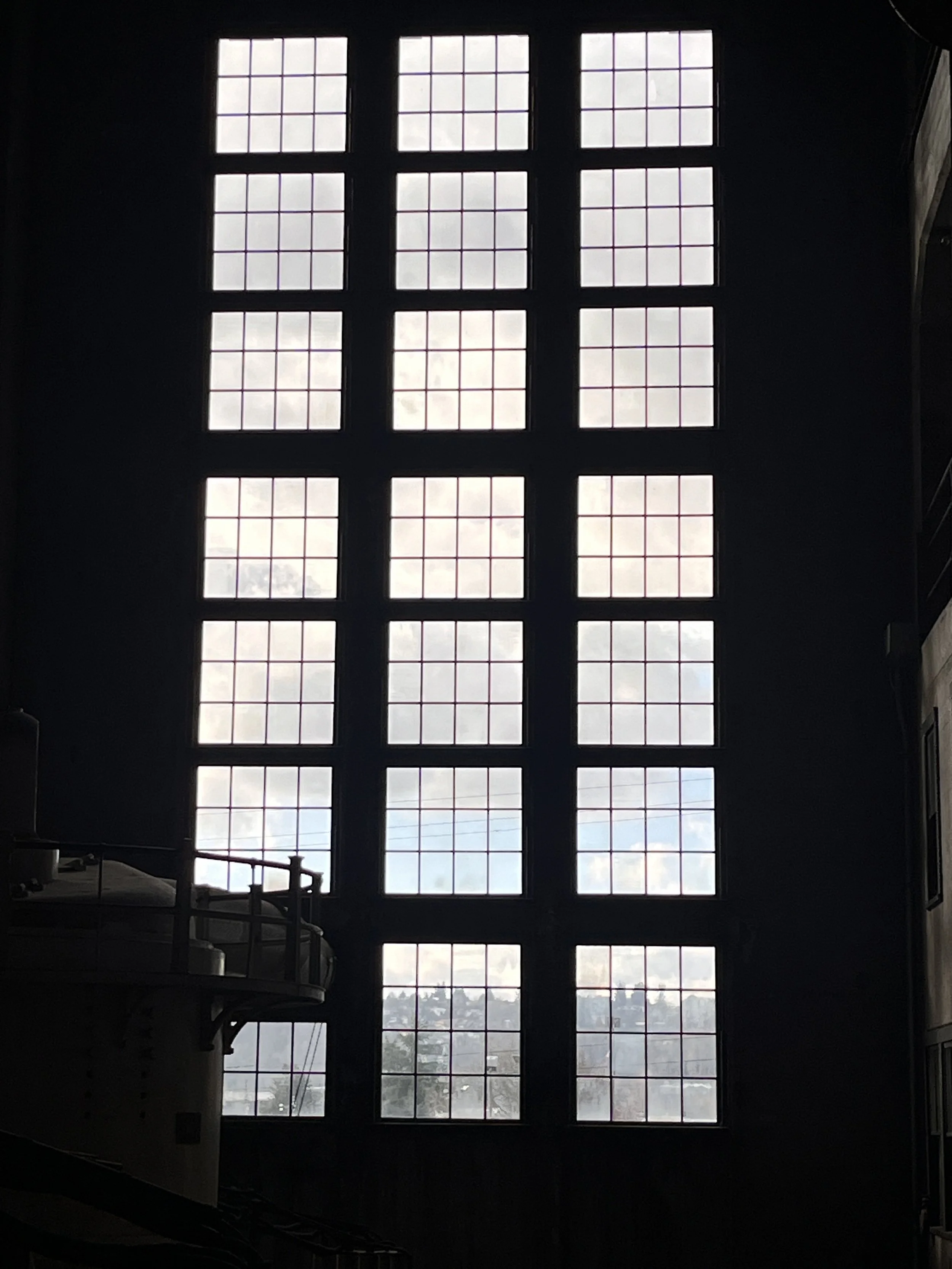
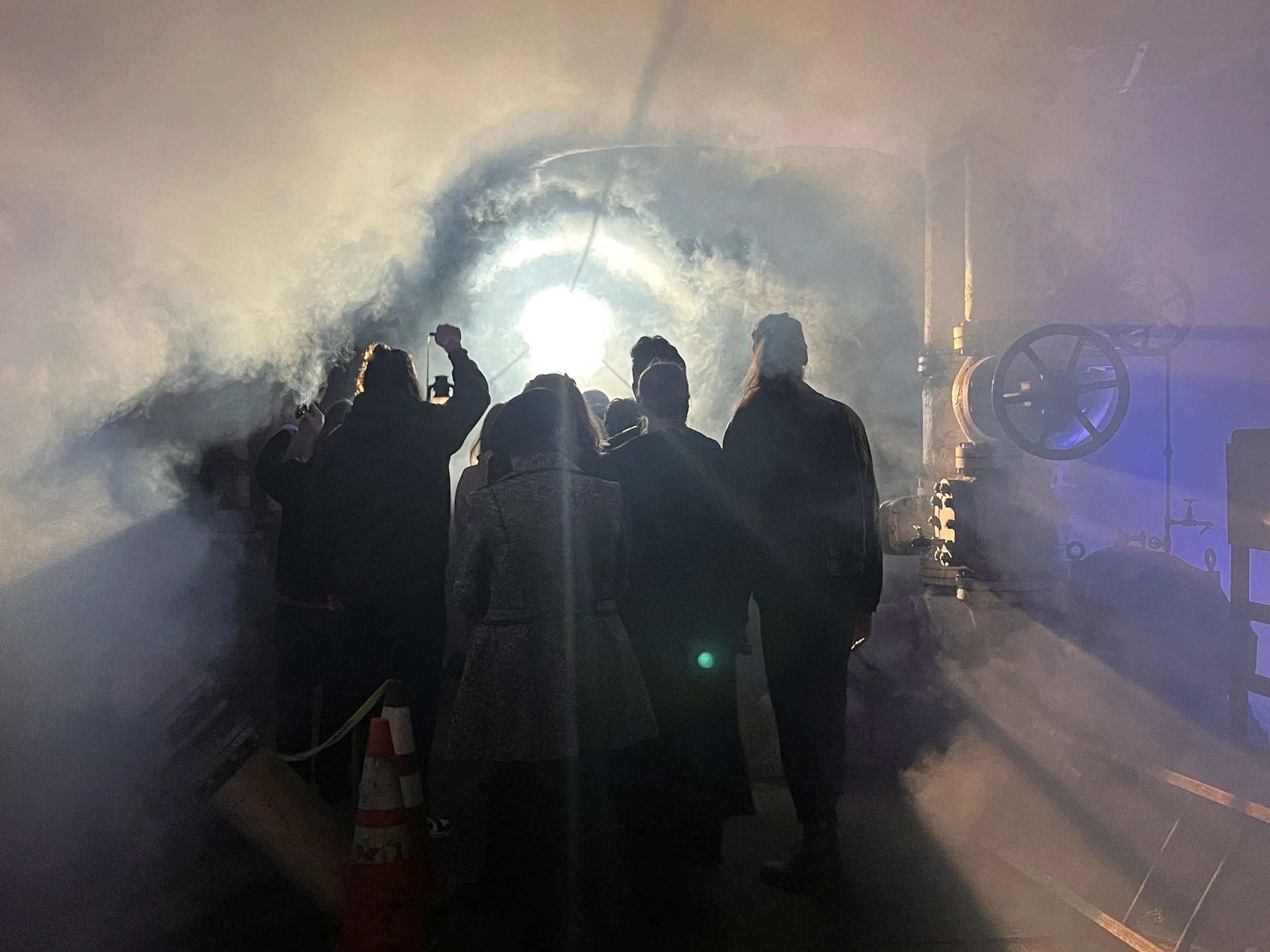
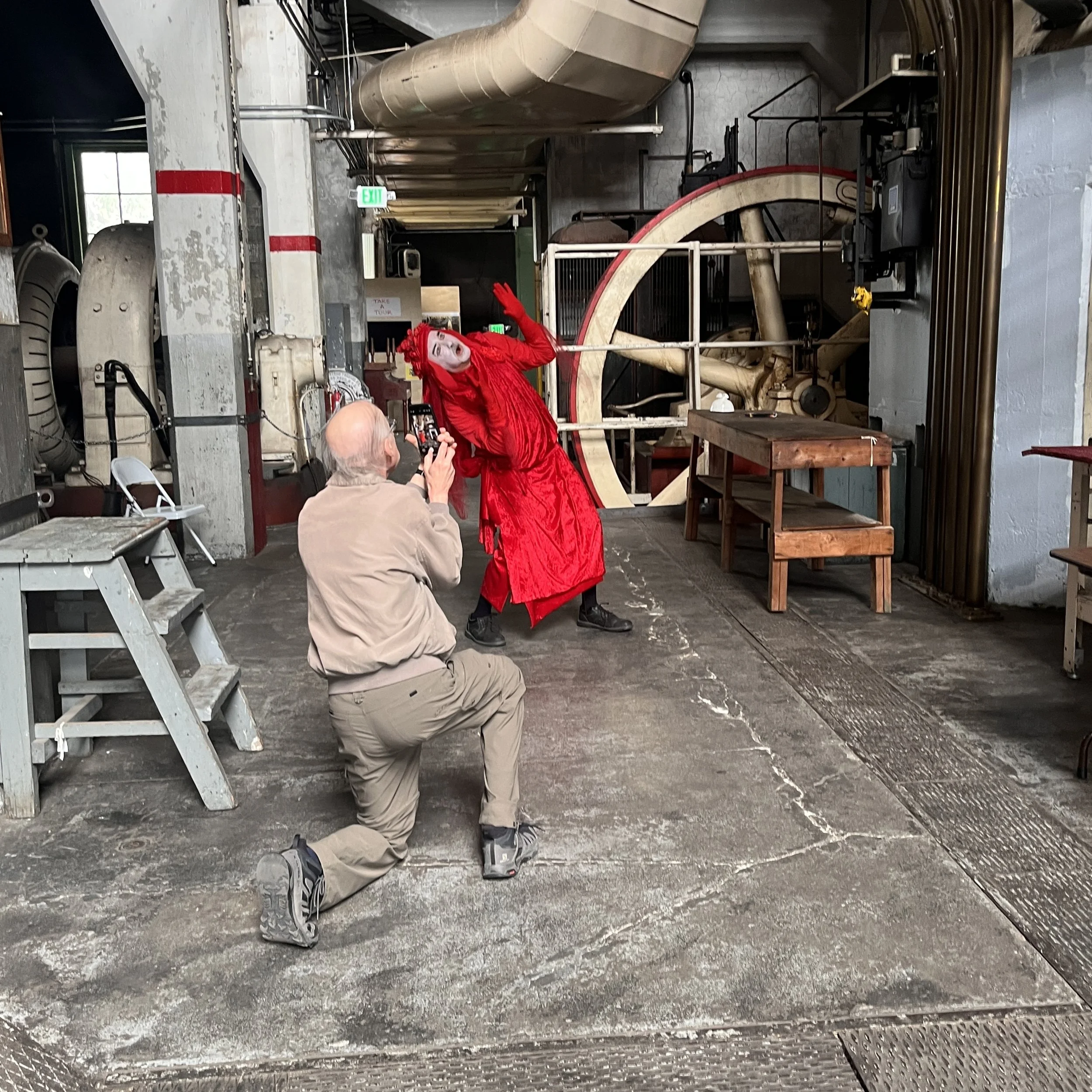
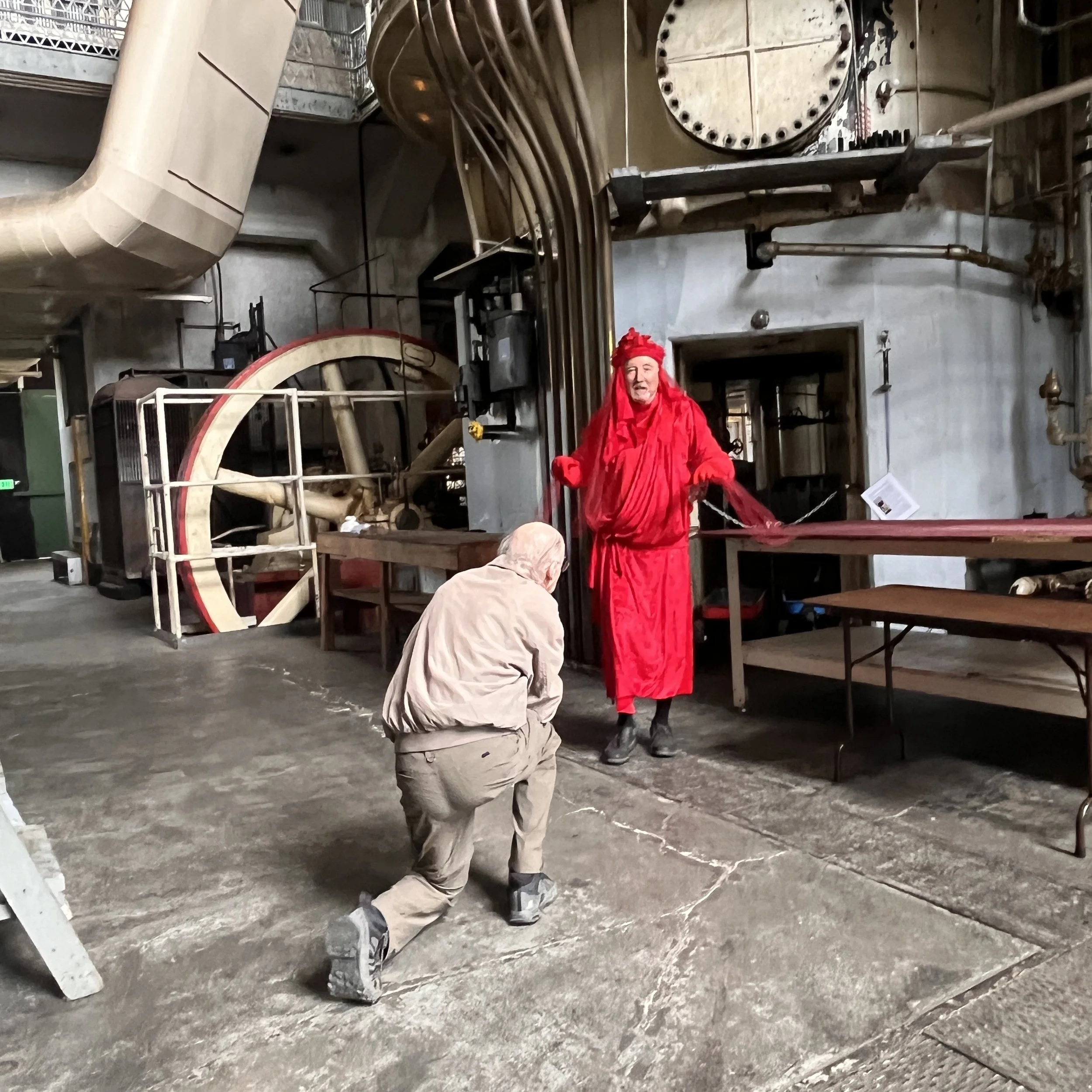
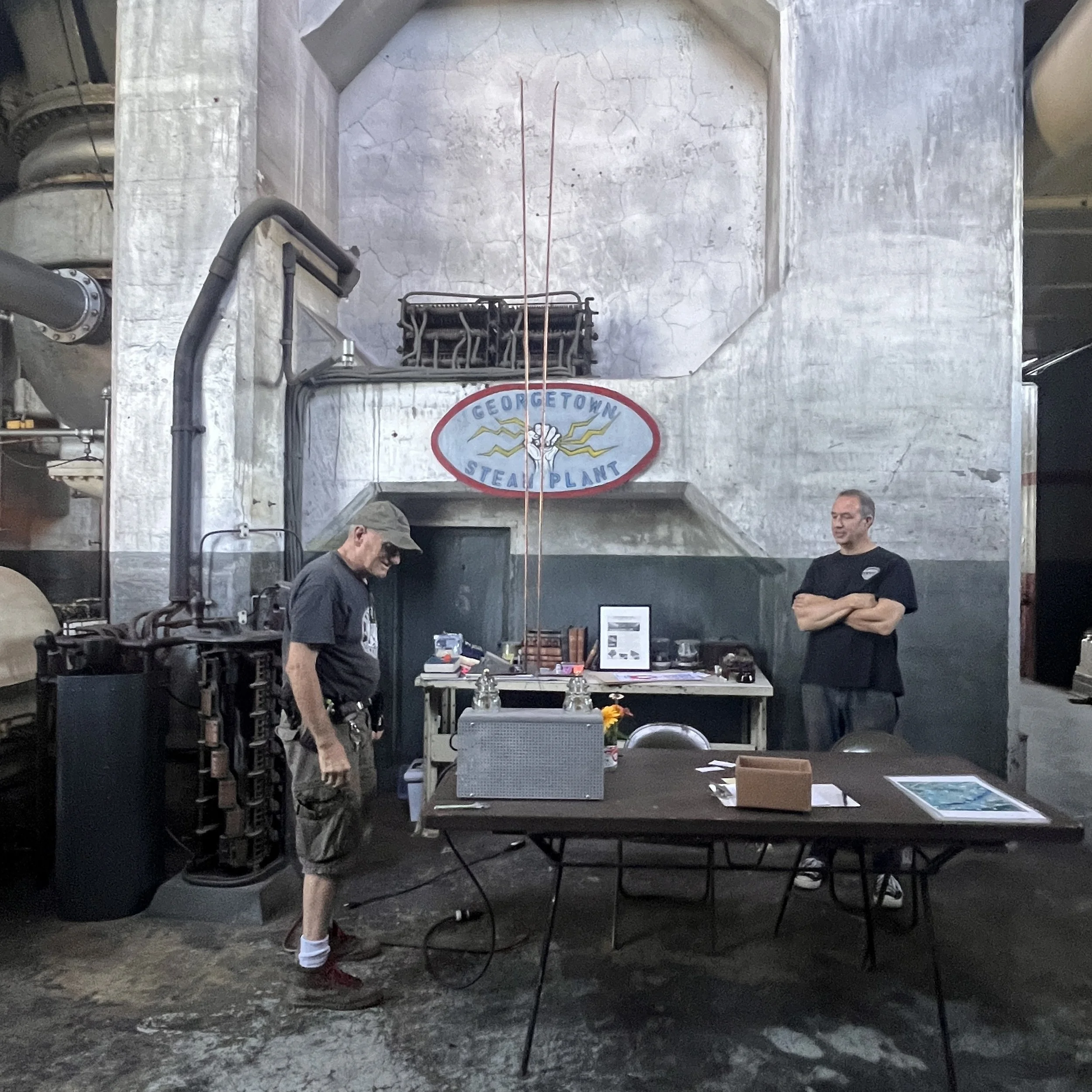
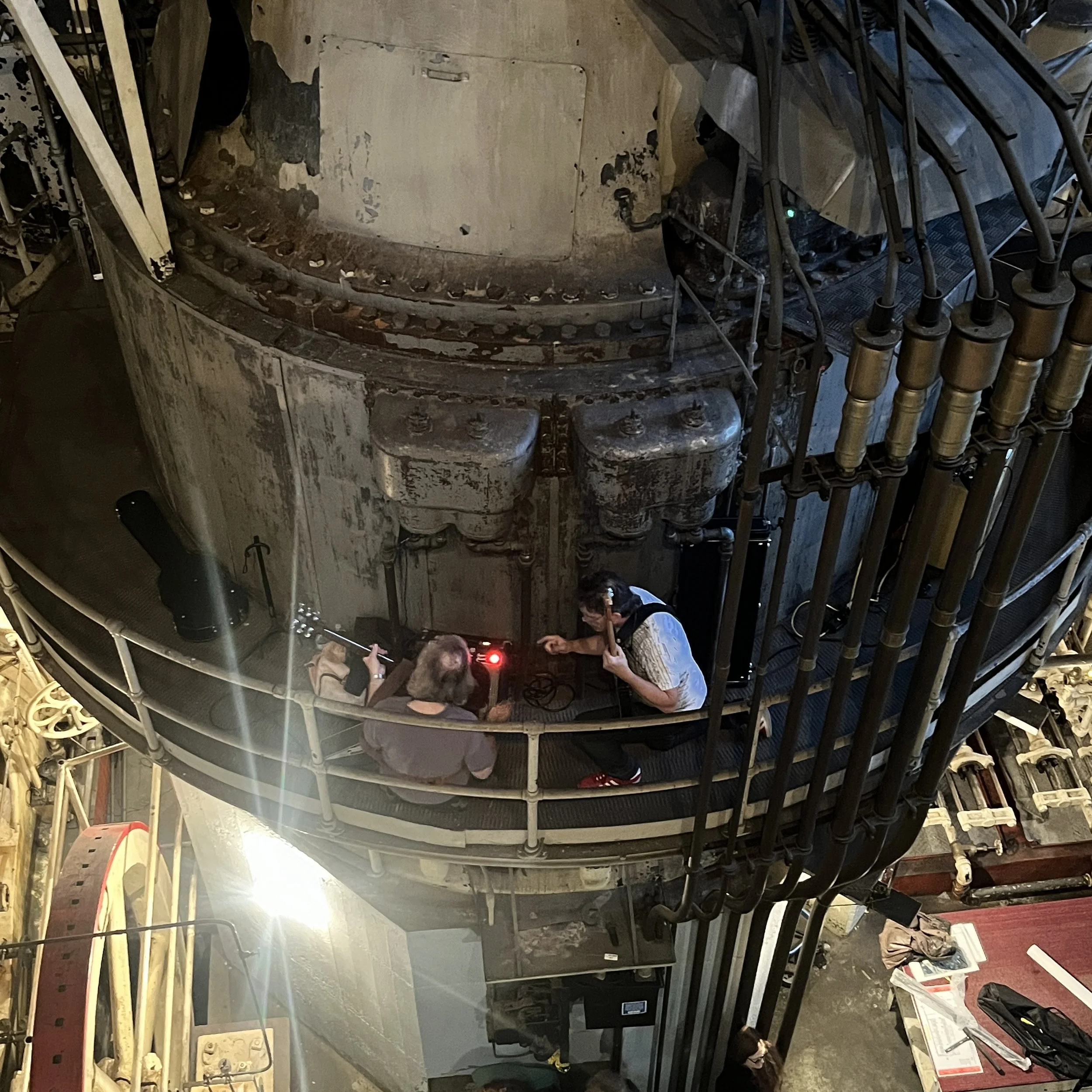
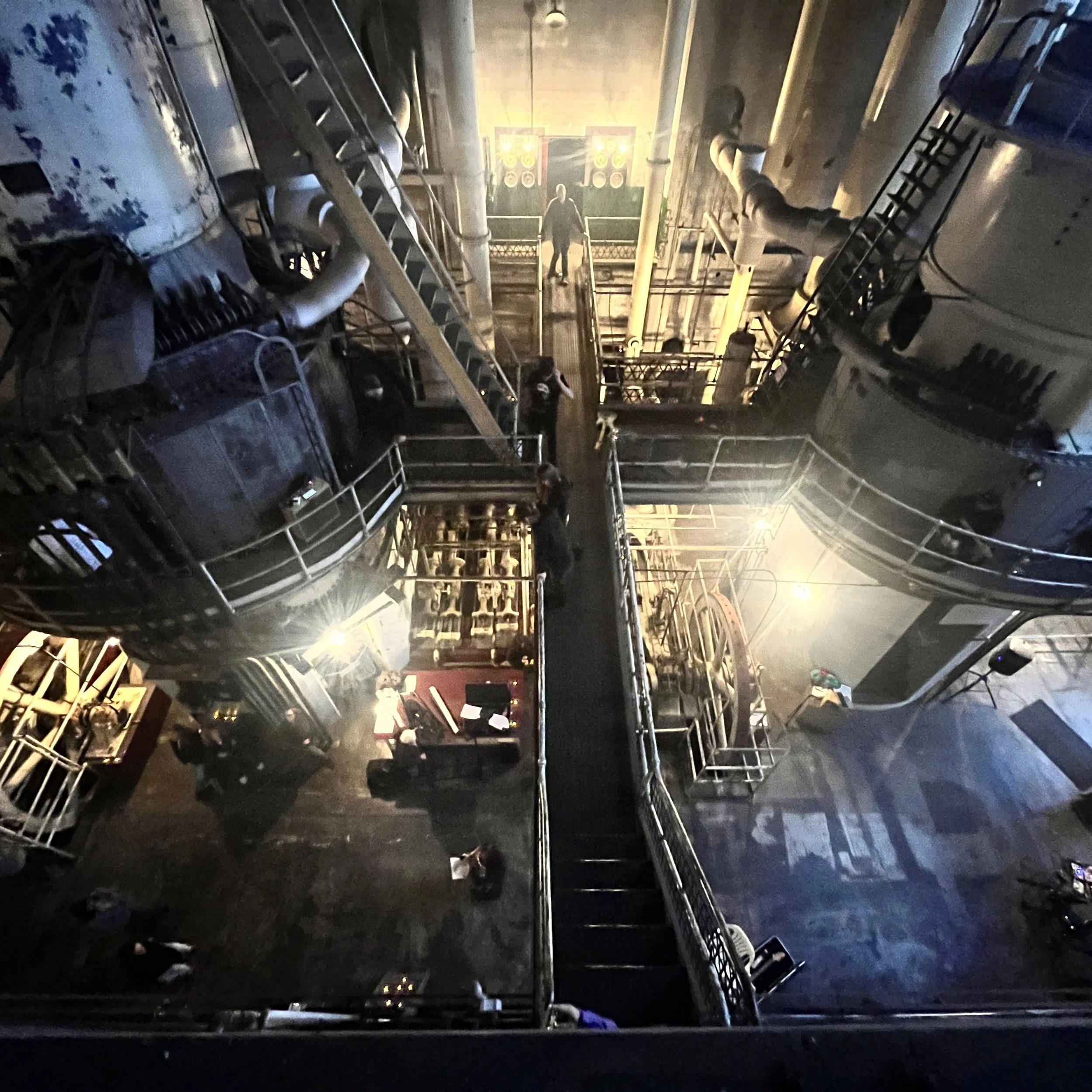
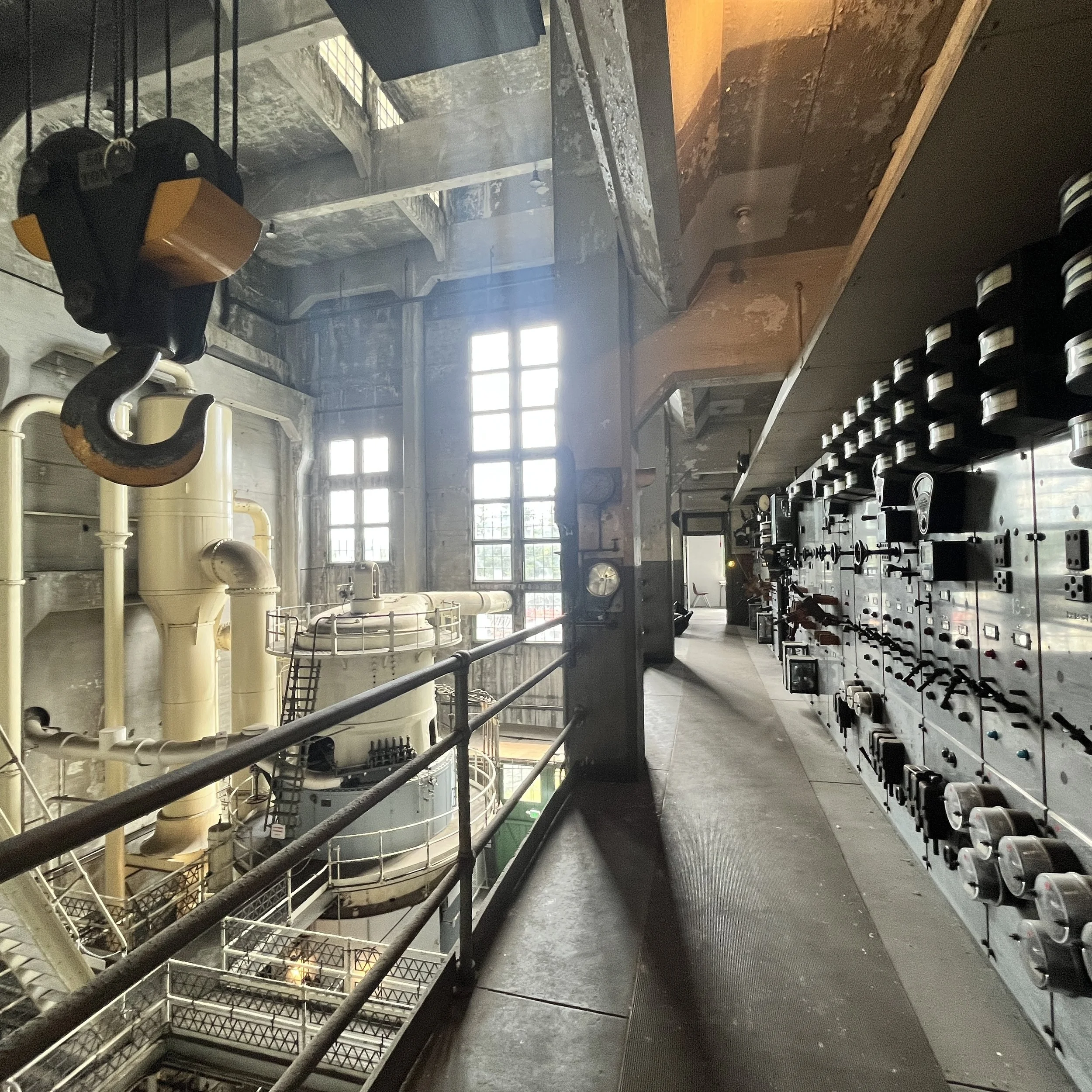
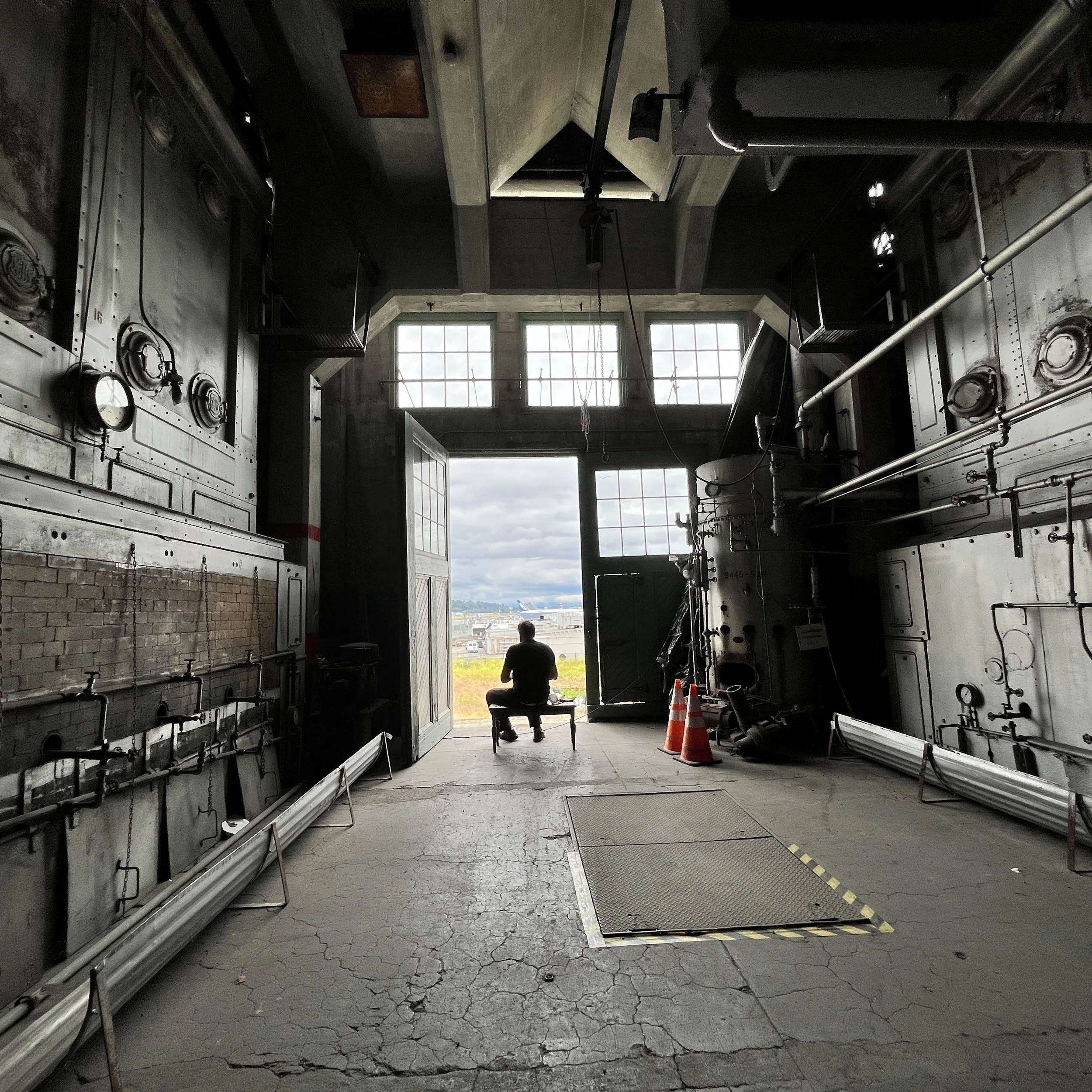
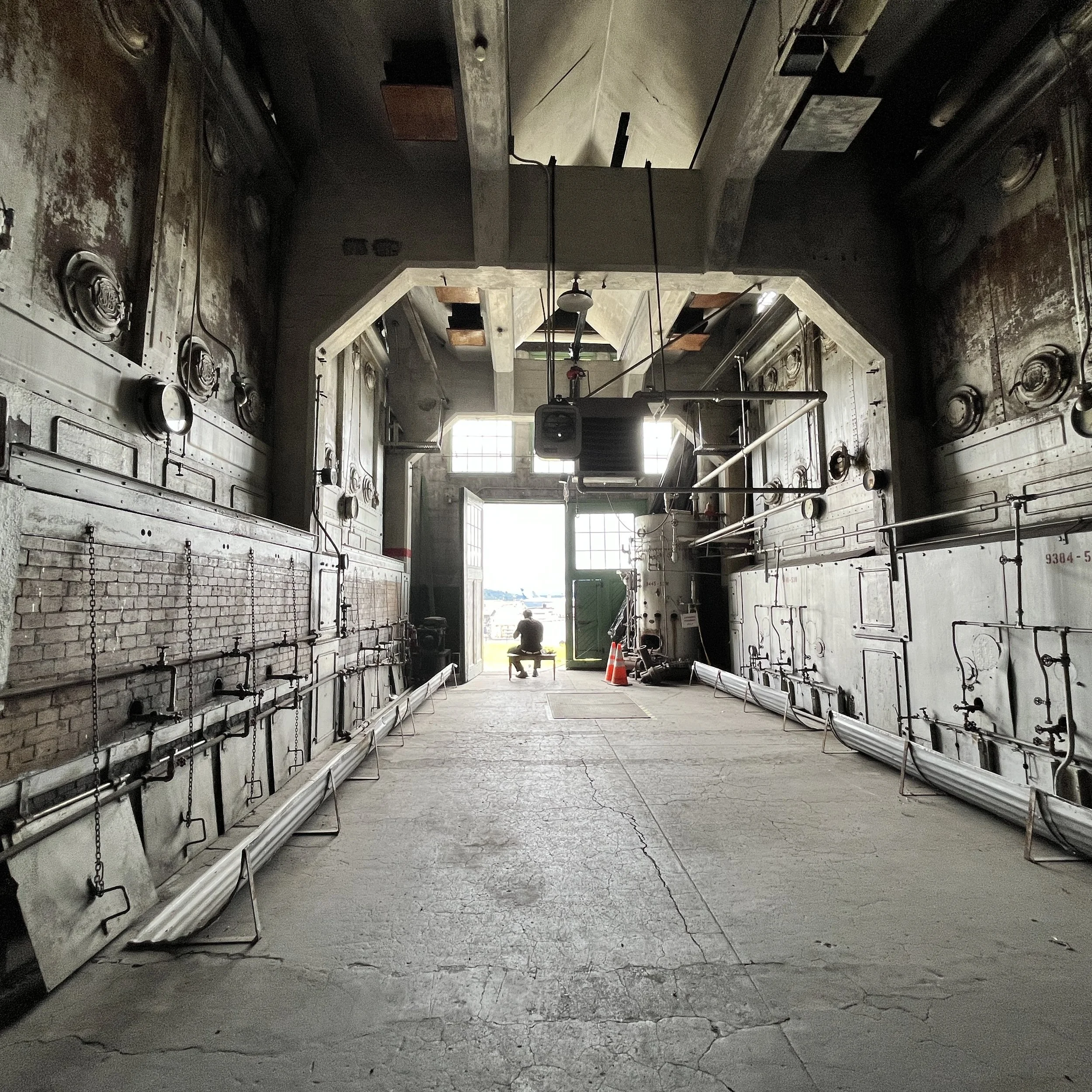
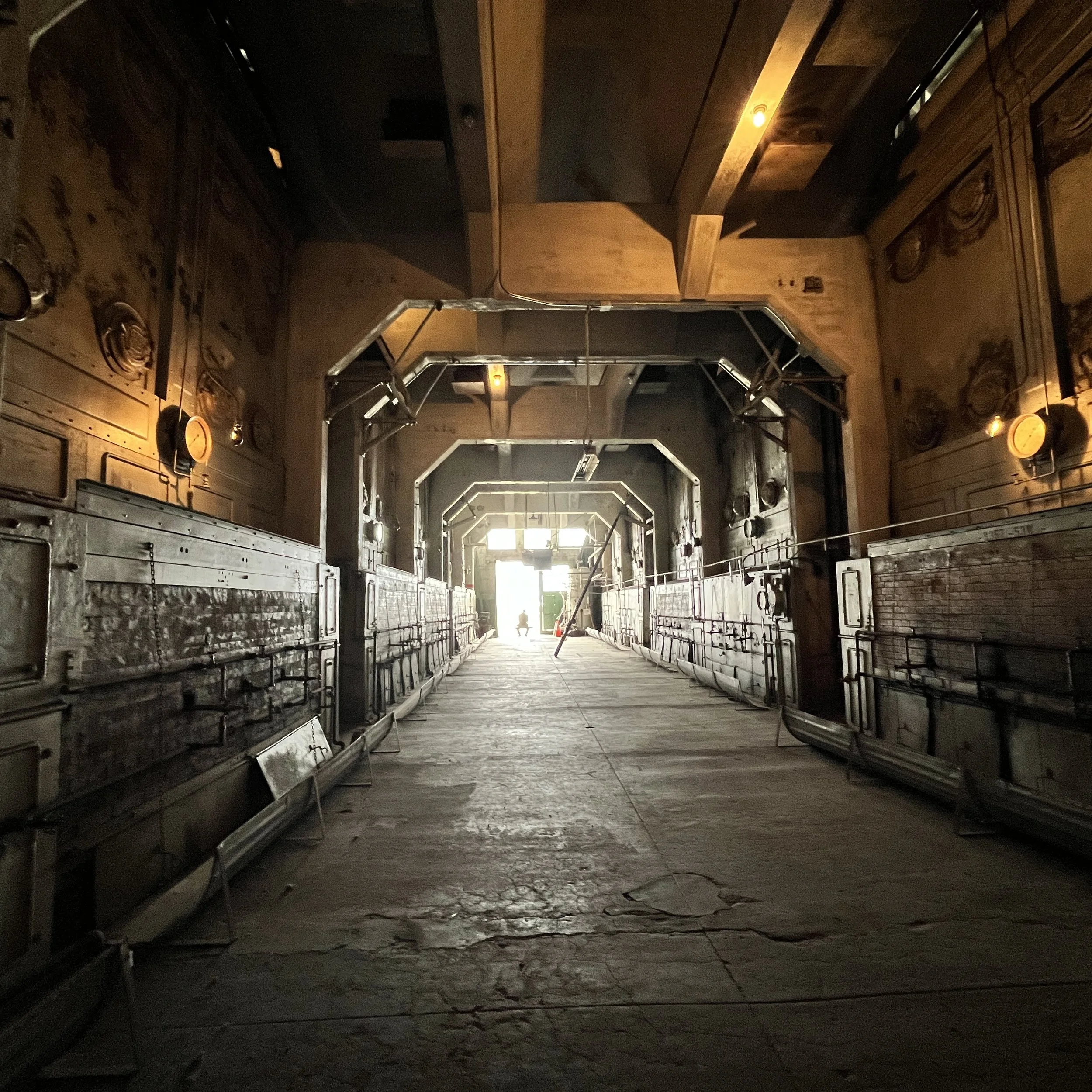
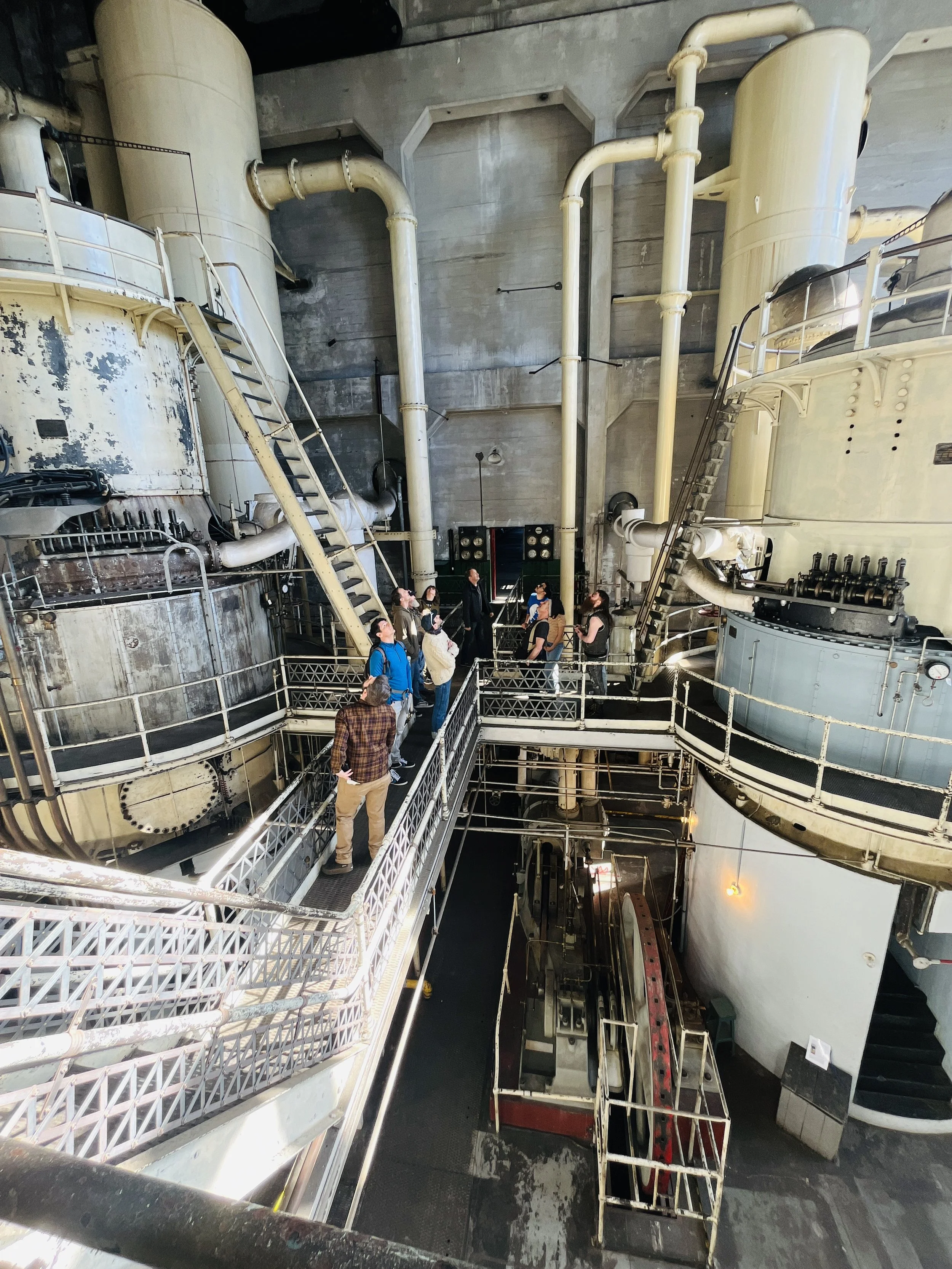
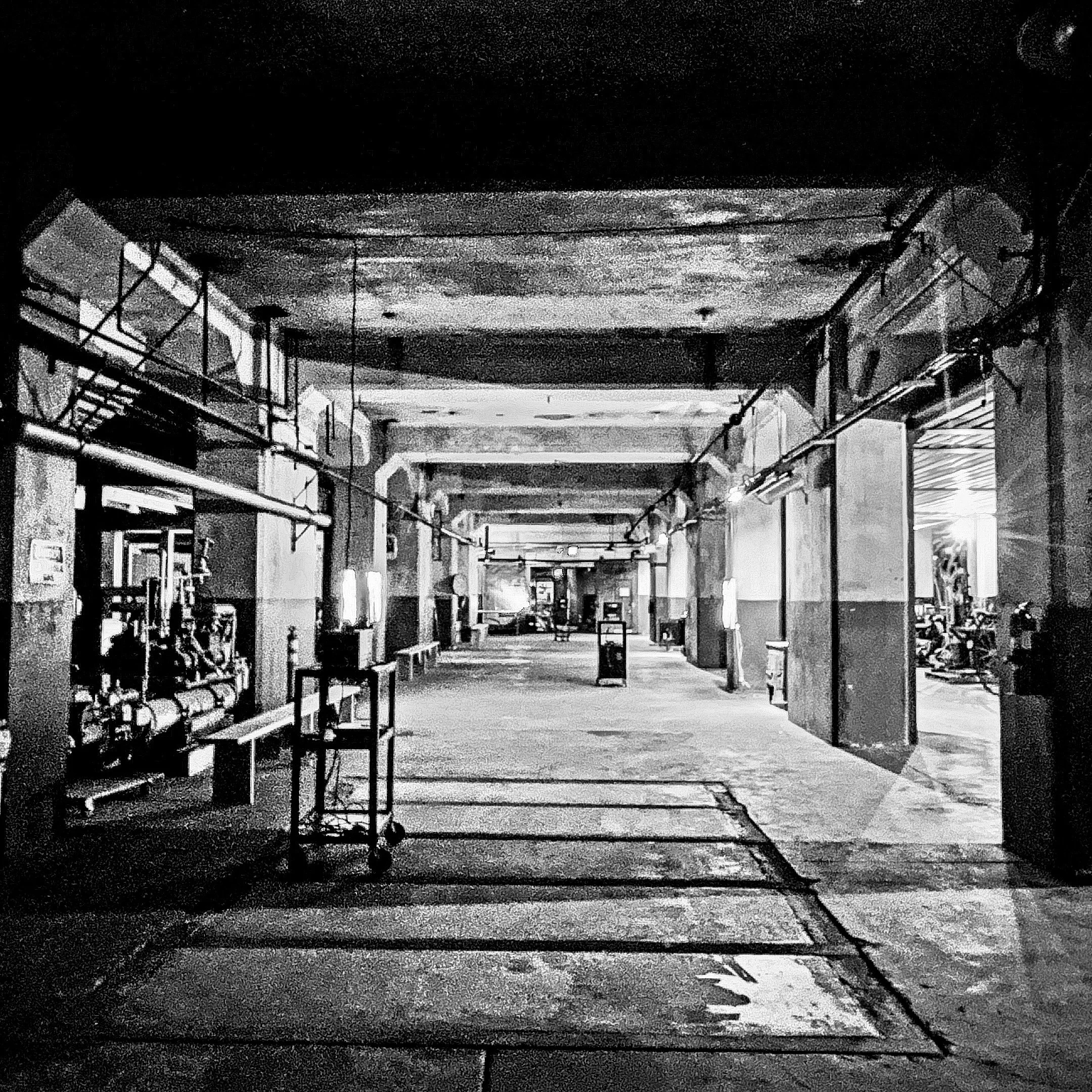
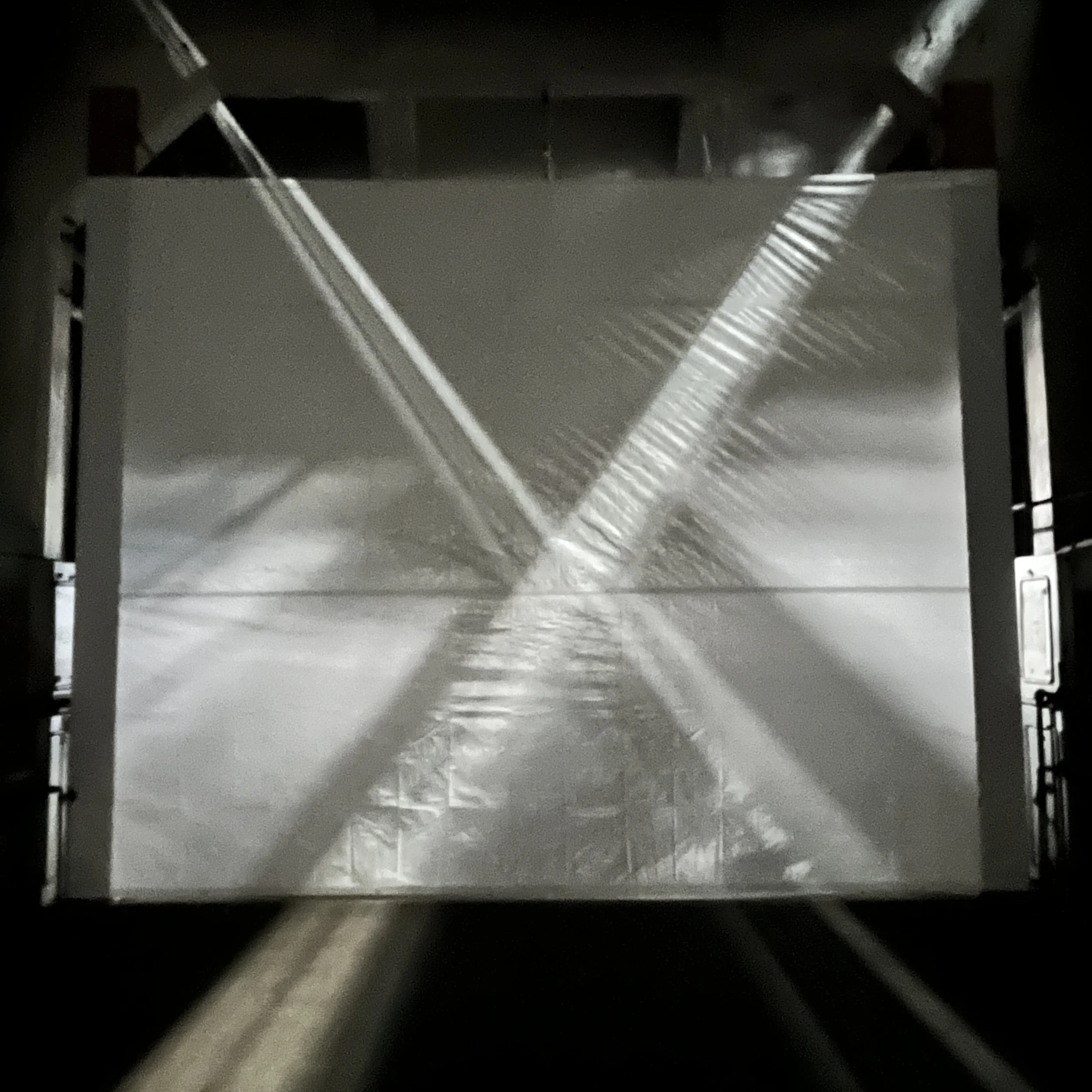
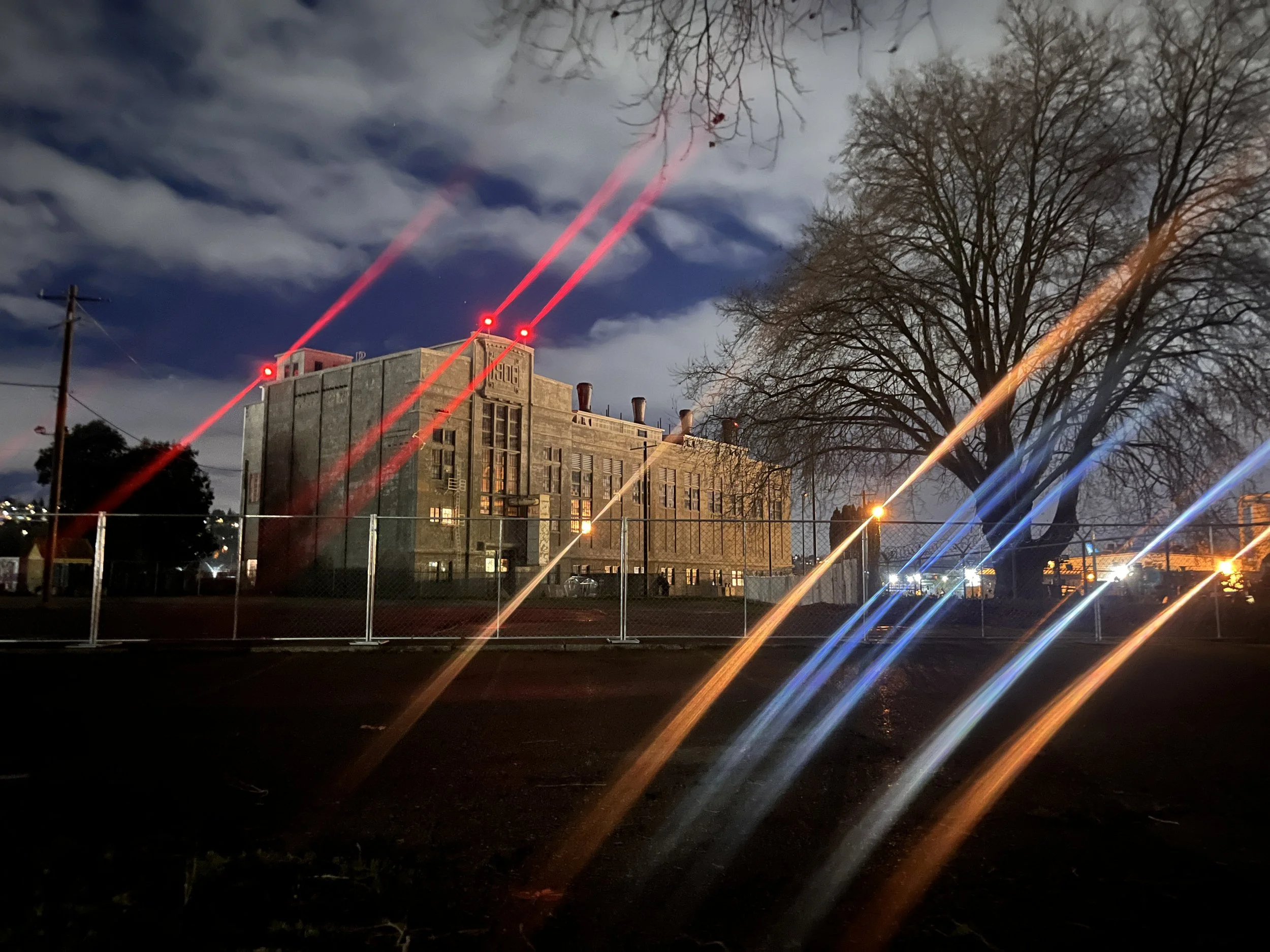
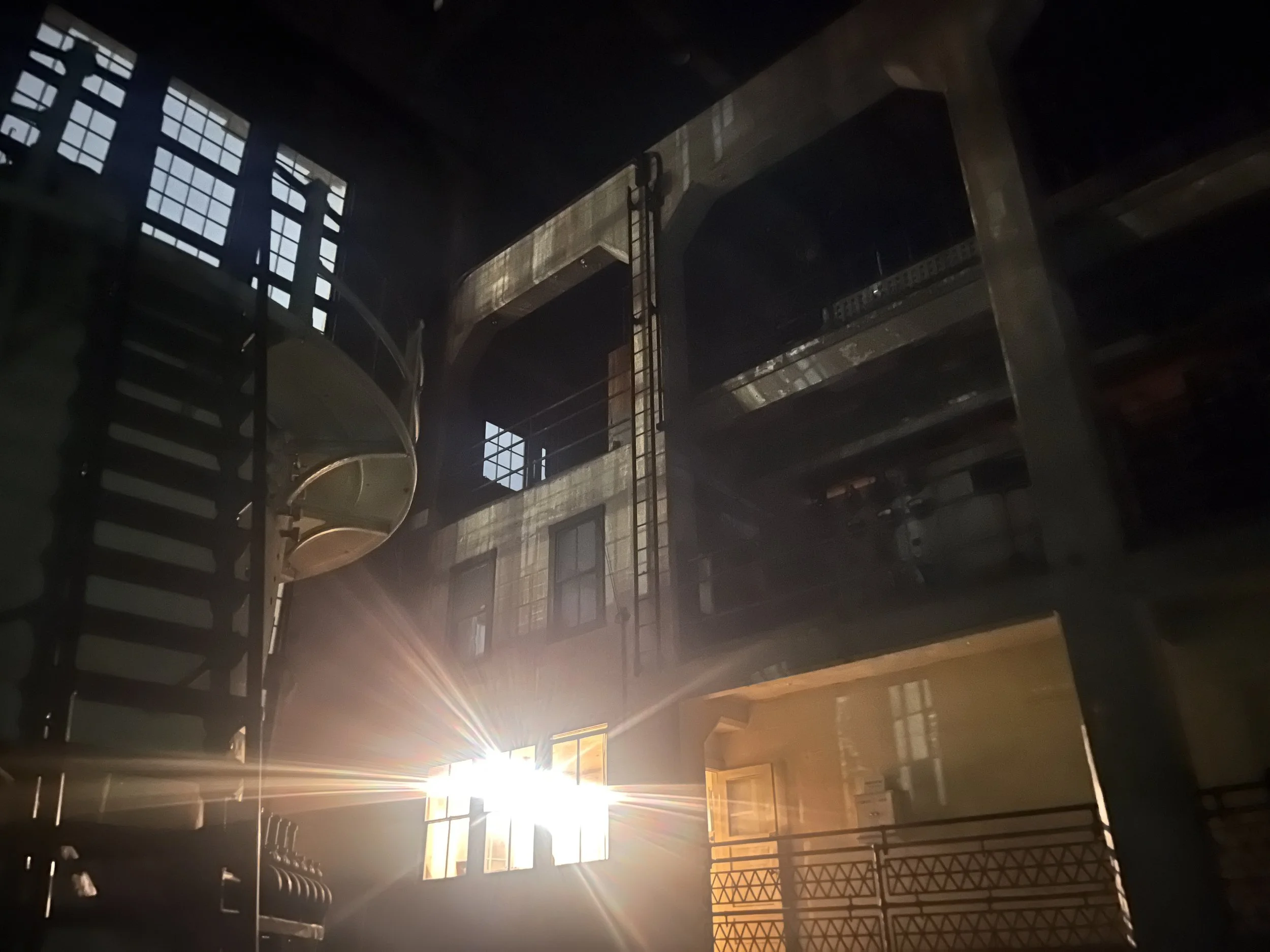
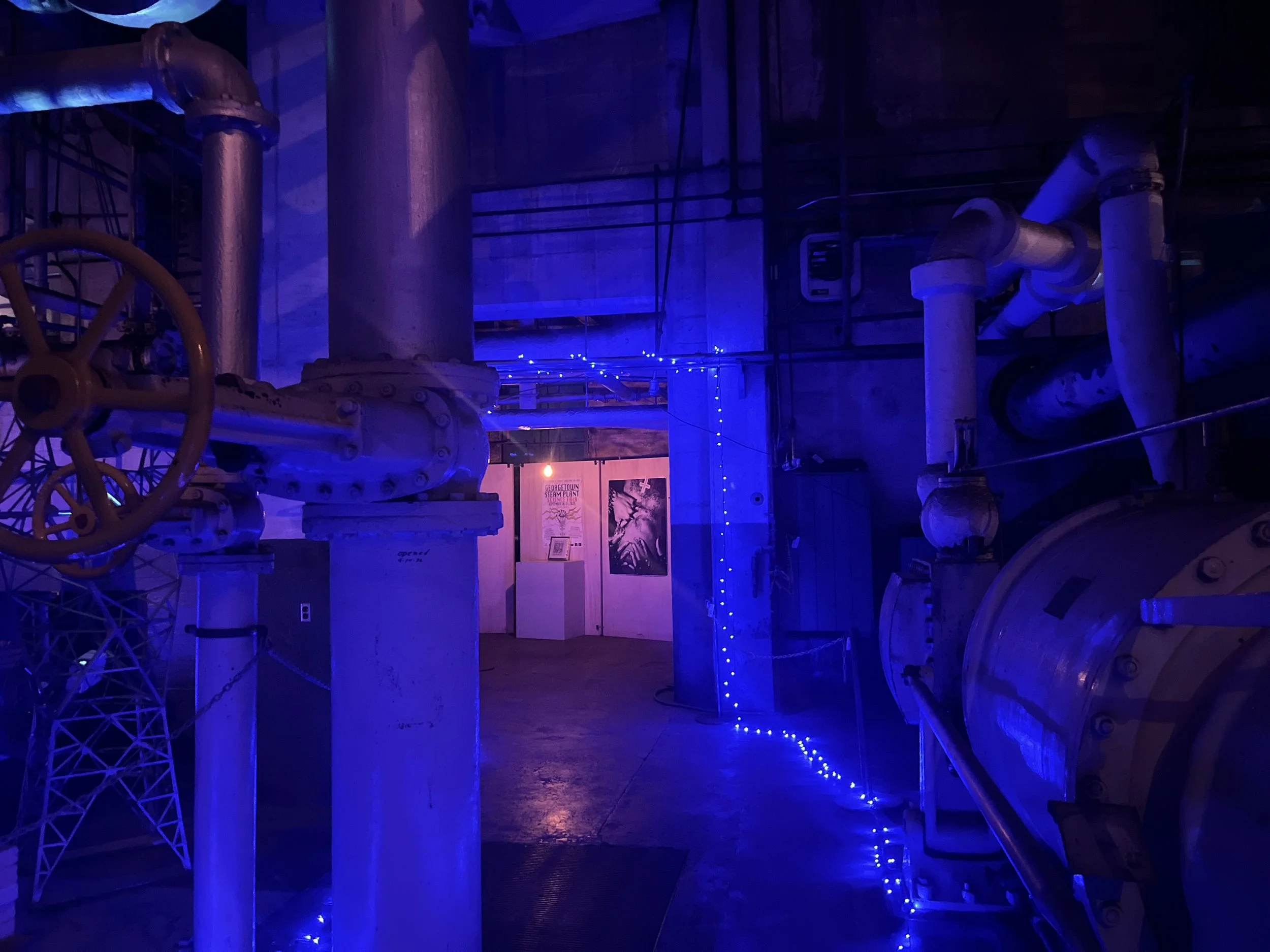
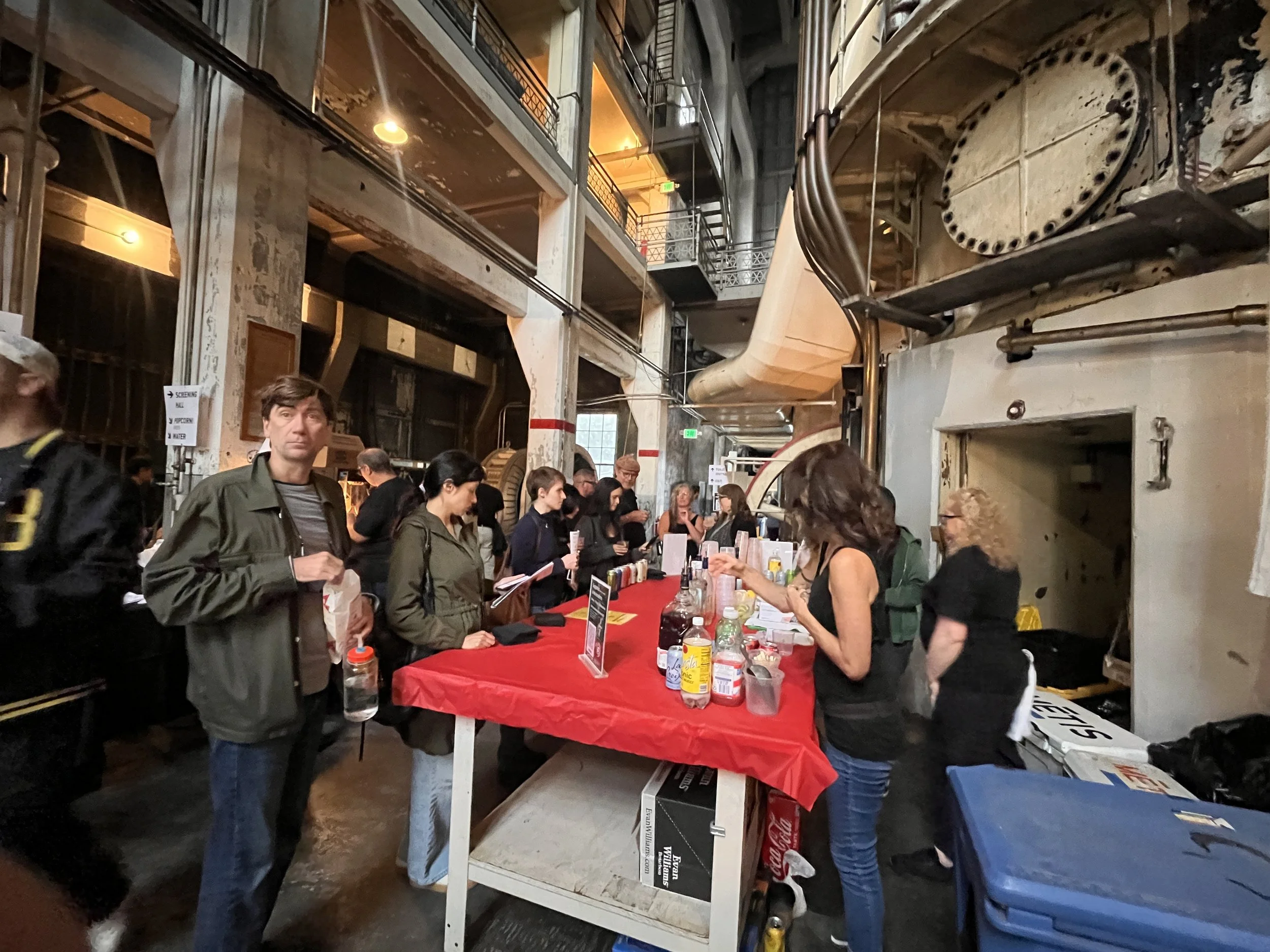
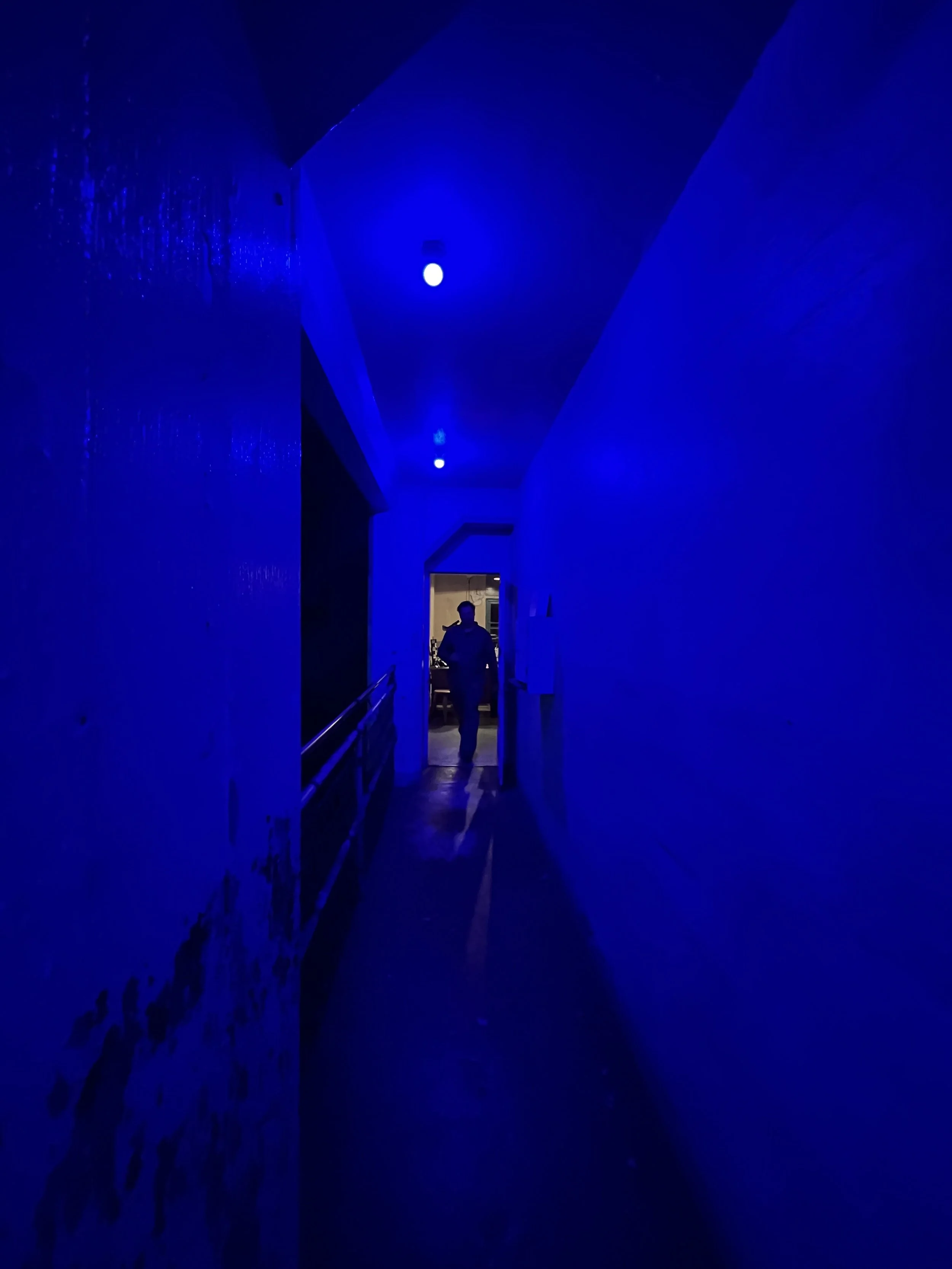
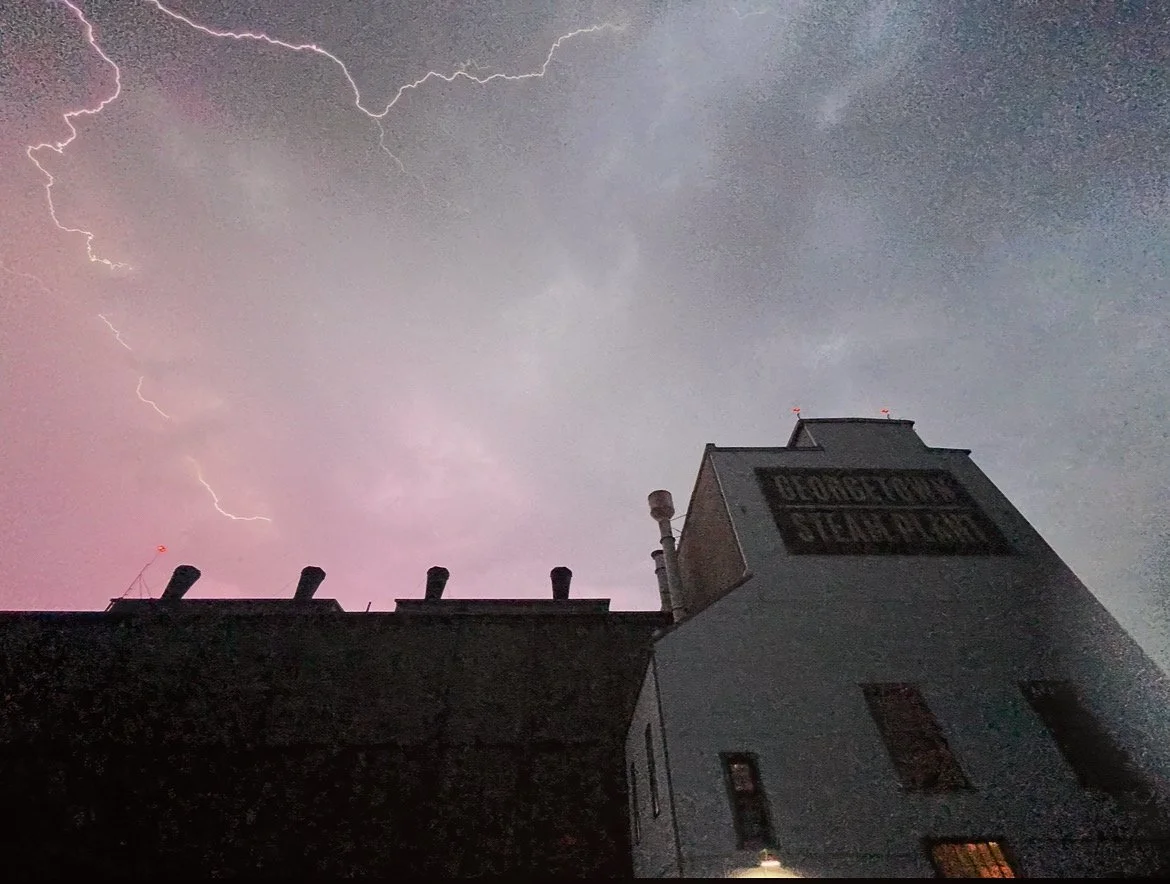
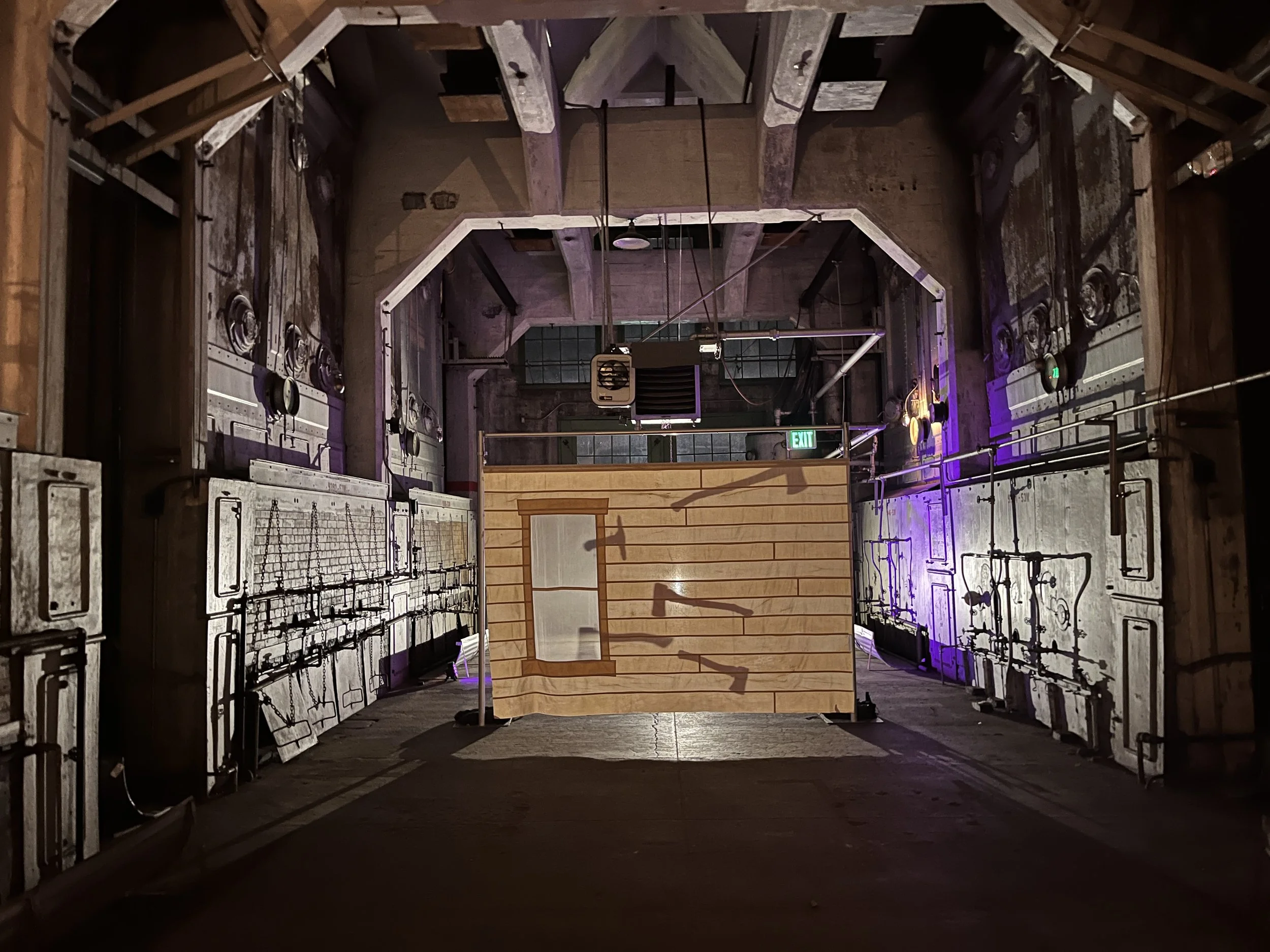
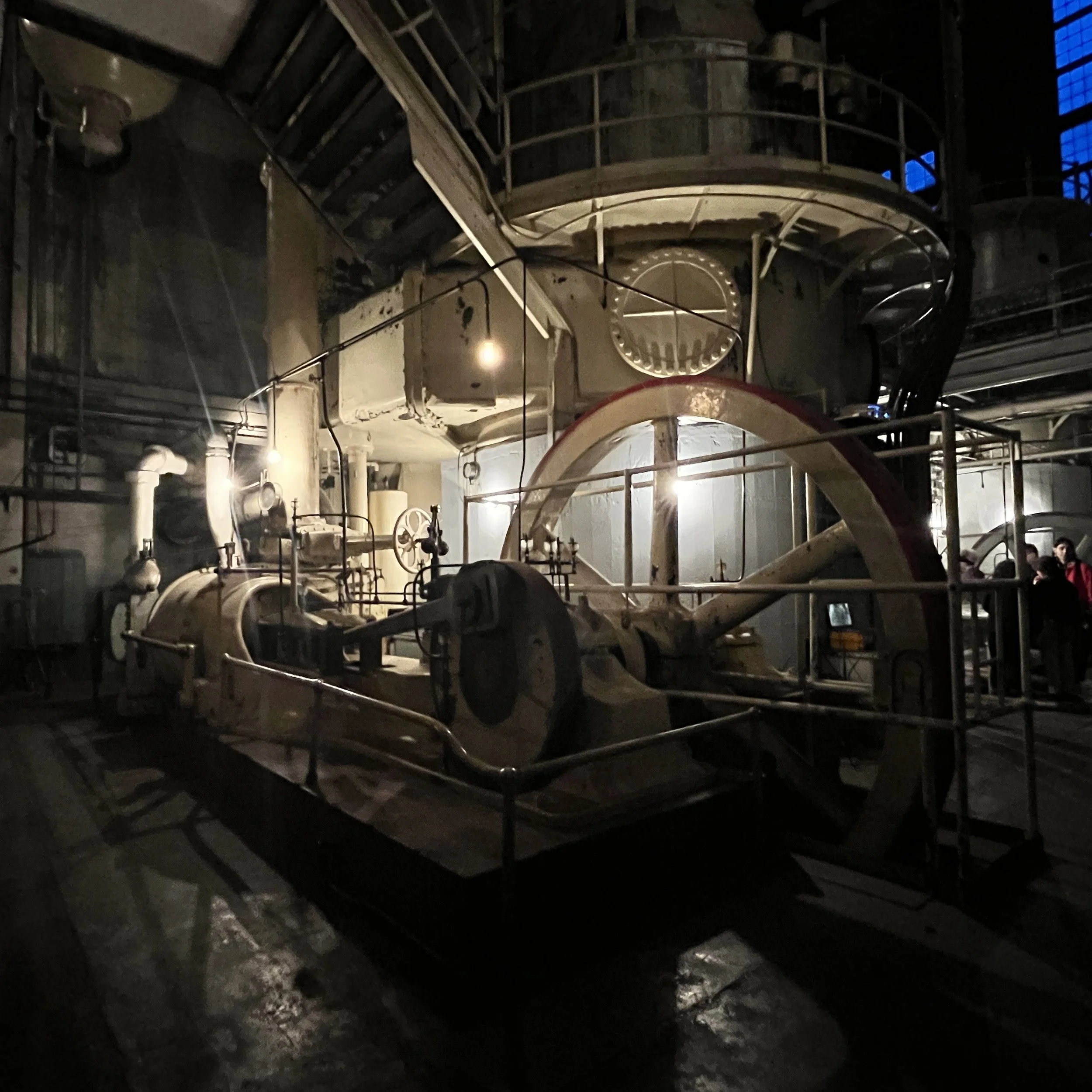
The Georgetown Steam Plant invites a specific kind of wandering to fully experience it—an exploration measured mostly in time. To move through it is to observe, to listen, to trace, and to lose yourself in its lore in a deep dive into the union of forces that drove the Industrial Revolution and the colonial expansion of the modern age.
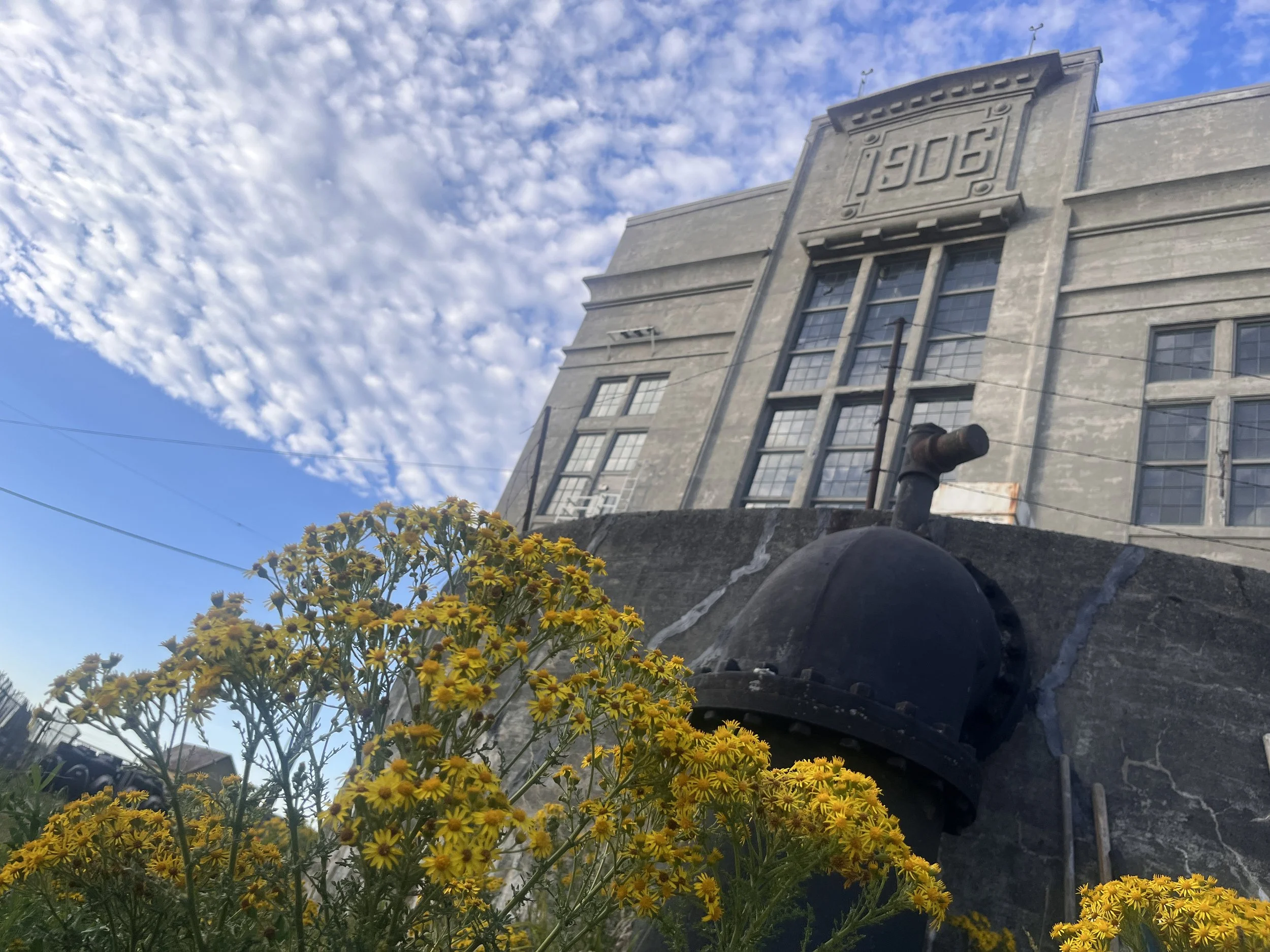
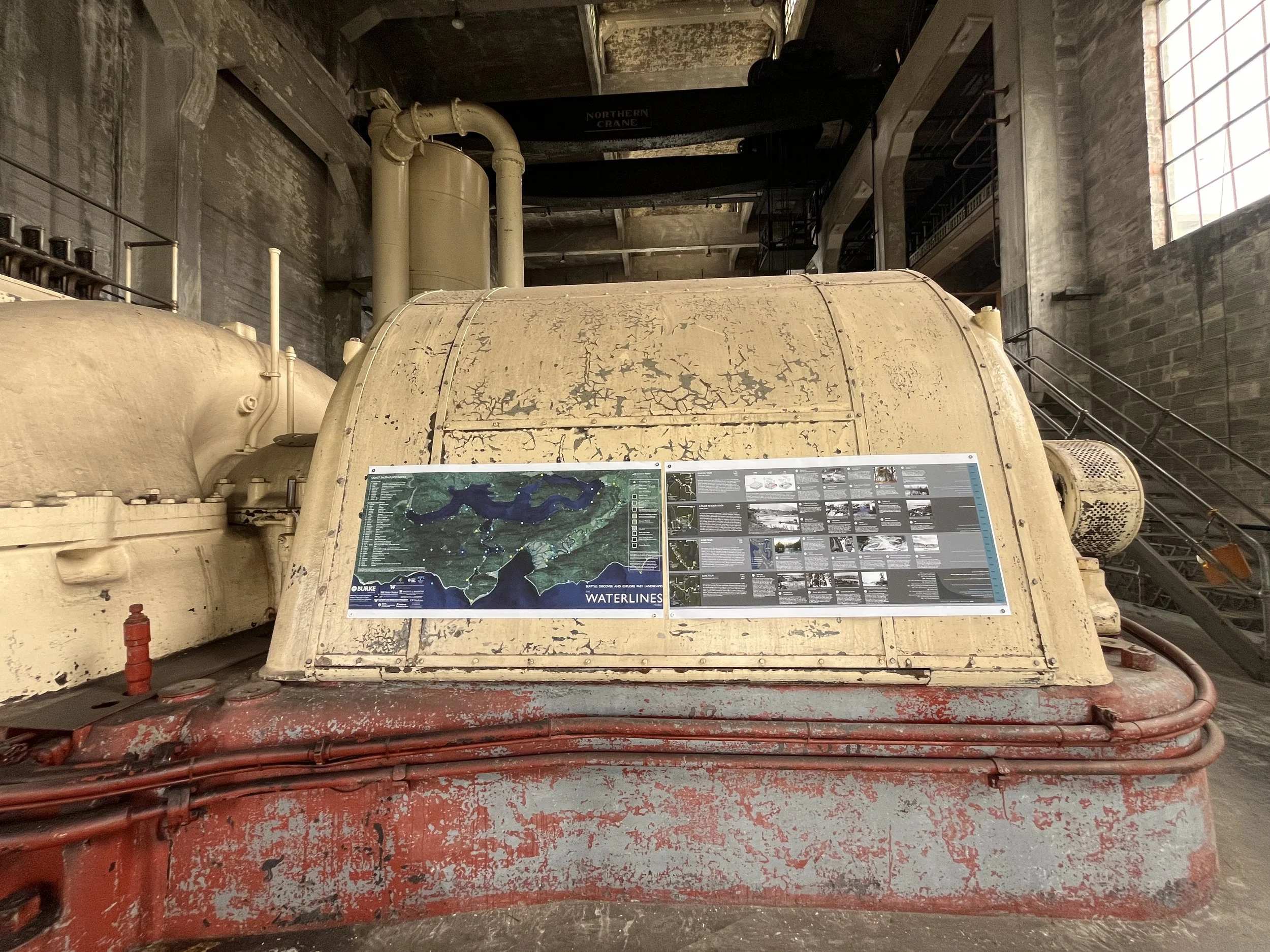
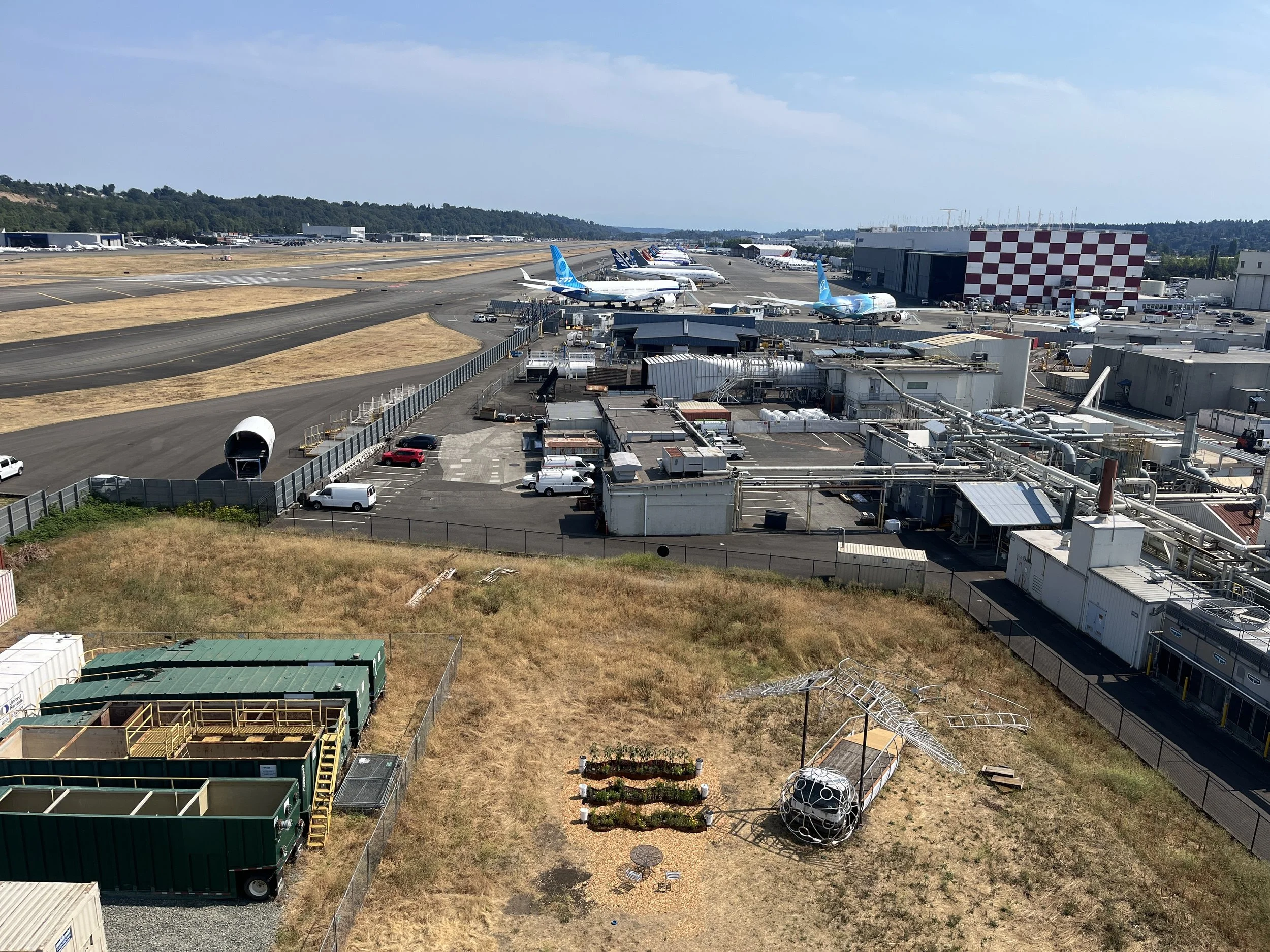
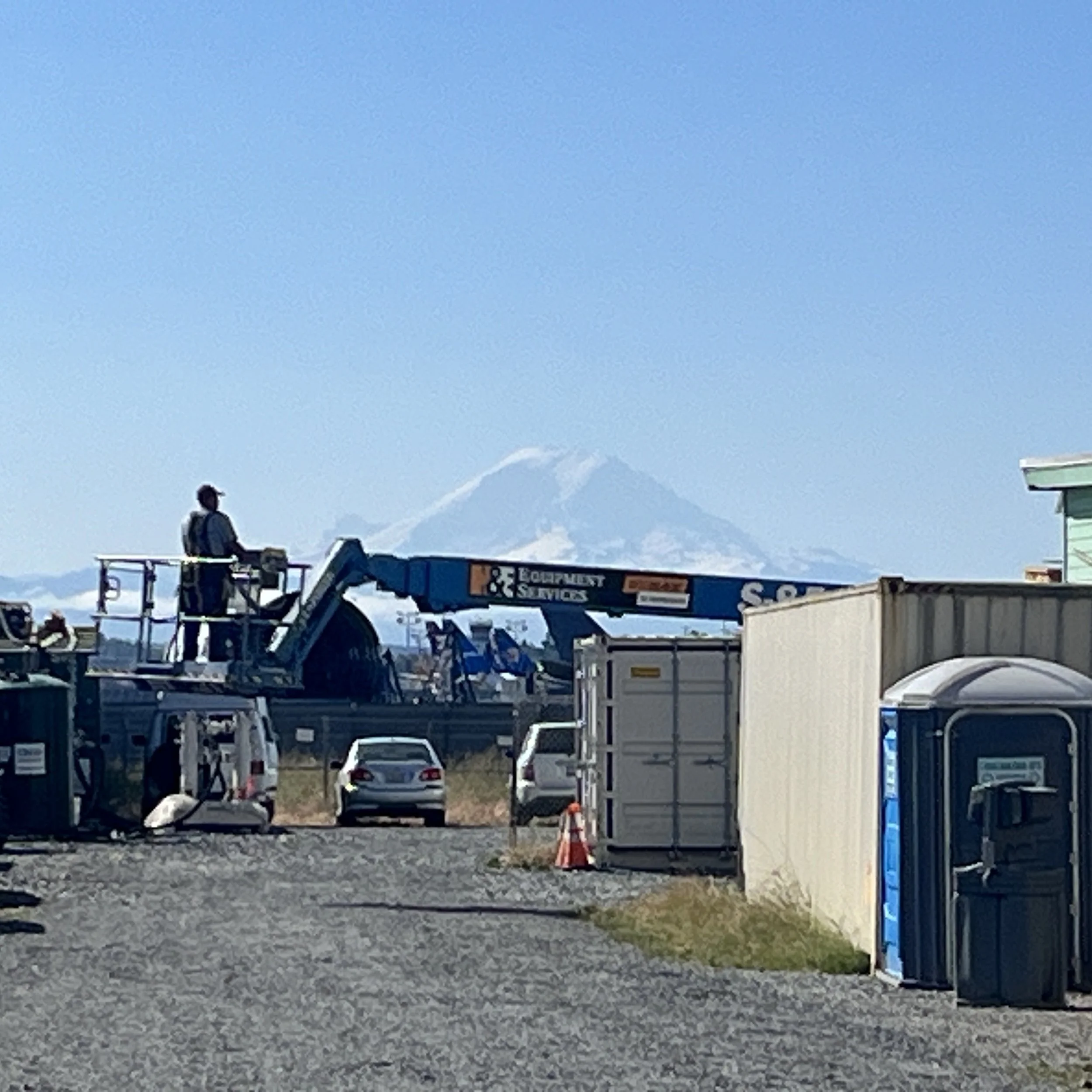
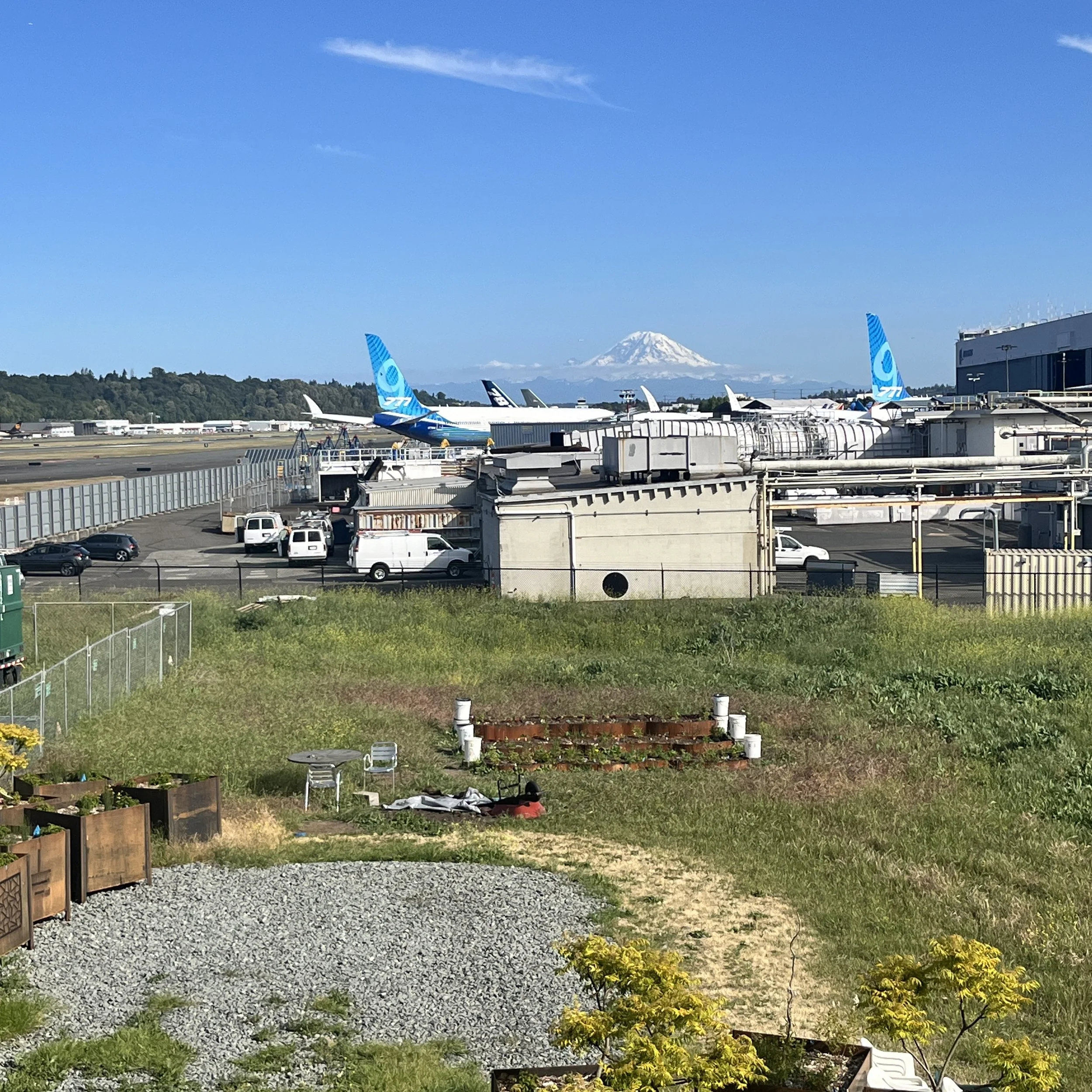
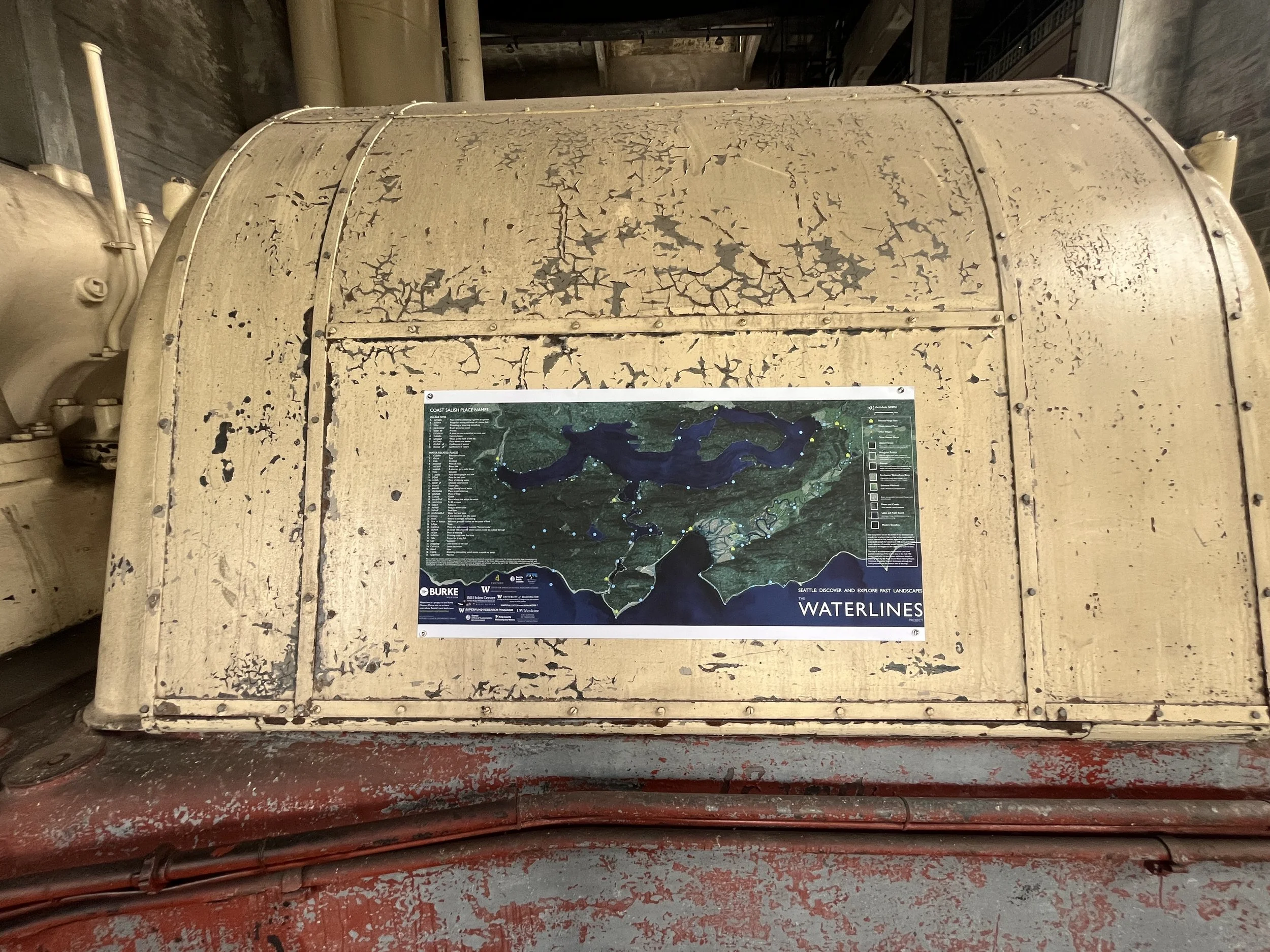
Long before the wooden pilings were pounded into the Earth to support its massive form, these landscapes surrounding the once meandering Duwamish River was part of Tuqwe’LTid village; this multi-dimensional history permeates the air like the heavy scent of trapped bunker oil, the ghost-static of silent machinery, and the silent rush of an ancient river and village life no longer visible.
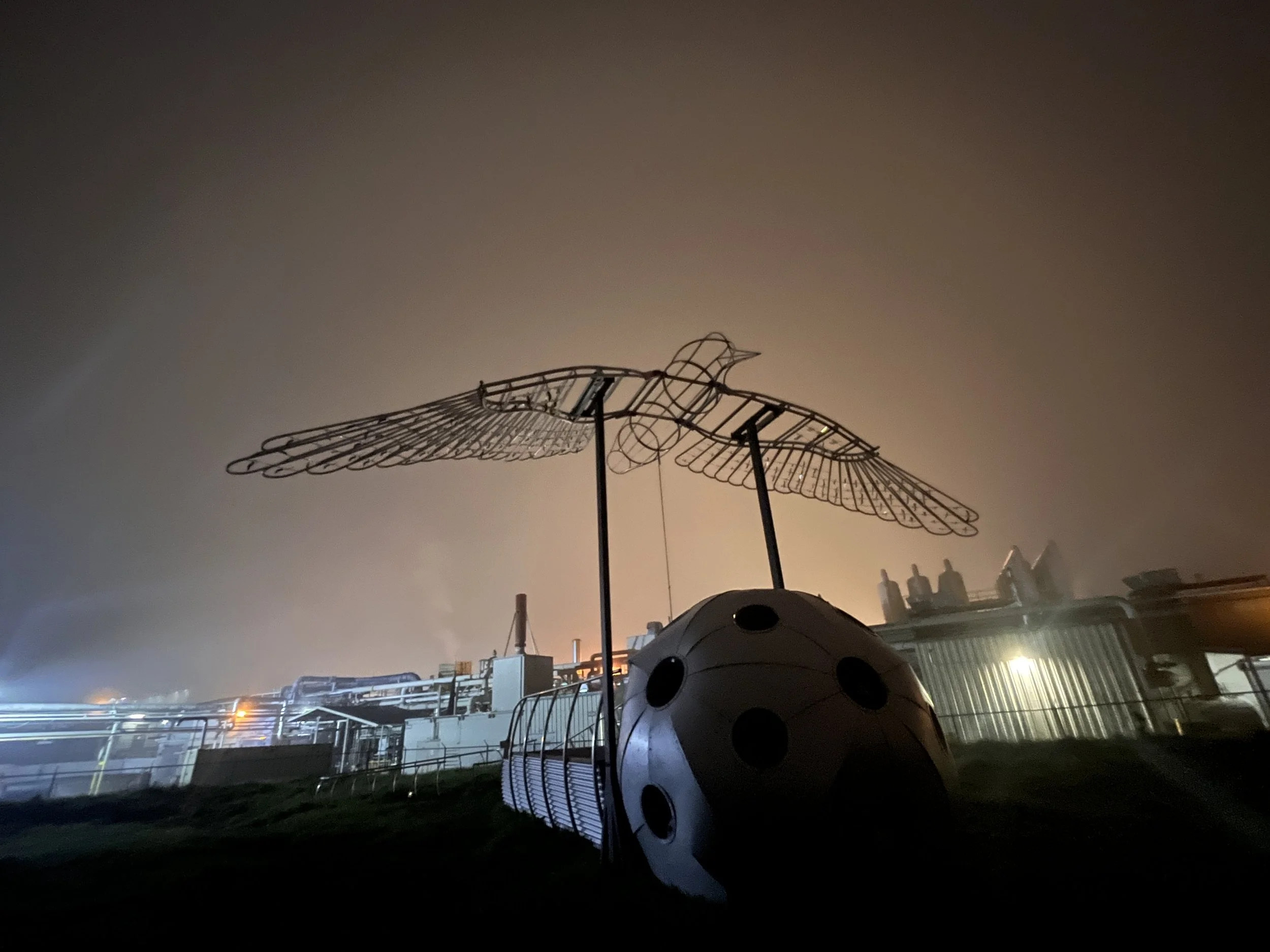
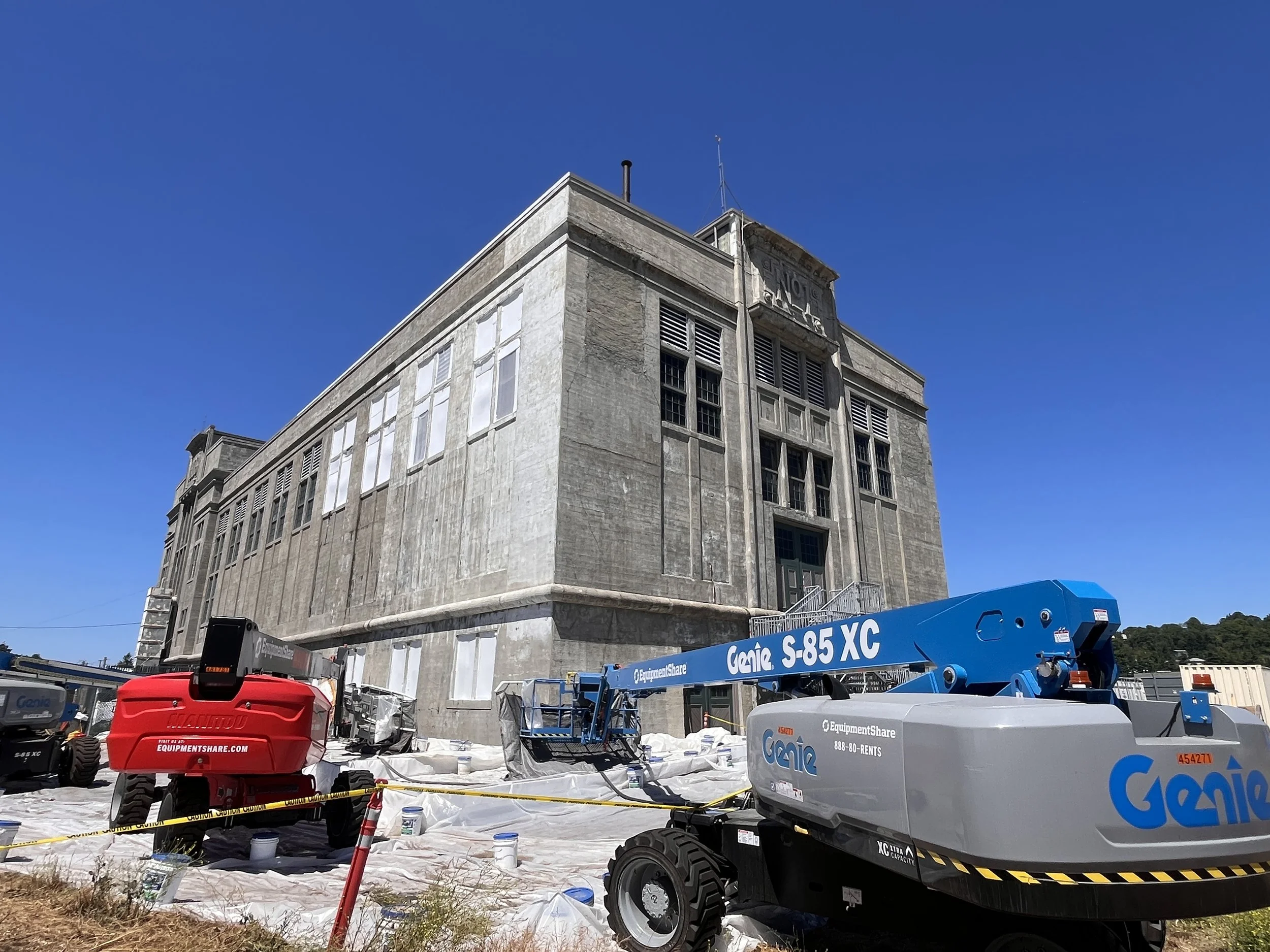
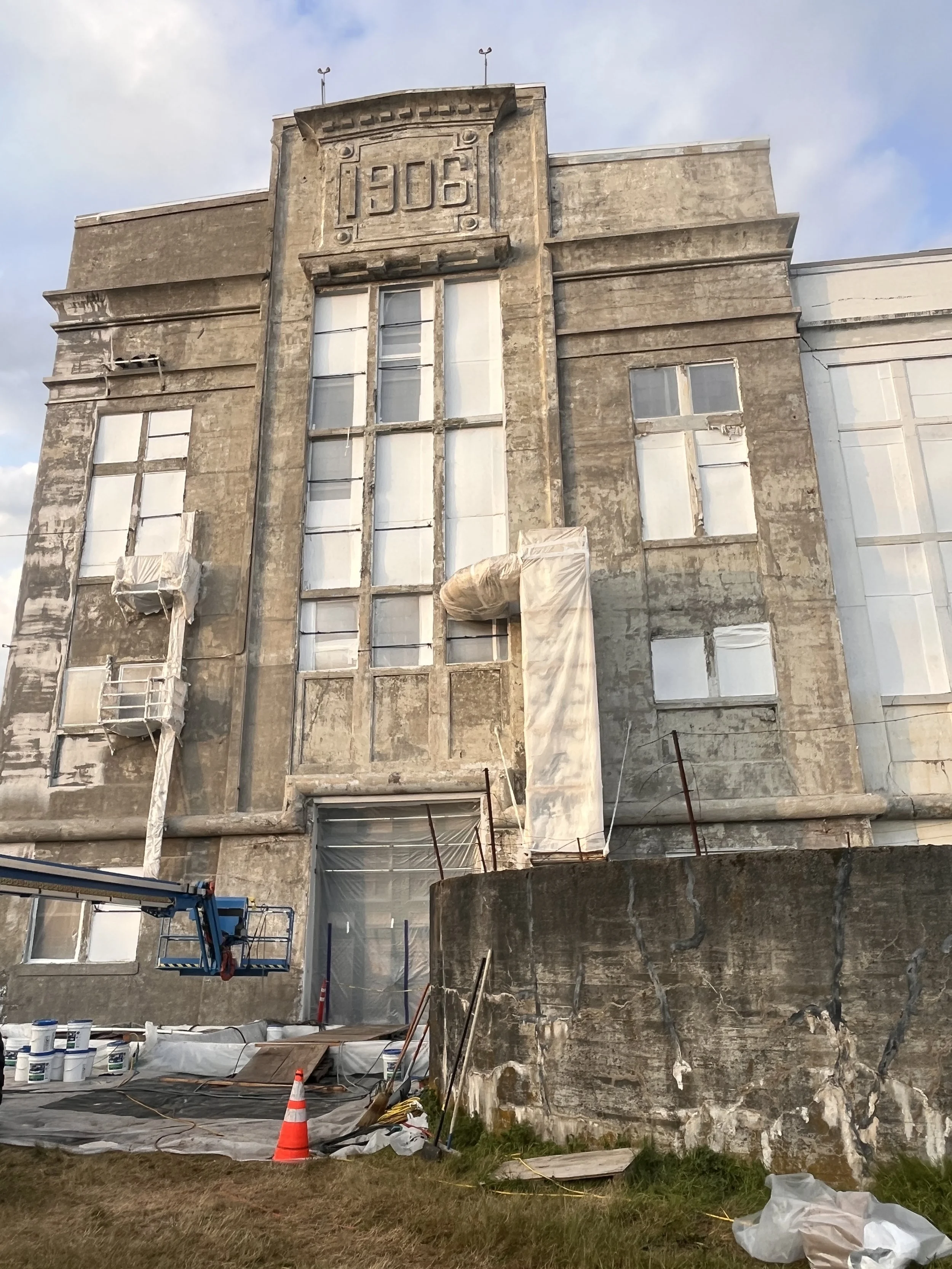
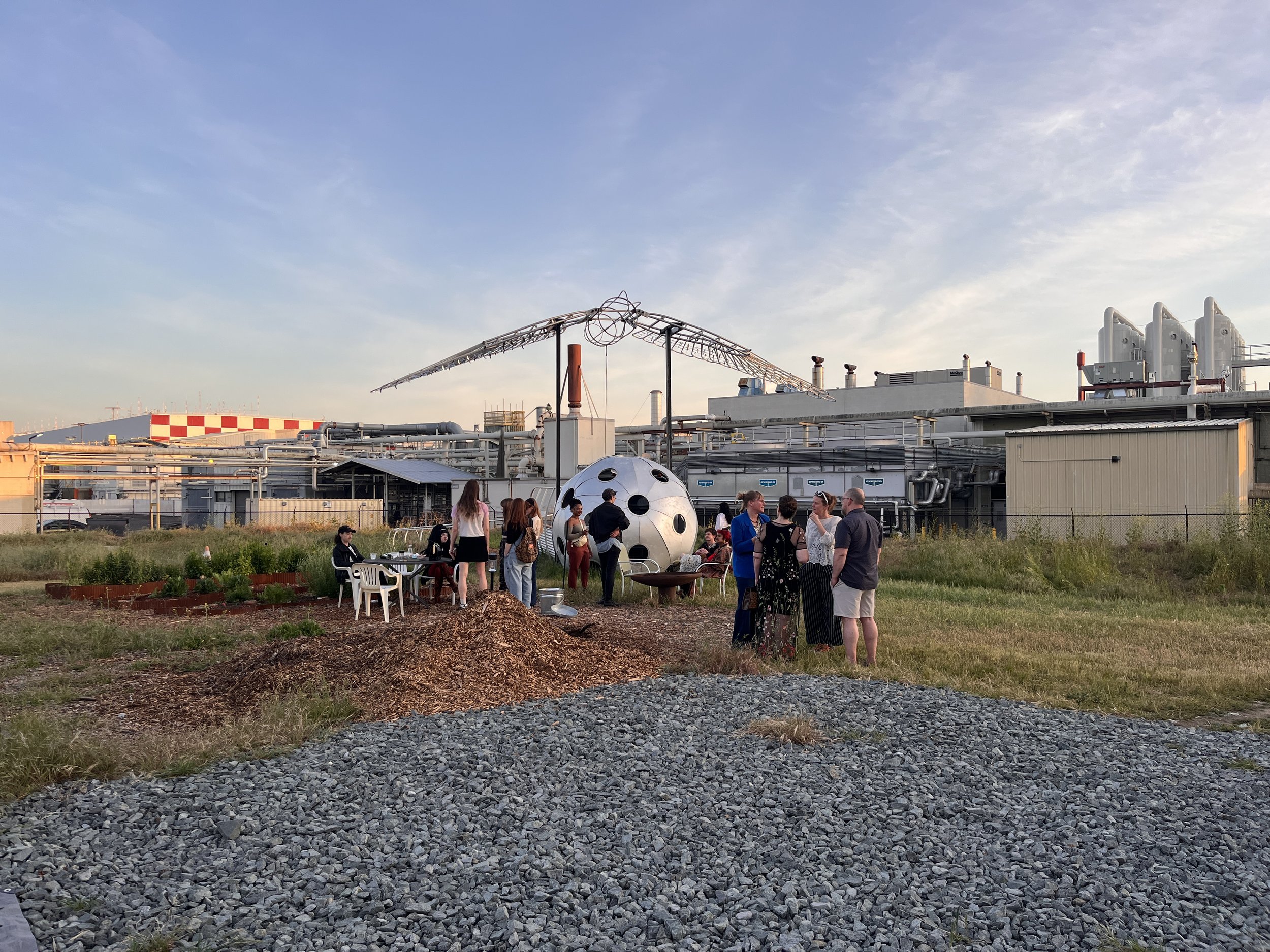
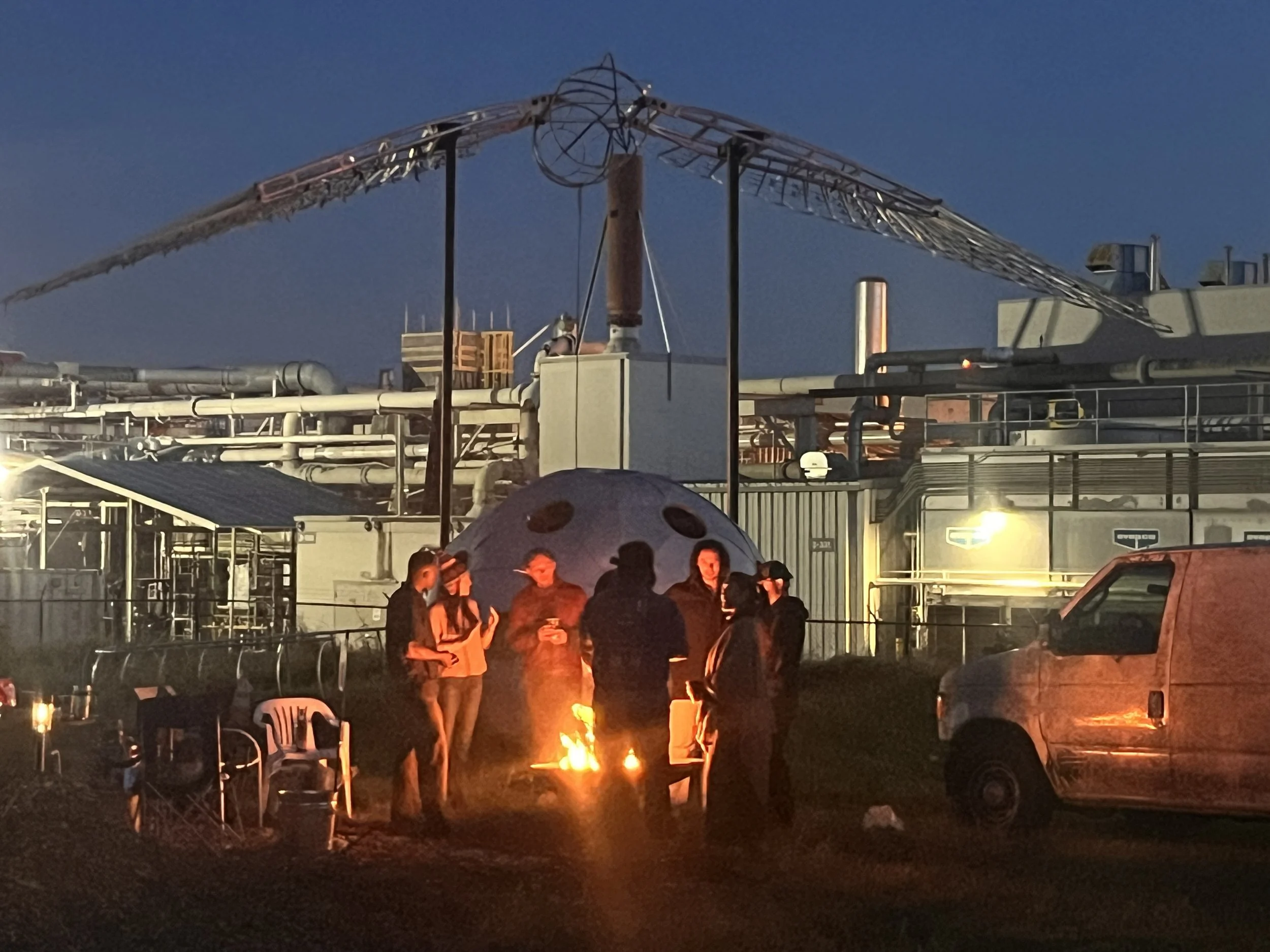
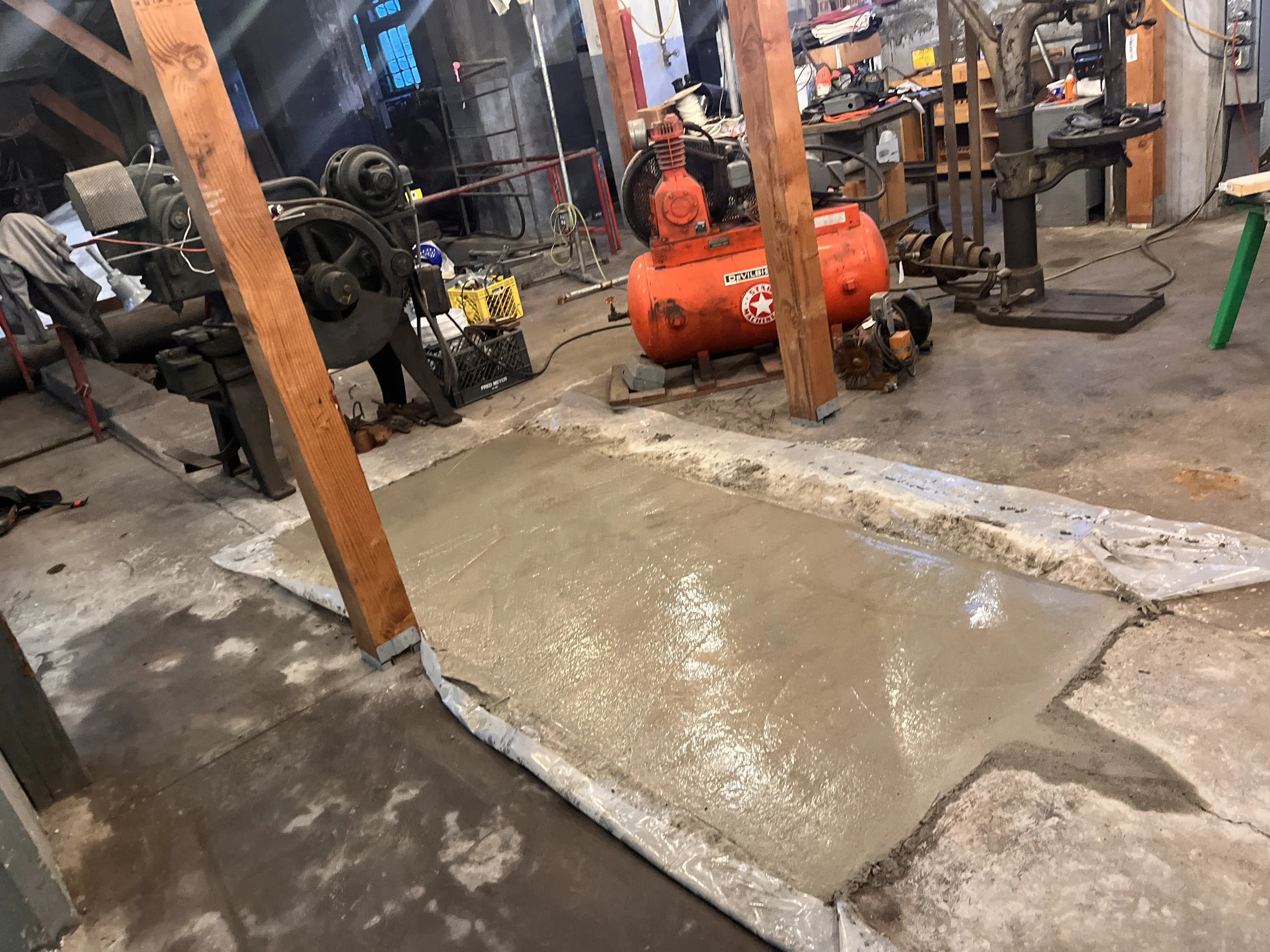
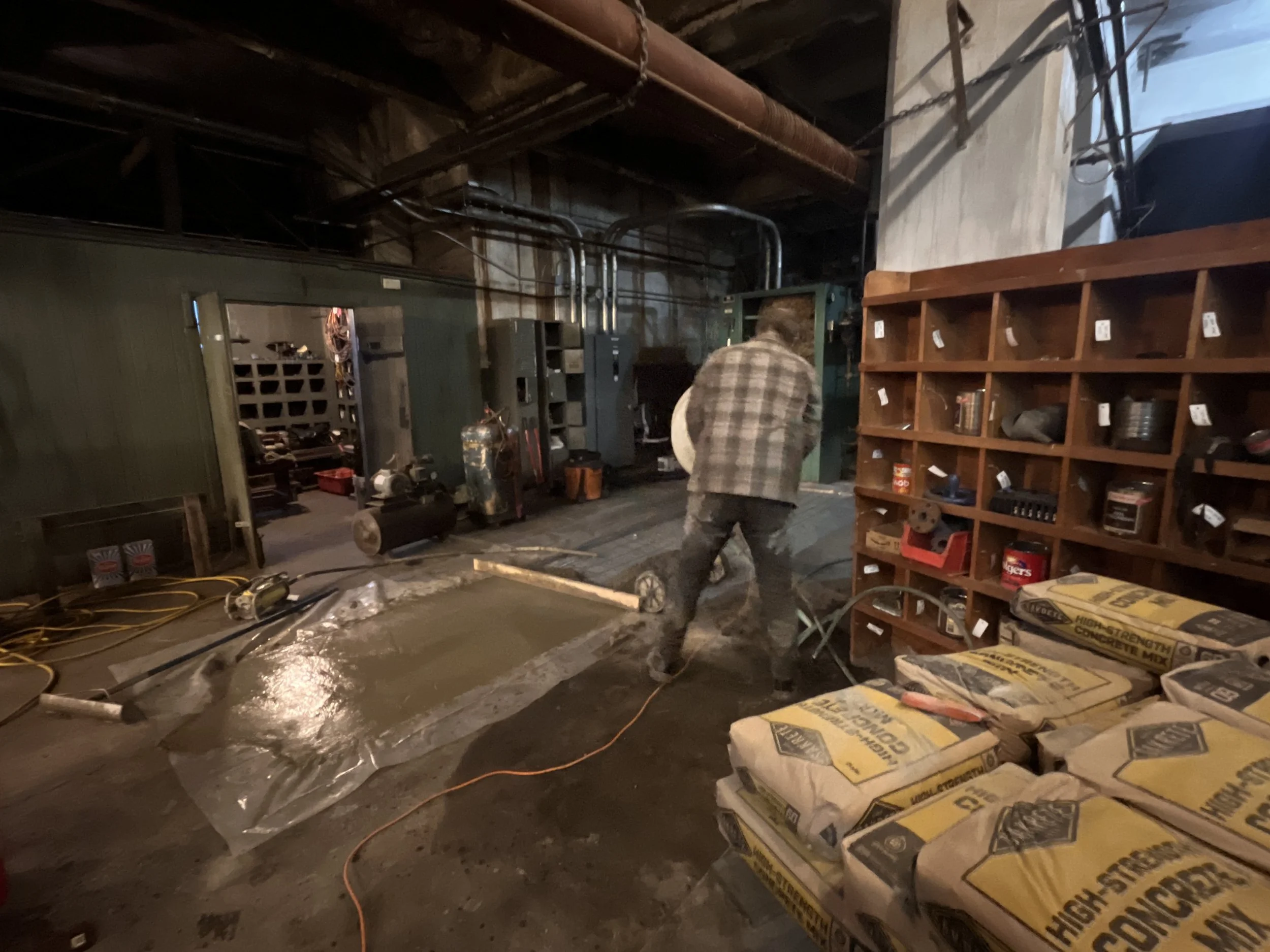
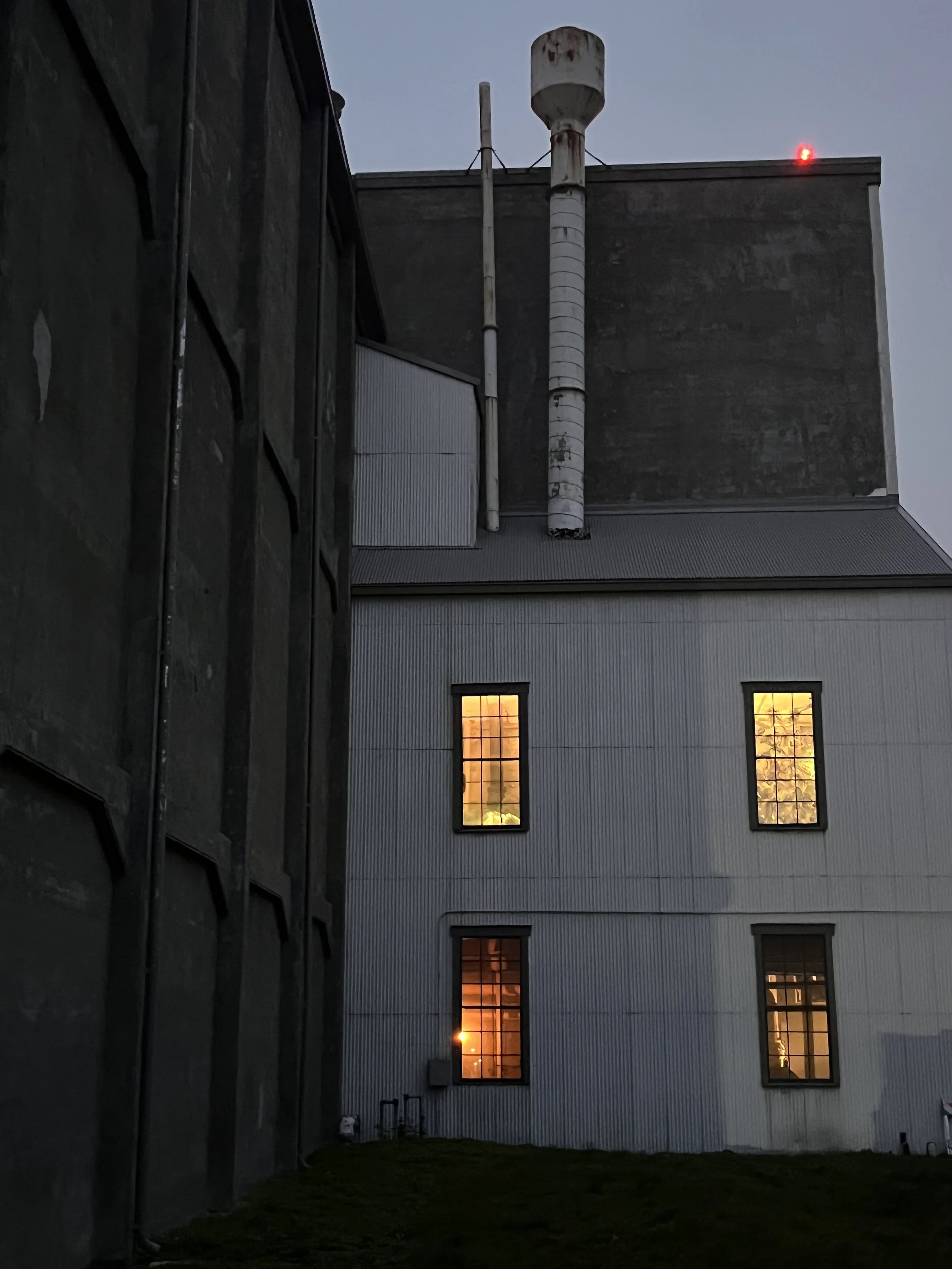
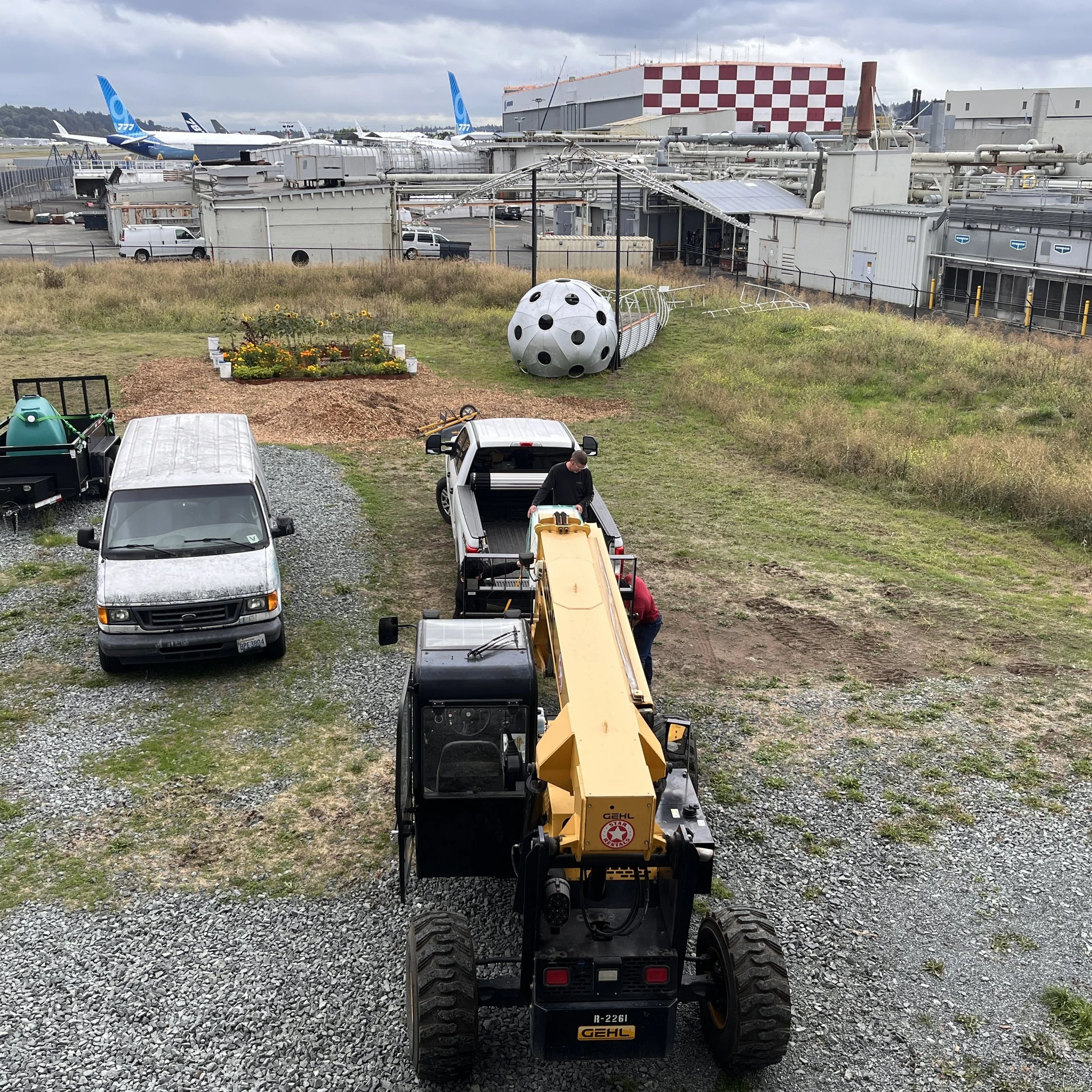
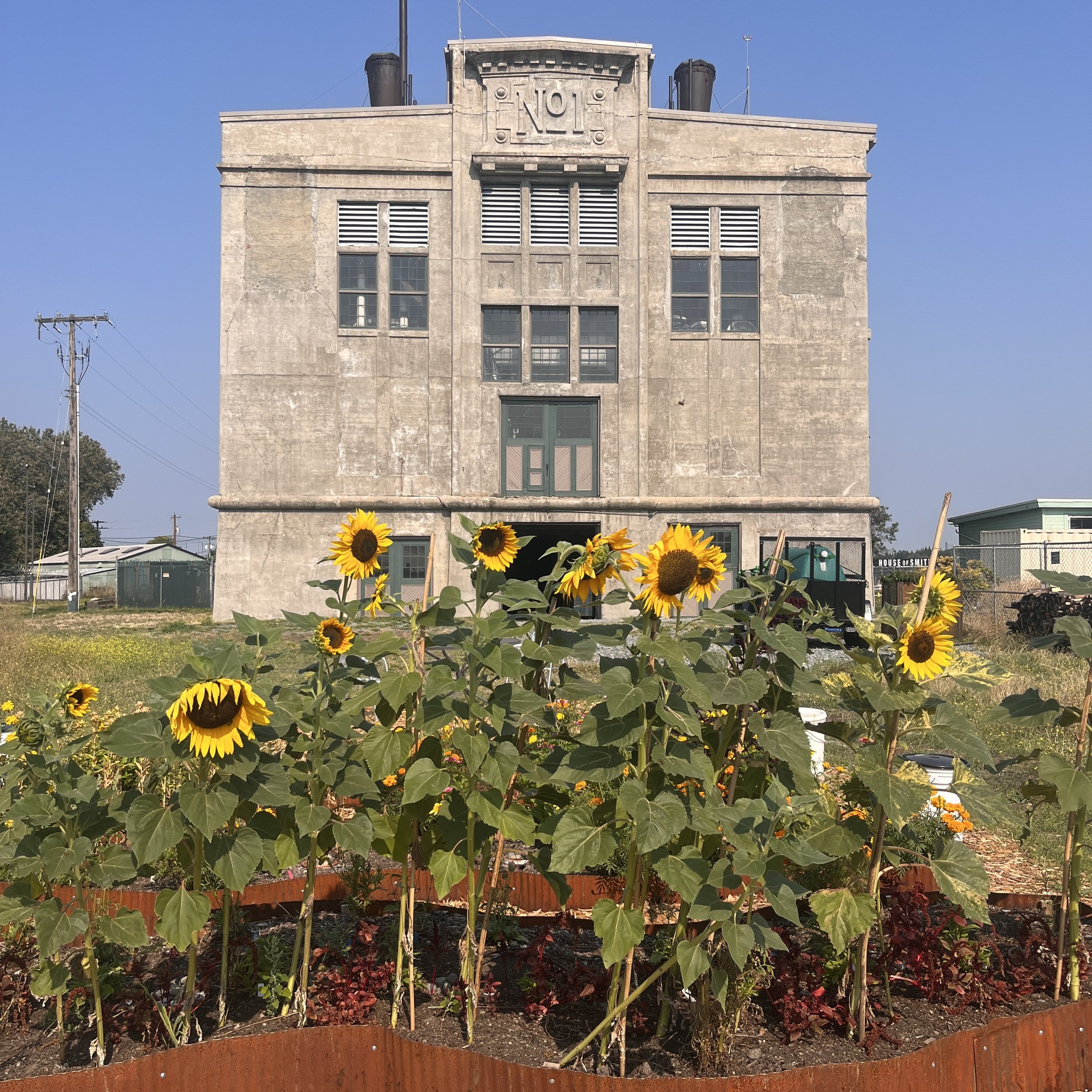
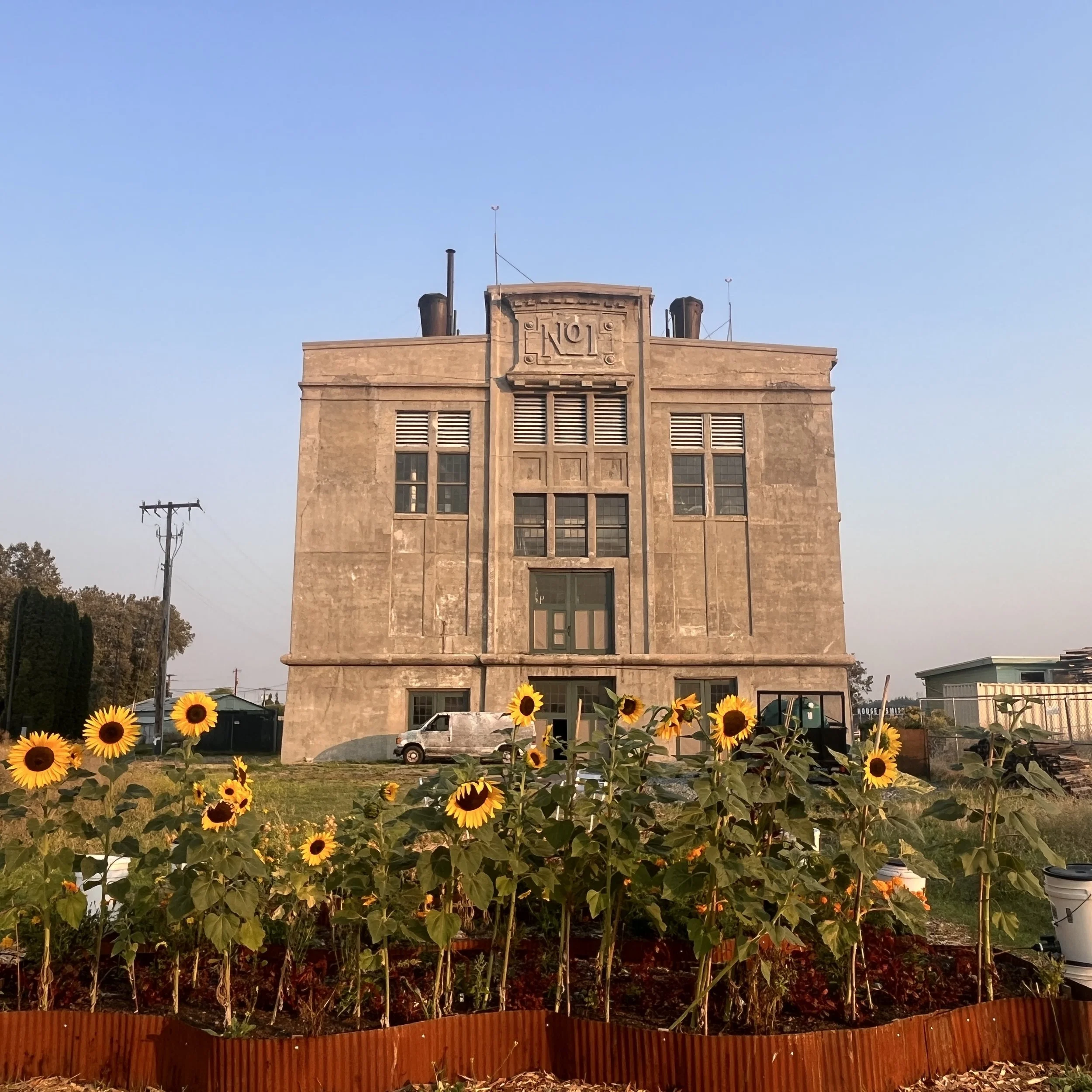
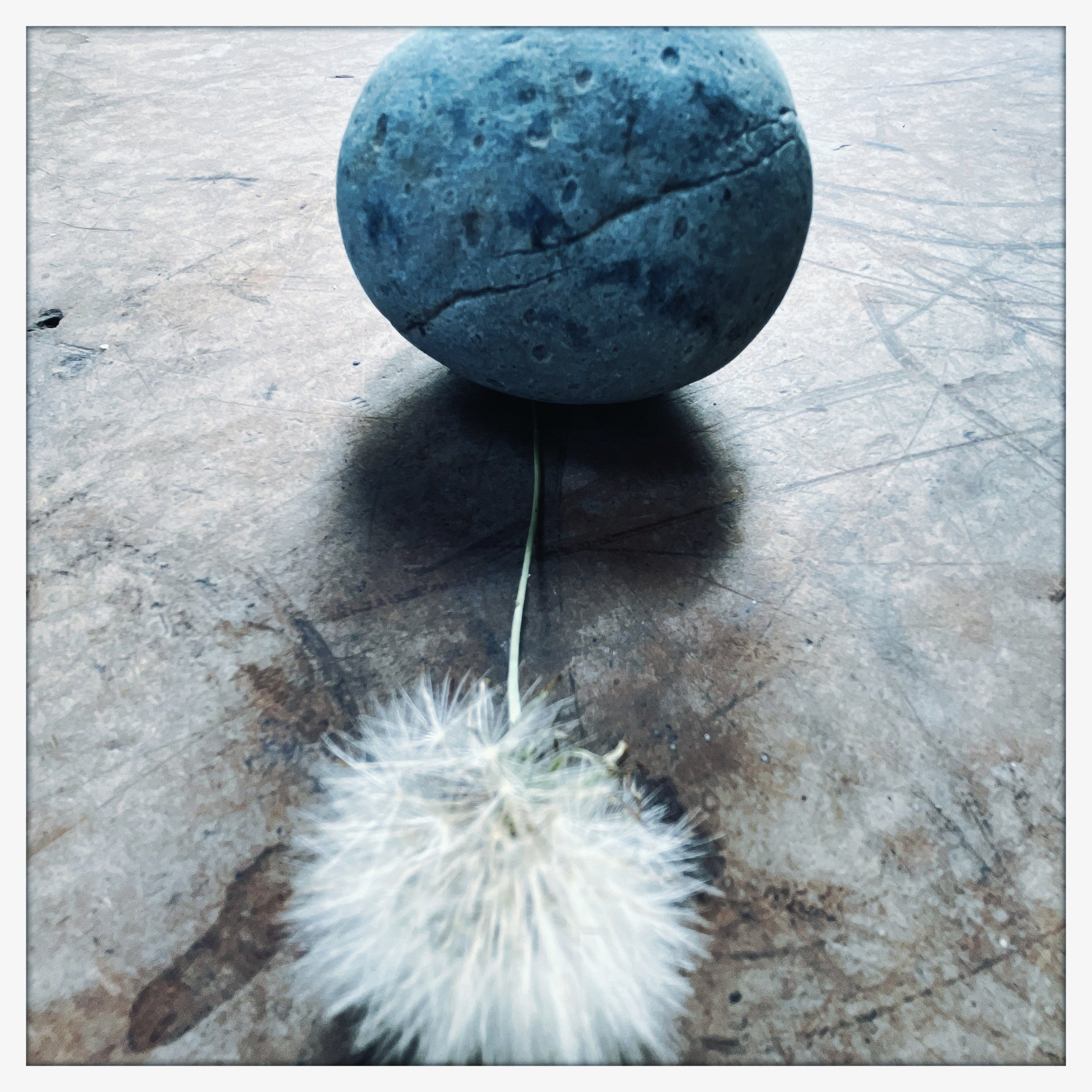
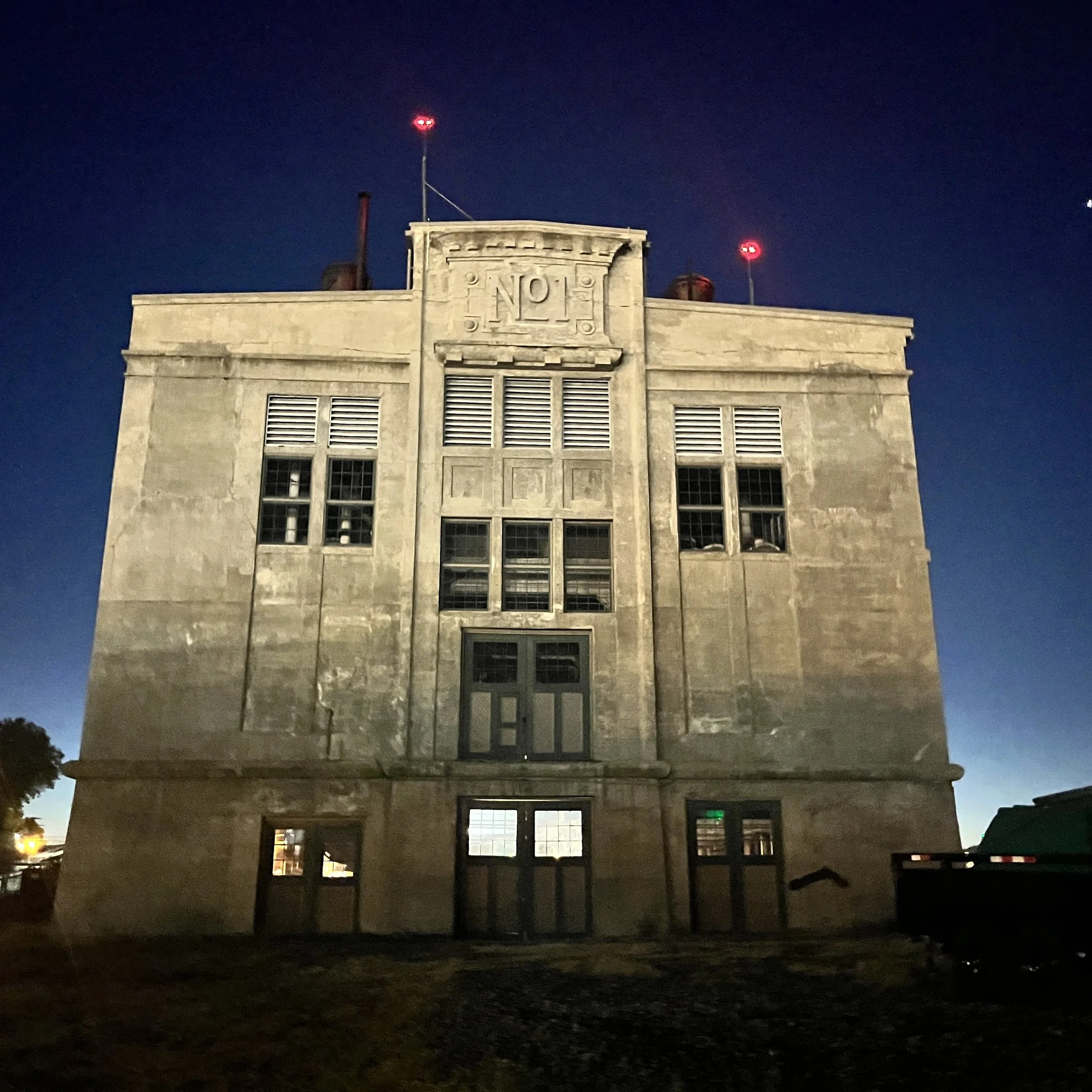
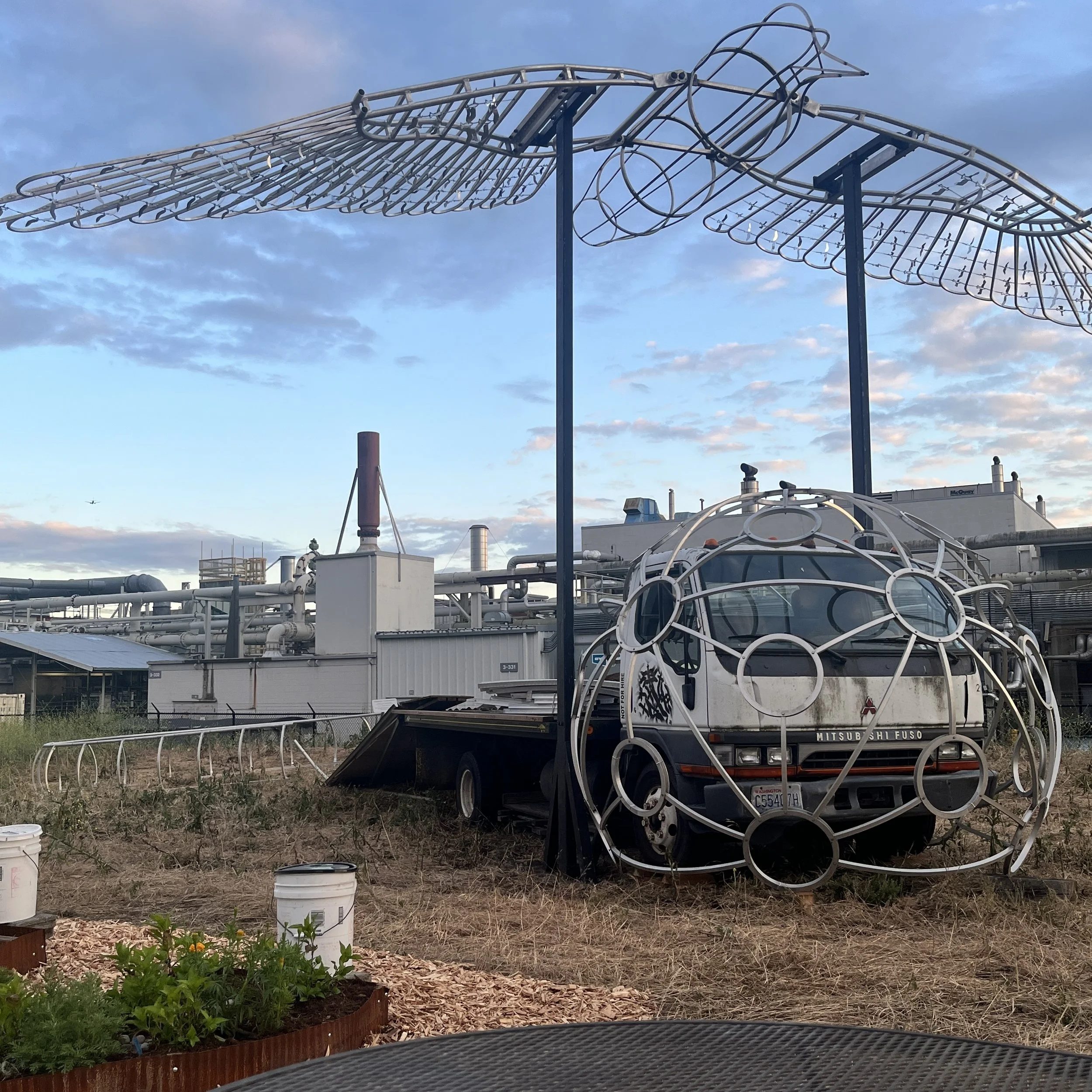
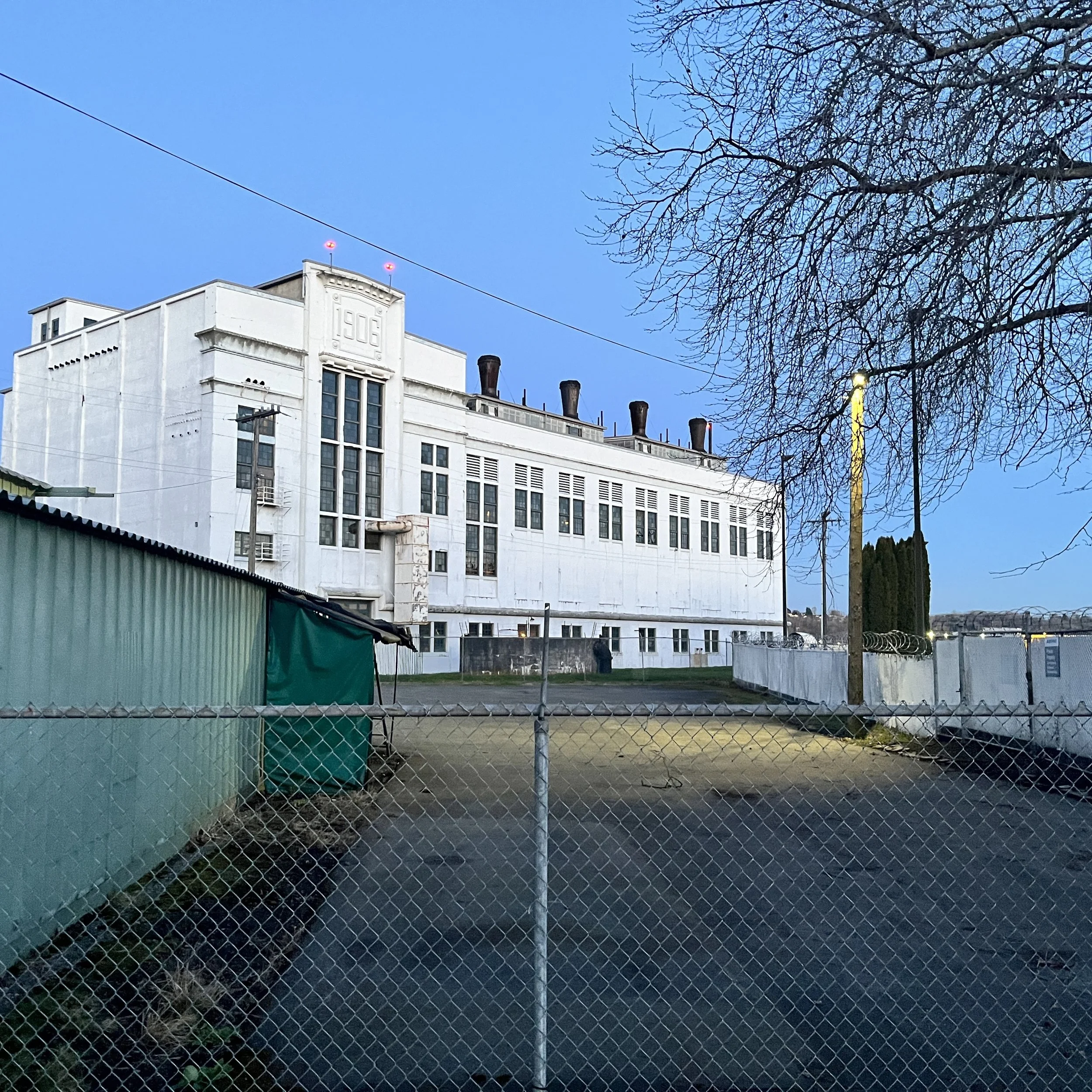
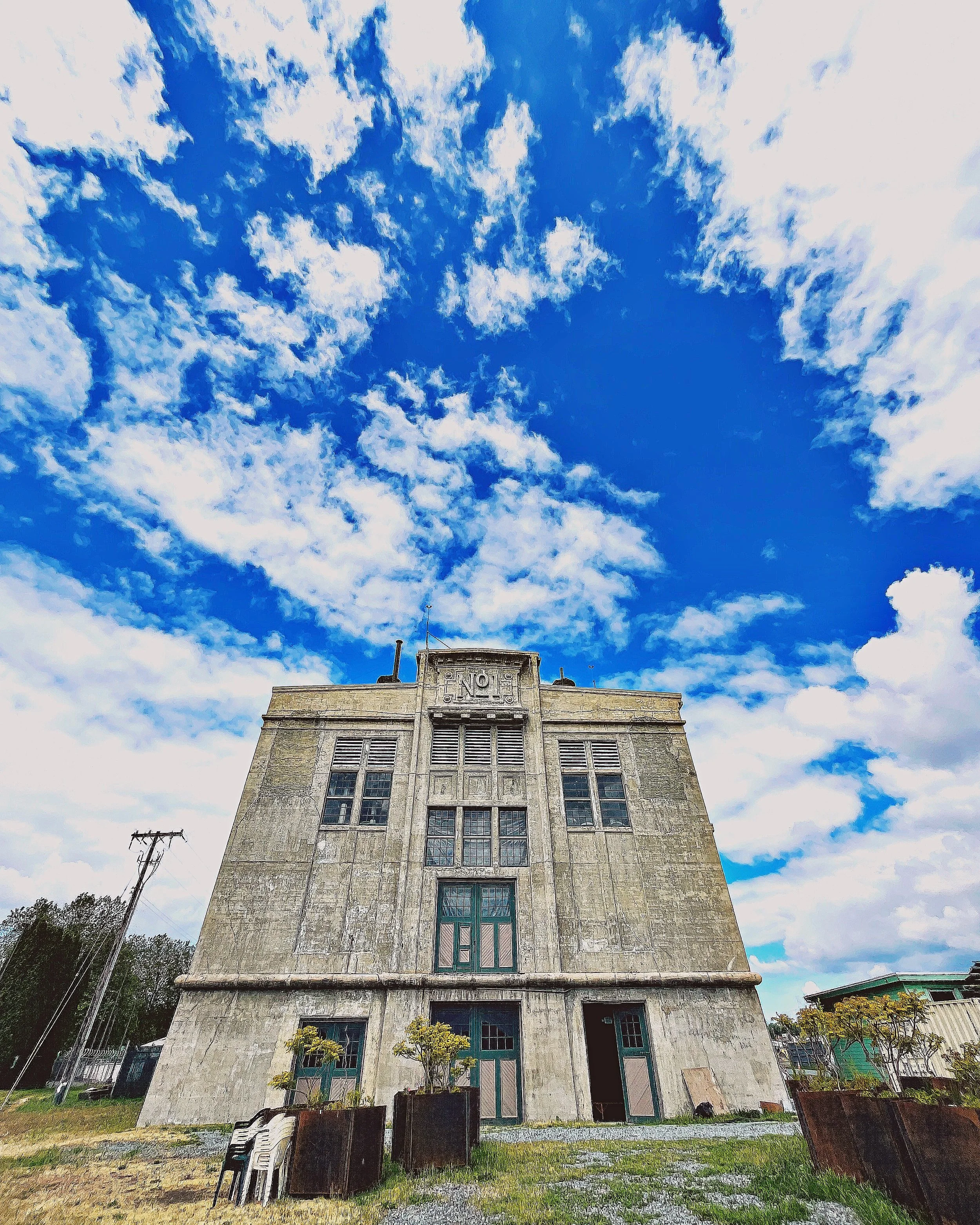
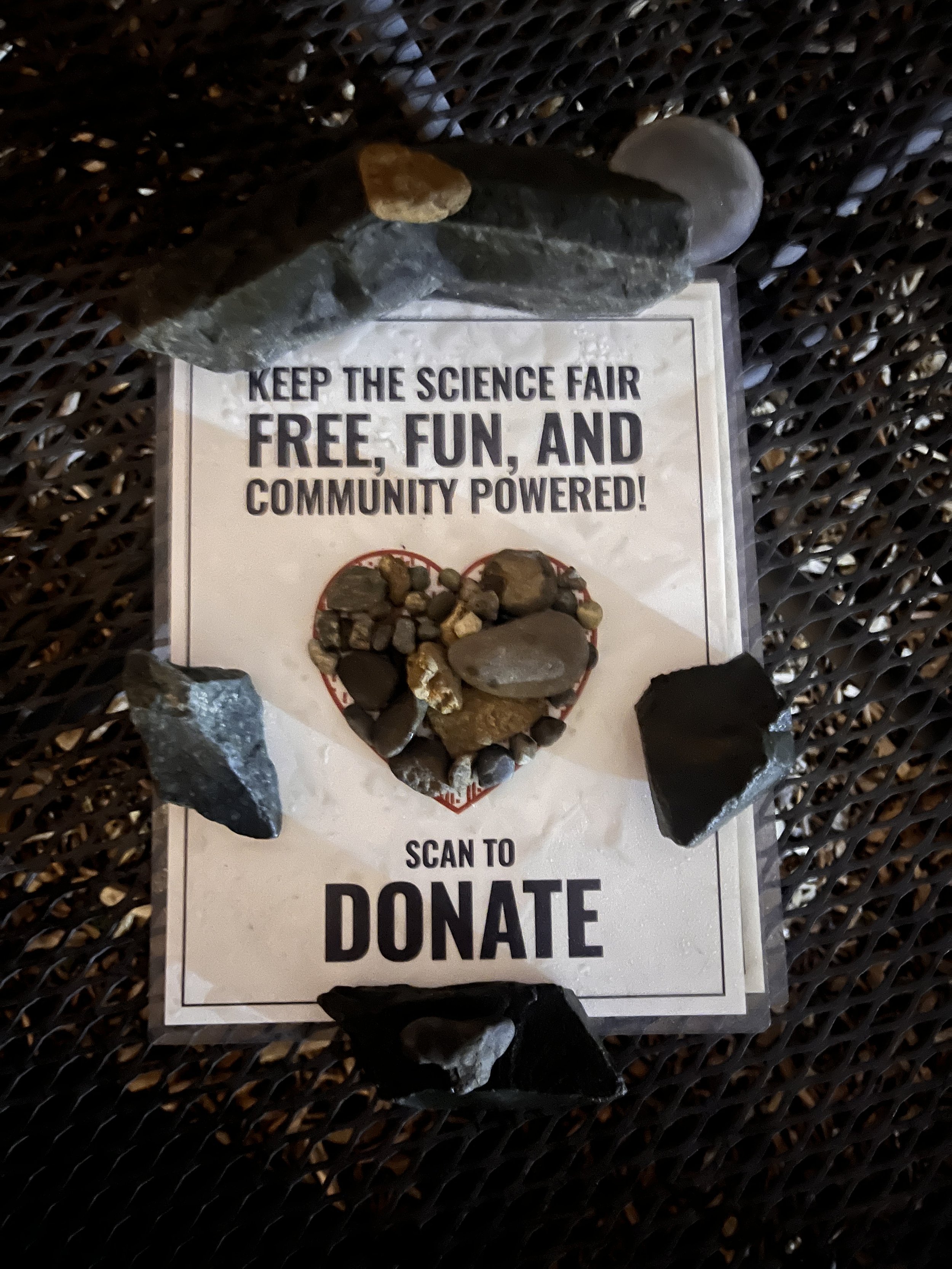
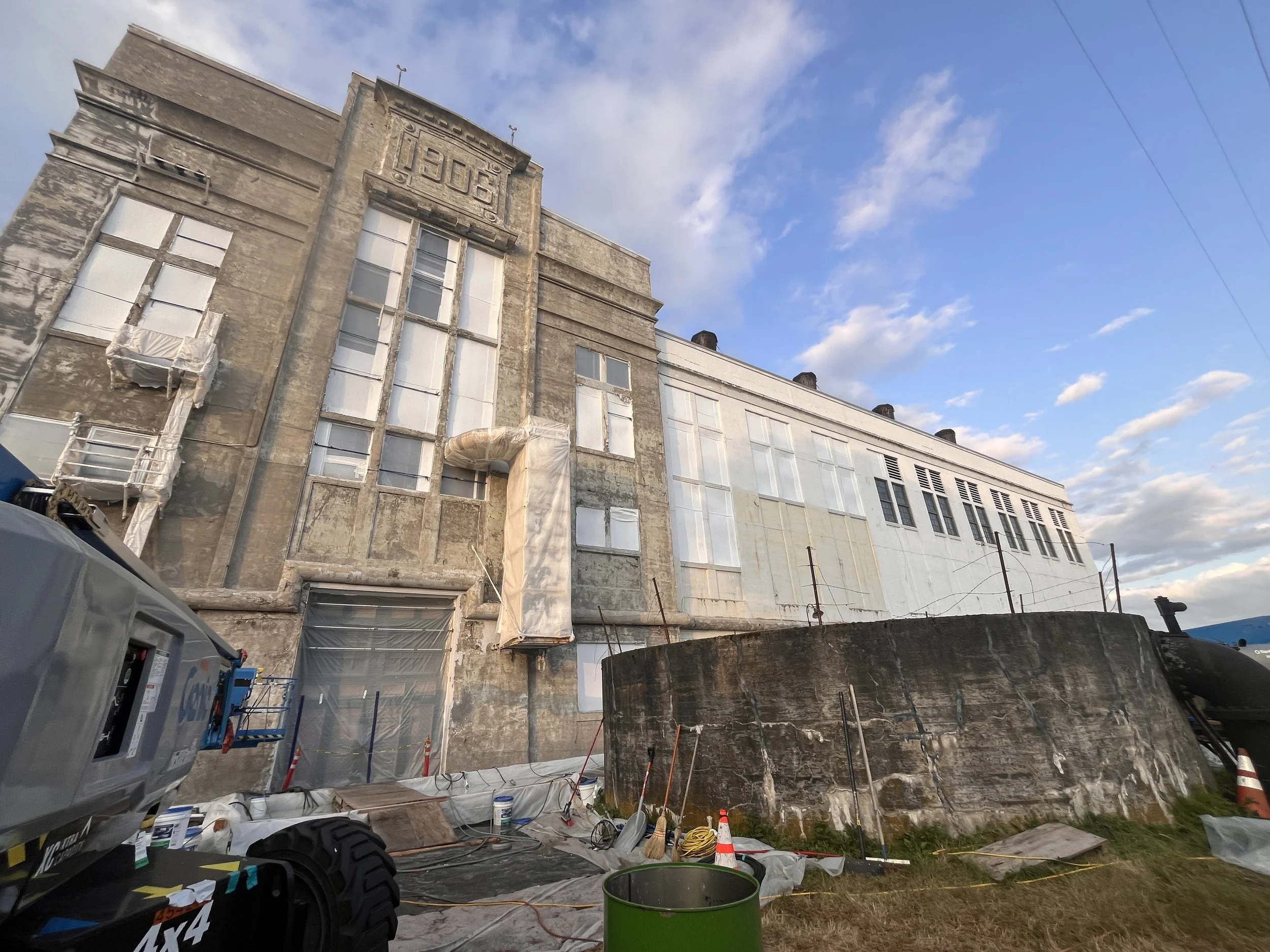
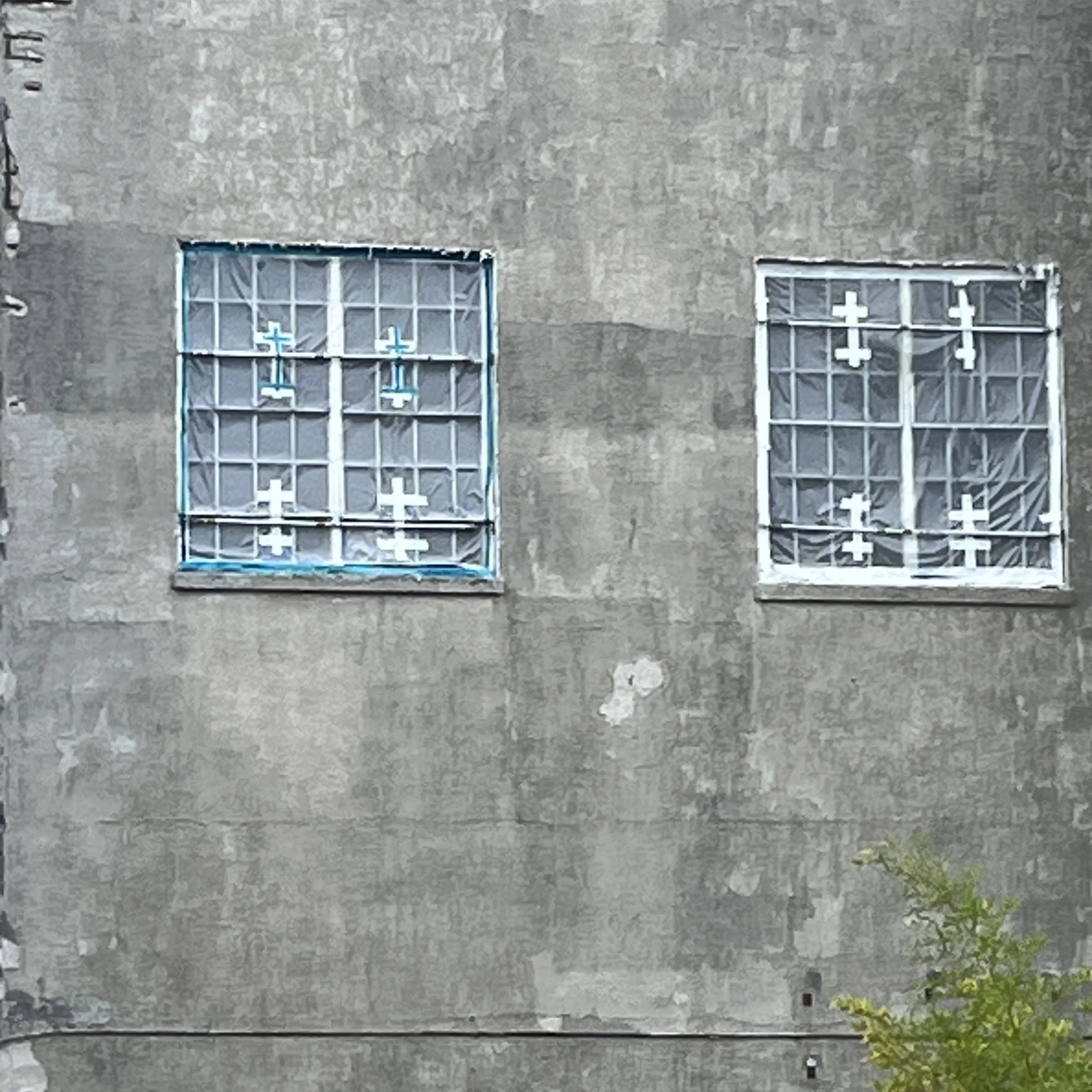
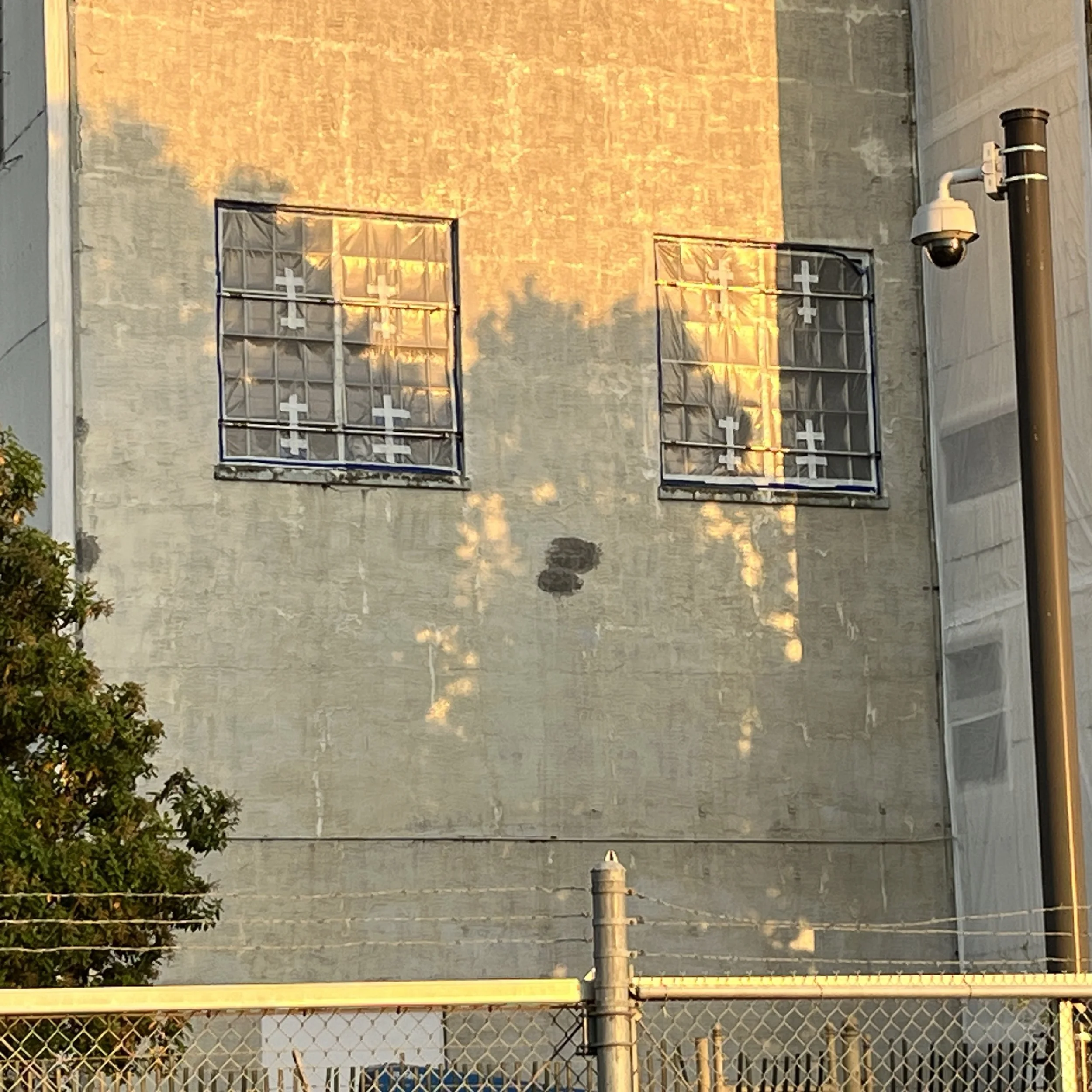
Walk around the exterior and look where the cement has crumbled and you will see Duwamish River rocks imbedded. Their use was a matter of convenience during construction due to the proximity to the rivers cooling water, yet that local aggregate has led to the structural cracks and fissures that now necessitate extensive concrete restoration and retrofitting to stabilize its outer shell.
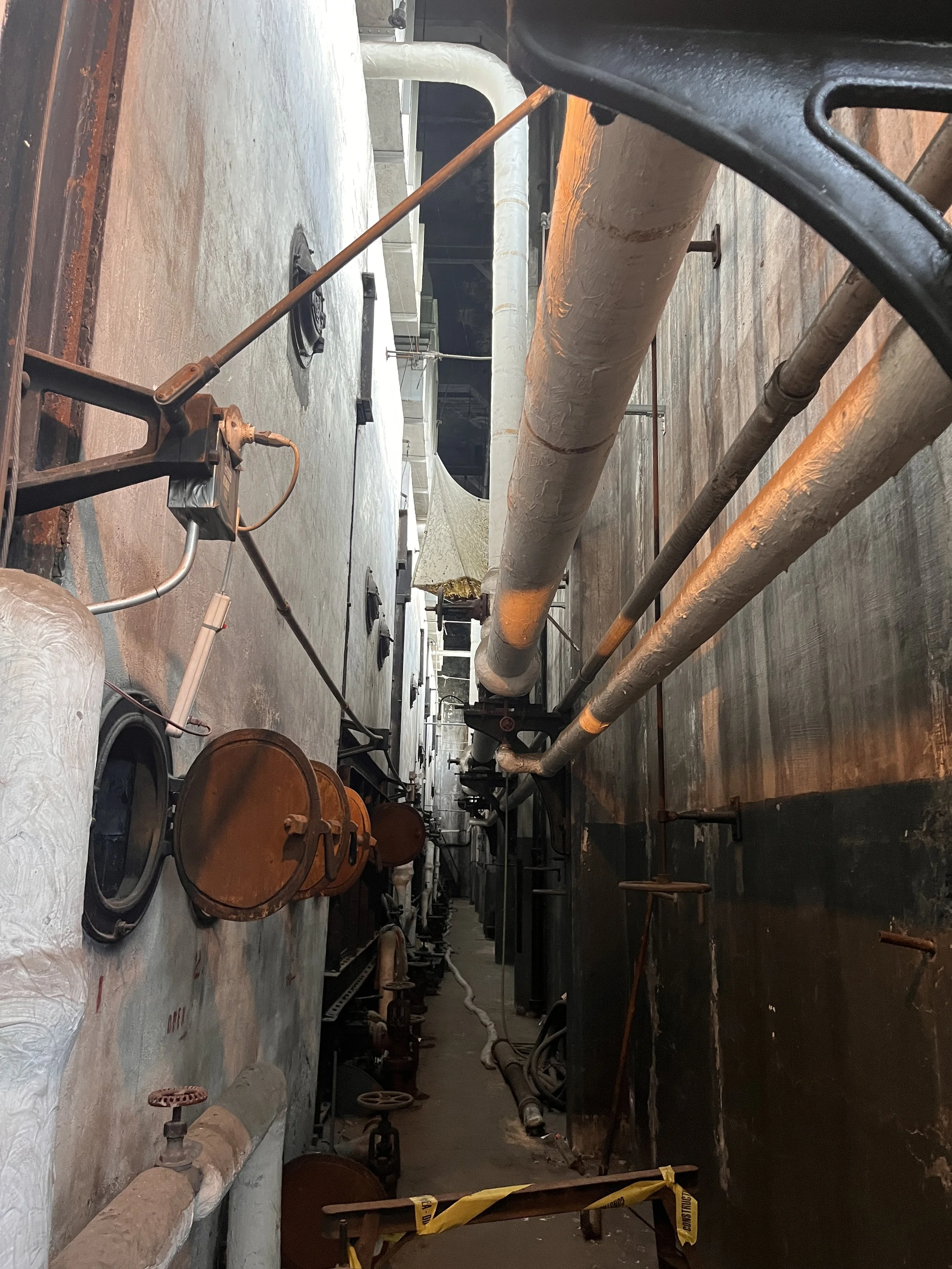
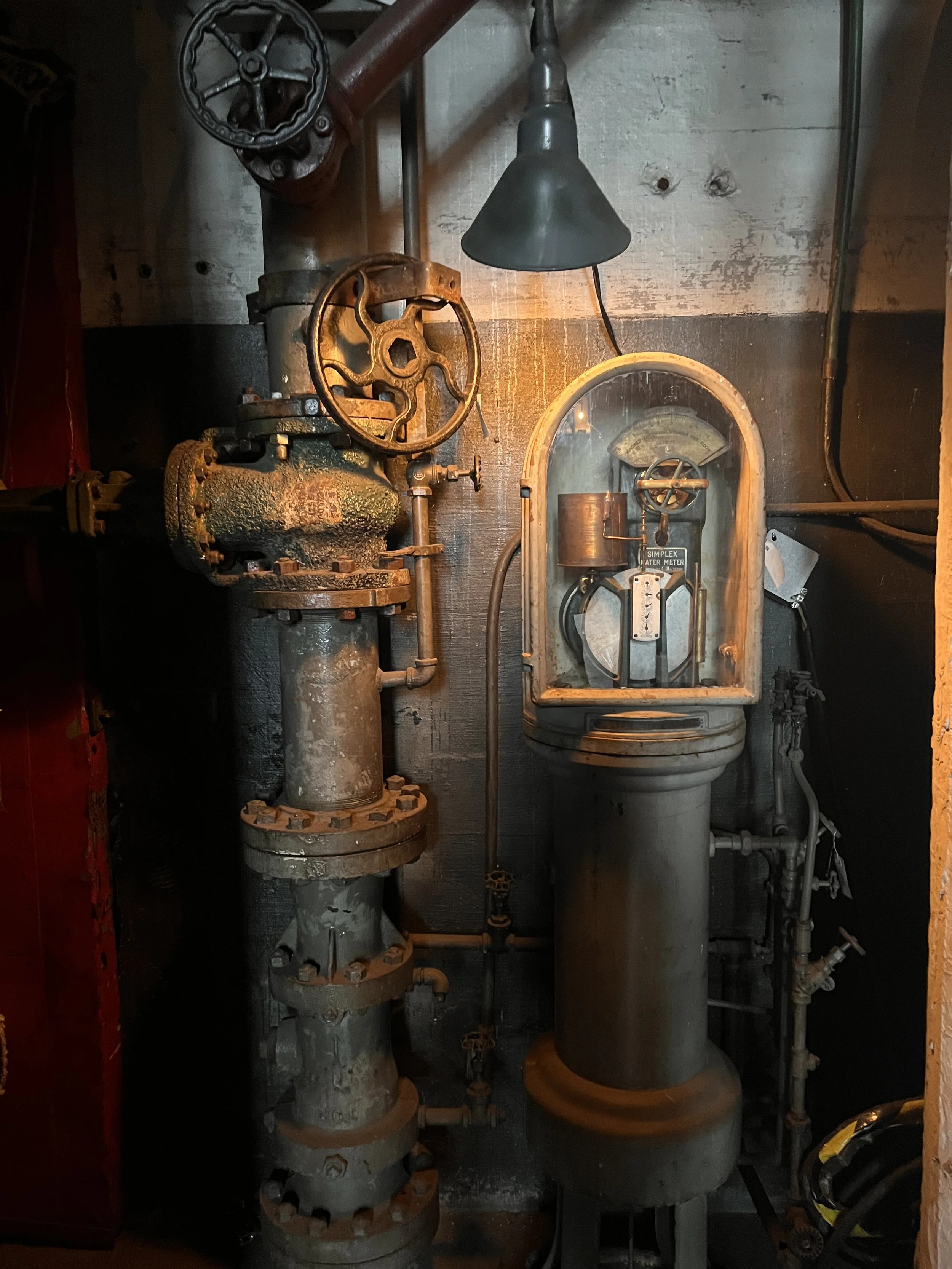
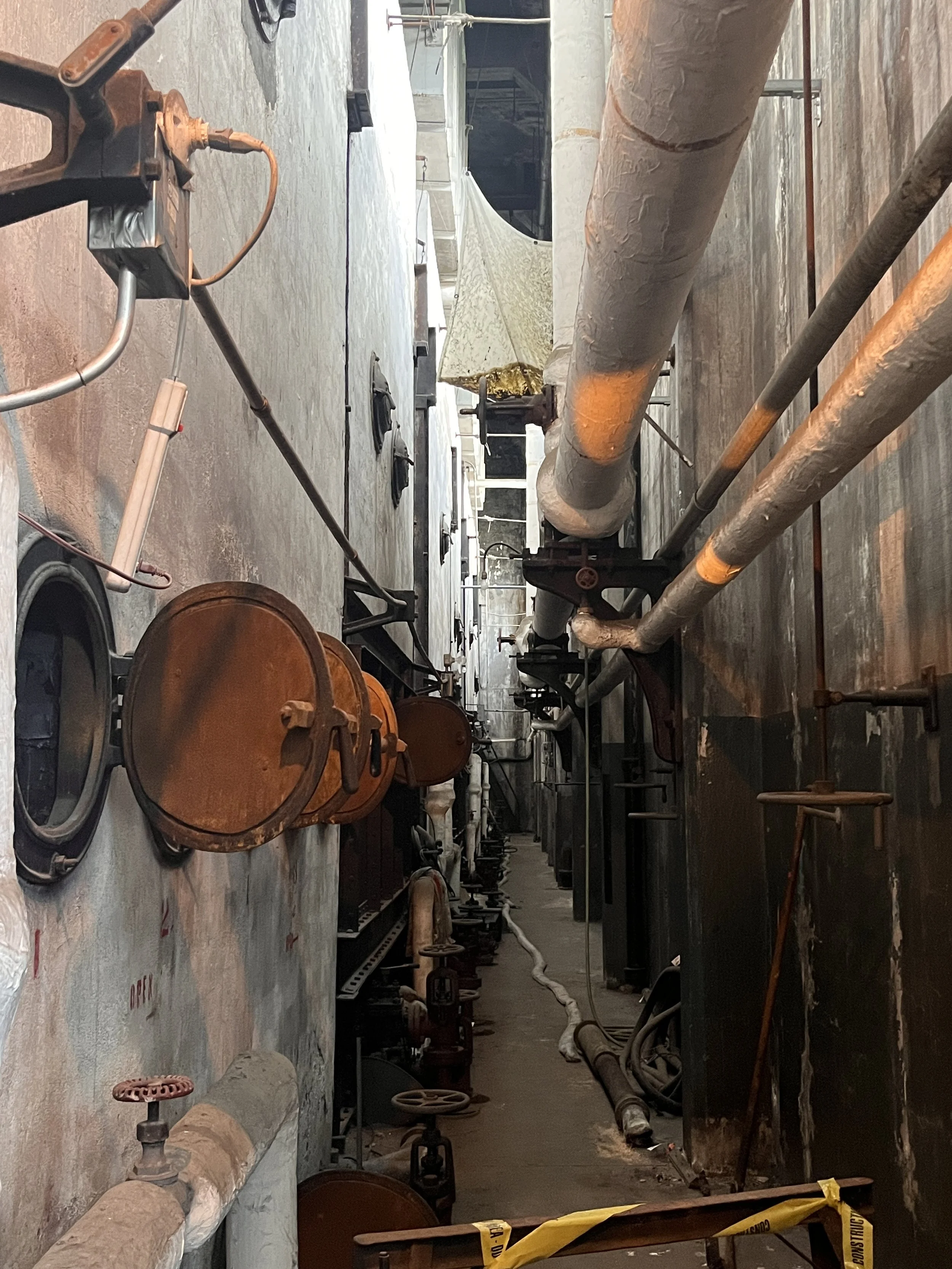
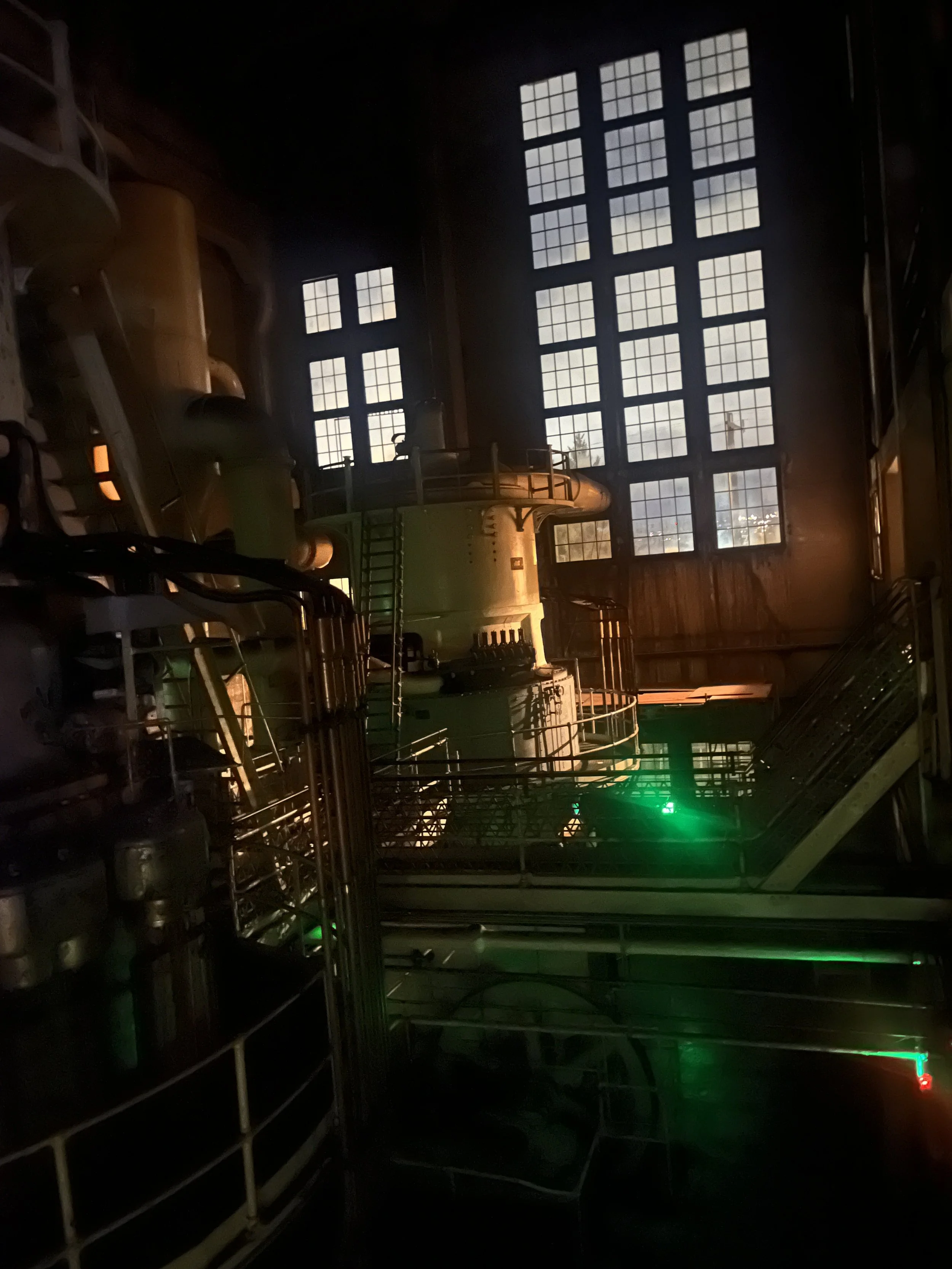
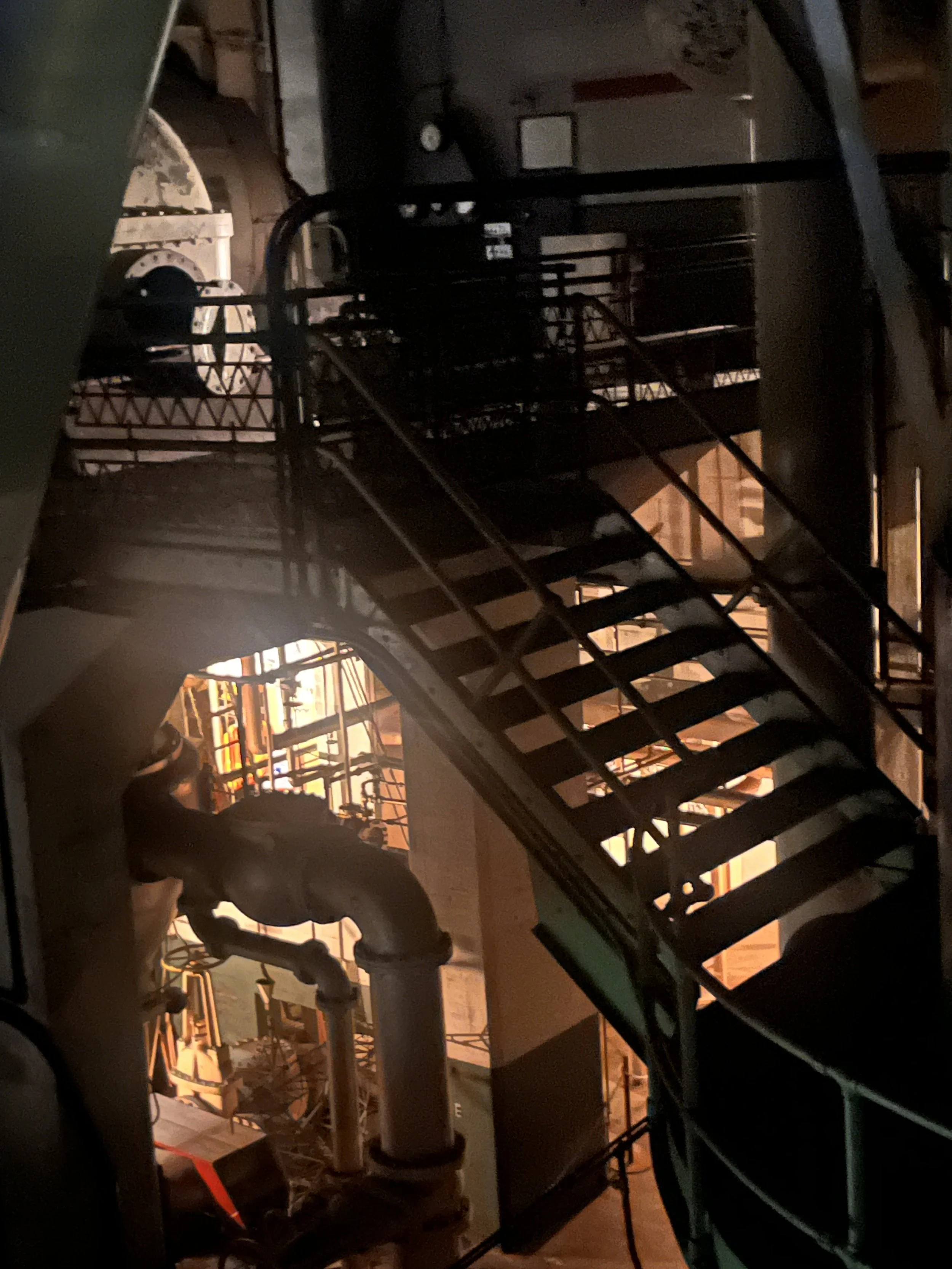
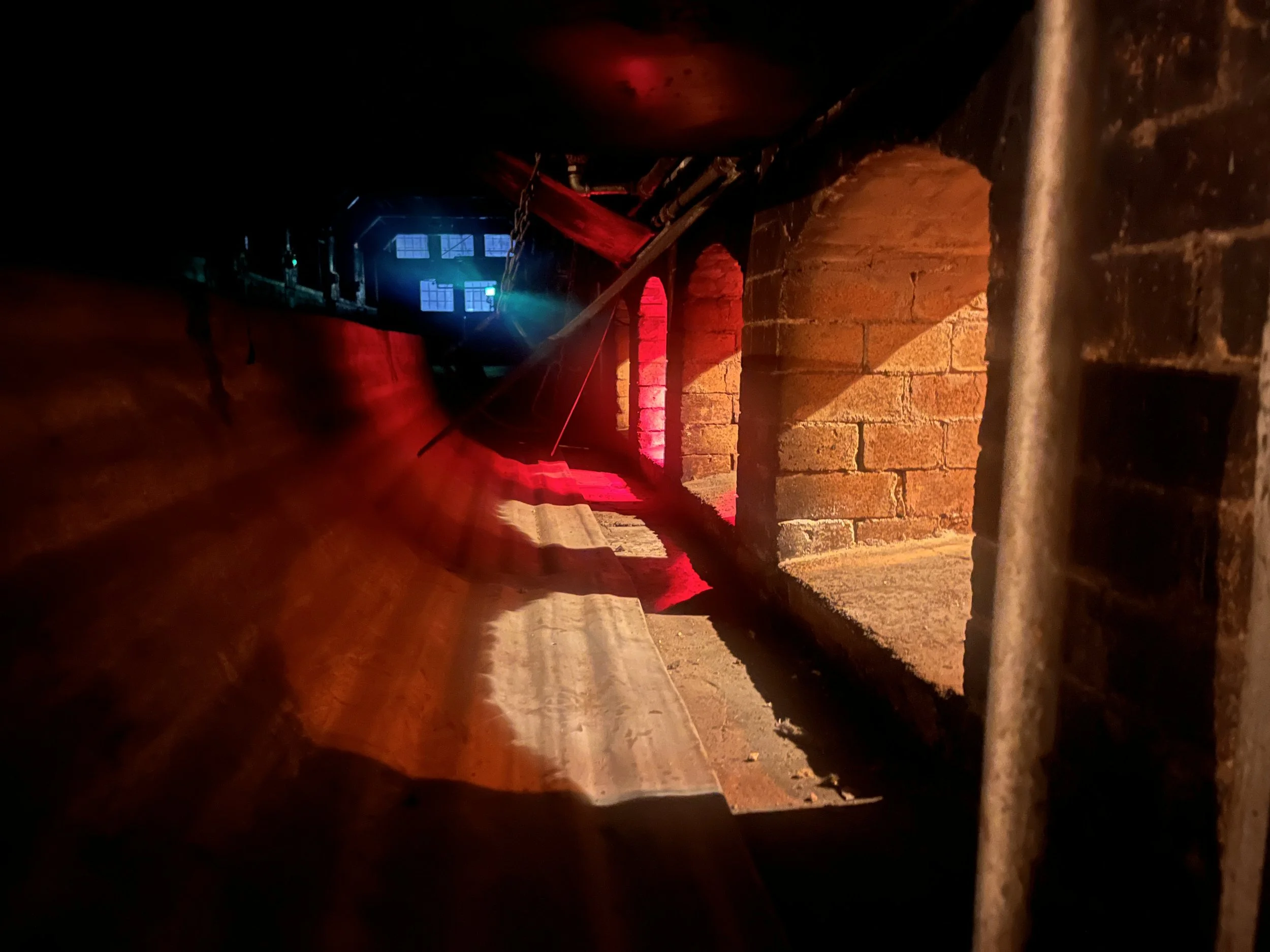
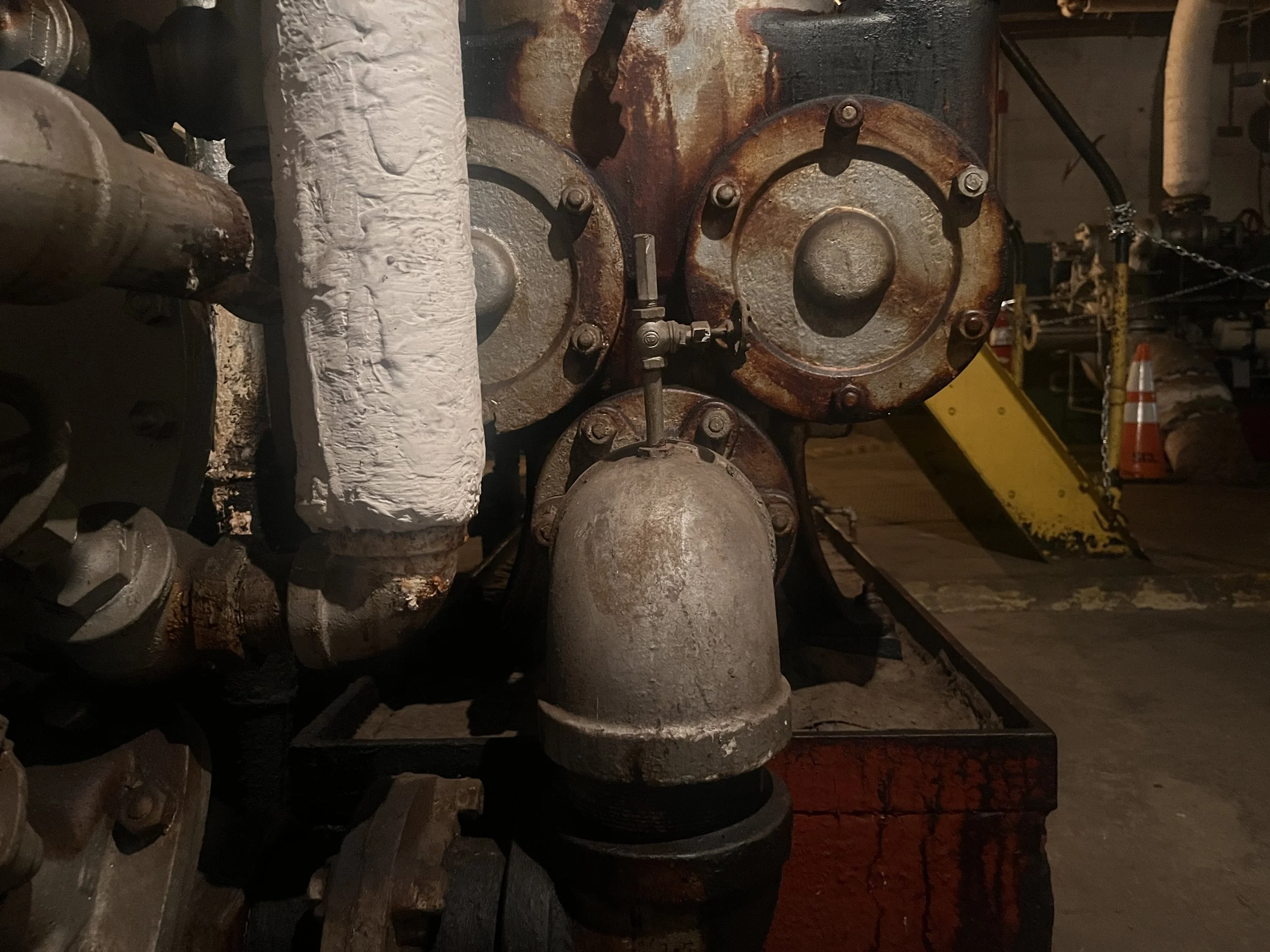
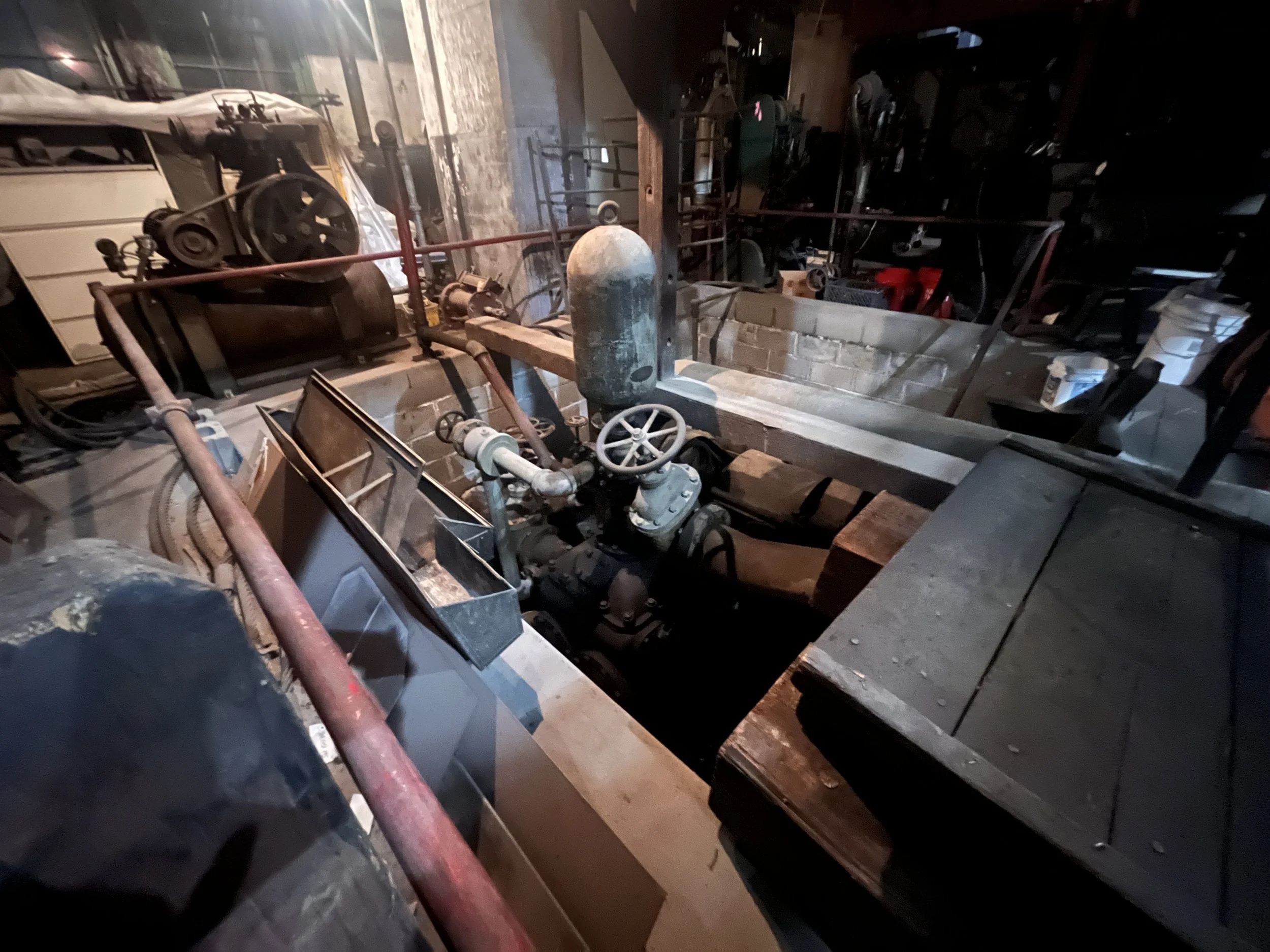
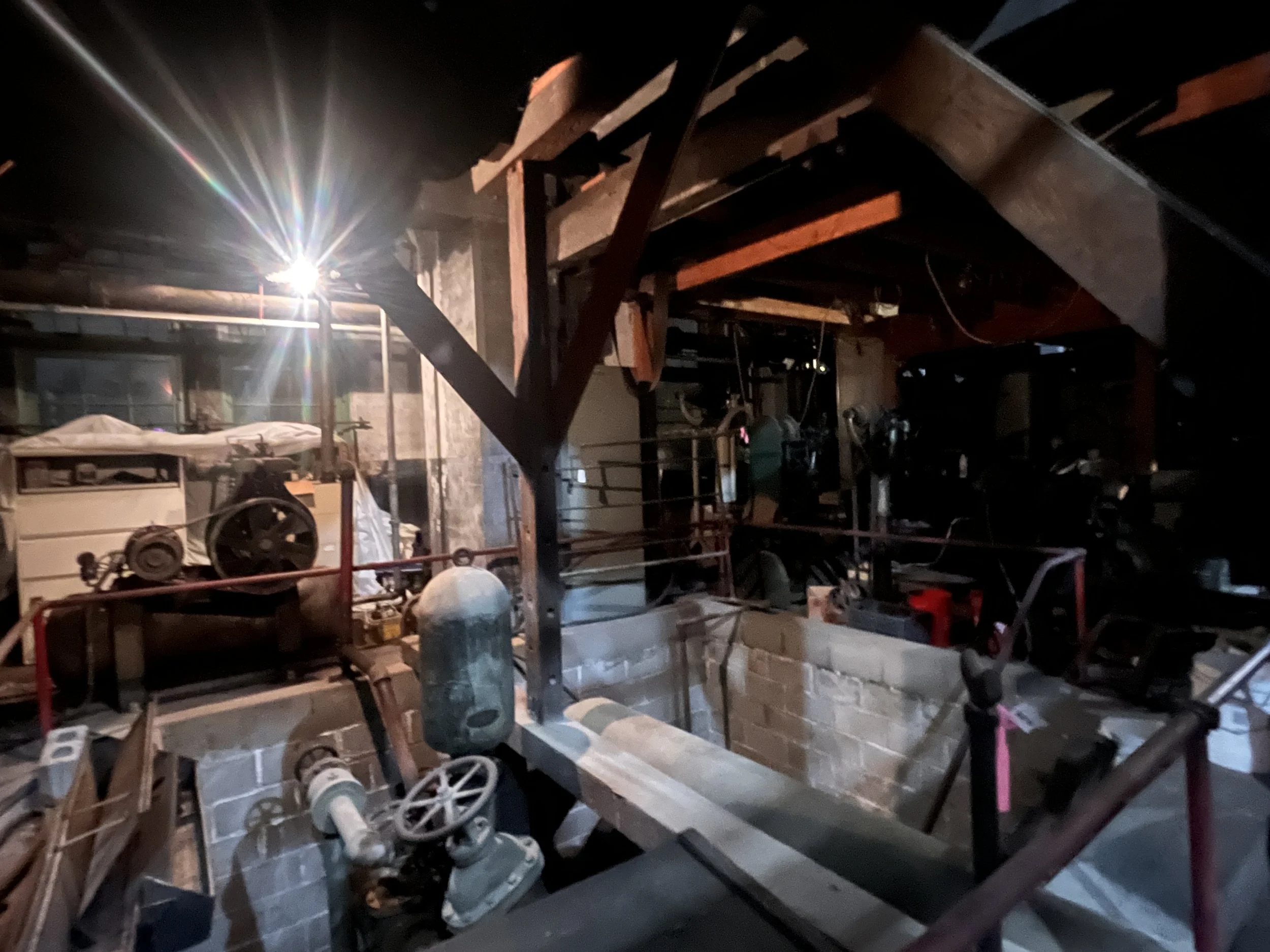
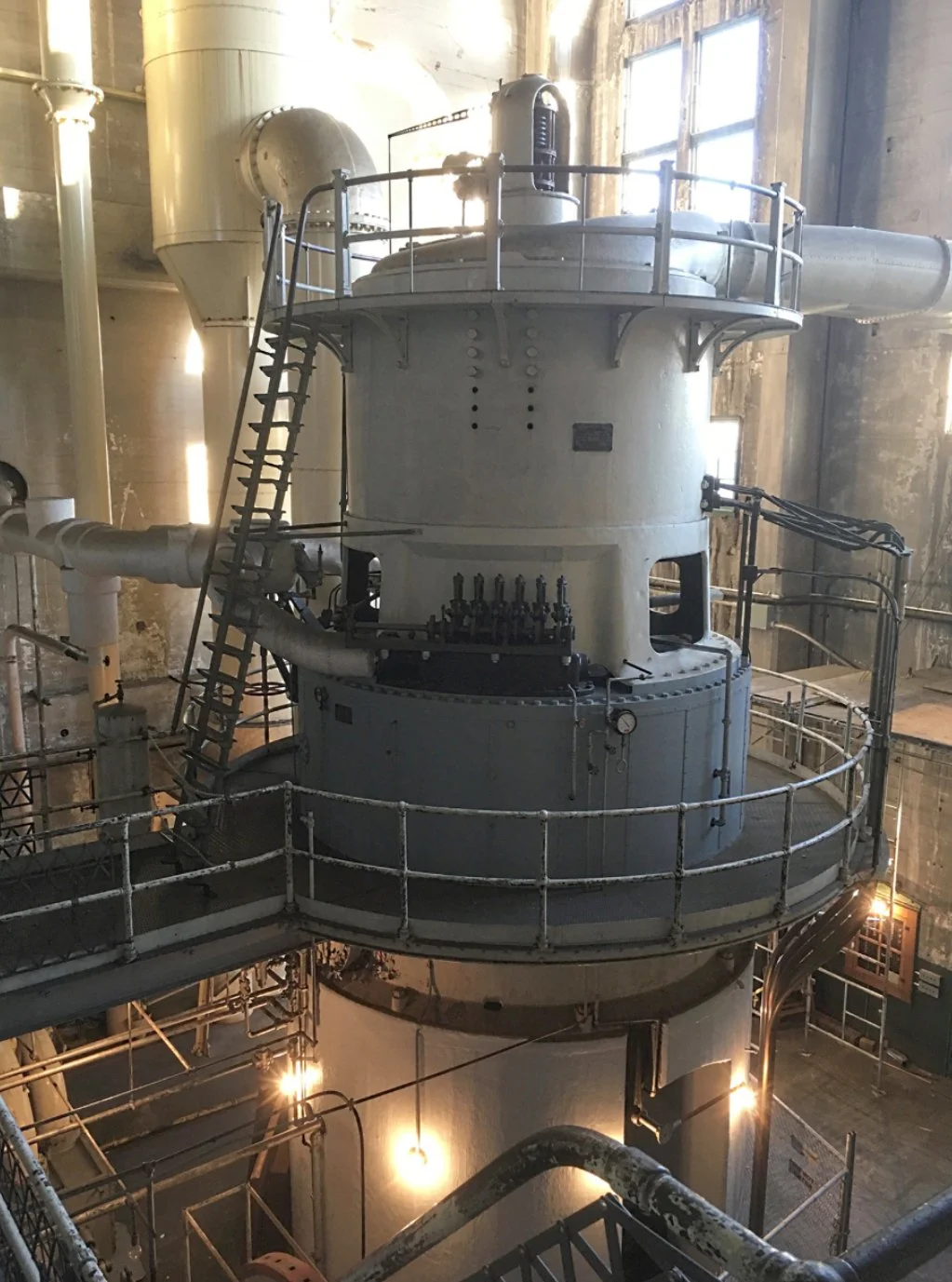
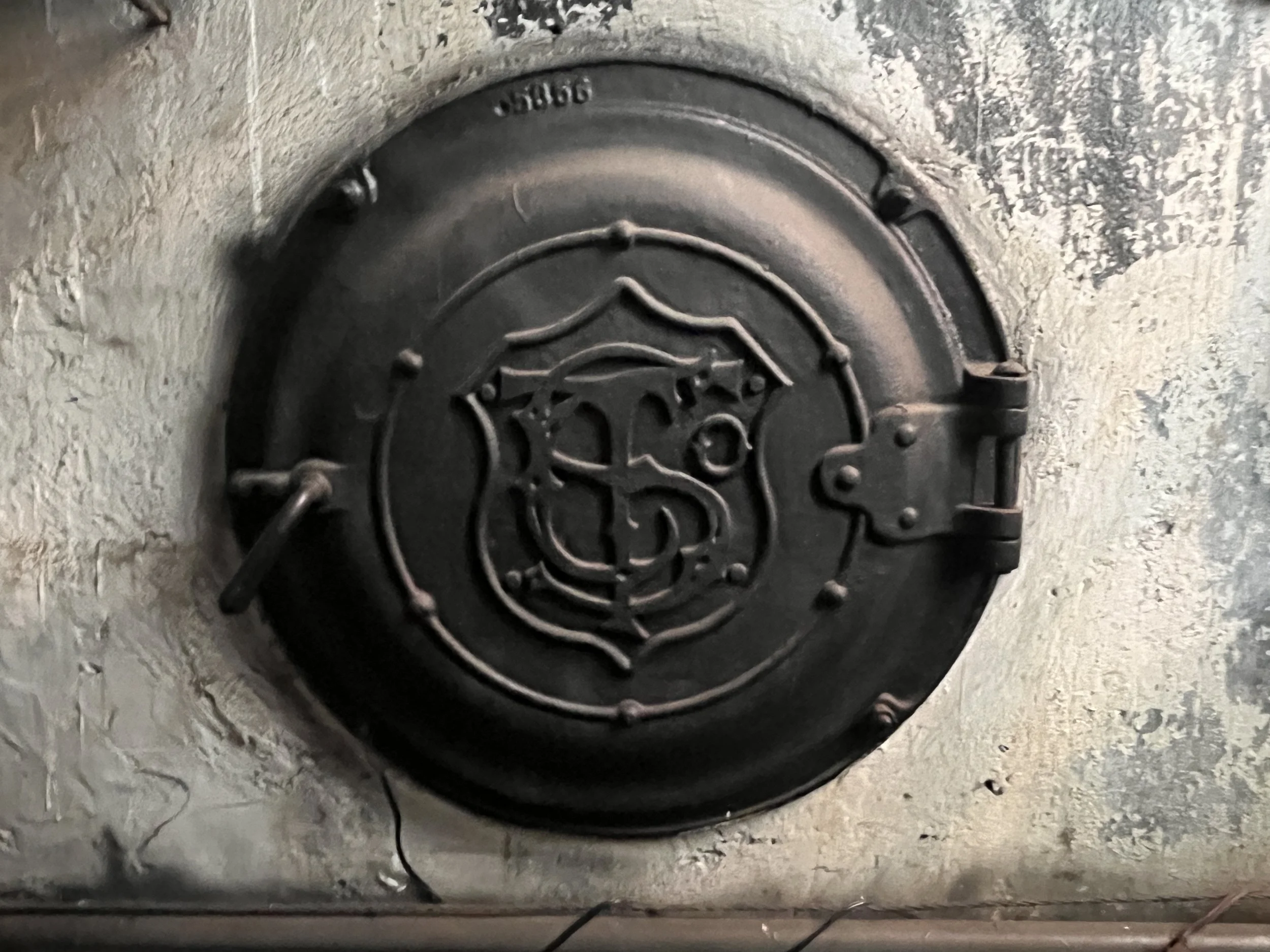
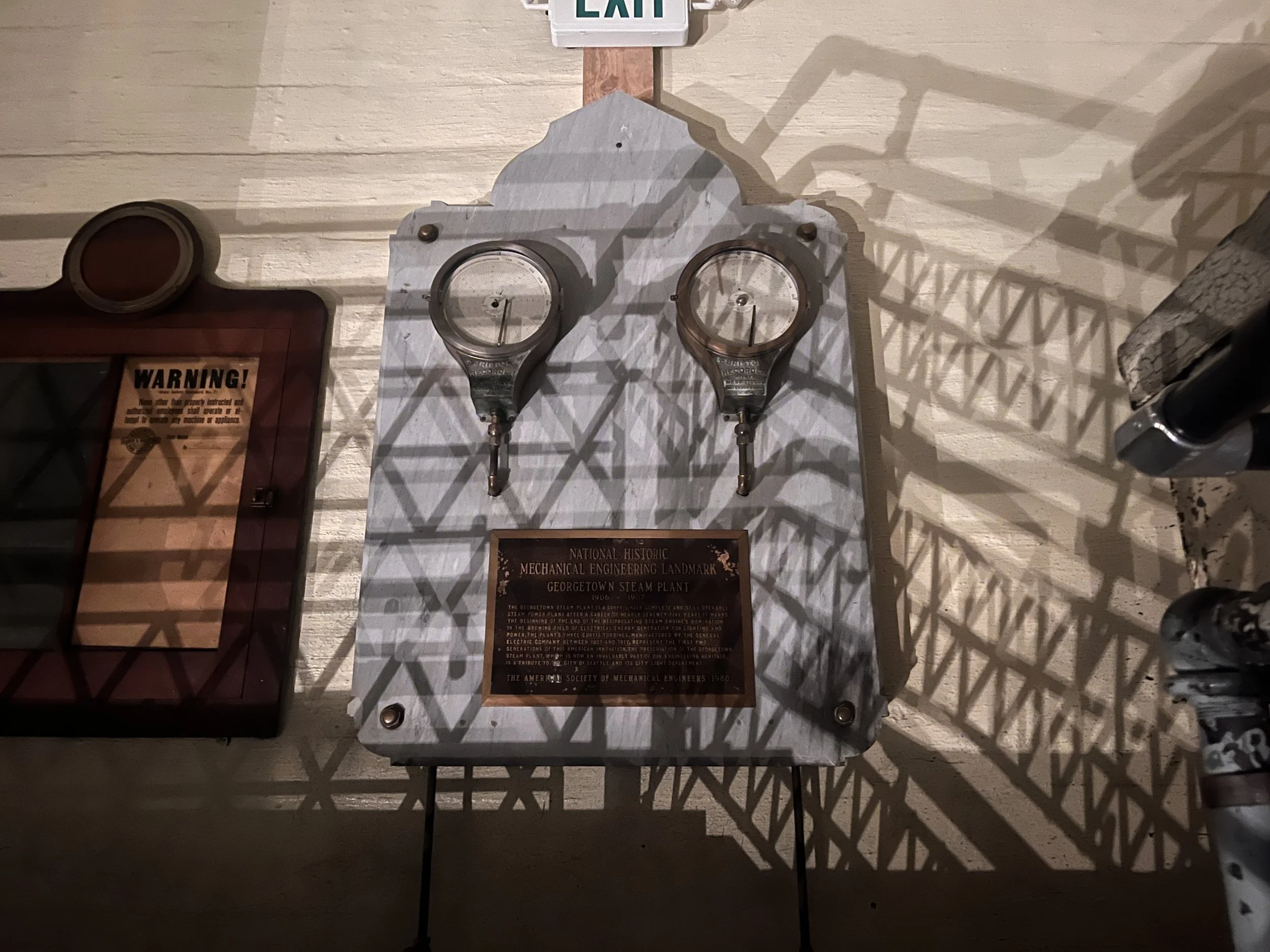
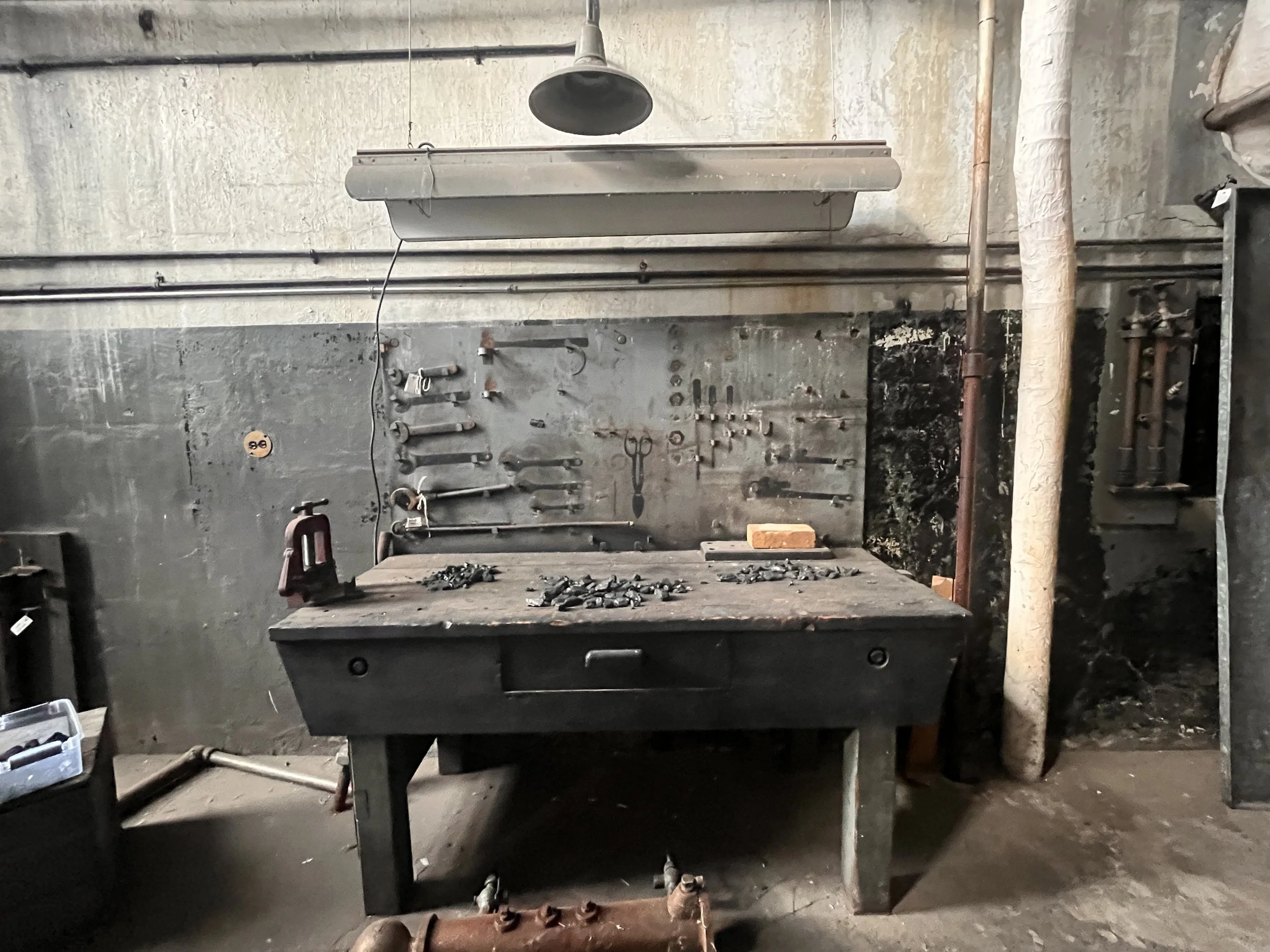
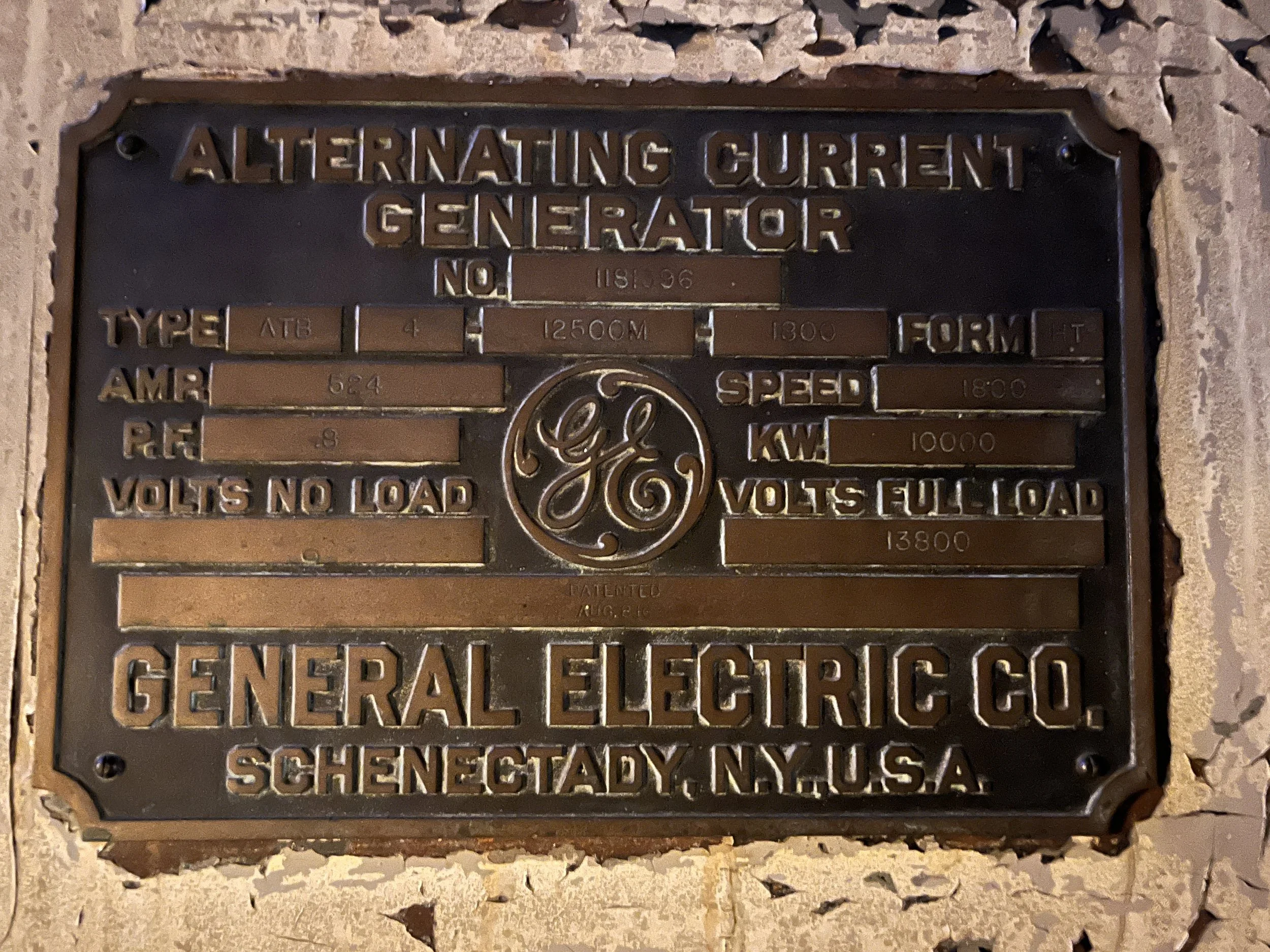
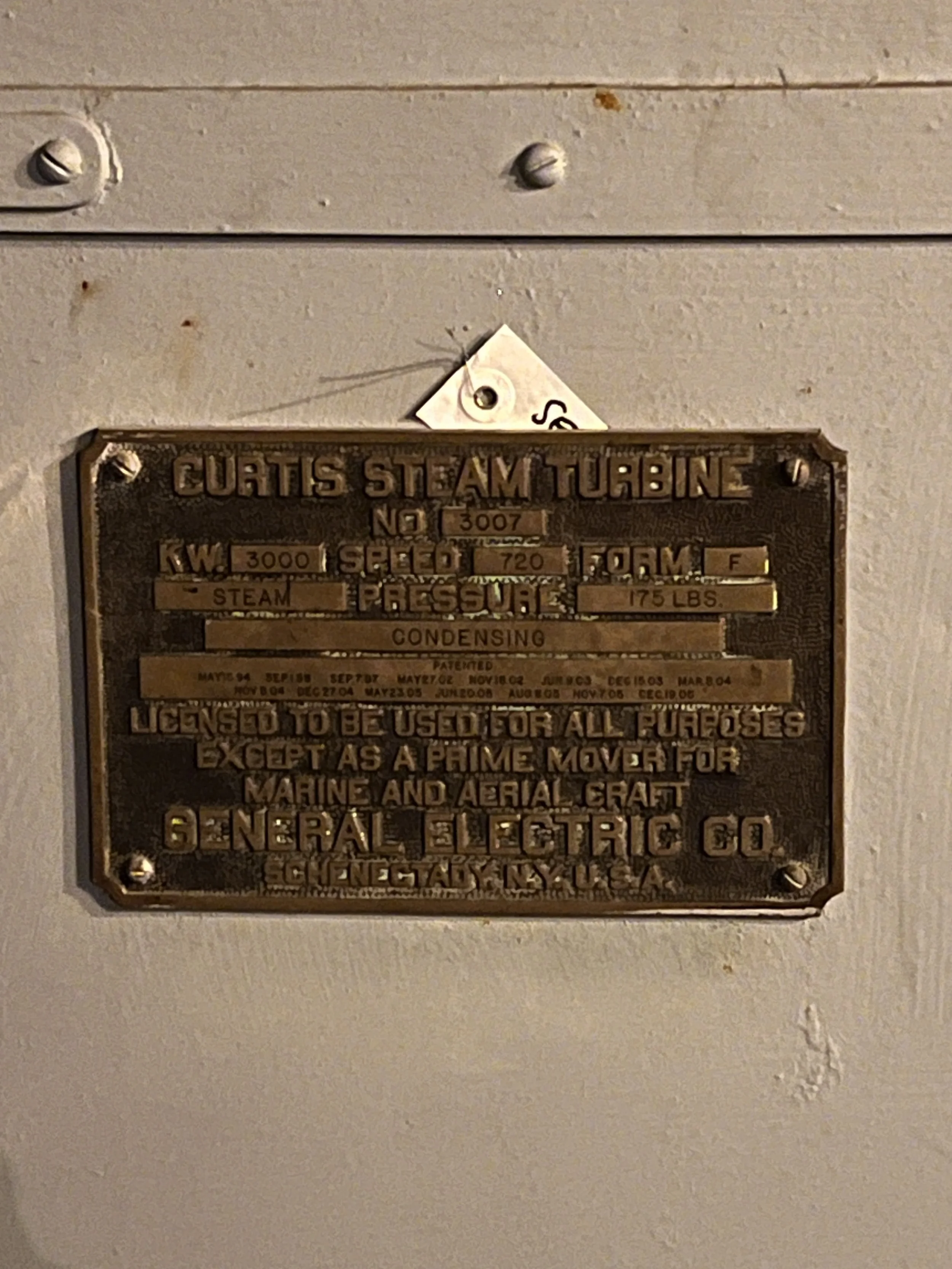
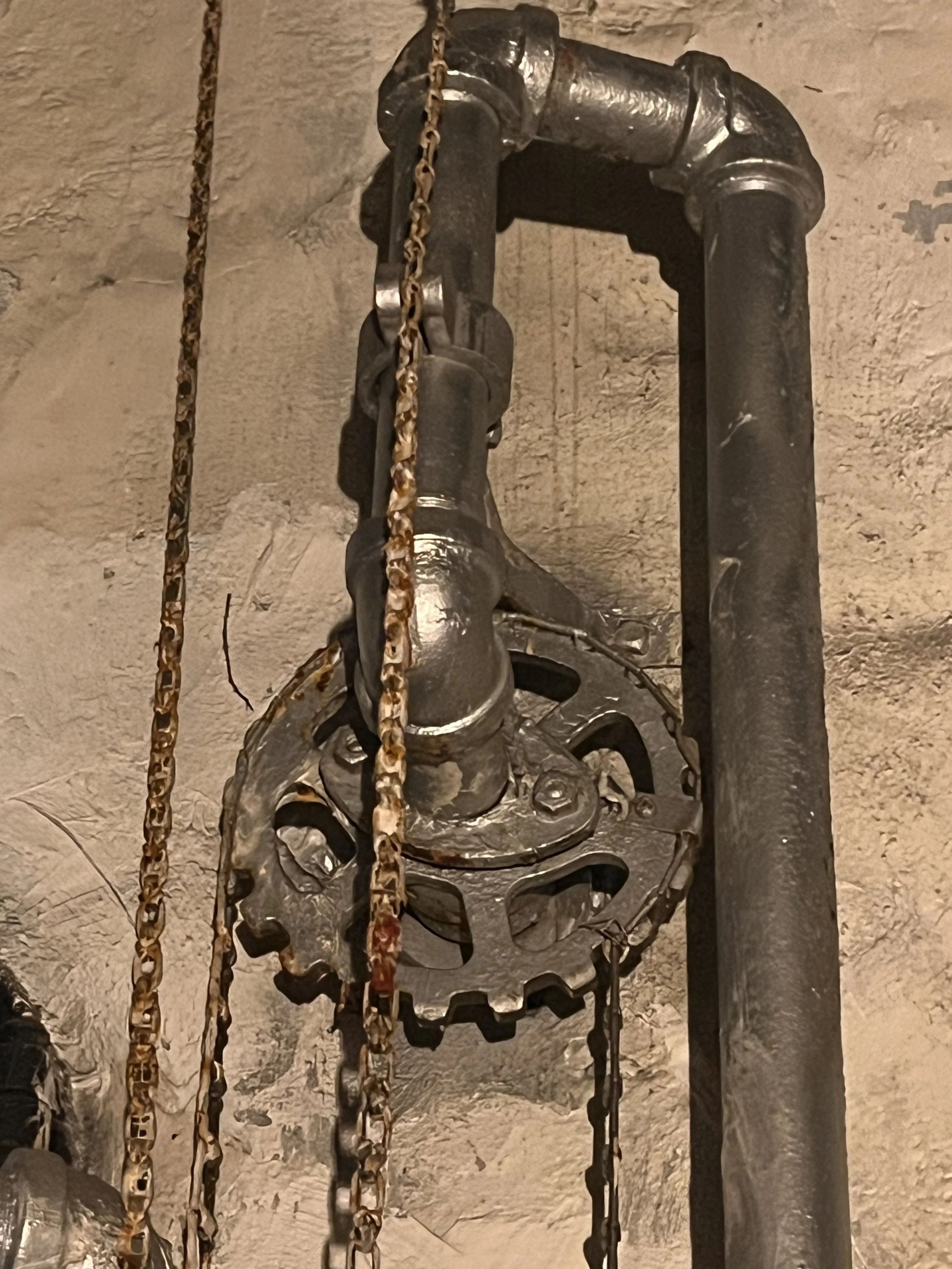
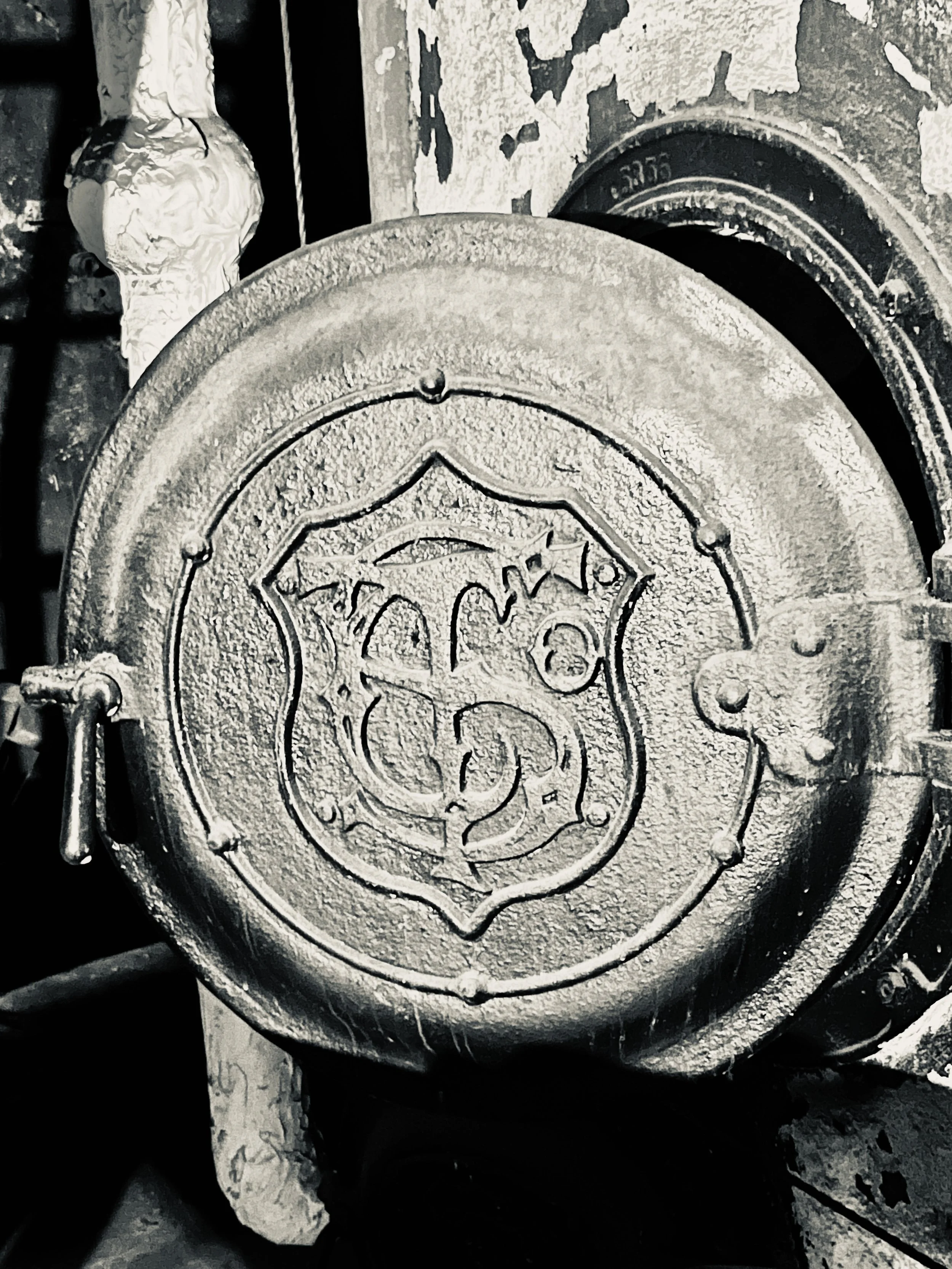
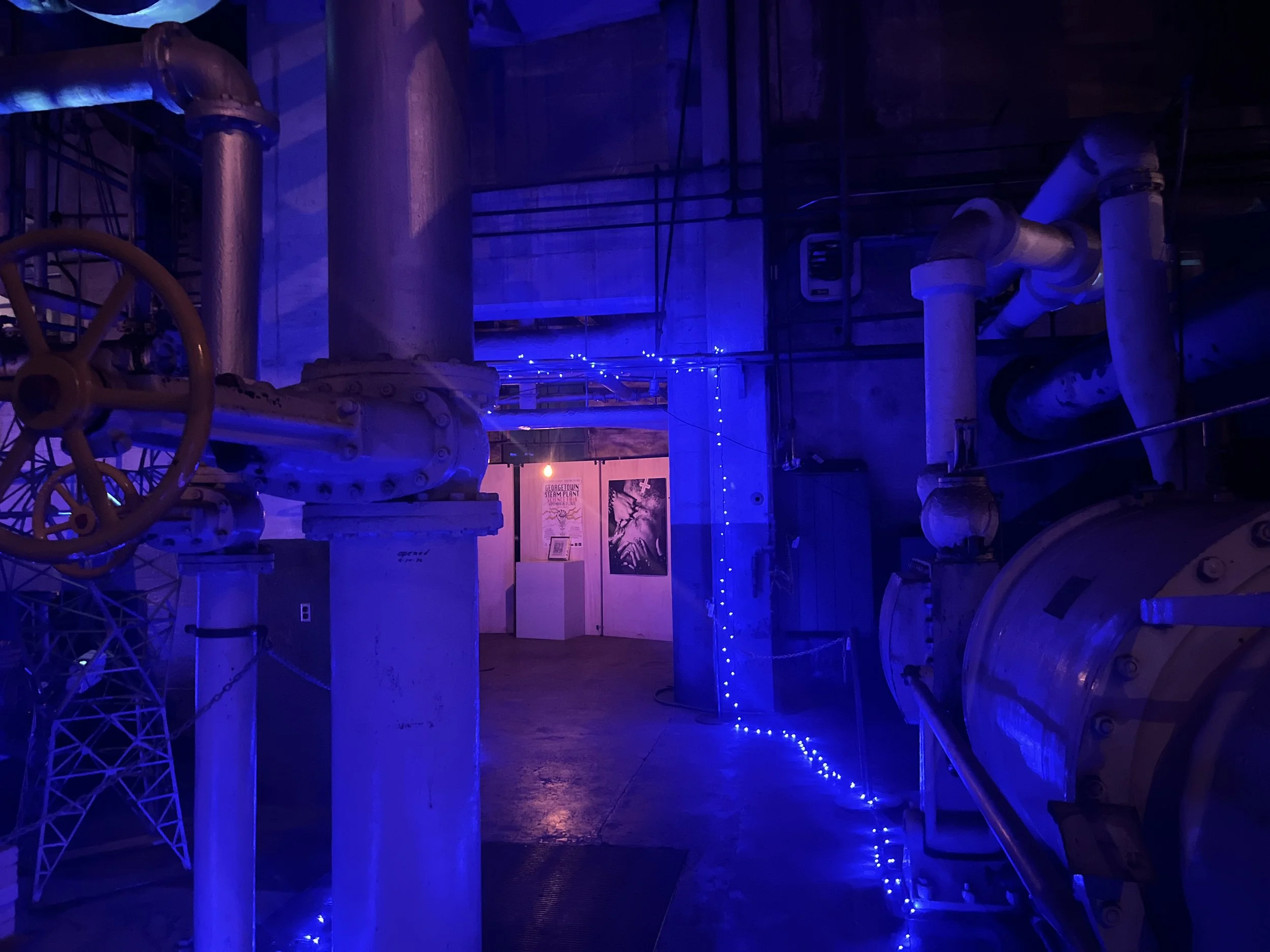
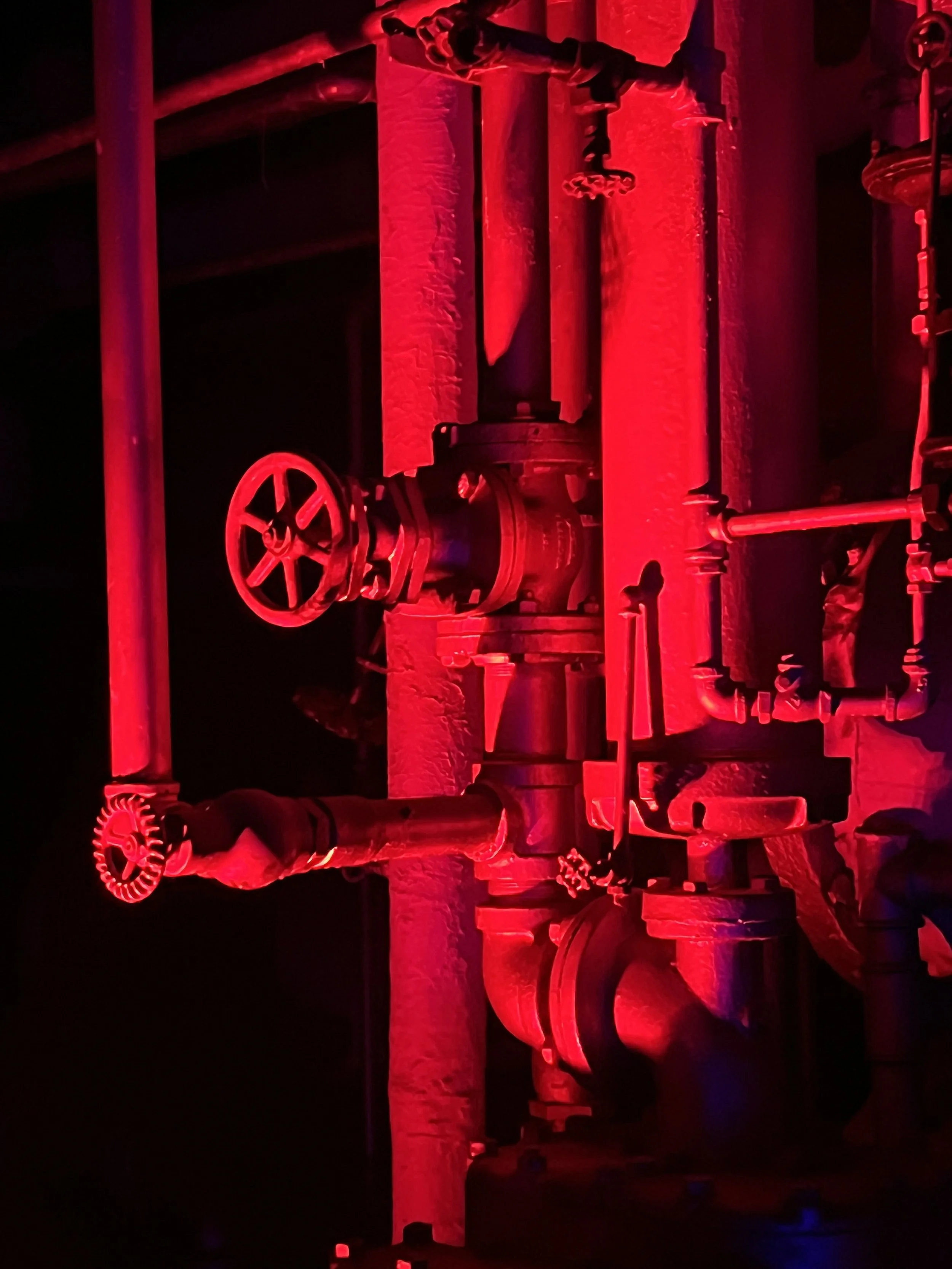
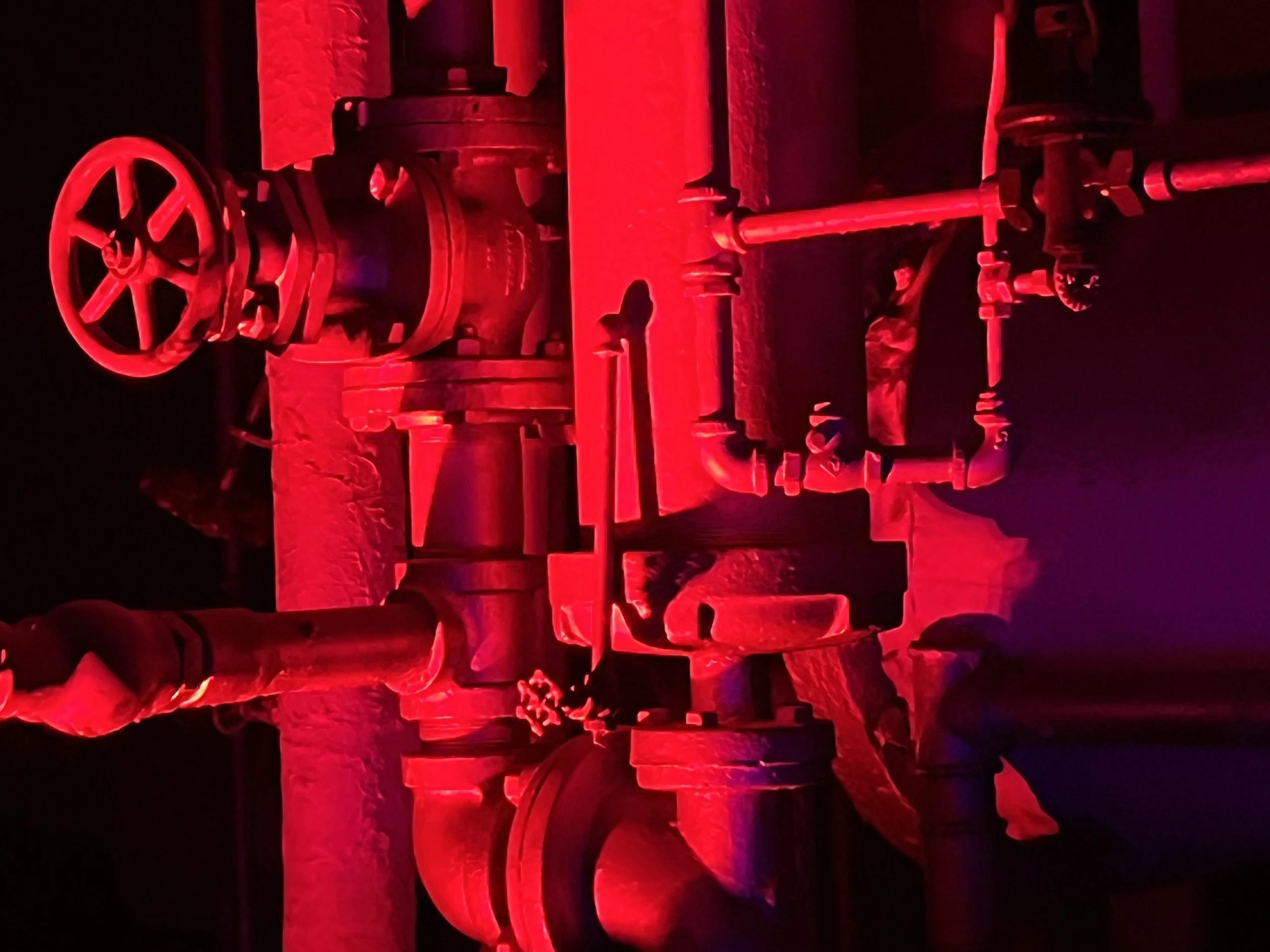
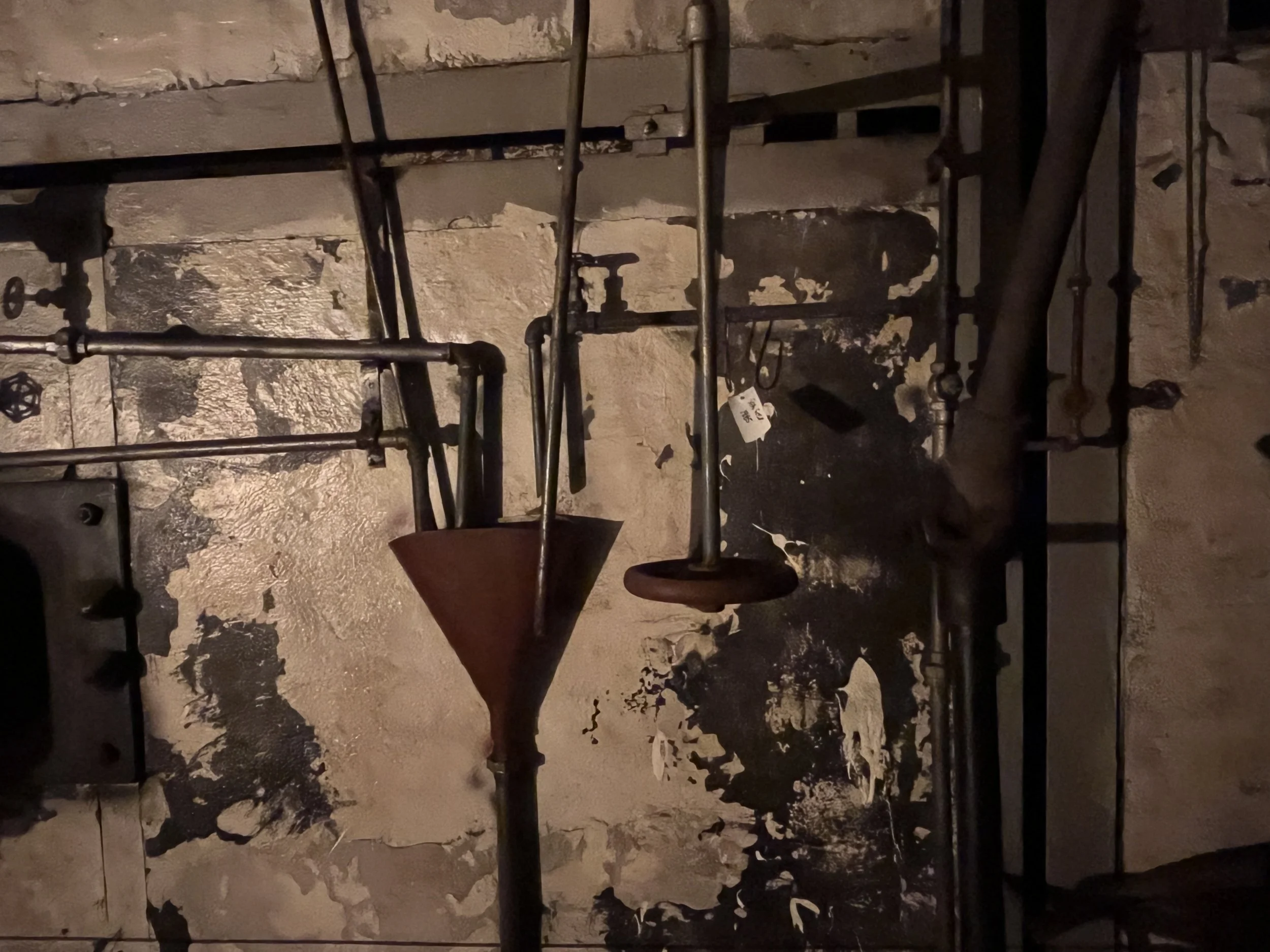
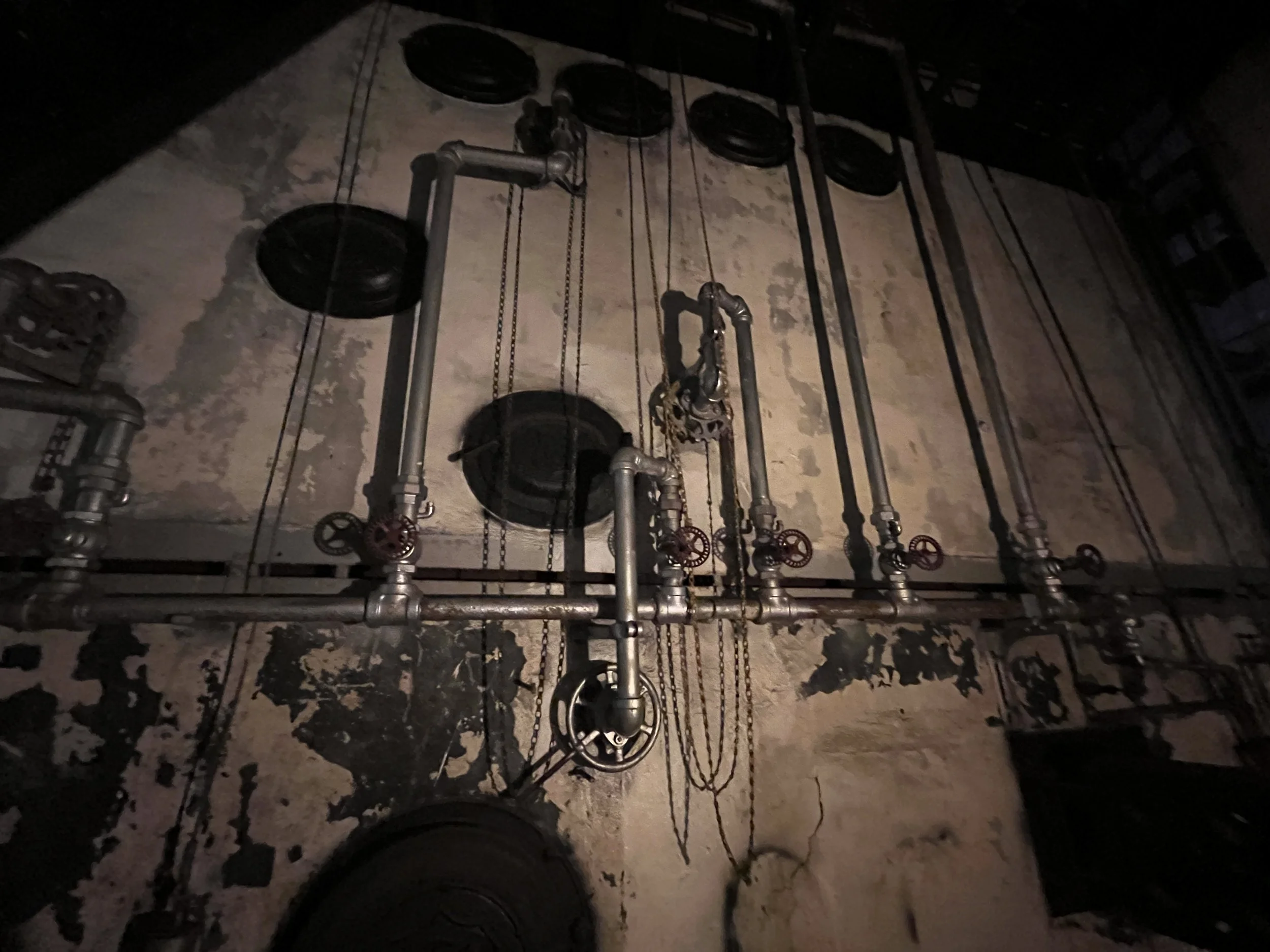
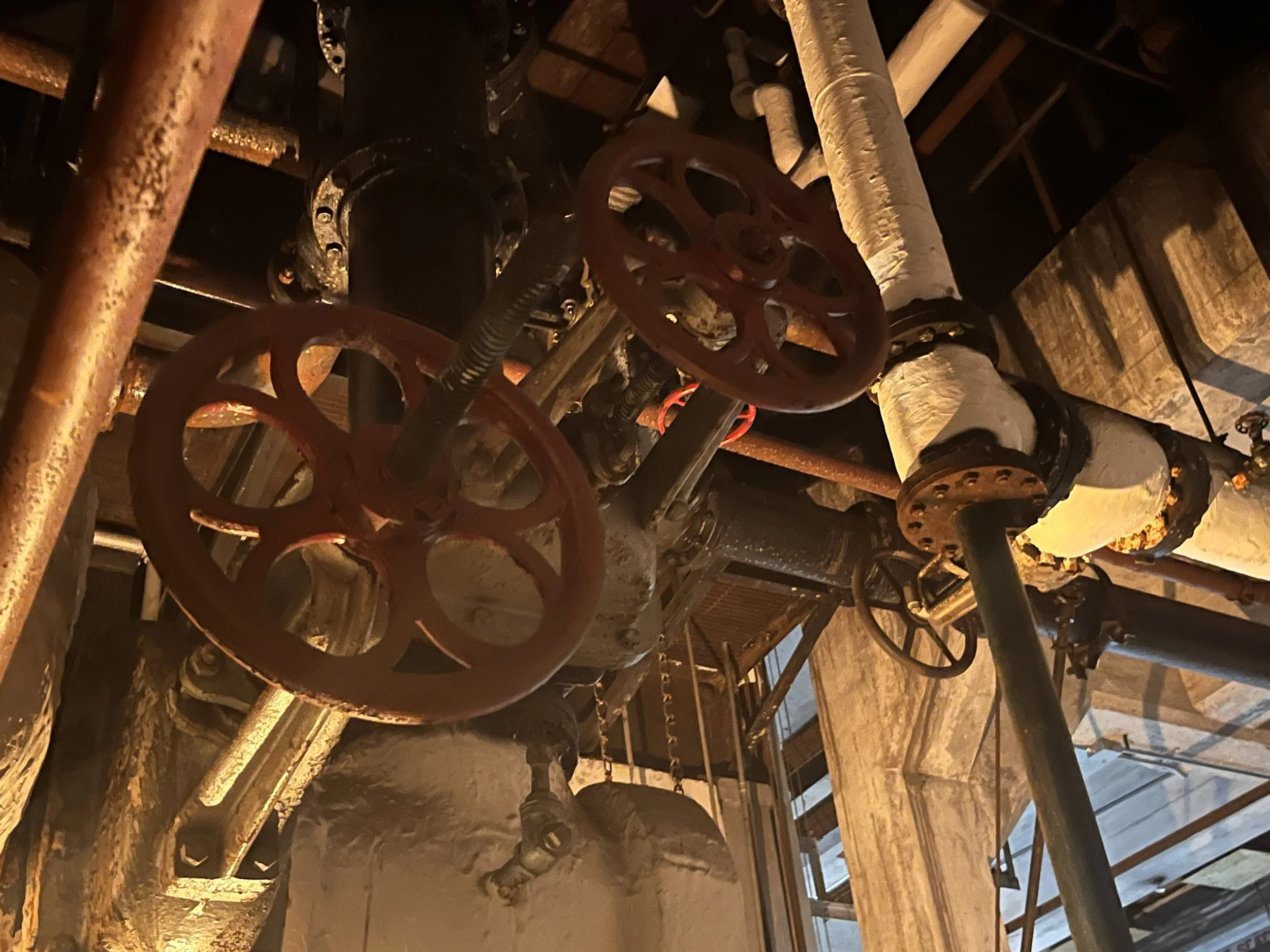
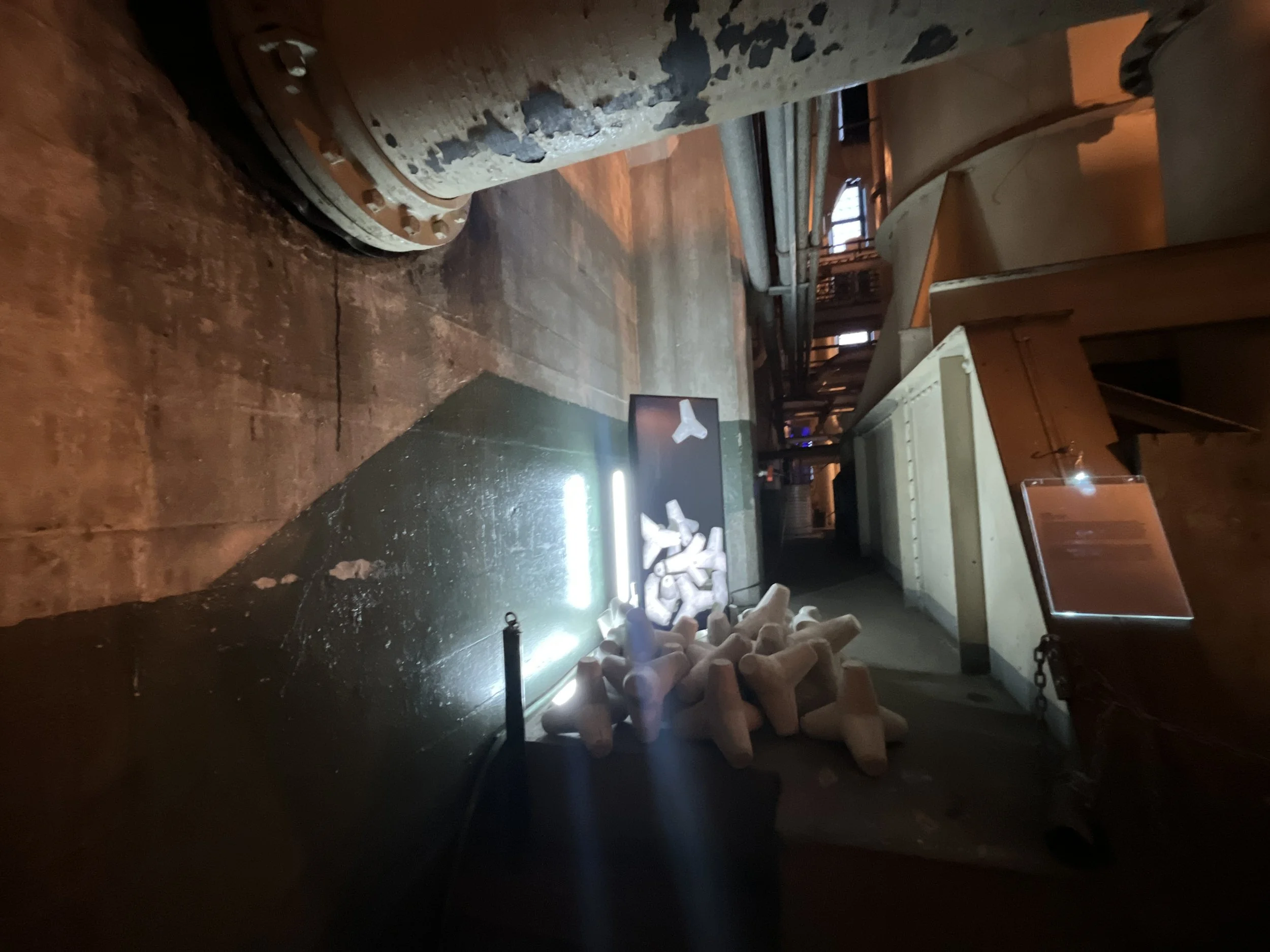
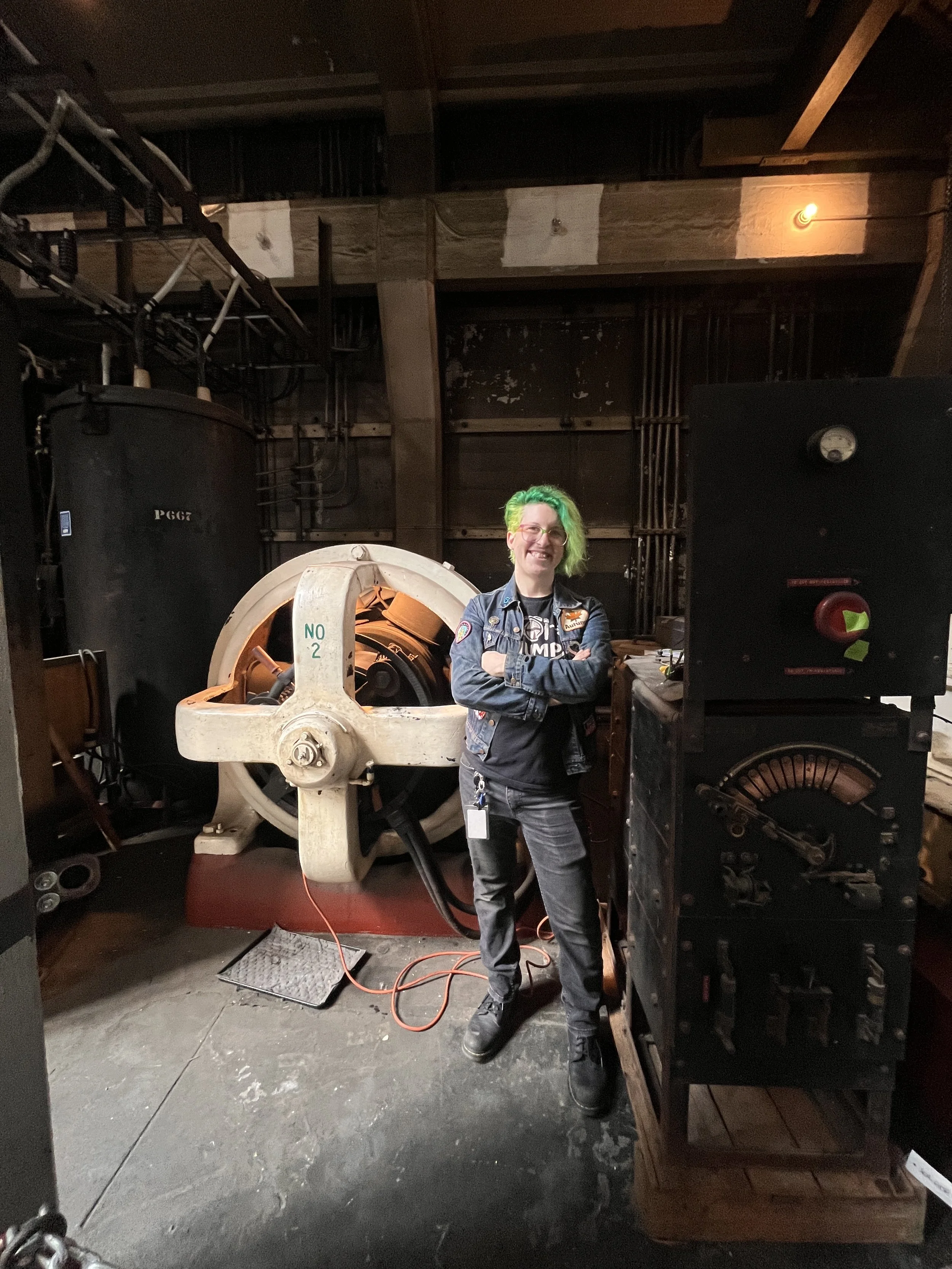
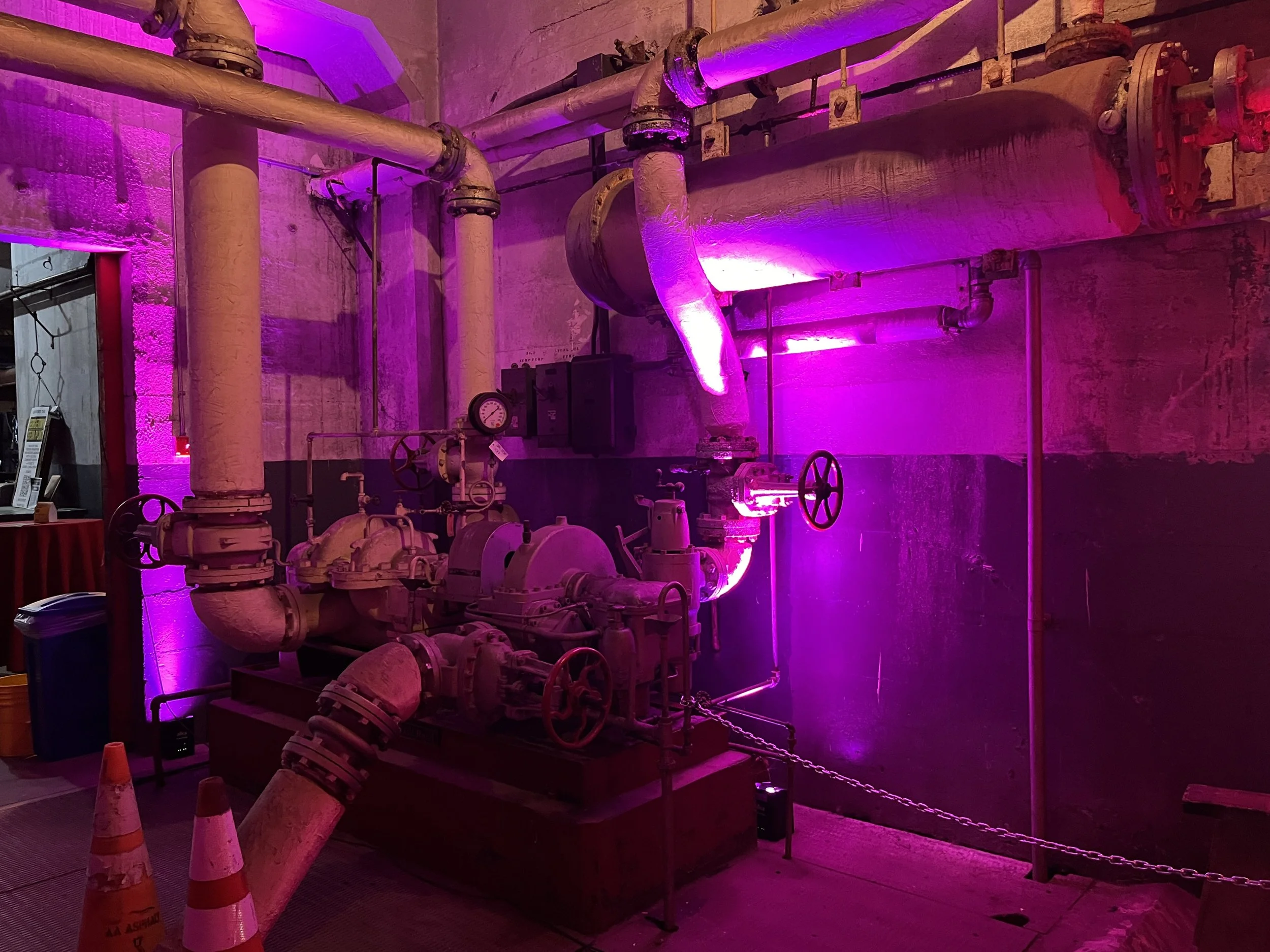
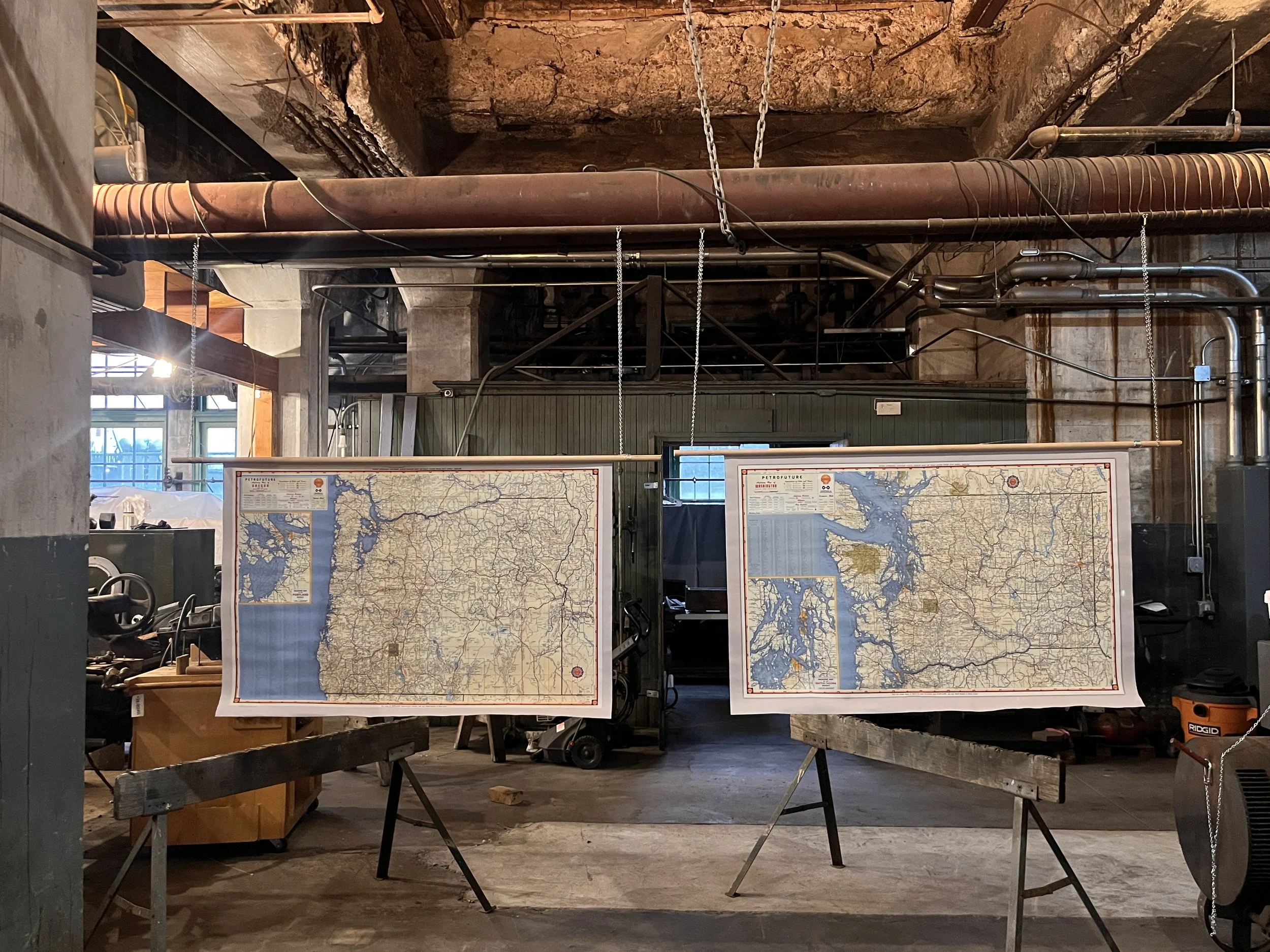
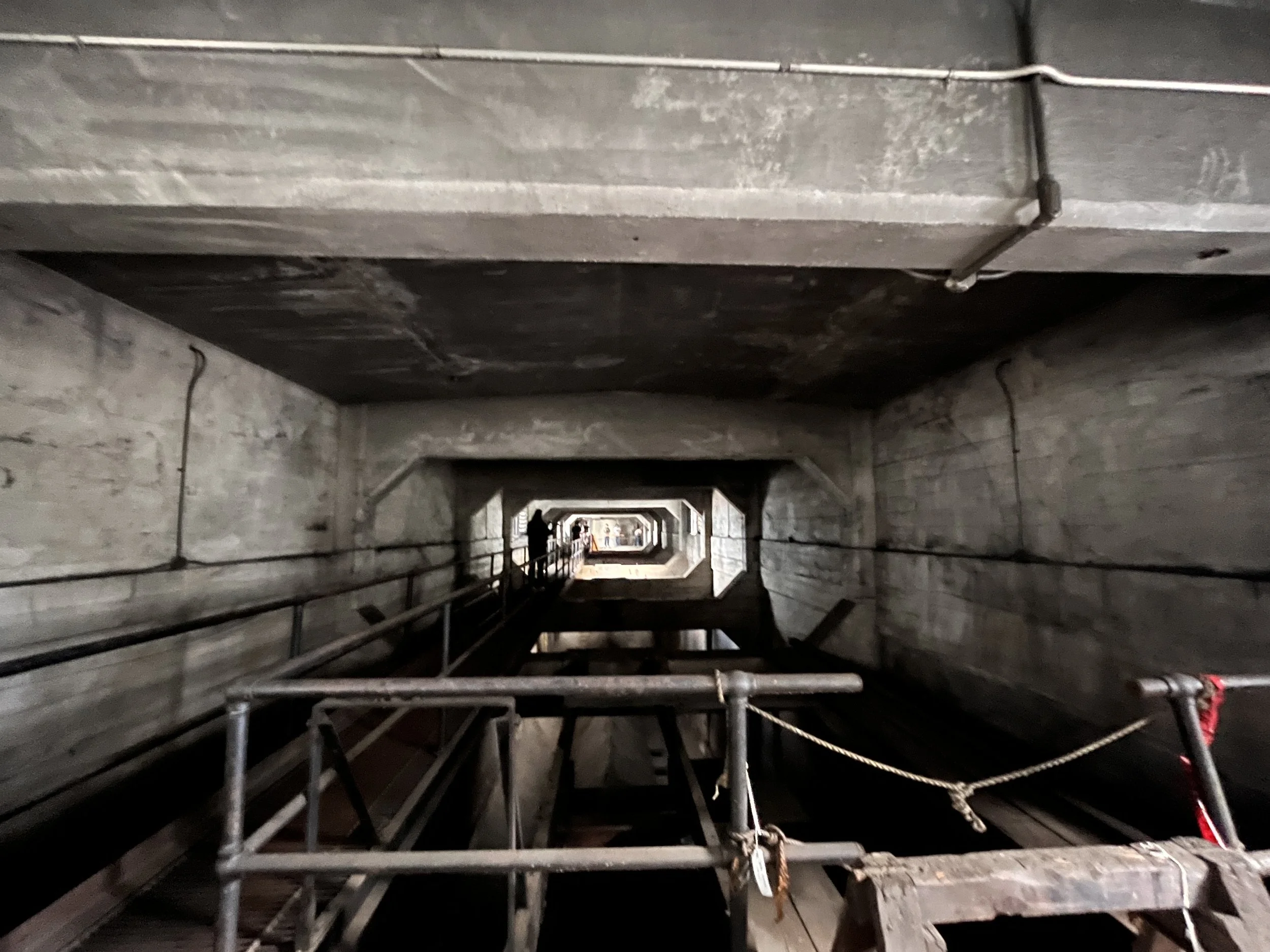
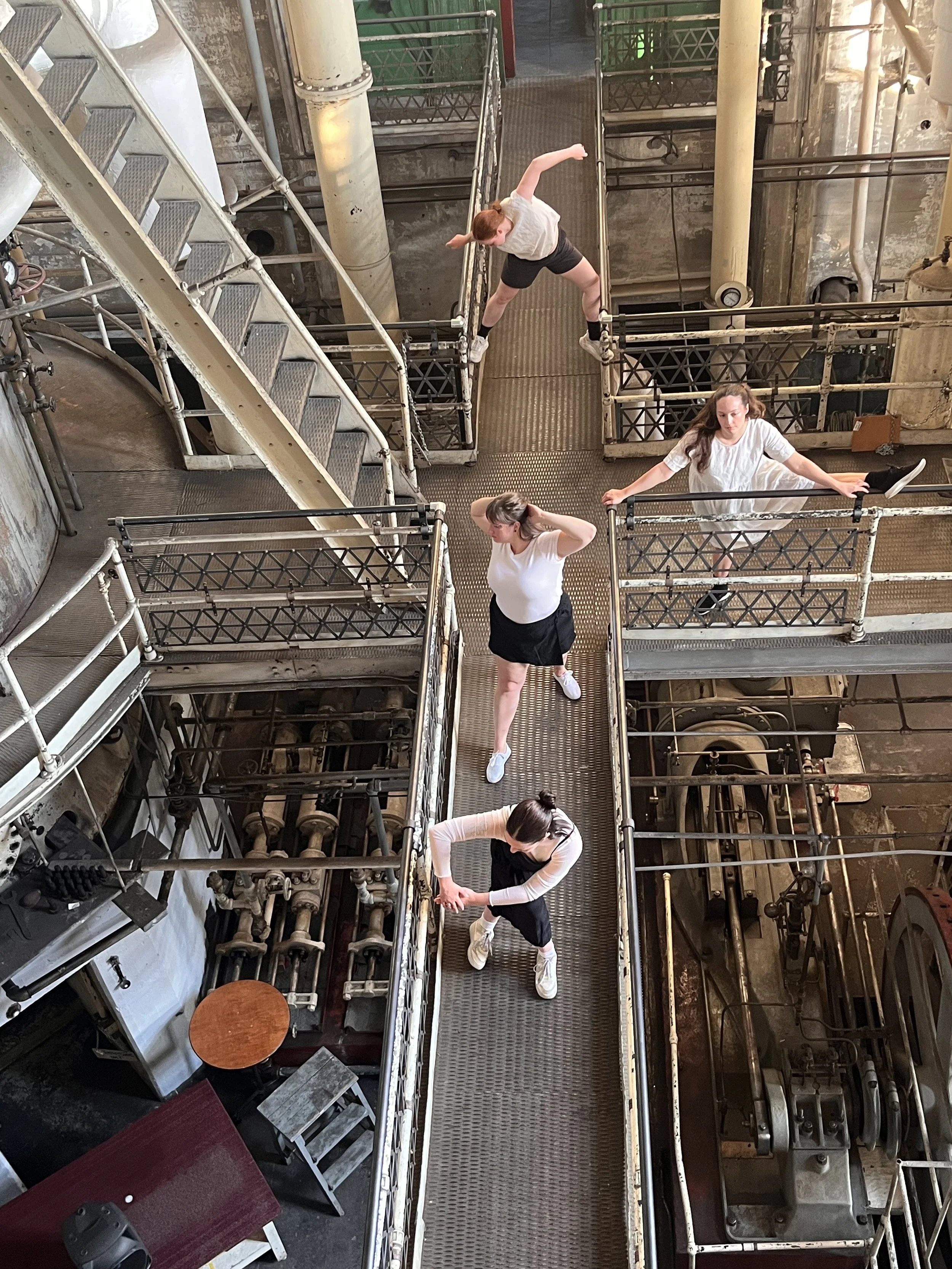
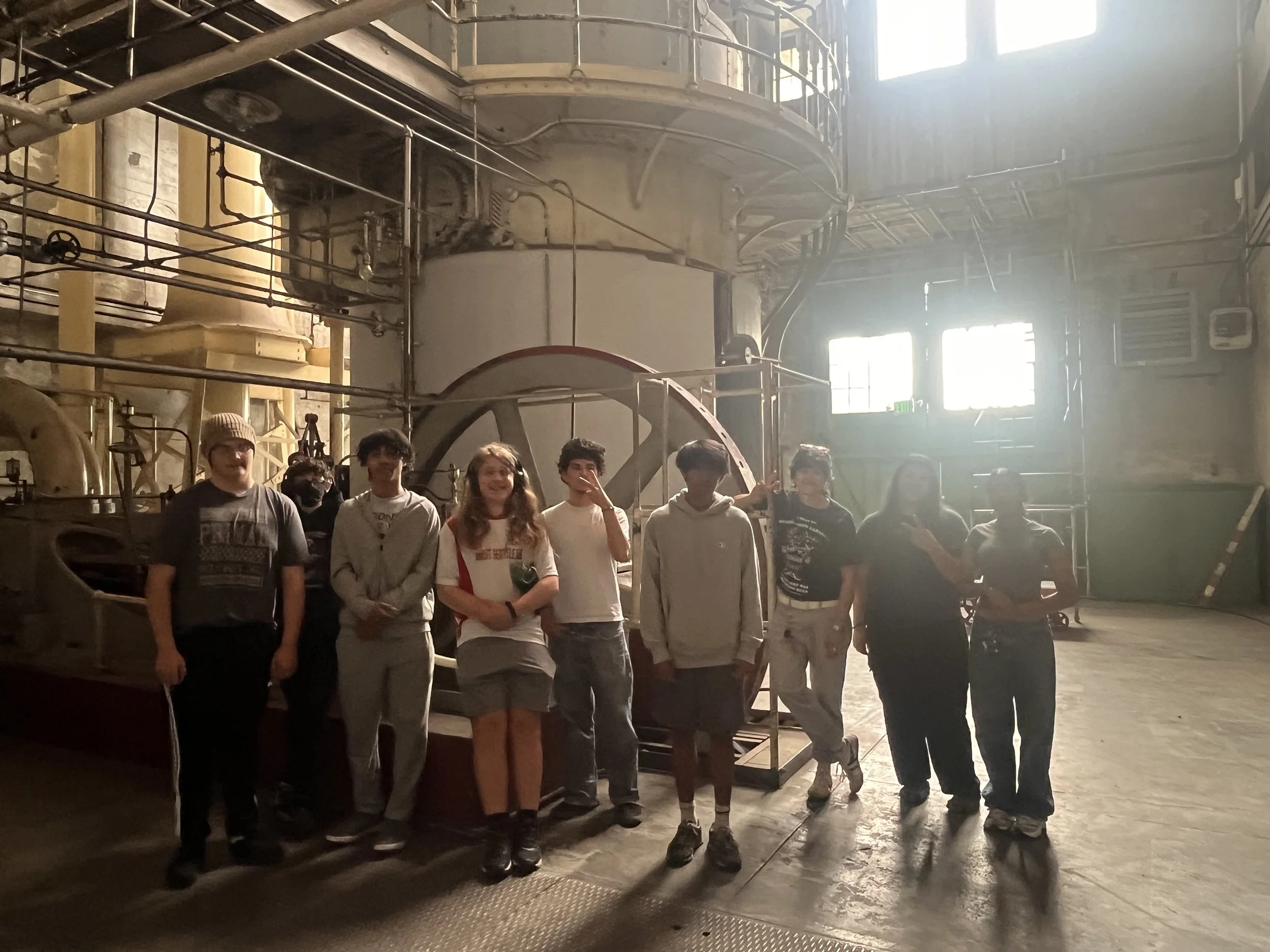
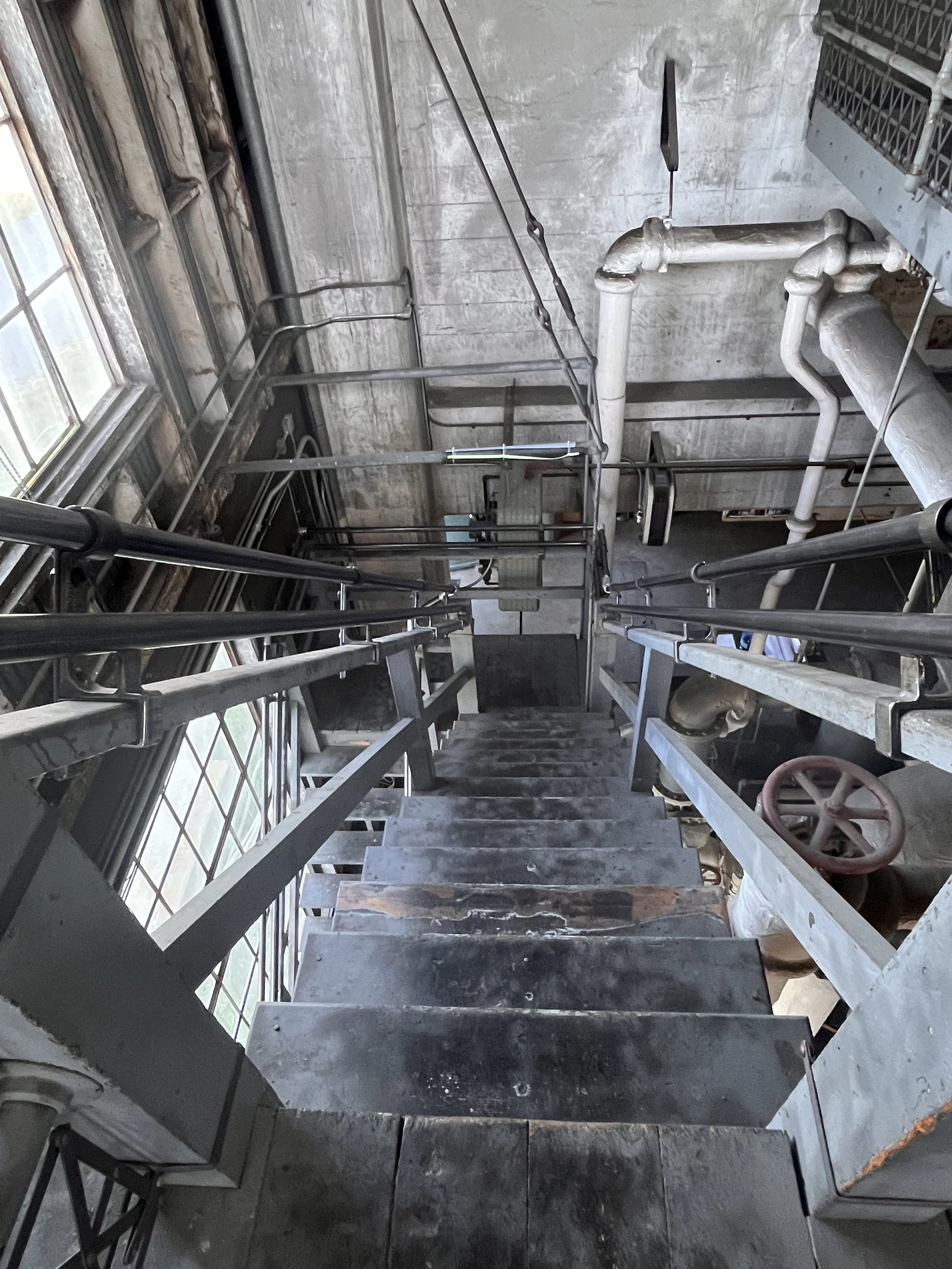
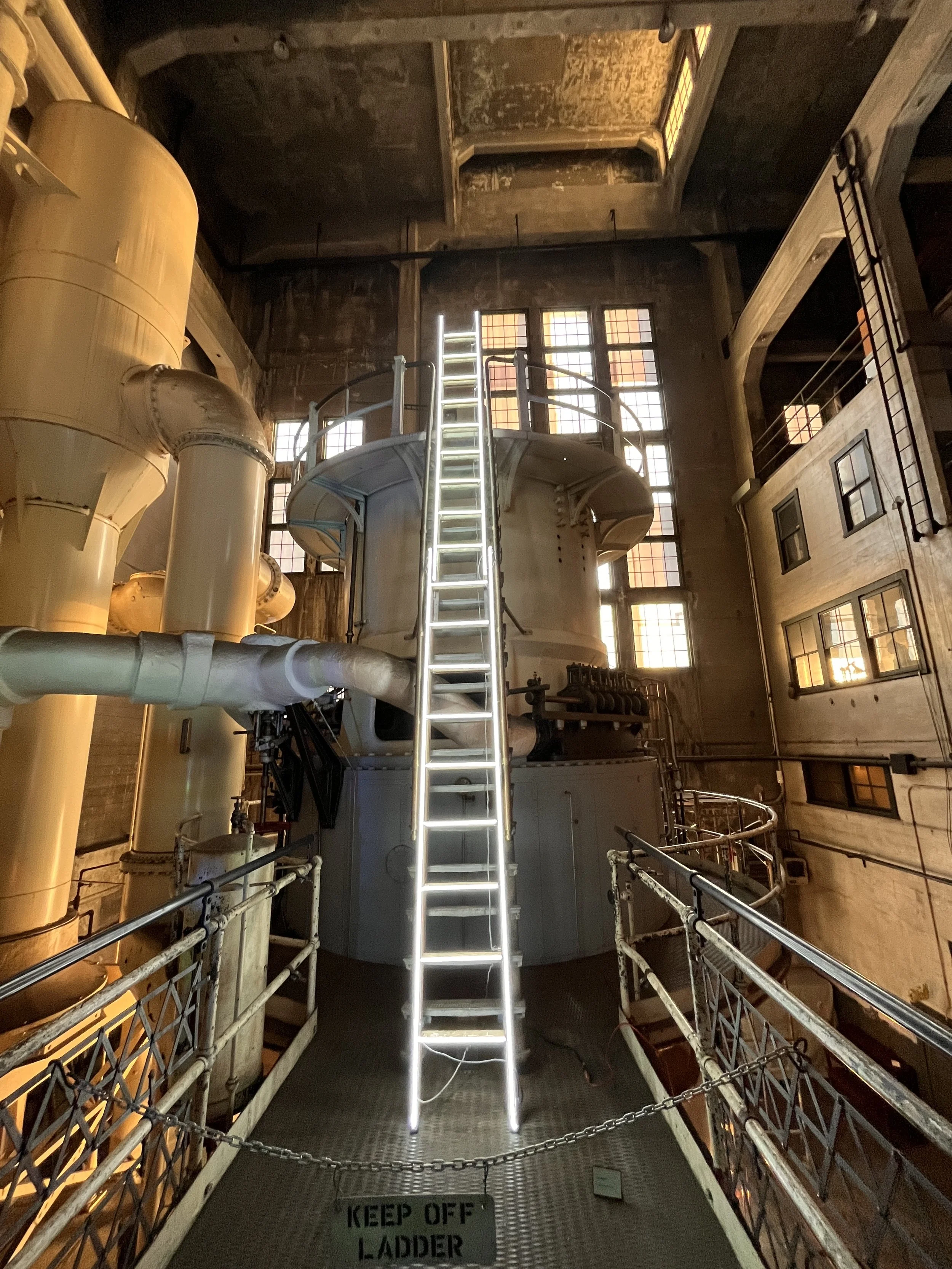
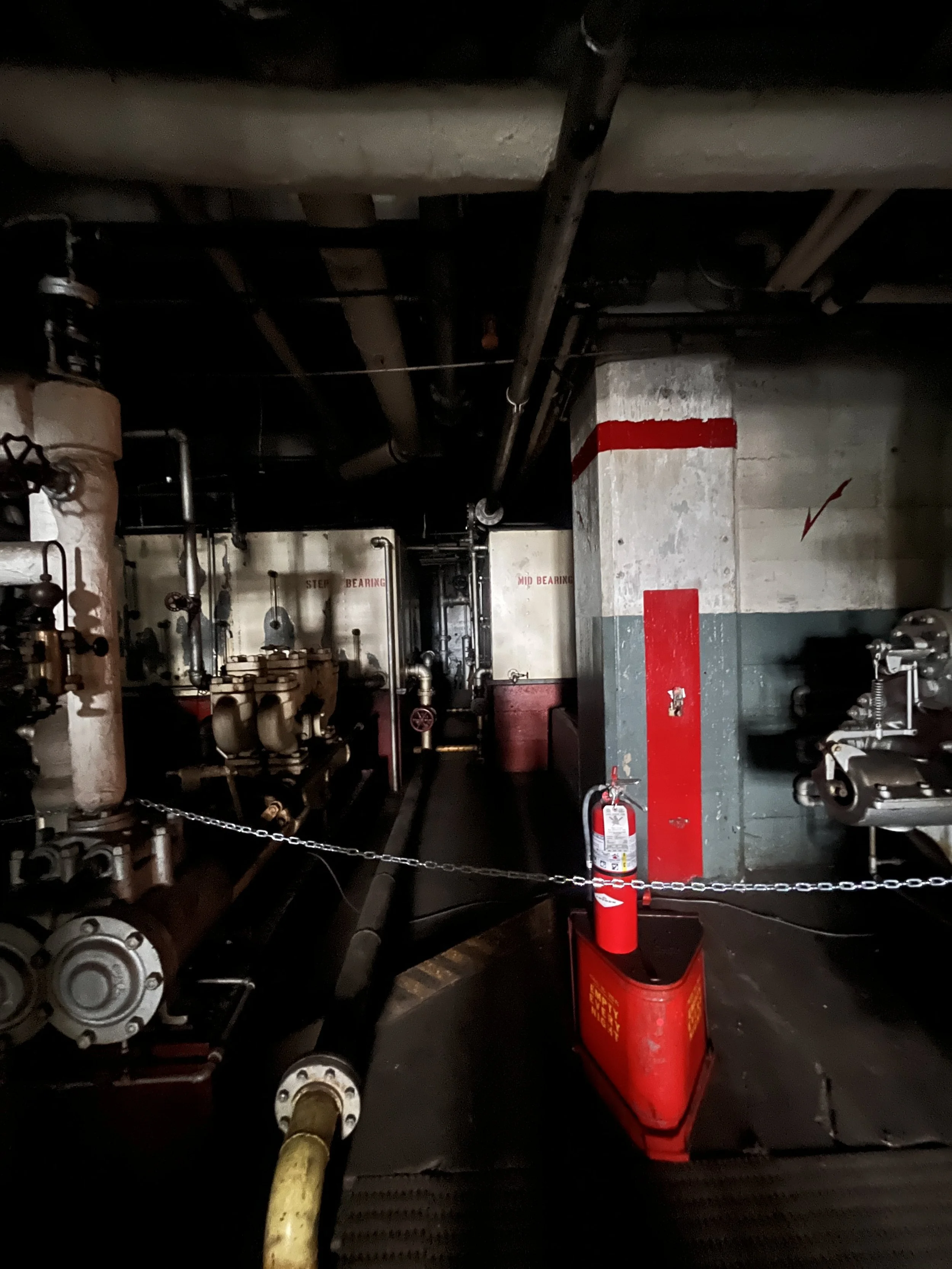
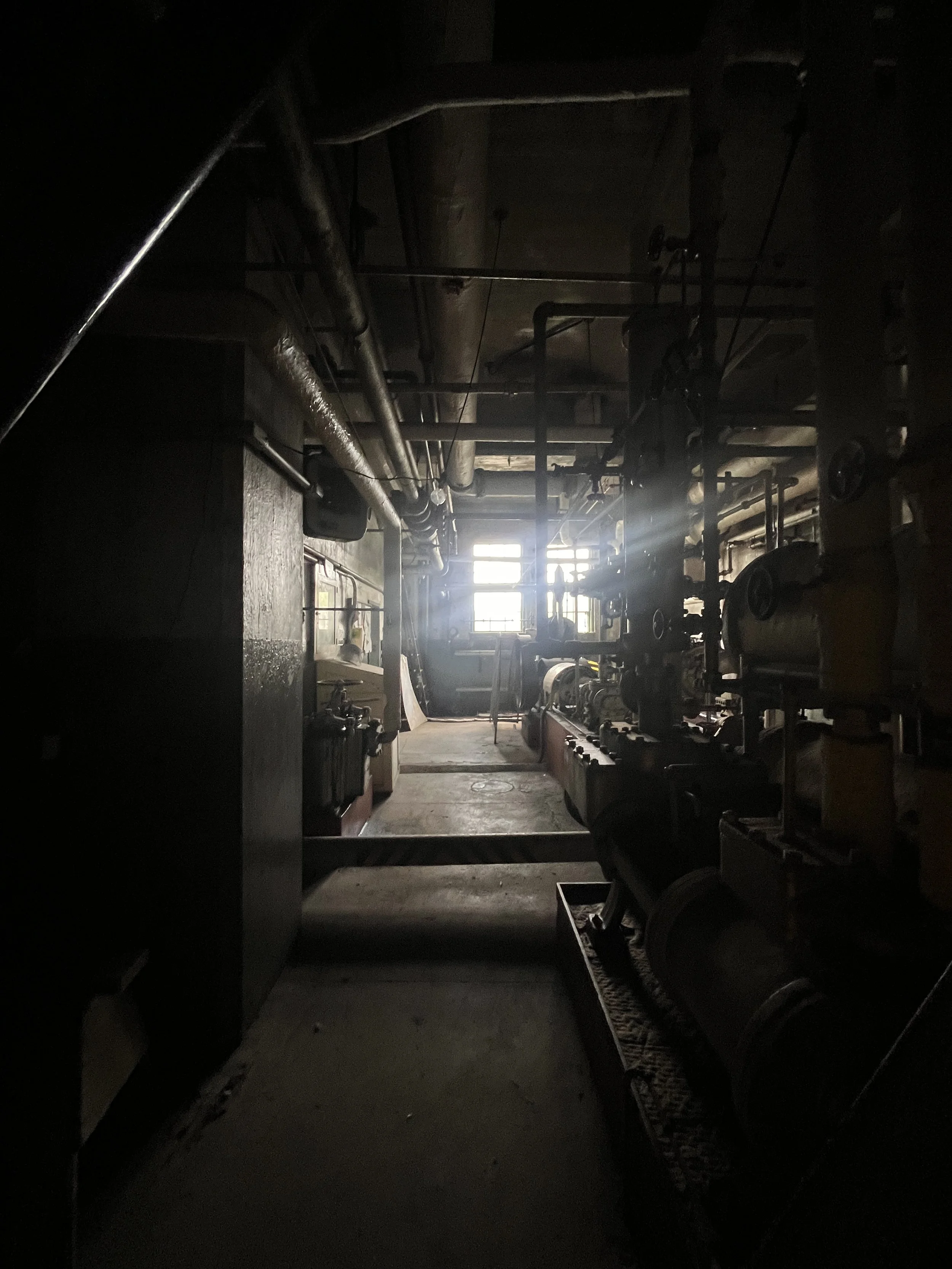
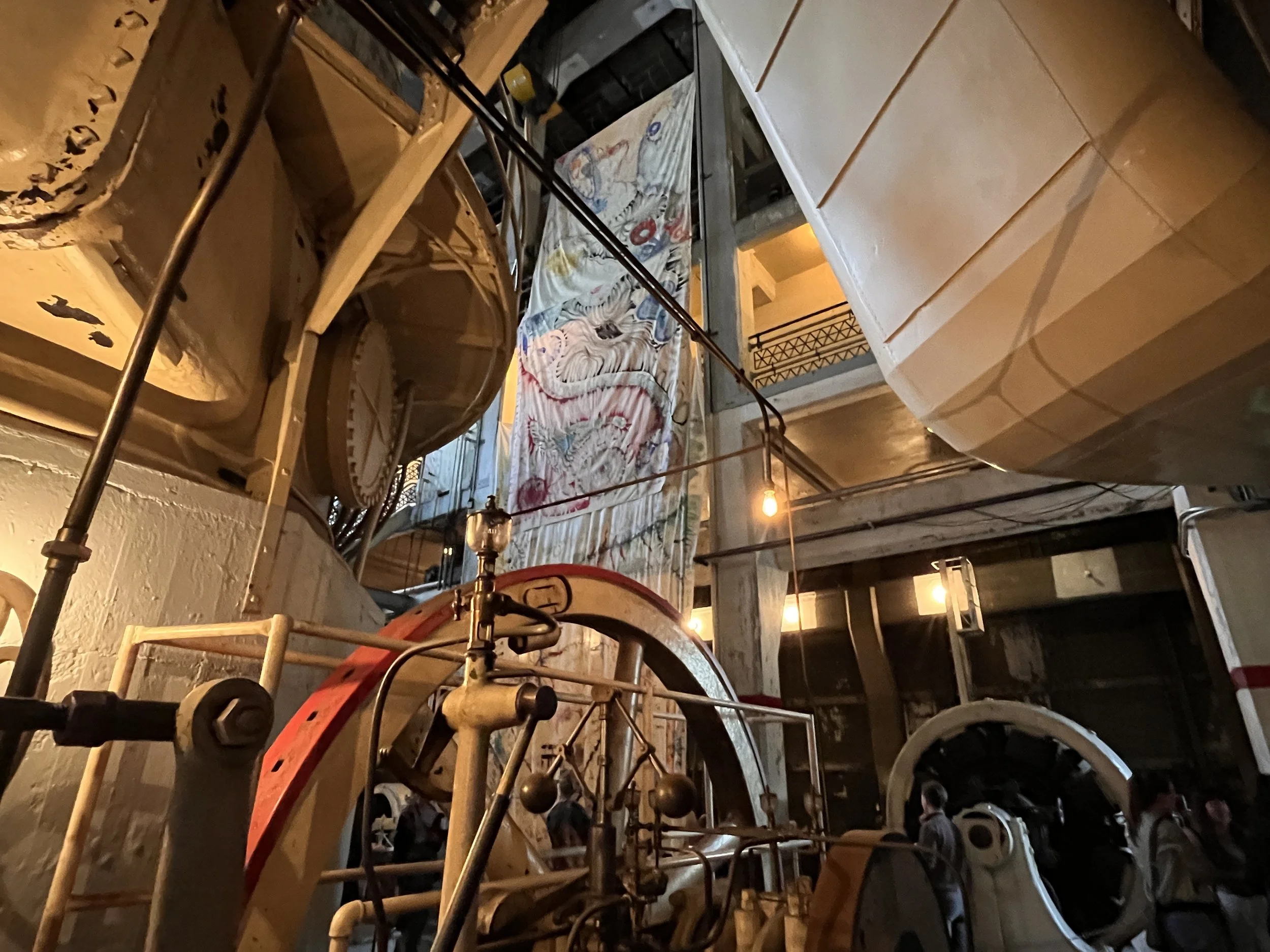
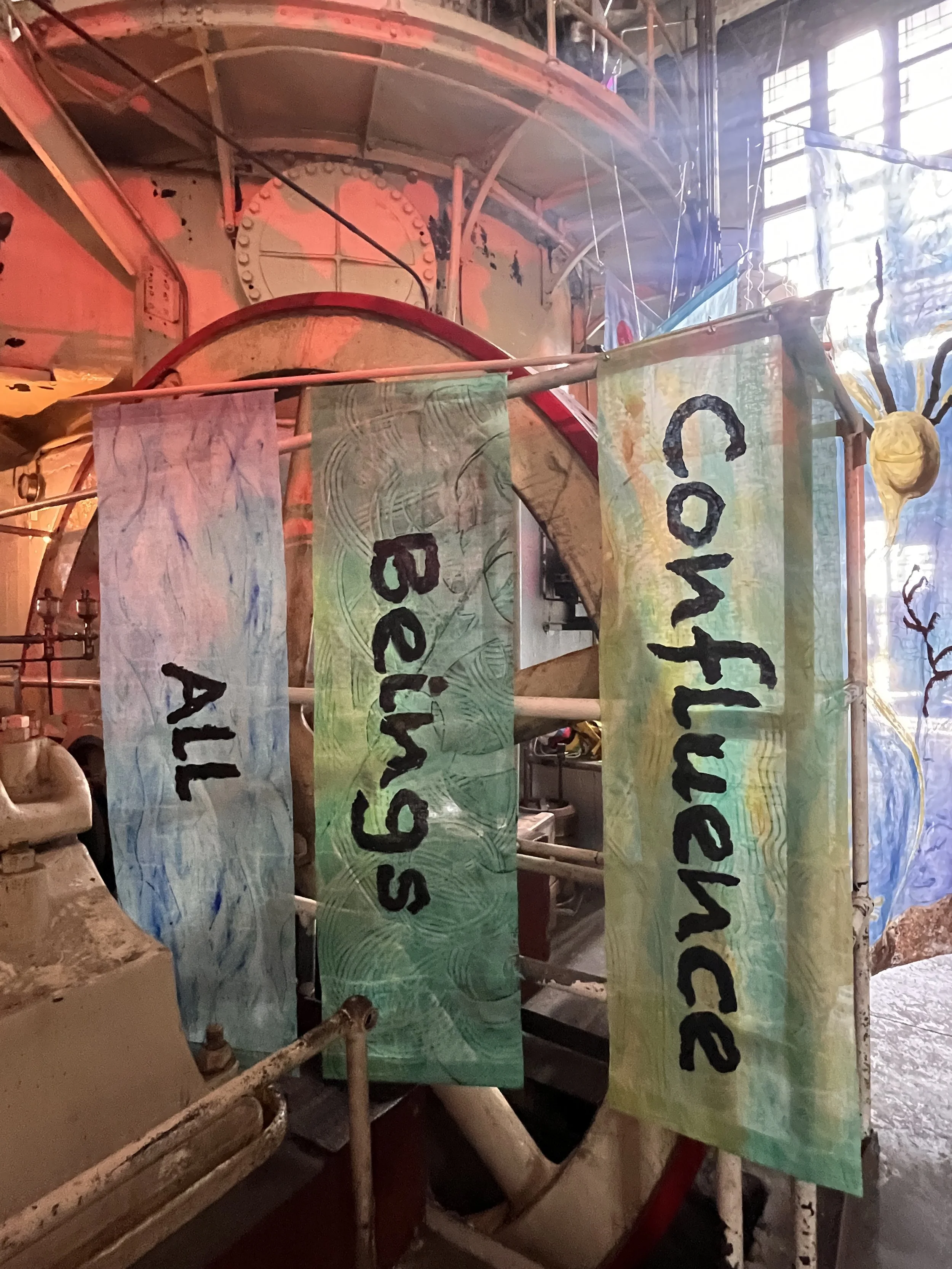
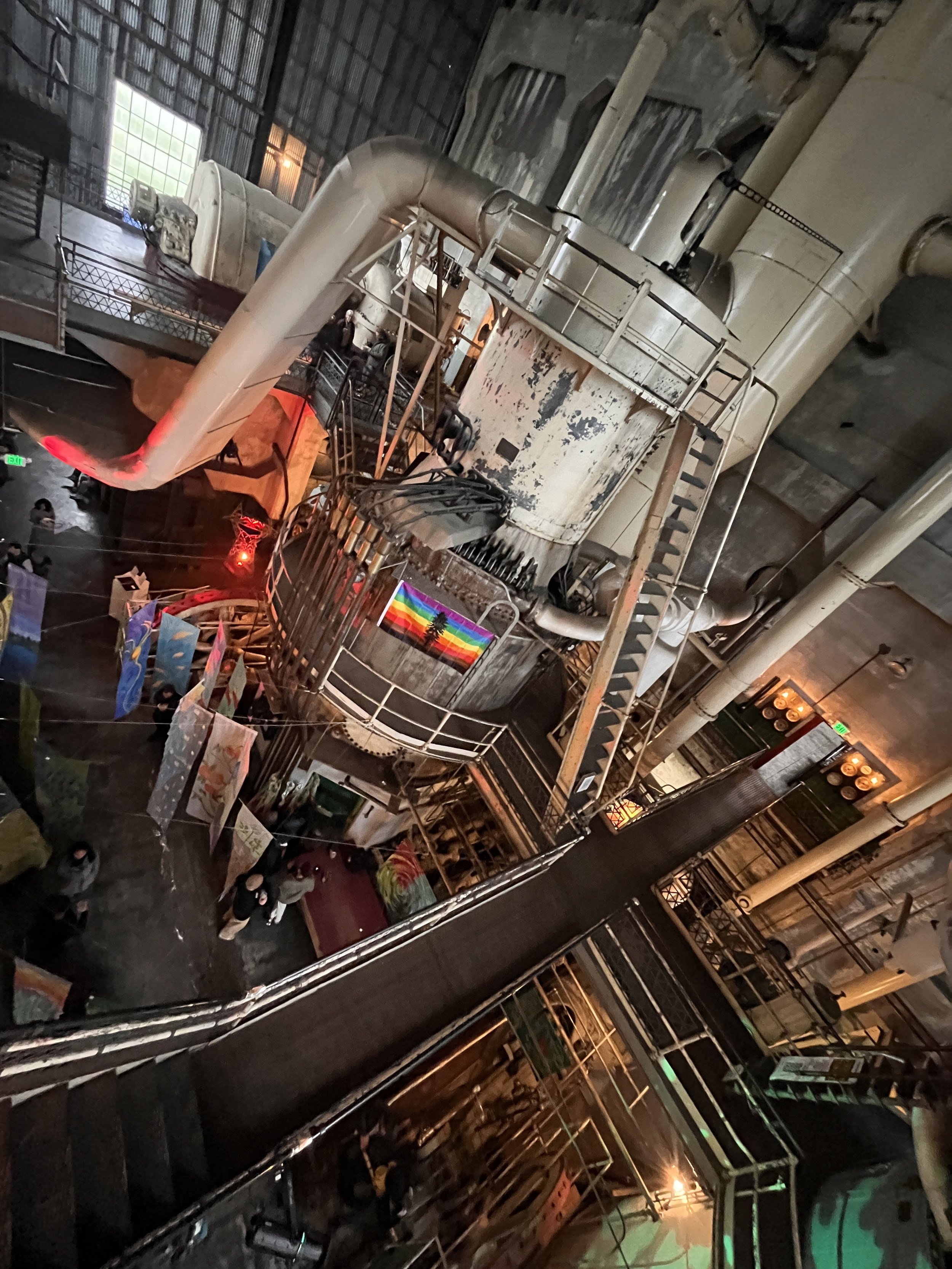
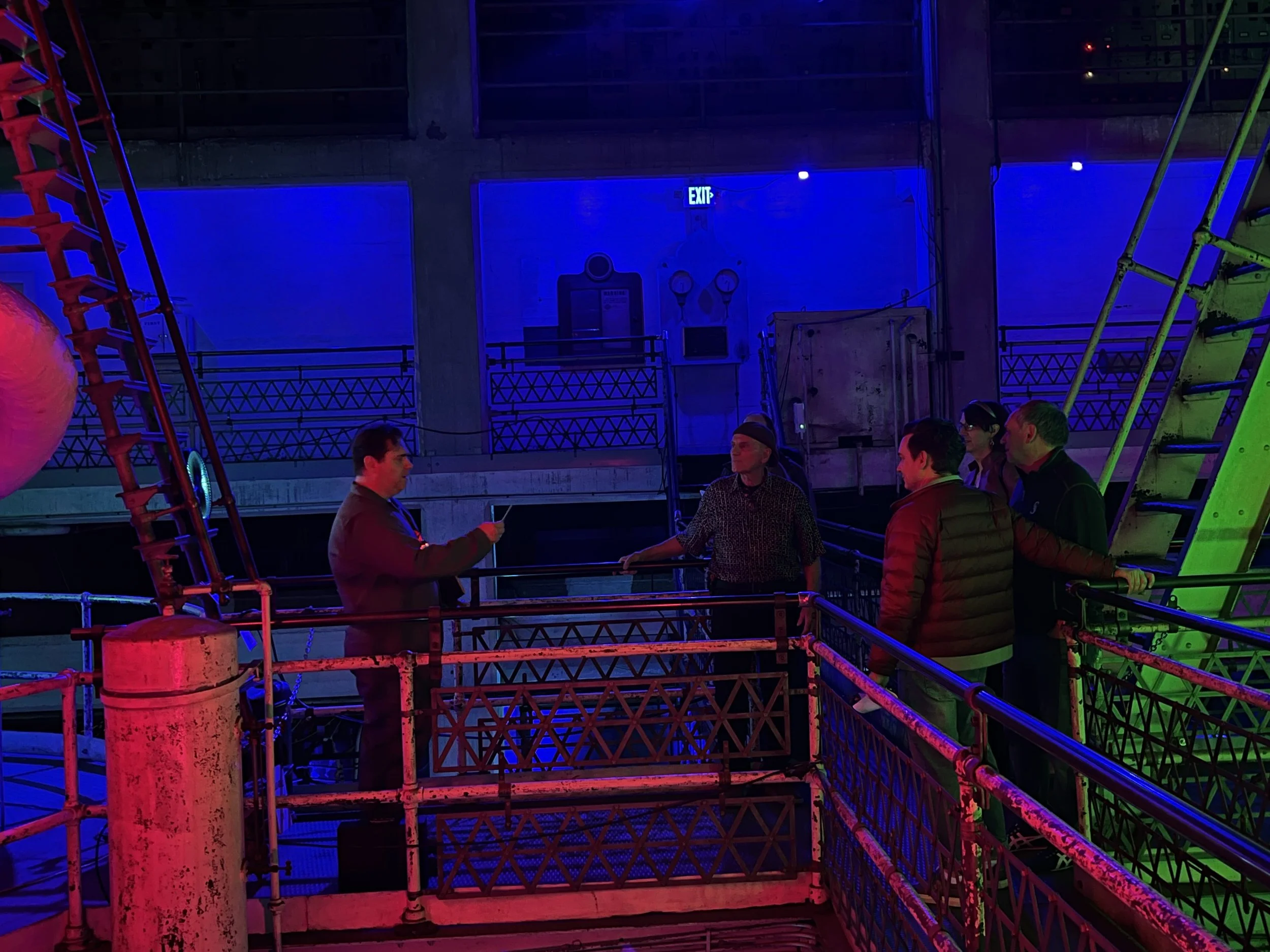
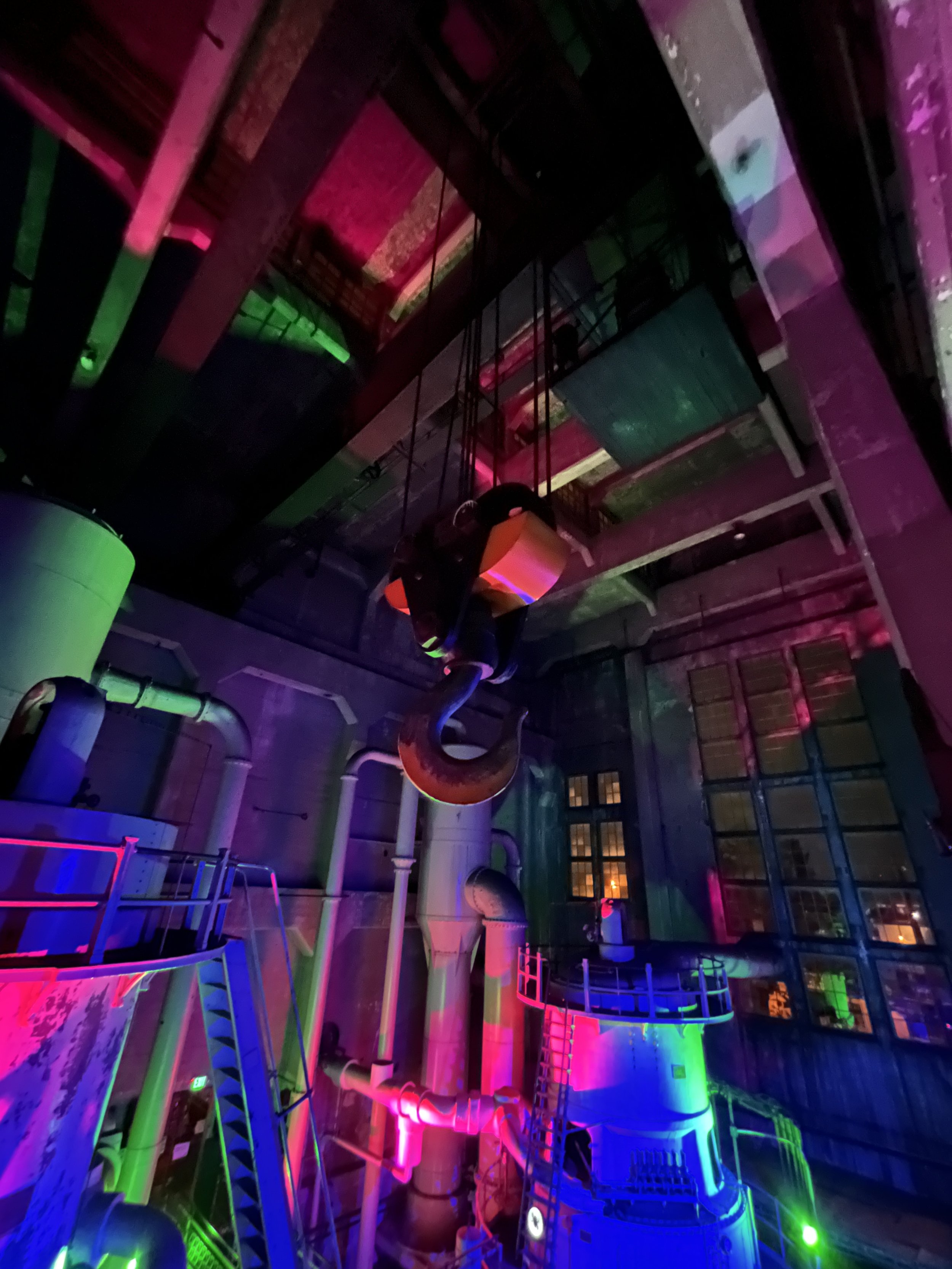
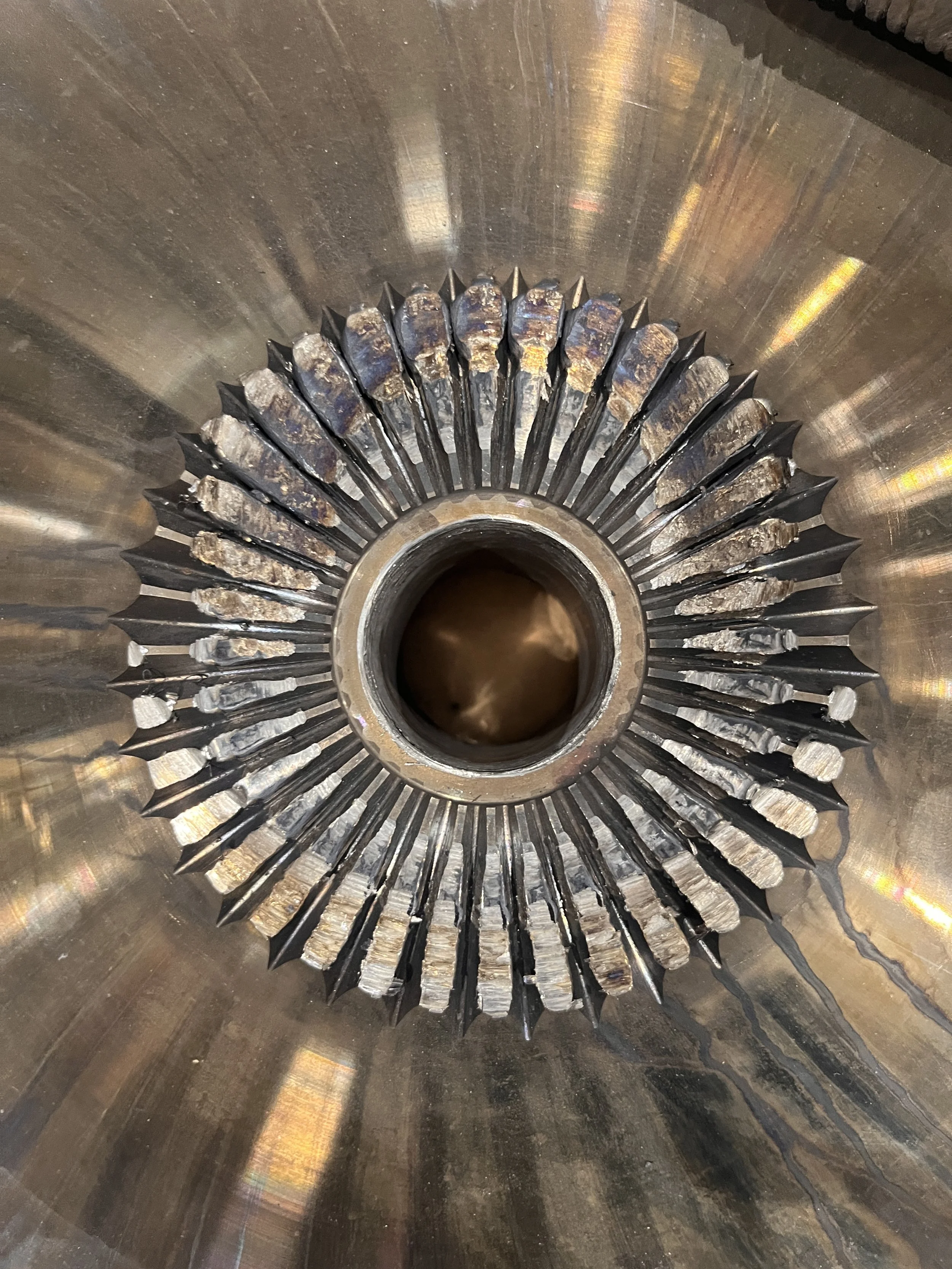
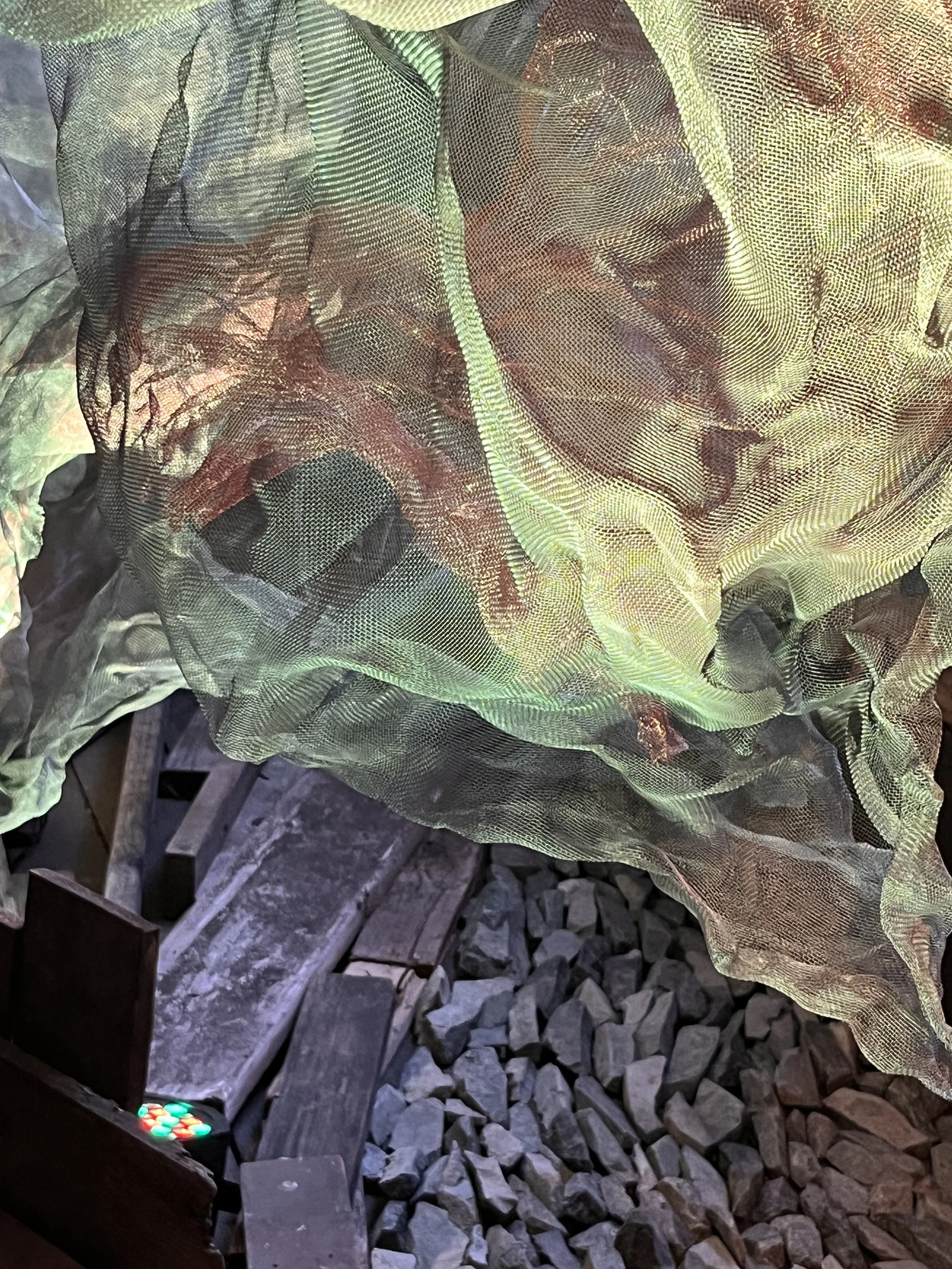
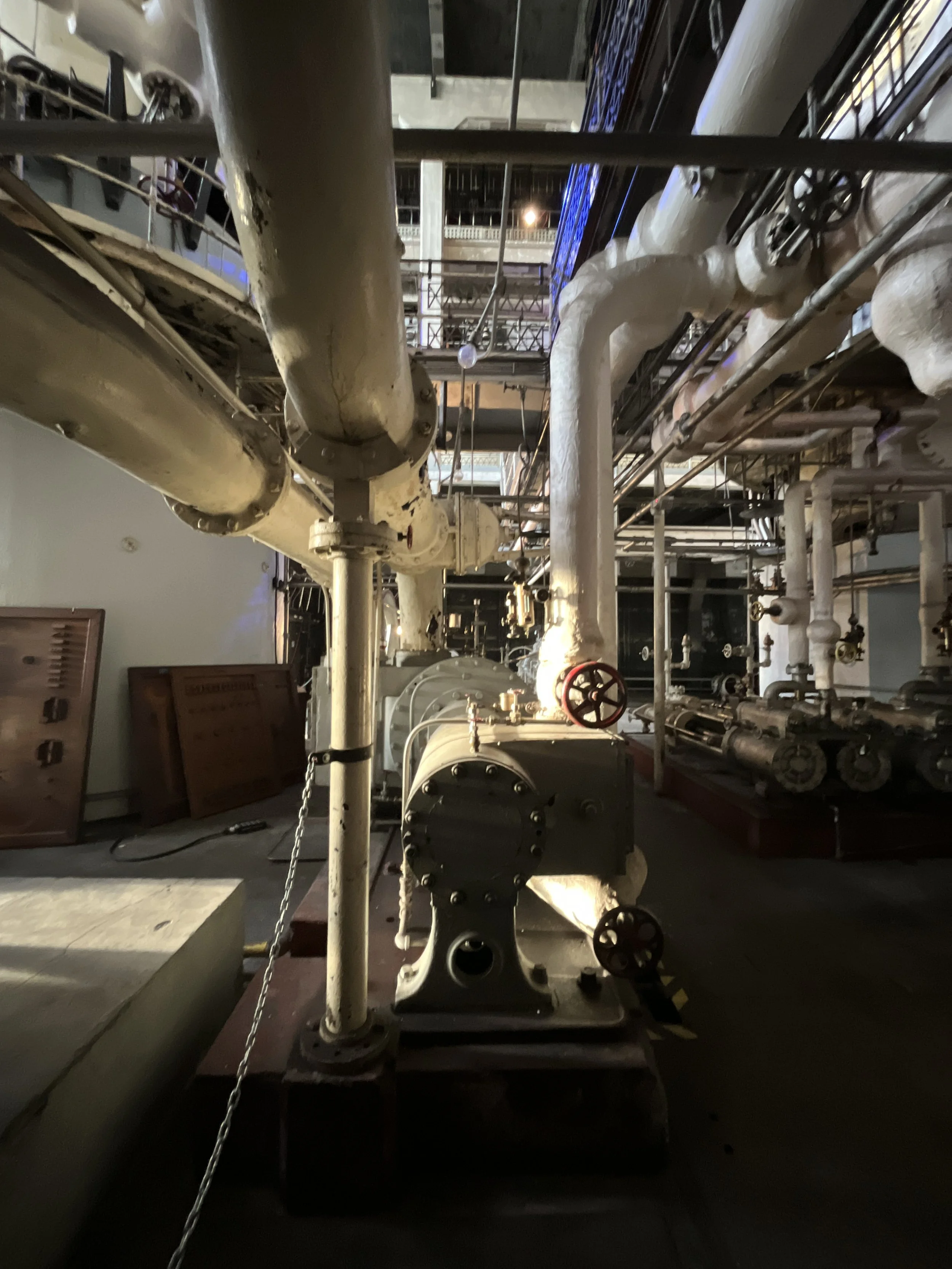
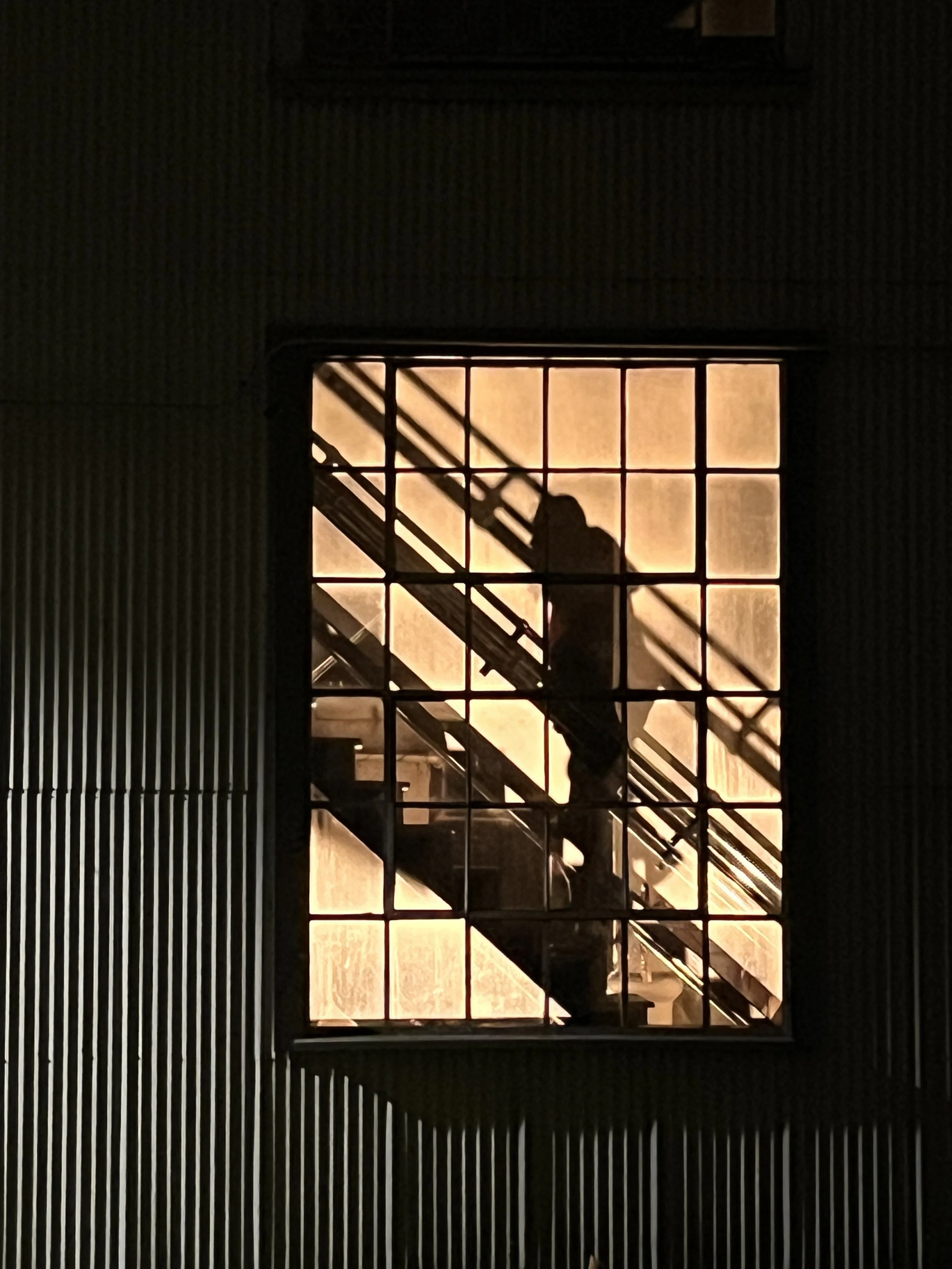
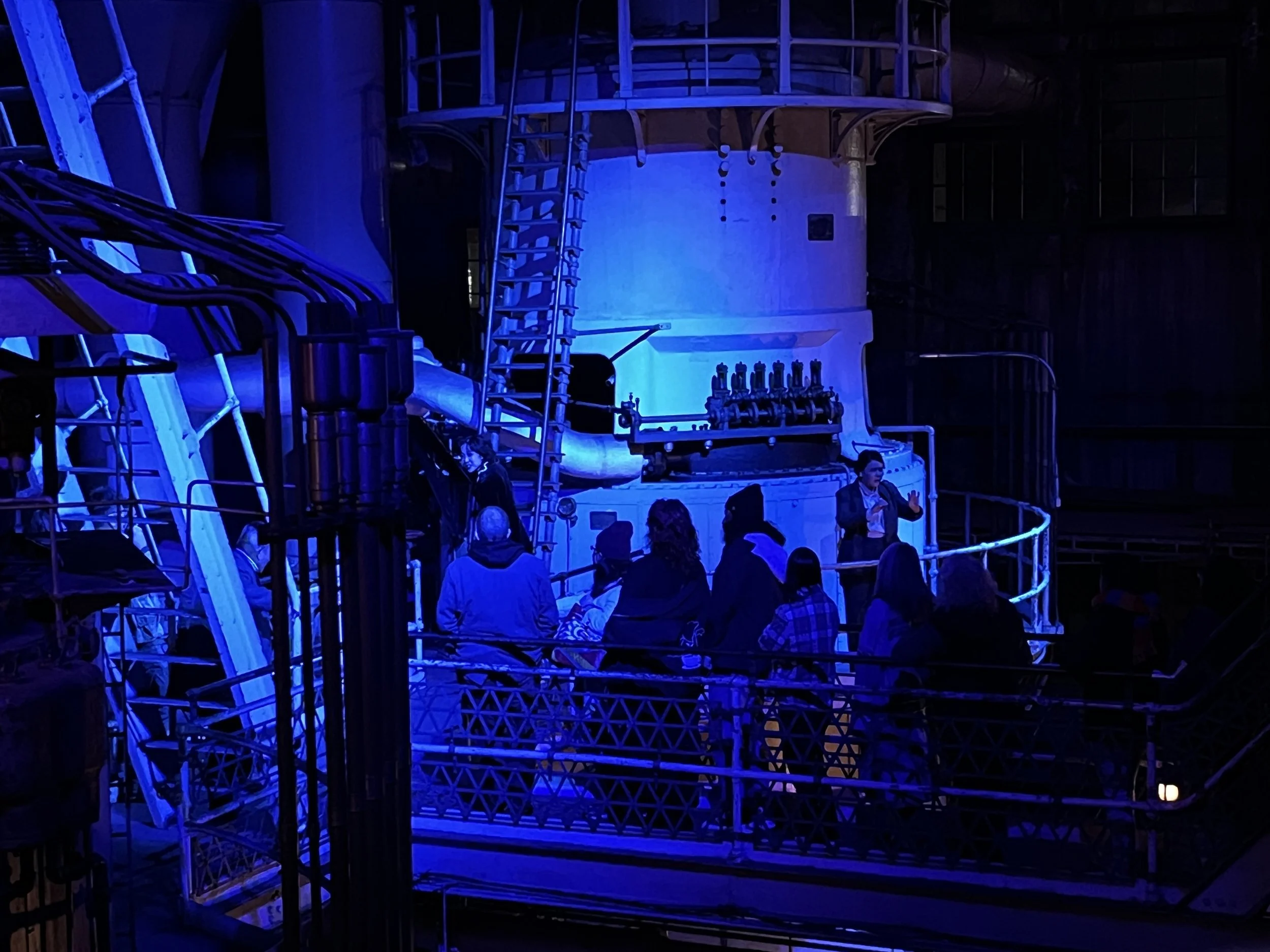
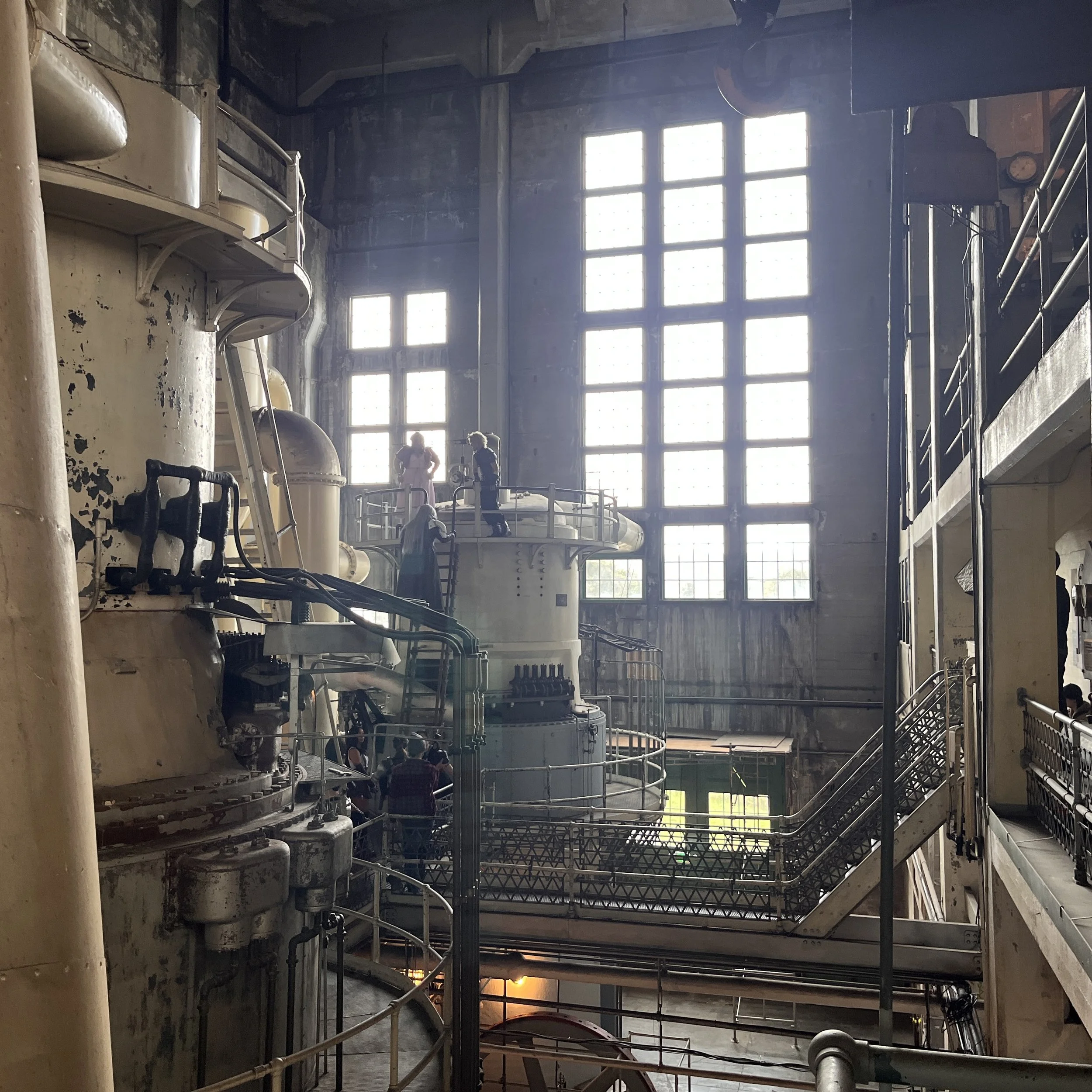
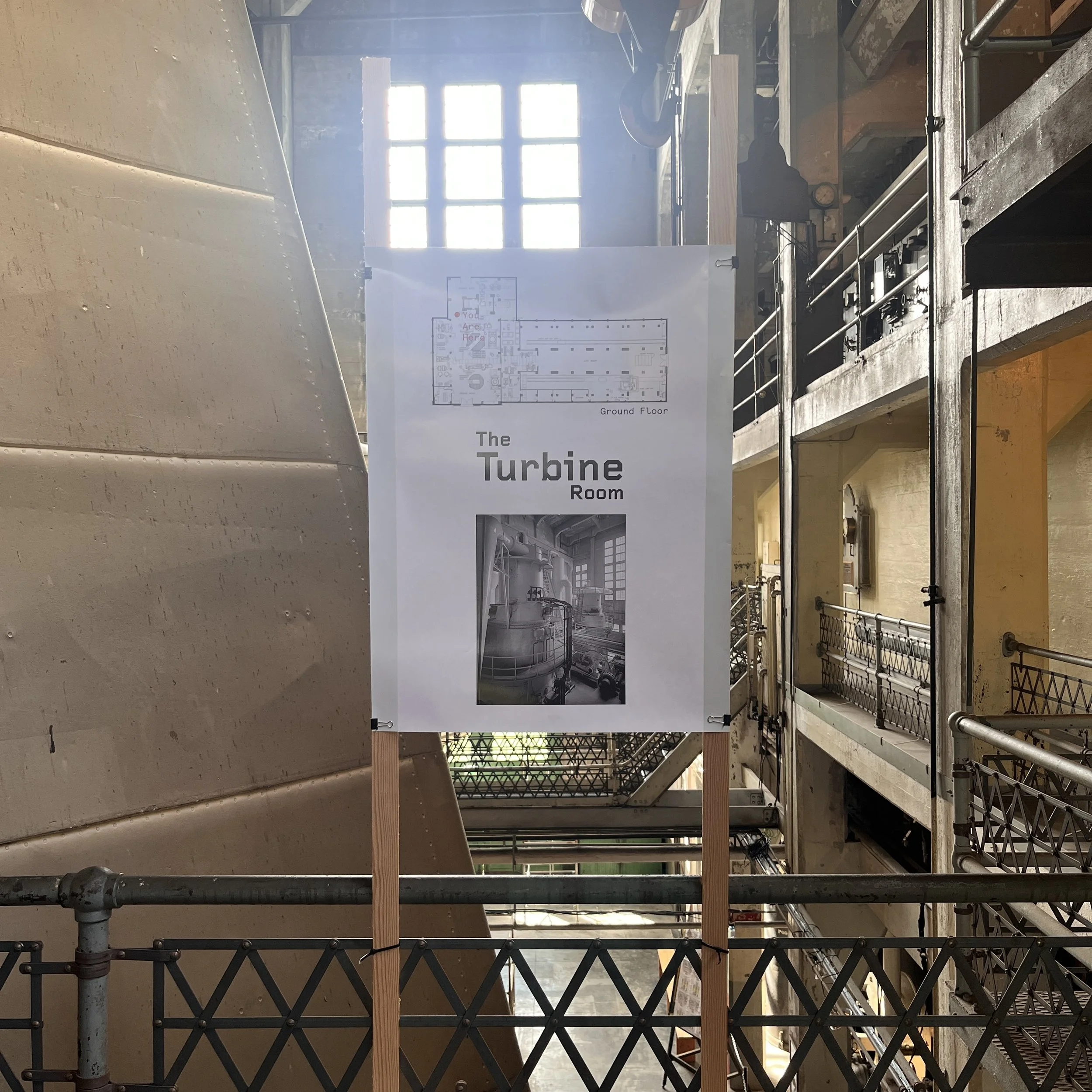
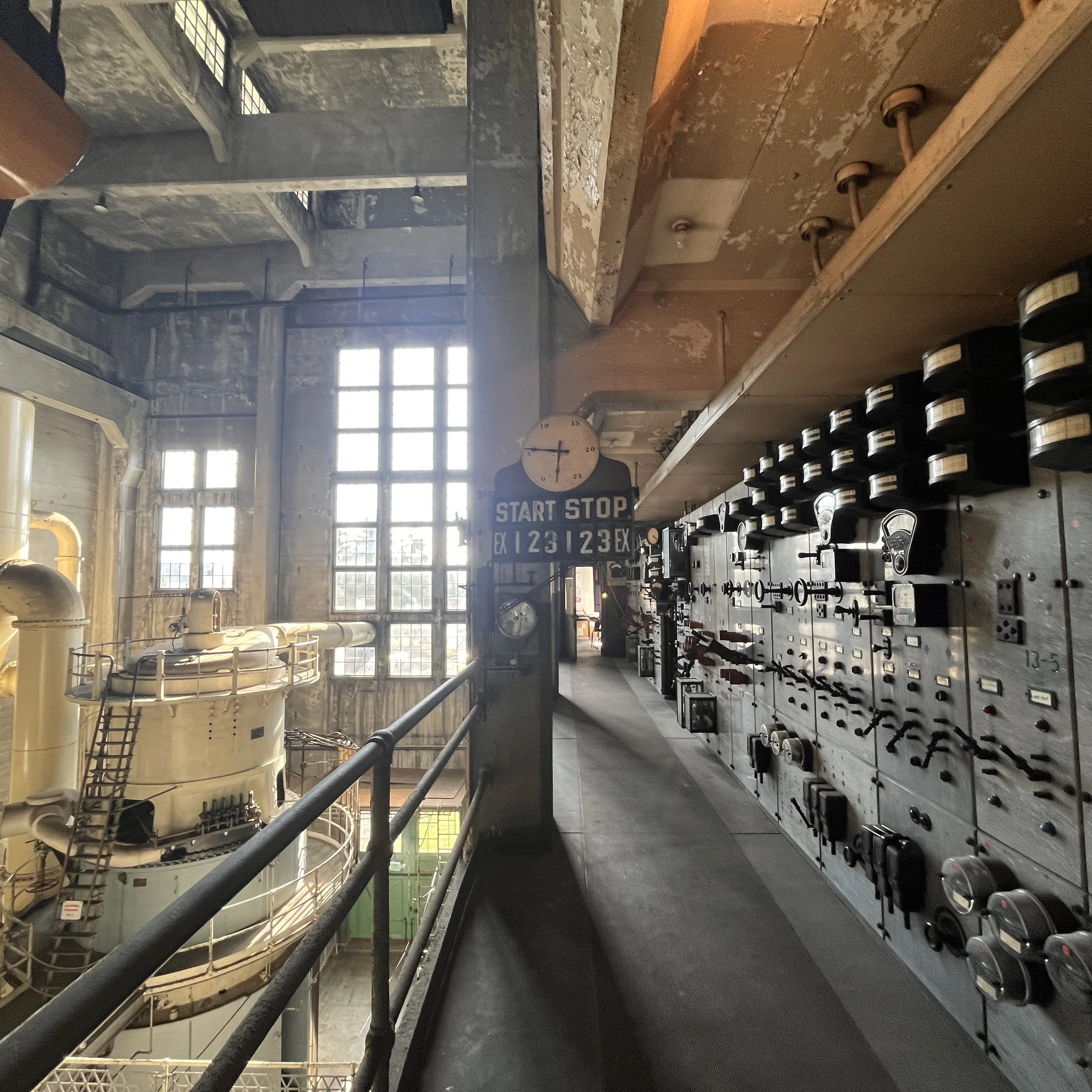
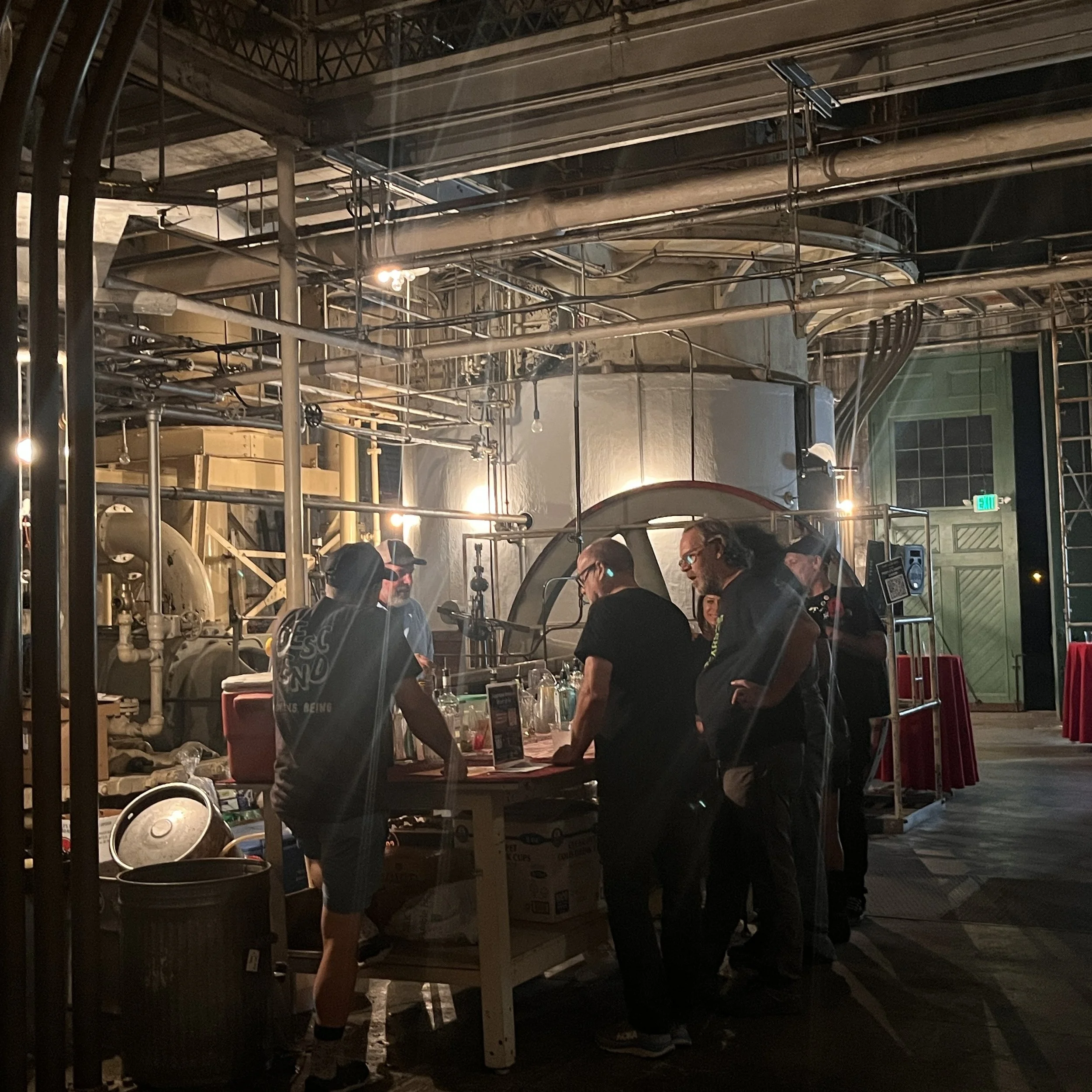
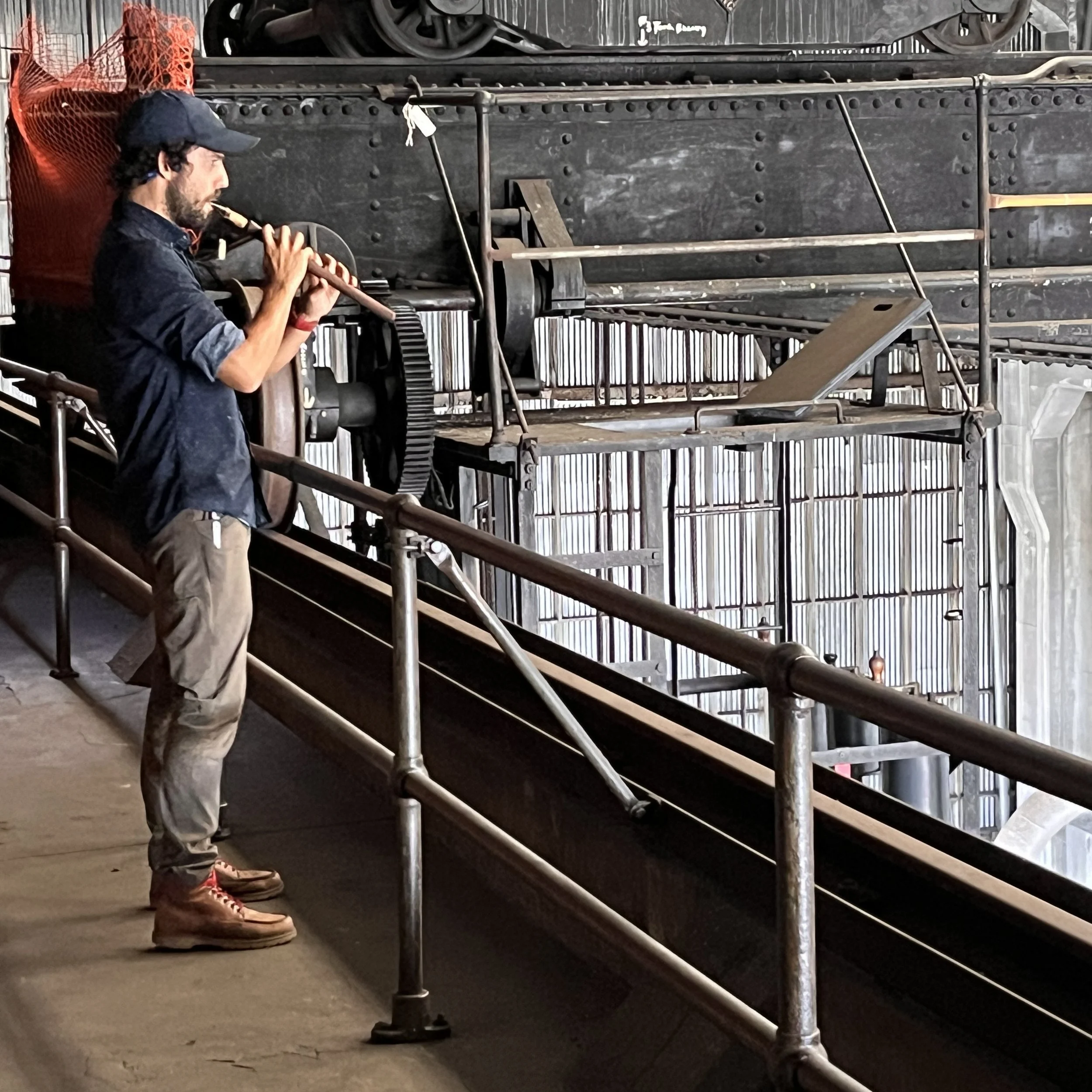
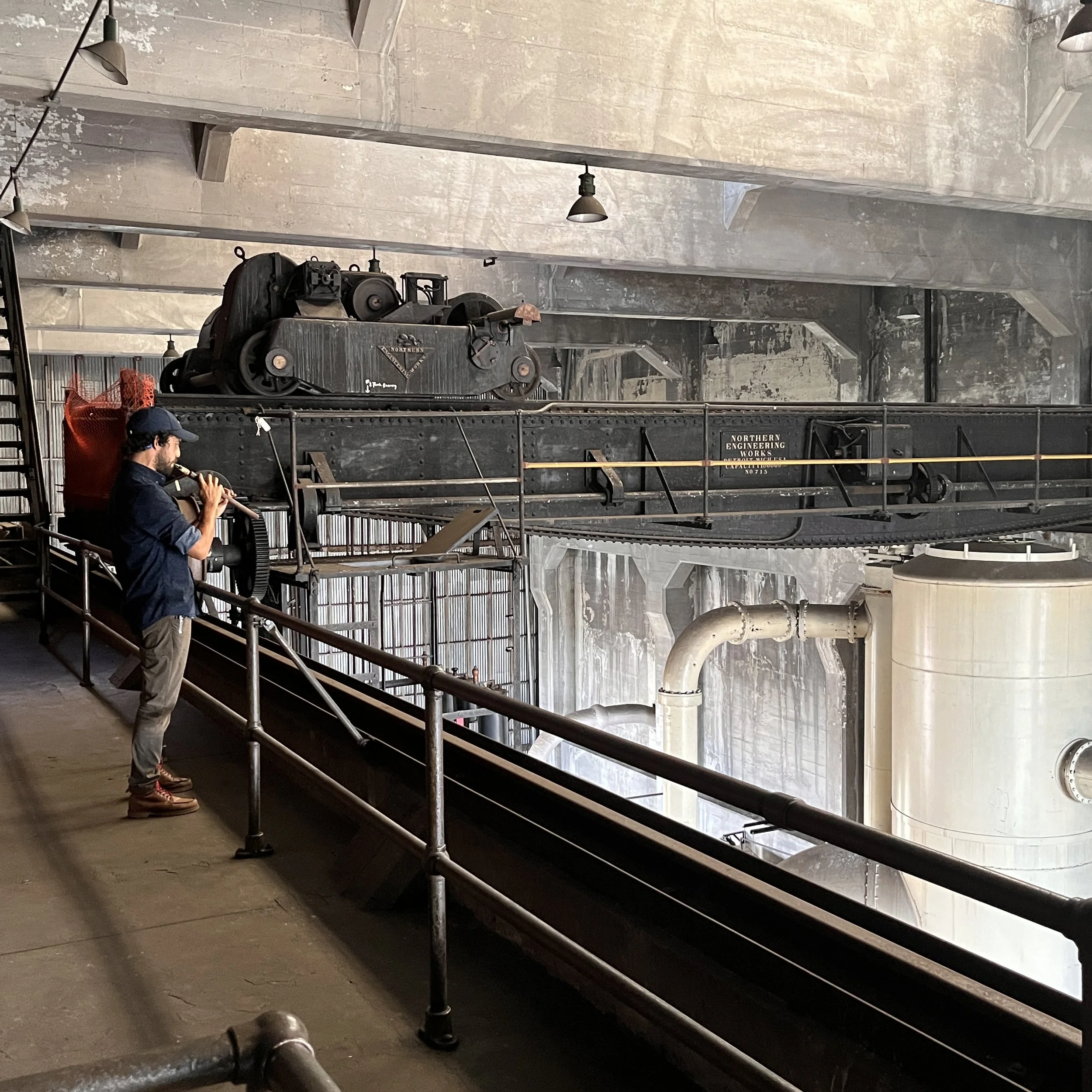
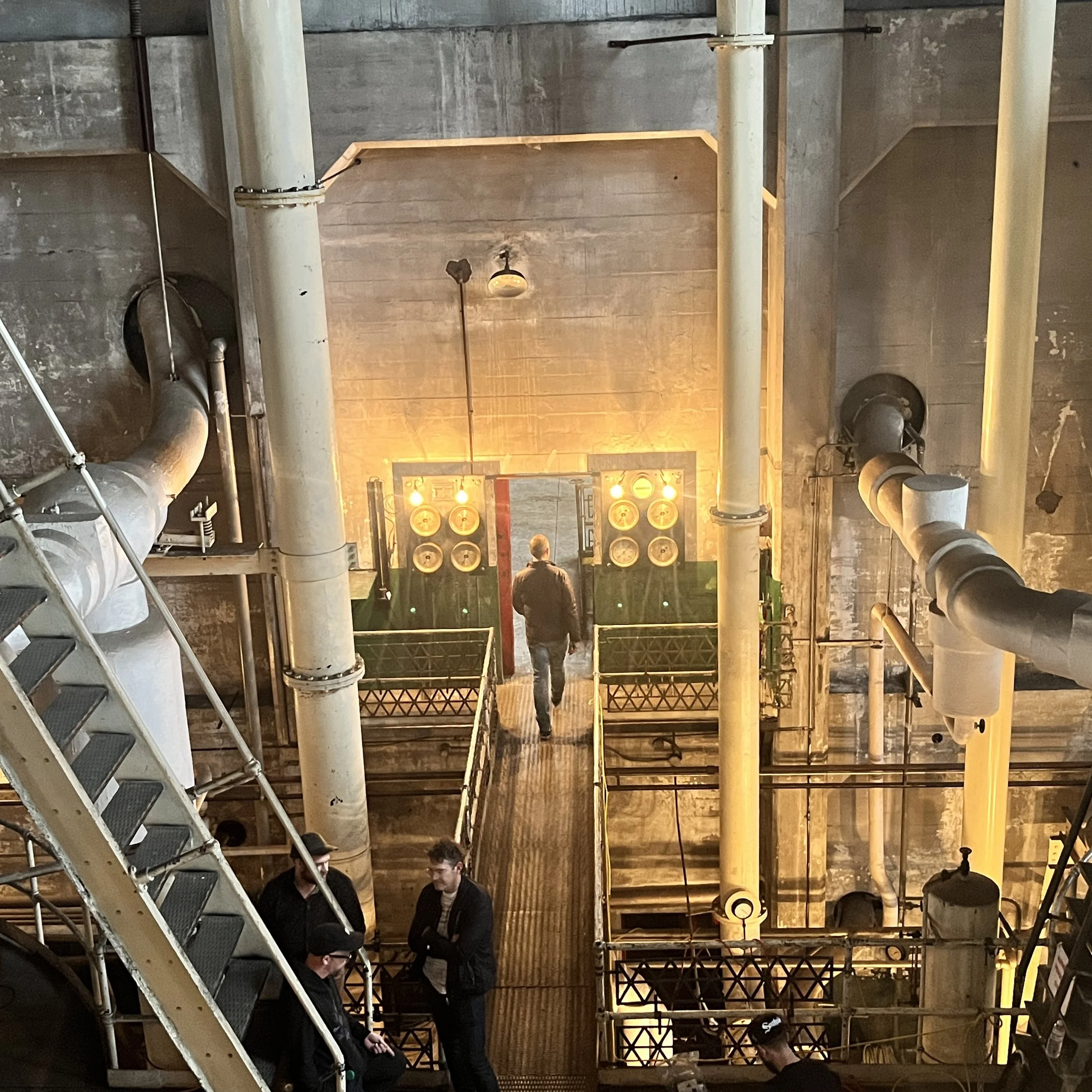
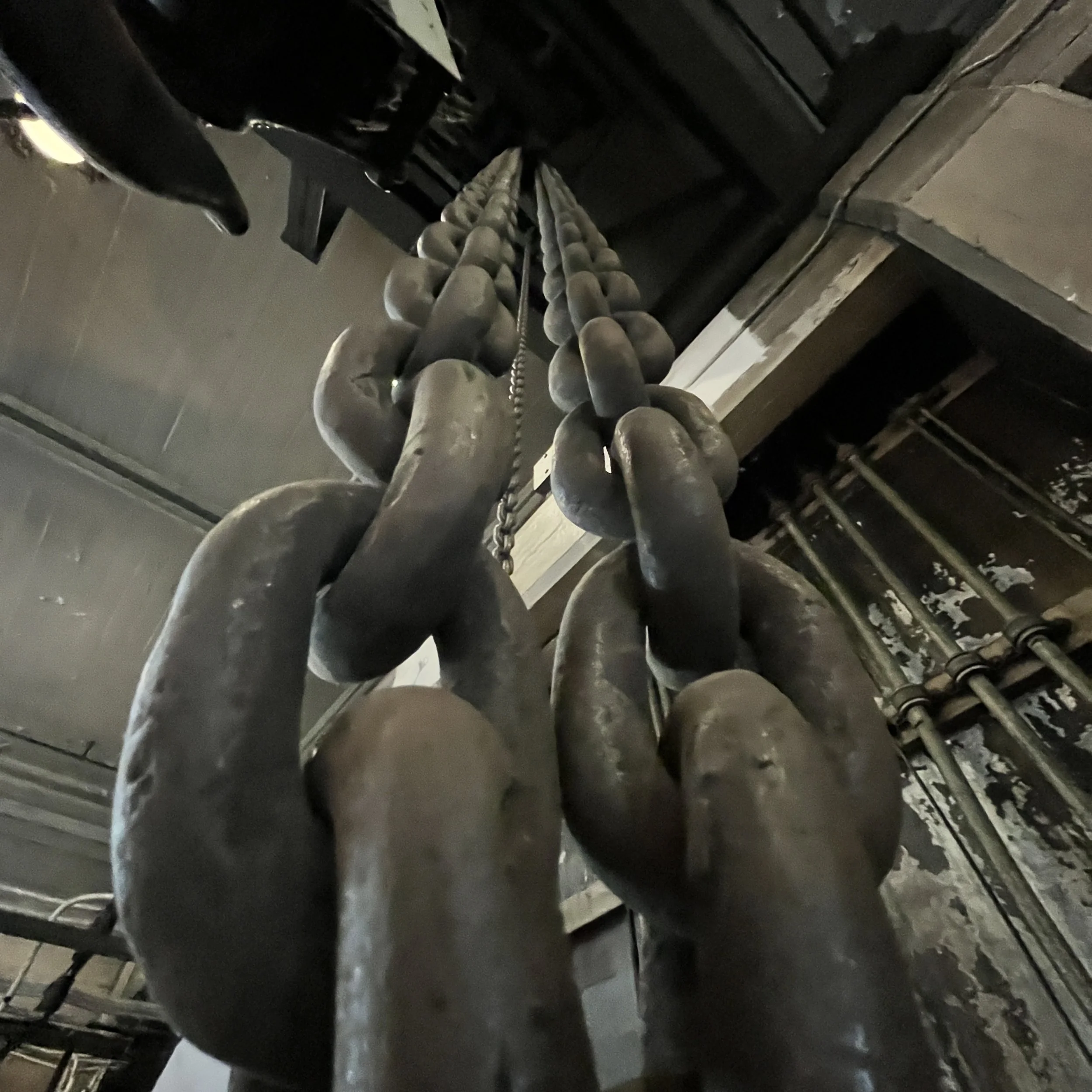
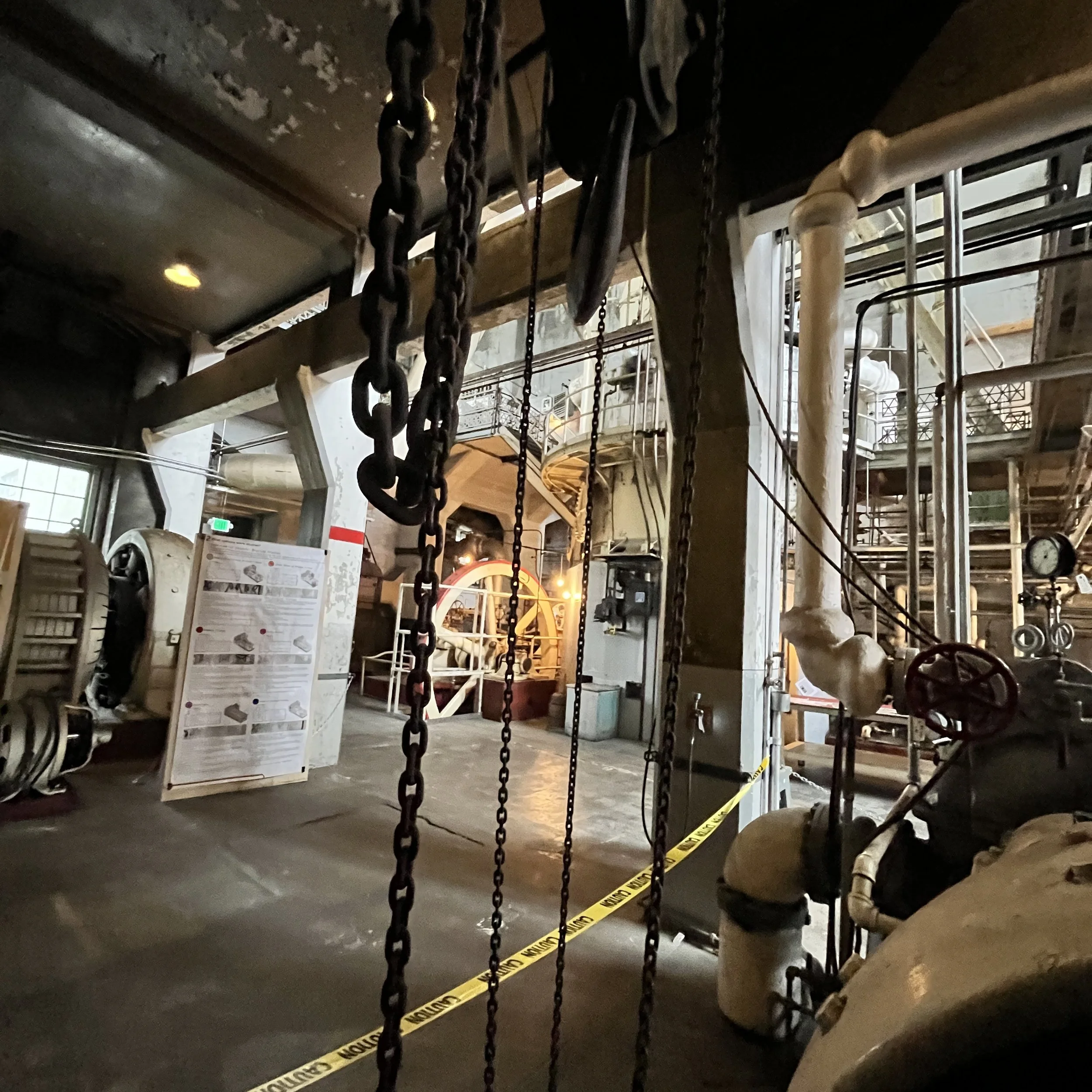
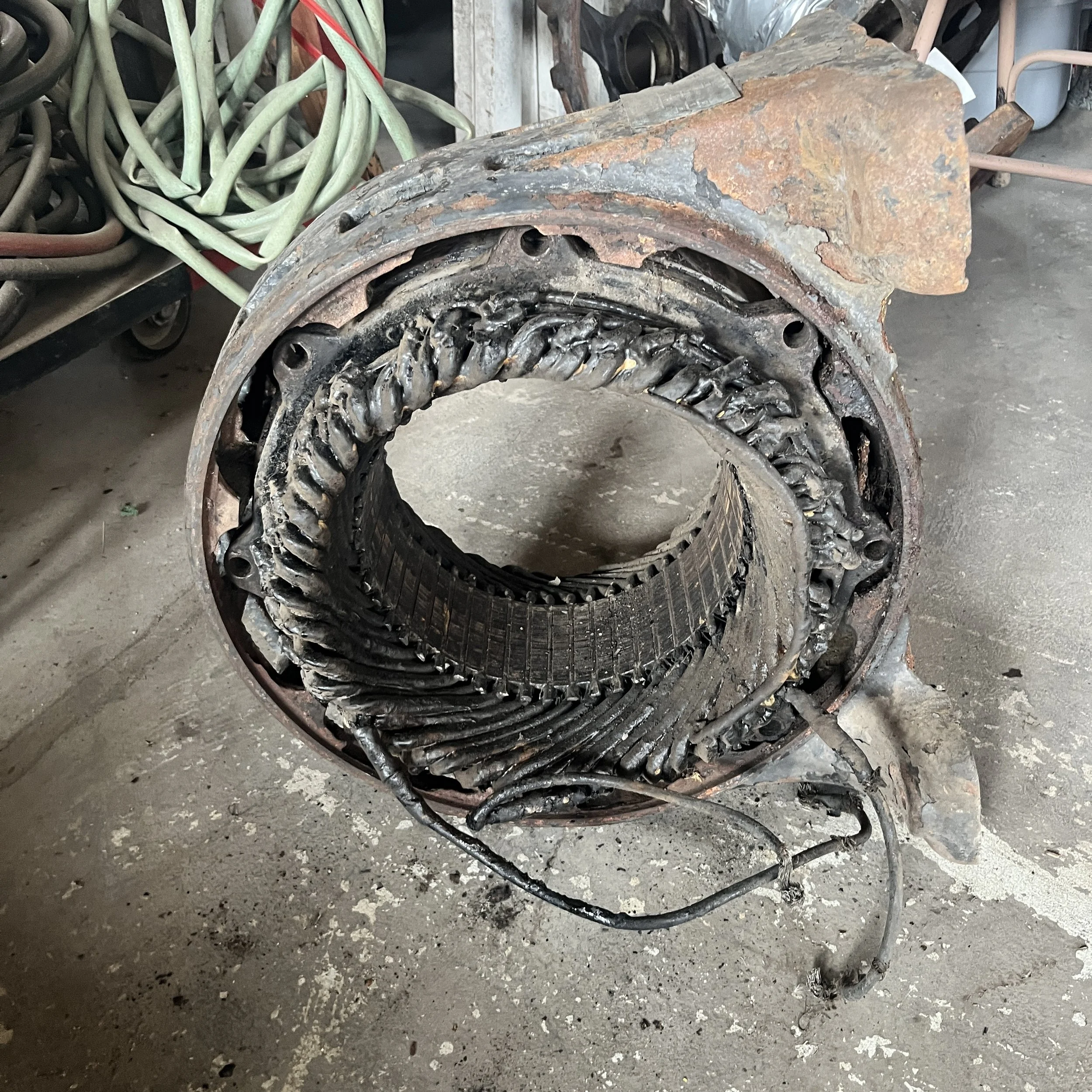
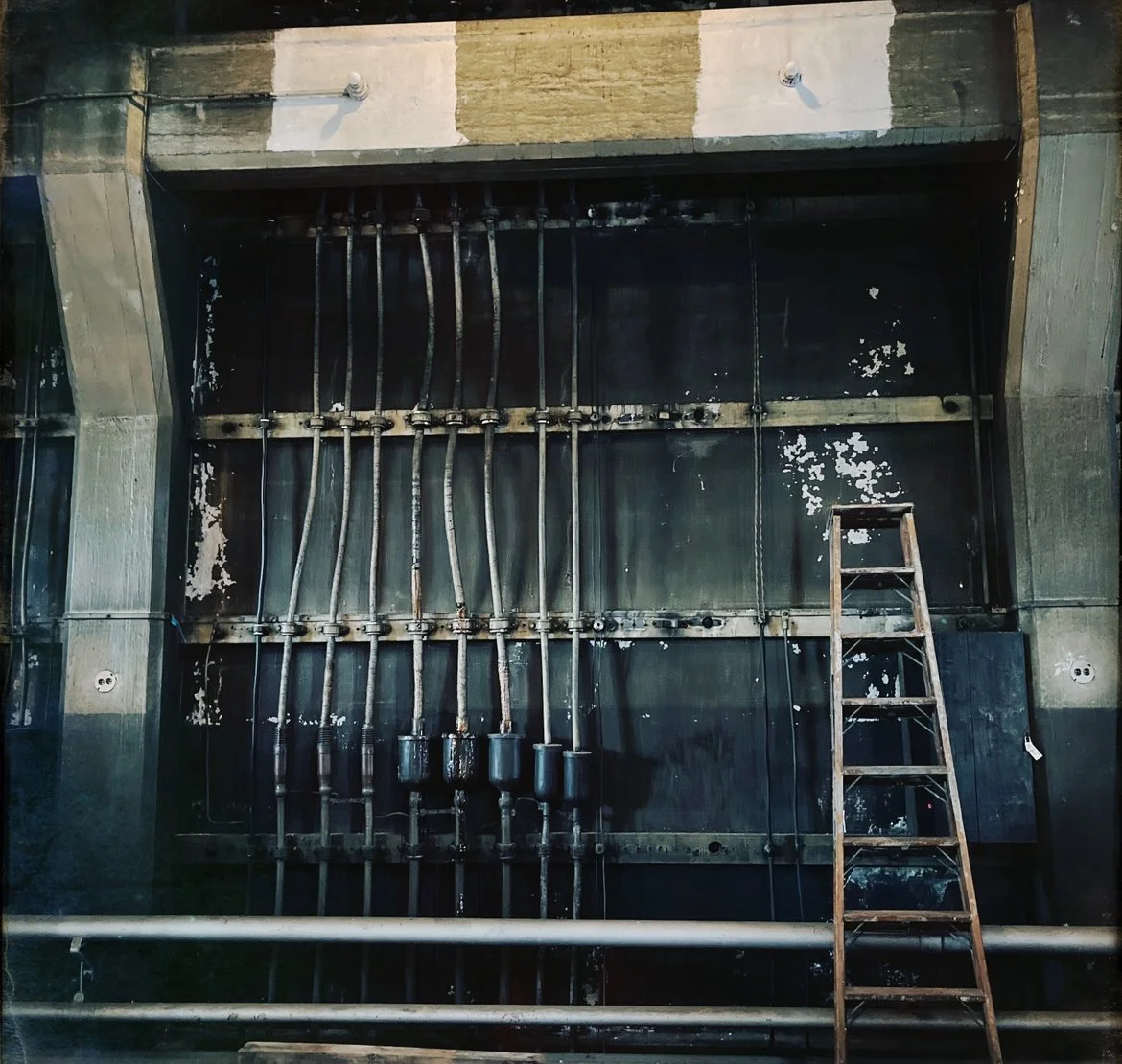
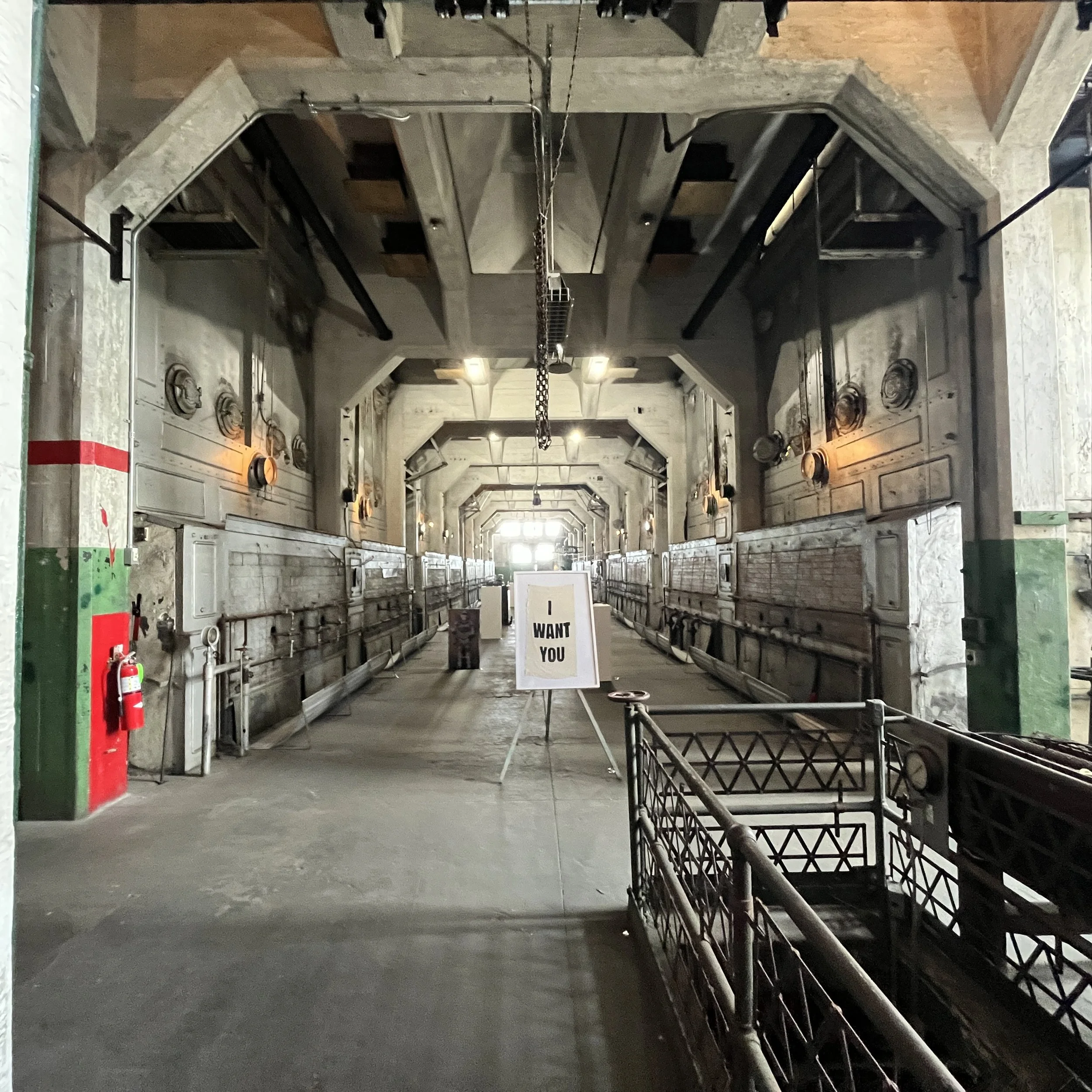
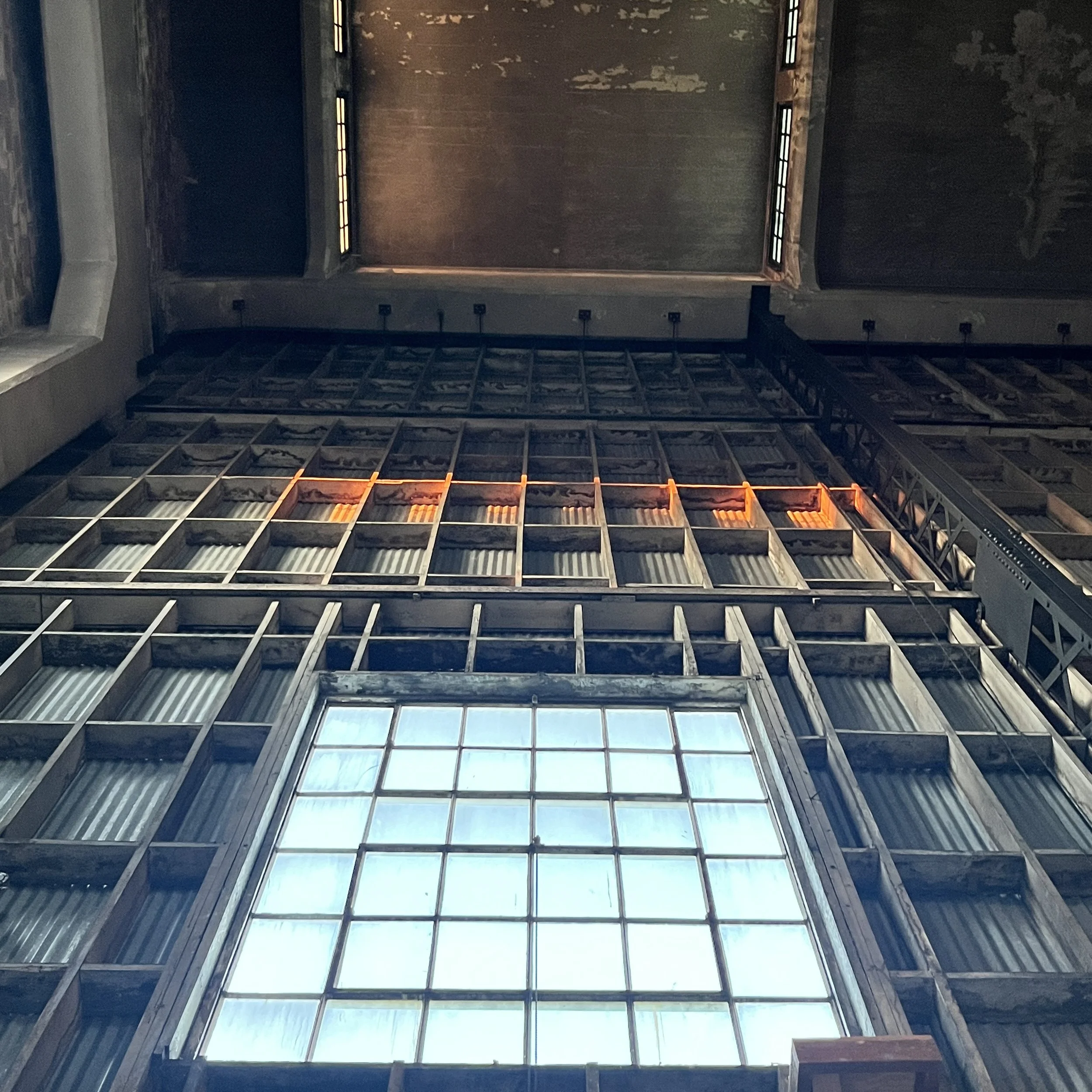
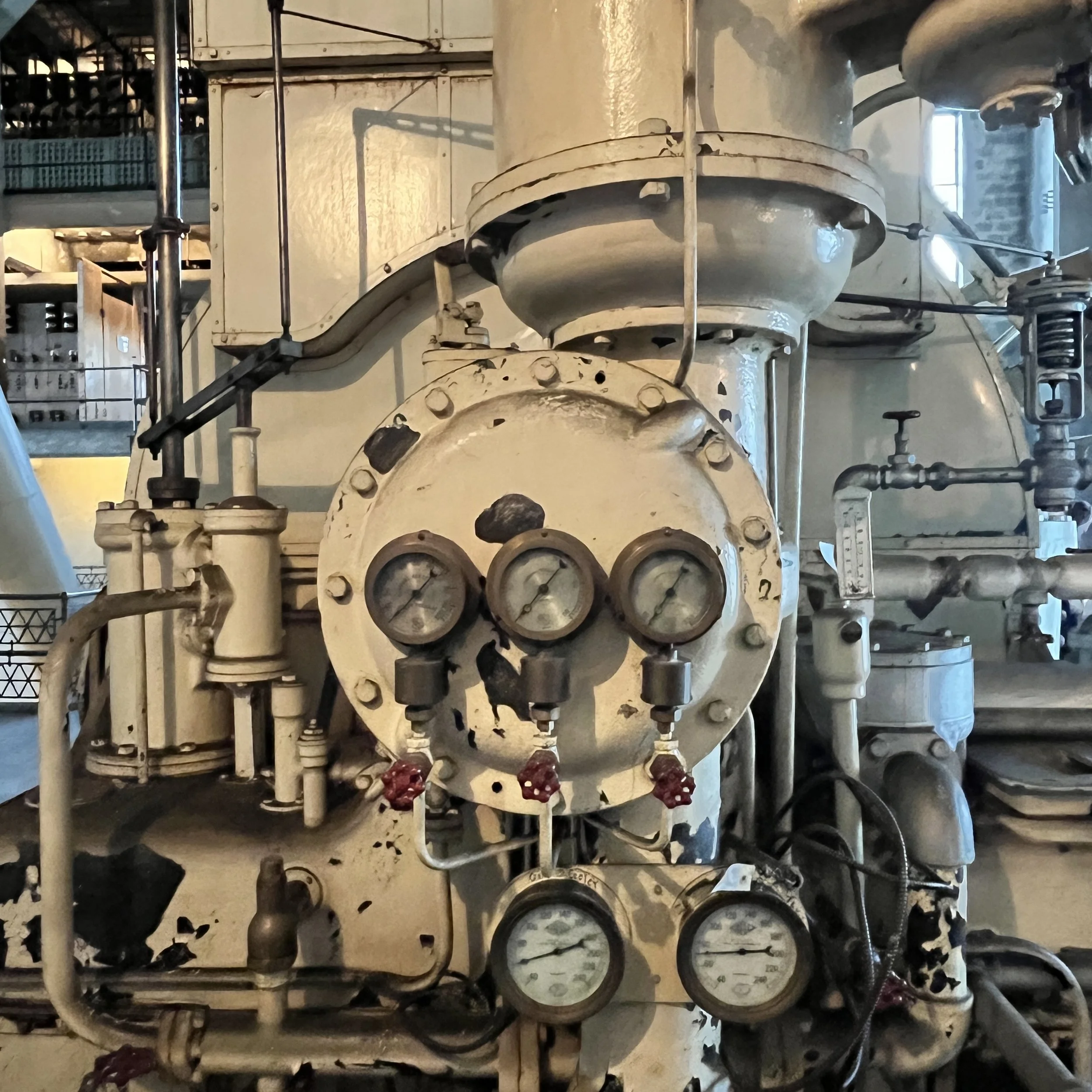
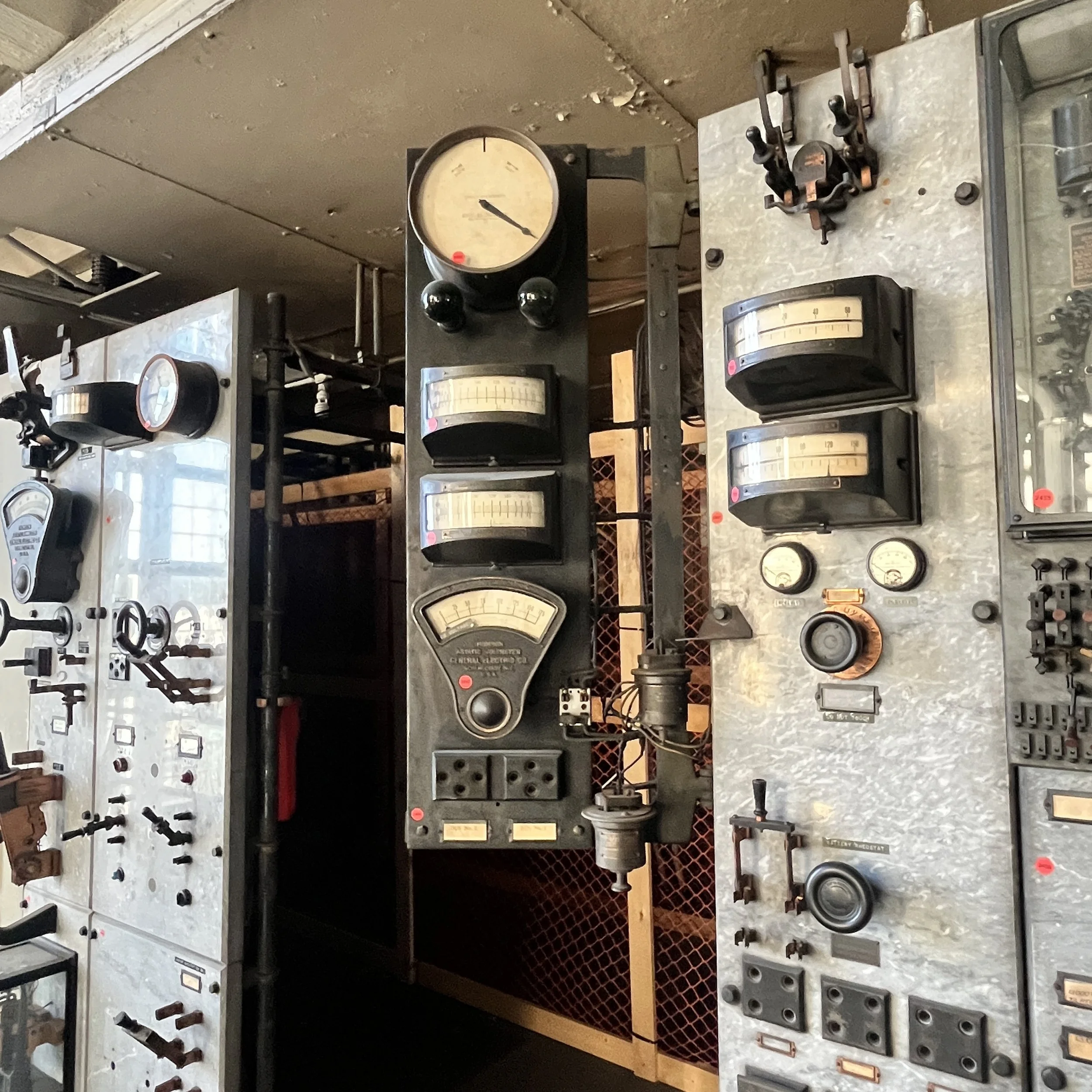
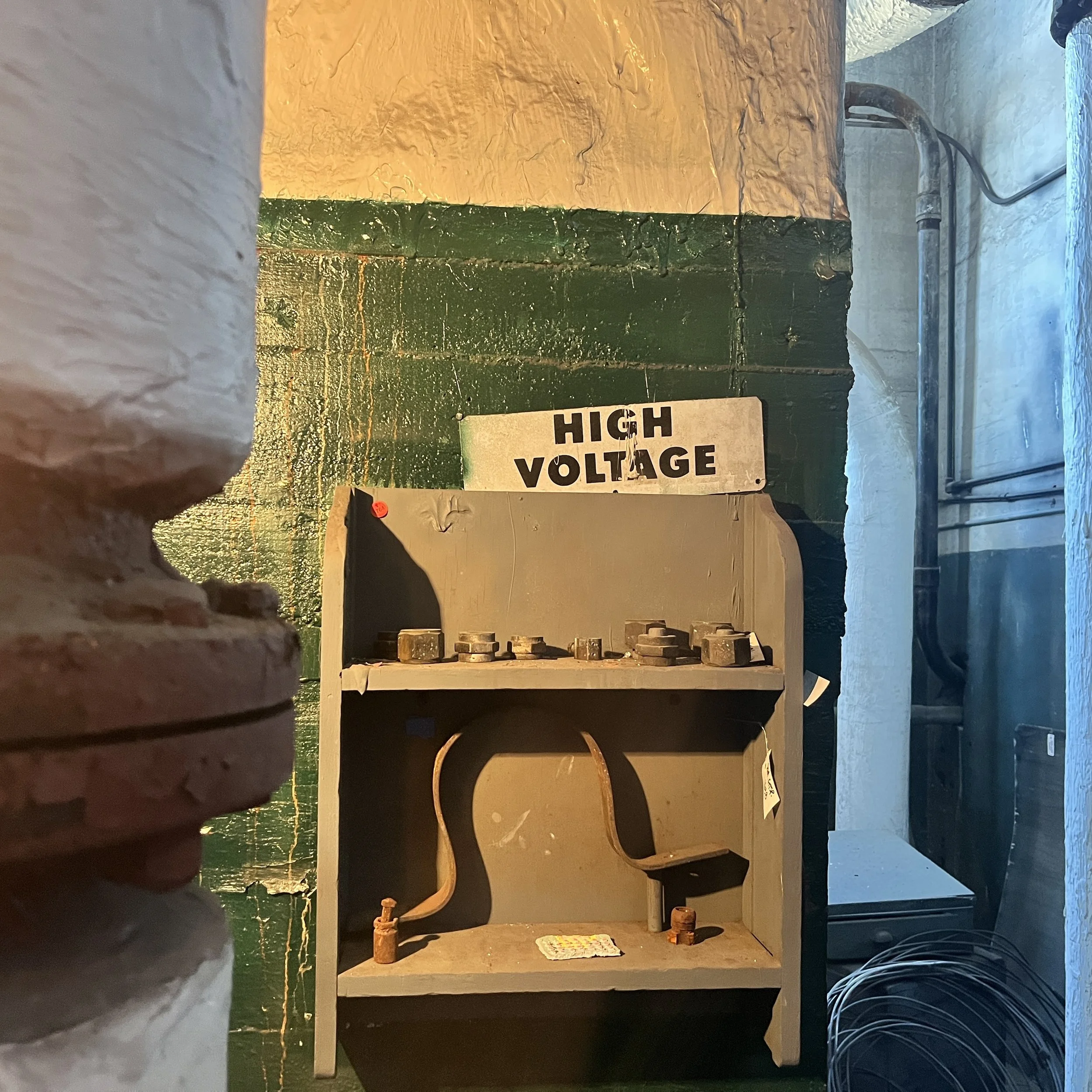
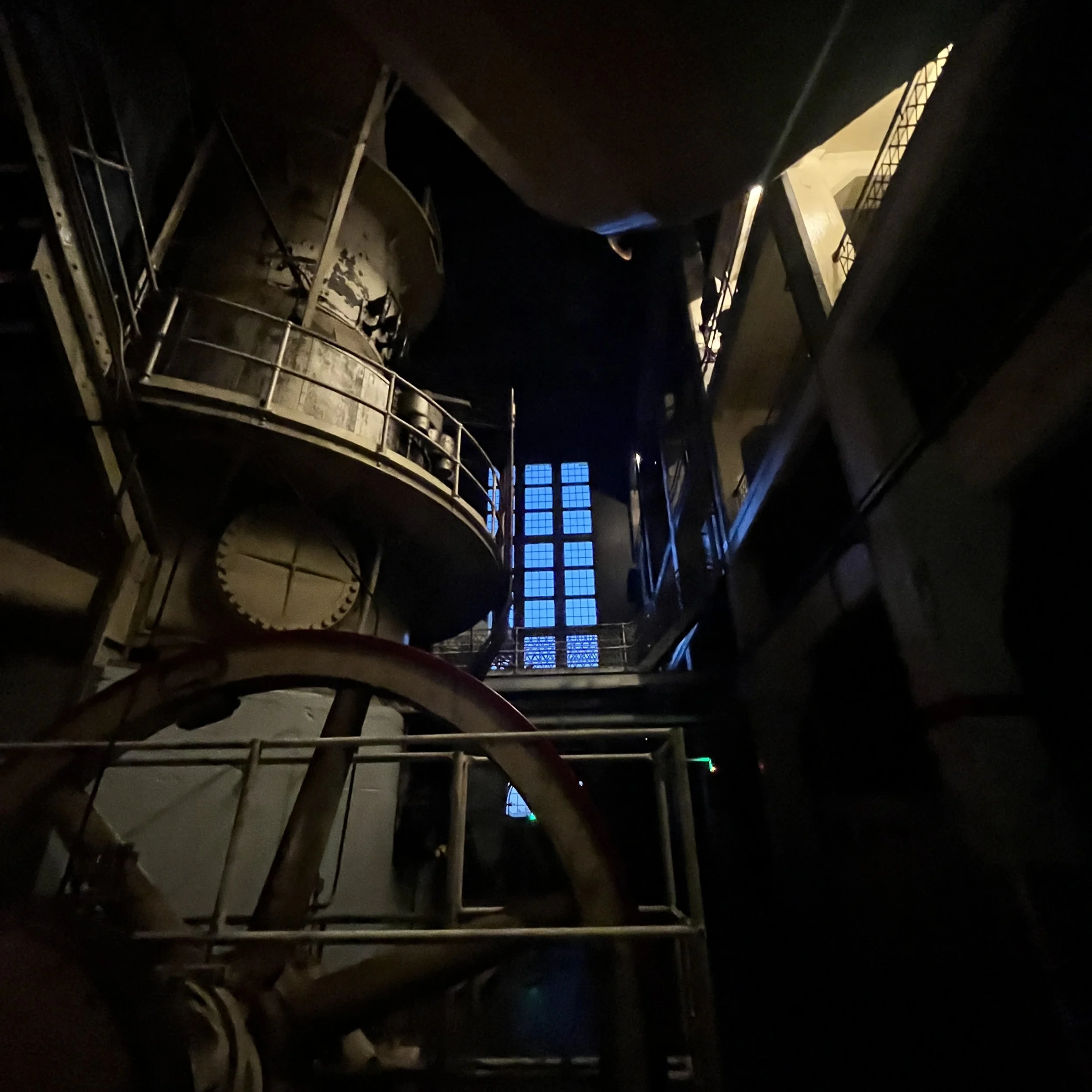
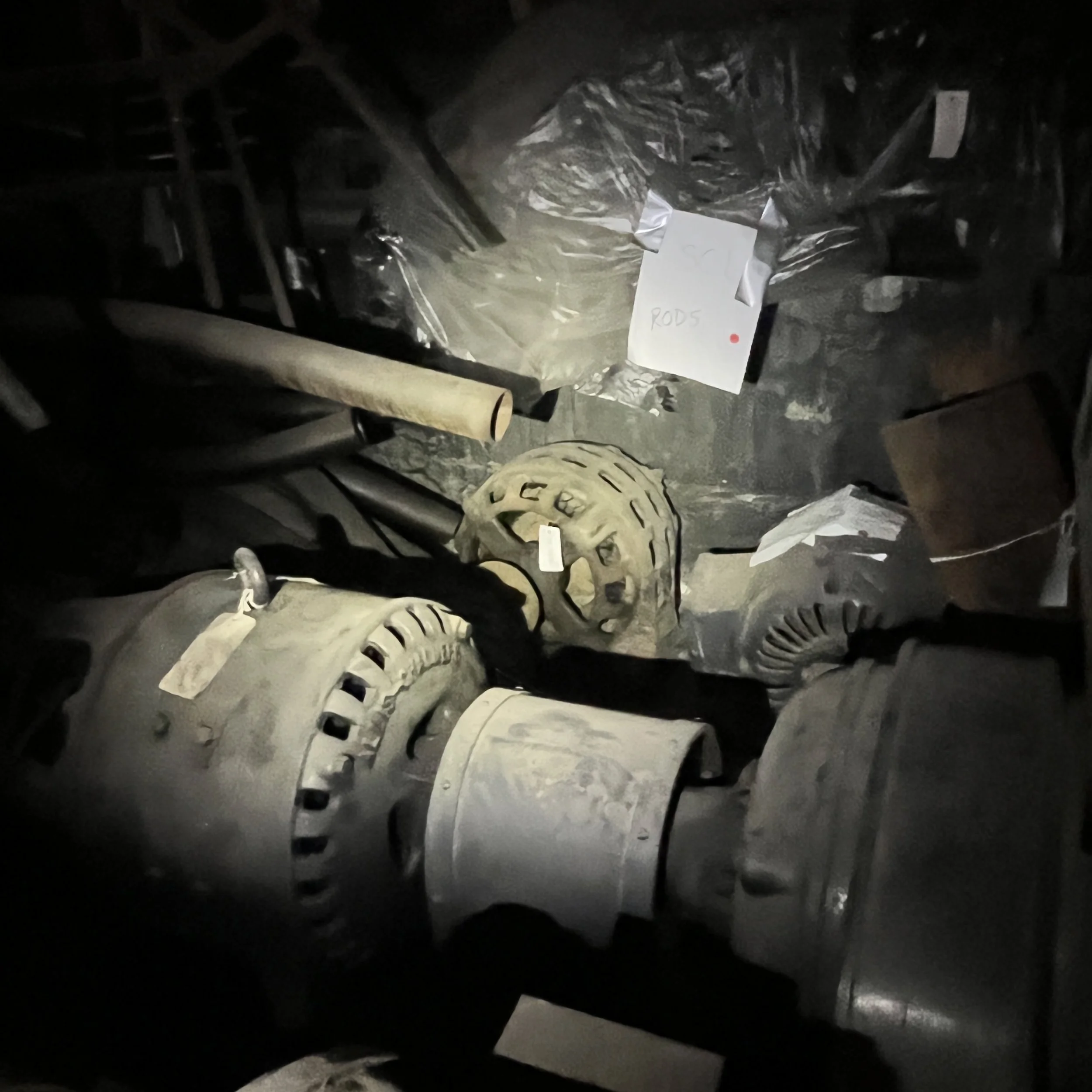
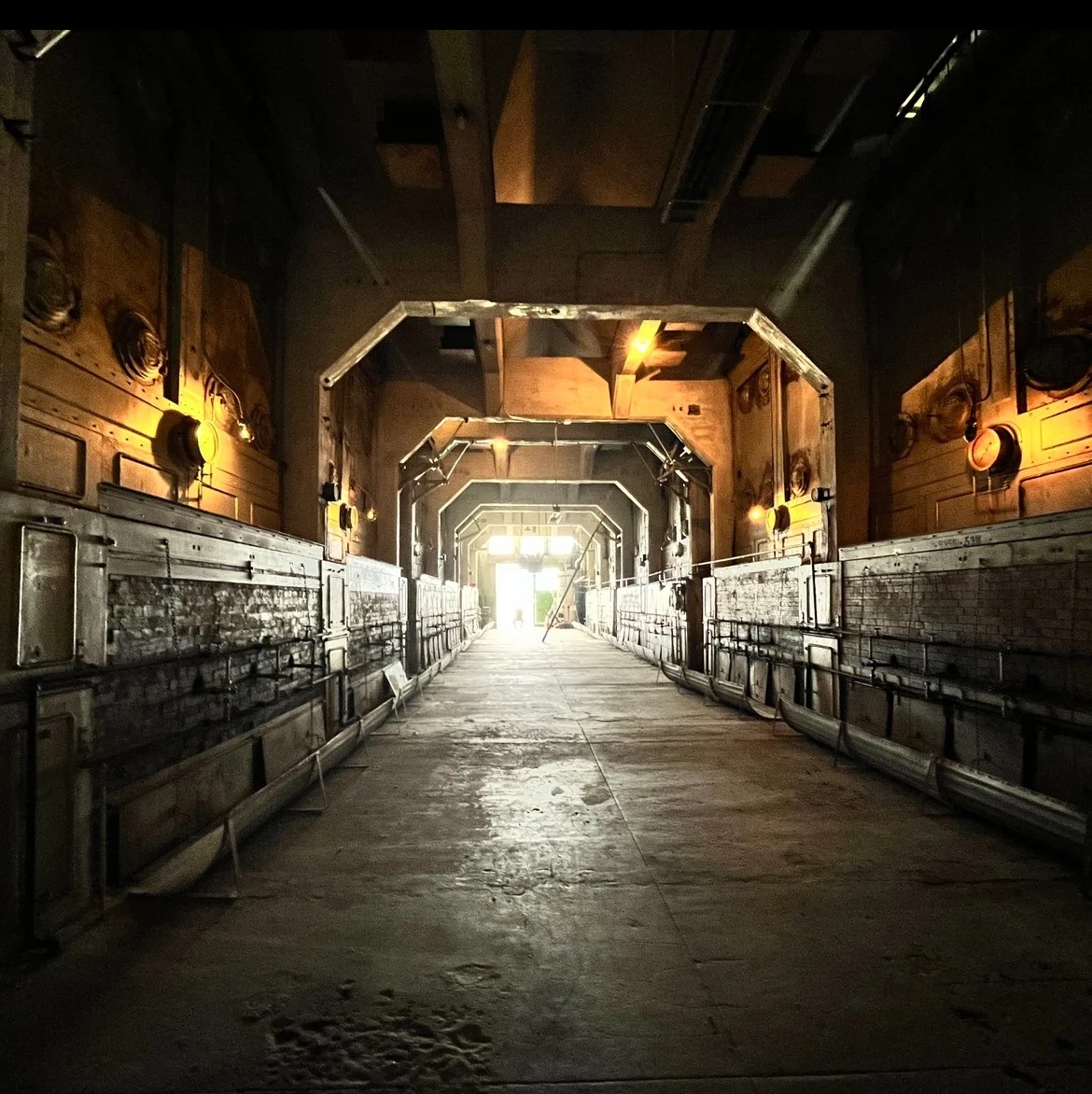
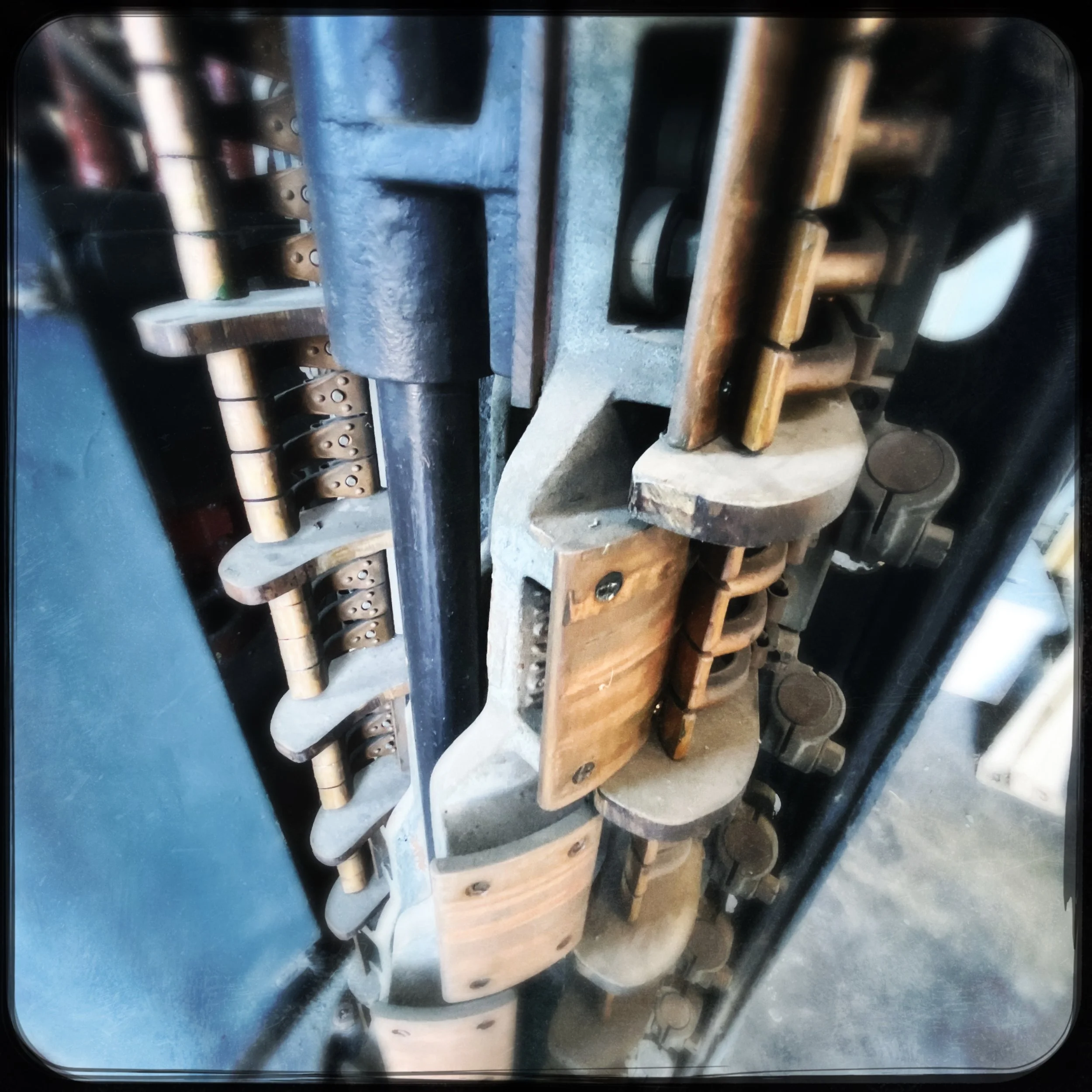
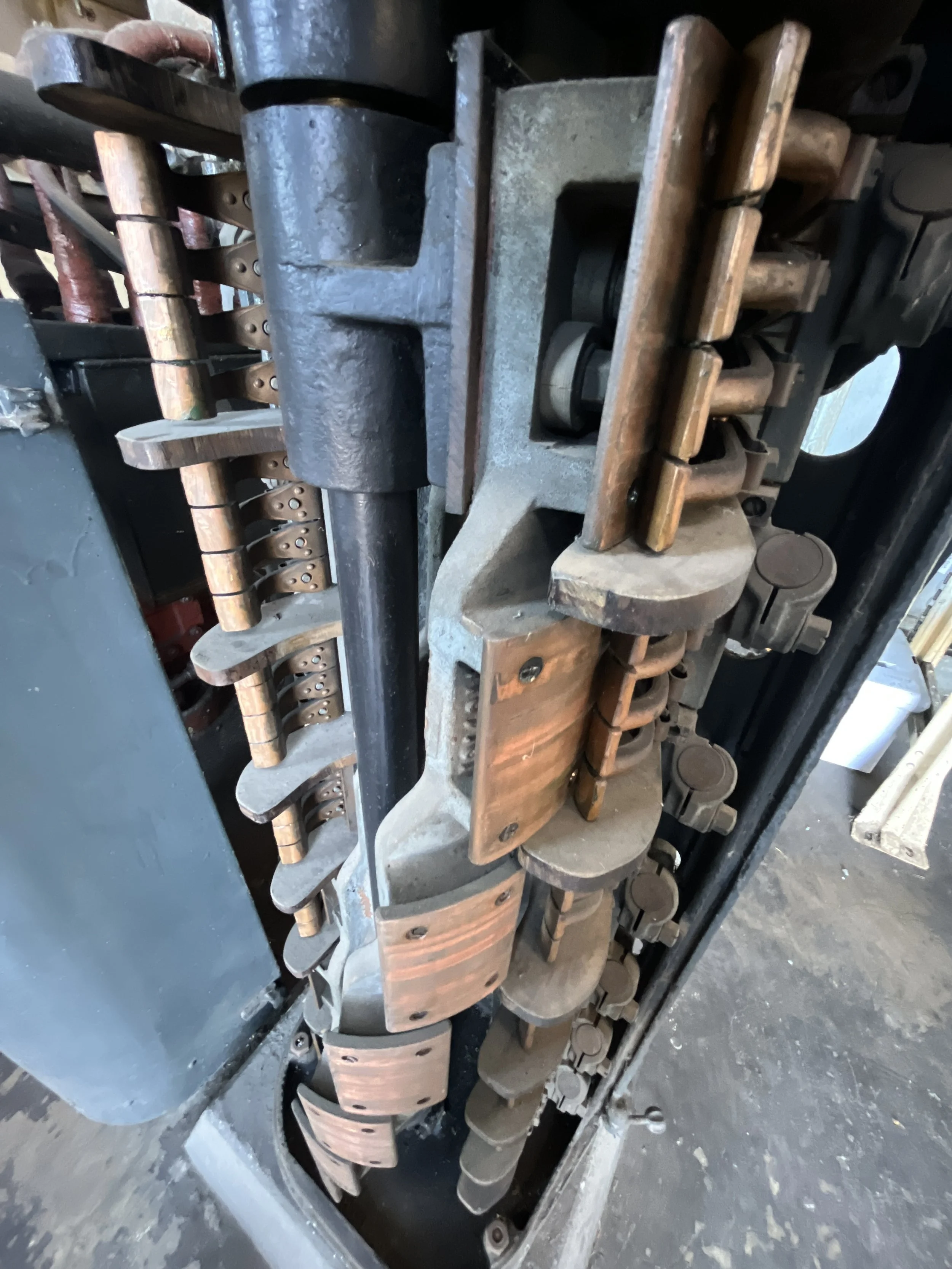
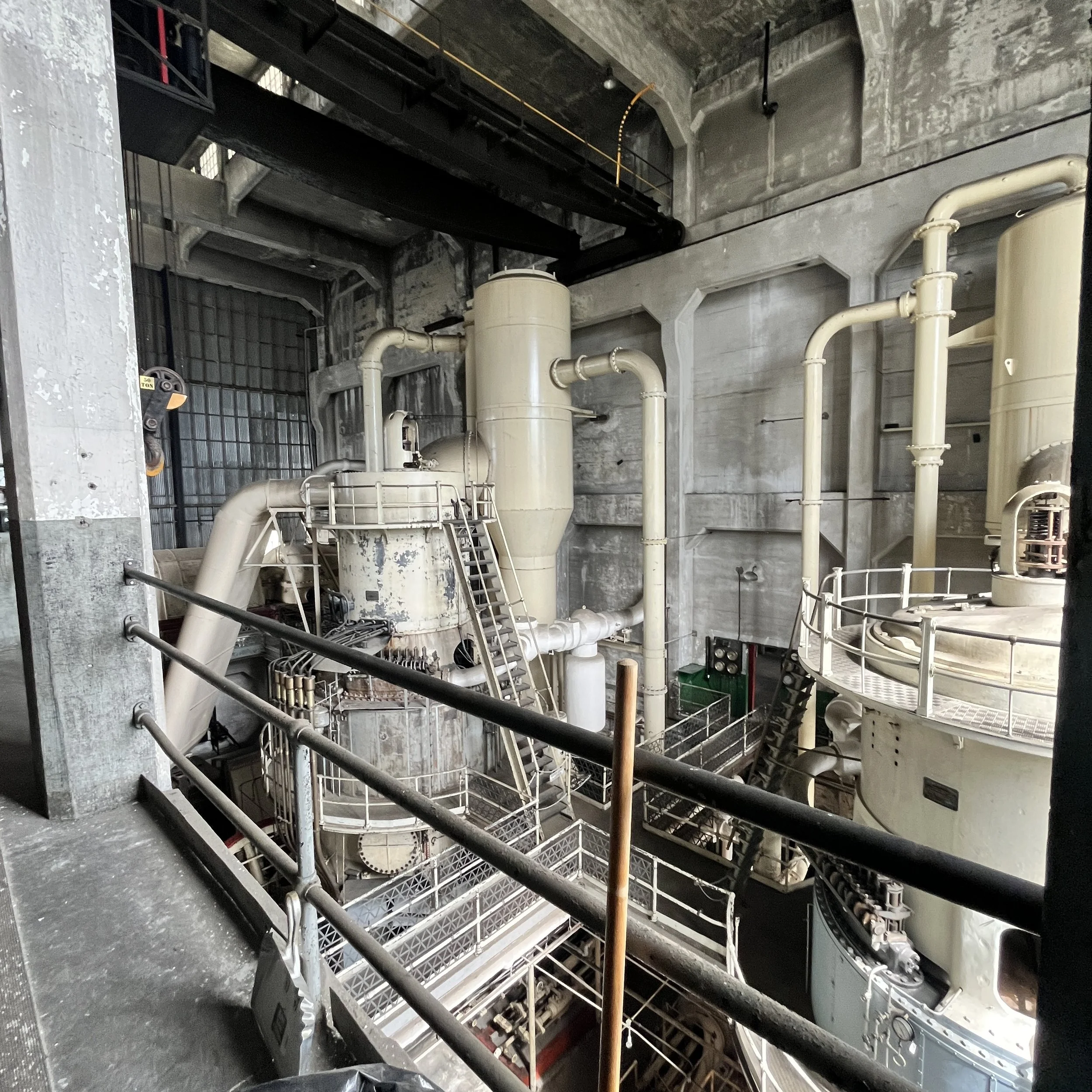
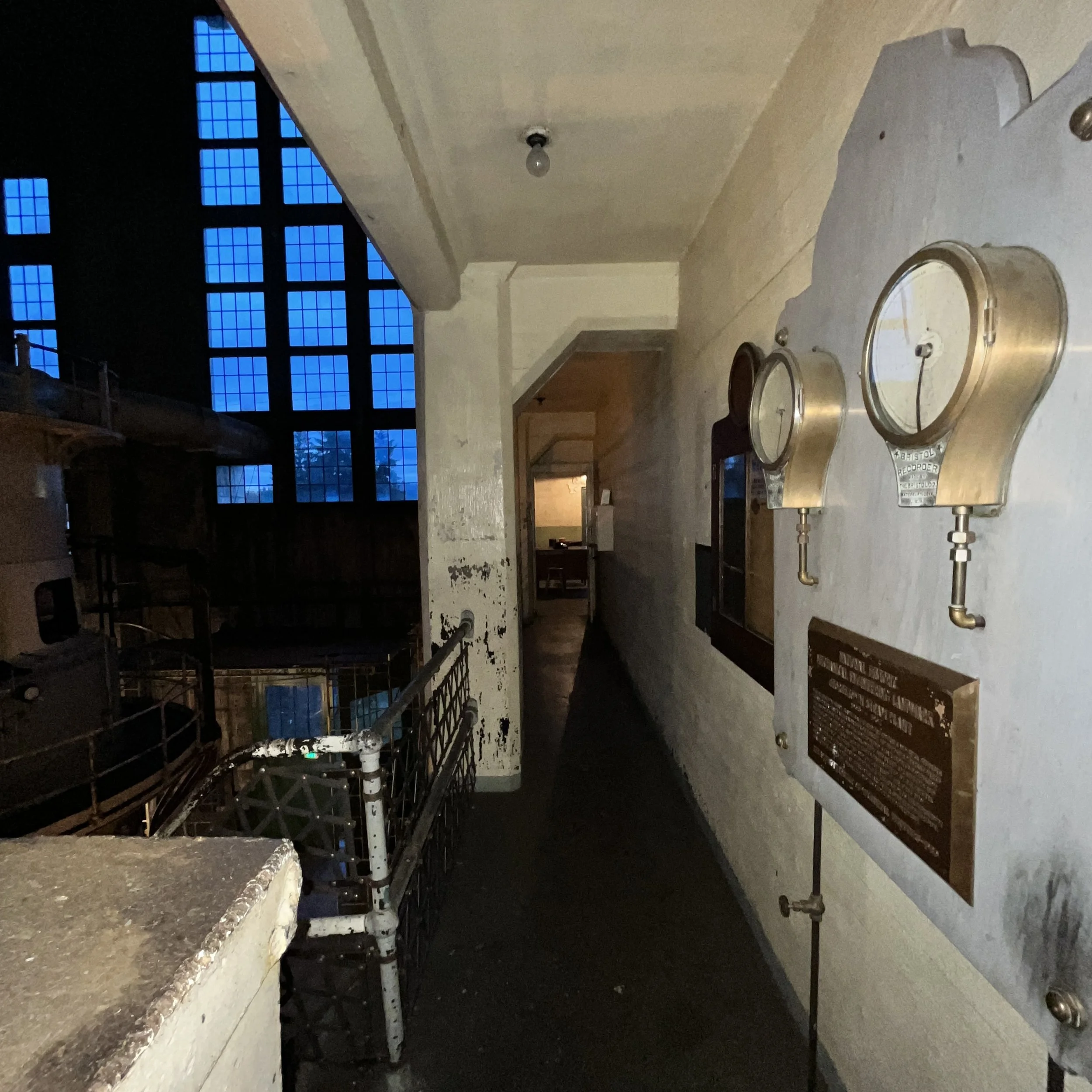
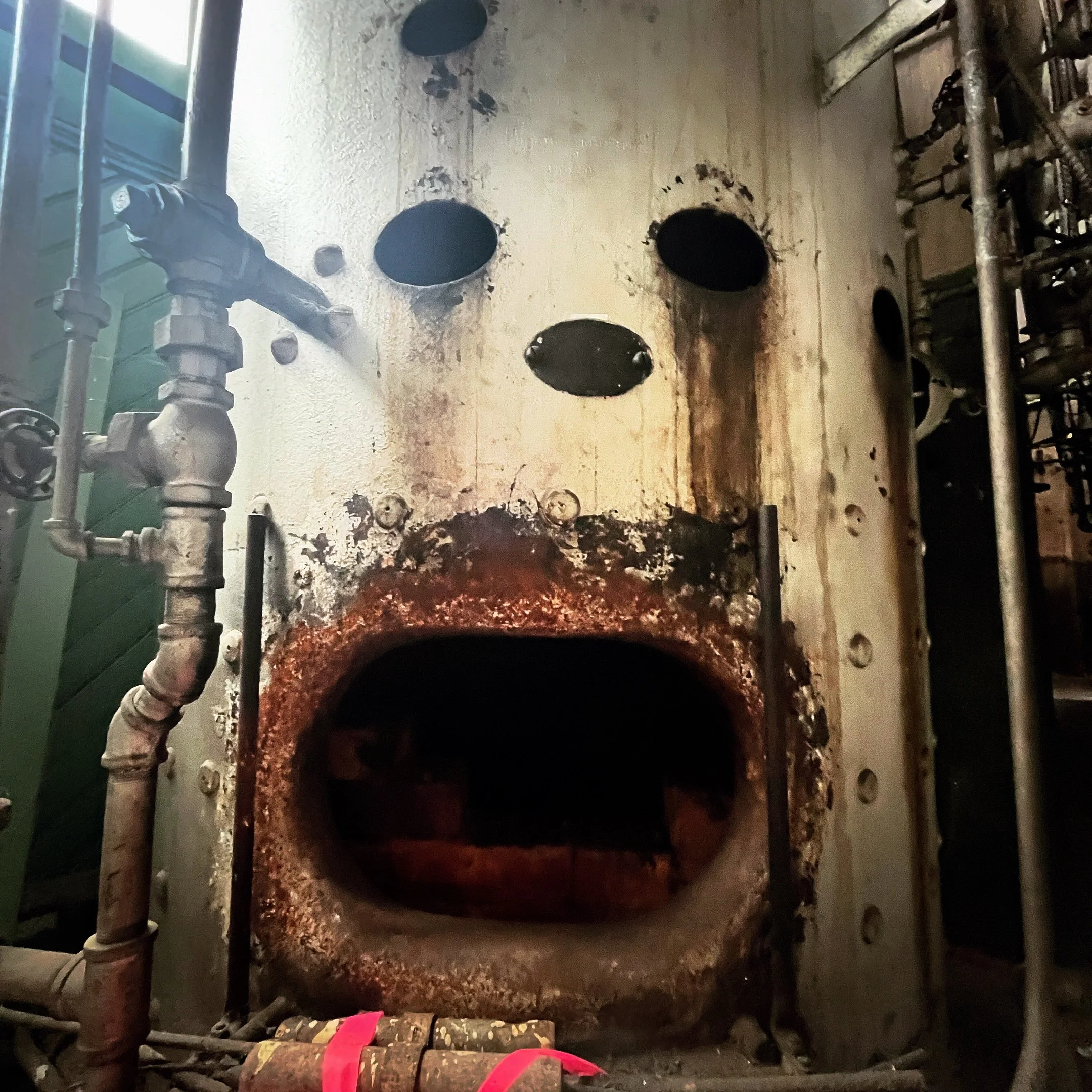
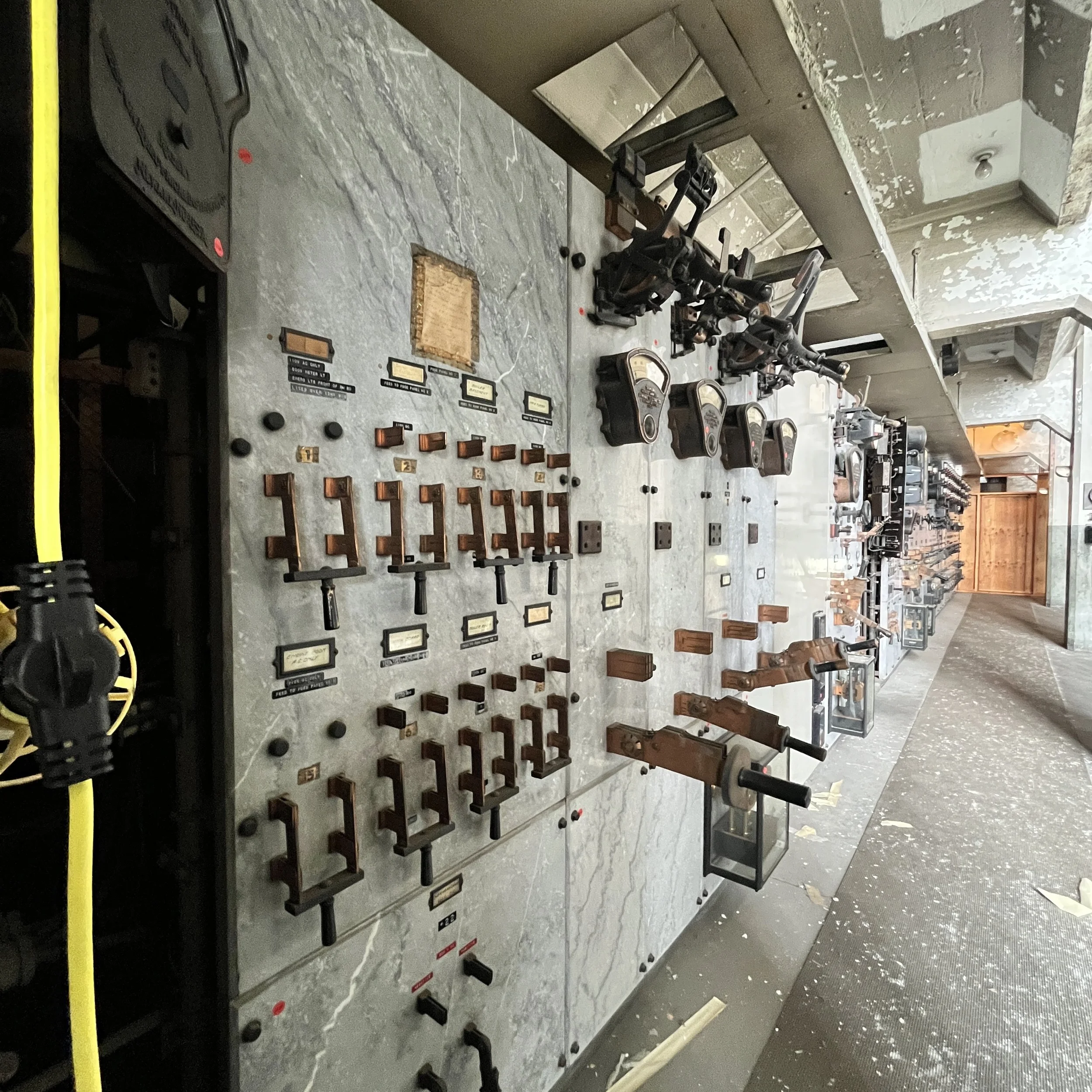
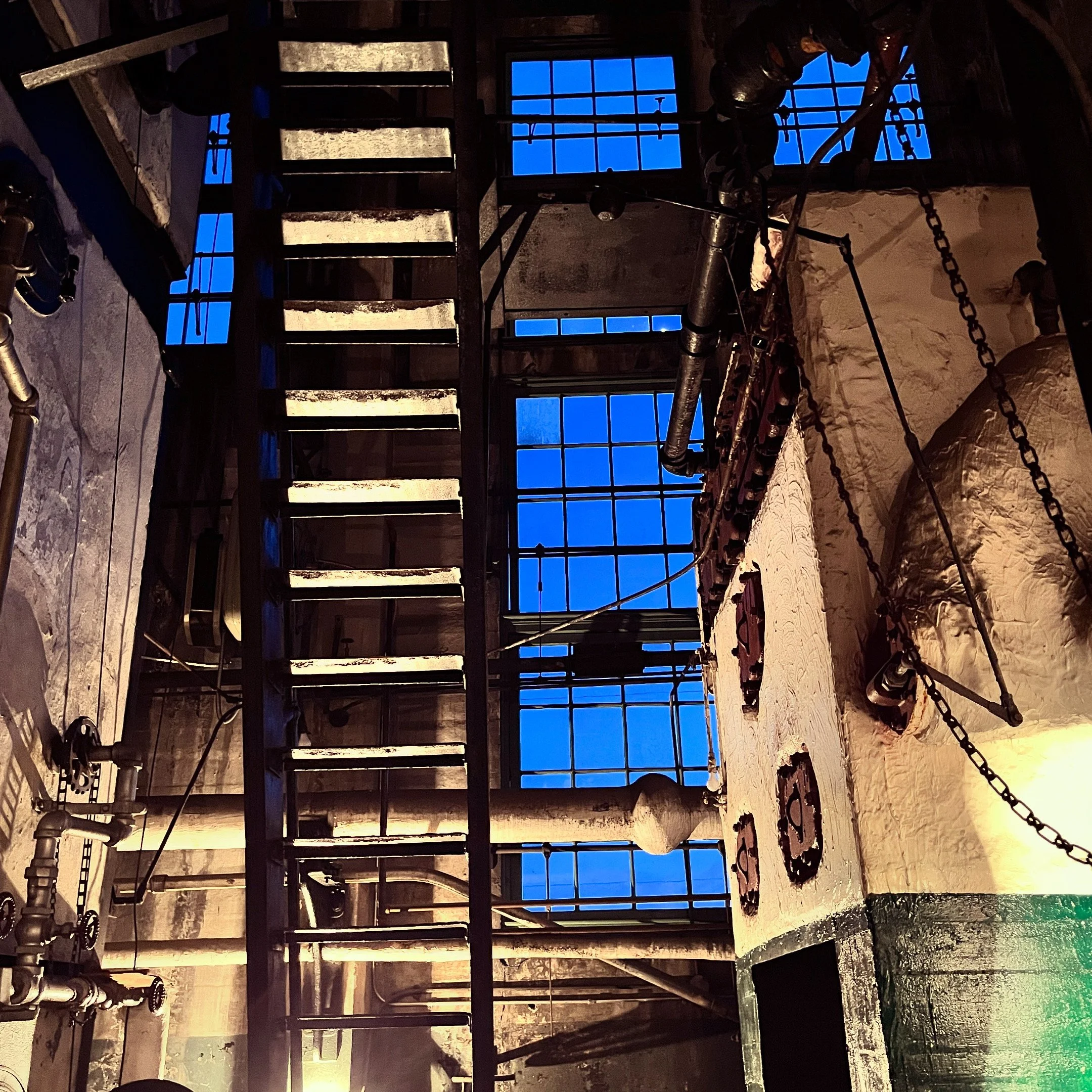
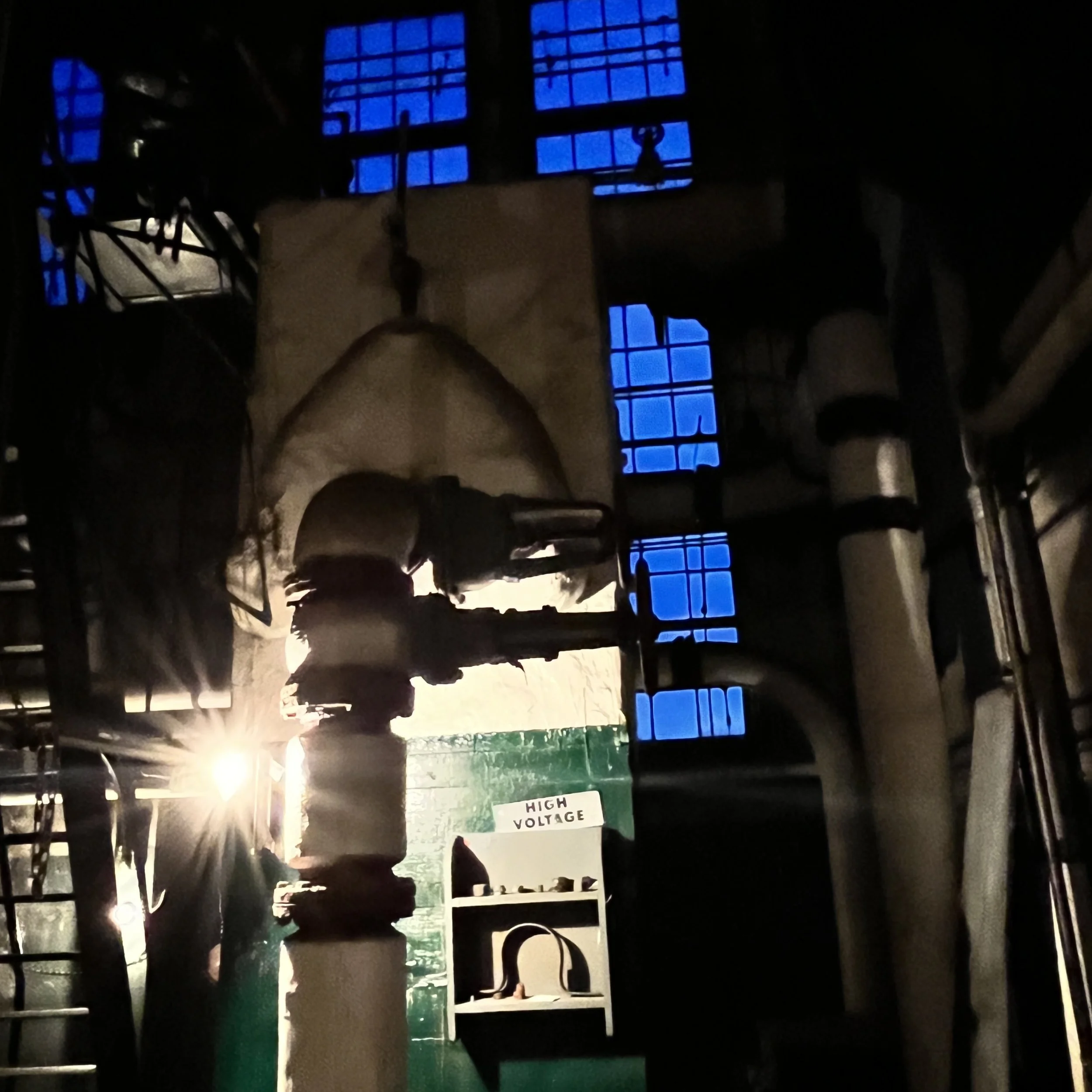
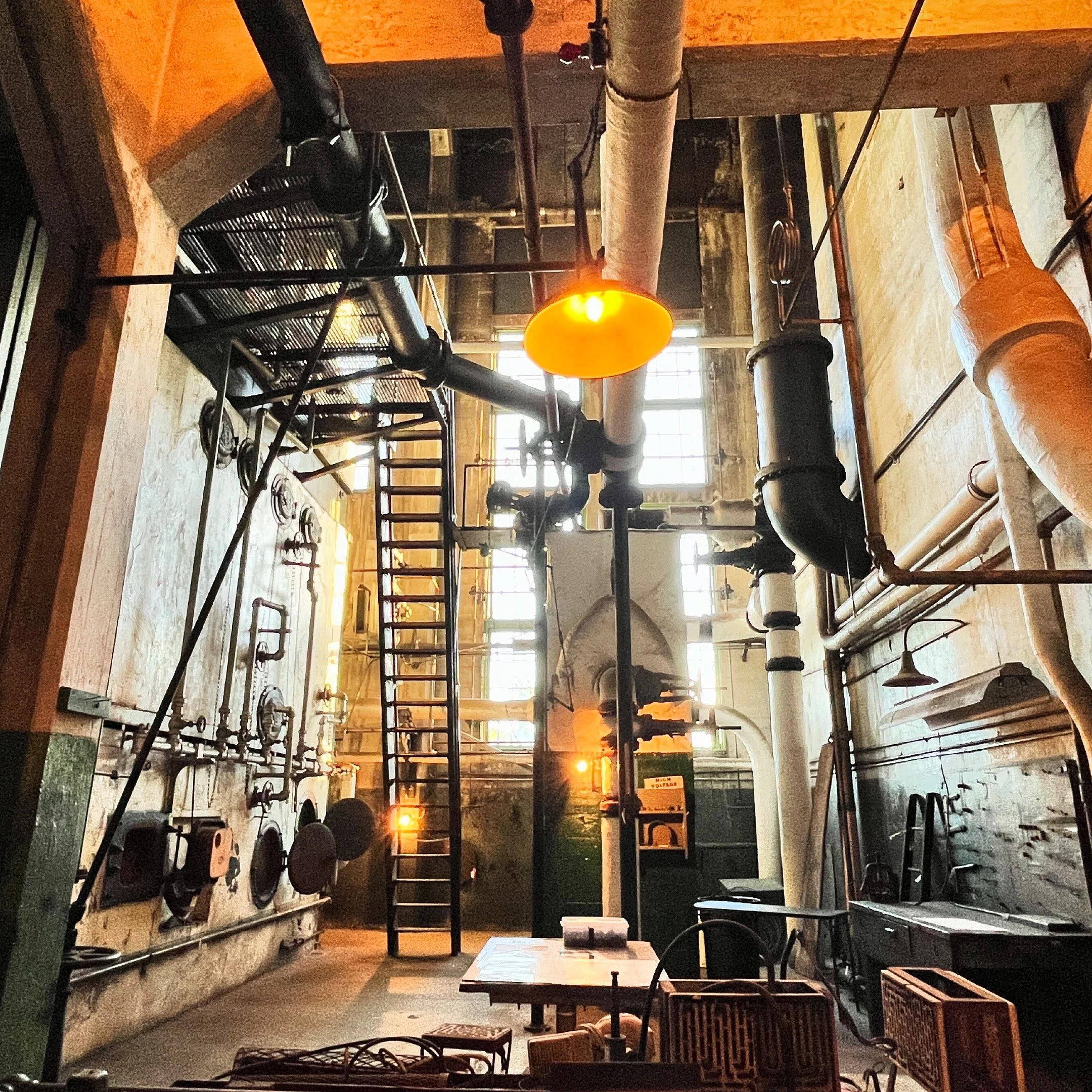
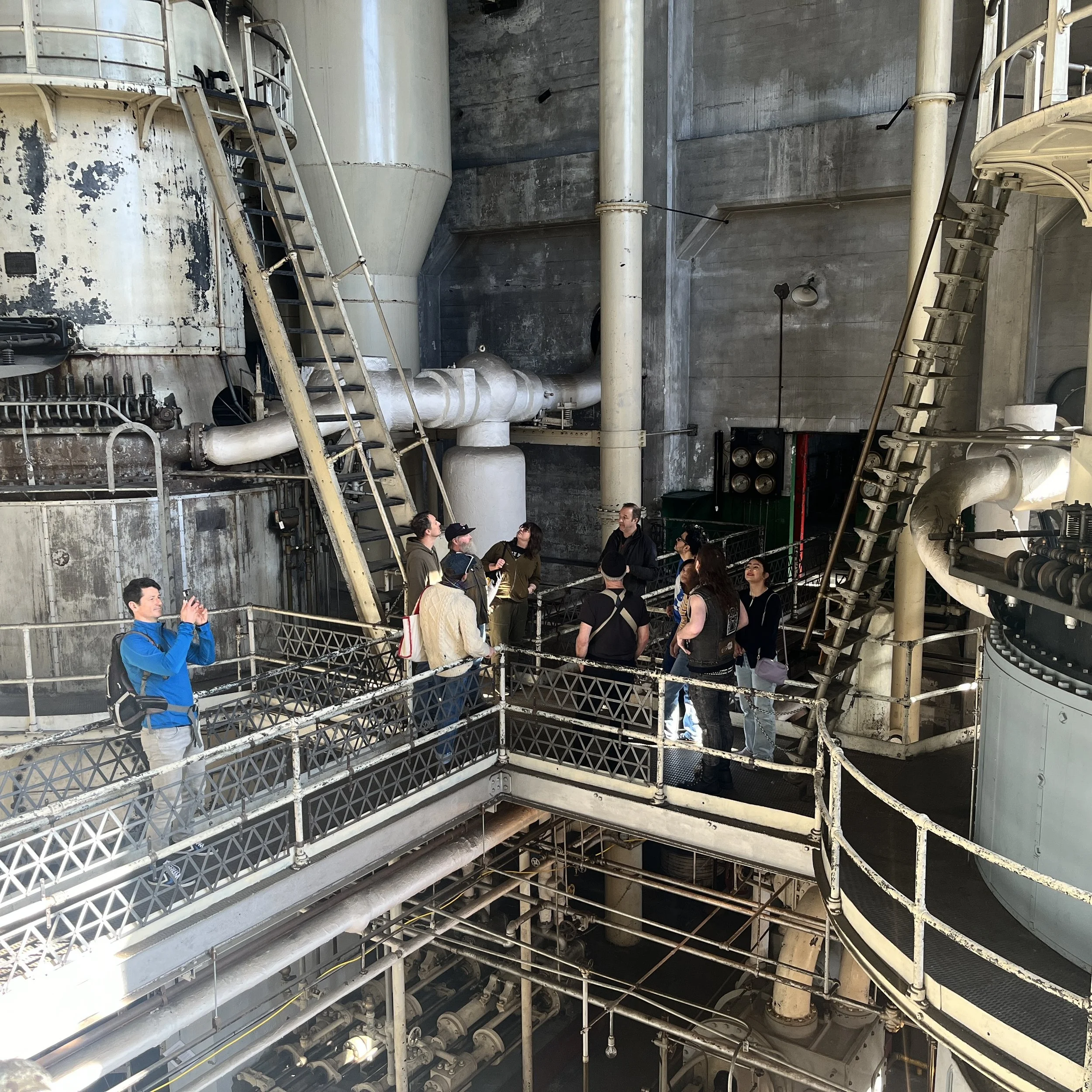
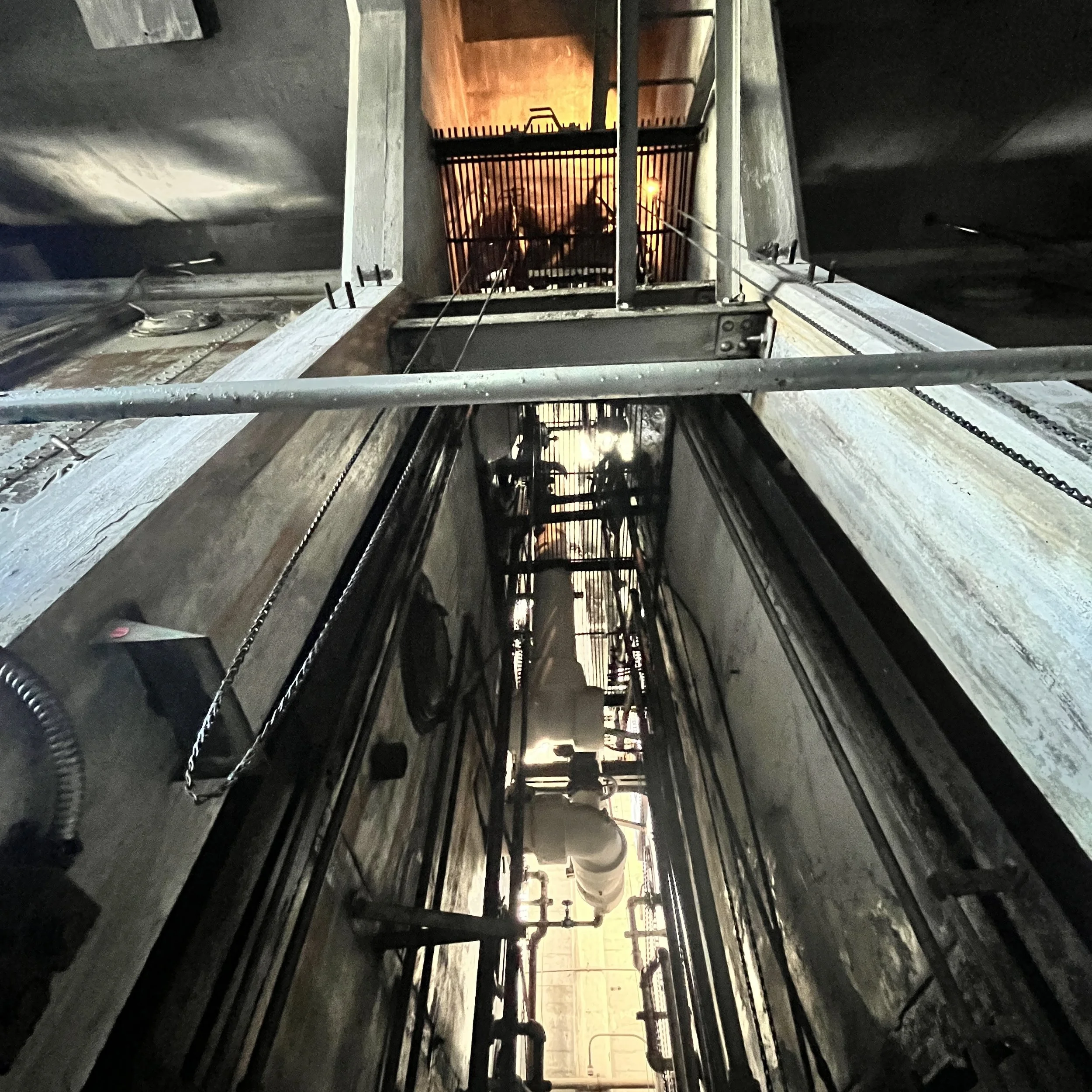
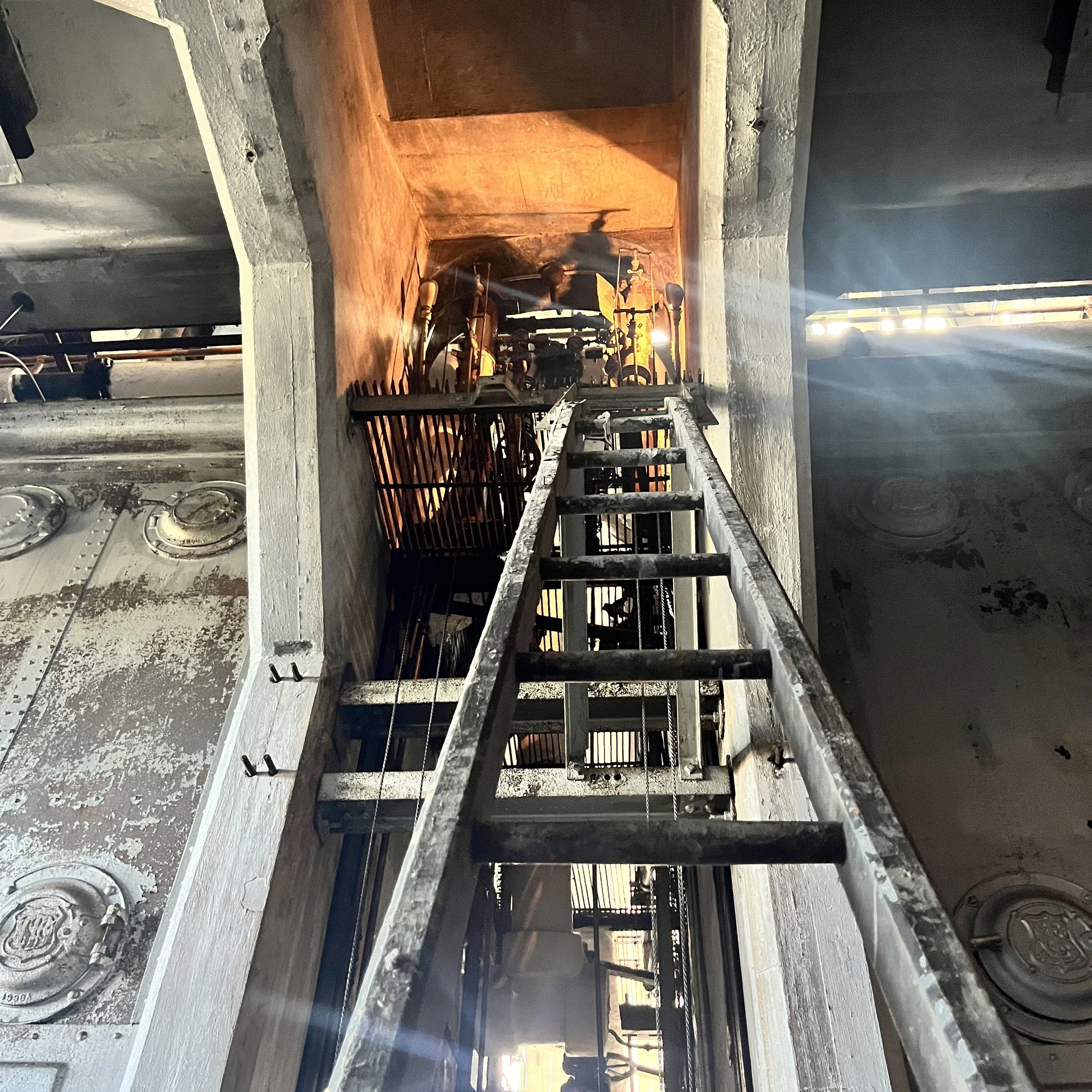
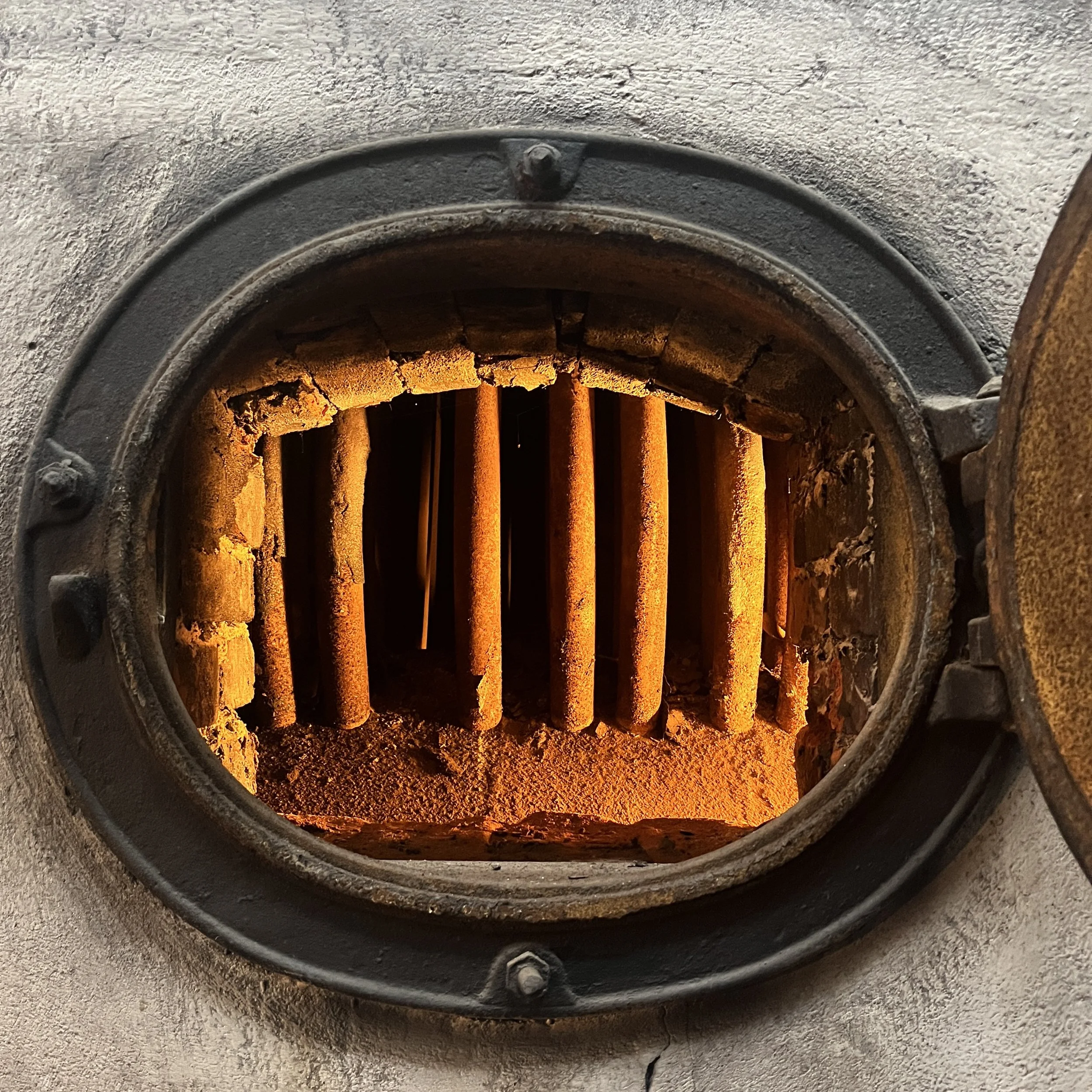
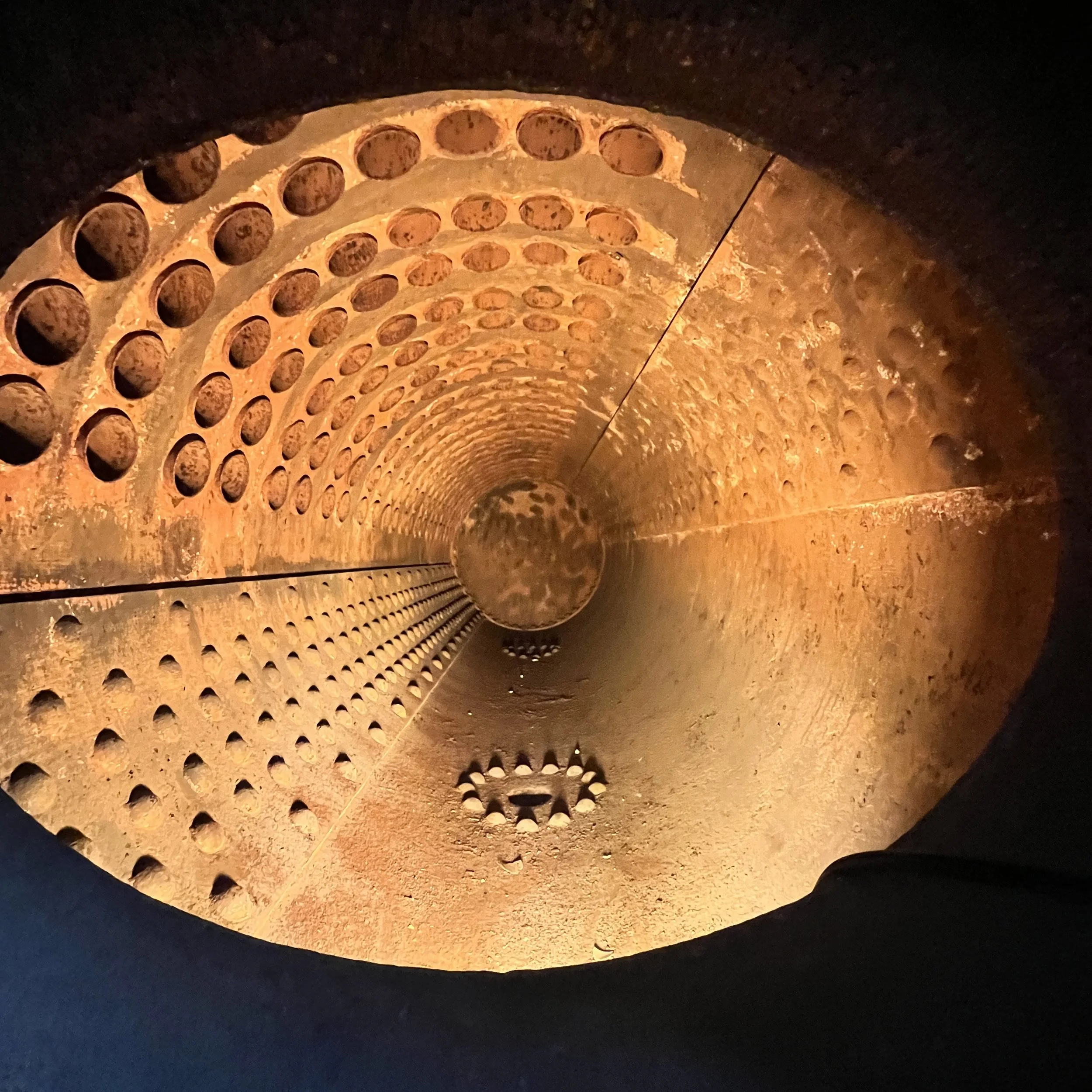
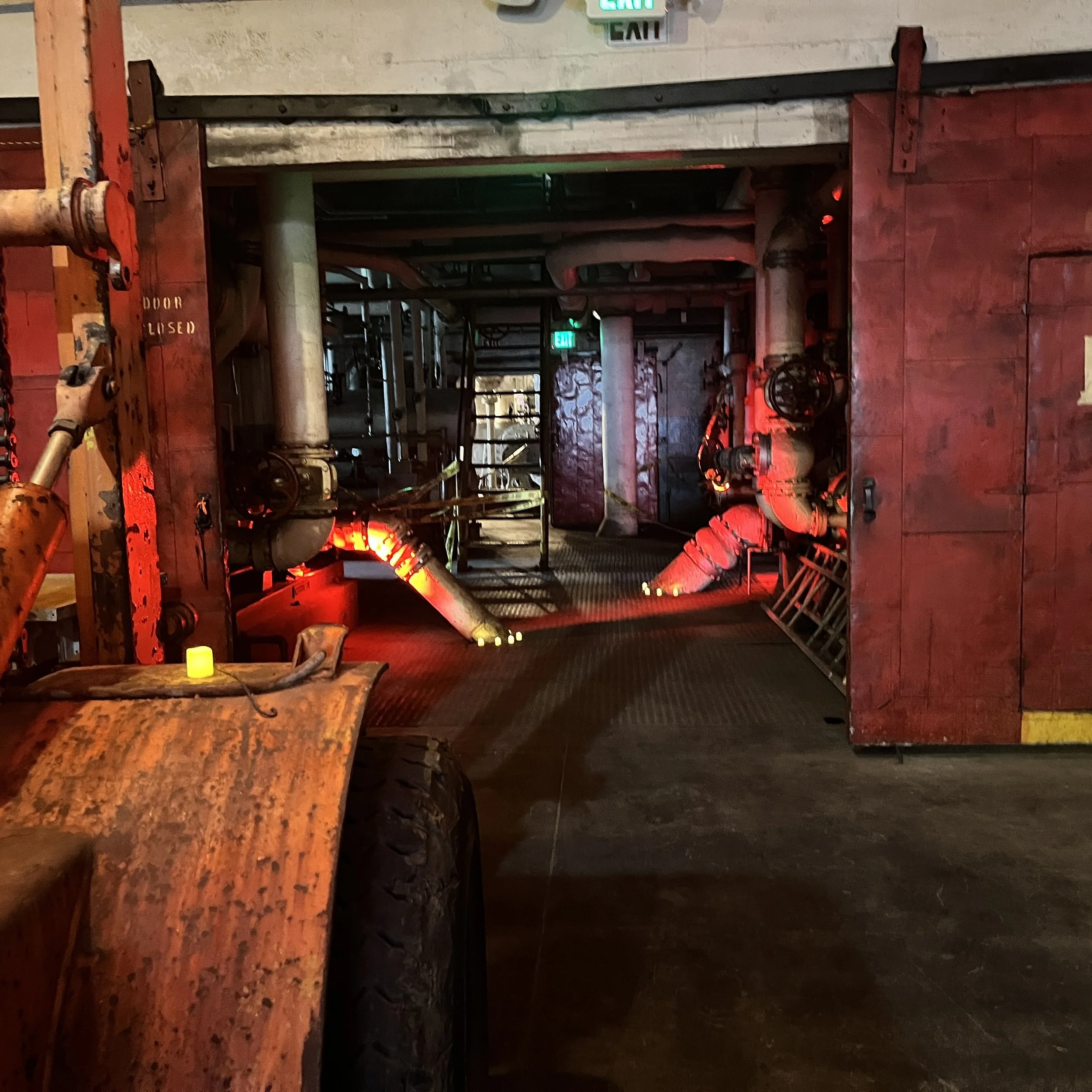
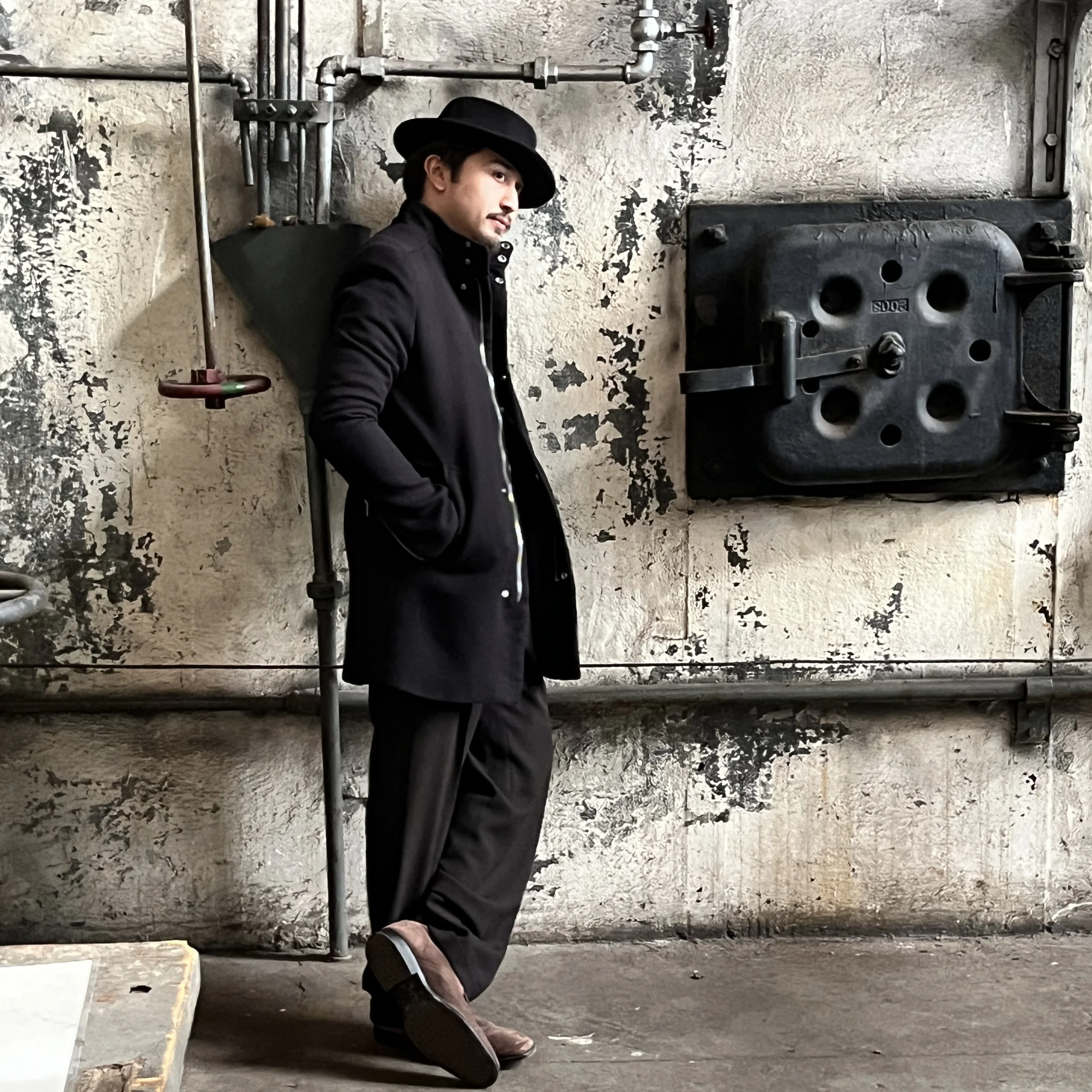
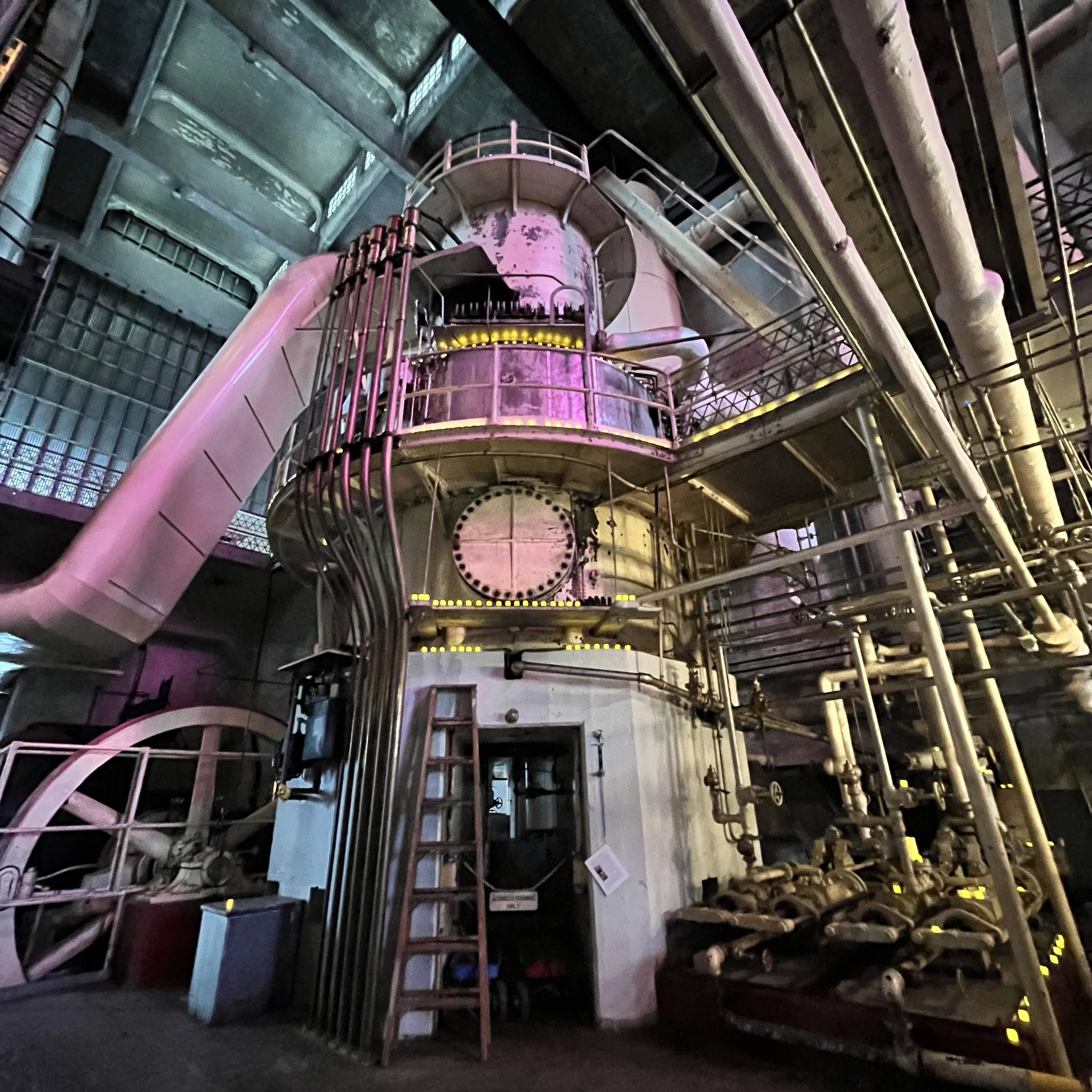
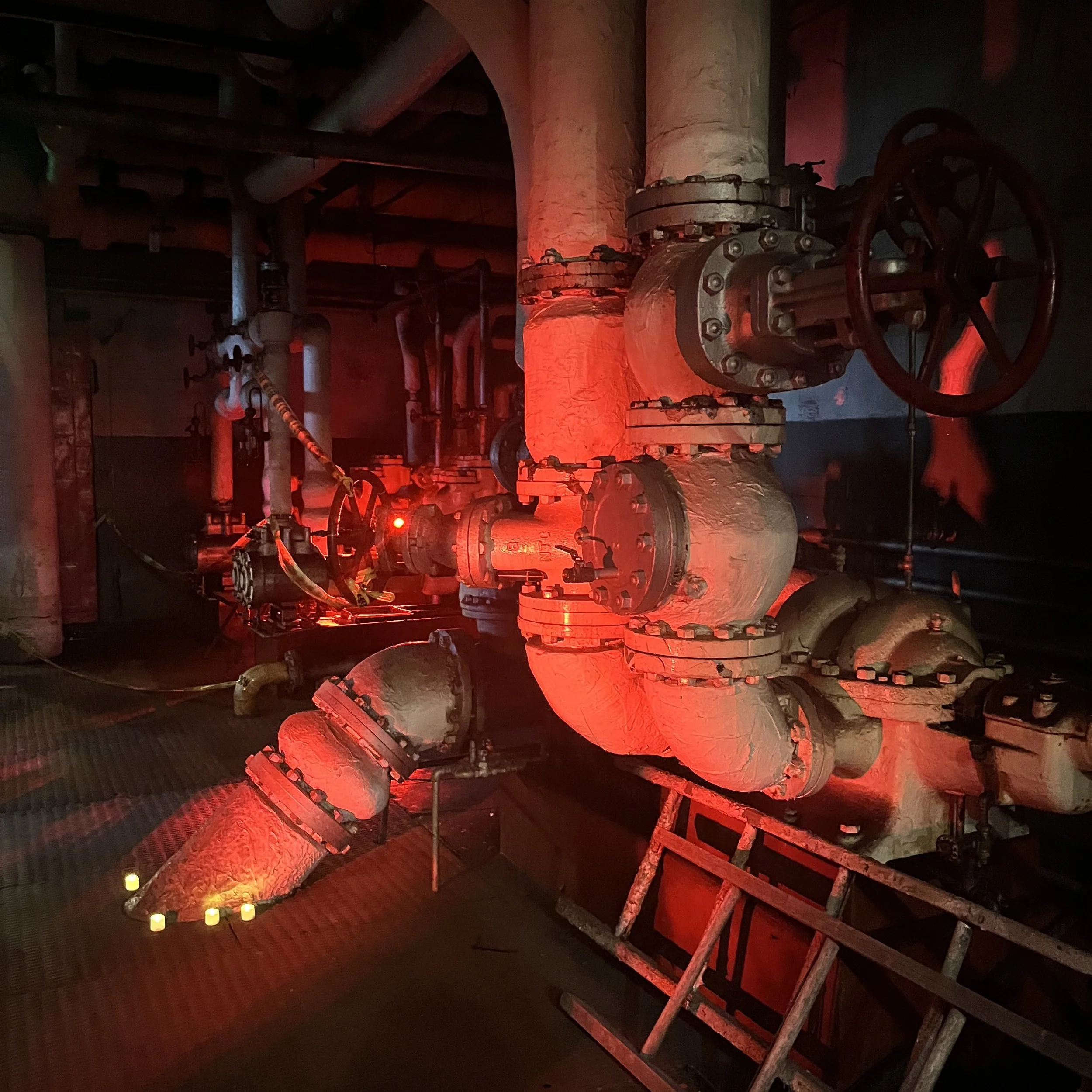
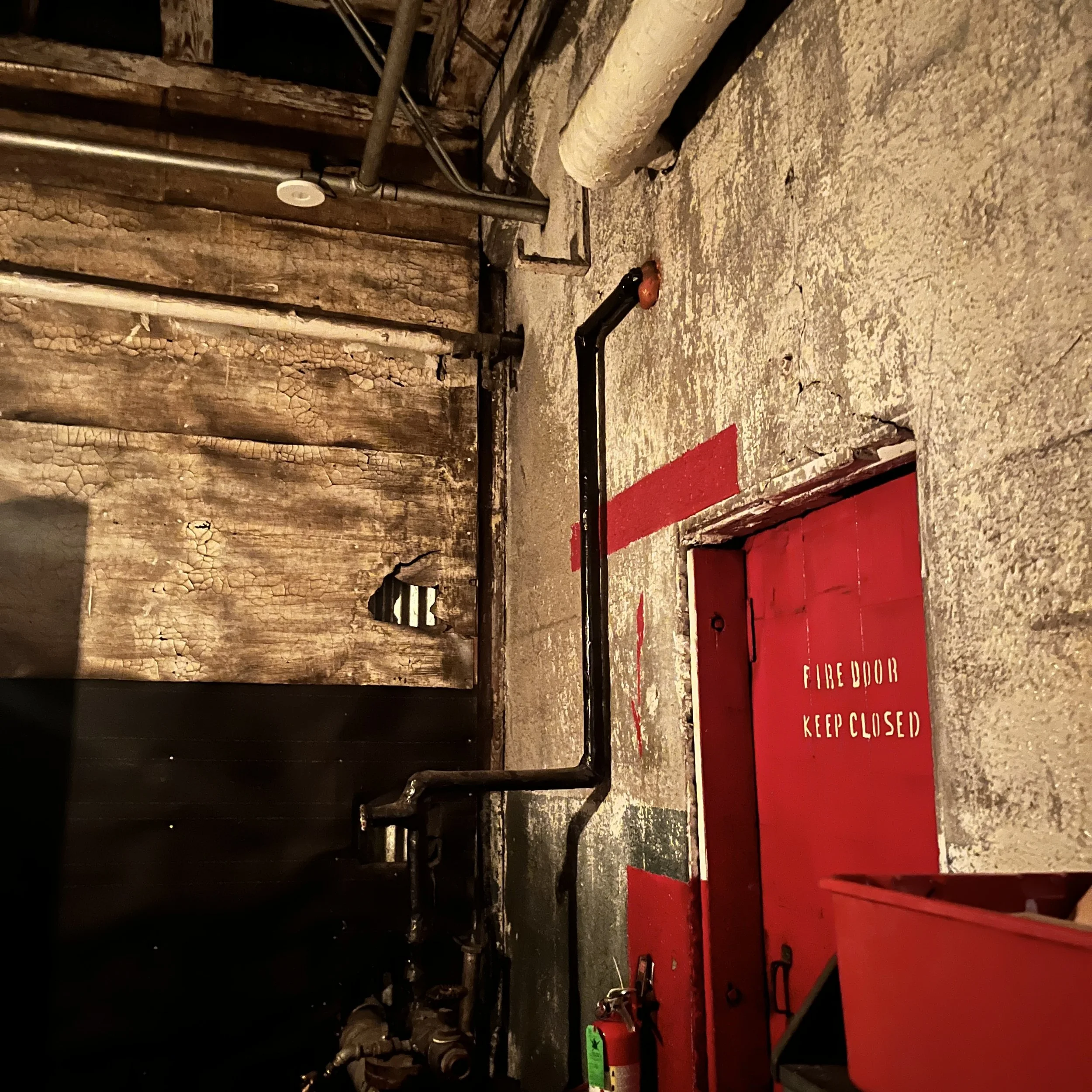
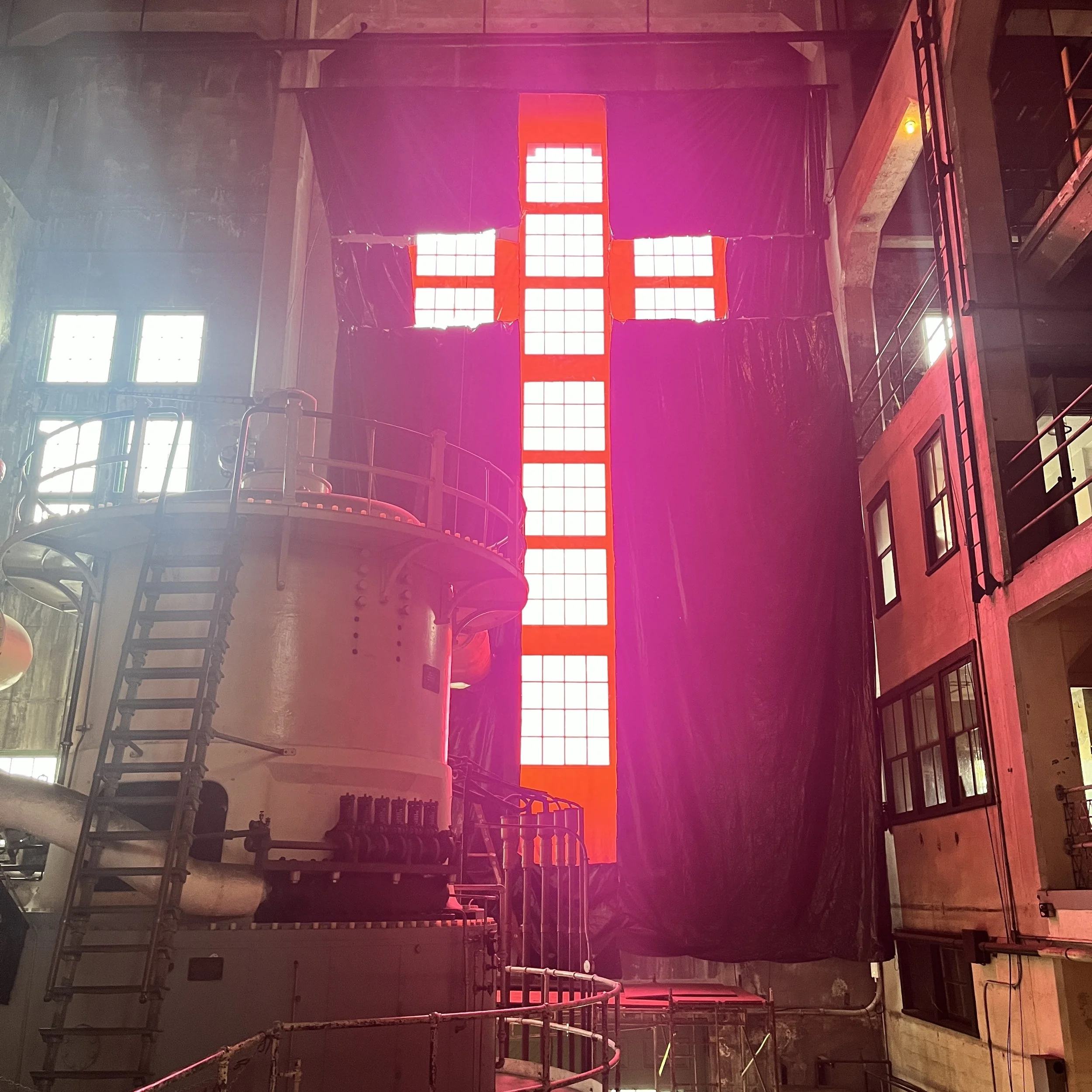
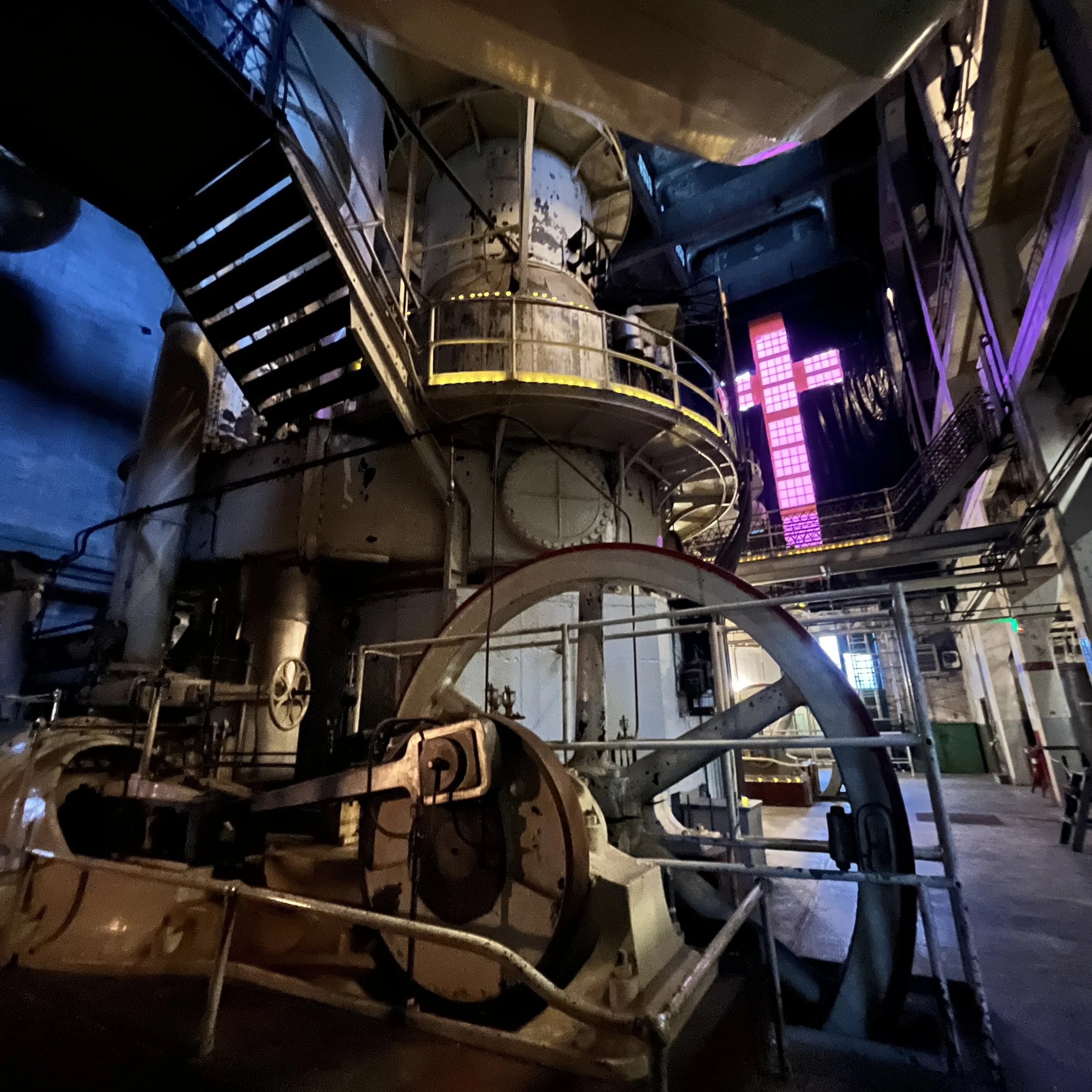
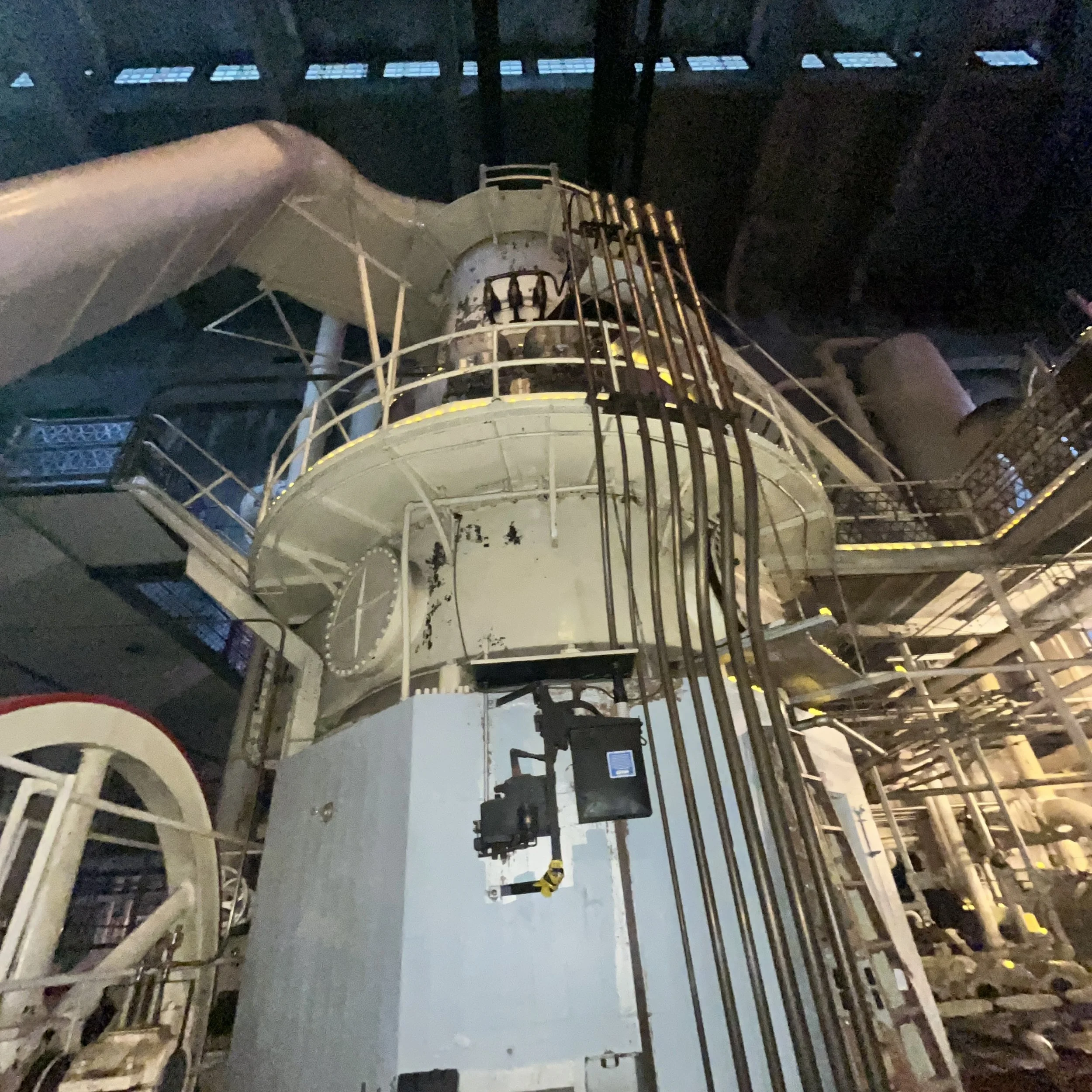
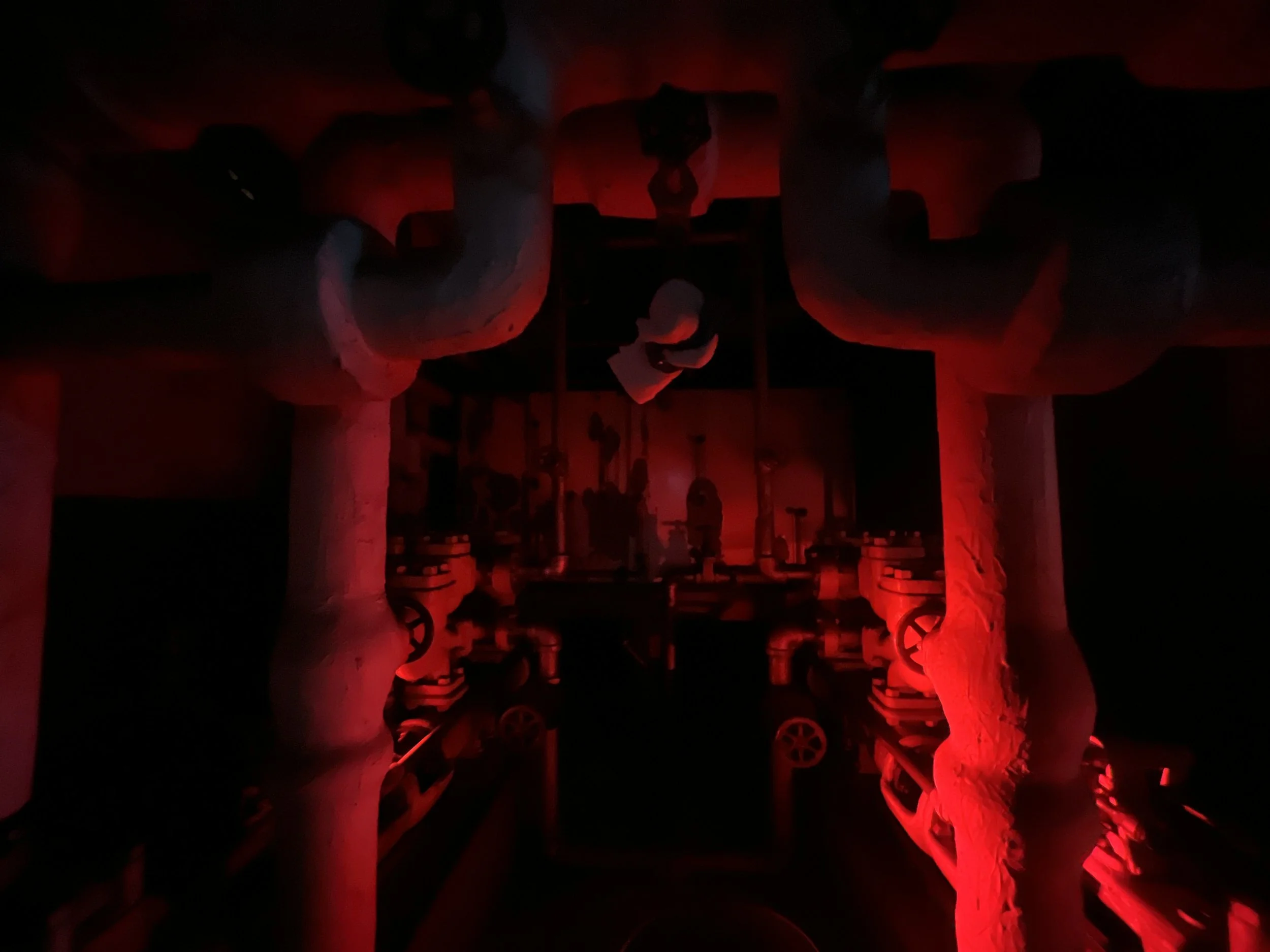
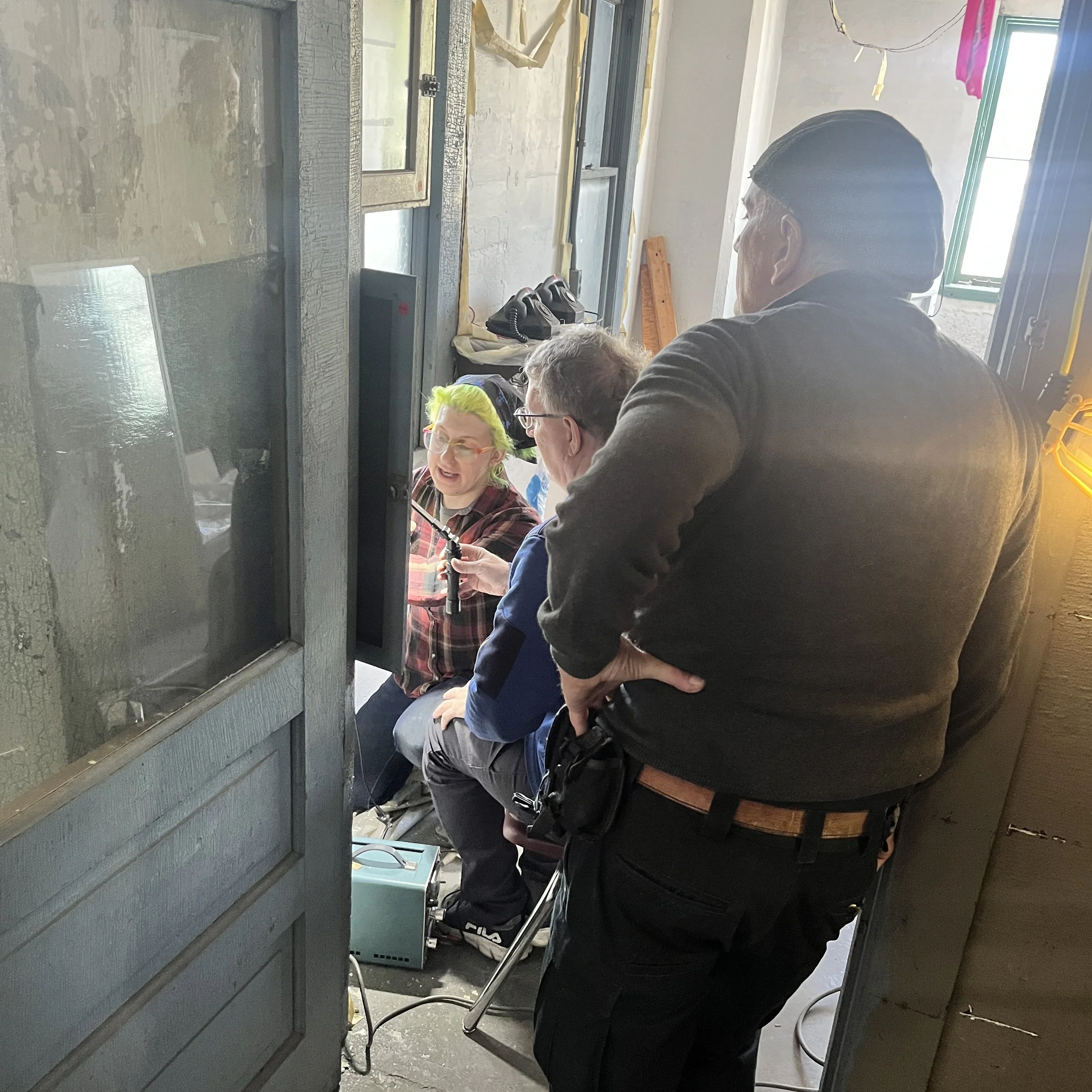
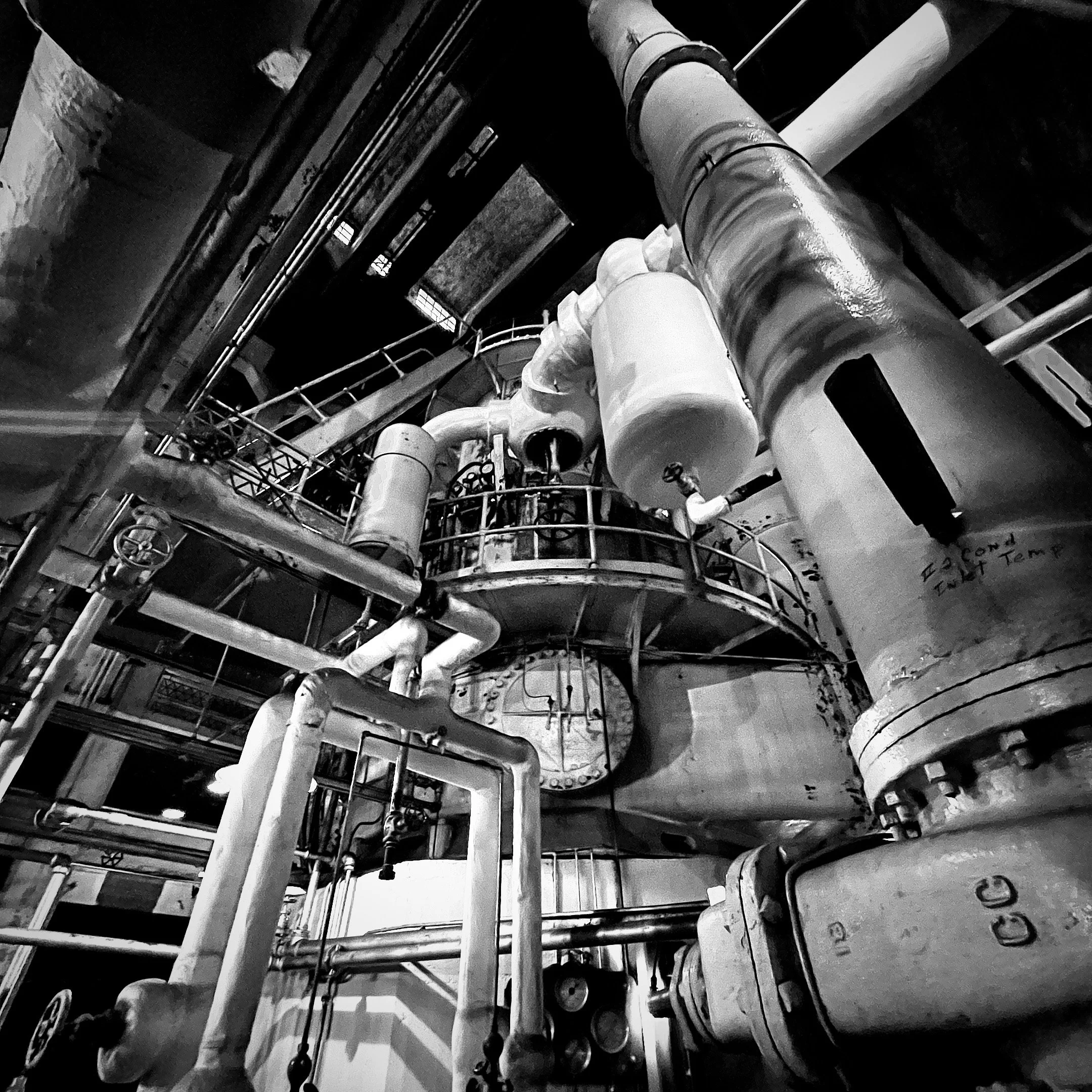
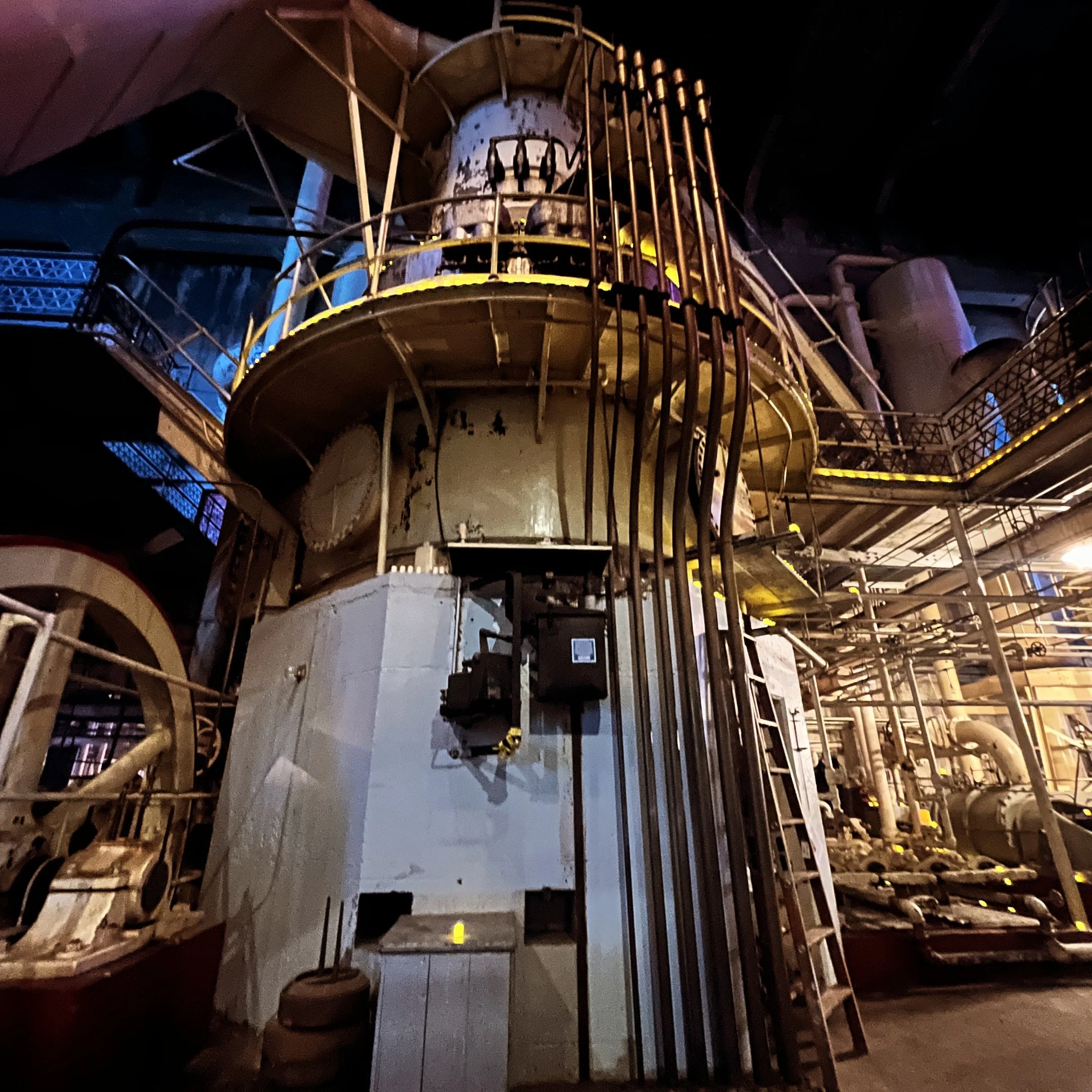
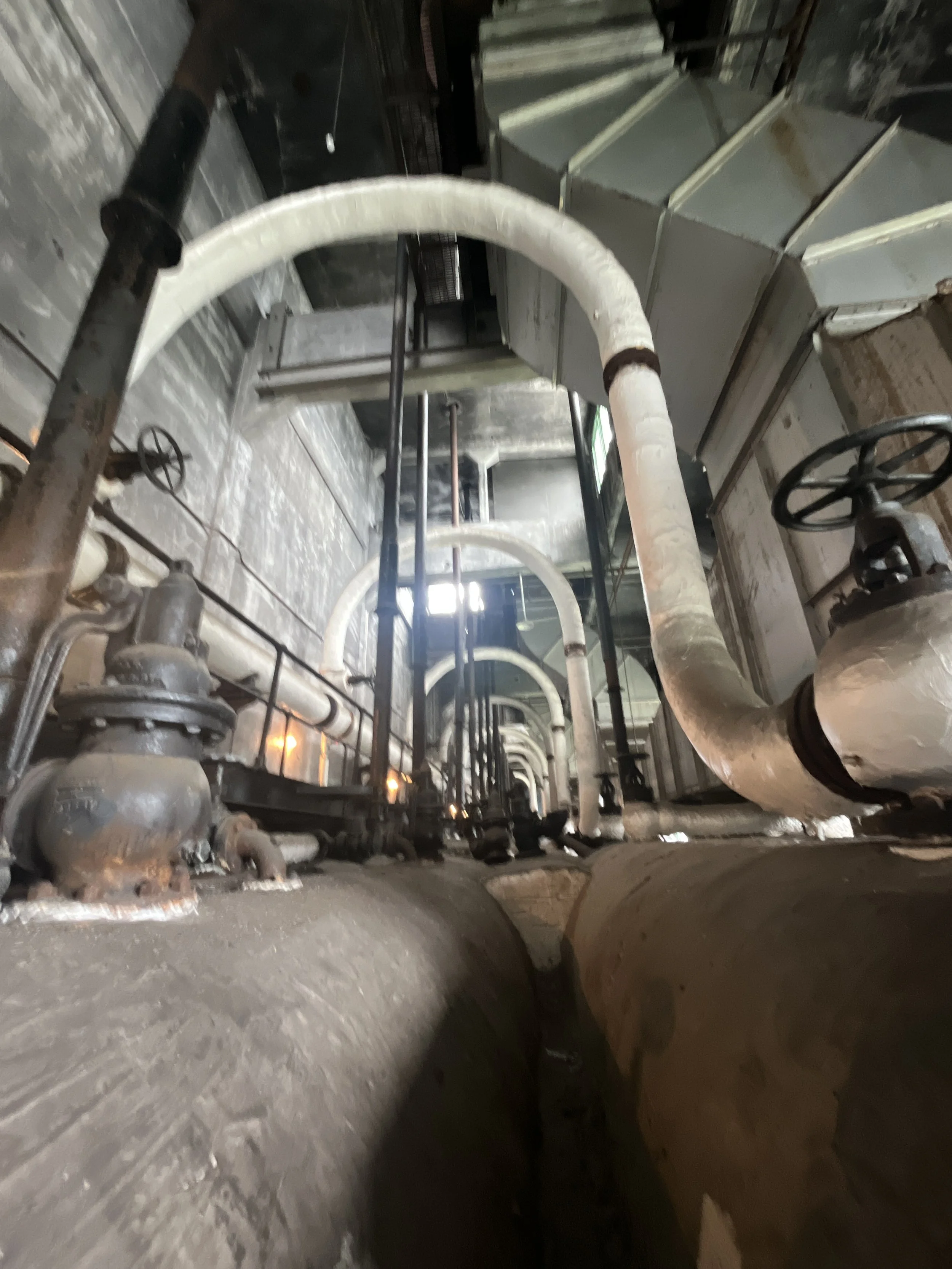
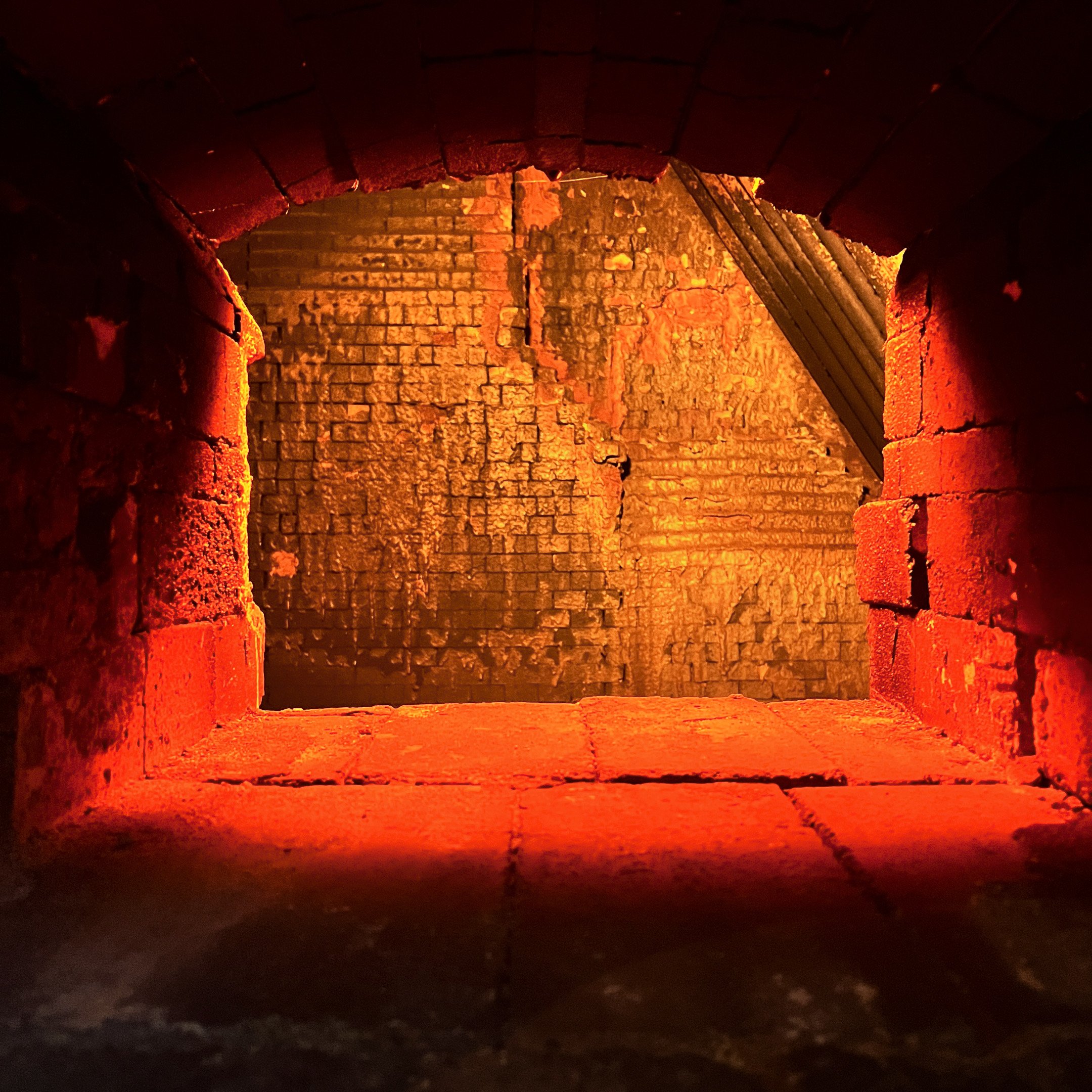
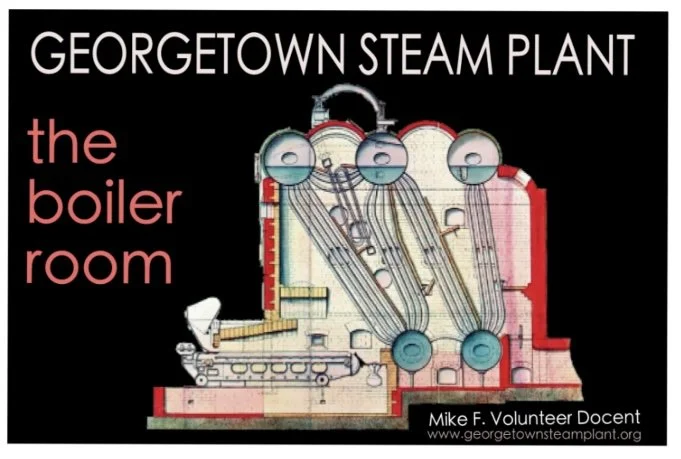
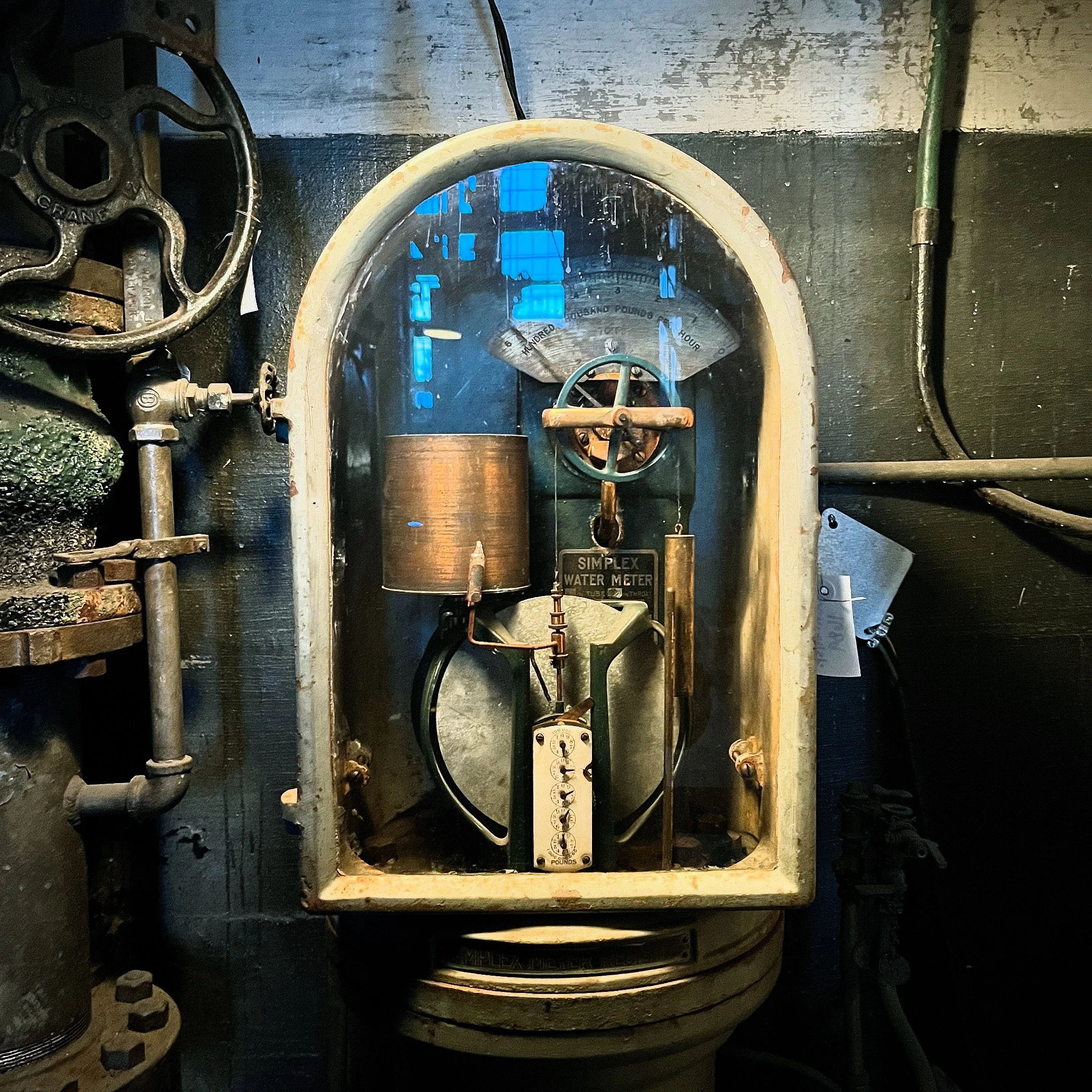
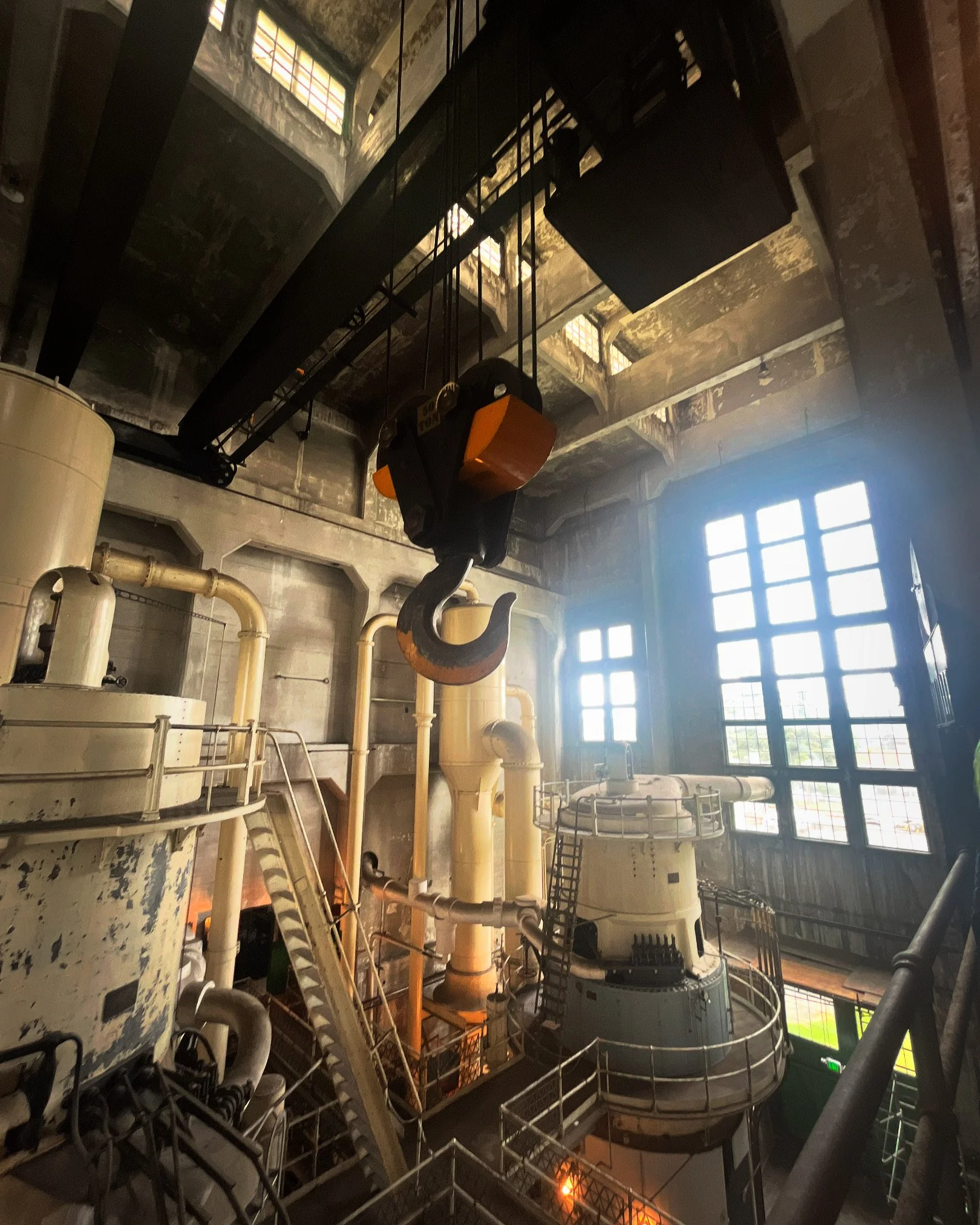
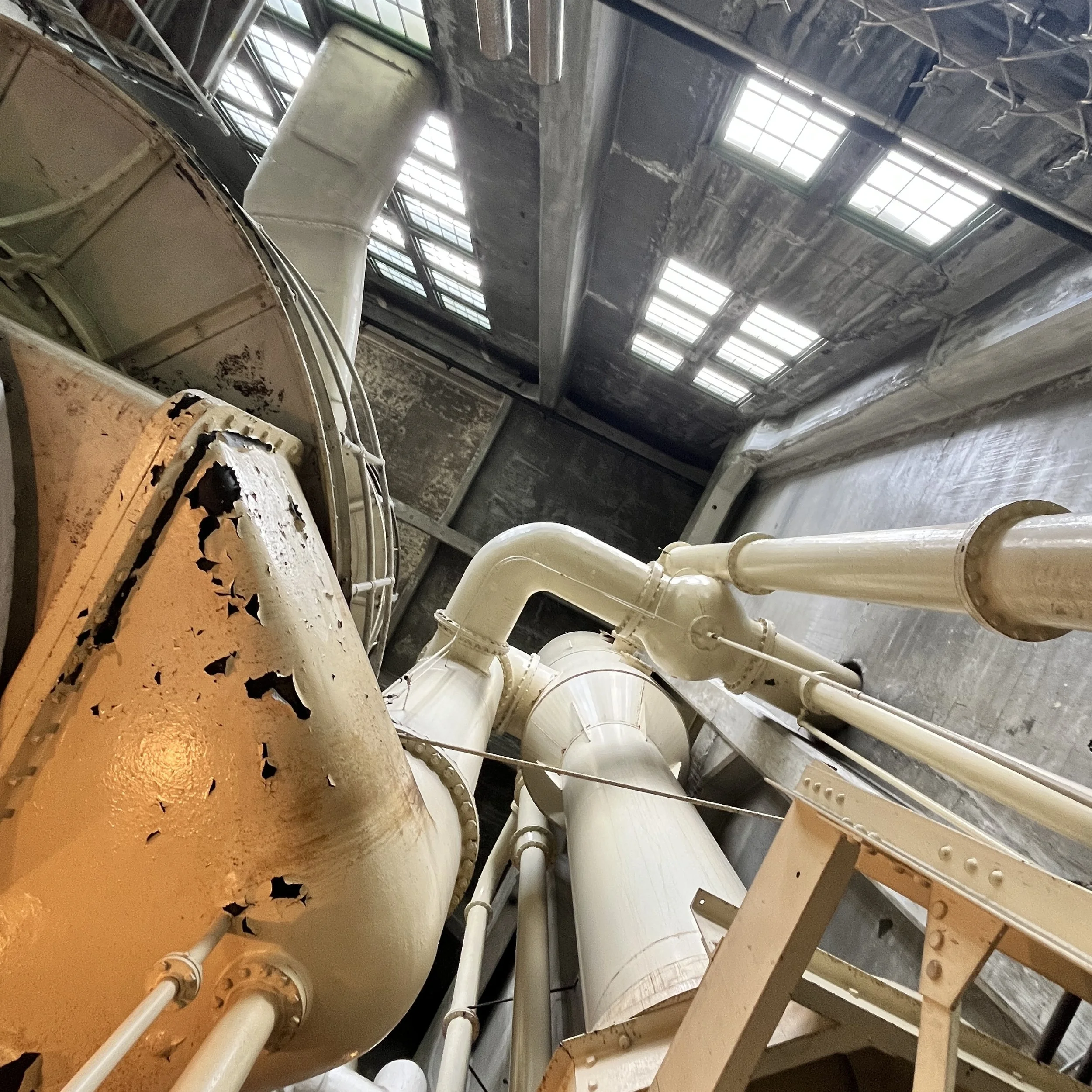
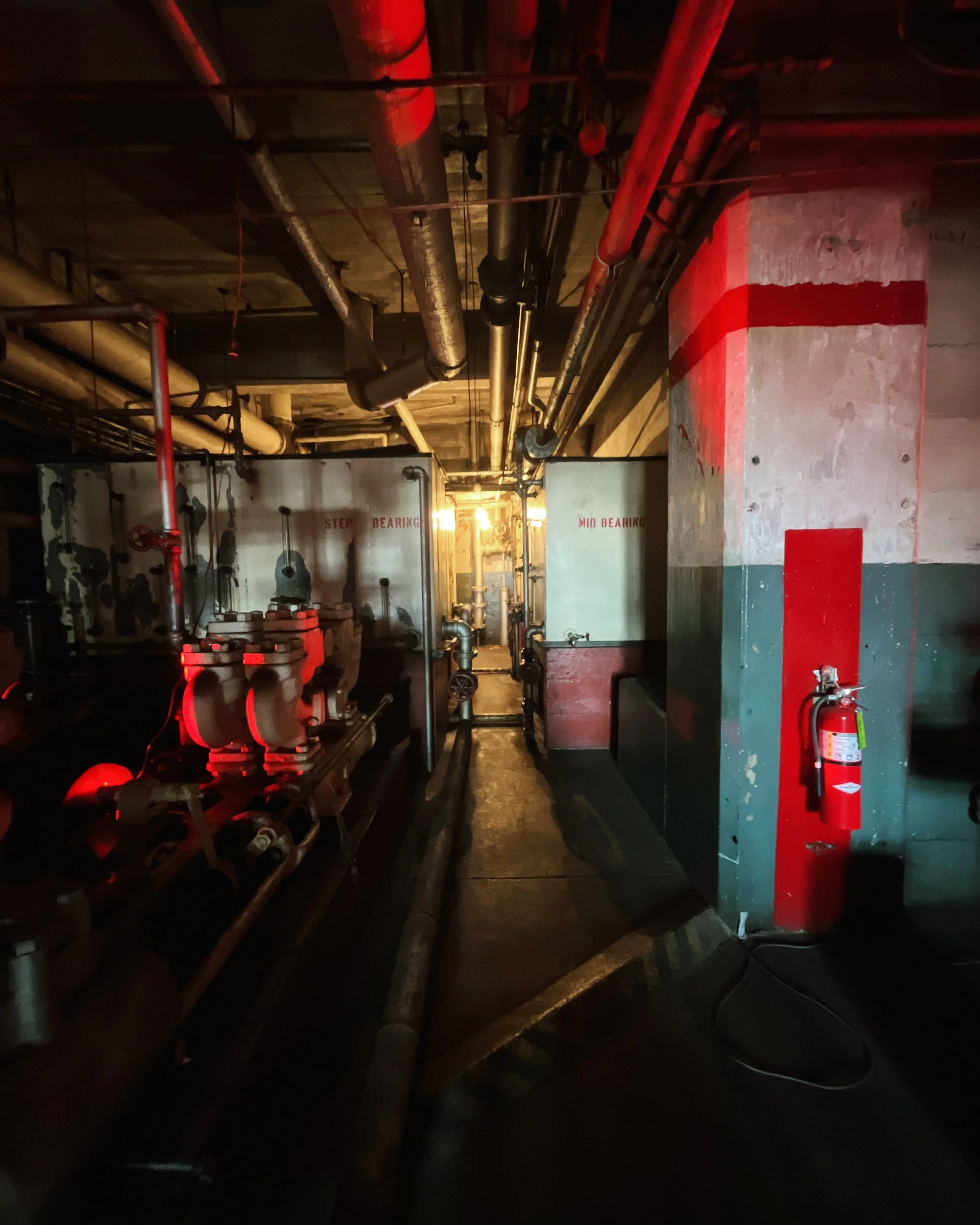
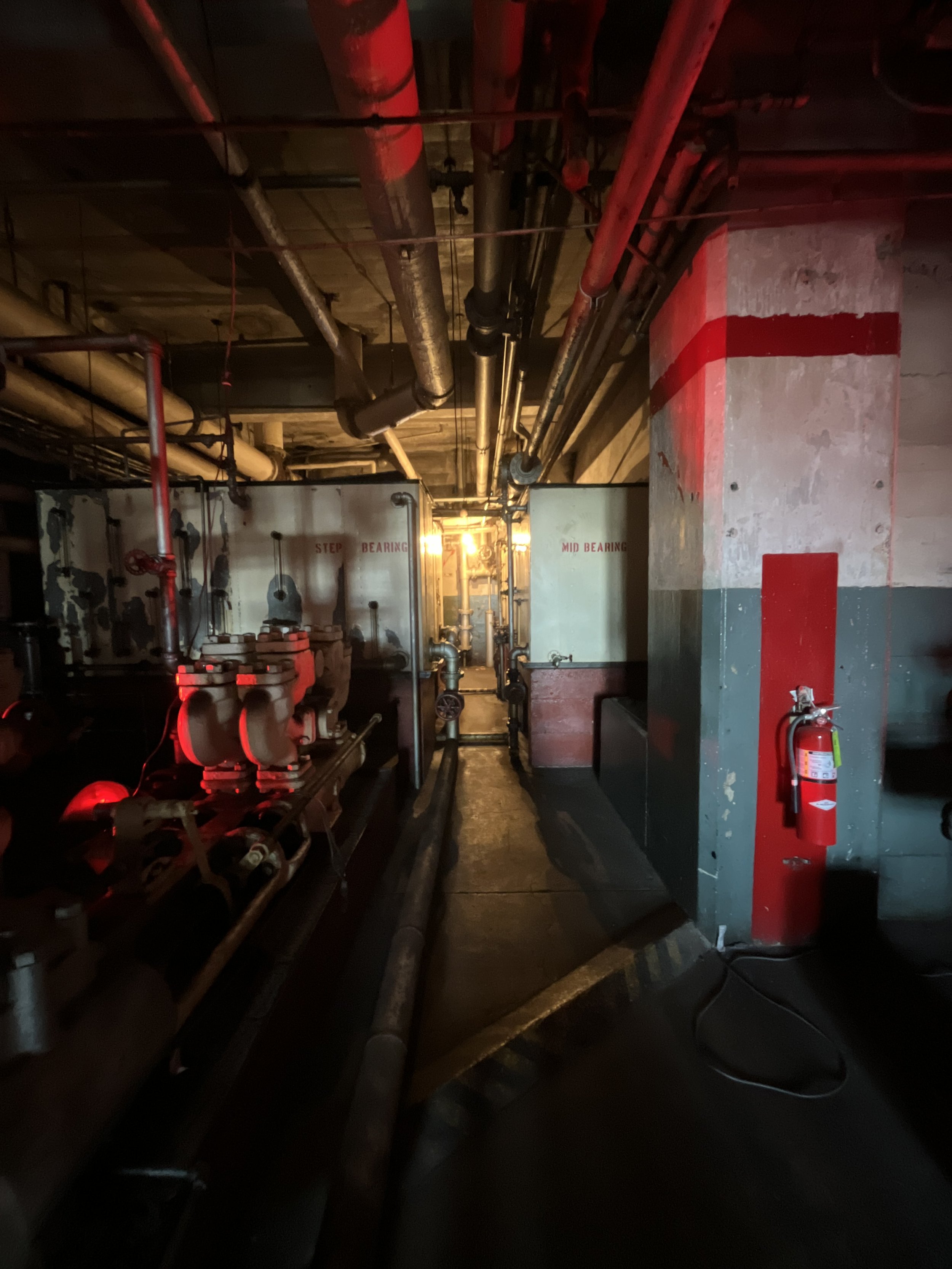
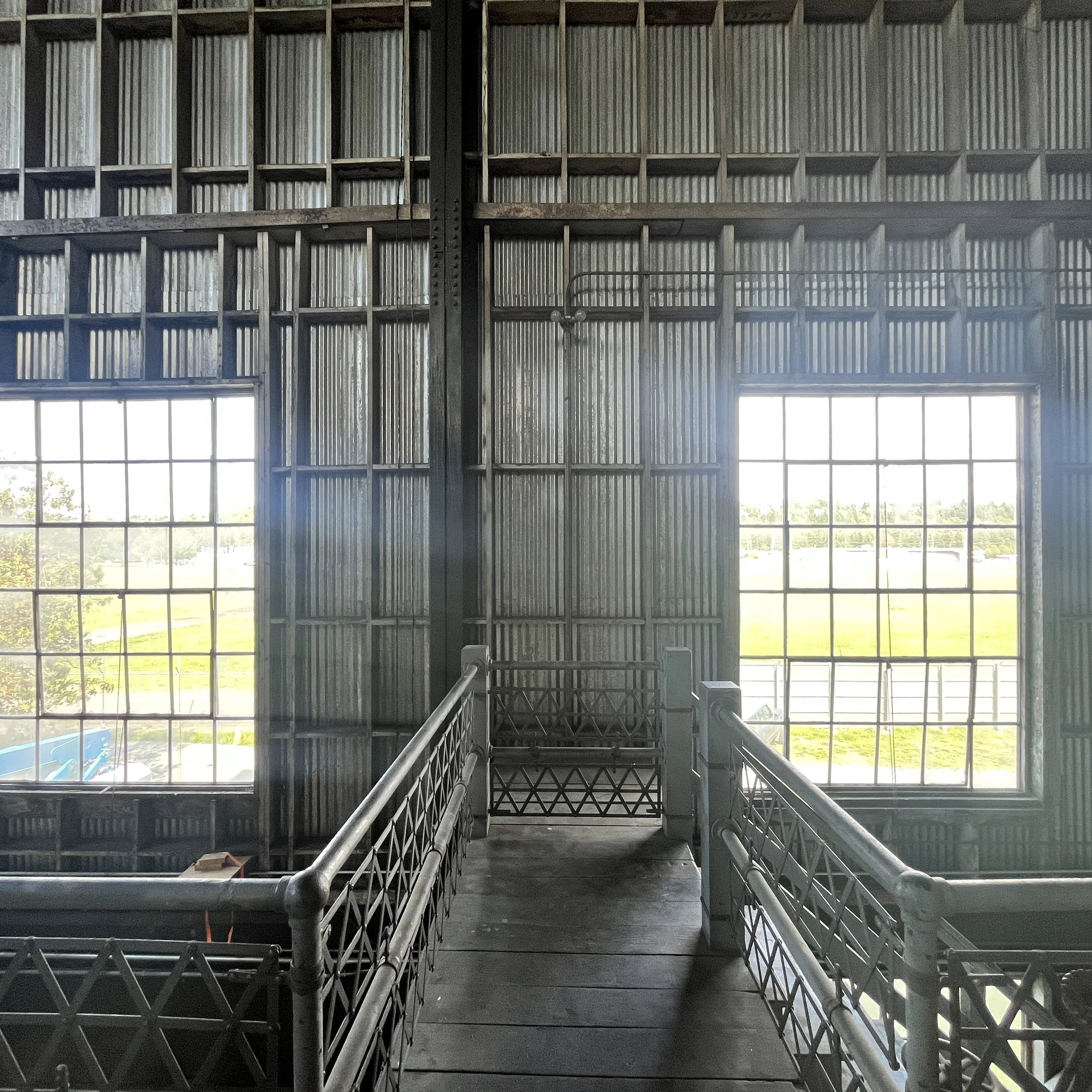
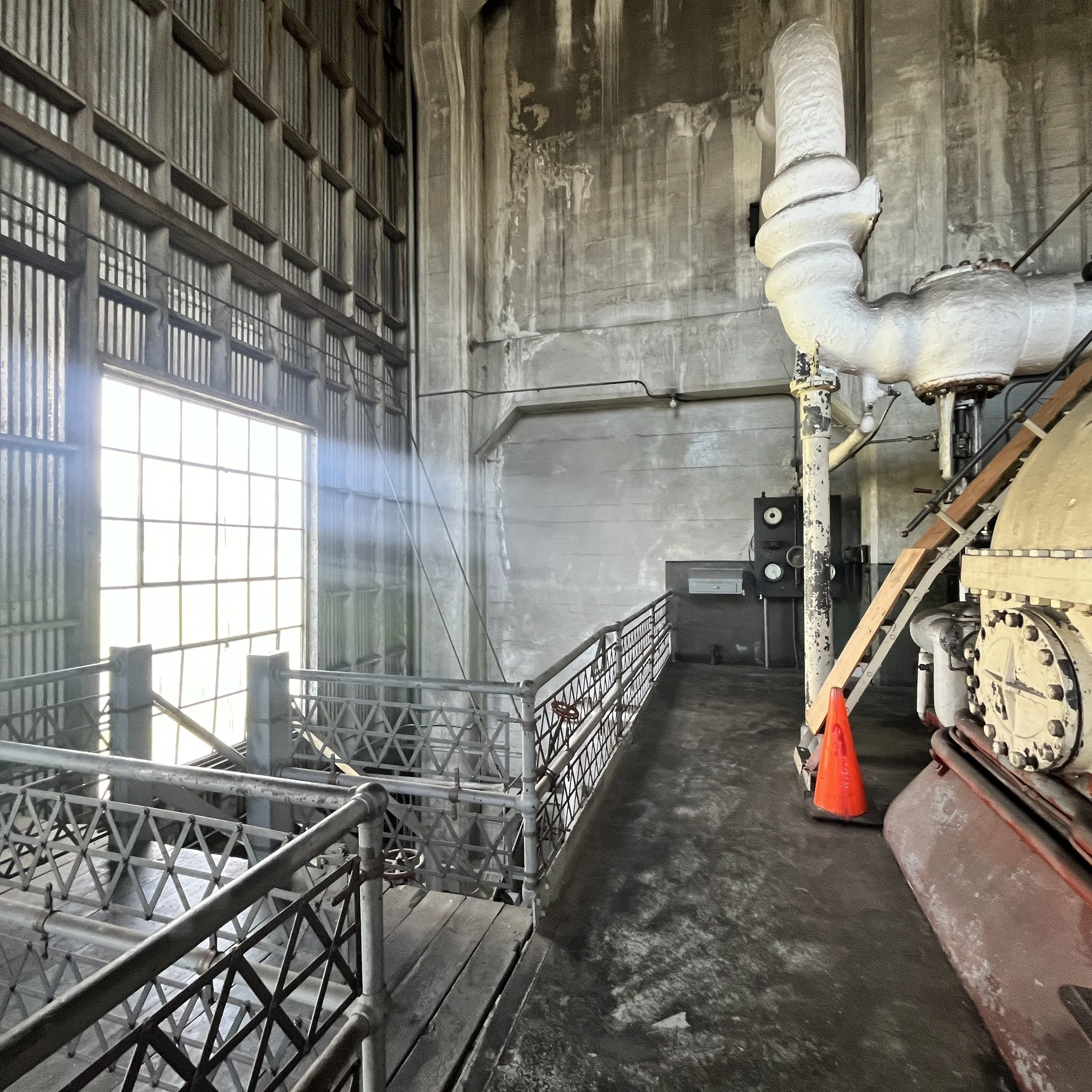
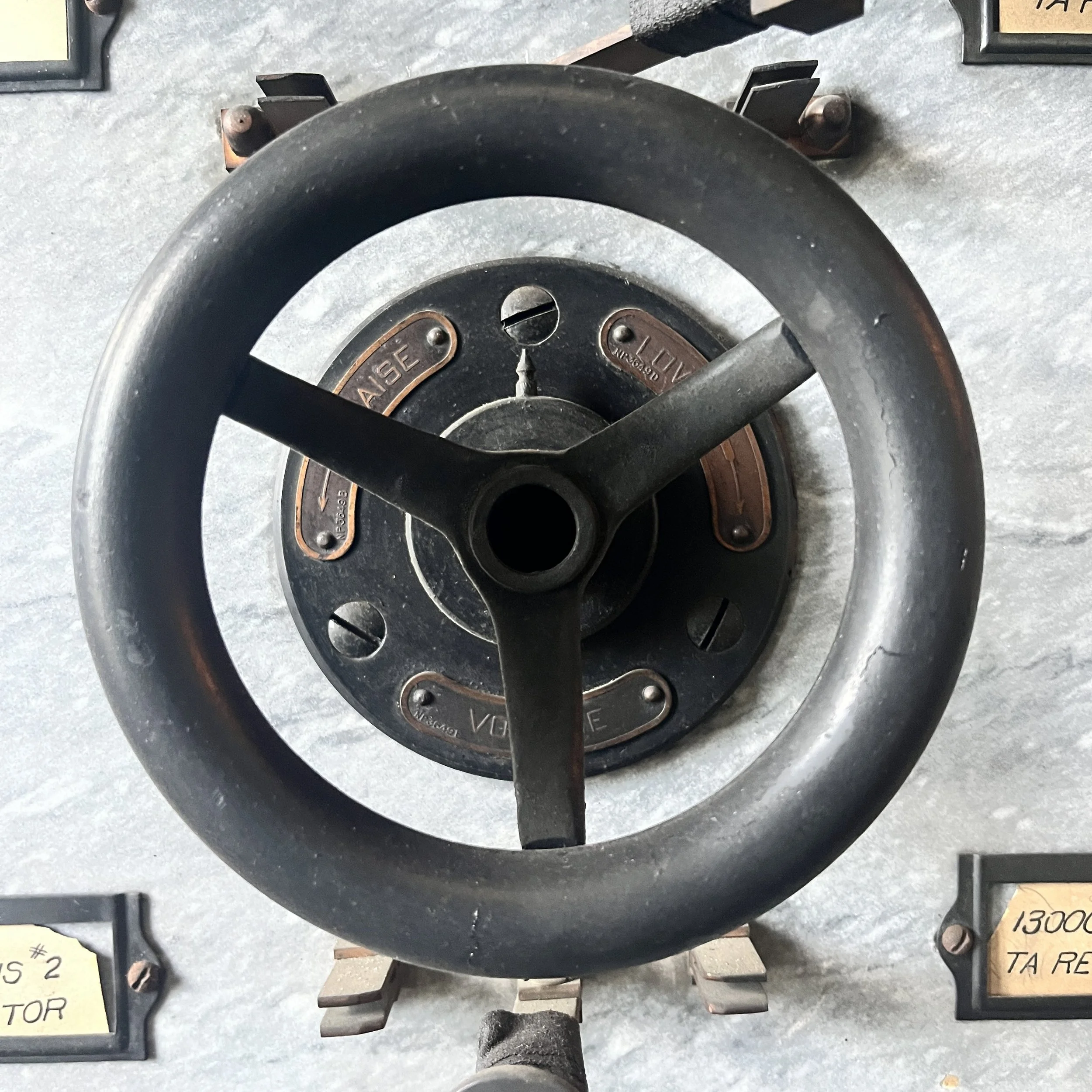
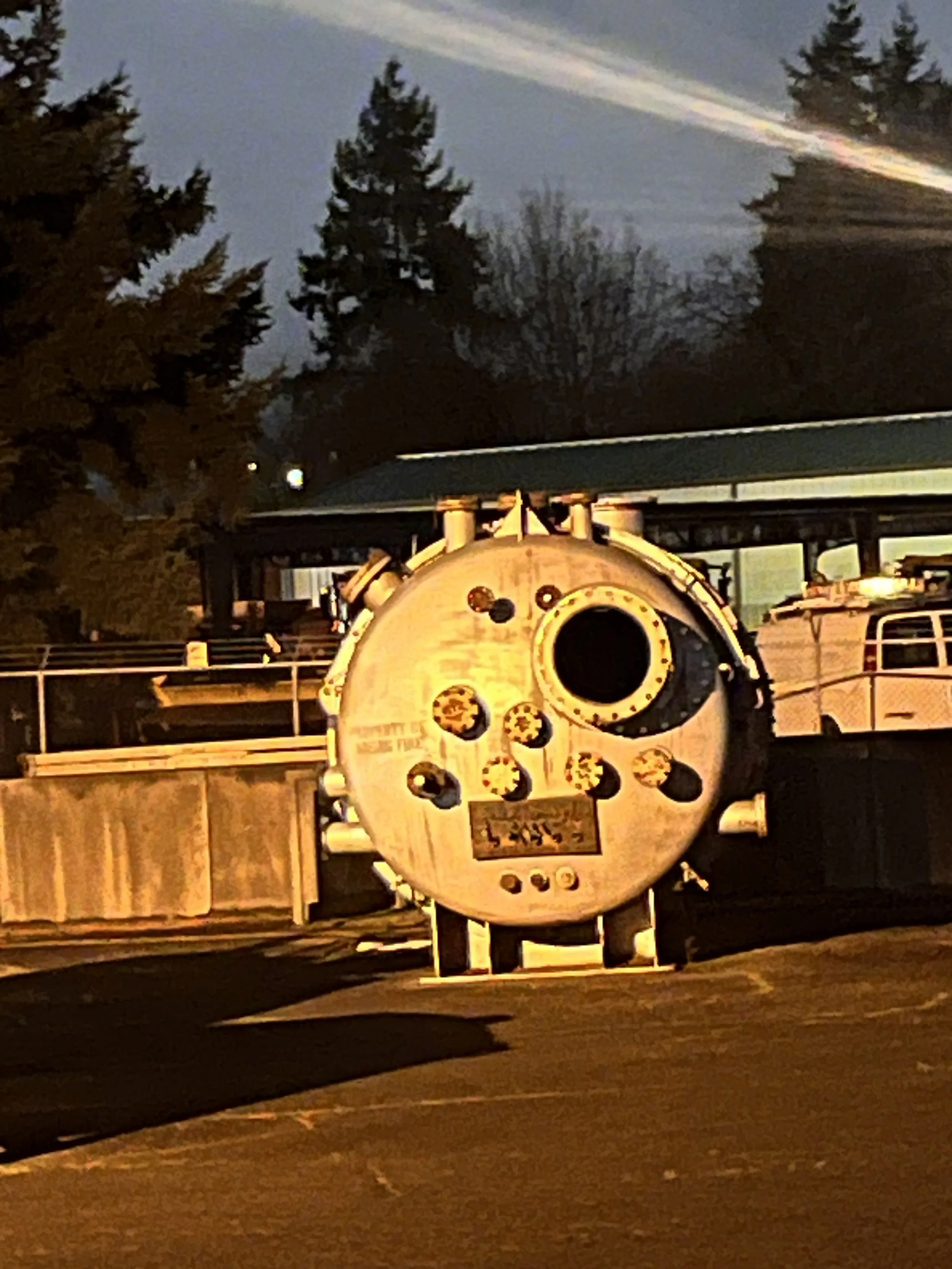
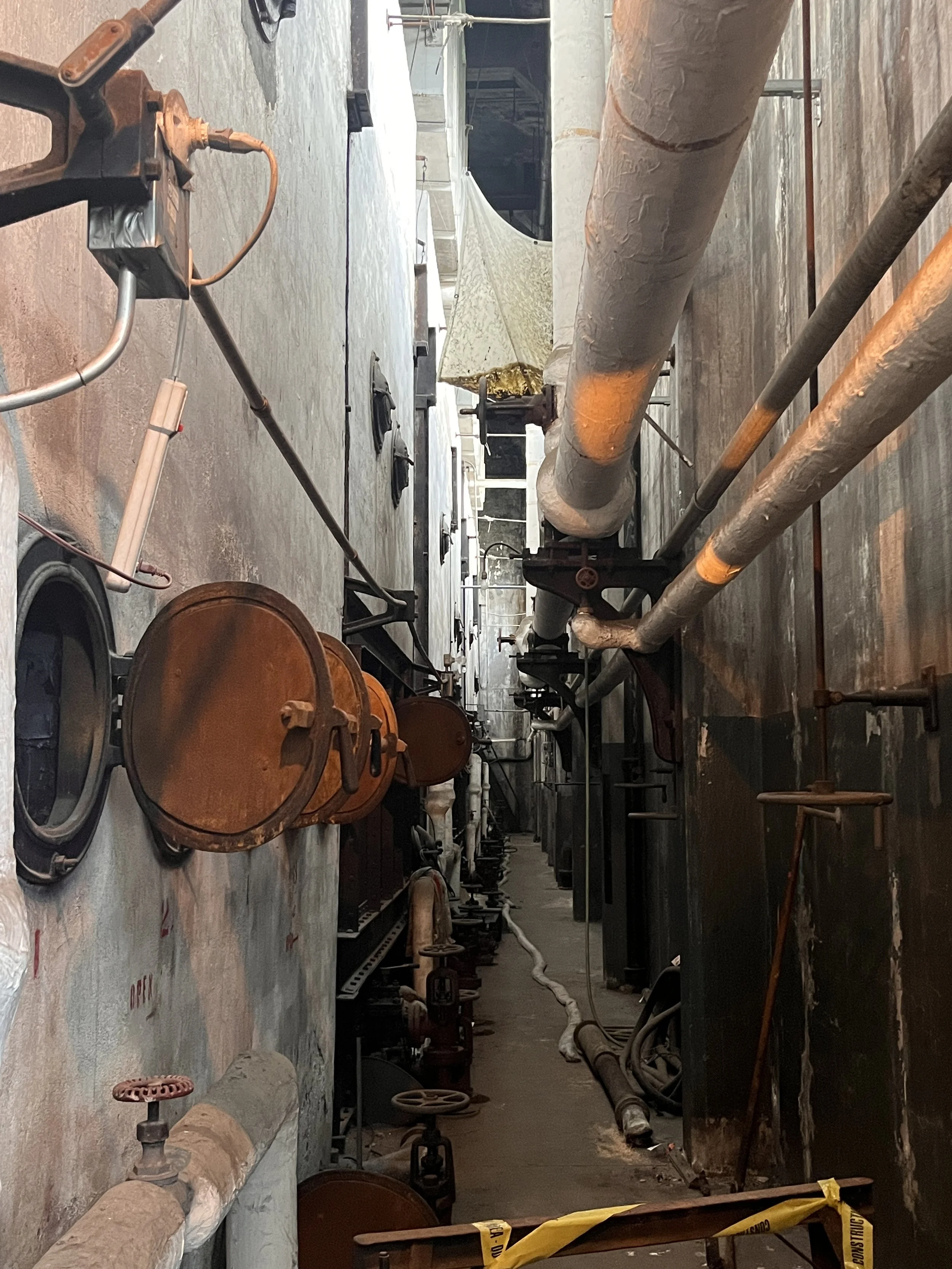
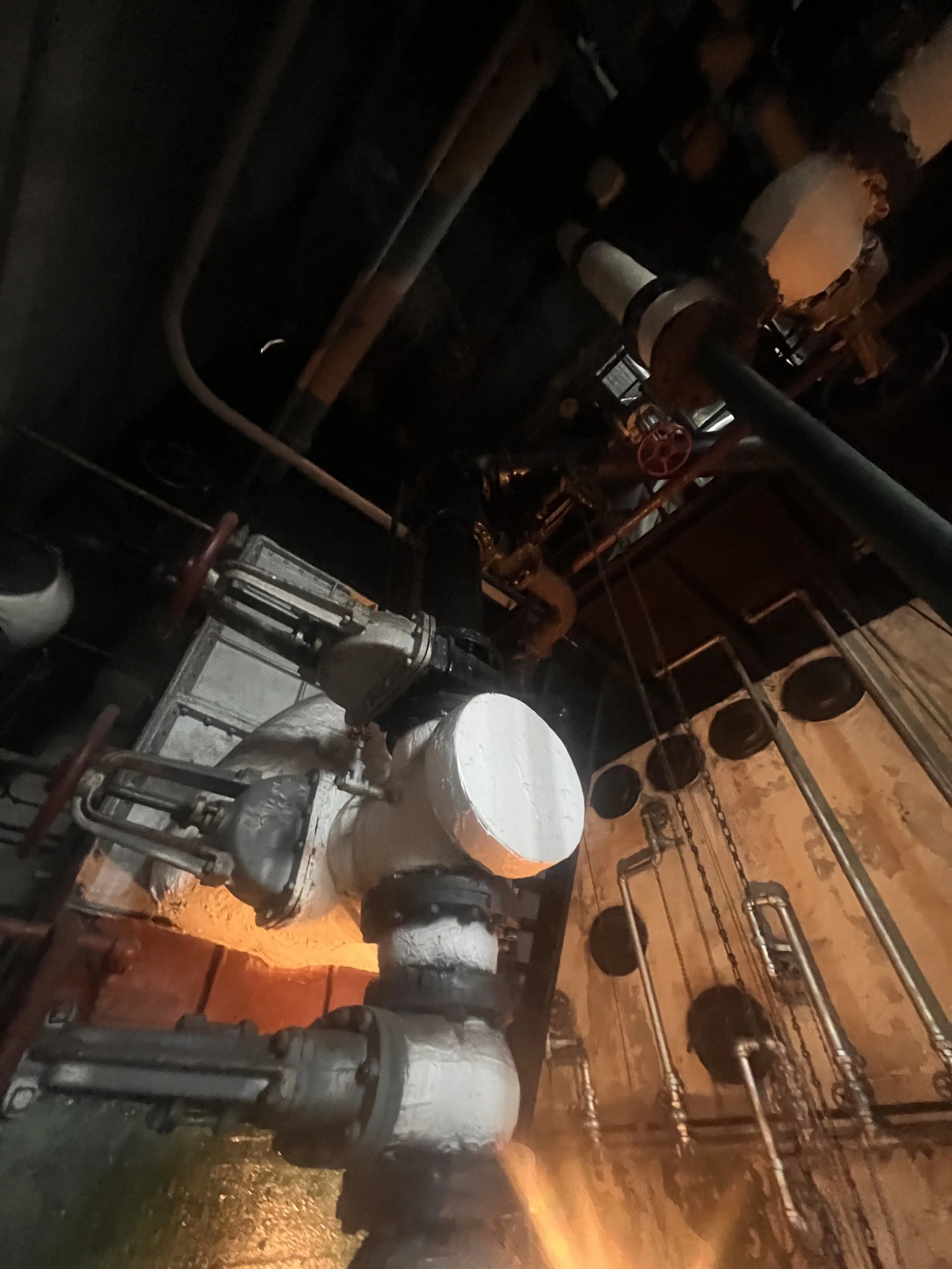
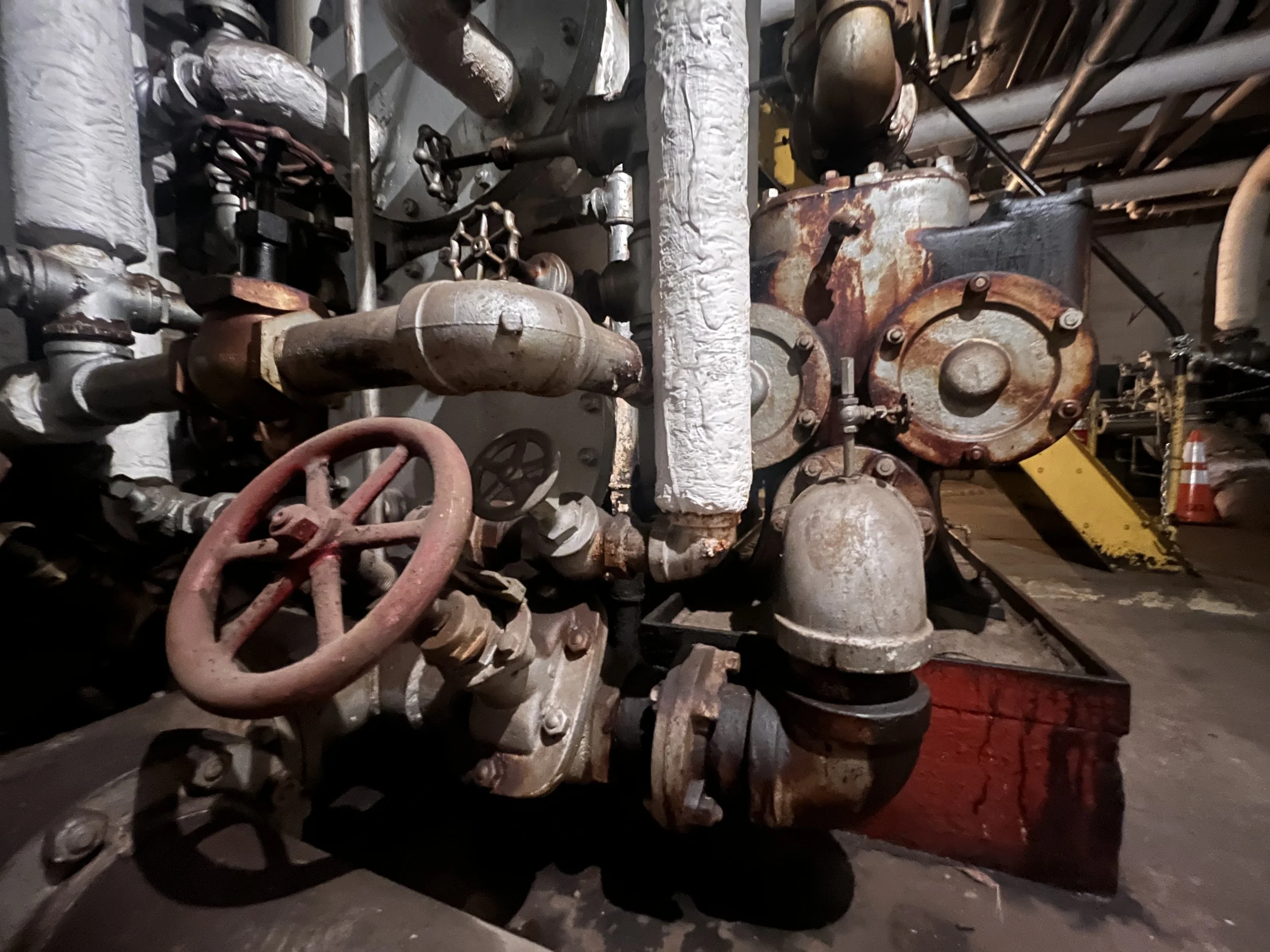
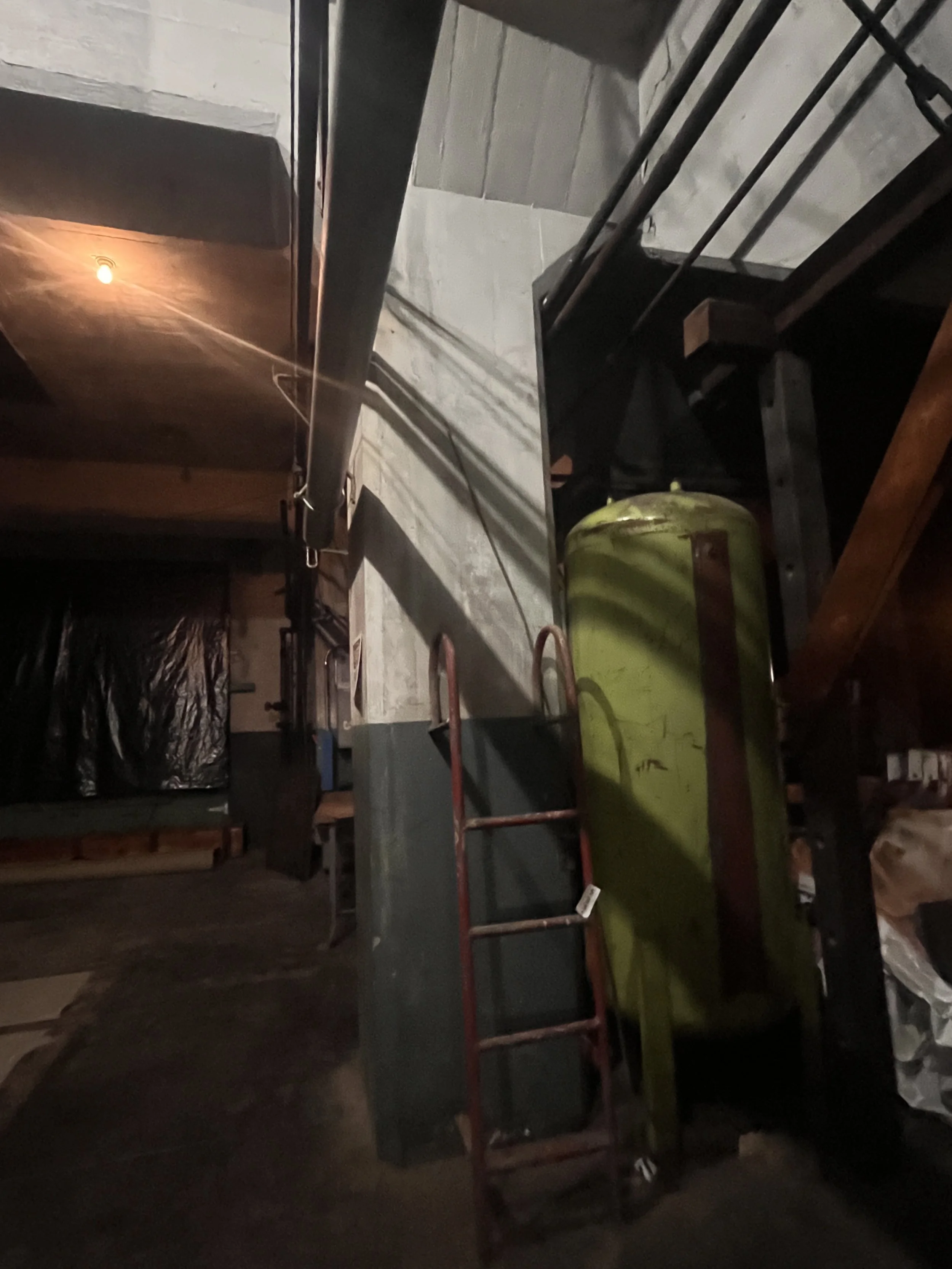
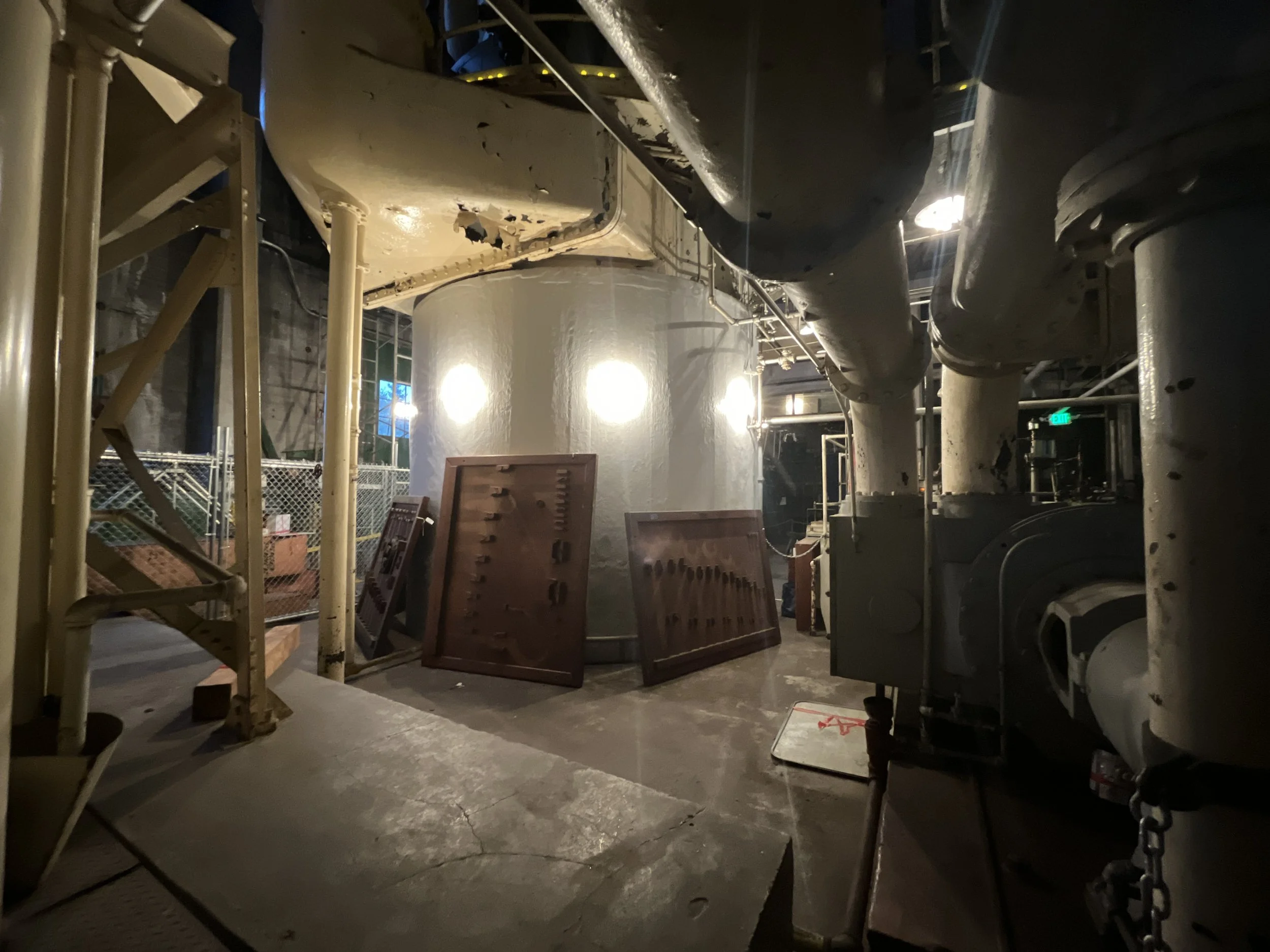
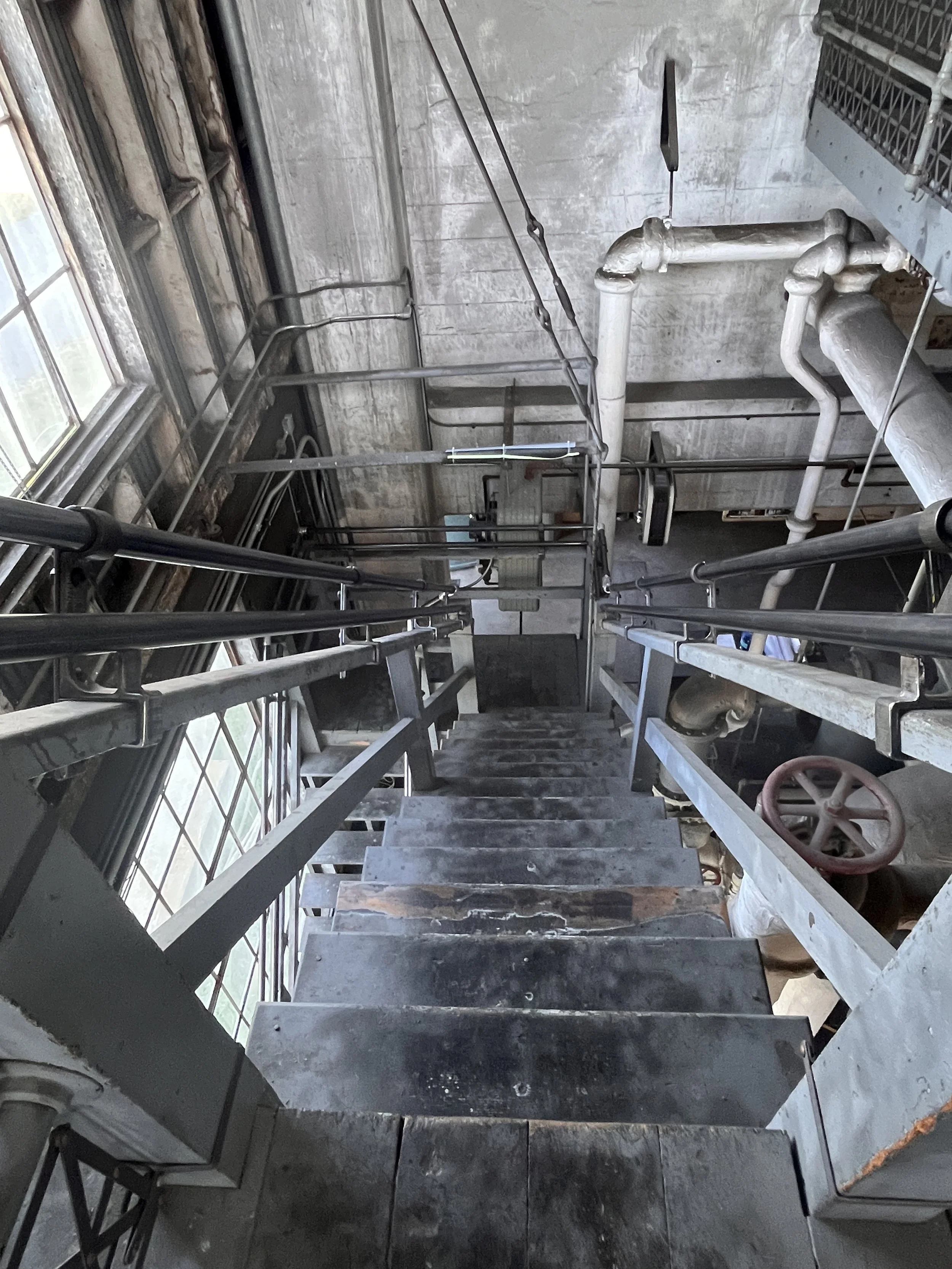
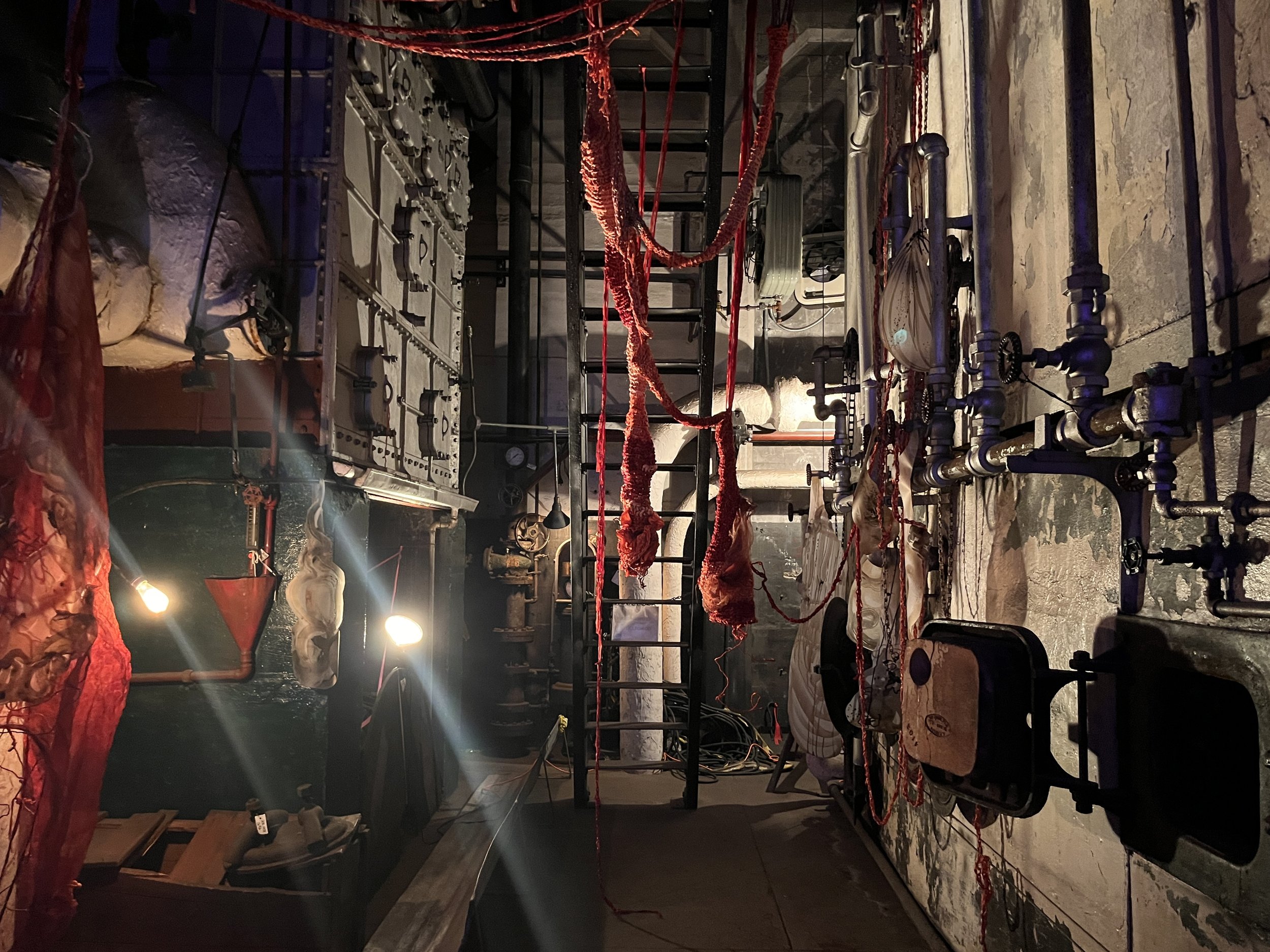
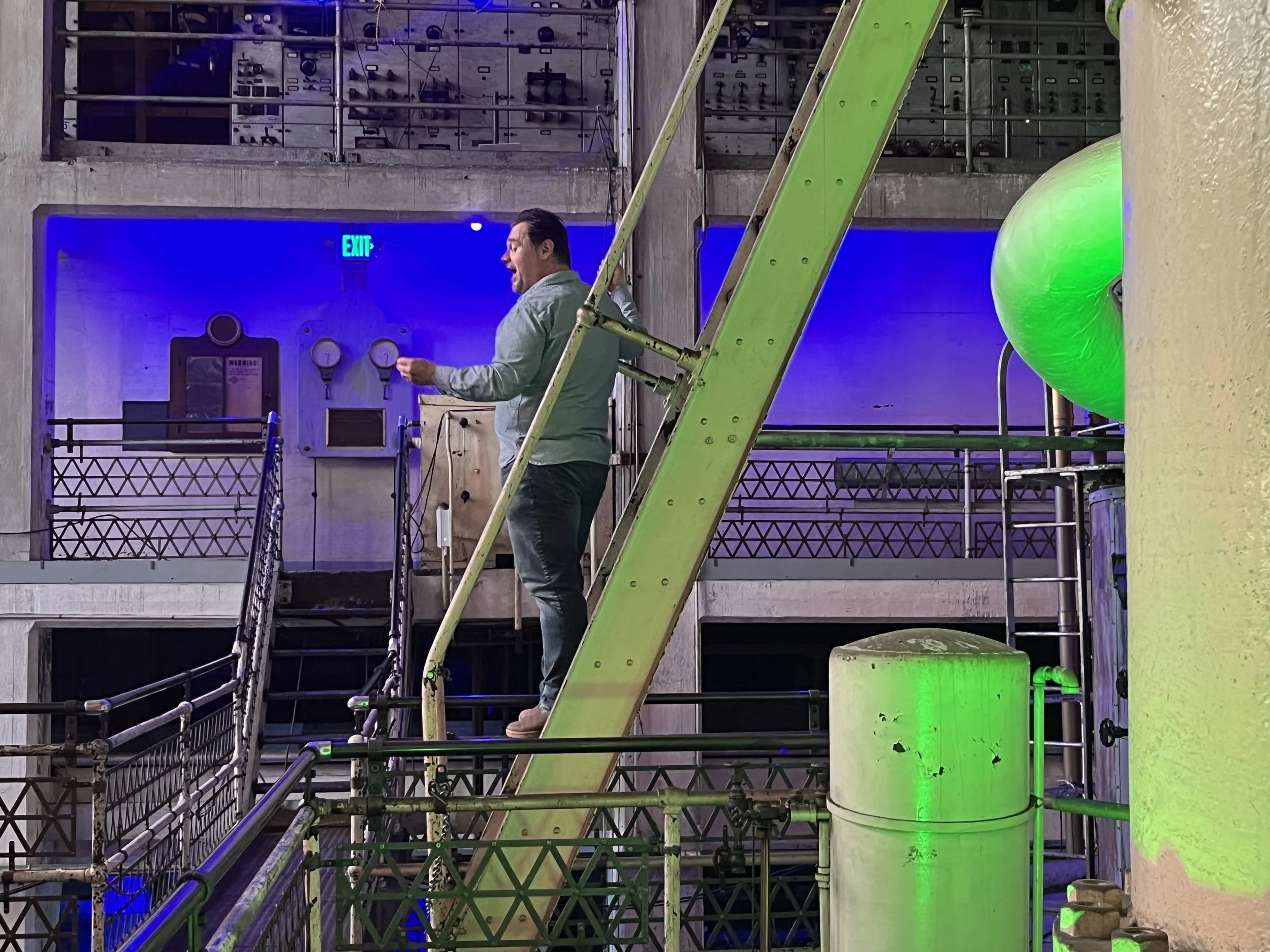
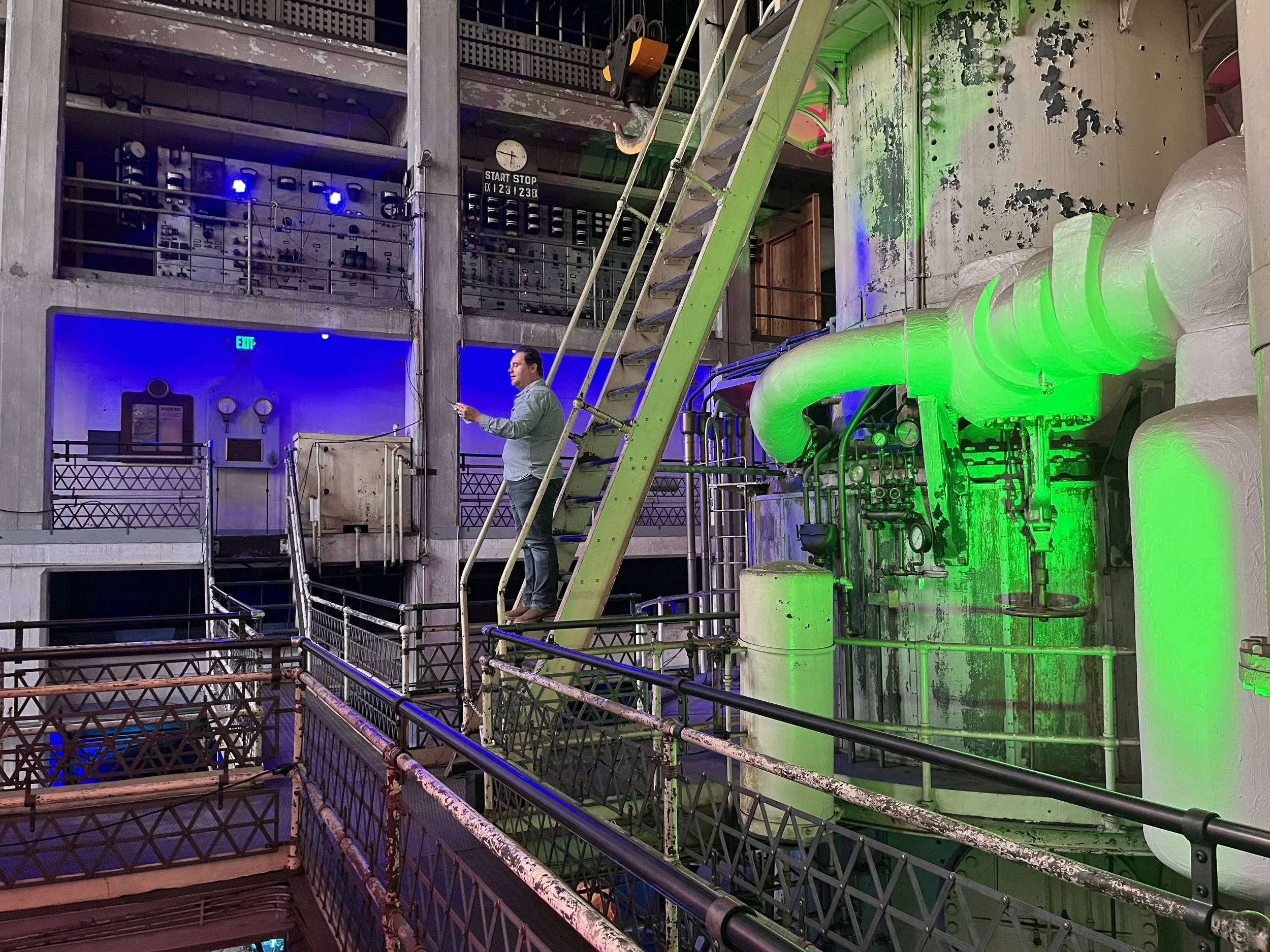
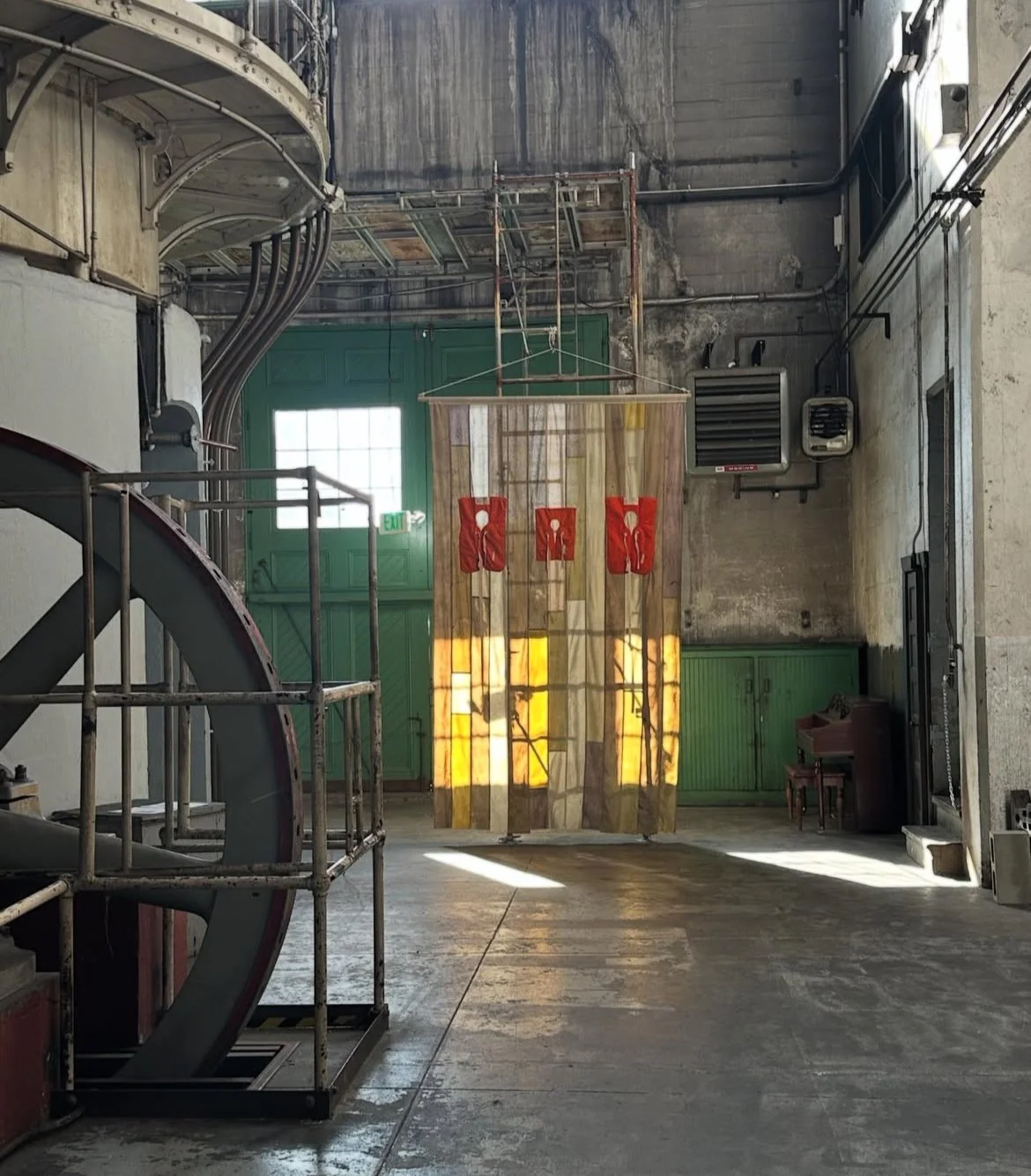
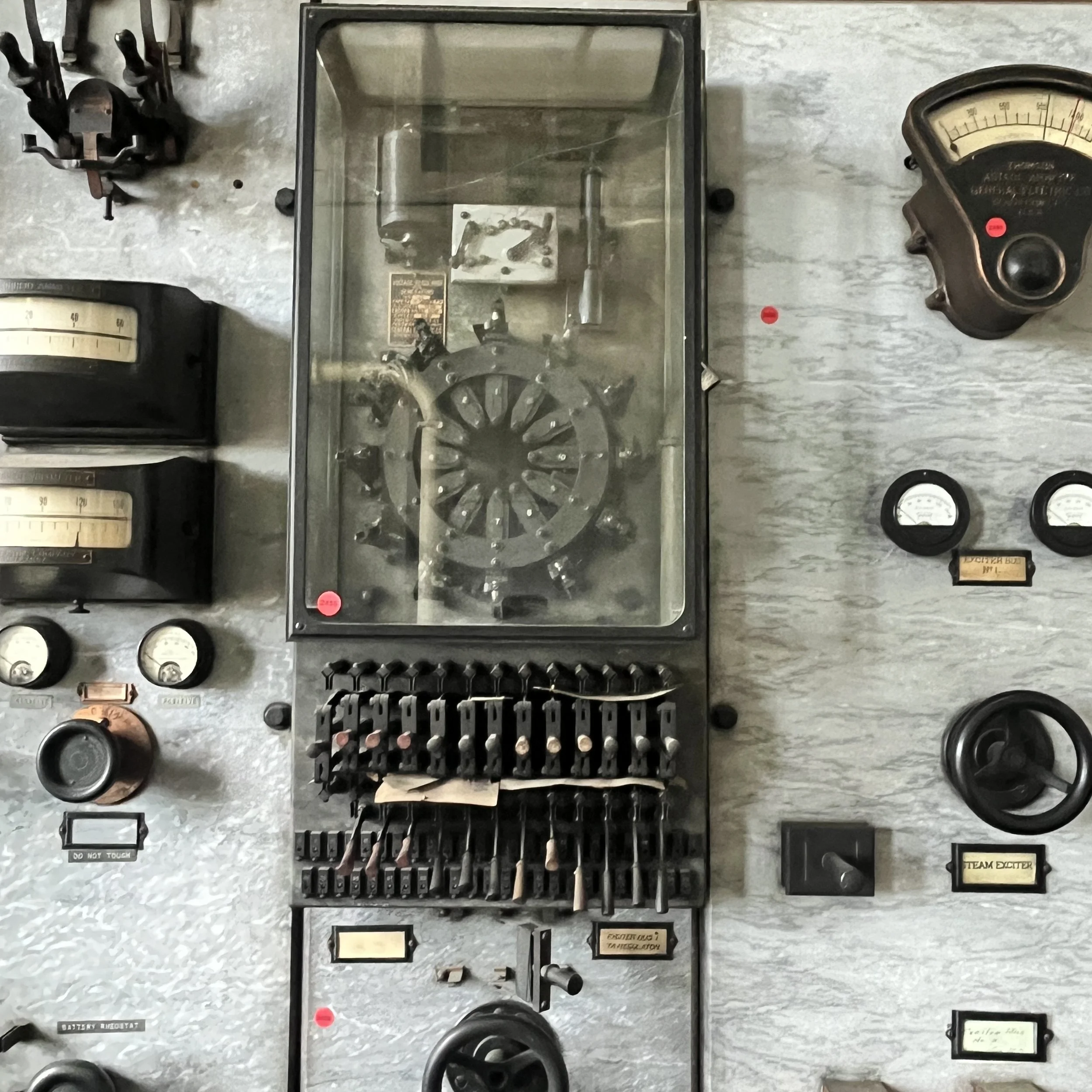
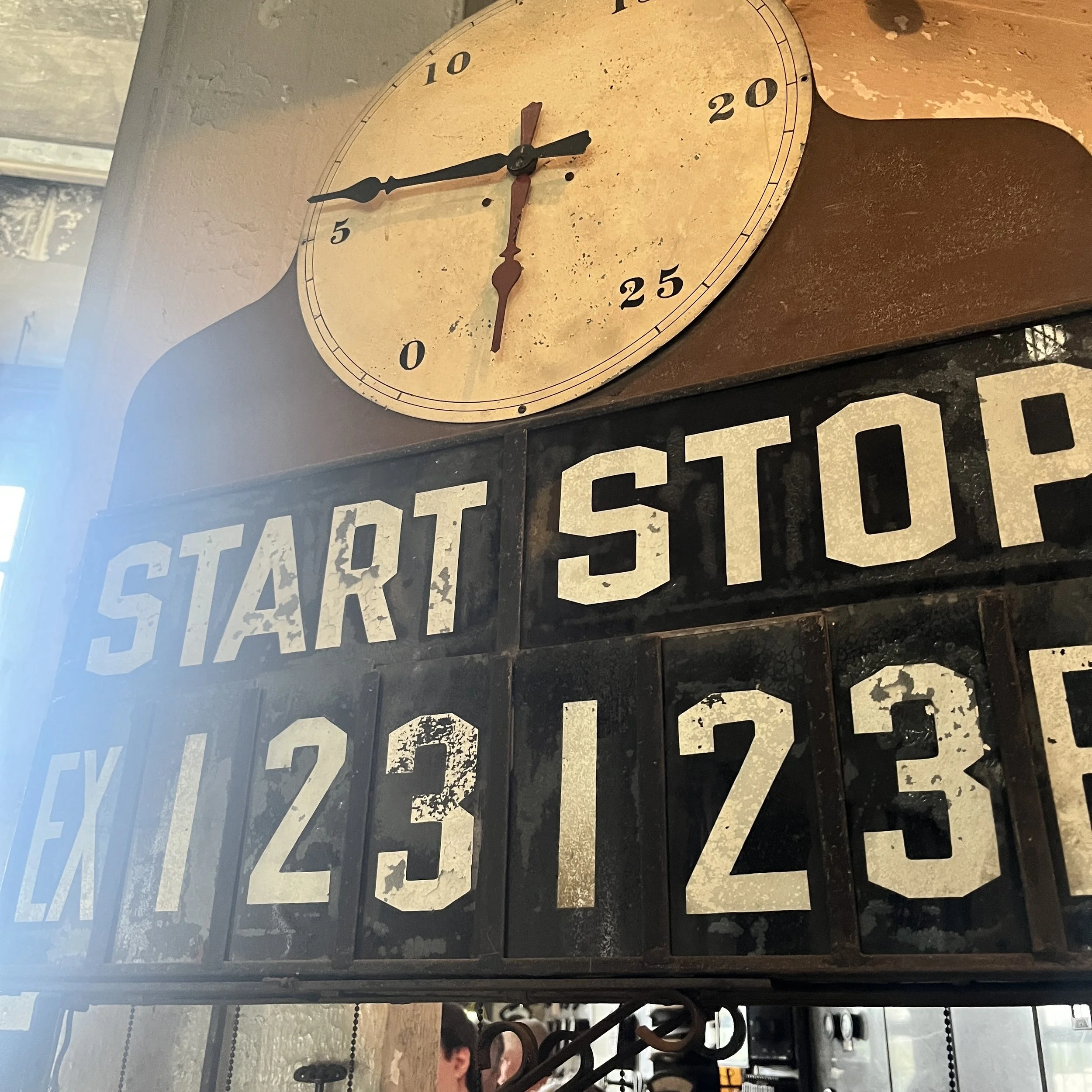
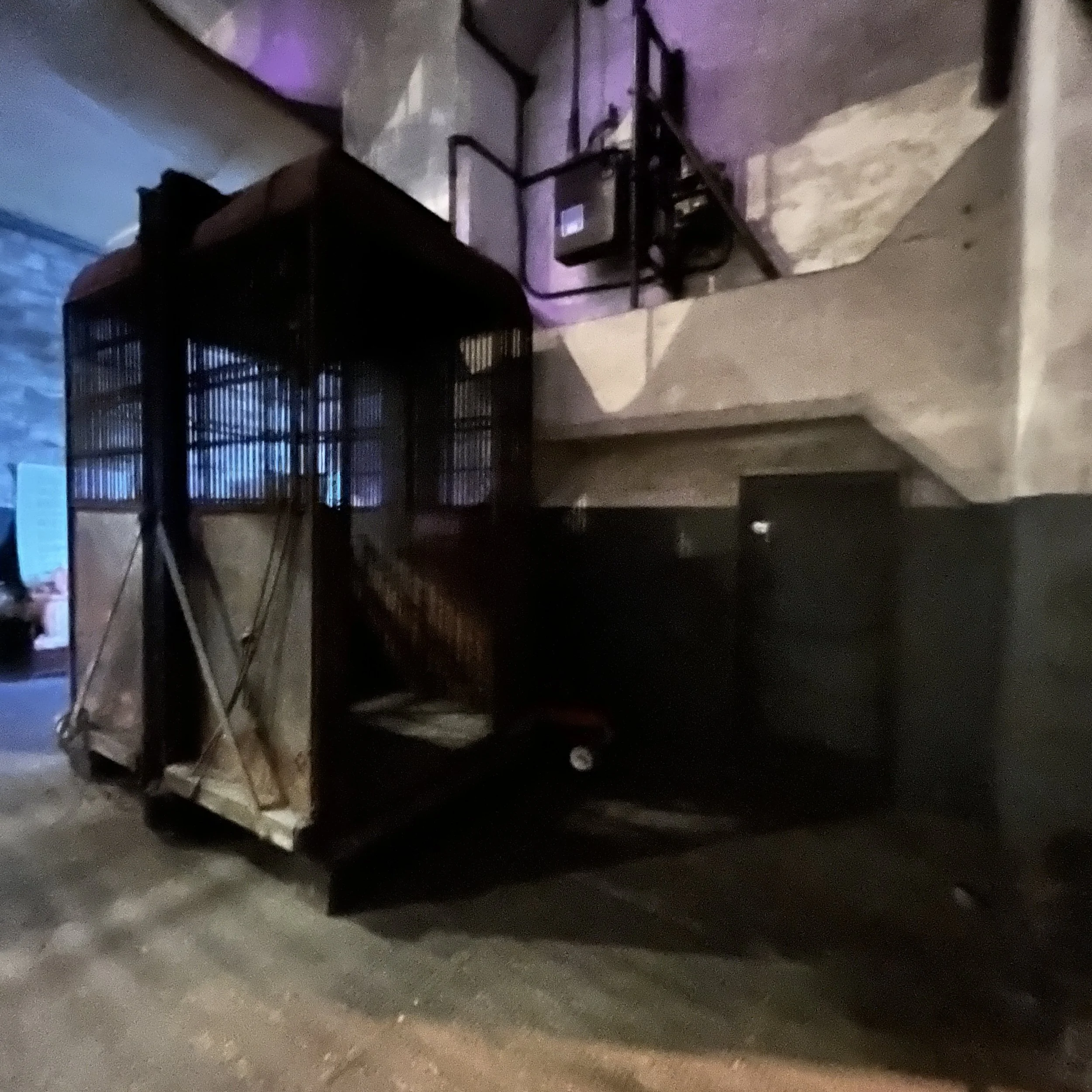
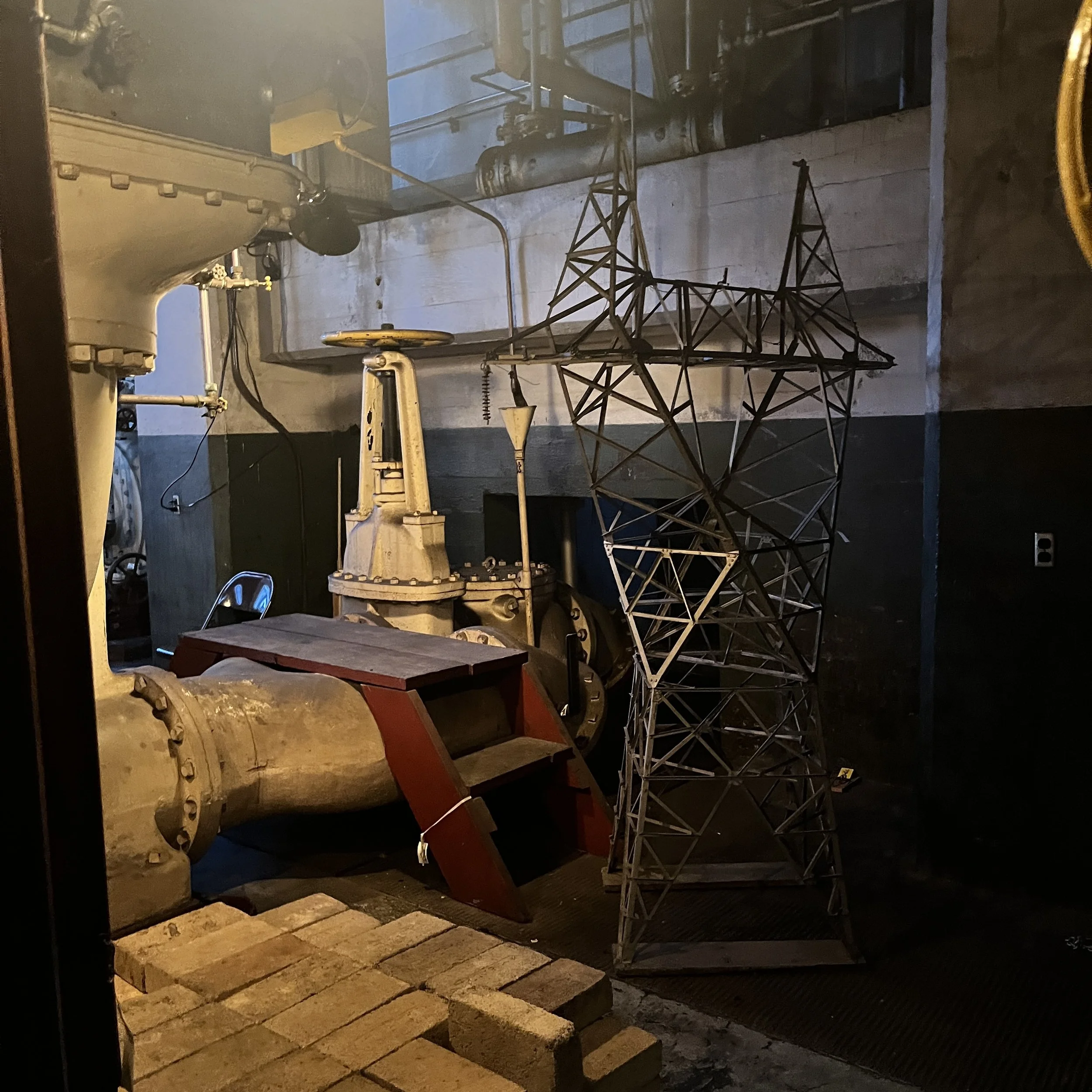
Having spent nearly two years immersed inside—scaling turbines, exploring passages and the nooks and crannies of the boiler room, reverberating in the coal pocket, and navigating its labyrinth of pipes, gauges, levers, stairs, railings——offered a new perspective. For myself, my time inside the Steam Plant became a continuous dialogue between early 20th-century engineering and a heavily impacted, evolving present—and the village. Whenever I step inside I embrace the optimism of the industrial age with an outside world still reckoning with the consequences of the fossil fuel age and our insatiable demand for "more steam."
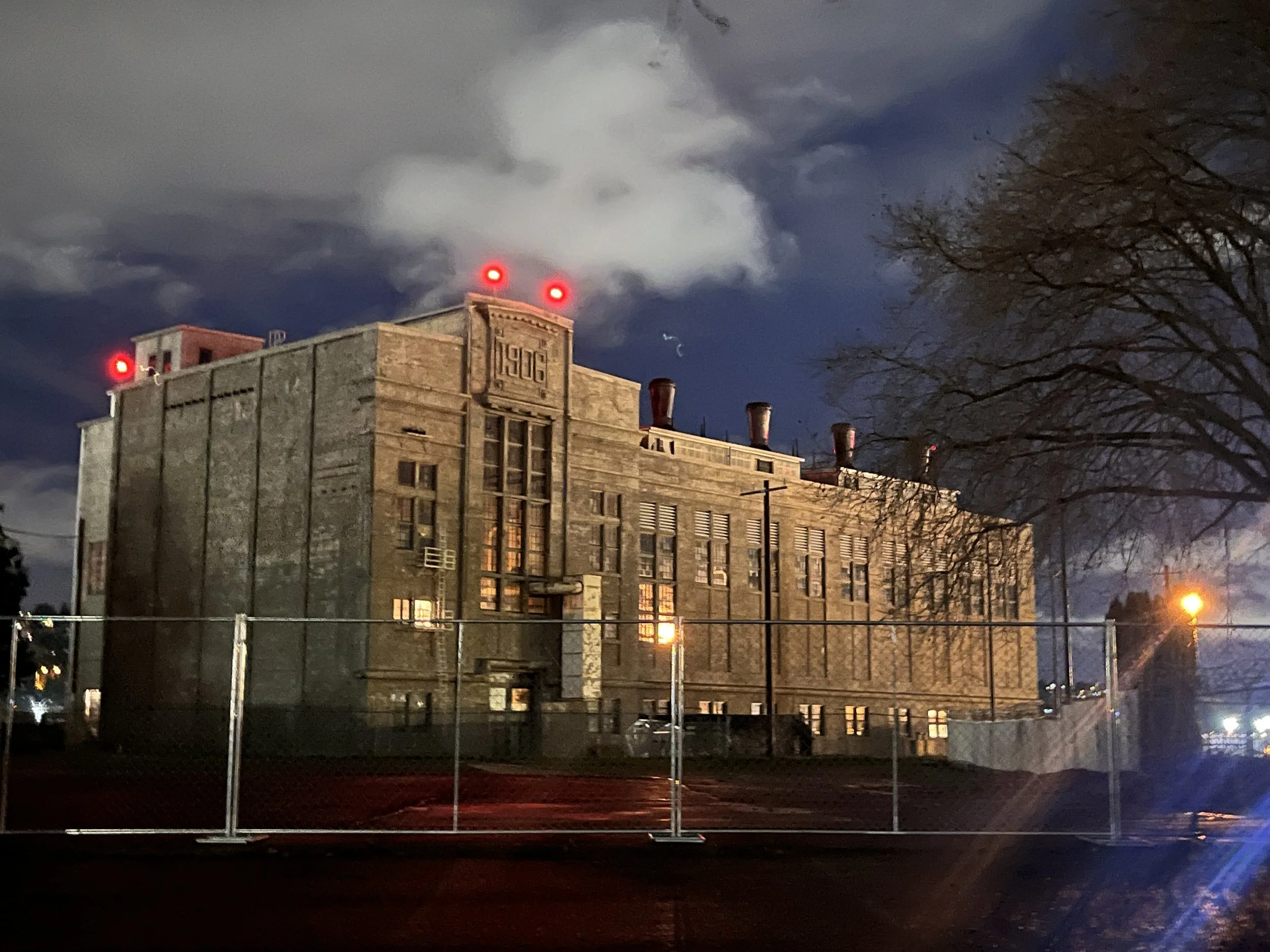
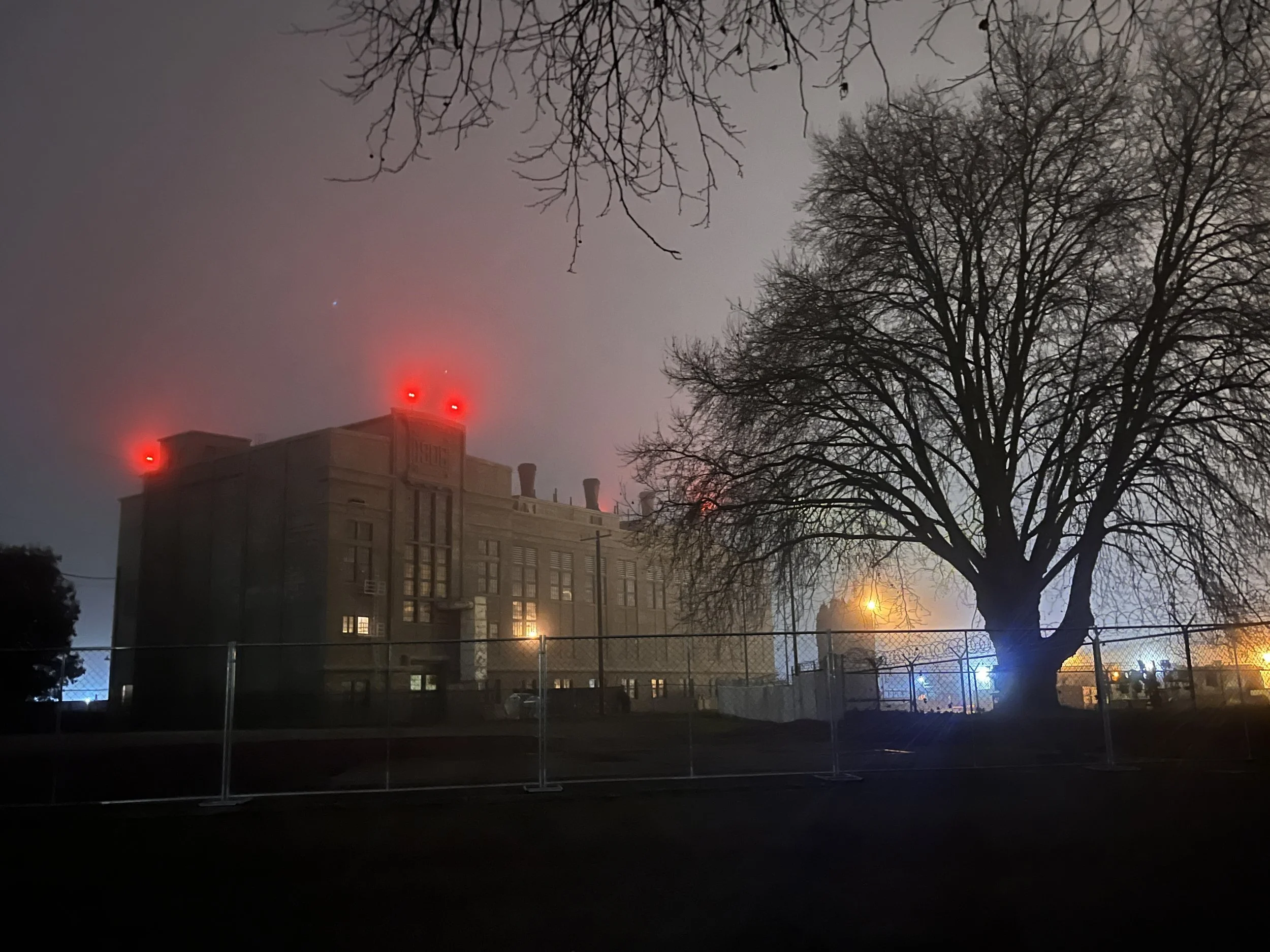
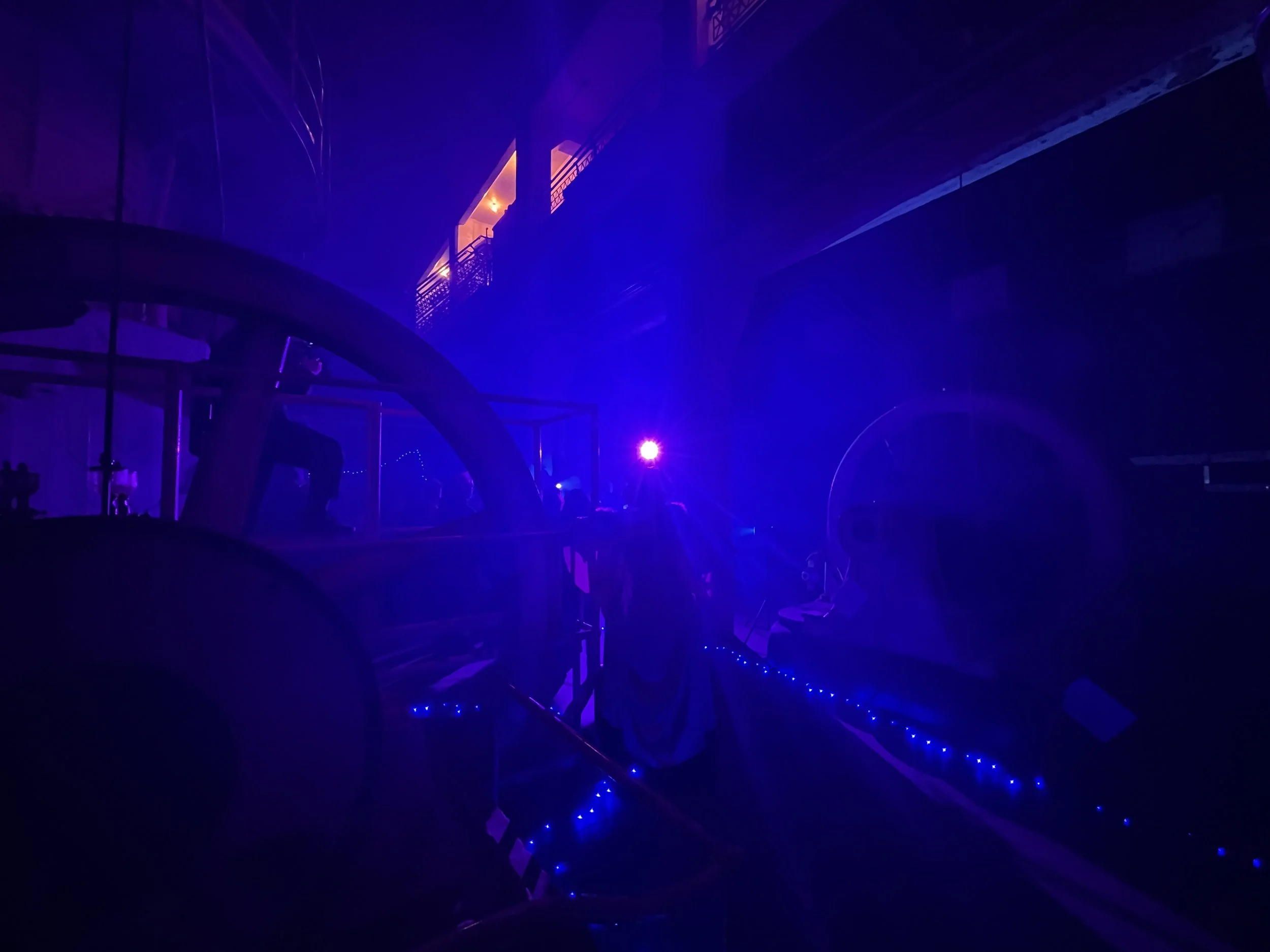
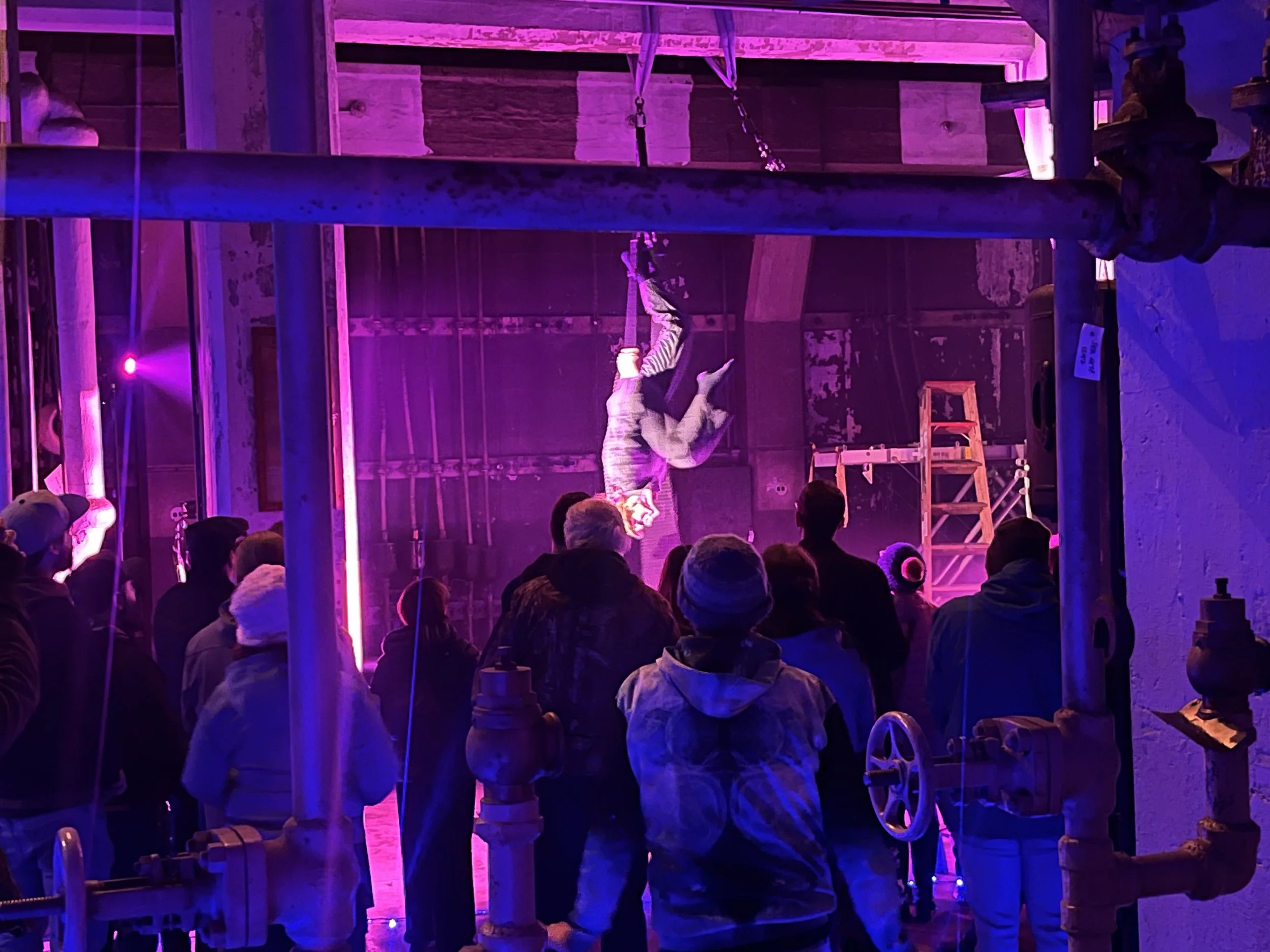
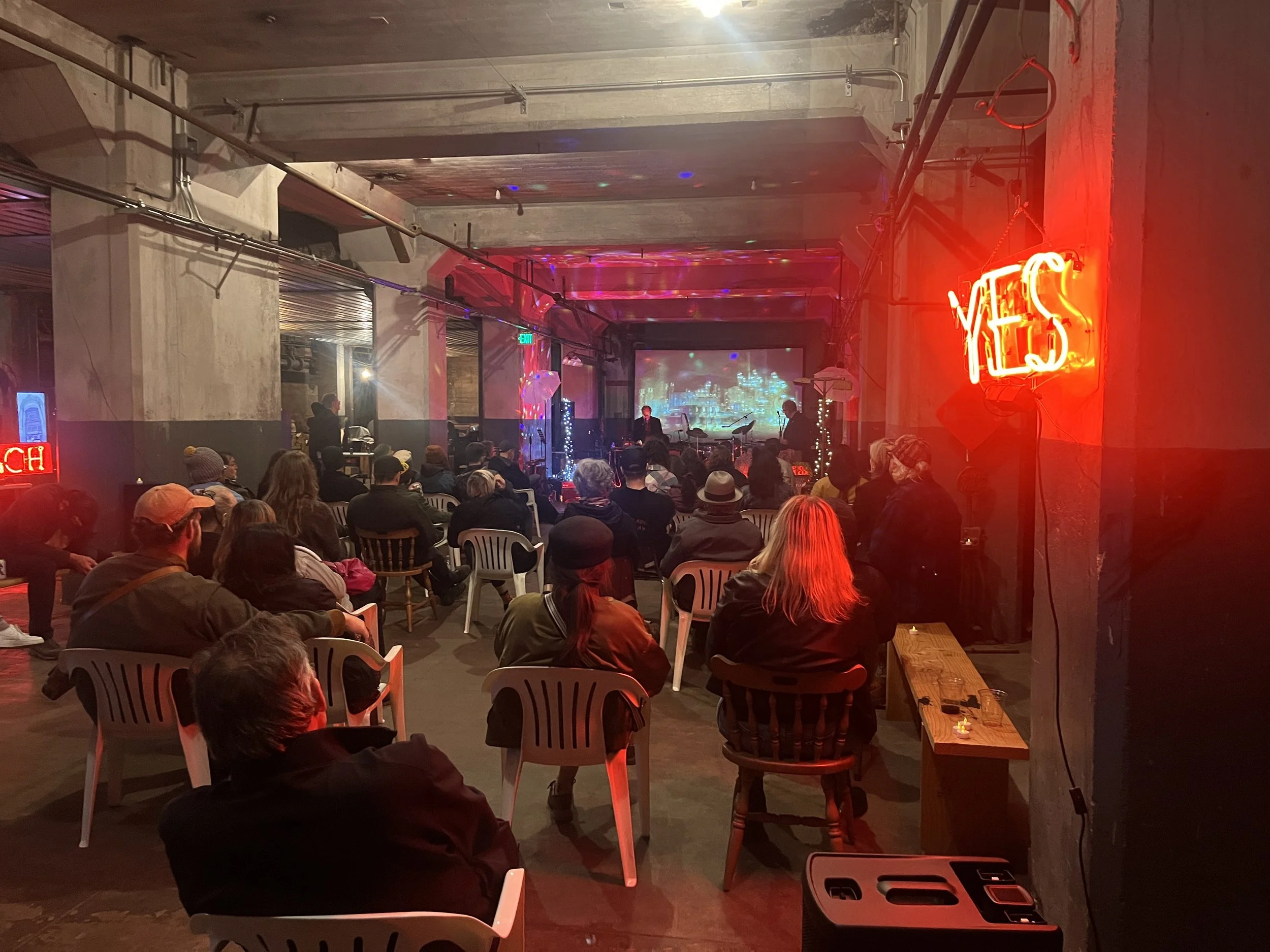
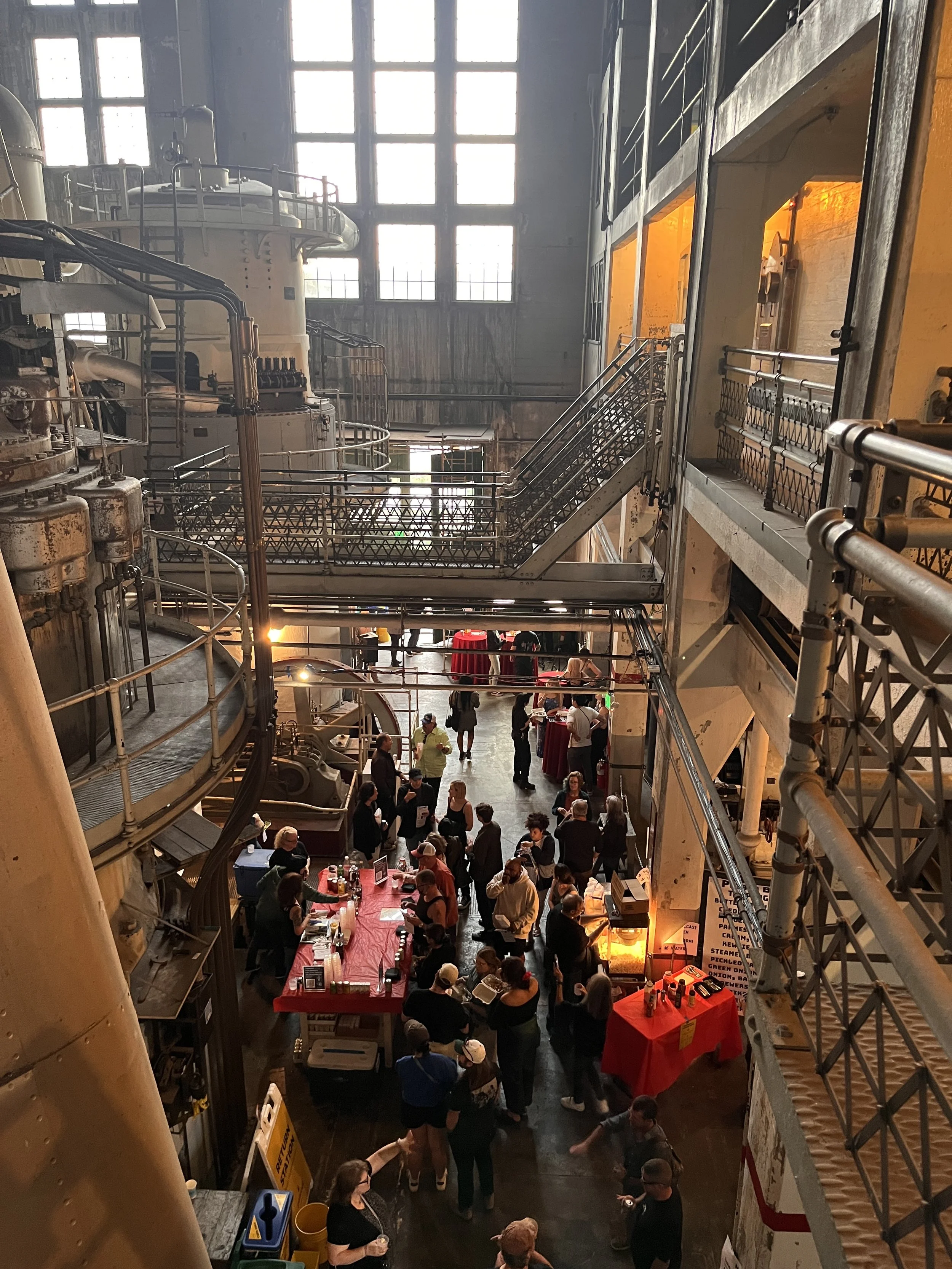
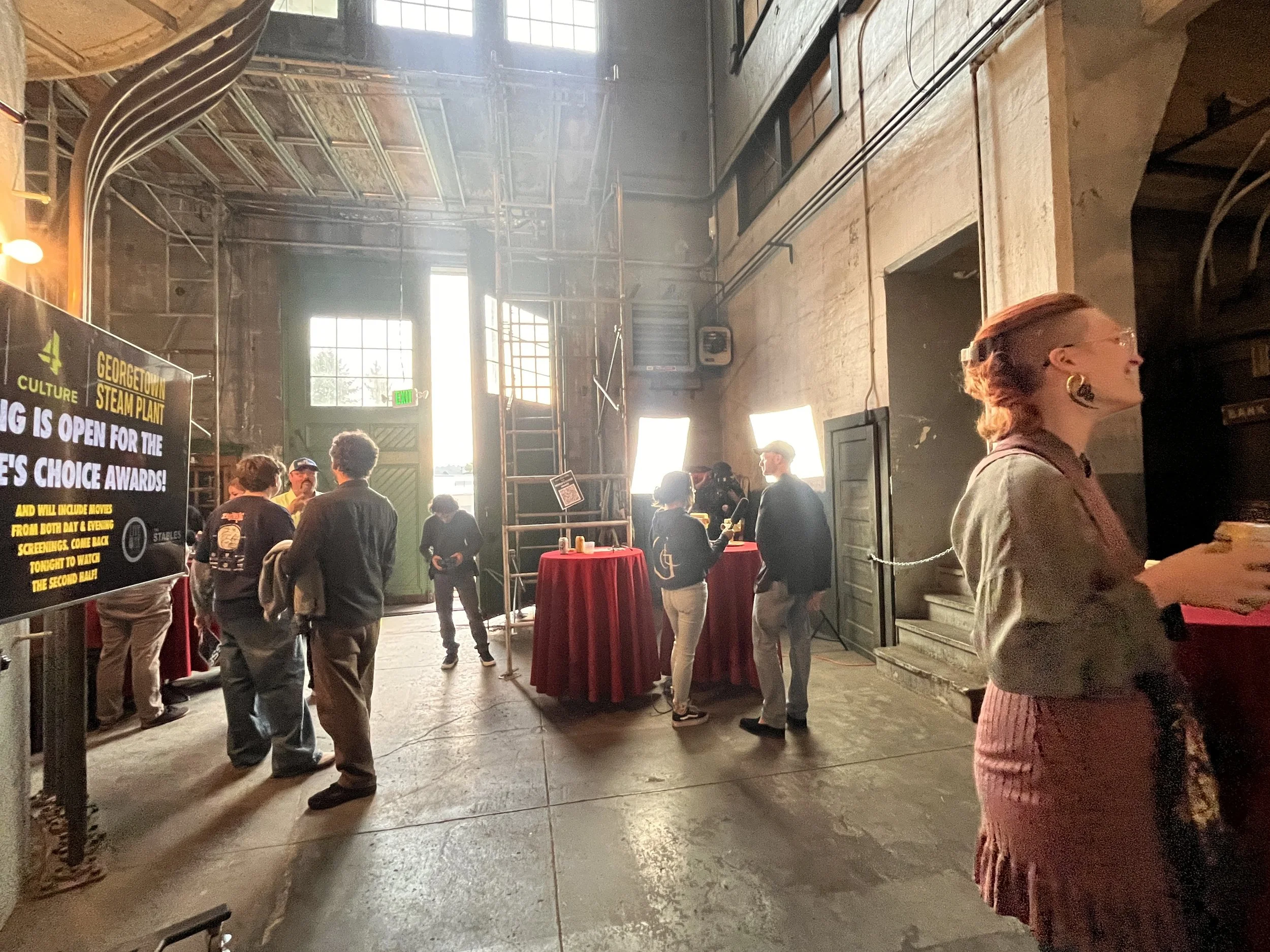
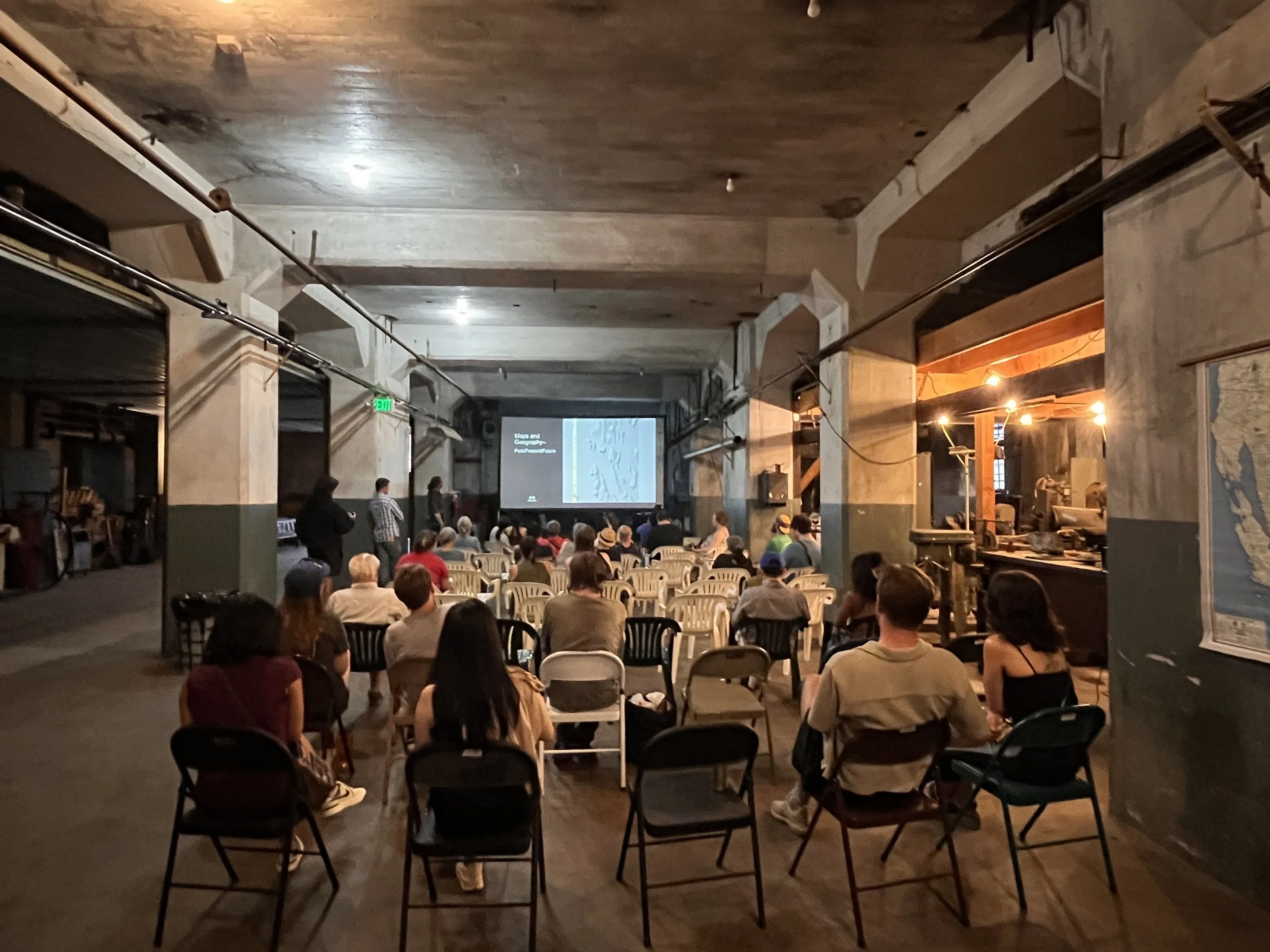
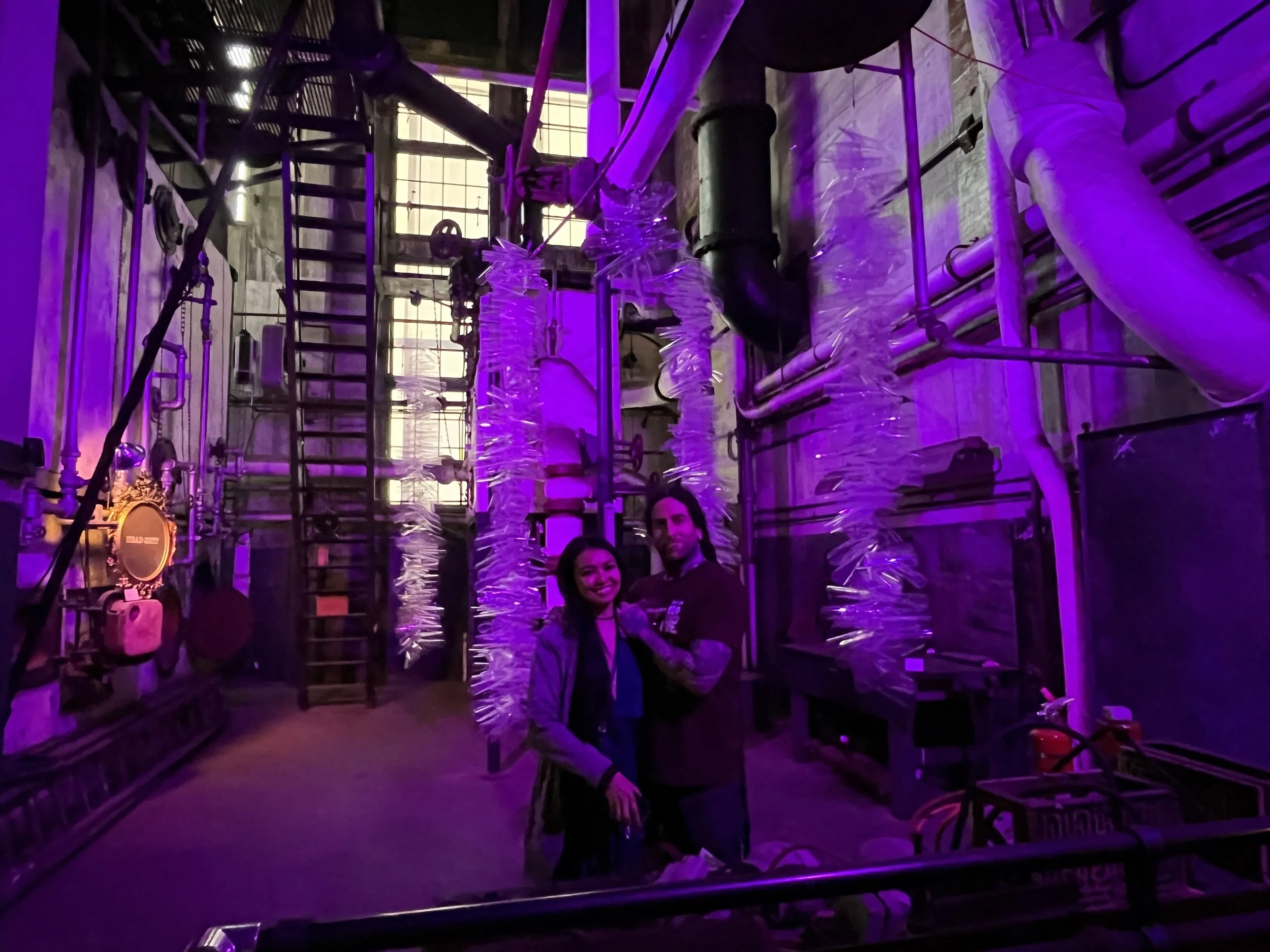
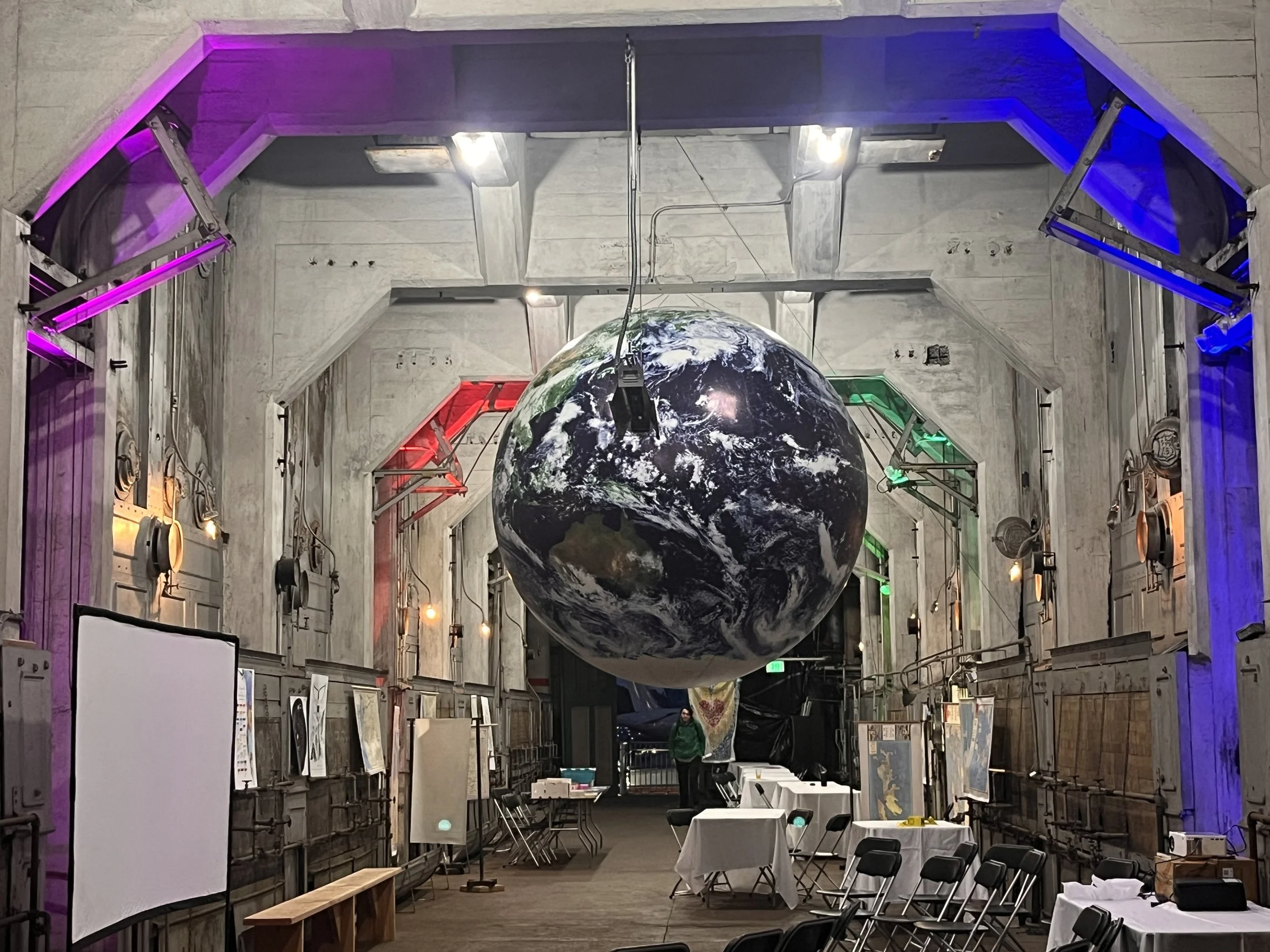
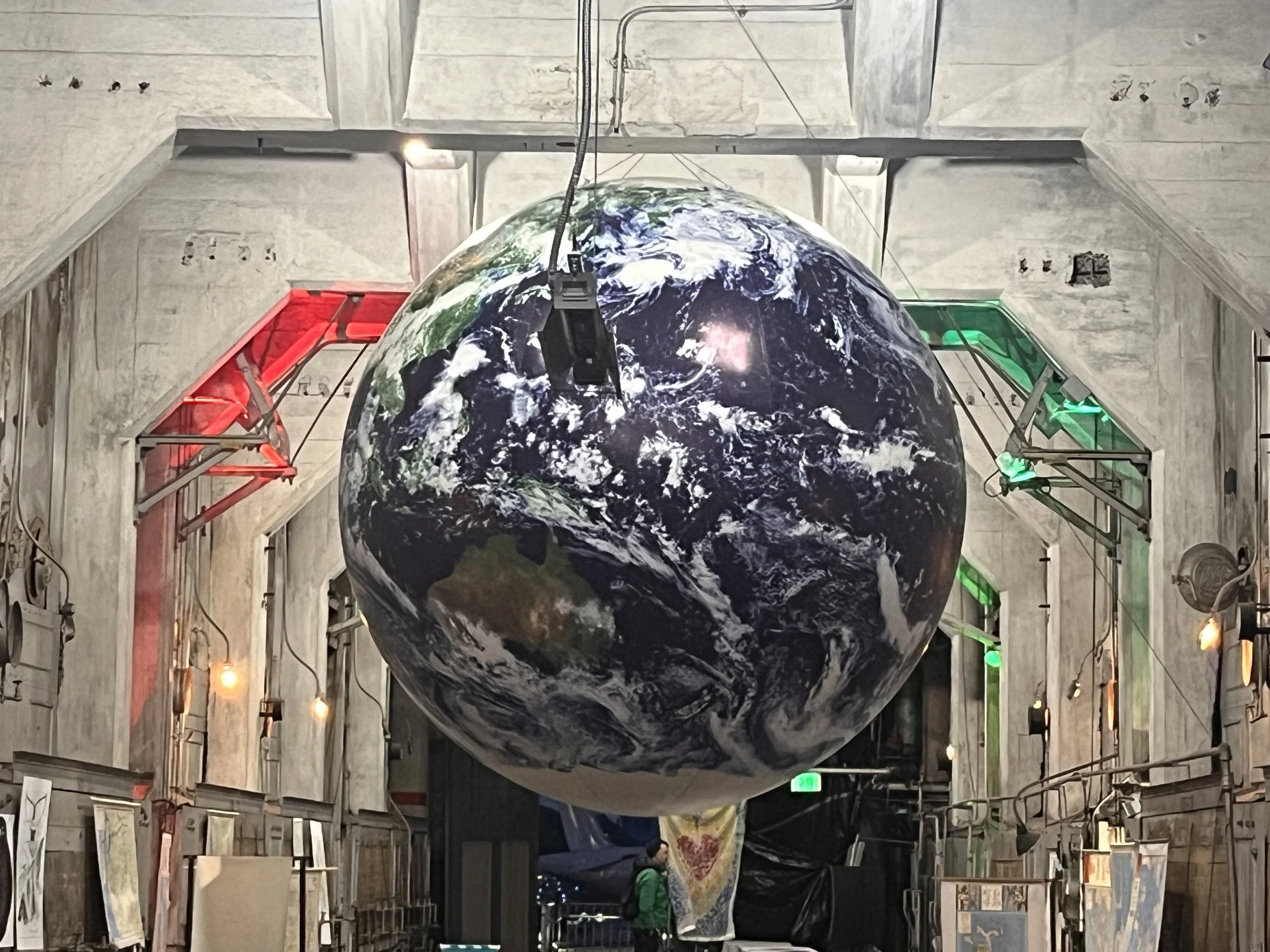
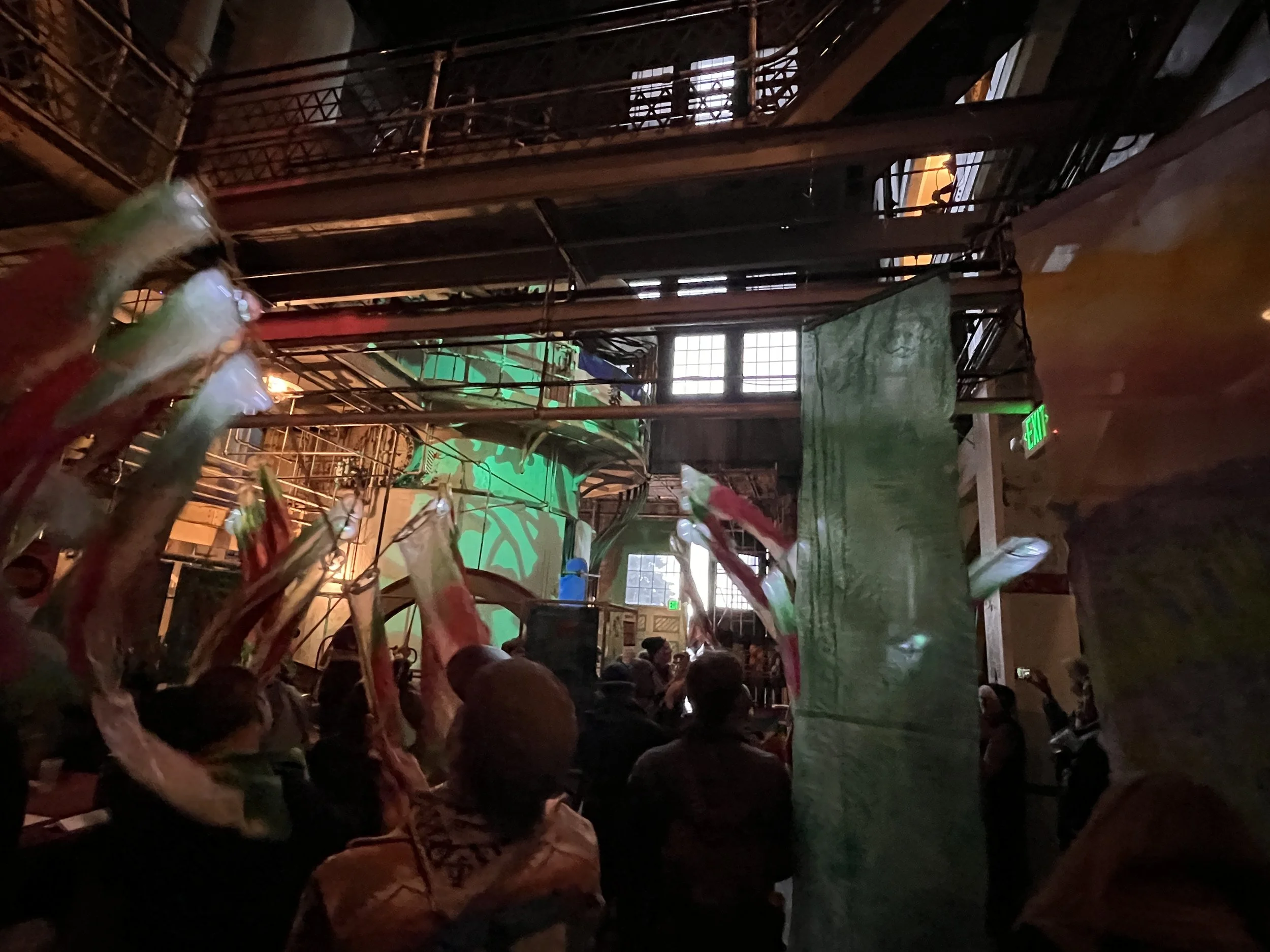
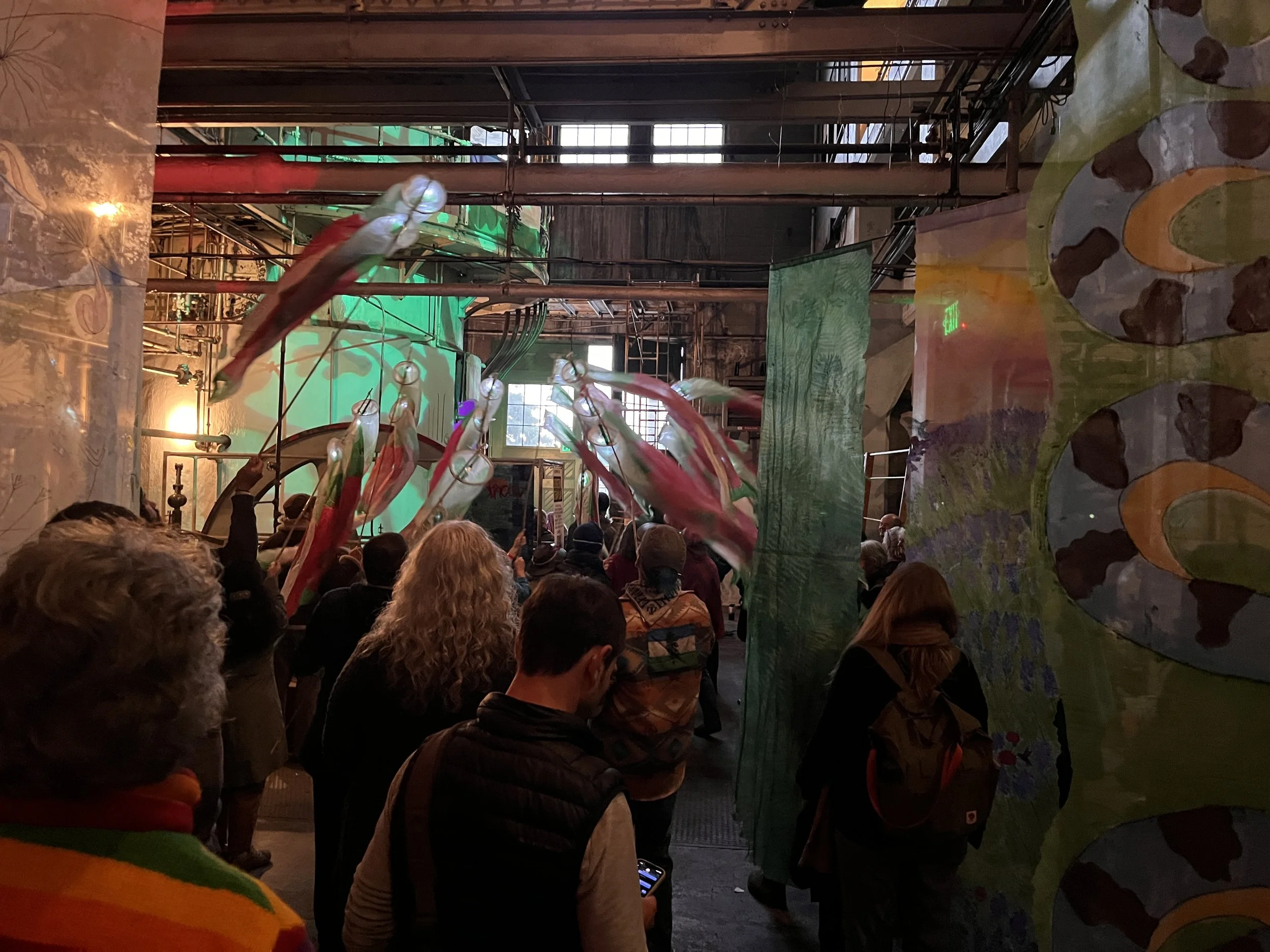
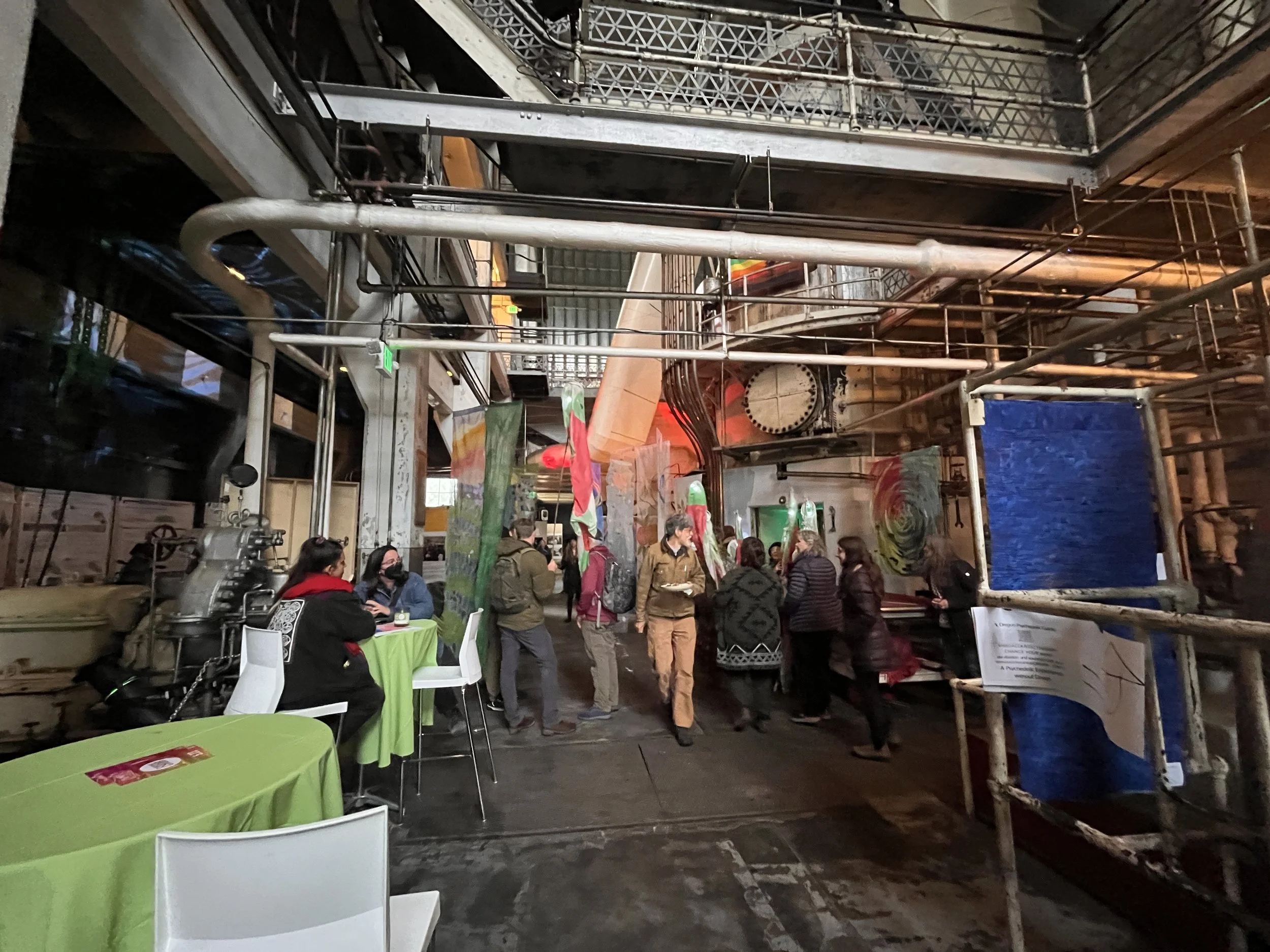
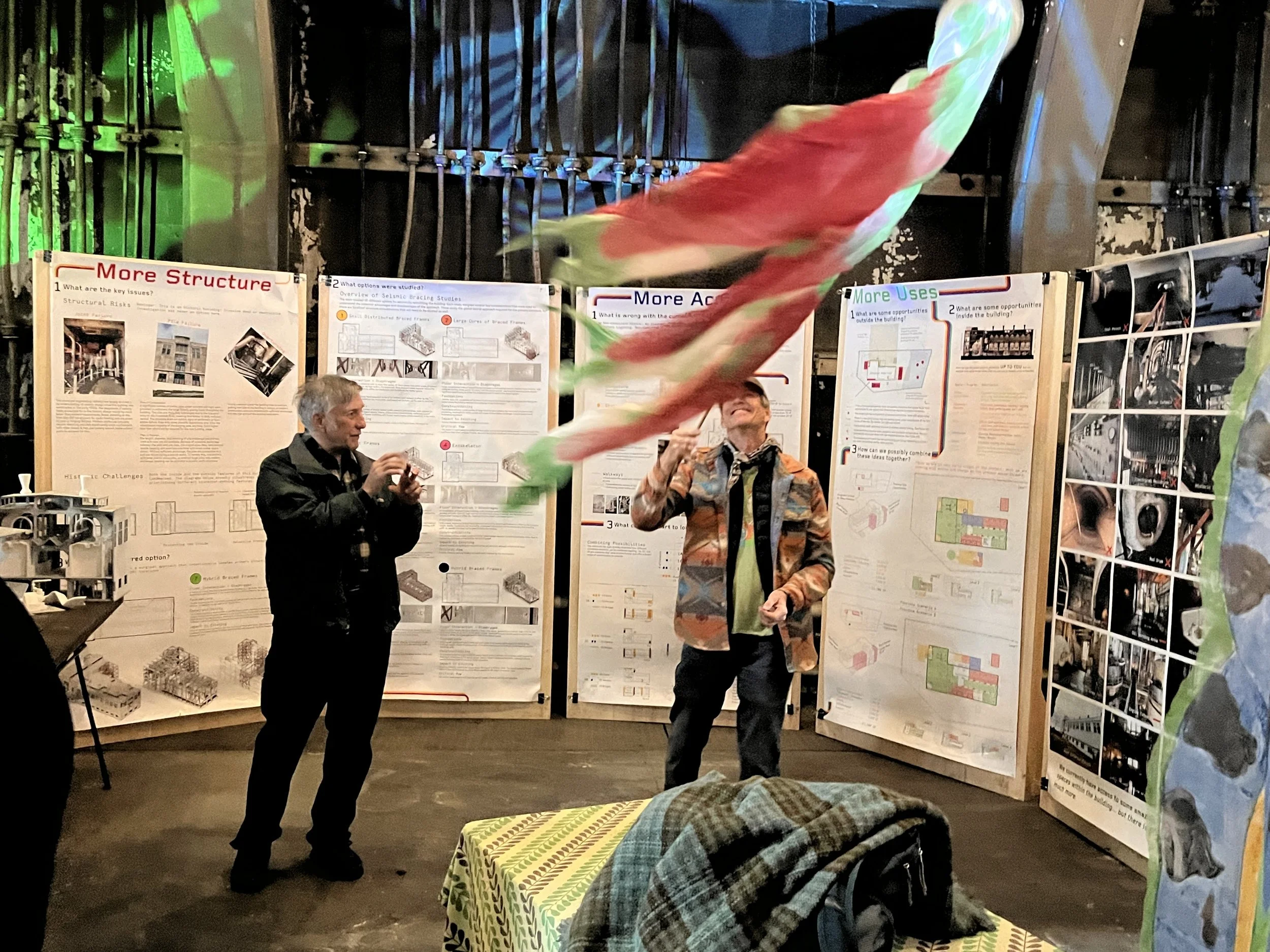
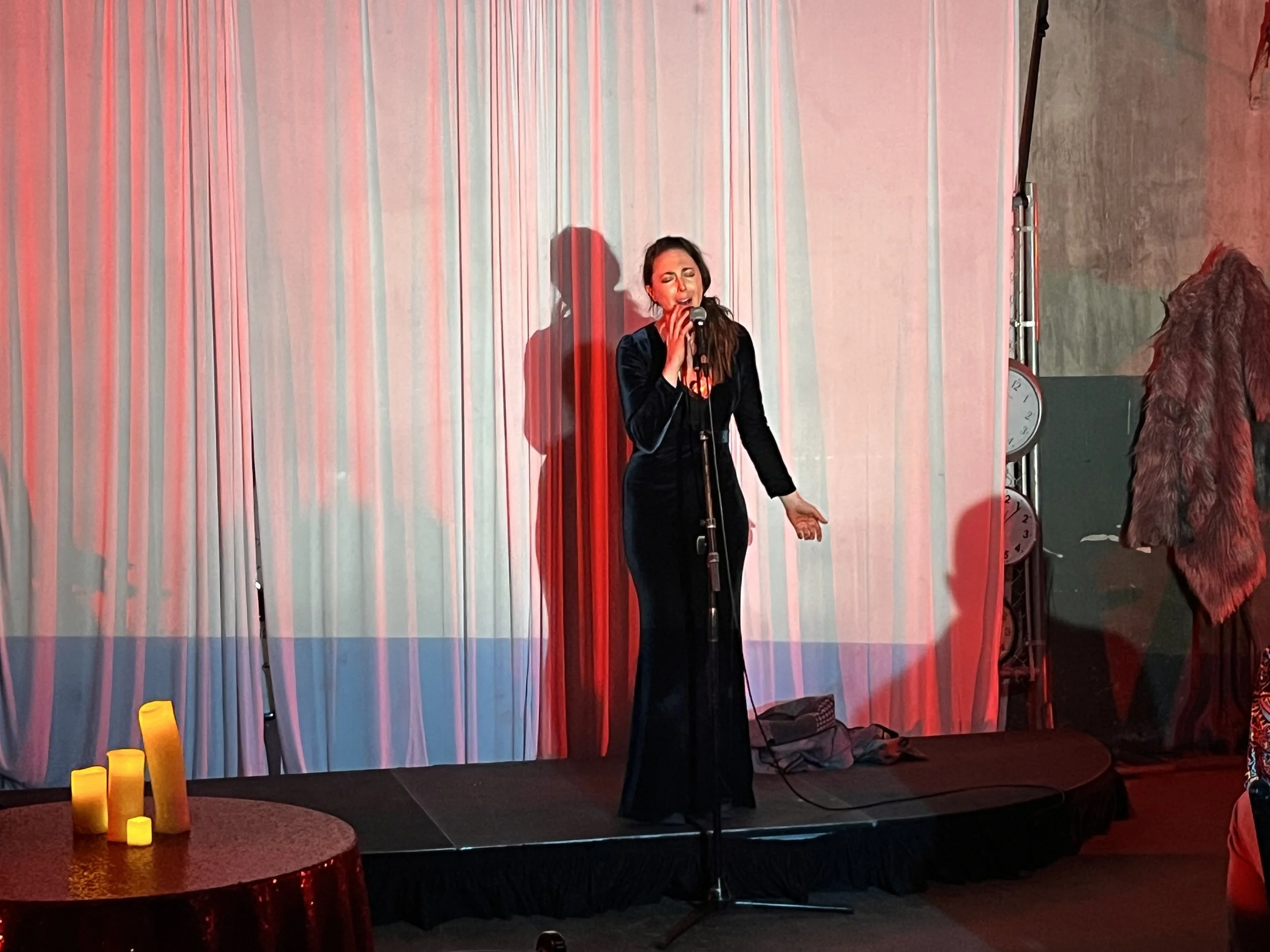
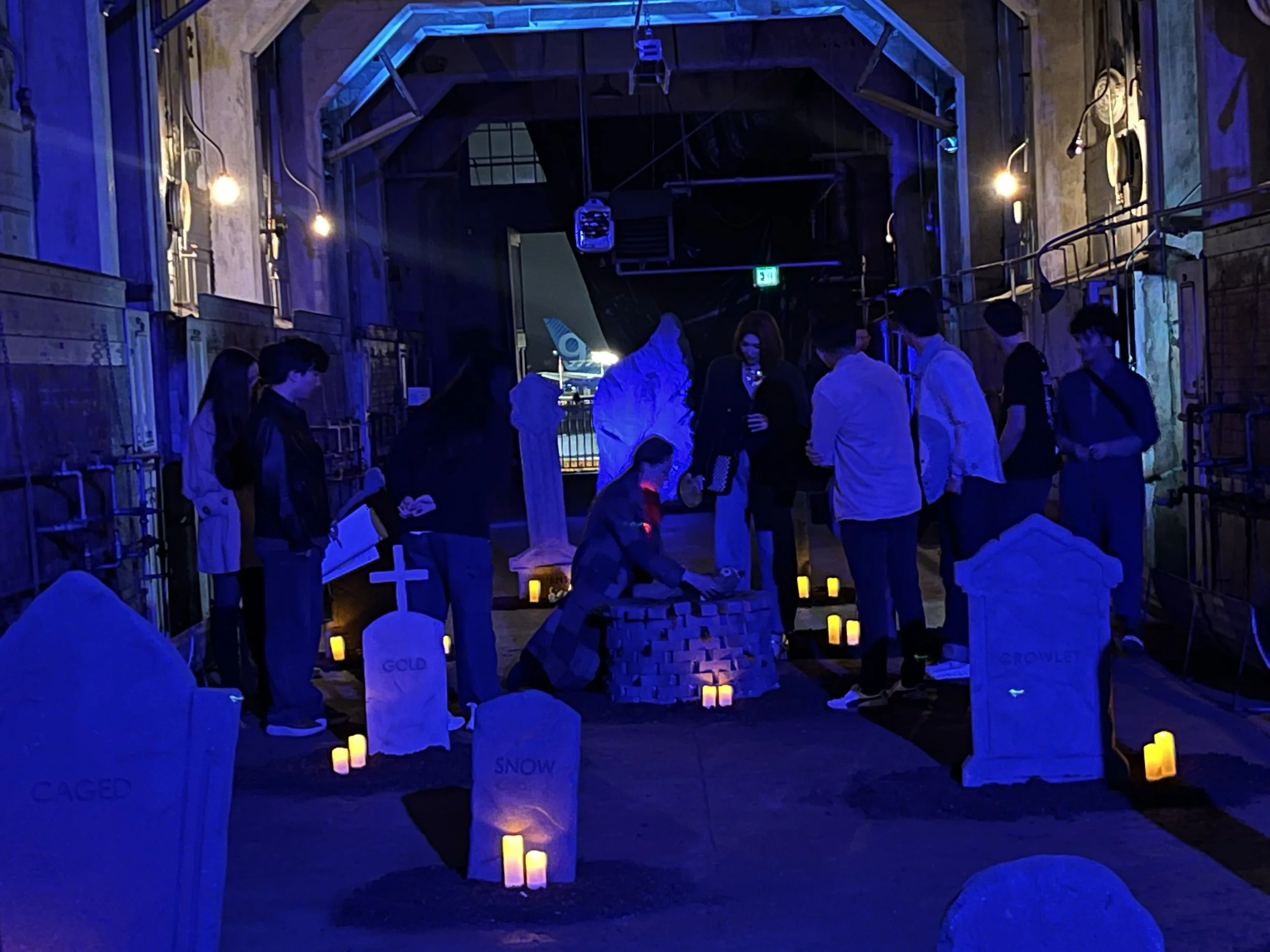
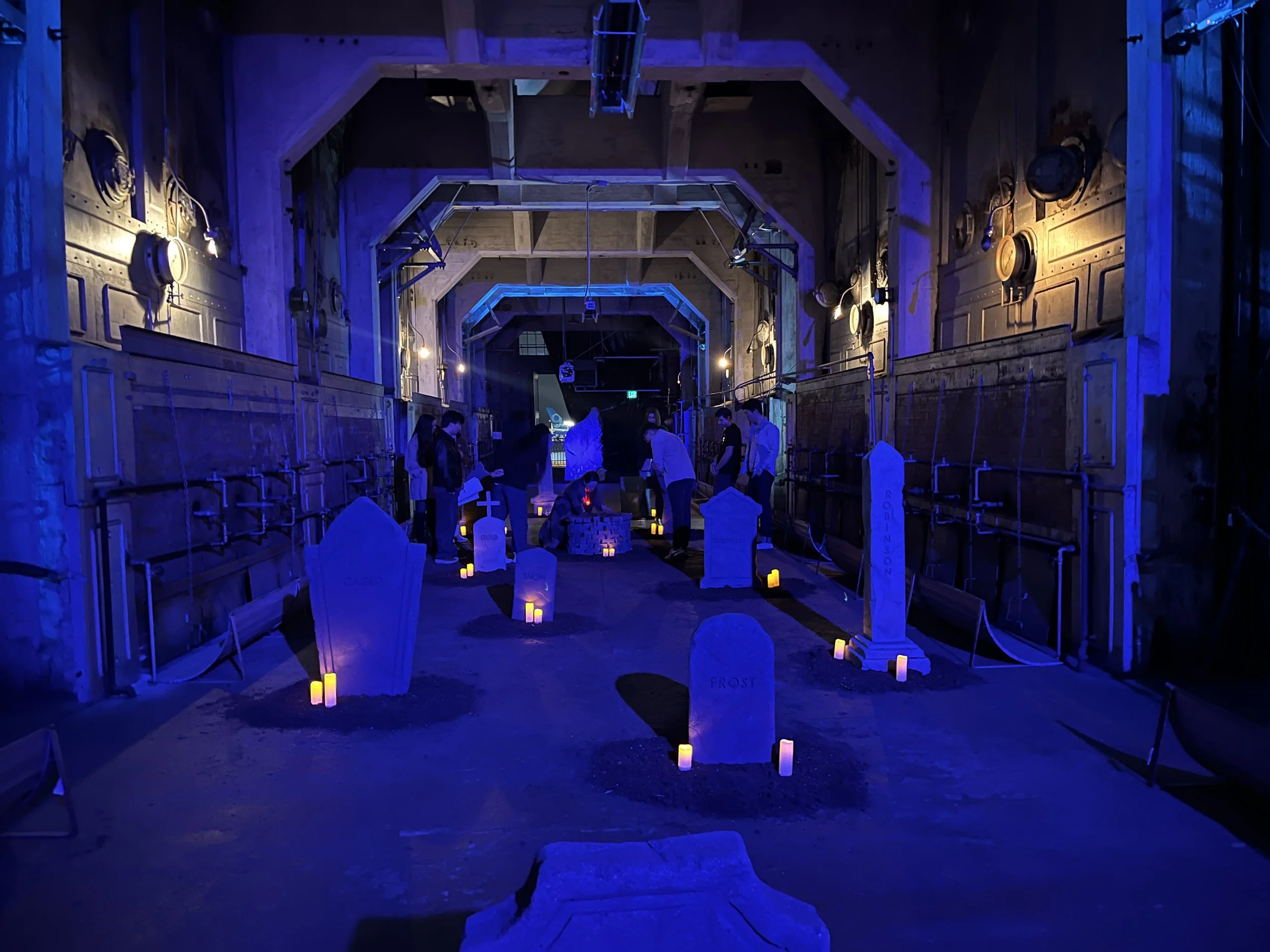
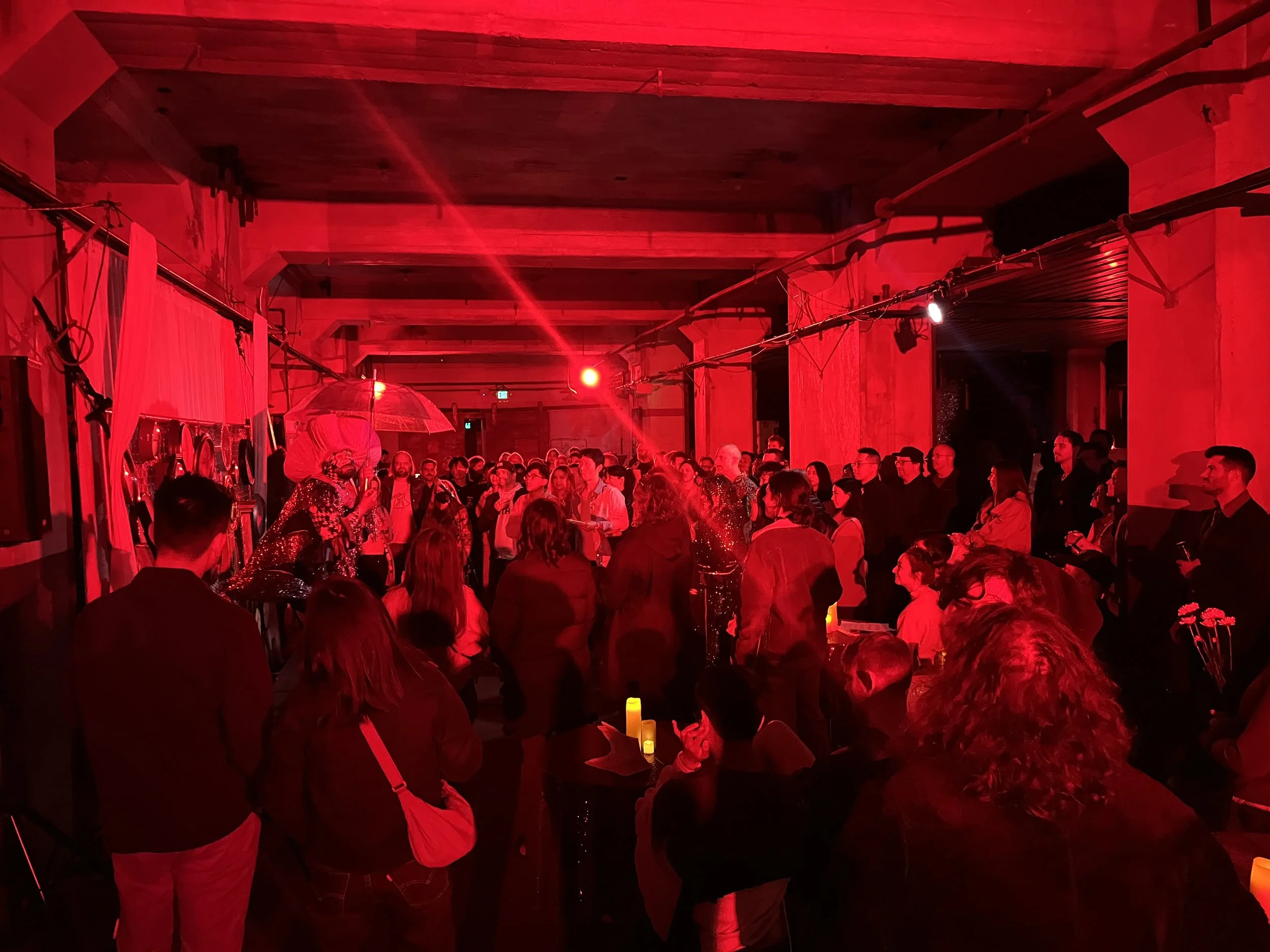
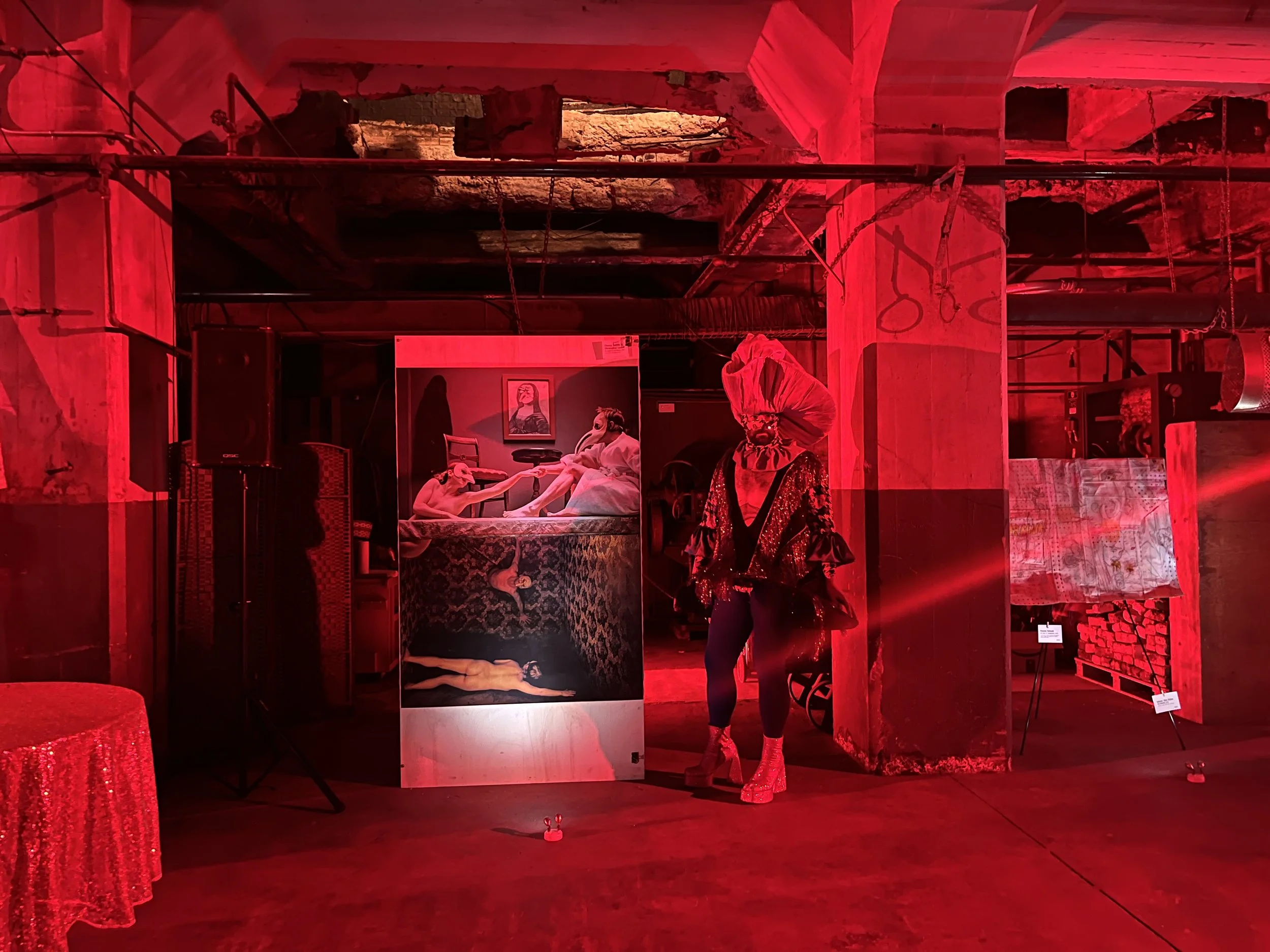
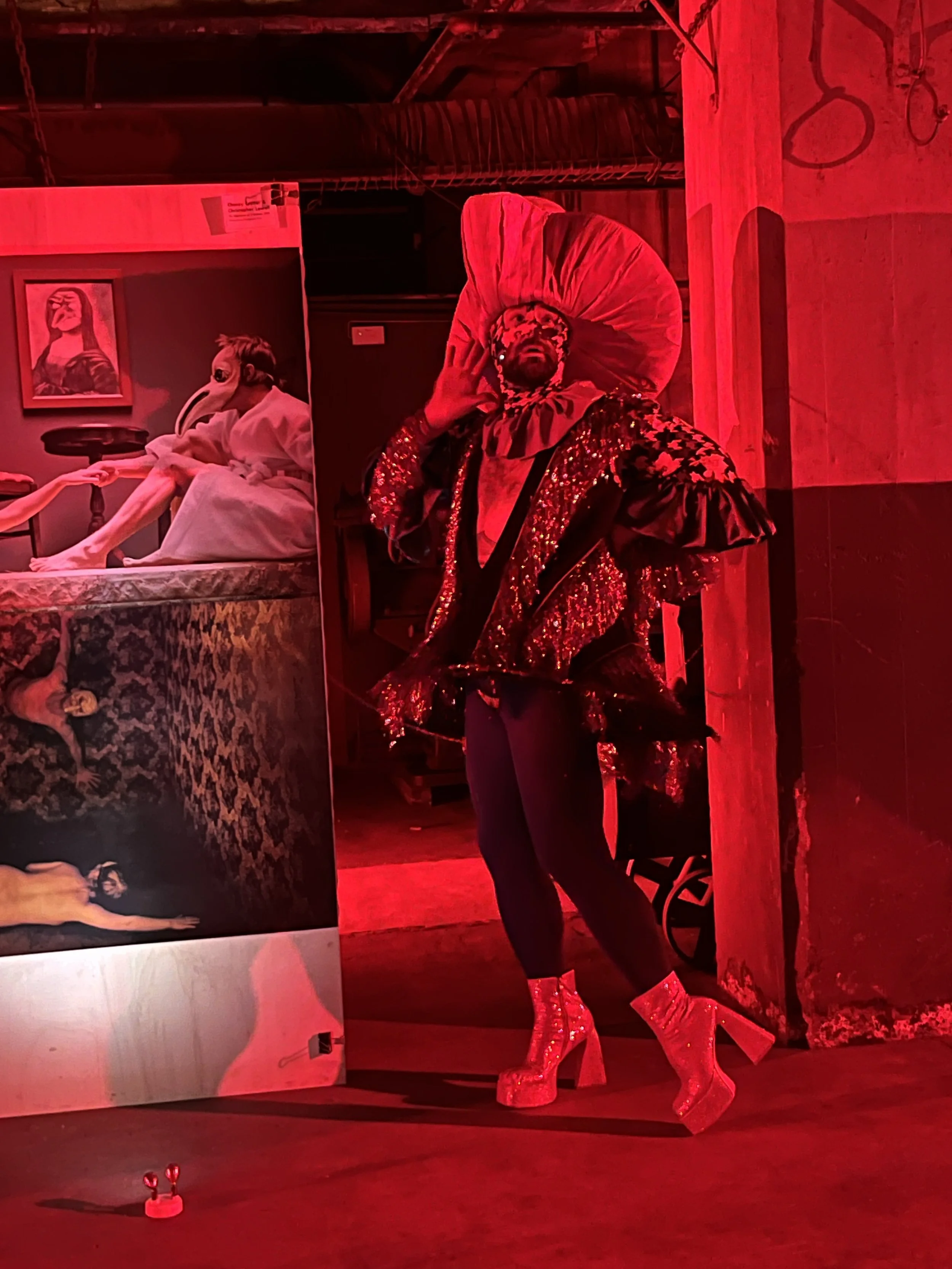
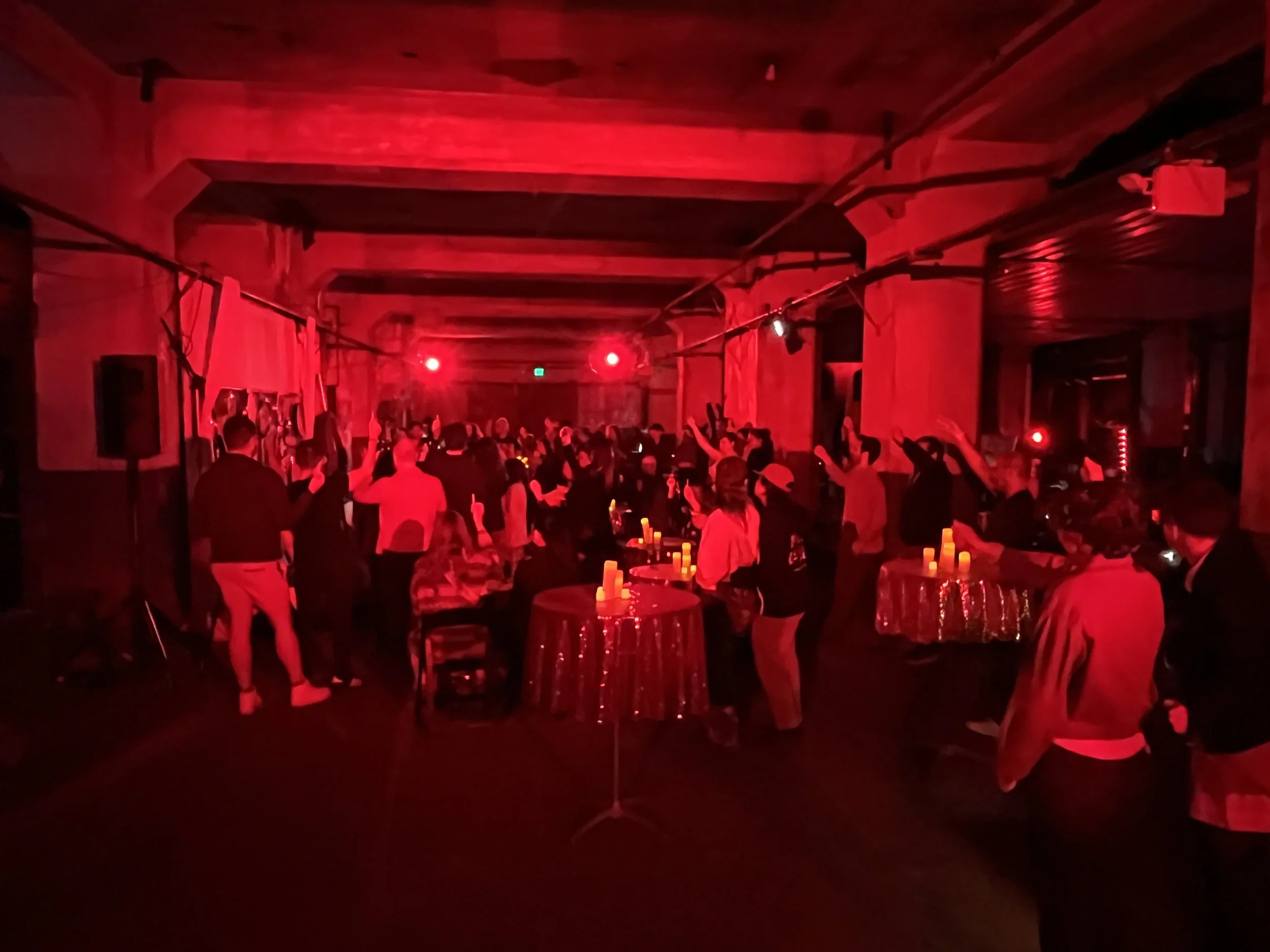
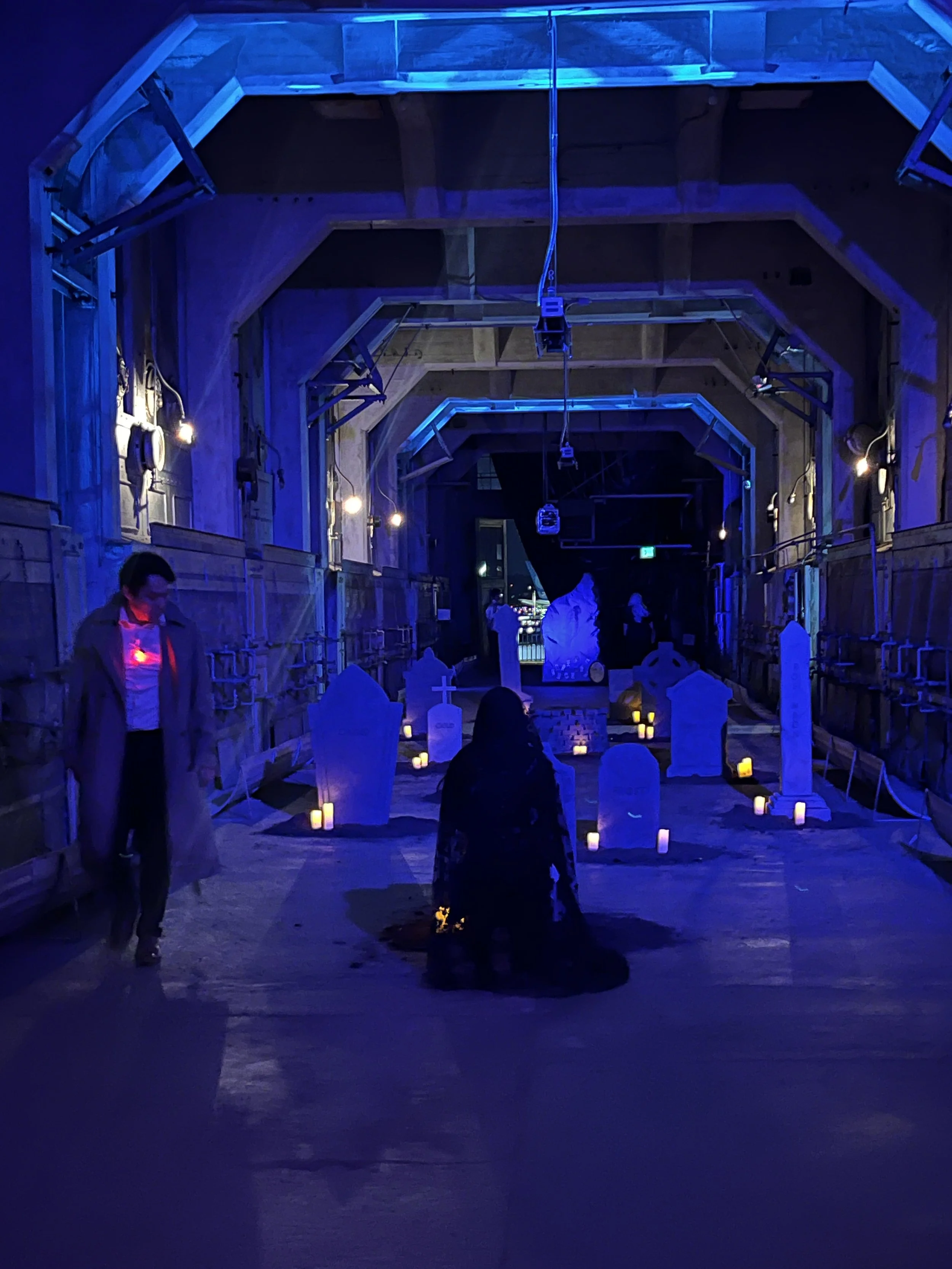
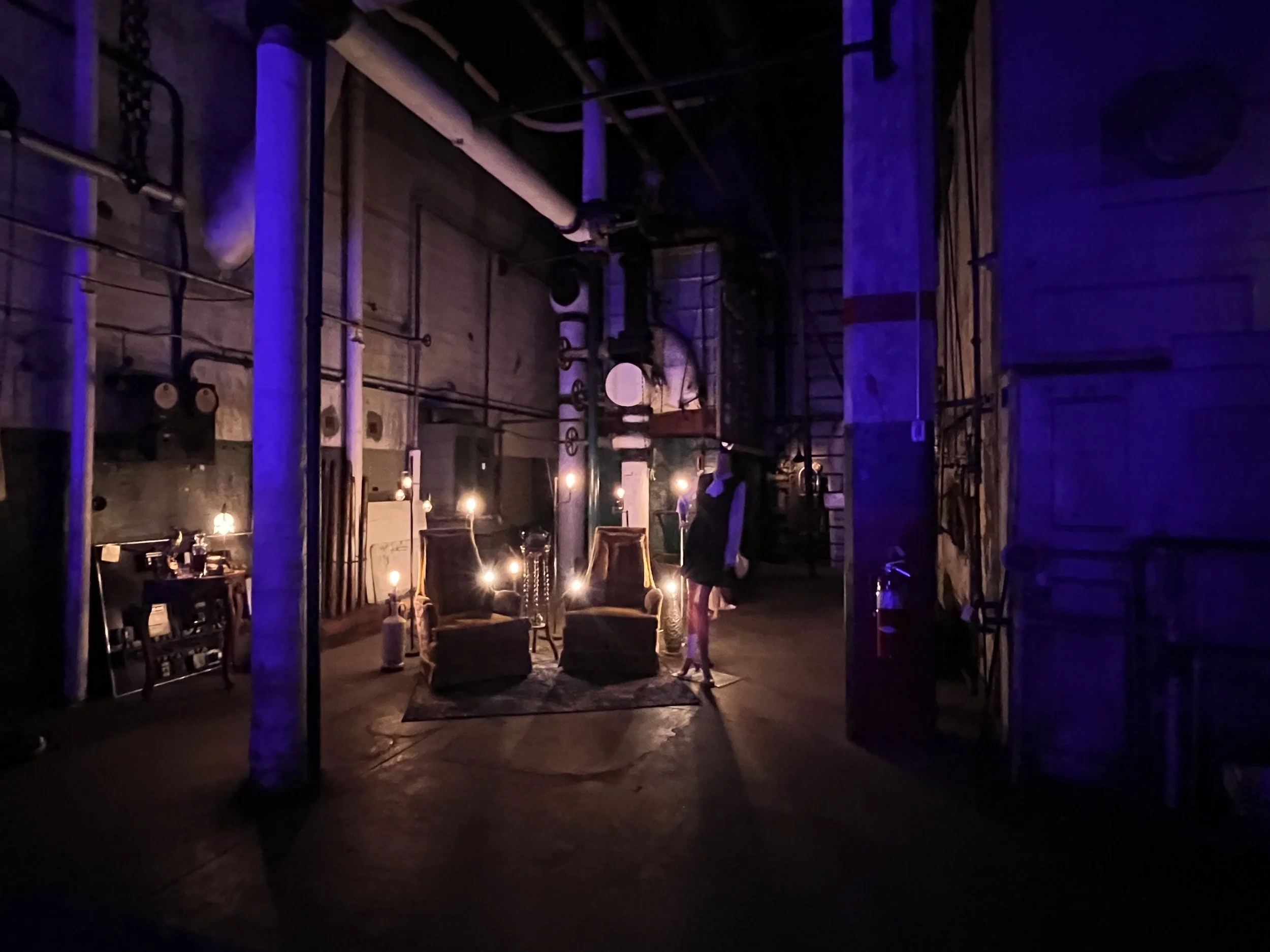
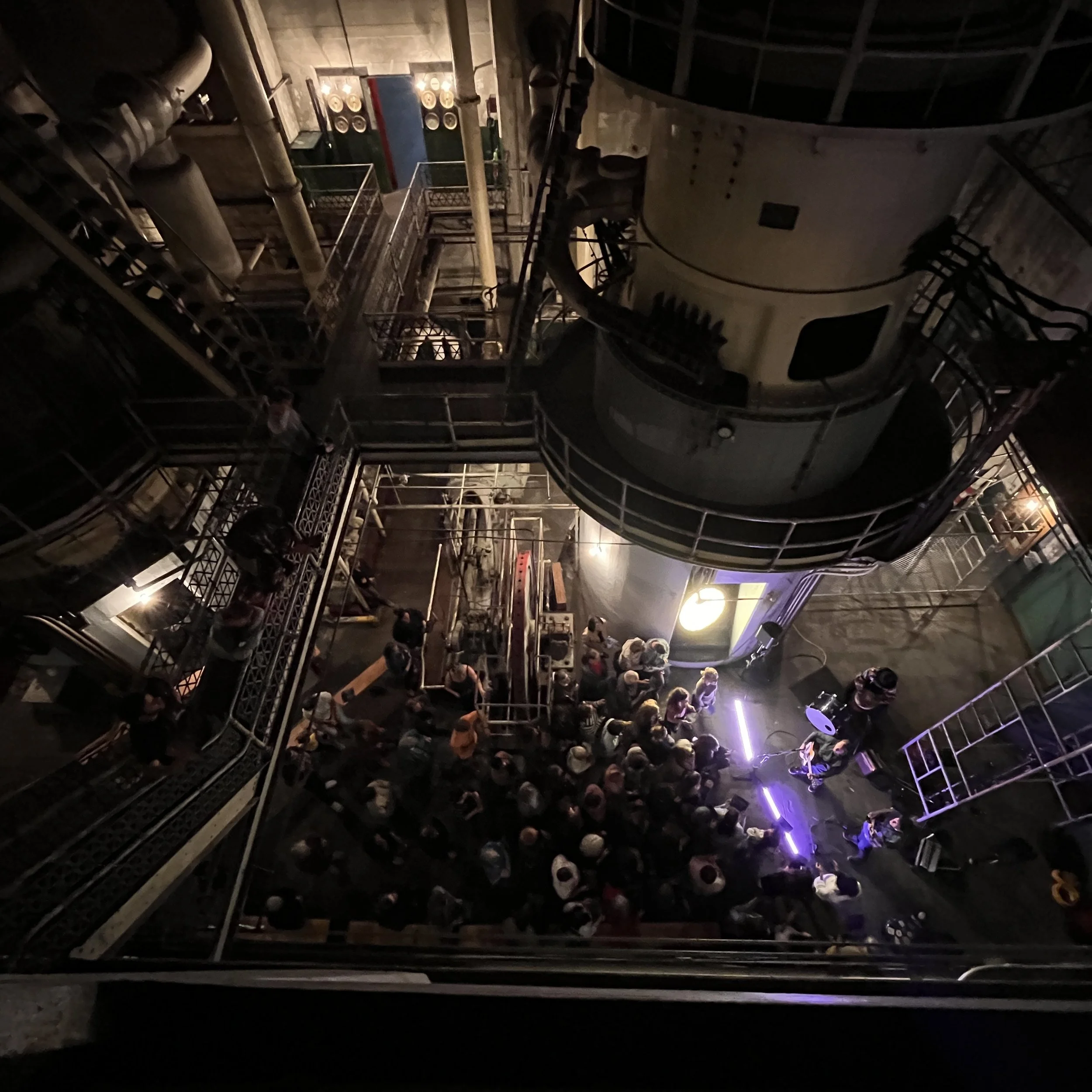
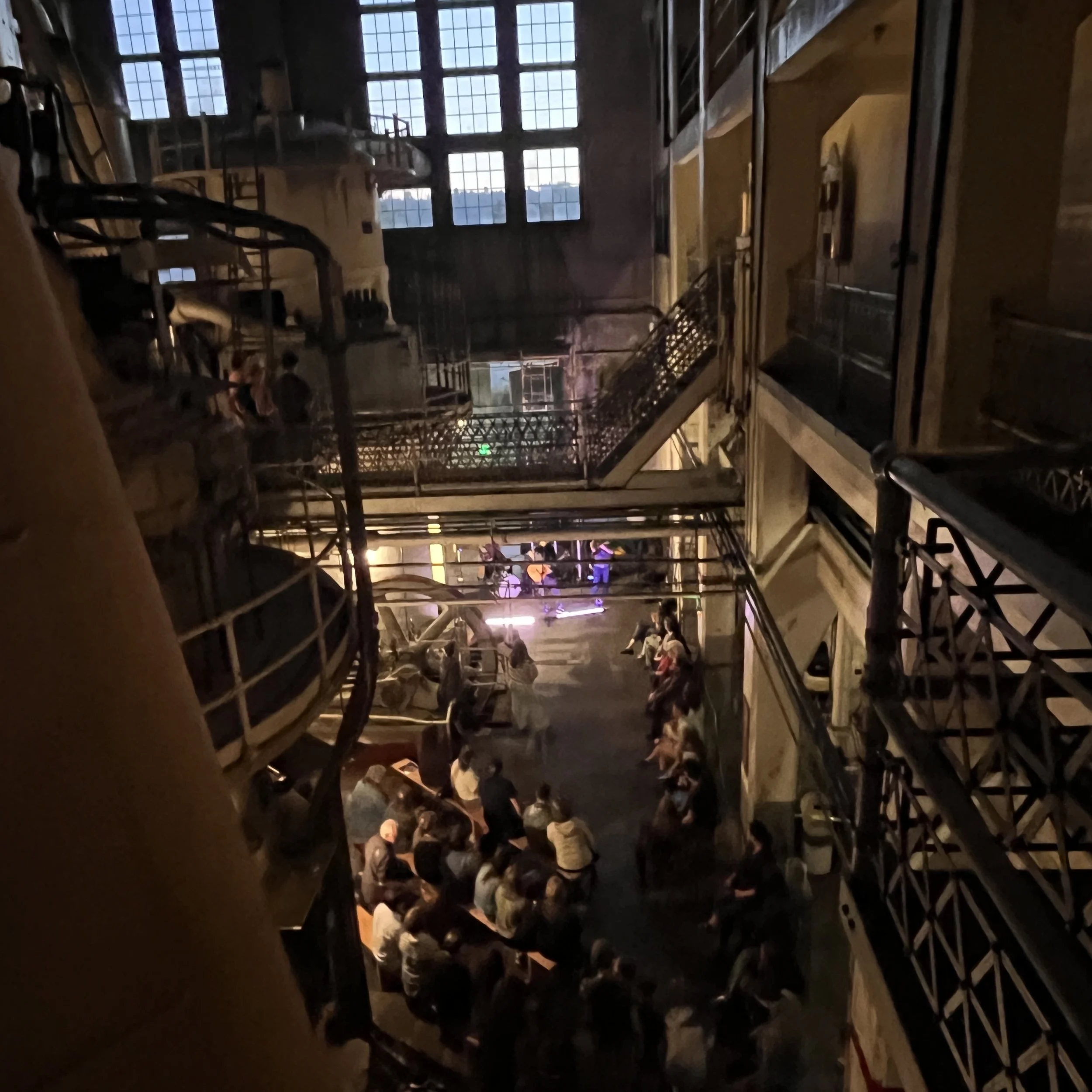
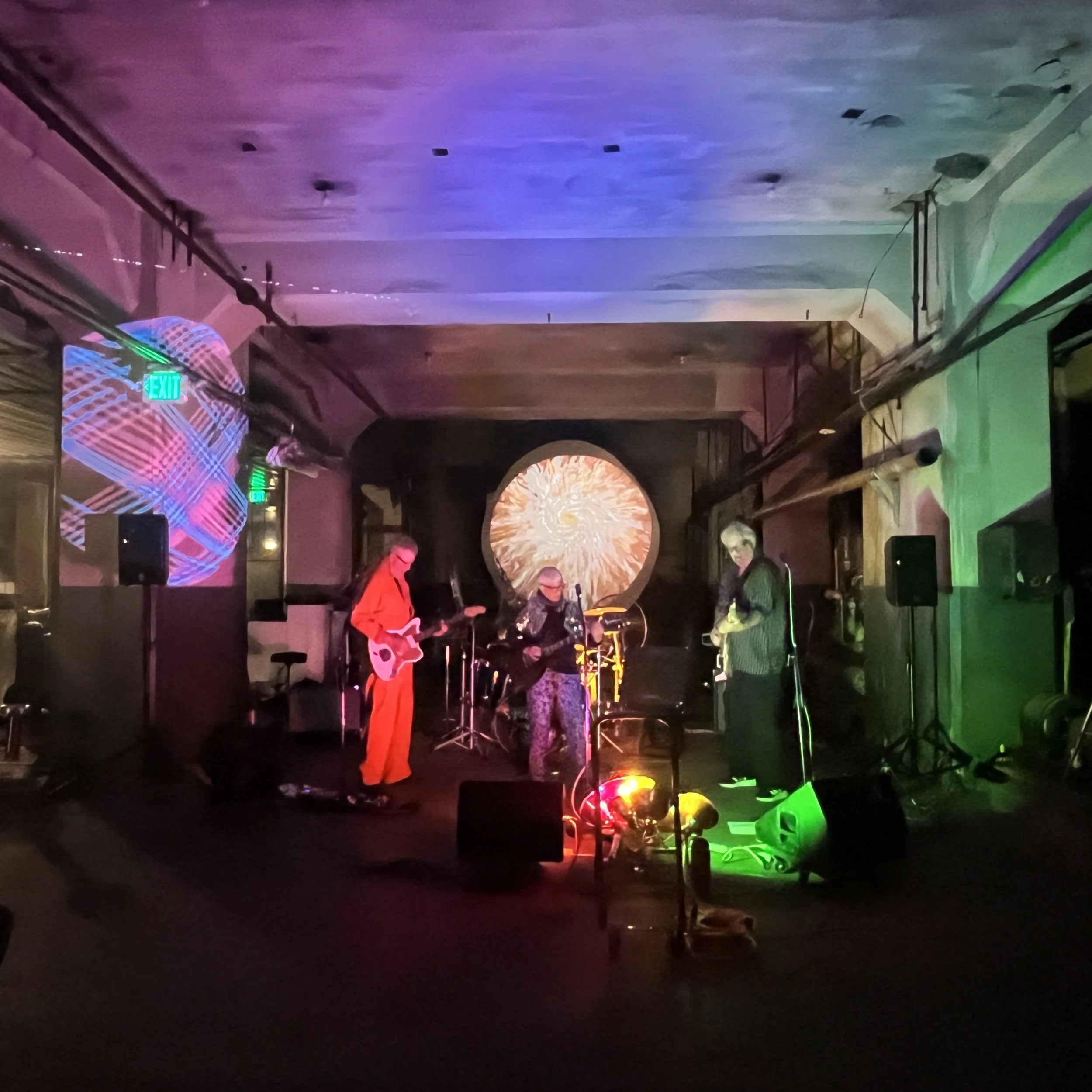
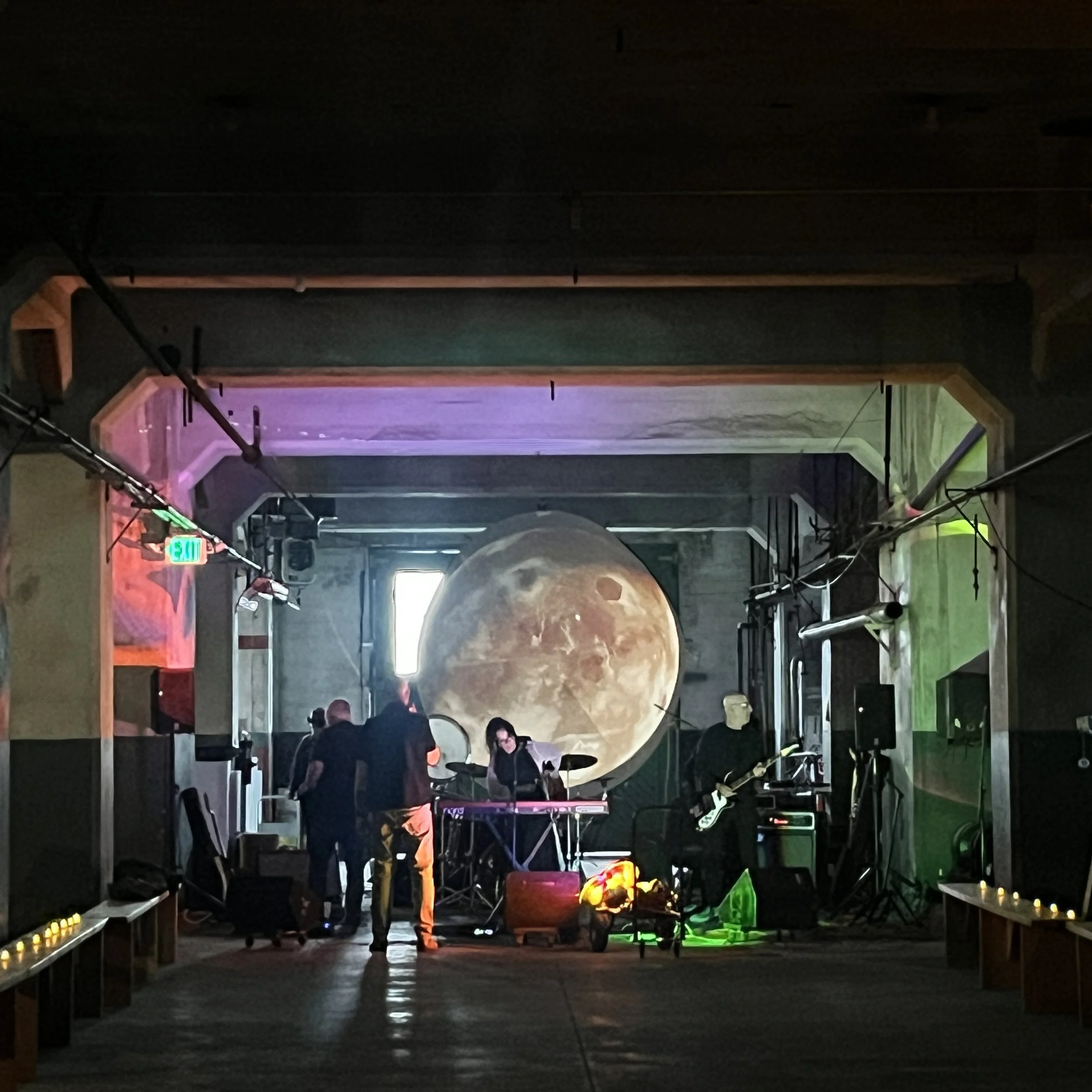
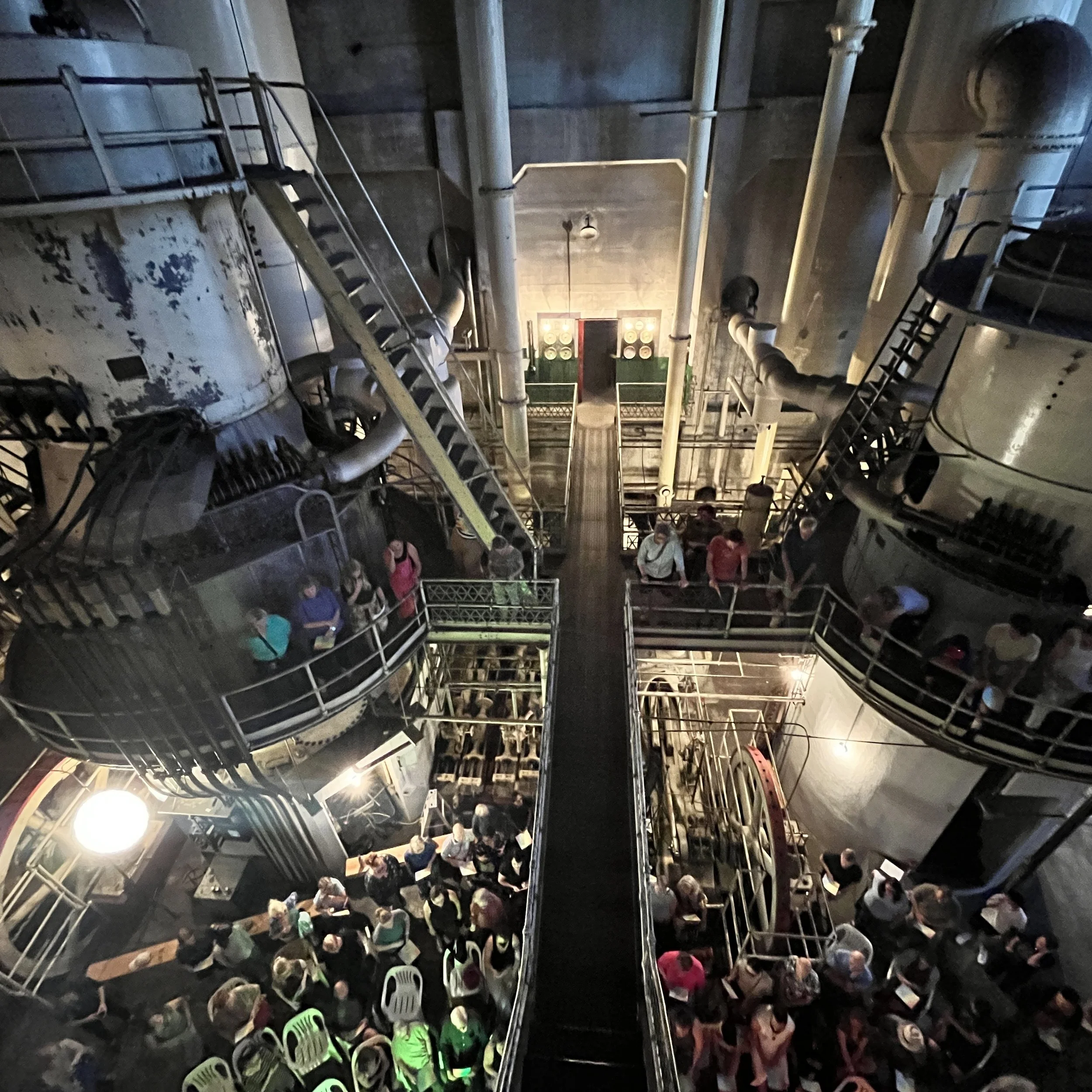
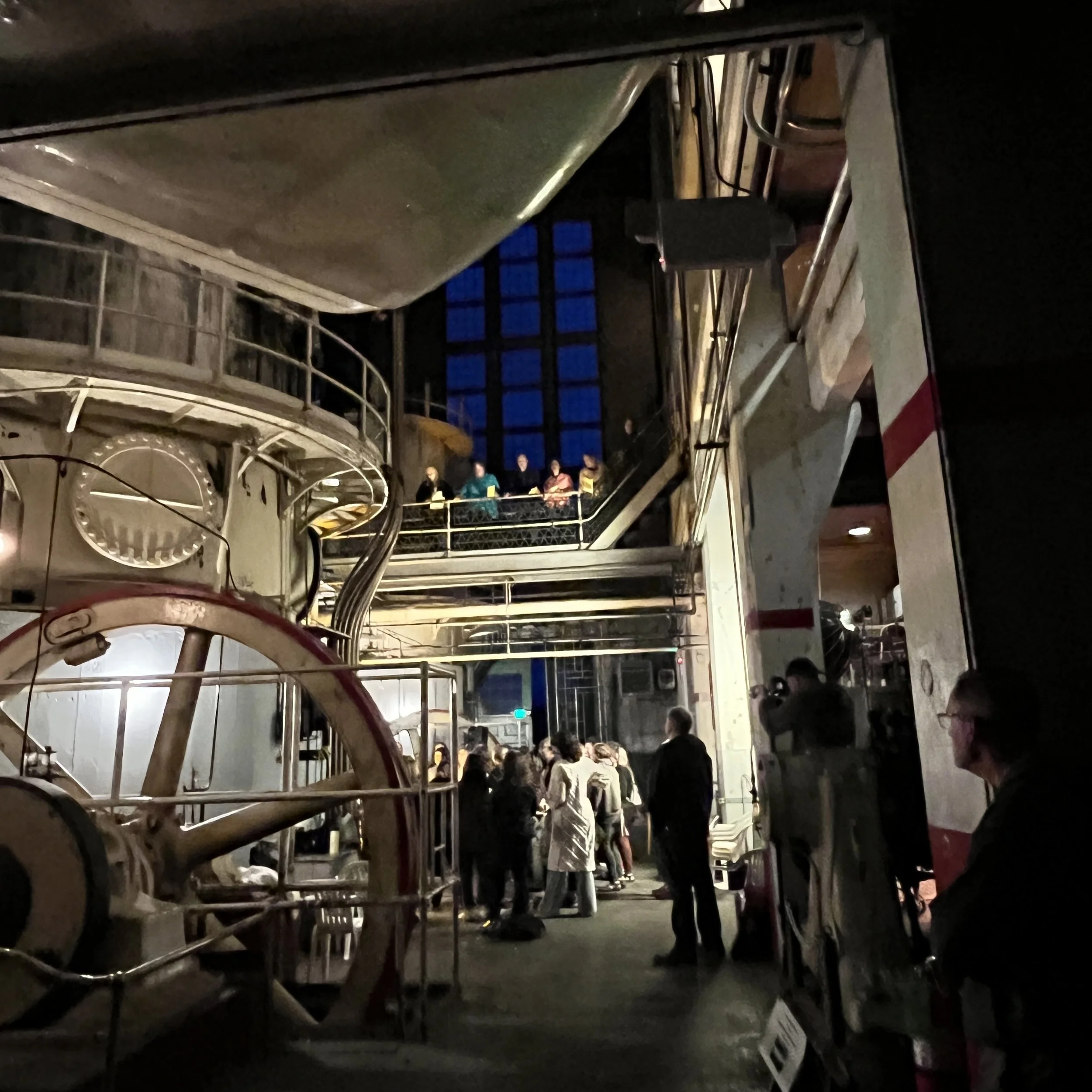
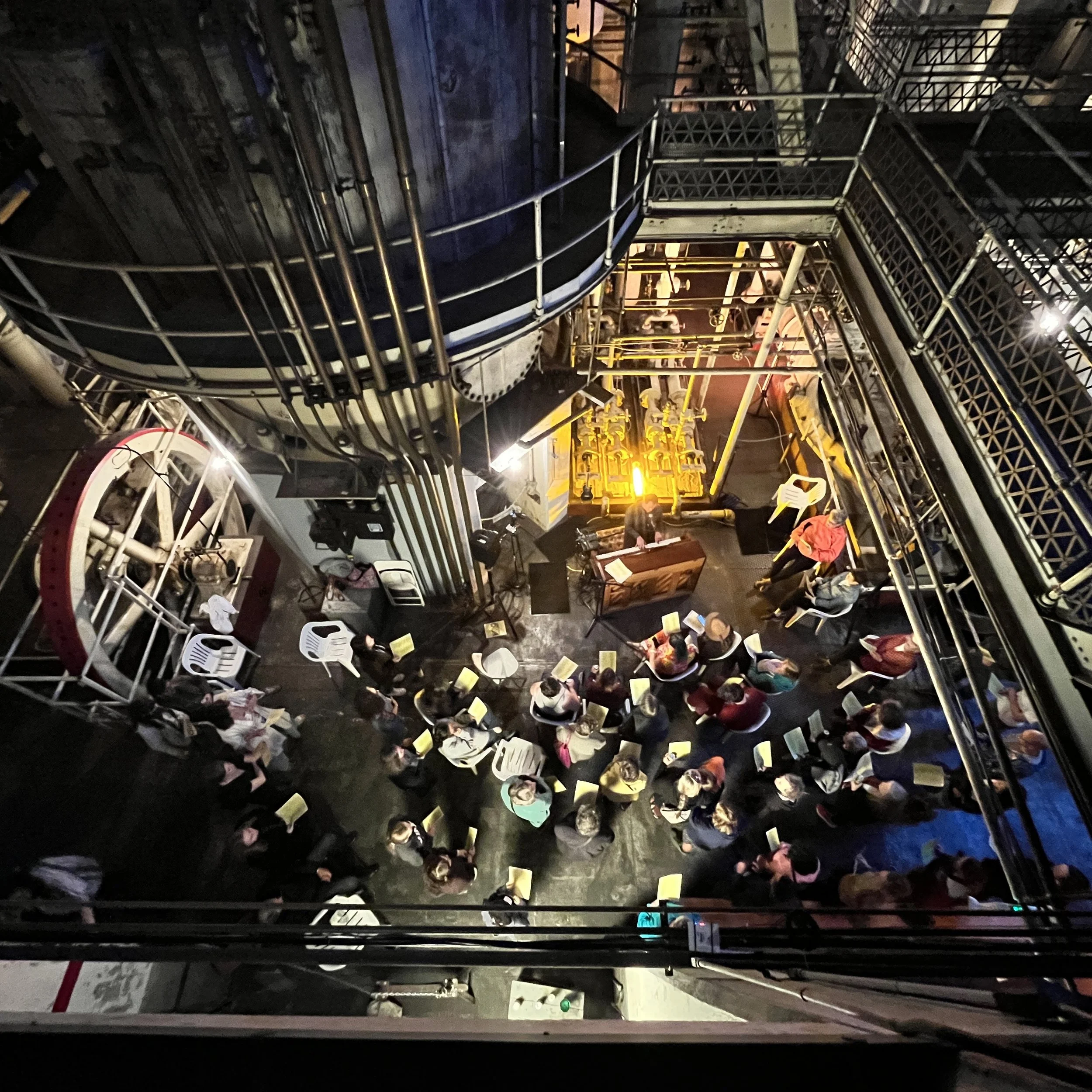
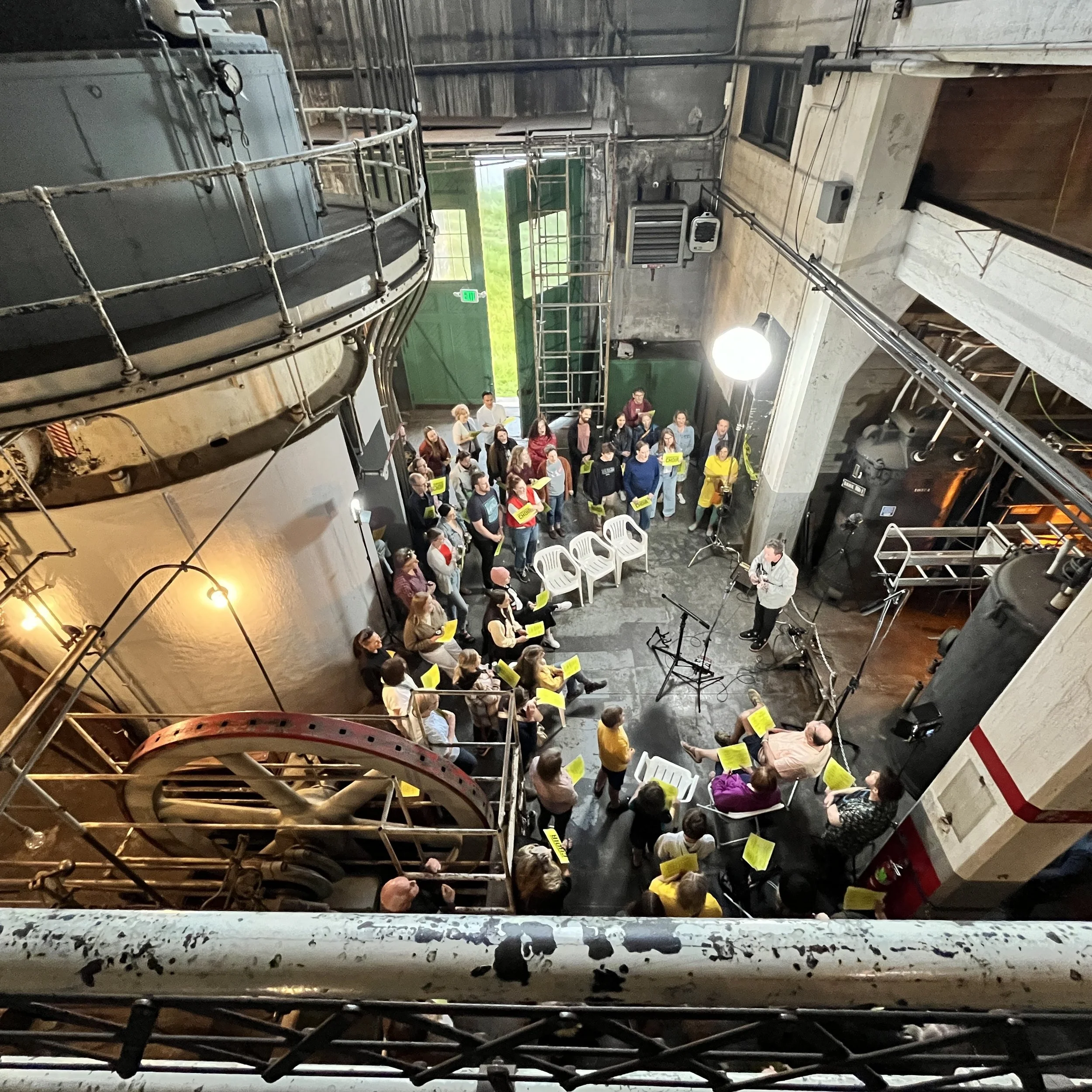
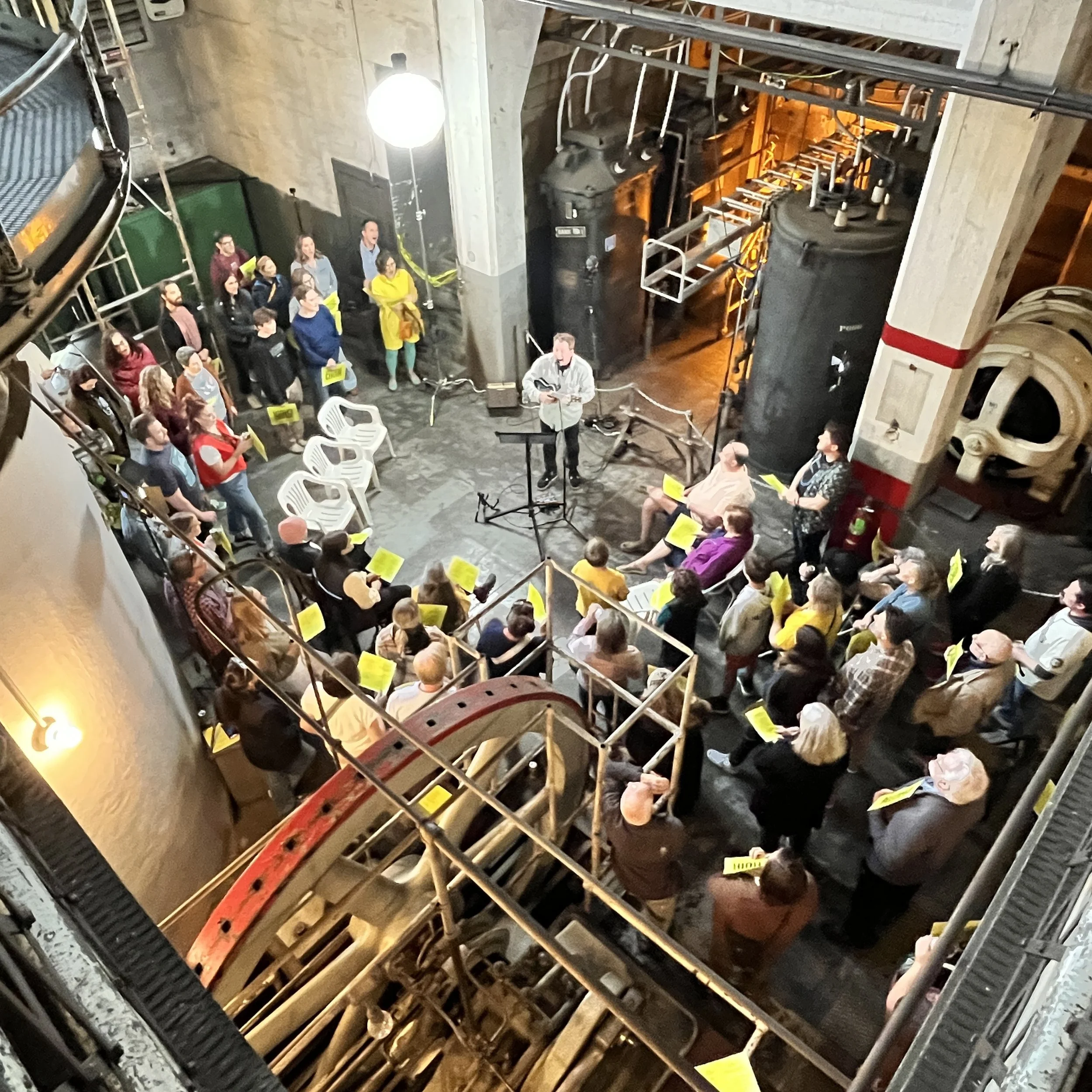
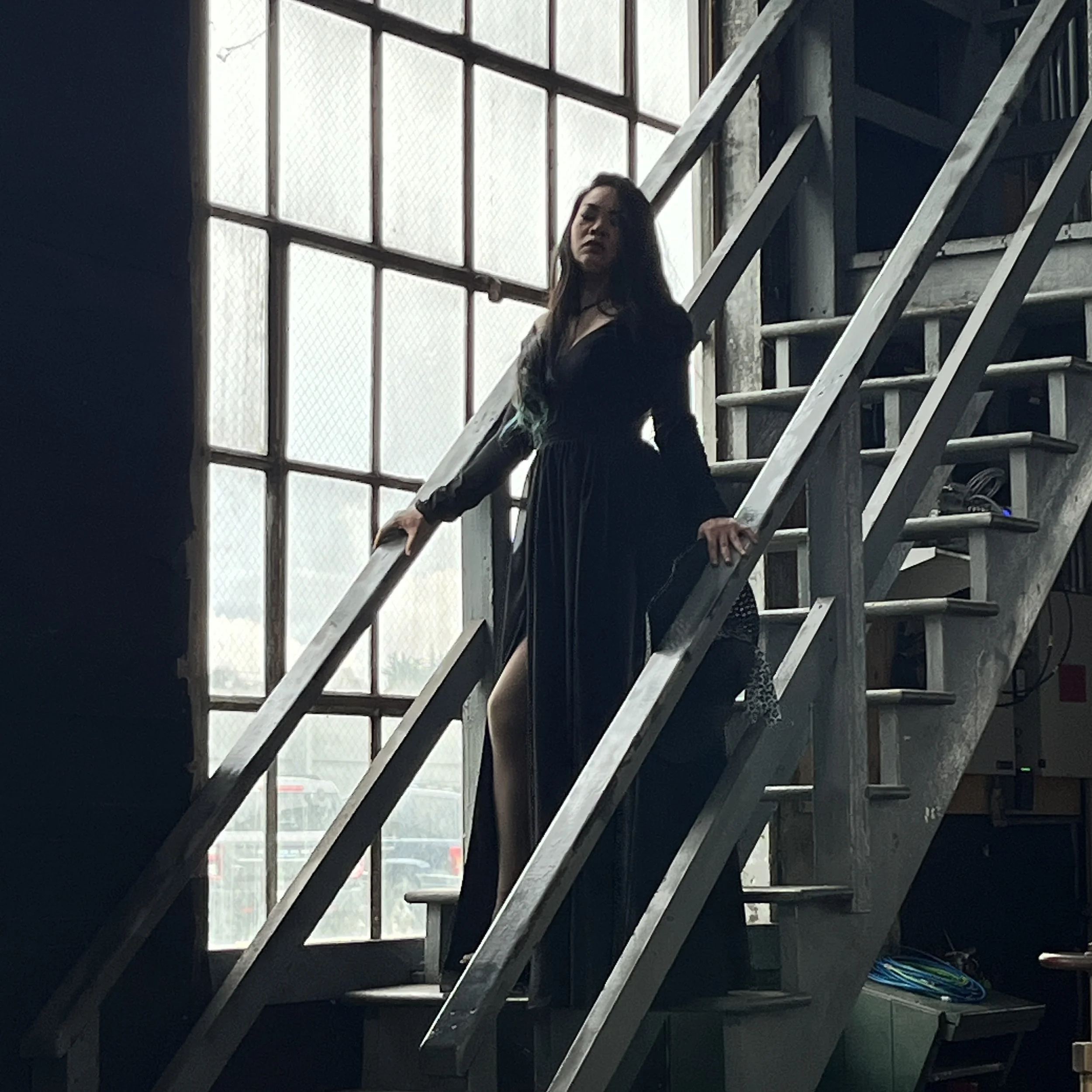
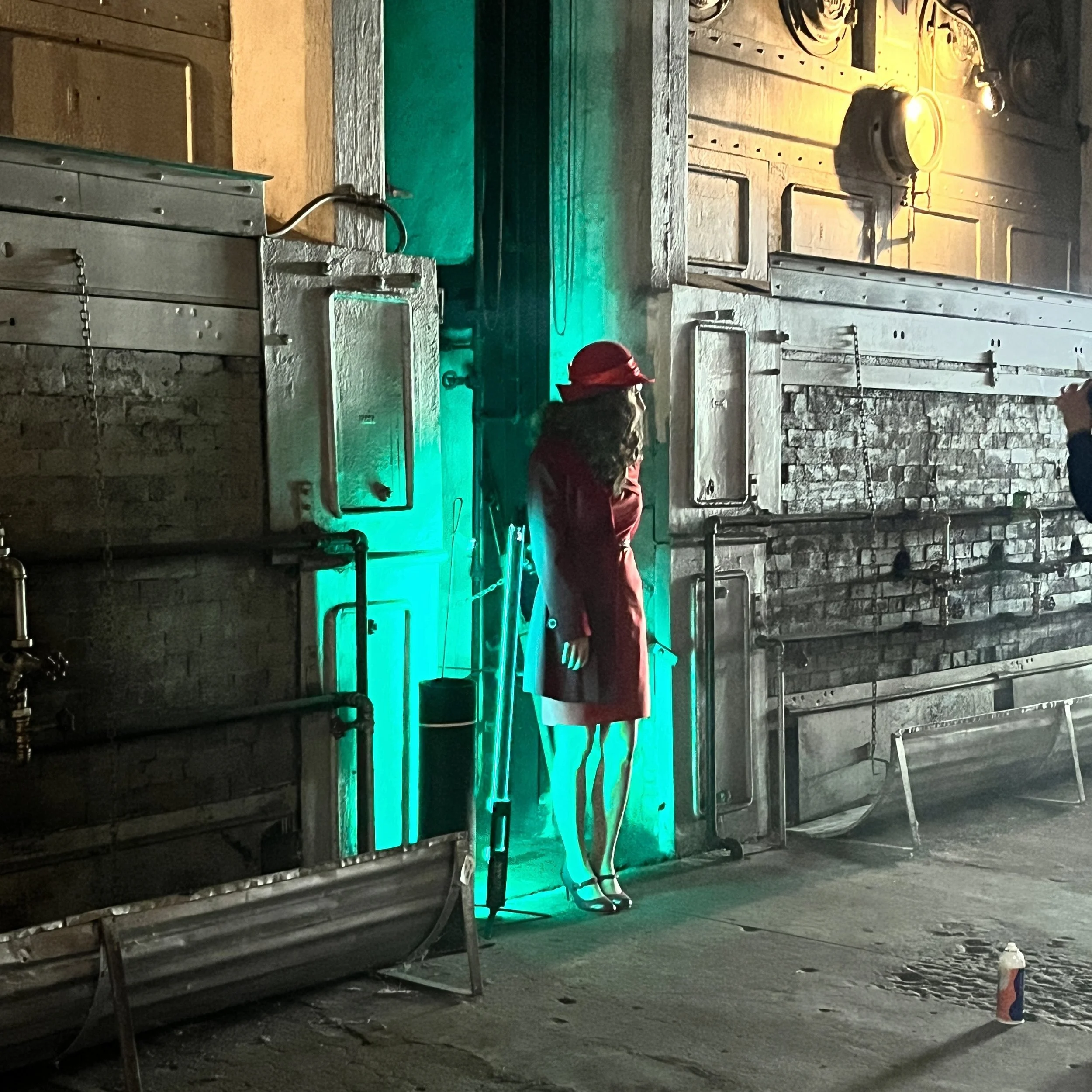
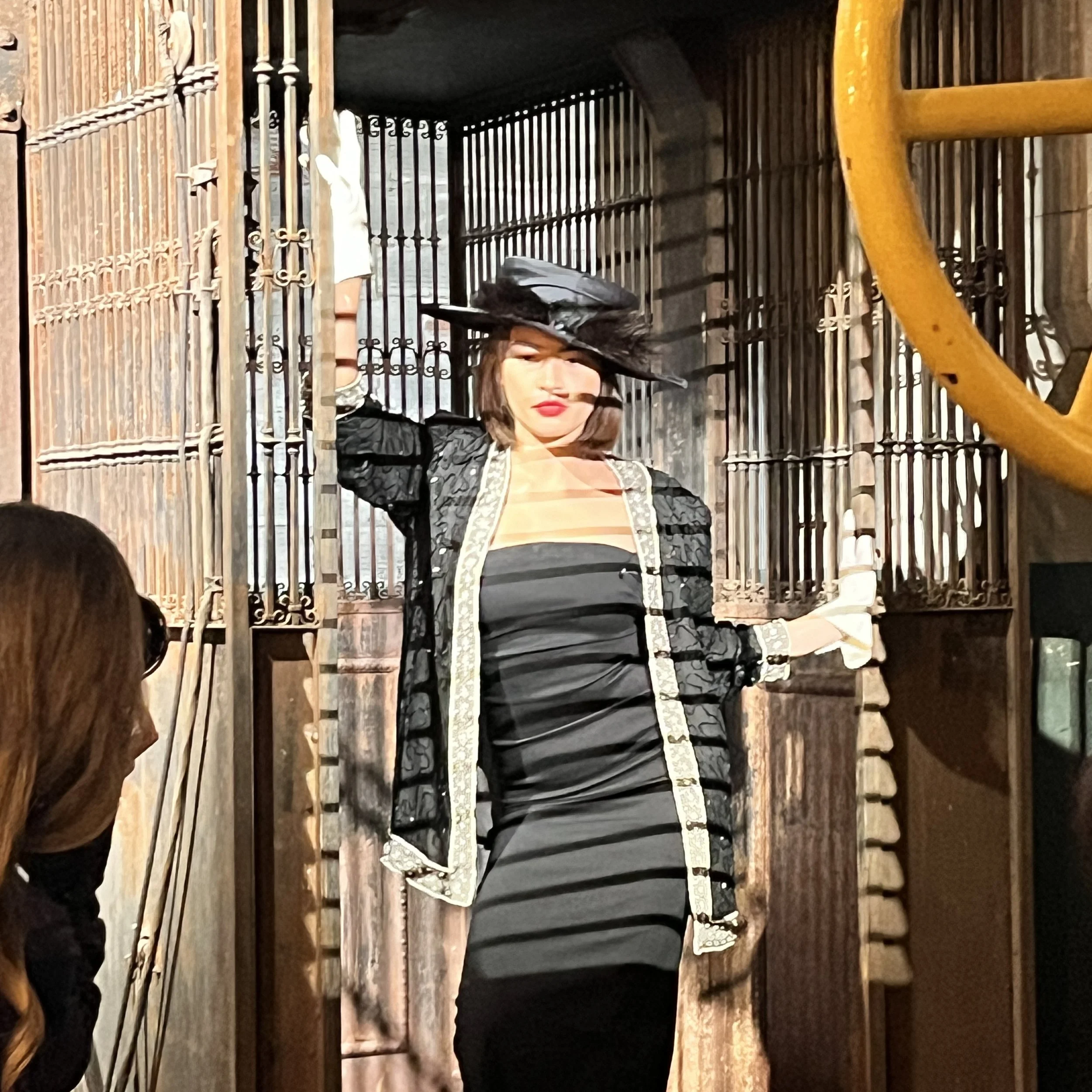
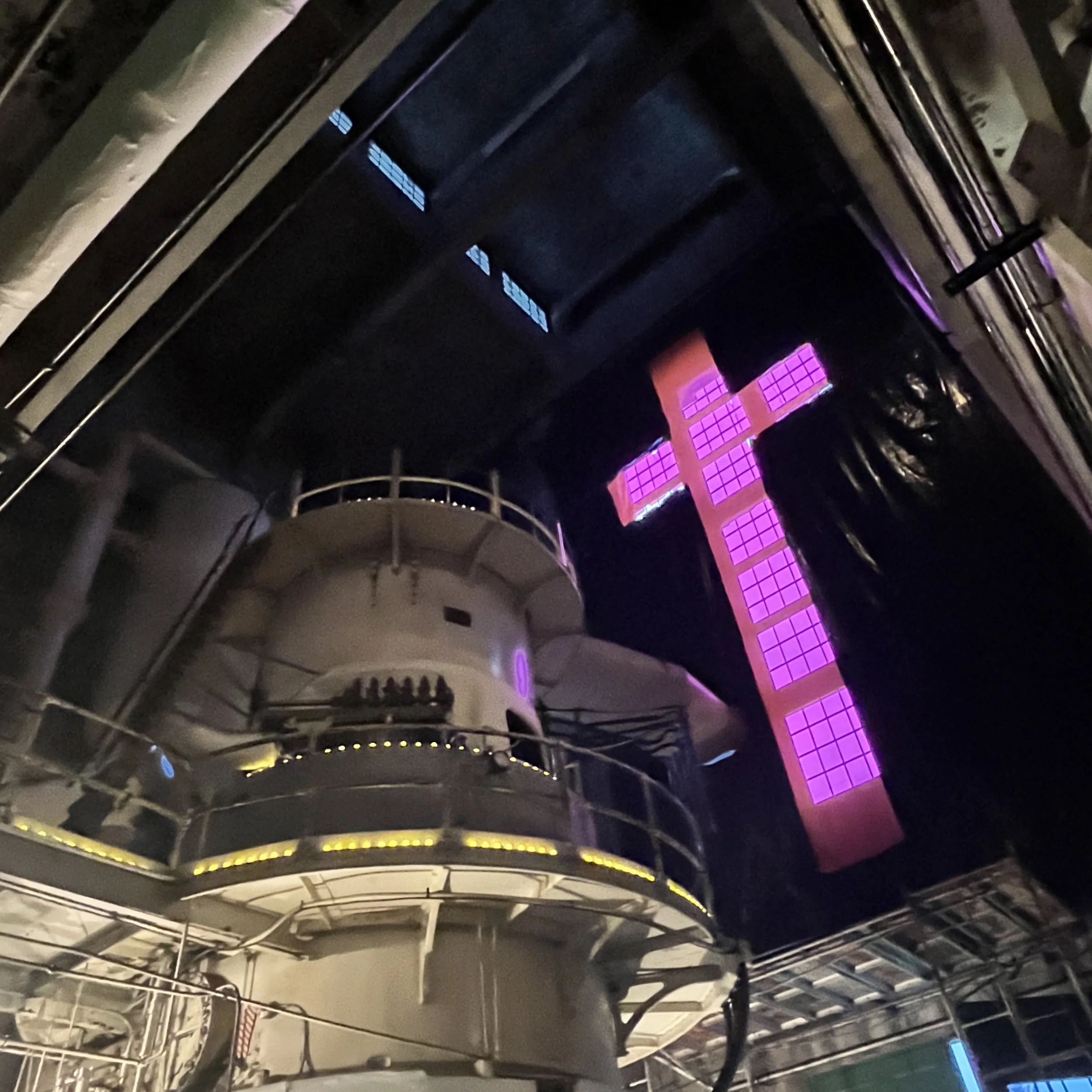
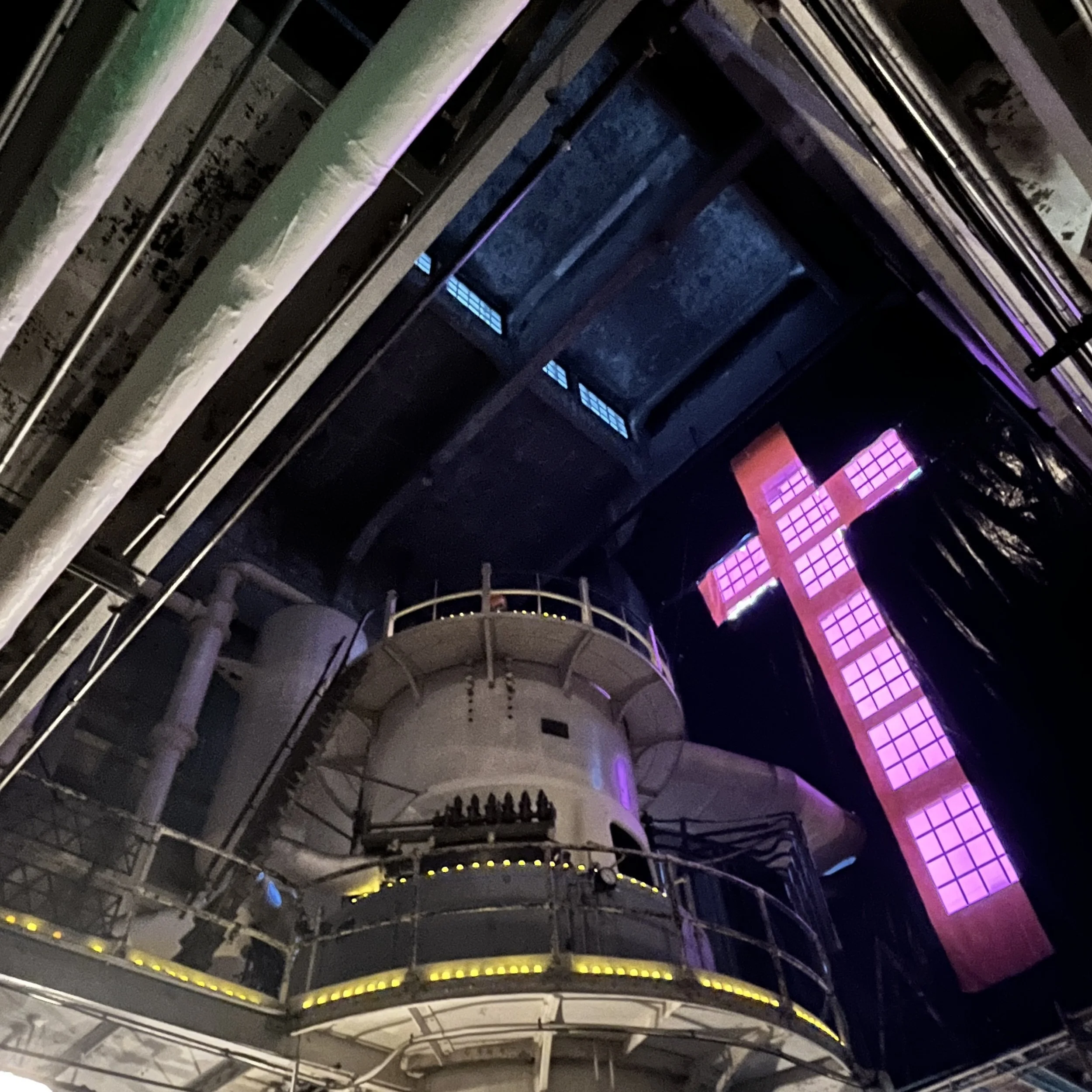
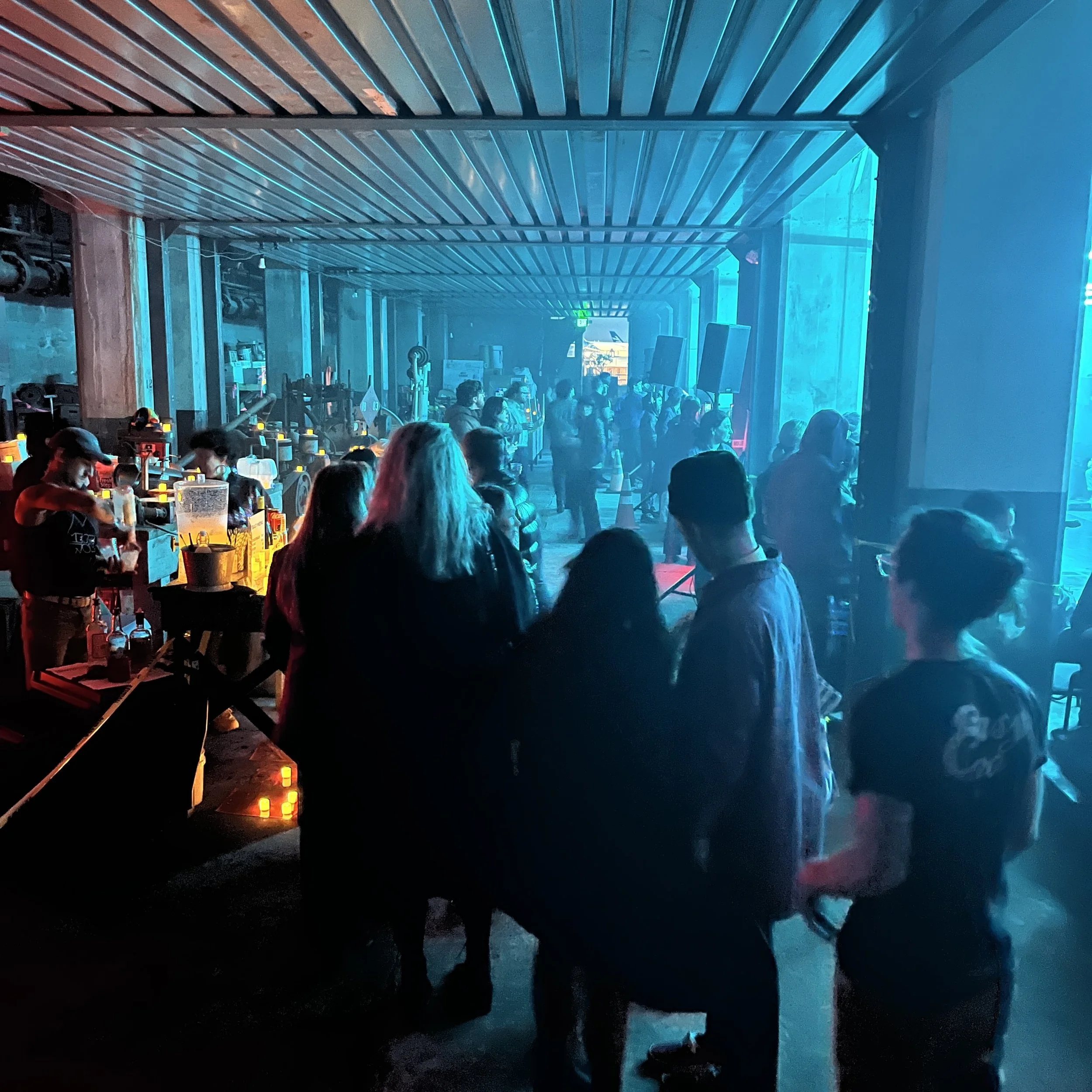
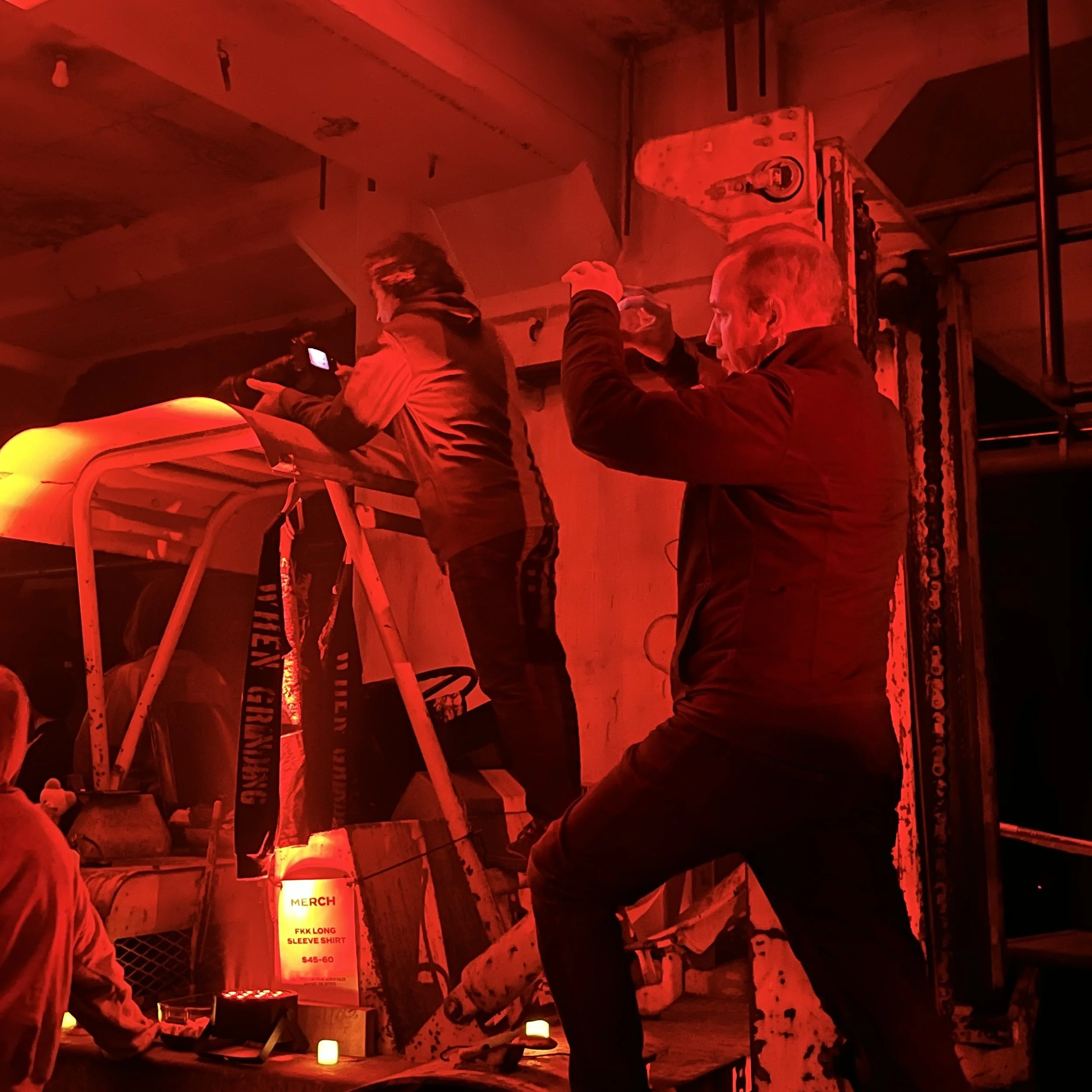
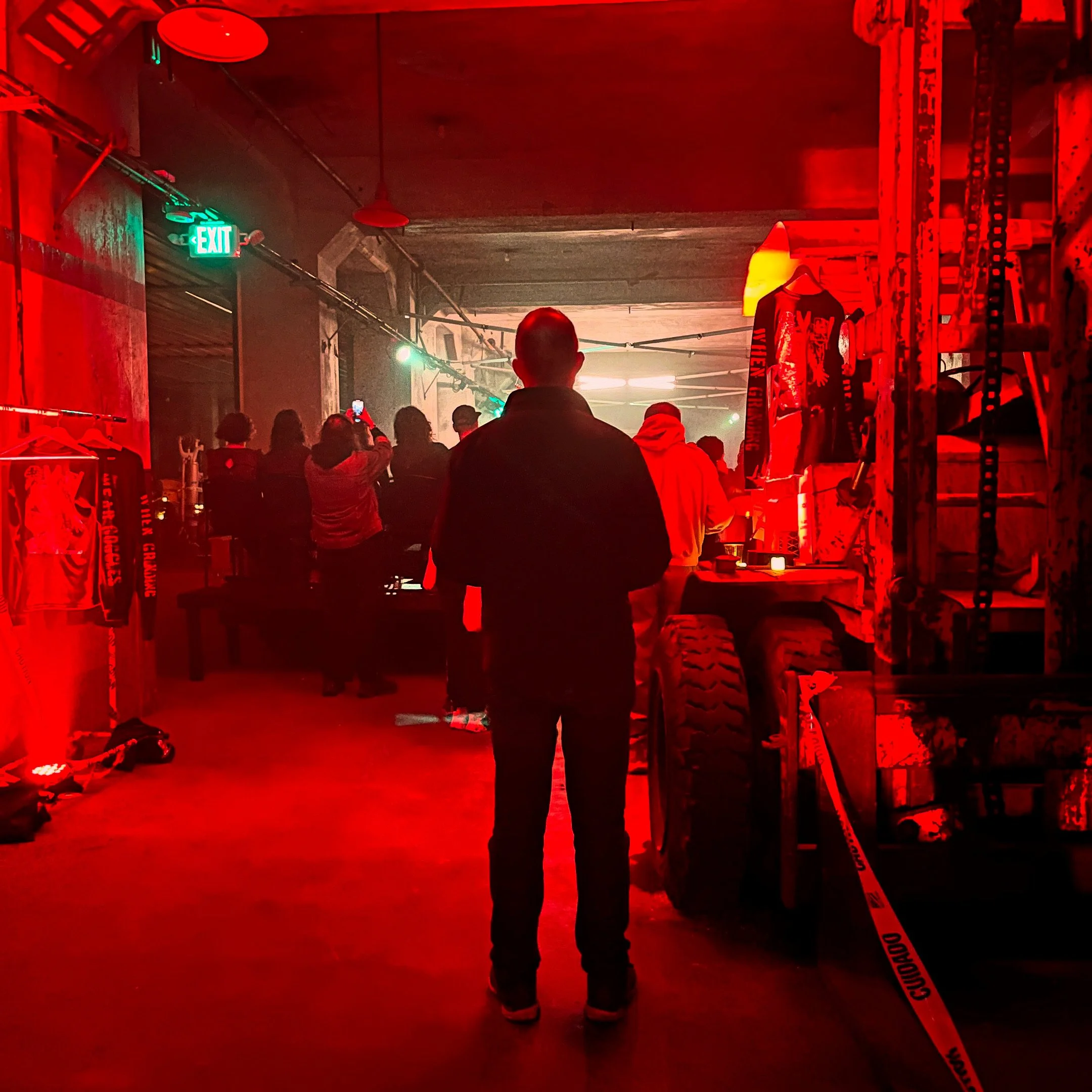
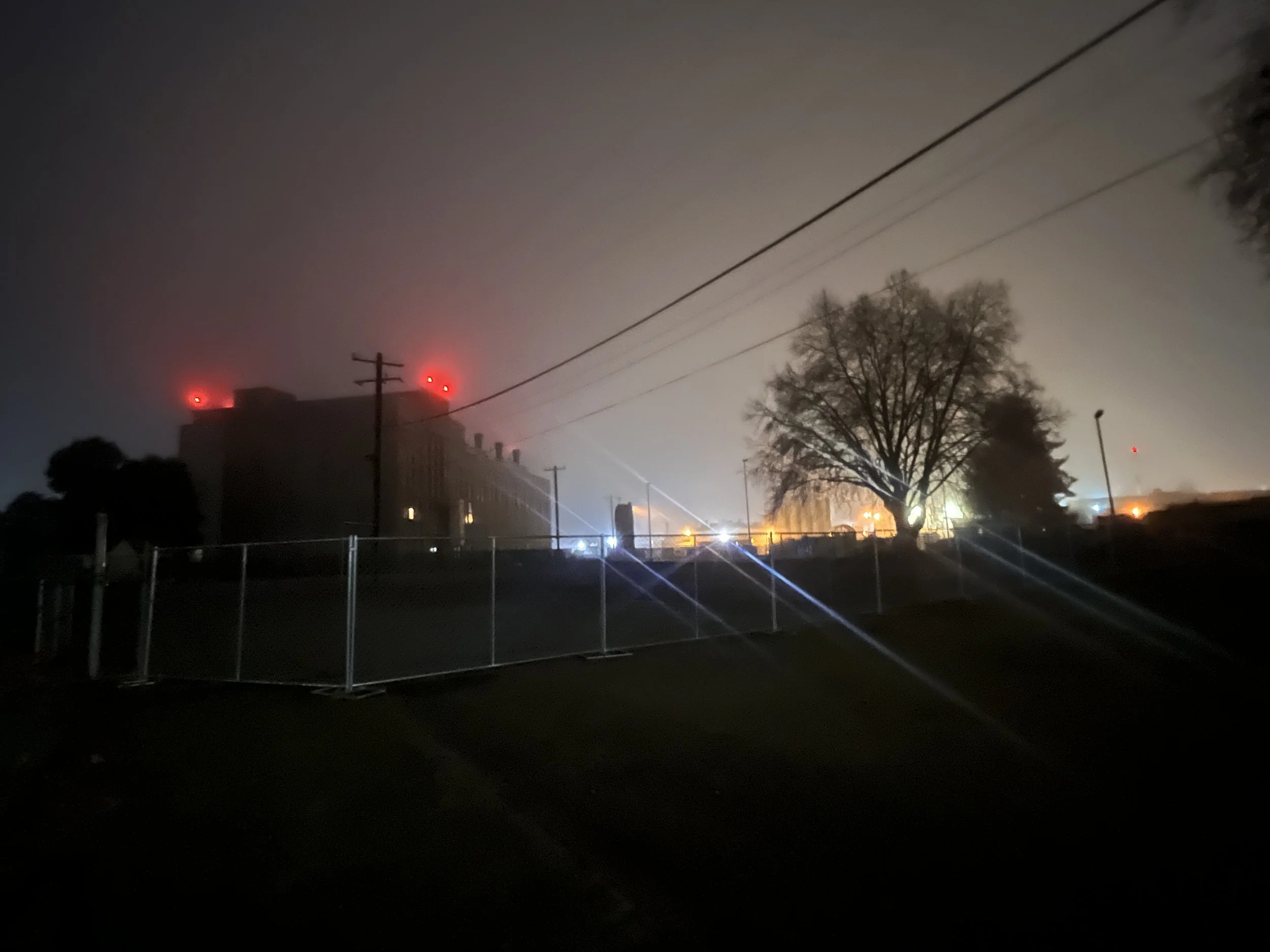
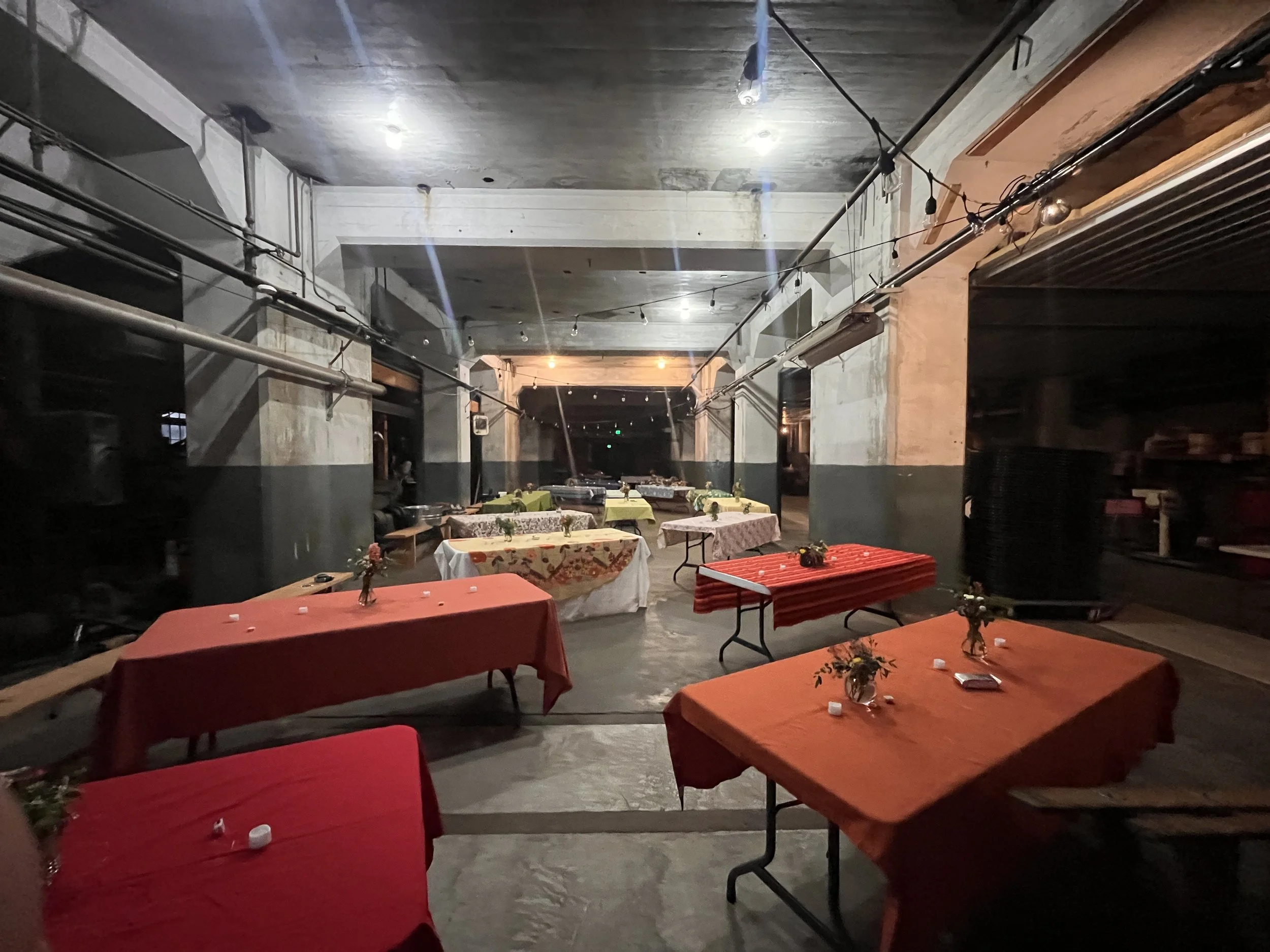
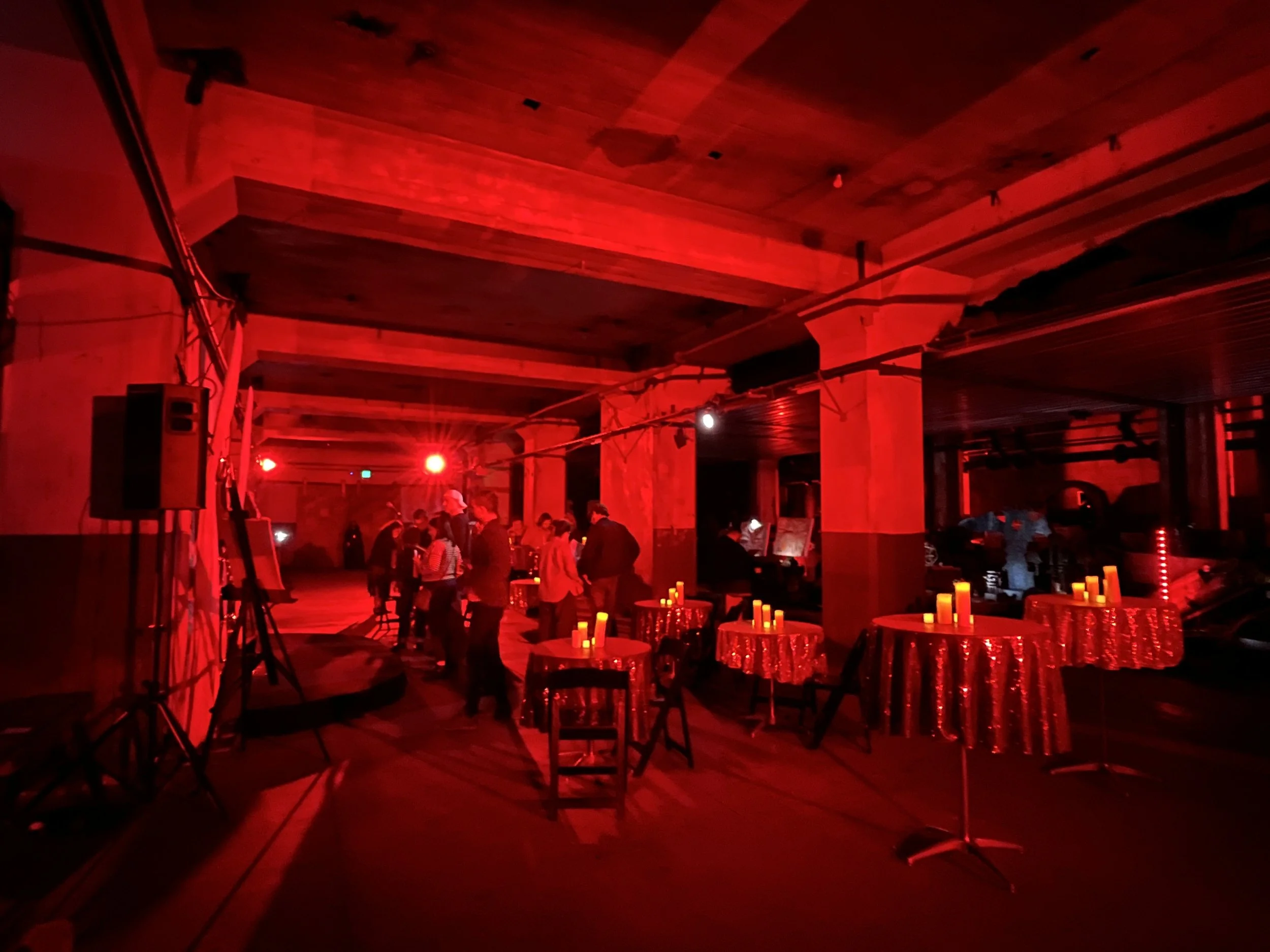
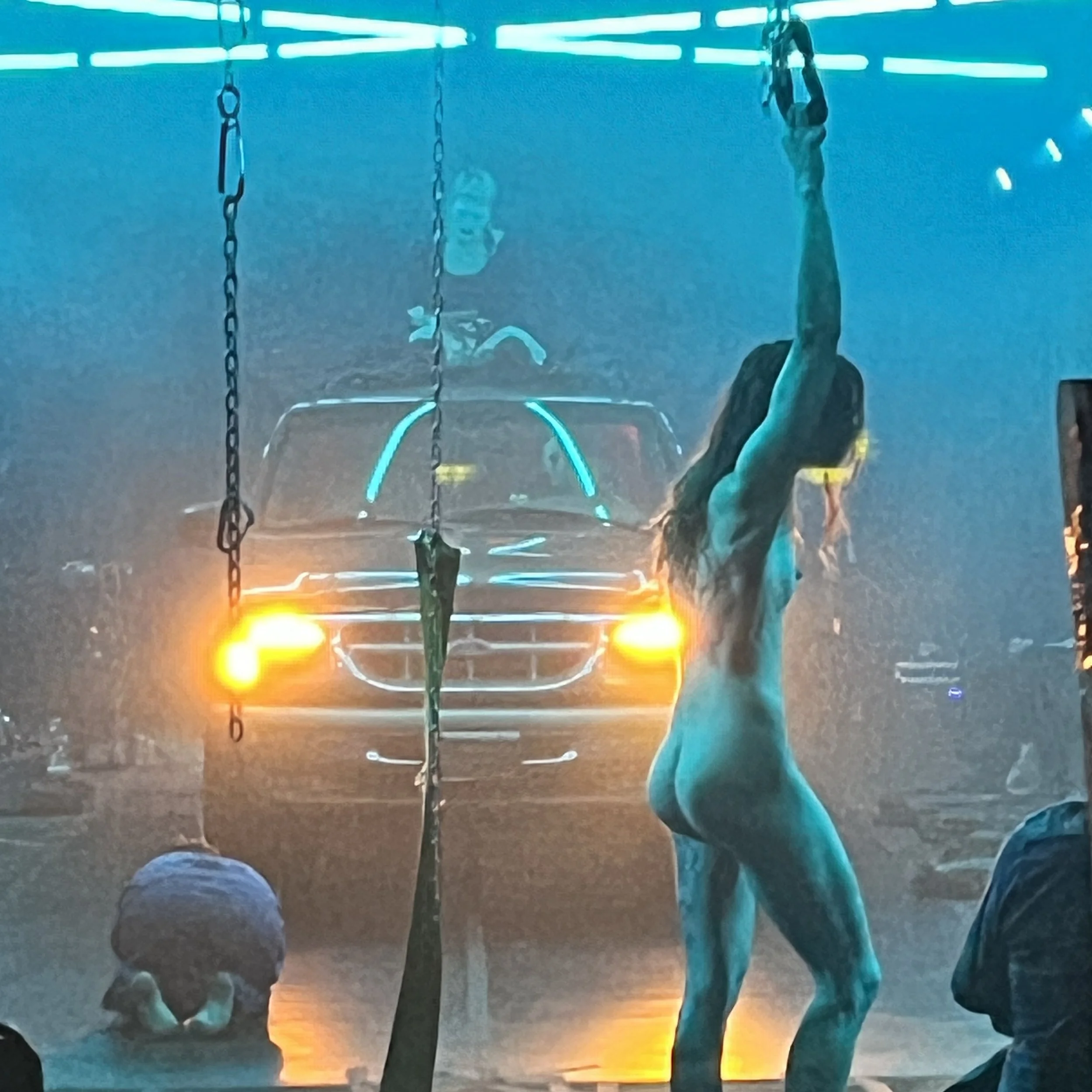
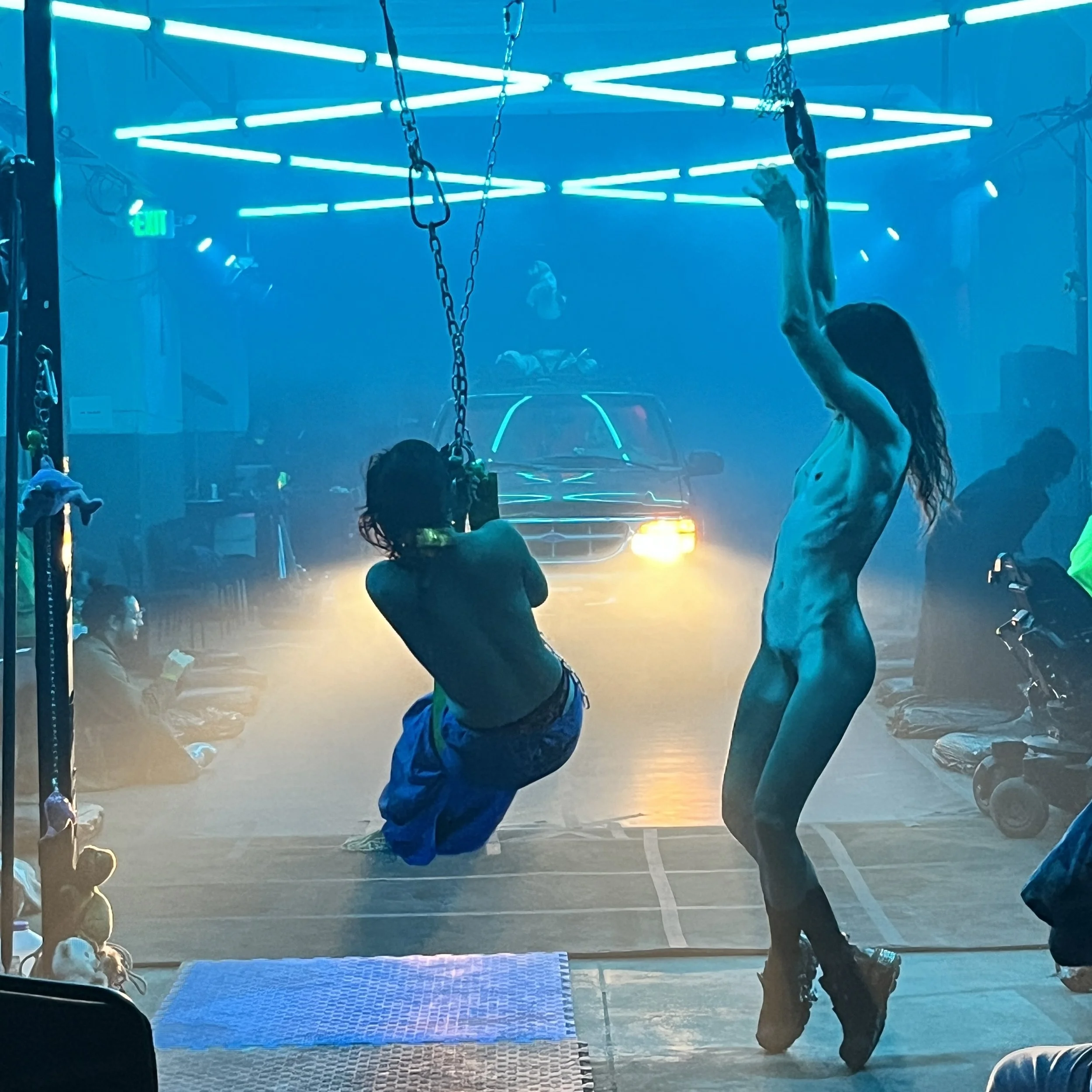
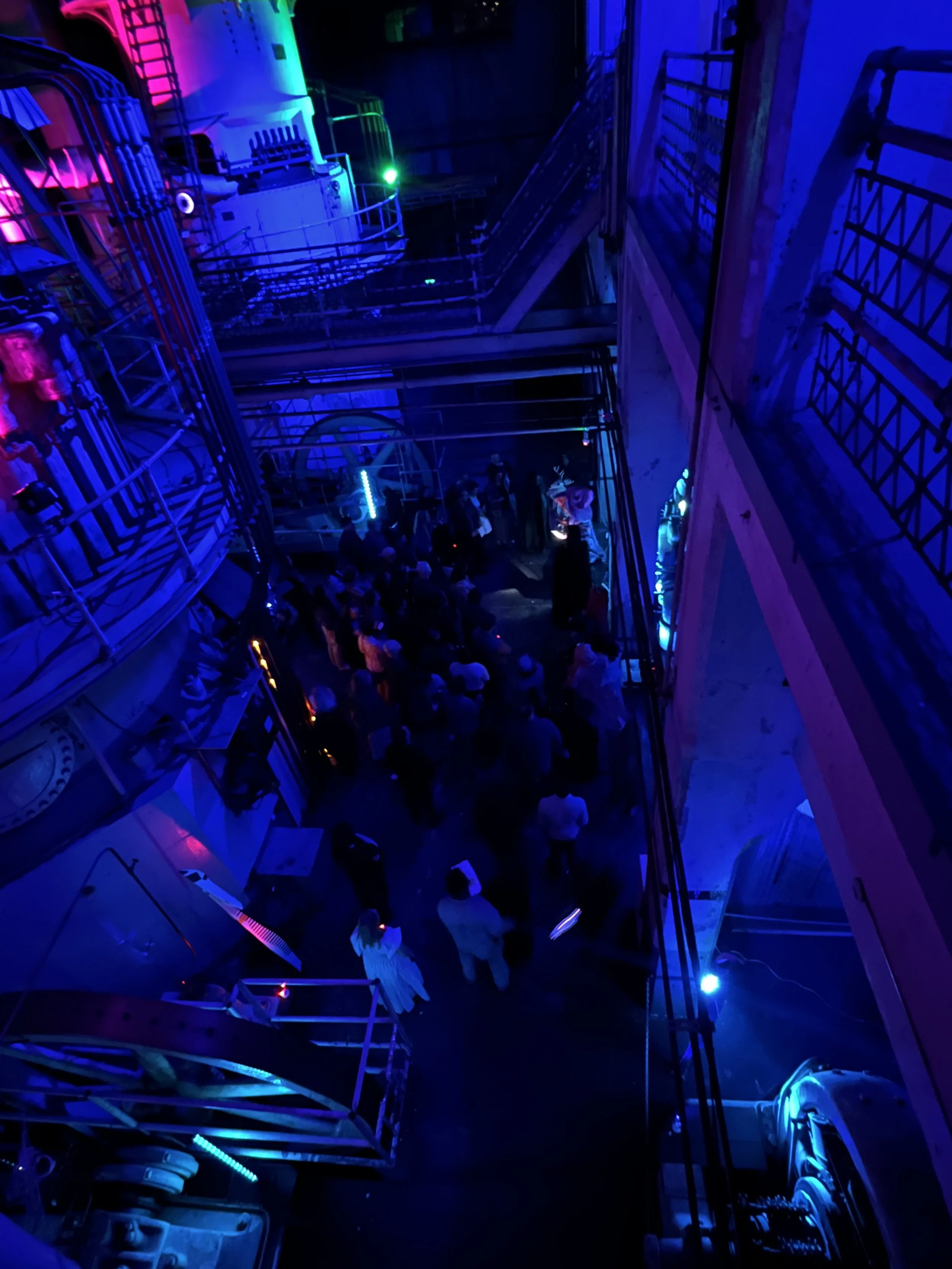
As an industrial relic of the fossil fuel age—the Steam Plant is one of Seattle’s most haunting event spaces.
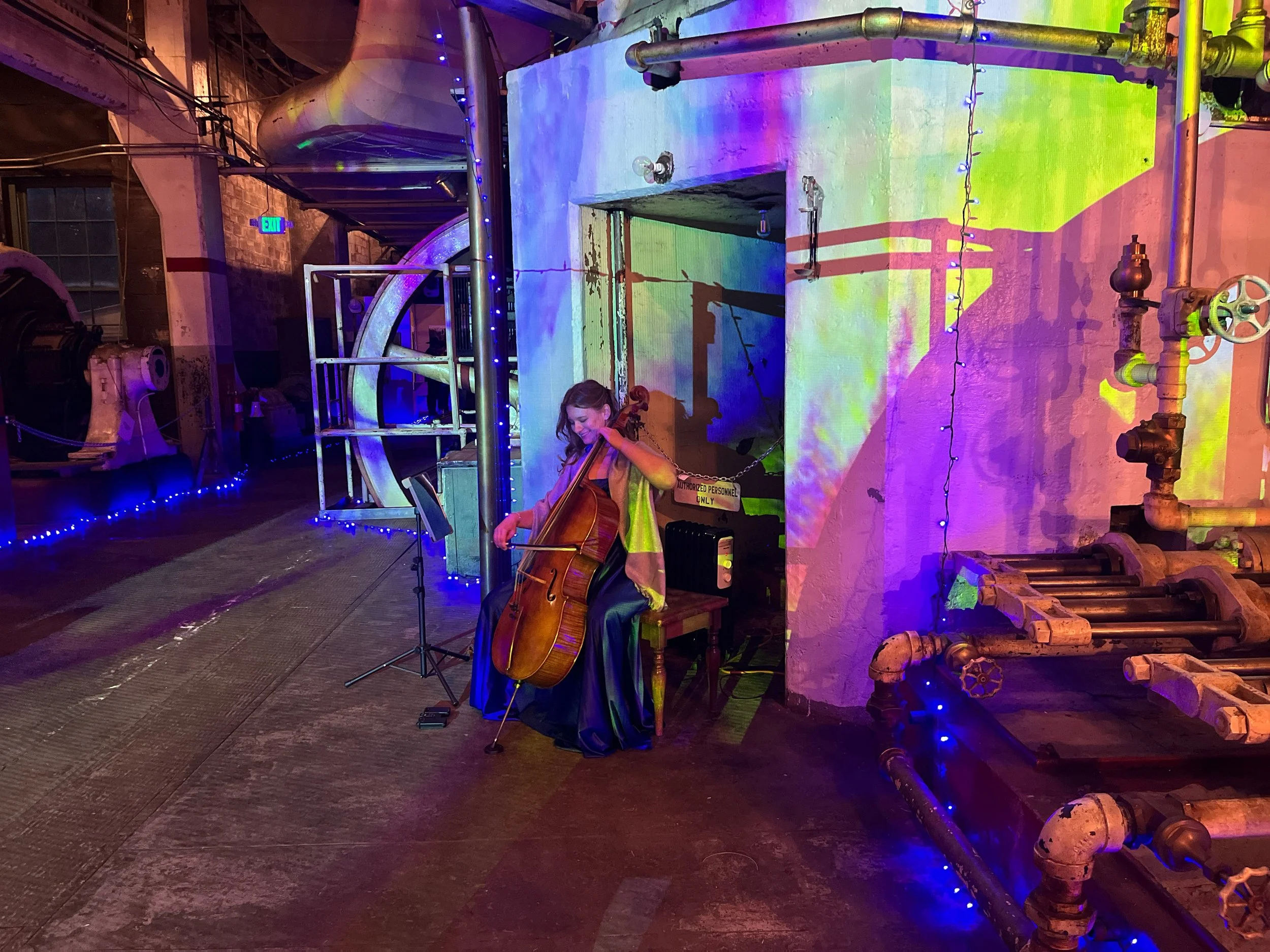
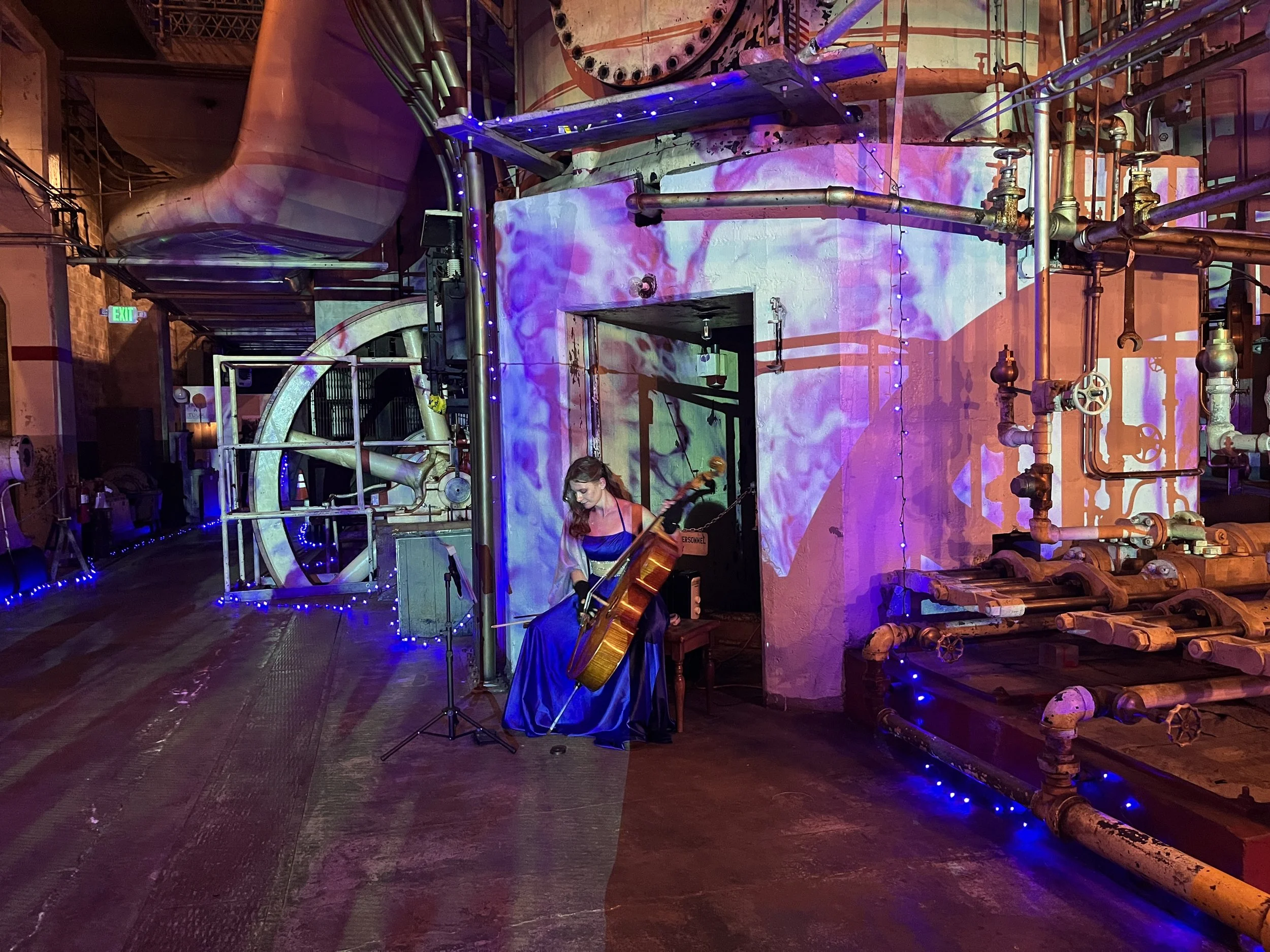
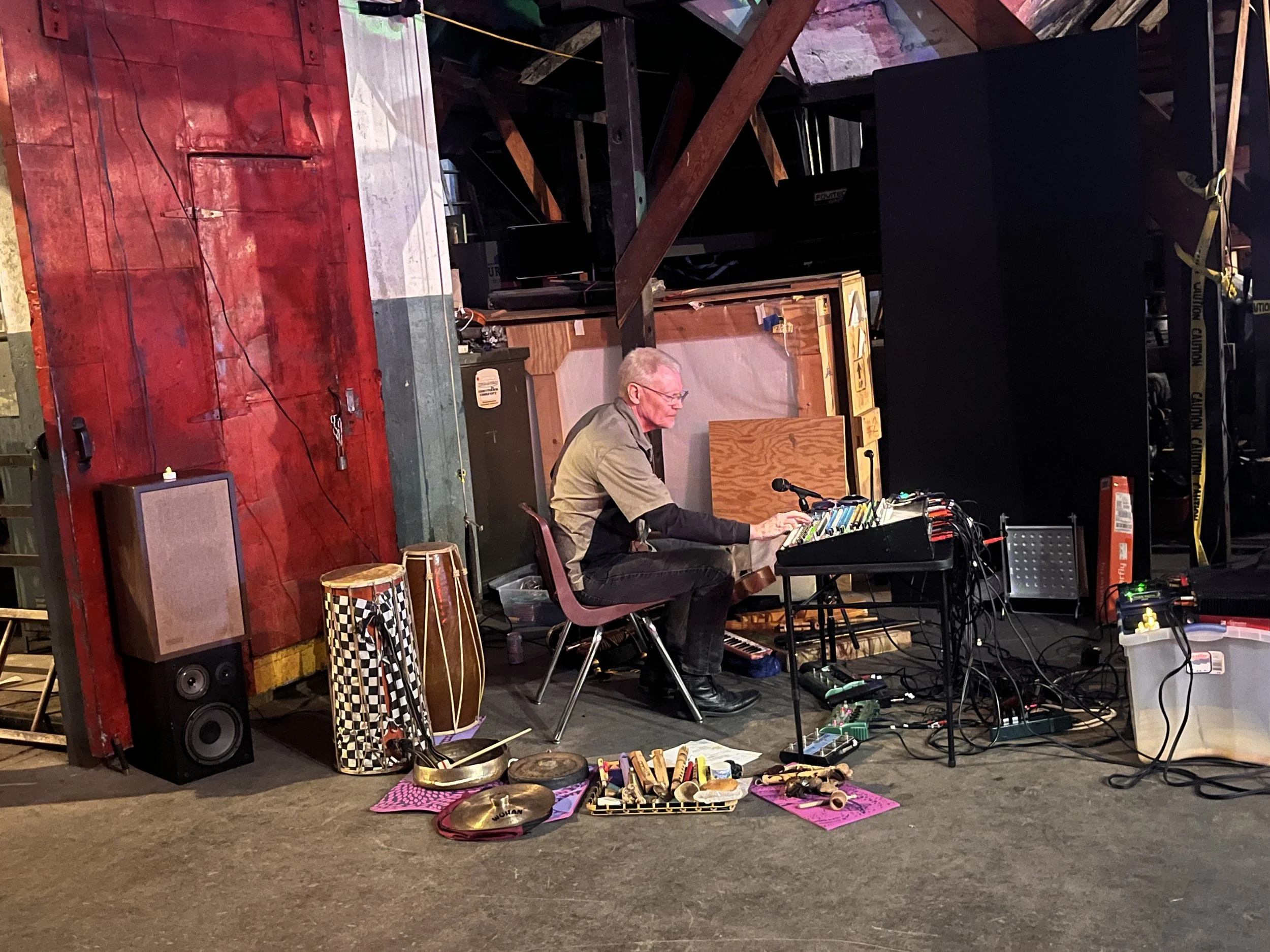
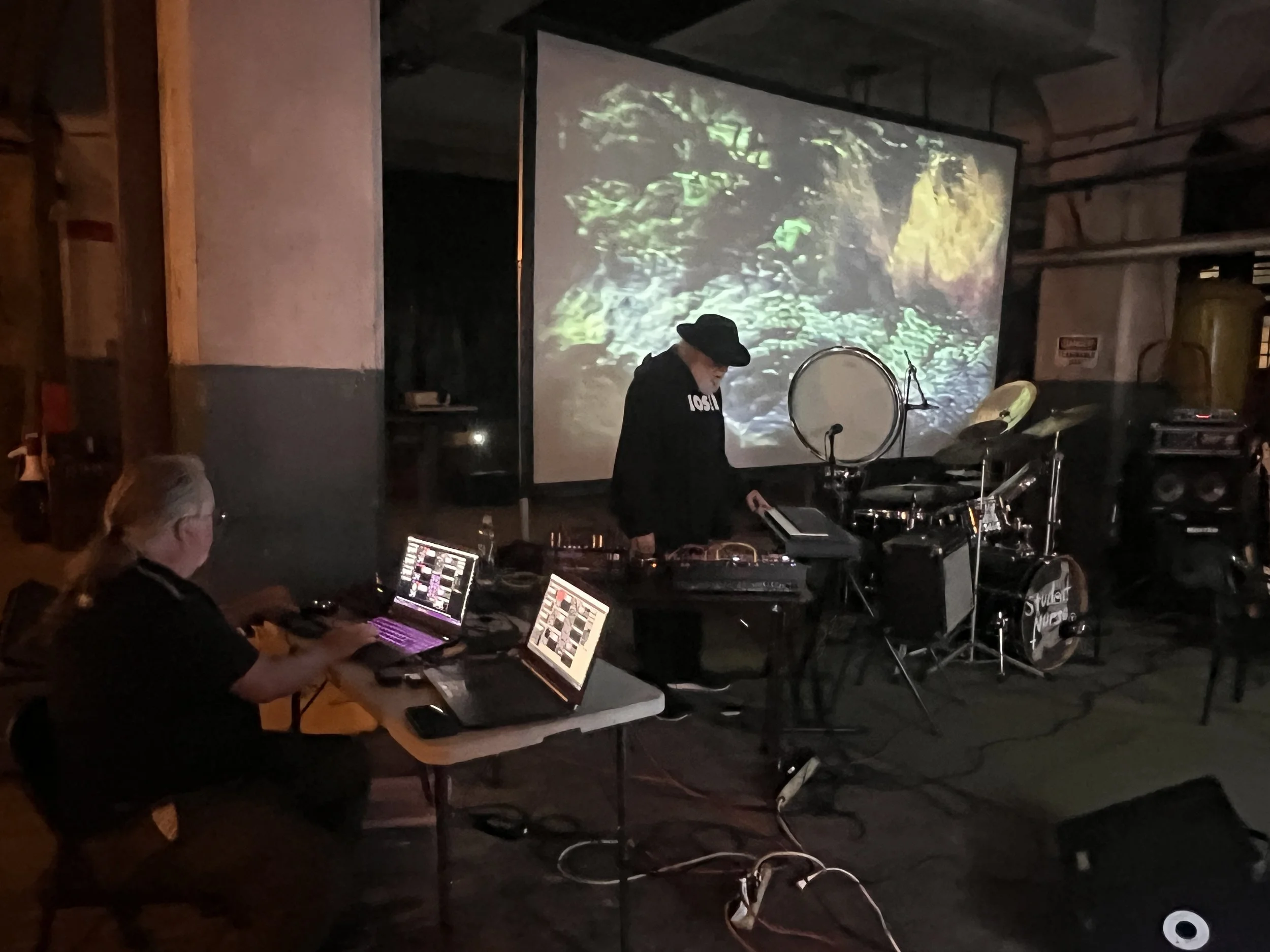
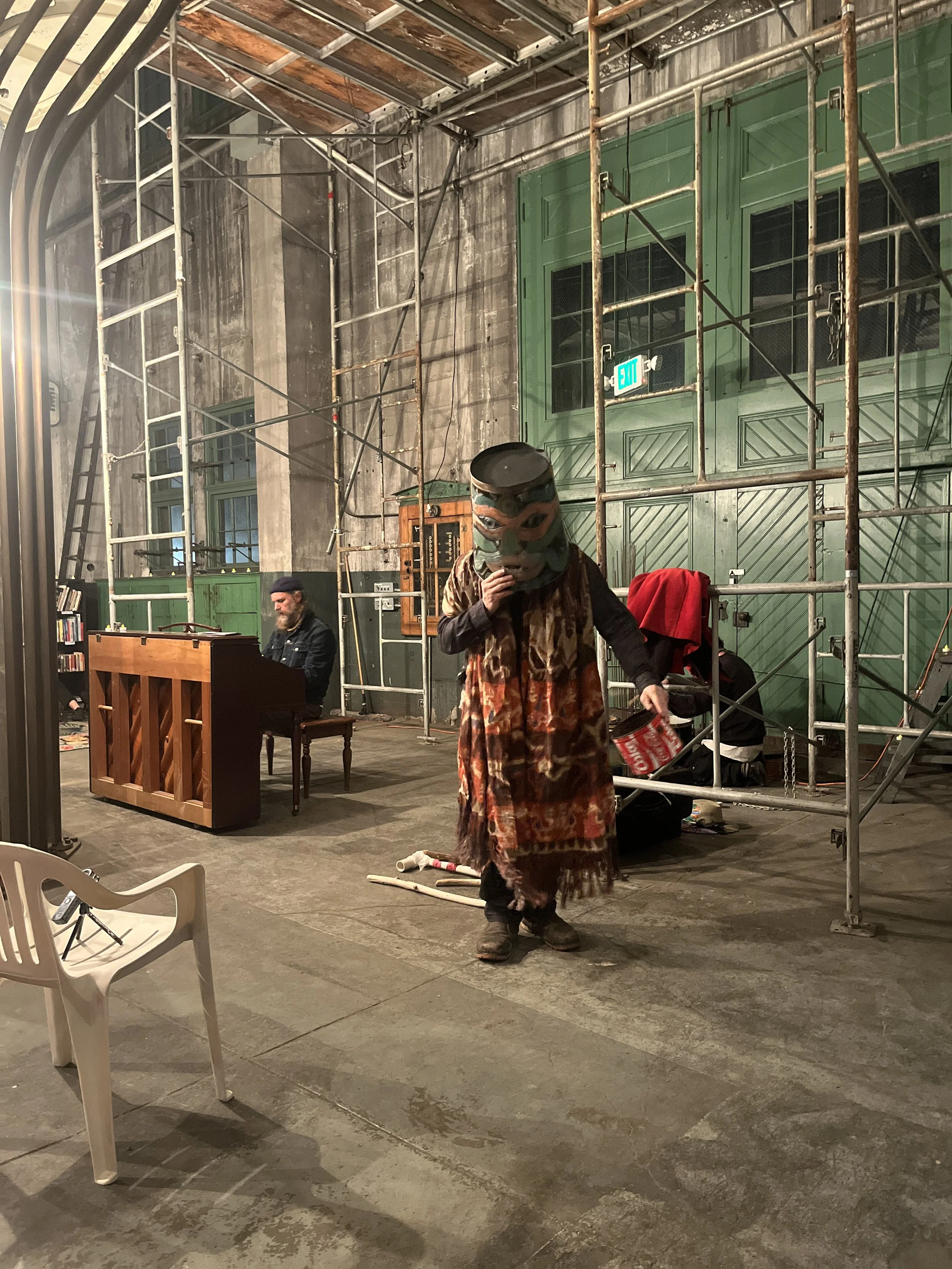
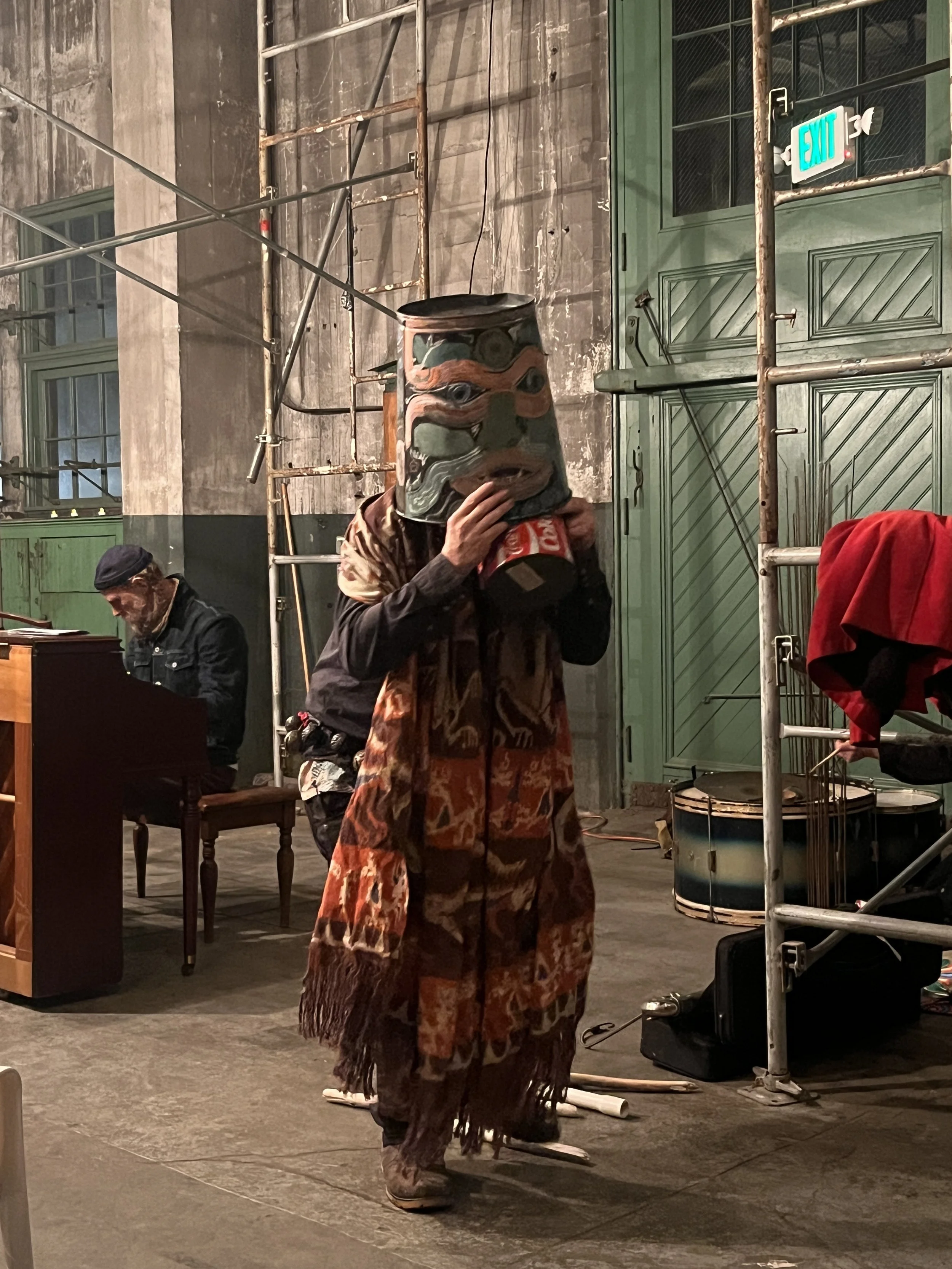
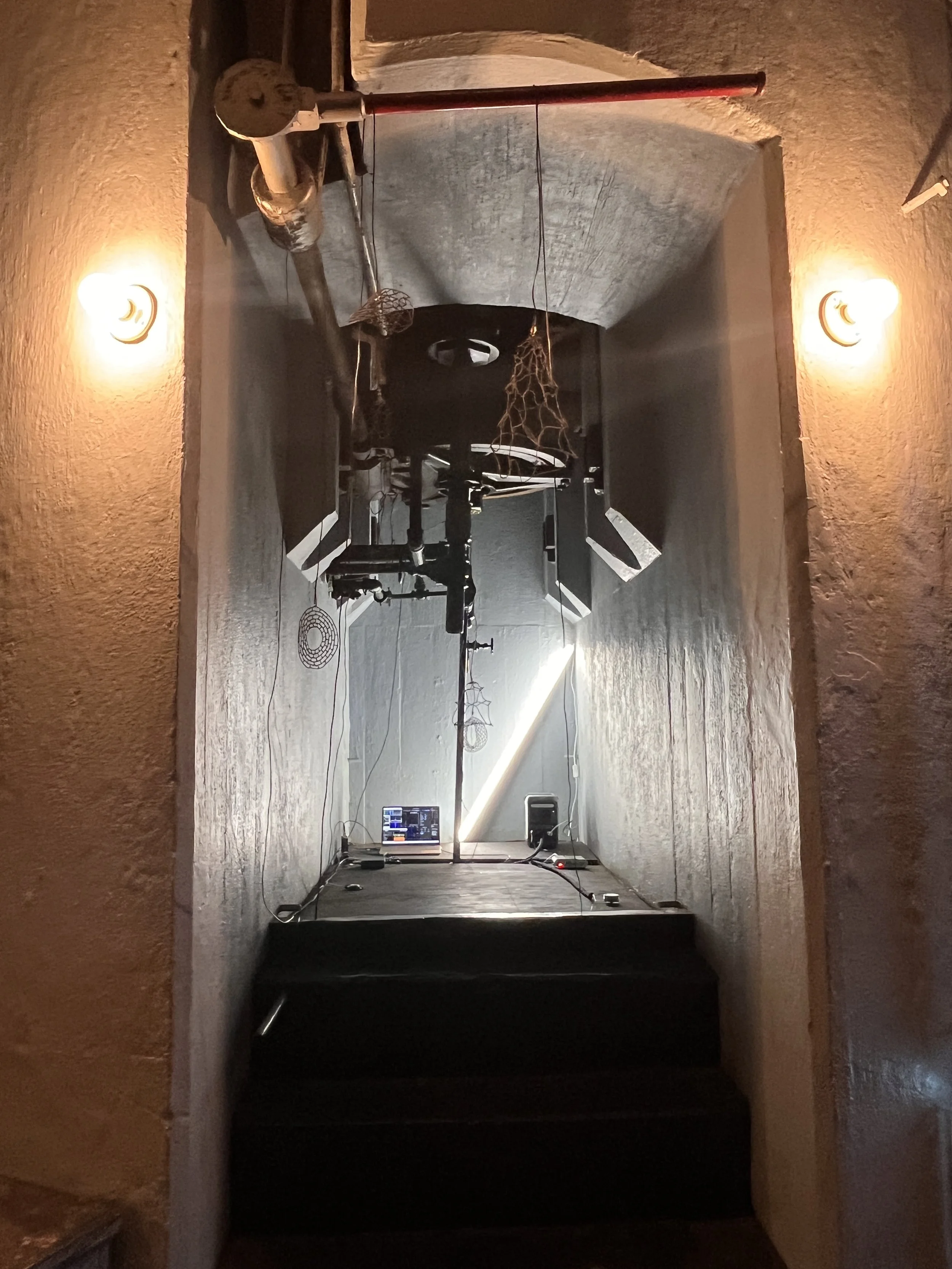
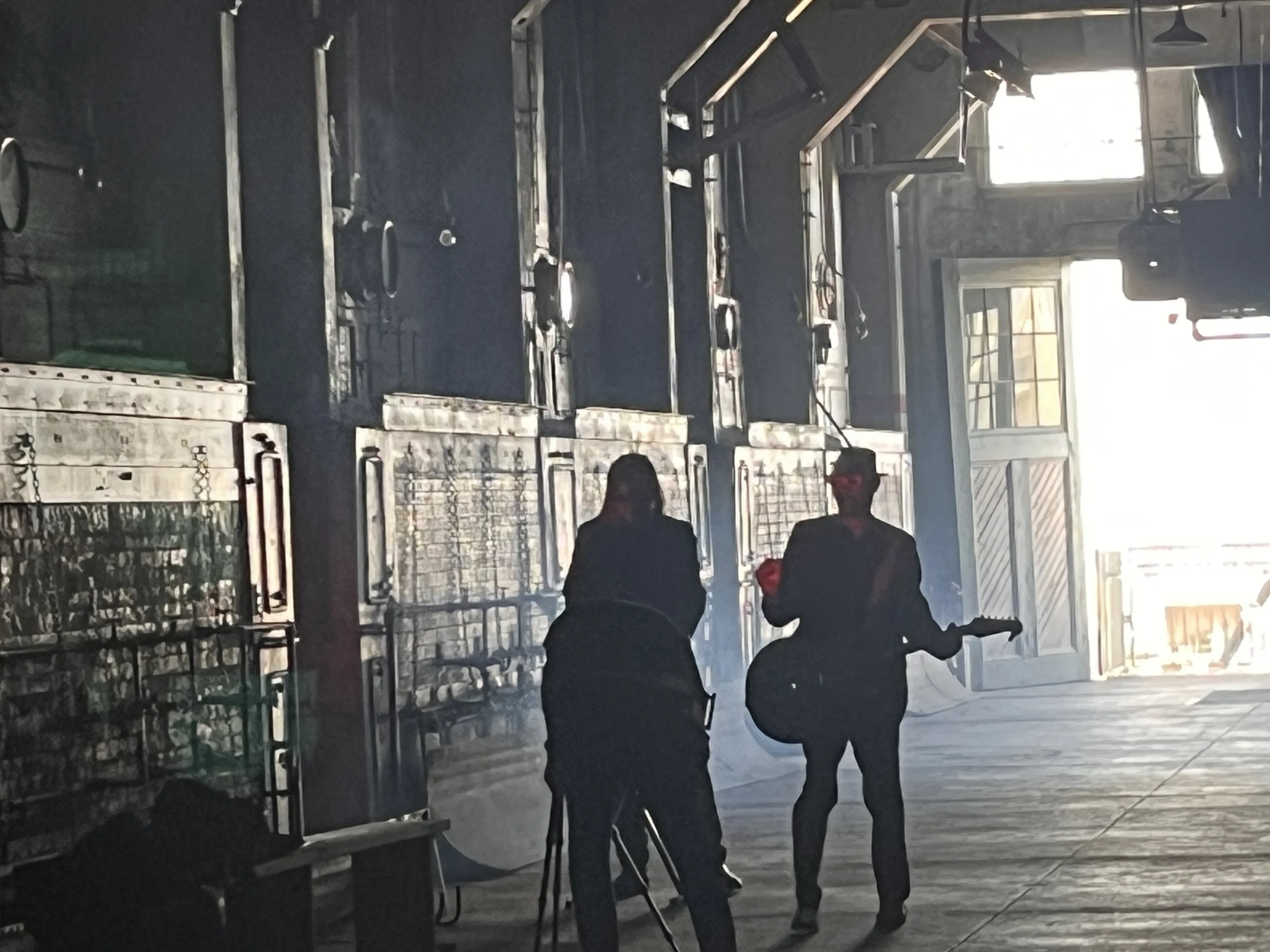
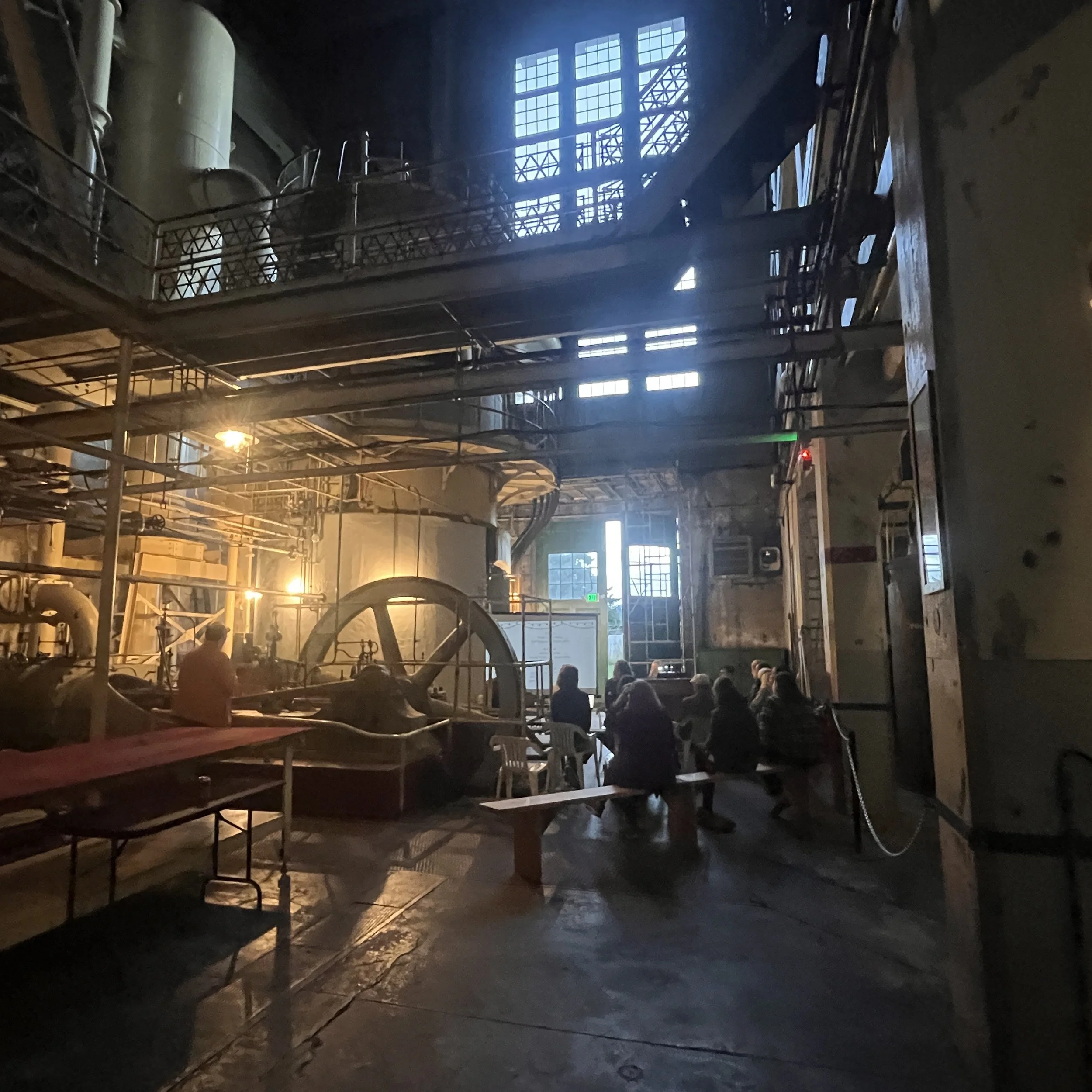
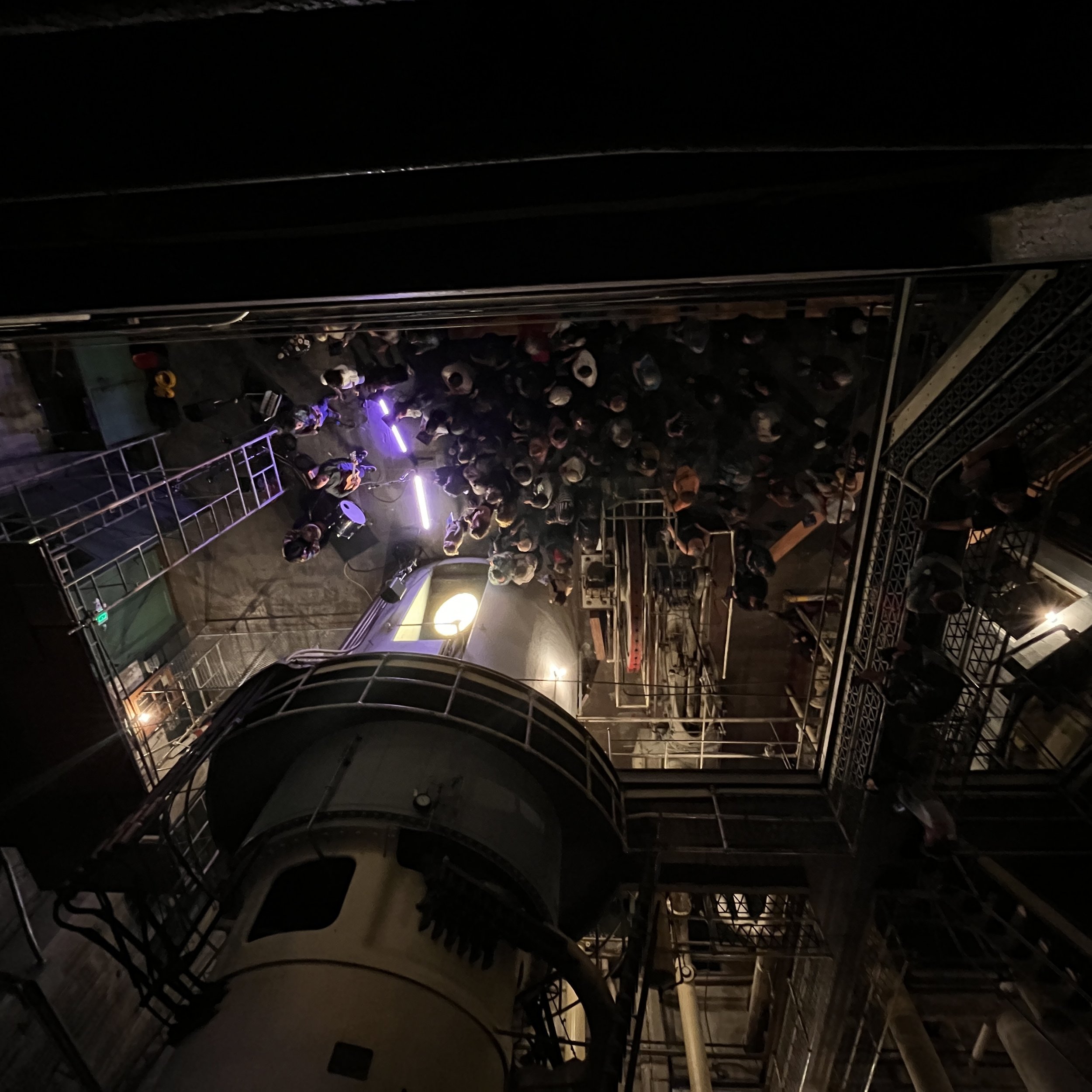
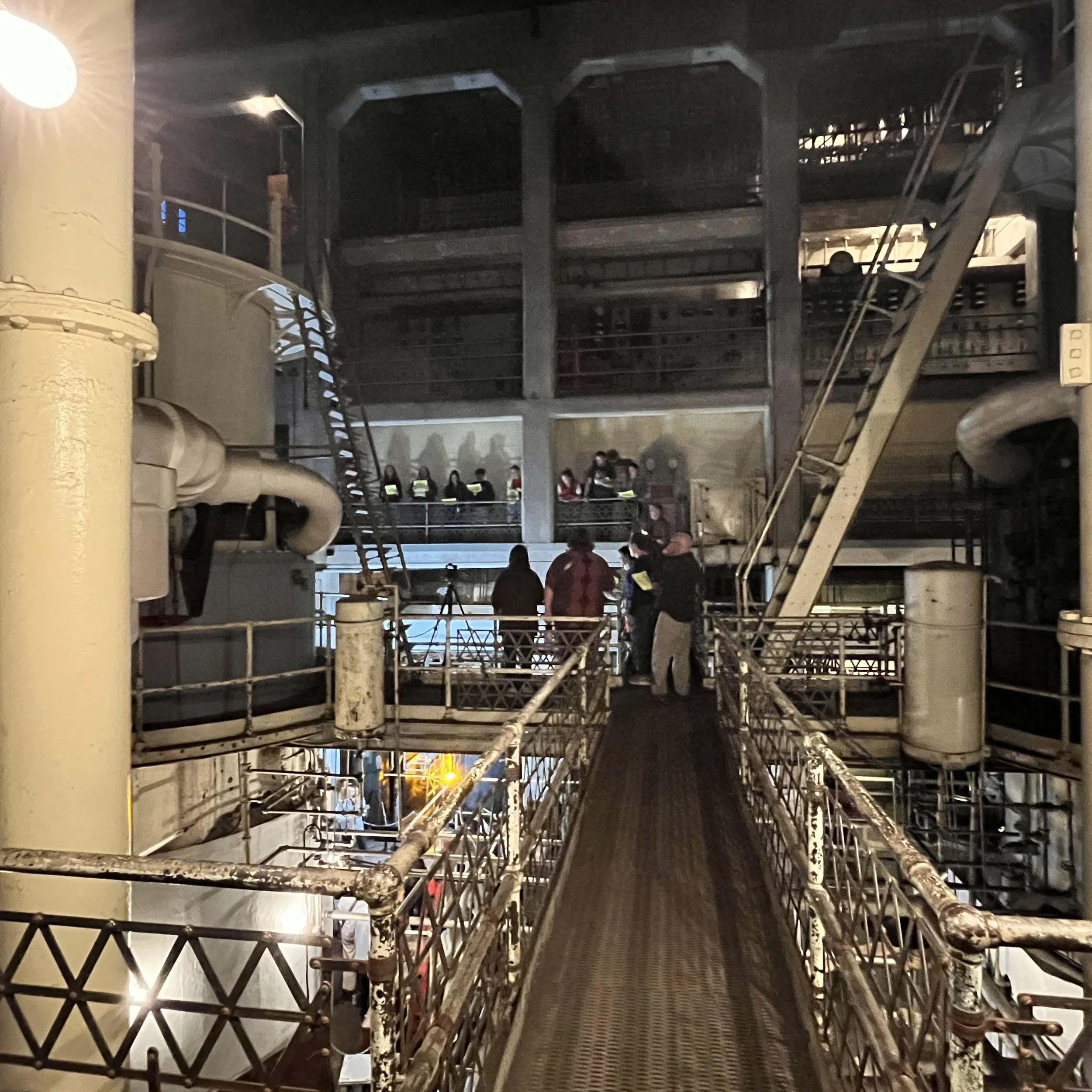
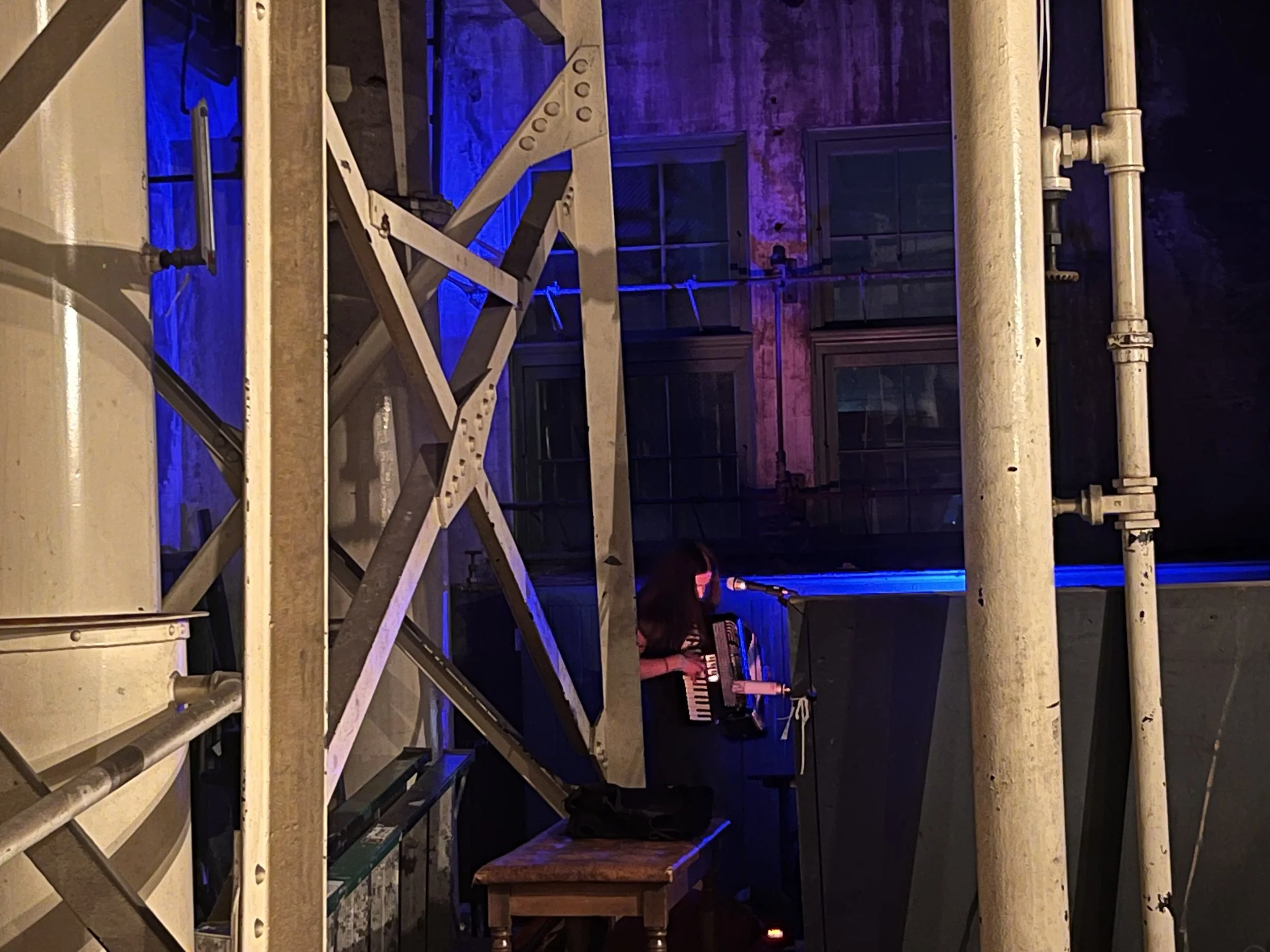
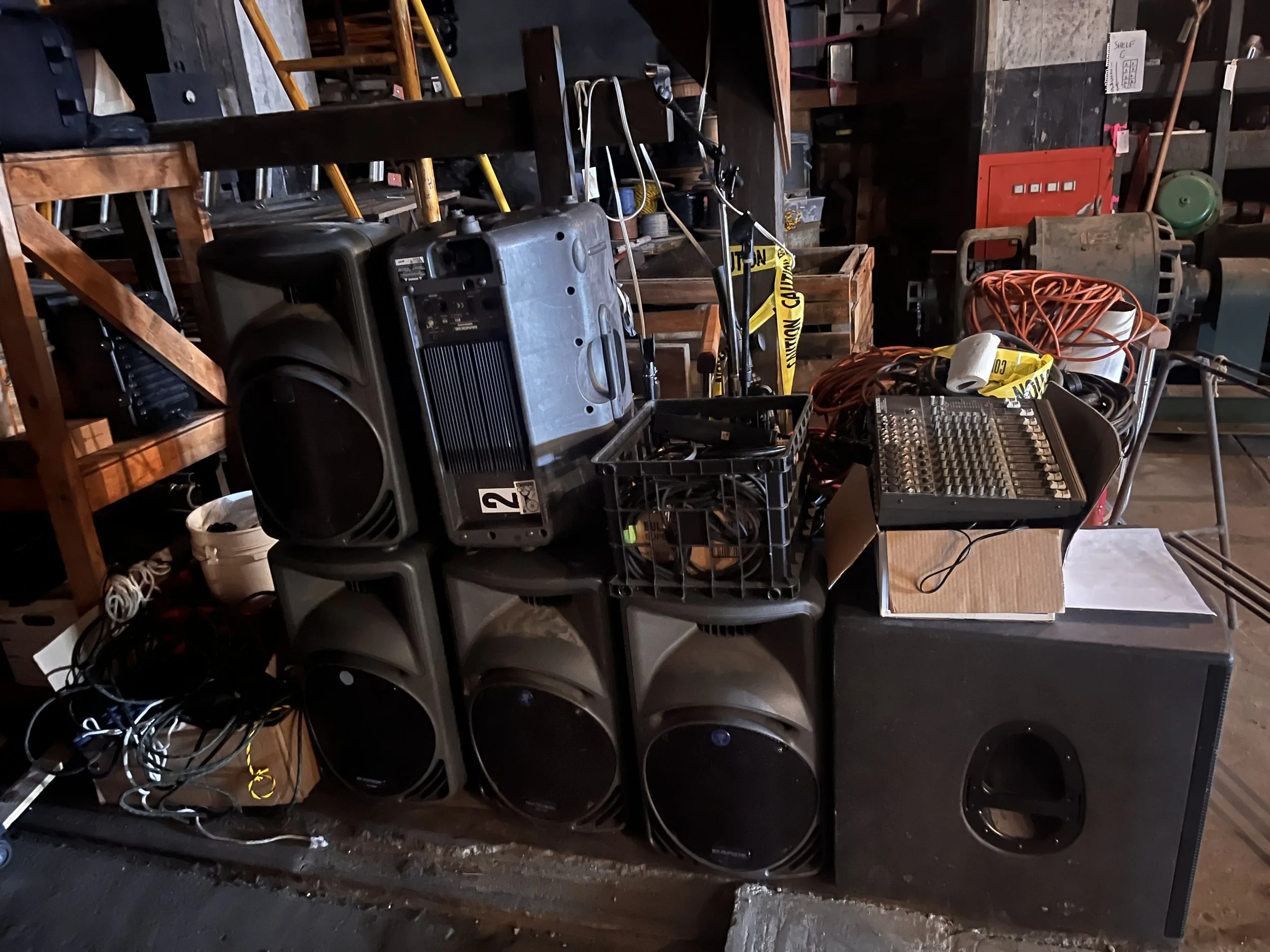
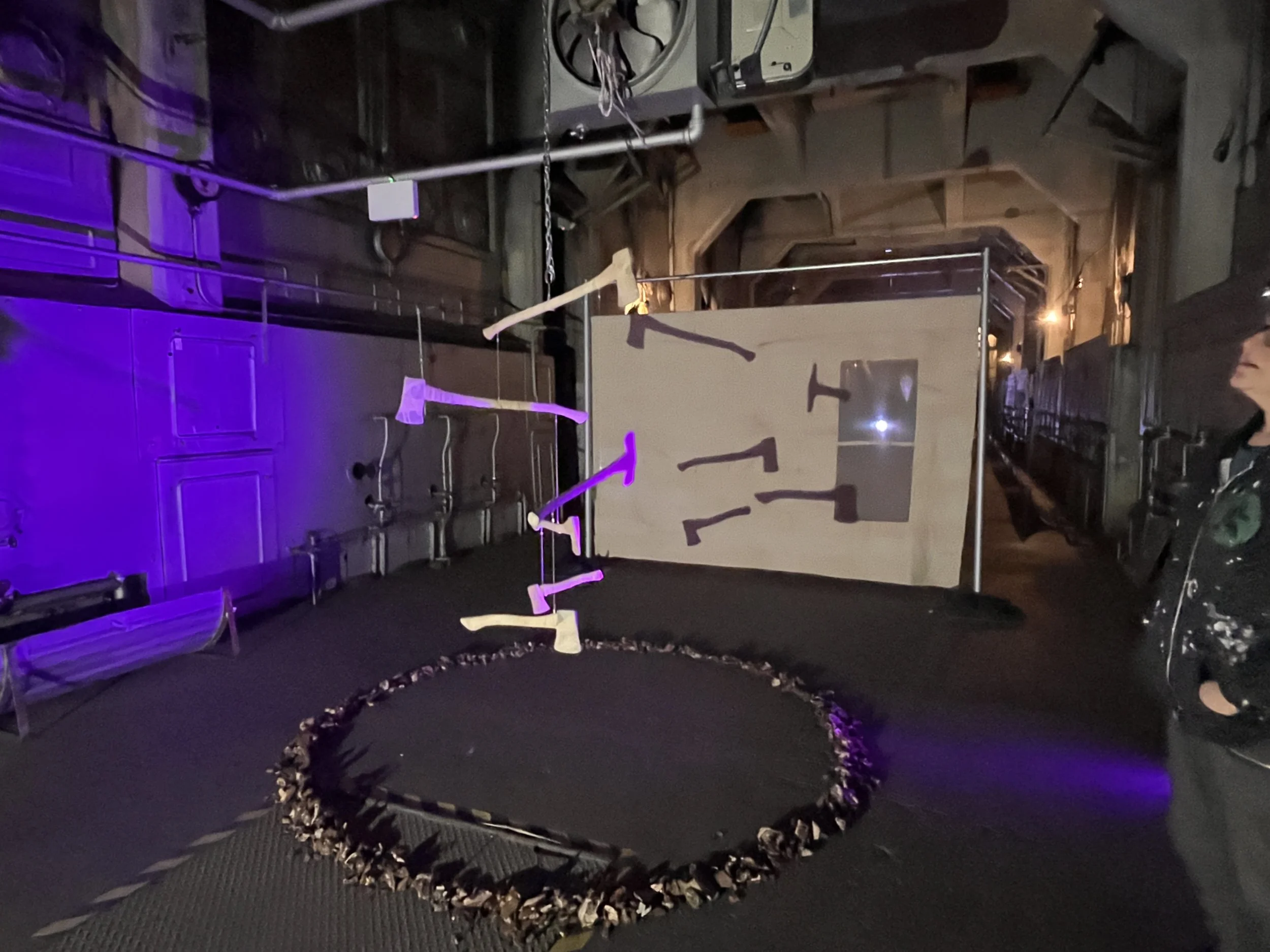
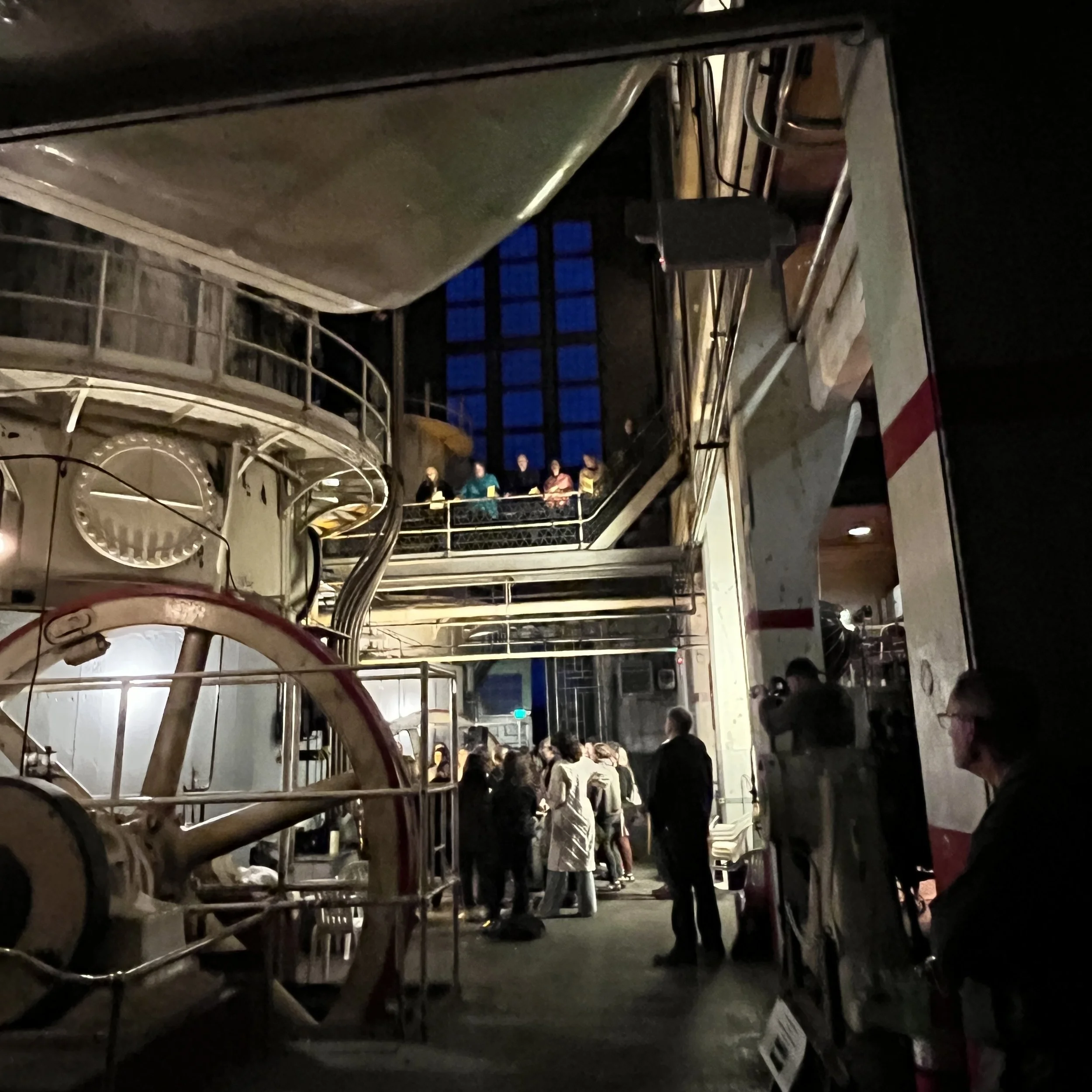
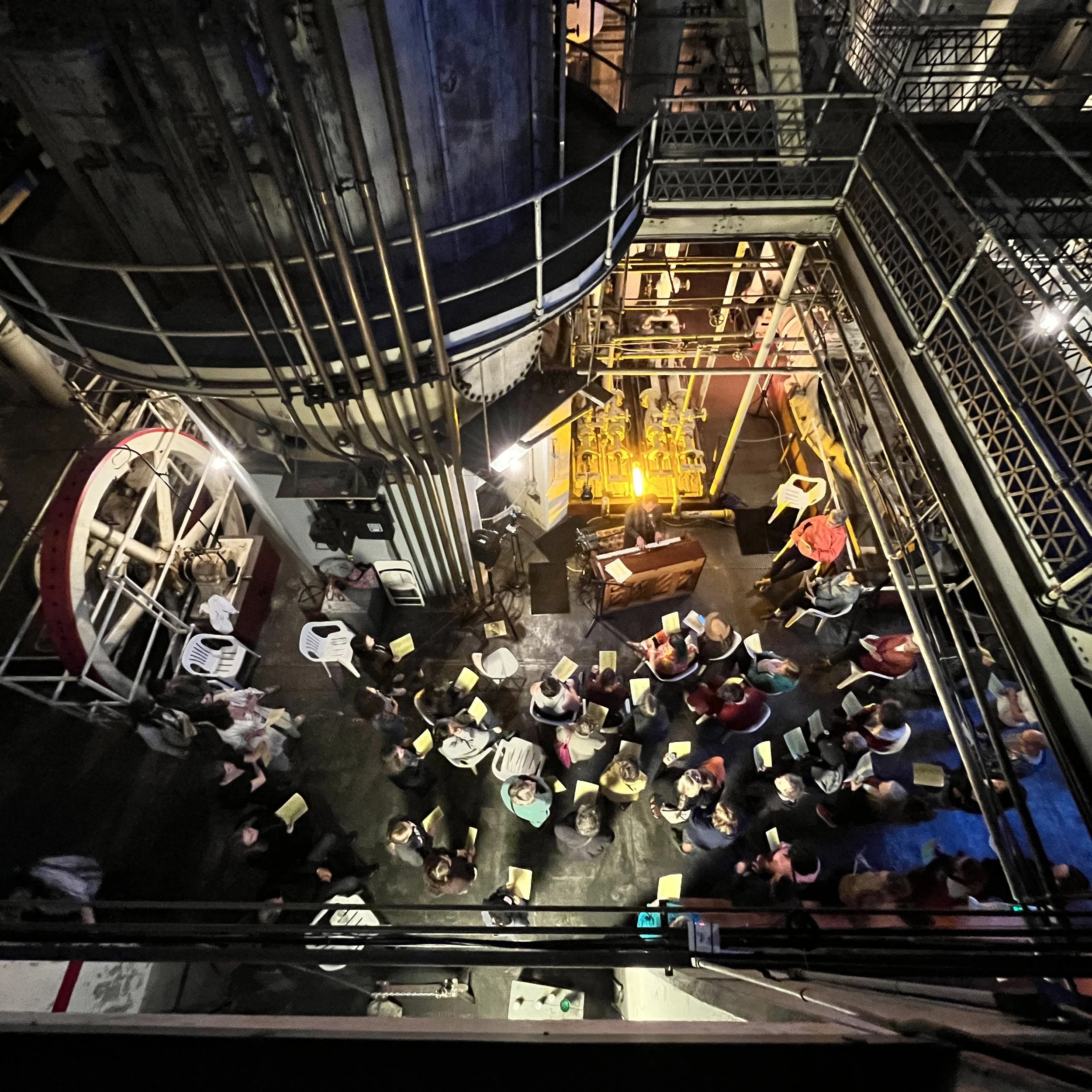
Sound gathers differently here—echo chambers, dead rooms, metal pipes, railings, and reverberation become industrial instruments resonating frequencies of the past, present, and reimagined futures.
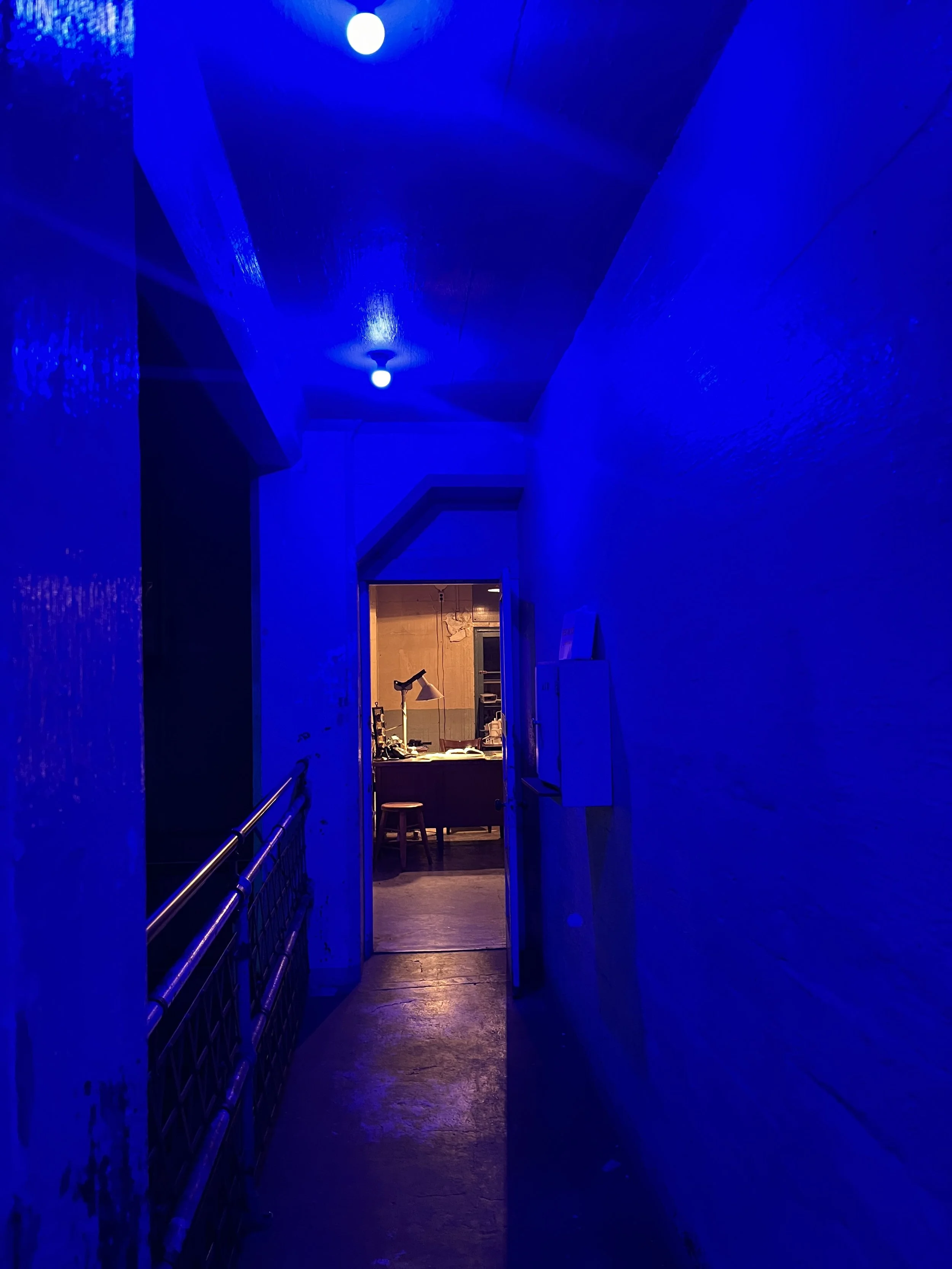
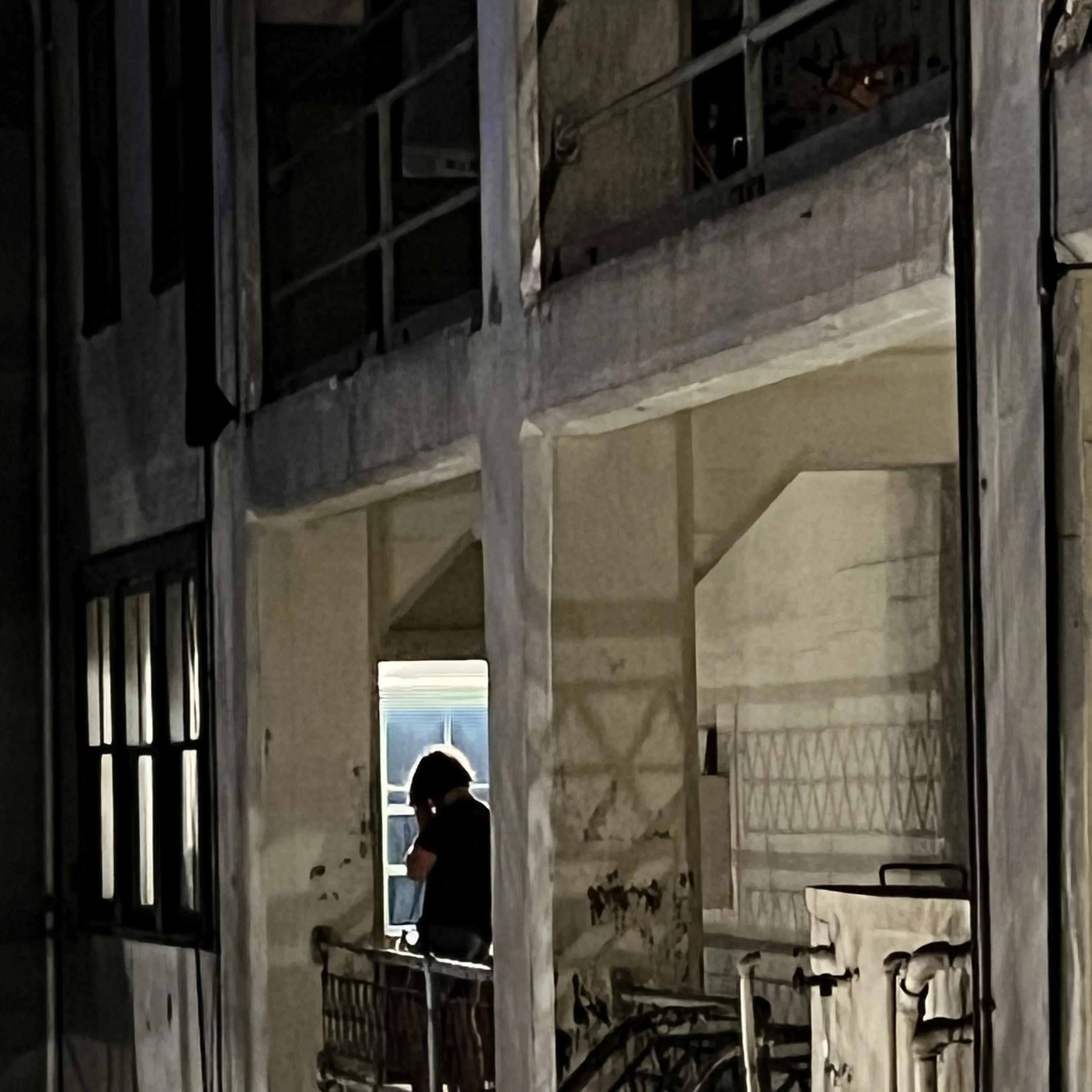
And then the phone rings…
Welcome to the Machine
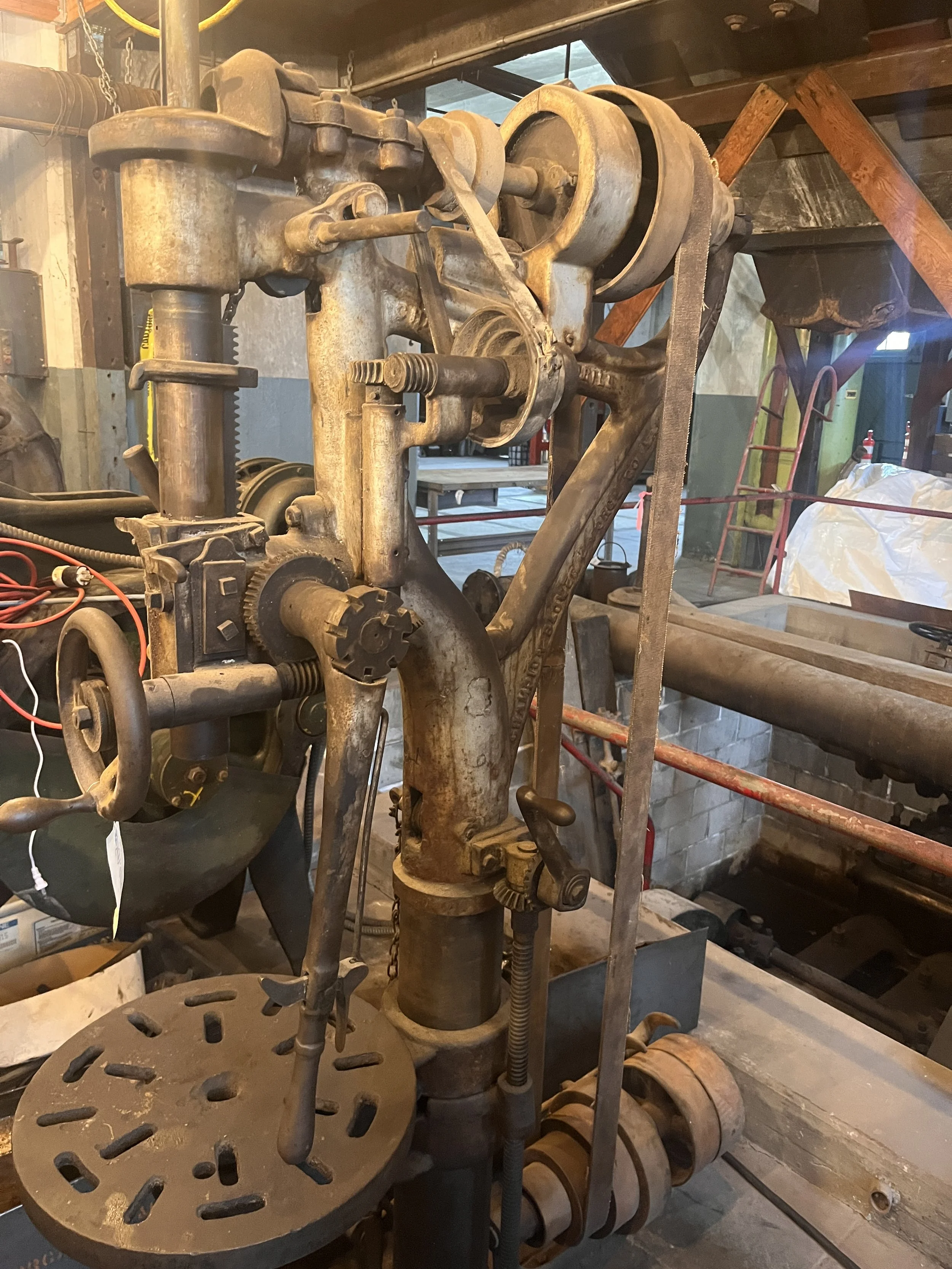
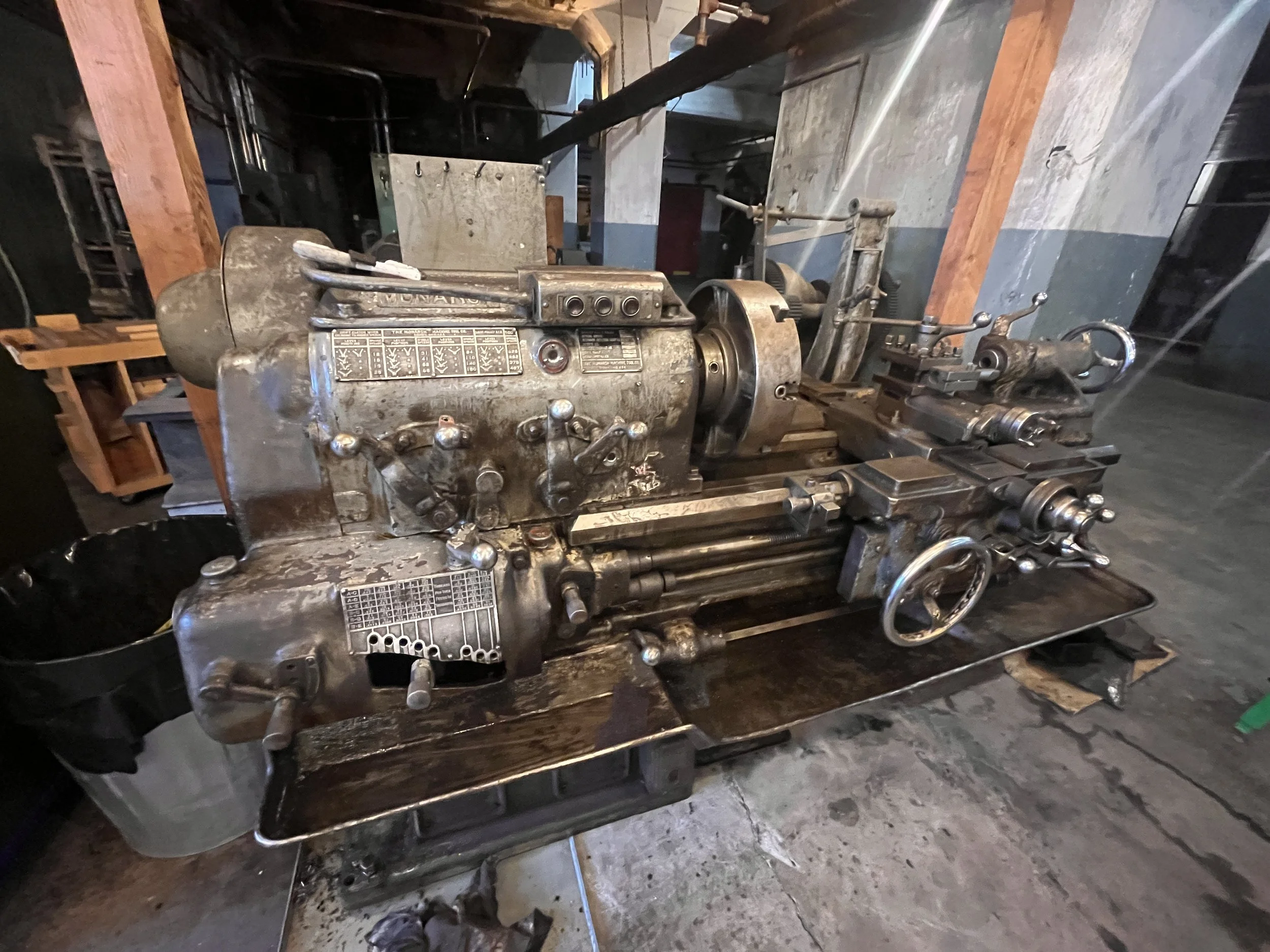
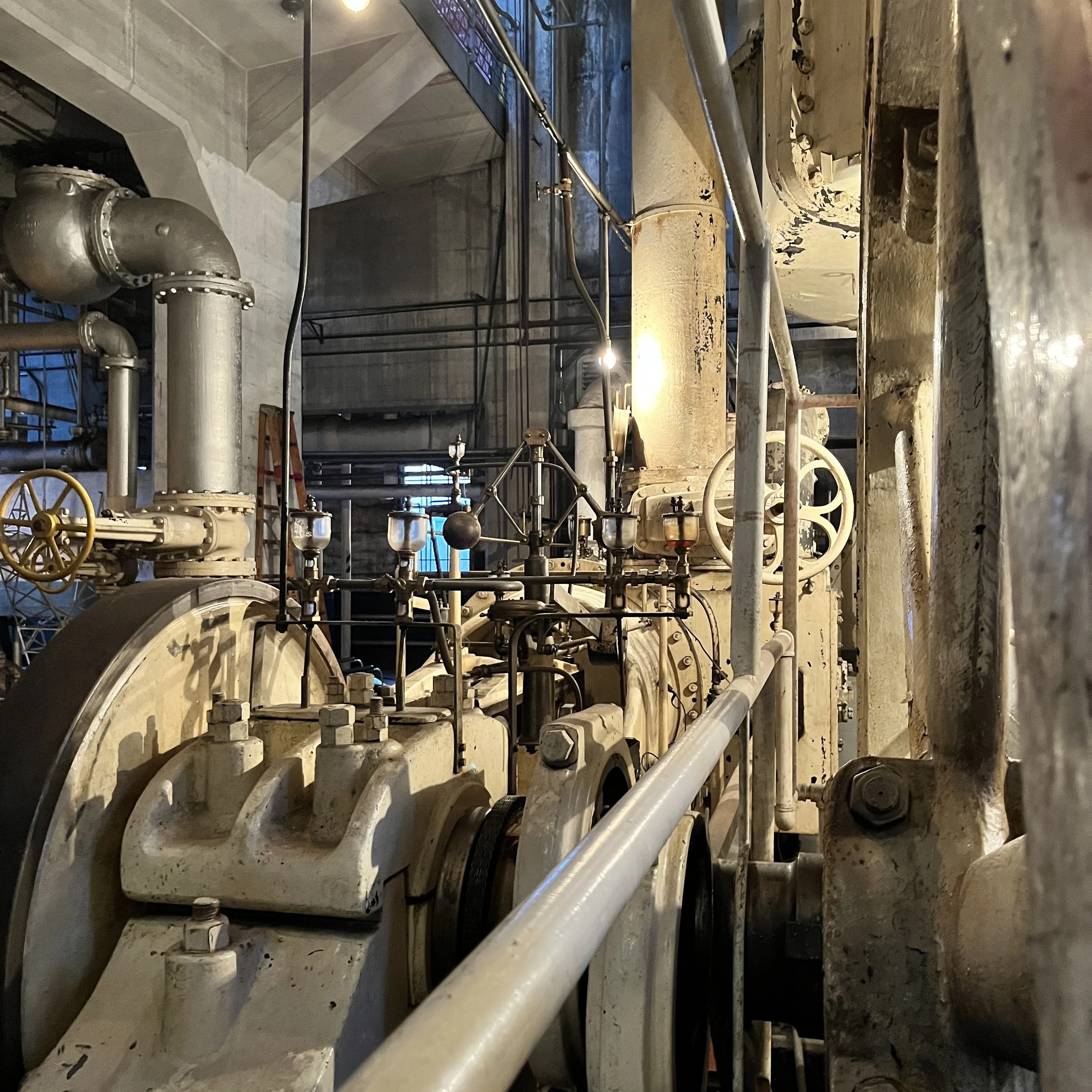
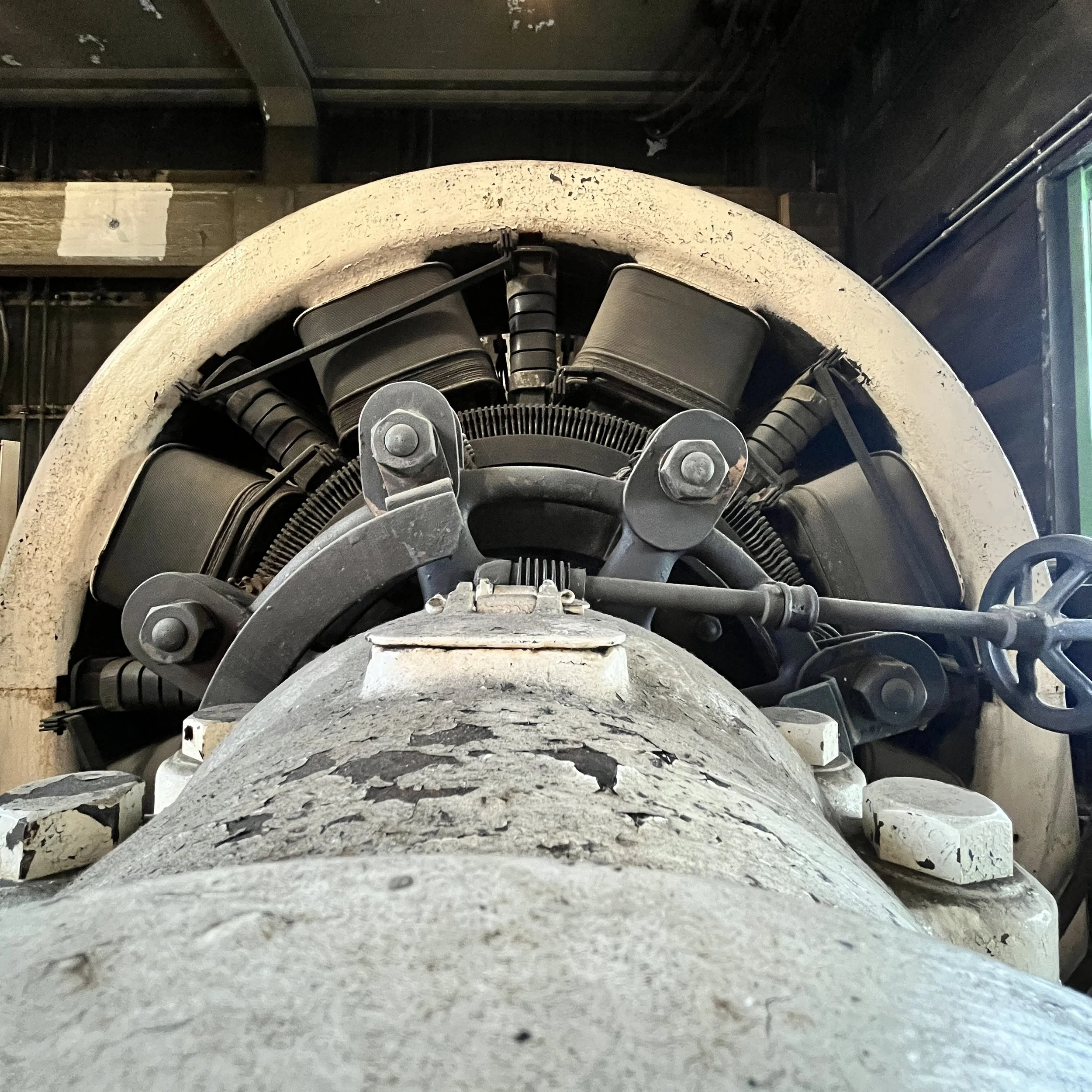
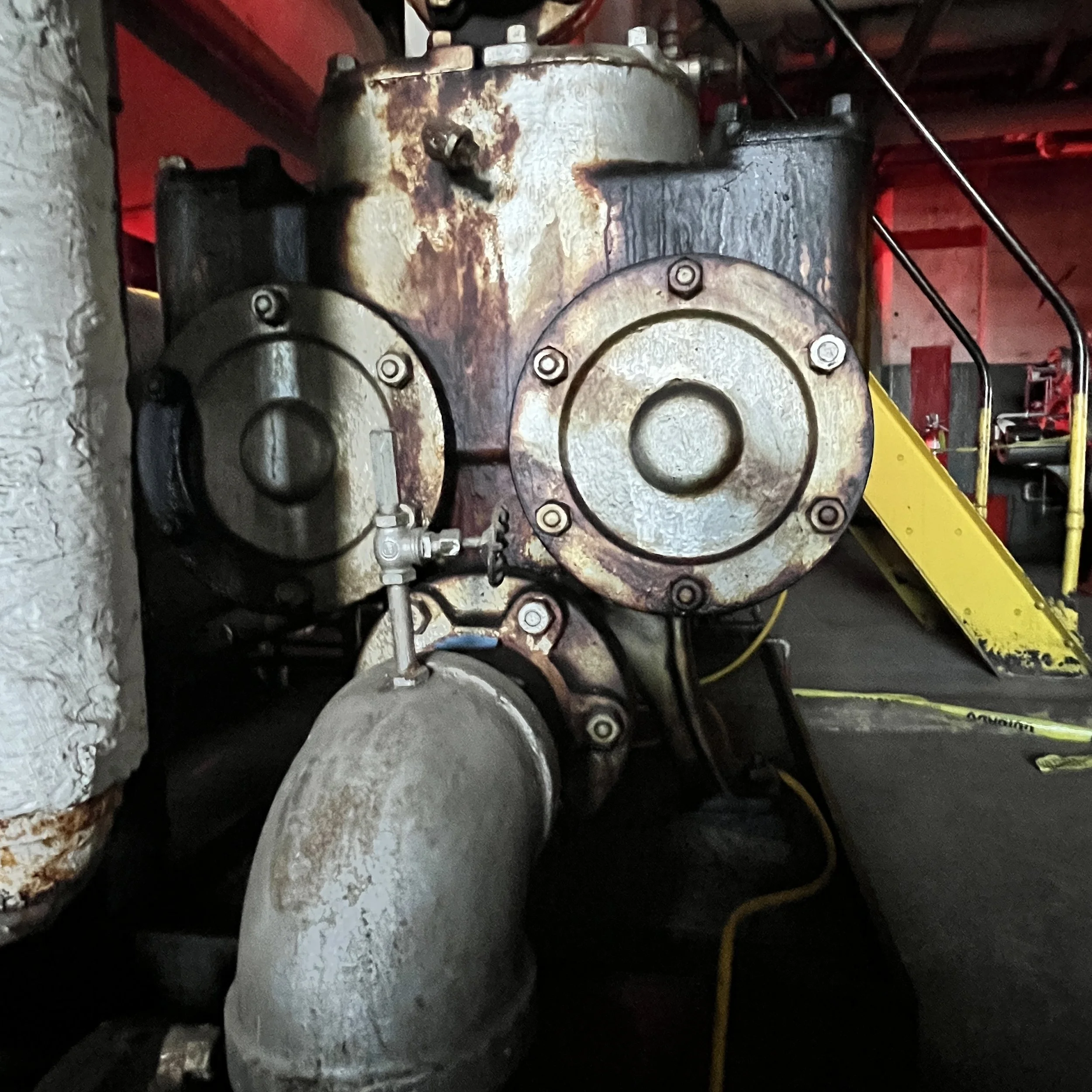
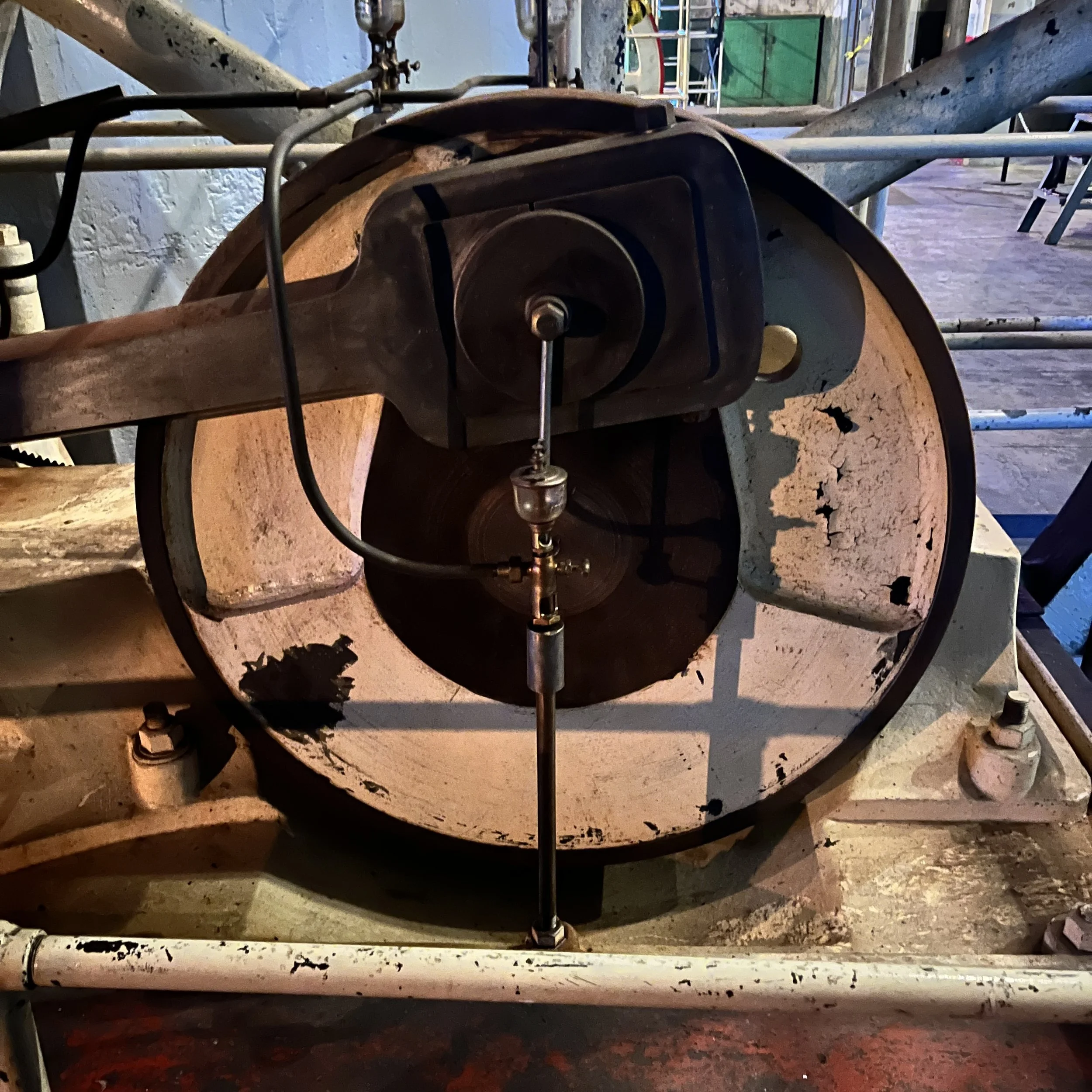
I fell in love with the machines of the Steam Plant—there is an undeniable romance of the ages here, entangled with the hard truths of the Anthropocene. While the Georgetown Steam Plant stands as a monument to the optimism and innovative spirit of the industrial age, it too is ground zero in the Duwamish River Valley for the fossil-fuel era. It represents our betrayal to the land, to the sea, to the air, and to the life that was, that is, and that wants to be—sacrifices we made for light and for the illumination of empire, and for the steam to power the machines that conquered and tamed the natural world. To stand among these machines is to confront a haunting question: was commodifying the natural world for trinkets and trade worth it?
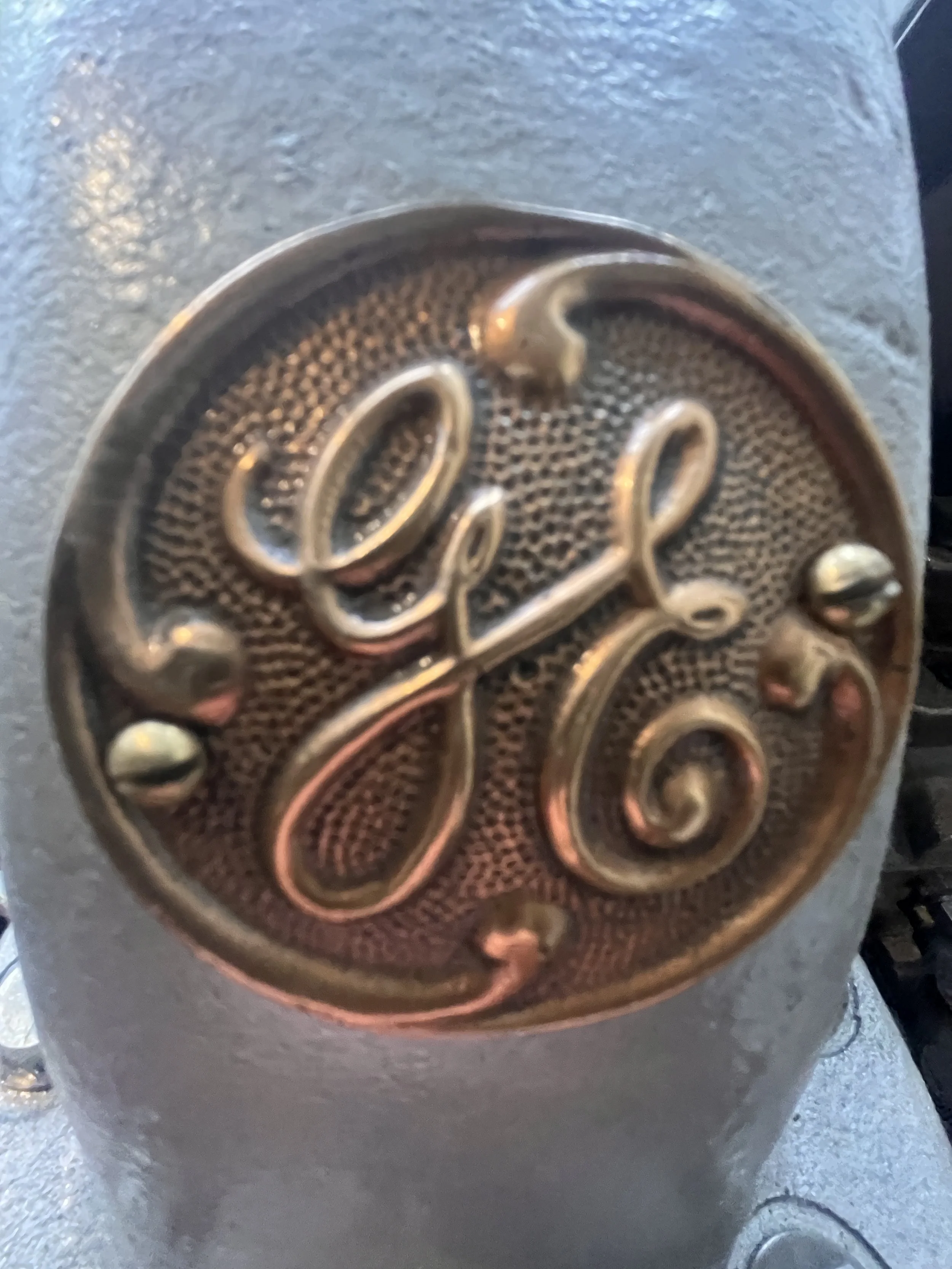
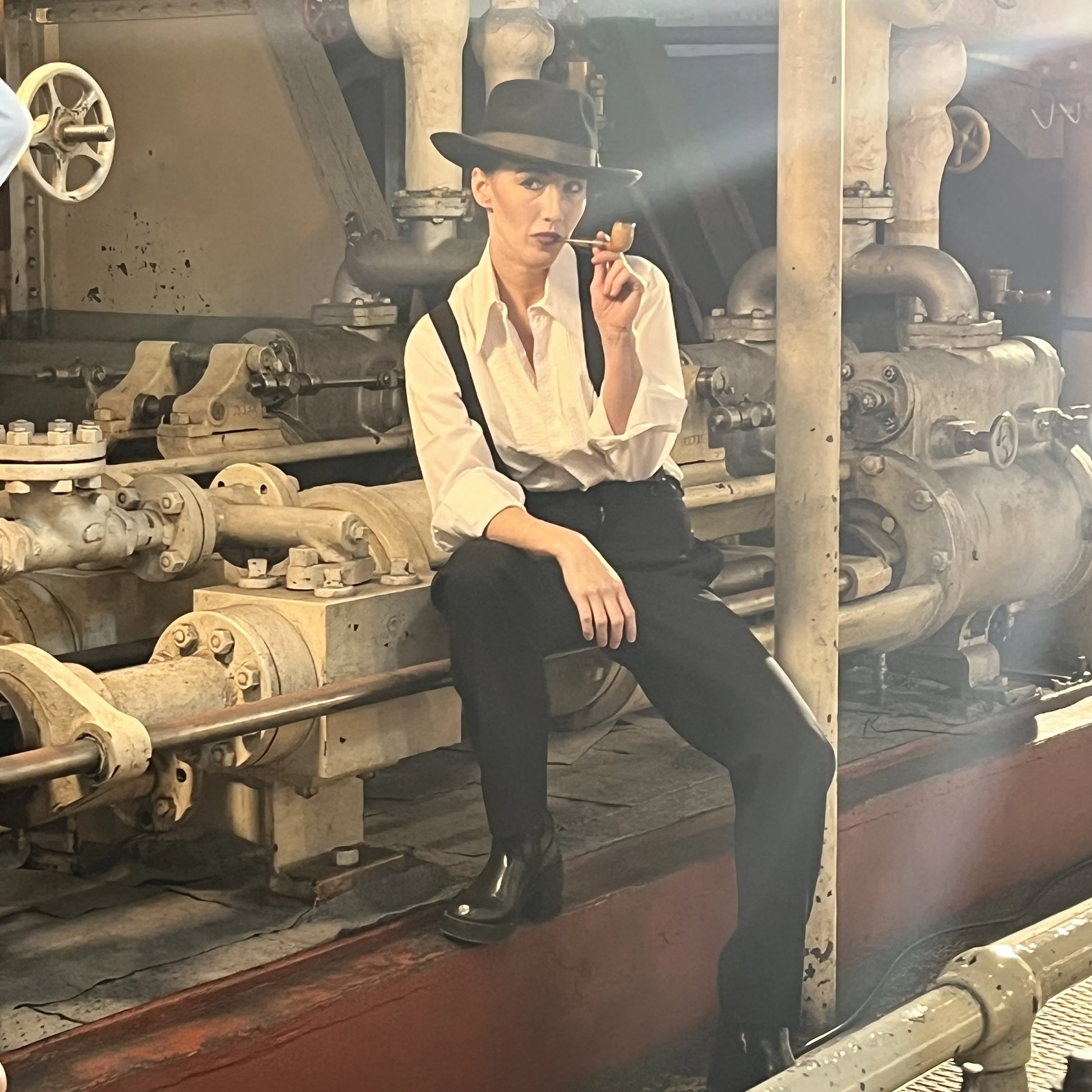
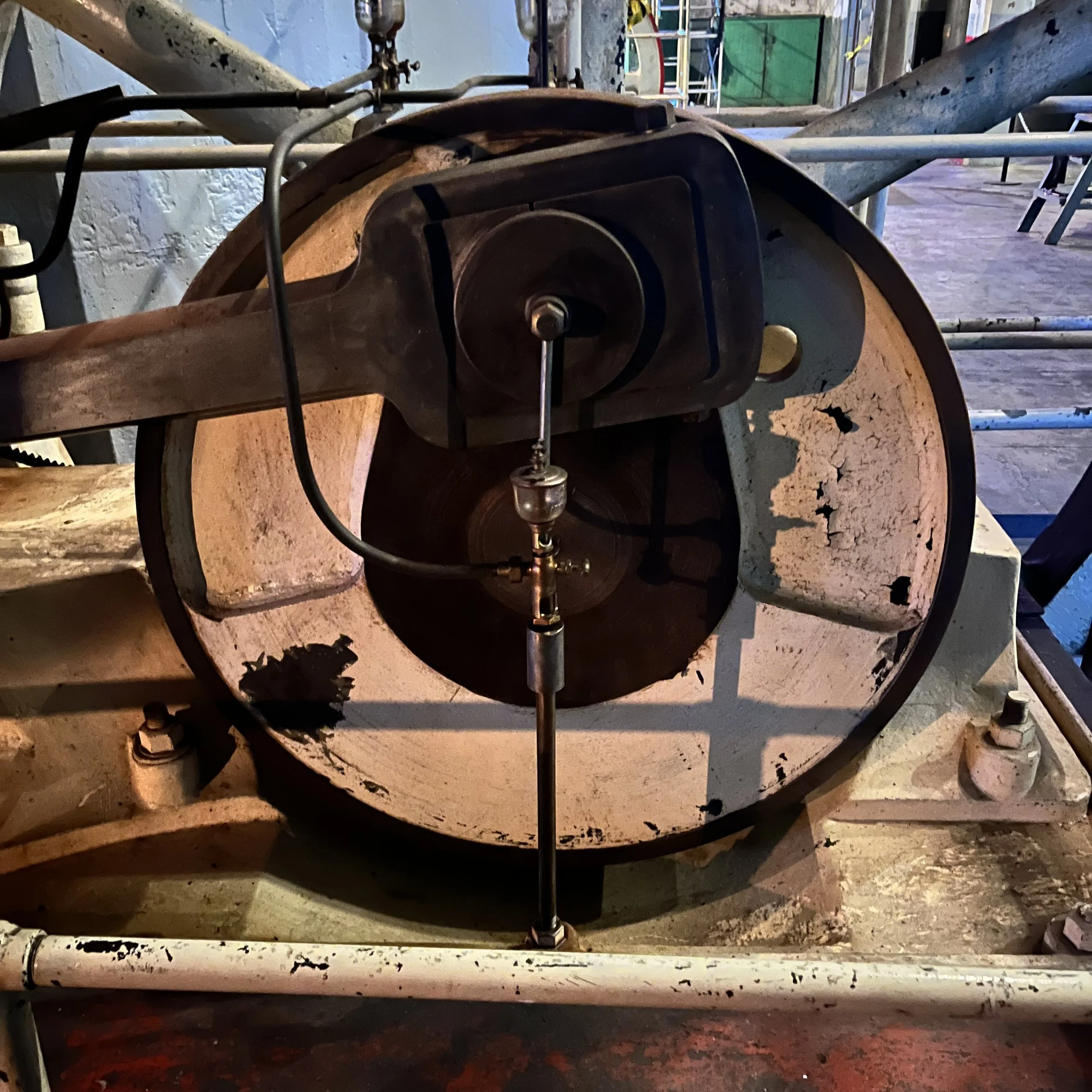
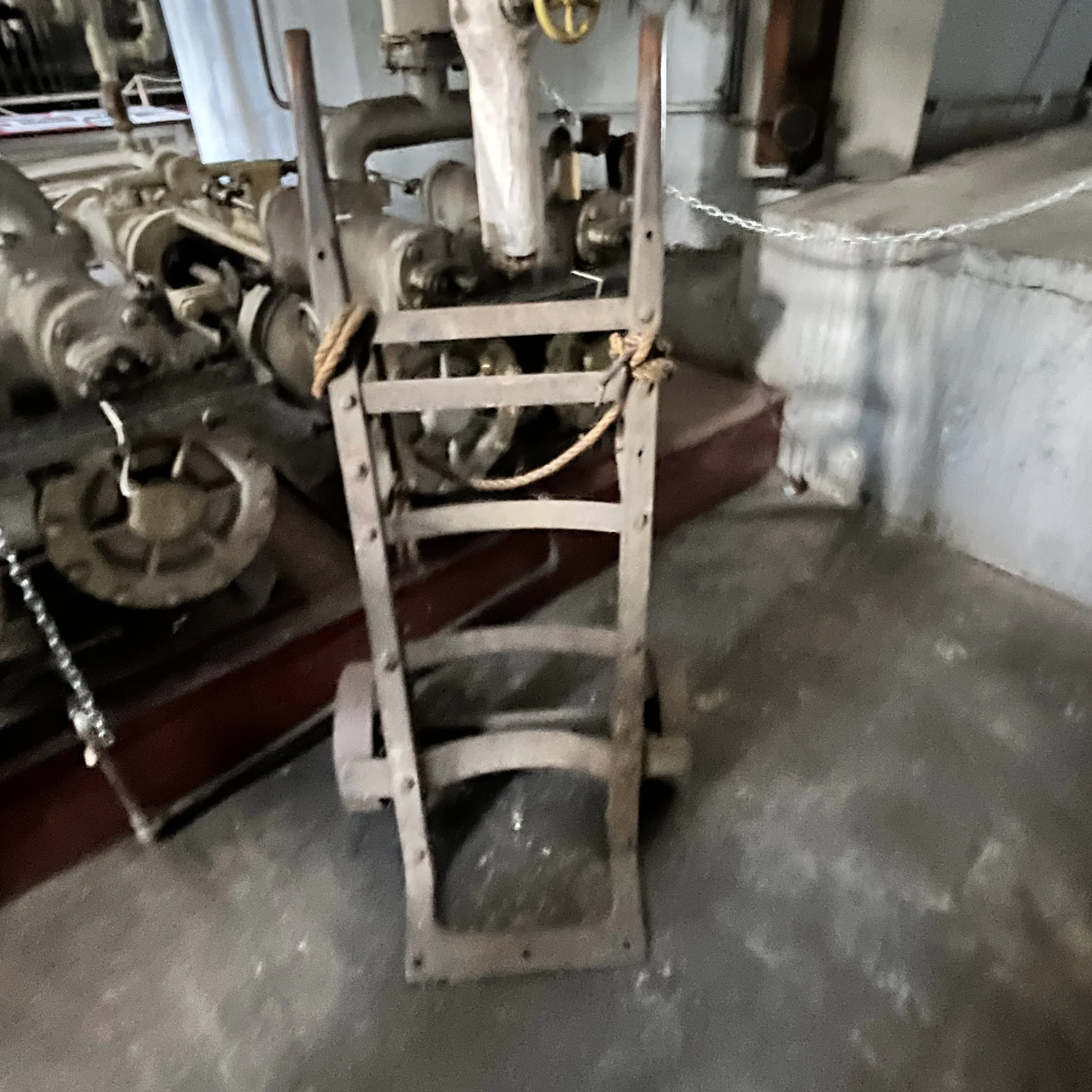
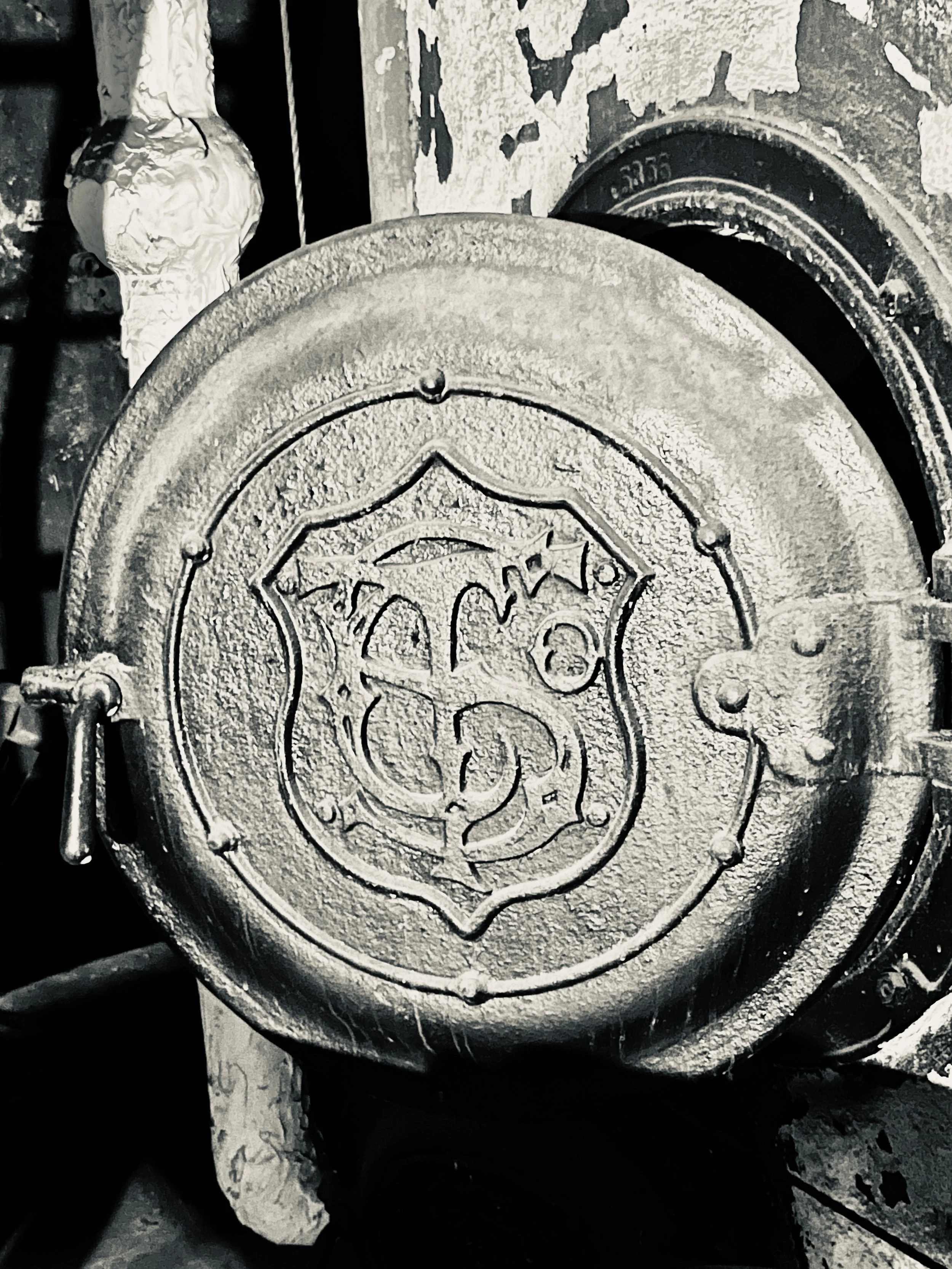
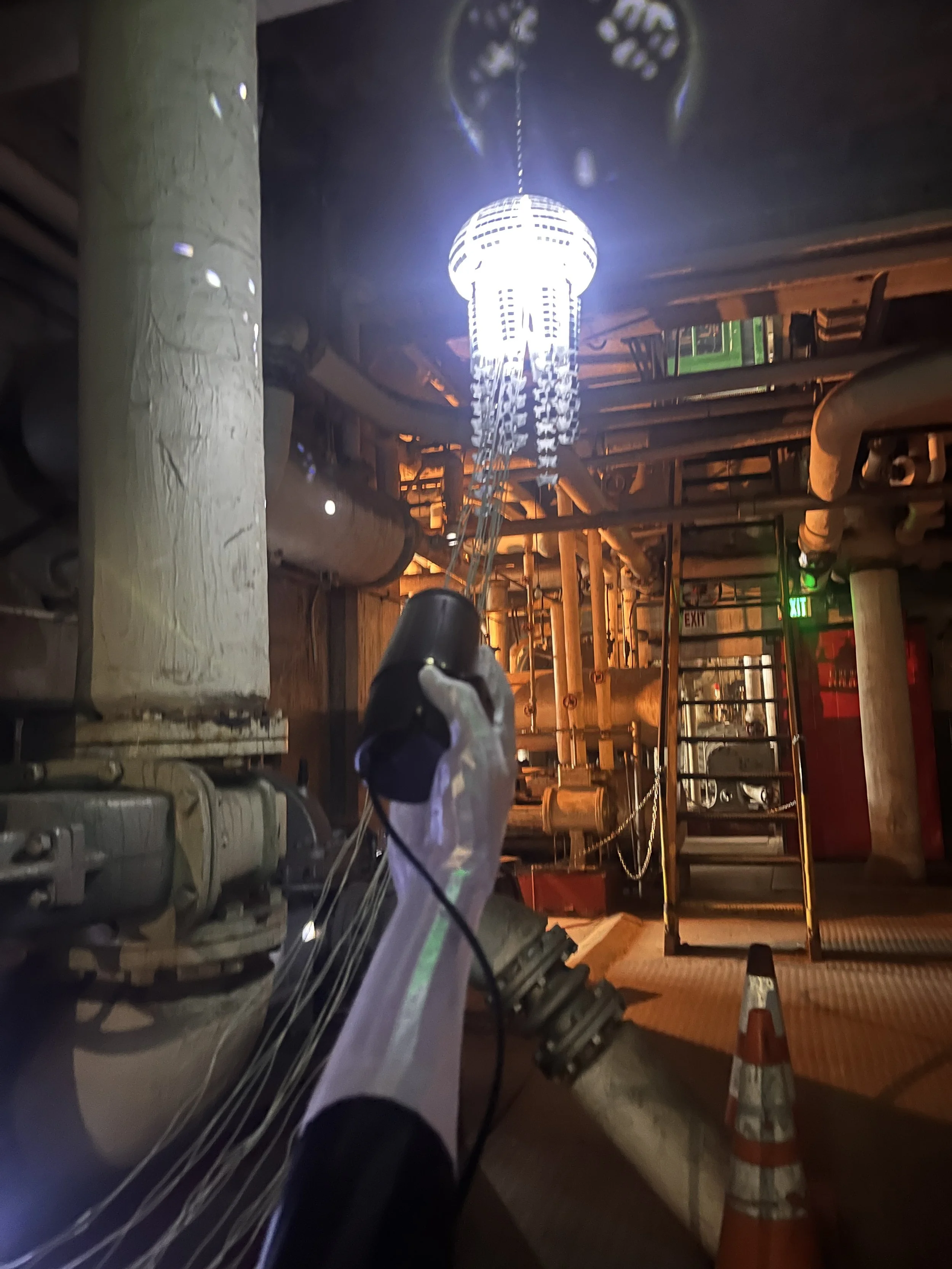
It is impossible not to stand in awe of these machines. Rarely are we permitted to get so intimate with the monumental expressions of human innovation and our ability to convert raw materials into the forces that illuminate the modern world. Yet, here at the Georgetown Steam Plant we gather to honor the Machines—and we do so in awe.
. . .
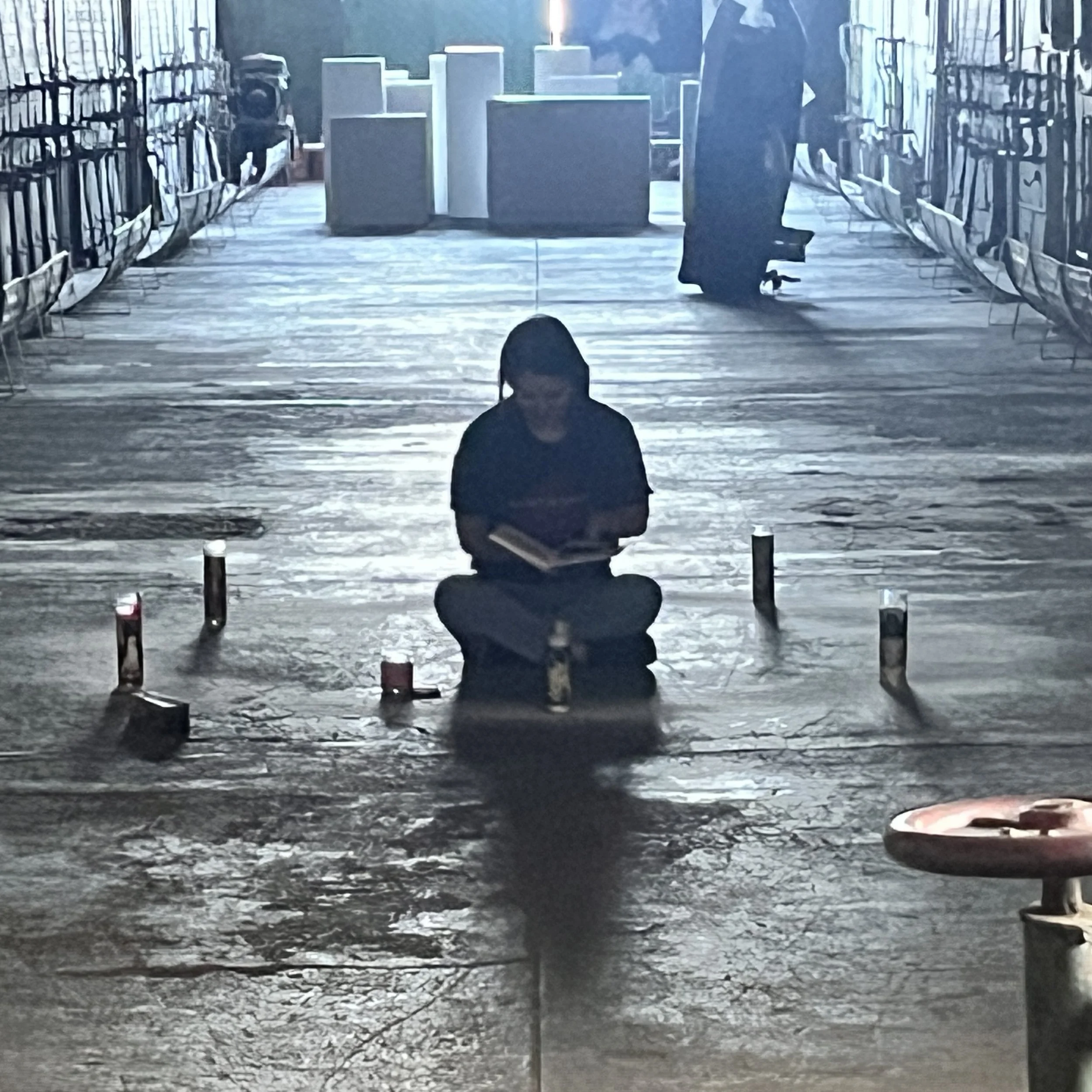
I walked the darkness, I gathered in the light, I endured the cold, the heat, and I confronted the ghosts of a distant age when the hiss of steam fueled the dream. I sat alone during a bomb cyclone just to hear the machine come to life.
Today, the plant amplifies memory, tension, and the lingering imprint of the fossil fuel age.
In this stillness, a new energy emerges—one that depends entirely on who experiences it, and why they are here.
Is it our love for the marriage of man and machines and industrial landscapes that draws us in?
Is it the "terrible madness" and the impact from the machines on the natural world that causes deep contemplation?
Or is it simply because these machines are so beautiful?
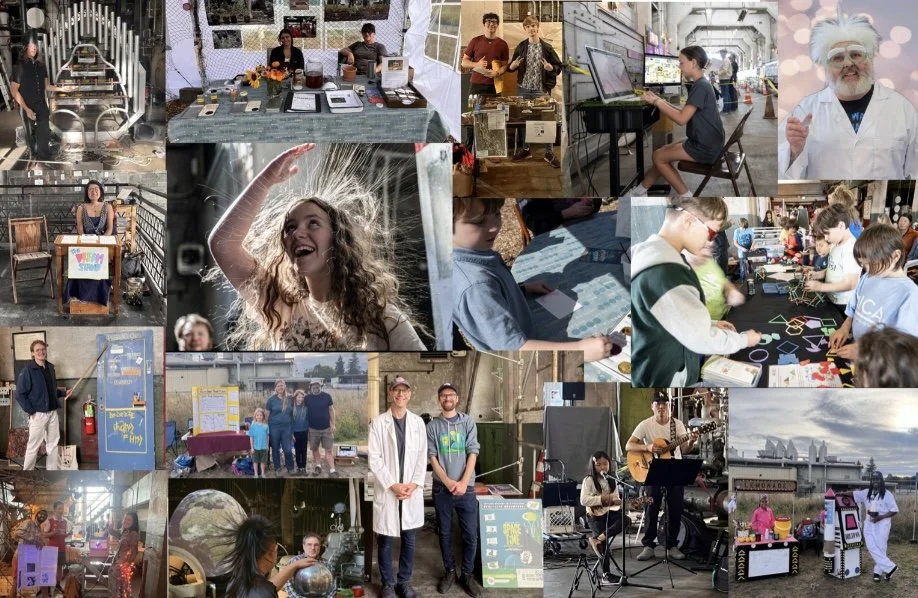
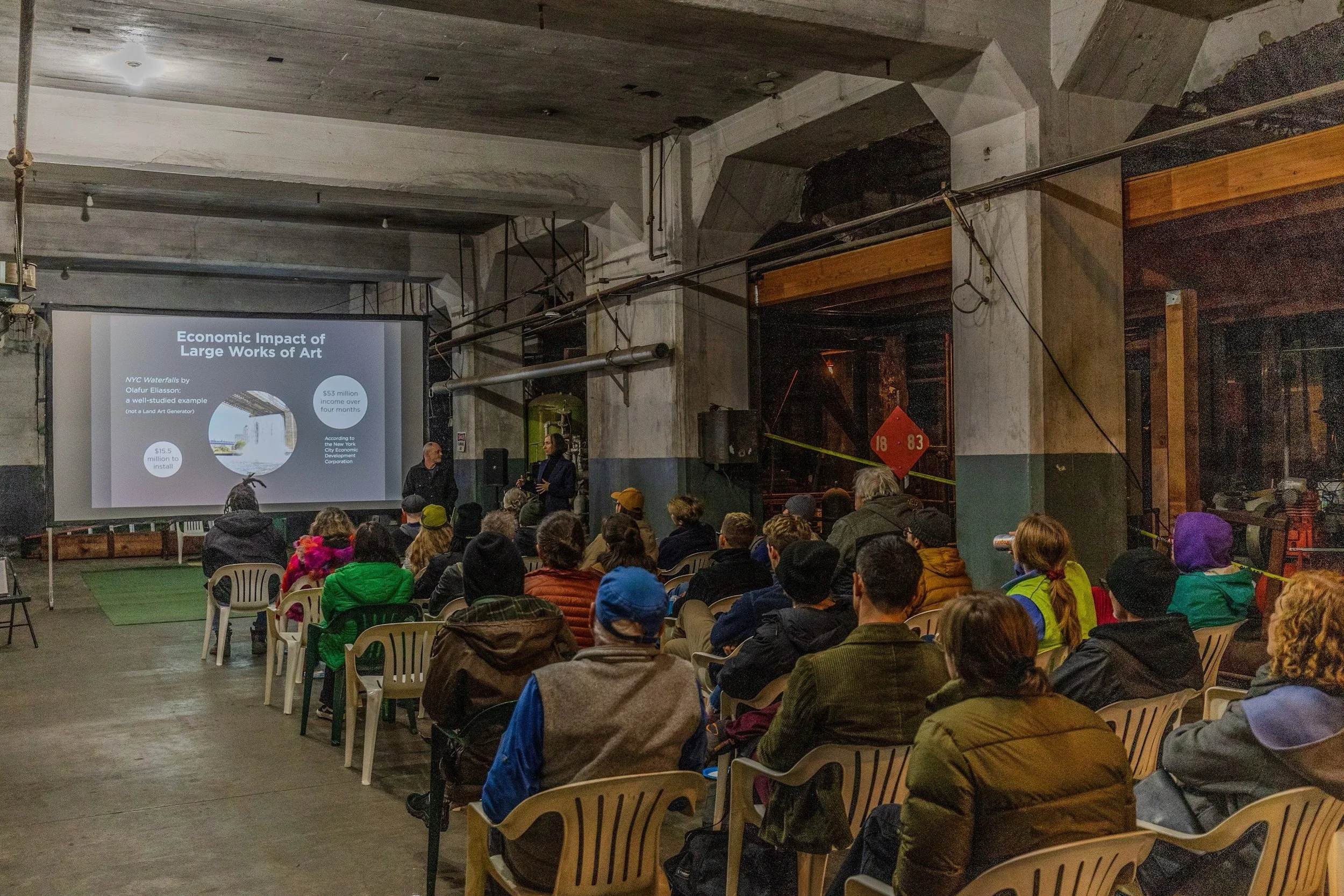
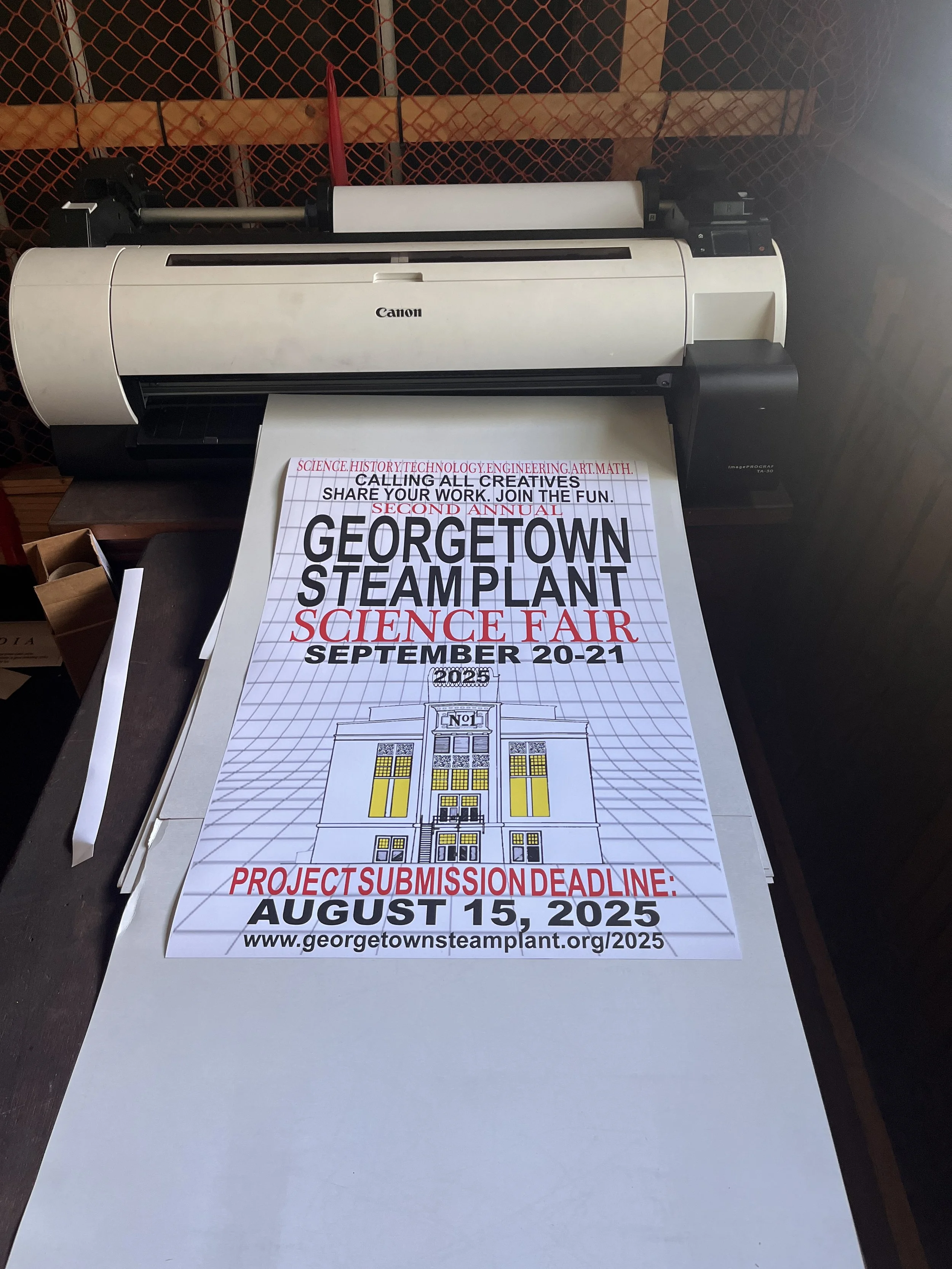
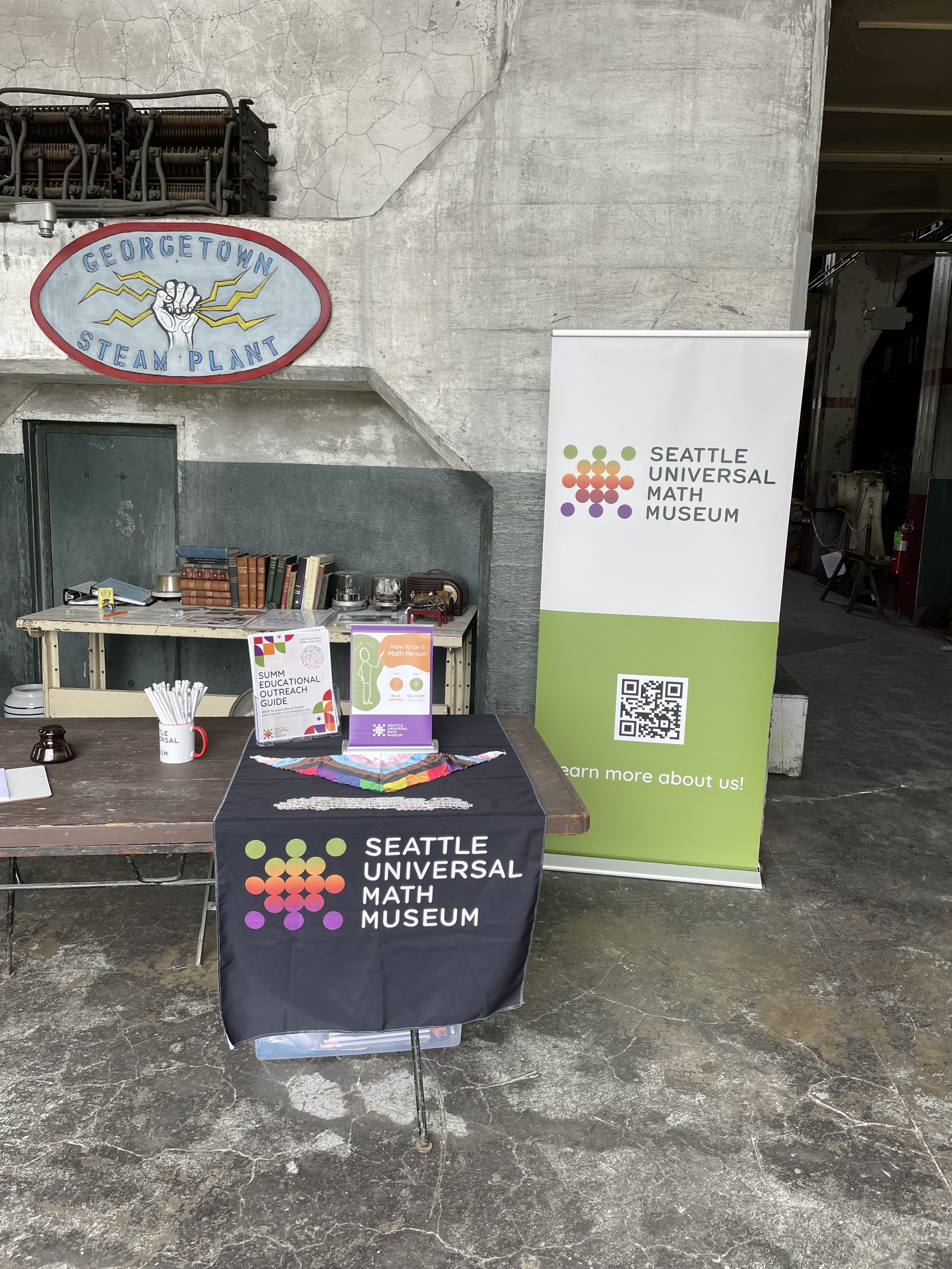
For me, it was all for the love of Science Fair
(SCIENCE. HUMANITIES. TECHNOLOGY. ENGINEERING. ART. MATH)
…
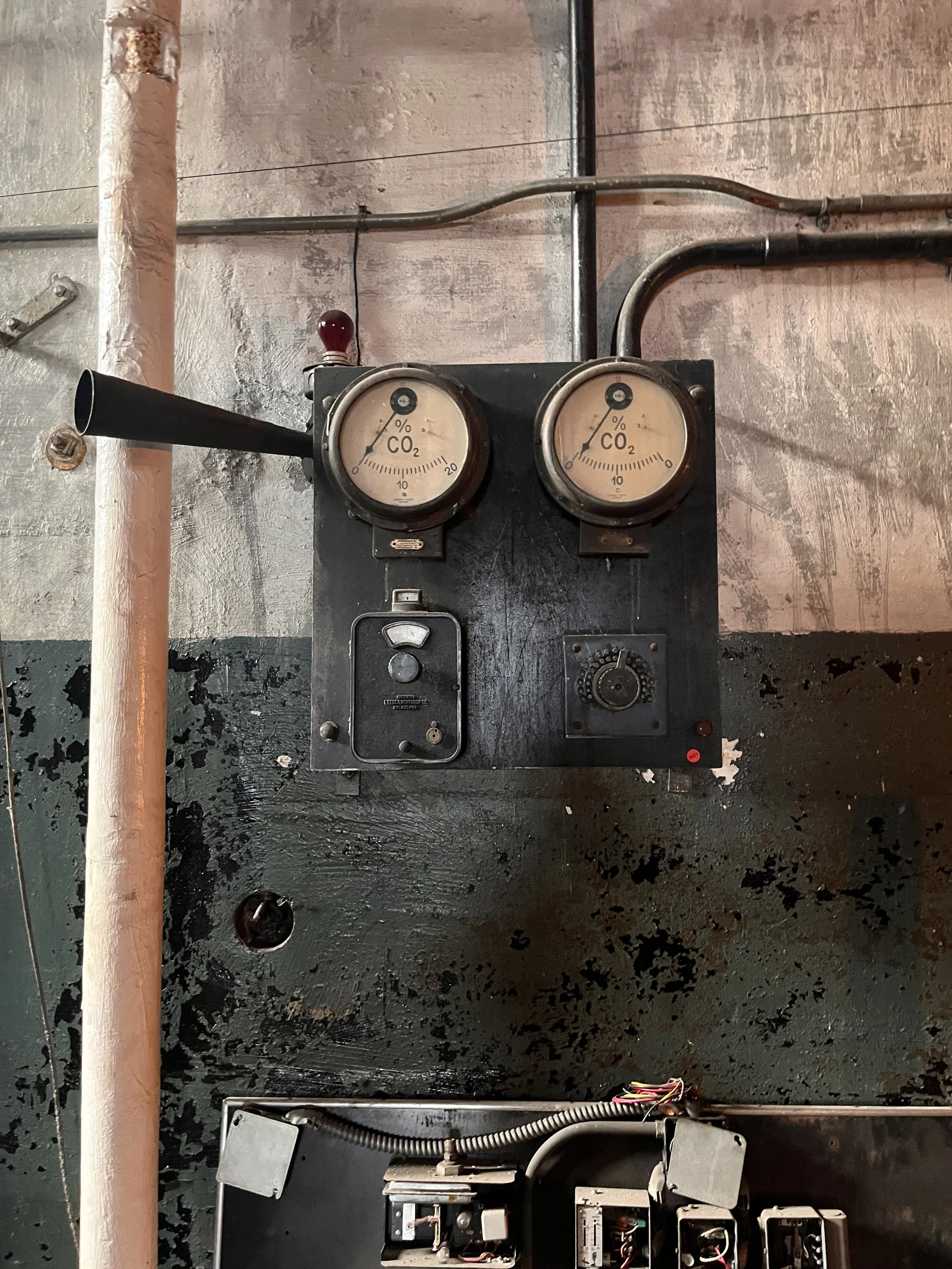
Global CO2 Levels
NOAA Mauna Loa values
Apr. 22, 2026 430.72 ppm
Apr. 22, 2025 427.09 ppm
Apr. 22, 2024 423.90 ppm
Debbie Pessein (2024-2026)
Science Fair Residency
Explore the Science Fair archives: HERE